How to Protect Healthcare Workers from COVID-19: Lessons from Hong Kong and Singapore

Atul Gawande has a very pertinent article in the New Yorker:  Keeping the Coronavirus from Infecting Health-Care Workers

An excerpt:

There are lessons to be learned from two places that saw the new coronavirus before we did and that have had success in controlling its spread. Hong Kong and Singapore…

 All health-care workers are expected to wear regular surgical masks for all patient interactions, to use gloves and proper hand hygiene, and to disinfect all surfaces in between patient consults. Patients with suspicious symptoms (a low-grade fever coupled with a cough, respiratory complaints, fatigue, or muscle aches) or exposures (travel to places with viral spread or contact with someone who tested positive) are separated from the rest of the patient population, and treated—wherever possible—in separate respiratory wards and clinics, in separate locations, with separate teams. Social distancing is practiced within clinics and hospitals: waiting-room chairs are placed six feet apart; direct interactions among staff members are conducted at a distance; doctors and patients stay six feet apart except during examinations.

What’s equally interesting is what they don’t do. The use of N95 masks, face-protectors, goggles, and gowns are reserved for procedures where respiratory secretions can be aerosolized. Their quarantine policies are more nuanced, too. What happens when someone unexpectedly tests positive—say, a hospital co-worker or a patient in a primary-care office or an emergency room? In Hong Kong and Singapore, they don’t shut the place down or put everyone under home quarantine. They do their best to trace every contact and then quarantine only those who had close contact with the infected person. In Hong Kong, “close contact” means fifteen minutes at a distance of less than six feet and without the use of a surgical mask; in Singapore, thirty minutes. If the exposure is shorter than the prescribed limit but within six feet for more than two minutes, workers can stay on the job if they wear a surgical mask and have twice-daily temperature checks. People who have had brief, incidental contact are just asked to monitor themselves for symptoms…

Transmission seems to occur primarily through sustained exposure in the absence of basic protection or through the lack of hand hygiene after contact with secretions…

Singapore so far appears not to have had a single recorded health-care-related transmission of the coronavirus, despite the hundreds of cases that its medical system has had to deal with…

For those who cannot stay home, the lesson is that it is feasible to work and stay coronavirus-free, despite the risks….a greater likelihood of staff picking up infections at home than at work. 

Ethical Dilemmas and Digestive Symptoms –Common with COVID-19

Ethical Dilemmas:

Full link: NEJM: Facing Covid-19 in Italy — Ethics, Logistics, and Therapeutics on the Epidemic’s Front Line

That truth is rather grim. Though Italy’s health system is highly regarded and has 3.2 hospital beds per 1000 people (as compared with 2.8 in the United States), it has been impossible to meet the needs of so many critically ill patients simultaneously…

If protecting patients is difficult, so is protecting health care workers, including nurses, respiratory therapists, and those tasked to clean the rooms between patients…

Though approaches vary even within a single hospital, I sensed that age was often given the most weight.

In the midst of the outbreak’s peak in northern Italy, as physicians struggled to wean patients off ventilators while others developed severe respiratory decompensation, hospitals had to lower the age cutoff — from 80 to 75 at one hospital, for instance…

The first and most important is to separate clinicians providing care from those making triage decisions. The “triage officer,” backed by a team with expertise in nursing and respiratory therapy, would make resource-allocation decisions and communicate them to the clinical team, the patient, and the family.

Digestive Symptoms:

From ACG: Full Link: ACG Media Statement

Excerpt:  (March 18, 2020) – Digestive symptoms are common in COVID19, occurring as the chief complaint in nearly half of patients presenting to hospital according to a new
descriptive, cross-sectional multicenter study from China by investigators from the Wuhan Medical Treatment Expert Group for COVID-19 published today in The American Journal of Gastroenterology

Key findings:

  • Compared to COVID-19 patients without digestive symptoms, those with digestive symptoms have a longer time from onset to admission and a worse clinical outcome according to this analysis by investigators from several hospitals and research centers in China who gathered data on 204 patients with COVID-19 presenting to three
    hospitals in Hubei province from January 18, 2020 to February 28, 2020.
  • Patients with digestive symptoms had a variety of manifestations, such as anorexia (83 [83.8%] cases), diarrhea (29 [29.3%] cases), vomiting (8 [0.8%] cases), and abdominal pain (4 [0.4%] cases)
  • As the severity of the disease increased, digestive symptoms became more pronounced.
  • Link to study: Pan L, et al., Clinical characteristics of COVID-19 patients with digestive symptoms in Hubei, China: a descriptive, cross-sectional, multicenter study, Am J Gastroenterol 


“Crushing it:” Practice Guidance for Hepatitis C

Today’s post on Hepatitis C follows a few screenshots from twitter regarding the coronavirus epidemic.

Pediatric report of coronavirus in children: NEJM Full link: SARS-CoV-2 Infection in Children A recent review of 72,314 cases by the Chinese Center for Disease Control and Prevention showed that less than 1% of the cases were in children younger than 10 years of age (n=171)…3 patients required intensive care support and invasive mechanical ventilation; all had coexisting conditions. There was one death in a 10-month-old child with intussusception had multiorgan failure and died 4 weeks after admission.

——-

As noted yesterday, this post will review a recent practice guidance for hepatitis C

Some specific recommendations for children:

Testing:

  • “All children born to HCV-infected women should be tested for HCV infection. Testing is recommended using an antibody-based test at or after 18 months of age.”
  • “Testing with an HCV-RNA assay can be considered in the first year of life, but the optimal timing of such testing is unknown” (but can be done as early as 2 months of life).
  • “The siblings of children with vertically-acquired chronic HCV should be tested for HCV infection, if born from the same mother.”

Counseling for parents:

  • “Parents should be informed that hepatitis C is not transmitted by casual contact and, as such, children with HCV infection do not pose a risk to other children and can participate in school, sports, and athletic activities, and engage in all other regular childhood activities without restrictions.”
  • “Parents should be informed that universal precautions should be followed at school and in the home of children with HCV infection. Educate families and children about the risk and routes of HCV transmission, and the techniques for avoiding blood exposure, such as avoiding the sharing of toothbrushes, razors, and nail clippers, and the use of gloves and dilute bleach to clean up blood.”

Treatment:

  • “Direct-acting antiviral (DAA) treatment with an approved regimen is recommended for all children and adolescents with HCV infection aged ≥3 years as they will benefit from antiviral therapy, regardless of disease severity.”
  • Early treatment in childhood is expected to be cost-effective compared to treatment at later ages based on previous studies

This chart provides recommendations for pediatric patients who have not received prior direct-acting antivirals. More information at HCVguidelines.org

“Crushing it:” Two More Pediatric Hepatitis C Trials

Before today’s planned blog post, I wanted to mention a good NY Times article which highlights how long the virus which causes COVID-19 can be present on surfaces:

Full link from NY Times: How Long Will Coronavirus Live on Surfaces or in the Air Around You?

An excerpt:

The virus lives longest on plastic and steel, surviving for up to 72 hours. But the amount of viable virus decreases sharply over this time. It also does poorly on copper and cardboard, surviving four to eight hours; the latter finding suggests packages that arrive in the mail should be safe — unless the delivery person has coughed or sneezed on it or has handled it with contaminated hands.

That the virus can survive and stay infectious in aerosols is also important for health care workers.

For weeks experts have maintained that the virus is not airborne. But in fact, it can travel through the air and stay suspended for that period of about a half-hour.

The virus does not linger in the air at high enough levels to be a risk to most people who are not physically near an infected person. But the procedures health care workers use to care for infected patients are likely to generate aerosols.

The original article from NEJM:  Aerosol and Surface Stability of SARS-CoV-2 as Compared with SARS-CoV-1

——–

This “C” virus was hard to cure until recently.  More good news from recently published studies for pediatric hepatitis c virus (HCV) treatment:

  • KB Schwarz et al. Hepatology 2020; 71: 422-30. 
  • MM Jonas et al. Hepatology 2020; 71: 456-62.
  • AASLD-IDSA Practice Guidance Panel. Hepatology 2020; 71: 686-721

In the first study of an all oral regimen of ledipasvir-sofosbuvir, sustained virological response at 12 weeks after dosing (SVR12) was achieved in 33 of 34 (97%) of children 3-<6 yrs of age with genotypes 1 or 4 (only 1 with type 4). No serious adverse effects were reported. Dosing: 33.75 mg/150 mg if <17 kg or 45 mg/200 mg if ≥17 kg. The one non-responder discontinued treatment due to drug taste.  Pharmokinetic studies in 13 patients confirmed appropriate medication dosing.

In the second study of glecaprevir/pibrentasvir (G/P), as part of the DORA phase 2/3 nonrandomized, open-label trial, adolescents 12-17 received the ‘adult’ regimen of 300 mg/120 mg daily for 8-12 weeks in accordance with indication duration based on adult data.  Among the 47 patients (genotypes 1, 2, 3, 4), 100% achieved SVR12. Safety profile was consistent with prior studies in adults.

The third publication, which is quite lengthy, highlights updated recommendations for HCV in adults and children (this will be reviewed in tomorrow’s post).

Related blog posts:
More Advice on Coronavirus for Pediatric GIs: NASPGHAN and CCFA

For Georgia:

NASPGHAN statement regarding Coronavirus (SARS-CoV-2) Associated Infectious Disease (COVID -19) and Pediatric GI Patient Care and Providers.

Dear Members,

In view of the COVID -19 pandemic, care of our pediatric GI patients and at the same time our pediatric GI providers (i.e. physicians and other members of the healthcare team) is an utmost priority at NASPGHAN. NASPGHAN is working on several initiatives concurrently, and we are writing at this time to make you aware.

1. The Endoscopy Committee and the Clinical Practice Committee are working on a statement regarding elective procedures for pediatric GI patients with respect to this highly contagious pathogen, COVID to both preserve Personal Protective Equipment (PPE) as well as limit potential exposure.

2. A task force of leaders from NASPGHAN, ESPGHAN, LASPGHAN, and Asia (Hangzhou, China) will be writing a commentary to be published in the JPGN, our journal, with what COVID-19 means to the pediatric gastroenterologist.

3. Mike Kappleman of UNC, ICN, NASPGHAN and in particular the IBD Committee, are launching a prospective, real-time monitoring study of COVID-19 in IBD patients. The study is IRB and HIPAA approved and will link its data with that collected by the European Porto group’s study of coronavirus in IBD patients in Europe and Asia, thereby allowing an operational real-time active surveillance network for children and adolescents with IBD (our patients).

4. Jason Silverman, Jennifer Lee, and Peter Lu are putting together a special episode of the Bowel Sounds Podcast™ including relevant up-to-date guidelines and information about COVID-19 as it relates to our members and our patients.

5. The Endoscopy Committee and Clinical Practice Committee are working on information and options for telemedicine and virtual health, given the more recent announcement by CMS and the White House/President Trump in terms of changes in reimbursement given the coronavirus pandemic.

6. Within the next 24 hours, the NASPGHAN Website, as well as GIKids.org will house resources and links to the Centers for Disease Control and Prevention (CDC), the American Academy of Pediatrics (AAP), Crohn’s and Colitis Foundation (CCF), the Canadian Association of Gastroenterology (CAG) and the Joint GI Societies Statement (adult-based), including ASGE, ACG, AGA on Endoscopic procedures in the face of COVID-19.

7. Finally, please feel free to send us suggestions that would help our pediatric GI community work towards creative solutions during this time.

Sincerely,

Karen F. Murray MD
President, NASPGHAN

James Heubi MD
Past President, NASPGHAN

Benjamin Gold MD
President Elect, NASPGHAN

Jeannie S. Huang MD
Secretary Treasurer, NASPGHAN

Rina Sanghavi MD

Underlying Genetic Disease in Pediatric Inflammatory Bowel Disease

Link to text of accepted study (Gastroenterology, ahead of publication): Prevalence and Clinical Features of Inflammatory Bowel Diseases Associated with Monogenic Variants, Identified by Whole-exome Sequencing in 1000 Children at a Single Center 

Abstract:

Background & Aims: A proportion of infants and young children with inflammatory bowel diseases (IBD) have subtypes associated with a single gene variant (monogenic IBD). We aimed to determine the prevalence of monogenic disease in a cohort of pediatric patients with IBD.

Methods: We performed whole-exome sequencing analyses of blood samples from an
unselected cohort of 1005 children with IBD, 0–18 y old (median age at diagnosis, 11.96 y) at a single center in Canada and their family members (2305 samples total). Variants believed to cause IBD were validated using Sanger sequencing. Biopsies from patients were analyzed by immunofluorescence and histochemical analyses.

Results: We identified 40 rare variants associated with 21 monogenic genes among 31 of the 1005 children with IBD (including 5 variants in XIAP, 3 in DOCK8, and 2 each in FOXP3, GUCY2C, and LRBA). These variants occurred in 7.8% of children younger than 6 y and 2.3% of children 6–18 y old. Of the 17 patients with monogenic Crohn’s disease, 35% had abdominal pain, 24% had non-bloody loose stool, 18% had vomiting, 18% had weight loss, and 5% had intermittent bloody loose stool. The 14 patients with monogenic ulcerative colitis or IBD unclassified received their diagnosis at a younger age, and their most predominant feature was bloody loose stool (78%). Features associated with monogenic IBD, compared to cases of IBD not associated with a single variant, were age of onset younger than 2 y (odds ratio [OR], 6.30; P=.020), family history of autoimmune disease (OR, 5.12; P=.002), extraintestinal manifestations (OR, 15.36; P<.0001), and surgery (OR, 3.42; P=.042). Seventeen patients had variants in genes that could be corrected with allogeneic hematopoietic stem cell transplantation.

Conclusions: In whole-exome sequencing analyses of more than 1000 children with IBD at a single center, we found that 3% had rare variants in genes previously associated with pediatric IBD. These were associated with different IBD phenotypes, and 1% of the patients had variants that could be potentially corrected with allogeneic hematopoietic stem cell transplantation. Monogenic IBD is rare but should be considered in analysis of all patients with pediatric onset of IBD.
KEY WORDS: HSCT, genetics, risk factor, prevalence


VEO-IBD -Useful “Position” Paper is Really a Review

A recent publication (Full text: NASPGHAN Position Paper on the Evaluation and Management for Patients with Very Early-onset Inflammatory Bowel Disease. JR Kelsen et al. JPGN 2020; 70: 389-403) is more of a review than a true position paper. A related upcoming study (highlighted tomorrow) indicates that ~8% of VEO-IBD patients have underlying monogenetic forms of IBD.

While the article makes numerous useful points, explicit recommendations are not clearly stated.

Key Points:

  • Epidemiology: 6-15% of pediatric IBD population presents at <6 years of age
  • Children with VEO-IBD need careful immunologic evaluation.  Some of the specific disorders that need to be considered include Chronic Granulomatous Disease (can check DHR) and XIAP (can check a flow cytometry-based assay).
  • Besides panendoscopy, the article recommends close collaboration with the pathologist to identify specific features of the numerous VEO-IBD disorders (most listed/described in Table 1)
  • Identification of VEO-IBD disorders with genetic testing (either whole exome or targeted gene panel) helps determine specific medical therapies and/or stem cell transplantation for disorders like CTLA4B deficiency, LRBA defects, IL-10 deficiency, XIAP, STXBP2, and FOXP3 deficiency.
  • Infliximab does not work as well in VEO-IBD patients.  A recent study found only 12% remained on infliximab 3 years after initiation.
  • VEO-IBD were much more likely to need surgery with rates of 50% for those with onset before 1 year and ~30% for those after 1 year of age.  Colectomy should be considered with caution due to the overlapping presentation of Crohn’s disease and ulcerative colitis in this age group.

One topic that was not discussed was the potential role for dietary therapy in this age group.

Related blog posts:
The following related images are from Eric Topol’s twitter feed and share figures from a Nature review.

Seen on Eric Benchimol’s twitter feed

Briefly Noted: Parent Preference: MiniONE over MIC-KEY

In a prospective, randomized cross-over trial (RA Abdelhad et al. JPGN 2020; 70: 386-8) that compared two low profile gastrostomy buttons, caregiver preference favored AMT’s MiniONE over Avanos Medical’s MIC-KEY.  It is worth noting that the authors reported no conflict of interests.

Among 185 patients, 65 with MIC-KEY and 43 with MiniONE completed crossover study; GT buttons were placed laparoscopically.

  • In this group, 69% preferred MiniONE.
  • There were no differences in objective outcomes: adverse effects, emergency room/clinic visits, leavage, granulation tissue or dislodgements.
  • Caregiver preference was based on smaller size of external bolster and its ability to glow in the dark.

Some limitations of this study included a lack of long-term followup and an imbalance in the crossover groups completing the study.  Lack of blinding of the investigators and caregivers could have allowed bias to affect evaluations as well.

UNC Campus Pic (Chapel Hill)


Today’s Children in Crisis: YOYO

Predictive Modeling on COVID19 in U.S. from NYTimes: How Much Worse the Coronavirus Could Get, in Charts

Modeling comments from Nate Silver: It’s important to keep in mind that many of these models describe projections *without* changes in behavior. This is mentioned in the article (good for NYT, a lot of articles omit this context). So behavioral changes and testing are key. I slightly worry that some of the headlines contribute to a sense of fatalism, when the real message is more like “this is probably gonna be bad, but it could be considerably less bad if we get our act together and much worse if we don’t.”

———-

Besides the current outbreak, what else has been happening to children:

So, is it surprising at all that there is no interest in limiting products shown to be dangerous for children?  Today’s children are being told: ‘you’re on your own’ (YOYO)

An ongoing concern for pediatric gastroenterologists, magnet ingestions, was highlighted in a Politco report -thanks to Ben Gold for sharing this report: Toddlers eat shiny objects….

Here are a few excerpts:

Once ingested, high-powered magnets find each other inside the body and shred any tissue, such as bowel, trapped in between….

In early 2012, this coalition [led by NASPGHAN] approached the Consumer Product Safety Commission with one simple ask: eliminate these high-powered magnet sets from the market…the agency ultimately recalled high-powered magnet sets …

One company, Zen Magnets, remained unconvinced, and sued the CPSC, fighting… the recall on existing magnets…

The rule [ban] set was struck down by two judges on the 10th Circuit Court of Appeals with the deciding vote cast by now-Supreme Court Justice Neil Gorsuch. These judges ignored the expertise of the CPSC epidemiologists and economists; ignored the compelling medical testimony, overwhelming expert evidence and dire safety consequences and substituted their own opinion in favor of promoting “government restraint” on regulating industry…

The nation’s poison control centers recorded six times more magnet ingestions―totaling nearly 1,600 cases in 2019 alone—after the 10th circuit court decision allowed magnets back on the market…

The article details how the CPSC’s change in regulation has also led to deaths related to delays in recalling faulty infant inclined sleeps, with defective RZR All Terrain Vehicles, and the mismanaged recall of IKEA’s Malm dressers.

A related article was published in USA Today this week by Dr. Bryan Rudolph: Children can easily swallow high-powered magnets, it’s time to ban them for good

My take: What’s next up for our children? Outlawing lifeguards for pools? Repealing seat belt laws?  Perhaps it won’t matter –there are so many bigger threats that are not even on the radar.  YOYO.

Related blog posts:
Image from Politico

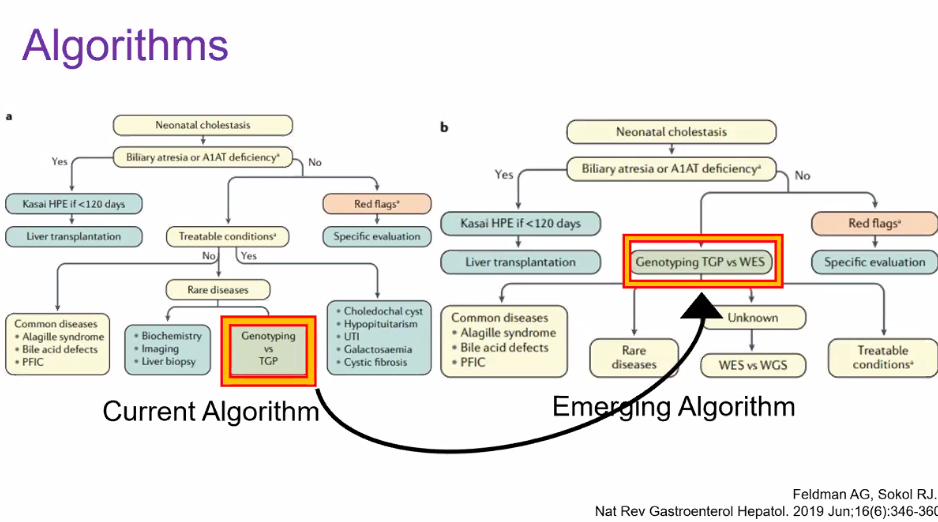
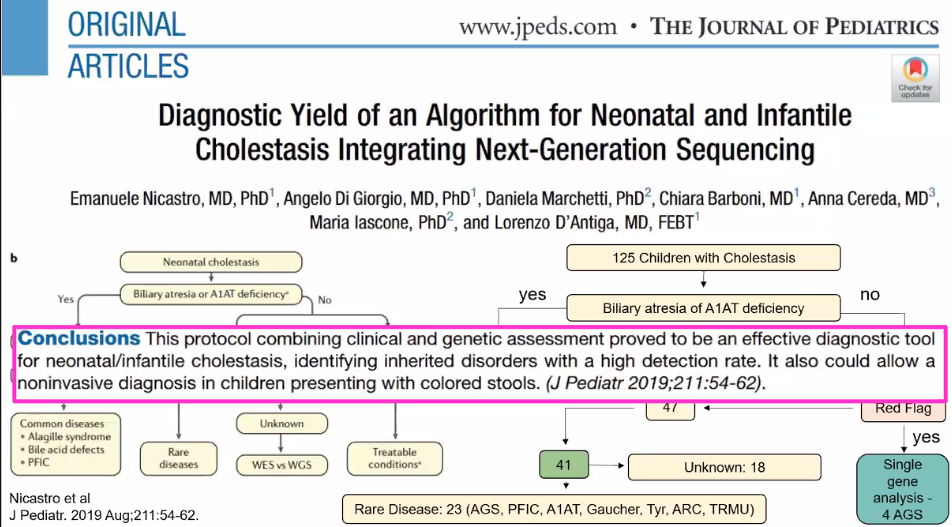
Biliary Atresia Biomarkers 2020

Two recent studies provide more information on biliary atresia (BA) biomarkers.

  • OG Behairy et al. JPGN 2020; 70: 344-9.
  • S Shamkar et al. JPGN 2020; 70: 350-5.

Behairy et al report on the use of serum IL-33 in a cohort of 90 infants, 30 with BA, 30 with cholestasis due to other causes, and 30 healthy infants.

  • Using a cut-off of 20.8 pg/mL, IL-33 had a specificity of 95% and sensitivity of 96.7% for identifying BA.
  • Interestingly, the test performed better in those with advanced fibrosis.  The mean value of IL-33 in those with grade 3/6 was 88.2 compared to 37.2 for 1/6 and 70.9 for 2/6. In comparison, the children with cholestasis due to other liver disease had a level of 18.5 for those with 3/6 fibrosis

The authors note in a prior study that IL-33 was higher in BA infants than those with a choledochal cyst.

While this is a small study, I disagree with the editorial (pg 278-9) which largely discounted the potential role of IL-33.  “IL-33 is elevated with many other diseases (bronchopulmonary dysplasia, asthma, allergy, and more) It, therefore, cannot easily be used as a highly specific marker for fibrosis. Furthermore, the use of IL-33 as a prognostic marker, is from a clinical point of view not of great importance, as follow-up clinical decisions are generally made based on patients’ clinical course.”

Shankar et al provide data on GGT values in BA (n=113 infants).

These infants underwent Kasai procedure at a median of 61 days

  • 12.3% had normal (<200) GGT values.
  • Those with normal GGT had worse outcomes: earlier need for liver transplantation (14 vs 20 months) and poorer transplant survival.
  • 9/14 (64%) with normal GGT and 53/99 (53.5%) of elevated GGT underwent liver transplantation

The authors note that decreased levels of GGT has been associated with reduced glutathione metabolism which could impari adaptive response to oxidative stress, leading to further hepatocyte injury.

My take: In my experience, I have had very few BA patients with GGT values <200 (lower than 10%).  The development of other biomarkers like MMP-7 and IL-33 increase the likelihood that BA will be recognized sooner and if elevated, could obviate the need for a liver biopsy prior to operative cholangiogram.  Nevertheless, practitioners cannot wholly rely on any the current biomarkers.

Related blog posts:
Fall on UNC Campus, Chapel Hill