Liver Transplantation for PSC: Long-term Outcomes and Complications

M Mouchli et al. Liver Transplantation 2025; 31: 781-792. Long-term (15 y) complications and outcomes after liver transplantation for primary sclerosing cholangitis: Impact of donor and recipient factors

Methods: Using Mayo clinic prospectively maintained transplant database, 293 adult patients (>18 y, mean age 47 yrs) with PSC who underwent LT from 1984-2012 were identified. Patients with cholangiocarcinoma were excluded. One hundred and thirty-four patients received LT before 1995, and 159 were transplanted after 1995.

Key findings:

  • The 1-, 5-, 10-, and 15-year cumulative incidence of recurrent PSC was 1.0%, 8.0%, 23.5%, and 34.3%, respectively.
  • Vascular and biliary complications are frequent: hepatic artery thrombosis (N = 30), portal vein stenosis/thrombosis (N = 48), biliary leak (N = 47), biliary strictures (N = 87)
  • Graft failure occurred in 70 patients
  • Donor age >60 years was associated with an increased risk of recurrent PSC. 
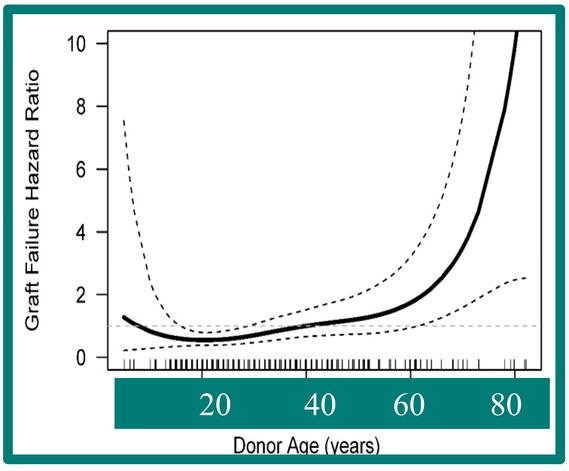
My take: Overall, there was a good survival rate despite the increased frequency of vascular and biliary complications. Also, 2/3rds of patients did NOT have recurrent PSC. Older donor age was associated with higher graft failure in this cohort.

Related blog posts:

RSV Vaccine and Treatment Lowered Hospitalizations in Infants

Beth Mole, Ars Technica 5/08/25: New RSV vaccine, treatment linked to dramatic fall in baby hospitalizations

An excerpt:

RSV, or respiratory syncytial (sin-SISH-uhl) virus, is the leading cause of hospitalization for infants in the US. An estimated 58,000–80,000 children younger than 5 years old are hospitalized each year. Newborns—babies between 0 and 2 months—are the most at risk of being hospitalized with RSV…

But the 2024–2025 season was different—there were two new ways to protect against the infection. One is a maternal vaccine, Pfizer’s Abrysvo, which is given to pregnant people when their third trimester aligns with RSV season (generally September through January)…the other new protection against RSV is a long-acting monoclonal antibody treatment, nirsevimab, which is given to babies under 8 months old as they enter or are born into their first RSV season and may not be protected by maternal antibodies.

For the new study, CDC researchers looked at RSV hospitalization rates across two different RSV surveillance networks of hospitals and medical centers (called RSV-NET and NVSN)…

The analysis found that among newborns (0–2 months), RSV hospitalizations fell 52 percent in RSV-NET and 45 percent in NVSN compared with the rates from the 2018–2020 period.However, when the researcher excluded data from NVSN’s surveillance site in Houston—where the 2024–2035 RSV season started before the vaccine and treatment were rolled out—there was a 71 percent decline in hospitalizations in NVSN.

For a broader group of infants—0 to 7 months old—RSV-NET showed a 43 percent drop in hospitalizations in the 2024–2025 RSV season, and NVSN saw a 28 percent drop.Again, when Houston was excluded from the NVSN data, there was a 56 percent drop.

Lastly, the researchers looked at hospitalization rates for toddlers and children up to 5 years old, who wouldn’t have been protected by the new products. There, they saw RSV hospitalization rates were actually higher in the 2024–2025 season than in the pre-pandemic years.

Related CDC link: Healthcare Providers: RSV Immunization for Infants and Young Children

Related blog posts:

Real-World Results of Obesity Pharmacotherapy With Tirzepatide and Semaglutide

Happy July 4th!


L Gasoyan et al. Obesity 2025; DOI: 10.1002/oby.24331. Open Access! Changes in weight and glycemic control following obesity treatment with semaglutide or tirzepatide by discontinuation status

Methods: This retrospective cohort study used electronic health record data from a large health system in Ohio and Florida to identify adults with overweight or obesity without type 2 diabetes who initiated injectable semaglutide or tirzepatide between 2021 and 2023; 6109 received semaglutide, and 1772 received tirzepatide. Classification as high maintenance doses for semaglutide were 1.7, 2.0, or 2.4 mg and for tirzepatide 10.0, 12.5, or 15.0 mg, and all other dosages classified as low. The study grouped patients who discontinued pharmacotherapy into those who discontinued early (within 3 months of the index date) and late (within 3–12 months)

Key findings:

  • 80.8% had low maintenance dosages
  • Mean (SD) percentage weight reduction at 1 year was 8.7% (9.6%)
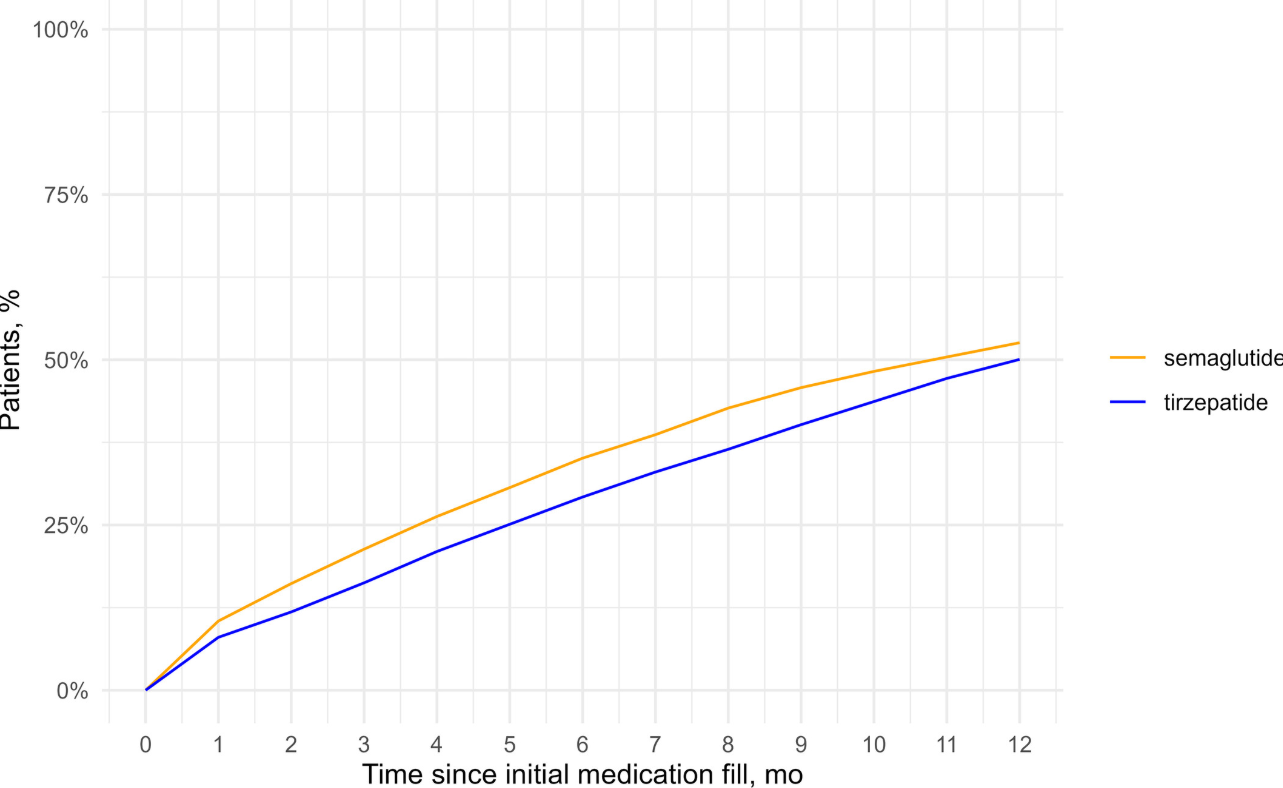
  • ~50% discontinued medication within 1 year
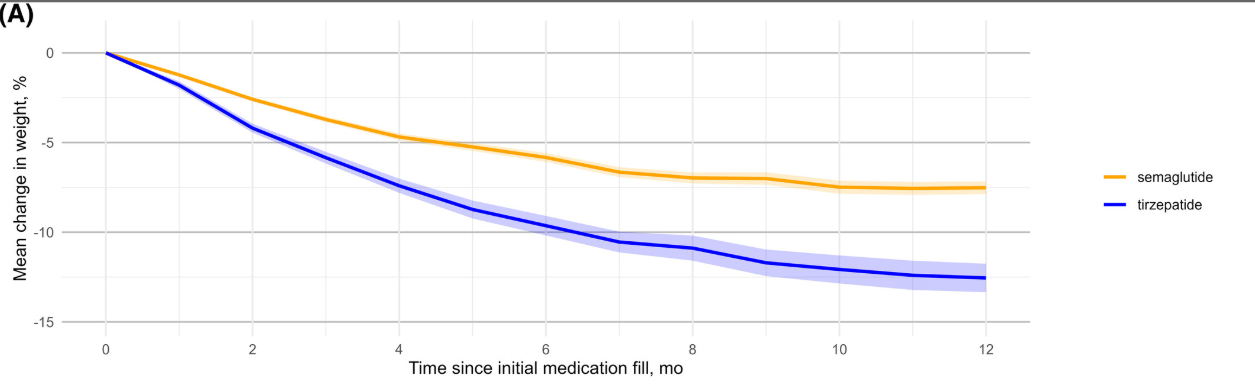
  • Patients receiving tirzepatide had more weight loss than those receiving semaglutide (see below). Among patients who did not discontinue obesity pharmacotherapy at year 1, the mean (SD) percentage reduction in weight was 10.9% with semaglutide and 15.3% with tirzepatide
  • In those receiving high dose medication, mean (SD) percentage reduction in weight was 14.7% with semaglutide and 18.0% with tirzepatide
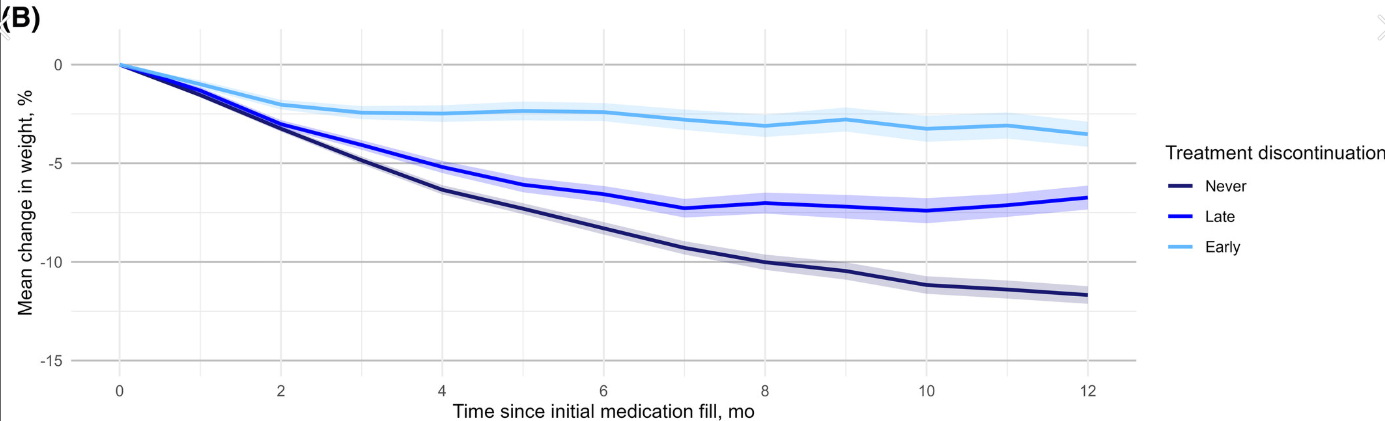
  • Patients who continuing therapy had more weight loss than those who discontinued therapy (see below); Mean (SD) percentage weight reduction at 1 year was 3.6% (8.1%) with early discontinuation, 6.8% (9.1%) with late discontinuation, and 11.9% (9.2%) with non-discontinuation (p < 0.001).

DISCONTINUATION OF THERAPY:

Cumulative incidence of obesity pharmacotherapy discontinuation by index medication. s. Discontinuation of obesity pharmacotherapy was defined as a greater than 90-day gap between exhaustion of previous supply and next dispense or between exhaustion of last supply and end of study follow-up

SEMAGLUTIDE VS TIRZEPATIDE:

RESULTS WITH ONGOING TREATMENT VS TREATMENT DISCONTINUATION:

My take: This study showed higher rates of medication discontinuation in a real world setting compared to prior publications. In addition, the majority were receiving lower doses yet still achieving good results. However, increased discontinuation and lower doses likely explain the discrepancy in weight loss in this cohort which was less than in prior studies. It is important that patients taking these medications receive adequate counseling at the start to improve rates of adherence and long-term outcomes, including mitigation of muscle loss and bone loss.

Related blog posts:

PRO and CON: All Pediatric Transplant Centers Should Have Living Donor Liver Transplant Option

S Zielsdorf et al. Liver Transplantation 2025; 31: 832-835. PRO: All pediatric transplant centers should have LDLT as an option

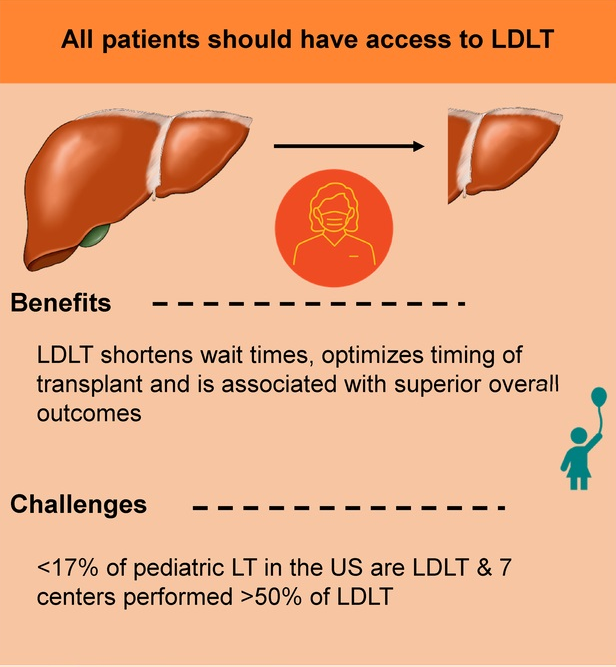
Zielsdorf et make a compelling argument that all liver transplant patients should have access to LDLT. By improving access to transplantation, transplant recipients are in better health at the time of LDLT and have better outcomes. This also results in fewer deaths on the waiting list, even for patients who do not receive a LDLT.

The authors note that “whether LDLT is a superior option in and of itself or is instead a proxy for higher volume and more experienced centers, with associated better outcomes, may not be entirely feasible to tease out from the data.”

N Galvan et al. Liver Transplantation 2025; 31: 836-839. CON: LDLT should not be a requirement for pediatric transplant programs

Galvan et al counter with their good statistics from their large-volume center in Houston. In their center, 91% of the liver transplants performed over a decade were size-matched, whole organ allografts. They attribute some of their success to their central U.S. location allowing them to access more donors without compromising warm ischemia time. Other factors that make LDLT less viable at their center include lack of Medicaid reimbursement for living donor operations (51% of their patients rely on public insurance) and concern that the donor is oftentimes a primary caregiver.

They note that most programs in U.S. “are low-volume centers, that is, <5 pediatric liver transplants/year, making up 75% of the pediatric centers in the country that account for 38.5% of the pediatric cases…Experience is garnered by volume, and so the question,…is whether it is worth consolidating small-volume programs.”

My take: LDLT is an important tool to improve outcomes. The ability to access LDLT and technical variant grafts could be life-saving for a patient. Thus, from a public policy standpoint, it would make more sense to have fewer high-volume liver transplant centers that offer these options. Centers, like Houston, which have improved organ availability/acceptance and main high-volume, are the exception and not the rule with regard to outcomes.

Related blog posts:

Pilot Study: Mediterranean Diet vs Low FODMAP for Irritable Bowel Syndrome

S Singh et al. Neurogastroenterology and Motility 2025; https://doi.org/10.1111/nmo.70060. Open Access! Efficacy of Mediterranean Diet vs. Low-FODMAP Diet in Patients With Nonconstipated Irritable Bowel Syndrome: A Pilot Randomized Controlled Trial

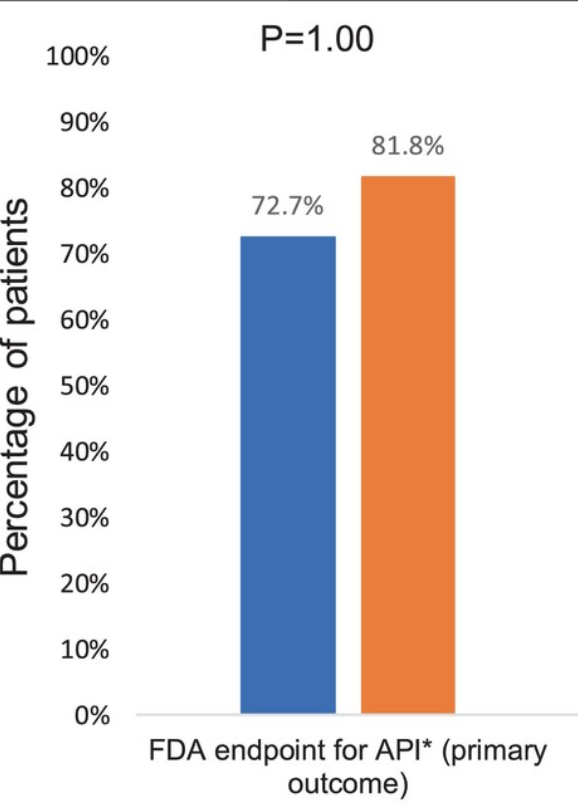
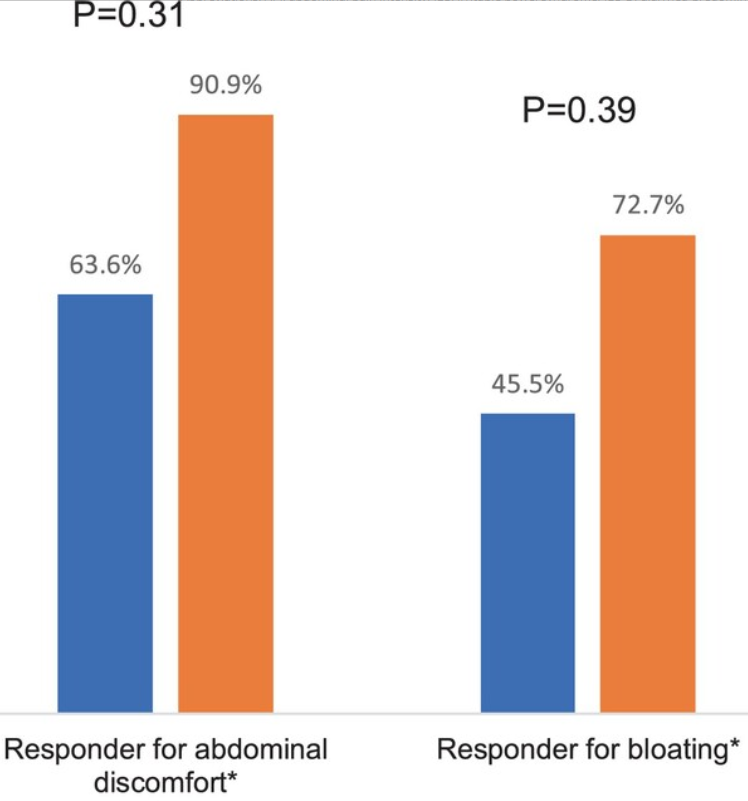
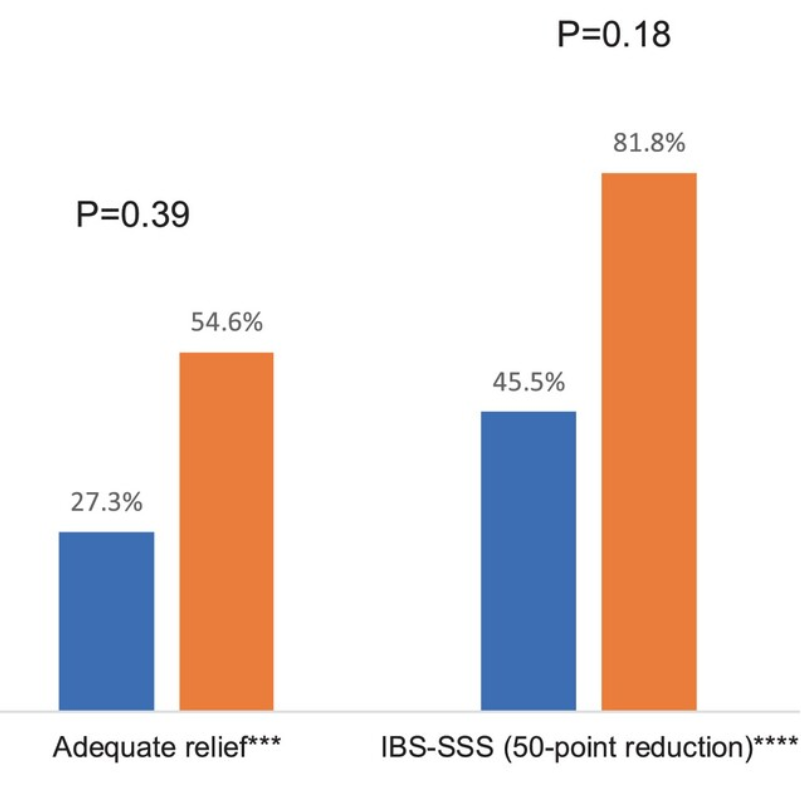
Methods: Patients were randomized controlled trial (RCT), adult patients with diarrhea-predominant IBS (IBS-D) or mixed bowel pattern (IBS-M) were randomized to Mediterranean diet (MD) versus a diet low in fermentable oligo-, di-, monosaccharides, and polyols (LFD) for 4 weeks. 10 patients completed the study in each group. The primary endpoint was the proportion of patients with ≥ 30% decrease in abdominal pain intensity (API) for ≥ 2/4 weeks. Daily variables included abdominal pain intensity (API) and bloating, while IBS symptom severity score (IBS-SSS) and IBS adequate relief (IBS-AR) were scored weekly

Key findings:

  • 73% percent of the MD group met the primary endpoint compared to 81.8% of the LFD group (p = 1.0)
  • Although not statistically significant, a numerically higher proportion of the LFD group reported adequate relief and met the responder endpoint for IBS-SSS (50-point reduction) compared to the MD group (54.6% vs. 27.3% for IBS-AR and 81.8% vs. 45.5% for IBS-SSS, p = 0.39 and 0.18, respectively)
  • The LFD group also had a significantly greater reduction in IBS-SSS score over the 4-week treatment period compared to the MD group (−105.5 vs. −60, p = 0.02)

My take (borrowed from authors): A Mediterannean diet “improves abdominal symptoms in the majority of patients with IBS-D and IBS-M. Larger, adequately powered, real-world studies comparing the efficacy of a MD with LFD and NICE diet are needed to validate these preliminary findings and to help patients and providers to know if a MD should be added to the list of effective, evidence-based diet interventions for patients with IBS.”

Related blog posts:

Guselkumab for Crohn’s Disease: Pivotal GRAVITI Study

A Hart et al. Gastroenterol 2025 (ePUB Ahead of Print) Open Access! Efficacy and Safety of Guselkumab Subcutaneous Induction and Maintenance in Participants With Moderately to Severely Active Crohn’s Disease: Results From the Phase 3 GRAVITI Study

Background: “Guselkumab is a selective dual-acting IL-23p19 subunit inhibitor that potently neutralizes IL-23 by binding to the p19 subunit and to CD64, a receptor on cells that produce IL-23…In the double-blind Phase 2 GALAXI 1 study and the 2 identically designed double-blind Phase 3 GALAXI 2 and GALAXI 3 studies, guselkumab intravenous (IV) induction (200 mg at weeks 0, 4, and 8) followed by subcutaneous (SC) maintenance (200 mg every 4 weeks or 100 mg every 8 weeks) demonstrated efficacy compared with placebo… In addition, guselkumab demonstrated superiority to ustekinumab for multiple endoscopic-based endpoints at week 48 in pooled data from GALAXI 2 and GALAXI 3… The GRAVITI study…evaluated the efficacy and safety of guselkumab SC induction followed by SC maintenance in participants with moderately to severely active Crohn’s disease.

Methods: This was a Phase 3 double-blind, placebo-controlled, treat-through GRAVITI study randomized 347 participants 1:1:1 to guselkumab 400 mg SC every 4 weeks→100 mg SC every 8 weeks (n = 115), guselkumab 400 mg SC every 4 weeks→200 mg SC every 4 weeks (n = 115), or placebo (n = 117).  Placebo participants meeting rescue criteria received guselkumab from week 16 onward. 

Key Findings:

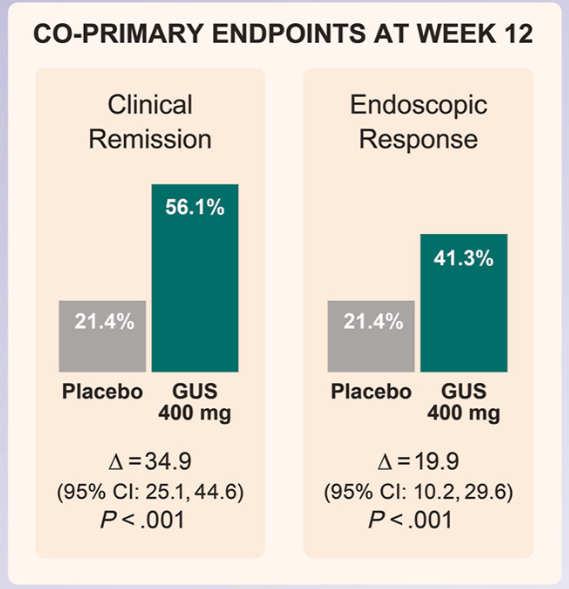
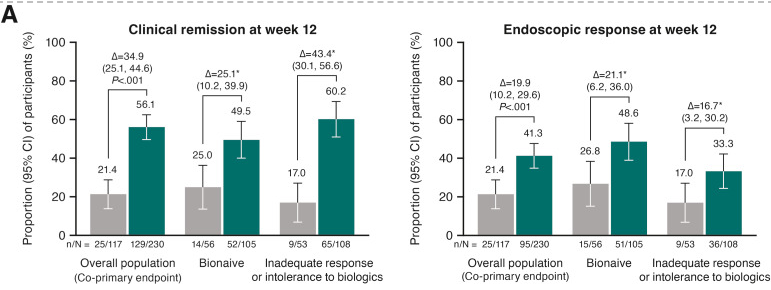
  •  At week 12, significantly greater proportions of participants receiving guselkumab 400 mg achieved clinical remission vs placebo (56.1% vs 21.4%; P < .001), and endoscopic response vs placebo (41.3% vs 21.4%; P < .001)
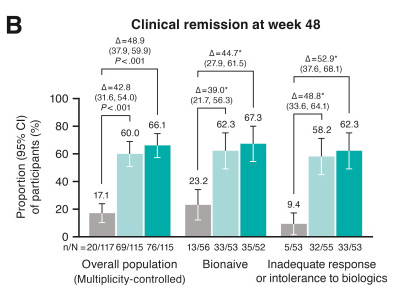
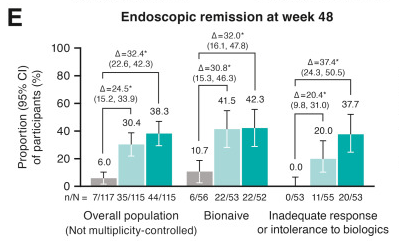
  • At week 48, significantly greater proportions of participants in both guselkumab groups (100 mg SC every 8 weeks: 60.0%; 200 mg SC every 4 weeks: 66.1%) achieved clinical remission vs placebo (17.1%; P < .001 each) and endoscopic response (44.3%; 51.3%; vs placebo 6.8%; P < .001 each)
  • Immunogenicity: “Antibodies to guselkumab were detected in 24 (8.8%) of the 274 guselkumab-treated participants through week 48. Only 3 of 274 participants (1.1% of the total population) were positive for neutralizing antibodies. Through week 48, no impact of antibodies to guselkumab on serum guselkumab concentrations, efficacy, or injection-site reactions was observed”
At week 12: Compared to placebo, patients receiving Guselkumab had improved clinical remission and endoscopic response. Being naive to previous biologics was associated with a higher endoscopic response but with a lower clinical remission rate.
At week 48: Being naive to previous biologics was associated with a higher clinical remission
At week 48: Being naive to previous biologics was associated with a higher endoscopic remission

Discussion: “The results presented here from GRAVITI were consistent with those reported in the double-blind, treat-through GALAXI trials in which guselkumab induction was administered IV in participants with moderately to severely active Crohn’s disease. For example, 41.3% of participants in the GRAVITI study achieved endoscopic response 12 weeks … whereas 36.9% of participants in the pooled GALAXI studies achieved endoscopic response 12 weeks after guselkumab… IV induction (placebo: 12.2%).”

My take: This study shows that Guselkumab with a SC induction is safe and effective in participants with moderately to severely active Crohn’s disease. IV induction does not appear to be needed. Though IL-23 agents have been important advances, there are still a large number of patients without a good response.

Related blog posts:

The VEO-IBD Foundation -Developing Resource for Families

Link: Family reflections: research gives back childhood: a family’s experience with very early onset inflammatory bowel disease Pediatric Research; https://doi.org/10.1038/s41390-024-03506-8

An excerpt:

Very Early Onset Inflammatory Bowel Disease is so rare and individualized that no standard of care yet exists, and almost none of the interventions are approved for infants. After eliminating all dairy, prematurely ending breastfeeding, and moving exclusively to a prescription formula, we tried and failed multiple classes of medications, hoping each time that this medication would be the one that would ease our son’s suffering. Doctors are only now building a history of successful interventions to draw from, so treatment options come from very small studies from Very Early Onset Inflammatory Bowel Disease researchers and educated guesses. Treatment options generally ramp up in aggressiveness, which is hard enough for parents of a miserably sick infant to process and decide. Once these interventions fail, drug costs and insurance approval become major hurdles. This process of trial-and-error in treating Very Early Onset Inflammatory Bowel Disease patients is a nightmare. On a weekly or monthly basis, parents must make life-altering decisions with very little data for a patient too young to advocate for themselves.

Link: The VEO-IBD Foundation This foundation is still in its early stages, but anticipate it will be a resource for families with VEO-IBD.

Related blog posts:

Navigating Celiac Disease: Tips for Pediatric to Adult Transition

L Kievela et al. Clinical Gastroenterology and Hepatology,2025; 23: 908 – 911. Transition of Care in Celiac Disease: A Chance to Advance

This clinical practice article offers some useful advice in transitioning patients with Celiac disease into adult provider care. Some of their recommendations for adult provider care:

  • Regular visits
  • Assessment of gluten-free diet adherence with low thresholf for dietician referral
  • Checking serum tissue transglutaminase antibody levels
  • Screening for other autoimmune conditions
  • Consider additional lab tests (eg. CMP, CBC, Ferritin, ALT, Albumin, Folate, Zinc, Vit D, Vit B12, and TSH) and DEXA scan based on clinical situation
  • Recommend screening family members
  • Check vaccination status
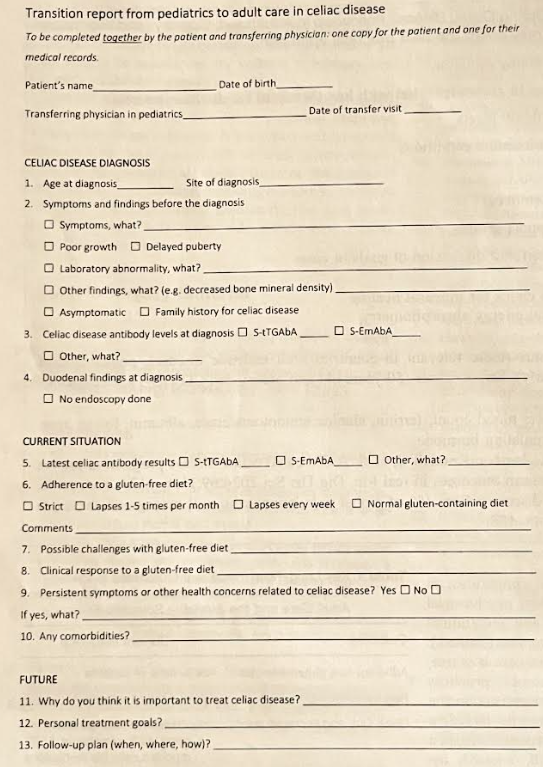
Figure 1 provides suggestions for a transition report

Related information that is not in the article:

College/school resources:

Providing Care and Upholding the Law in an Evolving Immigration Landscape

H Kaplan et al. NEJM 2025; 392: 21: 2084-2086. Health Care in an Evolving Immigration Landscape — Providing Care while Upholding the Law

An excerpt:

In January 2025, the “sensitive locations policy,” which protected health care facilities and other designated areas from immigration enforcement activities, was rescinded. This change does not grant the officials unrestricted access to all areas of health care facilities or to patient information — the Fourth Amendment and the Health Insurance Portability and Accountability Act (HIPAA) Privacy Rule remain in place. Immigration officials may enter public spaces (e.g., lobbies) without consent, but they can access private spaces (e.g., exam rooms) only with a valid warrant or in exigent circumstances, such as threats to public safety…

Under the HIPAA Privacy Rule, health care professionals are not obligated to provide protected health information (PHI) to anyone without a judicial warrant or subpoena. The definition of PHI is expansive and includes a patient’s name, immigration status, and hospital discharge date. Administrative warrants from the Department of Homeland Security (such as Form I-200 or I-205) are not judicial warrants and do not compel health care professionals to disclose PHI. A judicial warrant must be signed by a judge and list a state court or U.S. district court on the document.

If an immigration official presents a judicial warrant or subpoena, health care professionals should verify its validity with their institution’s legal counsel before complying with it. They should escort the official away from private areas and document the official’s name and identification number, the nature of the request, and any actions taken, and obtain a copy of any documentation the official provides. They should not provide immigration officials with information beyond the scope of the warrant. When possible, they should avoid documenting a patient’s immigration status in the medical record, since that information could be used against the patient in legal proceedings….

If an official attempts to gain access to a private area by claiming there are exigent circumstances, legal counsel should be contacted. If an official forcibly enters a private area without legal authorization, staff should avoid physical confrontation, document the incident in detail (including names, badge numbers, and any statements made), and notify institutional leadership, their security team, and legal counsel as soon as possible…

In the past, immigration officials have pressured clinicians to transgress their clinical duties or to conduct evaluations or interventions that are not clinically indicated, such as certifying detainees’ fitness to travel for deportation…Without a court order, clinicians are not obligated to perform interventions that are not clinically indicated.

My take (borrowed in part from authors): “Health care professionals may face legal and ethical challenges as immigration policies evolve. By understanding their own legal rights and those of their patients, they can continue caring for patients while advocating for them and adhering to the law.”

Related blog posts:

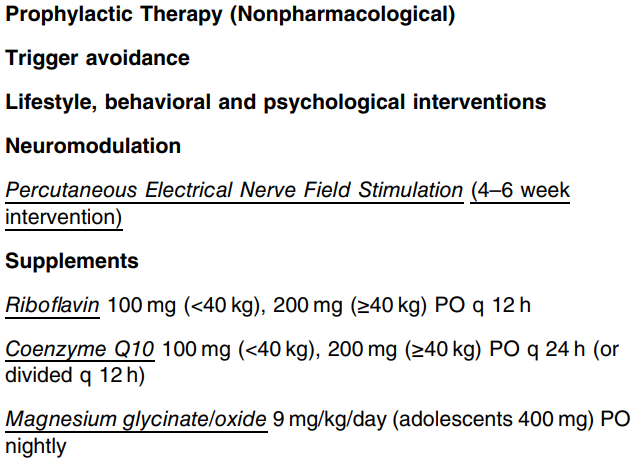
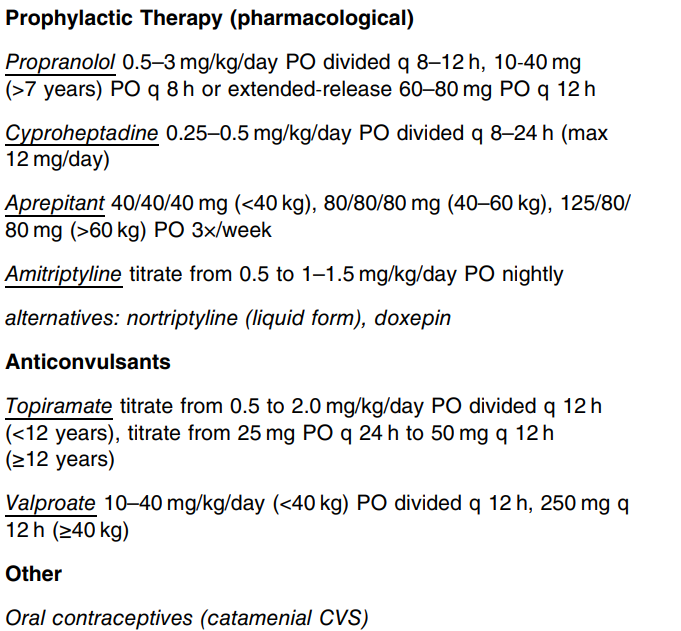
2025 Pediatric Cyclic Vomiting Syndrome Guidelines

K Karrento et al. J Pediatr Gastroenterol Nutr. 2025;80:1028–1061. Open Access! North American Society for Pediatric Gastroenterology, Hepatology, and Nutrition 2025 guidelines for management of cyclic vomiting syndrome in children

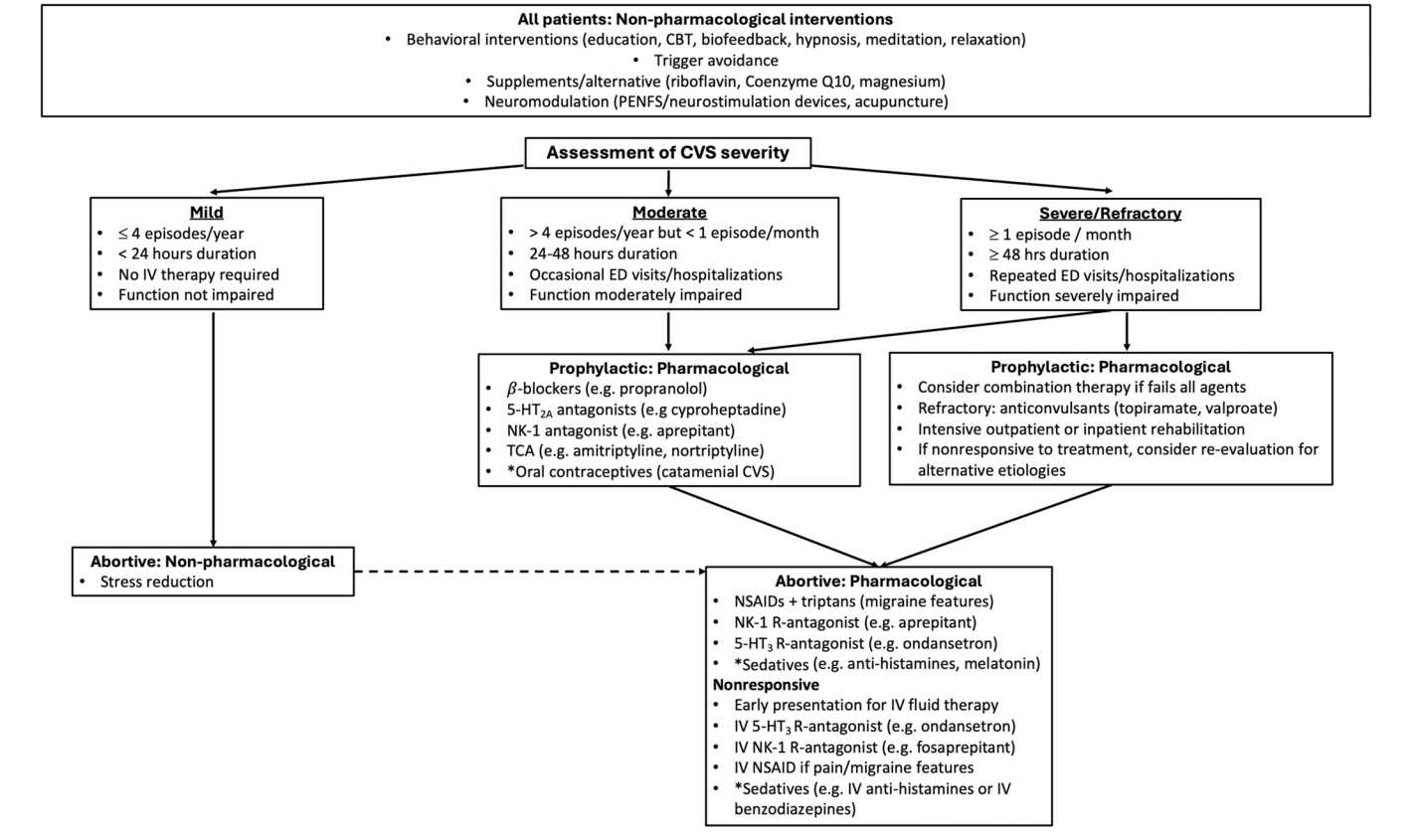
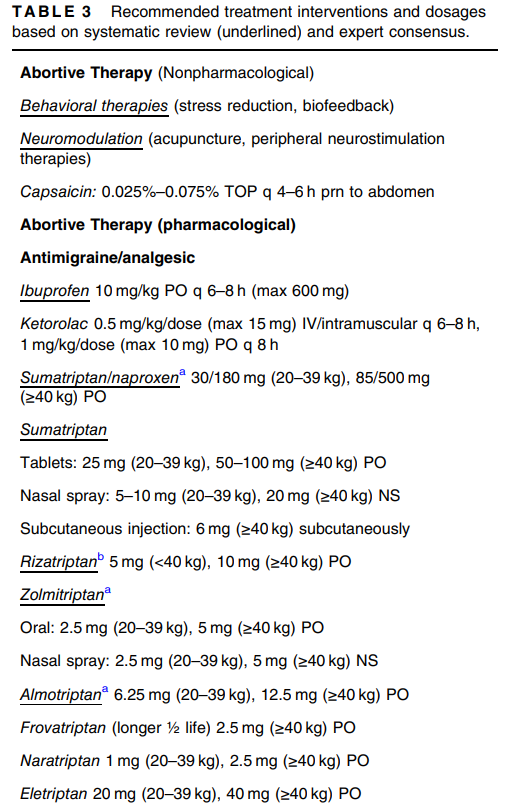
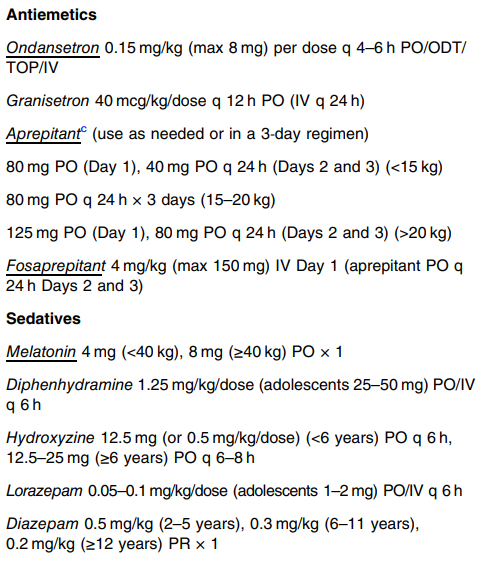
This is an excellent CVS guideline (36 pages). There is a lot of information and advice that is not easily summarized. Some important points:

  • Epidemiology: “The prevalence of pediatric CVS is estimated between 1.9% and 2.3% with an incidence of 3.2 per 100,000 children/year.1316 CVS peaks among school-aged children and often evolves into migraine headaches in adolescent years…17 56% of children experience resolution of CVS during a median follow-up of 29 months (range 6 months to 7 years)…A long-term follow-up study demonstrated progression to migraine in 26% of those with pediatric CVS.1
  • Autonomic dysfunction: “An underlying autonomic dysregulation is also supported by clinical features during attacks (diaphoresis, listlessness, palpitations, and peripheral vasoconstriction), and a study shows that 40% of pediatric patients with CVS develop chronic dysautonomia during adolescence.18
  • Cannabinoid hyperemesis syndrome: “CHS is considered a probable subtype of CVS that presents after prolonged and excessive cannabis use…26 Topical capsaicin, benzodiazepines, and droperidol or haloperidol have all been proposed as possible treatments for acute CHS episodes…50 Adult guidelines recommend that CHS patients be offered the same therapies as CVS patients…Complete cannabis cessation is the only known effective long-term treatment for CHS.”
  • Sato-variant: “This subtype manifests elevated levels of adrenocorticotropin hormone, cortisol, antidiuretic hormone, catecholamines, and prostaglandin E2, consequently presenting with hypertension and profound lethargy.25 While there is no published data for guidance, electrolyte monitoring is warranted, and episodic hypertension is generally managed by short-acting agents such as lisinopril or labetalol.”
  • L-carnitine: “The panel did not find evidence of efficacy other than when used in combination with coenzyme Q10 and cautioned against use based on concerns for atherosclerosis in animals.”
  • Propranolol: “The panel cautioned for use in patients with reactive airway disease…Retrospective studies showed high long-term efficacy of propranolol (57%–81%) when used as a first-line agent for pediatric CVS.155156 Two prospective, observational studies in pediatric CVS showed a high response rate to propranolol (77%–93%).157158 A larger (n = 81) randomized (uncontrolled and unblinded) trial demonstrated long-term effects of propranolol 1 mg/kg/day on both frequency and severity of CVS attacks with a 92% response rate and superiority over amitriptyline (53% response rate).159
  • Cyproheptadine: “Using criteria of ≥50% improvement in outcomes of interest (episode frequency and duration), 55%–75% (retrospective to randomized) met this threshold. In pediatric migraine, 83% had a positive response.”
  • Aprepitant: “The use of aprepitant two or three times per week for prophylaxis resulted in significant improvement in several essential outcomes, including episode frequency, duration, intensity, symptom-free periods, hospitalization rates, and school attendance.69169 At the 12-month follow-up, 82% of children [n=95] achieved either partial or complete treatment response.”
  • Tricyclic Antidepressants (TCAs): “The panel suggests that this medication be reserved for those with more frequent and severe disease who have not responded to therapies with more favorable side effect profiles. Caution for possible behavioral changes, including suicidality, is indicated in all children and adolescents….Using the common criteria of ≥50% improvement as definition of response (complete or partial), 57% of pediatric and 81% of adult CVS patients responded.”
  • Anticonvulsants: “The guideline panel suggests not using anticonvulsants (e.g., topiramate or valproate) for preventing CVS episodes in children and adolescents, except for refractory CVS.”

My take: While data for CVS remains limited, these guidelines are likely to influence how CVS is managed in children.

Related blog posts:

Disclaimer: This blog, gutsandgrowth, assumes no responsibility for any use or operation of any method, product, instruction, concept or idea contained in the material herein or for any injury or damage to persons or property (whether products liability, negligence or otherwise) resulting from such use or operation. These blog posts are for educational purposes only. Specific dosing of medications (along with potential adverse effects) should be confirmed by prescribing physician.  Because of rapid advances in the medical sciences, the gutsandgrowth blog cautions that independent verification should be made of diagnosis and drug dosages. The reader is solely responsible for the conduct of any suggested test or procedure.  This content is not a substitute for medical advice, diagnosis or treatment provided by a qualified healthcare provider. Always seek the advice of your physician or other qualified health provider with any questions you may have regarding a condition