Have Nonprofit Hospitals Lost Their Mission?

NY Times: Nonprofit Hospitals Are Too Profitable

An excerpt:

Seven of the 10 most profitable hospitals in America are nonprofit hospitals

It’s time to rethink the concept of nonprofit hospitals. Tax exemption is a gift provided by the community and should be treated as such. Hospitals’ community benefit should be defined more explicitly in terms of tangible medical benefits for local residents…

The average chief executive’s package at nonprofit hospitals is worth $3.5 million annually. (According to I.R.S. regulations, “No part of their net earnings is allowed to inure to the benefit of any private shareholder or individual.”) From 2005 to 2015, average chief executive compensation in nonprofit hospitals increased by 93 percent. Over that same period, pediatricians saw a 15 percent salary increase. Nurses got 3 percent…

Additionally, hospitals should not be allowed to declare Medicaid “losses” as a community benefit. While it’s true that Medicaid typically pays less than private insurance companies, Medicaid plays a crucial role for private insurance markets by acting as a high-risk pool for patients with severe illness and disability…These large medical centers also enthusiastically accept taxpayer money for research…

Particularly in communities with a shortage of health care resources, tax exemption can make sense. In medically saturated areas, where profits and executive compensation approach Wall Street levels, tax exemption should raise eyebrows.

My take: This opinion piece makes a strong argument that many nonprofit hospitals do not deserve to be exempt from taxes. At a minimum, more transparency regarding tangible benefits is needed to assure that hospitals earn this exemption.

AJC: Georgia hospital disclosures show disparities, seven-figure salaries  According to the AJC, the Children’s Healthcare of Atlanta’s CEO made 1.9 million last year. By comparison, the Northside CEO made 4.9 million. Other tidbits: Piedmont’s chief philanthropy officer was compensated 1.2 million.

Related blog posts:

“The problem with internet quotes is that you can’t always depend on their accuracy” ~Abraham Lincoln, 1864.
Working Together to Improve Outcomes for Children with Inflammatory Bowel Disease

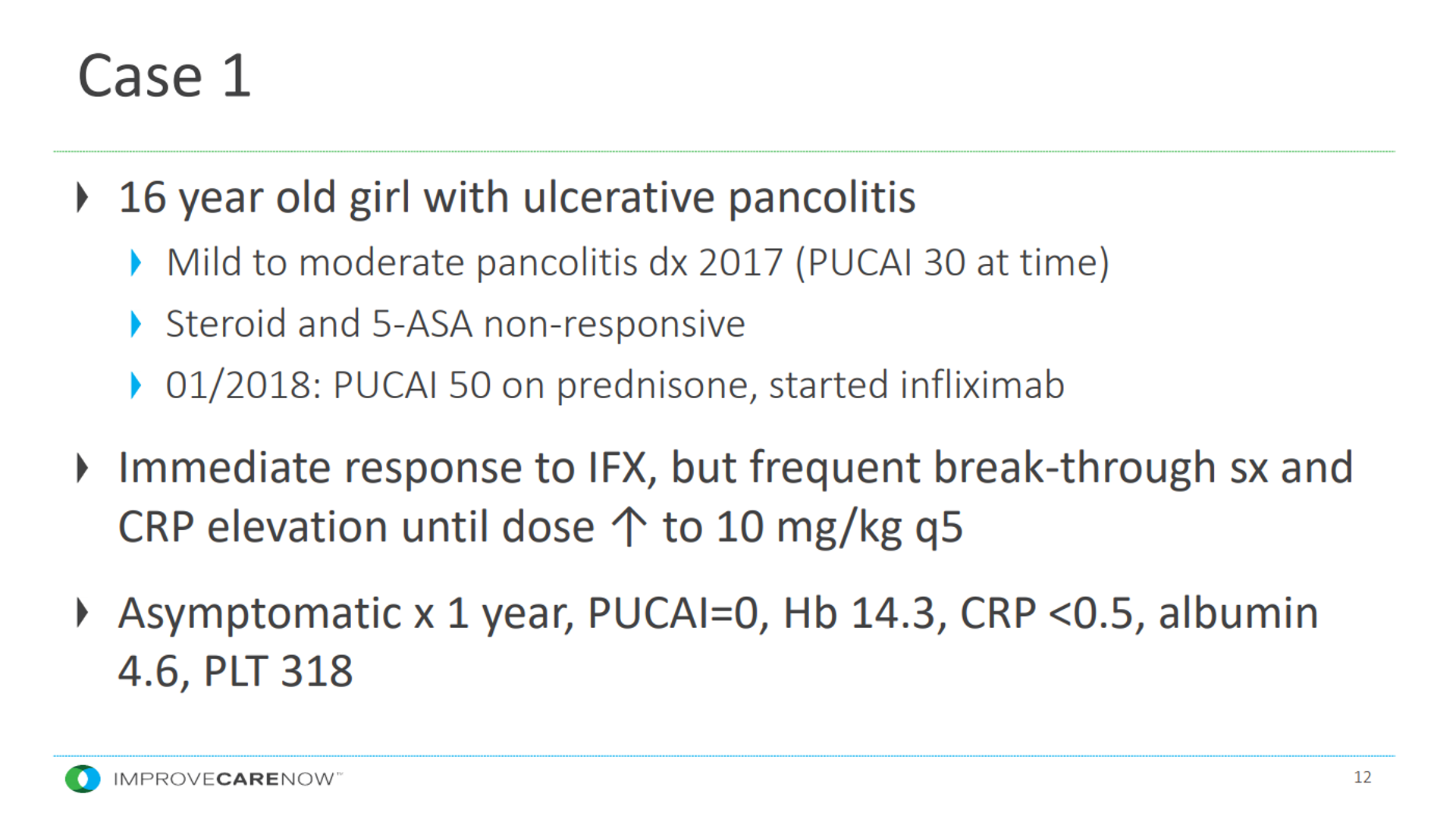
Recently, we had an “ImproveCareNow Population Management” meeting.  At these regular meetings, we typically review at least one topic of interest, review data on how patients are doing (eg. hospitalizations, clinical remission, surgeries, followup visits), and discuss patients who have challenging clinical problems.  Credit for making these meetings work go to Clair Talmadge, PA-C, Samantha Gomez (ICN coordinator), and Chelly Dykes (physician leader).  Also, with regards to depression screening, we are fortunate to have the support of Bonney Reed-Knight and Jessica Buzenski.

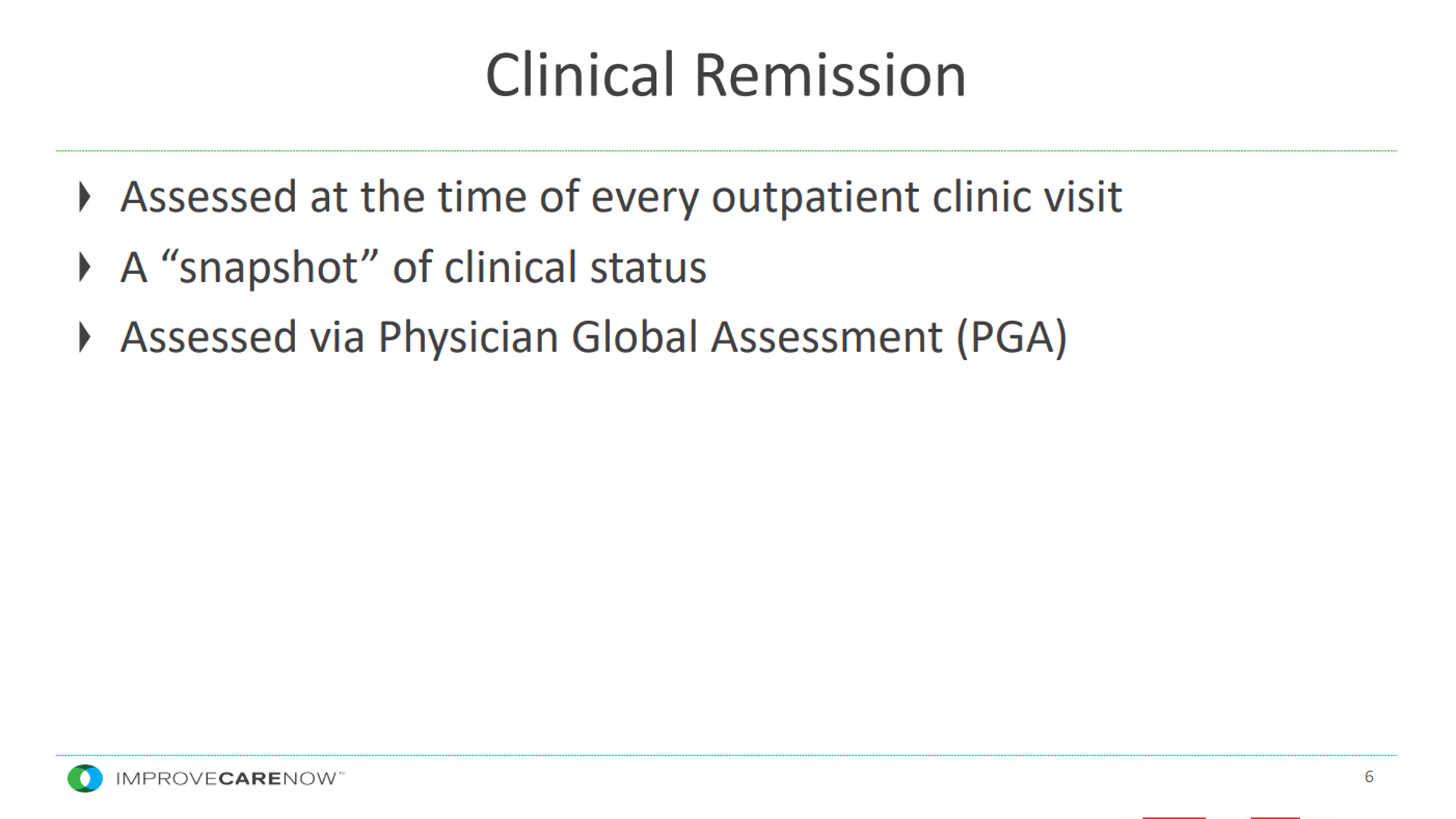
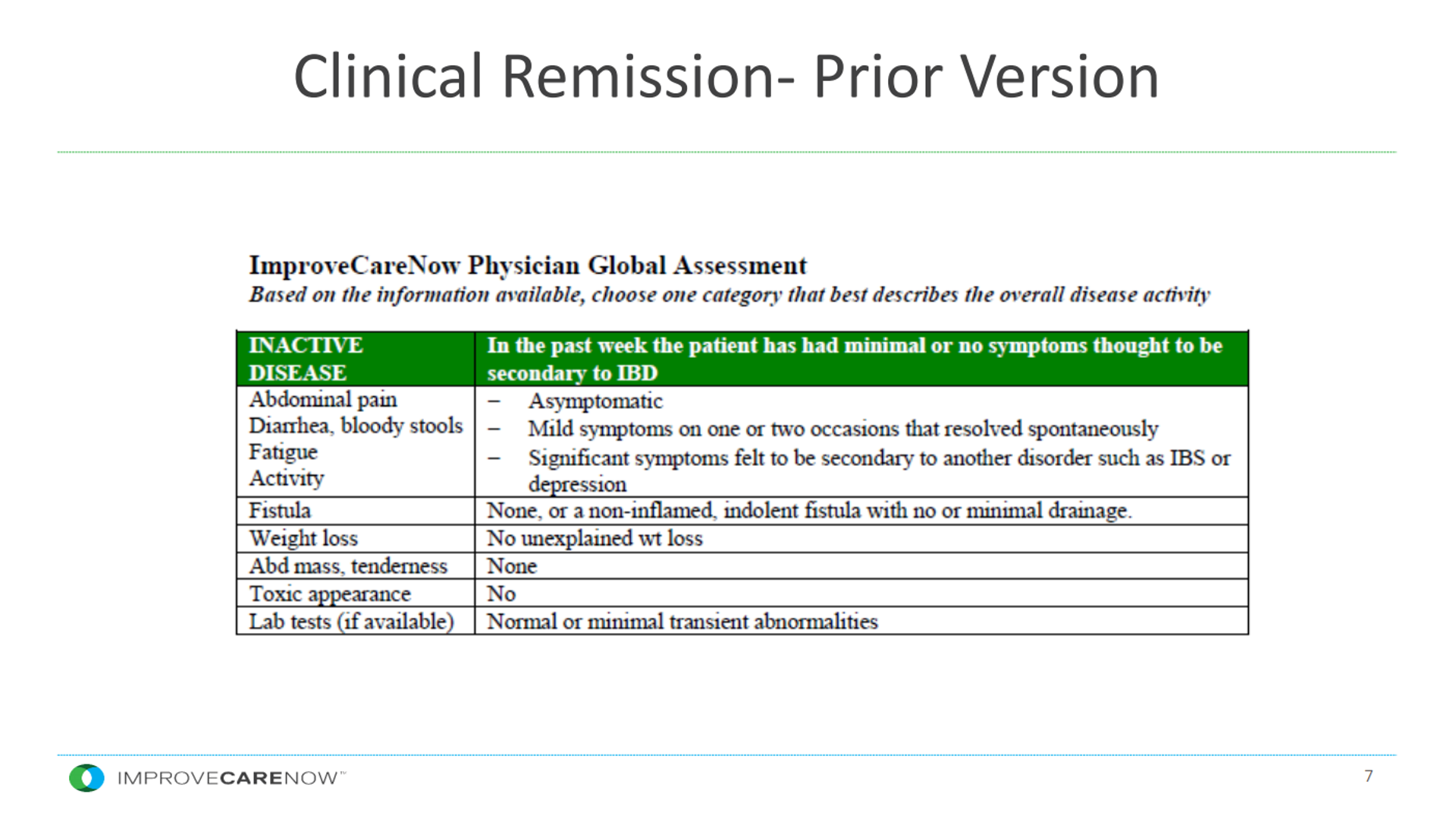
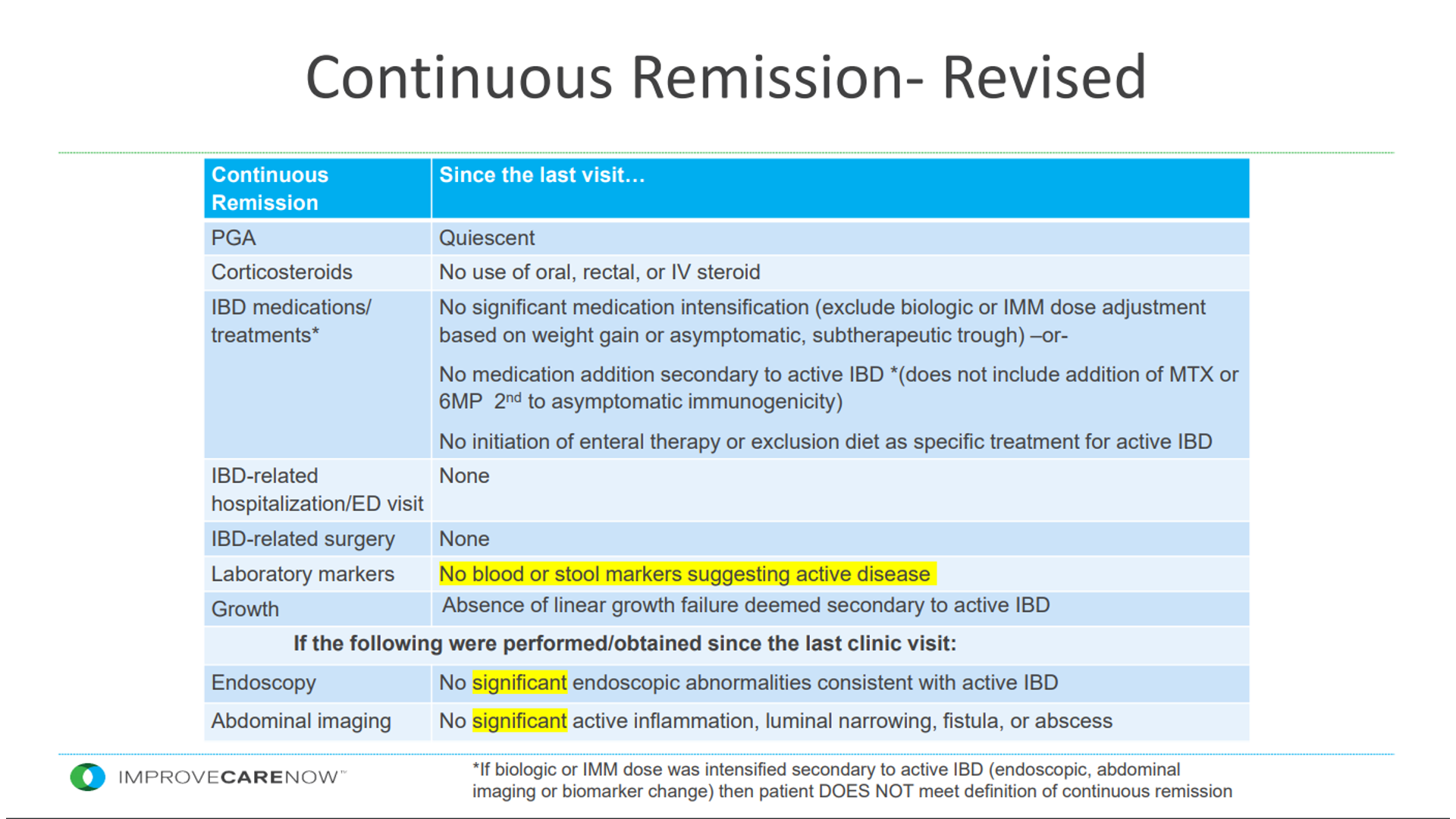
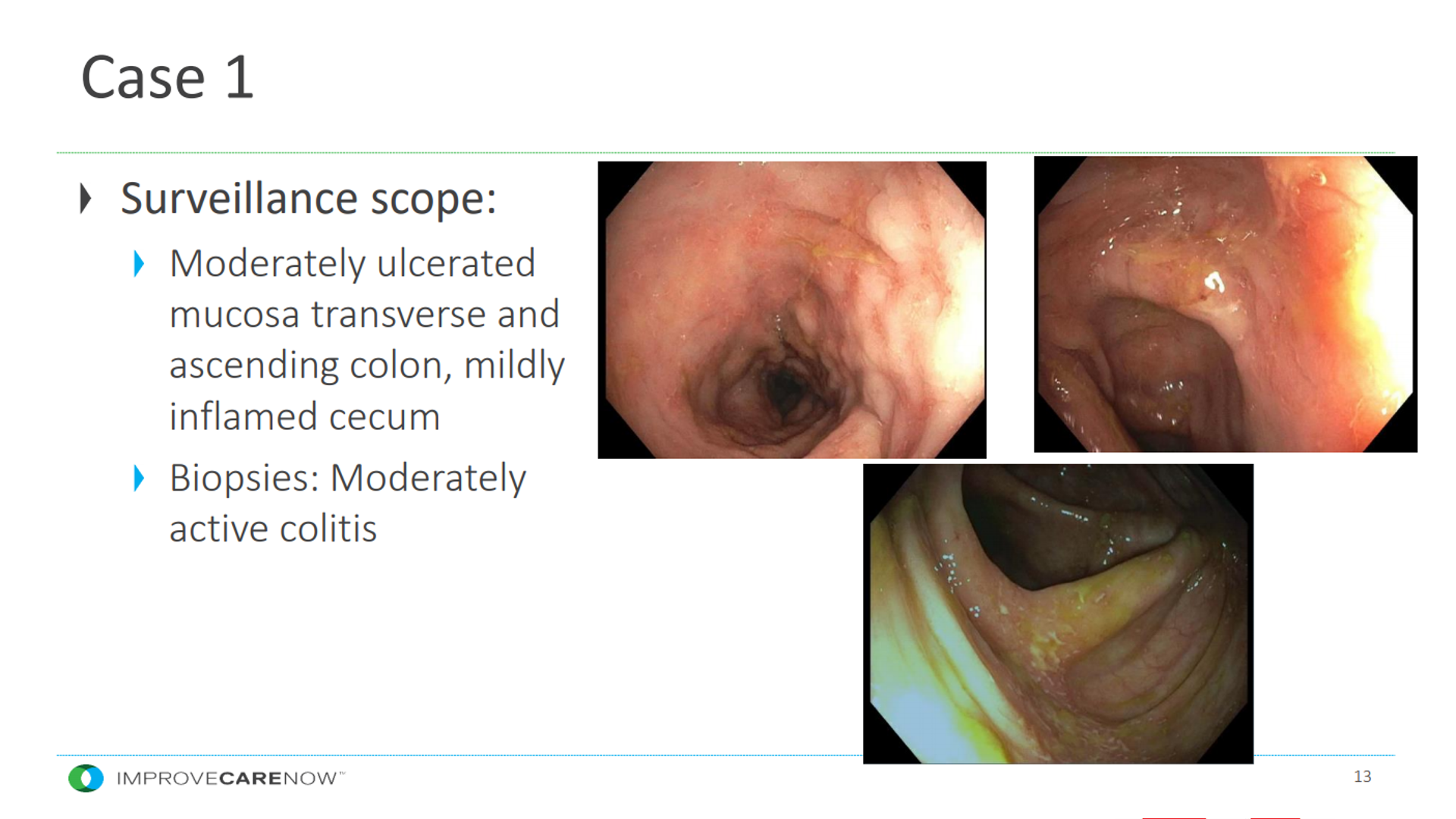
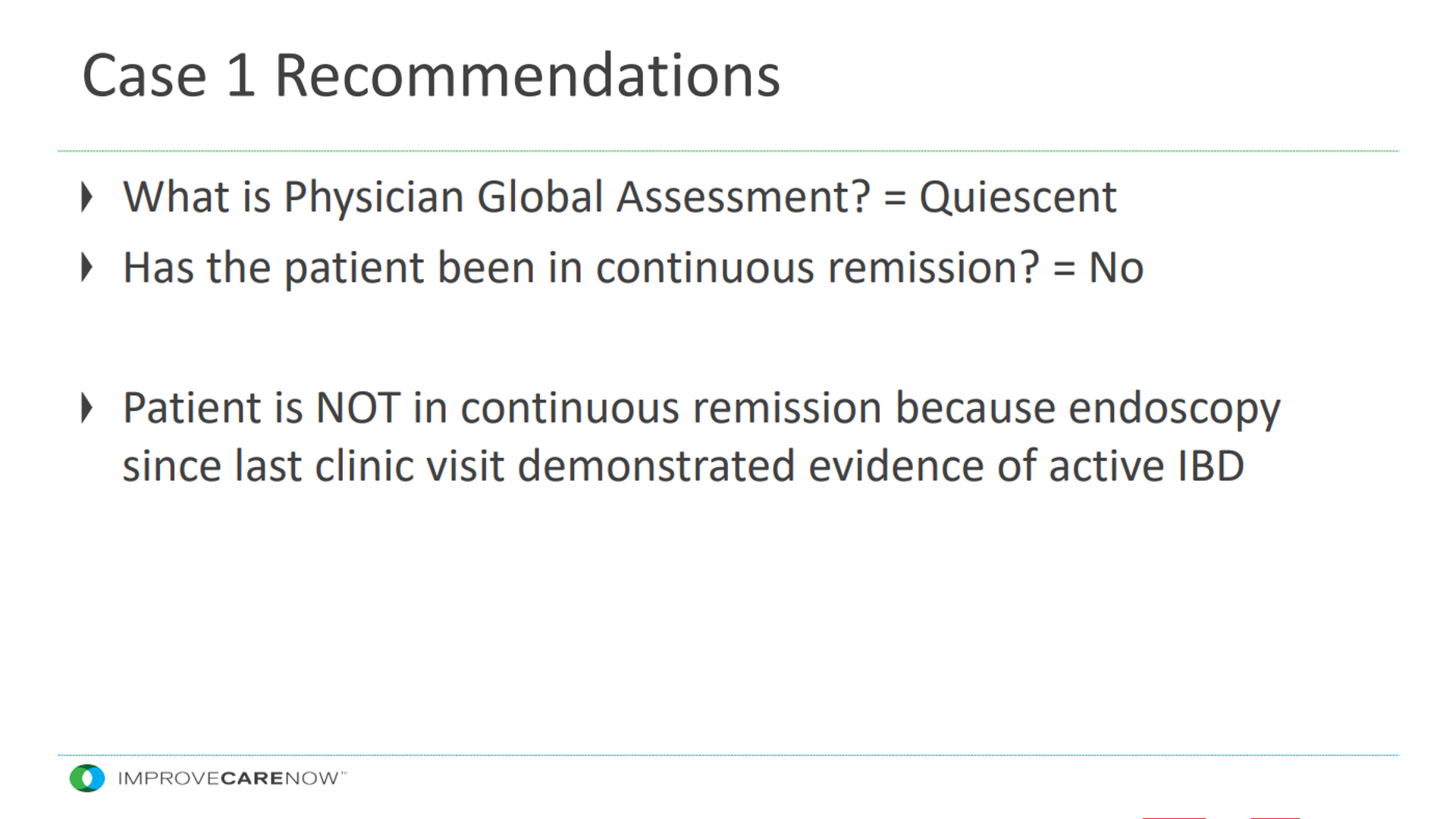
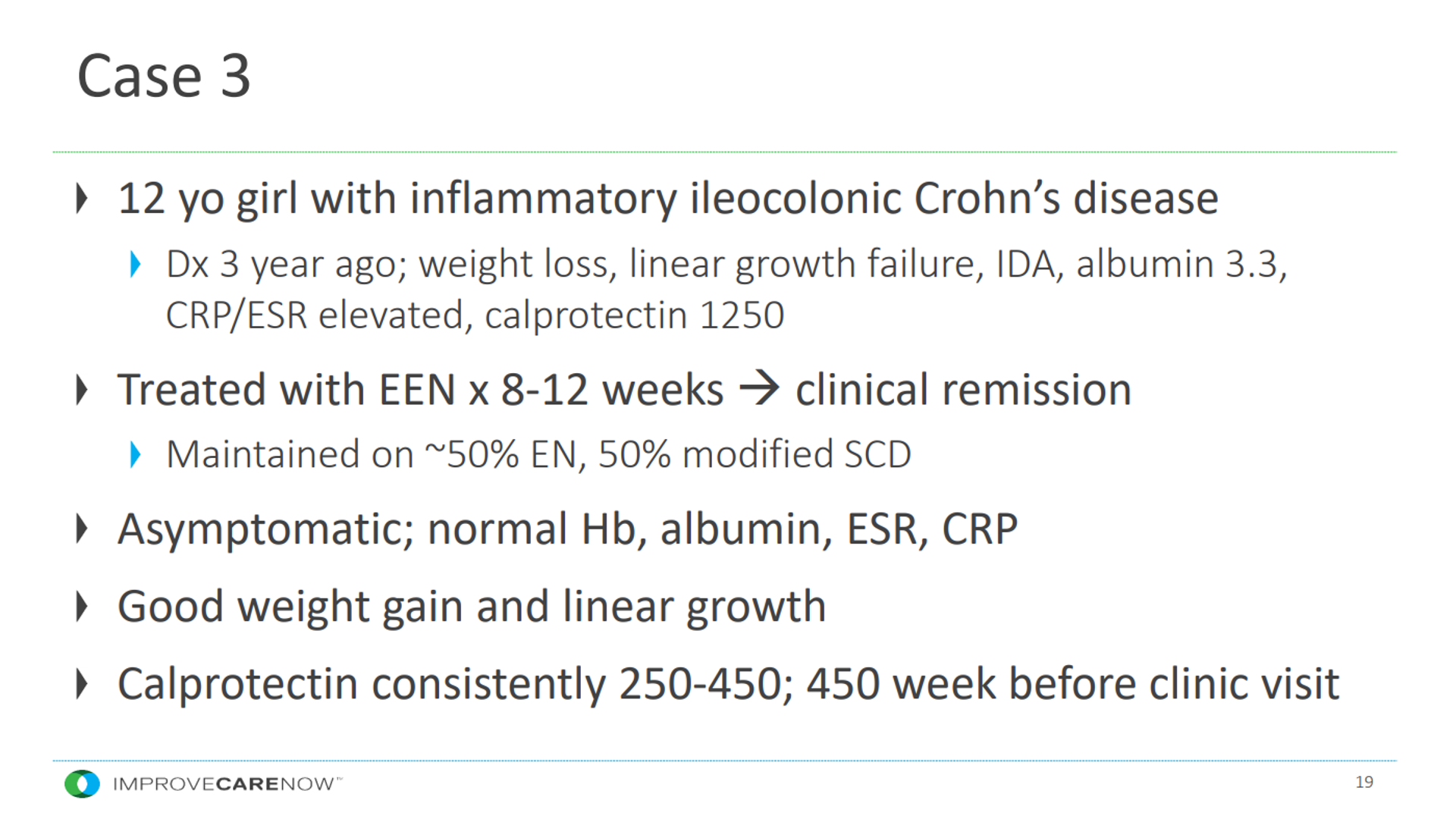
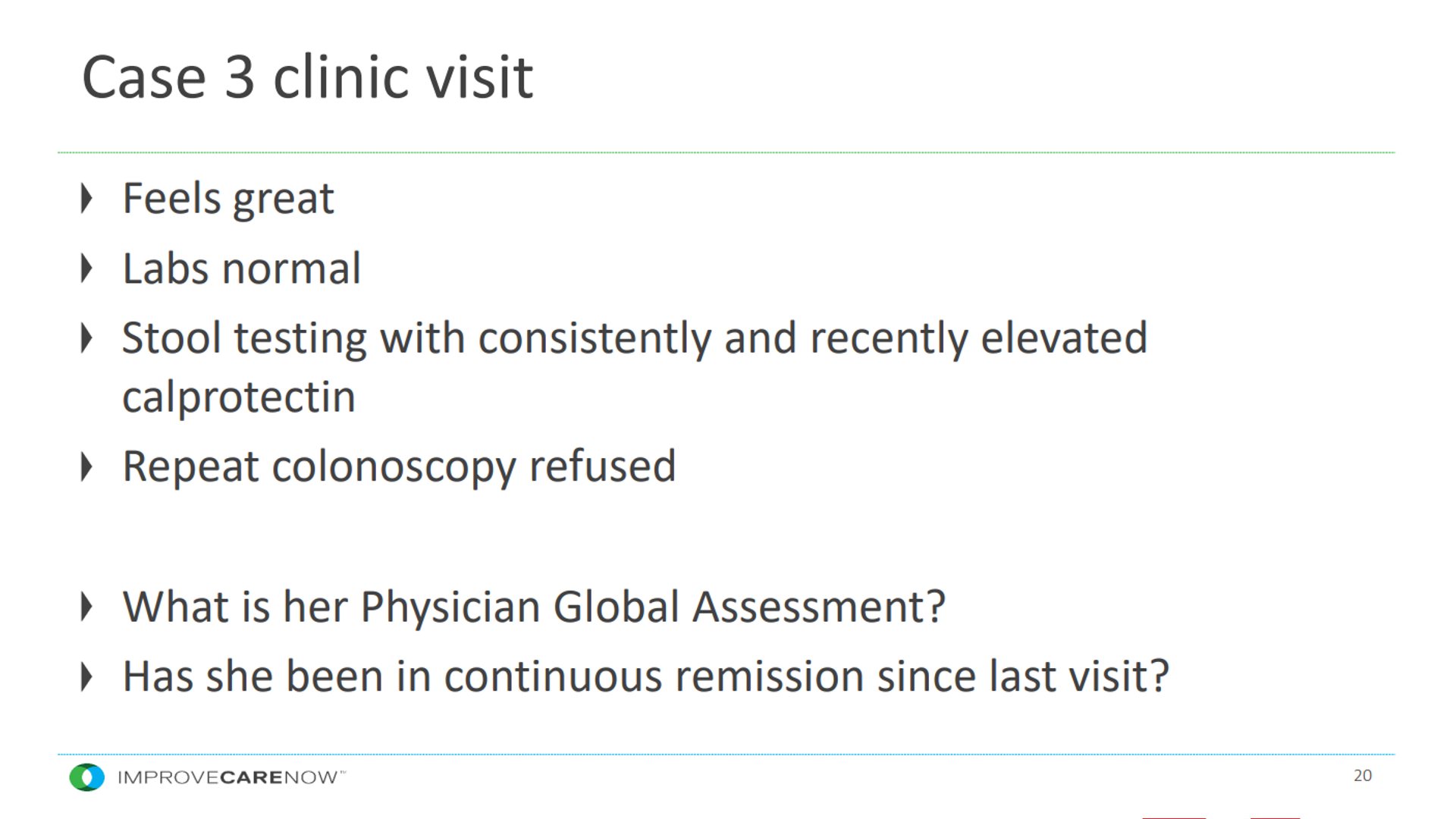
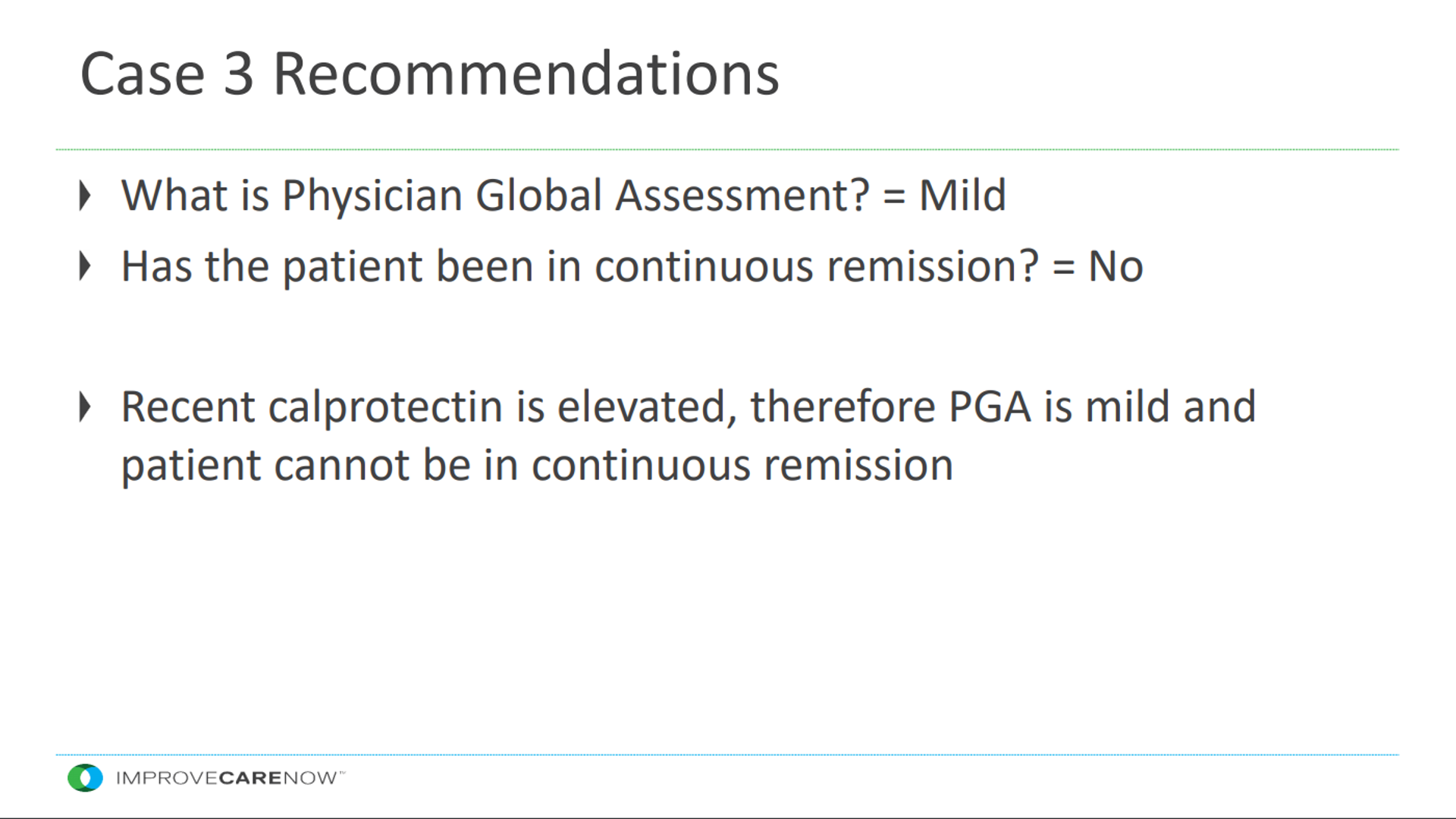
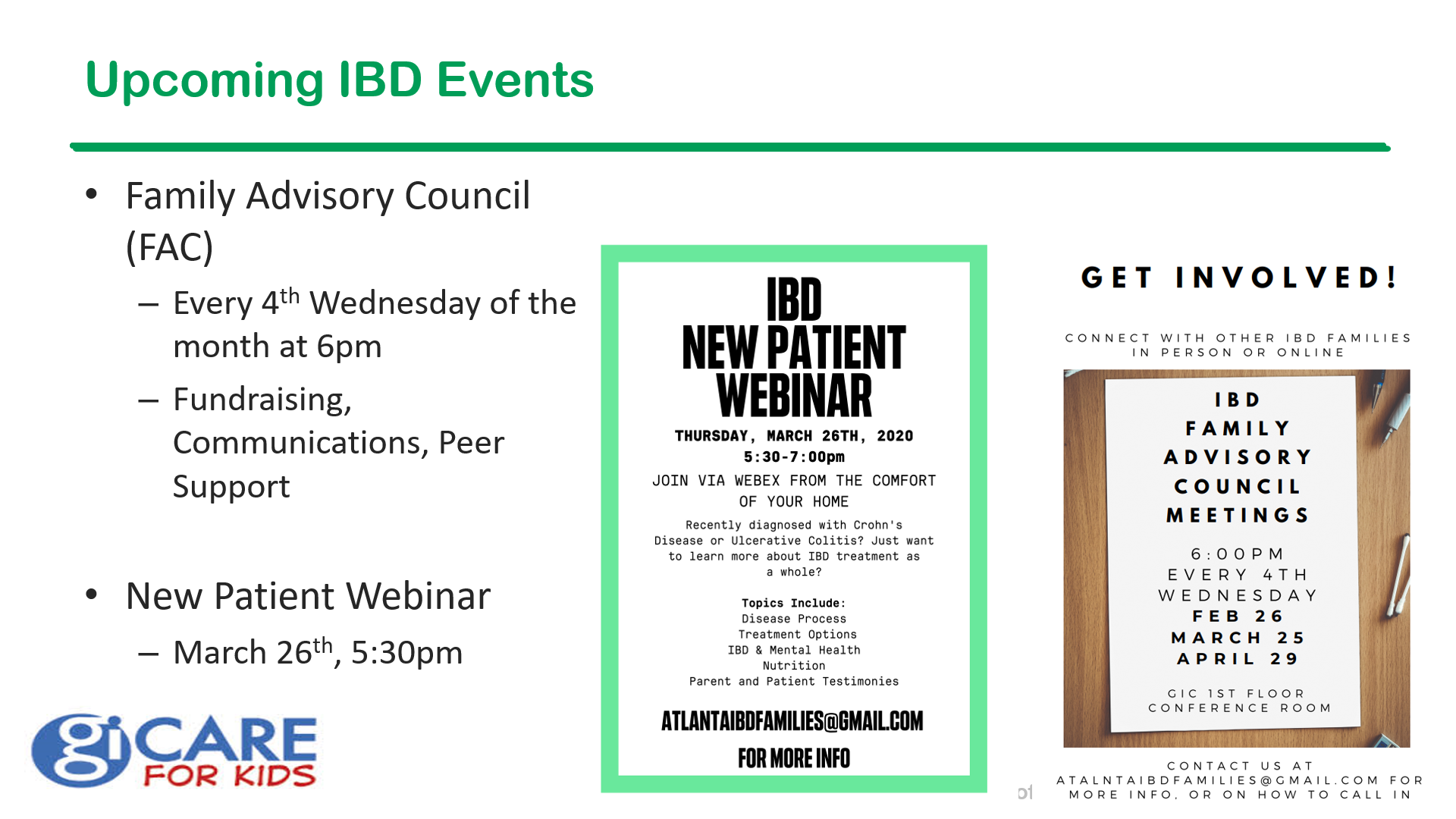
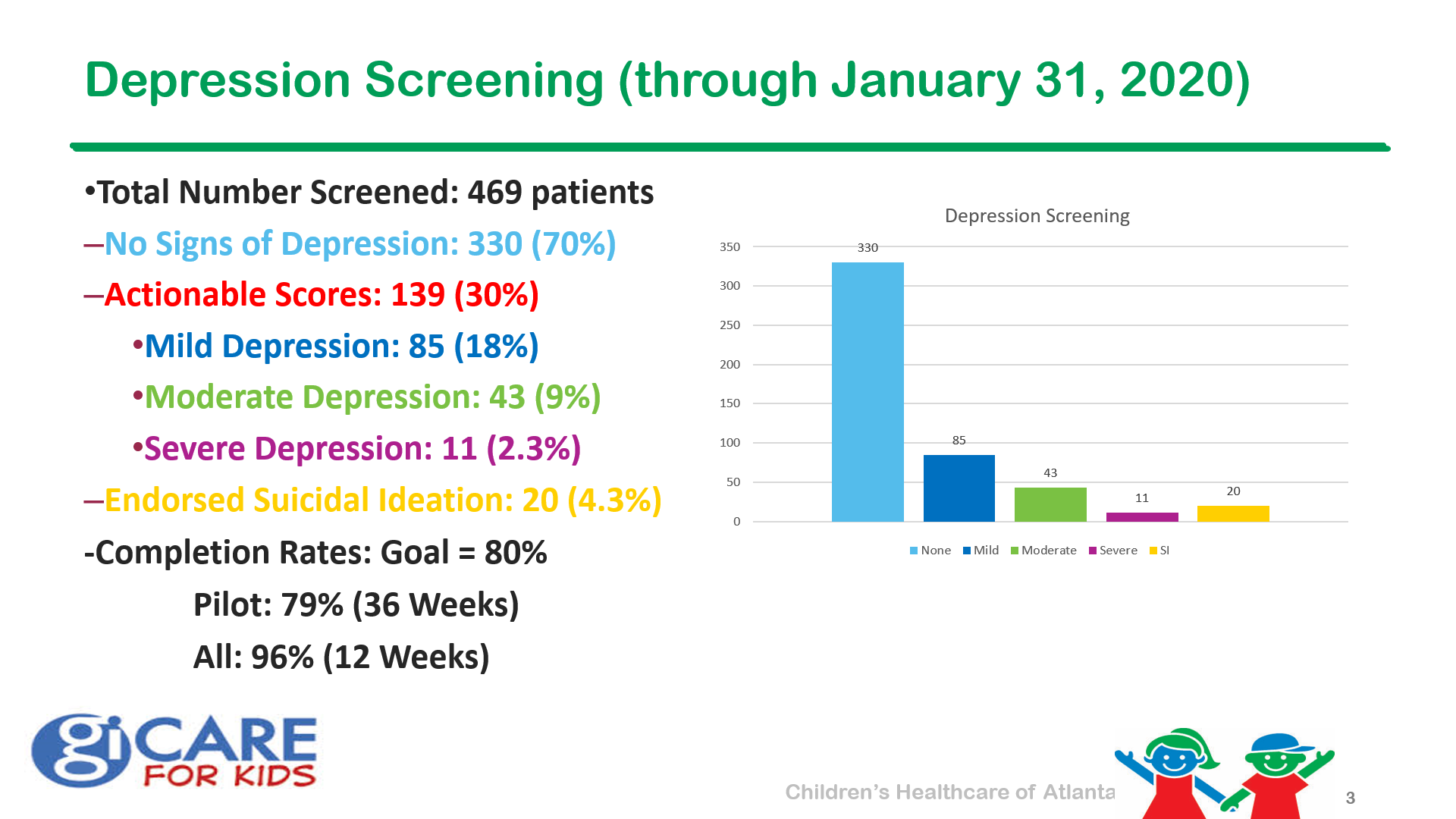
At the latest meeting, we discussed our recent implementation of depression screening, expanded definitions of clinical remission/sustained clinical remission, and family support projects.

With regard to depression screening, we are finding that ~30% had actionable screens indicating some level of depression and ~4% screened as suicidal (requiring urgent attention).

My take: Each of these meetings and the work that goes into them make tangible improvements in outcomes.

Some of the slides are shown below.

Related blog posts:

Disclaimer: This blog, gutsandgrowth, assumes no responsibility for any use or operation of any method, product, instruction, concept or idea contained in the material herein or for any injury or damage to persons or property (whether products liability, negligence or otherwise) resulting from such use or operation. These blog posts are for educational purposes only. Specific dosing of medications (along with potential adverse effects) should be confirmed by prescribing physician.  Because of rapid advances in the medical sciences, the gutsandgrowth blog cautions that independent verification should be made of diagnosis and drug dosages. The reader is solely responsible for the conduct of any suggested test or procedure.  This content is not a substitute for medical advice, diagnosis or treatment provided by a qualified healthcare provider. Always seek the advice of your physician or other qualified health provider with any questions you may have regarding a condition.

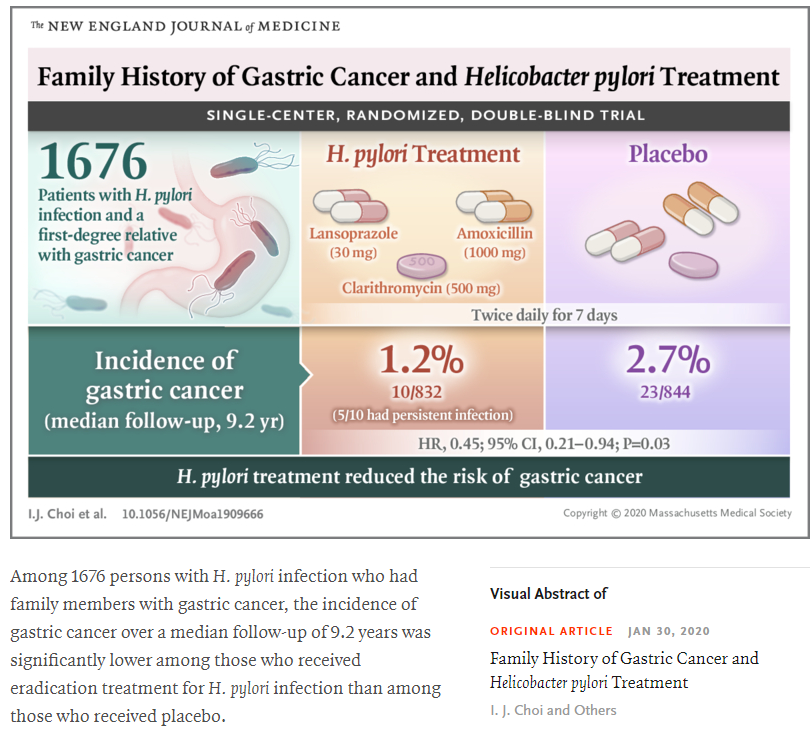
Treating Helicobacter Pylori Lowers The Risk of Gastric Cancer

Related blog posts:

FDA ‘Safety Initiative’ Now Means an Ounce of Ethanol Costs $30,000

Ethanol locks are now going to be ridiculously expensive (possibly $30,000 per month -for 1 oz) due to an FDA initiative which aims to improve drug safety. Paradoxically, this could endanger the health of many vulnerable children.

Modern Healthcare: Unapproved Drug Initiative adds up to $30 billion in healthcare costs Thanks to Jennifer Sterner-Allison for this reference.

An excerpt:

A regulatory pathway that aims to ensure drug safety is inflating healthcare spending by billions of dollars, according to a new report.

Four widely used drugs funneled through the Unapproved Drug Initiative will increase spending by more than $20.25 billion over a five-year span as manufacturers hiked prices between 525% to 1,644%…

“Hospitals are absorbing additional cost for drugs that are not innovative, not curing new diseases, do not have overwhelming R&D investment, and are often the preferred drug of choice.”…

The 2006 Unapproved Drug Initiative requires manufacturers to pull these drugs and prove to the FDA that they are safe. Typically, fewer manufacturers remain in the market after the FDA intervenes, which allows price manipulation.

Drugs that go through the UDI pathway can earn the manufacturer up to seven years of patent protection, which can prevent competition. At minimum, other suppliers of the drug targeted by the UDI also have to leave the market and receive approval, which can reduce competition.

The situation with ethanol is particularly egregious, said Erin Fox, a drug shortage expert and senior director of drug information and support services at University of Utah Health.

Belcher Pharmaceuticals is charging $1,000 per milliliter, which equates to $30,000 for one shot of ethanol, since it received an orphan drug designation through the UDI, granting Belcher’s drug exclusivity through 2025, she said. Belcher won the orphan drug classification, a status for drugs that treat rare diseases, for its treatment of hypertrophic obstructive cardiomyopathy.

“It is the perfect example of how this FDA approval process is broken,” Fox said. “Pediatric hospitals are going to be particularly impacted because ethanol is sometimes used to ‘lock’ IV ports to prevent infections in high-risk patients.”..

“FDA’s Unapproved Drug Initiative continues to have serious unintended consequences and in my opinion should be halted,” she said

My take: I have contacted the American Academy of Pediatrics and asked them to try to work on this problem.  The high cost of ethanol may prevent its routine use and result in central line infections, hospitalizations and even death in vulnerable children.

Related blog posts (on utility of Ethanol Locks):

Blogs related to Pharmaceutical Practices:

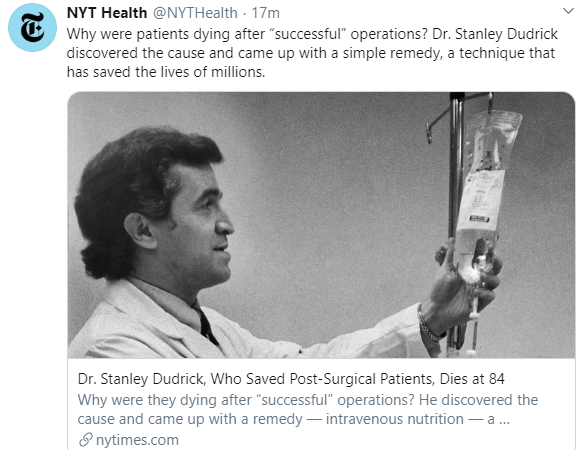
Ethanol locks can minimize infections among patients who receive intravenous nutrition (“TPN”) which was popularized by Dr. Dudrick.  Due to the exorbitant costs of ethanol, this may lead to increased infections, hospitalizations and even death.


Lifesaving APPs (Advanced Practice Providers)

A recent study (EB Tapper et al. Hepatology 2020; 71: 225-34, editorial 11-13) shows that advanced practice providers (APPs) provide care that translates into better outcomes for adults with cirrhosis.  APPs include physician assistants and nurse practitioners.

In a retrospective analysis (2001-15) of the Optum Clinformatics database (private insurance) with 389,257 adult patients, the authors show that patients who had an APP involved in their care had better outcomes.

Key findings among patients with APP care (with and without specialist involvement):

  • Reduced risk of death, aHR 0.43
  • Improved metrics: higher HCC screening aOR 1.23, higher variceal screening OR 1.20, increased use of rifaximin after discharge for HE OR 2.09, and reduced risk of hospital 30-day readmission OR 0.68.
  • Overall, AAP care alone was inferior to specialist care alone for all metrics except 30-day readmissions; however, shared care (APP and specialist care) was more successful than specialist care alone (eg. 30-day readmissions OR 0.91 with shared care)
  • APP involvement was associated with an almost 2-fold increase in costs per person per year (~$9600 compared to $4500) and increased procedures
  • Due to the retrospective nature, it is unclear how many of the APPs had specialty training; as such, it is not clear whether primary care APP involvement is equivalent to specialty care APP involvement

My take: Based on my experience, this study likely could be replicated in most medical fields.  APPS improve patient outcomes.

Island Ford National Recreational Area, Sandy Springs

What to Expect After Pediatric Liver Transplantation: Cognitive Function and Quality of Life

A recent study (D Ohnemus et al. Liver Transplantation 2020; 26: 45-56, editorial 9-11) examined health-related quality of life (HRQOL) and cognitive functioning approximately 15 years after liver transplantation (LT).

Study details:

Median age 16 years.  Original group was a SPLIT research cohort recruited from 20 centers and then tested at multiple time points; for this study, 8 sites of the original 20 were included.  It is noted that patients with serious neurologic injury were excluded. Among an initial group of 108, there were 79 available for potential enrollment.  In this group, 65 parent surveys were completed and 61 child surveys.

Key findings:

  • For cognitive and school functioning, 60% and 51% of parents reported “poor” functioning, respectively (>1 SD below the health mean).  41% of children rated their cognitive function as poor.
  • Adolescents’ self-reported overall HRQOL was similar to that of healthy children; in contrast, parents rated their teenage children as having significantly worse HRQOL than healthy children in all domains.
  • The cognitive score in the poor functioning group at the latest time point was lower than at first time point measurement (ages 5-6 years and at least 2 years after LT), “suggesting that difficulties intensified in adolescence for those who have problems in early childhood.”
  • Almost half had received special educational services.

The editorial notes that the PedsQL Cognitive Functioning Scale scores used by the investigators were considered subjective.  “The more objective PedsPCF scores fell within the normal range.”

My take: This report indicates that a majority of children are likely to have some cognitive deficits and many are likely to have reduced HRQOL following liver transplantation; in addition, if these problems are detected at a younger age, they are likely to persist.

Related blog posts:


Mural on Atlanta’s Beltway

Useful Data on Cholangitis Following Kasai Portoenterostomy

A recent retrospective study (SH Baek et al. JPGN 2020; 70: 171-77) provide useful information on cholangitis following a Kasai portoenterostomy in patients (n=160) with biliary atresia (BA).

Key points:

  • 126 of 160 (79%) had at least one episode of cholangitis during the study period (2006-2015).  Median followup was 49 months in those who had cholangitis compared to 33 months for those who did not develop cholangitis.
  • Age at time of Kasai: 63 days in those with cholangitis and 55 days in those without (P=0.42)
  • 76% of patients had recurrent cholangitis
  • Yield from blood culture was 9%.  In those with culture-proven cholangitis, Enterococcus faecium was most common pathogen (28%), followed by E. coli (15%), Enterobacter cloacae (11%), and Klebsiella pneumoniae (9%)
  • In their institution, there was a fairly-low susceptibility of gram-negative bacteria to cefotaxime (8/21, 38%). Almost all gram-negative isolates were susceptible to meropenem.
  • In their institution, there was fairly-low susceptibility of gram-positive organisms to ampicillin (8/19, 42%) and 100% susceptibility to vancomycin.
  • The authors noted that their empiric choice for treatment had been cefotaxime but this has now been reviewed; and a newer regimen, “a frequent alternative,” is the use of vancomycin along with an aminoglycoside.

It is worth noting that Up-to-Date has several recommended regimens for acute cholangitis (in adults).  For lower-risk infections, the authors recommend either a single agent like piperacillin-tazobactam or dual therapy with specific cephalosporins (eg. cefotaxime, ceftriaxone) and metronidazole.  For higher-risk infections, the Up-to-Date recommendations include meropenem or piperacillin-tazobactam as single agents or one of two cephalosporins (cefepime or ceftazidime) along with metronidazole.

My take: Cholangitis is common after biliary atresia.  Familiarity with changing susceptibility, particularly local patterns, will help optimize outcomes.

Related blog posts:

Piedmont Park

Disclaimer: This blog, gutsandgrowth, assumes no responsibility for any use or operation of any method, product, instruction, concept or idea contained in the material herein or for any injury or damage to persons or property (whether products liability, negligence or otherwise) resulting from such use or operation. These blog posts are for educational purposes only. Specific dosing of medications (along with potential adverse effects) should be confirmed by prescribing physician.  Because of rapid advances in the medical sciences, the gutsandgrowth blog cautions that independent verification should be made of diagnosis and drug dosages. The reader is solely responsible for the conduct of any suggested test or procedure.  This content is not a substitute for medical advice, diagnosis or treatment provided by a qualified healthcare provider. Always seek the advice of your physician or other qualified health provider with any questions you may have regarding a condition.


Surprise $urgical Billing –Affects 1 in 5

A recent study has shown how pervasive surprise billing has become.  This is another area in medicine in which deceptive billing practices undermine the relationship between families and health care providers.

Related blog posts: