Modern Malady: Text Neck

In every age, our bodies need to adapt to new challenges.  Apparently, in this age, we need to solve another problem induced by texting, “Text Neck.”

NY Times: Keep Your Head Up: How Smartphone Addiction Kills Manners and Moods

Here’s an excerpt:

The average human head weighs between 10 and 12 pounds, and when we bend our neck to text or check Facebook, the gravitational pull on our head and the stress on our neck increases to as much as 60 pounds of pressure. That common position, pervasive among everyone from paupers to presidents, leads to incremental loss of the curve of the cervical spine. “Text neck” is becoming a medical issue that countless people suffer from, and the way we hang our heads has other health risks, too, according to a report published last year in The Spine Journal.

Posture has been proven to affect mood, behavior and memory, and frequent slouching can make us depressed…

And the remedy can be ridiculously simple: Just sit up.

My take: Smartphone use increases the risk of many health problems besides “Text Neck” including car accidents.  Their use also contributes to missing social cues, including placing those in front of you behind those who interrupt conversations with texts and phone calls.

Iron Metabolism Improves after Anti-TNF Therapy for Crohn’s Disease

A previous study has shown that low vitamin D levels improved with anti-TNF therapy for Crohn’s disease in the absence of supplemental vitamin D.  Similarly, a recent study (MA Atkinson, MB Leonare, R Herskovitz, RN Baldassano, MR Denburg. JPGN 2018; 66: 90-4) showed improvement in iron metabolism with anti-TNF therapy.

In 40 children and adolescents with Crohn’s disease, the authors measured serum hepcidin-25 and hemoglobin at baseline and then 10 weeks after anti-TNF therapy.

Key findings:

  • Median hepcidin concentrations decreased (27.9–>23.2 ng/mL) and mean hemoglobin increased (10.6–>10.9).
  • Disease activity and markers of inflammation also decreased.

My take: This study shows that improvement in inflammation is associated with meaningful improvement in anemia.  However, most patients will need additional treatment for anemia, particularly as anemia may be related to blood loss in addition to anemia of chronic disease/inflammation.

Related blog posts:


Second-Line Treatments for Autoimmune Hepatitis

A recent retrospective study (C Efe et al. Clin Gastroenterol Hepatol 2017; 15: 1950-6) examined both mycophenolate mofetil (MMF, n=121) and tacrolimus (TAC, n=80) as second-line therapies for autoimmnue hepatitis with a median followup of 62 months. Patients were divided into two groups. The first group (n=108) had a complete response to steroids/azathioprine but had side effects.  The second group (n=93) were nonresponders to steroids/azathioprine. Overall, the cohort examined patients as young as 7 years and as old as 76 years.

Key findings:

  • No significant difference in complete response noted in 69.4% of MMF-treated compared with 72.4% in TAC-treated patients.
  • In group 1 patients (responders to azathioprine), MMF and TAC maintained biochemical remission in 91.9% and 94.1% respectively.
  • In group 2 (prior nonresponders), TAC-treated patients had a complete response rate of 56.5% compared with 34% for MMF-treated patients (P=.029).
  • Liver-related deaths and transplantation occurred with similar rates: MMF 13.2% compared with TAC 10.3%.  With each treatment, 10 patients withdrew from treatment due to side effects.

My take: In this study, both agents were effective in those who changed due to side effects.  However, tacrolimus-treated patients had a higher response among prior nonresponders.

Related blog posts:

Bright Angel Trail, Grand Canyon


Glecaprevir-Pibrentasvir for Hepatitis C Infections

Before discussing one of the newest therapies for Hepatitis C, I wanted to give a shout out to Barbara McElhanon who along with Joanna Lomas-Mevers provided a quick update to our group on their important research to improve the management of encopresis in children with autism spectrum disorders.

Last August, the FDA announced approval of glecaprevir-pibrentasvir as a pangenomic treatment for Hepatitis C (From blog: Eight Week Pangenomic HCV Treatment Approved).

However, it is only in this past two weeks that some of the data from two large randomized, open-label, multicenter trials have been published: Z Zeuzem et al. NEJM 2018; 378: 354-69.  In total, 1208 patients were treated in the “ENDURANCE-1” and “ENDRUANCE-3” trials.

Key findings:

  • For genotype 1-infected patients, glecaprevir-pibrentasvir resulted in a sustained virologic response rate (at week 12) of 99.1% in the 8-week group and 99.7% in the 12-week group.
  • For genotype 3, glecaprevir-pibrentasvir resulted in a sustained virologic response rate (at week 12) of 95% with both 8-week and 12-week treatment.  A comparison group of sofosbuvir-daclatasvir (12 week treatment) resulted in a sustained virologic response rate (at week 12) of 97%.
  • Serious adverse events were rare.  There were three patients who died during the post-treatment period: two from heroin overdoses and one from ethanol intoxication/methadone toxicity.  Headache and fatigue were the most common reported adverse events.
  • There were no relapses among HCV-1-infected patients who were treated for 8 weeks

In addition to these studies, “recent phase 3 trials have shown that an 8-week regimen of glecaprevir-pibrentasvir in patients without cirrhosis” yielded response of 98% for genotype 2 and 93% for genotypes 4, 5, and 6.

My take: These studies indicate that glecaprevir-pibrentasvir is an effective 8-week therapy for patients with HCV infection.  Despite this terrific advance, unless we find a way to address the opioid crisis which is triggering an HCV epidemic, I am not optimistic that there will be an improvement in the number of individuals with HCV infection.

Related blog posts:

Opioid Epidemic Affecting HCV Infection in Adolescents (as well as adults)

SA Barritt et al. J Pediatr 2018; 192: 159-64. Increasing Prevalence of Hepatitis C among Hospitalized Children Is Associated with an Increase in Substance Abuse

Background:  “After a sustained decline in new HCV cases, in recent years there has been a significant increase in HCV incidence in adults in many areas, primarily associated with the use and abuse of intravenous heroin and prescription opioids.” This study examines this trend in adolescents.

From abstract:

Study design

We examined hospitalizations in children using the Kids’ Inpatient Database, a part of the Healthcare Cost and Utilization Project. We identified cases using the International Classification of Diseases, 9th edition, codes for HCV infection during 2006, 2009, and 2012. Nonparametric tests for trend were used to calculate trend statistics.

Results

From 2006 to 2012 nationally, the number of hospitalizations of children with HCV increased 37% (2.69 to 3.69 per 10 000 admissions; P < .001). The mean age of children hospitalized was 17.6 years (95% CI, 17.4-17.8). HCV cases among those 19-20 years of age represented 68% of the total HCV diagnoses, with a 54% increase over the years sampled (P < .001 for trend). The burden of HCV in children was highest in whites, those in the lowest income quartile, and in the Northeast and Southern regions of the US (all P < .0001). The prevalence of substance use among children with HCV increased from 25% in 2006 to 41% in 2012 (P < .001).

Conclusion

The increases of HCV in hospitalized children are largely in teenagers, highly associated with substance abuse, and concentrated in Northeast and Southern states. These results strongly suggest that public health efforts to prevent and treat HCV will also need to include adolescents.

My take: Despite the availability of highly effective therapy for hepatitis C, the opioid epidemic undermines any prospect for eliminating hepatitis C infections.

Related blog posts:

American Academy of Pediatrics: Georgia Chapter Governing Board Meeting

As usual, I learned a great deal from our recent governing board meeting of the Georgia Chapter of the American Academy of Pediatrics ((AAP).   Here are some notes, including nutrition committee notes at the bottom of this post. Though not intentional, some important material is likely to have been omitted; in addition, transcription errors are possible as well.

Influenza This Year –Harry Keyserling:

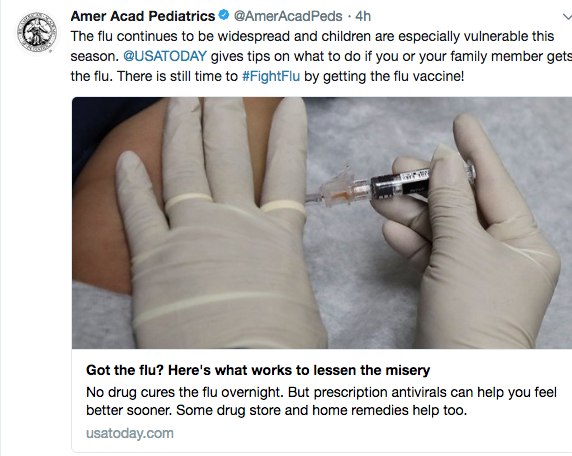
  • 85% of pediatric deaths have occurred in those without influenza vaccine. The vaccine, even when not stopping the influenza (lower efficacy this year), lowers the risk of death.  Probably 50-60% of all Georgia kids are immunized against the flu and  there is a higher rate of immunization (~75%) in younger age (~75%)
  • ‘We are not seeing Tamiflu resistance with this year’s strain’
  • 53 pediatric deaths this year at this point (2/3/18)
  • Children attending public schools have higher rates of vaccination than children attending private schools

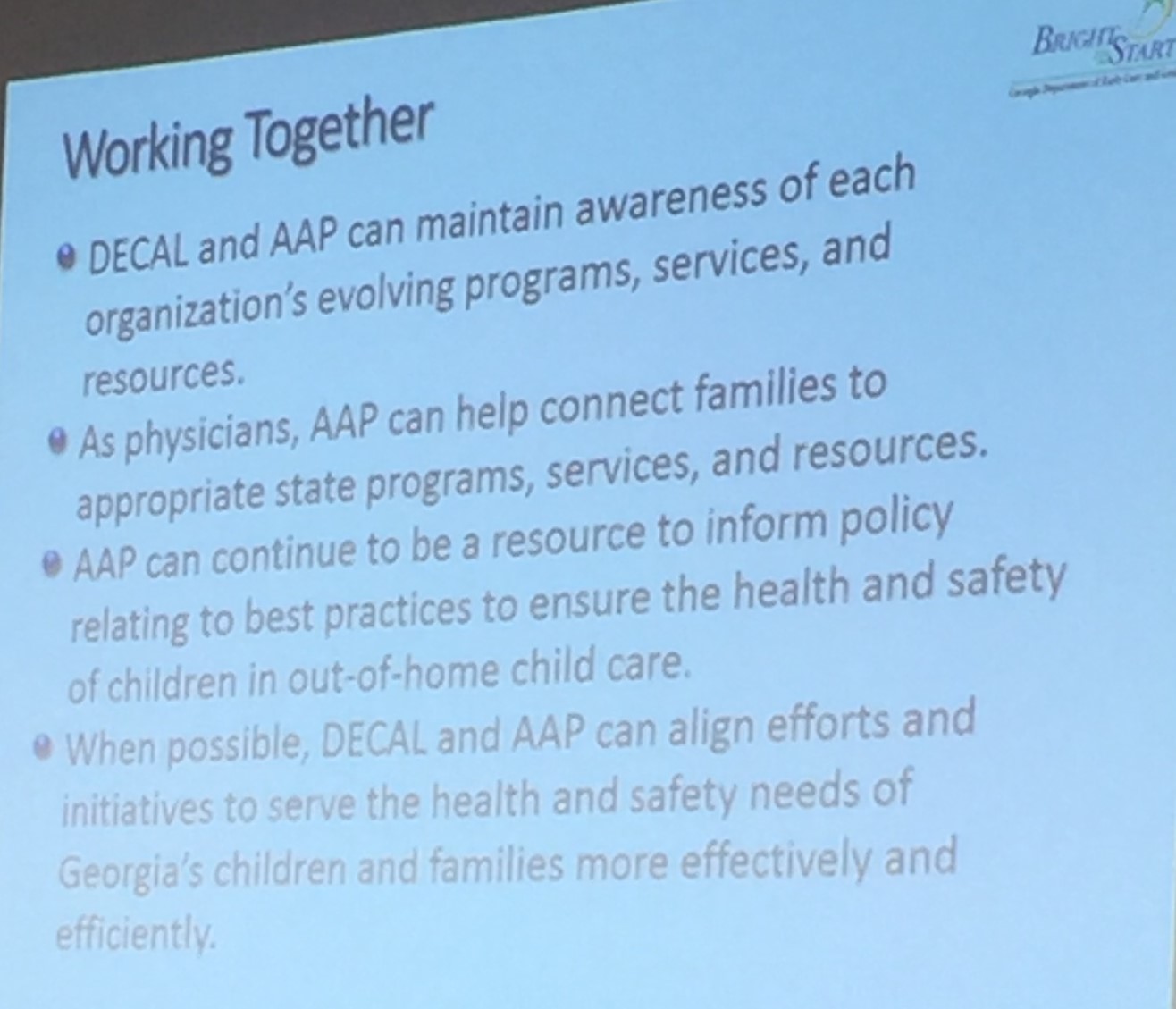
Amy Jacobs, Commissioner of Ga Dept of Early Care & Learning (DECAL)

  • decal.ga.gov Website is resource for child care and sponsored meals
  • Georgia Pre-K now in 25th
  • QualityRated.org Useful website for identifying high quality child care
  • ~50,000 children supported with scholarships for childhood care caps.decal.ga.gov 833-442-2277
  • Text “FOODGA” to 877-877 Summer Meal Programs or Call toll free 855-550-7377

Project S.A.V.E.  –Robert Campbell, Richard Lamphier

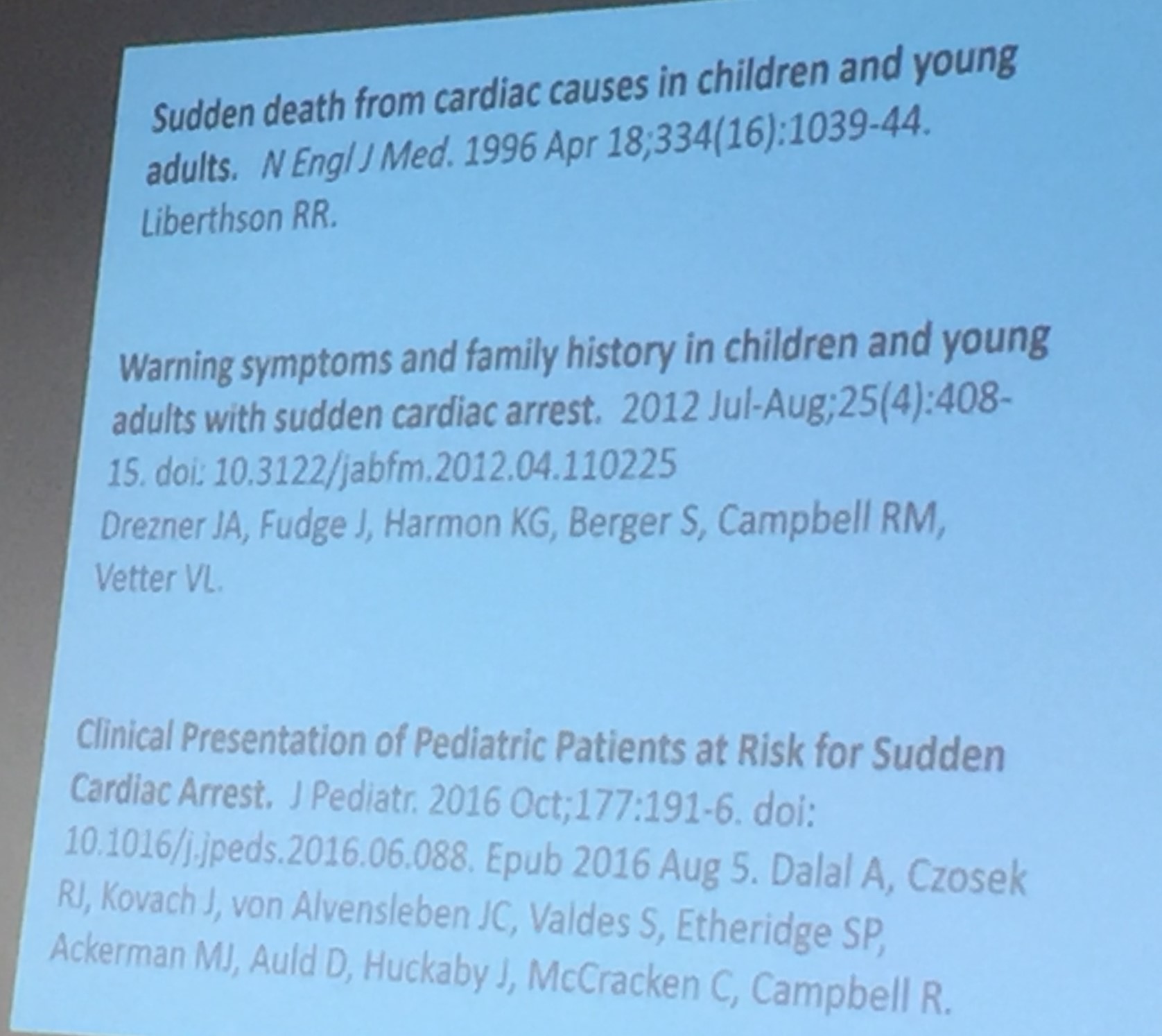
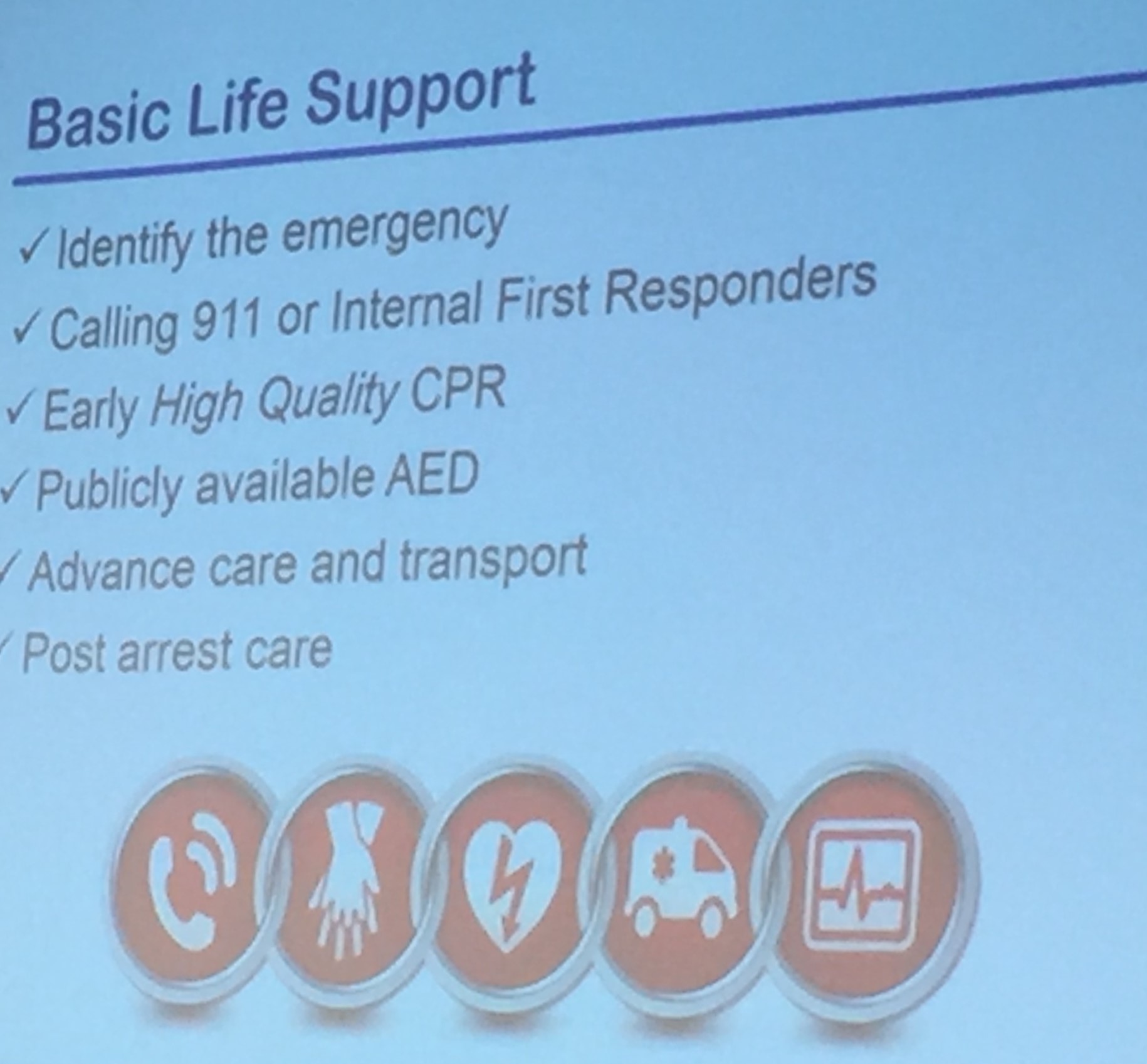
  • Started in 2004 with the mission of promoting and improving prevention of sudden cardiac arrest (SCA) in children, adolescents and others in Georgia communities..  Website: Project S.A.V.E.
  • Primary prevention: pediatric office, preparticipation physical exams
  • Secondary prevention: after cardiac arrest –emergency action plan
    • Where’s the nearest AED? (Mr. Lamphier’s car).  At our office, GI Care For Kids’ AED –>Formula closet/Stan’s dictation area
    • Is there a plan if an emergency occurs? Name of building, address. Any barriers?
    • Almost always someone is willing to donate AED (~$700) -not a lot of money, this is a process issue much more than a financial one
    • If you wait for an ambulance (~10 minutes) with SCA, you probably won’t need an ambulance –the patient will not survive
  • There are fire drills –last death from fire in Georgia School in 1950s. Schools need emergency action plans in place.  For AEDs to be useful, there is a need for them to be accessible; thus, schools may need to have them in multiple locations.  About 15 pediatric cardiac arrests (data not formally collected) per year in Georgia.

Nutrition Committee Notes:

Nutrition Colloquium: Assessing and Nourishing the High-Risk Feeding Patient

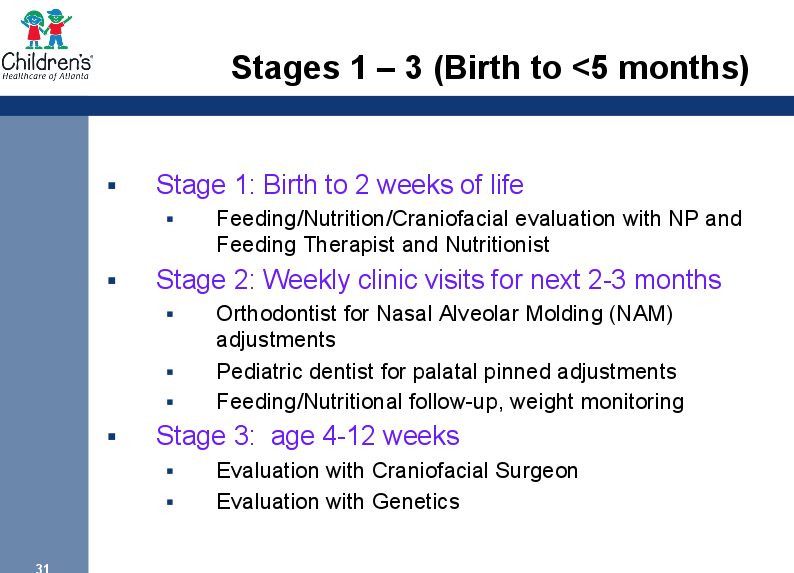
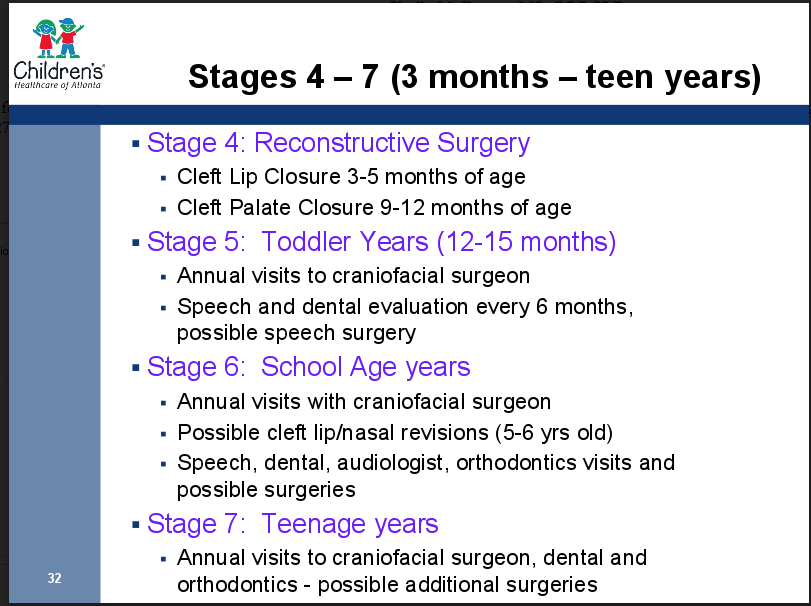
A recent CHOA Nutrition Colloquium provided a lot of useful information regarding speech language assessment, nutrition assessment, and craniofacial team assessment.

Full slide setNutrition Colloquium Jan 2018

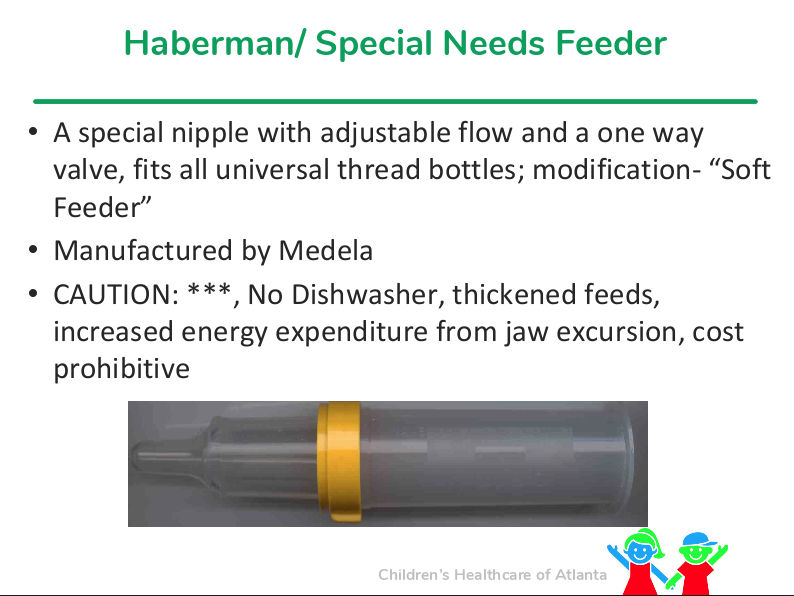
Here are a few slides –Thanks to Kipp Ellsworth for coordinating these talks and making slides available. The first group of slides explains who and how to evaluate for feeding problems, the next group discusses the specific role of the craniofacial team, and the last group of slides discusses nutritional management.


Probiotics for Prevention of Nosocomial Diarrhea in Children

A recent review (I Hojsak et al. JPGN 2018; 66: 3-9) examined published trials regarding the role of probiotics in the prevention of nosocomial diarrhea. The review was conducted by a working group on behalf of ESPGHAN.

Key findings:

  • “Recommendation: If probiotics for preventing nosocomial diarrhea in children are considered, the WG [working group] recommends using L rhamnosus GG (at least 10 to the 9th CFU/day, for the duration of hospital stay).
  • Quality of evidence: Moderate
  • Strength of recommendation: Strong
  • Number needed to treat (in order for beneficial effect in one): 12 patients

The authors do not recommend L reuteri DSM17938 due to lack of efficacy; other probiotics did not receive a recommendation either due to lack of data or lack of efficacy.

It is possible that there have been unpublished negative probiotic studies which would alter the calculation of a beneficial effect.

My take: While the working group recommends L rhamnosus GG if probiotics are used to prevent diarrhea, the absolute benefit is low.

Related blog posts:

Bright Angel Trail, Grand Canyon

Probiotics for Colic –2018 Update

There is some debate about whether colic is truly a GI disorder.  A recent commentary (V Sung, MD Cabana. J Pediatr 2017; 191: 6-8) provides some insight.

Key points:

  • “‘Colic’ is a term coined by the ancient Greeks…derived from ‘kolikos,’ meaning crampy pain, sharing its root with the the word colon.”
  • “Since 1994, there have been at least a dozen case-control studies that have indicated differences in the gut microbiota between infants with and without colic.”
  • Studies have had conflicting results with whether calprotectin levels are increased in infants with colic compared with controls.
  • Among probiotics, L reuteri DSM17938 “is the best studied strain.” Despite several studies suggesting efficacy, “the largest and only double-blind randomized trial that included both breastfed and formula-fed infants with colic (n=167) in Australia was ineffective.
  • The commentary reviews a recent study (Fatheree NY et al. J Pediatr 2017; 191: 170-8) “although very small in comparison, adds to this literature, being the second double-blind randomized, placebo-controlled trial of L reuteri DSM17938 shown to be ineffective in breastfed infants with colic.” Sample size =20. “It is the first to document increased fecal calprotectin levels that decrease with reduced crying” …though this “may be reflections of normal levels in healthy young infants, which change over time.”  In addition, this study did not find evidence of systemic inflammation.  The authors speculate that the frequent use of antireflux medications could dampen the effects of probiotics.

My take: We still do not know whether efforts at changing an infant’s microbiome improve clinical outcomes in colic.

Related blog posts:

Near Bright Angel Trail, Grand Canyon