Nutrition Week (Day 5) What a Gastrostomy Tube Means for Cognition

Looking at a retrospective cohort of 194 neonates, a recent study (SR Jadcherla et al. J Pediatr 2017; 181: 125-30) showed that infants discharged with a gastrostomy tube (Gtube) had associated lower cognitive outcomes.

The authors examined discharge milestones along with Bayley Scales of Infant Development (3rd edition) at 18-24 months of age.

Key findings:

  • 60% of infants (n=117) were discharged on oral feedings and 96% remained oral-fed at 1 year.
  • 40% (n=77) were discharged on gastrostomy feedings.31 (40%) remained fully Gtube dependent, 17 (22%) were orally-fed, and 29 (38%) were on oral/gtube combination.
  • Gtube feedings at discharge were a marker for lower cognition (P<0.01), communication (P=0.03) and motor (P<0.01) composite scores at 18-24 months of age.
  • Other factors associated with neurodevelopmental delay included intraventricular hemorrhage, younger gestational age, and bronchopulmonary dysplasia.

My take: This study provides evidence for an expected finding –infants who need gtubes have poorer neurodevelopmental outcomes than infants who do not need gtubes.

Related blog posts:

Thanks to an Olive Oyl fan for this picture

Thanks to an Olive Oyl fan for this picture


Nutrition Week (Day 4) Trophic Hormone for Pediatric Short Bowel Syndrome

A recent study (BA Carter et al. J Pediatr 2017; 181: 102-11) provides some preliminary data on the use of glucagon-like peptide-2 (GLP-2) (Teduglutide) for pediatric short bowel syndrome (SBS).

This was a 12-week, open-label study in patients aged 1-17 years with intestinal failure (IF) associated with SBS. Prior to the study, patients had shown little to minimal advance in enteral nutrition for at least 3 months. Three doses of GLP-2 (0.0125 mg/kg/d, 0.025 mg/kg/day, and 0.05 mg/kg/day).

Key findings:

  • All treated patients (37) experienced mild or moderate adverse effects, including vomiting, pyrexia, catheter-related complications, and upper respiratory tract infections. No serious adverse events were identified. In the 5 patients who received standard care, adverse effects were recorded as well, including upper respiratory tract infections in 2 (40%) which was similar to the other groups.
  • By week 12, parenteral nutrition (PN) volume and calories were reduced in the higher dosed groups.  In the 0.025 mg/kg/day group, PN volume dropped by 41% and calories by 45%.  In the 0.05 mg/kg/day group, PN volume dropped by 25% and calories by 52%. Virtually no change in these parameters occurred in the lowest dose (0.0125 mg/kg/day) with no change in volume and 6% drop in calories.
  • Enteral feeding volume occurred in all groups: 22%, 32%, and 40% in the groups and was directly related to the GLP-2 dosing.
  • Citrulline levels (a biomarker of enteral autonomy) were monitored “but the results were clouded by wide variability of baseline values.”  In adult studies, citrulline levels increased significantly.

My take: This open-label study has many limitations; further studies are planned (ClinicalTrials.gov, NCT02682381). Nevertheless, this study indicates that GLP-2 holds promise as a therapy for SBS/IF.

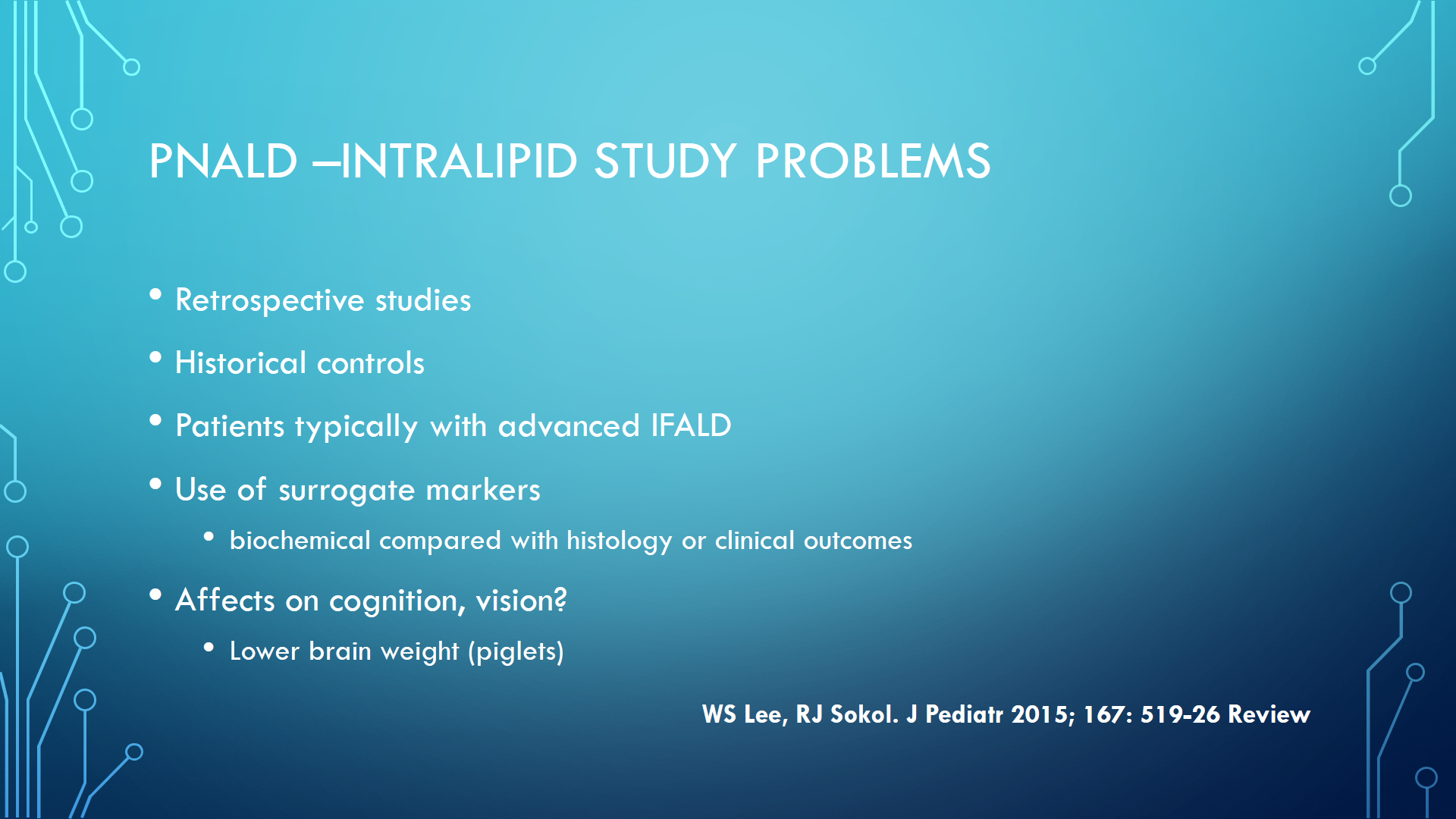
Another slide in a recent lecture on PNALD (slide derived from Conrad Cole lecture in Octobler 2015 -available at Pediatric Nutritionist Blog, slide 49):

screenshot-109

Related blog posts:

Nutrition Week (Day 3) Multidisciplinary Feeding Disorders

A recent systematic review/meta-analysis (WG Sharp, VM Volkert, L Scahill, CE McCracken, B McElhanon. J Pediatr 2017; 181: 116-24) by my colleagues at the Marcus Center and Emory indicate that intensive, multidisciplinary treatment for pediatric feeding disorders is a game-changer.

The authors identified 11 studies with 593 patients.

Key finding: After intensive intervention, 71% were successfully weaned off tube feedings at the completion of the intervention and this improved to 80% at last followup. Treatment was also associated with increased oral intake, improved mealtime behaviors, and reduced parenting stress.

Based on the results of their review/meta-analysis, the authors provide a summary of recommendations for “standard of care at intensive day and inpatient programs.”  This lists the professional team which should involve at a minimum: psychology, medicine, nutrition, and speech language/occupational therapy.  Treatment needs active participation of caregivers so that gains will not be lost when intensive treatment is completed. Behavioral intervention is central to success.

In an associated editorial (pg 7-8), the authors (RJ Noel, AH Silverman) explain that the one of the biggest hurdles for intensive treatment is gaining approval from insurance companies. One key point they make: “Their work provides data that will be very useful towards advocacy and improving patient access to such treatment.”

My take: This study provides justification of intensive feeding programs.  That being said, the individuals/programs with the appropriate expertise to achieve these results remain quite limited.

Related blog entries:

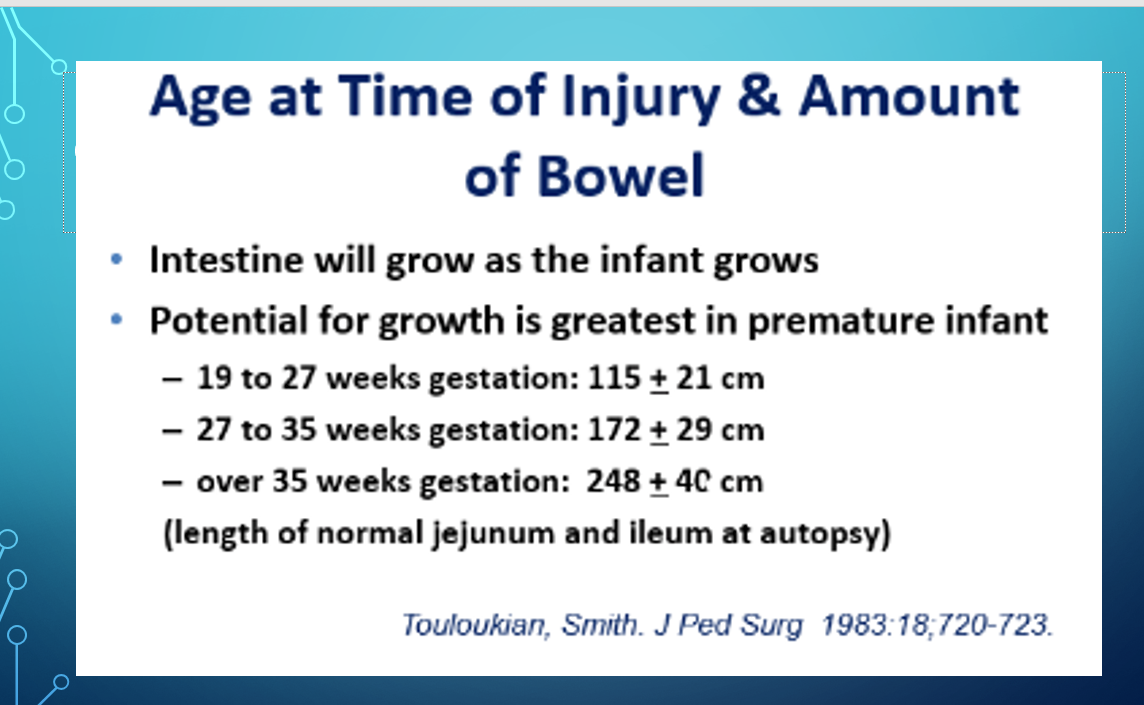
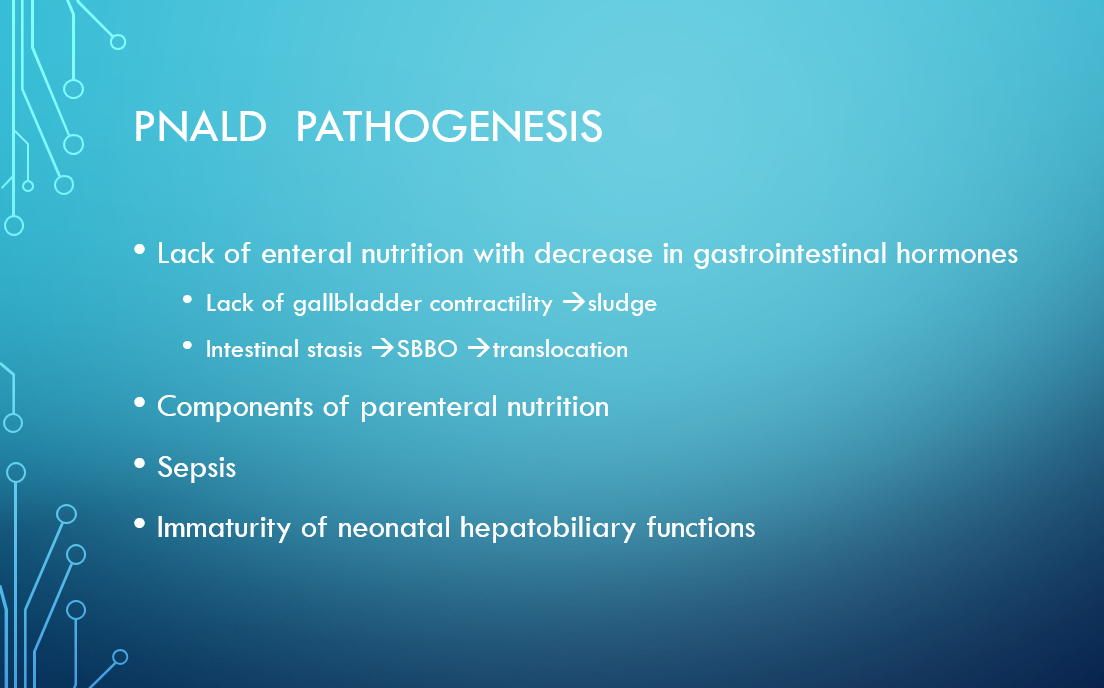
A few more slides from my recent PNALD/IFLAD lecture:

screenshot-108

The other subjects discussed for PNALD treatment included management of bacterial overgrowth, possible role of STEP surgery, and lipid management strategies.

screenshot-107


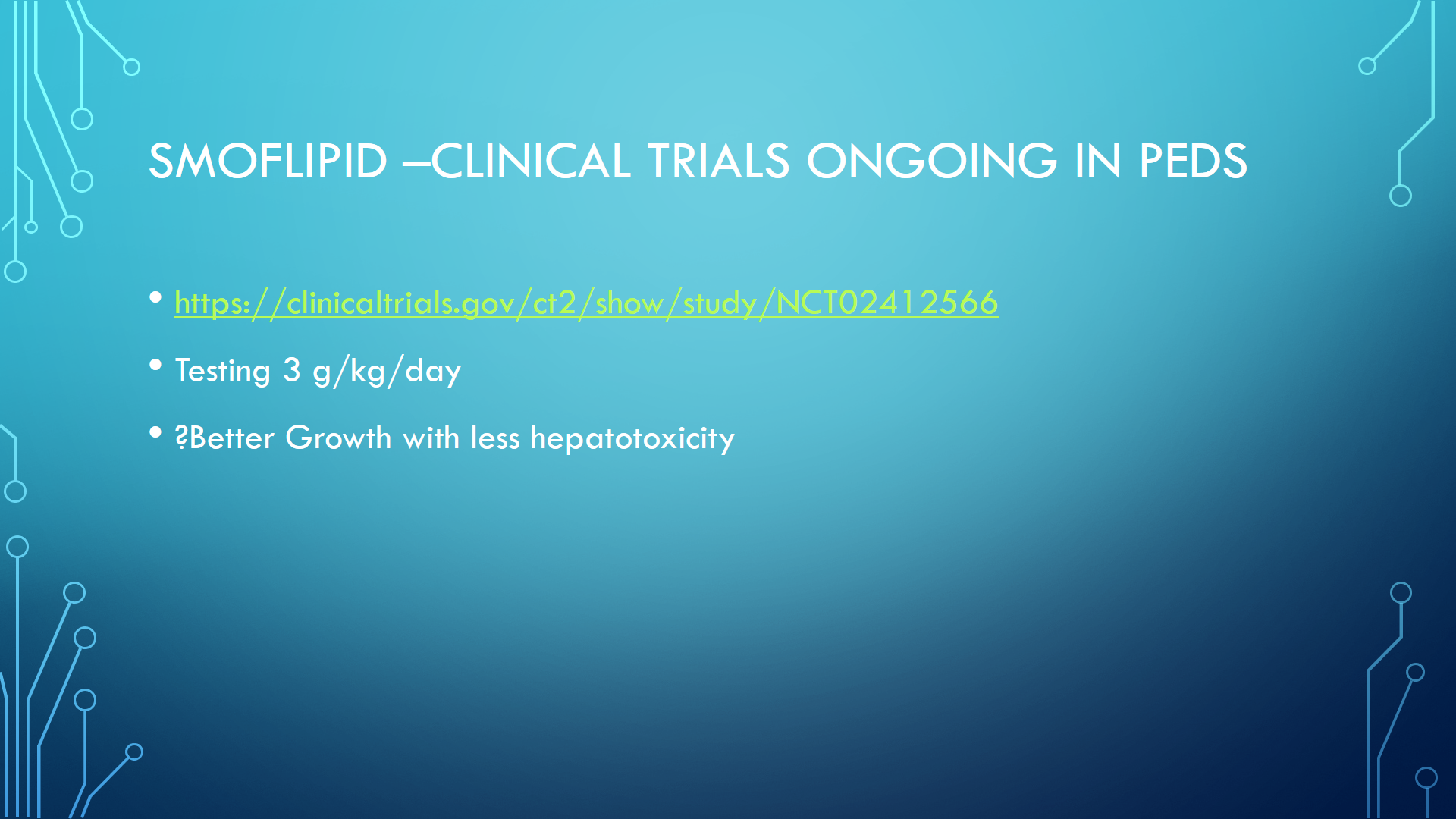
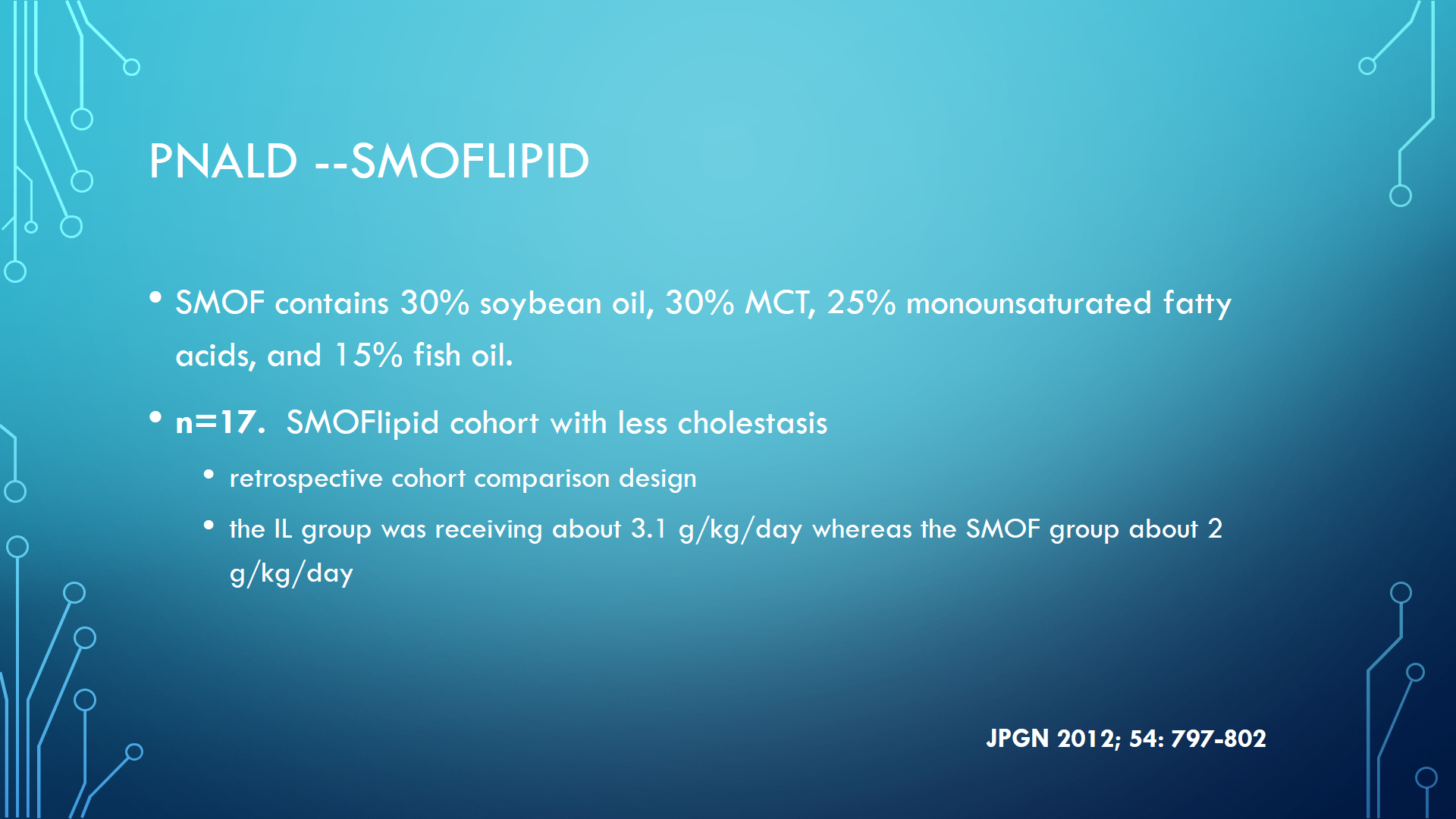
Nutrition Week (Day 2) SMOFlipid

With newer lipid emulsions, there is the potential to give more lipids and have less liver injury.  A recent report by Diamond et al (JPEN J Parenter Enteral Nutr. 2016 Feb 2. pii: 014860711562692) provides some of the best data for the use of SMOFlipid in infants: Preventing the Progression of Intestinal Failure-Associated Liver Disease in Infants Using a Composite Lipid Emulsion: A Pilot Randomized Controlled Trial of SMOFlipid.

Here’s the abstract: and afterwards some slides from a recent lecture that I gave regarding parenteral nutrition associated liver disease (and intestinal failure associated liver disease):

BACKGROUND:

To examine whether SMOFlipid prevents progression of intestinal failure-associated liver disease (IFALD) in parenteral nutrition (PN)-dependent infants with early IFALD (conjugated bilirubin 17-50 µmol/L, 1-3 mg/dL).

STUDY DESIGN:

Pilot multicenter blinded randomized controlled trial comparing SMOFlipid with Intralipid. Patients received the trial lipid for up to 12 weeks, unless they achieved full enteral tolerance sooner. The primary clinical outcome was the serum conjugated bilirubin.

RESULTS:

Twenty-four infants (mean age, 6 weeks) participated in the trial (13 Intralipid and 11 SMOFlipid). At the time of trial enrollment, patients in both groups were receiving 90% of their calories by PN. Mean duration on trial was 8 weeks and did not differ according to treatment (P = .99). At trial conclusion, patients who received SMOFlipid had a lower conjugated bilirubin than those who received Intralipid (mean difference, -59 µmol/L; P = .03). Patients receiving SMOFlipid were also more likely to have a decrease in serum conjugated bilirubin to 0 µmol/L than those in the Intralipid group over the entire observation period (hazard ratio, 10.6; 95%; P = .03). The time to achievement of full enteral tolerance did not differ statistically (hazard ratio, 1.3; P = .59) between the groups. There was no significant difference in safety outcomes between the groups.

CONCLUSIONS:

Compared with Intralipid, SMOFlipid reduces the risk of progressive IFALD in children with intestinal failure. This trial was registered at clinicaltrials.gov as NCT00793195.

Here are a few more slides from my recent lecture on PNALD/IFALD:

screenshot-105

screenshot-104

screenshot-106

The above slide was borrowed from a talk by Dr. Conrad Cole on short bowel syndrome (available online via the Pediatric Nutritionist blog).

screenshot-107


Related blog posts:


Nutrition Week (Day1) Downside on Lipid Reduction

Recently I gave a lecture on parenteral nutrition associated liver disease (PNALD), though the term intestinal failure associated liver disease (IFALD) is probably more popular at this time.  The day afterwards, I read an important study (L Beauport et al. J Pediatr 2017; 181: 29-36) reiterating one of the concerns in the lecture.

This study showed that higher lipid intake in a cohort of neonates born at <30 weeks during the first 2 weeks after birth was associated with a lower incidence of brain lesions and dysmaturation when examined by MRI at term equivalent age (TEA).

Details: This prospective cohort study examined energy/lipid intake in the first 2 weeks of life. Eligible patients were neonates ≤30 weeks.  Group 1 with 27 patients had birth weight median of 900 gm compared with Group 2 with 15 patients had median weight of 844 gm. During the first year of the study, participants received a soybean emulsion whereas in the last year of the study, the neonates received a mixture of soybean and olive oil (Clinoleic).

Key finding: After adjusting for clinical risk scores and sepsis, the authors found that the higher energy/lipid intakes resulted in improved brain MRIs in group 1. A “10 Kcal/kg/day increase in energy of 0.7 g/kg/day increase in lipids intake would reduce the risk of having more severely abnormal MRI at TEA by >60%.”

Here are some slides from my talk relevant to this topic and to parenteral nutrition associated liver disease (PNALD):

screenshot-102 screenshot-103

“When the Cause of Liver Disease Is the Heart”

A recent review (S Ofei, C Gariepy. JPGN 2017; 64: 3-7) provides a good review of “congestive hepatopathy.”

Key points:

  • Overall, the liver receives 25% of cardiac output; though, 70% of blood flow to the liver is partially deoxygenated blood.  Cardiac disease can lead to liver disease due to hypoxic injury.
  • “Congestive hepatopathy (CH) results from chronic right heart dysfunction with decreased hepatic blood flow, arterial saturation, and increased central venous pressure.”  Ultimately, CH can lead to hepatic cirrhosis, termed ‘cardiac cirrhosis’ by the authors.
  • “Symptoms of CH are vague.” These symptoms could include abdominal pain nausea, and early satiety.
  • Treatment is uncertain.  “Guidelines and expert consensus..favor use of loop diuretics in patients with jaundice, hepatic congestion, and ascites.”
  • With regard to patients with Fontan-associated liver disease (FALD), “there is no consensus.” Patients should be treated for complications like varices, coagulopathy, and nutritional deficiencies.”  Some patients will need liver transplantation, though liver disease may be reversible with cardiac transplantation.  The article provides many references that provide more in-depth review of this topic.

My take: Overall, this article provides a succinct review of congestive hepatopathy.  There are many other cardiac conditions associated with liver dysfunction including heart disease associated with NAFLD, Alagille syndrome, and Kawasaki’s.

Cozumel

Cozumel

Related blog posts:

Support for Step-Up Therapy and Thiopurines

A retrospective study (H Bar-Yoseph et al. Clin Gastroenterol Hepatol 2017; 15: 69-75) indicated that thiopurine use before infliximab (IFX) was associated with the prevention of antidrug antibody formation in patients with Crohn’s disease.

The authors had 207 eligible patients which included 93 who received IFX monotherapy, 52 who received combination therapy after response to thiopurine, 34 who received IFX after lack of response to thiopurines (but continued with combination treatment), and 28 who received de novo combination therapy.  The total number of patients followed in these centers is much higher, but they excluded those with episodic infusions and for other reasons that could affect their conclusions.

Key findings:

  • Prior thiopurine therapy was associated with lower antidrug antibodies (ADA). At 1 year, past thiopurine responders had 19.3% ADA, past thiopurine failures had 16.1% ADA; both were much lower that the monotherapy rate of 46.6%  The de novo combination group had a rate of 21.9% which did not reach significance.
  • Interestingly, after the first 5 months, the de novo combination group did not develop further ADA but during the first 5 months the rate of ADA was quite similar to the monotherapy rate. This could be related to the notion that thiopurines may take 3-6 months to achieve full effect.
  • Combination therapy (compiled)  was associated with higher rates of clinical remission (58.8% vs 40.9%) and lower rates of active disease (8.8% vs. 21.5%).

Overall, this study showed high rates of ADA compared to many studies but the conclusions are similar to other published studies.  It could be that many of those with positive ADA were lower antibody levels and that many of these levels may not be clinically significant. The study has limitations mainly related to being a retrospective study.

My take: This study supports the following:

  1. Combination therapy is more effective than monotherapy
  2. Using an immunomodulator before starting infliximab may reduce ADA formation more effectively than starting combination therapy de novo.

Related blog posts:

Disclaimer: These blog posts are for educational purposes only. Specific dosing/usage of medications (along with potential adverse effects) should be confirmed by prescribing physician.  This content is not a substitute for medical advice, diagnosis or treatment provided by a qualified healthcare provider. Always seek the advice of your physician or other qualified health provider with any questions you may have regarding a condition.

screenshot-72

Nutrition in Immune Balance -New Website for Inflammatory Bowel Disease

Dr. David Suskind and colleagues have developed a website which provides a great deal of information regarding nutritional therapy, particularly the Specific Carbohydrate Diet (SCD), and inflammatory bowel disease.  The website also facilitates contributions to Seattle Children’s Hospital and buying a book on the SCD.

Here’s a link to website: NIMBAL.org

Related blog posts:

Near Shem Creek, SC

Near Shem Creek, SC

ACG Guideline for Helicobacter Pylori

Link: ACG Clinical Guideline: Treatment of Helicobacter pylori Infection

The American Journal of Gastroenterology , (10 January 2017) | doi:10.1038/ajg.2016.563

William D Chey, Grigorios I Leontiadis, Colin W Howden and Steven F Moss

Helicobacter pylori (H. pylori) infection is a common worldwide infection that is an important cause of peptic ulcer disease and gastric cancer. H. pylori may also have a role in uninvestigated and functional dyspepsia, ulcer risk in patients taking low-dose aspirin or starting therapy with a non-steroidal anti-inflammatory medication, unexplained iron deficiency anemia, and idiopathic thrombocytopenic purpura. While choosing a treatment regimen for H. pylori, patients should be asked about previous antibiotic exposure and this information should be incorporated into the decision-making process. For first-line treatment, clarithromycin triple therapy should be confined to patients with no previous history of macrolide exposure who reside in areas where clarithromycin resistance amongst H. pylori isolates is known to be low. Most patients will be better served by first-line treatment with bismuth quadruple therapy or concomitant therapy consisting of a PPI, clarithromycin, amoxicillin, and metronidazole. When first-line therapy fails, a salvage regimen should avoid antibiotics that were previously used. If a patient received a first-line treatment containing clarithromycin, bismuth quadruple therapy or levofloxacin salvage regimens are the preferred treatment options. If a patient received first-line bismuth quadruple therapy, clarithromycin or levofloxacin-containing salvage regimens are the preferred treatment options. Details regarding the drugs, doses and durations of the recommended and suggested first-line and salvage regimens can be found in the guideline.

My take: Recent draft guidelines from our pediatric group, NASPGHAN, suggested that triple therapy, in addition to quadruple therapy, would still be considered a first-line approach.  When the NASPGHAN report is completed/published, it will be of interest to see whether this discrepancy persists.

Related blog posts:

screen-shot-2017-01-10-at-7-53-16-pm

Vedolizumab: summary of latest data

BG Feagan et al. Clin Gastroenterol Hepatol 2017; 15: 229-39.

From Clin Gastroenterol Hepatol, Feb 2017 Issue Highlights Link from AGA twitter feed:Vedolizumab in Anti-Tumor Necrosis Factor Naïve or Previously Exposed Ulcerative Colitis Patients

“Feagan et al present data comparing patients based on past exposure to anti-TNF agents. This post-hoc analysis compared 464 patients who received vedolizumab or placebo who were naïve to TNF antagonists to 367 patients who had been exposed but had an inadequate response, loss of response, or intolerance to TNF antagonists…

The investigators describe greater differences in efficacy for vedolizumab (versus placebo) in patients who were naïve to TNF inhibitors than for patients with prior exposure to anti-TNF agents.

Week 6 reponse rates to vedolizumab or placebo were 53% vs 26% amongst patients naïve to TNF antagonists (absolute difference 26%) compared to 39% vs 21% in patients with prior anti-TNF exposure (absolute difference 18%).

Week 52 remission rates with vedolizumab and placebo were 47% and 19%, respectively, for patients naïve to TNF antagonists (absolute difference 28%) compared with 36% and 5%, respectively, in patients with prior exposure to TNF biologics (absolute difference 29.5%).

Thus, while vedolizumab demonstrated significantly greater efficacy as induction and maintenance therapy for UC patients whether or not they had previously received therapy with anti-TNF agents, there were numerically greater treatment benefit at week 6 among patients who had never received prior biologic therapy.

My take: Given the higher response in anti-TNF naive patients along with the favorable safety profile, vedolizumab could be considered as a first-line therapy.

Related Blog Posts:

Induction endpoints in TNF-failure patients by type of failure. Forest plots show difference from placebo and 95% CIs for percentages of patients with (A) clinical response, (B) clinical remission, and (C) mucosal healing at Week 6. Patients with more than one type of TNF antagonist failure were evaluated by each type of failure; thus the number of patients in the subgroups may total more than the number of enrolled patients.

Induction endpoints in TNF-failure patients by type of failure. Forest plots show difference from placebo and 95% CIs for percentages of patients with (A) clinical response, (B) clinical remission, and (C) mucosal healing at Week 6. Patients with more than one type of TNF antagonist failure were evaluated by each type of failure; thus the number of patients in the subgroups may total more than the number of enrolled patients.