“Cat in the Hat” Effect with Transjugular Intrahepatic Portosystemic Shunt (TIPS)

IL Holster et al (Hepatology 2016; 63: 581-89) provide useful data on the use of transjugular portosystemic shunt (TIPS) compared with endoscopic therapy/Beta-blocker for prevention of variceal rebleeding.

In this multicenter randomized trial, TIPS was compared with either endoscopic variceal ligation or glue injection along with beta-blocker treatment in 72 patients with either a first or 2nd episode of variceal bleeding.  The median followup was 23 months.

Key findings:

  • 0 of 37 (0%) of TIPS patients had rebleeding compared with 10 of 35 (29%) in the endoscopic group.
  • TIPS mortality 32% compared with endoscopic group mortality of 26% (P=0.418)
  • Hepatic encephalopathy was 35% (TIPS) vs 14% (endoscopic group) (P=0.035)

This study shows that rebleeding is common in the endoscopic therapy group but that TIPS, while fixing bleeding, often resulted in other problems.  In “The Cat in the Hat” analogy, this would equate to moving the bathtub stain to the dress or curtains but not really improving the situation.

My take: It is helpful to see how these treatment strategies compare.  The data from this study does not clearly point to one strategy over another for dealing with this serious consequence of cirrhosis.

Related blog posts:

Statue at Ferry Dock, Culebra
Statue at Ferry Dock, Culebra
Sertraline and Liver Disease

A recent case report (MA Conrad, HC Lin. J Pediatr 2016; 169: 313-5) on sertraline-associated cholestasis provided a good reason to take a quick review on the NIH Liver Toxicity website:

Hepatotoxicity with sertraline (zoloft)

Liver test abnormalities have been reported to occur in up to 1% of patients on sertraline, but elevations are usually modest and infrequently require dose modification or discontinuation.  Rare instances of acute, clinically apparent episodes of liver injury with marked liver enzyme elevations with or without jaundice have been reported in patients on sertraline.  The onset of injury is usually within 2 to 24 weeks and the pattern of serum enzyme elevations has varied from hepatocellular to mixed and cholestatic.  Autoimmune (autoantibodies) and immunoallergic features (rash, fever, eosinophilia) are uncommon.  Actue liver failure due to sertraline has been described but is very rare.

The case report describes a 15 yo who developed jaundice (peak bilirubin 33.7 mg/dL with a direct fraction of 29.2 mg/dL) after 6 months of treatment with 75 mg per day.  After negative blood tests, he had a liver biopsy which was notable for rare bile ducts.  A jaundice chip was negative for underlying disorders like Alagille syndrome.  Urine bile acids were negative as well.  His laboratories normalized completely four months after cessation of sertraline.

It is interesting to note that sertraline has been used therapeutically for patients with pruritus due to cholestasis (Understanding Cholestatic Pruritus | gutsandgrowth)

My take: This case report describes bile duct paucity (vanishing bile ducts) as a result of sertraline therapy.  For practitioners, the bottom line is that SSRIs rarely cause liver toxicity; however, for patients with persistently-abnormal liver chemistries on SSRI therapy, discontinuation and identification of a safe alternative medication may be warranted.

Castillo San Felipe del Morro

Castillo San Felipe del Morro

Hepatitis B & C -Winter 2016

The large randomized pediatric entecavir study for Hepatitis B virus (HBV) is now in print: MM Jonas et al. Hepatology 2016; 63: 377-87.  Full link to this study on previous blog: Pediatric Entecavir Data  This study has led to FDA approval for use of entecavir in children as young as 2 years.  One interesting aspect of the study was the 2.6% drug resistance rate in the second year of the study.  This further validates current recommendations to treat children with “immune active” phases (e.g. abnormal transaminases and abnormal histology).

Briefly noted:

H Roberts et al. Hepatology 2016; 63: 388-97.  This study provides prevalence data for chronic HBV, 1988-2012.  During 2011-12, there were approximately 850,000 Americans with chronic HBV infections.  Migration of persons from HBV endemic countries has “largely contributed to prevalence rates remaining constant since 1999.”

JM Wilder et alHepatology 2016; 63: 437-44. This study showed that ledipasvir/sofosbuvir was similarly effective in black and non-black patients, with SVR12 rates of 95% and 97% respectively.  This is important because older interferon-based treatments were much less effective in black patients.

TB Dick et al. Hepatology 2016; 63: 634-43.  This review provides in-depth guidance regarding drug-drug interactions relevant to the new direct-acting antiviral agents used to treat Hepatitis C viral infection.

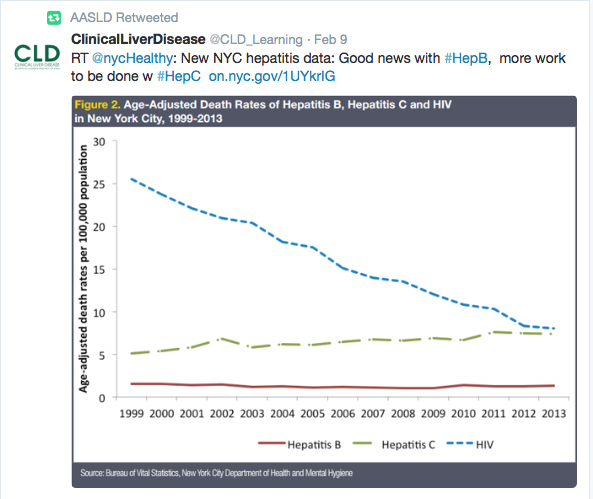
NY City Data for HIV, HBV, HCV

NY City Data for HIV, HBV, HCV

NPR: Understanding “Sleep Munchies”

From NPR: Sleep Munchies: Why It’s Harder to Resist Snacks When We’re Tired

An excerpt:

There’s lots of evidence that getting too little sleep is associated with overeating and an increased body weight.

The question is, why? Part of the answer seems to be that skimping on sleep can disrupt our circadian rhythms. Lack of sleep can also alter hunger and satiety hormones.

Now, a new study finds evidence that sleep deprivation (getting less than five hours of sleep per night) produces higher peaks of a lipid in our bloodstream known as an endocannabinoid that may make eating more pleasurable.

So, what’s an endocannabinoid? If you look at the word closely, you may already have a clue. The prefix endo means inner, or within. And cannabinoid looks like … you got it: cannabis.

My take: Another good reason to avoid being on call -it could lead to sleep deprivation/weight gain.

Old San Juan

Old San Juan

Ondansetron for Gastroenteritis

Another study (AS Danewa et al J Pediatr 2016; 169: 105-9) has shown that ondansetron (zofran) is effective for gastroenteritis. In children (n=170) between 3 months and 5 years with acute diarrhea and vomiting in India, a single dose of ondansetron (0.2 mg/kg) syrup prior to the use of oral rehydration therapy (ORT) improved outcomes.

Failure of ORT was 31% in those treated with ondansetron compared with 62% given placebo (P<.001).  there was fewer vomiting episodes and lower rates of IVF usage in those who received ondansetron.

Related blog posts:

Castillo San Felipe del Morro

Castillo San Felipe del Morro

Microbiome Predicts Constipation plus two

In brief:

G Parthasarathy et al. Gastroenterol 2016; 150: 367-79.  Mucosal and fecal microbiota samples were collected from 25 healthy women and 25 women with chronic constipation.  Key finding: The mucosal, but not fecal, microbiota profile were 94% predictive of constipation. The associated editorial (pg 300) provides a framework for understanding these findings and show the complexity of trying understand the interations between diet, motility and microbes.

S Fukudo et al. Gastroenterol 2016; 150: 358-66.  This prospective study of Ramosetron for 576 women with IBS-D.  Key finding: 50.7% of treatment patients reported global improvement compared with 32.0% of control patients.  Patients had less abdominal pain, less discomfort, and better stool consistency.  Ramosetron, a 5-HT3 antagonist, has not been reported to cause ischemic colitis (in contrast to alosetron).

In followup to a post earlier in the week, another worrisome study on the Zika virus in pregnancy from NEJM. Here’s an excerpt:

Fetal abnormalities were detected by Doppler ultrasonography in 12 of the 42 ZIKV-positive women (29%) and in none of the 16 ZIKV-negative women. Adverse findings included fetal deaths at 36 and 38 weeks of gestation (2 fetuses), in utero growth restriction with or without microcephaly (5 fetuses), ventricular calcifications or other central nervous system (CNS) lesions (7 fetuses), and abnormal amniotic fluid volume or cerebral or umbilical artery flow (7 fetuses).

Farjado, Puerto Rico

Farjado, Puerto Rico

“Simple Remedies for Constipation”

“Common sense is not so common” –Voltaire

A useful review of constipation management in the NY Times: Simple Remedies for Constipation

This review explains the role of diet and exercise in treatment of constipation.  The author notes that coffee helps many and that laxatives are safe. In addition, the idea of “autointoxication” due to infrequent bowel movements is debunked.

Here’s an excerpt:

Dr. Wald and others say that properly designed studies of these [stimulatory] laxatives have shown no harm to the colon when they are taken in recommended amounts.

Yet many doctors still warn – inappropriately, Dr. Wald says — against taking stimulatory laxatives for more than a few days. Indeed, the website FamilyDoctor.org states, “When these laxatives are taken for a long time, the bowel can lose its muscle tone and ‘forget’ how to push the stool out on its own.” Best to forget this outdated idea as long as you stick to the recommended dose if you must take these products.

Related blog posts:

Screen Shot 2016-02-09 at 8.56.54 PM

Worried About the Zika Virus

While Zika virus infections may not be seen frequently by pediatric gastroenterologists, this infection will be a common concern for the families we treat and we may end up taking care of children with feeding problems/neurologic impairment due to congenital infection.

I attended a recent Georgia American Academy of Pediatrics board meeting.  One of the topics discussed was the Zika virus.  An update was given by Dr. Harry Keyserling, chair of the infectious disease committee (who has given permission for me to share some of his slides).  Some of the important points from his talk:

  • The Zika virus shares some similarities with the Dengue virus. The Zika virus is a single-stranded RNA flavivirus. Incubation period is 3 days to a few weeks.  It can be acquired from mosquito bites, spread sexually, transplacentally or intrapartum.  It may be transmissible via blood, organ donation or possibly breastmilk.


History of Zika Virus

History of Zika Virus

Most are asymptomatic. The clinical spectrum in those with symptoms are noted above.

Most are asymptomatic. The clinical spectrum in those with symptoms are noted above.

  • 80% of infected individuals are asymptomatic.
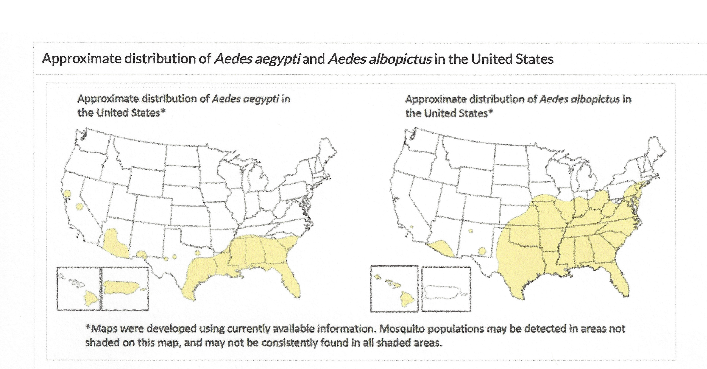
Approximate distribution of mosquito vector

Approximate distribution of mosquito vector

  • Due to the geographic distribution of the vector, it is likely that there will be many more cases in Georgia.

Screen Shot 2016-03-02 at 6.57.28 PM

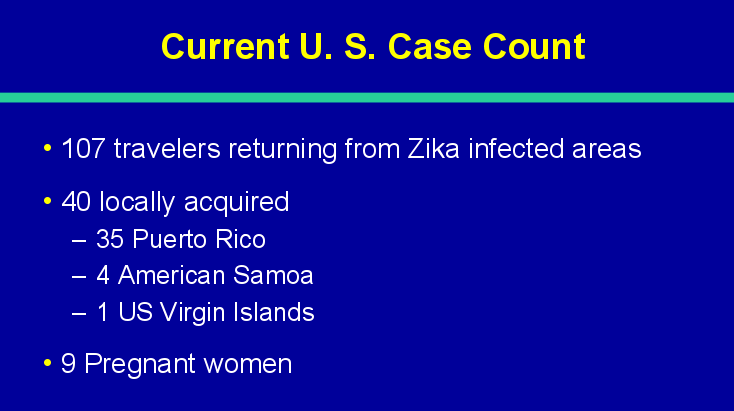
US DATA 1

US DATA 2

  • The most alarming association has been with microcephaly.  In some locations, there have been recommendations to avoid pregnancy until 2018.  After natural infection has spread, it is likely to lead to immunity and then should be safe to become pregnant.

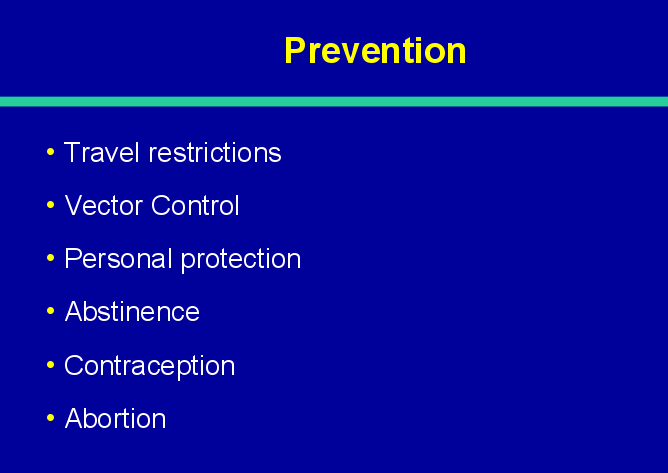
Prevention

  • Zika can be acquired through sexual-transmission which indicates that pregnant women in endemic areas could need to avoid sex.

More resources:

My take: Because the Zika virus is going to continue to spread and the methods for prevention are not entirely effective, the next few years are going to present a lot of challenges.  This will continue until some population immunity develops (following infection or perhaps after development of an effective vaccine).

Is Gabapentin a Good Idea for Neonates with Irritability?

A recent case report (CM Cotten, et al. J Pediatr 2016; 169: 310-2) retrospectively reviewed 11 neonates (8 preterm) who received gabapentin mainly for “visceral hyperalgesia/agitation.”  The starting doses generally ranged from a low of 5 mg/kg/dose every 24 hrs to 5 mg/kg/dose every 8 hrs.  Generally, there were improved symptoms and lower need for opioids and benzodiazepines; the most frequent adverse reaction noted was bradycardia.  The authors caution against abrupt withdrawal of gabapentin.

My take: Like most medications, gabapentin has not been adequately evaluated in neonates, but it would not surprise me if it were useful for irritability.

Disclaimer: These blog posts are for educational purposes only. Specific dosing of medications/diets (along with potential adverse effects) should be confirmed by prescribing physician/nutritionist.  This content is not a substitute for medical advice, diagnosis or treatment provided by a qualified healthcare provider. Always seek the advice of your physician or other qualified health provider with any questions you may have regarding a condition.

Old San Juan

Old San Juan

More on Hepatitis B Treatment in Children

A recent post (New Hepatitis B Treatment Guidelines -AASLD) described the updated treatment recommendations.  When these guidelines were published, a separate review devoted specifically to pediatrics was published (Hepatology 2016; 63: 307-18).

Some of the key points:

  • This pediatric review included 14 studies with 1425 children.  The authors note that 7 of these trials had a high risk of bias.  Also, the studies are limited by relying on surrogate markers of long-term outcomes as clinical outcomes like cirrhosis, HCC, and death are rare in childhood.
  • Among oral agents, entecavir and lamivudine are approved for use in children ≥ 2 years, whereas adefovir and tenofovir are approved for use in children ≥ 12 years.  Both lamivudine and adefovir are associated with frequent development of viral resistance
  • For children with elevated ALT (>1.5 times upper limit of normal [ULN]), treatment is recommended:

9A. The AASLD suggests antiviral therapy in HBeAg-positive children (ages 2 to <18 years) with both elevated ALT and measurable HBV DNA levels, with the goal of achieving sustained HBeAg seroconversion.

Why not treat everyone?

  • Children with immune-tolerant HBV infection (normal or near-normal ALT [< 1.5-2 times ULN] along with high HBV DNA [>10 million IU/mL]), “are not typically candidates for treatment because treatment with any of the currently available drugs has not been demonstrated to improve HBeAg seroconversion compared with no treatment.”
  • Children with ALT >10 time ULN may be in the process of spontaneous seroconversion “and should be observed for several months before treatment” is initiated.
  • “Prolonged treatment with nucleoside or nucleotide analogs in children who are in immune-tolerant phase has not been associated with substantial benefit and carries a risk of developing antiviral drug resistance…An exception may be those…undergoing immunosuppressive therapy.”
Mina Falls, El Yunque Rainforest

Mina Falls, El Yunque Rainforest