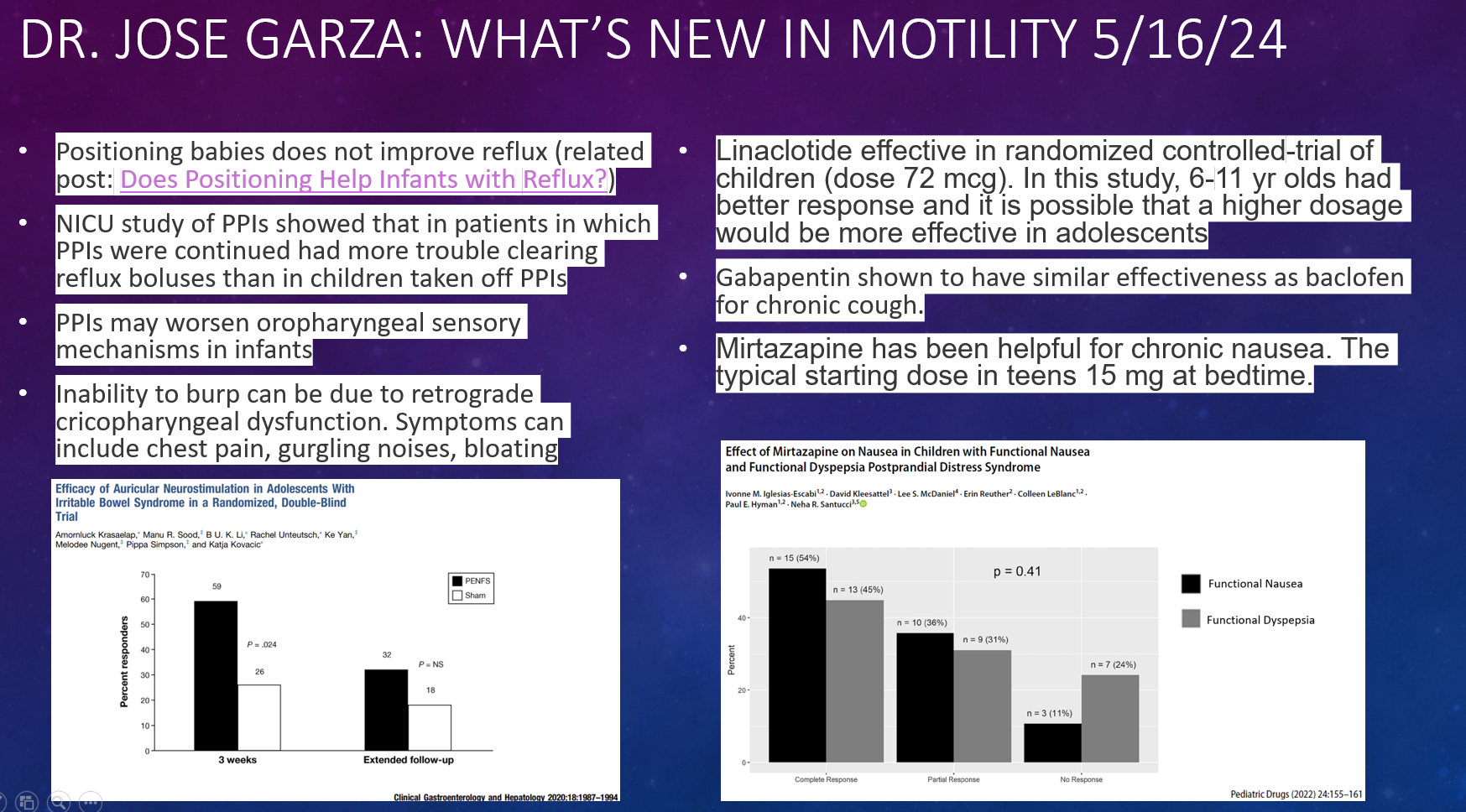
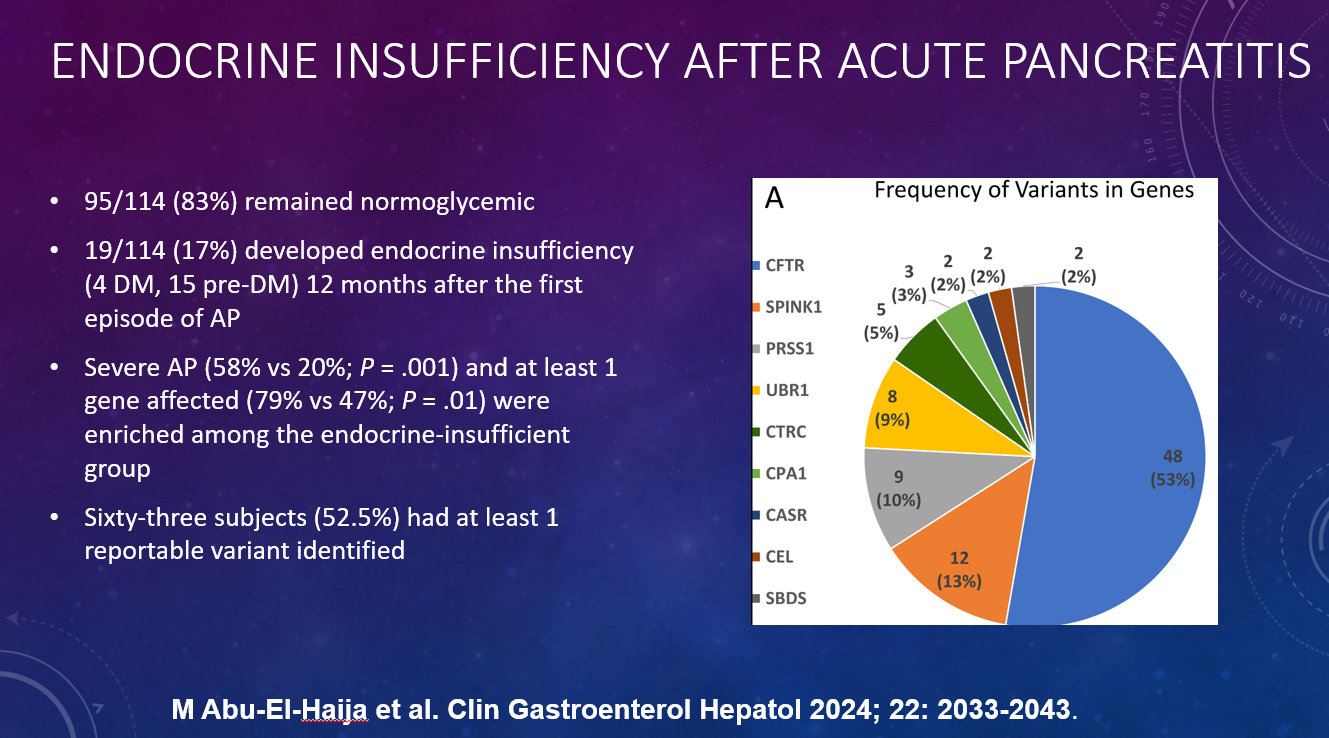
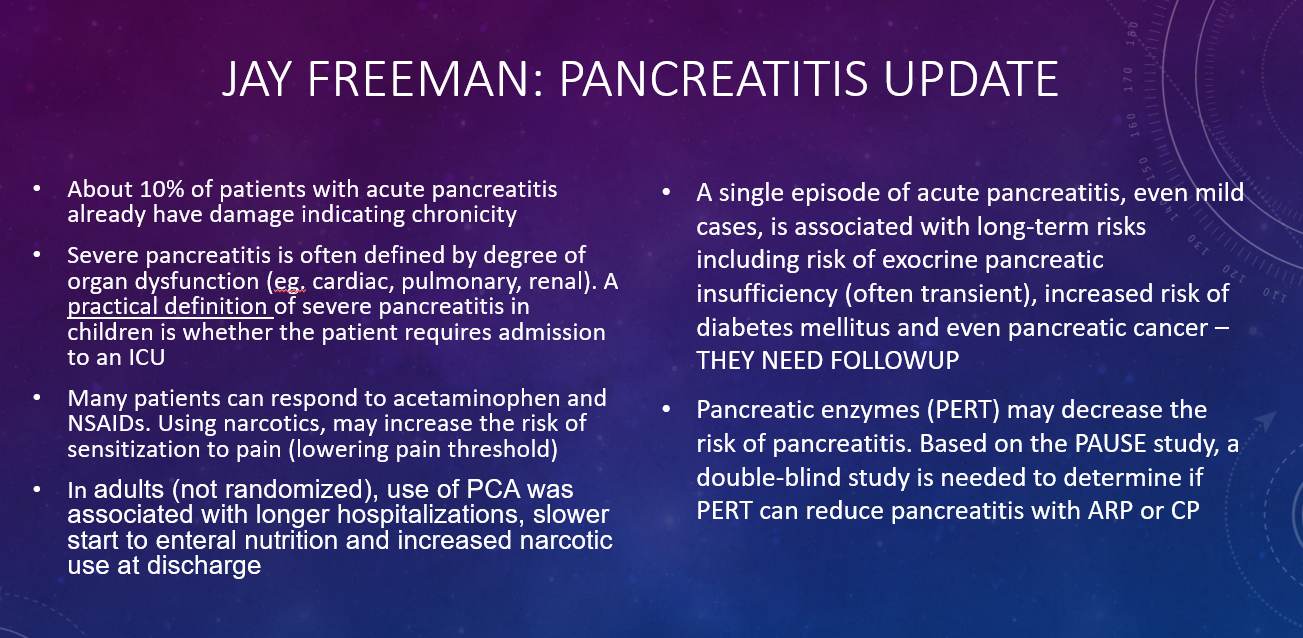
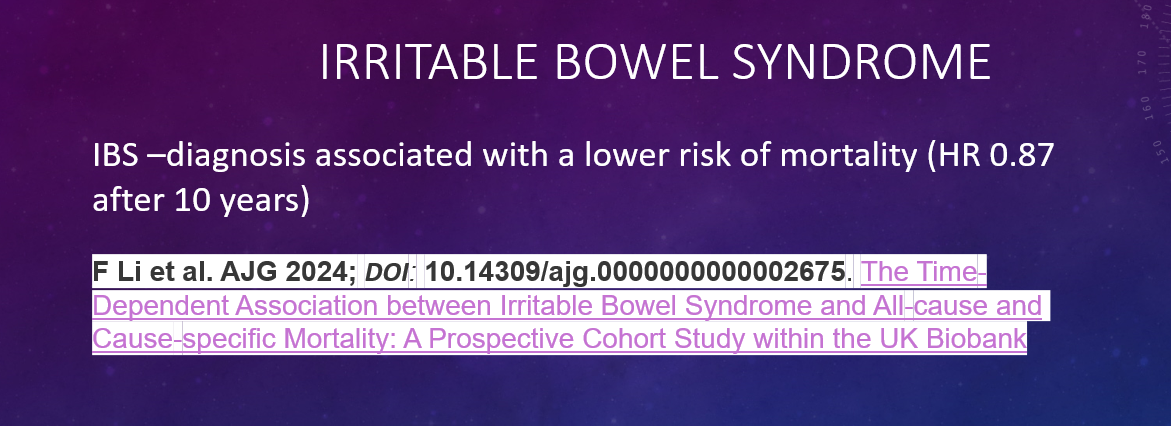
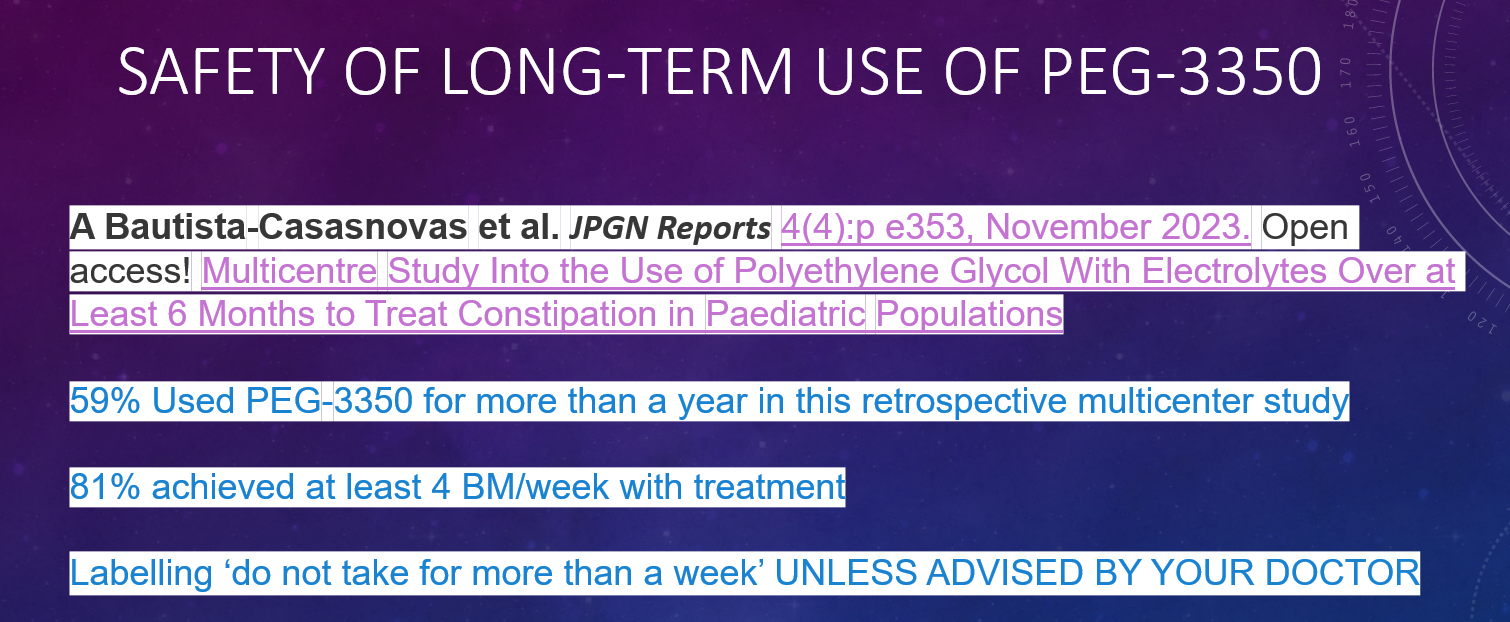
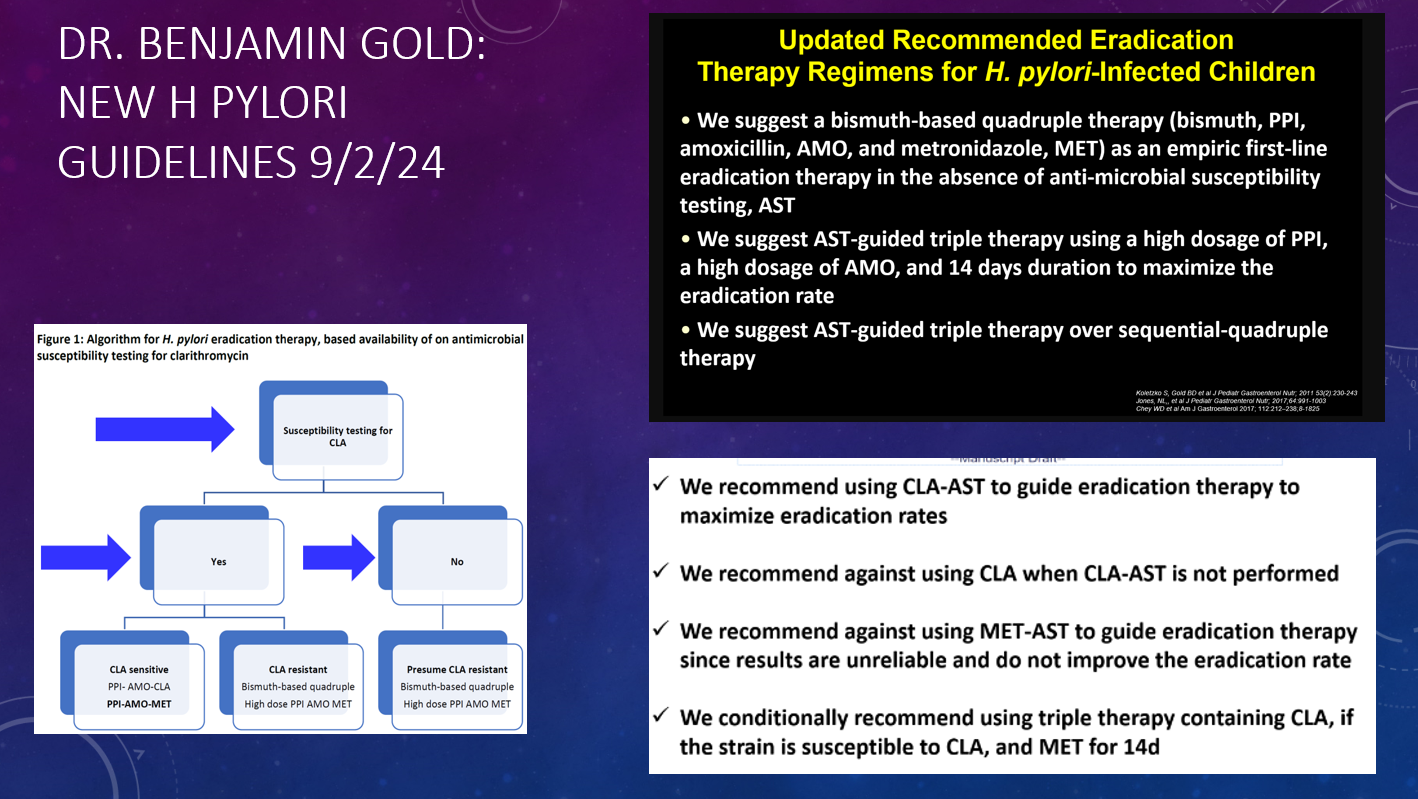
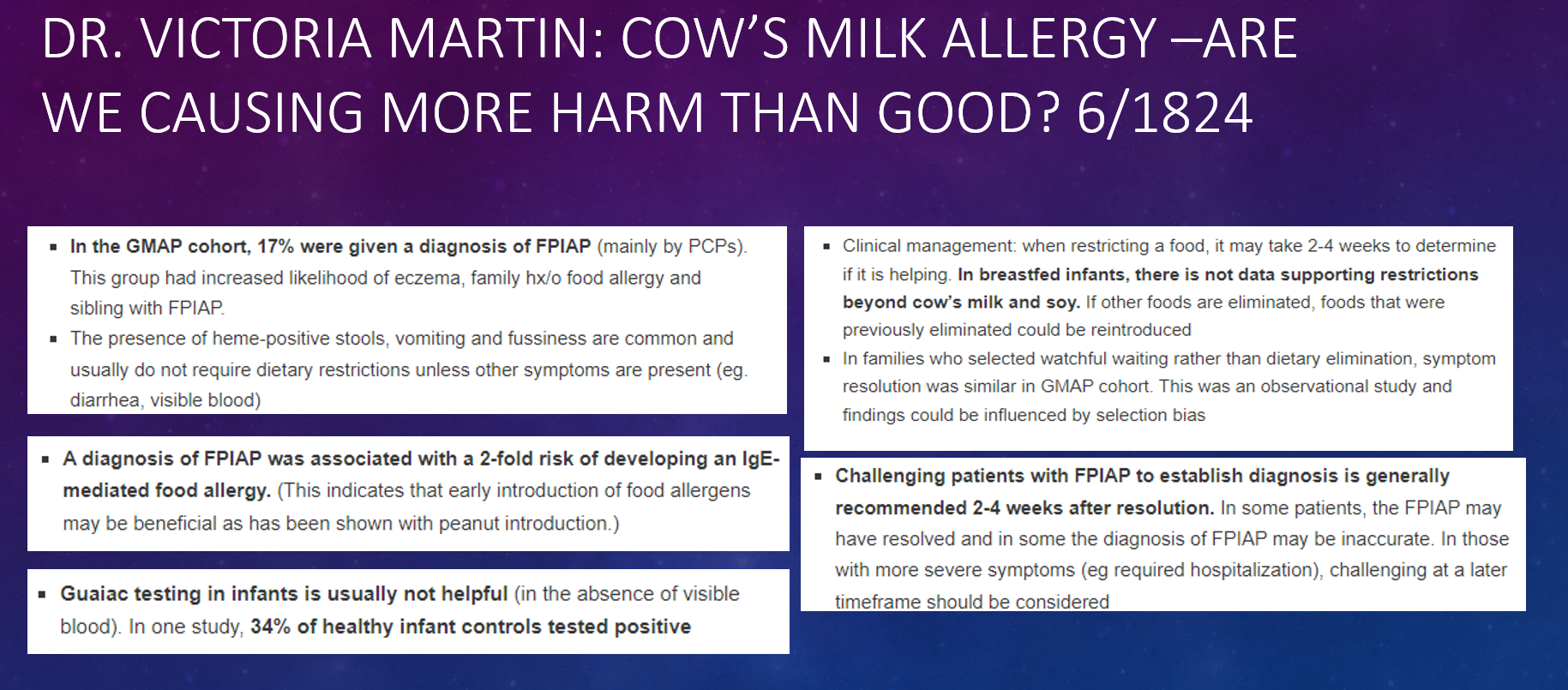
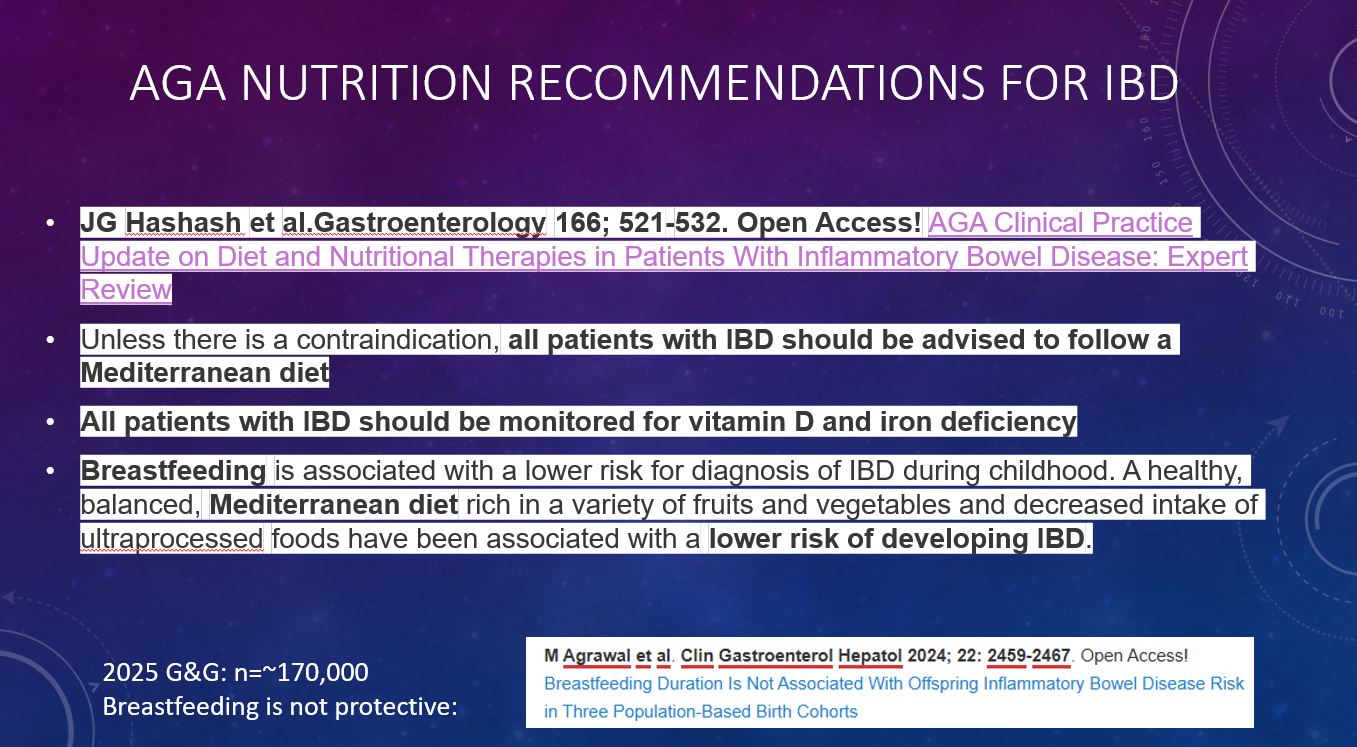
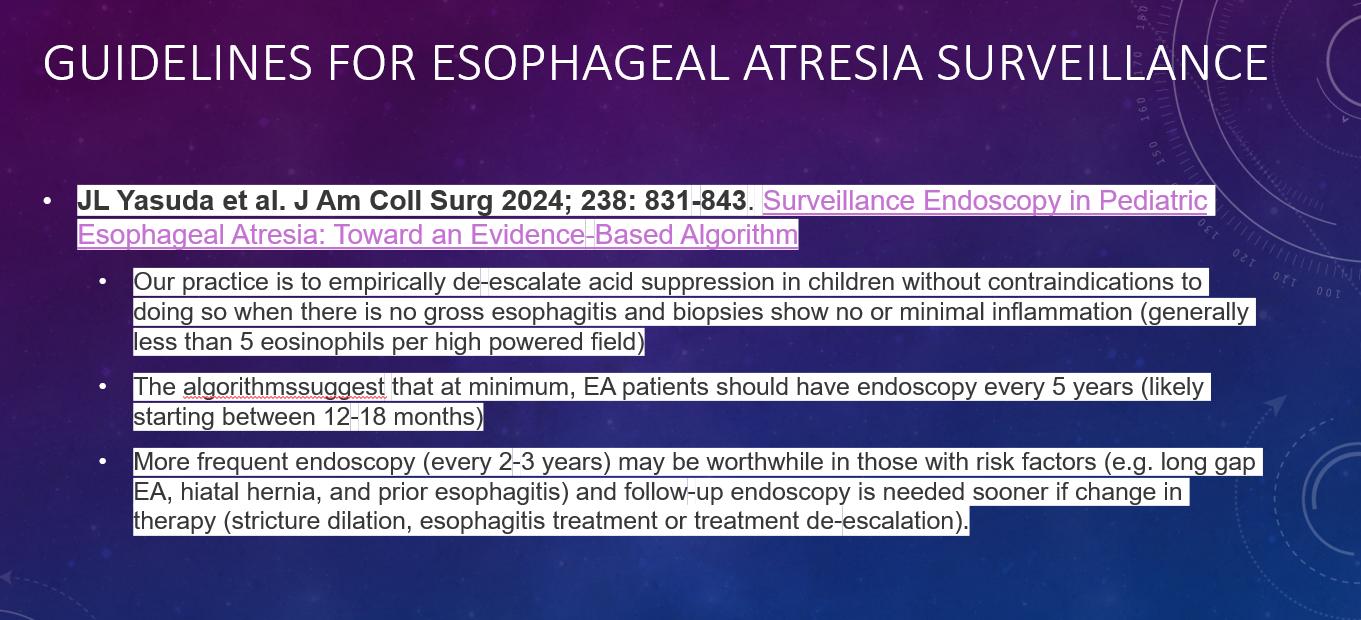
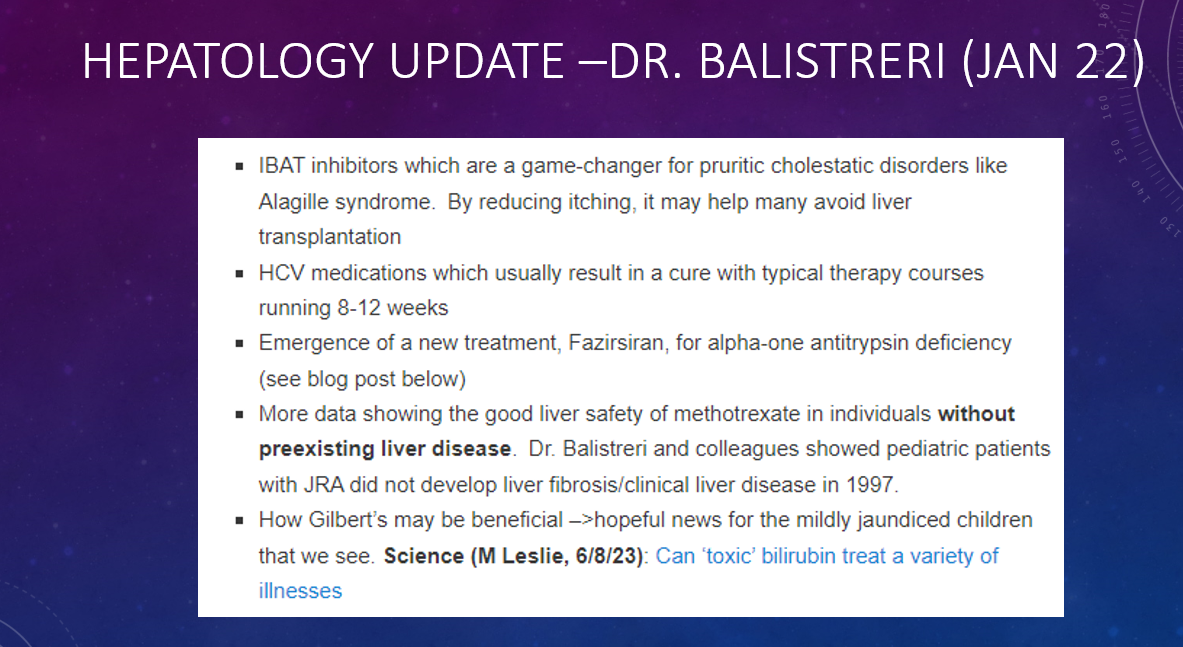
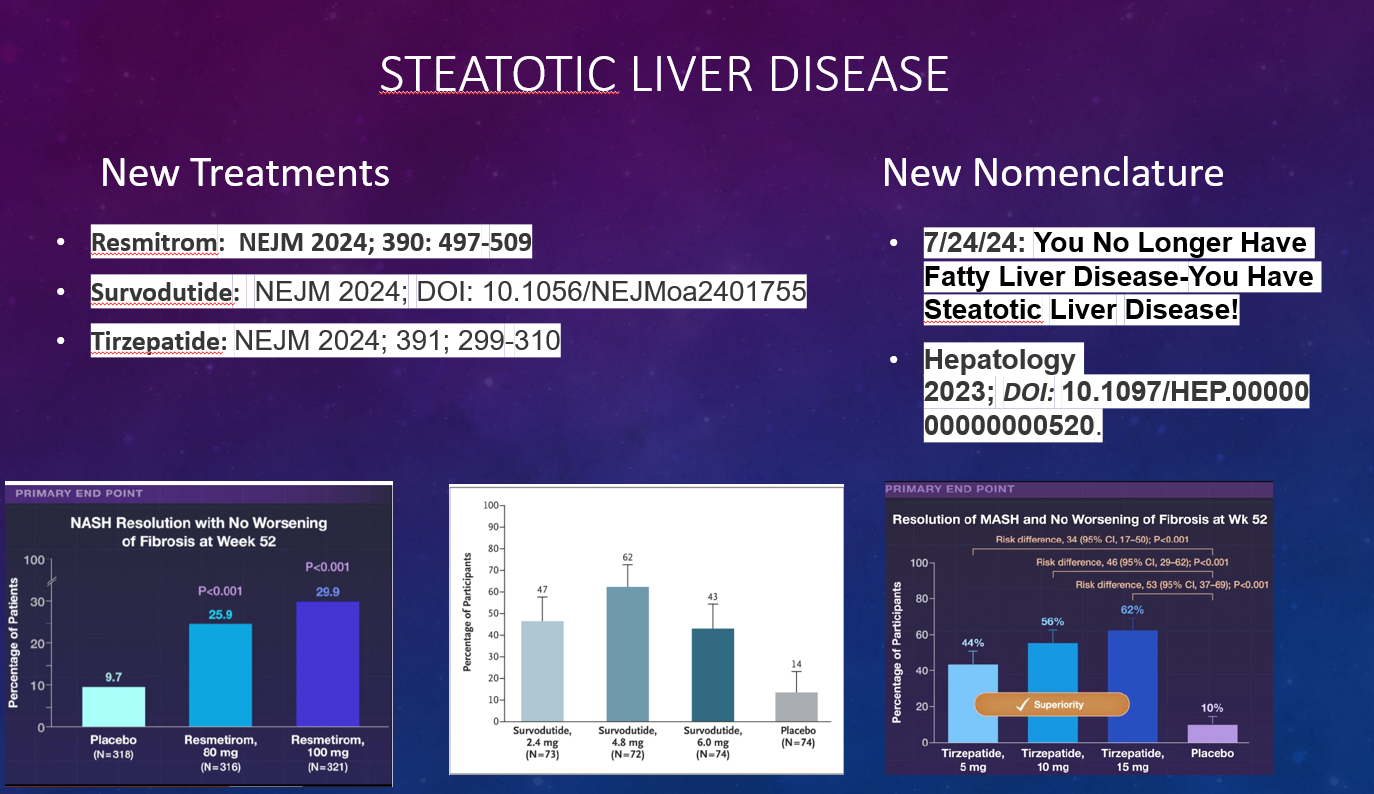
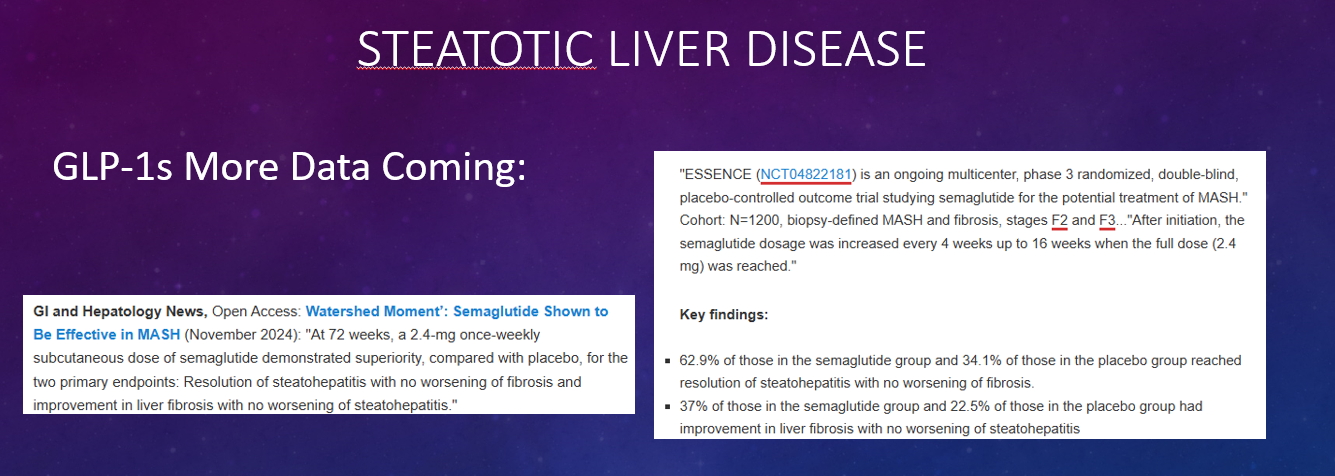
“White Nipple Sign” (aka Mount St. Helens’ sign) and Varices

M Najem, E Dong. N Engl J Med 2024;390: e47. Esophageal Varices, White-Nipple Sign, and Portal Hypertensive Gastropathy

This case reported on a 66 year old with cirrhosis and variceal bleeding. “One varix had a “white-nipple sign” (Panel A, arrow), which indicates recent variceal hemorrhage and results from the formation of a fibrin plug at the site of a resolved thrombus.”

Related article: N Khan, A Shapiro. Case Rep Gastroenterol. 2011 May-Aug; 5(2): 386–390. The White Nipple Sign: Please Do Not Disturb

“Though not widely mentioned as a stigma of recent variceal hemorrhage, this finding was first reported by Chung and Lewis in 1984 [4]. They described it as a white nipple on top of a varix protruding into the lumen and noted its presence in up to 5% of cases of variceal bleeding. It was thought to represent a platelet-fibrin plug at the site of recent variceal rupture. They noted that dislodgement would be accompanied by jet-like bleeding and called it ‘Mount St. Helens’ sign’ due its volcanic-like eruption…As Chung and Lewis [4] initially suggested, it should ‘alert the endoscopist to take urgent measures to avert a disaster’. Recognizing it as such, attempts to dislodge the lesion must be avoided and endoscopic therapy should be undertaken.”

Related blog posts:

Disclaimer: This blog, gutsandgrowth, assumes no responsibility for any use or operation of any method, product, instruction, concept or idea contained in the material herein or for any injury or damage to persons or property (whether products liability, negligence or otherwise) resulting from such use or operation. These blog posts are for educational purposes only. Specific dosing of medications (along with potential adverse effects) should be confirmed by prescribing physician.  Because of rapid advances in the medical sciences, the gutsandgrowth blog cautions that independent verification should be made of diagnosis and drug dosages. The reader is solely responsible for the conduct of any suggested test or procedure.  This content is not a substitute for medical advice, diagnosis or treatment provided by a qualified healthcare provider. Always seek the advice of your physician or other qualified health provider with any questions you may have regarding a condition.

Predicting Enteral Nutrition Therapy Response in Patients with IBD

B White, et al. Infammatory Bowel Diseases, 2024; XX, 1–13
https://doi.org/10.1093/ibd/izae107
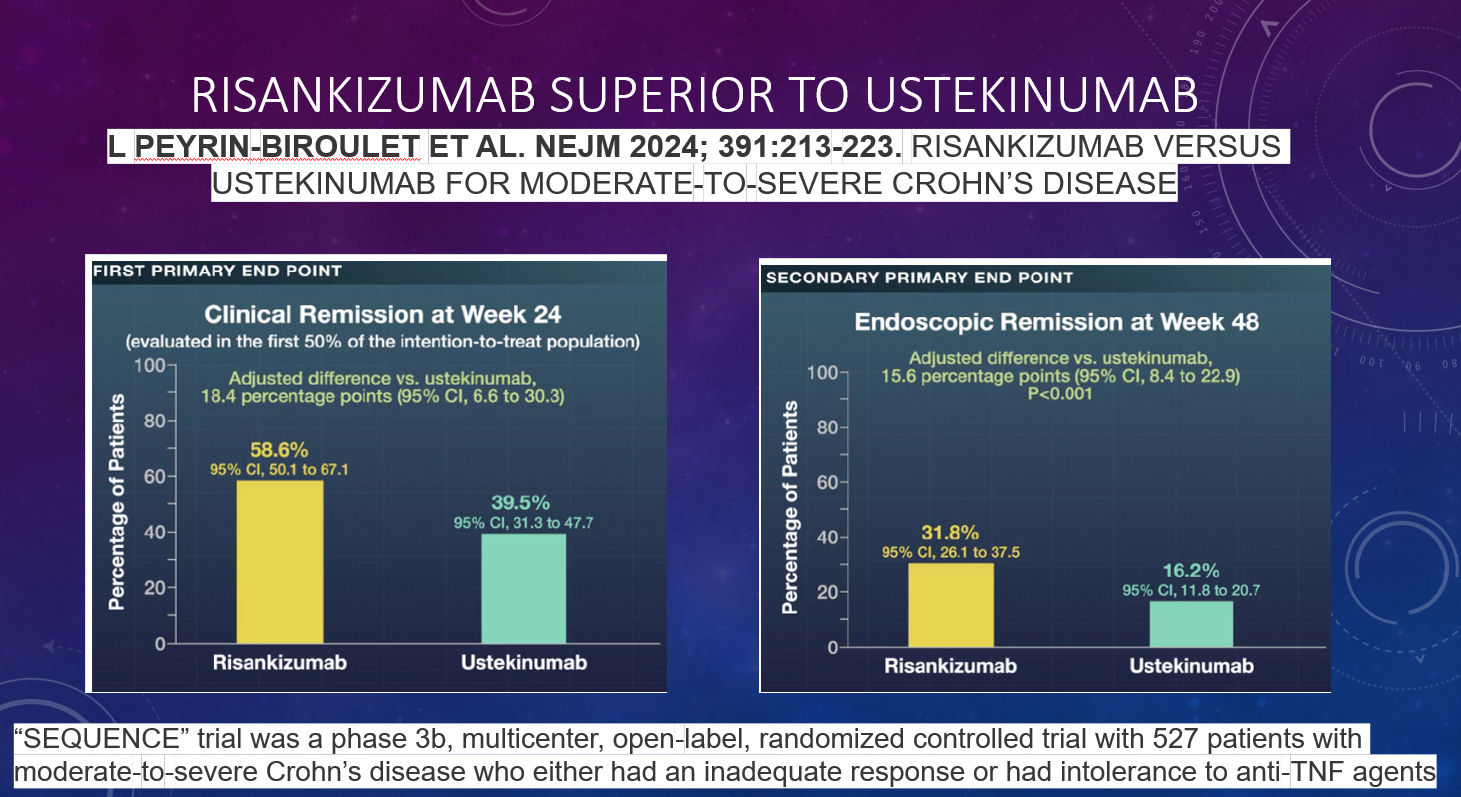
. Open Access! Inflammation-related Proteins Support Diagnosis of Inflammatory Bowel Disease and Are Modified by Exclusive Enteral Nutrition in Children With Crohn’s Disease, Especially of Ileal Phenotype

Background/Methods: The authors characterized the plasma levels of inflammation-related proteins (IRPs) in children with CD and ulcerative colitis (UC) compared with noninflammatory controls (non-IBD) and explored the effect of EEN in children with CD. Population included children with CD (n = 53), UC (n = 11), and non-IBD (n = 19). For 18 children with active CD, IRPs were measured before and after 8 weeks of EEN.

Key findings:

  • Compared with non-IBD, patients with active UC and CD had different levels of 27 (24 raised, 3 decreased) and 29 (26 raised, 3 decreased) IRPs, respectively.
  • Exclusive enteral nutrition modified the levels of 19 IRPs (13 increased, 6 decreased including CCL23, interleukin-24, interleukin-6, and MMP-1). 
  • More pronounced changes in IRP profile were observed in patients with ileal involvement and a ≥50% decrease in fecal calprotectin during EEN.

The discussion notes that “these profiles also helped to uncover some of the underlining pathological mechanisms, with CD demonstrating enhanced levels of IRPs related to IFN-γ and Th1-associated pathways, whereas in UC we observed an enrichment in IRPs related to Th17 pathways.”

My take (borrowed from authors): Inflammation-related protein profiles could help to stratify patients likely to respond to treatment with EEN.

, Venn diagram of the proteins found to be signifcantly different between each IBD
subtype compared to non-IBD controls and between each IBD subtype.
Venn diagram summarizing the main significant (P ≤ .05) differences or correlations found in IRPs. Proteins highlighted in red were shown to significantly interact with thiopurines

Related blog posts:

Liver Briefs: MASLD with T1DM, ESPGHAN Pediatric HCV Recommendations, Age of Kasai in Europe

  1. F Koutny et al. JPGN 2024; https://doi.org/10.1002/jpn3.12194. Open Access! Poorly controlled pediatric type 1 diabetes mellitus is a risk factor for metabolic dysfunction associated steatotic liver disease (MASLD): An observational study

Study population, n=32,325. Key finding:  Inadequately controlled T1D (HgbA1c >11%) was associated with a higher hazard ratio ((HR: 1.54) of elevated ALT values compared to children with controlled T1D over an observation period extending up to 5.5 years. When both elevated HbA1c (>11%) and overweight were present, the HR was 2.71.

————————————————————————————————————————–

2. G Indolfi et al. JPGN 2024; 78:957–972. ESPGHAN recommendations on treatment of chronic hepatitis C virus infection in adolescents and children including those living in resource-limited settings

Summary of Recommendations:

————————————————————————————————————————–

3. F Lacaille et al. JPGN 2024; 78:1374–1382. Awareness, referral and age at Kasai surgery for biliary atresia in Europe: A survey of the Quality-of-Care Task Force of ESPGHAN

Key finding: Data from 785 infants diagnosed with BA from 2015 to 2019 from 18 centers in 15 countries revealed a mean age at referral to tertiary center of 55 days (similar to results obtained in Europe 10–30 years earlier)

Related blog posts:

Biliary Atresia

HCV:

Safety and Efficacy of Potassium Competitive Acid Blockers (3 Studies)

J Arai et al. Clin Gastroenterol Hepatol 2024; 22: 1217-1225.Association Between Vonoprazan and the Risk of Gastric Cancer After Helicobacter pylori Eradication

Methods: Using a population-based claims database in Japan, the authors identified patients who were prescribed a clarithromycin-based first regimen of Hp eradication between 2015 and 2018.

Key findings:

  • Among 54,055 patients, 568 (1.05%) developed gastric cancer (GC) during the follow-up period (mean, 3.65 years).
  • The cumulative incidence of GC was 1.64% at 3 years, 2.02% at 4 years, and 2.36% at 5 years in potassium-competitive acid blocker (PCAB) users and 0.71% at 3 years, 1.04% at 4 years, and 1.22% at 5 years in H2RA users. 
  • Limitations: retrospective study with issues of selection bias and confounding.

In the discussion, the authors note PCABs are being used not only for Hp eradication but for peptic ulcers, reflux and several abdominal symptoms. “According to the results of our study, longer use of PCABs was particularly associated with the increased risk of GC after Hp eradication…it might be better to switch strong acid inhibitors including PCABs ad PPIs to H2RAs before reaching a lengthy prescription period (eg. more than 3 years).”

————————————————-

X Peng et al. Clin Gastroenterol Hepatol 2024; 22: 1210-1216. Open Access! Efficacy and Safety of Vonoprazan-Amoxicillin Dual Regimen With Varying Dose and Duration for Helicobacter pylori Eradication: A Multicenter, Prospective, Randomized Study

This multicenter, prospective, randomized controlled, noninferiority trial enrolled patients (n=516) with treatment naive H pylori infection from 5 clinical centers. All patients received vonoprazan at 20 mg 2/day. The high dose amoxicillin was 750 mg 4/day and the low dose 1000 mg 2/day.

Key findings:

  • The high-dose amoxicillin combination with vonoprazan regimen, for either 10 or 14 days, was effective and safe in eradicating H pylori, whereas the low-dose amoxicillin regimen for 10 days was less effective. The high-dose per protocol eradication rates were 90.9% vs 94.5 for 10 vs 14 days compared to 82.0% in the low-dose per protocol eradication rate (for 14 days).

—————————————————–

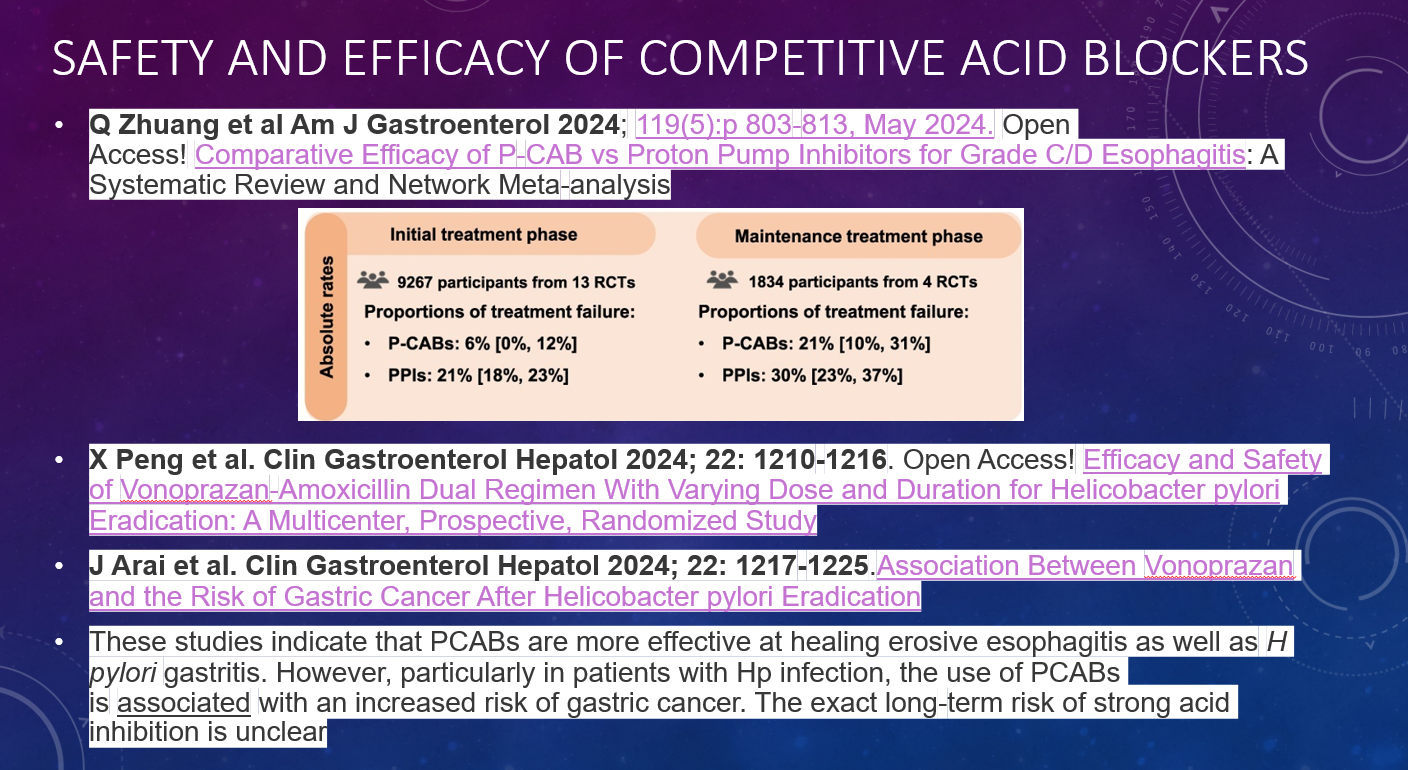
Q Zhuang et al Am J Gastroenterol 2024; 119(5):p 803-813, May 2024. Open Access! Comparative Efficacy of P-CAB vs Proton Pump Inhibitors for Grade C/D Esophagitis: A Systematic Review and Network Meta-analysis. (see prior post: Improved Efficacy with Vonoprazan for Severe Esophagitis). This maintenance treatment group mainly included PPI patients receiving a relatively low once-daily dose (e.g. omeprazole 20mg, lansoprazole 15 mg and esomeprazole 20 mg). Treatment failure rates noted below:

My take: These studies indicate that PCABs are more effective at healing erosive esophagitis as well as H pylori gastritis. However, particularly in patients with Hp infection, the use of PCABs is associated with an increased risk of gastric cancer. The exact long-term risk of strong acid inhibition is unclear, especially in those without a history of Hp infection.

Related blog posts:

Breastfeeding Associated with Infant Survival

JL Ware et al. Am J Prev Med 2023; 65: 763-774. Associations Between Breastfeeding and Post-perinatal Infant Deaths in the U.S

This study examined a prospective cohort linking data on breastfeeding on birth certificates (starting in 2016) to infant death rates. This included 9,711,567 live births and 20,632 post-perinatal infant deaths.

Key findings:

  • The overall adjusted OR for breastfeeding initiation with post-perinatal infant mortality was 0.67.
  • Table 1 provides a ton of information about demographics and associated outcomes: Better education was associated with lower post-perinatal (7-365 days) death rate per 1,000 births. College graduate rate was 0.91 compared to 3.43 for lower than high school. Age 30-34 was 1.53 compared to 3.87 for <20 years. Non-hispanic Asian, Non-Hispanic White, and Hispanic were 1.11, 1.79 and 1.58 and much better than Non-Hispanic Black which was 4.07. Smoking during pregnancy rate was 5.68 compared to 1.83 for non-smoking during pregnancy
  • Preterm infant had a much higher post-perinatal mortality rate: 7.97 vs 1.36 for term babies

One limitation that may contribute to an underestimate of the advantages of breastfeeding -this study determines only initiation of breastfeeding. Breastfeeding duration of >3 months has been associated with decreased infant mortality. In other words, in infants with longer breastfeeding, the advantages are likely to be more pronounced. Breastfeeding has been associated with lower rates of necrotizing enterocolitis and sudden unexpected infant deaths.
My take: Breastfeeding appears to confer health benefits to infants and mothers. Some of the improvements in infant mortality likely are due to the association of breastfeeding with other characteristics that reduce infant mortality including education, non- smoking during pregnancy, older mothers and race. The authors note that race is a “social construct, but the systemic or structural disadvantages associated with race contribute to health disparities…A Black infant is 2.4 times more likely to die before his or her first birthday in the U.S. than a White infant.”

Related blog posts:

Mural from Funk Zone in Santa Barbara
Santa Barbara Botanical Gardens

Prevalence of Steatotic Liver Disease in U.S. And Risk of Complications

M Kalligeros et al. Clin Gastroenterol Hepatol 2024; 22: 1330-1332. Prevalence of Steatotic Liver Disease (MASLD, MetALD, and ALD) in the United States: NHANES 2017-2020

9698 participants in NHANES during the 2017-2020 cycle completed a transient elastography examination. After excluding patients less than 18 years, these were the key findings:

  • 37.87% had steatotic liver disease
  • 32.45% had MASLD
  • 2.56% had MetALD
  • 1.17% and ALD

Limitations: database study, lack of liver biopsy, reliance on self-reports of alcohol consumption

————————-

M-H Lee et al. Clin Gastroenterol Hepatol 2024; 22: 1275-1285. Open Access! Chronic Viral Hepatitis B and C Outweigh MASLD in the Associated Risk of Cirrhosis and HCC

Methods: 336,866 adults aged ≥30 years were prospectively enrolled in a health screening program between 1997–2013

Key findings:

  • 122,669 (36.4%) had MASLD. Over a mean follow-up of 15 years, 5562 new cases of cirrhosis and 2273 new cases of HCC were diagnosed.
  • Hazard ratios for HCC were 8.86 for MASLD with HBV or HCV, compared with non-SLD without HBV or HCV
  • Hazard ratios for HCC were 8.81 for HBV or HCV with non-SLD (SLD), and 1.52 for MASLD without HBV or HCV

My take: MASLD significantly increased cirrhosis and HCC risks; however the risk of HBV or HCV was much greater. The high prevalence rates of MASLD guarantees a huge need for liver disease management for the foreseeable future.
Related blog posts:

Descanso Gardens (Los Angeles)

Ulcerative Colitis Therapy for Castaways? And PYRAMID Safety Data

S Kedia et al. Clin Gastroenterol Hepatol 2024; 22: 1295-1306. Open Access! Coconut Water Induces Clinical Remission in Mild to Moderate Ulcerative Colitis: Double-blind Placebo-controlled Trial

Background: “Coconut water (CW) possesses anti-inflammatory properties, can potentially manipulate the microbiome, is a rich source of dietary potassium,” and may be an effective treatment for mild to moderate ulcerative colitis (UC).

Methods: Along with standard medical therapy, four hundred mL of CW (200 mL 2/day) or placebo fluid was administered for 8 weeks to adults (CW, n = 49; placebo, n = 46) with mild to moderate UC

Key findings:

  • Clinical response (57.1% vs 28.3%; odds ratio [OR], 3.4), remission (53.1% vs 28.3%; OR, 2.9), and proportion of patients with fecal calprotectin (FCP) <150 μg/g (30.6% vs 6.5%; OR, 6.3) all significantly favored CW group
  • There was not a significant difference in endoscopic outcomes

The authors indicate CW may be a useful adjunct for mild to moderate colitis but should be avoided in those patients taking medications that affect potassium and those with chronic kidney disease.

My take: This would be a good study to repeat to confirm whether CW is helpful for colitis. Certainly too much CW (a high FODMAP beverage) can contribute to a laxative effect and elevated potassium in some people. If a person with colitis is stranded on an island, CW may help until a rescue arrives.

Related blog posts:

D Ahuja et al. Clin Gastroenterol Hepatol 2024; 22: 1286-1294. Impact of Treatment Response on Risk of Serious Infections in Patients With Crohn’s Disease: Secondary Analysis of the PYRAMID Registry

In this prospective observational real-world treatment registry…

Key findings:

  • Of 1515 adalimumab-treated patients, 763 (50.4%) were classified as responders at 6 months
  • Compared with nonresponders, responders were less likely to have moderate to severe symptoms (55.6% vs 33%), or require steroids (45.5% vs 17.3%) or opiates (6.6% vs 1.3%) at baseline
  • During follow-up evaluation, using stabilized inverse probability of treatment weighting, responders were 34% less likely to experience serious infections compared with nonresponders (hazard ratio, 0.66)

The study results are similar to a registry-based rheumatoid arthritis study by Strangfeld et al (Ann Rheu m Dis 2011; 70: 1914-1920), which showed effective treatment was associated with less steroid use and a decline int risk of serious infections.

My take: This study indicates that lack of control of CD increases the risk for complications and infections. So, while patients are concerned about medication adverse effects, the complications of foregoing treatment or ineffective treatment are usually more concerning.

Medical Billing Trap: Hospital Pricing for Urgent Care Visits and Outpatient Departments

Danielle Ofri. NY Times (June 17, 2024): Even Doctors Like Me Are Falling Into This Medical Bill Trap

An excerpt:

I reflected on how urgent-care centers filled a perfect niche between the overkill of an emergency room and the near impossibility of snagging an immediate orthopedic appointment….Two weeks later a bill arrived: The radiology charge from NorthShore University HealthSystem for the ankle and wrist X-rays was $1,168, a price that seemed way out of range for something that usually costs around $100 for each X-ray. When I examined the bill more closely, I saw that the radiology portion came not from the urgent care center but from a hospital, so we were billed for hospital-based X-rays. When I inquired about the bill, I was told that the center was hospital-affiliated and as such, is allowed to charge hospital prices…

It turns out that I’d stumbled into a lucrative corner of the health care market called hospital outpatient departments, or HOPDs. They do some of the same outpatient care — colonoscopies, X-rays, medication injections — just as doctors’ offices and clinics do. But because they are considered part of a hospital, they get to charge hospital-level prices for these outpatient procedures, even though the patients aren’t as sick as inpatients. Since these facilities don’t necessarily look like hospitals, patients can be easily deceived and end up with hefty financial surprises…

As of 2022, federal law protects patients from surprise bills if they are unknowingly treated by out-of-network doctors. But there is no federal protection for patients who are unknowingly treated in higher-priced hospital affiliates that look like normal doctors’ offices or urgent care clinics...

HOPDs turn out to be an attractive business plan for hospitals that are aggressively acquiring doctors’ practices. ​​When these acquisitions occur, prices often rise as patients are now seen in “hospital facilities.”

It’s time for Congress to protect patients from both unfair pricing schemes and health care deception. MedPAC, the nonpartisan Medicare Payment Advisory Commission, recently recommended to Congress a basic set of site-neutral policies. It would apply site-neutral payments to a handful of low-risk procedures — some imaging, medication injections, simple office procedures — and this would apply to all HOPDs.

Related blog posts:

How to Sort Out Chronic Laryngeal Symptoms and Reflux

Two recent articles provide some insight into the muddy waters of laryngeal symptoms and reflux which is a much bigger challenge in the adult population than in the pediatric age group.

AJ Krause et al. Clin Gastroenterol Hepatol 2024; 22: 1200-1209. Open Access! Validated Clinical Score to Predict Gastroesophageal Reflux in Patients With Chronic Laryngeal Symptoms: COuGH RefluX

AJ Krause et al. Am J Gastroenterol 2024; 119: 627-634. Diagnostic Yield of Ambulatory Reflux Monitoring Systems for Evaluation of Chronic Laryngeal Symptoms. Thanks to Dr. Benjamin Gold for this reference.

In the first study, there were a total of 856 adults, 304 in the training cohort and 552 in the validation cohort. Key finding: In the validation phase, the COuGH RefluX score had an area under the curve of 0.67 (95% CI, 0.62–0.71), with 79% sensitivity and 81% specificity for proven GERD. Graphical abstract from the first study:

In the second study, the authors retrospectively examined 813 adults with chronic laryngeal symptoms over a 5 year period comparing . The diagnostic yield for prolonged wireless pH testing (n=296) was compared to 24-hour pH-impedance monitoring (n=532) off anti-secretory agents. Key finding: the prolonged wireless pH testing had a yield of 50% compared to 27% for the 24-hr pH-impedance testing.

My take: In the 1st study, the scoring system of cough, obesity, globus sensation, hiatal hernia, regurgitation, and male sex provides a good idea about the likelihood of reflux. In the 2nd study, the authors conclude that prolonged wireless pH testing may be preferrable due to higher diagnostic yield. However, the more proper conclusion is that we still don’t know the best way to determine when reflux causes chronic laryngeal symptoms or even the best way to measure reflux.

Related blog posts: