The Case for Universal Cholesterol Screening During Childhood

MP McGowan, AL Peterson et al. J Pediatr 2024; 113928. Open Access! Universal Pediatric Cholesterol Screening: The Time Has Come!

Background: More than a decade ago, the AAP has previously “endorsed the National Heart, Lung, and Blood Institute’s pediatric cholesterol guidelines, recommending screening for all children between 9 and 11 years of age and, if normal, again between 17 and 21 years of age.” However, these guidelines conflict with “the US Preventive Services Task Force (USPSTF) [which] values the rigorous evidence from randomized controlled trials (RCTs).” The USPSTF has stated “there is insufficient evidence to assess the balance of benefits and harms of universal screening for cholesterol disorders in children and adolescents ages ≤20 years.7” In addition, ” recent data suggest only between 2% and 22% of children in the US are screened between the ages of 9 and 11.2345

What is Familial Hypercholesterolemia (FH)?

  • Heterozygous FH (HeFH) “should be suspected in a child with an LDL-C of ≥160 mg/dL, after the exclusion of secondary causes and adherence to a heart-healthy diet, especially in the setting of a family history of ASCVD or with a parent with elevated LDL-C”
  • “Homozygous FH (HoFH) [is] much rarer, occurring in 1:250 000-1:360 000 people…HoFH should be suspected in children with an LDL-C of ≥400 mg/dL in the setting of a family history of early ASCVD and/or with 1 or both parents having an untreated LDL-C of ≥190 mg/dL13

Why Screening in Childhood is Important?

  • “HeFH is the second most common potentially fatal genetic disorder in humans, affecting 1 in 250-300 people.8…Homozygous FH (HoFH) [is] much rarer, occurring in 1:250 000-1:360 000 people.”
  • Given the limitations of family history and lack of findings on physical exam, universal screening is needed to avert symptomatic atherosclerotic vascular disease (ASCVD).
  • Proof that screening can make a difference: “In a 20-year follow-up study, Luirink et al followed a cohort of individuals with genetically confirmed HeFH who had initiated statin therapy in childhood. When compared with their HeFH parents who had not had the benefit of childhood therapy, statins virtually eliminated excess ASCVD risk in adulthood.16 At age 40, 26% of parents had experienced a cardiac event and 7% had died of ASCVD, whereas only 1% of the those treated as children had needed a vascular procedure (coronary artery stenting) and none had died.16
  • “Currently available therapies have the potential to completely normalize LDL-C in children with both HeFH and HoFH.12,17 Such normalization of LDL-C in childhood will presumably prevent future cardiac morbidity and mortality.”
  • “An RCT in 214 children with HeFH aged 8-18 years found that those randomized to statin therapy experienced regression of carotid atherosclerosis, whereas those randomized to placebo experienced progression.25 Importantly, no safety concerns with statin treatment were identified.25 …in a follow-up study26 …found that age of statin initiation was an independent predictor of the degree of carotid atherosclerosis, indicating that earlier initiation is protective.26
  • Cost burden of screening could be less in childhood. There is a higher rate of insurance coverage in U.S. for children 0-17 years compared to adults 18-64 years: in 2022, it was >95% compared to 88% respectively.
  • Identification of children with HeFH and HoFH has the potential to identify siblings and parents “through a process known as reverse cascade screening.”

Cholesterol-Lowering Therapy:

  • Many with HeFH and HoFH will respond to statin therapy
  • Some need the addition of ezetimibe
  • For severe cases (esp HoFH) injectable agents (eg.  evinacumab-dgnb, an angiopoietin-like3 inhibitor) may be needed

My take: There is a strong case for universal screening for hypercholesterolemia in childhood to prevent cardiovascular disease.

Related blog posts:

Ring Arch at Arches National Park

AGA Practice Update: Cannabinoid Hyperemesis

A Rubio-Tapia et al. Gastroenterol 2024; 166: 930-934. Open Access! AGA Clinical Practice Update on Diagnosis and Management of Cannabinoid Hyperemesis Syndrome: Commentary

Key points:

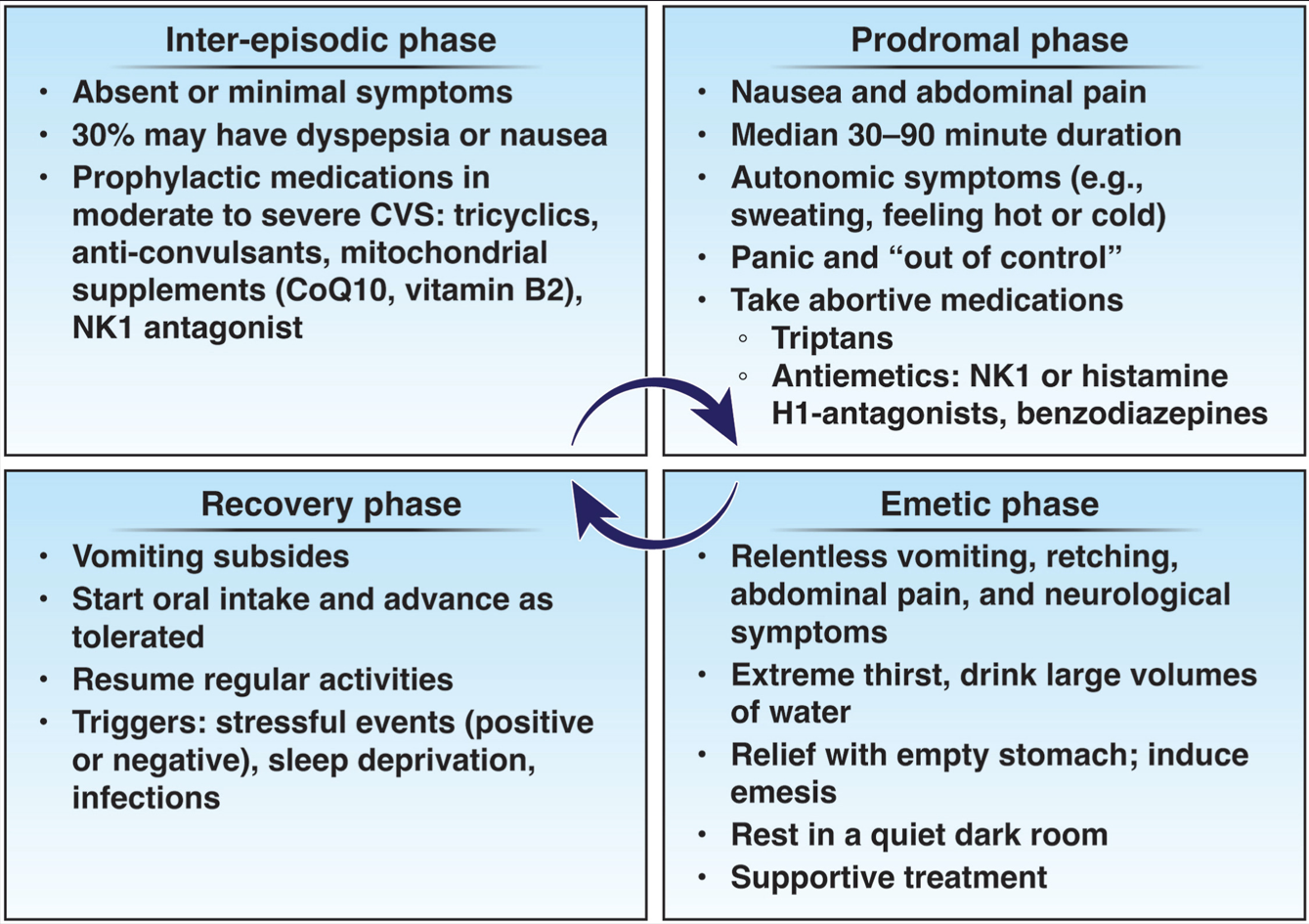
  • Epidemiology: The prevalence of CHS (cannabinoid hyperemesis syndrome) is rising and it is becoming a frequent clinical problem, leading to visits to the emergency department (ED) and gastroenterology clinics.5
  • Diverse Vomiting Patterns: Cannabis is associated with CVS, CHS, cannabinoid withdrawal syndrome (CWS), and nausea and vomiting in pregnancy. CVS is a relatively frequent presentation (10.8%) among patients with intermittent episodes of nausea and vomiting seeking care in outpatient gastroenterology clinics.23
  • Presentation: CHS is characterized by cyclic vomiting, nausea, and abdominal pain; in some cases, CHS is associated with prolonged bathing behavior (long hot baths or showers). Although hot-water bathing pattern is not really pathognomonic of CHS because it is also reported in CVS,10 it is commonly considered as an indicator of CHS among community adults with CVS. In a systematic review of 271 cases of CHS, mean age was 30 years, 69% were male, mean duration of cannabis use before symptom onset was 6.6 years, daily use occurred in 68%, and hot-water bathing was reported in 71% of patients.e7 CHS should be suspected in patients with chronic nausea and vomiting and cannabis use.
  • Management: Evidence to support treatment for CHS is limited … supporting the use of topical capsaicin, benzodiazepines, haloperidol, promethazine, olanzapine, and ondansetron for acute and short-term care. Topical capsaicin may improve symptoms by activation of transient receptor potential vanilloid type 1 receptors. Opioids should be avoided due to worsening of nausea and high risk of addiction.
  • Management (Long-term): Counseling to achieve marijuana cessation and tricyclic antidepressants, such as amitriptyline, are the mainstay of therapy, with the minimal effective dose being 75–100 mg at bedtime, starting at 25 mg and titrating the dose with increments each week to reach minimal effective dose with a close monitoring of efficacy and adverse effects……Observational experience suggests that a tricyclic antidepressant, such as amitriptyline [may help with withdrawal symptoms]

My take: The most cyclical (cynical) part of CHS is the stereotypical attempt to get patients to stop using cannabis.

As an aside, cannabis use is often disclosed by patients having procedures and their atypical response to sedation/anesthesia. Use of anesthetics including propofol can have cross-reactivity with cannabis. In addition, several studies have demonstrated that cannabis users are more likely to report higher pain scores, poorer sleep, and require a greater quantity of analgesic medications in the immediate postoperative period than nonusers.

Related blog posts:

Disclaimer: This blog, gutsandgrowth, assumes no responsibility for any use or operation of any method, product, instruction, concept or idea contained in the material herein or for any injury or damage to persons or property (whether products liability, negligence or otherwise) resulting from such use or operation. These blog posts are for educational purposes only. Specific dosing of medications (along with potential adverse effects) should be confirmed by prescribing physician.  Because of rapid advances in the medical sciences, the gutsandgrowth blog cautions that independent verification should be made of diagnosis and drug dosages. The reader is solely responsible for the conduct of any suggested test or procedure.  This content is not a substitute for medical advice, diagnosis or treatment provided by a qualified healthcare provider. Always seek the advice of your physician or other qualified health provider with any questions you may have regarding a condition.

Educating Families About Chronic Pain

AN Borucki et al. JPGN 2024; 78:169–173. Terminology for discussing chronic pain: Using metaphors to educate families on chronic pediatric pain

This article provides a good review and practical advice regarding chronic pain which “affects 25% of all children in U.S.”

Defining pain: “Acute pain is protective pain, which is related to tissue damage that resolves with healing. Acute pain processes often respond to rest and treatments aimed at reducing inflammation. The problem is when acute pain treatments are applied to chronic pain. Chronic pain is not protective; it is due to functional dynamic changes at the level of the brain and spinal cord that are pronociceptive…When pain persists after the expected time for the tissue to be healed or infection to have cleared, the pain is considered chronic.”

Education on chronic pain: “Patients may also have felt their pain dismissed when medical workup returned as normal. When providers explain the neurobiology of pain, families can be validated that the pain IS real and that pain CAN exist without evidence of structural damage.”

Pain treatment:

  • “There is little evidence to support the efficacy of medications within chronic pain treatment. A systematic review including over 1000 children with functional abdominal pain found very low evidence for the efficacy of antihistamines, antiemetics, serotonin agonists, buspirone, melatonin and concluded antispasmodics or antidepressants can be considered given their tolerability.”
  • “Cognitive behavioral therapy has the most support in treatment of functional abdominal pain in children.”
  • “Metaphors used to distinguish acute and chronic pain …[Alarm metaphor] :Pain is an experience with body, mind, and social factors produced by the brain. Pain is supposed to alert us of bodily harm. If this alarm does not shut off, we have chronic pain. Imagine that you’re in a building and the fire alarm goes off because there is afire. Once the fire is extinguished, then the alarm stops, just like as the body heals, pain goes away. This is acute pain. Now imagine that the fire alarm goes off, firefighters arrive, investigate, and then announce that fortunately there is no fire. But unfortunately, they cannot turn off the fire alarm because it’s broken—the alarm continues. This is chronic pain. With chronic pain, the wiring of the alarm system itself is malfunctioning. The system that detects the fire and then signals the danger is not working and, in fact, is sending a false alarm. This is your nervous system with chronic pain. It is detecting danger to your body and signaling pain when it should not be. Now normal everyday experiences, including thoughts, feelings, and sensations are being interpreted as pain.”
  • Three-legged stool for resetting system: 1. Medical treatments, like certain medications, therapies like acupuncture, or procedures 2. Physical/occupational therapy which teaches us how to move more effectively with the pain we are experiencing 3. Psychological interventions like CBT.

My take: This article provides a good approach for addressing chronic pain.

Related blog posts:

Bryce Canyon (using vertical pano)

Choledochal Cyst and Pancreatitis

SG Hegde et al. JPGN 2024; 78:685–690. An observational study on the prevalence of choledochal cyst with pancreatitis: Geographical implications and management

Choledochal cyst has been associated with acute pancreatitis. Previous studies have found the prevalence of pancreatitis “reported in recent pediatric choledochal cyst (CDC) cohorts is 43.7% and 35%.” South Asia also also has a high prevalence of chronic pancreatitis of 114–200 cases per 100,0000 population; this is mostly idiopathic. This retrospective study over an 11 year timeframe identified 96 children with choledochal cyst. Key findings:

  • 40.2% of children with CDC had pancreatitis based on elevation of enzymes or radiological imaging
  • 47% of those with radiological features of pancreatitis had imaging features of chronic pancreatitis.

The authors note that the incidence of CDC at 1in 1000 live births in South Asia is significantly higher compared to the incidence of 1 in 100,000–150,000 live births in the western population. Thus, their findings may not be generalizable.

My take: Among kids with acute pancreatitis, a history of choledochal cyst is not uncommon. This report indicates that some are likely to develop chronic pancreatitis.

Related blog posts:

Fiery Furnace Hike in Arches National Park

ESPGHAN Guidance for Suspected Cow’s Milk Allergy in Infants

J Vandenplas et al. JPGN 2024; 78: 386-413. An ESPGHAN Position Paper on the Diagnosis, Management, and Prevention of Cow’s Milk Allergy

In this lengthy report, the authors provide 72 recommendations/statements -as such it does not do a great job focusing on key points.

Some of the points:

  • Changes in stool characteristics, feeding aversion, or occasional spots of blood in stool are common and in general should not be considered as diagnostic of CMA, irrespective of preceding consumption of cow’s milk.
  • Overdiagnosis of CMA occurs much more frequently than underdiagnosis; both have potentially harmful consequences. Therefore, the necessity of a challenge test after a short diagnostic elimination diet of 2–4 weeks is recommended as the cornerstone of the diagnosis

Conclusions: “Accurate diagnosis, avoiding under- and overdiagnosis, is mandatory but remains challenging due to the lack of specific symptoms and adequate diagnostic tests…Reintroduction of CM protein in non-IgE-mediated allergy and OFC [oral food challenge] in IgE-mediated allergy are the “gold standard” diagnostic tests, yet these are often not performed by caregivers. As a result, there is a risk of overdiagnosis and the implementation of long-term elimination diets, posing potential nutritional risks. The choice of formula for the treatment of CMA should take into consideration cost and availability of the therapeutic formula. Cow’s milk eHF is the first choice treatment option.”

My take: Only a tiny number of individuals are going to remember 72 recommendations.

Related blog posts:

Disclaimer: This blog, gutsandgrowth, assumes no responsibility for any use or operation of any method, product, instruction, concept or idea contained in the material herein or for any injury or damage to persons or property (whether products liability, negligence or otherwise) resulting from such use or operation. These blog posts are for educational purposes only. Specific dosing of medications (along with potential adverse effects) should be confirmed by prescribing physician.  Because of rapid advances in the medical sciences, the gutsandgrowth blog cautions that independent verification should be made of diagnosis and drug dosages. The reader is solely responsible for the conduct of any suggested test or procedure.  This content is not a substitute for medical advice, diagnosis or treatment provided by a qualified healthcare provider. Always seek the advice of your physician or other qualified health provider with any questions you may have regarding a condition.

Allergy Prevention Strategy: Early Exposure Beneficial (Long-term Data for Peanuts)

GD Toit et al. NEJM Evid 2024;3(6) DOI: 10.1056/EVIDoa2300311. Follow-up to Adolescence after Early Peanut Introduction for Allergy Prevention

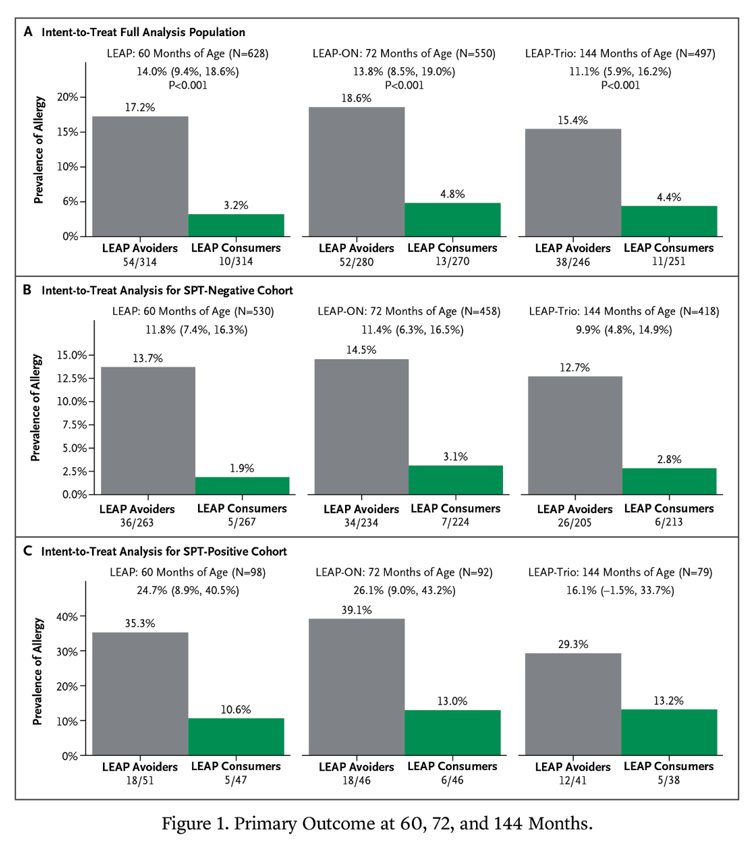
Methods: This follow-up trial (followed ~80% of initial randomized cohort) examined the durability of peanut tolerance at age 144 months after years of ad libitum peanut consumption.

Key findings:

  • At age 144 months, peanut allergy remained significantly more prevalent in participants in the original peanut avoidance group than in the original peanut consumption group (15.4% [38 of 246 participants] vs. 4.4% [11 of 251 participants].
  • Both groups (early peanut avoidance group and early peanut consumption group) had periods of prolonged peanut avoidance between 72 months and 144 months.

My take (borrowed from authors) Peanut consumption, starting in infancy and continuing to age 5 years, provided lasting tolerance to peanut into adolescence irrespective of subsequent peanut consumption.

Related blog posts:

Links: Prevent Peanut Allergy (National Peanut Board)

Lubiprostone -Effective for Pediatric Constipation Plus One

E Elkaragy et al. JPGN; 78:800–809. Efficacy of lubiprostone for functional constipation treatment in adolescents and children: Randomized controlled trial

Methods:In this single‐blinded, randomized controlled study with 280 patients (aged 8–18) s with FC, patients were randomized either to a weight‐based lubiprostone dose (n= 140) or conventional laxatives (n= 140), for 12 weeks, followed by4 weeks posttreatment follow‐up. Patients weighing <50 and ≥50 kg were administered lubiprostone 8 mcg TID or 24 mcg BID, respectively.

Key findings:

  • Improvement in constipation was achieved in 128 (91.4%) patients in the lubiprostone group, and in 48 (34.3%) patients of the conventional therapy group (p< 0.001) and was sustained after treatment discontinuation
  • Mild self‐limited colicky abdominal pain and headache were the most prevalent side effects in the lubiprostone group

In their discussion, they note that a clinical trial by Benninga et al., which was designed to evaluate the efficacy and safety of lubiprostone in patients with FC aged 6–17 years in a placebo-controlled design, concluded that lubiprostone was not superior to placebo in terms of efficacy (18.5% vs. 14.4% response rates), in contrast to this study.11 Some of the factors that could account for the discrepancy: this trial did not enroll patients with a fecal impaction, lower enrollment of patients with prior laxative failure, and shorter duration of constipation.

My take: It is good to see pediatric data for lubiprostone! Particularly for milder constipation, it appears to be effective compared to typical laxatives.

Related blog post: Lubiprostone Study: Ineffective for Pediatric Functional Constipation

In the same issue of JPGN, a separate study showed that antegrade continence enemas may be helpful in children (n=33) with autism and soiling. One safety issue is tube dislodgement. In this study, the authors noted that three patients (9.1%) had inadvertent tube dislodgement, and all tubes were uneventfully replaced. One patient had behavioral issues that prohibited utilization of an ACE.

Related blog posts:

IBD Updates: Reducing Postoperative Crohn’s Disease, How Effective is IFX after Adalimumab, UST vs VDZ in Pediatric UC

C Hernandez-Rocha et al. J Crohns Colitis 2024: 18: 615–627. Clinical Predictors of Early and Late Endoscopic Recurrence Following Ileocolonic Resection in Crohn’s Disease

Prospective Study n=365 adult patients with post-operative Crohn’s disease. Findings: At first colonoscopy, 109 [29.9%] had recurrence. Male gender (odds ratio [OR] = 1.95), non-White ethnicity [OR = 2.48], and postoperative smoking [OR = 2.78] were associated with recurrence, while prophylactic anti-TNF reduced the risk [OR = 0.28]. Postoperative anti-TNF prophylaxis had a protective effect on anti-TNF experienced patients but not on anti-TNF naïve patients. Among patients without recurrence at first colonoscopy, Rutgeerts score i1 was associated with subsequent recurrence [OR = 4.43]

A Lecoutour et al JPGN 2024; 78:1116–1125. Efficacy of infliximab after loss of response of/intolerance to adalimumab in pediatric Crohn’s disease: A retrospective multicenter cohort study of the “GETAID pédiatrique”

Key findings: In this retrospective study, 27 of 32 patients (84.4%) were still on IFX at 12 months of the switch. Among them, 13 had discontinued ADA because of a LOR, 12 for insufficient response and 2 due to primary nonresponse. At 1 year, 22 patients were in corticosteroid free clinical remission (68.7%).

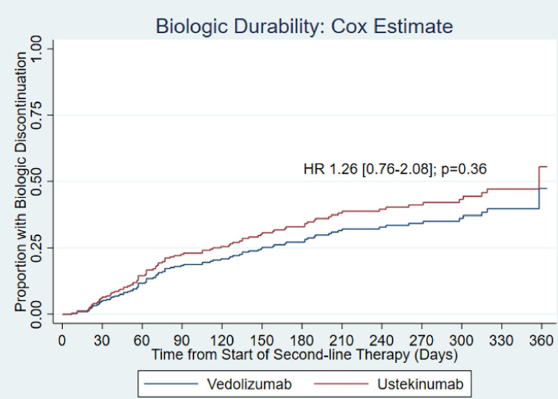
PV Patel et al. JPGN 2024; 78:1126–1134. Real‐world effectiveness of ustekinumab and vedolizumab in TNF‐exposed pediatric patients with ulcerative colitis

Using the ICN registry, this observational study had 262 anti-TNF refractory patients receiving VDZ and 74 patients receiving UST. Key finding: At 6 months, 28.3% of patients on VDZ and 25.8% of those on UST achieved CFCR (p= 0.76)

Orchid, Atlanta Botanical Gardens

No-Biopsy Approach to Celiac Disease Diagnosis and Positive Predictive Value (Based on Population)

In medical school, I distinctly remember my anatomy professor discussing how a test’s accuracy was affected by the underlying population tested. He said, ‘Well if you do an RPR test for syphilis among prostitutes and it is abnormal, then it is likely accurate as the test performs better in a population with a higher risk of the condition. Whereas if you run the same test on the faculty, the test would perform with much less accuracy. Well, actually, may be the faculty here are not the best example…’

This discussion comes to mind with the recent publication regarding the No-Biopsy Approach for Celiac disease in adults:

MG Shiha et al. Gastroenterol 2024; 166: 620-630. Open Access! Accuracy of the No-Biopsy Approach for the Diagnosis of Celiac Disease in Adults: A Systematic Review and Meta-Analysis

In this systematic review and meta-analysis with 12,103 adult patients from 18 studies, the key findings:

  • The pooled prevalence of biopsy-proven celiac disease in the included studies was 62%.The proportion of patients with IgA-tTG ≥10×ULN was 32%. 
  • The summary sensitivity of IgA-tTG ≥10×ULN was 51%, and the summary specificity was 100%
  • However, the positive predictive value of the no-biopsy approach to identify patients with celiac disease was 65%, 88%, 95%, and 99% if celiac disease prevalence was 1%, 4%, 10%, and 40%, respectively in hypothetical cohorts.

The associated editorial (B Lebwhol, pg 557: Moving Away From Biopsy Confirmation of Celiac Disease) notes the following:

The duodenal biopsy, long the cornerstone of a celiac disease diagnosis, has lost some of its luster in recent years. As data emerged that the specificity of tissue transglutaminase (TTG) IgA for duodenal villus atrophy increases in accordance with the degree of antibody elevation in children, in 2012 the European Society for Pediatric Gastroenterology and Nutrition adopted a biopsy-free pathway for the diagnosis of celiac disease in symptomatic children who met stringent criteria, including a ≥10-fold TTG IgA elevation and an elevated endomysial antibody on a separate blood draw.1 With further data supporting the positive predictive value of a highly elevated TTG IgA2 these guidelines were modified in 2020 to now include asymptomatic children.3

..the specificity of an elevated TTG IgA seems to be lower in people with type 1 diabetes.8

Studies employing a serial serology strategy, such as a ≥10-fold TTG IgA elevation that persists over a number of months, might yield specificities that are so high that that they are impervious to decreases in positive predictive values wrought by low underlying prevalences…

Most patients with celiac disease do not mount a sufficiently high TTG IgA to rely exclusively on a serological diagnosis. And the minority who do meet the stringent criteria of a biopsy-free diagnosis might wisely choose to confirm their life-long diagnosis with a biopsy.

My take: Ironically, this study, which showed that a TTG IgA ≥10 x ULN was highly indicative of celiac disease in adult patients with a 100% specificity and a positive predictive value of 98%, makes an argument for ongoing duodenal biopsies in those at lower risk for celiac disease. However, the lower positive predictive values (in some groups) are based on hypothetical cohorts. Shared decision-making is important and relying on a single elevated lab test is particularly problematic.

Related blog posts:

Jordan River Trail (Salt Lake City)

Supreme Court Placing Obstacles to Public Health

JM Sharfstein, LO Gostin. NEJM 2024; 390: 1637-1639: The Public Good on the Docket — The Supreme Court’s Evolving Approach to Public Health

This article provides a great summary of how the current Supreme Court has undermined the ability of Congress, federal agencies and states in their efforts to safeguard public health.

Some excerpts:

The preamble to the U.S. Constitution states that a central aim of government in U.S. democracy is to “promote the general Welfare… From the earliest days of the republic, U.S. courts have upheld public health laws and regulations in large part on the basis of their importance for protecting the well-being of communities…

Under the Constitution, states have the primary responsibility and authority to protect the public’s health and safety — often termed “police powers.” In Gibbons v. Ogden (1824), Chief Justice John Marshall observed that states have a long tradition of enacting “inspection laws, quarantine laws, [and] health laws of every description.” In the landmark Slaughter-House Cases (1873), the Court affirmed the states’ power to safeguard health, even when doing so requires restricting liberties. The foundational 20th-century case is Jacobson v. Massachusetts (1905), which upheld the authority of states to mandate smallpox vaccinations…a social compact that recognizes not only the rights of the individual but also the needs of a community “to protect itself against an epidemic of disease which threatens the safety of its members.”

In recent years, however, the Supreme Court’s majority has increasingly blocked states from using public health evidence to protect community safety. During the Covid-19 pandemic, the Court struck down public health orders in California on the basis of religious-liberty concerns…

For most of our country’s history, the Court consistently upheld a wide variety of firearm-safety laws. But in New York State Rifle & Pistol Association v. Bruen (2022), it struck down a New York law requiring applications for concealed carry permits by demanding that laws regulating firearms be “analogous” to laws enacted in the 18th and 19th centuries — even though current high-capacity, powerful firearms bear little resemblance to guns that existed early in U.S. history…

 For more than 200 years, courts have accepted that Congress has the power to charge federal agencies with carrying out laws to protect the country’s health and safety and the environment…Yet today’s Supreme Court is significantly constraining the authority of Congress to provide broad direction to agencies. In West Virginia v. Environmental Protection Agency (EPA) (2022), the Court announced a new “major questions doctrine,” holding that Congress must, in advance, spell out specific hazards and the actions that an agency may take to address them…

This term, the Court appears to be poised to…invalidate the long-standing Chevron doctrine, whereby judges give deference to expert agencies in resolving ambiguities in the laws they enforce. Absent Chevron deference, judges will be able to substitute their judgment more readily for that of agency scientists…

In FDA v. Alliance for Hippocratic Medicine, the Court will determine whether the FDA can set science-based policies governing access to mifepristone, a medication used for abortion…The case comes in the shadow of the Court’s decision in Dobbs v. Jackson Women’s Health Organization (2022), in which the majority not only abandoned the right to abortion established in Roe v. Wade after nearly 50 years but also criticized the Roe Court for considering evidence about abortion’s relevance to women’s health.

My take: This court’s rulings have already resulted in profound consequences for public health and individual freedoms. In addition for trying to claim “historical” precedents to establish rulings (when it conveniently the interpretation conveniently aligns with their predetermined views), the court is undermining the role of expertise at every turn.

Related blog posts:

Dead Horse Point State Park, Utah