How Well Does BARD Criteria Work for Diagnosing Cholangitis Following a Kasai Repair for Biliary Atresia

M Madadi-Sanjani et al. JPGN Reports 2024: https://doi.org/10.1002/jpr3.12071. Open Access! Retrospective analysis of the standardized BARD criteria for acute cholangitis in biliary atresia patients

This retrospective study examined the Biliary atresia and Related Diseases (BARD) criteria for diagnosis of acute cholangitis in BA patients within the first year following Kasai hepatoportoenterostomy (HPE).

Key findings:

  • Of 185 consecutive BA patients, 59 (32%) had at least one episode of cholangitis within the first year after HPE
  • The correlation between the clinician’s impression and the standardized BARD definition was very strong (r = 0.8)
  • Only 41% of patients believed by their physicians to have cholangitis had fever
  • 70% had increased WBC and/or CRP, and/or procalcitonin
  • 90% had increased bilirubin/GGT, 68% had increased transaminases
  • Only one (1/59) patient in their cohort had a positive blood culture and only one (1/59) patient had bile lakes identified
  • 56/59 children (94.9%), at least one laboratory or radiological item (group B) was pathologic at cholangitis diagnosis

My take: There really is not a precise way to diagnose cholangitis following HPE. Given how infrequently they are identified, it looks like both blood culture and bile lakes are not useful in establishing the diagnosis given. Overall, these criteria correlate well with how clinicians establish the diagnosis of cholangitis in at-risk children.

The Standardized Biliary Atresia and Related Diseases (BARD) cholangitis guidelines for the diagnosis of suspected and confirmed cholangitis within the first year following hepatoportoenterostomy for biliary atresia. *Vomiting, poor feeding, irritability. PCT, procalcitonin.

Related blog posts:

Skepticism in Medicine Can Be Dangerous

NY Times 4/24/24, D Lamas: Skepticism Is Healthy, but in Medicine, It Can Be Dangerous

This commentary starts with a sad anecdote about a physician trying to navigate a difficult end of life decision and transitions to a discussion of public trust in medicine.

A few excerpts:

We are at a crossroads in medicine when it comes to public trust. After a pandemic that twisted science for political gain, it is not surprising that confidence in medicine is eroding. In fact, trust in medical scientists has fallen to its lowest levels since January 2019...

But our medical system relies on trust — in face-to-face meetings as well as public health bulletins. Distrust can lead doctors to burnout and can encourage avoidable negative outcomes for our patients. This is partly what is driving increasing rates of measles among unvaccinated children, failure to follow recommended cancer screening and refusal to take lifesaving preventive medications. There are no easy solutions here. But if we do not find ways to restore and strengthen trust with our patients, more lives will be lost.

When that skepticism shifts into abject and irreparable disbelief, we see some patients make dangerous decisions…Trust can sometimes be repaired by clearly presenting facts and figures, but it is about more than explaining numbers…

Many of our patients started their medical journeys wanting to believe in their doctors. But then the medical system that they wanted to trust failed them, in small ways and large, from haphazardly rescheduled appointments to real medical error…

For her patient and family facing an end of life decision, “they left without a word, carrying with them his bags of belongings and —I can only hope — faith that we had done the best we could.”

My take: Trying to understand distrust and navigate hostility is one of the most difficult challenges that physicians face. It is difficult to witness patients and families make decisions or omissions in care that lead to worsened outcomes.

Related blog posts:

Reef Bay Beach, St John

Humor: Skepticism with Scooby-Doo Can Be Dangerous Too (& funny) -last week’s SNL Scooby-Doo skit

Good Review: Genetic Sucrase-Isomaltase Deficiency

TF Danialifar et al. JPGN 2024; https://doi.org/10.1002/jpn3.12151 Open Access! Genetic and acquired sucrase-isomaltase deficiency: A clinical review

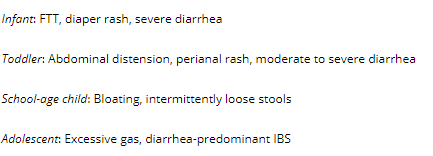
Most Common Presentation by Age:

Key points:

  • 37 potential SI gene variants, including the four most common variants seen in genetic sucrase-isomaltase deficiency (GSID). Some variants have isomaltase activity and individuals with these variants can tolerate/digest starch
  • Children with disorders of gut–brain interaction (DGBI) with a primary complaint of loose stools were found to have a higher prevalence of SI pathologic variants, the vast majority heterozygous, compared with those in a reference consortium database (4.5% vs. 1.3%, respectively).28 Children with DGBI who had primarily abdominal pain did not have a higher prevalence of SI pathologic variants
  • Disaccharidase testing: Disaccharidase assay on duodenal mucosal tissue homogenates is currently the gold standard for diagnosing overall SID…One in five cases with pan-disaccharidase deficiency of all four or all five evaluated enzymes may be associated with heterozygous SI mutations and sucrase deficiency.39 A ratio of sucrase to lactase at 1.0 or less has been proposed as a guide to CSID, but may miss cases
  • Genetic testing: Genetic tests for four common mutations up to the entire SI gene are commercially available.939 The test is typically performed using genomic DNA extracted from buccal/cheek swab and blood samples. One specialty laboratory also accepts formalin-fixed paraffin-embedded biopsy tissues and other biopsy samples.
  • Diet: Good dietary advice is provided in Table 3 (see below).
  • Sacrosidase Treatment: Dosing of sacrosidase is weight-based, with a recommendation of 1 mL for patients weighing less than 15 kg and 2 mL for patients weighing more than 15 kg. The enzyme should be taken with each meal or snack, mixed into 2–4 ounces of room temperature liquid, and divided with half taken before the meal and half taken midway through

Related blog posts:

Disclaimer: This blog, gutsandgrowth, assumes no responsibility for any use or operation of any method, product, instruction, concept or idea contained in the material herein or for any injury or damage to persons or property (whether products liability, negligence or otherwise) resulting from such use or operation. These blog posts are for educational purposes only. Specific dosing of medications (along with potential adverse effects) should be confirmed by prescribing physician.  Because of rapid advances in the medical sciences, the gutsandgrowth blog cautions that independent verification should be made of diagnosis and drug dosages. The reader is solely responsible for the conduct of any suggested test or procedure.  This content is not a substitute for medical advice, diagnosis or treatment provided by a qualified healthcare provider. Always seek the advice of your physician or other qualified health provider with any questions you may have regarding a condition.

Will Future Pathology Reports Include Likely Therapeutic Recommendations?

X Liu et al. Gastroenterol 2024; 166:921-924. Machine Learning–Based Prediction of Pediatric Ulcerative Colitis Treatment Response Using Diagnostic Histopathology

M Iannucci et al. Gastroenterology 2024: 166: 730-732. Editorial. Open Access! A Baby Step or a Real Giant Stride: Histomic Enabled by Artificial Intelligence to Predict Treatment Response in Pediatric Patients With Ulcerative Colitis

In this article, their machine learning algorithm was trained on 187,571 informative patches from rectal hematoxylin and eosin biopsy samples from 292 treatment-naive pediatric patients with UC in a multicenter inception cohort (PROTECT) 2) study.

Key findings (summarized by editorial):

  • The authors first trained the machine learning models on 250 histomic features at the patch level and achieved an area under the receiver operating characteristic curve (AUROC) of 0.87 (95% confidence interval [CI], 0.73–1.00) and an accuracy of 0.90 (95% CI, 0.80–1.00) at the WSI (whole slide images) level in predicting treatment response.
  • A subset of 18 histomic features exhibited comparable performance with an AUROC of 0.89 (95% CI, 0.71–0.96) and accuracy of 0.90 (95% CI, 0.80–1.00) to model using the full set of 250 features, indicating the potential for standardized practical application in clinical settings.
  • The authors confirmed that the set of 18 histomic features demonstrated comparable performance on the real-world independent SickKids cohort7 (University of Toronto) with an AUROC of 0.85 (95% CI, 0.75–0.95) and accuracy of 0.85 (95% CI, 0.75–0.95) at the WSI level.
An important limitation on this study was that the population was 83% white, indicating that it may have less applicability in other cohorts.

My take (borrowed from editorial): Although this study focused solely on the therapeutic outcomes of mesalamine on treatment-naïve patients, it is anticipated that a comparable methodology (based on the fusion of machine learning and digital histopathology) could be applied in subsequent research to elucidate the necessity for colectomy, evaluate responses to biological agents, and optimize drug selection from the current armamentarium. In other words, this approach utilizing routine biopsy specimens may offer a pathway toward a precision personalized approach to managing pediatric-onset UC (and possibly IBD more broadly).

Torrey, Utah

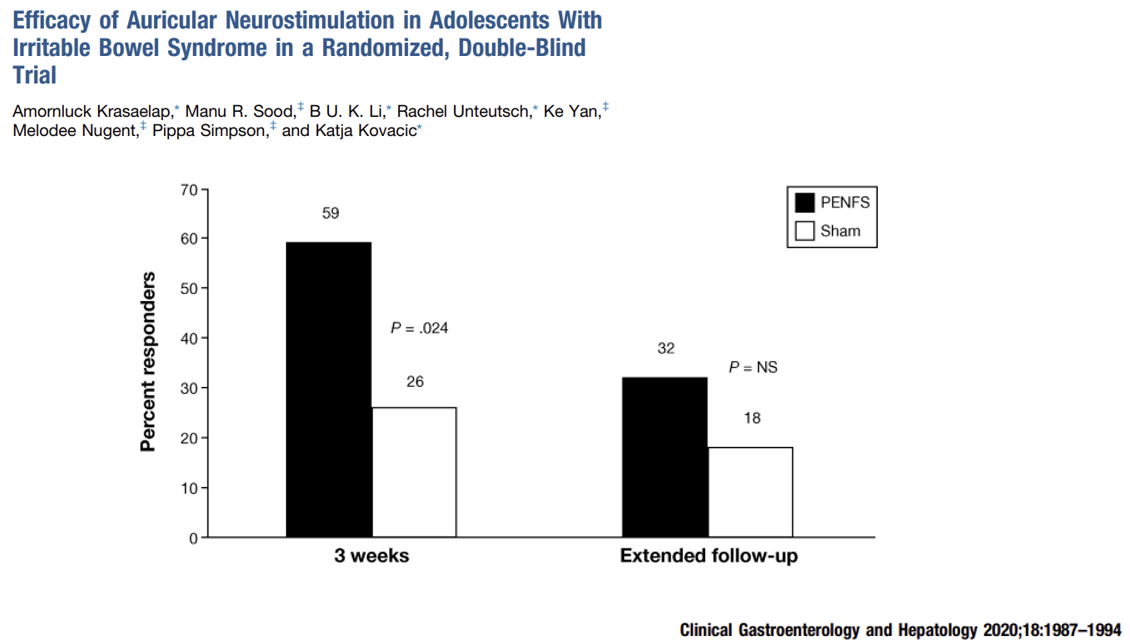
Opportunity Costs with Auricular Stimulation in Adolescents with Irritable Bowel Syndrome

E Shah et al. JPGN 2024; 78: 608–613. Percutaneous electrical nerve field stimulation for adolescents with irritable bowel syndrome: Cost‐benefit and cost‐minimization analysis

Background: “Despite its favorable efficacy and safety profile, access to PENFS and other modalities in IBS can be limited by insurance coverage.”

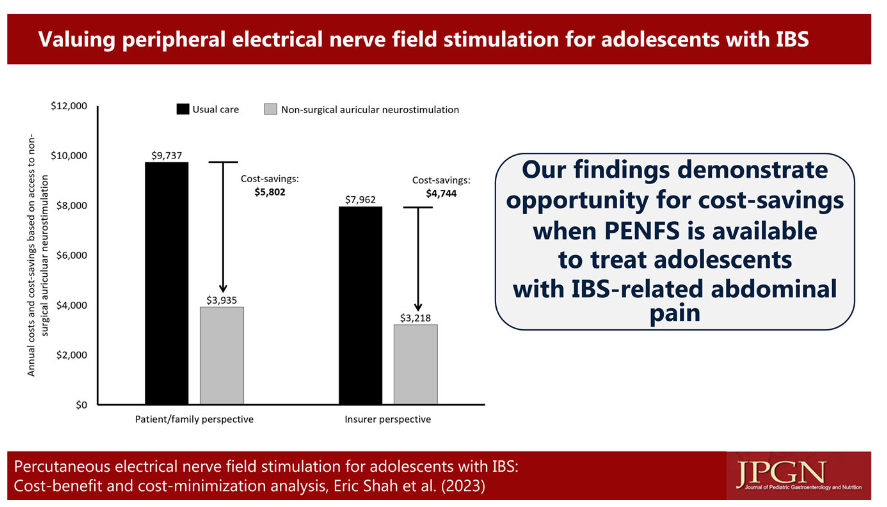
Methods: The authors performed an economic analysis to estimate cost‐savings for patients’ families and healthcare insurance, and health outcomes, based on abdominal pain improvement with percutaneous electrical nerve field stimulation (PENFS) with IB‐Stim® (Neuraxis). The authors created a a Markov model.

Key findings:

  • PENFS was associated with 18 added healthy days over 1 year of follow‐up, increased annual parental wages of $5,802 due to fewer missed work days to care for the child, and $4744 in cost‐savings to insurance
  • Important Limitation: The economic benefits that derive from the clinical improvements used in this analysis are based on a small prospective cohort study of 20 patients with up to 1 year of follow‐up

My take: It appears that auricular stimulation should be positioned earlier in treatment algorithms for adolescents with IBS based on safety, and efficacy, especially if cost is not prohibitive.

Related blog posts:

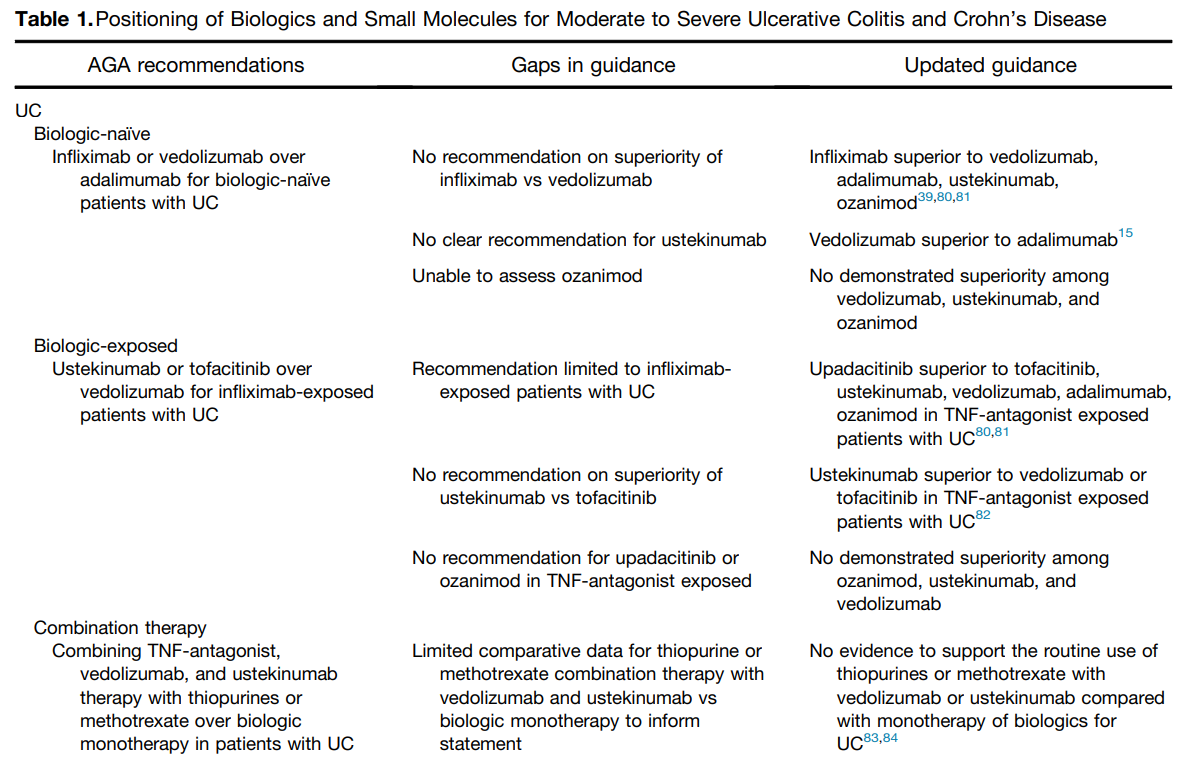
Comparative Evidence and Positioning Advance Therapies for Inflammatory Bowel Disease

PS Dulai et al. Gastroenterol 2024; 166: 396-408. Open Access! Integrating Evidence to Guide Use of Biologics and Small Molecules for Inflammatory Bowel Diseases

“In this review, we provide a framework for clinicians and researchers to understand key differences in sources of evidence, how different methodologies are applied to study the comparative effectiveness of advanced medical therapies in IBD, and considerations for how these sources of evidence can be used to better integrate current guideline recommendations.”

This article explains the use of randomized controlled trials, “real-world evidence”/observational comparative studies, network meta-analysis, and post-hoc comparisons from randomized studies.

“The authors advocate for “”Given the rapidity with which new advanced medical therapies are becoming available in IBD, which quickly make current guidelines obsolete, living guidelines may offer a unique consideration to ensure applicability to routine care.”

My take: This article provides a useful update of current advanced therapies and information in positioning these advanced therapies. It would be a great service if the IBD community could create something similar to HCVguidelines.org. The latter was a coordinated effort by the AASLD and IDSA to help provide expert advice during a deluge of amazing advances in HCV. And just like HCVguidelines, it is important to address “special” populations including pediatric patients and patients with very early onset IBD.

Related blog posts:

Disclaimer: This blog, gutsandgrowth, assumes no responsibility for any use or operation of any method, product, instruction, concept or idea contained in the material herein or for any injury or damage to persons or property (whether products liability, negligence or otherwise) resulting from such use or operation. These blog posts are for educational purposes only. Specific dosing of medications (along with potential adverse effects) should be confirmed by prescribing physician.  Because of rapid advances in the medical sciences, the gutsandgrowth blog cautions that independent verification should be made of diagnosis and drug dosages. The reader is solely responsible for the conduct of any suggested test or procedure.  This content is not a substitute for medical advice, diagnosis or treatment provided by a qualified healthcare provider. Always seek the advice of your physician or other qualified health provider with any questions you may have regarding a condition.

Modest Benefits of Early Advanced Therapies in IBD?

R Lujan, R Buchuk et al. Gastroenterol 2024; 166: 815-825.Early Initiation of Biologics and Disease Outcomes in Adults and Children With Inflammatory Bowel Diseases: Results From the Epidemiology Group of the Nationwide Israeli Inflammatory Bowel Disease Research Nucleus Cohort

Methods: All patients diagnosed with CD or UC in Israel (2005–2020) were included in the Epidemiology Group of the Israeli Inflammatory Bowel Disease Research Nucleus cohort. The authors compared disease duration at biologics initiation (ie, 0–3 months, >3–12 months, >1–2 years, and >2–3 years) using the cloning, censoring, and weighting by inverse probabilities method to emulate a target trial, adjusting for time-varying confounders and selection bias.


Of the 34,375 included patients (of whom 5240 [15%] were children), 7452 of 19,264 (39%) with CD and 2235 of 15,111 (15%) with UC received biologics. To attempt to adjust for patient characteristics, “essentially, each patient was cloned 4 times and 1 clone was assigend to each treatment strategy at baseline…[they were removed] subsequently if they did not receive the biologic within the acceptable time window.” Key findings:

  • In CD, by 10 years postdiagnosis, the probability of CD-related surgery decreased gradually but modestly with earlier initiation of biologics; a significant difference was noted between >2–3 years (31%) and 0–3 months (18%; P = .02; number needed to treat, 7.7)
  •  In CD, the 10-year probability of steroid dependency for the 0–3-month period (19%) differed both from the >2–3-year (31%; P < .001) and 1–2-year periods (37%; P < .001).
  •  In UC, no significant differences in colectomy or steroid dependency rates were observed between the treatment initiation periods.
  • Similar trends were noted in the pediatric population.

Thus, overall, the study found that early initiation of biologics was associated only with a modest reduced risk of surgery and steroid dependency for Crohn’s disease. It was not found to reduce risk of colectomy or steroid dependency in UC.

My take: In my view, this study probably underestimates the benefits of early biologic therapy. Even though, lead time bias can skew interpretation, inadequately-treated disease likely leads to long-term damage. The associated editorial (pg 728) by Murphy notes that despite the sophisticated statistical methodology, all observational studies cannot fully control for unmeasured confounders.

Related blog posts:

Colorado River Near Moab, UT

This past weekend there were two fun events in Atlanta -Porchfest (Virginia Highlands) and Midtown Garden Stroll. Porchfest featured more than 50 local bands.

Here’s a couple photos from the Midtown Garden Stroll:

Resmetirom (Rezdiffra) -FDA Approved for MASH with Moderate to Advanced Fibrosis

3/14/24: FDA Approves First Treatment for Patients with Liver Scarring Due to Fatty Liver Disease

An excerpt:

“At 12 months, liver biopsies showed that a greater proportion of subjects who were treated with Rezdiffra achieved NASH resolution or an improvement in liver scarring as compared with those who received the placebo. A total of 26% to 27% of subjects who received 80 milligrams of Rezdiffra and 24% to 36% of subjects who received 100 milligrams of Rezdiffra experienced NASH resolution and no worsening of liver scarring, compared to 9% to 13% of those who received placebo and counseling on diet and exercise…n addition, a total of 23% of subjects who received 80 milligrams of Rezdiffra and 24% to 28% of subjects who received 100 milligrams of Rezdiffra experienced an improvement in liver scarring and no worsening of NASH, compared to 13% to 15% of those who received placebo, depending on each pathologist’s readings.”

“The most common side effects of Rezdiffra included diarrhea and nausea. Rezdiffra comes with certain warnings and precautions, such as drug-induced liver toxicity and gallbladder-related side effects. Use of Rezdiffra should be avoided in patients with decompensated cirrhosis.”

My take: It is good to finally have an FDA-approved medication for MASH (in adults). My speculation is that medications which achieve persistent weight loss will have a more pronounced effect on liver health and overall health.

Related blog posts:

Colorado River near Moab, Utah

Jose Garza: What’s New in Motility (Part 2)

Dr. Jose Garza joined our group in 2013 and has been providing excellent care for children throughout the South with suspected motility disorders. Recently, he gave our group a fabulous update on what’s new in motility.  My notes below may contain errors in transcription and in omission. Along with my notes, I have included many of his slides.

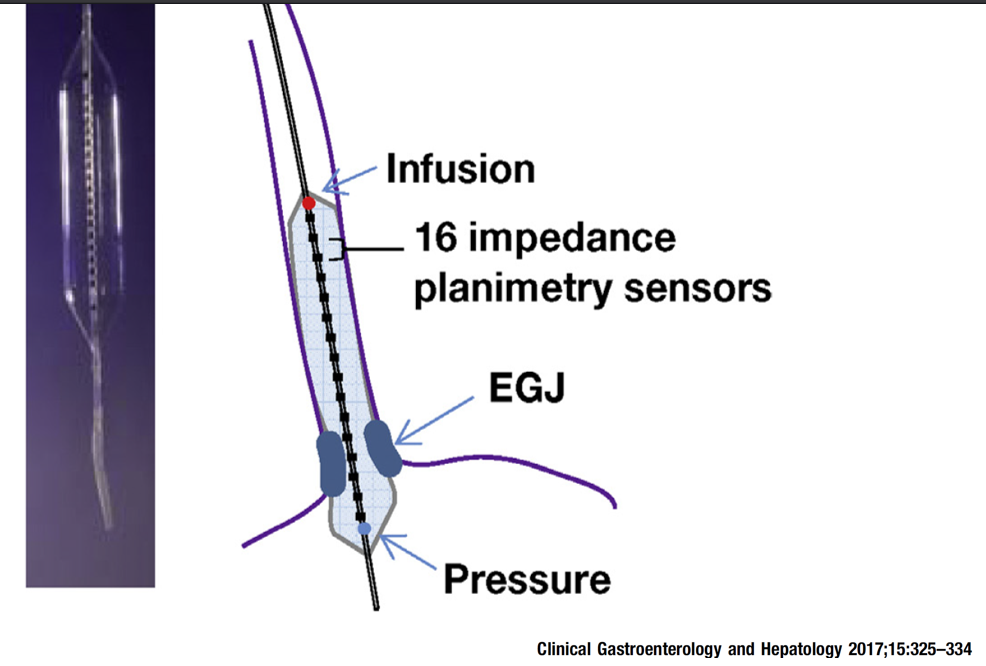
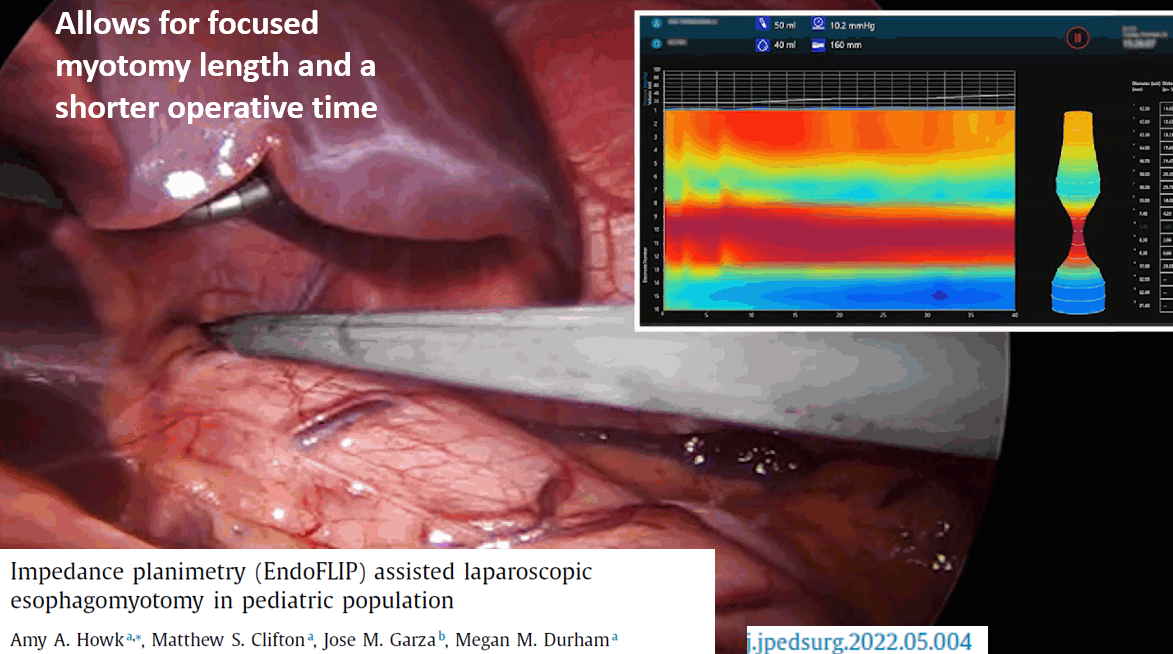
FLIP -How Distensible is the Esophagus

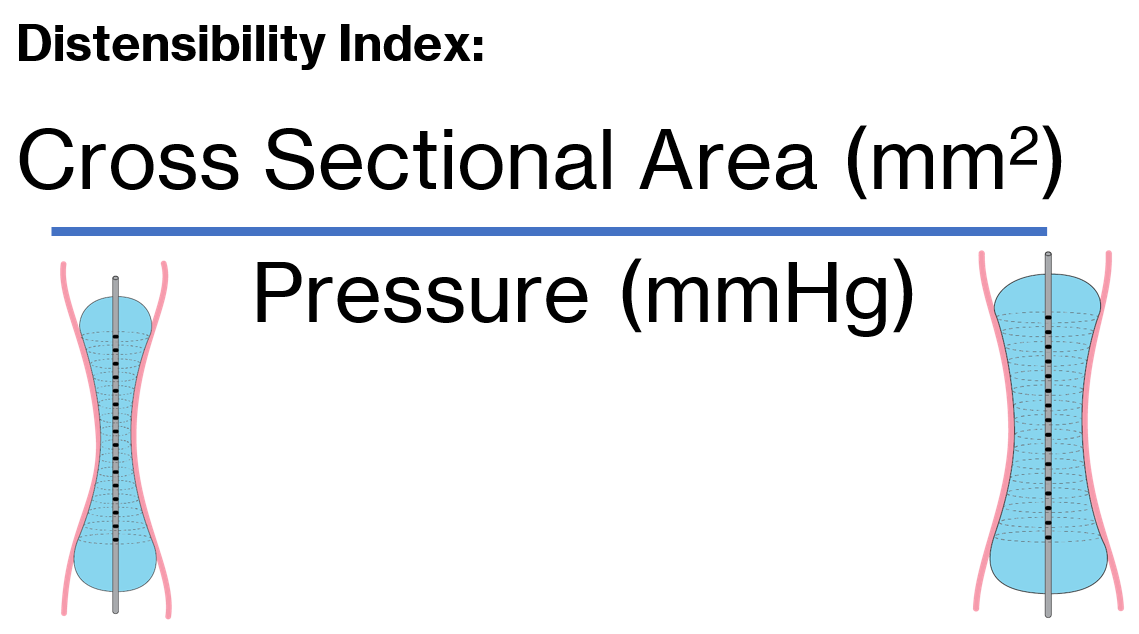
  • Distensibility index less than 2 mm2/mmHg is considered abnormal.
  • Normal FLIP (presence of RACs and normal Distensibility Index) can obviate need for high resolution esophageal manometry (HREM)
  • FLIP during anesthesia can only be done with certain medications: versed, fentanyl and propofol (no gas)
  • FLIP  is useful  in evaluating if symptoms after achalasia treatment, during achalasia treatment (dilatation or Heller), if symptoms after fundoplication, and if manometry uncertain

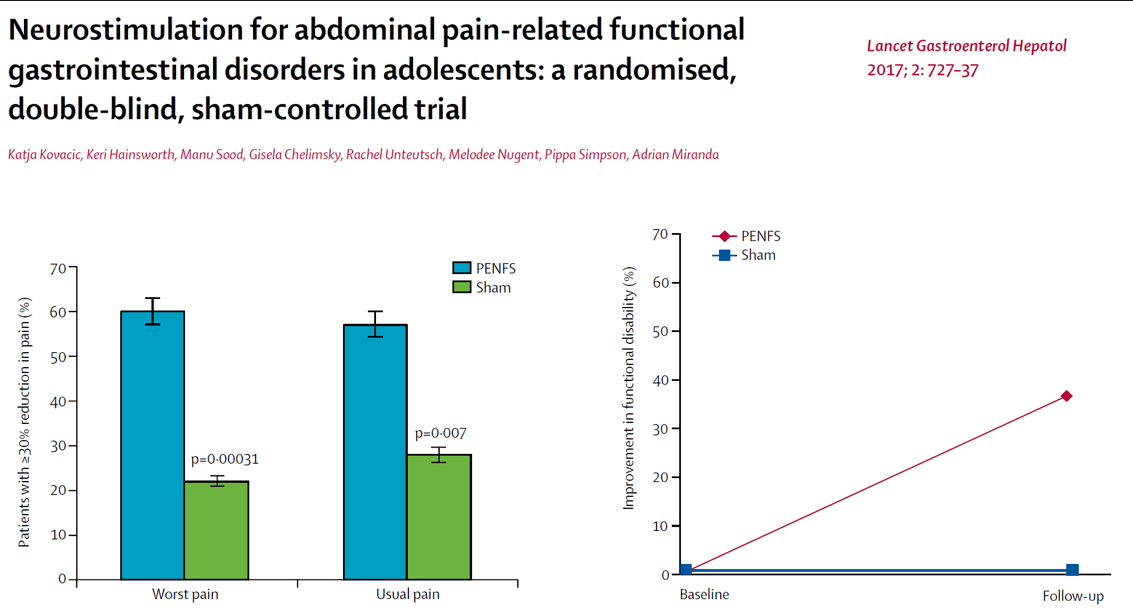
IB-Stim

Unable to Belch ( (Retrograde Cricopharyngeus Dysfunction)

Sitz Markers

  • Guideline published suggest single xray on day 5 (usually off treatment). Cleanout recommended (especially if impacted)
  • Useful for non-retentive fecal soiling as well

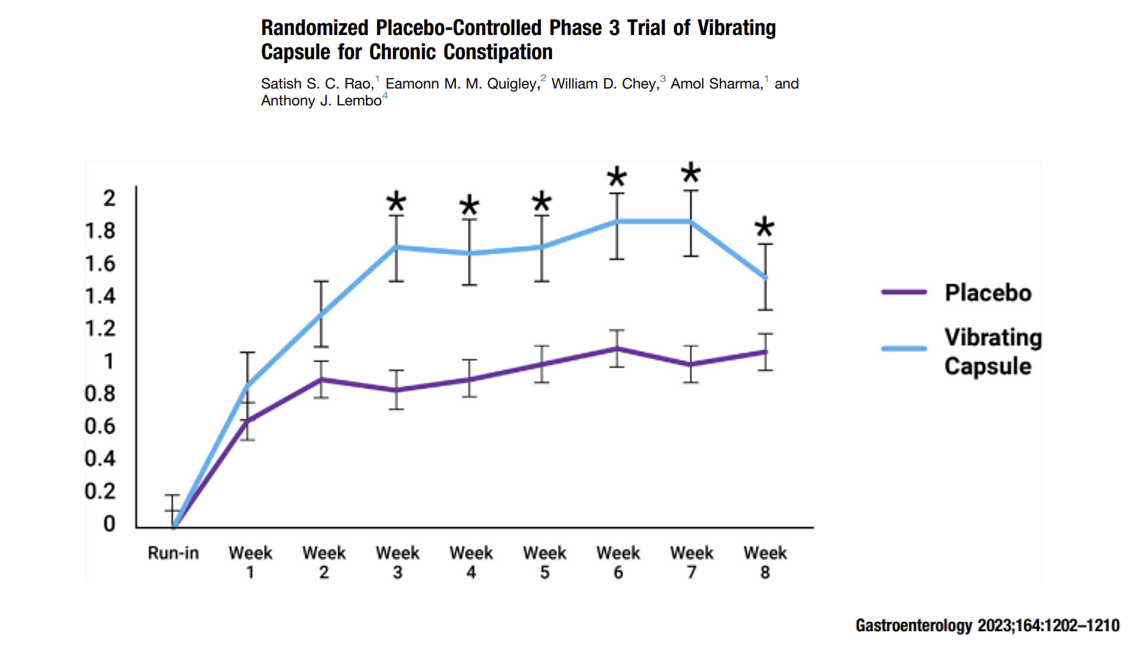
Vibrating capsule

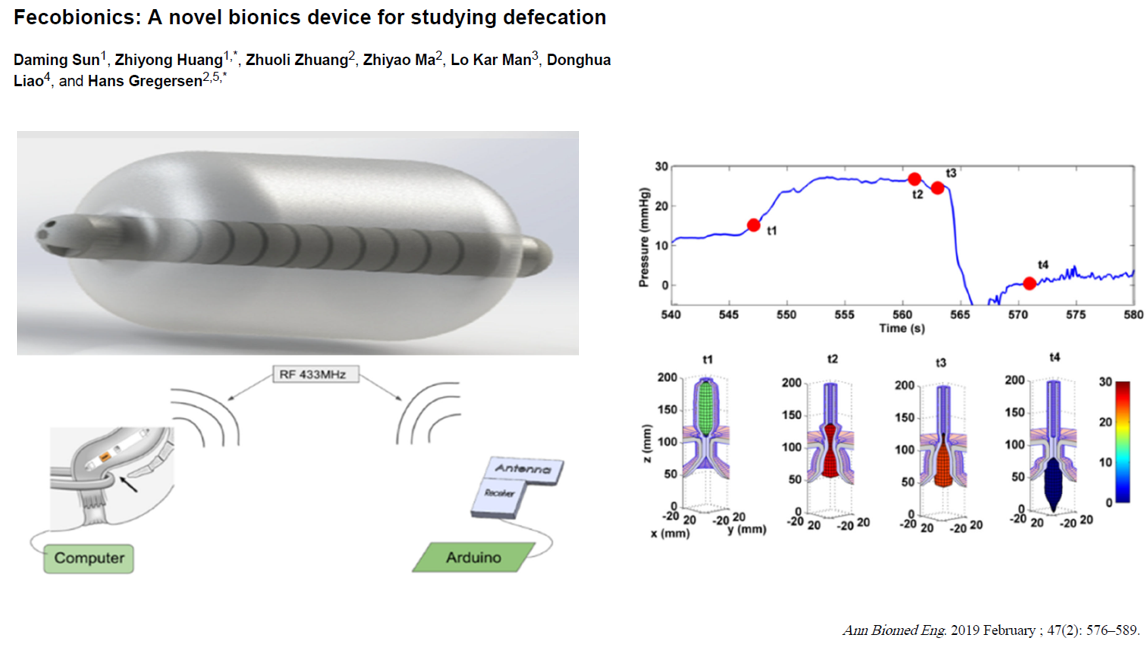
Fecobionic

  • Emerging technology to help provide more data on defecation dysfunction

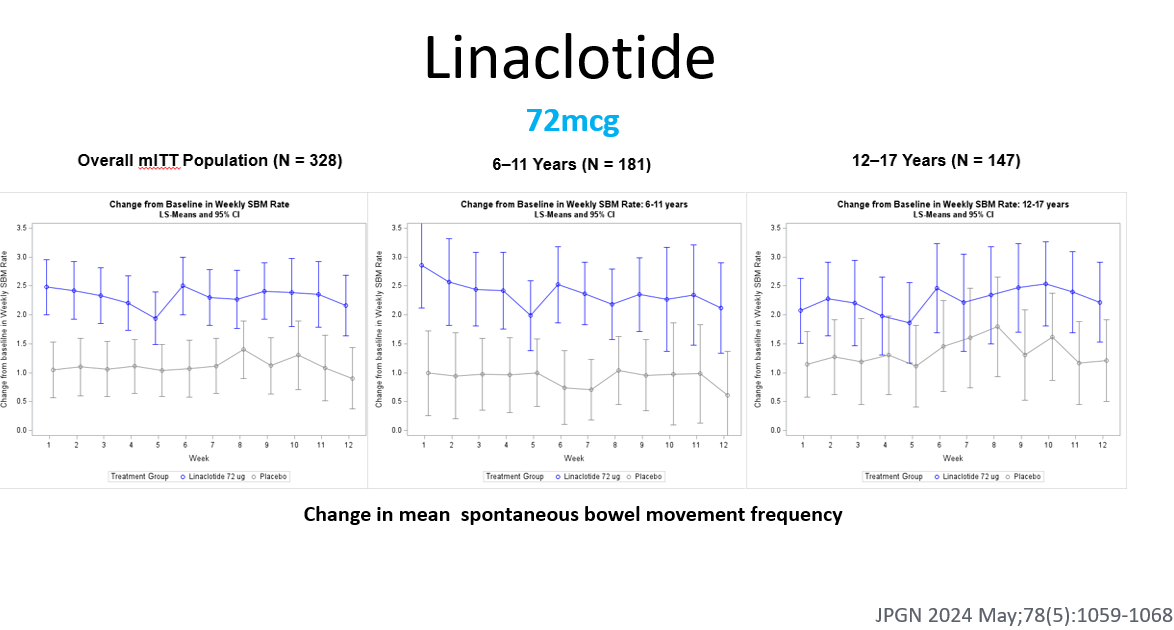
Medications:

Disclaimer: This blog, gutsandgrowth, assumes no responsibility for any use or operation of any method, product, instruction, concept or idea contained in the material herein or for any injury or damage to persons or property (whether products liability, negligence or otherwise) resulting from such use or operation. These blog posts are for educational purposes only. Specific dosing of medications (along with potential adverse effects) should be confirmed by prescribing physician.  Because of rapid advances in the medical sciences, the gutsandgrowth blog cautions that independent verification should be made of diagnosis and drug dosages. The reader is solely responsible for the conduct of any suggested test or procedure.  This content is not a substitute for medical advice, diagnosis or treatment provided by a qualified healthcare provider. Always seek the advice of your physician or other qualified health provider with any questions you may have regarding a condition.

Jose Garza: What’s New in Motility (Part 1)

Dr. Jose Garza joined our group in 2013 and has been providing excellent care for children throughout the South with suspected motility disorders. Recently, he gave our group a fabulous update on what’s new in motility.  My notes below may contain errors in transcription and in omission. Along with my notes, I have included some of his slides. His talk had 123 slides; true motilists would be appalled that I haven’t included more of the high resolution tracing slides (though there are a few tomorrow).

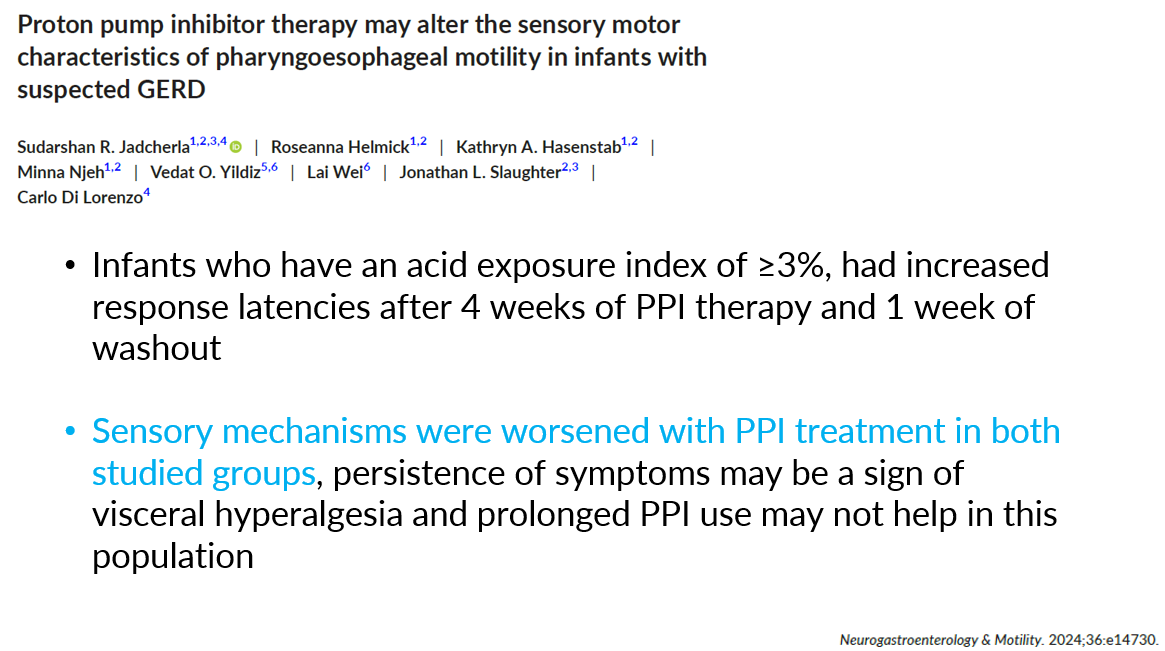
Reflux:

Colic:

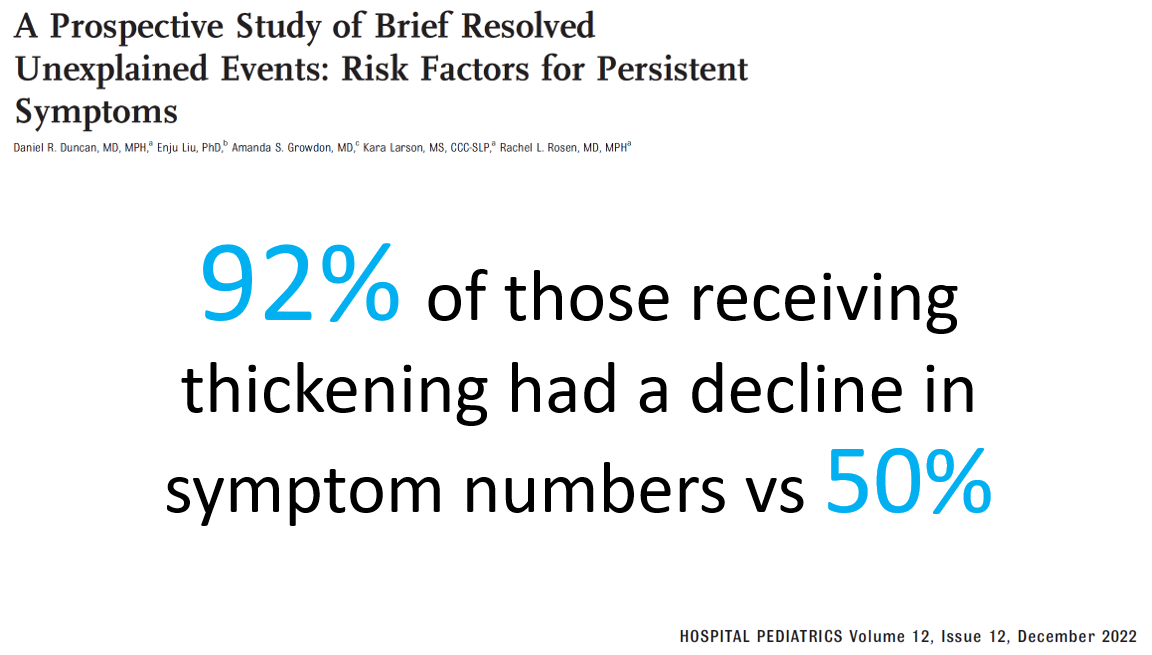
BRUE:

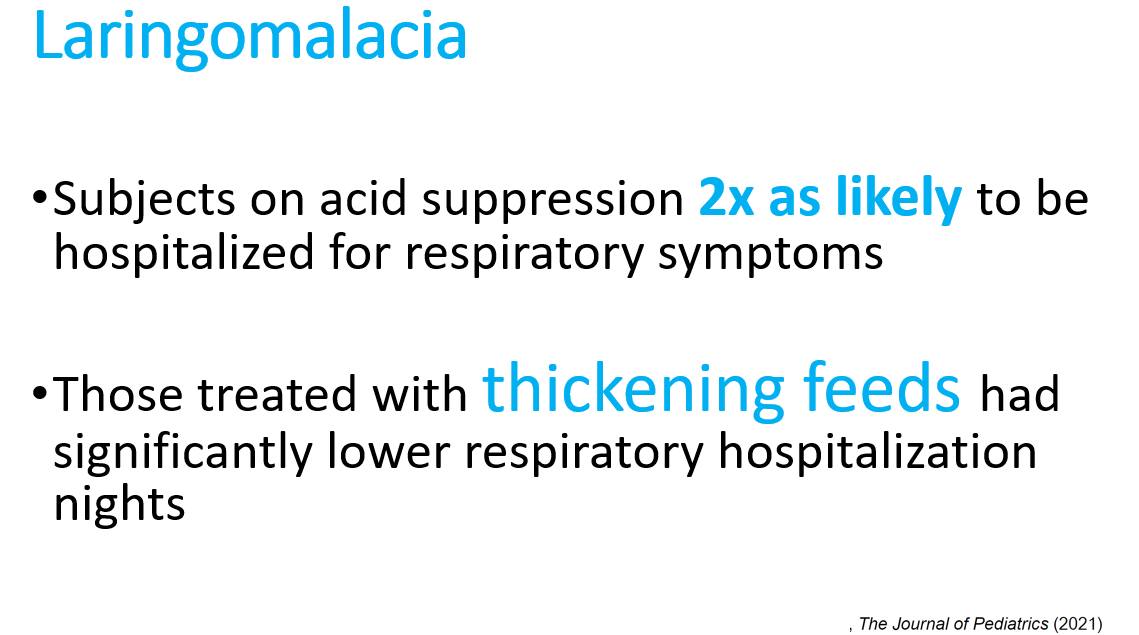
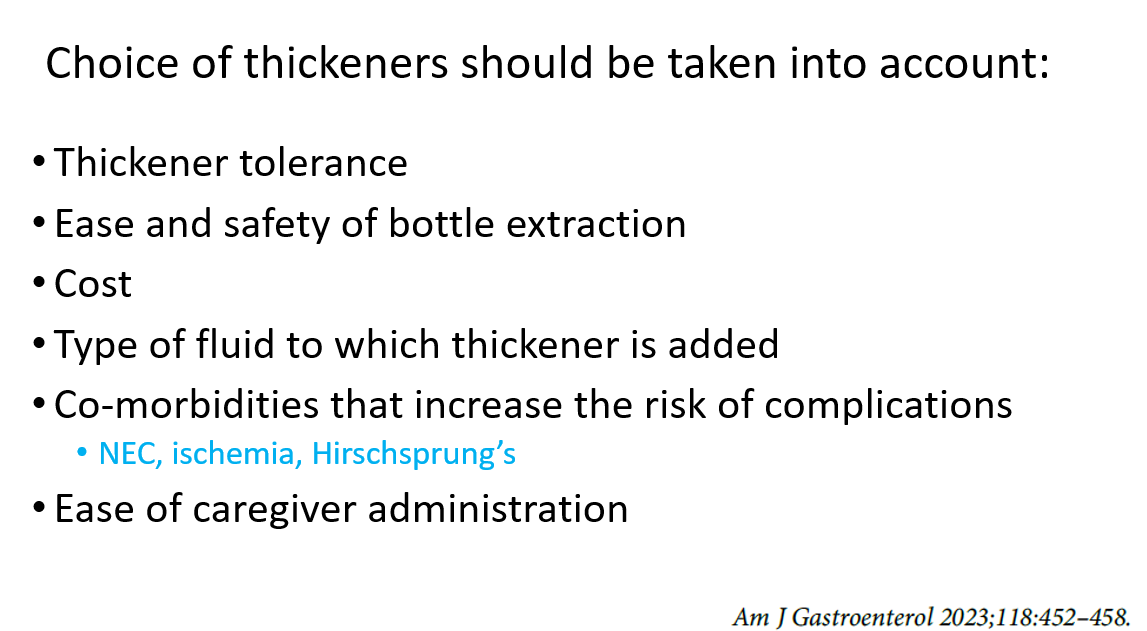
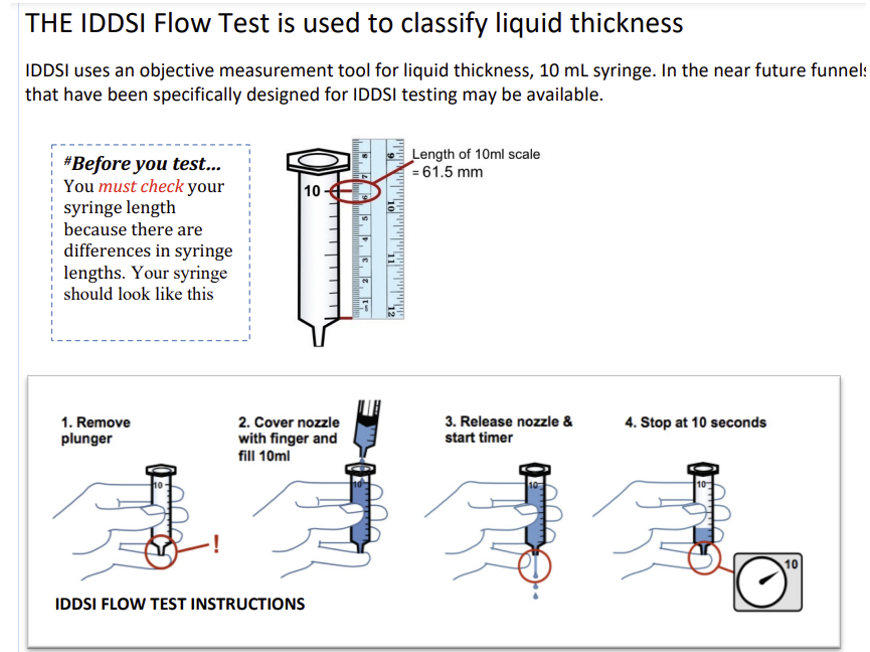
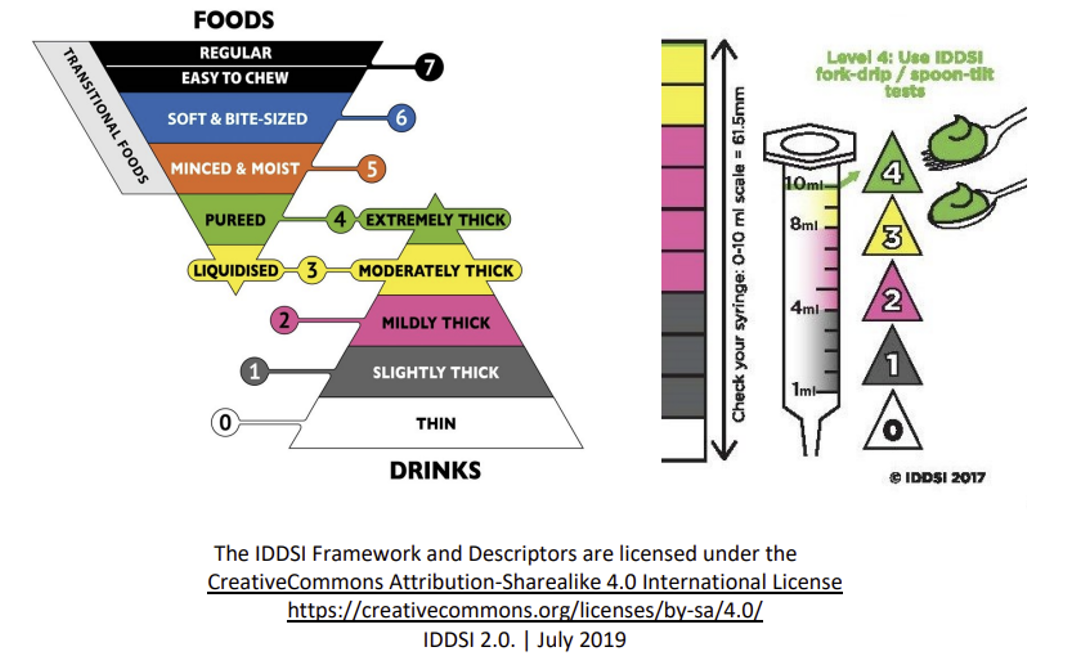
Laryngomalacia/Thickening:

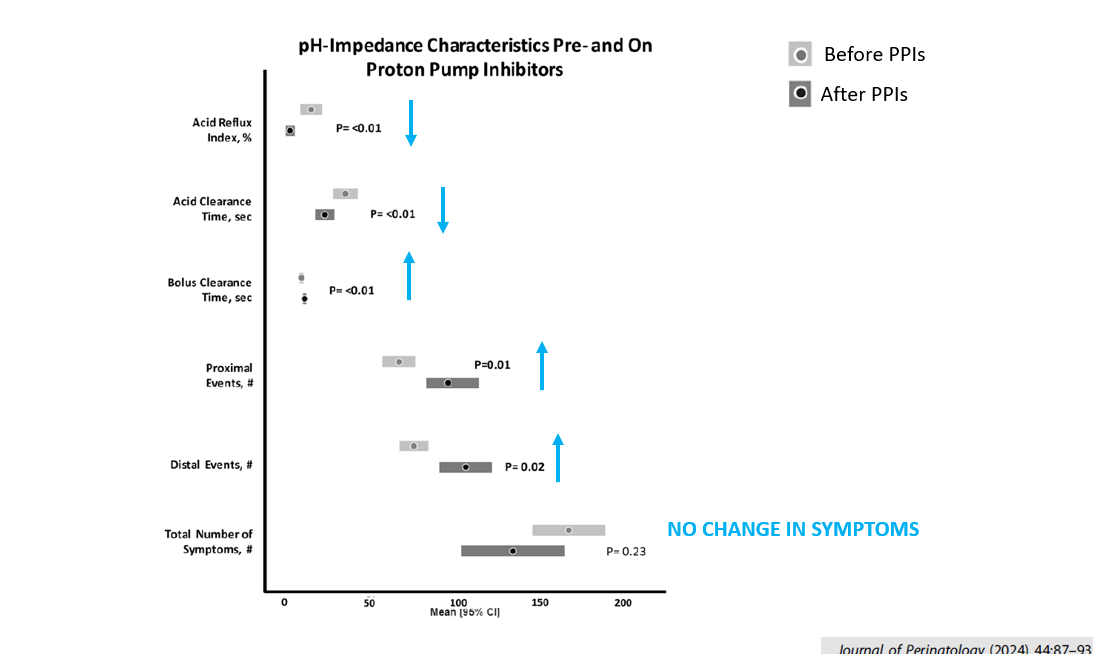
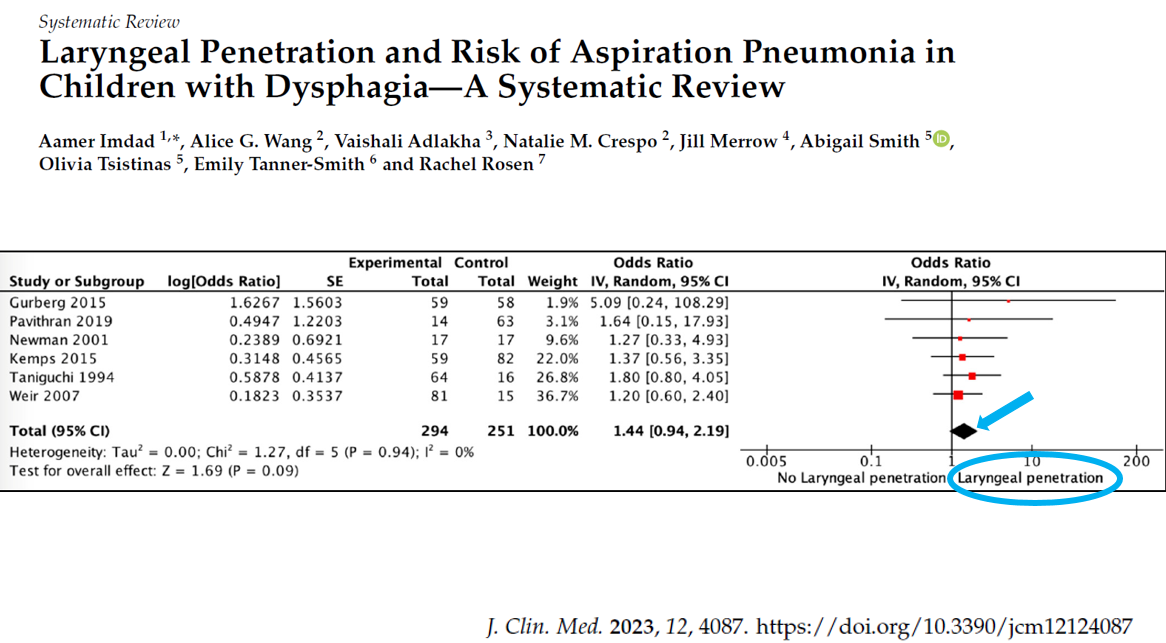
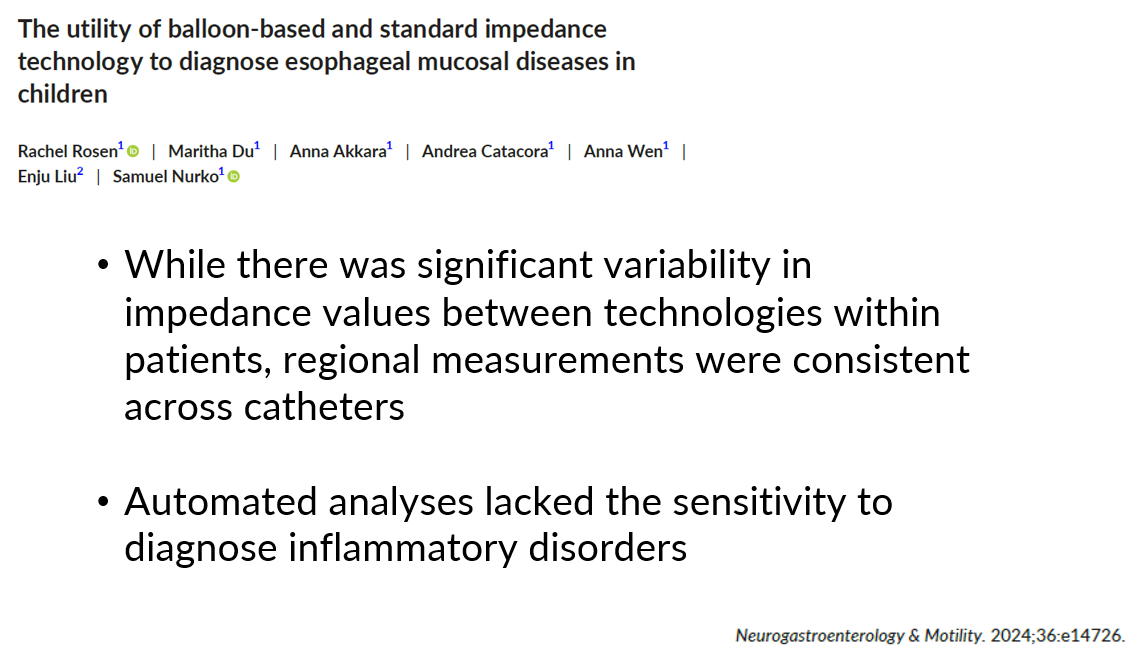
Impedance

Disclaimer: This blog, gutsandgrowth, assumes no responsibility for any use or operation of any method, product, instruction, concept or idea contained in the material herein or for any injury or damage to persons or property (whether products liability, negligence or otherwise) resulting from such use or operation. These blog posts are for educational purposes only. Specific dosing of medications (along with potential adverse effects) should be confirmed by prescribing physician.  Because of rapid advances in the medical sciences, the gutsandgrowth blog cautions that independent verification should be made of diagnosis and drug dosages. The reader is solely responsible for the conduct of any suggested test or procedure.  This content is not a substitute for medical advice, diagnosis or treatment provided by a qualified healthcare provider. Always seek the advice of your physician or other qualified health provider with any questions you may have regarding a condition.