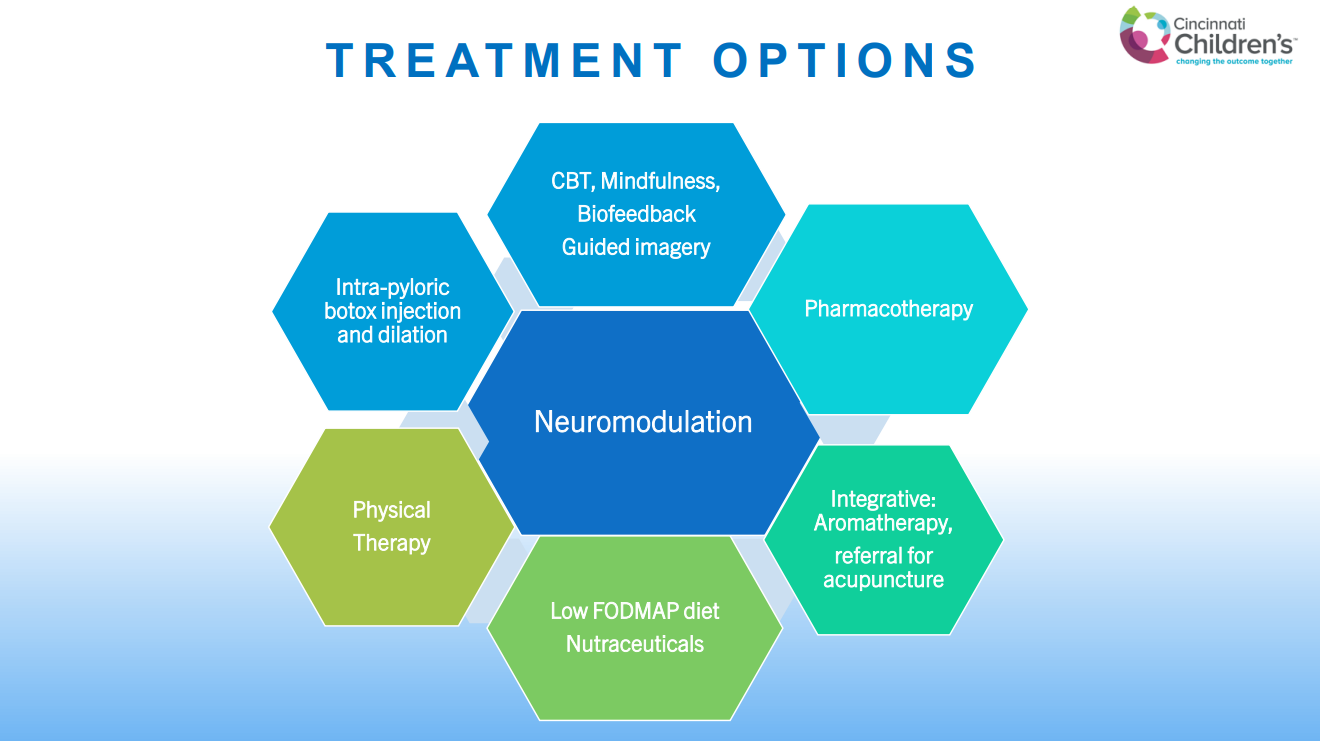
Opportunity Costs with Auricular Stimulation in Adolescents with Irritable Bowel Syndrome

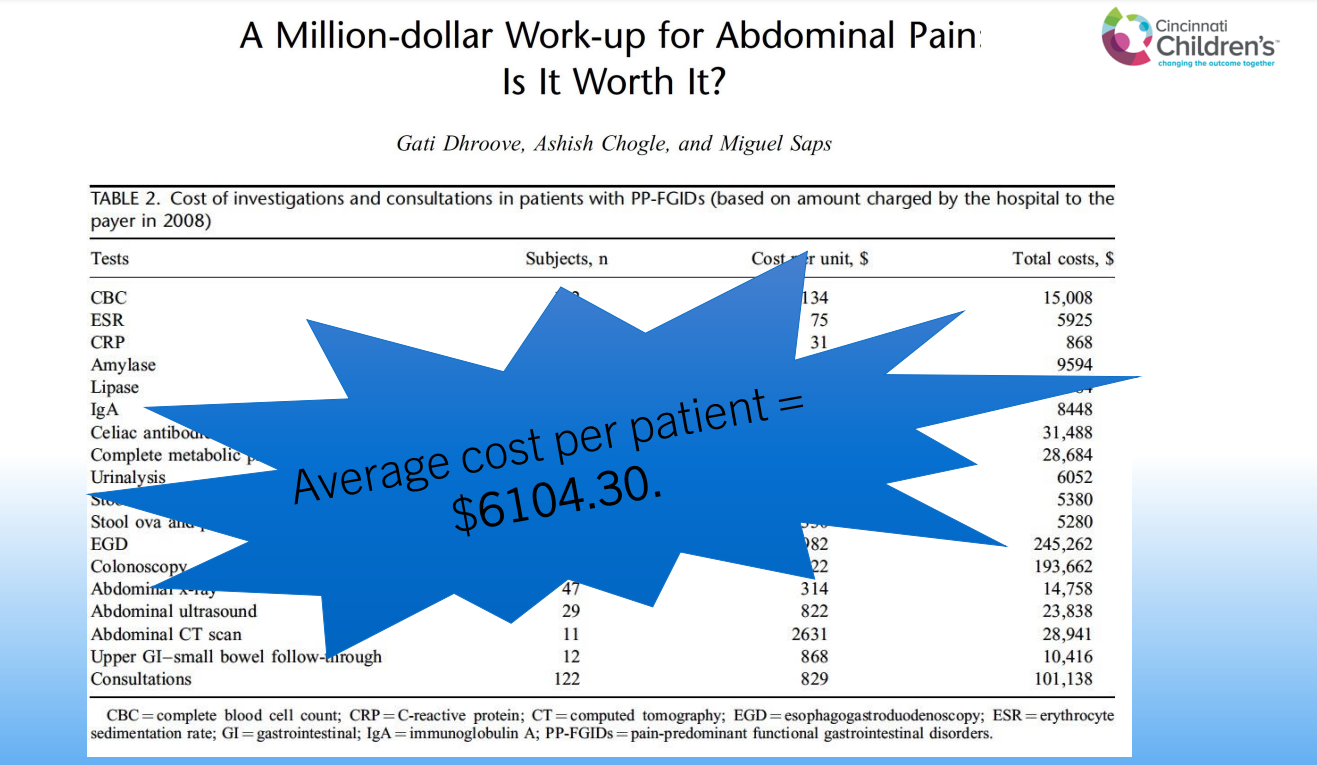
E Shah et al. JPGN 2024; 78: 608–613. Percutaneous electrical nerve field stimulation for adolescents with irritable bowel syndrome: Cost‐benefit and cost‐minimization analysis

Background: “Despite its favorable efficacy and safety profile, access to PENFS and other modalities in IBS can be limited by insurance coverage.”

Methods: The authors performed an economic analysis to estimate cost‐savings for patients’ families and healthcare insurance, and health outcomes, based on abdominal pain improvement with percutaneous electrical nerve field stimulation (PENFS) with IB‐Stim® (Neuraxis). The authors created a a Markov model.

Key findings:

  • PENFS was associated with 18 added healthy days over 1 year of follow‐up, increased annual parental wages of $5,802 due to fewer missed work days to care for the child, and $4744 in cost‐savings to insurance
  • Important Limitation: The economic benefits that derive from the clinical improvements used in this analysis are based on a small prospective cohort study of 20 patients with up to 1 year of follow‐up

My take: It appears that auricular stimulation should be positioned earlier in treatment algorithms for adolescents with IBS based on safety, and efficacy, especially if cost is not prohibitive.

Related blog posts:

Comparative Evidence and Positioning Advance Therapies for Inflammatory Bowel Disease

PS Dulai et al. Gastroenterol 2024; 166: 396-408. Open Access! Integrating Evidence to Guide Use of Biologics and Small Molecules for Inflammatory Bowel Diseases

“In this review, we provide a framework for clinicians and researchers to understand key differences in sources of evidence, how different methodologies are applied to study the comparative effectiveness of advanced medical therapies in IBD, and considerations for how these sources of evidence can be used to better integrate current guideline recommendations.”

This article explains the use of randomized controlled trials, “real-world evidence”/observational comparative studies, network meta-analysis, and post-hoc comparisons from randomized studies.

“The authors advocate for “”Given the rapidity with which new advanced medical therapies are becoming available in IBD, which quickly make current guidelines obsolete, living guidelines may offer a unique consideration to ensure applicability to routine care.”

My take: This article provides a useful update of current advanced therapies and information in positioning these advanced therapies. It would be a great service if the IBD community could create something similar to HCVguidelines.org. The latter was a coordinated effort by the AASLD and IDSA to help provide expert advice during a deluge of amazing advances in HCV. And just like HCVguidelines, it is important to address “special” populations including pediatric patients and patients with very early onset IBD.

Related blog posts:

Disclaimer: This blog, gutsandgrowth, assumes no responsibility for any use or operation of any method, product, instruction, concept or idea contained in the material herein or for any injury or damage to persons or property (whether products liability, negligence or otherwise) resulting from such use or operation. These blog posts are for educational purposes only. Specific dosing of medications (along with potential adverse effects) should be confirmed by prescribing physician.  Because of rapid advances in the medical sciences, the gutsandgrowth blog cautions that independent verification should be made of diagnosis and drug dosages. The reader is solely responsible for the conduct of any suggested test or procedure.  This content is not a substitute for medical advice, diagnosis or treatment provided by a qualified healthcare provider. Always seek the advice of your physician or other qualified health provider with any questions you may have regarding a condition.
Modest Benefits of Early Advanced Therapies in IBD?

R Lujan, R Buchuk et al. Gastroenterol 2024; 166: 815-825.Early Initiation of Biologics and Disease Outcomes in Adults and Children With Inflammatory Bowel Diseases: Results From the Epidemiology Group of the Nationwide Israeli Inflammatory Bowel Disease Research Nucleus Cohort

Methods: All patients diagnosed with CD or UC in Israel (2005–2020) were included in the Epidemiology Group of the Israeli Inflammatory Bowel Disease Research Nucleus cohort. The authors compared disease duration at biologics initiation (ie, 0–3 months, >3–12 months, >1–2 years, and >2–3 years) using the cloning, censoring, and weighting by inverse probabilities method to emulate a target trial, adjusting for time-varying confounders and selection bias.


Of the 34,375 included patients (of whom 5240 [15%] were children), 7452 of 19,264 (39%) with CD and 2235 of 15,111 (15%) with UC received biologics. To attempt to adjust for patient characteristics, “essentially, each patient was cloned 4 times and 1 clone was assigend to each treatment strategy at baseline…[they were removed] subsequently if they did not receive the biologic within the acceptable time window.” Key findings:

  • In CD, by 10 years postdiagnosis, the probability of CD-related surgery decreased gradually but modestly with earlier initiation of biologics; a significant difference was noted between >2–3 years (31%) and 0–3 months (18%; P = .02; number needed to treat, 7.7)
  •  In CD, the 10-year probability of steroid dependency for the 0–3-month period (19%) differed both from the >2–3-year (31%; P < .001) and 1–2-year periods (37%; P < .001).
  •  In UC, no significant differences in colectomy or steroid dependency rates were observed between the treatment initiation periods.
  • Similar trends were noted in the pediatric population.

Thus, overall, the study found that early initiation of biologics was associated only with a modest reduced risk of surgery and steroid dependency for Crohn’s disease. It was not found to reduce risk of colectomy or steroid dependency in UC.

My take: In my view, this study probably underestimates the benefits of early biologic therapy. Even though, lead time bias can skew interpretation, inadequately-treated disease likely leads to long-term damage. The associated editorial (pg 728) by Murphy notes that despite the sophisticated statistical methodology, all observational studies cannot fully control for unmeasured confounders.

Related blog posts:

Colorado River Near Moab, UT

This past weekend there were two fun events in Atlanta -Porchfest (Virginia Highlands) and Midtown Garden Stroll. Porchfest featured more than 50 local bands.

Here’s a couple photos from the Midtown Garden Stroll:

Resmetirom (Rezdiffra) -FDA Approved for MASH with Moderate to Advanced Fibrosis

3/14/24: FDA Approves First Treatment for Patients with Liver Scarring Due to Fatty Liver Disease

An excerpt:

“At 12 months, liver biopsies showed that a greater proportion of subjects who were treated with Rezdiffra achieved NASH resolution or an improvement in liver scarring as compared with those who received the placebo. A total of 26% to 27% of subjects who received 80 milligrams of Rezdiffra and 24% to 36% of subjects who received 100 milligrams of Rezdiffra experienced NASH resolution and no worsening of liver scarring, compared to 9% to 13% of those who received placebo and counseling on diet and exercise…n addition, a total of 23% of subjects who received 80 milligrams of Rezdiffra and 24% to 28% of subjects who received 100 milligrams of Rezdiffra experienced an improvement in liver scarring and no worsening of NASH, compared to 13% to 15% of those who received placebo, depending on each pathologist’s readings.”

“The most common side effects of Rezdiffra included diarrhea and nausea. Rezdiffra comes with certain warnings and precautions, such as drug-induced liver toxicity and gallbladder-related side effects. Use of Rezdiffra should be avoided in patients with decompensated cirrhosis.”

My take: It is good to finally have an FDA-approved medication for MASH (in adults). My speculation is that medications which achieve persistent weight loss will have a more pronounced effect on liver health and overall health.

Related blog posts:

Colorado River near Moab, Utah

Jose Garza: What’s New in Motility (Part 2)

Dr. Jose Garza joined our group in 2013 and has been providing excellent care for children throughout the South with suspected motility disorders. Recently, he gave our group a fabulous update on what’s new in motility.  My notes below may contain errors in transcription and in omission. Along with my notes, I have included many of his slides.

FLIP -How Distensible is the Esophagus

  • Distensibility index less than 2 mm2/mmHg is considered abnormal.
  • Normal FLIP (presence of RACs and normal Distensibility Index) can obviate need for high resolution esophageal manometry (HREM)
  • FLIP during anesthesia can only be done with certain medications: versed, fentanyl and propofol (no gas)
  • FLIP  is useful  in evaluating if symptoms after achalasia treatment, during achalasia treatment (dilatation or Heller), if symptoms after fundoplication, and if manometry uncertain

IB-Stim

Unable to Belch ( (Retrograde Cricopharyngeus Dysfunction)

Sitz Markers

  • Guideline published suggest single xray on day 5 (usually off treatment). Cleanout recommended (especially if impacted)
  • Useful for non-retentive fecal soiling as well

Vibrating capsule

Fecobionic

  • Emerging technology to help provide more data on defecation dysfunction

Medications:

Disclaimer: This blog, gutsandgrowth, assumes no responsibility for any use or operation of any method, product, instruction, concept or idea contained in the material herein or for any injury or damage to persons or property (whether products liability, negligence or otherwise) resulting from such use or operation. These blog posts are for educational purposes only. Specific dosing of medications (along with potential adverse effects) should be confirmed by prescribing physician.  Because of rapid advances in the medical sciences, the gutsandgrowth blog cautions that independent verification should be made of diagnosis and drug dosages. The reader is solely responsible for the conduct of any suggested test or procedure.  This content is not a substitute for medical advice, diagnosis or treatment provided by a qualified healthcare provider. Always seek the advice of your physician or other qualified health provider with any questions you may have regarding a condition.

Jose Garza: What’s New in Motility (Part 1)

Dr. Jose Garza joined our group in 2013 and has been providing excellent care for children throughout the South with suspected motility disorders. Recently, he gave our group a fabulous update on what’s new in motility.  My notes below may contain errors in transcription and in omission. Along with my notes, I have included some of his slides. His talk had 123 slides; true motilists would be appalled that I haven’t included more of the high resolution tracing slides (though there are a few tomorrow).

Reflux:

Colic:

BRUE:

Laryngomalacia/Thickening:

Impedance

Disclaimer: This blog, gutsandgrowth, assumes no responsibility for any use or operation of any method, product, instruction, concept or idea contained in the material herein or for any injury or damage to persons or property (whether products liability, negligence or otherwise) resulting from such use or operation. These blog posts are for educational purposes only. Specific dosing of medications (along with potential adverse effects) should be confirmed by prescribing physician.  Because of rapid advances in the medical sciences, the gutsandgrowth blog cautions that independent verification should be made of diagnosis and drug dosages. The reader is solely responsible for the conduct of any suggested test or procedure.  This content is not a substitute for medical advice, diagnosis or treatment provided by a qualified healthcare provider. Always seek the advice of your physician or other qualified health provider with any questions you may have regarding a condition.

Environmental Impact of Endoscopy

M Desai et al. Gastroenterol 2024; 166: 496-502. The Environmental Impact of Gastrointestinal Procedures: A Prospective Study of Waste Generation, Energy Consumption, and Auditing in an Endoscopy Unit

This study prospectively collected data on total waste generation, energy consumption, and the role of intraprocedural inventory audit of a single tertiary care academic endoscopy unit over a 2-month period (May–June 2022, 450 procedures).

Key findings:

  • The total waste generated during the study period was 1398.6 kg (61.6% directly going to landfill, 33.3% biohazard waste, and 5.1% sharps), averaging 3.03 kg/procedure.
  • The average waste directly going to landfill was 219 kg per 100 procedures. The estimated total annual waste generation approximated the size of 2 football fields (1-foot-high layered waste). 
  • Endoscope reprocessing generated 194 gallons of liquid waste per day, averaging 13.85 gallons per procedure.
  • Thus, every 100 GI endoscopy procedures (esophagogastroduodenoscopy/colonoscopy) was associated with 303 kg of solid waste and 1385 gallons of liquid waste generation 
  • 20% of total waste consisted of potentially recyclable items (8.6 kg/d) that could be avoided by appropriate waste segregation of these items.

My take: The huge amount of trash (solid and liquid) generated by endoscopy is difficult to fathom. It is incumbent for gastroenterologists to consider this hidden extra cost. Recycling could help in a modest way. Trying to limit low-value procedures is another step. Long-term alternative diagnostic procedures will need to be developed/utilized which reduce the environmental impact.

Atlanta Botanical Gardens

Genetic Testing for Pediatric Acute Liver Failure of Indeterminate Origin

D Lenz et al. Hepatology 2024; 79: 1075-1087. Open Access! Genetic landscape of pediatric acute liver failure of indeterminate origin

Background: ” In US and European cohorts, the underlying etiology [of PALF] remained unclear in about half of cases, hampering clinical management including disease-specific therapies, particularly decision-making regarding liver transplantation.” The associated editorial (pg 970-972) by Squires and Horslen note that standardized evaluation of PALF can lower the indeterminate cases to ~30%.

This study had 96 authors! (I think). In total, 260 indeterminate PALF patients from 19 countries were recruited between 2011 and 2022, of whom 59 had recurrent PALF. 

Key findings:

  • Whole-exome sequencing (WES) established a genetic diagnosis in 37% of cases (97/260)
  • Diagnostic yield was highest in children with PALF in the first year of life (41%), and in children with recurrent acute liver failure (64%)
  • Defects in NBAS (n=20), MPV17 (n=8), and DGUOK (n=7) were the most frequent findings. The underlying pathophysiologies in those with abnormal WES were mitochondrial diseases (45%) and disorders of vesicular trafficking (28%)

Discussion points:

  • 55% of patients in this series had no evidence of an underlying genetic disorder. “According to Squires et al,32 the fraction of PALF cases with unknown etiology is particularly high in the first 3 years of life, which is the age range in which our study demonstrates the highest molecular diagnostic yield by WES.”
  • Rapid turnaround of genetic testing is essential in order to have an important clinical impact. A “short period of time as the clinical situation typically is critical and decisions are time-sensitive.” Yet the editorial noted that “rapid” testing in most laboratories require 1-6 months.

My take: Genetic testing is important for indeterminate PALF and may help in determining whether to proceed with a liver transplant.

Related blog post: Bookmark This Article on Pediatric Acute Liver Failure

Dale Chihuly Glass Art
This is a cup that Jay Hochman made!

How Trientine and Penicillamine Work: Cool Visual Study

FT Kirk et al. Hepatology 2024; 79: 1065-1074. Open Access! Effects of trientine and penicillamine on intestinal copper uptake: A mechanistic 64Cu PET/CT study in healthy humans

Background: Trientine (TRI) and D-penicillamine (PEN) are used to treat copper overload in Wilson disease. Their main mode of action is thought to be through the facilitation of urinary copper excretion. In a recent study, TRI was noninferior to PEN despite lower 24-hour urinary copper excretion than PEN.
Key findings and conclusions:

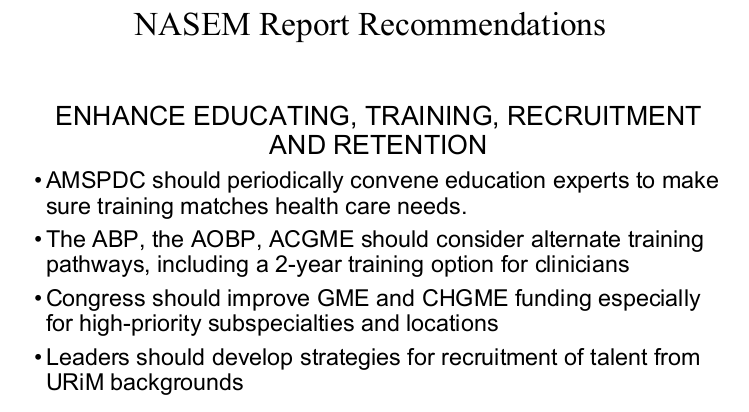
  • “TRI inhibits intestinal copper absorption, in addition to its cupriuretic effect. In contrast, PEN has modest effects on the intestinal copper absorption. This may explain why TRI and PEN are equally effective although urinary copper excretion is lower with TRI.”

  • ” TRI (n=8) reduced hepatic 64Cu activity 1 hour after 64Cu dose from 6.17 (4.73) to 1.47 (2.97) standard uptake value, p<0.02, and after 15 hours from 14.24 (3.09) to 6.19 (3.43), p<0.02, indicating strong inhibition of intestinal 64Cu absorption.”
  • “PEN (n=8) slightly reduced hepatic standard uptake value at 15 hours, from 16.30 (5.63) to 12.17 (1.44), p<0.04.”
  • “The study questions whether the same therapeutic targets for 24-hour urinary excretion apply to both drugs.”

My take: This is a cool study!

Related blog post: Practice Guidance on Wilson Disease (AASLD) (2023)

Cost Transparency Rules Not Implemented for GI Procedures

GastroEndoNews 3/28/24: (Open Access!) Mandated Cost Transparency Requirement For GI Procedures Is Not Being Met

Excerpts:

Three years after the Hospital Price Transparency Rule was implemented by the Centers for Medicare & Medicaid Services, a large proportion of hospitals are not complying when it comes to gastrointestinal services, according to two studies presented at the 2023 annual meeting of the American College of Gastroenterology.

When institutions do list their prices, they are often hard to find, and the wide variety of charges are frequently listed in a format that is “not patient-friendly,” according to investigator Kevin Brittan, MD, an internal medicine resident at the University of Nebraska Medical Center, in Omaha

All hospitals are expected to be in compliance with the rule and report prices for these and other procedures as of Jan. 1, 2021. However, in one study, Dr. Brittan and his co-investigators found that only two of 25 [top-rated] hospitals surveyed (8%) reported costs for all eight procedures evaluated (abstract P4083). In the other study, from Howard University researchers, 14 of 30 hospitals (47%) provided some costs for four procedures, but only 10 (30%) provided cost information for all of them (abstract P4091)...

[They] also found “extreme variance” between institutions in the costs cited, raising the question of whether the reported data are even reliable. “There was a 51-fold difference found in the price for an upper endoscopy and a greater than 80-fold difference for a colonoscopy,” Dr. Bhayana reported. Self-pay colonoscopy prices, for example, ranged from $440 to more than $36,000...

Approximately 11 million colonoscopies and 6.1 million upper endoscopies performed each year in the United States, Dr. Brittan said. He calculated that the price differences would equate to billions of dollars if procedures were performed at top centers offering the lowest prices relative to top centers asking the highest prices.

My take: So far, the hospital price transparency has been ineffective. Patients should be able to find out more readily what the costs are prior to receiving a bill. Unfortunately, this appears to be years away. To implement price transparency will require either enforcement (penalties) and/or litigation.
Related blog posts: