Autoimmune Hepatitis and Hepatocellular Carcinoma

Briefly noted:

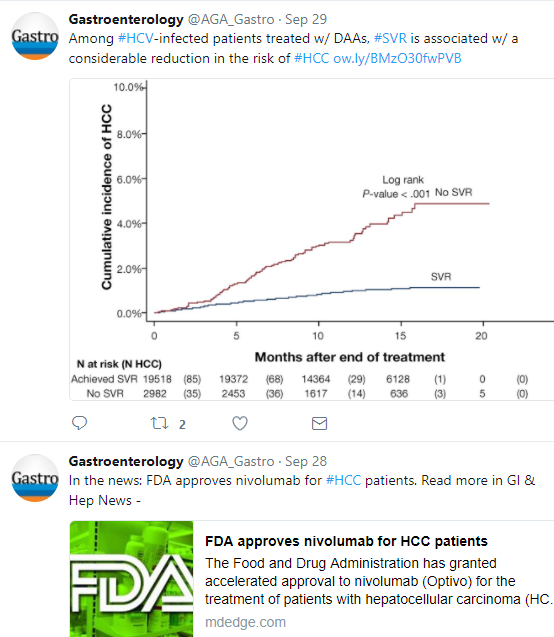
A Tansel et al. Clin Gastroenterol Hepatol 2017; 15: 1207-17.  This systematic review and meta-analysis identified 25 studies and 6528 patients examining the relationship between autoimmune hepatitis (AIH) and hepatocellular carcinoma (HCC) .  In these studies the median followup was 8.0 years.  Key findings:

  • The pooled incidence of HCC was 3.06 per 1000 patient-years
  • 92 of 93 patients who had HCC had evidence of cirrhosis before or at the time of their diagnosis

My take: This study demonstrates that AIH patients with cirrhosis are at increased risk for HCC.  In patients with AIH who do not have cirrhosis, there does not appear to be a significant risk of HCC.

Also: Link for Online Resource for Hepatopulmonary Syndrome (Canadian Sponsored site). This site has content for patients and for practitioners, including a useful video.


Related blog posts:

6-Thioguanine Levels in Autoimmune Hepatitis

A recent retrospective study (MA Sheiko et al JPGN 2017; 65: 80-5) examines the issue of azathioprine (AZA) metabolites and outcomes in pediatric autoimmune hepatitis (AIH).

Study characteristics:

  • 66 children
  • Mean age of diagnosis 9.6 years
  • Mean follow-up 2.9 years
  • Study period 2002-2013

Key findings:

  • 79% achieved biochemical remission (defined as ALT ≤50 U/L); mean time was 6.2 months
  • 6% required liver transplantation
  • 18% were weaned off immunosuppression and remained in remission
  • 6-thioguanine (6-TGN) levels ranging from 50 to 250 (pmol/8 x 10 to 8th red blood cell count) were associated with biochemical remission

Our study suggests that AZA dosing of approximately 1.2 to 1.6 mg/kg/day will achieve 6-TGN levels of 50 to 250 pmol, which is sufficient to maintain biochemical remission in the majority of patients.

This is significantly lower than dosing recommended for inflammatory bowel disease (recommended levels 250-450). The associated editorial (pg 2-3, N Kerkar) cautions that while “lower levels are sufficient for maintaining biochemical remission…higher levels, similar to that used in IBD, are required for inducing remission.”

My take: Lower doses of azathioprine are likely to maintain biochemical remission and cause fewer side effects.  Metabolite levels can be helpful to assure reasonable levels of 6-TGN and to assure medication adherence.

Related blog entries:

Disclaimer: These blog posts are for educational purposes only. Specific dosing of medications (along with potential adverse effects) should be confirmed by prescribing physician.  This content is not a substitute for medical advice, diagnosis or treatment provided by a qualified healthcare provider. Always seek the advice of your physician or other qualified health provider with any questions you may have regarding a condition.

Shem Creek, SC

Slim Pickings: Data for 2nd-Line Autoimmune Hepatitis Pediatric Therapy

A recent study (AN Zizzo et al. JPGN 2017; 65: 6-15) performed a systematic review and meta-analysis of pediatric autoimmune hepatitis (AIH) studies.

The most remarkable finding was that there were only 76 patients from 15 qualifying studies.

Other findings:

  • Response to mycophenolate mofetil (MMF) with 34 patients was 36% (according to abstract) at 6 months  (discrepancy in article –results state 38% response)
  • Response to cyclosporine with 15 patients was 83% (discrepancy in article –results state 86% response)
  • Response to tacrolimus with 4 patients was 50%
  • Adverse effects were very common, particularly with cyclosporine (64% noted at least 1 adverse effect)

The article has an associated editorial (N Kerkar, pg 2-3).  “The adverse event profile of cyclosporine with gingival hyperplasia, hypertrichosis, nephrotoxicity, and neurotoxicity made it challenging for long-term use in children.”  Besides the small number of patients, “the studies that were included were largely “observational”‘ which limits their findings as well.  The study authors recommend MMF as the preferred option for 2nd-line therapy.

My take: Fortunately, most patients with autoimmune hepatitis respond to first line therapy with azathioprine/steroids.  It is unclear what is the optimal 2nd-line treatment for refractory patients.

Related blog entries:

Egret, Shem Creek

Liver Problems with Inflammatory Bowel Disease

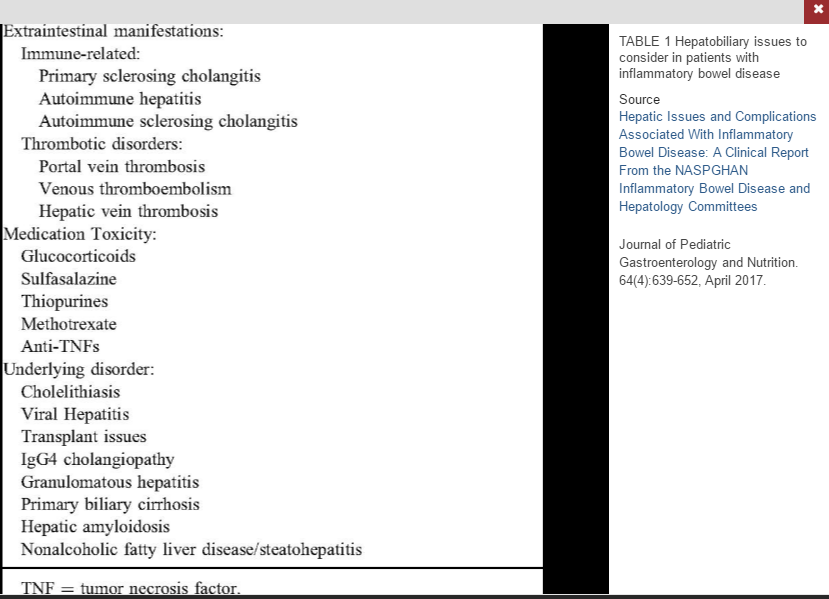
A recent review (Full text: LJ Saubermann et al. JPGN 2017; 64: 639-52)  discusses the hepatic issues and complications associated with inflammatory bowel disease.

Key topics:

  • Primary Sclerosing Cholangitis (PSC)
  • Autoimmune Hepatitis (AIH)
  • Autoimmune Sclerosing Cholangitis (ASC)
  • Portal Venous Thrombosis/hypercoagulability
  • Cholelithiasis (more common in Crohn’s disease if diseased terminal ileum)
  • Viral hepatitis
  • Drug-Induced Liver Disease
  • Fatty Liver disease

Many of these topics have been discussed previously on this blog.  A couple of pointers in this review:

PSC:

  • Greater risk of colorectal carcinoma
  • IBD-PSC patients are at higher risk for pouchitis
  • GGT of >252 U/L “was highly sensitive (99%) and had good specificity (71%) for PSC” [or ASC]
  • The authors recommend “screening all newly diagnosed patients with IBD with ALT and GGT
  • Immunosuppressive therapy is NOT effective
  • Vancomycin therapy is currently being tested (clinical trials: NCT02137668 & NCT01802073)

AIH:

  • Less frequent in IBD patients than PSC
  • Most common treatment is prednisone/azathioprine
  • 40-80% of children have cirrhosis at AIH diagnosis, but “progression to end-stage liver disease is rare and …with appropriate treatment, 80% of patients achieve remission.”

ASC:

  • ASC is an overlap syndrome between AIH and PSC
  • “It is important that children with IBD and apparent AIH are routinely investigated for evidence of biliary disease with MRCP”
  • “ASC responds to the same immunosuppressive combination therapy used for AIH”

HAV/HBV Immunization:

  • HAV vaccination is effective in patients with IBD…although the rate [seroconversion] was significantly lower” in patients receiving anti-TNF therapy (92.4% vs 99.1% in one study).
  • In those needing HBV immunization: “One strategy evaluated to improve HBV immunity in adults with IBD is an accelerated course with double vaccine doses at 0, 1, and 2 months.”

Methotrexate (MTX):

  • “The extent of histological features of hepatotoxicity secondary to long-term MTX use in IBD has been infrequently described; however, the inicdence of significant abnormal histological findings appears to be rather low.”

My take: This article is a good starting point for liver-related issues in IBD.  For concerns regarding medications, the NIH livertox website is more useful and much more comprehensive.

Related blog entries:

DILI:

PSC:

AIH:


World Congress 2016 Postgraduate Course

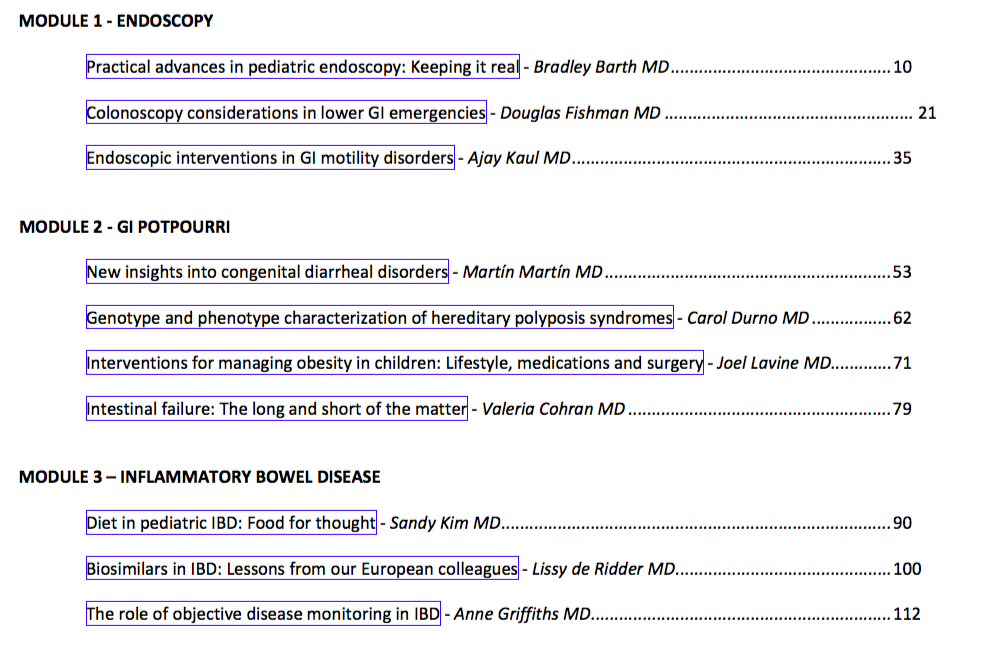
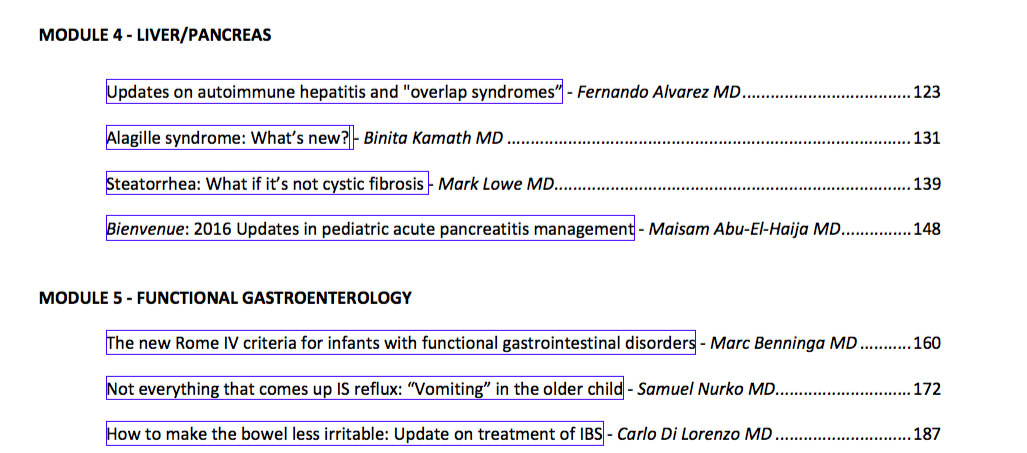
I’ve attached (with permission) the syllabus from the World Congress 2016 Postgraduate Course: 2016-world-congress-postgraduate-course-syllabus

screen-shot-2016-10-14-at-11-45-54-am

screen-shot-2016-10-14-at-11-46-04-am

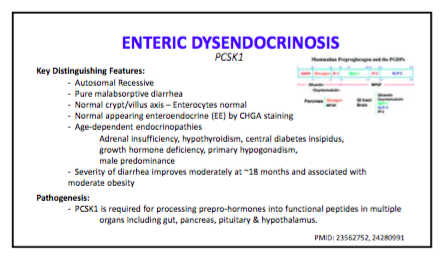
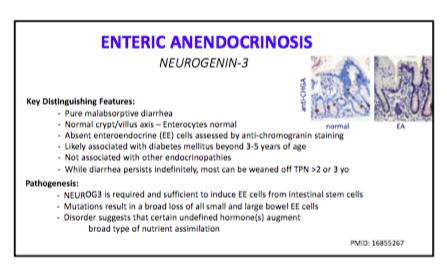
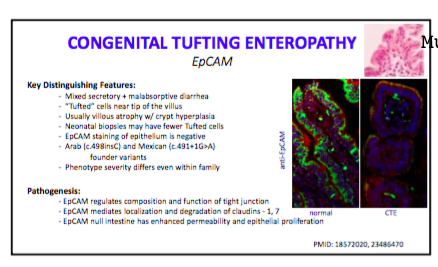
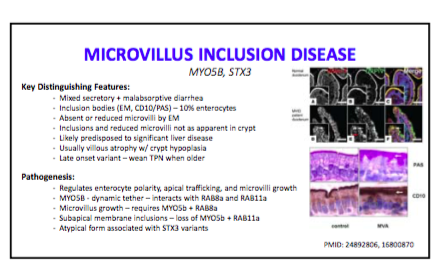
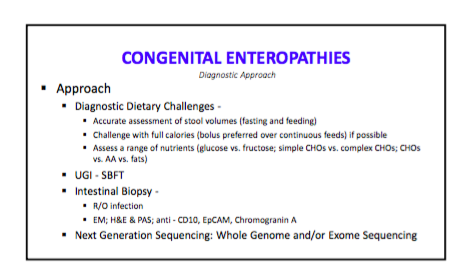
One lecture that I will highlight with a few slides is from Dr. Martin Martin (pg 53-62) which emphasizes a new model for evaluating neonatal intestinal failure/congenital diarrhea by using whole exome sequencing –see slides below.

Other pointers:

  • Pg 82.  Breastmilk associated with shorter duration of TPN dependence in short bowel syndrome
  • Pg 137. Look for vasculopathy (MRI/MRA) and renal disease in Alagille syndrome
  • Pg 152. Lactated ringer’s likely better in acute pancreatitis than normal saline.
  • Pg 171. If constipation at less than 1 year is untreated, >60% have issues with constipation at age 3.

screen-shot-2016-10-14-at-11-37-07-am screen-shot-2016-10-14-at-11-37-00-am screen-shot-2016-10-14-at-11-36-44-am screen-shot-2016-10-14-at-11-36-34-am screen-shot-2016-10-14-at-11-35-40-am


Disclaimer: These blog posts are for educational purposes only. Specific dosing of medications/diets (along with potential adverse effects) should be confirmed by prescribing physician/nutritionist.  This content is not a substitute for medical advice, diagnosis or treatment provided by a qualified healthcare provider. Always seek the advice of your physician or other qualified health provider with any questions you may have regarding a condition.

Journals Supplanting Textbooks: Managing Liver Disease

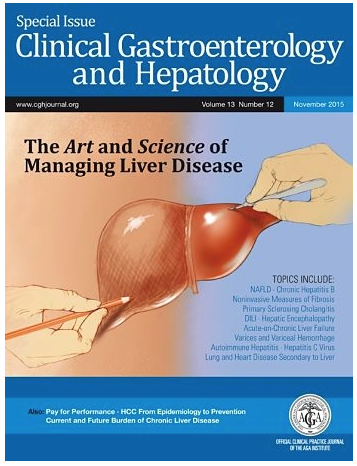
Between Journals and online resources, textbooks are increasingly less useful.  Case in point -this past month, Clinical Gastroenterology and Hepatology published a special issue: The Art and Science of Managing Liver Disease.  Some of the articles are excellent reviews.

Screen Shot 2015-11-21 at 5.35.44 PM

With autoimmune hepatitis (AIH), the authors make a number of useful points and concisely summarized diagnosis and management.  A few points:

  • Anti-soluble liver antigen/liver-pancreas (SLA/LP) and Asialoglycoprotein receptor (ASGPR) useful in diagnosis of AIH type 1 or 2 and is prognostic for severe disease.
  • In U.S. current guidelines suggest an azathioprine dose of 50 mg (for adults) whereas in Europe the dose is typically 1-2 mg/kg/day.  The authors suggest that the U.S. guidelines could lead to undertreatment, particularly with increasing rates of obesity.
  • The authors state that routine “testing for TPMT deficiency before AZA treatment of AIH is unnecessary, because severe TPMT deficiency occurs in 0.3%-0.5% of the general population and does not invariably cause AZA-induced bone marrow toxicity.” [I will probably continue to check TPMT activity.] They do recommend TPMT testing in cirrhotic patients and those with cytopenias.
  • The authors note that successful long-term withdrawal can occur in 19-40% but recommend biochemical remission (>12-24 months) and histologic remission.  They caution against withdrawal in patients after a relapse due to increased risks of progression to cirrhosis and/or death.
  • When discussing alternative therapies, the authors note that mycophenolate mofetil (MMF) is typically effective for patients intolerant to AZA but not likely to work in AZA nonresponders.
  • Alternative agents reviewed included tacrolimus, cyclosporine, sirolimus/everolimus, rituximab, and infliximab.

Other topics in this issue included NAFLD, HCC, Varices, Hepatic encephalpathy, HBV, HCV, Acute-on-Chronic Liver Failure, PSC and Malignancy, DILI, and noninvasive imaging for liver fibrosis.

Understanding the Reasons for Abnormal Liver Enzymes in Pediatric Inflammatory Bowel Disease

A recent large single center study (Pusateri AJ et al. JPGN 2015; 60: 592-97) provides some very practical information regarding elevated liver enzymes in the setting of inflammatory bowel disease (IBD).  Because there are some serious liver diseases associated with IBD and due to the potential for liver toxicity from many of the medications, bumps in liver enzymes need to be carefully considered.

This retrospective study with 514 patients indicates that 77% of these elevations are transient. Table 1 lists the definitions (chronicity, severity) and patterns that were analyzed.  Transient elevations were broken down into brief (<30 days), prolonged <180 days, chronic >180 days and either intermittent or continuously abnormal. The three types were the following:

  • Hepatic: elevated ALT and/or AST; normal alkaline phosphatase (AP), GGT, and direct bilirubin (DB)
  • Cholestatic: elevated AP, GGT, and/or DB; normal ALT and AST
  • Mixed

Severity or degree was classified as follows:

  • 1 –peak liver enzyme 0-1 x ULN
  • 2 –peak liver enzyme >1-2 x ULN
  • 3 –peak liver enzyme >2-4 x ULN
  • 4 –peak liver enzyme >4 x ULN

Key findings:

  • 219 of 514 patients had 1 or more episode of abnormal liver enzymes; five patients with preexisting liver disease were excluded from the analysis.
  • Of 214 patients (152 with Crohn’s disease [CD], 62 with Ulcerative colitis [UC]) with abnormalities, 69% had a hepatitic pattern, 8% had a cholestatic pattern, and 23% had a mixed pattern. There was no association between the pattern and the final diagnosis (eg. idiopathic vs defined etiology)
  • Only 128 had adequate data to assess chronicity.  In this group, 77% had transient elevations (CD 75%, UC 80%)
  • 87% of elevations were considered idiopathic.  65% of patients with idiopathic elevation had levels < 2 times ULN.
  • Among patients with levels <2 times ULN, 95.3% had an idiopathic etiology.
  • Among patients with levels >4 times ULN, 63% had a benign idiopathic etiology
  • Figure 1 provides a pie chart of diagnoses.  Among the 12.6% with a specific etiology for elevated liver tests, drug toxicity was the most common reason: 51.9% were considered due to 6-MP therapy, 3.7% due to methotrexate, 3.7% due to acetaminophen.
  • Other identified causes among the 12.6% with a defined etiology included NAFLD in 11.1%, infections (CMV,EBV, Histoplasmosis) in 14.8%, cholelithiasis in 3.7%, autoimmune hepatitis in 3.7%, primary sclerosing cholangitis/overlap in 3.7%, and vascular malformation in 3.7%.

As with any retrospective study, there are a number of limitations, especially underdiagnosis given a lack of uniform approach to evaluation.  That being said, all patients had a minimum follow-up of at least nine months and most patients with prolonged liver enzyme elevation would have been examined closely.

Bottomline: This study provides reassurance that liver enzyme elevations are common in children with IBD, occurring in >40% of patients over 3 years at this center; most often these elevations are benign and transient.

Related blog posts:

Genetics of Autoimmune Hepatitis

Briefly noted:

Recently, the first genome-wide association identified mutations associated with type 1 autoimmune hepatitis (AIH1) (Gastroenterol 2014; 147: 443-52).

Cohort: 649 Dutch adults with AIH1 and 13,436 controls

Findings: prominent association with rs2187668 (associated with variants in the major histocompatibility complex region) and with variants of SH2B3 (rs3184504) and CARD10 (rs6000782)

Interpretation (from authors): “These findings support a complex genetic basis for AIH pathogenesis and indicate that part of the genetic susceptibility overlaps with that for other immune-mediated liver diseases.”

Related blog posts:

Withdrawing Immunosuppression with Autoimmune Hepatitis

A recent retrospective study indicates that withdrawal of immunosuppression in autoimmune hepatitis (AIH) can be successful in carefully selected children (J Pediatr 2014; 164: 714-19).

A cohort of 56 children with AIH were followed for a median of 5.6 years and with a median age of 11 years (62% female).  Demographics noted that cirrhosis was present in 14%, primary sclerosing cholangitis 21%, and AIH type II in 9%.

Key findings:

  • Biochemical remission with immunosuppression was achieved in 76% of all patients at a median of 1.2 years; 23% of these patients experienced a subsequent relapse.
  • Withdrawal of immunosuppression was successful in 14 of 16 of patients with type 1 AIH who had been treated for a median of 2.0 years after diagnosis.
  • When the authors excluded patients with inflammatory bowel disease, they noted that the probability of achieving a sustained immunosuppression-free remission was 42% at 5 years.  Sustained remission was defined as biochemical remission for >1 year, liver biopsy without inflammation, and no relapses.
  • Patients less likely to reach a biochemical remission with immunosuppression included patients with cirrhosis, elevated INR, positive ANCA titer, and patients with coexisting autoimmune disorder.

In their discussion, the authors note that treatment withdrawal is “generally considered more successful after at least 3 years of therapy,” though only 50% of their patients who had therapy withdrawn had been treated that long.  In addition, they state that while coexisting immune disorders often result in more frequent relapses, the one exception in the literature is celiac disease when patients adhere to a strict gluten-free diet.  They also urge all patients diagnosed with AIH to undergo testing for celiac disease and thyroid disease.

Limitations of the study include the following: small numbers of patients, single center (Utah), retrospective design, and cholangiography was not performed uniformly.

Take-home message: In patients doing well with AIH for 2-3 years & with normalized liver histology, it may be possible to withdraw immunosuppression.

Related blog posts:

Disclaimer: These blog posts are for educational purposes only. Specific dosing of medications (along with potential adverse effects) and specific medical management interventions should be confirmed by prescribing physician.  Application of the information in a particular situation remains the professional responsibility of the practitioner.

 

Adult versus Pediatric Data: Autoimmune Hepatitis

Recent data in adults indicate that budesonide may be more effective than prednisone for treating autoimmune hepatitis (AIH) (Gastroenterol 2010; 139: 1198-206).  Is this true in pediatrics? A small study and an associated editorial indicate that budesonide may be inferior (J Pediatr 2013; 163: 1347-53 & editorial 1246).

The study consisted of 46 pediatric patients with AIH (35 females) who were enrolled in a prospective double-blind, randomized, active-controlled trial with budesonide at a dose of 3 mg TID or prednisone (starting at 40 mg and tapered to 10 mg); all patients received concomitant treatment with azathioprine (1-2 mg/kg/day).  After the initial 6 months, a further 6-month open-label treatment with budesonide (n=42) followed.  Approximately 70% of the patients had type 1 AIH.

Results:

  • Normalization of aminotransferases occurred in only 16% of budesonide group and 15% of prednisone group after 6 months.
  • At 12 months, 46% of those on budesonide had biochemical remission

The editorial explains why these results are unlikely to affect current management and provides succinct summary of AIH management.

Key points:

  • “The juvenile form of AIH is particularly aggressive…between 40% and 80% of children are reported to have cirrhosis at diagnosis”
  • Standard treatment for juvenile AIH: Prednisone 2 mg/kg/day (max 60 mg) which is tapered over 4-8 weeks with the decline of aminotransferase levels to a maintenance dose of 2.5-5 mg/day.  80% of the improvement (in ALT values) occurs within the first two months.  Typically, azathioprine is added after some improvement in aminotransferases.  In the absence of toxicity, the dose is increased to 2-2.5 mg/kg/day.
  • Remission is defined as complete normalization of aminotransferases along with normalization of serum immunoglobulin G levles, negative or very low autoantibody titer, and histologic resolution of inflammation.
  • Histologic remission lags biochemical response, “though 95% of patients have a marked histologic improvement after a mean duration of 4 years of effective therapy.”
  • Budesonide is not used in the presence of cirrhosis
  • Problems with current study are detailed in the editorial.  The design likely contributed to remission rates which were significantly lower than reported with standard prednisone/azathioprine.

Related posts:

Disclaimer: These blog posts are for educational purposes only. Specific dosing of medications (along with potential adverse effects) and specific medical management interventions should be confirmed by prescribing physician.  Application of the information in a particular situation remains the professional responsibility of the practitioner.