CCFA 2023 (Atlanta) -Part 1

I recently attended a regional CCFA conference. David Rubin gave several terrific lectures. Here are some of my notes and some slides from this lecture. My notes may contain transcription errors as well as important omissions. Can get access to full set of slides here: Biologics and Their Biosimilars

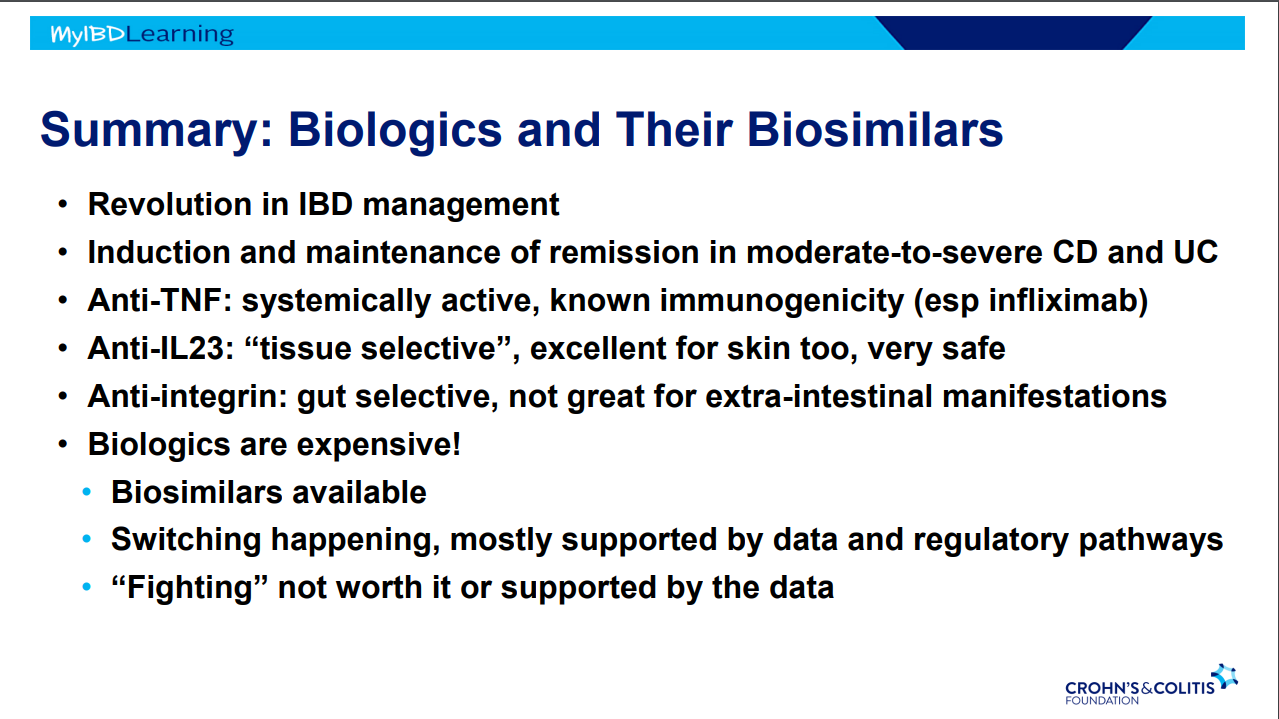
Biologics and Their Biosimilars

What is a Biologic Therapy?

Dr. Rubin makes a point of explaining the term to patients.  It is a protein made in a living cell that targets another protein.  Term “biologic” can sound scary to patients.  Usually given IV because they cannot be absorbed through the small bowel.

IBD Treatment Revolutions

  • Steroids -overnight changed mortality in IBD
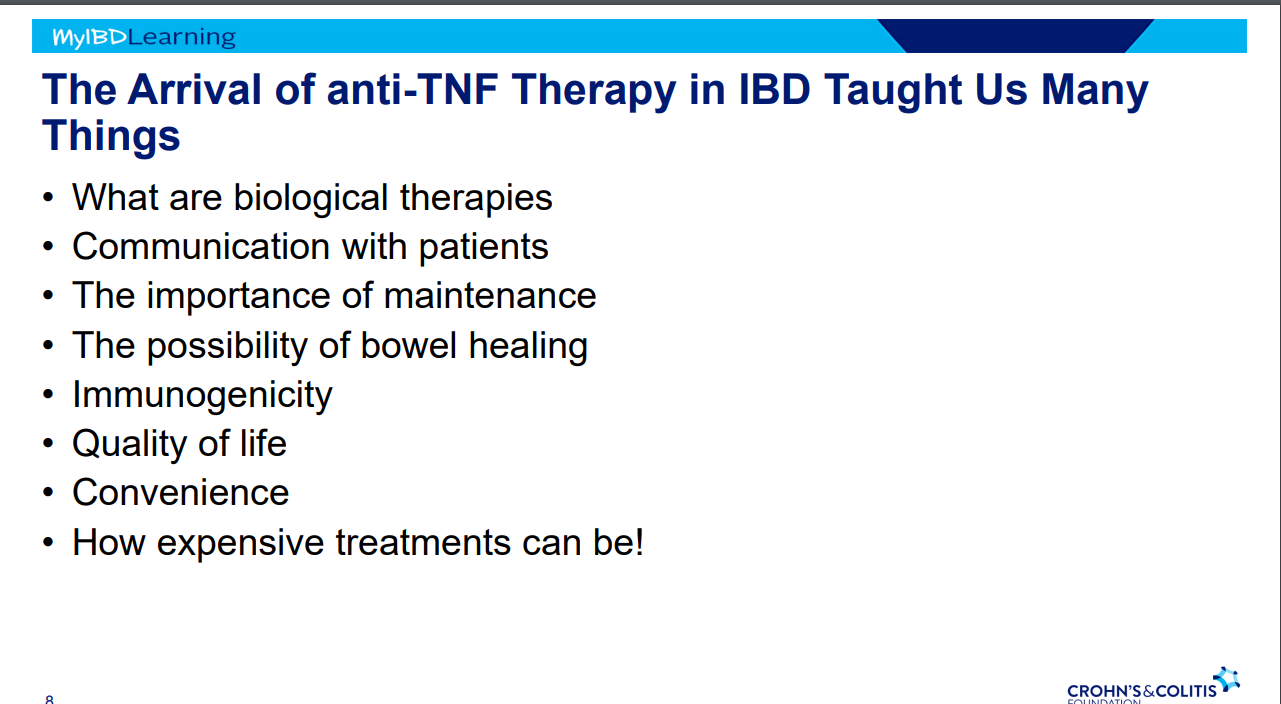
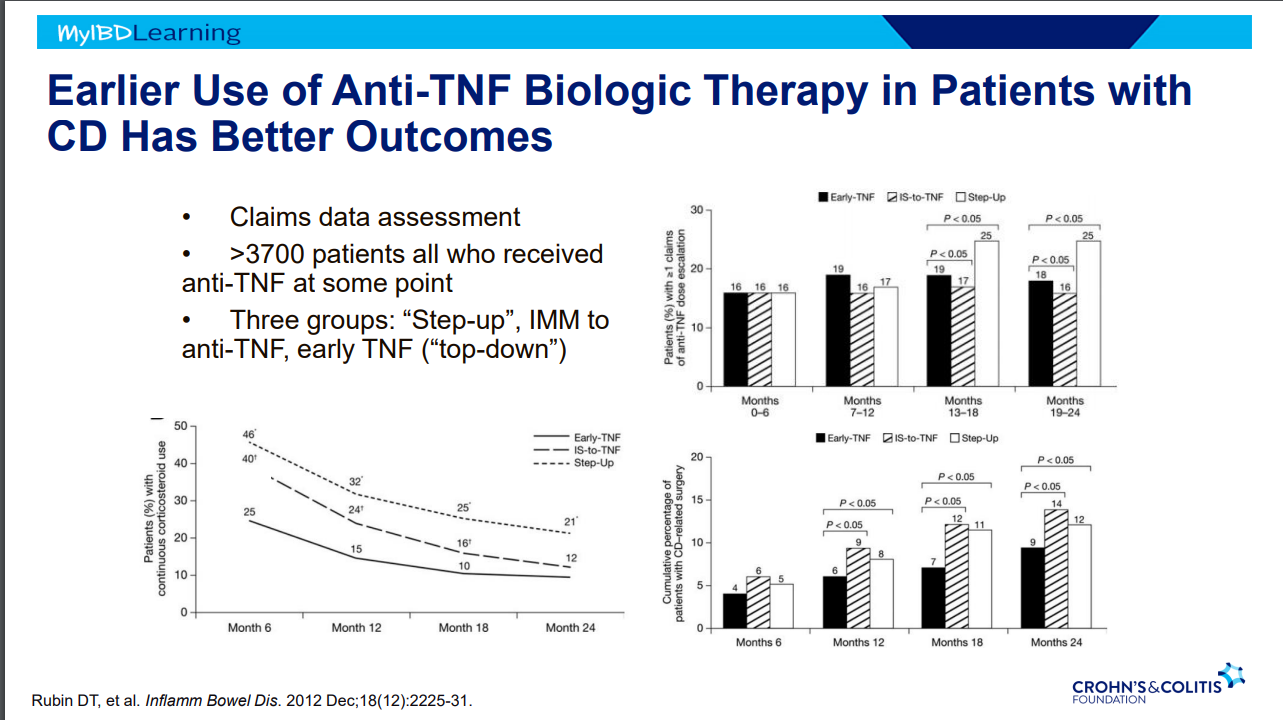
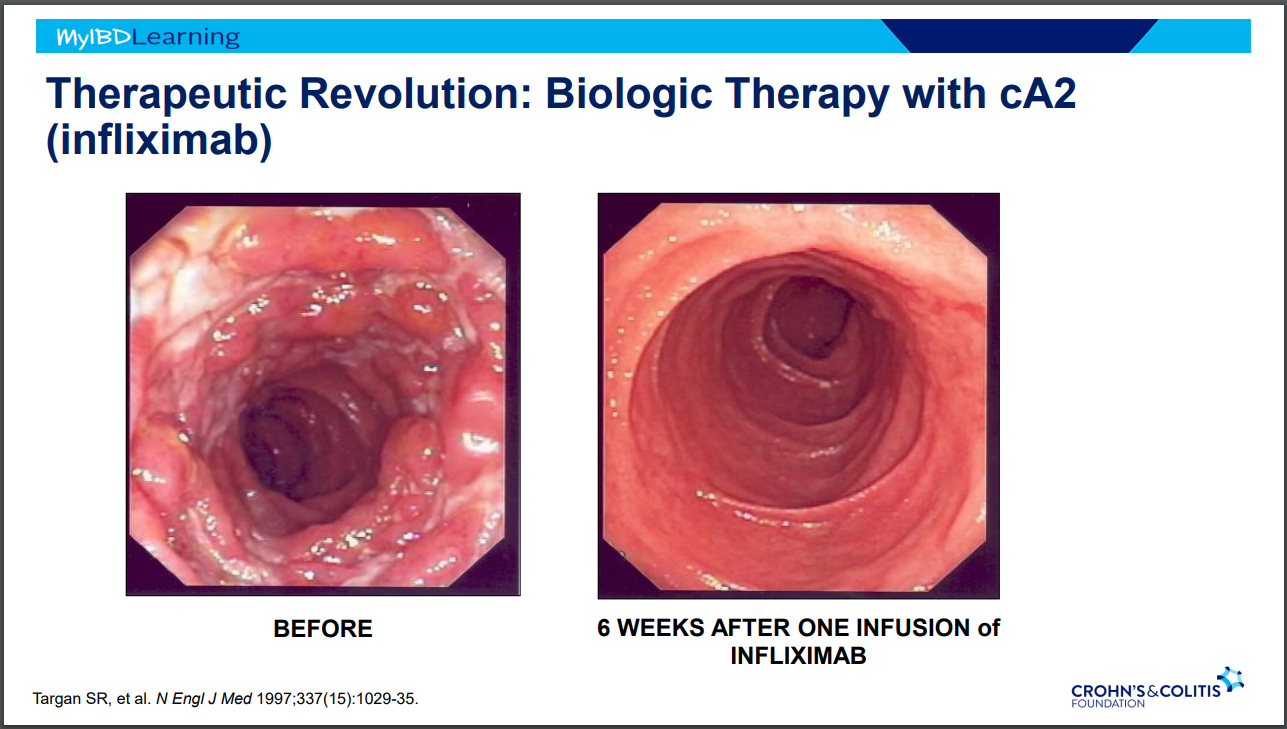
  • Anti-TNF Therapy in IBD -taught many lessons. Treat earlier –>better outcomes. 

Anti-TNF Therapy

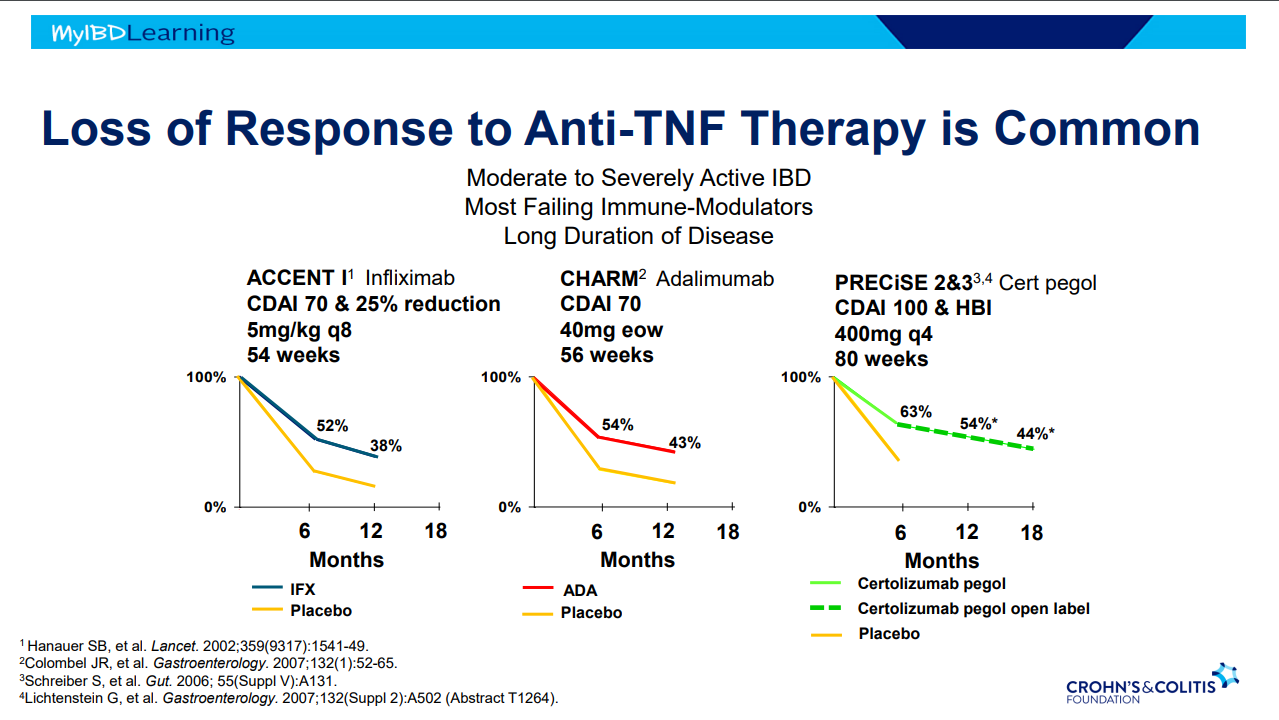
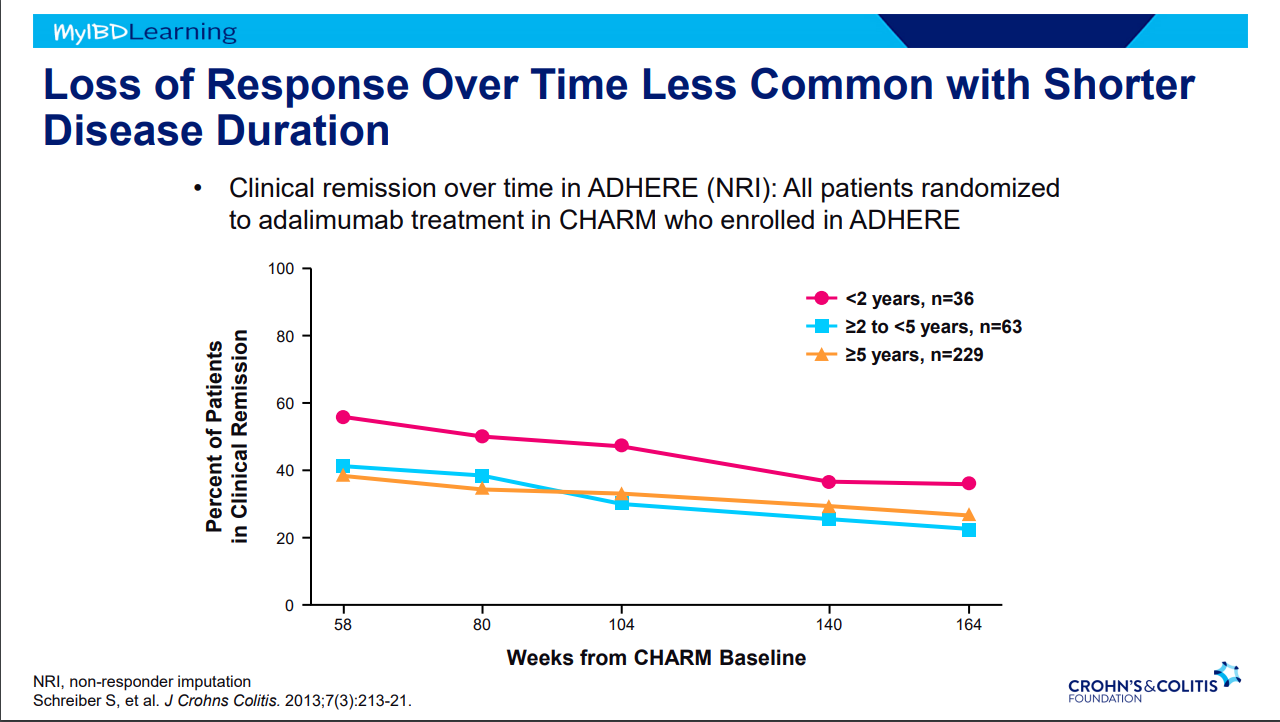
  • Frequent loss of response.
  • Earlier treatment with biologics result in better outcomes.
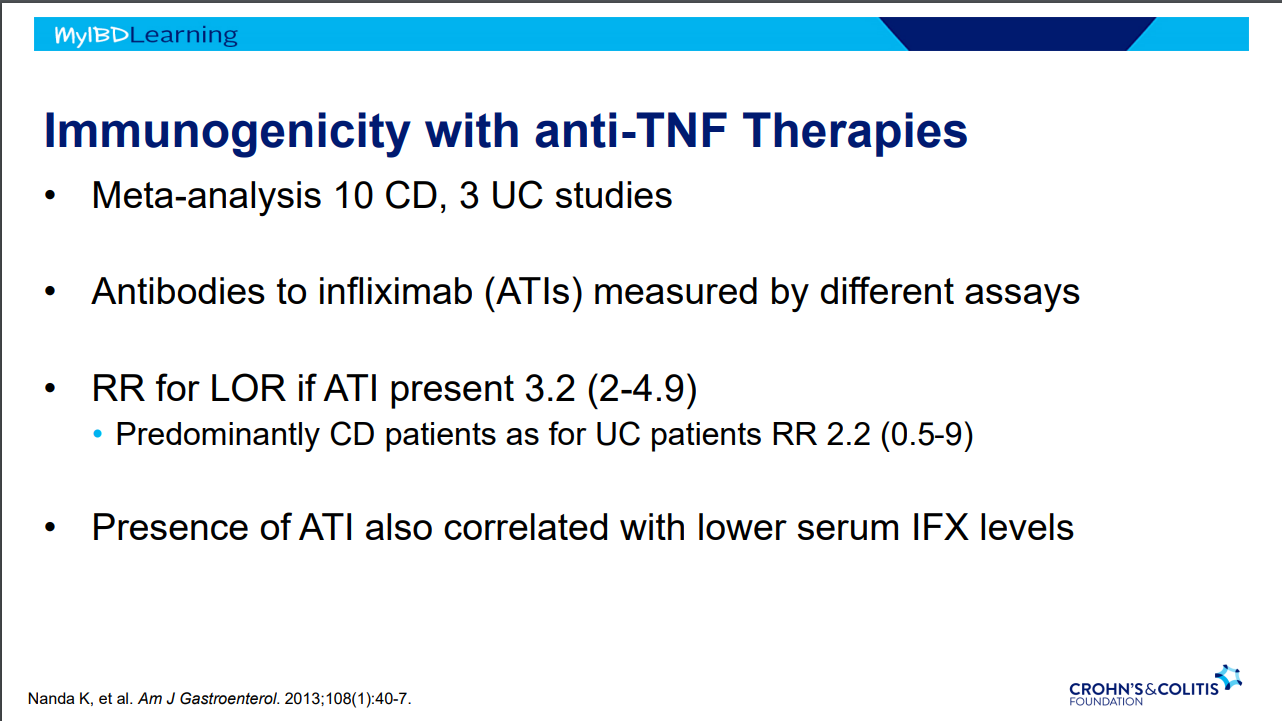
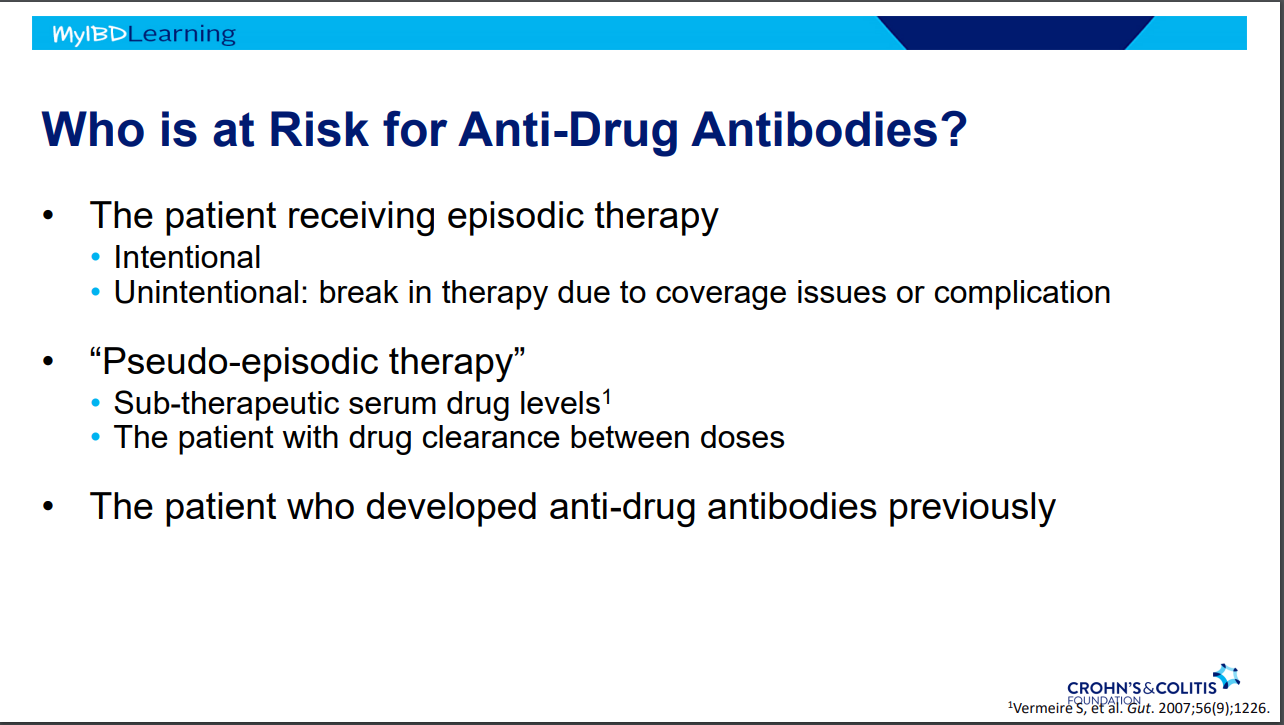
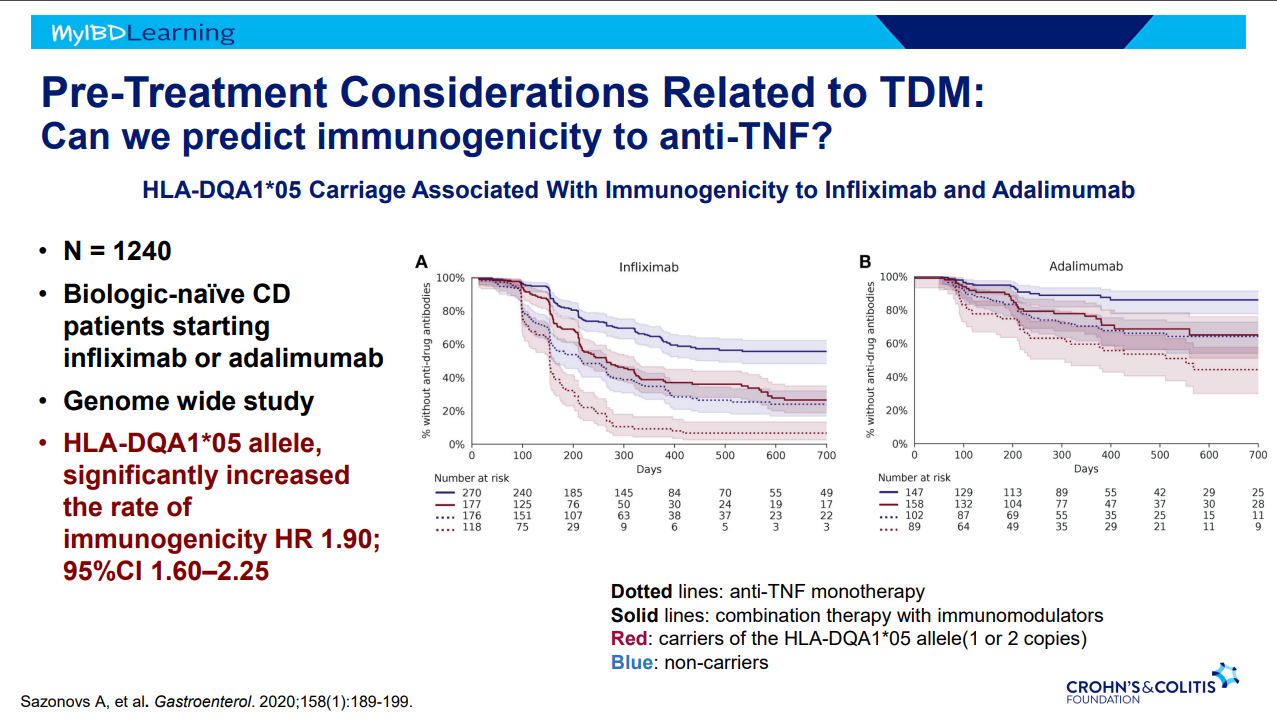
  • Immunogenicity is mainly an issue with anti-TNF agents and not much of an issue with other biologics. Episodic therapy is a big risk factor for anti-drug antibodies. 
  • If staying with in-class medication, after anti-drug antibodies, need to take additional measures to prevent anti-drug antibodies (eg. Immunomodulators).
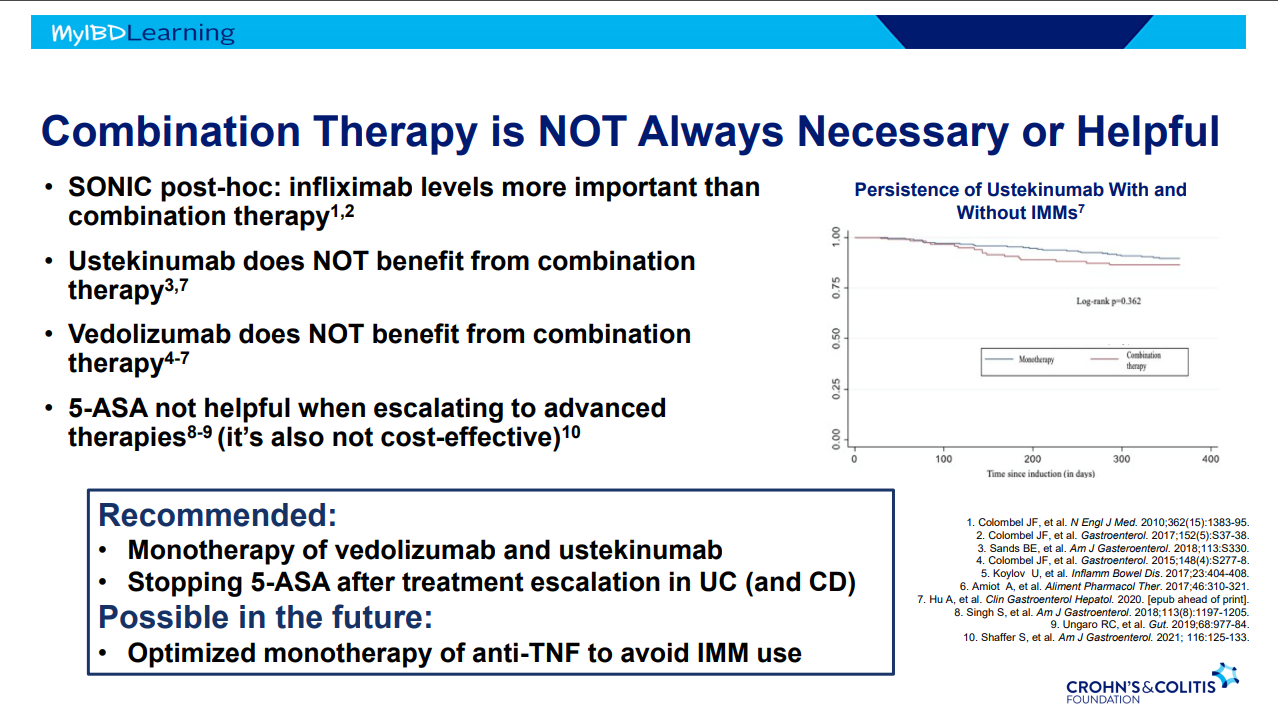
  • Combination therapy is more effective (SONIC, UC SUCCESS trials).  This is due to using multiple mechanisms of disease control, reduction in anti-drug antibodies, and elevated serum drug levels.
  • Good therapeutic levels appears to deliver similar results as combination therapy
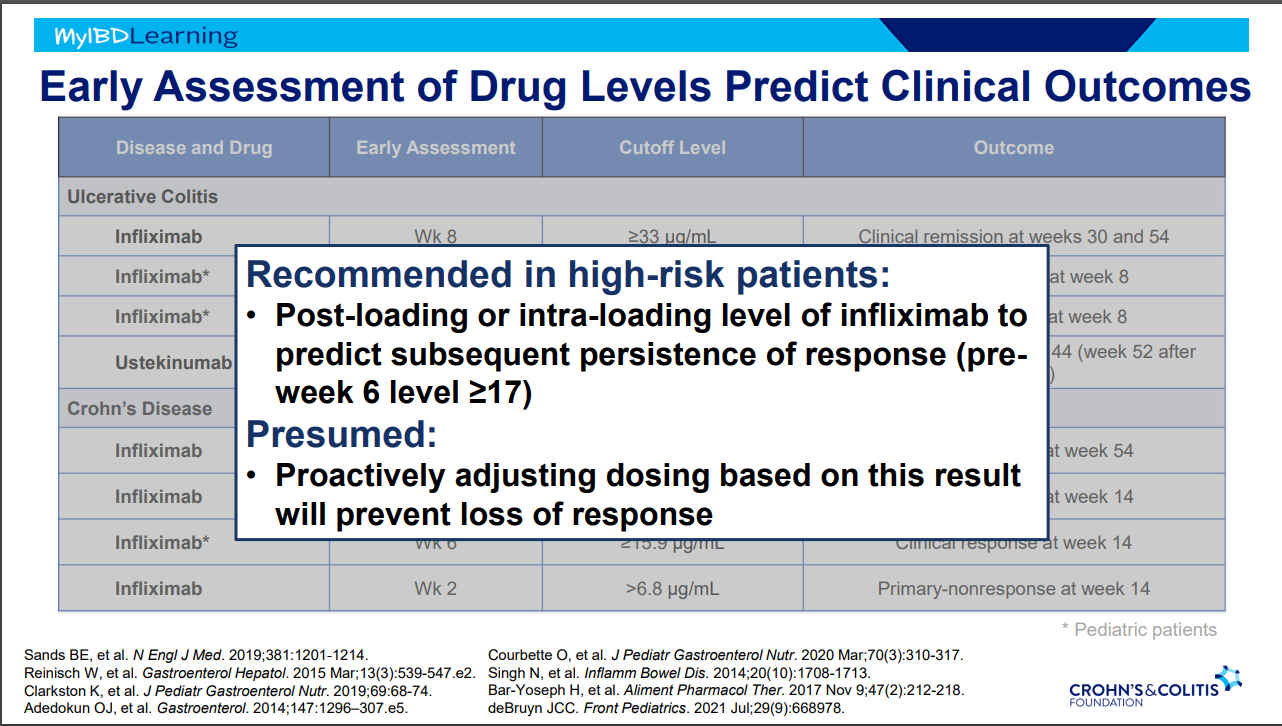
  • Pre-week 6 level of 17 or greater, associated with good response in maintenance.  If level is low, presumption is that higher dosing will be beneficial.
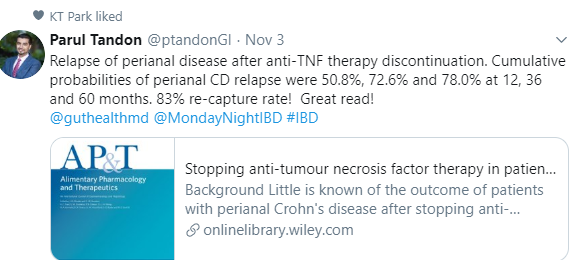
  • Higher levels of infliximab trough levels needed for perianal fistula healing (improved with ciprofloxacin).  Higher levels could be causally-related to healing or could be a marker that there is less inflammation and a patient is responding.
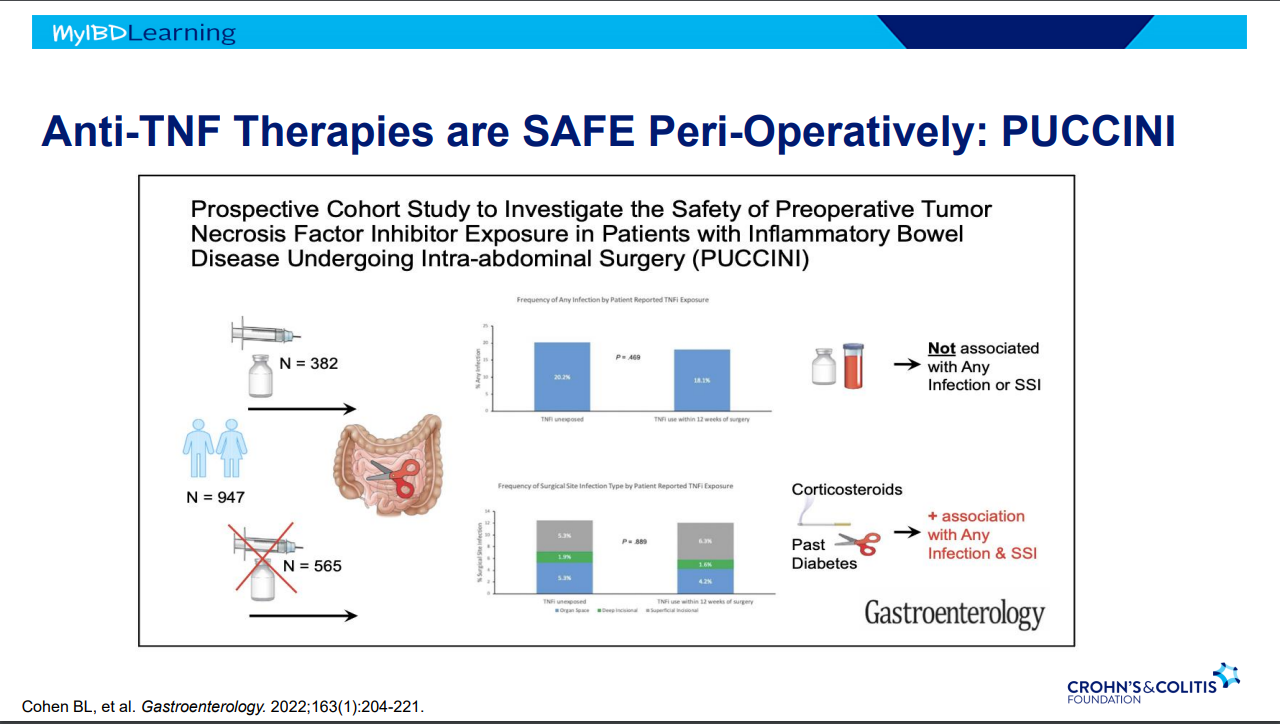
  • Anti-TNFs do not appear to increase risk of infections (see PUCCINI study)
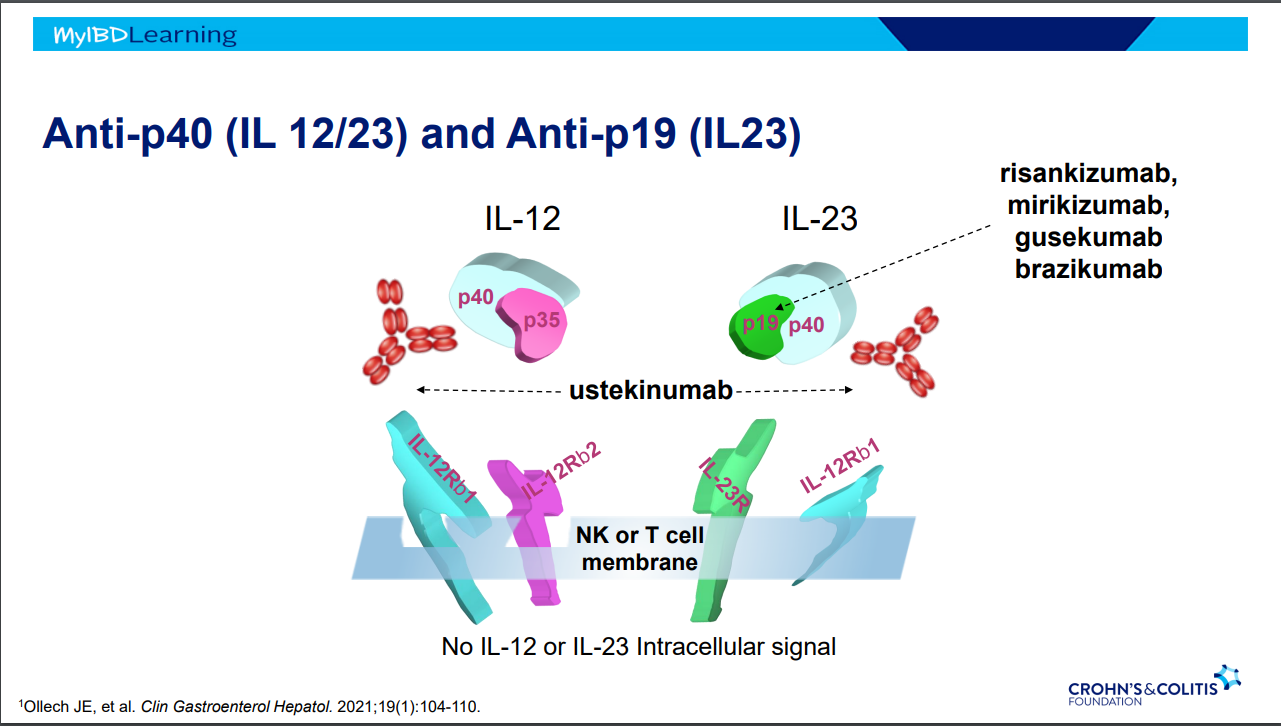
Anti-23 and Anti-IL-12/IL-23

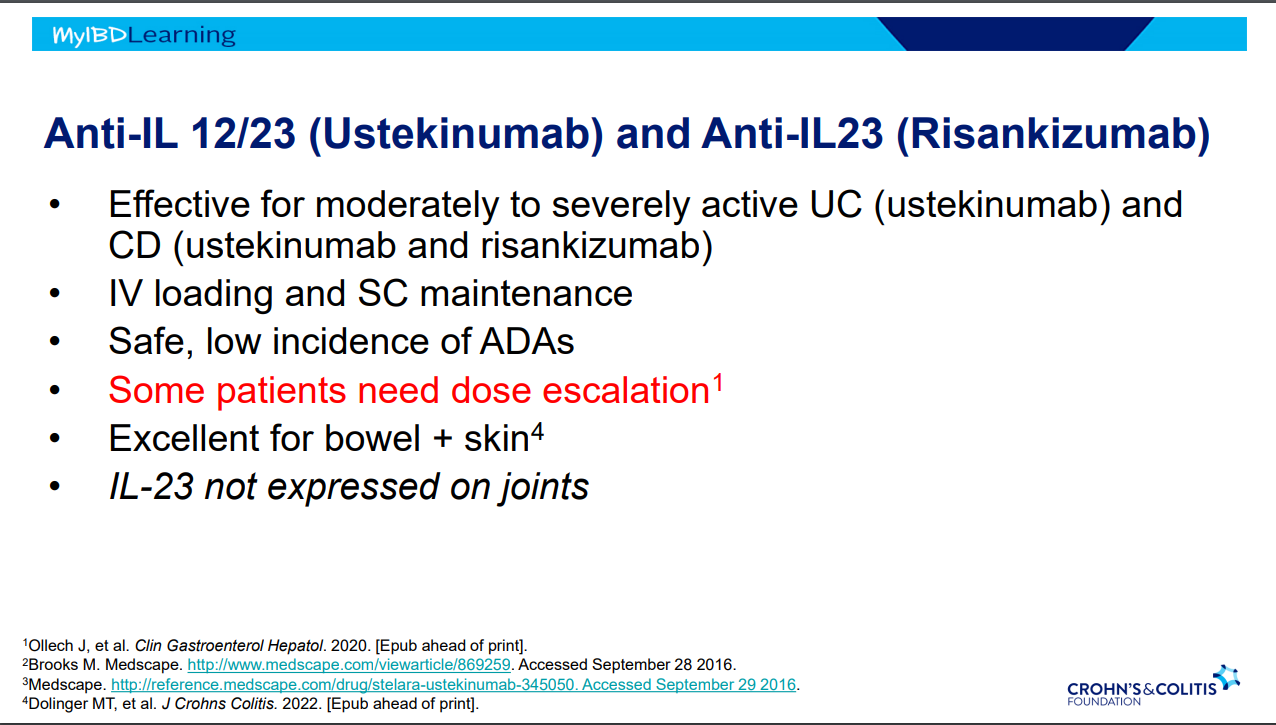
  • Tissue selective targeted therapy –>excellent safety profile
  • IV loading and SC maintenance
  • Excellent for bowel and skin
  • IL-23 is not expressed in joints
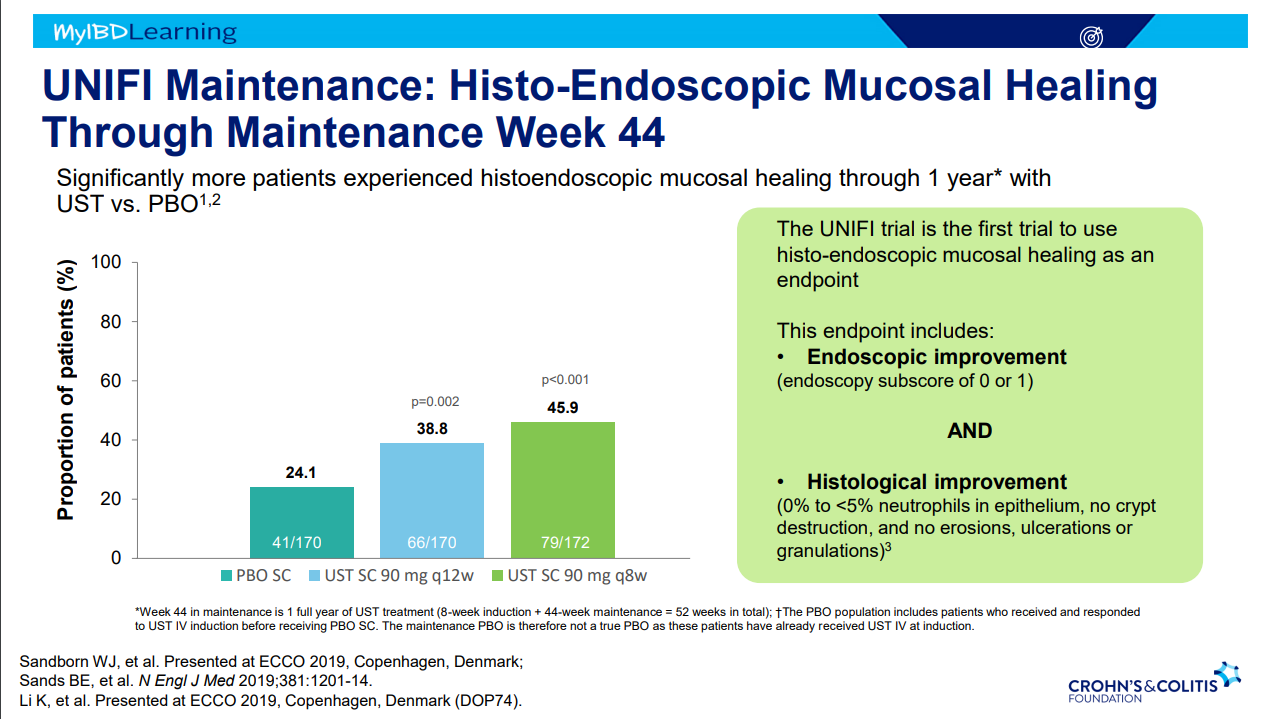
  • Ustekinumab is effective for perianal disease and ulcerative colitis
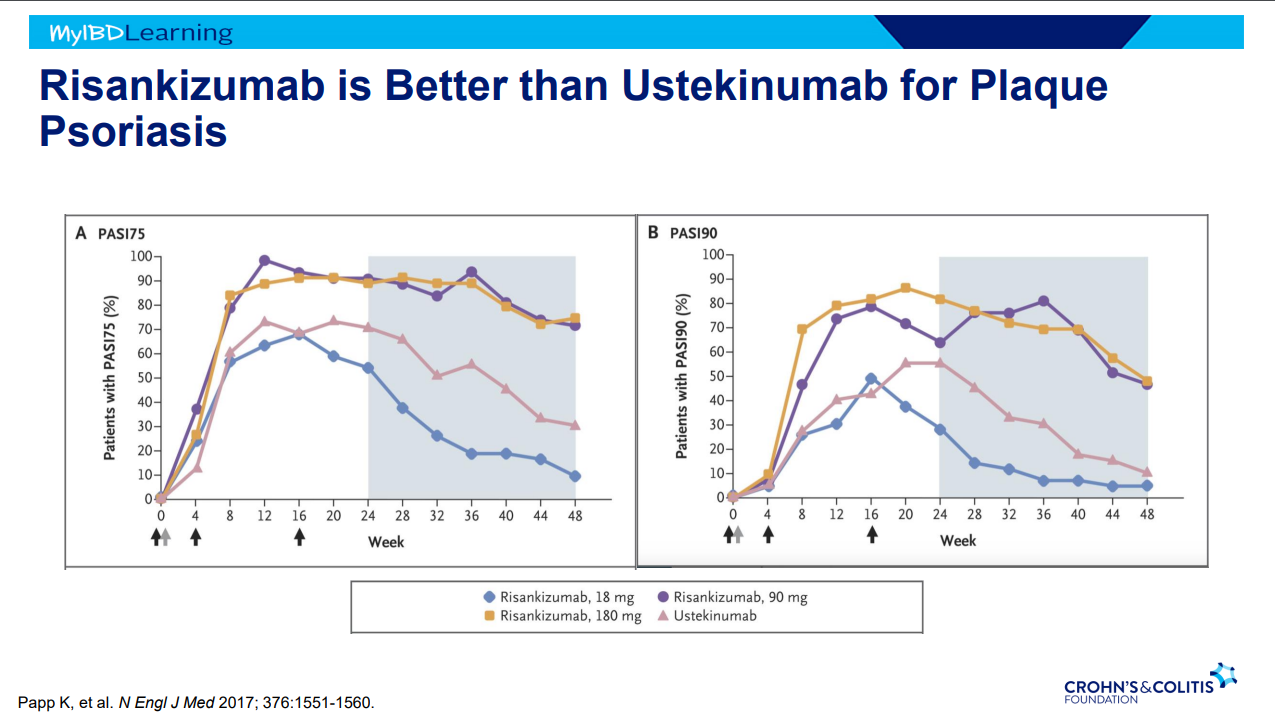
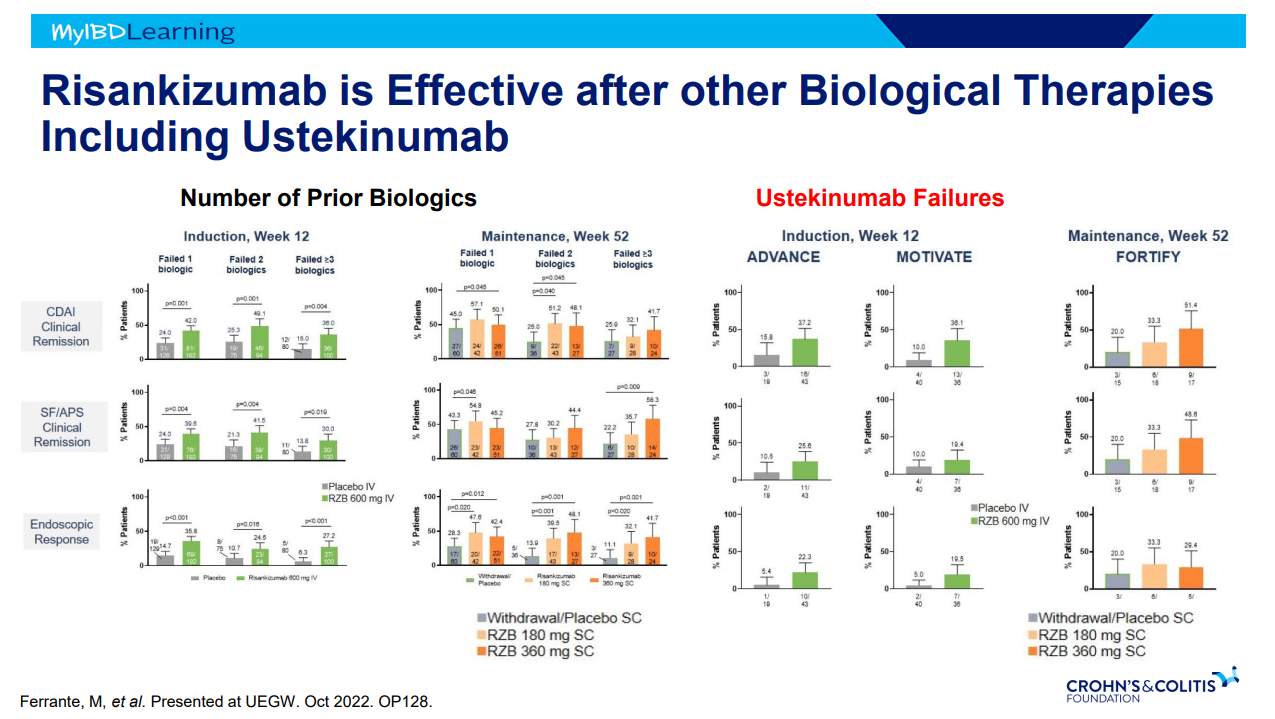
  • Risankizumab is superior to ustekinumab in plaque psoriasis.  If loss of response to ustekinumab, can still respond to Risankizumab
Anti-Integrins:

  • Natalizumab (not used frequently in IBD)
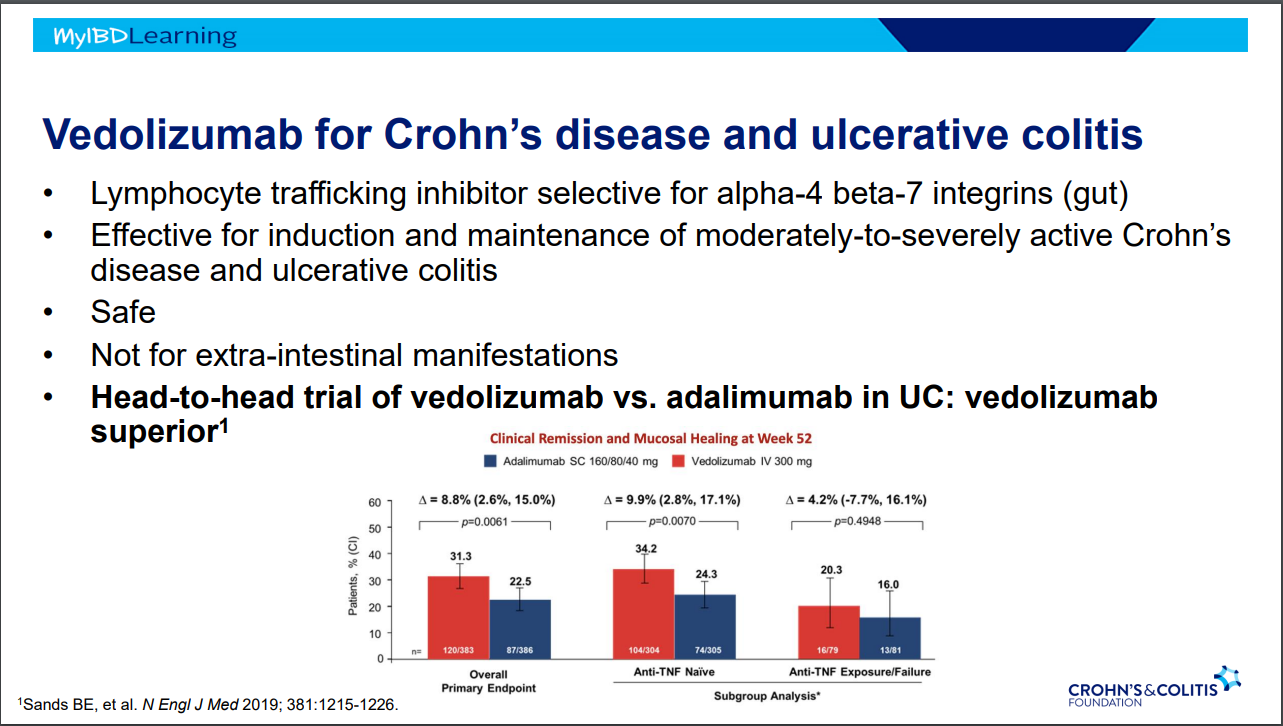
  • Vedolizumab.  Affects mucosa (can explain frequent nasopharyngitis)
  • Vedolizumab -terrific safety profile.  No PML, no malignancy risk
Biosimilars:

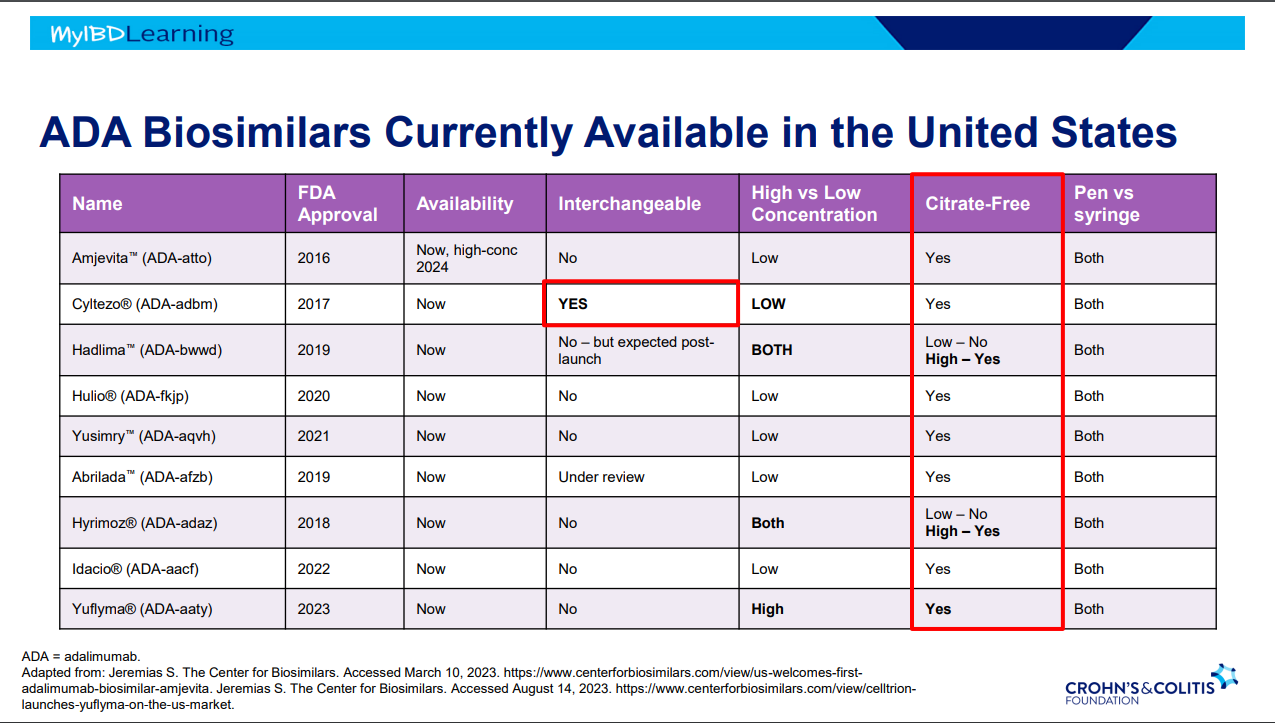
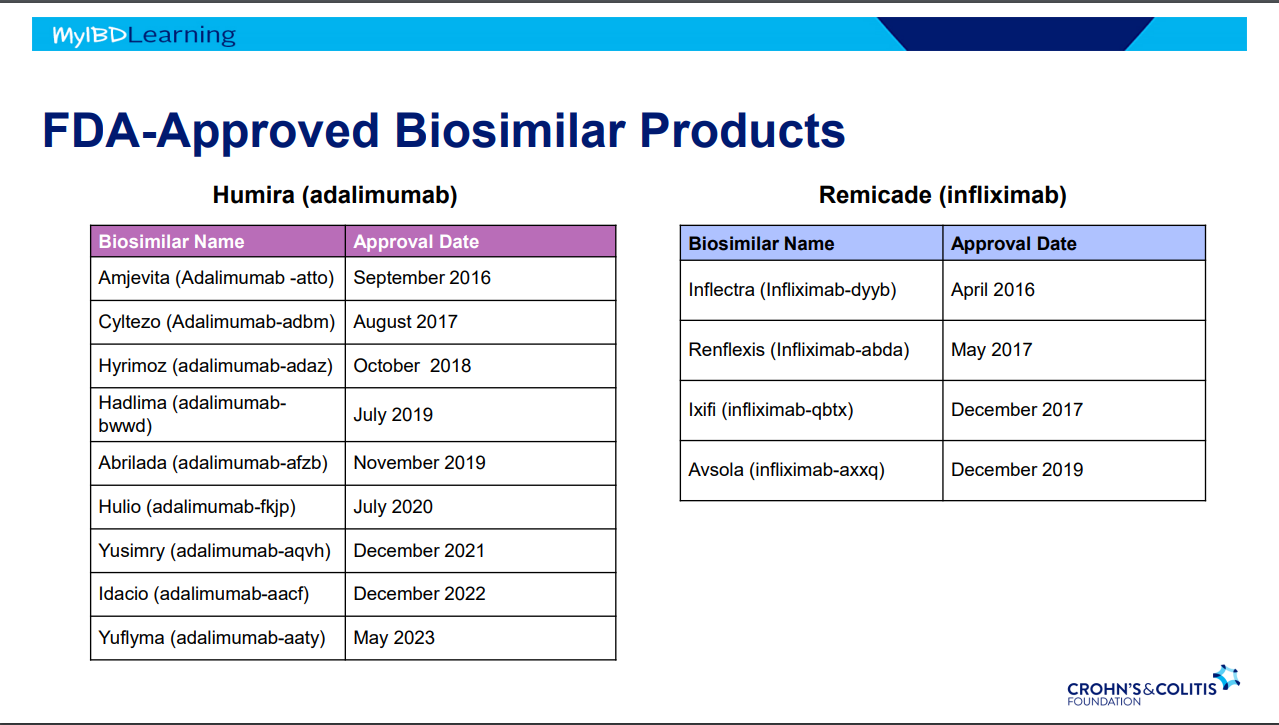
  • If biosimilar found effective for one approved condition, extrapolation given to all indications
  • IBD switching studies have NOT shown increased loss of response.  Consider reassess prior to switch to help determine if patient truly in remission prior to switch. Switching often blamed for loss of response when many times the disease was not under good control prior to switch
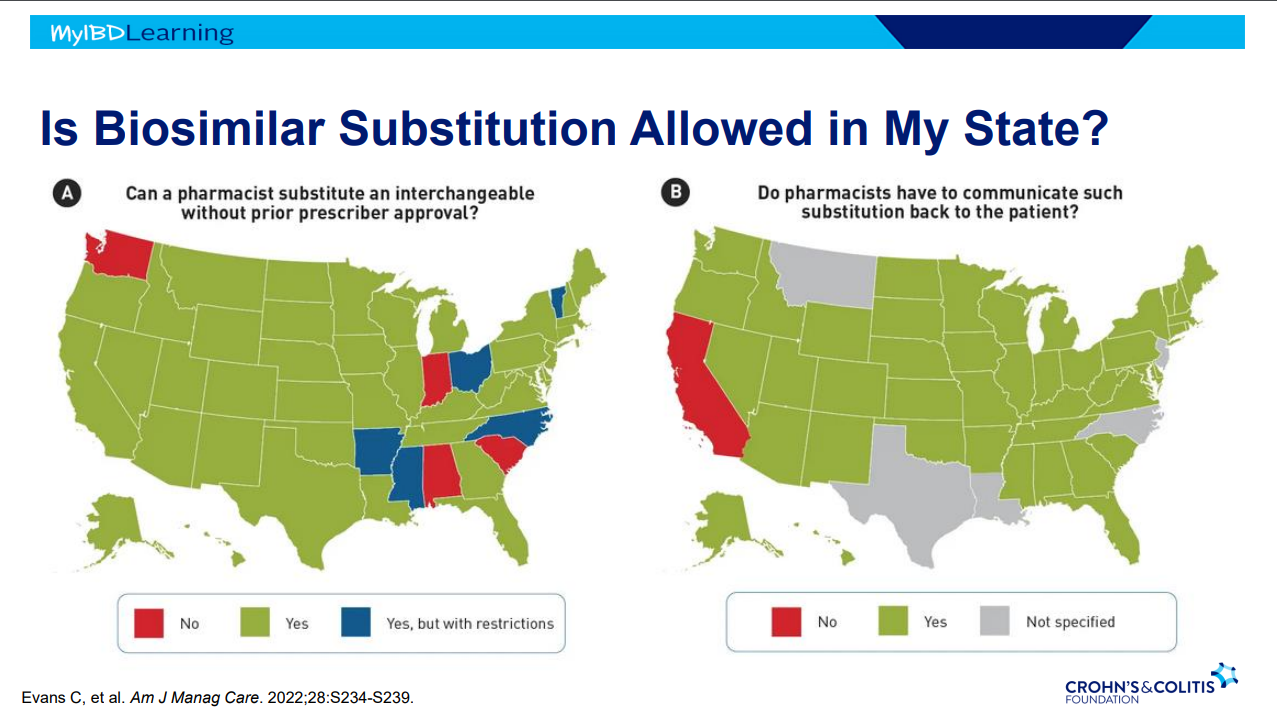
  • Interchangeable indicates that the drug can be switched by pharmacists
  • Biosimilars are saving insurers money but no proof that this is saving patients money
  • Anti-drug antibodies will cross-react to biosimilars
Disclaimer: This blog, gutsandgrowth, assumes no responsibility for any use or operation of any method, product, instruction, concept or idea contained in the material herein or for any injury or damage to persons or property (whether products liability, negligence or otherwise) resulting from such use or operation. These blog posts are for educational purposes only. Specific dosing of medications (along with potential adverse effects) should be confirmed by prescribing physician.  Because of rapid advances in the medical sciences, the gutsandgrowth blog cautions that independent verification should be made of diagnosis and drug dosages. The reader is solely responsible for the conduct of any suggested test or procedure.  This content is not a substitute for medical advice, diagnosis or treatment provided by a qualified healthcare provider. Always seek the advice of your physician or other qualified health provider with any questions you may have regarding a condition.
How Bad is Reflux in Children with Esophageal Atresia?

A recent retrospective study (FWT Vergouwe et al. JPGN 2019; 69: 515-22) with 57 children with esophageal atresia (EA) found most children have a normal reflux index.

This study, analyzing data between 2012-2017, reviewed all 24-hour pH-impedance (MII) studies in children at ≤18 months and 8 year olds with EA.  “All children with EA born in our hospital are offered a 24-hour pH-MII study at the age of 0.5 years and 8 years.”  In this institution, PPI treatment is given for at least 6 months after surgery. Of the 57 in the cohort, 20 had completed pH-MII at <18 months of age and 32 at age 8 years.

Key findings:

  • In children ≤18 months of age, median reflux index was 2.6% (abnormal in 2), median number of retrograde boluses was 61 (62% nonacid, 58% mixed)
  • In the older cohort (~8 years of age), median reflux index was 0.3% (abnormal in 4) and median number of retrograde boluses was 21 (64% nonacid, 75% mixed)
  • Overall, 10 of 57 children (17.5%) had GERD with reflux index >7% (n=6) or positive SI/SAP (n=4).  The authors note that much higher rates of GERD have been found in prior studies.  If they included children with fundoplication who were considered as having GERD (prior to fundoplication), then the GERD rate was 32%.

My take: This study showed that reflux in this cohort of children with EA was similar to the general population and likely indicates that a substantial portion of patients with EA do not need indefinite PPI therapy.  In children with more complex EA, PPI therapy is likely to be more beneficial.

Related blog posts:

Recent (November 4th) GI-Related Tweets:

CCFA: Updates in Inflammatory Bowel Disease 2017 (Part 4)

Our local CCFA chapter provided a useful physician CME meeting.  The following are my notes. My notes may include some errors in transcription and errors of omission.

Ashish Patel  -Updates in Pediatric Inflammatory Bowel Disease Treatments

Key points:

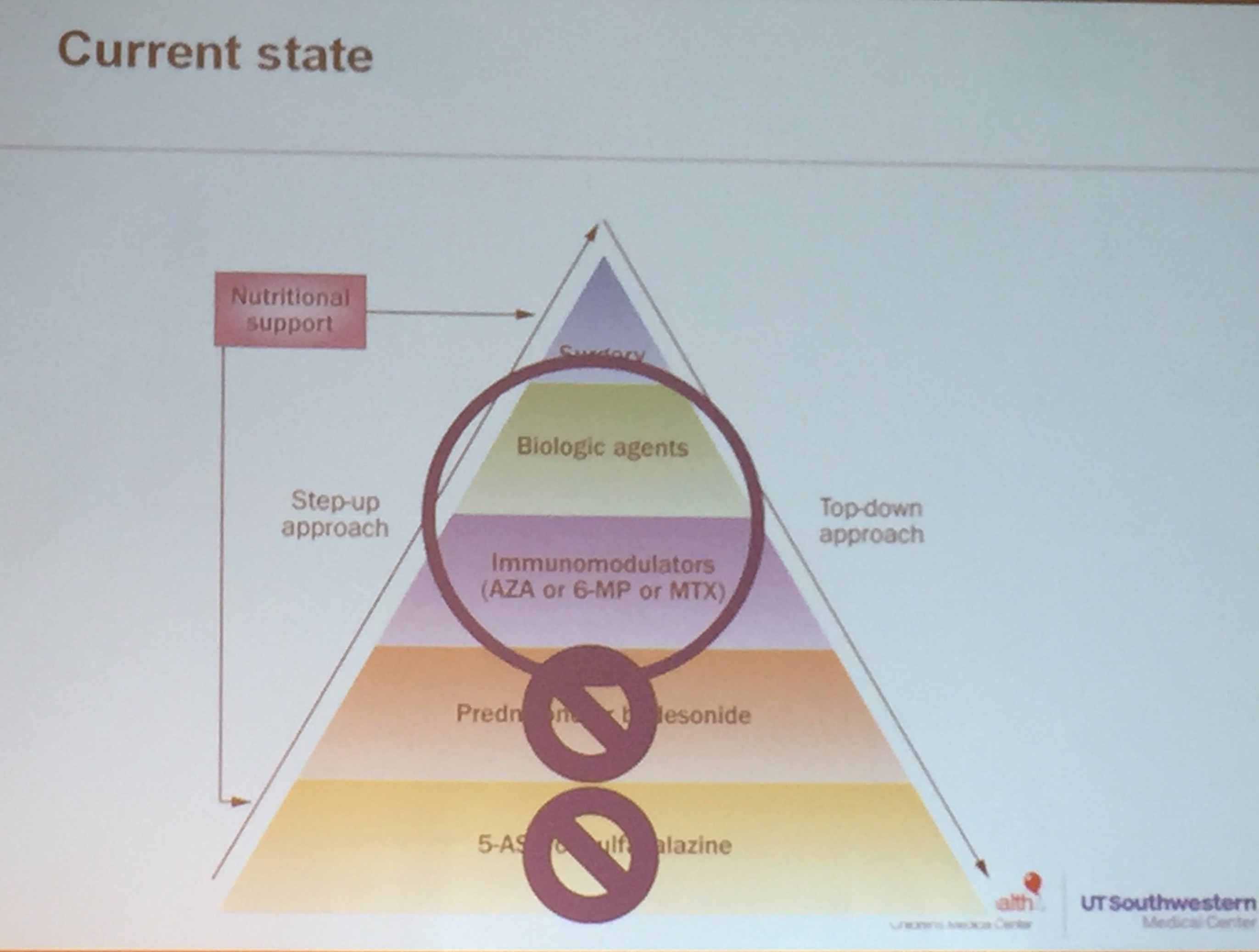
  • Top-down or step-up models are outdated –use appropriate agent for each patient
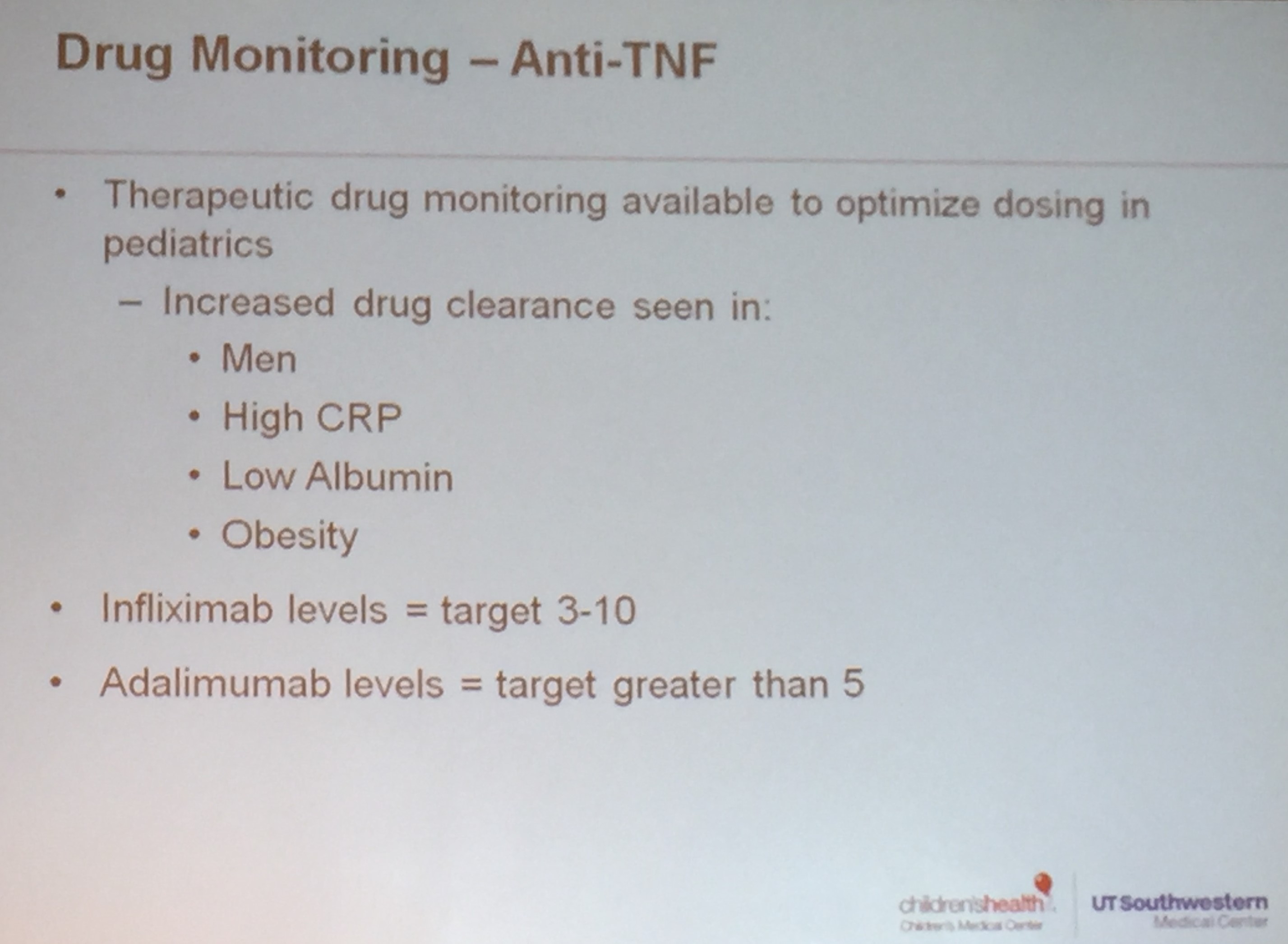
  • Discussed therapeutic drug monitoring.  In pediatrics, checking infliximab (IFX) level after 14 weeks is recommended by ICN per Dr. Patel.
  • Veolizumab -no pediatric FDA indication yet..  Alpha4Beta7 integrin blocker –blocks recruitment of WBC
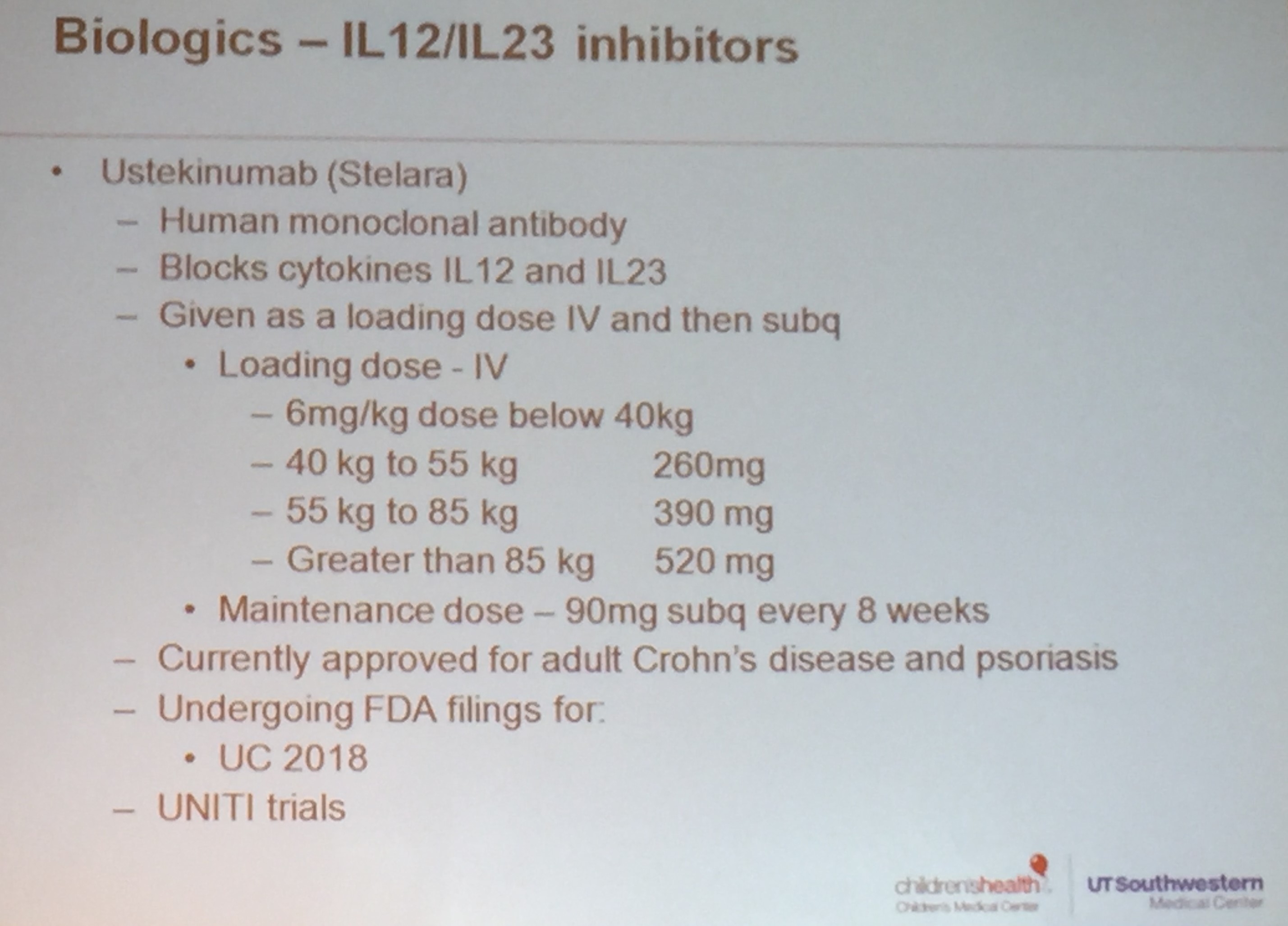
  • Stelara -off label in pediatrics.  Seems to be helpful for patients who have psoriasis on TNF agents.
  • Exclusive enteral nutrition (EEN) like medical therapies are therapies and not cures.  It has to be maintained to be effective.

Disclaimer: These blog posts are for educational purposes only. Specific dosing of medications (along with potential adverse effects) and changes in diet should be confirmed by prescribing physician.  This content is not a substitute for medical advice, diagnosis or treatment provided by a qualified healthcare provider. Always seek the advice of your physician or other qualified health provider with any questions you may have regarding a condition.

AGA Recommendations on Biosimilars

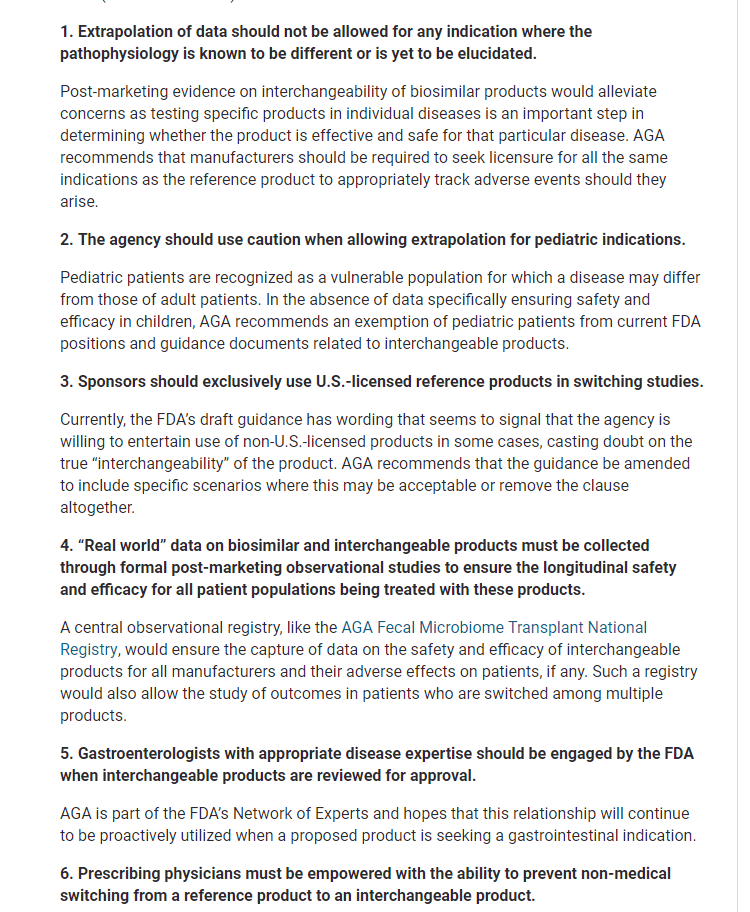
The AGA has made several recommendations regarding biosimilars –#2 and #6 are particularly of interest to pediatric gastroenterologists. More on this topic will follow tomorrow.

Link: AGA Makes Six Recommendations to FDA on Interchangeable Biosimilars

Related blog posts:

Biosimilars -Position Statement

Briefly noted:

“Use of Biosimilars in Paediatric Inflammatory Bowel Disease” Position Statement. JPGN 2015; 61: 503-08.  Conclusions:

  • “IBD Porto group advocates giving high priority to performing paediatric trials with long-term followup to support” the use of biosimilars (97% agreement)
  • “Treatment of a child with sustained remission on a specific medication should not be switched to a biosimilar until clinical trials in IBD are available to support the safety and efficacy of such a change” (94% agreement)
  • “Postmarketing surveillance…in children with IBD should be a mandatory requirement.” (100% agreement)

My take: Keep this reference handy.  The lower expected costs (>30% reduction) could create pressure to change treatment before the safety/efficacy is proven.

Atlanta Botanical Gardens

Atlanta Botanical Gardens