Meta-Analysis: PPIs Did Not Increase Risk of Cardiovascular Events

Briefly noted -thanks to Ben Gold for this reference

AD Mosholder et al. The American Journal of Gastroenterology 2025; 120(2):p 362-369, Proton-Pump Inhibitors and Cardiovascular Adverse Events: A Meta-Analysis of Randomized Controlled Trials

Background: “Protopathic bias may result from the use of PPIs for cardiac symptoms mistaken for gastrointestinal symptoms (e.g. heartburn), producing a spurious association between cardiac events and PPI use. In addition, some cardiovascular risk factors may be more prevalent among users of PPIs eg. smoking, obesity) but may not be well captured in observational data sets, resulting in confounding.”

Methods: This meta-analysis included randomized trials with at least 100 subjects, treatment duration >30 days, and a non-PPI comparator (active or placebo). In total, this study examined 164 trials including 52 trials with PPI (n=14,998) vs placebo (n=8,323), 61 trials with PPI (n=12,505) vs any active comparator (n=8,566), and 51 trials with PPI (n=9,430) vs H2 receptor antagonist (n=6,050).

Key finding:

  • Cardiovascular outcomes were infrequent in randomized trials of PPIs, and our primary analysis found no overall association (summary incident rate ratio, MACE+ events, PPI:placebo, 0.72)

My take: This study found no clear association of cardiovascular events with PPI treatment.

Related blog posts:

Andaman Sea, Thailand

More Data Showing Increased Cardiovascular Risks with COVID-19 & Vaccination Reduces This Risk

Two recent studies show that COVID-19 infection increases the risk of major cardiovascular outcomes.

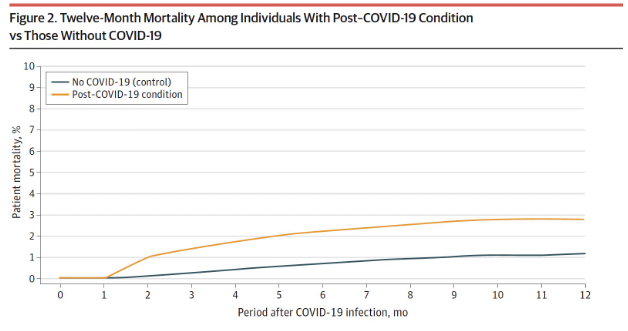
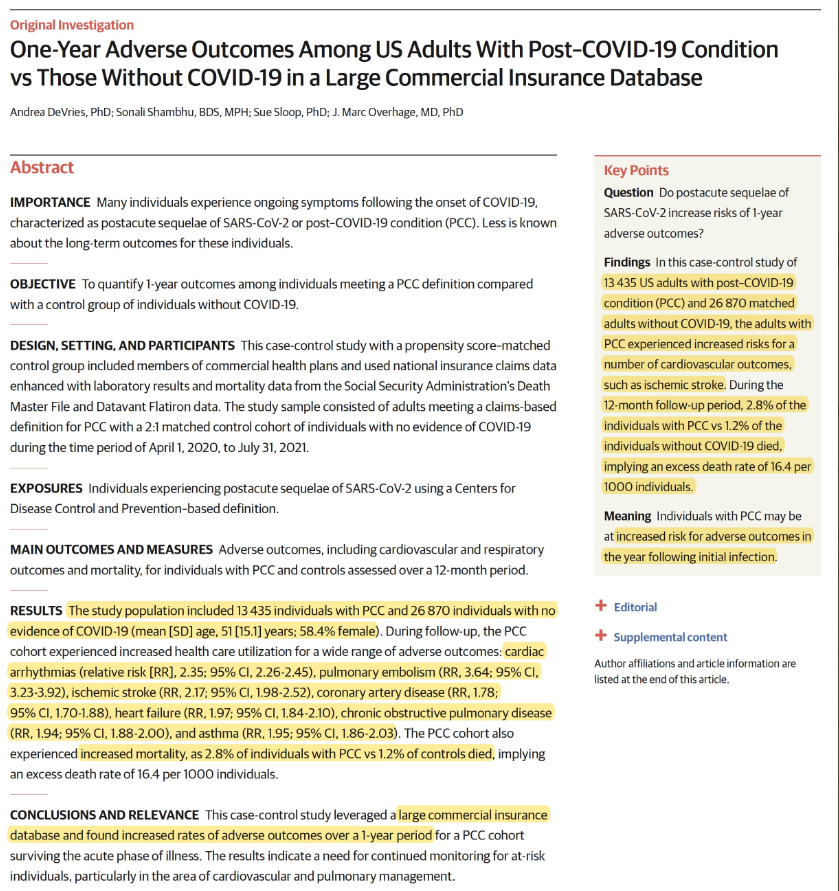
This case-control study leveraged a large commercial insurance database and found increased rates of adverse outcomes over a 1-year period for a post-COVID-19 cohort surviving the acute phase of illness. Methods: An index month was set by adding 30 days to the COVID-19 diagnosis date (this study looked at outcomes starting one month after diagnosis).

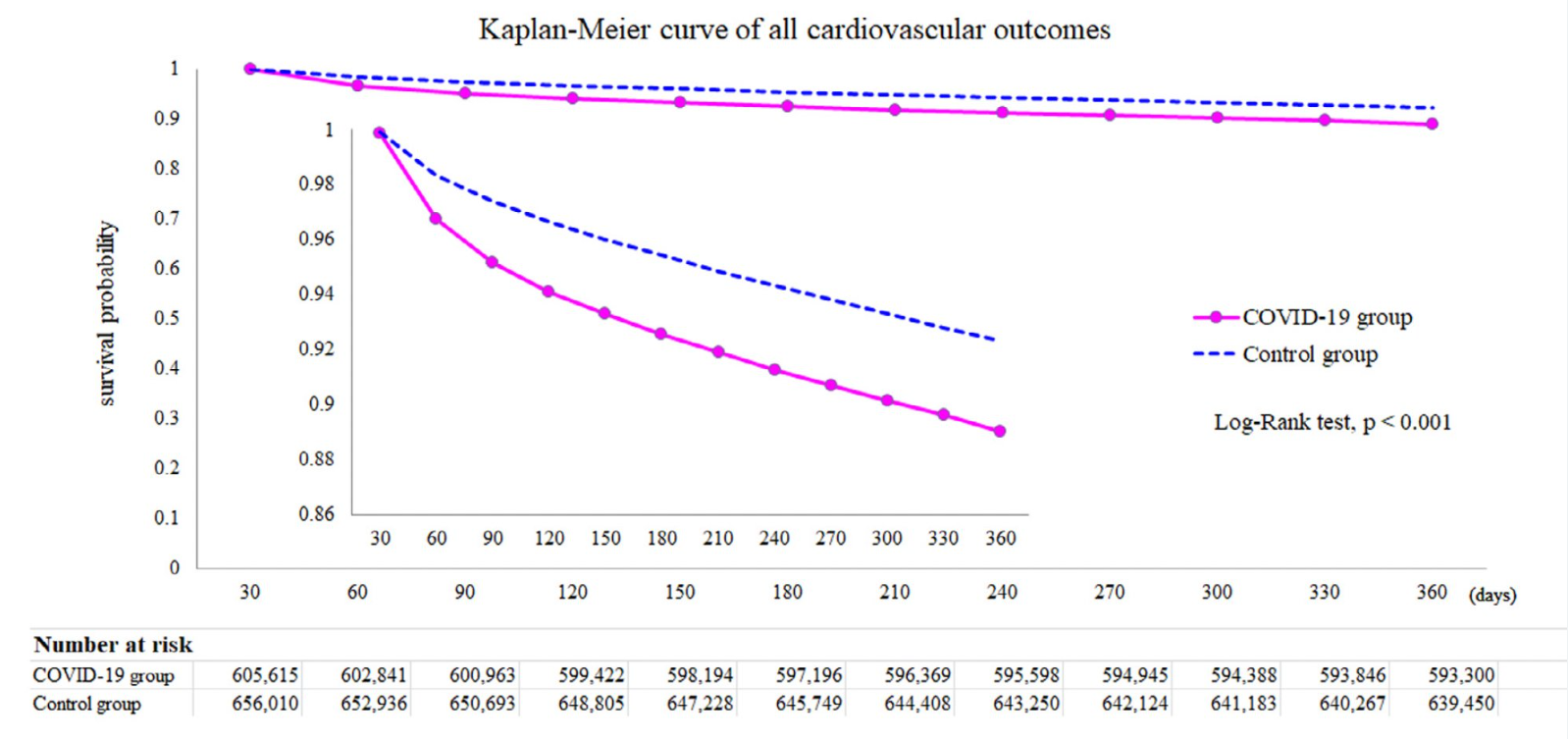
This study used the data from the US Collaborative Network in TriNetX. From a cohort of more than 42 million records between 1 January 2019 and 31 March 2022, a total of 4,131,717 participants who underwent SARS-CoV-2 testing were recruited.

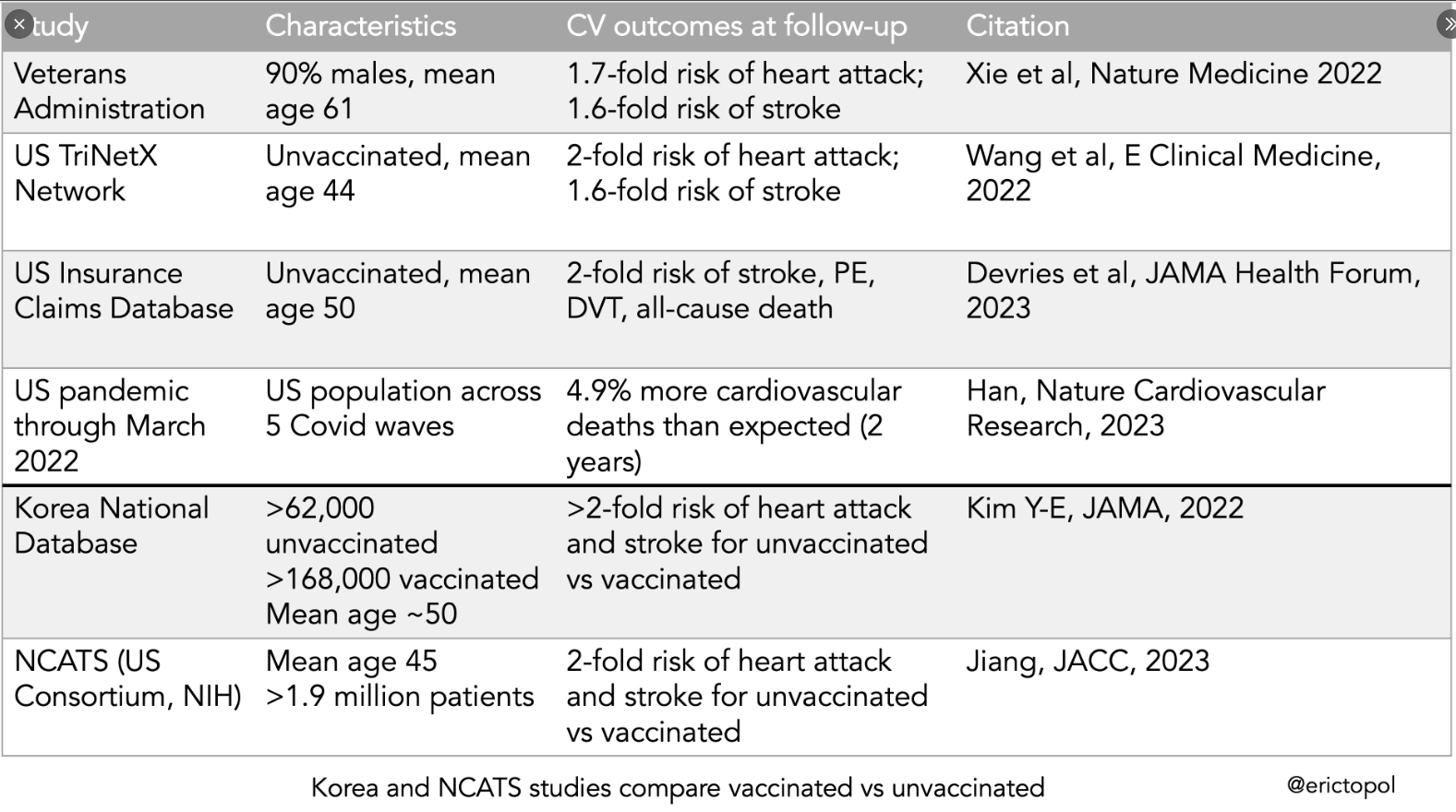
Eric Topol: Summary of studies relating cardiovascular outcomes:

My take: Many detractors of vaccination have focused on potential cardiac adverse events. These studies indicate that COVID vaccination provides protection against major cardiovascular outcomes

Treatments for “Bad” Inflammatory Bowel Disease (Part 2) & Reassuring Data on Tofacitinib

As noted yesterday, in my view, “bad” inflammatory bowel disease (IBD) occurs when treatments are not working; though, many would argue that any IBD is bad IBD. Over the next few days, reviewed articles will focus on the problem of IBD that is not responding well to treatment. This article reports on the use of tofacitinib to avoid colectomy in children with severe ulcerative colitis.

BD Constant et al. JPGN 2022; 75: 724-730. Tofacitinib Salvage Therapy for Children Hospitalized for Corticosteroid- and Biologic-Refractory Ulcerative Colitis

This small (n=11) retrospective single-center cohort study of consecutive hospitalized pediatric patients initiating tofacitinib for refractory ulcerative colitis from 2018 to 2021. All patients demonstrated nonresponse to both intravenous corticosteroids and anti-TNF therapy prior to tofacitinib initiation.

Key findings:

  • Eight of 11 patients remained colectomy-free at 90 days following hospital admission and 6 remained colectomy-free over median 182-day follow-up, including 4 of whom remained on tofacitinib
  • The authors note that three patients started with TID dosing and eight received BID dosing (10 mg per dose). The higher dosing was influenced by a case control study by Bernstein et al which showed a 15% 90-day colectomy rate among adults with acute severe ulcerative colitis (ASUC), particularly those dosed at TID (Open Access: Clin Gastroenterol Hepatol 2021; 19: 2112-2120. Tofacitinib for Biologic-Experienced Hospitalized Patients With Acute Severe Ulcerative Colitis: A Retrospective Case-Control Study)
  • “Remission rates peaked at 12-16 weeks and decreased at 6 months…tofacitinib may …bridge to slower-acting and possibly safer long-term therapies such as ustekinumab or vedolizumab”
  • The median time to corticosteroid discontinuation was 89 days
  • No serious tofacitinib-related adverse events were observed

My take: Given the small numbers, this is clearly an area where cooperation (& ImproveCareNow) could be helpful in determining the safety and effectiveness of tofacitinib for pediatric ASUC. Also, if tofacitinib is used as a ‘bridge’ this is likely to present insurance coverage issues.

Related article:

Hoisnard L, Pina Vegas L, Dray-Spira R, et al. Annals of the Rheumatic Diseases Published Online First: 05 October 2022. doi: 10.1136/ard-2022-222824. Risk of major adverse cardiovascular and venous thromboembolism events in patients with rheumatoid arthritis exposed to JAK inhibitors versus adalimumab: a nationwide cohort study Methods: This was a nationwide population-based cohort study (n=15,835) of the French national health data system, the exposed group initiating a JAKi and non-exposed group initiating adalimumab Key findings:  Risk of major adverse cardiovascular events (MACEs) for the exposed versus non-exposed group was not significant: HRw 1.0 (95% CI 0.7 to 1.5) (p=0.99), nor was risk of VTEs significant: HRw 1.1 (0.7 to 1.6) (p=0.63). This study provides reassuring data regarding the risks of MACEs and VTEs in patients initiating a JAKi versus adalimumab, including patients at high risk of cardiovascular diseases.

Related blog posts:

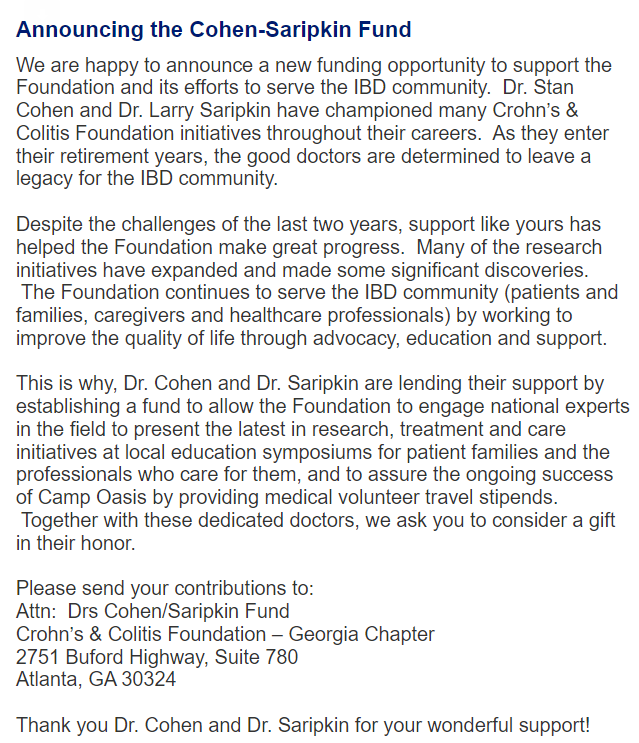
From Crohn’s and Colitis Foundation, Georgia Chapter, December Newsletter: Donate to Cohen-Saripkin Fund

Stelara (Ustekinumab) Safety

F Poizeau et al. JAMA Dermatol. Published online September 9, 2020. doi:10.1001/jamadermatol.2020.2977. Association Between Early Severe Cardiovascular Events and the Initiation of Treatment With the Anti–Interleukin 12/23p40 Antibody Ustekinumab

Methods: “This case-time-control study used data from the French national health insurance database, covering 66 million individuals, on all patients exposed to ustekinumab between April 1, 2010, and December 31, 2016, classified according to their cardiovascular risk level (high- and low-risk strata). The risk period was the 6 months before the SCE, defined as acute coronary syndrome or stroke, and the reference period was the 6 months before the risk period. Statistical analysis was performed from September 20, 2017, to July 6, 2018.”

Key findings:

  • Of the 9290 patients exposed to ustekinumab (4847 men [52%]; mean [SD] age, 43 [14] years), 179 experienced SCEs (65 cases of acute coronary syndrome, 68 cases of unstable angina, and 46 cases of stroke).
  • Among patients with a high cardiovascular risk, a statisically significant association between initiaton of ustekinumab treatment and SCE occurrence was identified (odds ratio, 4.17; 95% CI, 1.19-14.59).
  • Conversely, no statistically significant association was found among patients with a low cardiovascular risk (odds ratio, 0.30; 95% CI, 0.03-3.13).

My take: This study suggests that the initiation of ustekinumab treatment may trigger SCEs among patients at high cardiovascular risk; however, the study conclusions are limited as this was an observational study (not a randomized trial).

How Hepatitis C Therapy Affects Cardiovascular Outcomes

Briefly noted: A recent retrospective study (AA Butt et al. Gastroenterol 2019; 156: 987-96) utilized a Veterans HCV database (n=242,680) and determined that HCV therapy improved cardiovascular outcomes.

Key finding: Treatment with a direct-acting antiviral regimen lowered the risk of cardiovascular events by more than 40% (hazard ratio of 0.57) compared to no treatment.

This finding is limited based on the reliance of a retrospective study and not being able to control for factors that may have led some patients to not receive treatment.

Related blog posts:

How Soccer Can Be Bad for Your Health

When people complain that “everything is bad for your health,” they just might be right.  After yesterday’s soccer match, the NEJM posted a link to a 2008 article (N Engl J Med 2008; 358:475-483).  Here’s part of the abstract:

Methods: Cardiovascular events occurring in patients in the greater Munich area were prospectively assessed by emergency physicians during the World Cup. We compared those events with events that occurred during the control period: May 1 to June 8 and July 10 to July 31, 2006, and May 1 to July 31 in 2003 and 2005.

Results: Acute cardiovascular events were assessed in 4279 patients. On days of matches involving the German team, the incidence of cardiac emergencies was 2.66 times that during the control period…On those days, the highest average incidence of events was observed during the first 2 hours after the beginning of each match.

Conclusions: Viewing a stressful soccer match more than doubles the risk of an acute cardiovascular event.

Take-home point: Some people are not lying when they say they live and die with their favorite team.

n-3 Fatty Acids and Cardiovascular Outcomes

A recent study has cast doubt on the benefit of n-3 fatty acids for preventing cardiovascular complications in patients with type 2 diabetes (NEJM 2012; 367: 309-18).

While previous studies have indicated that persons who consume fish regularly or take supplements with n-3 fatty acids have a reduced risk of cardiovascular events, there are many potential confounding variables.  This “ORIGIN” study (Outcome Reduction with an Initial Glargine Intervention) which had 12,611 patients undergo randomization looked at a high risk group (type 2 diabetes patients) but did not find any change in cardiovascular events, including death over a median followup of 6.2 years.  The treatment group received 1 gram of n-3 fatty acids which did result in a lower triglyceride level (by 14.5 mg/dL).

How do the authors explain the results of this negative study in comparison to previous reports?

  • Two of the largest trials had recruited patients with recent myocardial infarction –these patients may have been more likely to benefit
  • In ORIGIN study, more concomitant cardioprotective therapies were being used which could have reduced the potential benefit of n-3 fatty acids
  • Other study populations may have had a lower dietary intake of n-3 and therefore benefitted more from supplementation

While the results of this study may reduce the enthusiasm for n-3 fatty acids, several additional large studies (ASCEND/NCT00135226, VITAL/NCT01169259) are underway which should give additional information on this topic, including in participants at lower risk for cardiovascular events. In addition, the authors conclude that while their findings do not show a reduction in cardiovascular events, they state that dietary recommendations of increased fish consumption should not change; increased fish consumption not only increases n-3 fatty acids but results in lower intakes of red meats which may be harmful.

Related posts:

TODAY is worrisome for a lot of tomorrows

Who needs aspirin?

Cardiovascular disease for the entire family

Treating diabetes with surgery