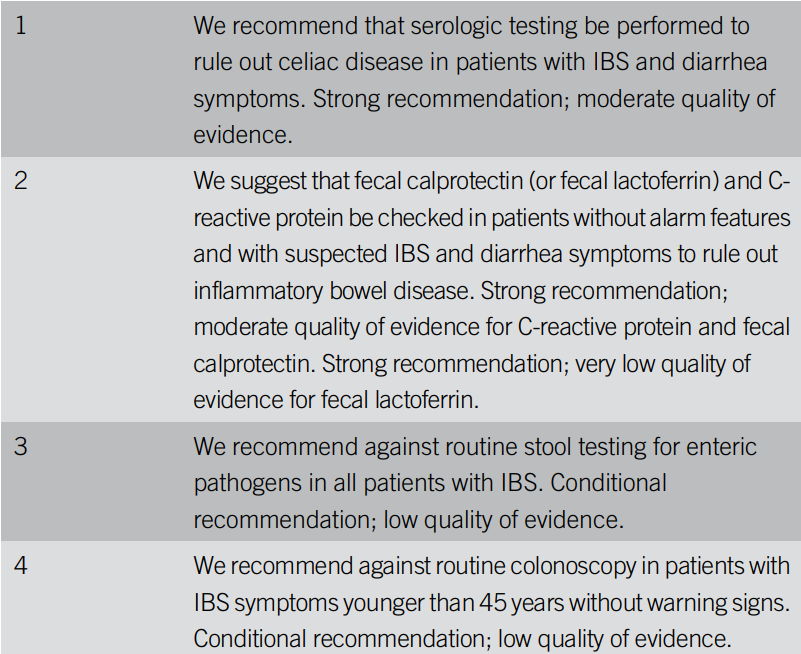
B Lacy et al. The American Journal of Gastroenterology: January 2021 – Volume 116 – Issue 1 – p 17-44 Open Access: ACG Clinical Guideline: Management of Irritable Bowel Syndrome
Diagnostic Recommendations:

Treatment Recommendations:

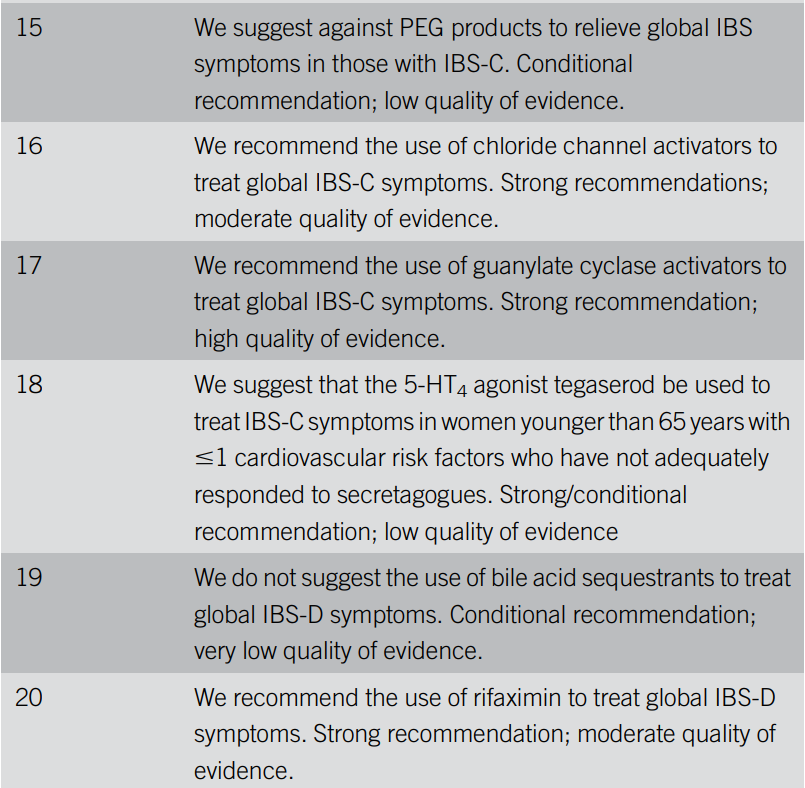


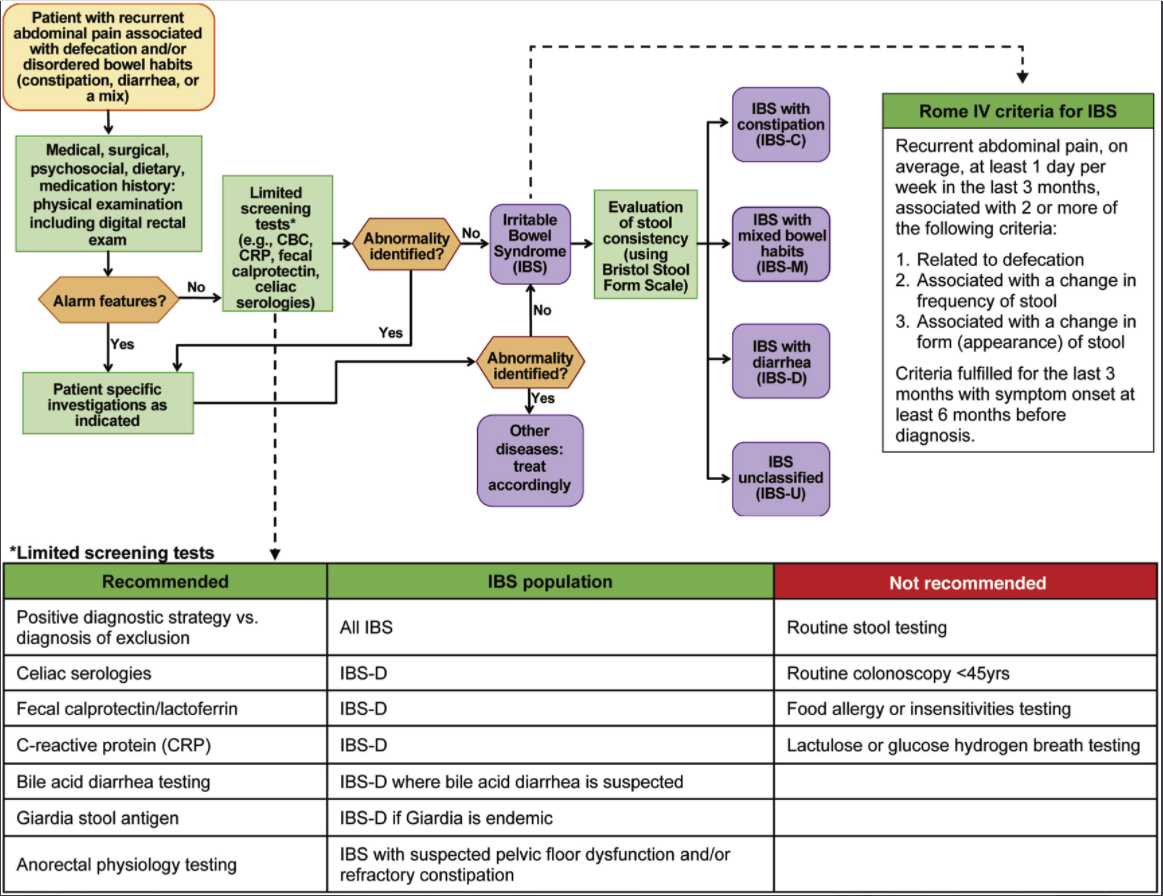
B Lacy et al. The American Journal of Gastroenterology: January 2021 – Volume 116 – Issue 1 – p 17-44 Open Access: ACG Clinical Guideline: Management of Irritable Bowel Syndrome
Diagnostic Recommendations:
Treatment Recommendations:
F Cristofori et al. Clin Gastroenterol Hepatol 2021; 19: 2551-2558. Functional Abdominal Pain Disorders and Constipation in Children on Gluten-Free Diet
This prospective cohort (2016-2018, n=417, mean age 13.7 y) examined the frequency of functional disorders (based on questionnaire) in children with celiac disease (CD) who were receiving a strict gluten free diet (GFD) for at least one year.
Key findings:
In the discussion, the authors speculate on the reasons for ongoing pain including inadvertent gluten exposure, intestinal inflammation/visceral hyperalgesia, altered microbiome, and refractory CD.
My take: Persistent stomach pain in CD is a common occurrence, even in those trying to adhere to a strict GFD.
Related blog posts:

C Strisciuglio et al. JPGN 2021; 73: 689-694. Overall Impact of Coronavirus Disease 2019 Outbreak in Children With Functional Abdominal Pain Disorders: Results From the First Pandemic Phase
In this multicenter, observational, international study conducted between April and July 2020 at six different referral centers, the authors studied two groups:
Key findings:
My take: This study shows that the majority of patients with functional abdominal pain have improvement (at least temporarily) and reinforce the benefit of reassurance/conservative approach for many even during the pandemic. It is possible that school closures and additional parental attention mitigated some of the improvement in the Quarantine group.
Related blog posts:

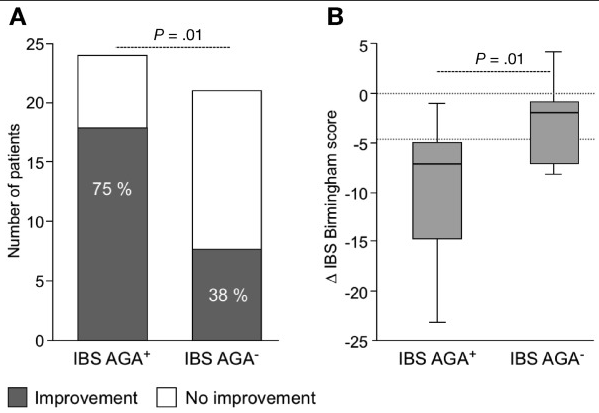
MI Pinto-Sanchez et al. Clin Gastroenterol Hepatol 2021; 19: 2343-2352. Open Access: Gluten-Free Diet Reduces Symptoms, Particularly Diarrhea, in Patients With Irritable Bowel Syndrome and Antigliadin IgG
In this prospective study of 50 patients with IBS (ROME III, all subtypes), with and without serologic reactivity to gluten (antigliadin IgG and IgA), and 25 healthy subjects (controls) were studied before and after 4 weeks of a GFD. Celiac disease (CD) was ruled out in patients and controls by negative tissue transglutaminase (tTG) IgA antibody and deamidated gliadin IgA or IgG antibodies and by the absence of mucosal atrophy in a duodenal biopsy specimen (Marsh 0 or 1). At least 4 and 2 biopsy specimens were obtained from the second and the first part of the duodenum, respectively.
Key findings:
The associated editorial (A Rej et al. Open Access: Personalizing Dietary Therapies For Irritable Bowel Syndrome: What Is Gluten’s Role?) provides some useful points:
My take: This prospective study indicates that a GFD is associated with clinical improvement in a significant number of individuals with IBS (with and without antigliadin antibodies) who did not report any gluten sensitivity or were not on a gluten-restricted diet before study entry. Based on a number of other studies, however, it seems that a low FODMAPs diet is likely to have a higher efficacy for patients with IBS.
Related blog posts:
L Chang. Gastroenterol 2021; 163: 1092-1098. How to Approach a Patient with Difficult-to-Treat IBS
For a short article, this review provides a lot of practical advice. Challenges with IBS include the lack of objective biomarkers and “patients are often dissatisfied with a positive diagnostic approach or even after multiple negative tests.” The author recommends the following:
Treatment may need to target gut, brain and/or both
Related blog posts:
Disclaimer: This blog, gutsandgrowth, assumes no responsibility for any use or operation of any method, product, instruction, concept or idea contained in the material herein or for any injury or damage to persons or property (whether products liability, negligence or otherwise) resulting from such use or operation. These blog posts are for educational purposes only. Specific dosing of medications (along with potential adverse effects) should be confirmed by prescribing physician. Because of rapid advances in the medical sciences, the gutsandgrowth blog cautions that independent verification should be made of diagnosis and drug dosages. The reader is solely responsible for the conduct of any suggested test or procedure. This content is not a substitute for medical advice, diagnosis or treatment provided by a qualified healthcare provider. Always seek the advice of your physician or other qualified health provider with any questions you may have regarding a condition.
A recent study (below) reminded me of a joke. First the joke (better with the visual effect):
A guy goes to his doctor. The patient says, “Doctor when I touch here on my shoulder (with index finger) it hurts, when I touch here on my leg (with index finger) it hurts, and when I touch here on my stomach (with index finger) it hurts.”
The doctor says: “Your finger is broken.”
BP Chumpitazi et al. J Pediatr 2021; 236; 131-136. Multisite Pain Is Highly Prevalent in Children with Functional Abdominal Pain Disorders and Is Associated with Increased Morbidity
In this cross-sectional study of 7-17 year olds (n=406) with Rome III functional abdominal pain disorder (FAPD), the authors examined the frequency of pain outside GI tract over a 2 week study period. Patients were recruited from both a large academic pediatric GI practice and general pediatric offices in same hospital system.
Key findings:
The authors note that due to the design of their study, they cannot establish a causal association between pain symptoms and psychosocial functioning.
My take: A lot of kids with stomach pain have multisite pain as well as anxiety and depression. This study reminds us to ask about them.
Related blog posts:


A recent post (Mechanisms of Postinfectious IBS & Functional Pain) reviewed a study which described how food antigens during an infectious process can result in meal-induced pain.
A recent review of this study (M Rothenberg. NEJM 2021; 384:2156-2158. An Allergic Basis for Abdominal Pain) provides more insight.
Key points:
My take: This study adds to the evidence that specific foods can lead to localized tissue-specific allergic responses. Nevetheless, it is still a futile effort to look for systemic allergic food reactions in patients with IBS and functional GI disorders.
Related blog posts:


BC Beinvogl et al. JPGN 2021; 72: 859-865. Markers of Bile Acid Metabolism in Pediatric Diarrhea Predominant Irritable Bowel Syndrome and Healthy Controls
Background: Up to ~30% of adults with IBS-D may have bile acid diarrhea (BAD); however, identification has been hampered by cumbersome testing. In the U.S., the most reliable test has been a 48-hr fecal bile acid (FBA) level of >2337 micromol/48 h. Alternatively, blood tests have been used:
This prospective cross-sectional study of adolescents (n=26 and 56 healthy controls) examined these blood tests and 48-h FBA . Key findings:
The authors argue that a definitive diagnosis of BAD is beneficial compared to empiric use of bile acid sequestrants. They point to studies showing that treatment is more effective in those with known BAD, up to 75% response rate. In addition, the use of empiric treatment “has not been validated as a diagnostic test for BAD.” Furthermore, definitive diagnosis would help with adherence to long-term treatment and avoid drug interactions/side effects in those who are unlikely to respond to treatment.
My take: This study shows that C4 could help identify BAD in IBS-D in adolescents and is in agreement with studies in adults (Mayo Clinic labs does run this test: Mayo Clinic: 7AC4, Bile Acid Synthesis, Serum).
Related blog posts:
Below is a sign from the broadwalk in Hollywood, FL. Watch out if you are eating something!

J Sjolund et al. Clin Gastroenterol Hepatol 2021; 19: 930-938. Prevalence and Progression of Recurrent Abdominal Pain, From Early Childhood to Adolescence
Using a prospective, population-based Swedish cohort (1994-1996) (BAMSE project), the authors analyzed data from 2455 children with complete follow-up evaluation at ages 1, 2, 12, and 16 years.
Key findings:
My take: Most children (84%) with RAP at 16 years of age did NOT report RAP at younger ages; however, in children with RAP at 12 years of age, 45% continued to have RAP at 16 years of age.
Related blog posts:

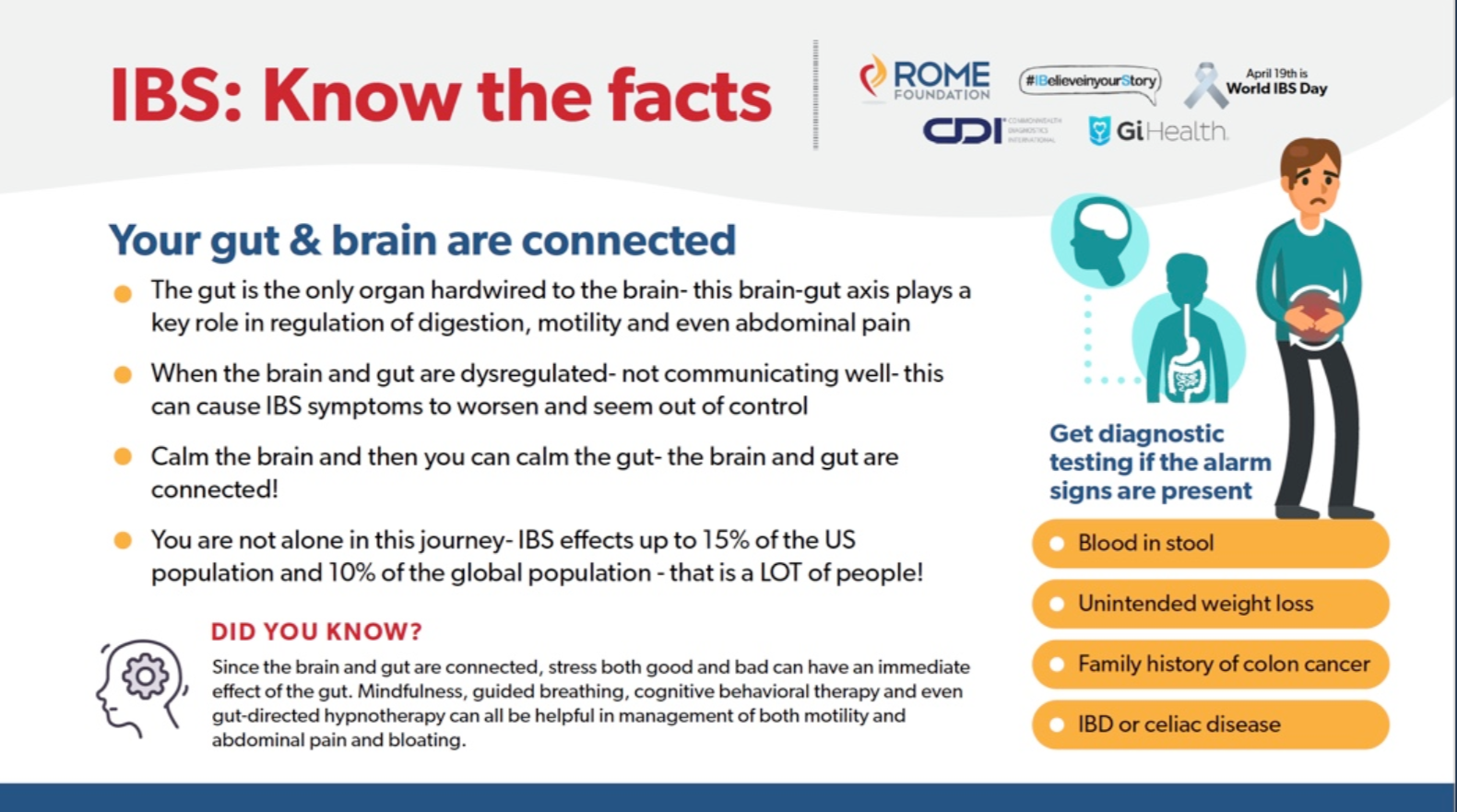
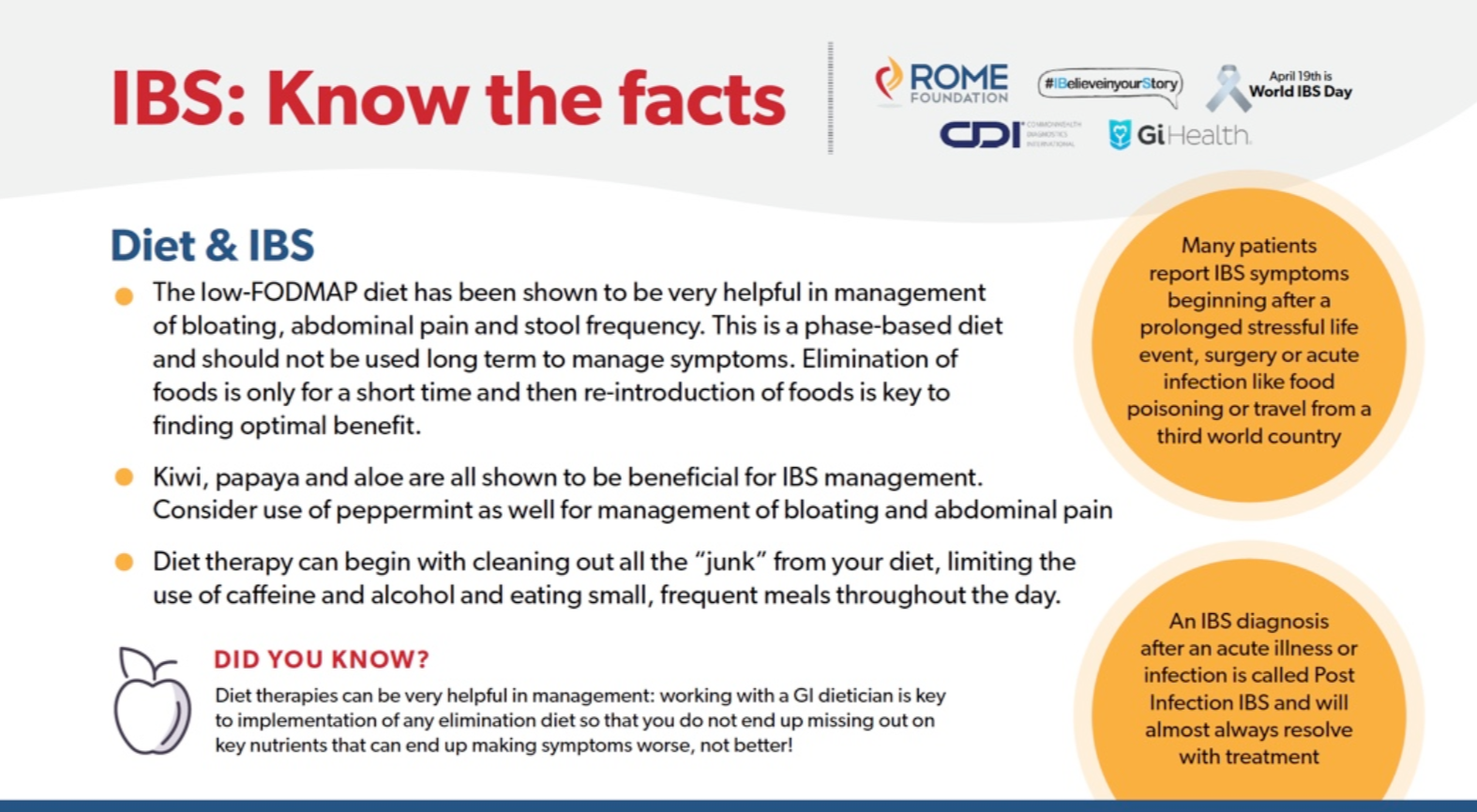
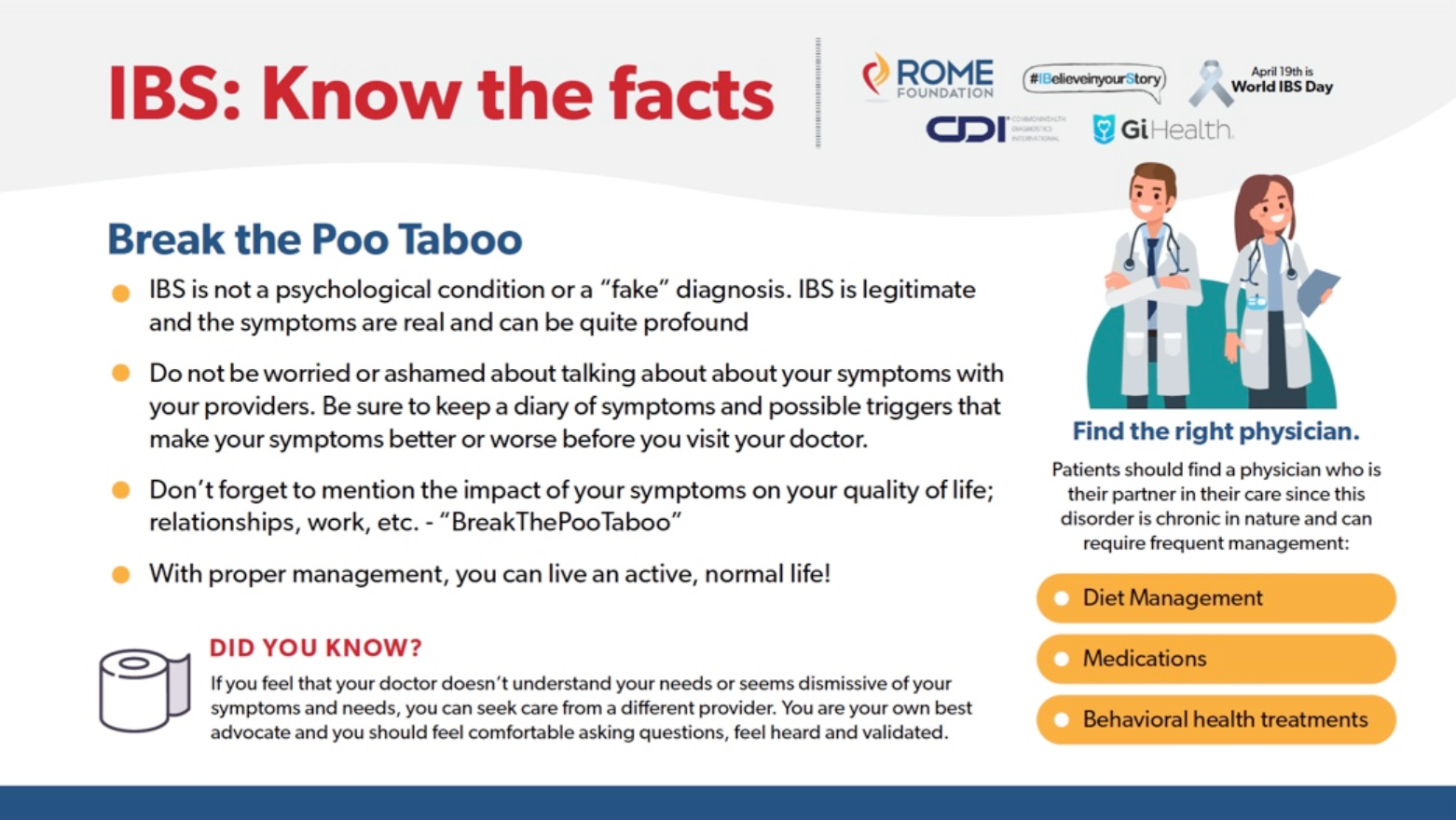
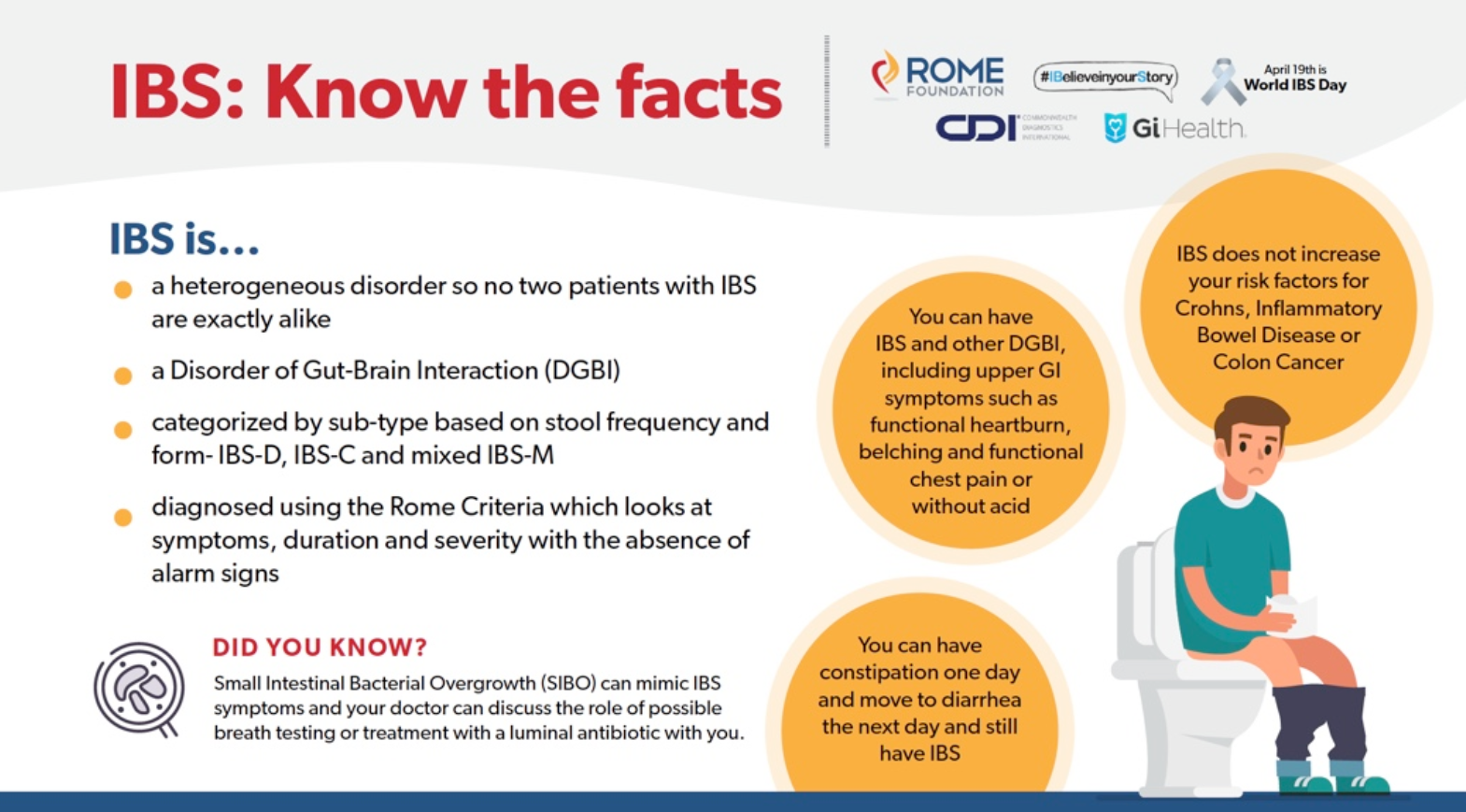
More information from Rome Foundation:
Related blog posts:
Related humor: YouTube Link: SNL IBS Ad (4/10/21) Very funny!

