Clinical Response to Risankizumab Dose Intensification for Crohn’s Disease

RS Dalal et al. Clin Gastroenterol Hepatol 2025; 23: 662-664. Outcomes After Dose Intensification of Risankizumab for Crohn’s Disease

This retrospective study reviewed adults with Crohn’s disease (CD) who underwent dose intensification of maintenance from 360 mg every 8 weeks to every 6 weeks (n=11) or every 4 weeks (n=11).

Key findings:

  • Median time to first intensified dose was 228 days
  • Harvey Bradshaw Index (HBI) improved from a mean of 7.1 to 4.3 after 8 to 16 weeks
  • There was also improvement (not statistically significant) in mean CRP (1.64–>0.42 mg/dL) and mean calprotectin (774 –>650 mcg/g)
  • At 8 to 16 weeks, 64% (14 of 22) had a clinical response, 45% (10 of 22) achieved steroid free clinical remission

My take: This small study suggests that the majority of patients with a loss of response to standard dosing can be recaptured with dose intensification.

Related blog posts:

Old Town in Conyers, GA

Disclaimer: This blog, gutsandgrowth, assumes no responsibility for any use or operation of any method, product, instruction, concept or idea contained in the material herein or for any injury or damage to persons or property (whether products liability, negligence or otherwise) resulting from such use or operation. These blog posts are for educational purposes only. Specific dosing of medications (along with potential adverse effects) should be confirmed by prescribing physician.  Because of rapid advances in the medical sciences, the gutsandgrowth blog cautions that independent verification should be made of diagnosis and drug dosages. The reader is solely responsible for the conduct of any suggested test or procedure.  This content is not a substitute for medical advice, diagnosis or treatment provided by a qualified healthcare provider. Always seek the advice of your physician or other qualified health provider with any questions you may have regarding a condition.

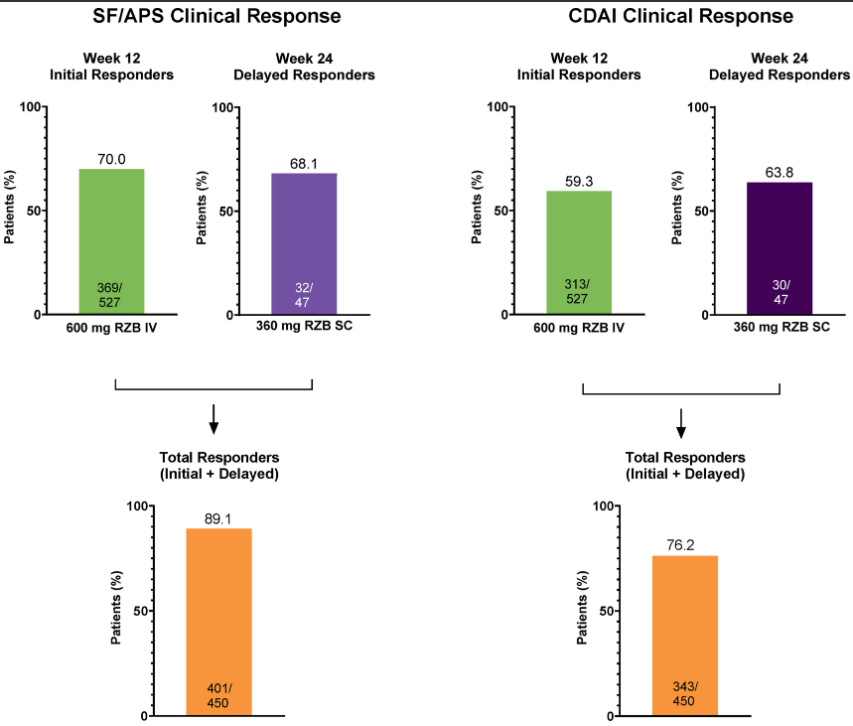
Over 60% of Initial Nonresponders Improve with Extended Risankizumab Therapy for Crohn’s Disease

R Panaccione et al. Clinical Gastroenterology and Hepatology 2025; In press. Open Access! Extended Risankizumab Treatment in Patients With Crohn’s Disease Who Did Not Achieve Clinical Response to Induction Treatment

Addendum -updated reference: R Panaccione et al. Clinical Gastroenterology and Hepatology 2025; 23: 2012-2022. Open Access! Extended Risankizumab Treatment in Patients With Crohn’s Disease Who Did Not Achieve Clinical Response to Induction Treatment

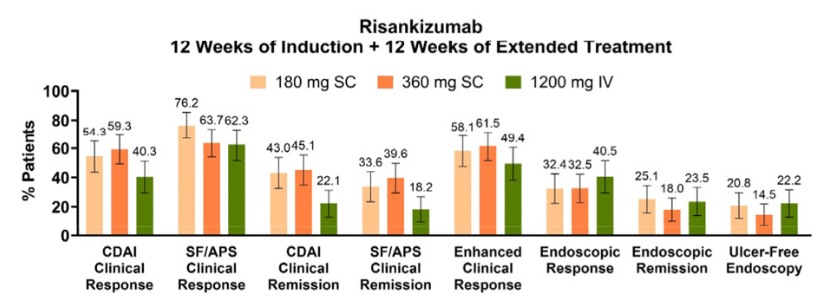
Methods: Per the study design, patients who did not achieve SF/APS clinical response following induction could receive 12 weeks of extended treatment with RZB, either via administration of the higher (1200 mg) IV RZB dose evaluated in ADVANCE and MOTIVATE or by initiation of SC RZB at doses (180 mg and 360 mg) used in FORTIFY maintenance therapy.

Key findings:

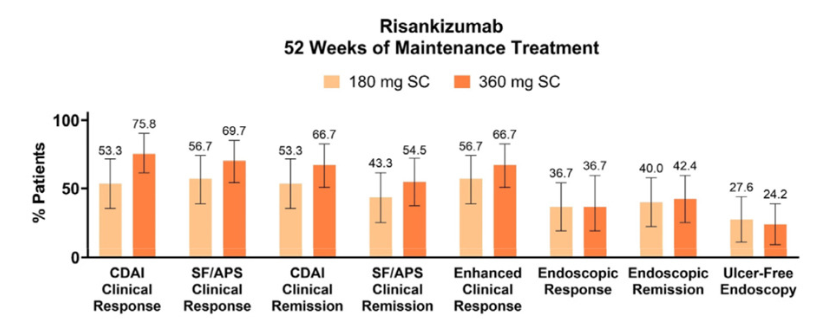
  • Over 60% of initial nonresponders achieved clinical response with extended RZB treatment. These patients also demonstrated improved clinical and endoscopic outcomes during the extended treatment period, which were sustained or continued to improve during maintenance.

My take: While there is a very good response with initial risankizumab therapy in Crohn’s disease, it looks like judgment on response needs to wait until 24 weeks as there are many who do not respond at 12 weeks who will subsequently respond to treatment.

Related blog posts:

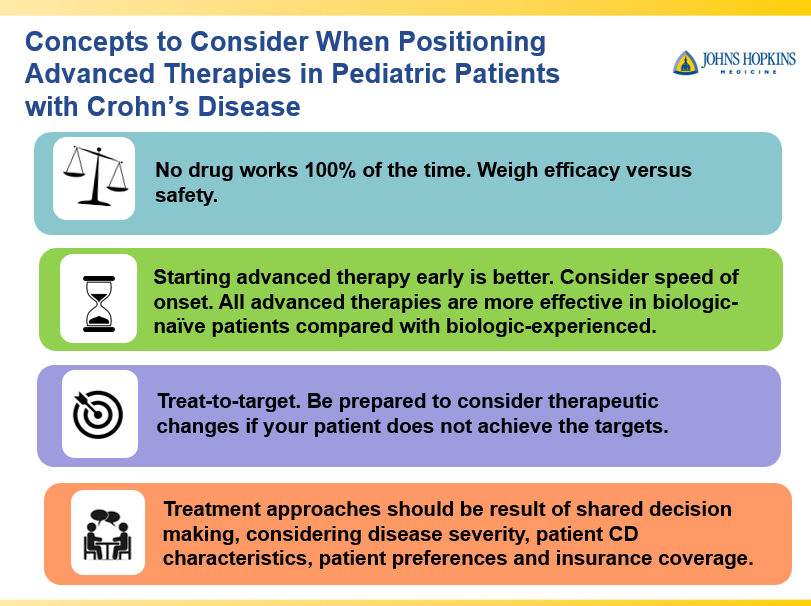
Dr. Maria Oliva-Hemker: Positioning Therapies for Pediatric Crohn’s Disease

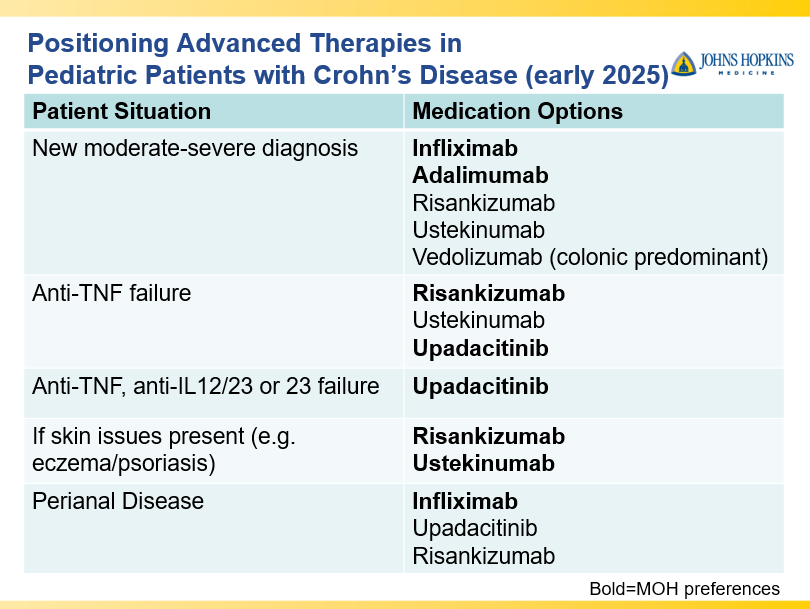
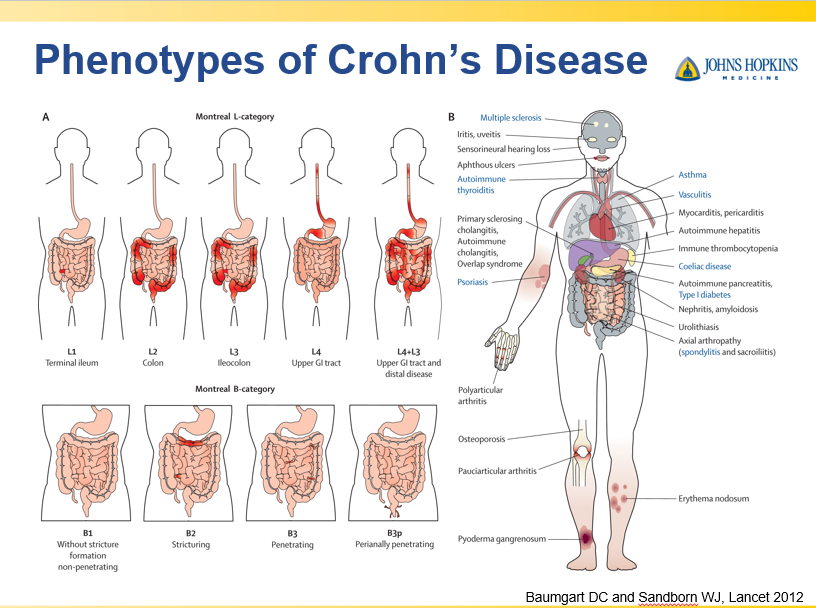
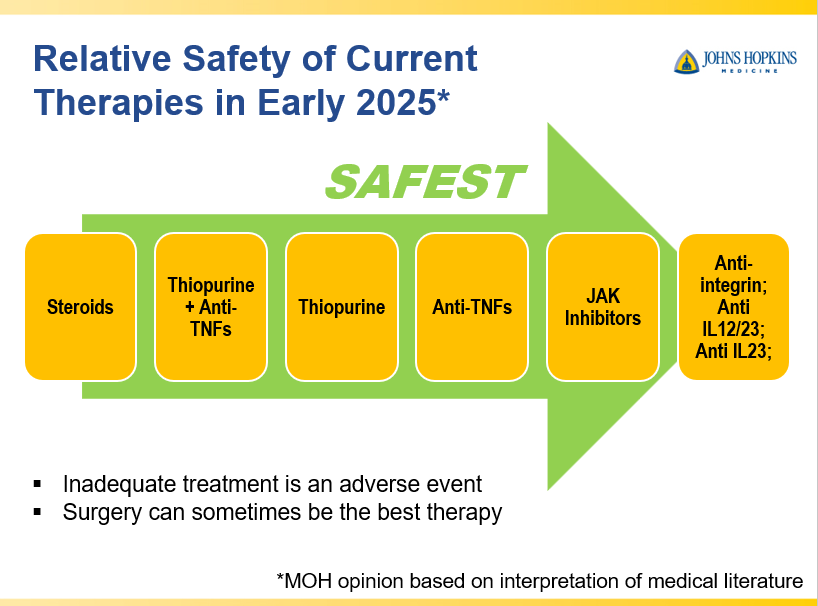
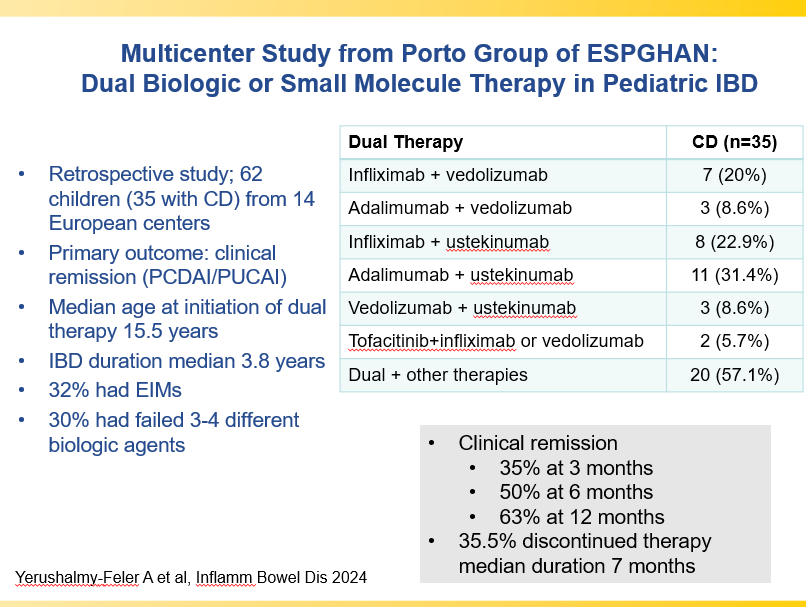
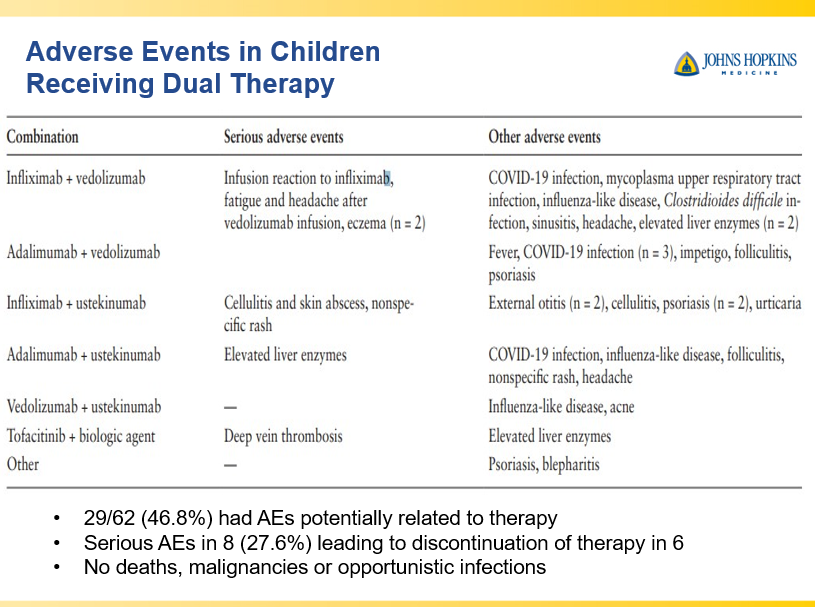
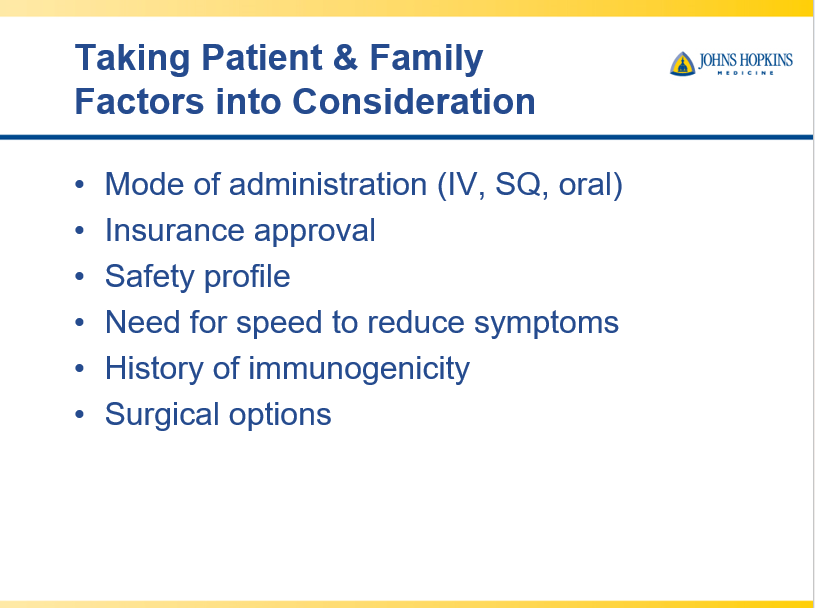
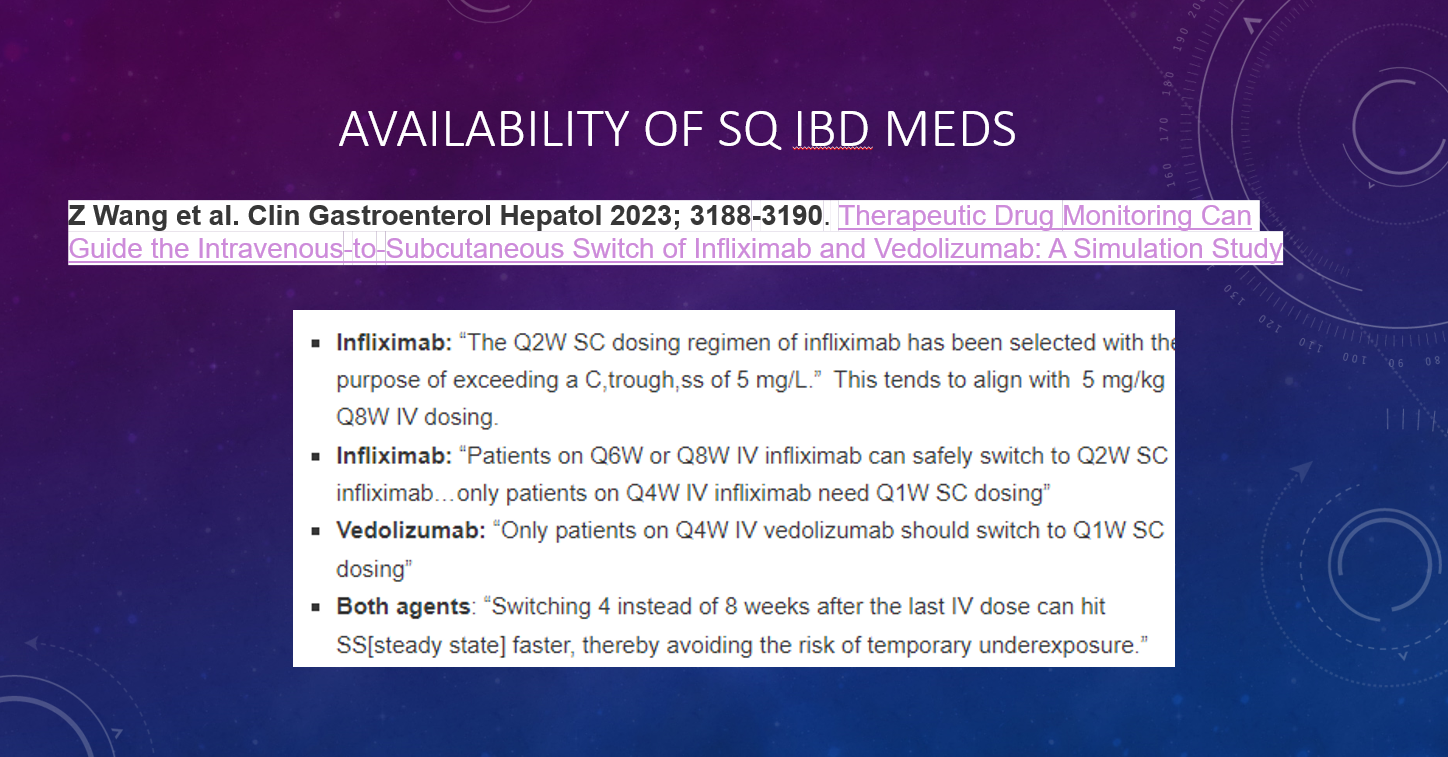
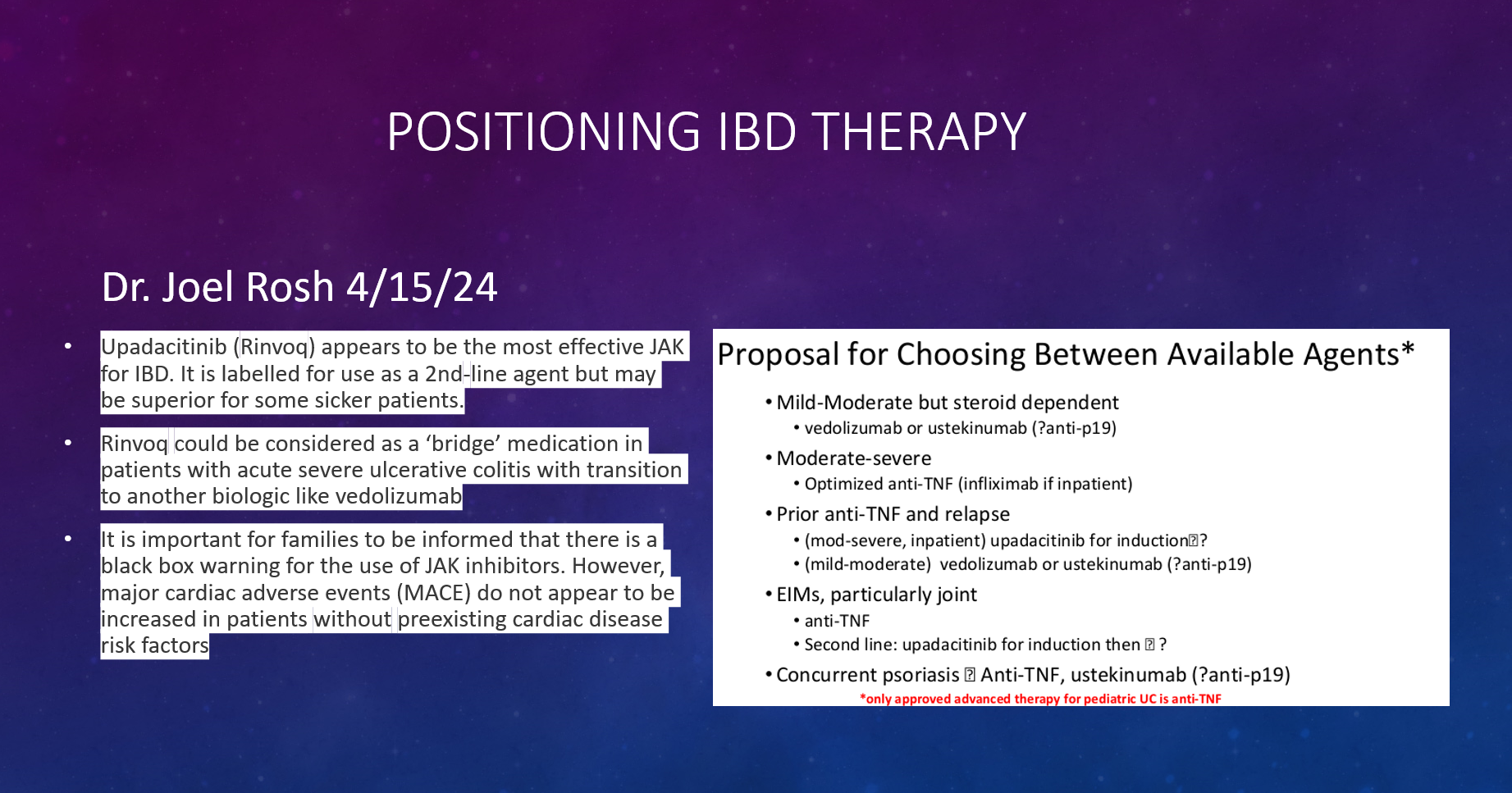
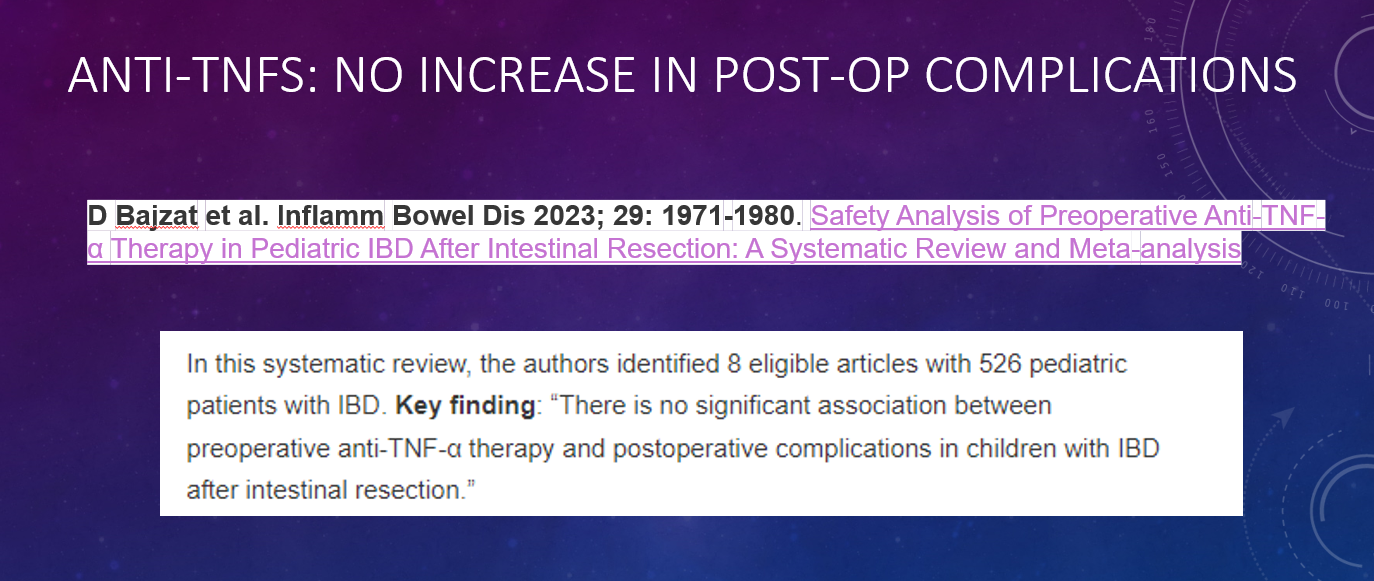
Recently, Dr. Maria Oliva-Hemker gave our group an excellent update on Crohn’s disease therapies.  My notes below may contain errors in transcription and in omission. Along with my notes, I have included many of her slides.

Key points:

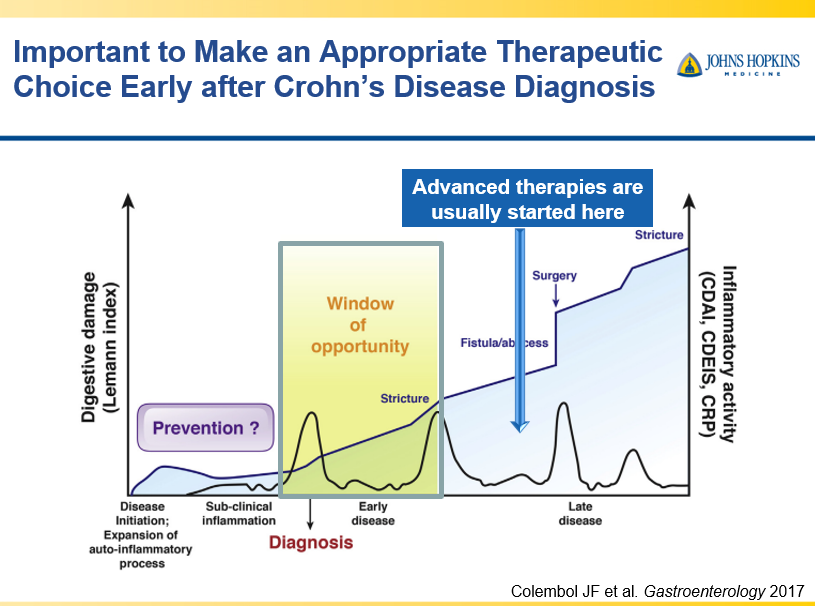
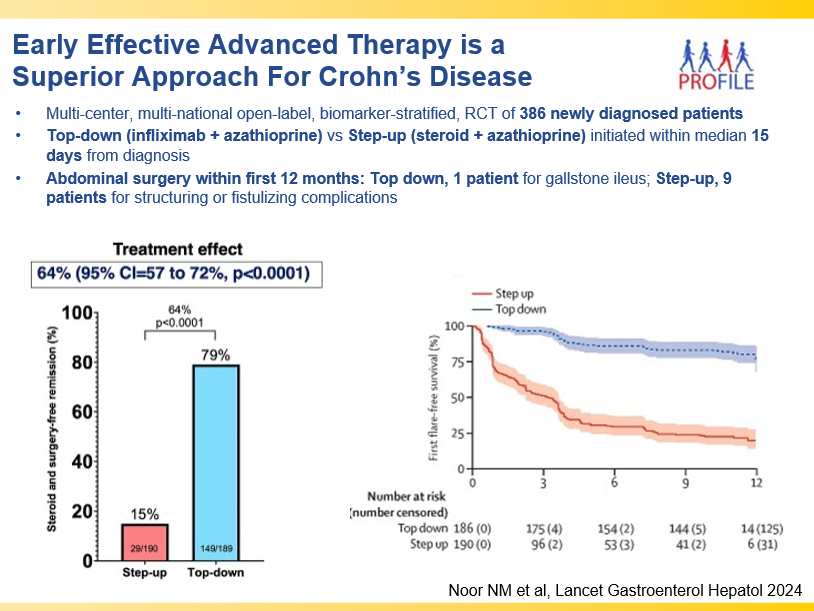
  • Early advanced therapy results in better outcomes (see The PROFILE study results below as one example)
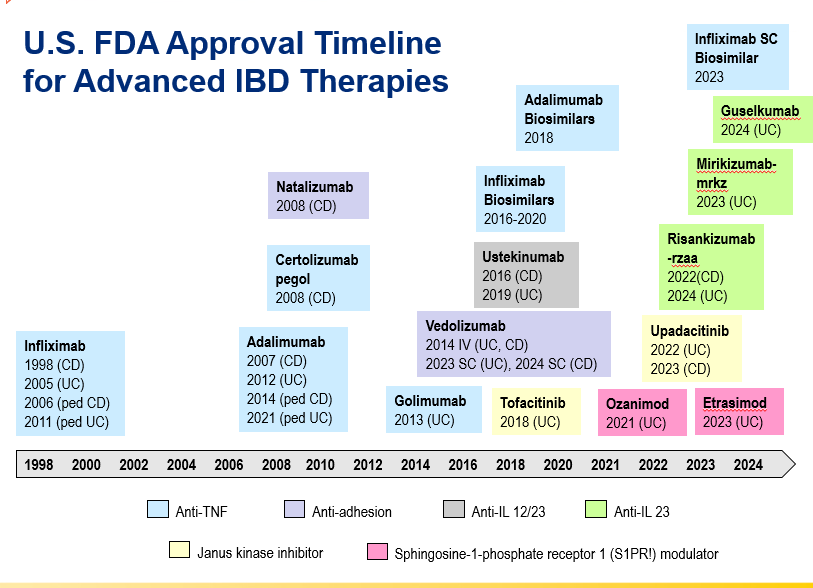
  • Anti-TNFs are the only therapy with a specific FDA pediatric indication. Medications can take 8-10 years after use in adults for pediatric labeling
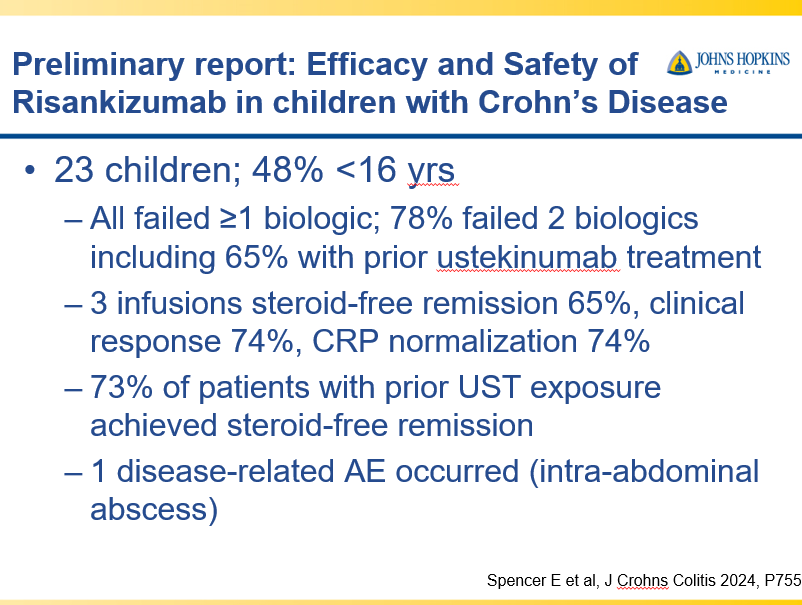
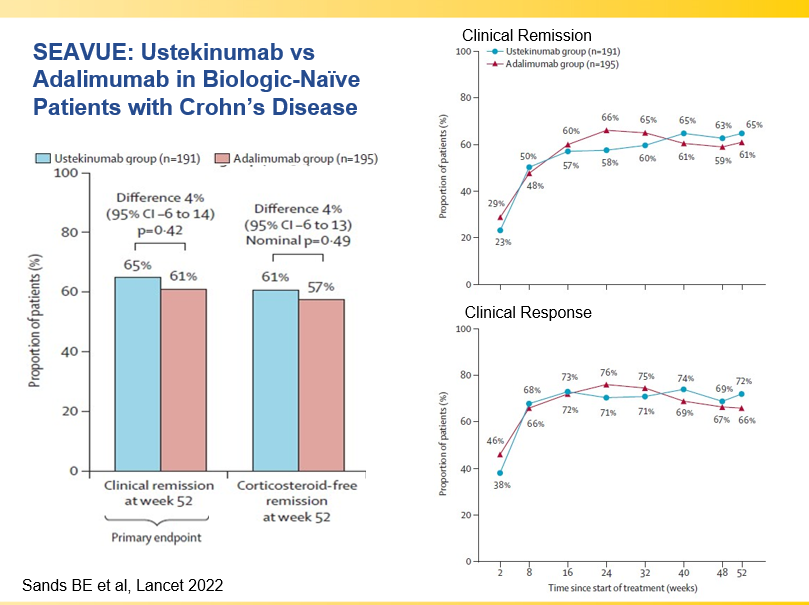
  • IL-23 specific agents (like risankizumab) are more effective than ustekinumab that target both IL-23/IL-12
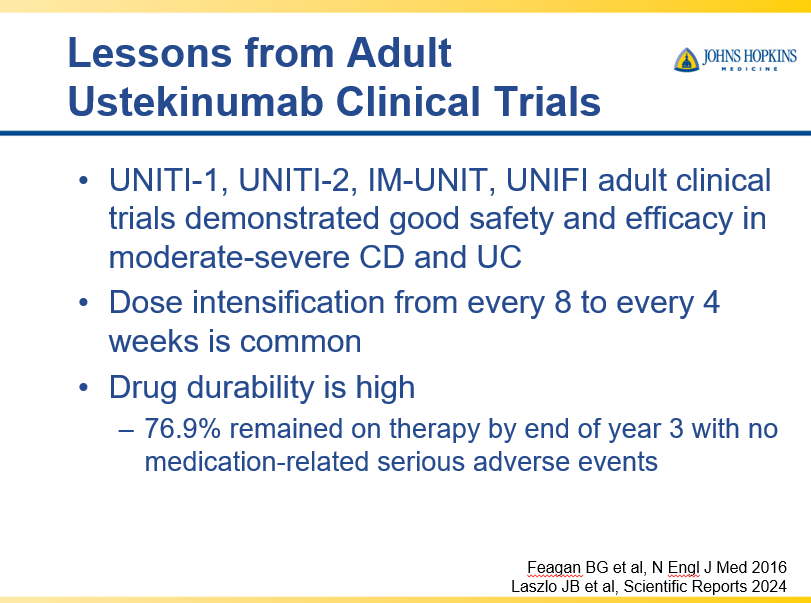
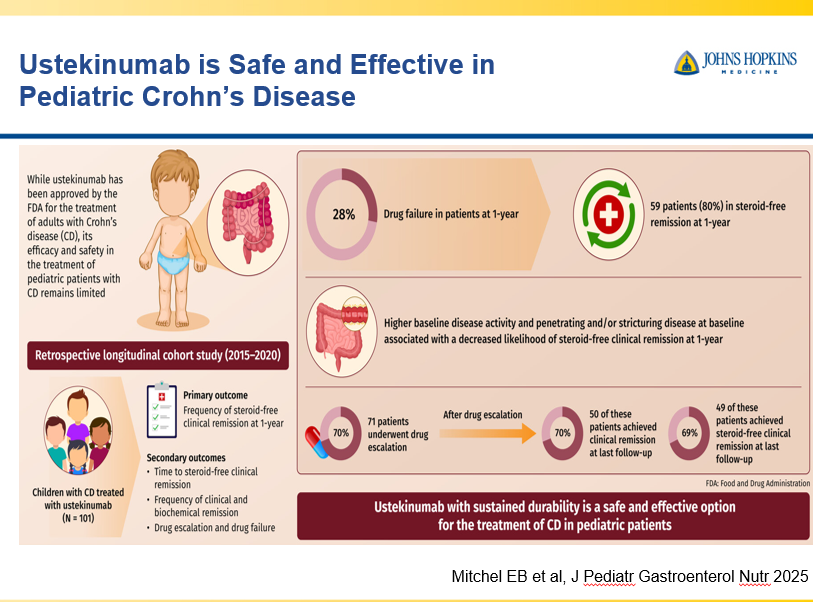
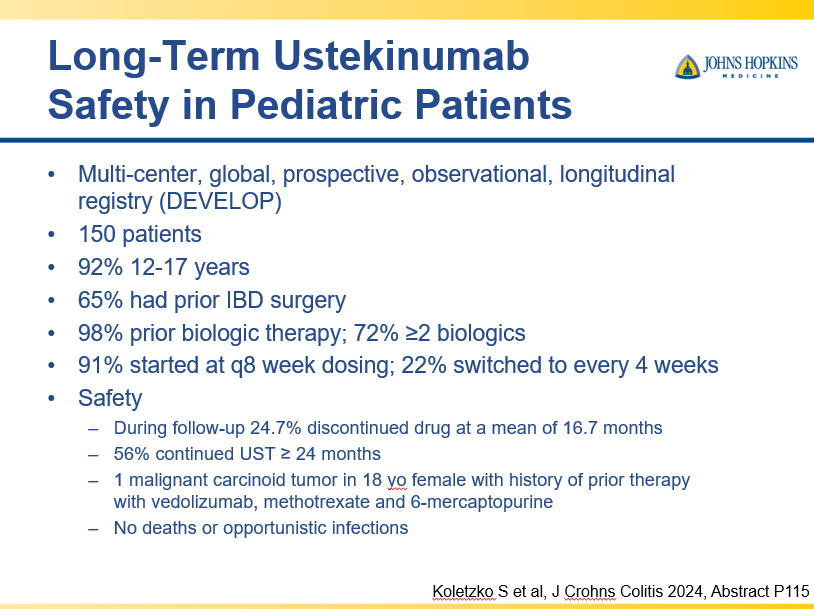
  • Recent studies show that ustekinumab is effective in children. Also, in patients who respond to ustekinumab, there is good durability
  • Infliximab is a top-line therapy in Crohn’s disease
  • Risankizumab is a top-line therapy in both biologic-naive and biologic-exposed patients with Crohn’s disease. Higher maintenance doses may capture more patients.
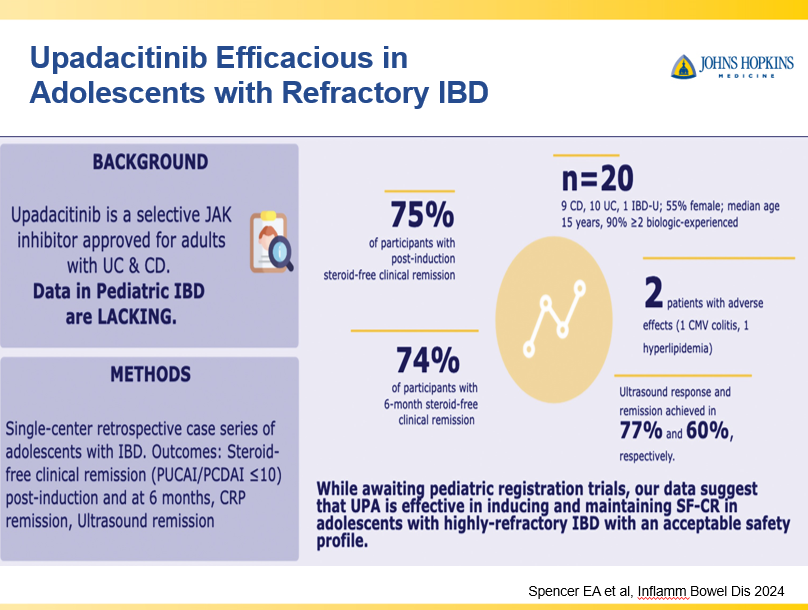
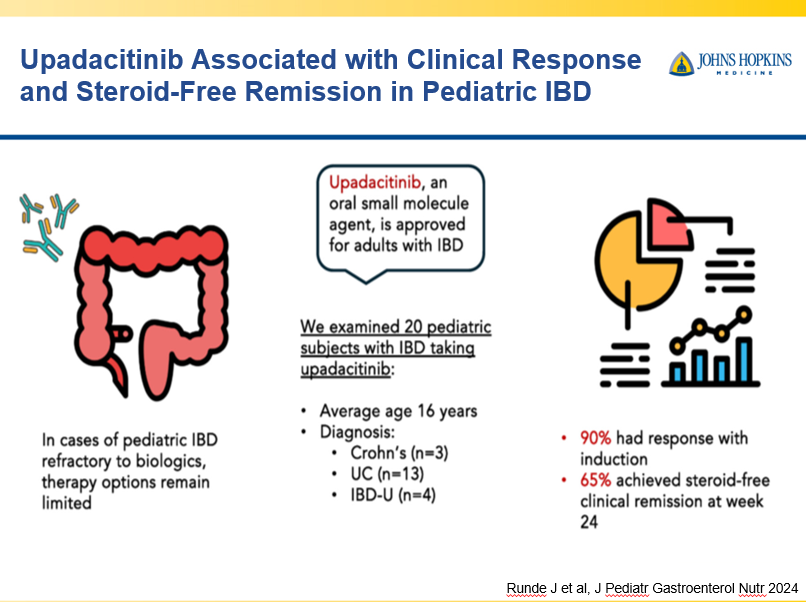
  • Upadacitinib is a very good therapy in patients with prior advanced therapies with either Crohn’s or ulcerative colitis. It also has a rapid onset of action (within 2 weeks)
  • Vedolizumab is less effective in those who are biologic-exposed. However, patients with predominantly colonic (UC-like) involvement may be better-suited for this therapy
  • Close monitoring and treat-to-target approaches are recommended. Usually followup scope is undertaken after one year (&/or one year after switching therapy)
  • Combination advanced therapies have shown effectiveness but it is unclear which combinations are optimal
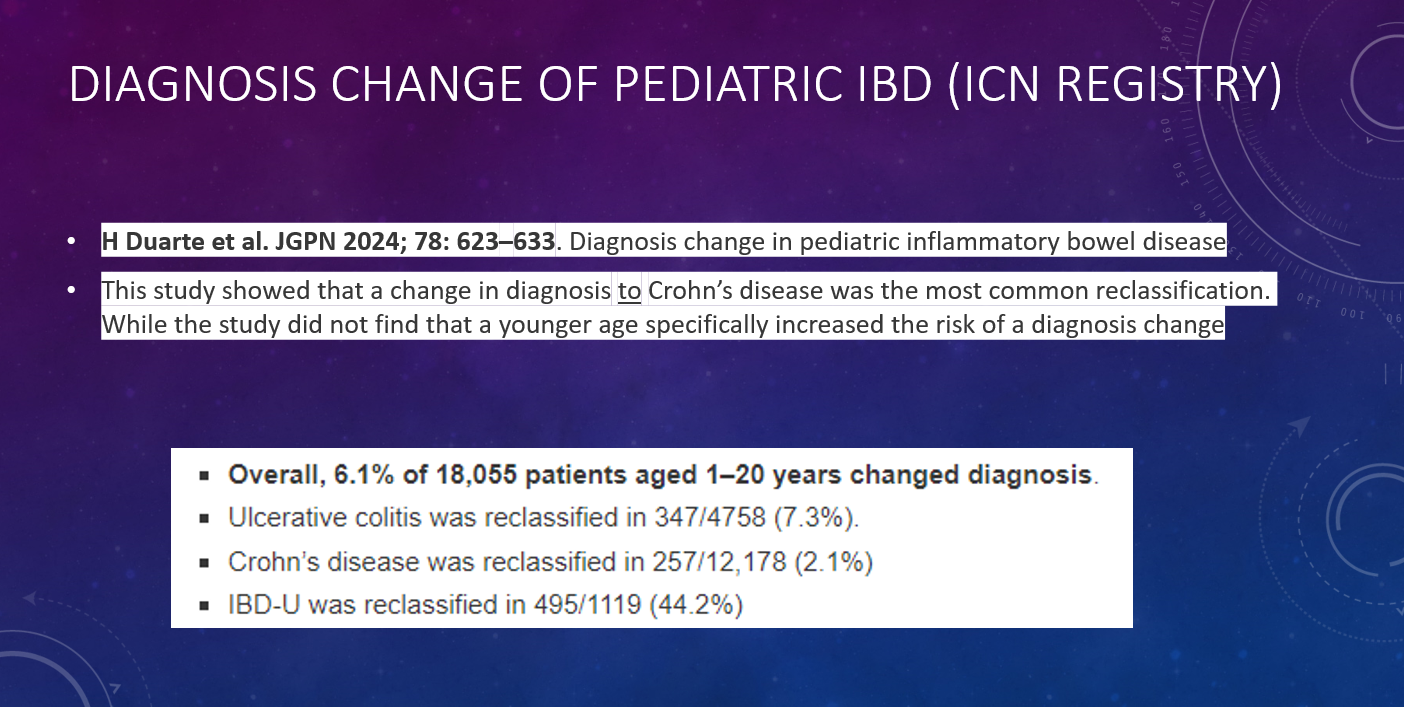
This slide shows the Montreal Classification, an organ-based phenotype, to describe the anatomic extent and behaviors of Crohn’s disease;. The figure on the right illustrates extraintestinal manifestations of IBD. It is expected that disease classification will rely more on a molecular based approach.
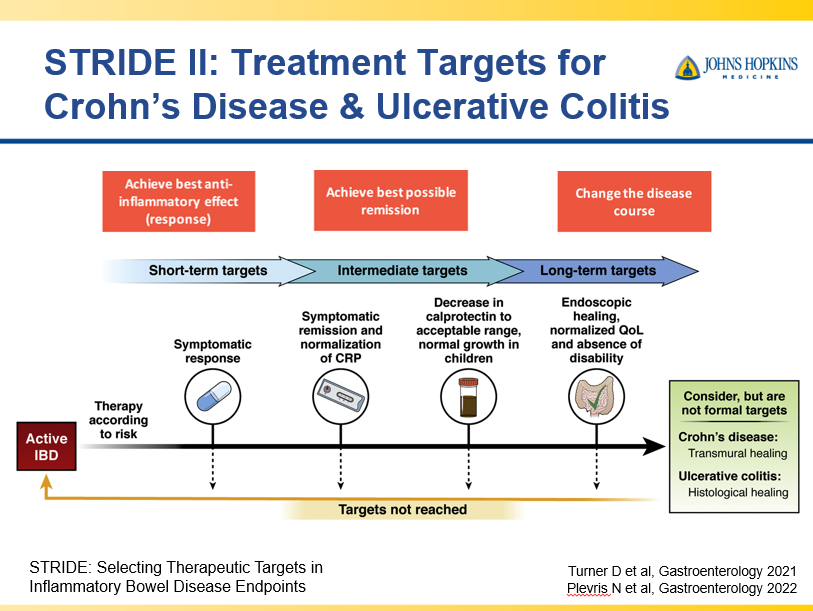
The STRIDE project which defined goals of treatment was the result of consensus achieved by the International Organization of IBD. The first recommendations came out in 2015 and then these were updated in 2021 to incorporate a pediatric component.
The PROFILE study with 386 adults showed how important early effective advanced therapies. Patients receiving infliximab/azathioprine within a median of 15 days from diagnosis had remarkably better outcomes compared to step up treatment with prednisone + azathioprine.
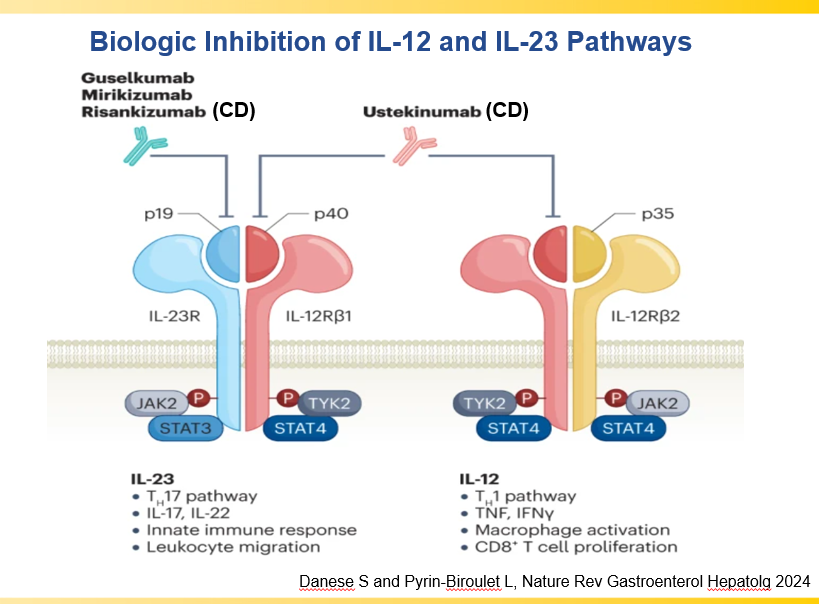
The cytokine IL12 and IL23 shown as circles with 2 subunits attaching to their receptors share a p40 subunit (shown in red). Ustekinumab binds to that p40 subunit thereby inhibiting both the IL12 and IL23 pathways. IL23 inhibitor. Risankizumab, Mirkizumab, Guselkumab inhibit only the p19 subunit (shown in blue) and so  they only downregulate the IL-23 pathway.
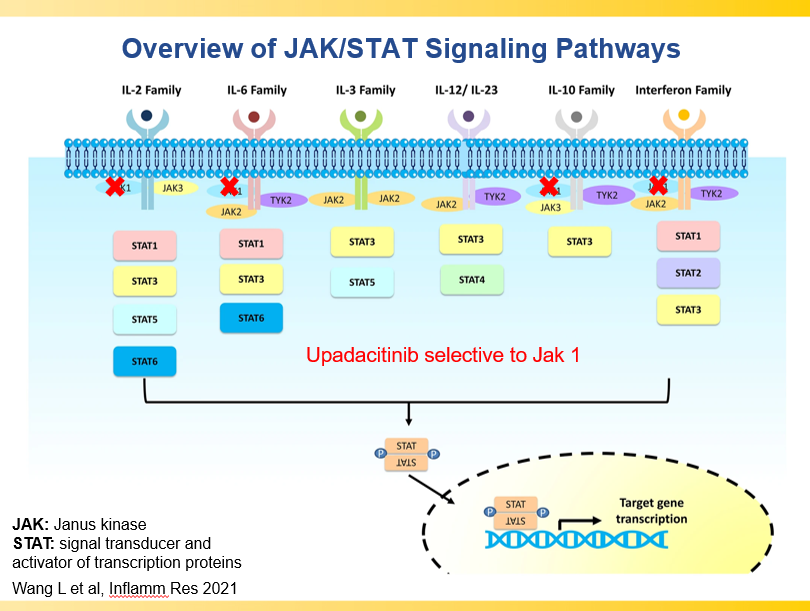
Jak inhibitors targets are intracellular in location.
Pediatric data: Multicenter 2015-2020; primary outcome was CS-free remission after 1 yr. Prior to use, 50% failed 1 anti TNF and 30% 2 anti TNF. At one year, 59/101 were in steroid free remission
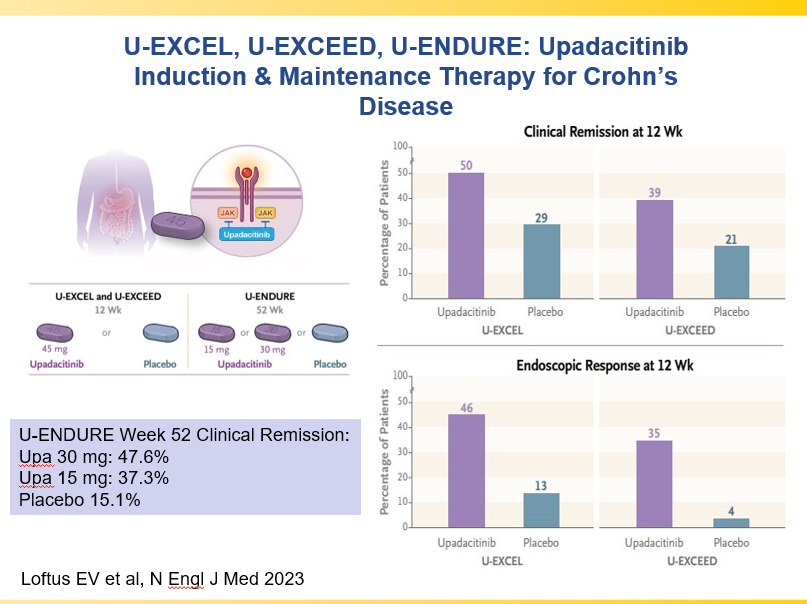
Upadactinib studies: Oral induction dose for UC and CD is 45 mg daily for induction
and with reduction in maintenance to 30 mg or 15 mg
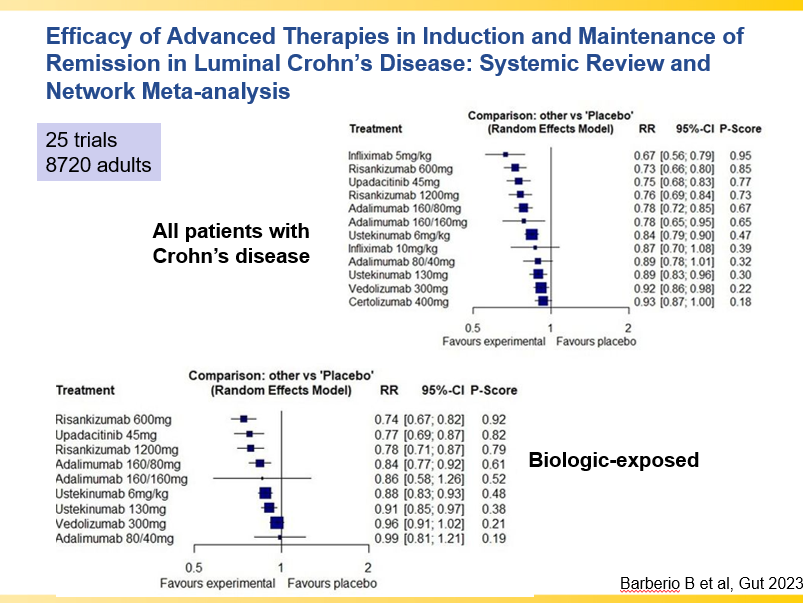
Due to limited head-to-head studies, network meta analyses provides indirect evidence of comparative effectiveness. It relies on how effective a medication was compared to placebo. One of the problems with these comparisons is that there are different populations in each of these studies.
In patients who need speed to reduce symptoms, upadacitinib is favored over IL-23 agents

Though Dr. Oliva-Hemker’s lecture did not focus on ulcerative colitis, she did note that their center has recommended frequent colonoscopies (often yearly) in many of their patients with the combination of ulcerative colitis and PSC. This is due cases of colon cancer in their pediatric cohort.

Related blog posts:

Disclaimer: This blog, gutsandgrowth, assumes no responsibility for any use or operation of any method, product, instruction, concept or idea contained in the material herein or for any injury or damage to persons or property (whether products liability, negligence or otherwise) resulting from such use or operation. These blog posts are for educational purposes only. Specific dosing of medications (along with potential adverse effects) should be confirmed by prescribing physician.  Because of rapid advances in the medical sciences, the gutsandgrowth blog cautions that independent verification should be made of diagnosis and drug dosages. The reader is solely responsible for the conduct of any suggested test or procedure.  This content is not a substitute for medical advice, diagnosis or treatment provided by a qualified healthcare provider. Always seek the advice of your physician or other qualified health provider with any questions you may have regarding a condition.

Key Advances in 2024: An Overview from GutsandGrowth (Part 1)

This year I had the opportunity to give a lecture to our group that reviewed much of the important advances that happened in 2024. Here are some of the slides (if you have any trouble reading the slides, you can search for the original blog post using author name).

Risankizumab for Ulcerative Colitis

E Louis et al. JAMA 2024; doi:10.1001/jama.2024.12414. Risankizumab for Ulcerative ColitisTwo Randomized Clinical Trials

In June, risankizumab (Skyrizi) received FDA approval as a treatment for moderate to severe ulcerative colitis in adults. FDA approval relied on the data from these two randomized trials.

Methods:  For the induction trial, patients were randomized 2:1 to receive 1200 mg of risankizumab or placebo administered intravenously at weeks 0, 4, and 8. For the maintenance trial, patients with a clinical response (determined using the adapted Mayo score) after intravenous treatment with risankizumab were randomized 1:1:1 to receive subcutaneous treatment with 180 mg or 360 mg of risankizumab or placebo (no longer receiving risankizumab) every 8 weeks for 52 weeks.

Key findings:

  • In the 12-week induction INSPIRE study with 975 patients, the clinical remission rates at week 12 were 132/650 (20.3%) for 1200 mg of risankizumab and 20/325 (6.2%) for placebo (P < .001)
  • In the induction trial, a greater proportion of treated patients achieved endoscopic improvement (36.5% vs. 12.1%; P < 0.00001) and endoscopic histologic mucosal improvement (24.5% vs. 7.7%; P < 0.00001) after 12 weeks
  • In the induction trial, a clinical response at 12 weeks was noted in 418/650 (64.3%) of risankizumab-treated patients and 116/325 (35.7%) of the placebo-treated patients
  • In the COMMAND maintenance trial with 548 patients, the clinical remission rates at week 52 were 72/179 (40.2%) for 180 mg of risankizumab, 70/186 (37.6%) for 360 mg of risankizumab, and 46/183 (25.1%) for placebo. Both doses were statistically-significant compared to placebo, P < .001 and P = .002, respectively
  • After 1 year of treatment with either maintenance dose of risankizumab, more than 40% of patients had histologic and endoscopic improvement
  • More than 75% of patients in the maintenance trial had a history of inadequate response to advanced therapies

My take: The published results of risankizumab for Crohn’s disease are much more impressive than the results in this study.

Related blog posts:

Matterhorn (shared by MH) in September 2024

How Quickly Does Upadacitinib Work for Crohn’s Disease Symptoms?

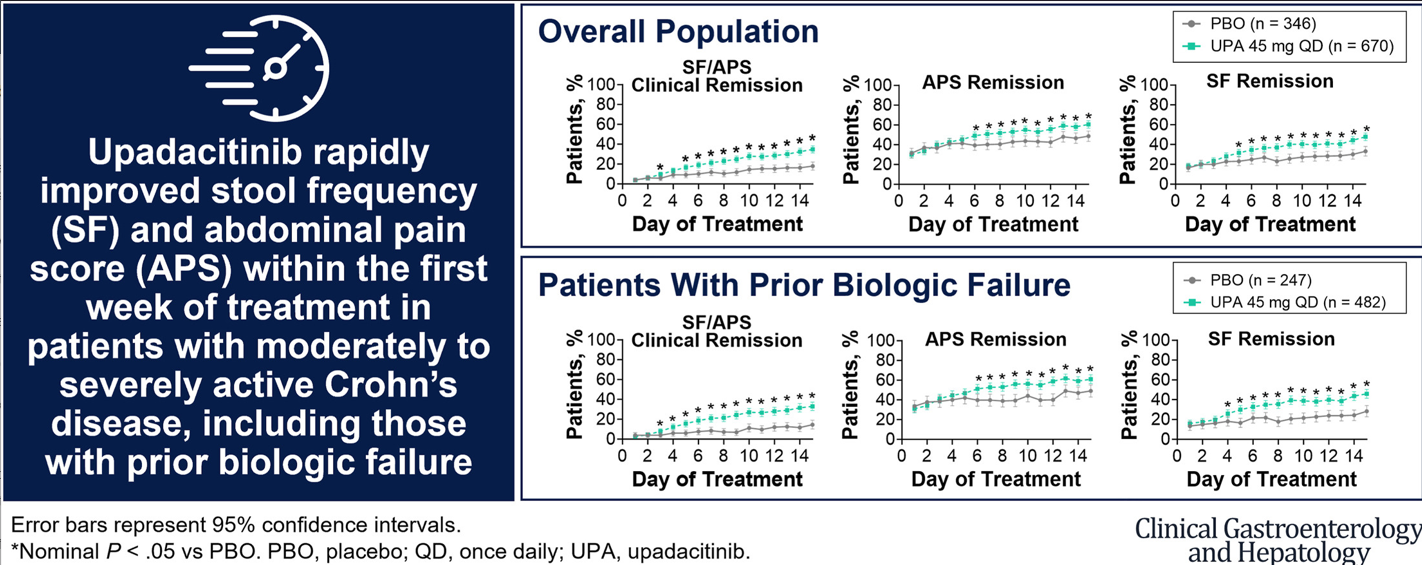
JF Colombel. et al. Clin Gastroenterol Hepatol 2024; 22: 1668-1677. Open Access! Upadacitinib Reduces Crohn’s Disease Symptoms Within the First Week of Induction Therapy

This study was a post hoc analysis included pooled data from 2 phase 3, multicenter, double-blind, 12-week induction trials (U-EXCEL and U-EXCEED) and 1 maintenance trial (U-ENDURE). The study included 1021 patients with Crohn’s disease (CD) (n = 674 UPA45; n = 347 PBO).

Key findings:

  • Upadacitinib 45 mg taken once daily resulted in rapid relief from CD symptoms within 5 to 6 days of treatment initiation and improved clinical outcomes starting at week 2.
  • The present analysis demonstrates symptomatic relief as early as day 5 to 6 for patients receiving UPA, with 16.7% of patients experiencing daily SF/APS clinical remission by day 5. 
  • The first achievement of daily stool frequency/abdominal pain score (SF/APS) clinical remission occurred earlier with UPA45 (median, 13 d) vs PBO (median, 32 d)
  • Patients treated with UPA45 showed improved rates of SF/APS clinical remission (21.1% UPA45 vs 8.9% PBO) and clinical response (58.8% UPA45 vs 37.9% PBO) starting at week 2 (both P ≤ .01).

In their discussion, the authors note that time to response to treatment with upadacitinib compares favorably to other advanced therapies:

“Vedolizumab resulted in symptomatic improvement within 2 to 4 weeks of treatment initiation16; ustekinumab led to clinical response and remission at week 3 or 6, depending on the dose.17 Similarly, of the time points analyzed, clinical response and/or clinical remission was observed as early as week 2 for risankizumab, 5 infliximab,18 and certolizumab pegol,19 and as early as week 1 for adalimumab.20,21

My take: The rapid response seen in many patients indicate that upadacitinib can be a steroid-sparing therapy in patients with Crohn’s disease.

Unrelated article: E Louis et al. JAMA 2024; doi:10.1001/jama.2024.12414. Risankizumab for Ulcerative Colitis: Two Randomized Clinical Trials

Key findings:  Among the 975 patients with moderate to severe ulcerative colitis, analyzed in the induction trial, 1200 mg of risankizumab significantly increased the rates of clinical remission at 12-week follow-up compared with placebo (20.3% vs 6.2%, respectively). Among 548 patients included in the primary efficacy analysis for the maintenance trial, 180 mg of risankizumab and 360 mg of risankizumab significantly increased the rates of clinical remission (40.2% and 37.6%, respectively) compared with placebo (25.1%).

Related blog posts:

Risankizumab Outperforms Ustekinumab

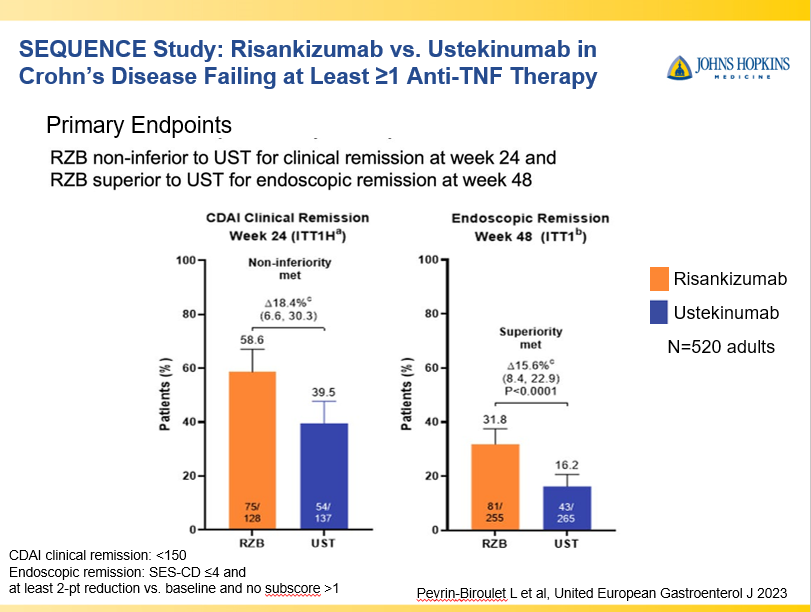
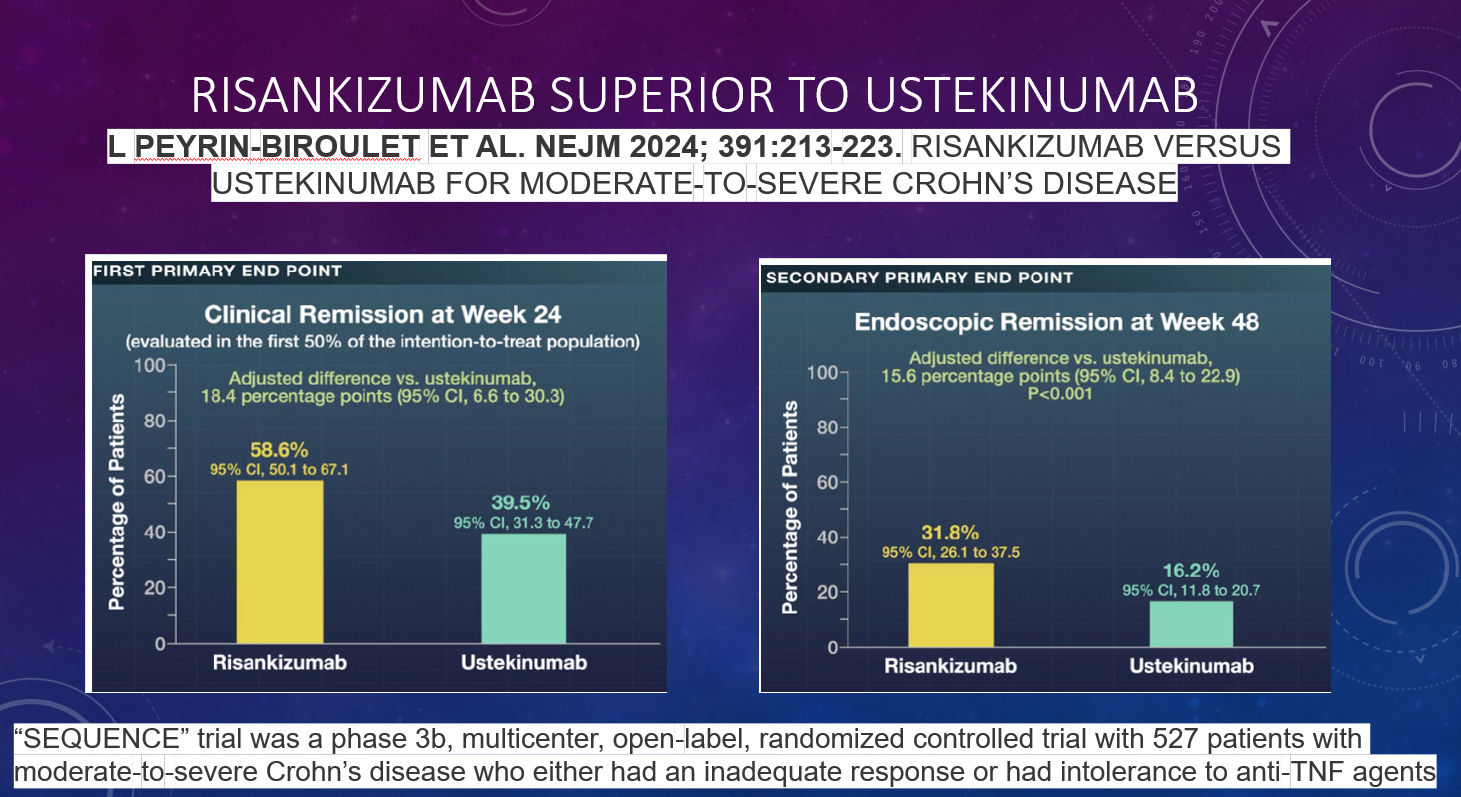
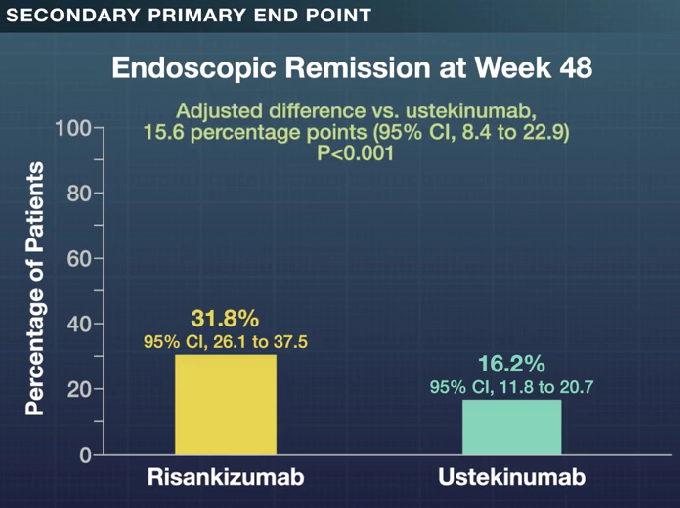
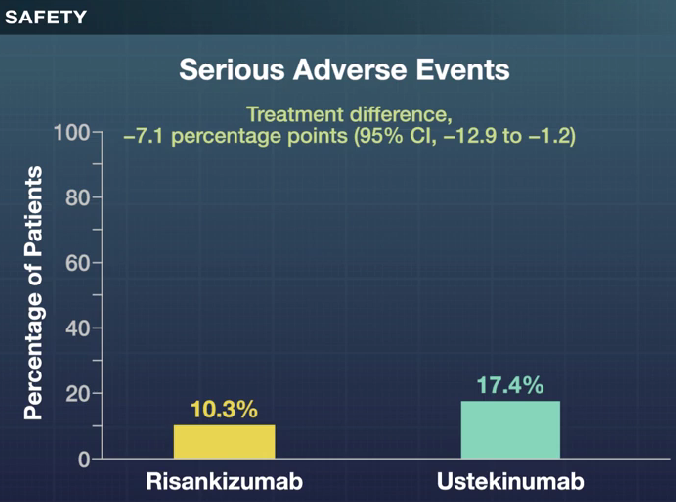
L Peyrin-Biroulet et al. NEJM 2024; 391:213-223. Risankizumab versus Ustekinumab for Moderate-to-Severe Crohn’s Disease

Background: “Interleukin-23 is a heterodimeric proinflammatory cytokine comprising a p40 subunit shared with interleukin-12 and a unique p19 subunit that plays a key role in skin, joint, and gastrointestinal inflammation.16 Ustekinumab and risankizumab are humanized IgG1 monoclonal antibodies; ustekinumab selectively binds p40, and risankizumab selectively binds p19…In head-to-head trials directly comparing their efficacy in psoriasis, risankizumab was superior to ustekinumab, which suggests greater efficacy with p19 blockade than with p40 blockade.”

This “SEQUENCE” trial was a phase 3b, multicenter, open-label, randomized controlled trial with 527 patients with moderate-to-severe Crohn’s disease who either had an inadequate response or had intolerance to anti-TNF agents, received either risankizumab or ustekinumab.

Key Findings:

  • A higher percentage of patients in the risankizumab group than in the ustekinumab group completed all the assigned treatment (90.2% [230 of 255 patients] vs. 72.8% [193 of 265 patients]).  The primary reason for discontinuation of risankizumab was an adverse event (3.1% [8 of 255 patients]), and the primary reason for discontinuation of ustekinumab was lack of efficacy (13.2% [35 of 265 patients]
  • Clinical remission at 48 weeks was 60.8% with risankizumab and 40.8%% with ustekinumab (P<0.001); there were similar rates of glucocorticoid-free clinical remission, 60.8% vs 40.4% respectively. Endoscopic response at 48 weeks was 45.1% and 21.9% respectively.

My take: These head-to-head results showed the superiority of risankizumab over ustekinumab across numerous clinical and endoscopic end points, including glucocorticoid-free clinical remission and endoscopic remission. However, it is still concerning to me that endoscopic remission rates were only 32% at 1 year and that less than half had an endoscopic response.

Related blog posts:

Crohn’s Disease: Risankizumab Real-World Data

A Zinger et al. Clin Gastroenterol Hepatol 2024; 22: 1336-1338. Risankizumab Effectiveness and Safety in Crohn’s Disease: Real-world Data From a Large Tertiary Center

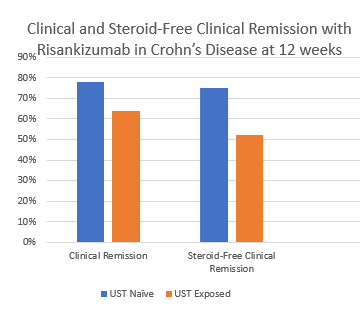
In a group of 80 patients with Crohn’s disease with evidence of active disease, the authors examined the effectiveness of risankizumab with prospectively-collected data. Patients received 600 mg intravenously at 0, 4, and 8 weeks. Only 6 patients (8%) were unexposed to prior advanced therapy; 44 patients (55%) had prior ustekinumab (UST) therapy.

Key findings:

  • Clinical remission was 78% in patients without prior ustekinumab therapy and 64% in those with prior ustekinumab therapy
  • Steroid-free clinical remission was 75% and 52%, respectively in patients without and with prior ustekinumab therapy. Overall, 63% of patients achieved a steroid-free clinical remission

My take: This study shows that risankizumab, a selective IL23 inhibitor, has good effectiveness, even in patients previously treated with a IL12/23 inhibitor. It highlights our need to better understand the reasons why a more selective agent is able to work after patients failed to respond to UST treatment.

Unrelated article: KA Chien et al. JPGN 2024; 79: 10-17. (Kudos to the authors including my partner Dr. Ben Gold). This article detailed the median work RVUs target for practices and composition of healthcare team to provider ratios: Nursing 0.80, MA 0.29, dietician 0.29, social worker 0.14, and psychologist 0.13. The article reviews salary structure/incentives and wellness initiatives as well.

Related blog posts:

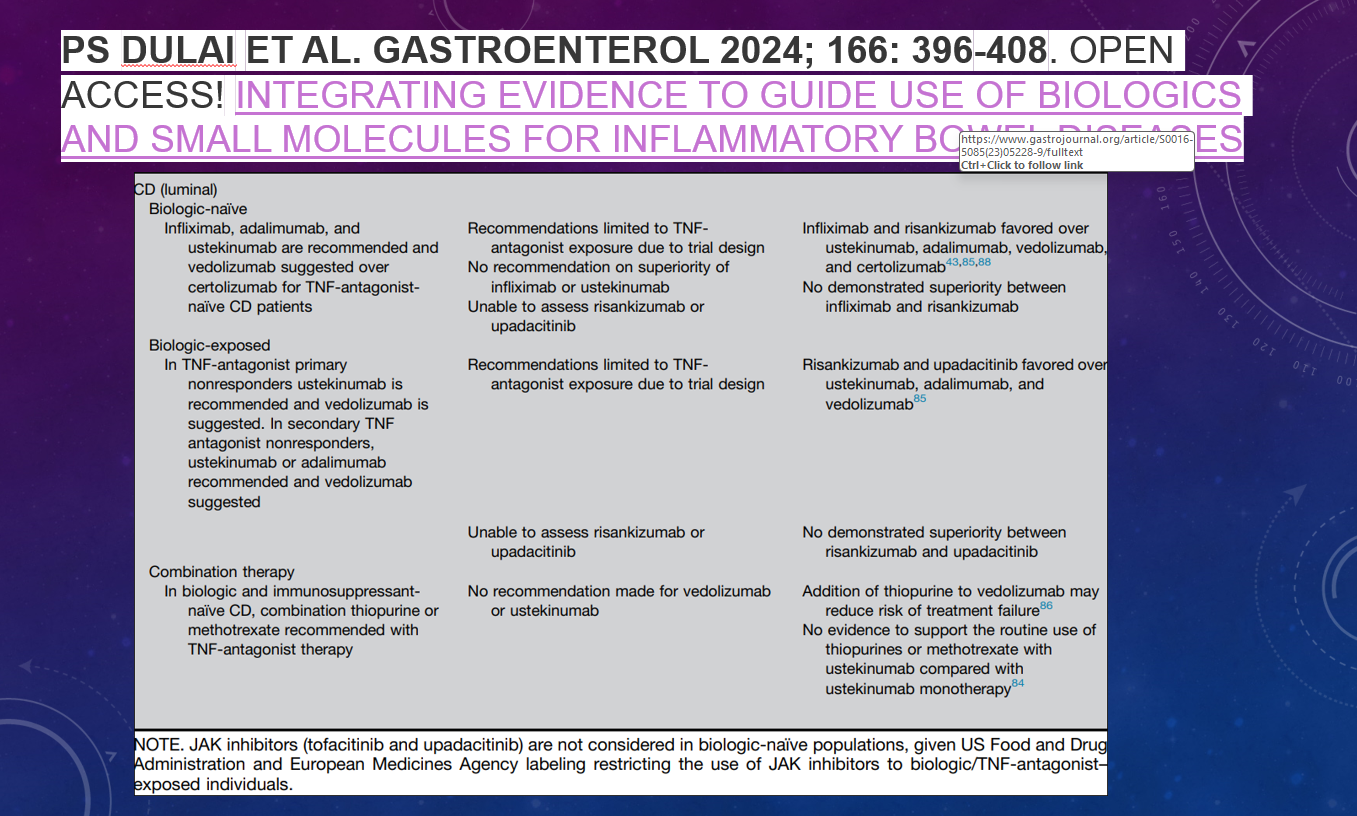
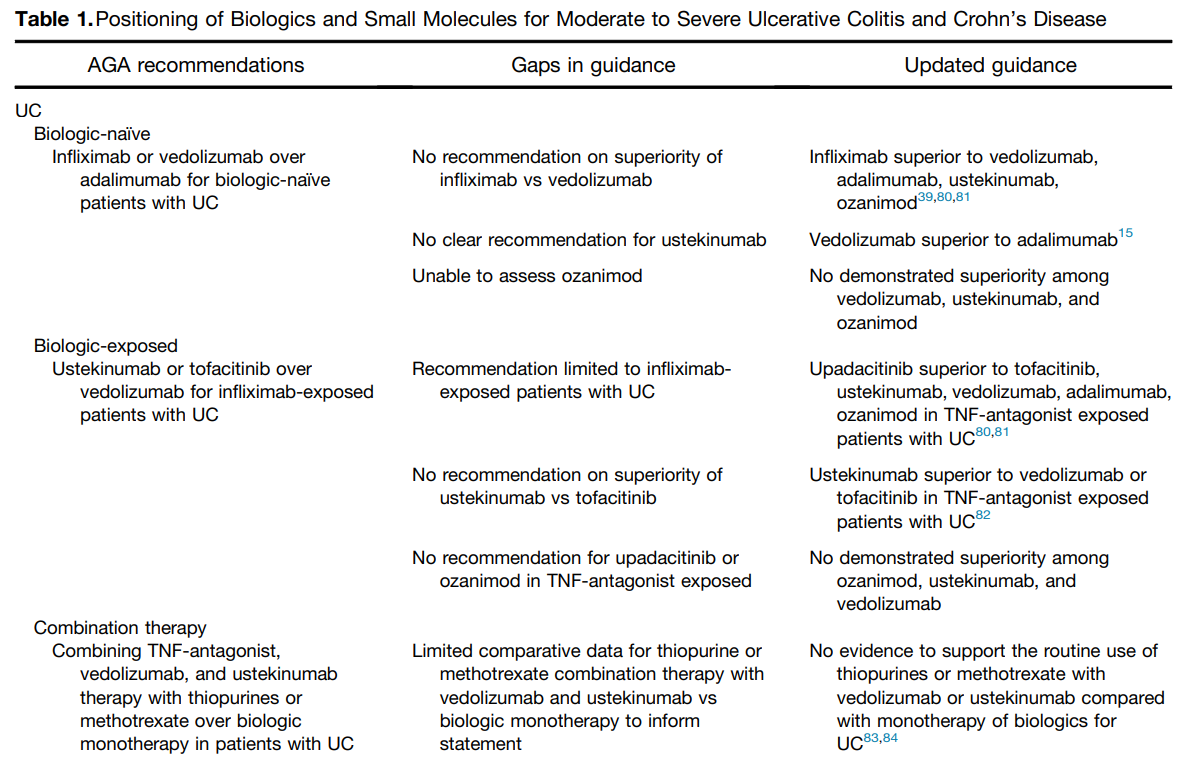
Comparative Evidence and Positioning Advance Therapies for Inflammatory Bowel Disease

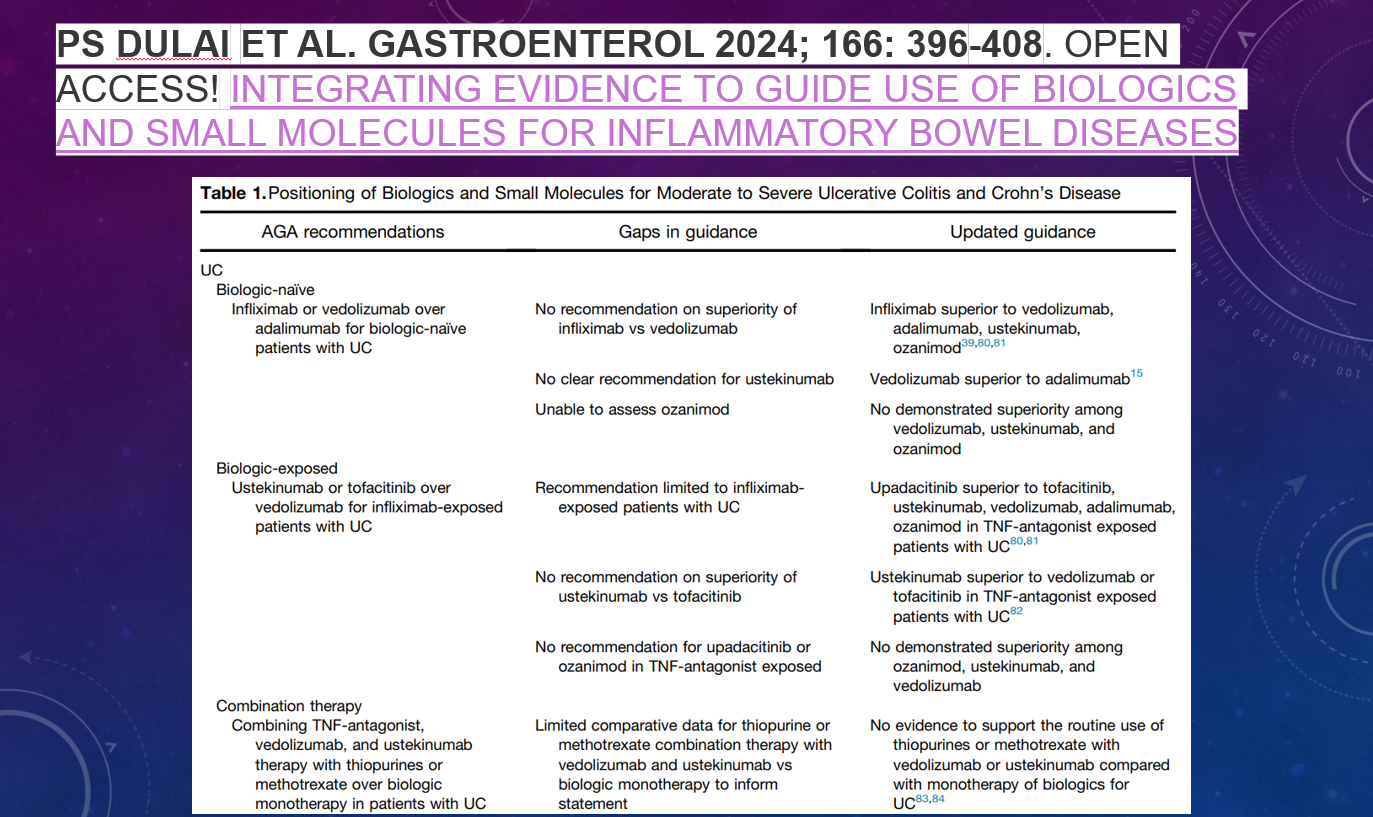
PS Dulai et al. Gastroenterol 2024; 166: 396-408. Open Access! Integrating Evidence to Guide Use of Biologics and Small Molecules for Inflammatory Bowel Diseases

“In this review, we provide a framework for clinicians and researchers to understand key differences in sources of evidence, how different methodologies are applied to study the comparative effectiveness of advanced medical therapies in IBD, and considerations for how these sources of evidence can be used to better integrate current guideline recommendations.”

This article explains the use of randomized controlled trials, “real-world evidence”/observational comparative studies, network meta-analysis, and post-hoc comparisons from randomized studies.

“The authors advocate for “”Given the rapidity with which new advanced medical therapies are becoming available in IBD, which quickly make current guidelines obsolete, living guidelines may offer a unique consideration to ensure applicability to routine care.”

My take: This article provides a useful update of current advanced therapies and information in positioning these advanced therapies. It would be a great service if the IBD community could create something similar to HCVguidelines.org. The latter was a coordinated effort by the AASLD and IDSA to help provide expert advice during a deluge of amazing advances in HCV. And just like HCVguidelines, it is important to address “special” populations including pediatric patients and patients with very early onset IBD.

Related blog posts:

Disclaimer: This blog, gutsandgrowth, assumes no responsibility for any use or operation of any method, product, instruction, concept or idea contained in the material herein or for any injury or damage to persons or property (whether products liability, negligence or otherwise) resulting from such use or operation. These blog posts are for educational purposes only. Specific dosing of medications (along with potential adverse effects) should be confirmed by prescribing physician.  Because of rapid advances in the medical sciences, the gutsandgrowth blog cautions that independent verification should be made of diagnosis and drug dosages. The reader is solely responsible for the conduct of any suggested test or procedure.  This content is not a substitute for medical advice, diagnosis or treatment provided by a qualified healthcare provider. Always seek the advice of your physician or other qualified health provider with any questions you may have regarding a condition.
In Trials: An Oral IL-23 Antagonist Peptide

R Bissonnette et al. NEJM 2024; 390: 510-521.An Oral Interleukin-23–Receptor Antagonist Peptide for Plaque Psoriasis

While this study shows that an oral IL-23 antagonist was effective for plaque psoriasis, this is exciting news for the GI physicians as biologic agents that target IL-23 have been shown to be very effective for inflammatory bowel disease (IBD) (eg. Ustekinumab, Risankizimab, Mirikizumab). This “FRONTIER” study shows how to achieve similar results as these biologic therapies.

Biologics are large monoclonal antibodies which cannot be orally absorbed and must be administered either intravenously or as an injection. However, “JNJ-77242113 is an oral interleukin-23–receptor antagonist peptide that selectively and potently blocks interleukin-23 proximal signaling and the production of downstream cytokines such as interleukin-17.” This medication needs to be taken on an empty stomach (this could effect real-world results).
My take: I am expecting that this medication will undergo trials for IBD and suggests that an oral effective therapy is in the therapeutic pipeline.