Bone Health, Especially for IBD and Short Gut

Several colleagues with birthdays this week and next–Happy Birthday!

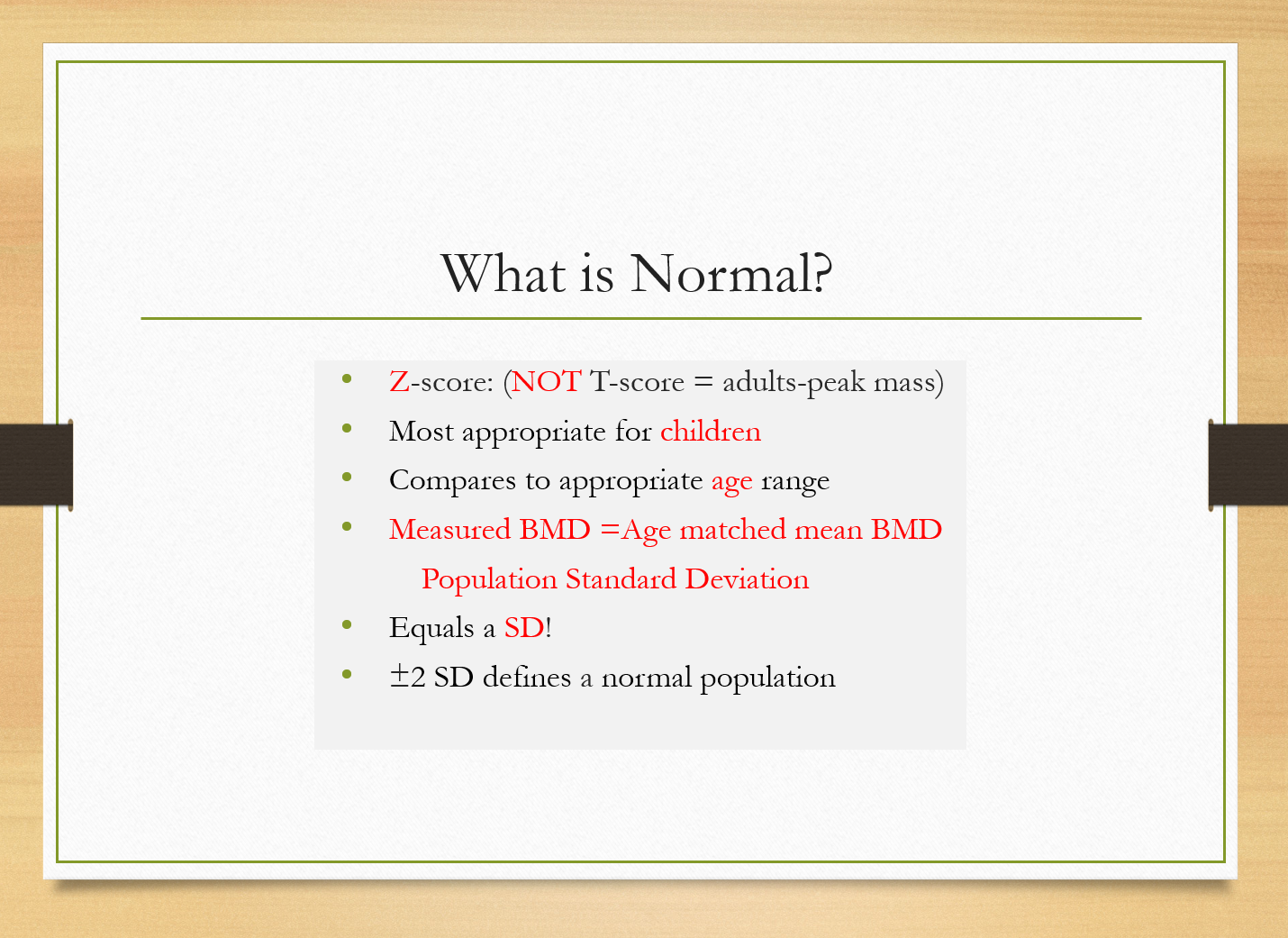
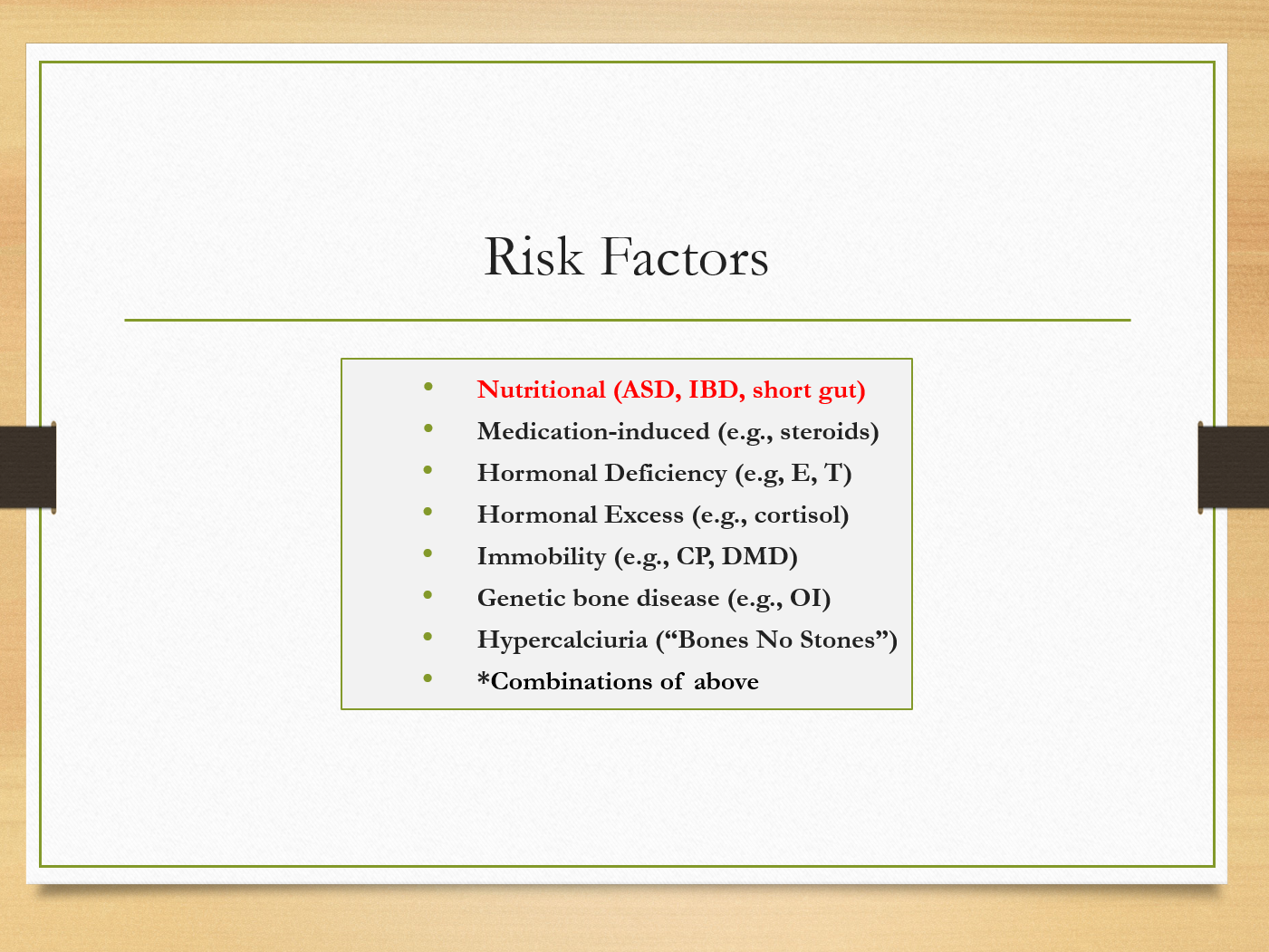
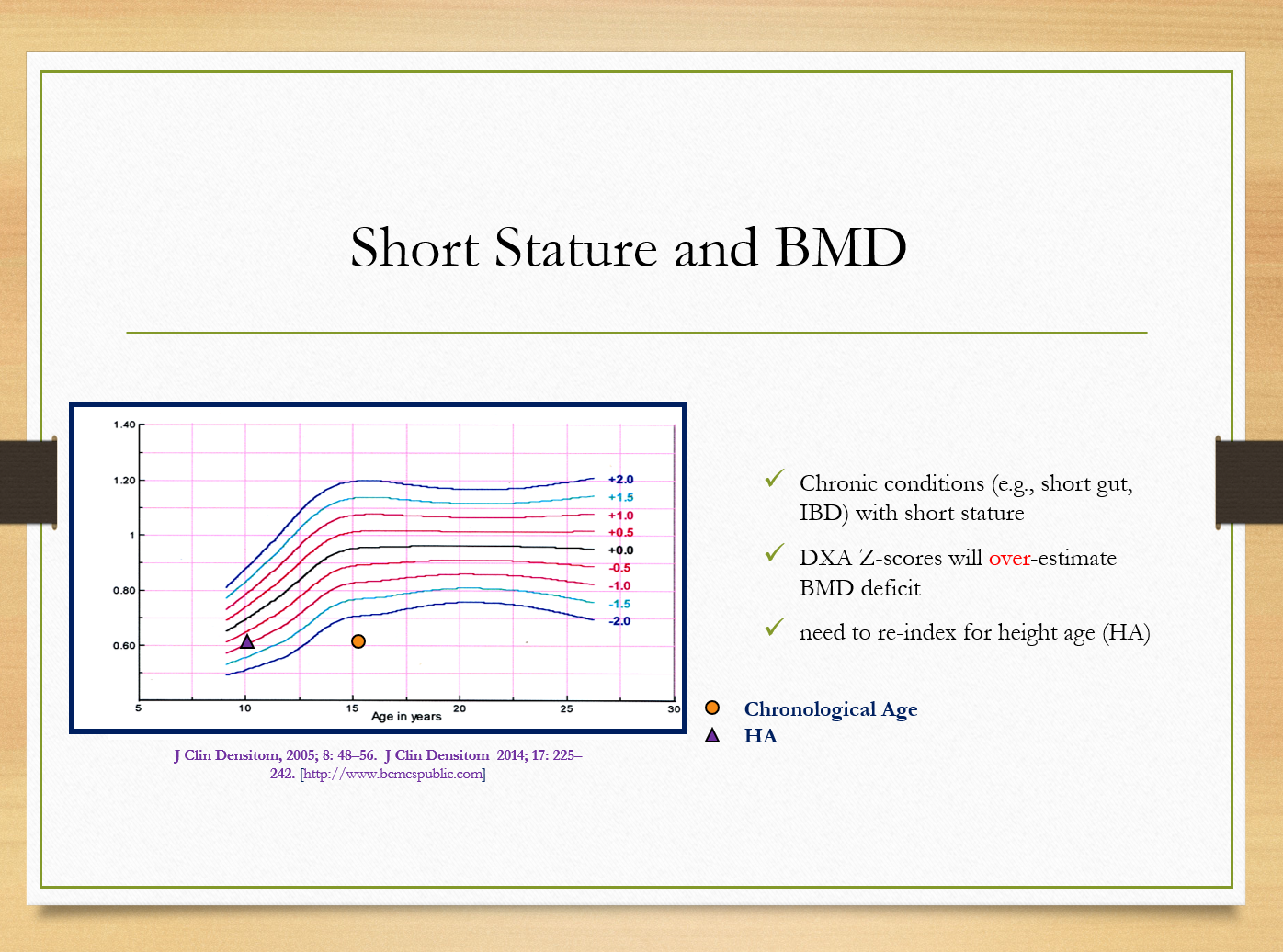
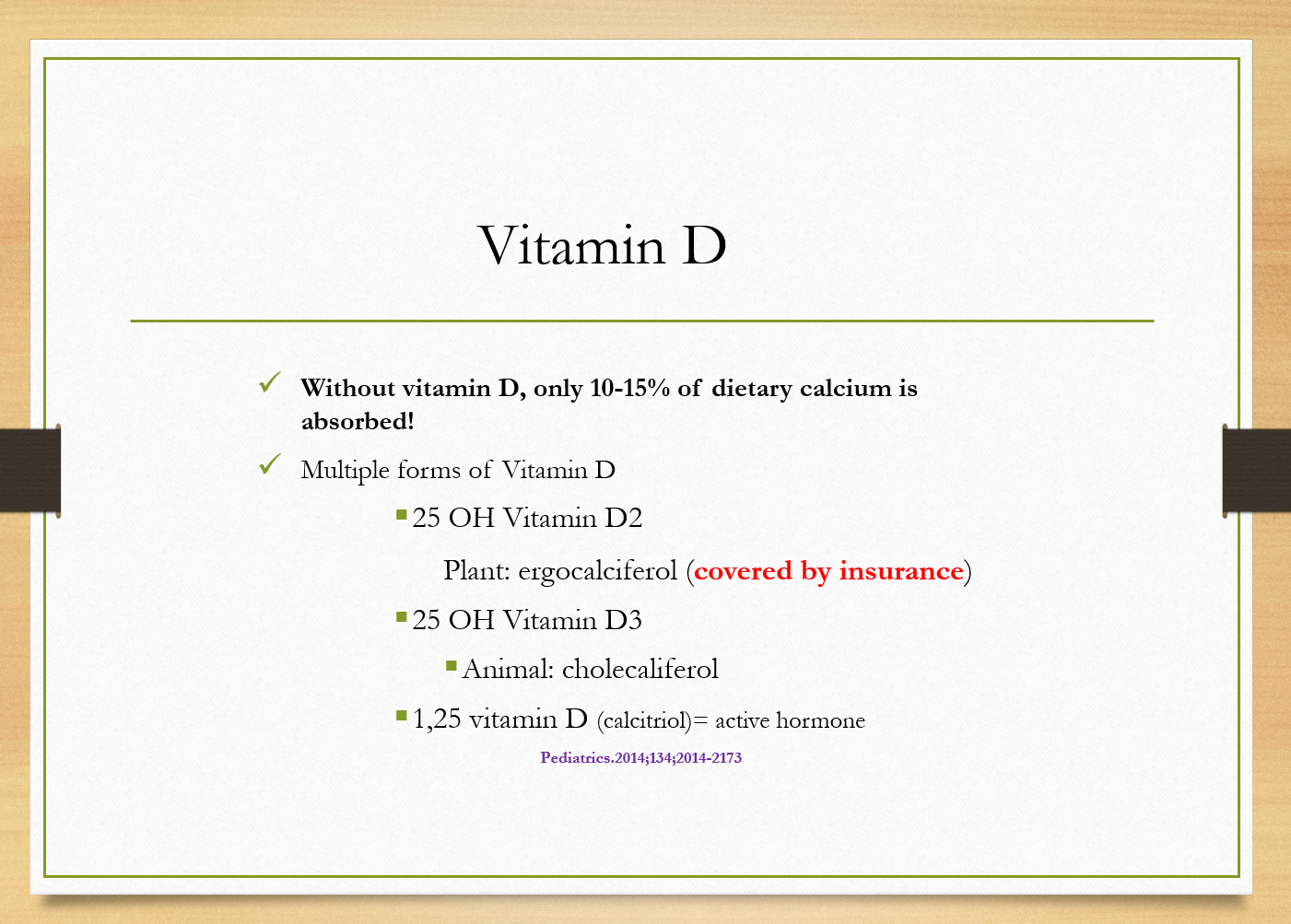
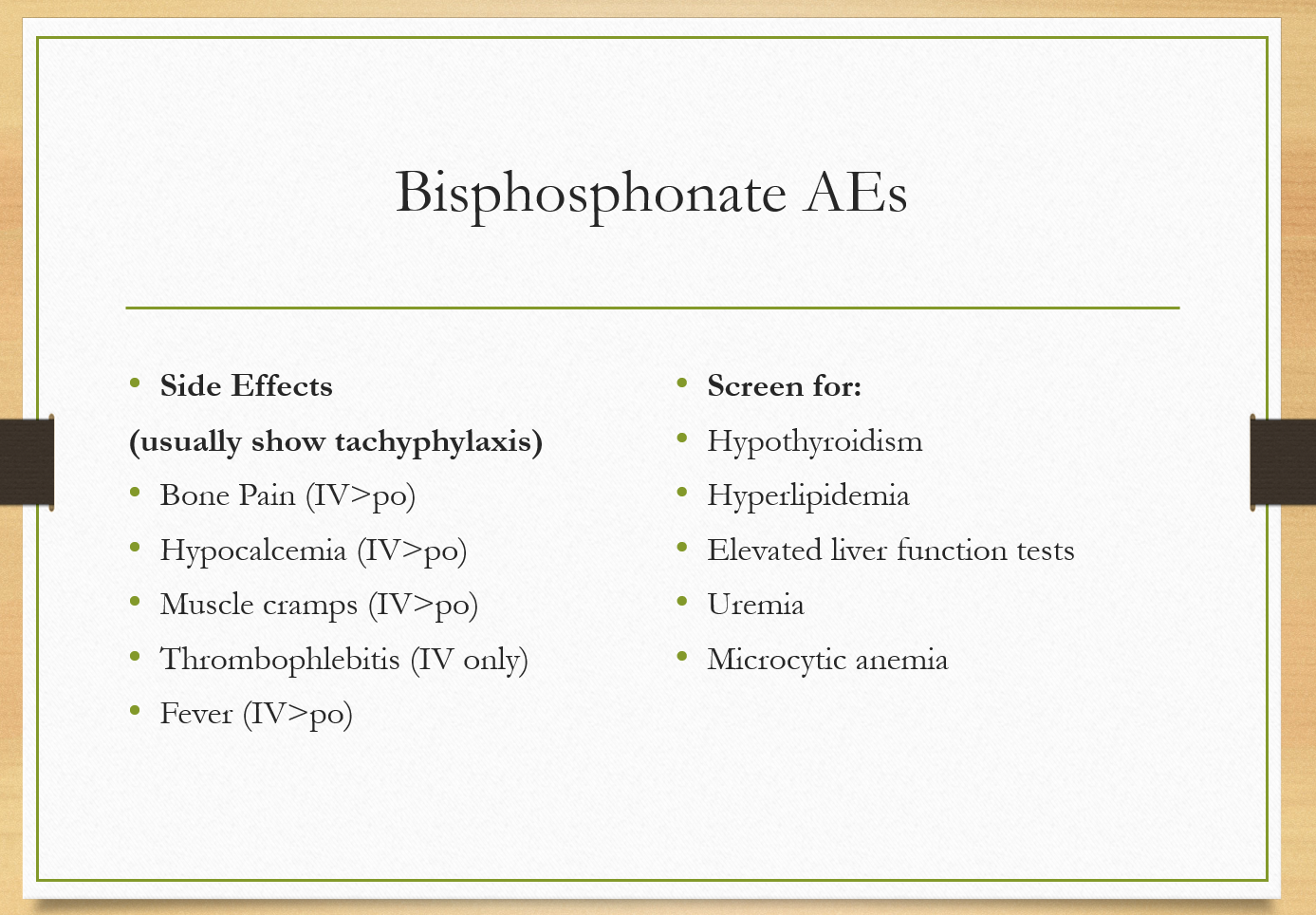
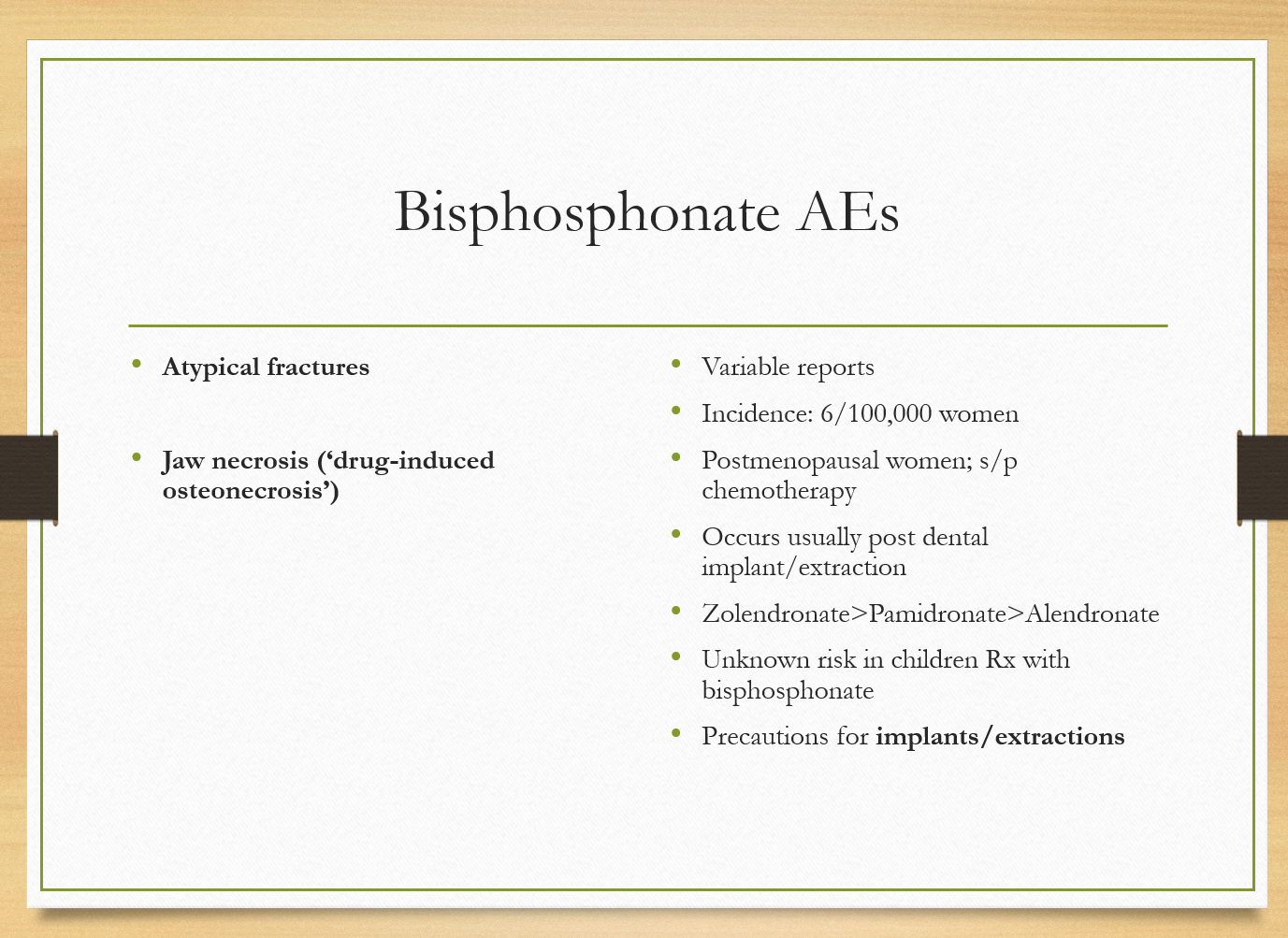
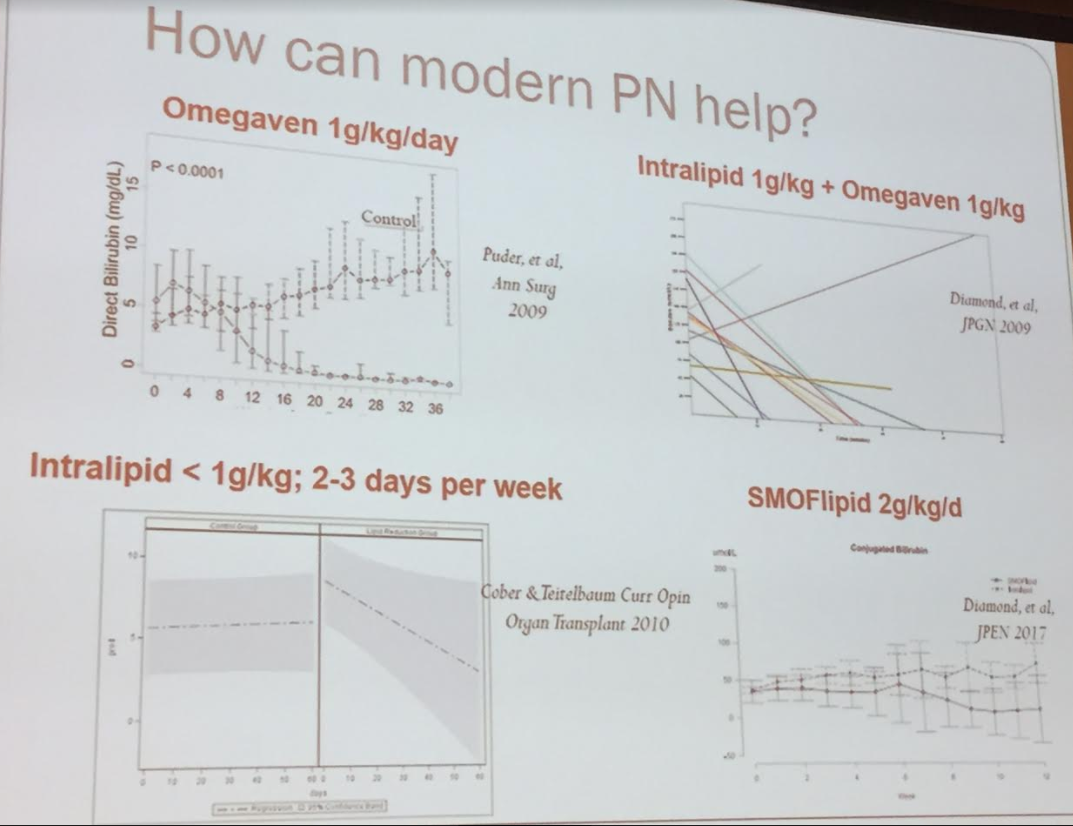
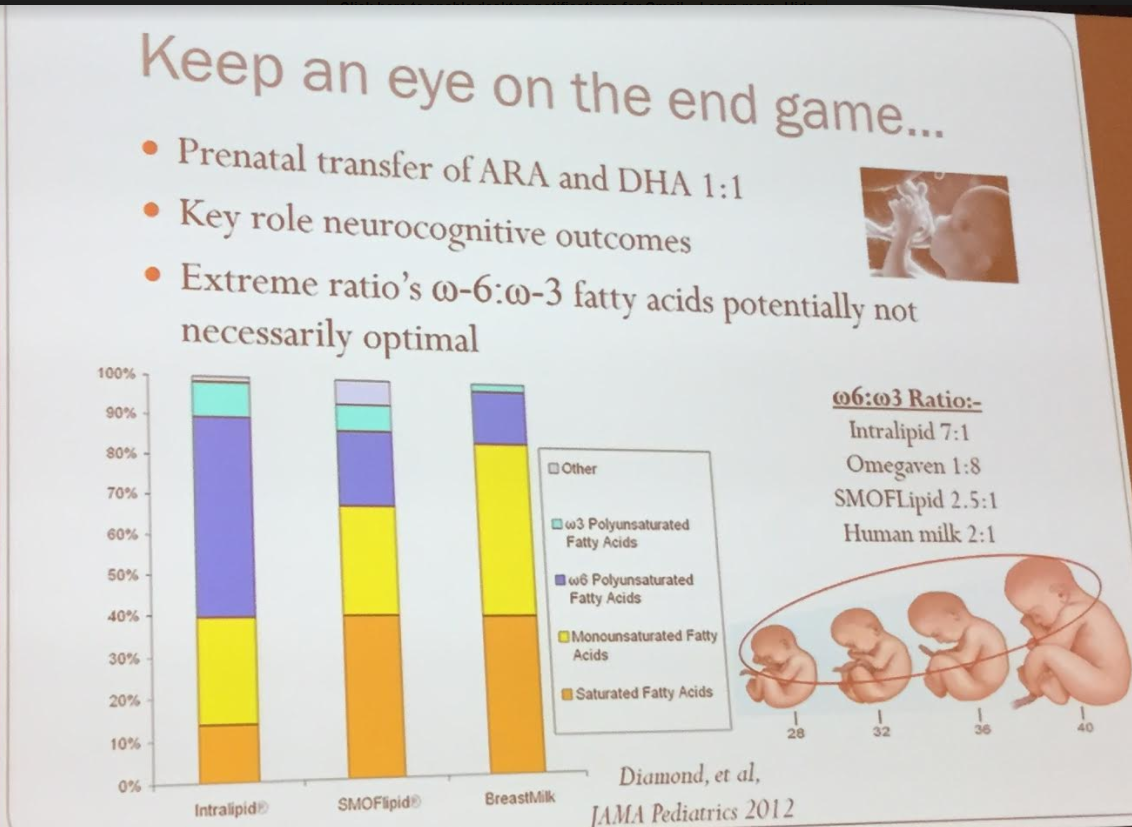
At our ICN population management meeting (as well as at a recent nutrition colloquium), Dr. Karen Loechner provided a timely update on bone health for our group.  Some of her slides are pictured below and a link to full slides follows.

Some of the points that I found interesting:

  • New hologic scans are much quicker (as little as 15 secs for some images) than typical DXA scans
  • While sodas have been associated with weaker bones, the main mechanism is likely displacement of milk from diet rather than direct effects
  • Adjust DXA results for height age
  • Think about vertebral compression fractures in children with mobility problems and painful symptoms


Full Link: Sticks and Stones Pediatric Osteoporosis


Methylmalonic Acid as a Biomarker of Vitamin B12

A recent case study (L Jimenez et al. J Pediatr 2018; 192: 259-61) showed that methylamalonic acid (MMA) can be elevated in the absence of vitamin B12 deficiency.

Background:

  • Risk factors for vitamin B12 deficiency: terminal ileal resection and gastric acid blockade
  • Manifestations of vitamin B12 deficiency: megaloblastic anemia, bone marrow failure, demyelinating diseases, thrombosis, and psychiatric symptoms
  • Early assessment of vitamin B12 deficiency can be aided by MMA levels and homocysteine levels both of which are metabolized via vitamin B12-dependent pathways and are elevated in vitamin B12 deficiency.
  • MMA levels have higher sensitivity for vitamin B12 deficiency than vitamin B12 levels alone.

Key findings of this report:

  • In three children with short bowel syndrome, MMA levels were persistently elevated despite vitamin B12 supplementation and without other evidence of vitamin B12 deficiency
  • MMA levels declined after treatment of bacterial overgrowth
  • “It is hypothesized that propionate, a precursor to MMA, produced by excessive gut fermentation, is responsible for the elevation in plasma MMA levels.”

My take: this study is a good reminder of how MMA is useful in detecting vitamin B12 deficiency and points out that bacterial overgrowth may be an alternative explanation for elevated MMA levels.

Related blog posts:

Resources for Short Bowel Syndrome:

Disclaimer: These blog posts are for educational purposes only. Specific dosing of medications/diets (along with potential adverse effects) should be confirmed by prescribing physician/nutritionist.  This content is not a substitute for medical advice, diagnosis or treatment provided by a qualified healthcare provider. Always seek the advice of your physician or other qualified health provider with any questions you may have regarding a condition.

Bright Angel Trail, Grand Canyon

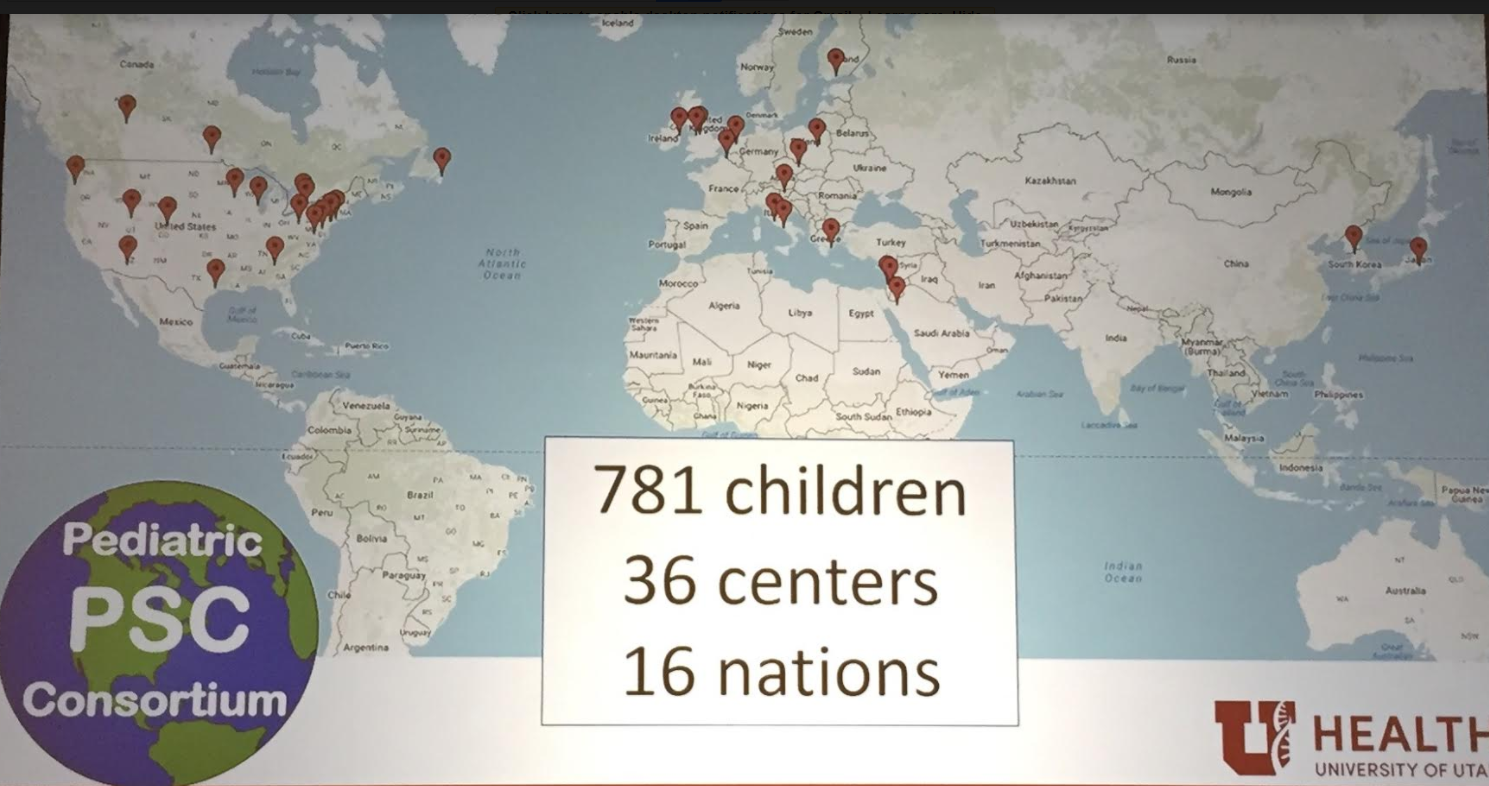
#NASPGHAN17 Presentations at Annual Meeting: GGT in PSC, Nutrition for Intestinal Failure

This blog entry has abbreviated/summarized this presentation. Though not intentional, some important material is likely to have been omitted; in addition, transcription errors are possible as well.

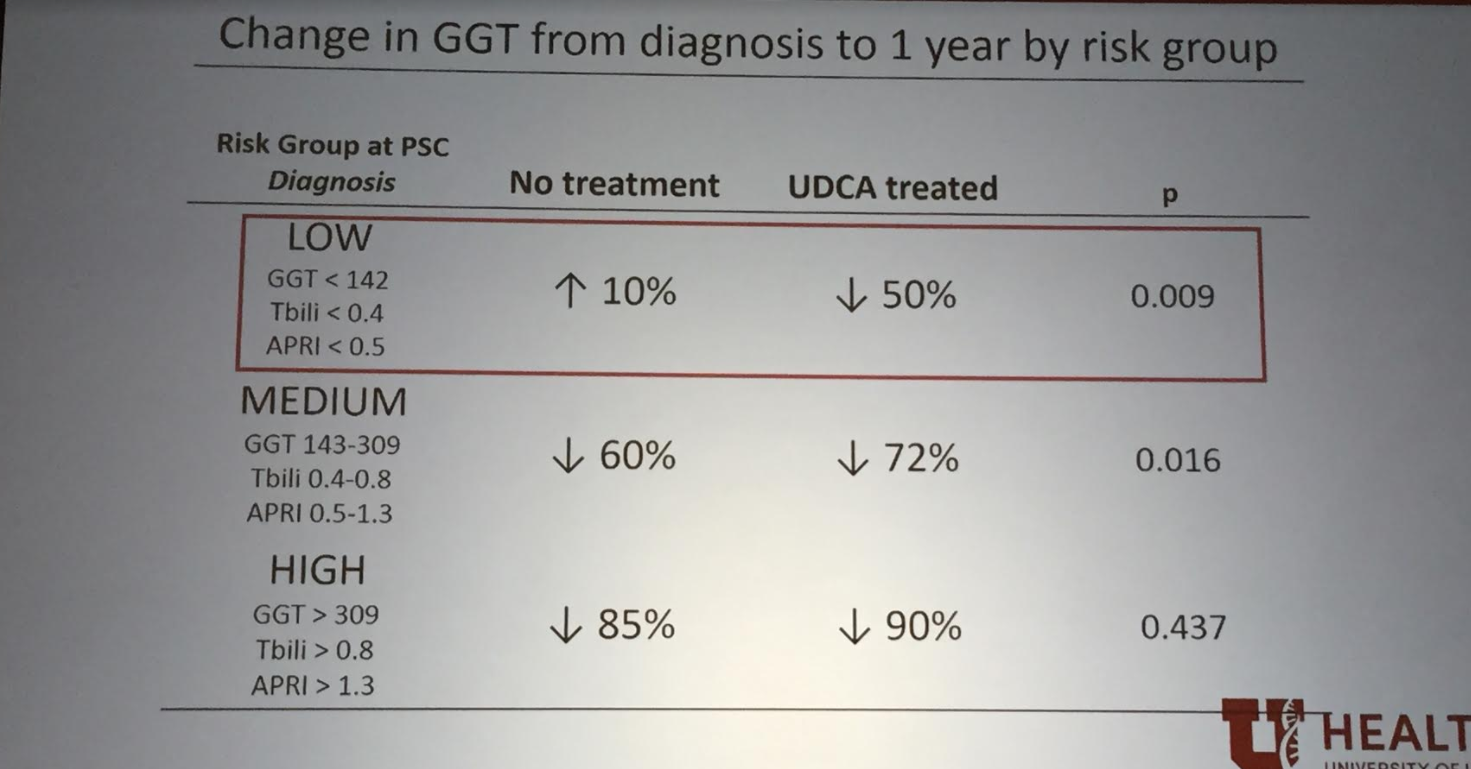
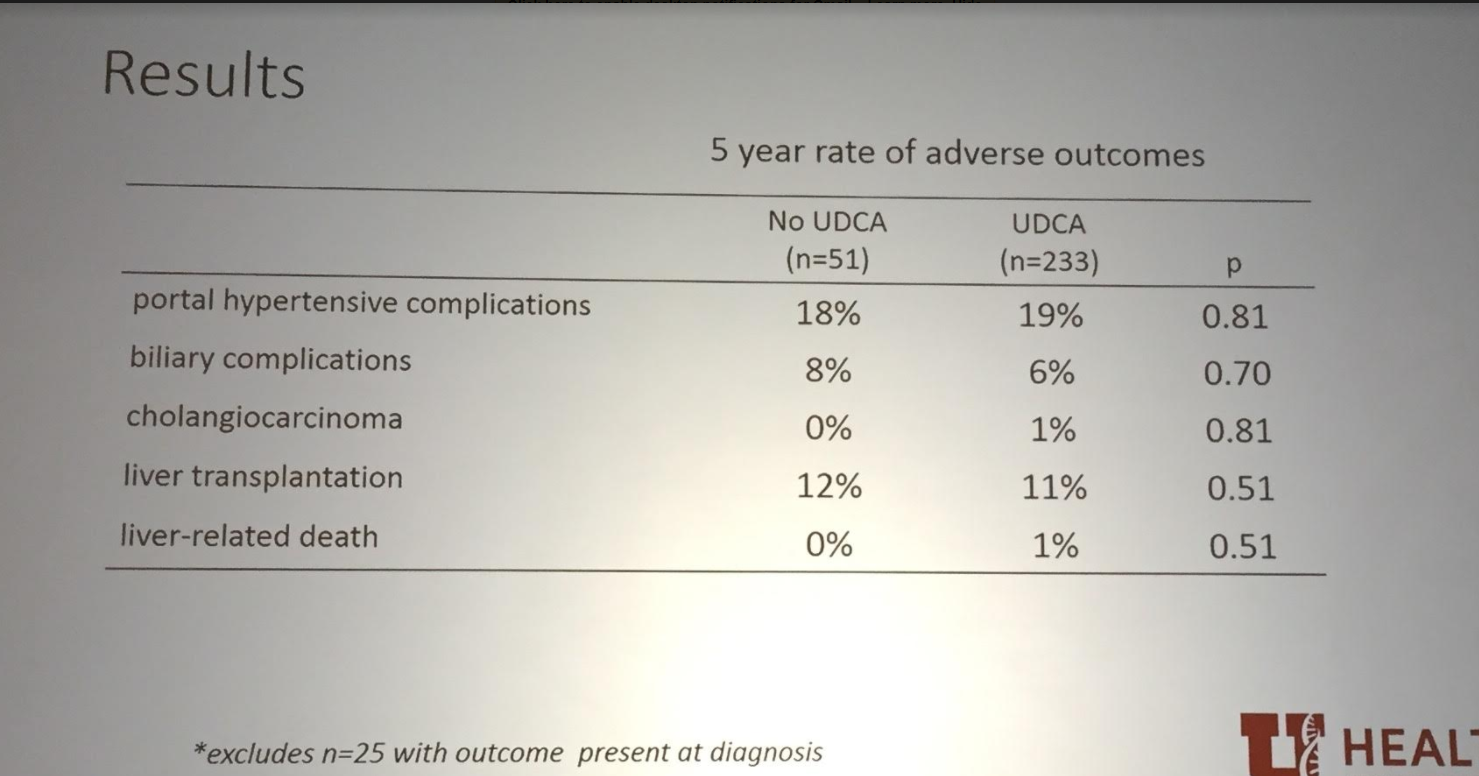
Improvement in GGT Predicts Event-free Survival in Primary Sclerosing Cholangitis Regardless of Ursodeoxycholic Acic Treatment. 

Mark Deneau et al. (Grand Watkins Prize).

Key points:

  • PSC is difficult to study due to its rarity and due to its slow progression; thus surrogate biomarkers are needed.
  • Alkaline phosphatase is not a good biomarker in children
  • GGT level at one year after diagnosis was predictive of prognosis
  • Ursodeoxycholic acid does not appear to be effective

Optimizing Nutrition in Intestinal Failure

Justine Turner, University of Alberta

Key points:

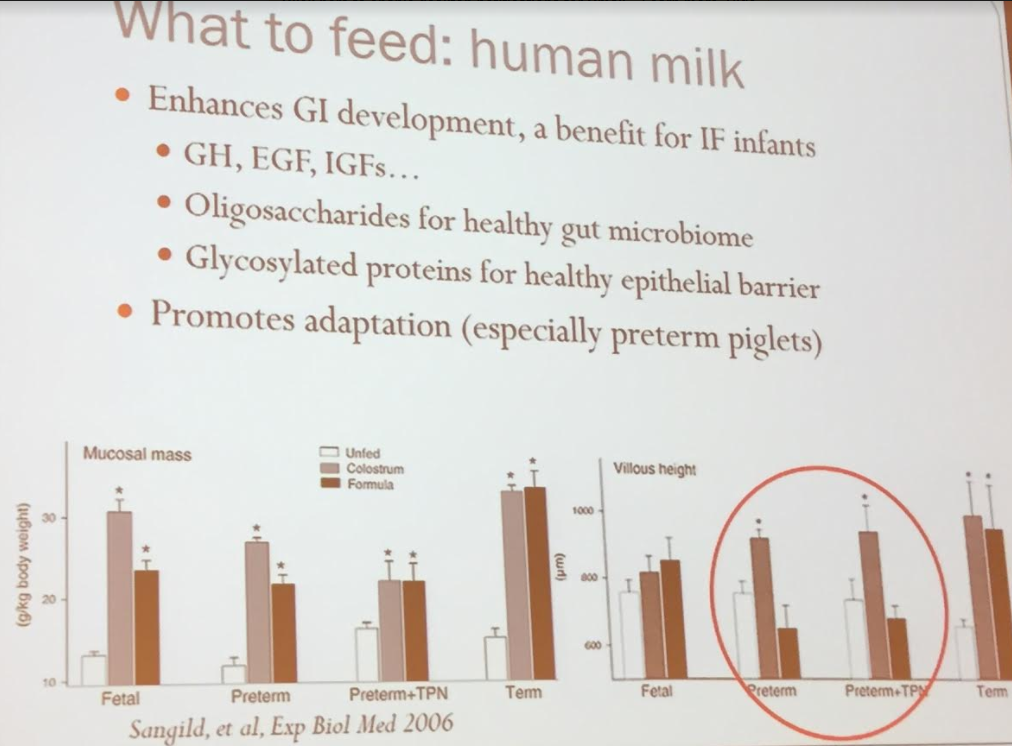
  • Human milk is an ideal “formula” for infants, including those with intestinal failure
  • Oral feedings are important
  • Combination of bolus feeds and continuous feeds is reasonable
  • SMOFlipid allows higher lipid dose administration without hepatoxicity; this may improve cognitive outcomes
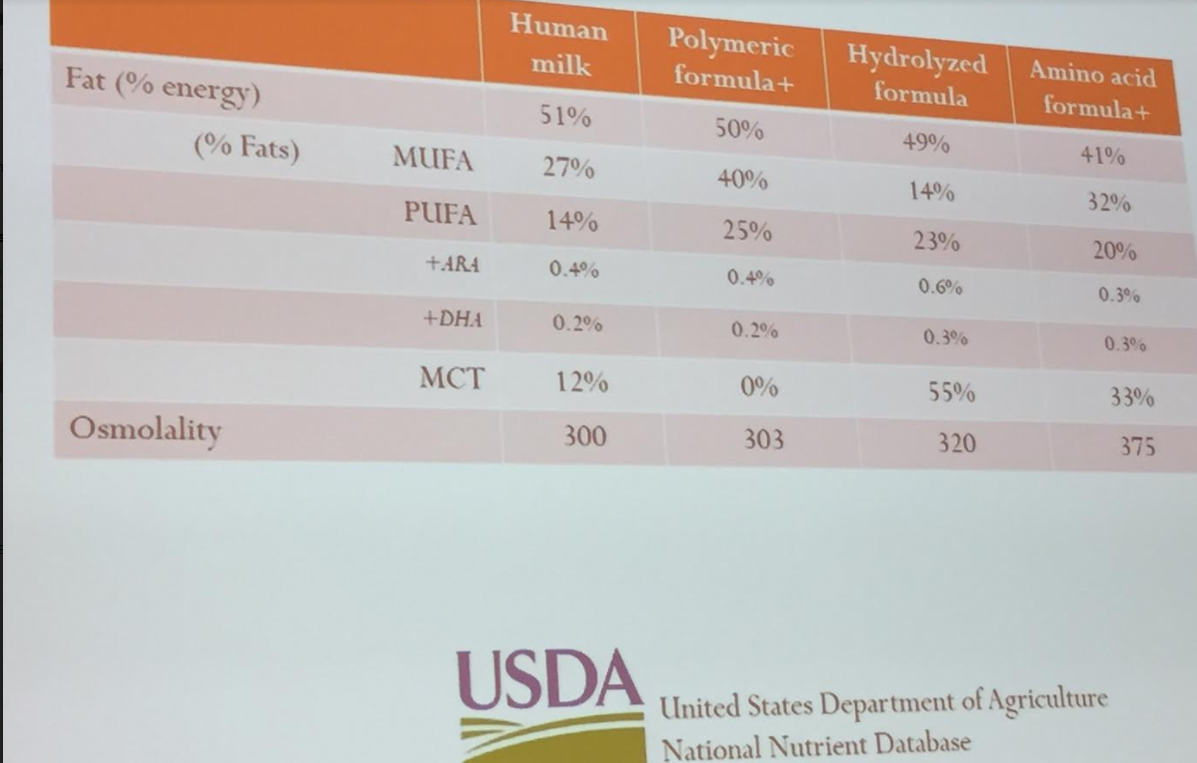
  • Amino acid based formulas have higher osmolality which can contribute to diarrhea

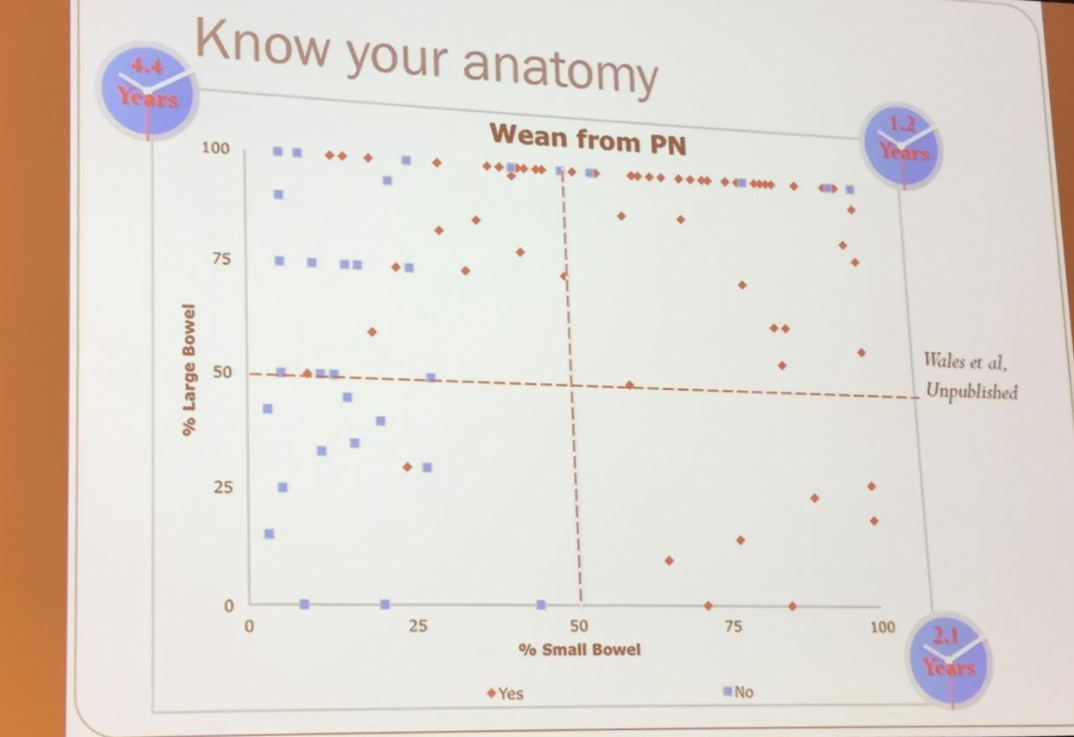
Patients with >50% of small bowel and >50% of colon were most likely to achieve enteral autonomy (GIFT registry)


Nutrition Week (Day 4) Trophic Hormone for Pediatric Short Bowel Syndrome

A recent study (BA Carter et al. J Pediatr 2017; 181: 102-11) provides some preliminary data on the use of glucagon-like peptide-2 (GLP-2) (Teduglutide) for pediatric short bowel syndrome (SBS).

This was a 12-week, open-label study in patients aged 1-17 years with intestinal failure (IF) associated with SBS. Prior to the study, patients had shown little to minimal advance in enteral nutrition for at least 3 months. Three doses of GLP-2 (0.0125 mg/kg/d, 0.025 mg/kg/day, and 0.05 mg/kg/day).

Key findings:

  • All treated patients (37) experienced mild or moderate adverse effects, including vomiting, pyrexia, catheter-related complications, and upper respiratory tract infections. No serious adverse events were identified. In the 5 patients who received standard care, adverse effects were recorded as well, including upper respiratory tract infections in 2 (40%) which was similar to the other groups.
  • By week 12, parenteral nutrition (PN) volume and calories were reduced in the higher dosed groups.  In the 0.025 mg/kg/day group, PN volume dropped by 41% and calories by 45%.  In the 0.05 mg/kg/day group, PN volume dropped by 25% and calories by 52%. Virtually no change in these parameters occurred in the lowest dose (0.0125 mg/kg/day) with no change in volume and 6% drop in calories.
  • Enteral feeding volume occurred in all groups: 22%, 32%, and 40% in the groups and was directly related to the GLP-2 dosing.
  • Citrulline levels (a biomarker of enteral autonomy) were monitored “but the results were clouded by wide variability of baseline values.”  In adult studies, citrulline levels increased significantly.

My take: This open-label study has many limitations; further studies are planned (ClinicalTrials.gov, NCT02682381). Nevertheless, this study indicates that GLP-2 holds promise as a therapy for SBS/IF.

Another slide in a recent lecture on PNALD (slide derived from Conrad Cole lecture in Octobler 2015 -available at Pediatric Nutritionist Blog, slide 49):

screenshot-109

Related blog posts:

Predicting Short Bowel Syndrome Enteral Autonomy: Small Bowel Diameter

In a small retrospective single-center study (GC Ives et al. J Pediatr 2016; 178: 275-7), the authors found that small bowel diameter, as measured on calibrated luminal contrast studies was predictive of enteral autonomy.

Measurements of >35 mm of bowel lumen was considered dilated.  29 patients had adequate imaging for the study.  Necrotizing enterocolitis was the most common etiology of short bowel syndrome in this study.  16 (55%) of the intestinal failure group achieved enteral autonomy in an average of 1.3 years.  11 (38%) of patients underwent an intestinal lengthening procedure.

Key findings:

  • Small bowel diameter correlated negatively with residual small bowel length
  • Larger small bowel diameter predicted failure to achieve enteral autonomy.  In fact, only one patient in this study with a dilated small bowel diameter achieved enteral autonomy.

My take: Bigger (diameter) is not better.

Related blog posts:

Lighthouse in Rockland

Lighthouse in Rockland

World Congress 2016 Postgraduate Course

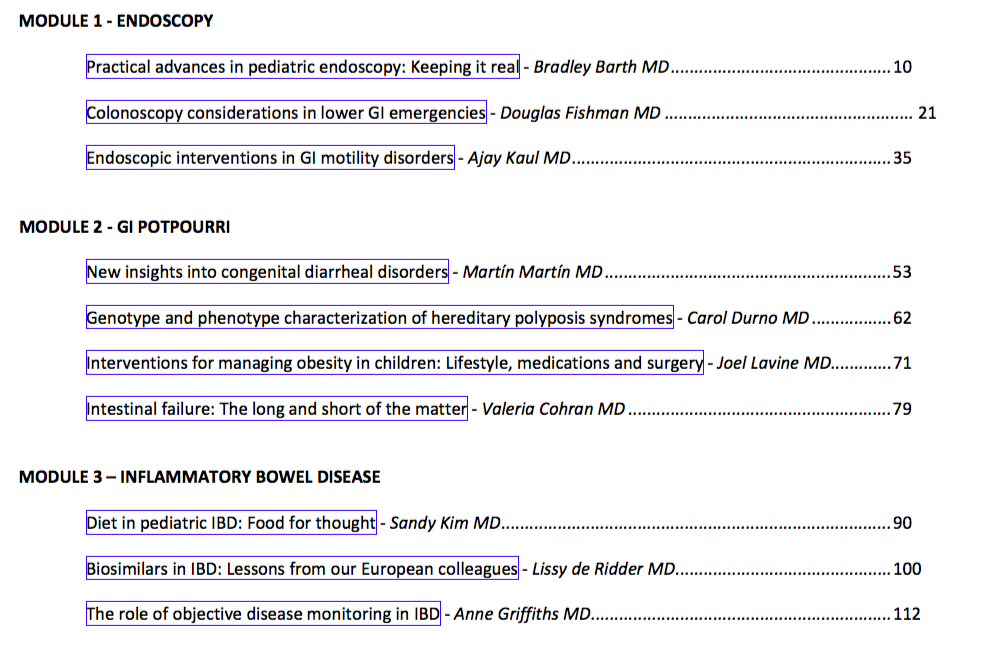
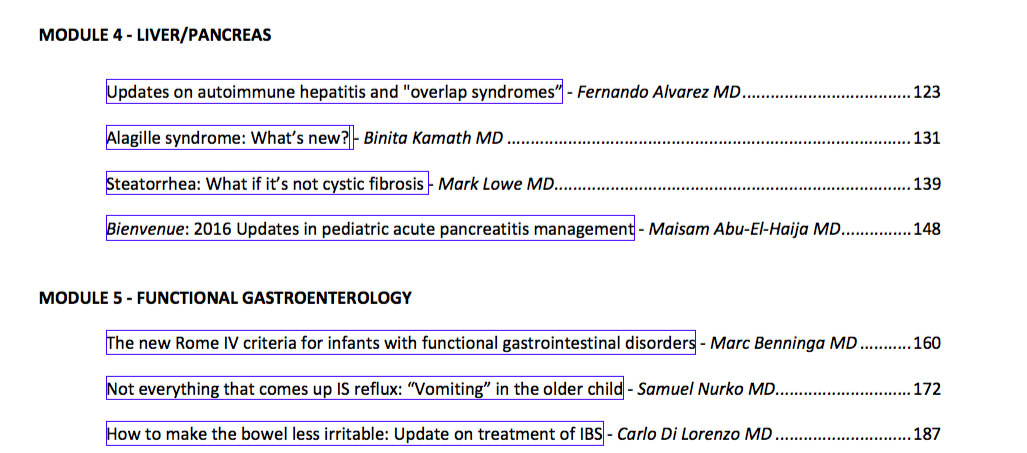
I’ve attached (with permission) the syllabus from the World Congress 2016 Postgraduate Course: 2016-world-congress-postgraduate-course-syllabus

screen-shot-2016-10-14-at-11-45-54-am

screen-shot-2016-10-14-at-11-46-04-am

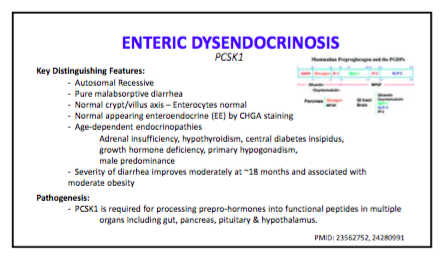
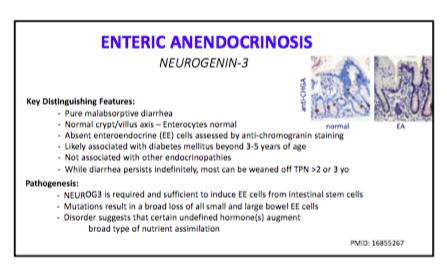
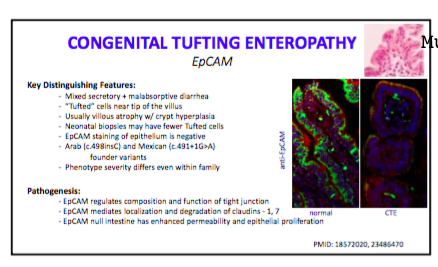
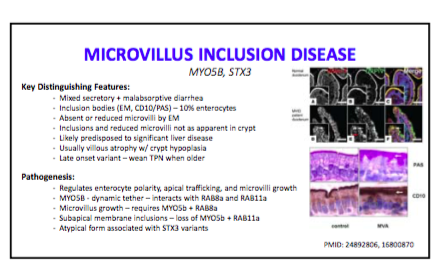
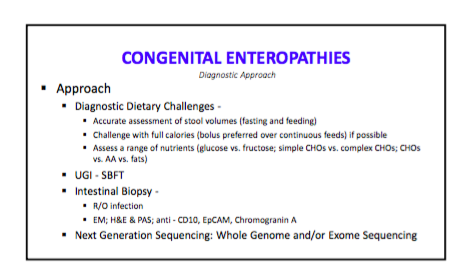
One lecture that I will highlight with a few slides is from Dr. Martin Martin (pg 53-62) which emphasizes a new model for evaluating neonatal intestinal failure/congenital diarrhea by using whole exome sequencing –see slides below.

Other pointers:

  • Pg 82.  Breastmilk associated with shorter duration of TPN dependence in short bowel syndrome
  • Pg 137. Look for vasculopathy (MRI/MRA) and renal disease in Alagille syndrome
  • Pg 152. Lactated ringer’s likely better in acute pancreatitis than normal saline.
  • Pg 171. If constipation at less than 1 year is untreated, >60% have issues with constipation at age 3.

screen-shot-2016-10-14-at-11-37-07-am screen-shot-2016-10-14-at-11-37-00-am screen-shot-2016-10-14-at-11-36-44-am screen-shot-2016-10-14-at-11-36-34-am screen-shot-2016-10-14-at-11-35-40-am


Disclaimer: These blog posts are for educational purposes only. Specific dosing of medications/diets (along with potential adverse effects) should be confirmed by prescribing physician/nutritionist.  This content is not a substitute for medical advice, diagnosis or treatment provided by a qualified healthcare provider. Always seek the advice of your physician or other qualified health provider with any questions you may have regarding a condition.

Eosinophilic Disease in Children with Intestinal Failure

Last week, this blog posted an abstract regarding the use of “real foods” for short gut kids.  This post looks into whether certain foods may provoke an allergic response.

A large (n=105) single center retrospective study (C Duggan et al. JPGN 2016; 63: 336-39) examined the histology from 208 endoscopic procedures to determine the frequency of eosinophilic disease in children with intestinal failure.

Key findings:

  • 37% of patients had evidence of eosinophilic inflammation in at least one section of the GI tract.
  • Most common sites for eosinophilic disease: colon/rectosigmoid 18/68 (26%), esophagus 17/83 (20%), ileum 9/54 (17%) and duodenum 4/83 (5%)
  • Both peripheral eosinophilia and hematochezia correlated with eosinophilic colitis
  • The authors state that “a strict elemental diet for 3 months before endoscopy was not associated with a decreased frequency of eosinophilic inflammation.”

While a strict elemental diet was not shown to be effective in this study, the limitations of the study design (eg. retrospective, small number on amino acid diet) preclude a definitive answer about the utility of these diets.  Other confounders, including ongoing parenteral nutrition support, also ‘muddy’ the picture.  A prospective study would be able to determine more conclusively how effective elemental diets are at minimizing eosinophilic inflammation and to allow for a more uniform definition of abnormal tissue eosinophilia.

Given the frequency of elemental diets early in life along with prior GI insults, the propensity to eosinophilic disease may have its origins well before this study period.  In healthy children, the LEAP, LEAP-ON, and EAT studies indicated that earlier exposure to allergens reduces the risk of allergic disease.

My take: This study shows a high prevalence of GI eosinophilic inflammation among children with intestinal failure.  Thus, in children with hematochezia and intestinal failure, eosinophilic colitis needs to be considered.

Related blog posts:

Grinnell Glacier, Glacier Natl Park

Glacier Natl Park

Real Foods in Short Gut Kids

Screen Shot 2016-08-17 at 7.31.27 AM

 Reference from Kipp Ellsworth:

Transition to a Tube Feeding Formula With Real Food Ingredients in Pediatric Patients With Intestinal Failure K Samela et al. NCP: Published online before print August 4, 2016, doi:10.1177/0884533616661011

AbstractDue to concerns related primarily to allergic response and malabsorption, enteral nutrition therapy has traditionally relied on the use of elemental formulas in children with intestinal failure (IF). Blended food diets via a gastrostomy tube have been reported to improve feeding tolerance in pediatric populations receiving long-term enteral nutrition therapy. Complex macronutrients have been shown to stimulate intestinal adaptation in animal models. We report on our experience in children with IF who had an overall improvement in stool output when transitioned from an elemental formula to a tube feeding formula with real food ingredients (TFRF). Data were collected in a retrospective chart review of children with IF, >1 year of age, who were receiving enteral nutrition via continuous infusion, bolus feeding, or both. Indications for the TFRF trial were diarrhea or inconsistent stooling patterns. Ten children with a mean small bowel length of 48.3 cm were trialed on TFRF. Nine of 10 (90%) children tolerated the transition to 100% TFRF, of which 7 of 9 (78%) had their entire colon in continuity. The average age at successful transition was 29.2 months, and the average length of time to transition to 100% TFRF was 67.3 days. TFRF is well tolerated in children >1 year of age with IF; it also improves their stooling patterns. A commercially available TFRF is a cost-effective and nutritionally adequate means of providing nutrition to this patient population.


Nutrition Support for Intestinal Failure

A recent blog post by Kipp Ellsworth (The Pediatric Nutritionist) highlights a recent lecture by Conrad Cole that provides several useful points.  The post includes a link (embedded talk) to 76 slides. Here are a few:

  • Iodine deficiency: Dr. Cole “typically orders a TSH level every six months, also ordering a spot urine iodine if a significant TSH uptrend emerges.”
  • Lipids: “Dr. Cole reviewed evidence revealing the restriction of soy-based lipids to 0.5 gm/kg/day as nearly efficacious as the use of fish-oil infusion (Omegaven) in preventing PNALD.” Daily use of 0.5-1 gm/kg/day is less error-prone than using lipids 3-4 times/week.
  • Formula: “breastmilk constitutes the touchstone of enteral nutrition choices for the intestinal rehab patient, conferring a host of benefits beyond those associated with formula alone… the medium-chain triglyceride component of many oligomeric and monomeric formulas constitutes a therapeutically valuable source of nutrition, increasing the proportion of calories absorbed.”
  • Formula for toddlers: “Dr. Cole continues transitioning his patients to oligomeric and monomeric formulas such as Elecare Junior, Pediasure Peptide, and Peptamen Junior upon reaching toddlerhood.”
  • Fiber: “Dr. Cole recommended the use of a sc-FOS product such as NutraFloraas optimal for the short bowel syndrome population.  Dr. Cole initially doses soluble fiber at 1 gm/100 mL of formula and advances as tolerated to a maximum of 2 gm/100 mL formula.  He typically does not use supplemental fiber to control ostomy output in patients without a colon in continuity”
  • Enteral fish oil: “Dr. Cole remains unconvinced of the therapeutic value of enteral fish oil supplementation pending further research studies on the subject.”

Funding for his talk was provided by Abbott Nutrition.

Related blog posts:


Identifying Anastomotic Ulcers with Capsule Endoscopy

A retrospective review (LM Bass et al. JPGN 2015; 61: 215-9) showed that capsule endoscopy (CE) can be helpful in identifying anastomotic ulcers among patients with short bowel syndrome and chronic GI blood loss.

This study of 4 patients (& 6 CE procedures) indicated that two of these patients underwent surgery after identifying anastomotic ulcers.  The other common treatment was antibiotics. In the suggested evaluation CE was used after upper/lower endoscopy. The recommended role for patency capsule/small bowel imaging is not clearly spelled out, but should be carefully considered due to the risk of strictures.

“The decision to perform CE is made in conjunction with medical and surgical teams so that, although every effort is made to avoid a situation that may result in a retained capsule, both parents and care teams are prepared.”

Related blog posts: