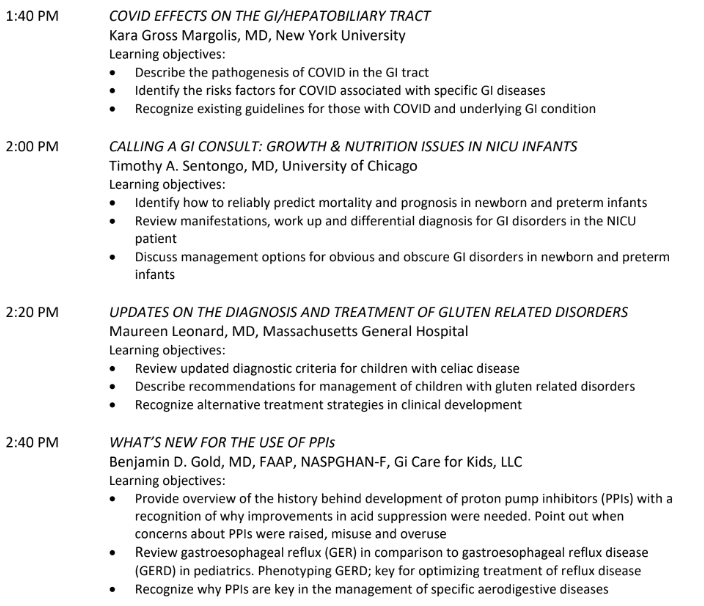
I am a pediatric gastroenterologist at GI Care for Kids (previously called CCDHC) in Atlanta, Georgia. The goal of my blog is to share some of my reading in my field more broadly. In addition, I wanted to provide my voice to a wide range of topics that often have inaccurate or incomplete information.
Before starting this blog in 2011, I would tear out articles from journals and/or keep notes in a palm pilot. This blog helps provide an updated source of information that is easy to access and search, along with links to useful multimedia sources.
I was born and raised in Chattanooga. After graduating from the University of Virginia, I attended Baylor College of Medicine. I completed residency and fellowship training at the University of Cincinnati at the Children’s Hospital Medical Center. I received funding from the National Institutes of Health for molecular biology research of the gastrointestinal tract.
During my fellowship, I had the opportunity to work with some of the most amazing pediatric gastroenterologists and mentors. Some of these individuals included Mitchell Cohen, William Balistreri, James Heubi, Jorge Bezerra, Colin Rudolph, John Bucuvalas, and Michael Farrell. I am grateful for their teaching and their friendship. During my training with their help, I received a nationwide award for the best research by a GI fellow.
I have authored numerous publications/presentations including original research, case reports, review articles, and textbook chapters on various pediatric gastrointestinal problems. In addition, I have been recognized by Atlanta Magazine as a "Top Doctor" in my field multiple times.
Currently, I am the vice chair of the section of nutrition for the Georgia Chapter of the American Academy of Pediatrics. In addition, I am an adjunct Associate Clinical Professor of Pediatrics at Emory University School of Medicine. Other society memberships have included the North American Society for Pediatric Gastroenterology Hepatology and Nutrition (NASPGHAN), American Academy of Pediatrics, the Food Allergy Network, the American Gastroenterology Association, the American Association for the Study of Liver Diseases, and the Crohn’s and Colitis Foundation.
As part of a national pediatric GI organization called NASPGHAN (and its affiliated website GIKids), I have helped develop educational materials on a wide-range of gastrointestinal and liver diseases which are used across the country. Also, I have been an invited speaker for national campaigns to improve the evaluation and treatment of gastroesophageal reflux disease, celiac disease, eosinophilic esophagitis, hepatitis C, and inflammatory bowel disease (IBD). Some information on these topics has been posted at my work website, www.gicareforkids.com, which has links to multiple other useful resources.
I am fortunate to work at GI Care For Kids. Our group has 17 terrific physicians with a wide range of subspecialization, including liver diseases, feeding disorders, eosinophilic diseases, inflammatory bowel disease, cystic fibrosis, DiGeorge/22q, celiac disease, and motility disorders. Many of our physicians are recognized nationally for their achievements. Our group of physicians have worked closely together for many years. None of the physicians in our group have ever left to join other groups. I have also worked with the same nurse (Bernadette) since I moved to Atlanta in 1997.
For many families, more practical matters about our office include the following:
– 14 office/satellite locations
– physicians who speak Spanish
– cutting edge research
– on-site nutritionists
– on-site psychology support for abdominal pain and feeding disorders
– participation in ImproveCareNow to better the outcomes for children with inflammatory bowel disease
– office endoscopy suite (lower costs and easier scheduling)
– office infusion center (lower costs and easier for families)
– easy access to nursing advice (each physician has at least one nurse)
I am married and have two sons (both adults). I like to read, walk/hike, bike, swim, and play tennis with my free time.

I do not have any financial relationships with pharmaceutical companies or other financial relationships to disclose. I have helped enroll patients in industry-sponsored research studies.
Link: COVID-19 Government website. This site has information on (free) masks, free tests (up to 2 sets of 4 kits), vaccines and treatments.
The website is available in English, Spanish and Chinese. The administration is also making all of these tools available over the phone through the national vaccine hotline at 1-800-232-0233 (TTY 1-888-720-7489), which supports over 150 languages.
Similar to the constipation action plan (see blog link below), the authors have created a stepwise pictographic CVS action plan (CVSAP).
Image is from Pat Reeves twitter feed and corresponds to figure in study (pg 175)
Key points:
A composite readability score of 5.32 was consistent with a fifth-grade level.
Patients/caregivers (n = 70) judged the CVSAP to be of high quality with consumer information rating form rating of 84.2%
Six medical librarians rated the CVSAP to have 93% understandability and 100% actionability, and 33 clinicians completing the SAM generated a suitability rating of 87.5%
On the listed ED management, the authors note “consider fosaprepitant…and can give oral aprepitant on days 2 and 3.” It should be noted that oral dosing afterwards is generally not required as fosaprepitant can last 2-3 days after a single dose. In addition, many use a maximum dose of 150 mg rather than 115 mg. Also, the ED dosage of several agents need to be tailored to the individual based on weight and other medications. Lower doses of many of the medications in the protocol are often effective.
My take: Patients with cyclic vomiting syndrome, like those with constipation, are likely to benefit from clearly articulated plans for maintenance treatment, escalation approaches and for ED management. The need for ED management may lessen with more consistent treatment approaches.
Disclaimer: This blog, gutsandgrowth, assumes no responsibility for any use or operation of any method, product, instruction, concept or idea contained in the material herein or for any injury or damage to persons or property (whether products liability, negligence or otherwise) resulting from such use or operation. These blog posts are for educational purposes only. Specific dosing of medications (along with potential adverse effects) should be confirmed by prescribing physician. Because of rapid advances in the medical sciences, the gutsandgrowth blog cautions that independent verification should be made of diagnosis and drug dosages. The reader is solely responsible for the conduct of any suggested test or procedure. This content is not a substitute for medical advice, diagnosis or treatment provided by a qualified healthcare provider. Always seek the advice of your physician or other qualified health provider with any questions you may have regarding a condition
This retrospective study (n=45) shows that supplemental water added to blenderized tube feeds may have detrimental effects.
Key finding:
Patients receiving <20% thin liquids were less likely to undergo chest X-rays during follow-up than patients receiving larger amounts of thin liquids (10% in the minimal thin group versus 48% in the greater thin group, P = 0.03)
This relationship remained significant after controlling for underlying pulmonary disease, aspiration, method of feed administration (bolus or continuous feeds), fundoplication status, and oral intake status. CXRs likely indicate concern for pulmonary outcomes related to feedings.
From JPGN twitter feed
My take: Many thick formulas may be difficult to administer via GT. However, using too much water may hinder the benefits of a blenderized diet. Larger prospective studies are needed to determine optimal viscosity diets in these vulnerable populations.
The Boston group has several related articles (Thanks to Alison Miller for sharing these articles):
B Hron et al. J Pediatr 2019;211:139-45. Health Outcomes and Quality of Life Indices of Children Receiving Blenderized Feeds via Enteral Tube
Blenderized diets were associated with decreased healthcare use, improved symptom scores, and increased patient satisfaction compared with conventional formulas.
B Hron, R Rosen. JPGN 2020; 70: e124–e128. Viscosity of Commercial Food-based Formulas and Home-prepared Blenderized Feeds
This article shows that adding 90 mL of water can reduce viscosity of blenderized formula from >6000 cP to ~1000 cP. The authors suggest that those patients with significant reflux may benefit from higher viscosity formulas: “Low viscosity formulas such as Kate Farms and Compleat may not be ideal for patients fed via gastrostomy with significant reflux, in whom extremely thick or possibly moderately thick liquids may have a beneficial impact.”
Commercial food-based formulas vary even more widely, with some meeting criteria for thin liquids (Kate Farms Pediatric 1.2 and Compleat Pediatric), slightly thick (Harvest), mildly thick (Nourish), moderately thick (Compleat Organic Blends, Liquid Hope), and extremely thick (Real Food Blends).
Specific viscosity (cP) listed in Table 1 of this article:
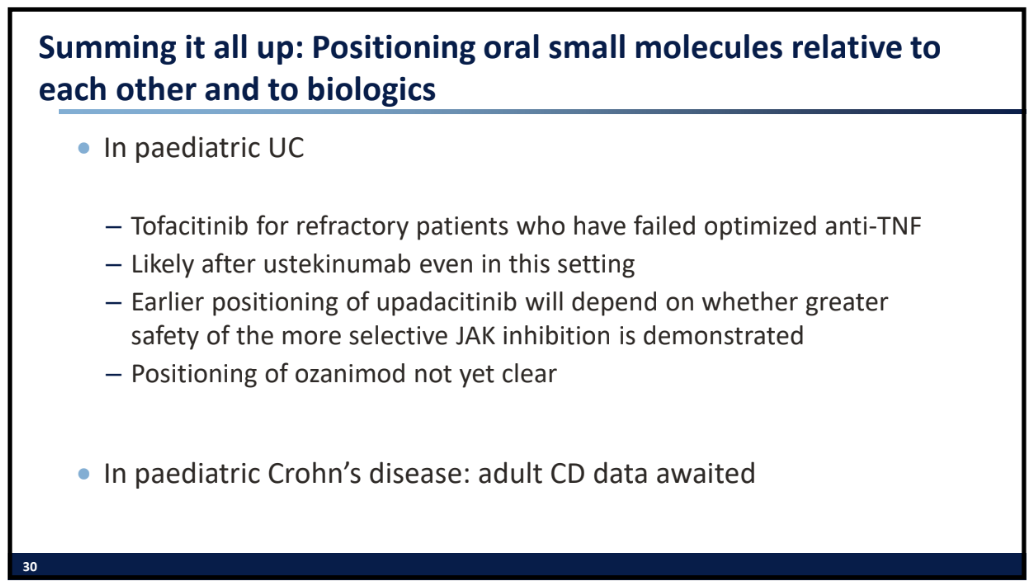
The US Food and Drug Administration (FDA) has granted approval to AbbVie’s Rinvoq (upadacitinib) to treat adult patients with moderate-to-severe active ulcerative colitis (UC).
A selective inhibitor of Janus kinase (JAK), Rinvoq is indicated to treat UC patients who had reduced response or are not tolerant to one or more tumour necrosis factor (TNF) blockers.
Per David Rubin: This treatment is a once a day oral pill. In adults, induction consists of 45 mg daily for 8 weeks, then 15 mg or 30 mg for maintenance treatment.
Disclaimer: This blog, gutsandgrowth, assumes no responsibility for any use or operation of any method, product, instruction, concept or idea contained in the material herein or for any injury or damage to persons or property (whether products liability, negligence or otherwise) resulting from such use or operation. These blog posts are for educational purposes only. Specific dosing of medications (along with potential adverse effects) should be confirmed by prescribing physician. Because of rapid advances in the medical sciences, the gutsandgrowth blog cautions that independent verification should be made of diagnosis and drug dosages. The reader is solely responsible for the conduct of any suggested test or procedure. This content is not a substitute for medical advice, diagnosis or treatment provided by a qualified healthcare provider. Always seek the advice of your physician or other qualified health provider with any questions you may have regarding a condition.
In this single-center retrospective study (2017–2020), the authors reviewed the extent of testing and yield in children with suspected NAFLD. Criteria:
BMI >85th percentile
Persistently (>3 months) elevated ALT more than twice the ULN for age
Radiographic (ultrasound, computed tomography, and MRI) features of hepatic steatosis.
Key findings:
Eleven (11.6%) patients were ultimately diagnosed with a condition resulting from their abnormal bloodwork: infectious hepatitis (3, 9.8%), thyroid disease (2, 3.4%), celiac disease (4, 7.7%), AIH (1, 1.7%; diagnosis based on liver biopsy), and A1AT deficiency (1, 2.0%). It is likely that the yield would have been higher if all patients had more extensive testing
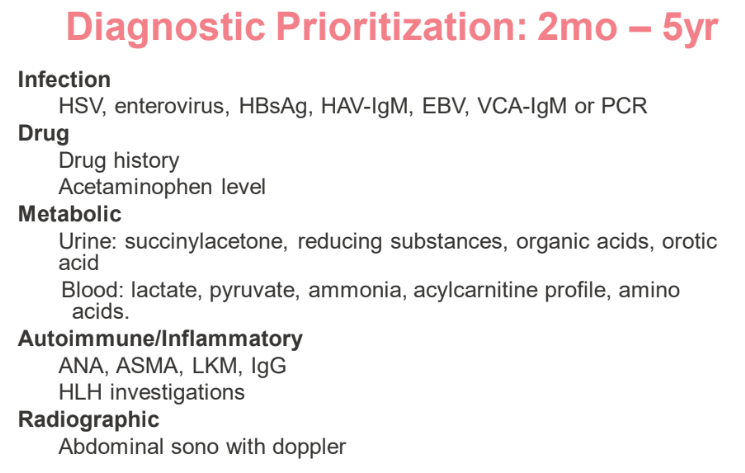
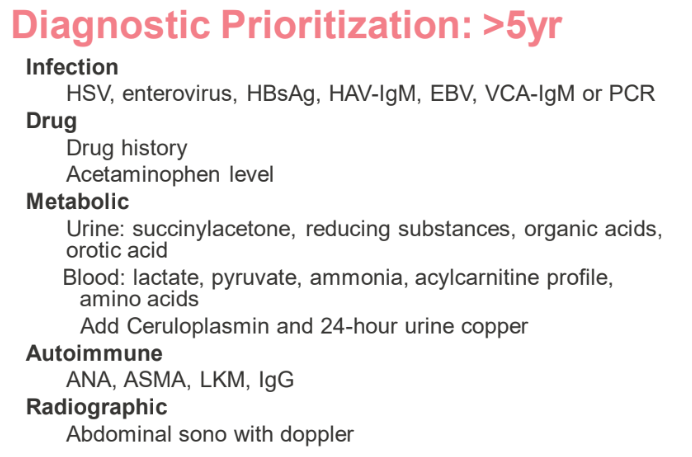
Only 9.5% of patients had comprehensive, additional testing performed per the 2017 North American Society of Pediatric Gastroenterology, Hepatology and Nutrition guidelines: infectious hepatitis serologies (Hepatitis A virus IgM, Hepatitis B surface antigen, anti–Hepatitis C virus), thyroid studies (thyroid-stimulating hormone [TSH]), ceruloplasmin, A1AT, liver autoantibodies (antinuclear antibody; anti-smooth muscle antibody; liver kidney microsome type 1 antibody), tissue transglutaminase IgA (TTG-IgA), total IgA, total IgG, and LAL blood spot
The costs of performing the recommended testing was estimated as $397.30 Canadian dollars
My take: In those with persistently elevated liver enzymes, additional blood tests are important to evaluate for chronic liver diseases, even in those suspected of NAFLD.
GI eosinophilia was patchy and that examination of multiple biopsies was required for diagnosis—an average of only 2.6 per 8 gastric biopsies and 2.2 per 4 duodenal biopsies per subject met thresholds for EG/EoD.
Evaluation of multiple nonoverlapping hpfs in each of 8 gastric and 4 duodenal biopsies was required to capture 100% of EG/EoD cases.
During the omicron wave, hospitalization among unvaccinated adults remained 12 times the rates among vaccinated adults who received booster or additional doses and four times the rates among adults who received a primary series, but no booster or additional dose.
The rate among adults who received a primary series, but no booster or additional dose, was three times the rate among adults who received a booster or additional dose
A previous study conducted before the Omicron-predominant period that showed increased risk for COVID-19–associated hospitalization among certain racial and ethnic groups, including Black adults, and suggested the increased hospitalization rates were likely multifactorial and could include increased prevalence of underlying medical conditions, increased community-level exposure to and incidence of COVID-19, and poor access to health care in these groups
The increase in transmissibility of the Omicron variant might have amplified these risks for hospitalization…the increased risk for hospitalization among Black adults during the Omicron-predominant period might also be due, in part, to lower proportions of Black adults receiving both the primary vaccination series and booster doses
My take: This study shows the value of getting vaccinated and booster shot. I would speculate that many of the unvaccinated have had previous infections and this further indicates that vaccination may provide greater protection than immunity following infection.
This policy is welcome as there has been an increase in parents refusing vitamin K administration and a resultant increase in the number of cases of late-onset VKDB (vitamin K deficiency bleeding); some of these cases result in devastating outcomes.
Summary and Recommendations
VKDB remains a significant concern in newborn and young infants. Parenteral vitamin K has been shown to be the most effective way to prevent VKDB of the newborn and young infant, and the AAP recommends the following:
Vitamin K should be administered to all newborn infants weighing >1500 g as a single, intramuscular dose of 1 mg within 6 hours of birth.
Preterm infants weighing ≤1500 g should receive a vitamin K dose of 0.3 mg/kg to 0.5 mg/kg as a single, intramuscular dose. A single intravenous dose of vitamin K for preterm infants is not recommended for prophylaxis.
Pediatricians and other health care providers must be aware of the benefits of vitamin K administration as well as the risks of refusal and convey this information to the infant’s caregivers.
VKDB should be considered when evaluating bleeding in the first 6 months of life, even in infants who received prophylaxis, and especially in exclusively breastfed infants.
Levine et al provide a good overview of the topic of emulsifiers. Key points:
Emulsifiers allow “the mixing of water and and water-soluble agents with fats and fat-soluble agents that is they possess both hydrophilic and lipophilic properties”
The FDA “has been responsible for approving the use of all direct food additives” (n=~3000) and “for regulatory purposes, [the FDA excluded] some substances that were generally regarded as safe (GRAS) (n=~450)…Precisely how some emulsifiers gained GRAS status is unclear.
“Lecithin” is derived from the Greek name for egg yolk (lekithos). “Over the years the use of the term “lecithin” has been taken to include various mixtures of different phospholipids” (not just phosphatidylcholine).
Lecithin can provide the substrate “for the production of trimethylamine N-oxide (TMAO)…linked to cardiac events and cardiovascular inflammation.”
“The list of emulsifiers that are widely used, but not considered GRAS, most notably include polysorbate 80 (p80), carboxymethylcellulose (CMC) and carrageenan…these emulsifiers have been linked to the disruption of the microbiota and gut mucosal lining…In addition, low-grade inflammation [has been] associated with consumption of emulsifying agents such as CMC and p80” [in mouse models].
The International Organization for the Study of Inflammatory Bowel Disease (IOIBD) has recommended that IBD patients “limit consumption of certain commonly encountered synthetic emulsifiers, specifically carboxymethylcellulose (E466/cellulose gum) and polysorbate 80 (E433) [which] are present in many processed foods, such as ice cream. The group also recommends a decrease in foods containing carrageenan”
In the second study by Chassaing et al with 16 healthy adults, the authors studied the effects of CMC in those with an emulsifier-free diet (n=9) or an identical diet enriched with CMC (n=7).
Key findings:
Relative to control subjects, CMC consumption modestly increased postprandial abdominal discomfort and perturbed gut microbiota composition in a way that reduced its diversity
CMC-fed subjects exhibited changes in the fecal metabolome, particularly reductions in short-chain fatty acids and free amino acids
2 subjects consuming CMC who exhibited increased microbiota encroachment into the normally sterile inner mucus layer, a central feature of gut inflammation, as well as stark alterations in microbiota composition
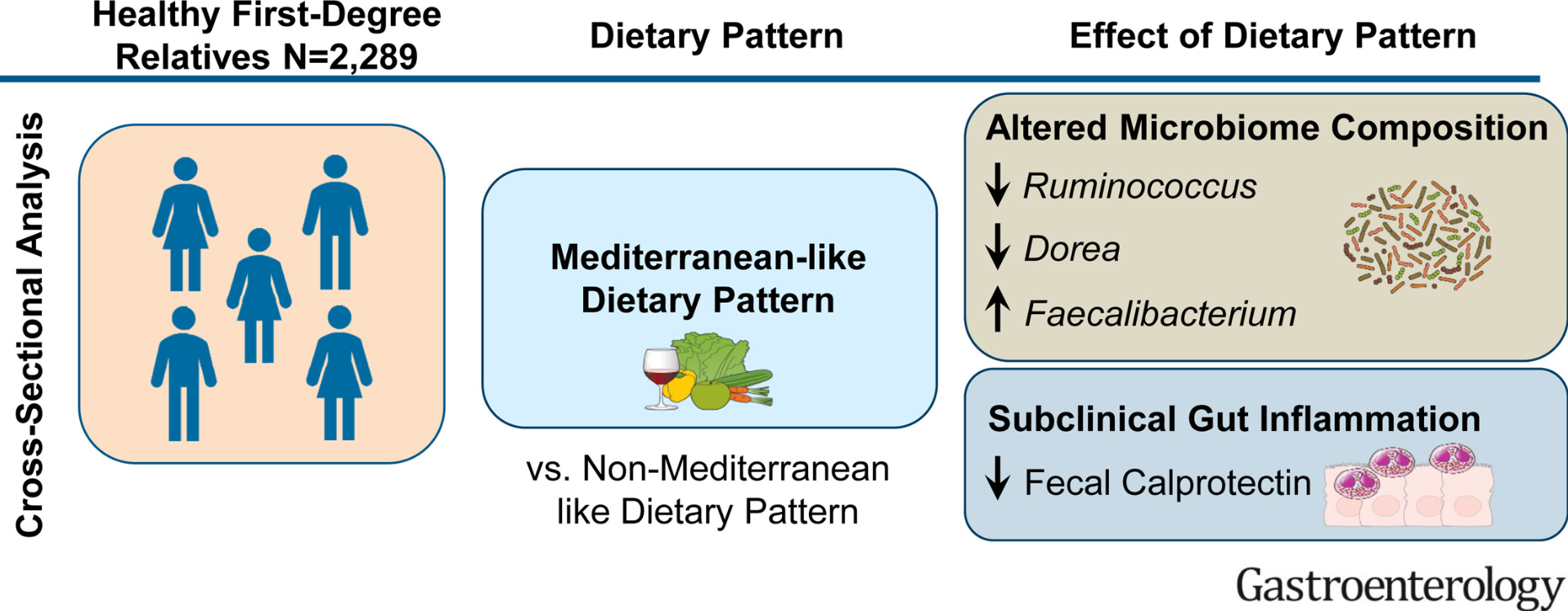
My take: The dramatic increase in the prevalence of IBD over the past 50 years indicates a strong influence of environment factors, particularly diet. Determining which of these factors are most important will be challenging. These articles indicate that some emulsifiers could be contributing to GI tract inflammation and non-GI tract inflammation as well.
The challenges with identifying dietary factors relate to difficulties with using randomized controlled trials (especially eliminating delicious foods) to assess the impact over a long period of follow-up.
This is an amazing study — “50-year period (1968–2017), clinical and laboratory data were collected from 133 transplant centers and analyzed retrospectively (16,641 liver transplants in 14,515 children).”
Key findings:
Overall, the 5-year graft survival rate has improved from 65% in group A (before 2000) to 75% in group B (2000-2009) (p < 0.0001) and to 79% in group C (since 2010) (B versus C, p < 0.0001).
Graft half-life was 31 years, overall; it was 41 years for children who survived the first year after transplant.
The use of living donors steadily increased from A to C (A, n = 296 [7%]; B, n = 1131 [23%]; and C, n = 1985 [39%]; p = 0.0001)
My take: Liver transplantation provides a durable cure for most infants and children with severe liver disease.
A total of 24 studies with 3677 patients who underwent living donor liver transplantation (LDLT) and 9098 patients who underwent deceased donor liver transplantation (DDLT) were included for analysis. Key findings:
Overall, this meta-analysis shows improved patient and graft survival at 1, 3, 5, and 10 years with LDLT compared to DDLT:
Patient survival: LDLT vs DDLT: 1-year (odds ratio [OR], 0.68), 3-year (OR, 0.73), 5-year (OR, 0.71), and 10-year (OR, 0.42)
Graft survival — LDLT vs DDLT: 1-year (OR, 0.50), 3-year (OR, 0.55), 5-year (OR, 0.5; 95), and 10-year (OR, 0.26)
While LDLT is often technically more challenging, it provides timely access (reducing wait-time deaths/deterioration) to a high-quality organ with minimal preservation time. In this cohort, LDLT patients had higher MELD and PELD scores at transplantation compared to the DDLT.
My take: Increasing use of LDLT, at centers with appropriate expertise, will lead to better outcomes in children with severe liver disease.