AASLD Practice Changes for Metabolic Liver Disease in 2024

V Chen et al. Hepatology 2024; doi: 10.1097/HEP.0000000000001112. Open Access!. Resmetirom therapy for metabolic dysfunction-associated steatotic liver disease: October 2024 updates to AASLD Practice Guidance

Key points:

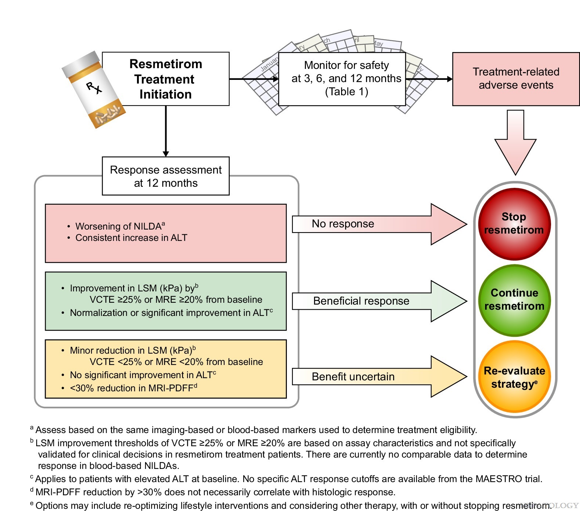
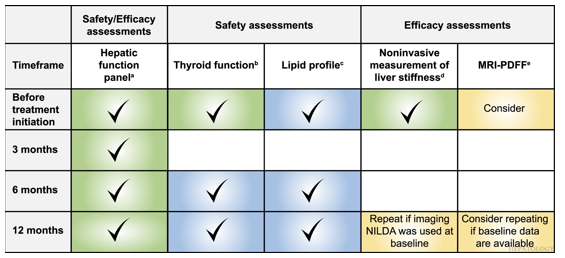
  • Guidance recommends use of resmetirom (in adults) with F2-F3 fibrosis as determined by “imaging-based NILDAs, such as liver stiffness measurement (LSM) by vibration-controlled transient elastography (VCTE) or magnetic resonance elastography (MRE)…liver biopsy is not typically recommended for fibrosis staging in current clinical practice, [though] histologic examination remains the gold standard to quantify fibrosis.”
  • “Glucagon-like peptide 1 (GLP-1) and GLP-1/glucose-dependent insulinotropic polypeptide (GIP) receptor agonists are FDA approved for the treatment of type 2 diabetes and overweight/obesity. They reduce the risk of cardiorenal complications in addition to their effects on glycemic control and weight loss.17–25 While these pharmaceutical agents are not currently approved for the treatment of MASH, phase 2 randomized, placebo-controlled clinical trials of liraglutide, semaglutide, and tirzepatide have demonstrated their efficacy in reducing steatohepatitis without worsening fibrosis and, in the case of tirzepatide, decreasing fibrosis without worsening of steatohepatitis as well.”
  • “The most common treatment-emergent adverse events were diarrhea and nausea, which developed in 24% to 34% and 12% to 22% of resmetirom-treated participants, respectively…Development of hypothyroidism requiring levothyroxine replacement occurred in 1.8% of participants receiving resmetirom.”
  • The authors recommend assessing response with bloodwork and noninvasive imaging at 1 yr to help determine if therapy should be continued.

My take: This article provides practical advice for using resmetirom for MASLD.

Related blog posts:

Autoimmune Diseases in Patients with Primary Sclerosing Cholangitis Plus One

A Lundberg Bave et al. Hepatology 2024; 80: 527-535. Autoimmune diseases in primary sclerosing cholangitis and their first-degree relatives

Methods: Using National Swedish registries, the authors evaluated a matched cohort study, 1378 individuals with PSC and 13,549 general population comparators and their first-degree relatives.

Key findings:

  • After excluding inflammatory bowel disease and autoimmune hepatitis, the prevalence of autoimmune disease was 18% in PSC and 11% in comparators, OR: 1.77
  • Highest odds were seen for celiac disease [OR: 4.3], sarcoidosis [OR: 2.74], diabetes type 1 [OR: 2.91], and autoimmune skin disease [OR: 2.15]
  • First-degree relatives of individuals with PSC had higher odds of developing IBD [OR: 3.25], autoimmune hepatitis [OR: 5.94], and any autoimmune disease than relatives of the comparators [OR: 1.34] 

My take: Keep an eye out for other autoimmune diseases in patients (& their 1st-degree relatives) with PSC.

Related blog posts:

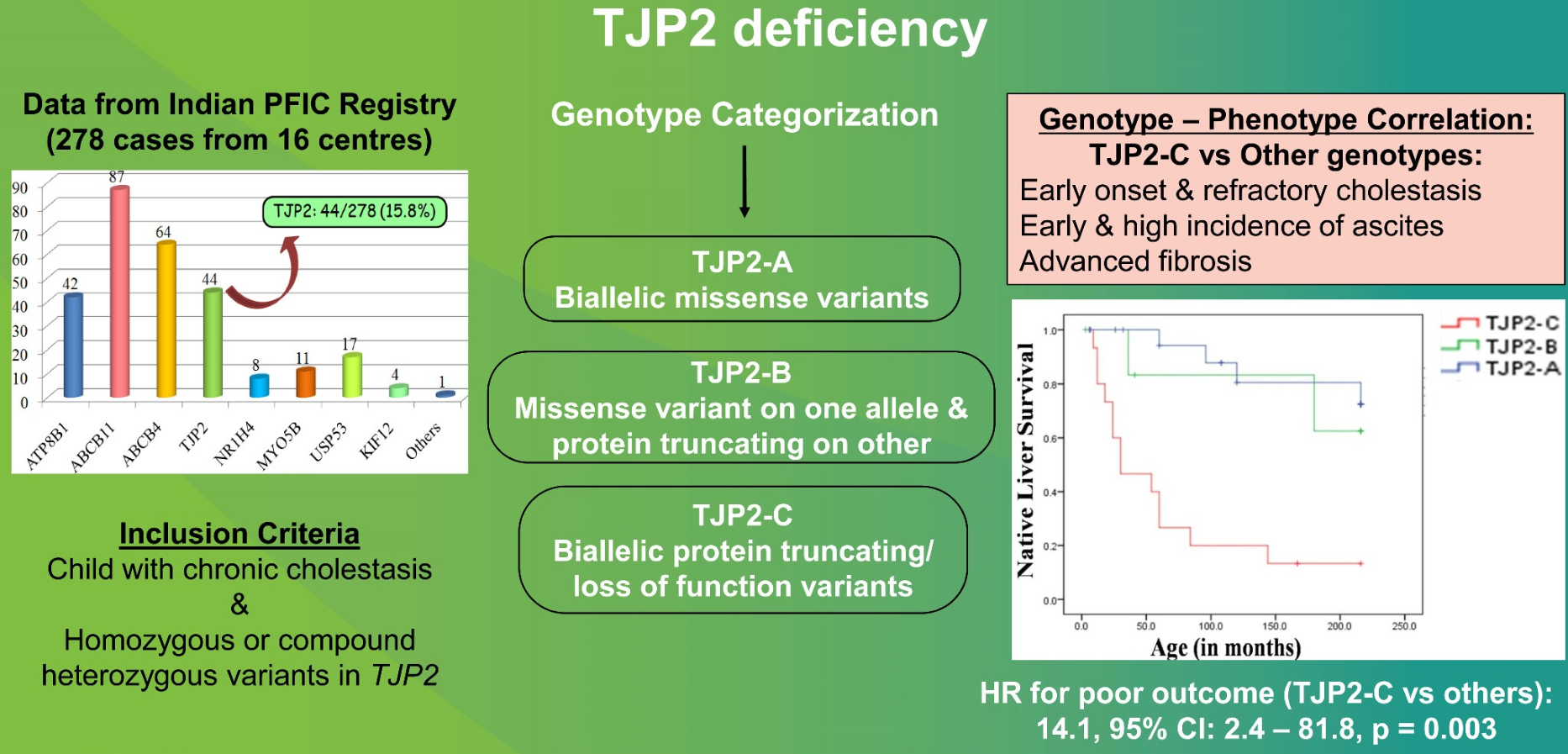
Briefly noted: BB Lai et al. Hepatology 2024; 80: 511-526. Genotype correlates with clinical course and outcome of children with tight junction protein 2 (TJP2) deficiency–related cholestasis Key finding: “Patients with the TJP2-C genotype carrying PPTMs [predicted protein-truncating mutation] in both alleles had a rapidly progressive course, leading to early decompensation and death if they did not receive timely liver transplantation.”

Metabolite Spectroscopy As a Diagnostic Tool for Autoimmune Hepatitis

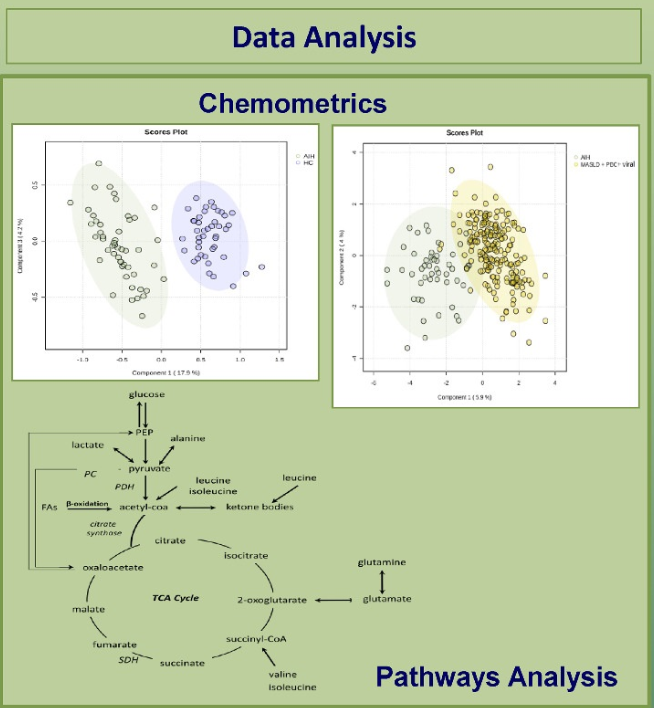
A Dimou et al. Hepatology 2024; 80: 266-277. NMR-based metabolomic signature: An important tool for the diagnosis and study of pathogenesis of autoimmune hepatitis

Methods: The authors examined treatment-naive patients with well-established AIH and compared them to healthy controls and those with other liver diseases.

Key Finding:

  • Fifteen metabolites (out of a total of 52 analyzed) differentiated AIH from disease controls (PBC+chronic viral hepatitis+metabolic dysfunction–associated liver disease) (95% sensitivity and 92% specificity)

In their discussion, the authors review the metabolism of the various metabolites and why they may be altered in AIH. “Our study found that cirrhosis did not seem to affect our results.” In ongoing studies, the authors are trying to determine how these metabolites change with treatment and whether they could be a predictive marker.

My take: Metabolite measurement could be helpful in the diagnosis of AIH as “NMR technology dose not need much sample handling, is highly reproducible, and with low costs.

Related blog posts:

Rope-A-Dope with Hepatitis C

Methods: The authors developed an agent-based model (ABM) “simulating the dynamics of HCV transmission and demographic changes from 2006 to 2030, using data from Ontario, Canada.14 Predicted long-term health outcome effects for current HCV policies (status quo) and those following the implementation of various scale-up interventions were compared to the elimination goals set by the WHO.”

Key findings:

  • Under the current status quo of risk-based screening, we predict the incidence of CHC-induced decompensated cirrhosis, HCC, and liver-related deaths would decrease by 79.4%, 76.1%, and 62.1%, respectively, between 2015 and 2030
  • However, chronic hepatitis C (CHC) incidence would only decrease by 11.1% (WHO goal by 2030 is a reduction of 80%)

From the editorial:

“According to the study by Tian et al,3 the future incidence of HCV infection will be mainly related to HCV transmission, stressing the fact that harm reduction strategies, in addition to the highest treatment rate, are paramount to reducing the further HCV spread and reinfection risk, especially in marginalized populations. In high‐income countries, HCV treatment rates among people who use drugs remain inadequate due to a lack of simplified HCV testing, scale‐up of harm reduction‐based HCV treatment programs, and numerous additional barriers to HCV services.”

It is not just a matter of time until high-income countries get rid of HCV infection. The ongoing mass screening campaign in Italy shows that having political will and financial coverage is insufficient to achieve the HCV elimination targets. In high-income countries, encouraging and convincing people to get tested is among the most challenging and underrated.”

My take: The development of highly effective HCV treatments has been a remarkable feat, reducing the rate of death and complications from HCV. Nevertheless, it has not brought about a big improvement in HCV transmission. To achieve this, it looks like a vaccine will be necessary. Until then, our fight against HCV is akin to the ‘rope a dope‘ boxing strategy –we are not getting a knock-out anytime soon against this opponent.

Related blog posts:

Canyonlands National Park, Utah

One Week Treatment to Protect Non-Liver Transplant Recipients of HCV+ Organs & Baseball Dog

Link: Bat Dog

————

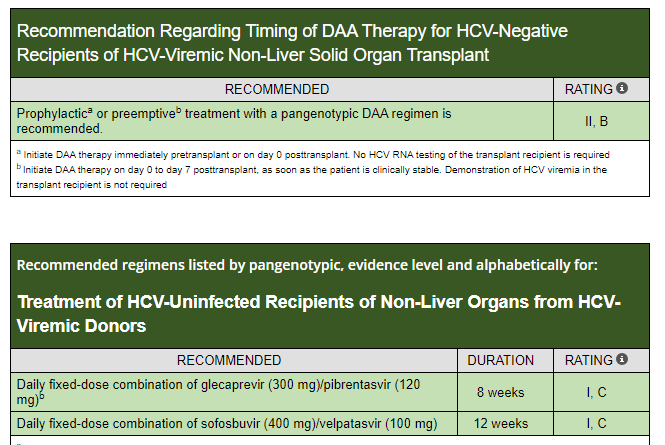
A recent report in Gastroenterology and Hepatology News (July 2024: Shortened Protocol Can Prevent Infection in Recipients of HCV+ Organs) highlighted the recommended use of 1 week empiric treatment to prevent the development of hepatitis C in transplant recipients of HCV+ organs.

The cost for a one week course of “the Toronto Protocol” which includes glecaprevir-pibrentasvir along with ezetimbe is ~$2800. This is much less than a full course which likely would cost ~$30,000. Ezetimbe, cholesterol-lowering agent, has the ability to prevent HCV from entering cells.

For liver transplant recipients of HCV+ donor, a 12 week course of treatment is recommended

From HCV Guidelines:

Related blog posts:

Lean Patients with Inflammatory Bowel Disease Have Higher Risk of Steatotic Liver Disease Than Lean Patients Without IBD

SJ Martinez-Dominguez et al. Inflammatory Bowel Diseases, Volume 30, Issue 8, August 2024, Pages 1274–1283https://doi.org/10.1093/ibd/izad175 Open Acess! Inflammatory Bowel Disease Is an Independent Risk Factor for Metabolic Dysfunction–Associated Steatotic Liver Disease in Lean Individuals 

Methods: This was a cross-sectional, case-control study including 300 lean cases with IBD and 80 lean controls without IBD, matched by sex and age (median age ~45 yrs). All participants underwent a liver ultrasound, transient elastography, and laboratory tests. All patients with current or previous use of systemic steroid in the last 2 years were excluded from the analysis

Key Findings:

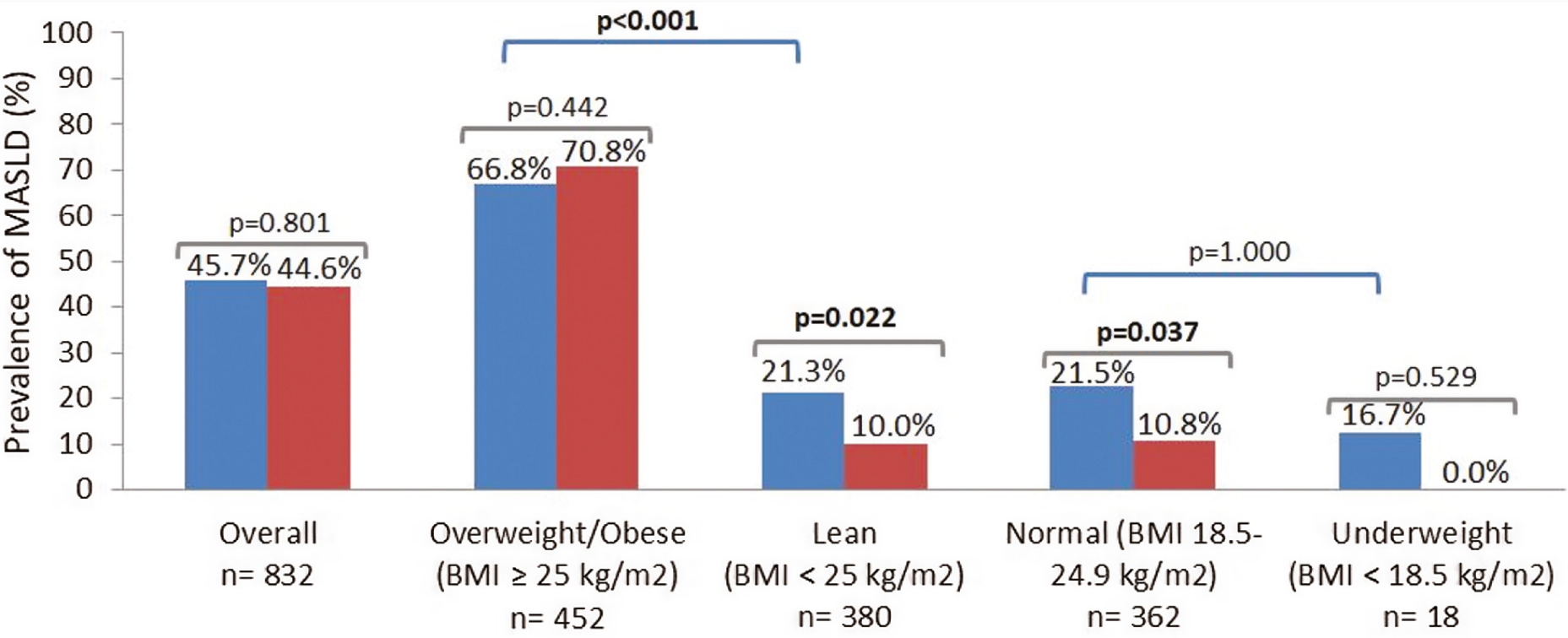
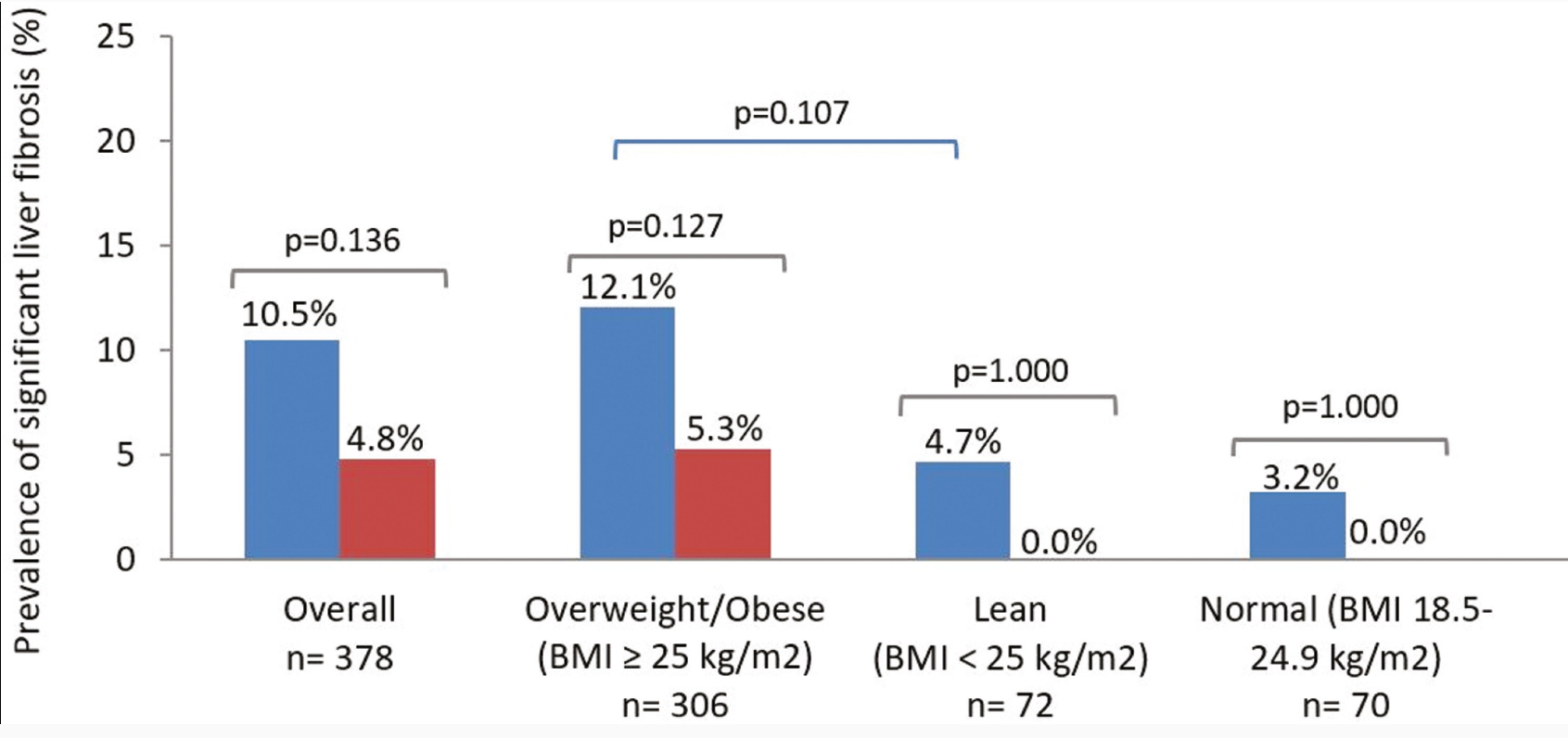
  • The lean IBD group showed a significantly higher prevalence of MASLD compared with lean non-IBD group (21.3% vs 10%; P = .022), but no differences were observed in the prevalence of significant liver fibrosis (4.7% vs 0.0%; P = 1.000)
  • No differences were found between the prevalence of MASLD in IBD and non-IBD participants who were overweight/obese (66.8% vs 70.8%; P = .442)
  • IBD was an independent risk factor for MASLD in lean participants (odds ratio [OR], 2.71) after adjusting for classic metabolic risk factors and prior history of systemic steroid use
Prevalence of metabolic dysfunction–associated steatotic liver disease (MASLD) in cases and controls according to body mass index (BMI) status. Blue bars: cases (inflammatory bowel disease). Red bars: controls (non–inflammatory bowel disease). P values in bold indicate statistical significance (P < .05).

My take: This study suggests that “chronic inflammation could play a role in MASLD development.” Also, this indicates that MASLD could be a reason for elevated LFTs in patients with IBD, even in lean patients.

Related blog posts:

Liver Briefs: Hereditary Angioedema/Liver Transplantation, Bulevirtide/PEG for HDV, and AASLD Cystic Fibrosis Guidance

NE Peters et al. NEJM 2024; 391; 56-59. Normalization of C1 Inhibitor in a Patient with Hereditary Angioedema

“An infant with genetically confirmed hereditary angioedema and low C1 inhibitor levels (but without previous episodes of angioedema) underwent liver transplantation for biliary atresia, an unrelated condition. Liver transplantation led to normalization of the C1 inhibitor level and function. To our knowledge, this represents the first patient to be potentially cured of hereditary angioedema.” This case report shows that liver-directed therapy can reverse hereditary angioedema.

Related blog posts:

T Asselah et al. NEJM 2024; 391:133-143. Bulevirtide Combined with Pegylated Interferon for Chronic Hepatitis D

Key finding: At 24 weeks after the end of treatment, HDV RNA was undetectable in 17% of the patients in the peginterferon alfa-2a group, in 32% of those in the 2-mg bulevirtide plus peginterferon alfa-2a group, in 46% of those in the 10-mg bulevirtide plus peginterferon alfa-2a group, and in 12% of those in the 10-mg bulevirtide group. 

My take: This is a long (48 weeks) and difficult treatment (2 injection meds and lots of peginterferon side effects). However, there is a fairly good response rate.

Related blog post: Image Only: World Hepatitis Day Infographic

ZM Sellers et al. Hepatology 2024; 79(5):p 1220-1238, May 2024. Open Access! Cystic fibrosis screening, evaluation, and management of hepatobiliary disease consensus recommendations

This link to the article also has links to related AASLD guidelines (eg. management of portal hypertension). Table 2 summarizes the ~34 recommendations which include yearly evaluation with labs, ultrasound at least every 2 years in pediatric patients (age 3 yrs and older) and against routine use of ursodeoxycholic acid.

More Data on Fazisiran for Alpha-One Antitrypsin

About two years ago, the NEJM published a phase 2 study of Fazisiran for Alpha-One Antitrypsin Deficiency (see: RNA Interference (Fazirsiran) for Liver Disease Associated with Alpha-1-Antitrypsin Deficiency). Now a larger placebo-controlled study which randomized 40 patients to subcutaneous placebo or fazirsiran 25/100/200 mg has been published:

VG Clark et al. Gastroenterol 2024; (in press). DOI:https://doi.org/10.1053/j.gastro.2024.06.028 Fazirsiran for Adults with Alpha-1 Antitrypsin Deficiency Liver Disease: A Phase 2 Placebo Controlled Trial (SEQUOIA)

Key findings:

  • At Week 16, least-squares mean percent declines in serum Z-AAT concentration were −61%, −83% and −94% with fazirsiran 25/100/200 mg, respectively, versus placebo (all P< .0001)
  • Efficacy was sustained through Week 52. At post-dose liver biopsy, fazirsiran reduced median liver Z-AAT concentration by 93% compared with an increase of 26% with placebo
  • All fazirsiran-treated patients had histological reduction from baseline in hepatic globule burden
  • Portal inflammation improved in 5/12 and 0/8 patients with baseline score >0 in the fazirsiran and placebo groups, respectively
  • Histological METAVIR score improved by >1 point in 7/14 and 3/8 patients with fibrosis >F0 at baseline in the fazirsiran and placebo groups, respectively

My take: This is an exciting development for patients with A1AT-associated liver disease. Longer duration data is needed to confirm whether fazirsiran will be a useful therapeutic agent for A1AT deficiency. If effective, selecting patients who benefit from treatment will need to be determined.

Prevalence of Steatotic Liver Disease in U.S. And Risk of Complications

M Kalligeros et al. Clin Gastroenterol Hepatol 2024; 22: 1330-1332. Prevalence of Steatotic Liver Disease (MASLD, MetALD, and ALD) in the United States: NHANES 2017-2020

9698 participants in NHANES during the 2017-2020 cycle completed a transient elastography examination. After excluding patients less than 18 years, these were the key findings:

  • 37.87% had steatotic liver disease
  • 32.45% had MASLD
  • 2.56% had MetALD
  • 1.17% and ALD

Limitations: database study, lack of liver biopsy, reliance on self-reports of alcohol consumption

————————-

M-H Lee et al. Clin Gastroenterol Hepatol 2024; 22: 1275-1285. Open Access! Chronic Viral Hepatitis B and C Outweigh MASLD in the Associated Risk of Cirrhosis and HCC

Methods: 336,866 adults aged ≥30 years were prospectively enrolled in a health screening program between 1997–2013

Key findings:

  • 122,669 (36.4%) had MASLD. Over a mean follow-up of 15 years, 5562 new cases of cirrhosis and 2273 new cases of HCC were diagnosed.
  • Hazard ratios for HCC were 8.86 for MASLD with HBV or HCV, compared with non-SLD without HBV or HCV
  • Hazard ratios for HCC were 8.81 for HBV or HCV with non-SLD (SLD), and 1.52 for MASLD without HBV or HCV

My take: MASLD significantly increased cirrhosis and HCC risks; however the risk of HBV or HCV was much greater. The high prevalence rates of MASLD guarantees a huge need for liver disease management for the foreseeable future.

Related blog posts:

Descanso Gardens (Los Angeles)

What Can Go Wrong with Living Liver Transplantation for the Donor

J Xiao et al. Liver Transplantation 2024; 30: 493-504 The incidence of adverse outcome in donors after living donor liver transplantation: A meta-analysis of 60,829 donors

This meta-analysis consisted of eighty-seven articles involving 60,829 living liver donors.

Key findings:

  • The overall pooled incidence of complications in LDLT donors was 24.7%
  • The incidence of minor complications was 17.3%
  • The incidence of major complications was 5.5%
  • The overall incidence of donor mortality was 0.06% in 49,027 individuals**. 
  • Psychological complications 7.6% were the most common complications among LDLT donors. This was followed by wound-related complications 5.2%
  • Table 2 (below) gives an extensive list of potential complications and their incidences in this cohort

**In the discussion, the authors note that “donor mortality is a devastating outcome in LDLT…Our study found that Asian countries reported a lower rate…For example, in Japan, the rate of donor mortality was 0.3 deaths per 1000 donors, while in the United States and Europe, donor mortality rates were 1.7 and 2.3 deaths per 1000 donors, respectively. While this observation may be attributed to greater experience in LDLT in Asian centers, it is also possible that underreporting in Asian centers might play a role. Mortality in donors…may result in the suspension or termination of an LDLT program.”

My take: Even with potential underreporting, this study highlights the very real risks associated with trying to save a life via LDLT.

Related blog posts: