Does Gastrostomy Tube Prolong Life in Rett Syndrome?

A recent study (K Wong et al. J Pediatr 2018; 200: 188-95) examined a longitudinal cohort of 323 females in the Australian Rett Syndrome Study.

Key findings:

  • 30.3% of the cohort underwent gastrostomy placement
  • BMI was greater in individuals with gastrostomy placement
  • Median age of gastrostomy placement was 9 years
  • The all-cause mortality rate was greater in those who had gastrostomy placement compared with those who had not (hazard ratio 4.07, CI 1.96-8.45)
  • Survival: 66.1% of the entire cohort was alive at 20 years of age (median survival was 33 years). The survival was 87.3% in those without a gastrostomy.
  • Placement of a gastrostomy tube was not associated with fewer hospitalizations or improvement in parental physical or mental health

While the mortality was higher in those who received a gastrostomy tube, the study’s nonrandomized design does not allow definitive assessment of whether a gastrostomy tube is detrimental to long-term survival.  Children who received gastrostomy tube may have had additional comorbidities.

My take: In adult medicine, it is generally accepted that Gtube placement does not prolong life (Clin Gastro & Hep 2007; 5: 1372).  This study indicates that a Gtube may not improve longevity in many pediatric disorders as well.

Related blog posts:

Exclusive Enteral Nutrition for Crohn’s Disease -Less Effective in Those with Isolated Colonic Disease

A recent study (Y Xu. Clinical Nutrition 2018; https://doi.org/10.1016/j.clnu.2018.08.022) showed that exclusive enteral nutrition (EEN) is less effective in patient’s with Crohn’s disease with isolated colonic disease.

Abstract Link: Isolated Colonic Crohn’s Disease is Associated with a Reduced Response to Exclusive Enteral Nutrition Compared to Ileal or Ileocolonic Disease

This was a retrospective study of 241 adults: 52 patients in the cCD (isolated colonic disease) group and 189 patients in the non-cCD group.

Key findings:

  • “The rates of clinical remission differed between the two groups (cCD group: 51.9% versus non-cCD group: 68.3%, P = 0.029). Multivariate analyses indicated that isolated colonic involvement was associated with a reduced response to EEN (OR = 2.74; [CI] 95% = [1.2 –6.23], P = 0.016).”
  • “Further analysis showed that even in patients who achieved clinical remission after EEN, inflammatory serum markers declined more slowly in the cCD group than in the non-cCD group, and the time to remission was longer in the cCD group.”

Related blog posts:

Better Diet -Less Fatty Liver

A recent study (J Ma et al. Gastroenterol 2018; 155: 107-17) shows that a “better diet” was associated with less liver fat.

Among the 1521 participants form a Framingham Heart Study cohort (Mean age 51 years at start of study), the authors assessed diet with a 125-item Harvard food frequency questionnaire and liver fat using liver-phantom ratio (LPR) on CT images between 2002-2005 and then again 2008-2011.  They specifically looked at 2 diet scores:

  • Mediterranean-style diet score (MDS)
  • Alternative Healthy Eating Index (AHEI)

Key findings:

  • For each 1 standard deviation increase in MDS, the LPR increased (less liver fat) by 0.57 and the odds for incident fatty liver decreased by 26% (P=.002)
  • Similarly, for each 1 standard deviation increase in AHEI, LPR increased by 0.56 and the odds for incident fatty liver decreased by 21% (P=.02)

My take: This study shows that Improved diet quality over 6 years was associated with reduced liver fat accumulation

Related posts:

Lake Louise, Banff


Pediatric NAFLD: You Don’t Have to be Obese/Overweight to Have Fatty Liver Disease (but it helps)

A recent study (P Kumar et al. JPGN 2018; 67: 75-9) examined suspected NAFLD in 12 to 18 year olds using data from NHANES. In the analysed cohort, there were 124 suspected NAFLD and 1385 without suspicion of NAFLD.  This subset was weight to represent a U.S. population of over 18 million.

Key definitions:

  • Suspected NAFLD was defined by abnormal ALT (>25.8 U/L for boys and >22.1 U/L for girls) who did not have another explanation (eg. viral hepatitis, medication)
  • Lean BMI was defined by BMI less than 85th% for age
  • Hypertriglyceridemia ≥ 150
  • Low HDL ≤ 40 mg/dL
  • HOMA-IR =fasting glucose x insulin (microU/mL) divided by 405. Insulin resistance was defined as HOMA-IR ≥ 3

Key findings:

  • Suspected NAFLD affects ~8% of lean adolescents in the U.S.
  • Hypertriglyceridemia was noted in 10 of 124 suspected NAFLD and was a risk factor (P=0.028) as was Low HDL which occurred in 15 (P=0.016) and IR which occurred in 43 (P=0.053)

My take: Elevated ALT, a marker for fatty liver disease, is common even in adolescents without obesity. Elevated triglycerides, low HDL, and insulin resistance are all risk factors for suspected NAFLD in non-overweight/non-obese teens.

Related blog posts:

Cumberland Island 2018

Pediatric Pancreatitis -Working Group Nutritional Recommendations

Abstract Link: Nutritional Considerations in Pediatric Pancreatitis: A Position Paper from the NASPHAN Pancreas Committee and ESPHAN Cystic Fibrosis/Pancreas Working Group.

M Abu-El-Haija et al. JPGN 2018; 67: 131-43.  This working group made ~27 recommendations (summarized in Table 1) and indicated the quality of evidence supporting the recommendation as well as the agreement among team members –virtually all received at least 12 of 13 votes.

Here are the ones that grabbed my attention:

For Acute Pancreatitis (AP):

  • 1a & 1aa. Children with mild AP should be started on a regular diet –preferably via mouth as compared to nasogastric route
  • 1b. Enteral nutrition (EN) should be attempted in children with severe AP within 72 hours from presentation, once deemed hemodynamically stable.
  • 1.4 Even in severe AP, jejunal tube feeding should be reserved for those unable to tolerate oral or NG tube feeding

For Acute Recurrent Pancreatitis (ARP):

  • 2.1a & 2.1b. Children should receive a regular-fat diet in between bouts of ARP and a regular-fat diet can safely be started within 1 week after the onset of a bout of AP (except in those with very elevated triglycerids (>1000 mg/dL)
  • 2.2a & 2.3a. PERT is NOT recommended in children with ARP without eocrine pancreatic insufficiency (EPI). Antioxidants are NOT recommended (insufficient supporting evidence)

For Chronic Pancreatitis (CP):

  • 3.1b & 3.12a. Recommends routine followup every 3-6 months and a regular diet
  • 3.3a, 3.4a, & 3.5a Monitoring: recommends checking fat-soluble vitamin levels every 6 to 12 months, checking for EPI with elastase (or 72 hr fecal fat) every 6-12 months, and BMD (bone mineral density) if CP and malnutrition (especially if Vit D deficiency or hx/o fractures)

My take: This report provides a methodical approach for the care of children with these pancreatic disorders.

Related blog posts:

Tide pools and wide beach at Cumberland Island 2018

Bone Health, Especially for IBD and Short Gut

Several colleagues with birthdays this week and next–Happy Birthday!

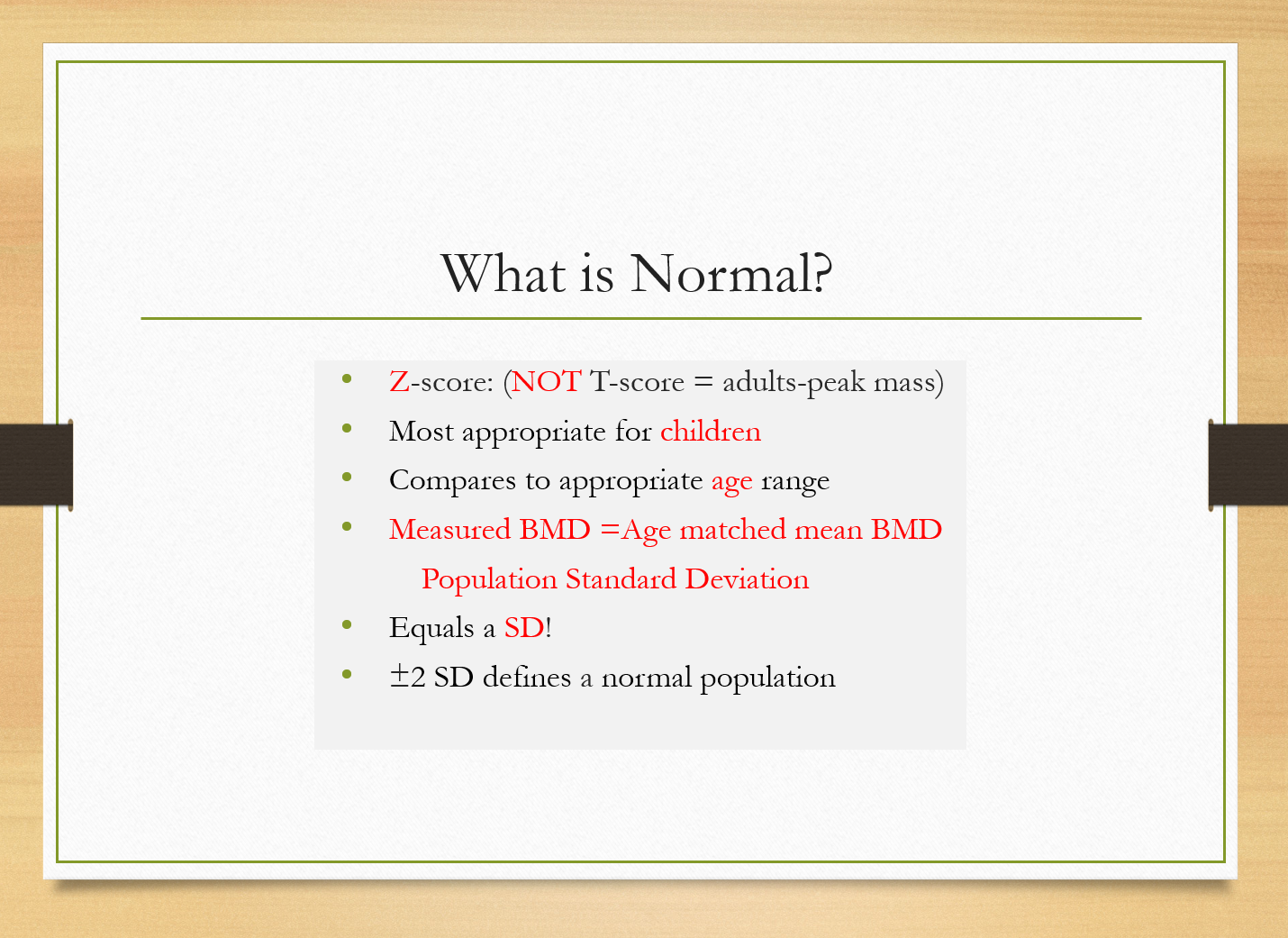
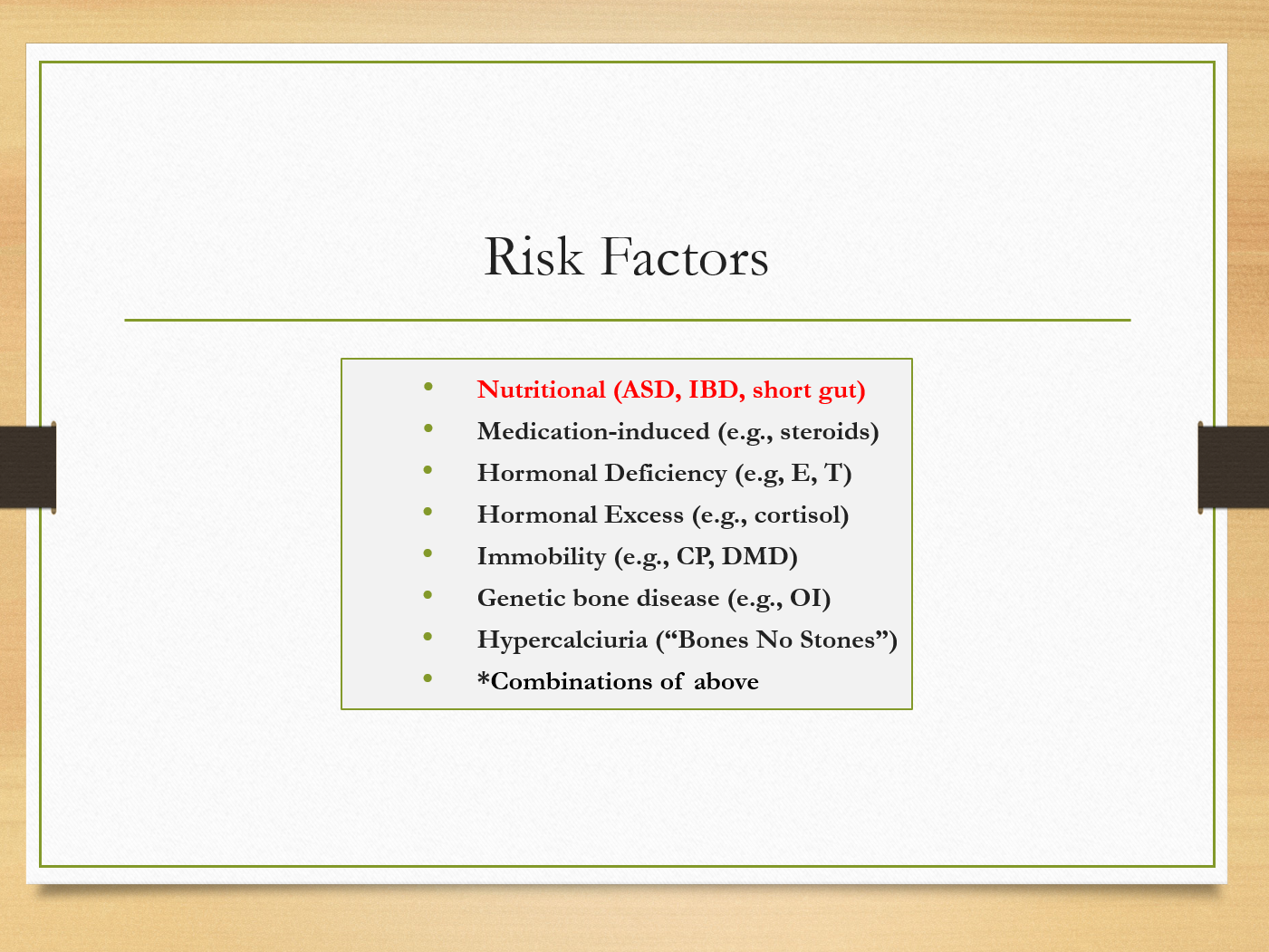
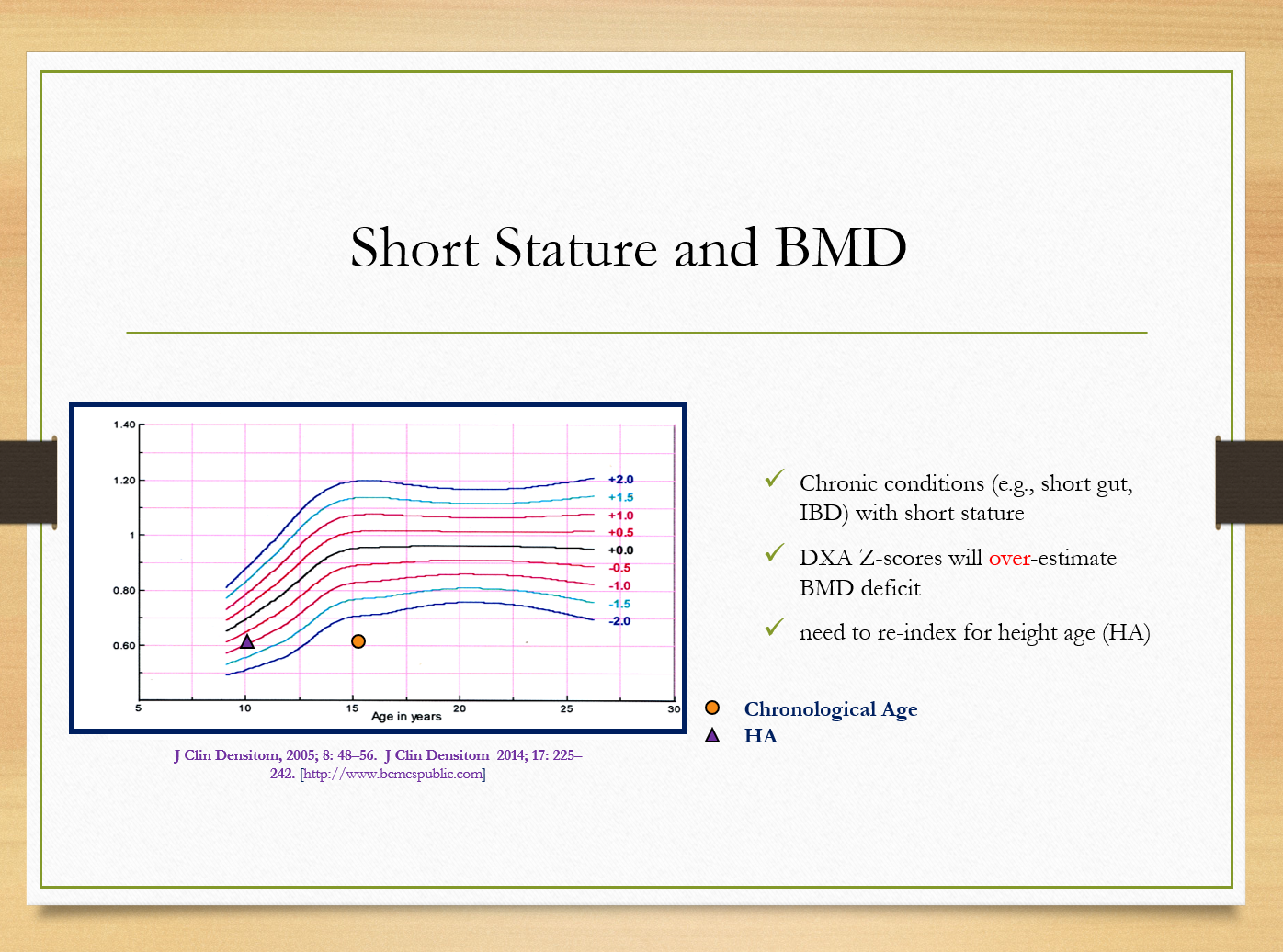
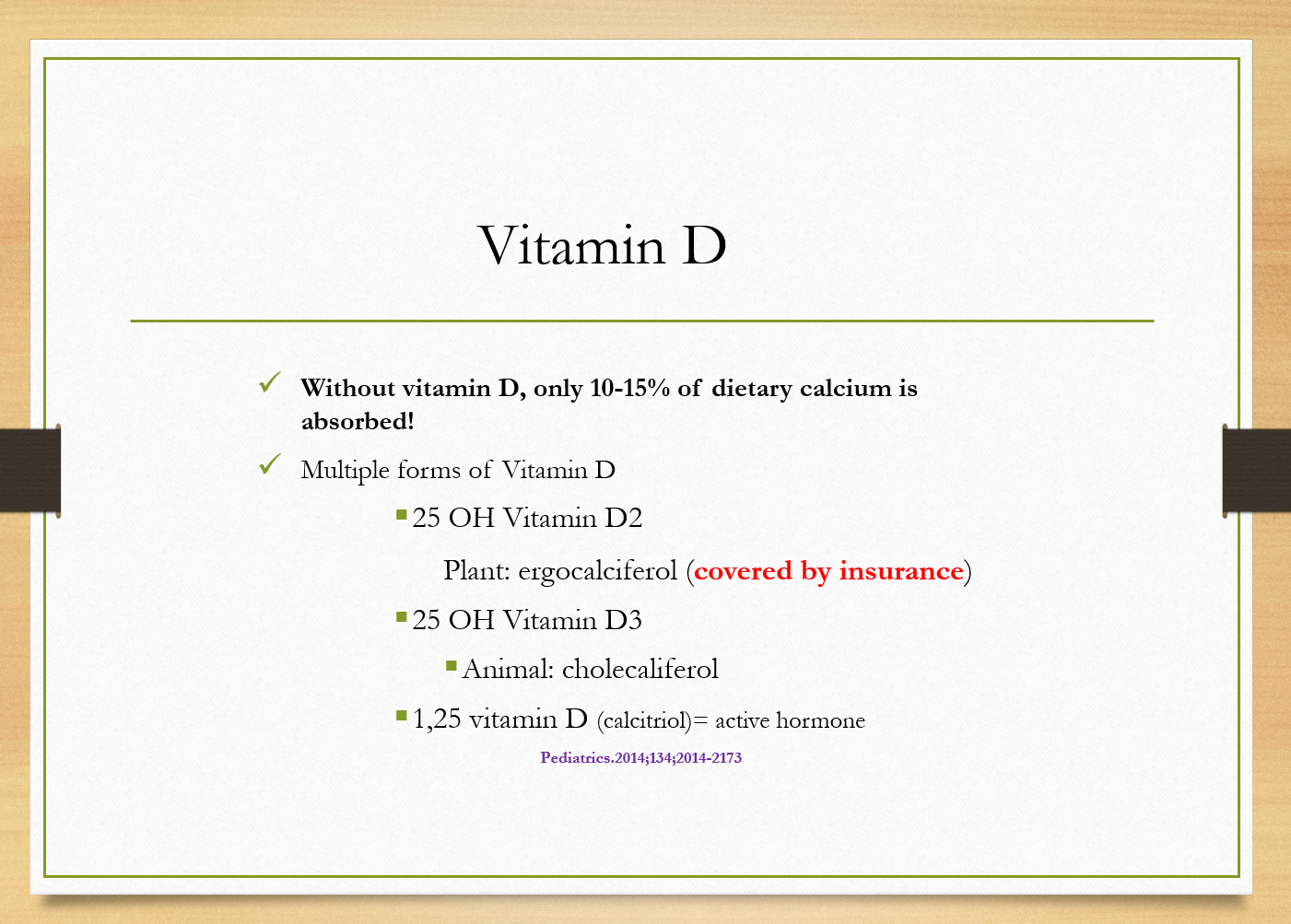
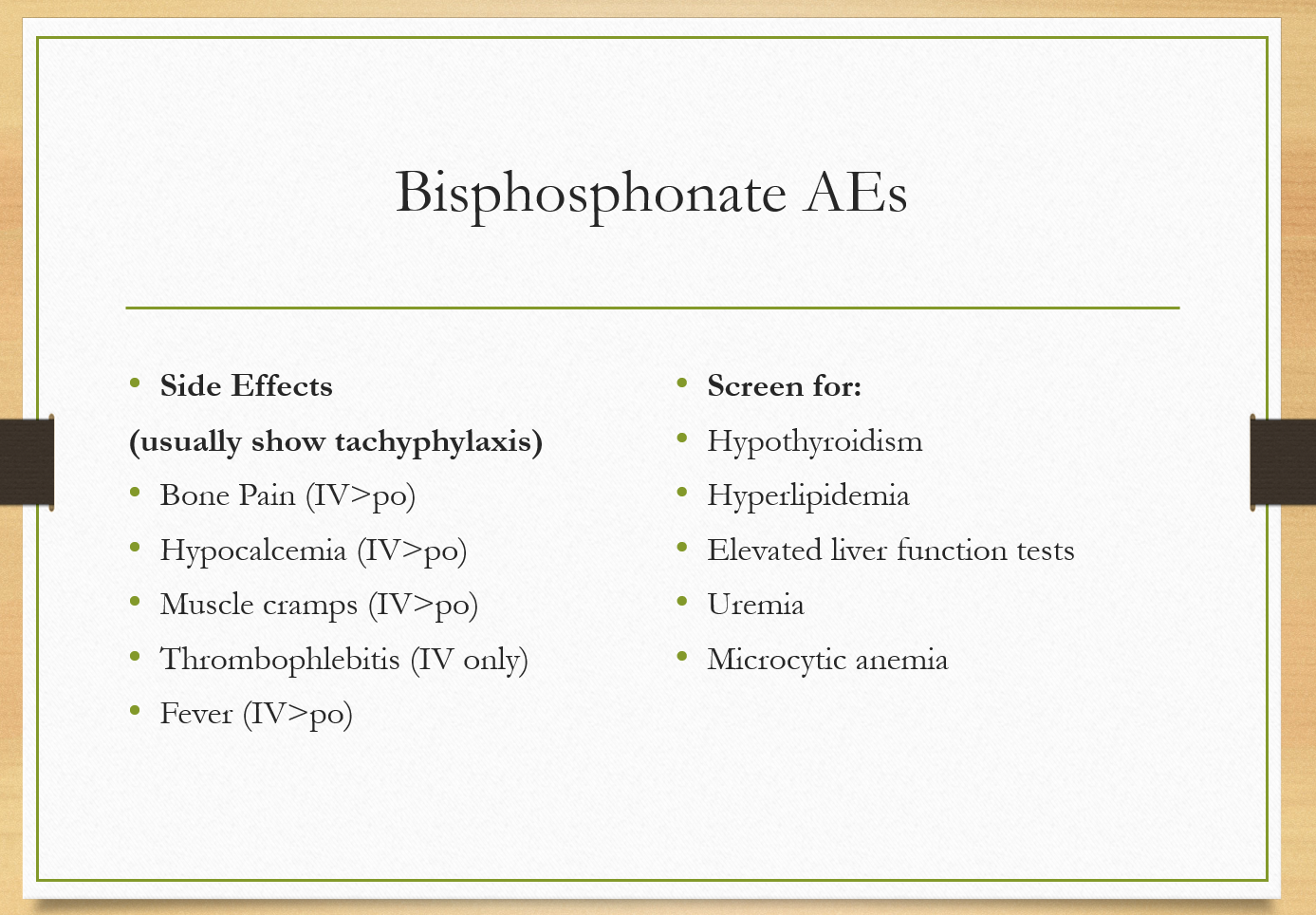
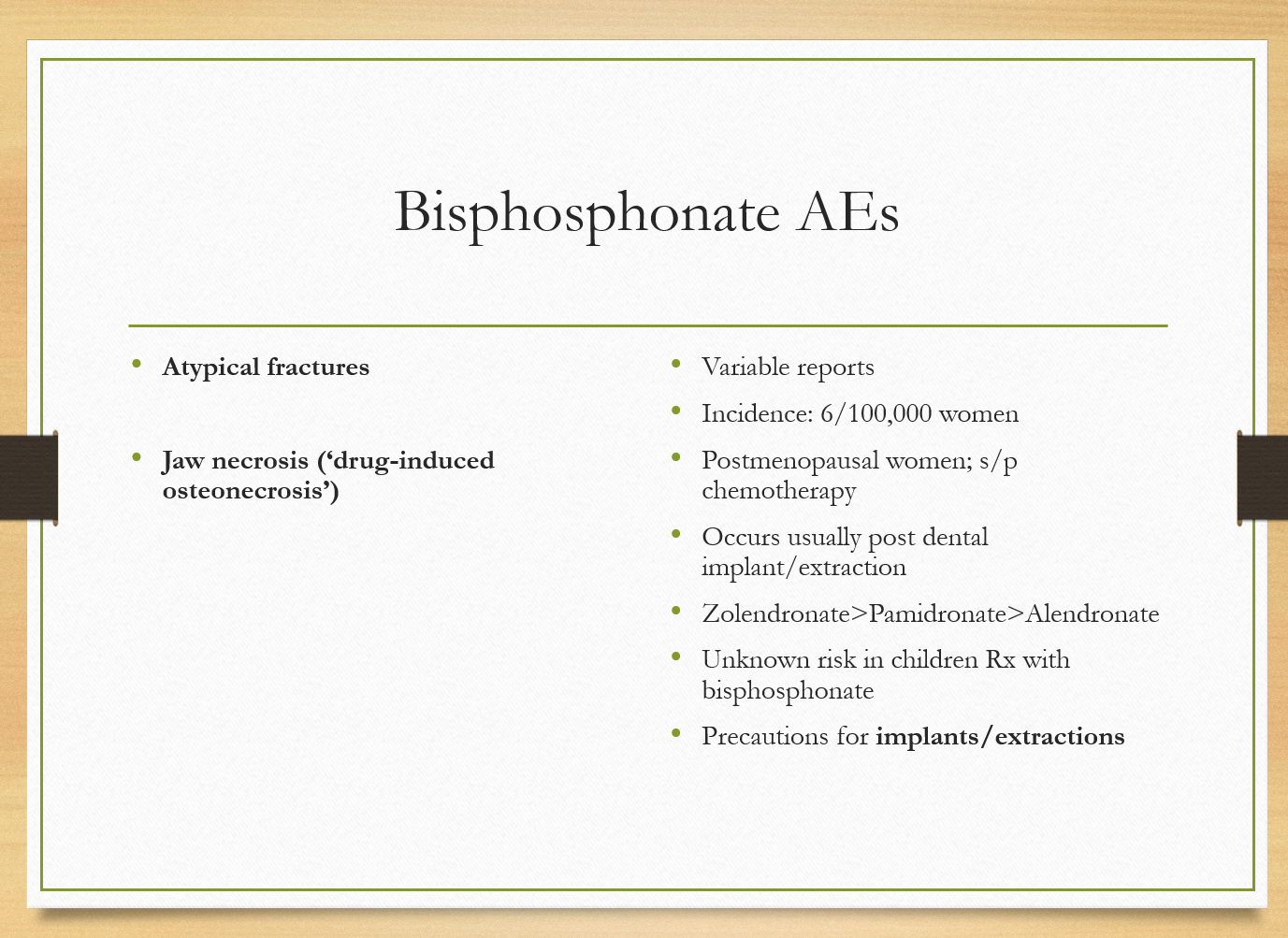
At our ICN population management meeting (as well as at a recent nutrition colloquium), Dr. Karen Loechner provided a timely update on bone health for our group.  Some of her slides are pictured below and a link to full slides follows.

Some of the points that I found interesting:

  • New hologic scans are much quicker (as little as 15 secs for some images) than typical DXA scans
  • While sodas have been associated with weaker bones, the main mechanism is likely displacement of milk from diet rather than direct effects
  • Adjust DXA results for height age
  • Think about vertebral compression fractures in children with mobility problems and painful symptoms


Full Link: Sticks and Stones Pediatric Osteoporosis


Higher Protein In Infant Formula –Doubling the Risk of Excess Body Fat in 6 year-olds

A recent study (thanks to John Pohl for link from twitter feed) (M Totzauer et al. Obesity 2018; https://doi.org/10.1002/oby.22203) indicates that high protein infant formula is associated with an increased risk of obesity.

Full Link: Effect of Lower Versus Higher Protein Content in Infant Formula Through the First Year on Body Composition from 1 to 6 Years: Follow‐Up of a Randomized Clinical Trial

From Abstract:

Methods

In a multicenter, double‐blind European trial, healthy infants (N = 1,090) were randomly assigned to different protein content formulas (upper [HP] and lower [LP] limits of the European Union regulations in 2001) during the first year; breastfed infants (N = 588) were recruited for reference values.

Weight, height, and triceps and subscapular skinfold (SF) thickness were measured repeatedly (N = 650 at 6 years), and body composition was estimated (Slaughter). The 99th percentile of fat mass index reference data were used to assess excess body fat at 6 years.

Results

At 2 and 6 years, the study observed greater sum of SFs (Δ 2 years: 0.5 mm, P = 0.026, Δ 6 years: 0.6 mm, P = 0.045), fat mass index (Δ 2 years: 0.12 kg/m², P = 0.008, Δ 6 years: 0.15 kg/m², P = 0.011), and fat‐free mass index (Δ 2 years: 0.17 kg/m², P = 0.003, Δ 6 years: 0.18 kg/m², P = 0.010) in the HP group compared with the LP group. At 6 years, the HP group had a twofold higher risk than the LP group for excess body fat (adjusted odds ratio: 2.13, P = 0.019).

Conclusions

Infant formula with HP levels induced greater fat mass in children from 2 to 6 years. Lowering the protein content of infant formula may result in a healthier body composition in early childhood.

Amelia Island -Sunrise


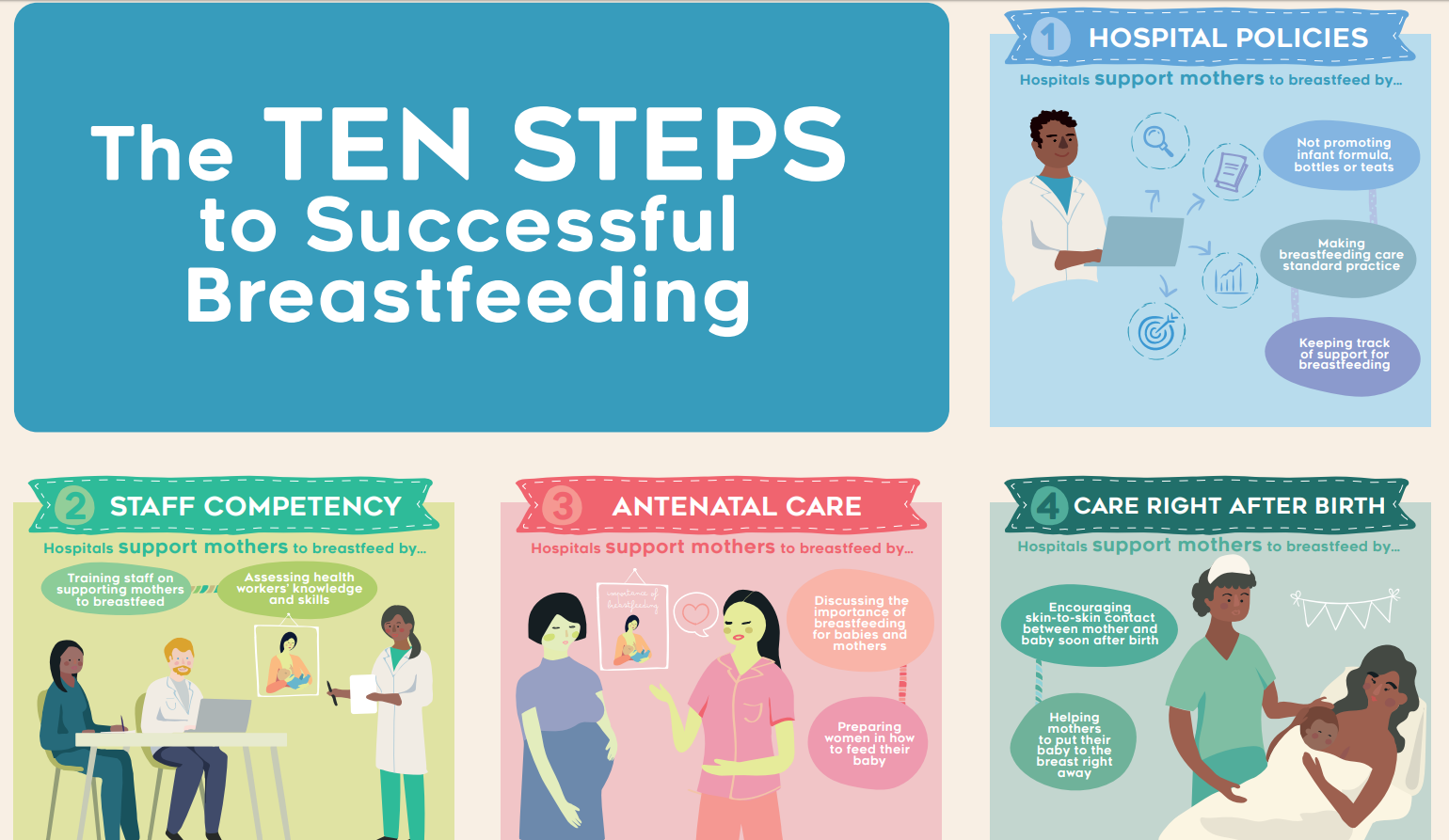
Laying to Rest a Breast-Feeding Myth

A recent study (VJ Flaherman et al. J Pediatr 2018; 196: 84-90) examines whether early limited formula feeding undermines breastfeeding.

Background: The authors note that women have been discouraged from using formulas for newborns during the birth hospitalization due to concerns that this will diminish the frequency/success of breastfeeding.

Besides the concern that supplemental formula could increase the risk of breastfeeding cessation, some have expressed concern that supplemental formula could undermine benefits of breastmilk on the intestinal microbiome.  In addition, some have worried that if mothers perceived formula-feeding to be easier, that this could lower satisfaction with breastfeeding.

Yet, on the other side of the ledger, there are “about 80,000 newborns who require readmission after discharge” with the majority related to dehydration and hyperbilirubinemia.  Both of these conditions could be ameliorated by formula supplementation.  Thus, to address whether supplemental formula may be of benefit, the authors devised an “early limited formula” (ELF) trial.  The authors only enrolled infants >2500 gm and who had a weight loss >75th percentile on The Newborn Weight Tool (www.newbornweight.org). The authors excluded those with >10% of their birth weight due to routine practice of supplementation.

Methods: 163 mother-infant pairs were randomly assigned to either ELF along with breastfeeding or breastfeeding exclusively.  ELF involved giving infants 10 mL of a hydrolysate formula with a feeding syringe after each breastfeeding until the onset of copious breast milk

Key findings:

  • Mothers using ELF averaged 5.4 times/day for a median of 2 days.
  • Breastfeeding rates at one month of age: 86.5% of ELF group and 89.7% of controls; 54.6% of ELF and 65.8% of controls were breastfeeding exclusively at 1 month of age.
  • Readmission occurred in 4 (4.8%) of control infants and none of the infants in the ELF cohort (P=.06)
  • Using a subset of 15 (8 with ELF), the authors did not identify significant changes in microbiome of ELF group compared with the exclusively fed group when examined at 1 week and 1 month (as well as baseline)

Limitations of this study include the relatively small number of participants.  Furthermore, some populations that are at increased risk for breastfeeding cessation, namely mothers <25 years and African-American mothers were underrepresented.

My take: This study indicates that ELF is safe and does not appear to significantly increase breastfeeding cessation.

Related blog posts:

Possible Quality Metric for Fatty Liver Disease: Dyslipidemia

With nonalcoholic fatty liver disease (NAFLD), it is well-documented that adverse cardiovascular events influence mortality more than any other factor.  Dyslipidemia plays an important role in these outcomes.

A recent study (KE Harlow et al. J Pediatr 2018; article in press. DOI: https://doi.org/10.1016/j.jpeds.2018.02.038) indicates that “clinically actionable dyslipidemia” is present in more than half of pediatric patients with NAFLD.

This multicenter, longitudinal cohort study included children (n=585) with NAFLD enrolled in the National Institute of Diabetes and Digestive and Kidney Diseases Nonalcoholic Steatohepatitis Clinical Research Network.

Key findings:

  • The prevalence of children warranting intervention for low-density lipoprotein cholesterol at baseline was 14%. After 1 year of recommended dietary changes, 51% achieved goal low-density lipoprotein cholesterol, 27% qualified for enhanced dietary and lifestyle modifications, and 22% met criteria for pharmacologic intervention
  • Elevated triglycerides were more prevalent, with 51% meeting criteria for intervention at baseline. At 1 year, 25% achieved goal triglycerides with diet and lifestyle changes, 38% met criteria for advanced dietary modifications, and 37% qualified for antihyperlipidemic medications.

My take: Assessing/managing dyslipidemia is an important component of NAFLD care.

Link to abstract: Clinically Actionable Hypercholesterolemia and Hypertriglyceridemia in Children with Nonalcoholic Fatty Liver Disease

Related blog posts: