It’s Alimentary (Part 1)

A recent ‘clinical quality forum’ sponsored by The Children’s Care Network (TCCN) and Nutrition4Kids featured several good lectures. The symposium was titled, “It’s Alimentary.”  What follows are my notes –the full lectures from these talks will be available in the coming weeks on the Nutrition4Kids website. My notes may include some errors in transcription and errors of omission.

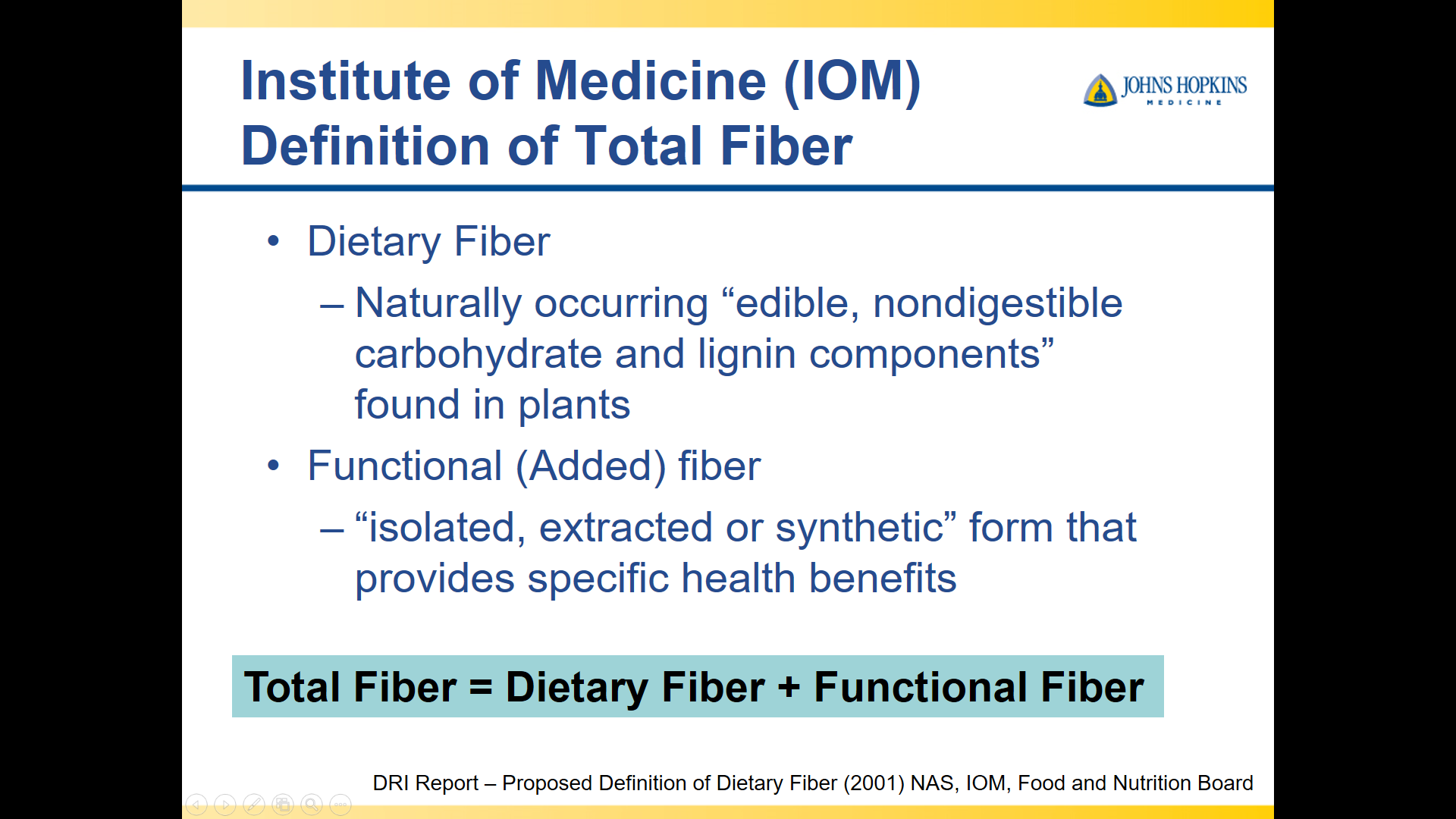
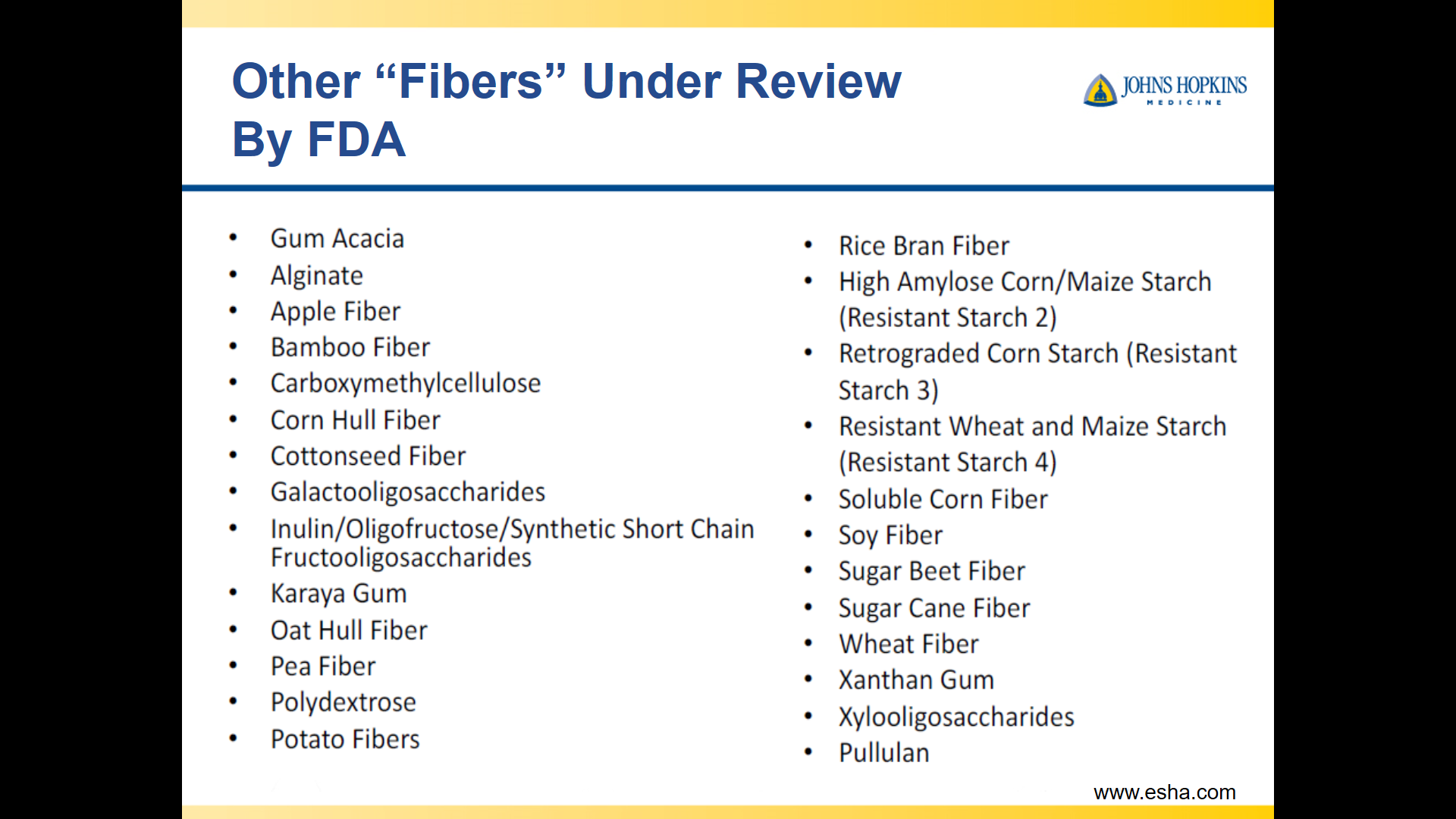
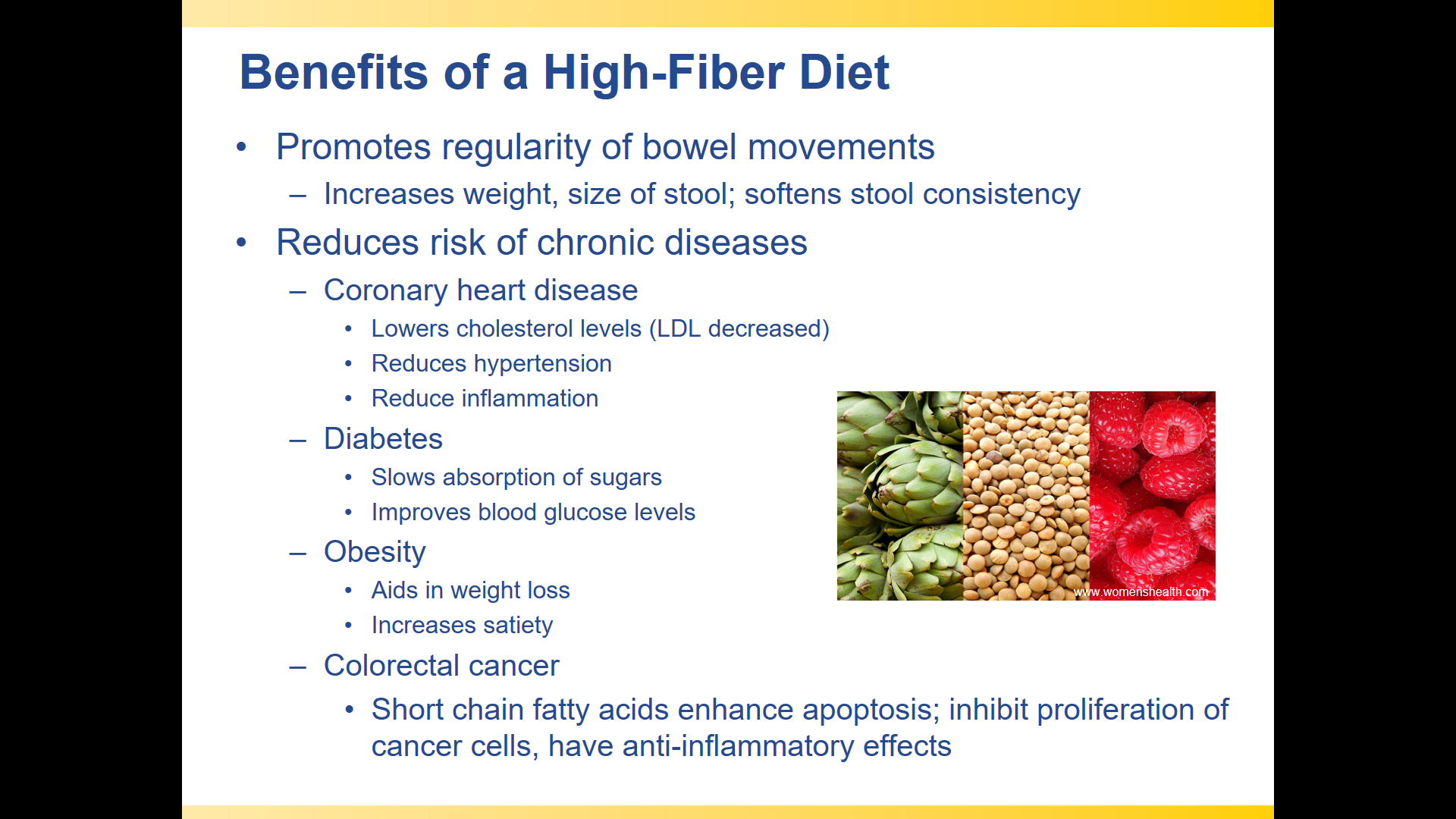
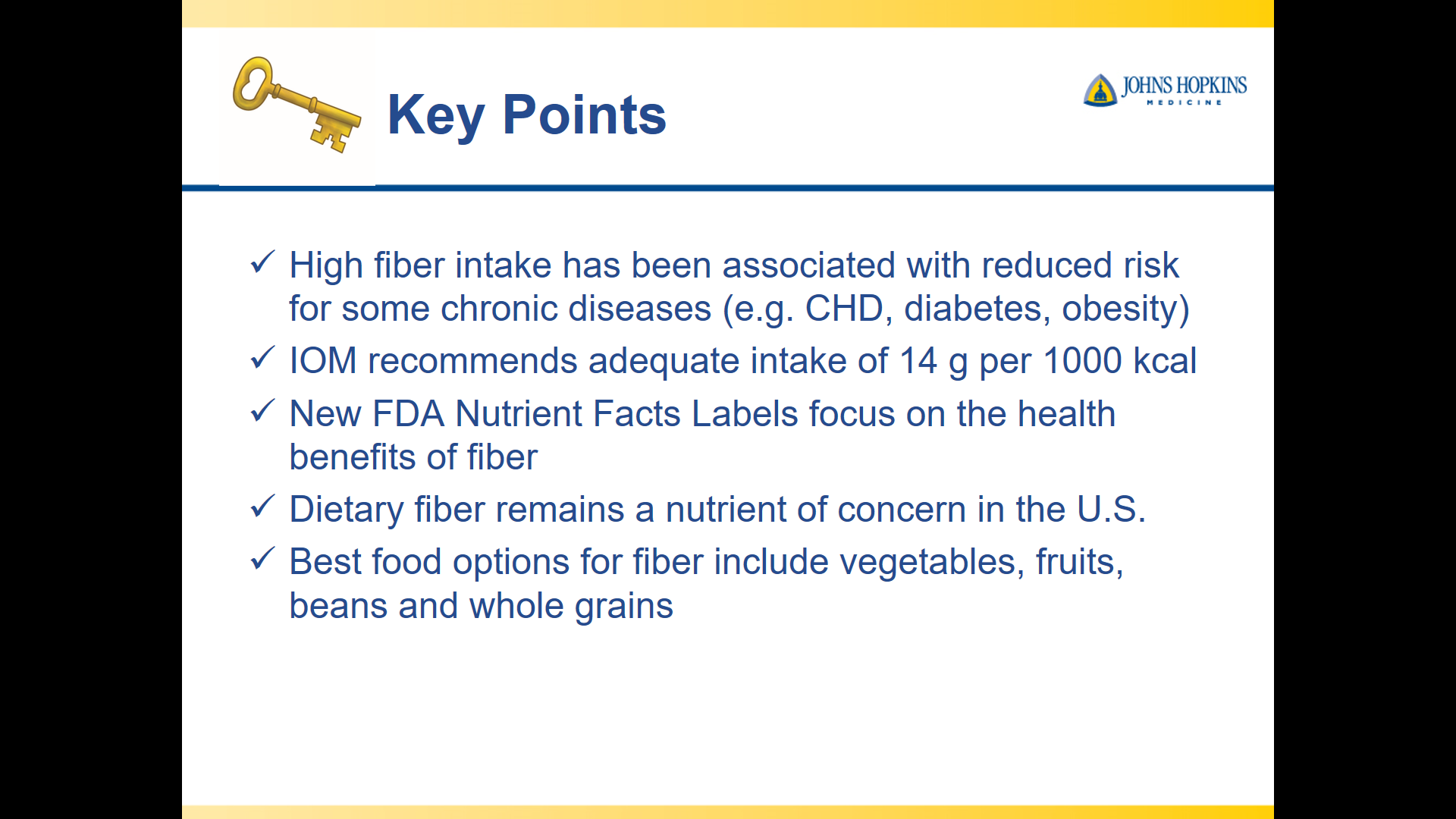
The Fiber Movement: Why Kids Need It and How to Get It” by Maria Oliva-Hemker (Director of Division of Pediatric Gastroenterology, Johns Hopkins). This was a terrific lecture which pulled together a lot of useful information.   Despite hearing a lot about fiber, this lecture showed me that there is a lot that I still need to learn.

Key points:

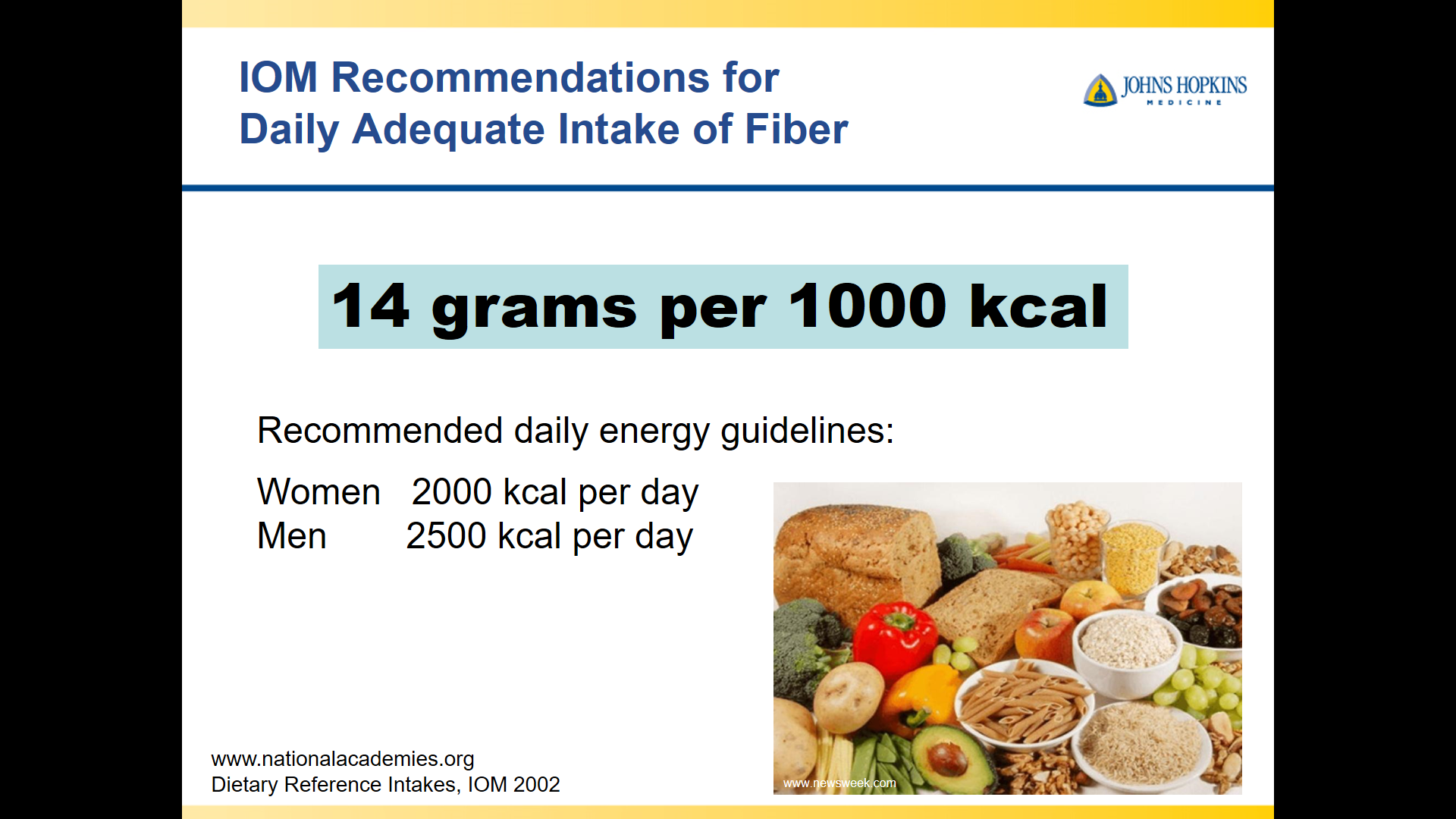
  • Institute of Medicine recommends 14 grams of fiber per 1000 kcal of dietary intake.  This is a higher amount of fiber than prior recommendations.
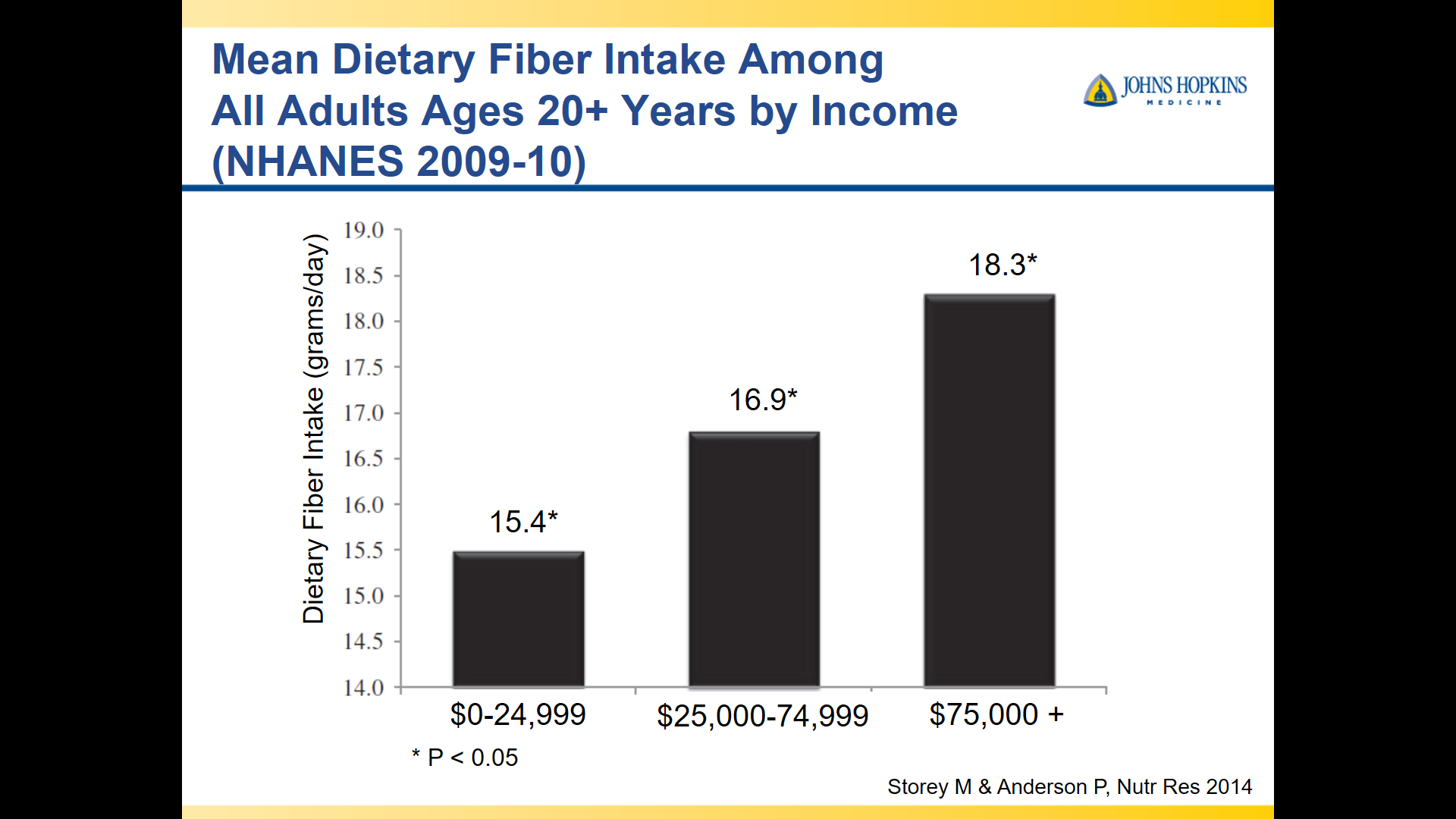
  • Most adults are consuming about 50% of the fiber that they should
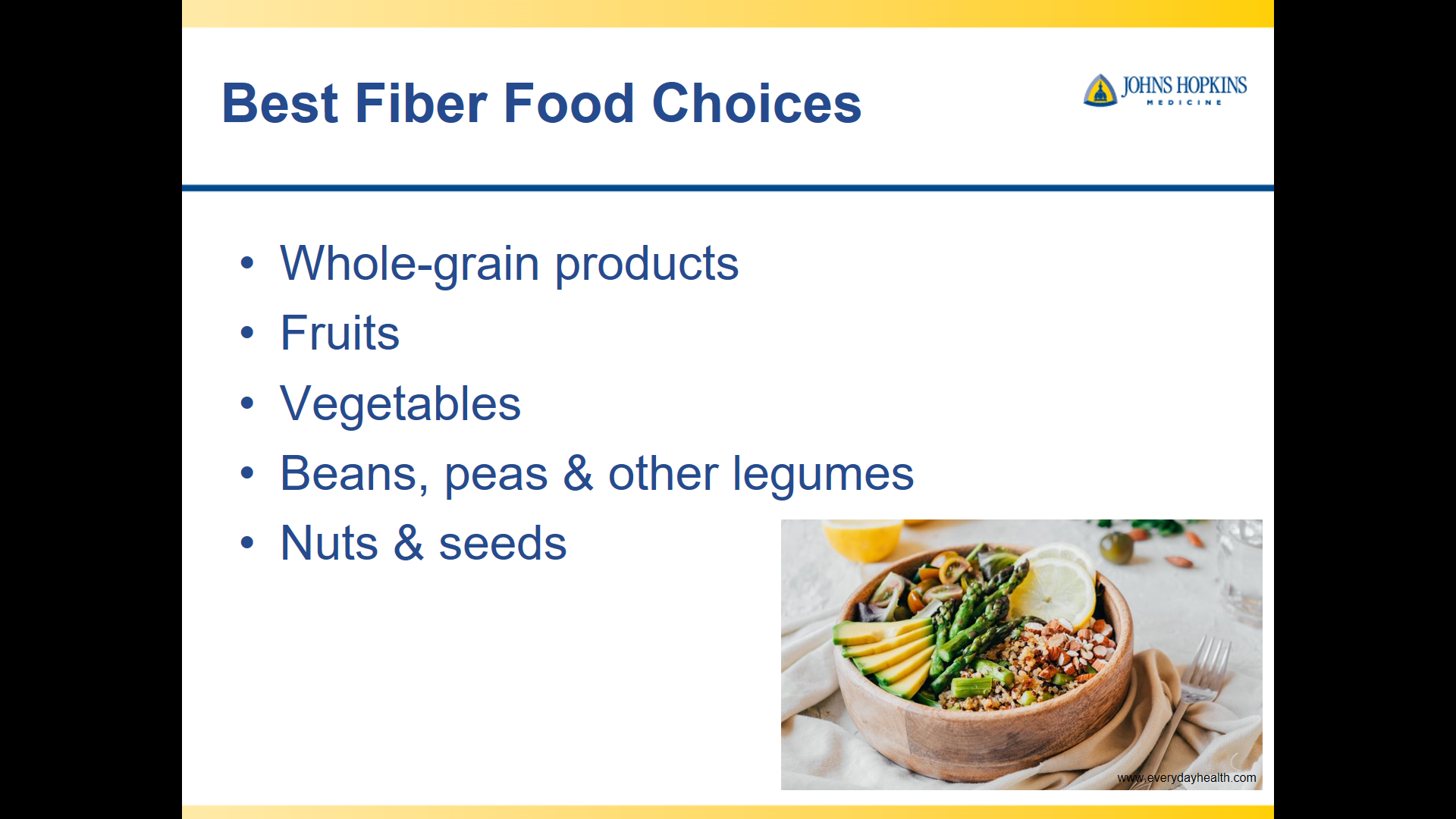
  • Whole foods should be encouraged over fiber supplements
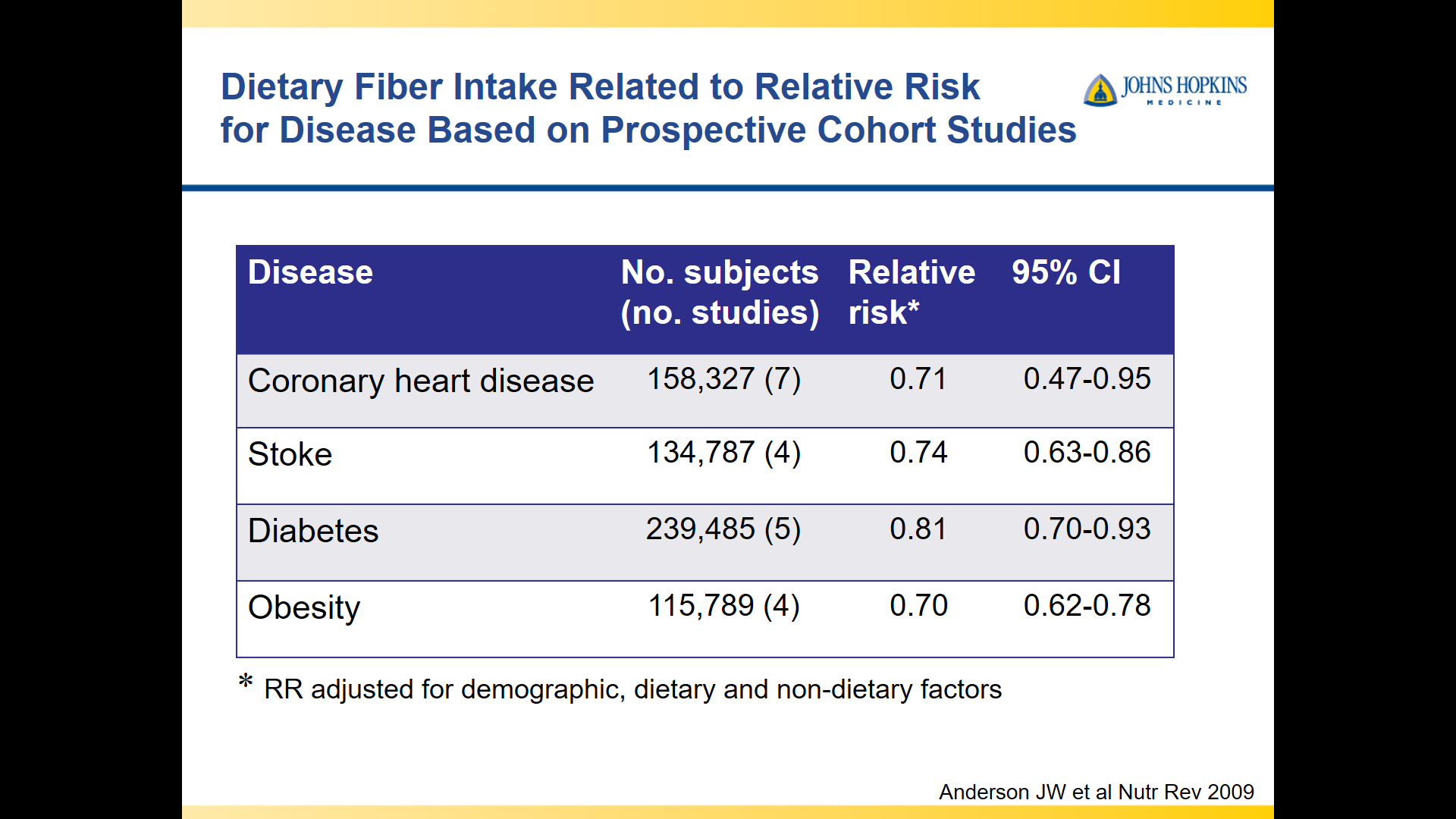
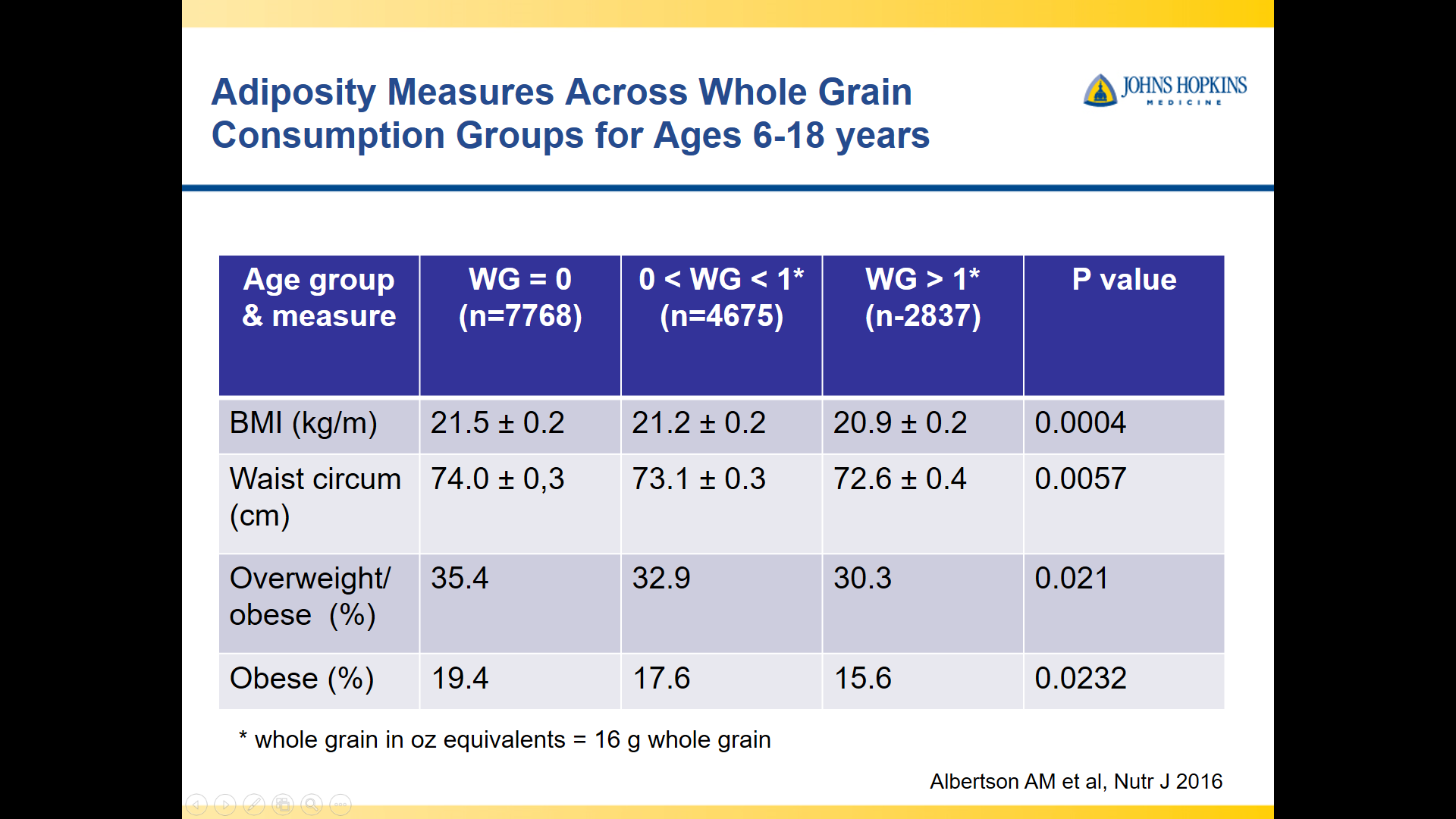
  • Increased fiber associated with lower risk of obesity, stroke, coronary heart disease, and diabetes

Related blog posts:

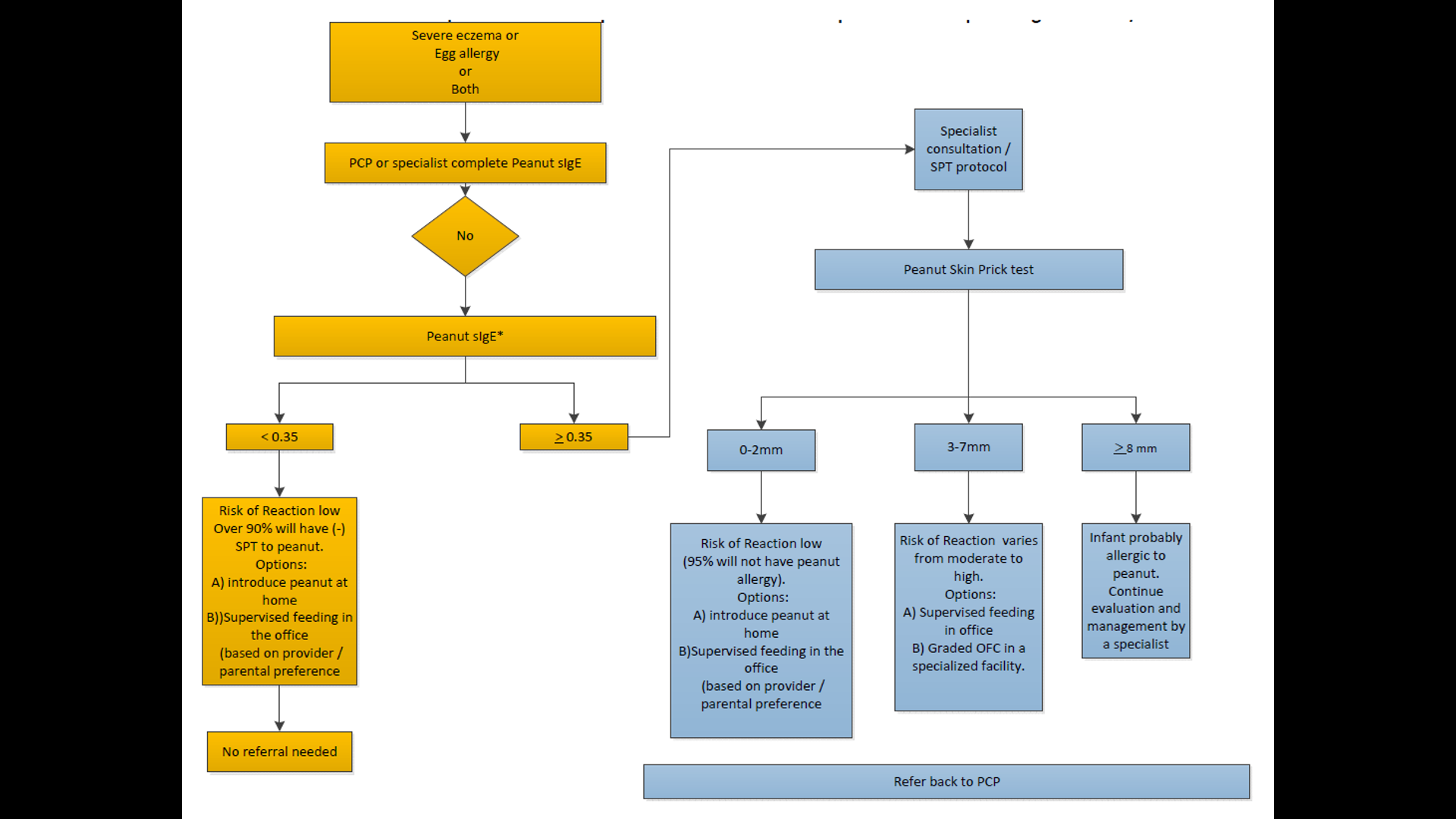
The LEAP Study and Its Implication for the Future of Food Allergies” Kiran Patel (Professor Pediatrics, Division of Allergy and Immunology, Emory University)  This was the second opportunity that I had to hear Dr. Patel in the past 6 months –see An Allergy-Immunology Perspective on GI Diseases

Key points:

  • There has been an increasing incidence of peanut allergies
  • Early introduction of peanuts helps reduce peanut allergies. Suggested algorithm
  • To reduce allergies, placing a best practice alert in electronic record could be necessary as rates of encouraging early peanut introduction in at risk children remains low

Related blog posts:


LEAP study results

Slides with information on introduction of peanuts –this should be discussed with physician before implementation.

Disclaimer: These blog posts are for educational purposes only. Specific dosing of medications/diets (along with potential adverse effects) should be confirmed by prescribing physician/nutritionist.  This content is not a substitute for medical advice, diagnosis or treatment provided by a qualified healthcare provider. Always seek the advice of your physician or other qualified health provider with any questions you may have regarding a condition.
Nutrition Colloquium: Assessing and Nourishing the High-Risk Feeding Patient

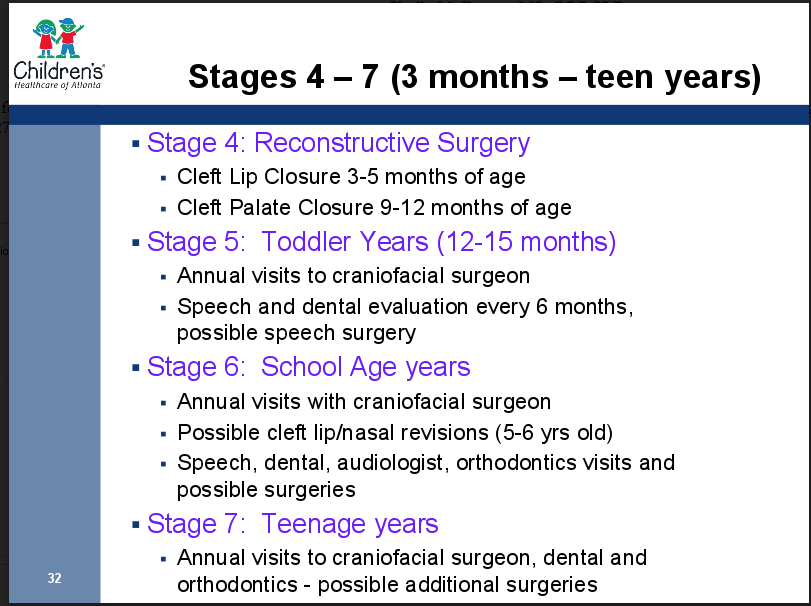
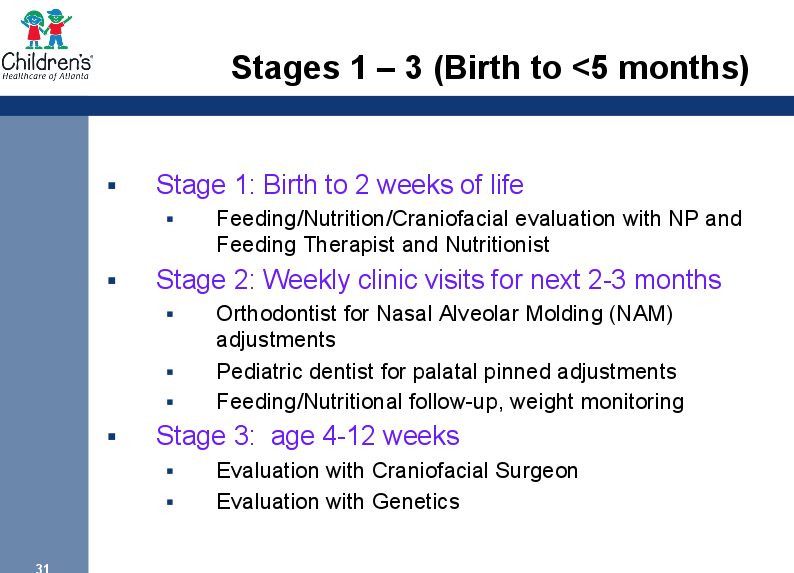
A recent CHOA Nutrition Colloquium provided a lot of useful information regarding speech language assessment, nutrition assessment, and craniofacial team assessment.

Full slide setNutrition Colloquium Jan 2018

Here are a few slides –Thanks to Kipp Ellsworth for coordinating these talks and making slides available. The first group of slides explains who and how to evaluate for feeding problems, the next group discusses the specific role of the craniofacial team, and the last group of slides discusses nutritional management.


Parental Fat Stigma

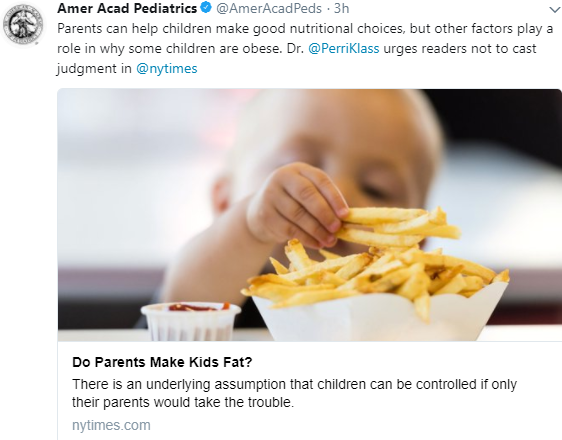
A recent NY Times article, Do Parents Make Kids Fat, explores the issues of parents being considered responsible for enabling their children to become fat.

Here’s an excerpt:

“When you are the parent of an obese child, there is tremendous stigma,” said Dr. Julie Lumeng, a professor of pediatrics at the University of Michigan. “Everyone looks at the parent and thinks: That parent is incompetent. They don’t care about their child. Why can’t they just make the child eat less and exercise?”

There’s an underlying assumption here about what adults can control, and about how children can be controlled, if only their parents would take the trouble, or make and enforce healthy rules for the whole family, or read the nutritional information on the back of the cereal box….

So yes, for all children, whatever their risk for obesity, good parental decisions about nutrition really matter: It’s important not to overfeed babies, to keep junk food and sugary drinks out of the house, to not let kids eat in front of the screen, and to encourage kids to “eat the rainbow” of fruits and vegetables. But those who rush to judgment should be aware that it is not at all simple to “say no” all the time to an extra-hungry child, or to “feed more vegetables” to the kid who refuses to eat anything green.

Most parents — really — are doing our best, in the complicated food environment in which our children are growing up, with the daily struggles of family life…

“The good parenting that a lot of families exercise when it comes to health,” said Dr. Lumeng, “that may be good enough for a lot of kids, but with some kids with a genetic makeup that predisposes them to obesity, it’s not enough.”

Related blog posts:


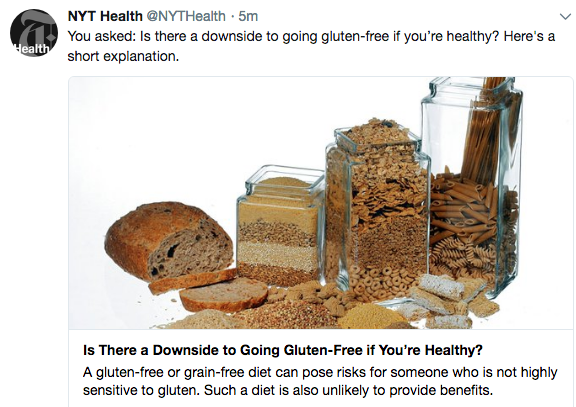
“Is There a Downside to Going Gluten-Free if You’re Healthy?” Yes

From NY Times: Is There a Downside to Going Gluten-Free if You’re Healthy?

Yes. This short commentary explains a lot of reasons why going gluten-free is not a great idea for healthy individuals.

  1. Often, a gluten-free diet incorporates more fat, more sugar, more salt and less fiber –all bad for your health.  A gluten-free diet can increase the risk of weight gain, type 2 diabetes, and cardiovascular disease.
  2. A gluten-free diet may make definitive testing for celiac disease inaccurate after more than a few weeks.
  3. “While much has been written in books and online sources about the purported benefits of avoiding gluten, such as weight loss, cognitive well-being and overall wellness, these claims are not supported by evidence….Though some patients with irritable bowel syndrome, or I.B.S., may see symptoms improve after cutting out gluten-containing foods, research suggests it’s likely to be a result of something other than gluten.”

My take (borrowed): “There’s no reason for someone who feels well to start a gluten-free diet to promote wellness,” said Dr. Benjamin Lebwohl, director of clinical research at the Celiac Disease Center at Columbia University. “It is not an intrinsically wellness-promoting diet.”

Related blog posts:


Overweight Children (like Adults) Are Prone to Underestimate Their Body Size

Reference: Steinsbekk Silje, Klöckner Christian A., Fildes Alison, Kristoffersen Pernille, Rognsås Stine L., and Wichstrøm Lars. Body Size Estimation from Early to Middle Childhood: Stability of Underestimation, BMI, and Gender Effects. Front. Psychol., 21 November 2017. DOI: 10.3389/fpsyg.2017.02038

This recent study examined how children perceive their own body size.  Given the prevalence of overweight/obesity, an accurate understanding of body size is needed if one is going to try to work on this issue.

An excerpt of a summary from Brinkwire: Overweight children more likely to underestimate their body size

The study is based on data from the Norwegian research project Tidlig Trygg i Trondheim, a longitudinal population-based study that looks at the risk and protective factors contributing to children’s psychological and social health…

The children were shown seven pictures of girls and boys with known body mass index and asked which picture looked the most like them. The researchers then calculated the difference in BMI between the figure identified by the children and the children’s own BMI based on measured height and weight…

Generally, the researchers found that children more often underestimated than overestimated the size of their body, although the majority made accurate estimates…

“We also found that the higher the children’s BMI, the more they underestimated their size over time,” Steinsbekk says.

The largest children thus underestimated their body size the most and showed an increased degree of underestimation over time (that is, from 6 to 8 and from 8 to 10 years old).

My take: Given the prevalence of overweight/obese children, this has skewed our perception of what a normal weight should be.

Related blog post: Can parents not know if their child is overweight?

Bright Angel Trail, Grand Canyon

Why Fiber (Fruits and Veggies) is Good for You

A recent NY Times piece provides a summary of recent studies in mice which show that a low fiber diet promotes inflammation throughout the body and results in changes in the microbiome: Fiber is Good For You. Now Scientists May Know Why

An excerpt:

A diet of fiber-rich foods, such as fruits and vegetables, reduces the risk of developing diabetesheart disease and arthritis. Indeed, the evidence for fiber’s benefits extends beyond any particular ailment: Eating more fiber seems to lower people’s mortality rate, whatever the cause…

The ability of these bacteria to survive on fiber we can’t digest ourselves has led many experts to wonder if the microbes are somehow involved in the benefits of the fruits-and-vegetables diet. Two detailed studies published recently in the journal Cell Host and Microbe provide compelling evidence that the answer is yes.

In one experiment, Andrew T. Gewirtz of Georgia State University and his colleagues put mice on a low-fiber, high-fat diet… the scientists were able to estimate the size of the gut bacterial population in each mouse. On a low-fiber diet, they found, the population crashed, shrinking tenfold.

Dr. Bäckhed and his colleagues carried out a similar experiment, surveying the microbiome in mice as they were switched from fiber-rich food to a low-fiber diet…Along with changes to the microbiome, both teams also observed rapid changes to the mice themselves. Their intestines got smaller, and its mucus layer thinner. As a result, bacteria wound up much closer to the intestinal wall, and that encroachment triggered an immune reaction…

“It points to the boring thing that we all know but no one does,” Dr. Bäckhed said. “If you eat more green veggies and less fries and sweets, you’ll probably be better off in the long term.”

Related blog posts:

Methylmalonic Acid as a Biomarker of Vitamin B12

A recent case study (L Jimenez et al. J Pediatr 2018; 192: 259-61) showed that methylamalonic acid (MMA) can be elevated in the absence of vitamin B12 deficiency.

Background:

  • Risk factors for vitamin B12 deficiency: terminal ileal resection and gastric acid blockade
  • Manifestations of vitamin B12 deficiency: megaloblastic anemia, bone marrow failure, demyelinating diseases, thrombosis, and psychiatric symptoms
  • Early assessment of vitamin B12 deficiency can be aided by MMA levels and homocysteine levels both of which are metabolized via vitamin B12-dependent pathways and are elevated in vitamin B12 deficiency.
  • MMA levels have higher sensitivity for vitamin B12 deficiency than vitamin B12 levels alone.

Key findings of this report:

  • In three children with short bowel syndrome, MMA levels were persistently elevated despite vitamin B12 supplementation and without other evidence of vitamin B12 deficiency
  • MMA levels declined after treatment of bacterial overgrowth
  • “It is hypothesized that propionate, a precursor to MMA, produced by excessive gut fermentation, is responsible for the elevation in plasma MMA levels.”

My take: this study is a good reminder of how MMA is useful in detecting vitamin B12 deficiency and points out that bacterial overgrowth may be an alternative explanation for elevated MMA levels.

Related blog posts:

Resources for Short Bowel Syndrome:

Disclaimer: These blog posts are for educational purposes only. Specific dosing of medications/diets (along with potential adverse effects) should be confirmed by prescribing physician/nutritionist.  This content is not a substitute for medical advice, diagnosis or treatment provided by a qualified healthcare provider. Always seek the advice of your physician or other qualified health provider with any questions you may have regarding a condition.
Bright Angel Trail, Grand Canyon

Last Year’s Most Popular Posts

I want to thank the many people who have helped me with this blog –now with 2180 posts over more than 6 years.  This includes my wife, my colleagues at GICareforKids, and colleagues from across the country who have provided critical feedback as well as useful publications to review.  I hope this blog continues to be a useful resource.

Here are the top dozen most popular blog posts from 2017:


How to Talk About Childhood Obesity

Pont SJ, et al. Pediatrics. 2017. doi: 10.1542/peds.2017-3034. A policy statement from the American Academy of Pediatrics addresses the issue of stigma associated wtih pediatric obesity.  This is summarized in the following links:

An excerpt form NY Times piece:

Dr. Pont is one of the lead authors of a new policy statement from the American Academy of Pediatrics titled “Stigma Experienced by Children and Adolescents With Obesity.” The statement, published online Monday in the journal Pediatrics, advises pediatricians to use neutral words like “weight” and “body mass index” rather than terms like “obese” and “fat.” …

In a study published earlier this year in the journal Preventive Medicine, Dr. Puhl and her colleagues looked at the longitudinal effects of teenagers being teased about their weight. The study involved over 1,800 people who had been followed for 15 years and are now in their mid 30s…

“These teasing experiences have long-lasting implications for health and for health behavior.” For women especially, these adolescent experiences of teasing by peers or family members were associated with binge eating, poor body image, obesity, and a higher B.M.I. 15 years later, she said; for men there were some of the same associations, including obesity as adults, if they had been teased by their peers as adolescents…

Weight stigma does exactly the opposite; criticizing and inducing shame only make people feel terrible about themselves, not motivated or capable of making changes…

“Recognize that a child is far more than what their weight is, praise them for all the positives, so when we get to some of the more challenging topics, they can still maintain their self-esteem,”…

The most effective way for parents to help a child is to make healthy changes for the whole family, regardless of shape or size, Dr. Pont said. Try making small changes slowly, like adding one new green vegetable into the family diet, not keeping sugary drinks in the home or walking to school instead of driving.

Related blog posts:

Smoke in Grand Canyon after recent brush fires

Fatty Liver Disease with Craniopharyngioma and with Down Syndrome

A recent retrospective study (SY Yung et al. Ann Pediatr Endocrinol Met 2017; 22 https://doi.org/10.6065/apem.2017.22.3.189 –thanks to Jeff Schwimmer for this reference) describes the problem of nonalcoholic fatty liver disease (NAFLD) in long-term survivors of childhood-onset (CO) craniopharyngioma.

This study reviewed 75 children with CO-craniopharyngioma who had surgery prior to 15 years of age. The mean followup was 4.3 years.

Key findings:

  • 51 had either elevated AST or ALT above 40 IU/L. ALT ≥60 IU/mL was observed in 15 patients.
  • Estimated prevalence of NAFLD based on mainly imaging was 47%. 27 underwent ultrasonography and 5 underwent CT scan.
  • Among those with available growth data, 41% were obese and 18% were overweight.
  • NAFLD developed within a year after surgery in many patients.

This study had many limitations, including reliance of ultrasonography for diagnosis and incomplete evaluations.  Despite this, it is clear that hypothalamic obesity places patients at a high risk for developing NAFLD.  In addition, NAFLD in this population may be more aggressive.

My take: This study documents the well-recognized phenomenon of NAFLD in CO-craniopharyngioma with obesity.  Current treatment relies on trying to preserve hypothalamic function and optimizing lifestyle/nutrition.

Briefly noted: D Valentini et al. J Pediatr 2017; 189: 92-7.  Using ultrasound in 280 Italian children with Down syndrome, the authors identified NAFLD in 45% of those considered nonobese and 82% of those overweight/obese. In a related commentary (pg 11-13 Full text: Down syndrome and Pediatric NAFLD …), the authors (AD Matteo, P Vajro) note that Down syndrome patients may have increased NAFLD due to less activity, more obesity including possible excess adiposity in those with normal BMI, obstructive sleep apnea, or perhaps other mechanisms.

Related blog posts: