Kids Are Different: Therapeutic Drug Monitoring

NH Nguyen et al. Gastroenterol 2022; 163: 937-949. Open Access! Proactive Therapeutic Drug Monitoring Versus Conventional Management for Inflammatory Bowel Diseases: A Systematic Review and Meta-Analysis

Key finding:

  • On meta-analysis of 9 RCTs (8 RCTs in adults, and focusing on maintenance phase), there was no significant difference in the risk of failing to maintain clinical remission in patients who underwent proactive TDM (267/709; 38%) vs conventional management (292/696; 42%) (relative risk [RR], 0.96)

The discussion in this paper makes some important points, as there are some populations in which proactive TDM is more likely to be beneficial.

Pediatrics:

“The impact of proactive TDM in pediatric patients also merits further consideration. This concept may be particularly important in pediatrics due to the variability in size of patients, which may not be adequately addressed by weight-based dosing.33 This is especially important in younger children, where it has been shown that standard TNFα antagonist regimens and trough levels may not be applicable in this age group, and may require more frequent escalation of therapy.34,35 In the PAILOT trial, proactive TDM in children with clinical response to adalimumab was associated with higher rates of maintaining sustained corticosteroid-free clinical remission at all visits from week 8–72, compared with reactive TDM in which physicians were informed of trough concentration only after loss of response.”

Induction Dosing (Adults and Children):

“It is possible that the early measurement of biologic drug concentrations, to identify patients who may have accelerated clearance, and optimization of a subset of these patients early in the course of therapy may offer benefit.1,30 …Ongoing trials such as OPTIMIZE (NCT04835506) and TITRATE (NCT03937609) in which infliximab is optimized during the induction phase through a pharmacokinetic dashboard in patients with Crohn’s disease and acute severe ulcerative colitis will shed further light on this.”
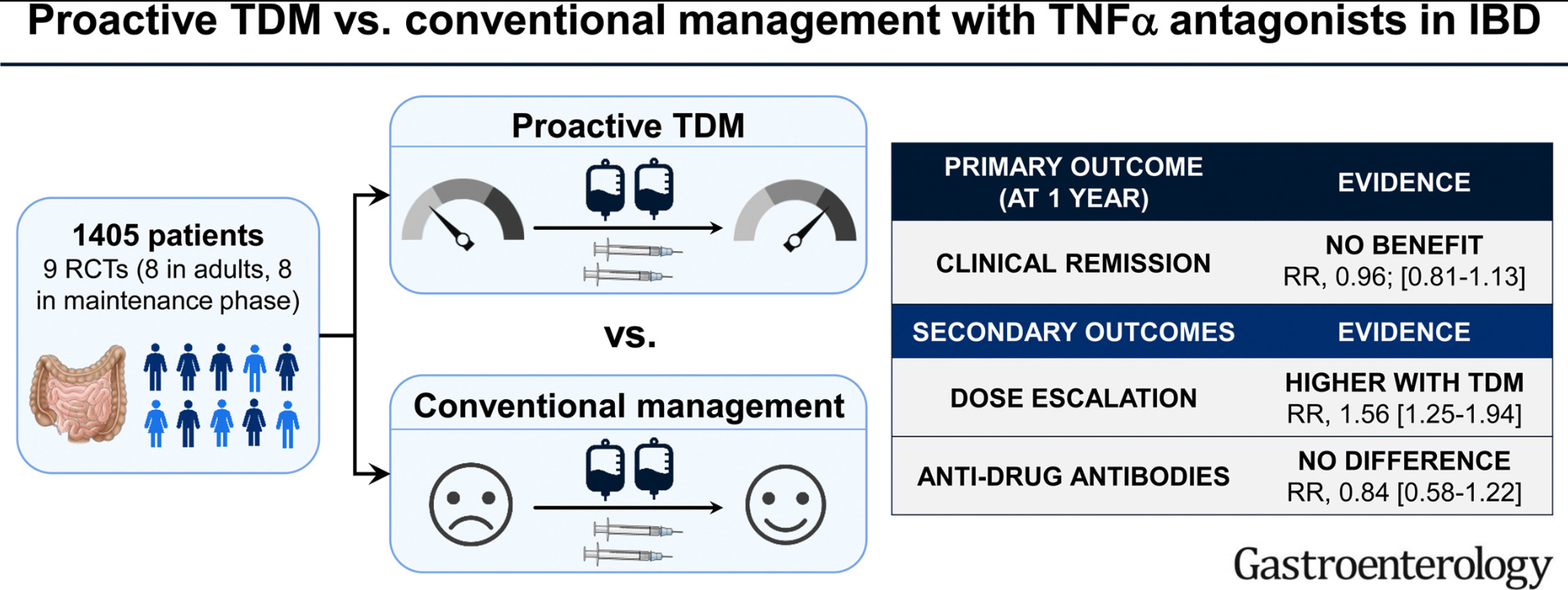
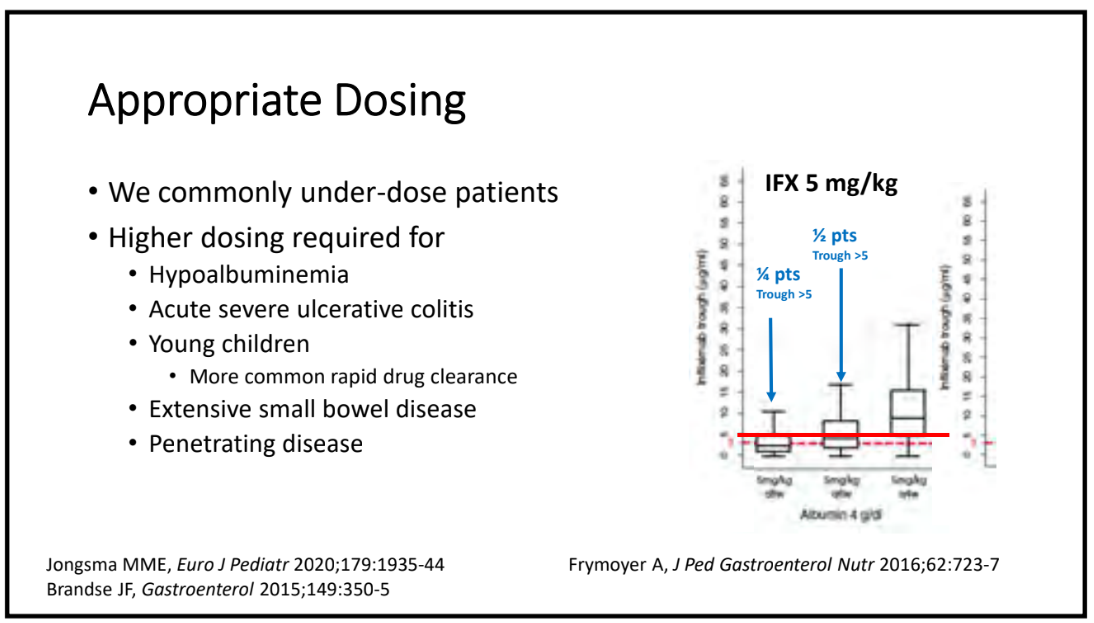
My take: So far, studies in adults have not shown that proactive therapeutic drug monitoring has been effective in improving clinical outcomes. This may change particularly if studies focus on patients on monotherapy who are at increased risk of subtherapeutic levels. No matter what happens in adults, there is sufficient data showing that proactive therapeutic drug monitoring is essential in children. This is especially important as ‘routine” dosing of infliximab in children may be subtherapeutic in nearly 80%.

Related blog posts:

Updated Health Warnings Needed For Alcohol & More on COVID-19/Paxlovid

AH Grummon, MG Hall. NEJM 2022; 387: 772-774. Updated Health Warnings for Alcohol — Informing Consumers and Reducing Harm

This article makes a compelling case that most U.S. consumers do not know the true risks of alcohol intake; this is likely in part due to the >$1 billion spent each year on marketing by the alcohol industry.

Leading causes of alcohol-related harms:

  • Fatal and nonfatal injuries resulting from acute intoxication (including injuries caused by motor vehicle crashes)
  • Chronic diseases including hypertensive heart disease, cirrhosis, pancreatitis and several types of cancer.2 Even light or moderate drinking increases the risk of these conditions, particularly cancer (eg. breast, colon, and stomach)2
  • Risks during pregnancy include miscarriage, preterm birth, and fetal alcohol syndrome (these risks are not specifically addressed in this commentary)
  • Also not noted in this article, alcohol is considered a major contributor to violence, including intimate partner violence

Key points –Scope of Problem and Informing Consumers:

  • “In April 2022, the Centers for Disease Control and Prevention (CDC) released new mortality statistics showing that alcohol consumption now accounts for more than 140,000 deaths per year in the United States, or more than 380 deaths per day. The Covid-19 pandemic has exacerbated alcohol-associated harm in the United States, with alcohol-related deaths increasing by 25% during the first year of the pandemic as compared with the previous year”(White AM, Castle IP, Powell PA, Hingson RW, Koob GF. Alcohol-related deaths during the Covid-19 pandemic. JAMA 2022;327:1704-1706).
  • “A national survey of U.S. adults, for example, found that nearly 70% are unaware that alcohol consumption increases the risk of cancer.3…Some alcohol companies even seek to link their products to health campaigns. Several companies, for example, have sold seasonal, pink ribbon–themed alcoholic drinks during October to promote their efforts to raise funds for breast-cancer research — despite compelling evidence that alcohol increases the risk of developing breast cancer.”
  • The authors advocate for better warning labels. They argue that “updated alcohol warnings would provide new risk information to many Americans, … implementing such warnings would be a sensible policy for addressing industry dominance over alcohol-related information, even if warnings’ effects on consumption are fairly small.”

Related article: NBC News 11/4/22: Alcohol deaths spiked among middle-aged adults, especially women, during pandemic “Alcohol-related deaths rose by 26% from 2019 to 2020, a new report published Friday by the Centers for Disease Control and Prevention finds.”

Related blog post:

More on COVID-19:

Eric Topol: Paxlovid and Long Covid This in-depth article reviews the benefits of paxlovid (early) and later, including the reduction of Long Covid in 26% in a recent study. It also provides a table for potential drug interactions (Thanks to Jeff Lewis for sharing).

This recent study is reviewed in NY Times (11/7/22): Paxlovid May Reduce Risk of Long Covid in Eligible Patients, Study Finds

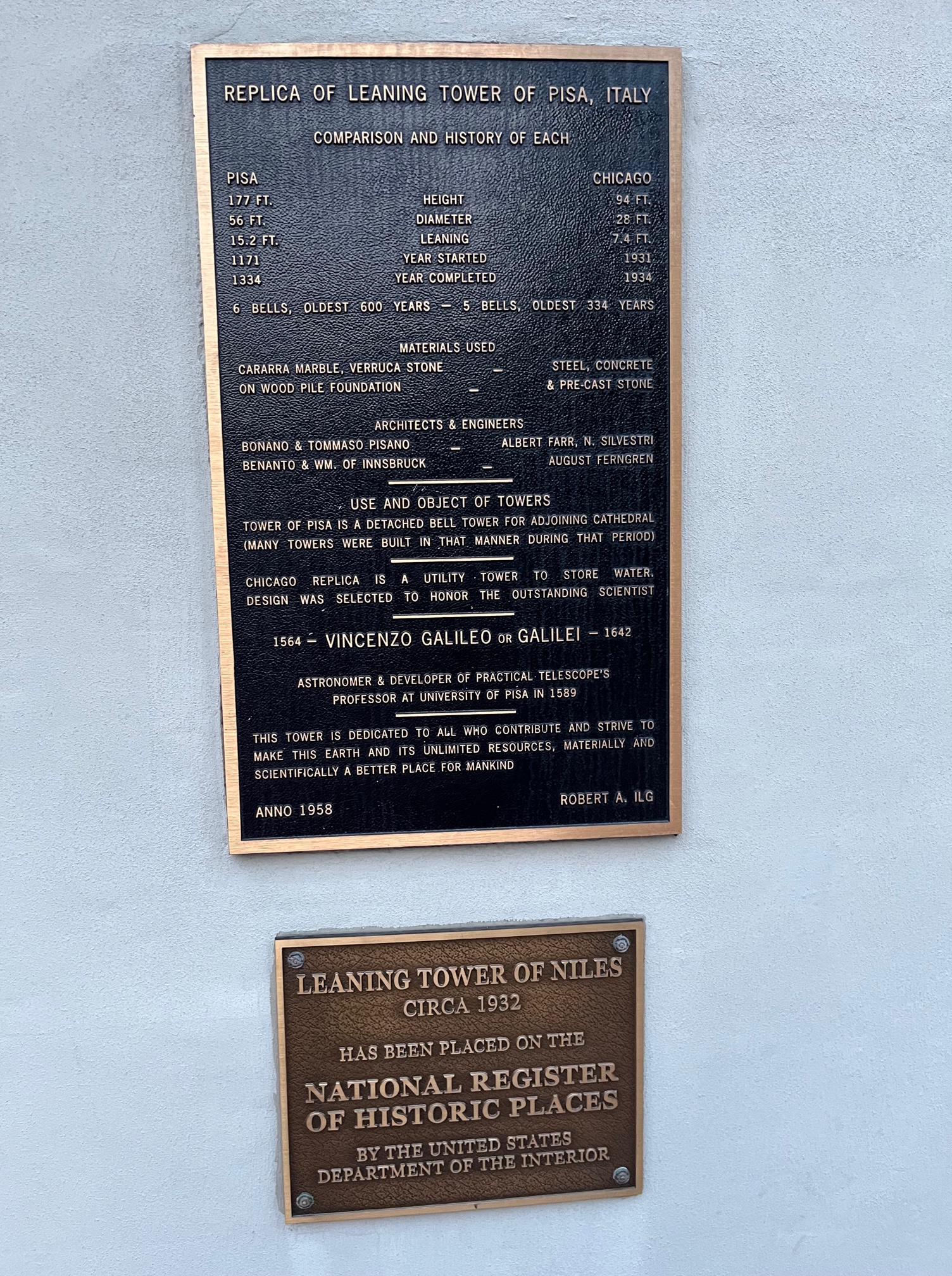
Leaning Tower of Niles (1934) (near Chicago, IL). The “Papa Chris Place” sign should help distinguish this landmark for the one in Pisa.

IgA Vasculitis (Henoch-Schonlein Purpura)

CD Lee et al. NEJM 2022; 387: 833-838. Telescoping the Diagnostic Process

This clinical problem-solving case:  “3-year-old boy was brought to the hospital with a 4-day history of vomiting and abdominal pain in the left lower quadrant. He had associated chills without fever, nonbloody and nonbilious emesis, constipation, reduced urinary output, and a decreased activity level.” He developed a rash more than 5 days after presentation.

This turns out to be a good review of IgA Vasculitis (HSP).

A few excerpts:

IgA vasculitis is the most common vasculitis of childhood.1 The disease is classified as a small-vessel vasculitis and most commonly affects White and Asian children, with a slight male predominance. It results from the deposition of IgA immune complexes in involved organ systems and is preceded by infection in most patients.2 This is perhaps unsurprising given the primary function of IgA in mucosal immunity. The most commonly implicated organism is group A β-hemolytic streptococcus.1

IgA vasculitis primarily involves the skin, gastrointestinal tract, joints, and kidneys, with involvement in 95%, 70%, 70 to 90%, and 40 to 50% of cases, respectively, in case series3; other data suggest that kidney involvement is even more common, with microhematuria present in the majority of patients.4 Less common manifestations include orchitis (in 14% of male patients) and, in rare cases, central nervous system involvement.3 Skin involvement is almost universal; a petechial or purpuric rash in dependent areas (typically the buttocks and lower legs) is the classic manifestation, but other skin manifestations, including bullae, edema, and necrosis, can be seen.1,3 

IgA vasculitis affecting the gastrointestinal tract can manifest as upper or lower gastrointestinal bleeding. Bowel edema can create a lead point, causing intussusception in up to 3% of patients, as occurred in our patient.1 …In the majority of cases, the rash precedes the onset of gastrointestinal symptoms; our patient was among the minority (approximately 25%) of patients in whom this order is reversed.5 Rare gastrointestinal complications include bowel infarction, perforation, strictures, and protein-losing enteropathy.2,5

Related blog post: Henoch-Schonlein Purpura and Neurologic Manifestations

Non-blanching petechiae

Therapeutic Endoscopy Rarely Beneficial in Infants with Gastrointestinal Bleeding

P Bose et al. JPGN 2022; 75: 514-520. Endoscopy in Infants With Gastrointestinal Bleeding Has Limited Diagnostic or Therapeutic Benefit

I read this article shortly after convincing a surgical colleague to explore a well-appearing 6 month old with gastrointestinal bleeding for a Meckel’s diverticulum rather than undergo endoscopy.

In this retrospective cohort study of hospitalized infants (n=56, =/< 12 months) with gastrointestinal bleeding, the authors reviewed endoscopic procedures (EGD, Colonoscopy, Flexible Sigmoidoscopy) with respect to identifying diagnosis and in terms of outcomes.

Key points:

  • Seven endoscopies identified sources of GIB: gastric ulcers, a duodenal ulcer, gastric angiodysplasia, esophageal varices, and an anastomotic ulcer.
  • Intervention for bleeding control occurred in just 3 cases (5.4%); two of these had liver disease.
  • Most (55%) had no abnormalities on endoscopy
  • The authors detail two fatal cases in which GIB started in the first week of life. Both had complications occurring within 3 hours of endoscopy, one with a gastric perforation and one with necrotizing enterocolitis.

My take: Endoscopy in infants with GIB is rarely beneficial. Supportive care and surgical interventions should be considered, especially in those without underlying liver disease.

Related blog posts:

Savage Alpine Trail at Denali National Park. Parts of Denali can be seen in the background

Disclaimer: This blog, gutsandgrowth, assumes no responsibility for any use or operation of any method, product, instruction, concept or idea contained in the material herein or for any injury or damage to persons or property (whether products liability, negligence or otherwise) resulting from such use or operation. These blog posts are for educational purposes only. Specific dosing of medications (along with potential adverse effects) should be confirmed by prescribing physician.  Because of rapid advances in the medical sciences, the gutsandgrowth blog cautions that independent verification should be made of diagnosis and drug dosages. The reader is solely responsible for the conduct of any suggested test or procedure.  This content is not a substitute for medical advice, diagnosis or treatment provided by a qualified healthcare provider. Always seek the advice of your physician or other qualified health provider with any questions you may have regarding a condition.
Is Reflux Really a Disease in Premature Infants?

From Atlanta Botanical Garden

Z Sultana et al. Gastro Hep Advances 2022; 1: 869-881: Open Access! Symptom Scores and pH-Impedance: Secondary Analysis of a Randomized Controlled Trial in Infants Treated for Gastroesophageal Reflux

In the introduction, the authors note: “Gastroesophageal reflux (GER) is a physiological process defined as the passage of gastric contents into the esophagus with or without regurgitation and vomiting, while GER disease (GERD) is pathophysiologic and occurs when GER is associated with troublesome symptoms and/or complications.”

“This distinction between GER and GERD remains enigmatic among survivors in the neonatal intensive care unit (NICU). Reflux-type symptoms (arching, irritability, acute life-threatening events, coughing, failure to thrive, and swallowing difficulties) in this high-risk infant population can be troublesome to the parent and provider, and empiric management using pharmacological and dietary changes are common albeit with consequences.”

Methods: “Infant Gastroesophageal Reflux Questionnaire Revised (I-GERQ-R) and 24-hour pH-impedance data were analyzed from 94 infants…[and] Longitudinal data from 40 infants that received randomized GER therapy (proton pump inhibitor [PPI] with or without feeding modifications) for 4 weeks followed by 1-week washout were analyzed. Relationships between I-GERQ-R and pH-impedance metrics (acid reflux index, acid and bolus GER events, distal baseline impedance, and symptoms) were examined and effects of treatments compared.”

Key findings:

  • Acid-suppressive therapy with feeding modifications had no effect on symptom scores or pH-impedance metrics. Clearance of refluxate worsened despite PPI therapy.
  • Correlations between I-GERQ-R and pH-impedance metrics were weak or non-existent, indicating that physicians cannot depend only on the questionnaire to diagnose and treat GERD in premature infants.

My take: This study shows that reflux symptoms are unreliable in establishing a diagnosis of reflux disease in infants. In addition, medical treatments were not beneficial in infants with abnormal pH-impedance metrics. Perhaps, it is time to acknowledge that we cannot even agree what reflux “disease” is in (premature) infants.

Related blog posts:

Terrain in Denali National Park, AK

Newsflash Articles: Untreated Eosinophilic Esophagitis Worsens and the Severely-Damaged Esophagus Does Not Work Well

NC Chang et al. Clin Gastroentol Hepatol 2022; 20: 1701-1708. Open Access! A Gap in Care Leads to Progression of Fibrosis in Eosinophilic Esophagitis Patients

In this retrospective review with 701 patients, 95 (14%) had a gap in care (mean time without care, 4.8 ± 2.3 years). Key findings:

  • Patients post-gap had higher endoscopic severity (2.4 vs 1.5; P < .001) and smaller esophageal diameters (11.0 vs 12.7 mm; P = .04).
  • Strictures were more prevalent with longer gap time (P < .05 for trend). Each additional year of gap time increased odds of stricture by 26%, even after accounting for pre-gap dilation. Additionally, of 67 patients without pre-gap fibrosis, 25 (37%) had at least one fibrotic feature (stricture, narrowing, or requiring dilation) post-gap.

DA Carlson et al. Clin Gastroenterol Hepatol 2022; 20: 1719-1728. Esophageal Dysmotility Is Associated With Disease Severity in Eosinophilic Esophagitis

Consecutive adult patients with EoE (n=199) completed a 16-cm functional luminal imaging probe (FLIP) during endoscopy were evaluated in a cross-sectional study. Key findings:

  • Mucosal eosinophil density was similar between abnormal contractile responses (CRs) and normal CRs (median 34 vs 25)
  • Abnormal CRs more frequently had reduced esophageal distensibility (distensibility plateau <17 mm in 56% vs 32%), with more severe ring scores, and a greater duration of symptoms (median, 10 y vs 7 y)

Thus, abnormal esophageal CRs were related to EoE disease severity, especially features of fibrostenosis. This study suggests that esophageal wall remodeling, rather than eosinophilic inflammatory intensity, was associated with esophageal dysmotility in EoE.

My take: Despite my satirical title, I think these articles are helpful by documenting that ongoing EoE results in worsening esophageal dysfunction/dysmotility (especially if not treated). In addition, they provide insight into the natural history/pathophysiology of EoE.

Related blog posts:

Near Seward, AK. Sea lions and birds flock to this island

IBD Updates: Built-in Infliximab Dosing, Pouchitis in kids, PIBD Symposium & Aspen Meeting

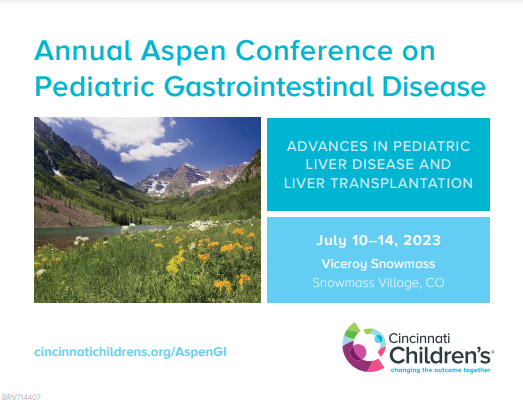
Heads up! Next year’s Aspen Pediatric GI Meeting will be July 10-14 -terrific learning experience and opportunity to mingle with some exceptional leaders in our field:

MC Dubinsky et al. Inflamm Bowel Dis 2022; 28: 1375-1385. Dashboard-Driven Accelerated Infliximab Induction Dosing Increases Infliximab Durability and Reduces Immunogenicity

In this prospective ‘real-world’ study (adults and children), “cumulative data from each infusion (INF), weight, albumin, C-reactive protein, IFX dose, IFX trough level, and antidrug antibody presence were used to inform subsequent INF dosing.” Key findings:

  • 69% of patients (n=180) required accelerated dosing by the 4th infusion dose. In addition, median dosing intervals were accelerated by ~2 weeks for the 3rd infusion and ~4 weeks for the 4th infusion
  • The authors report only 6% did not receive a 4th infusion. This early treatment failure rate is much lower than prior studies.
  • 123 of 180 remained on infliximab at week 52 (~32% failure rate); however, this rate is overestimated as there were 26 patients who were not considered failures but were changed to home infusions, moved or lost to followup.

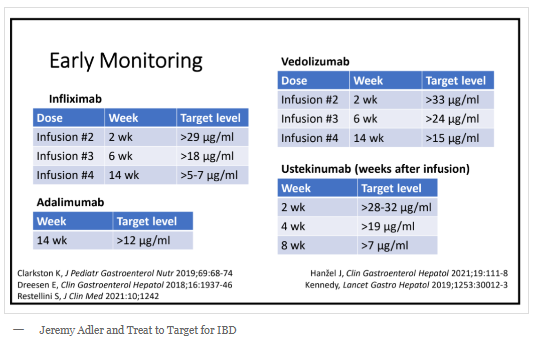
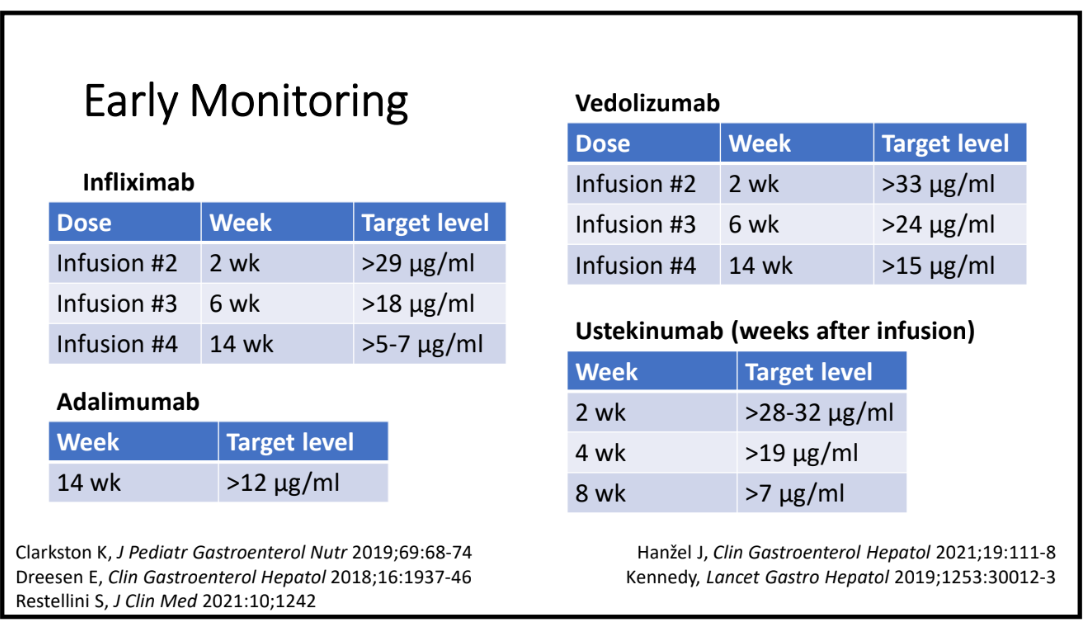
My take: The 8-week interval between induction dose (3rd) and maintenance dose (4th) is too long for many pediatric patients. For those using proactive therapeutic monitoring, checking a level prior to 3rd dose should be considered. Using an automated dosing system (like “iDose”) is likely to be helpful in optimizing response. Current target levels for TDM noted in recent post: Selected Slides from NASPGHAN 2022 Postgraduate Course (part 2) & copied below.

E Cowherd et al. Inflamm Bowel Dis 2022; 28: 1332-1337. The Cumulative Incidence of Pouchitis in Pediatric Patients With Ulcerative Colitis

Methods: Within the IQVIA Legacy PharMetrics Adjudicated Claims Database, the authors identified pediatric patients (n=68) with UC who underwent proctocolectomy with IPAA between January 1, 2007, and June 30, 2015. Key finding:  In the first 2 years following IPAA, the cumulative incidence of pouchitis was 54%. My take: Most patients continue to experience significant problems after “curative” surgery.

The 6th International Symposium on Peadiatric Inflammatory Bowel Disease (PIBD) was held on September 7-10, 2022, in Edinburgh, Scotland. Highlights of several featured presentations (including video presentation on exposome) regarding the latest updates on nutrition and diet are included at this link (courtesy of Nutritional Therapy for IBD website): PIBD Symposium 2022 Nutritional Highlights

Near Denali, AK

Disclaimer: This blog, gutsandgrowth, assumes no responsibility for any use or operation of any method, product, instruction, concept or idea contained in the material herein or for any injury or damage to persons or property (whether products liability, negligence or otherwise) resulting from such use or operation. These blog posts are for educational purposes only. Specific dosing of medications (along with potential adverse effects) should be confirmed by prescribing physician.  Because of rapid advances in the medical sciences, the gutsandgrowth blog cautions that independent verification should be made of diagnosis and drug dosages. The reader is solely responsible for the conduct of any suggested test or procedure.  This content is not a substitute for medical advice, diagnosis or treatment provided by a qualified healthcare provider. Always seek the advice of your physician or other qualified health provider with any questions you may have regarding a condition.
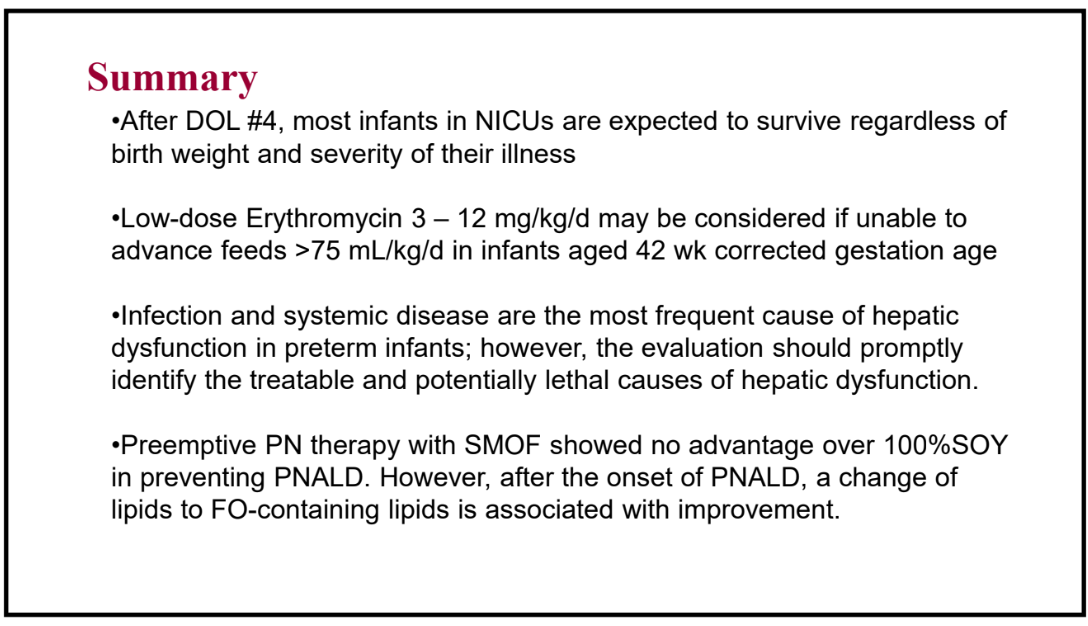
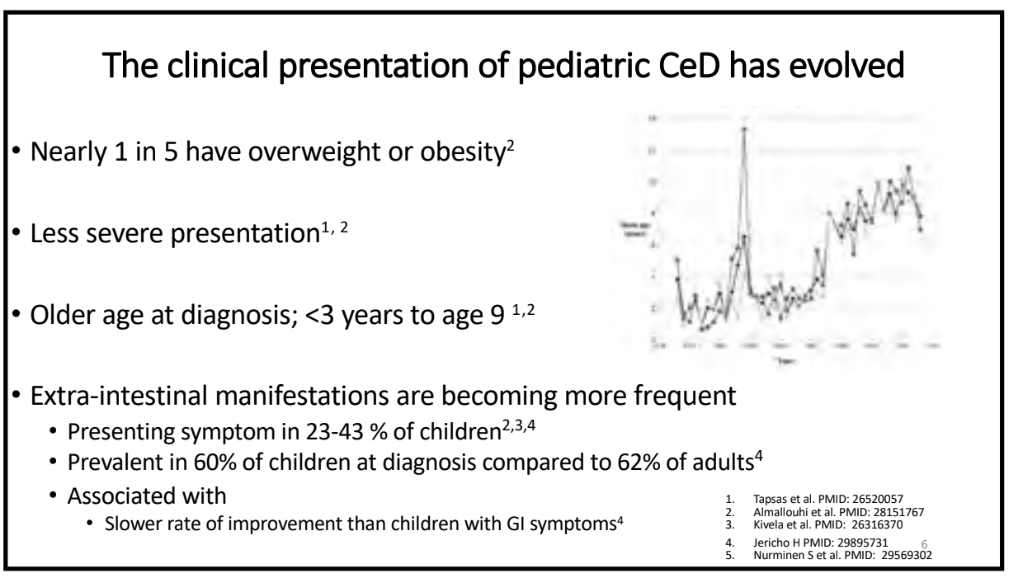
Selected Slides from NASPGHAN 2022 Postgraduate Course (Part 2)

See previous post for lecturers

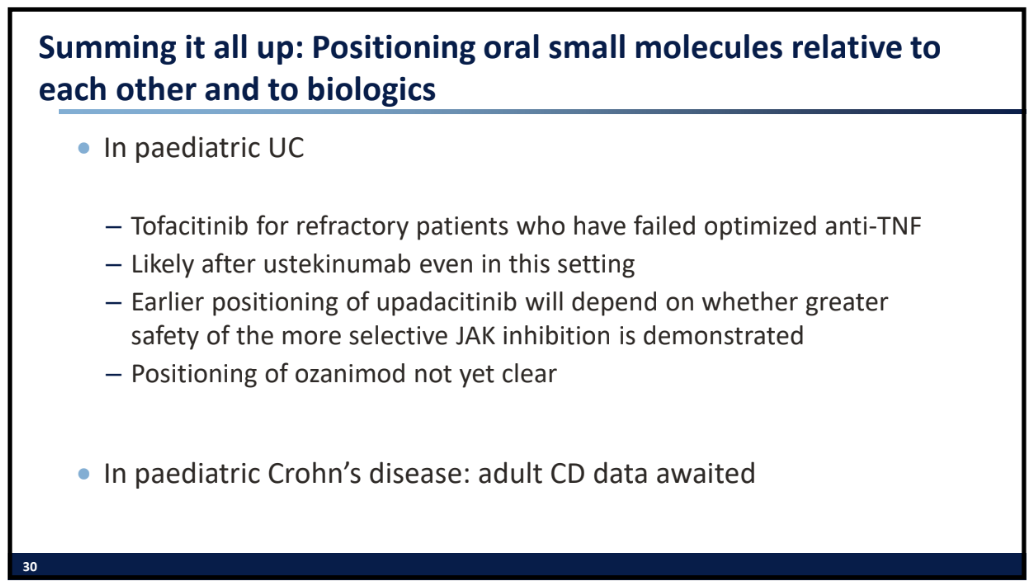
Oral small molecultes in IBD. Anne Griffiths, MD
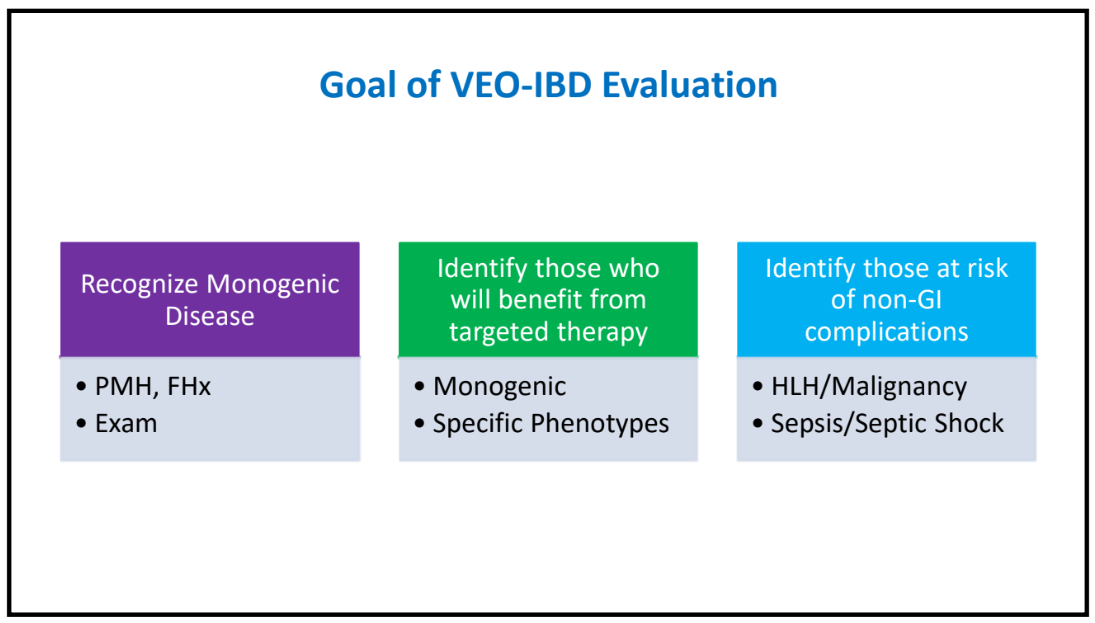
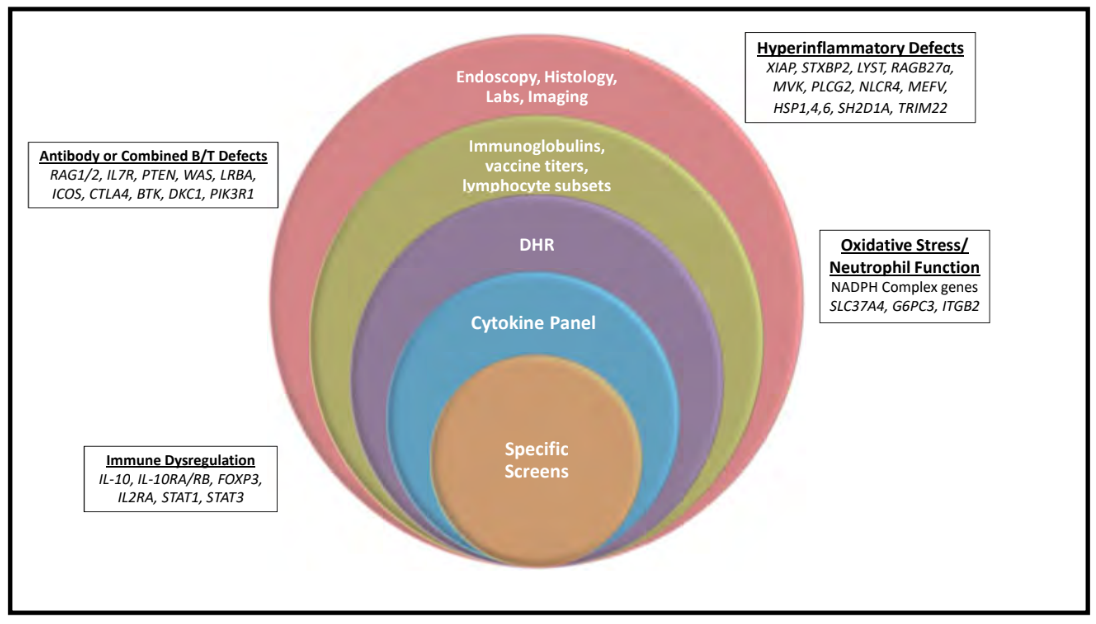
Judith Kelsen, Very early onset IBD
VEO Evaluation
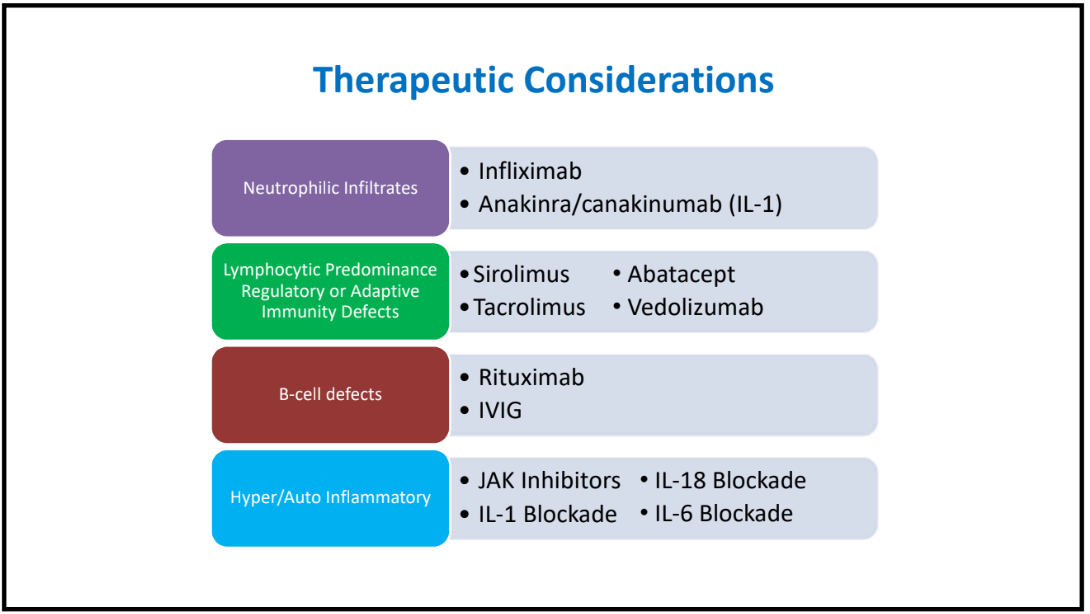
VEO Treatments
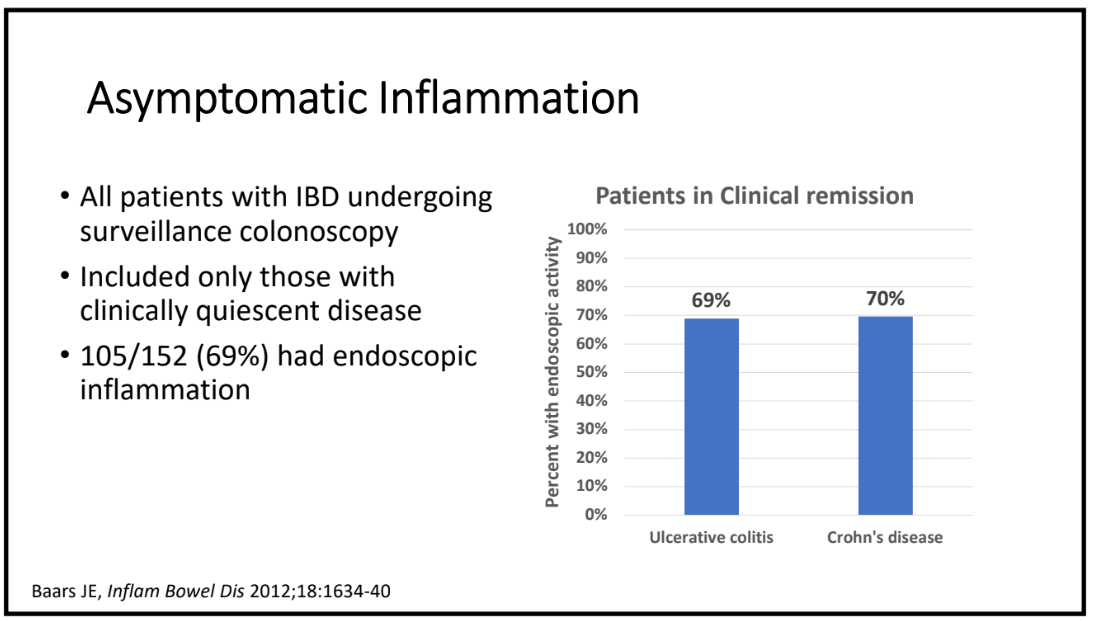
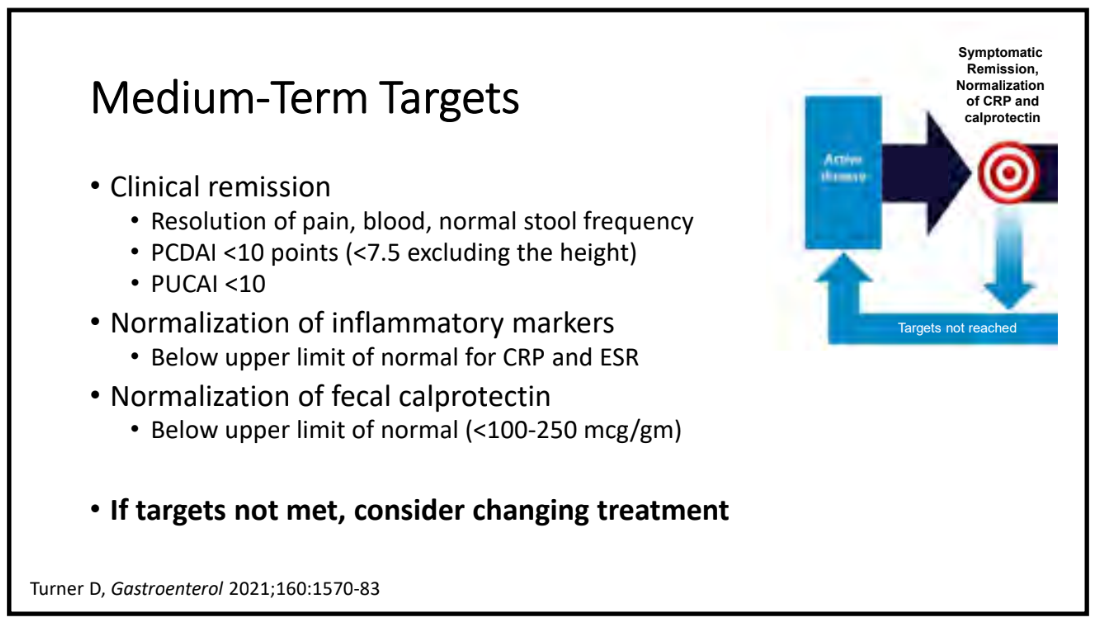
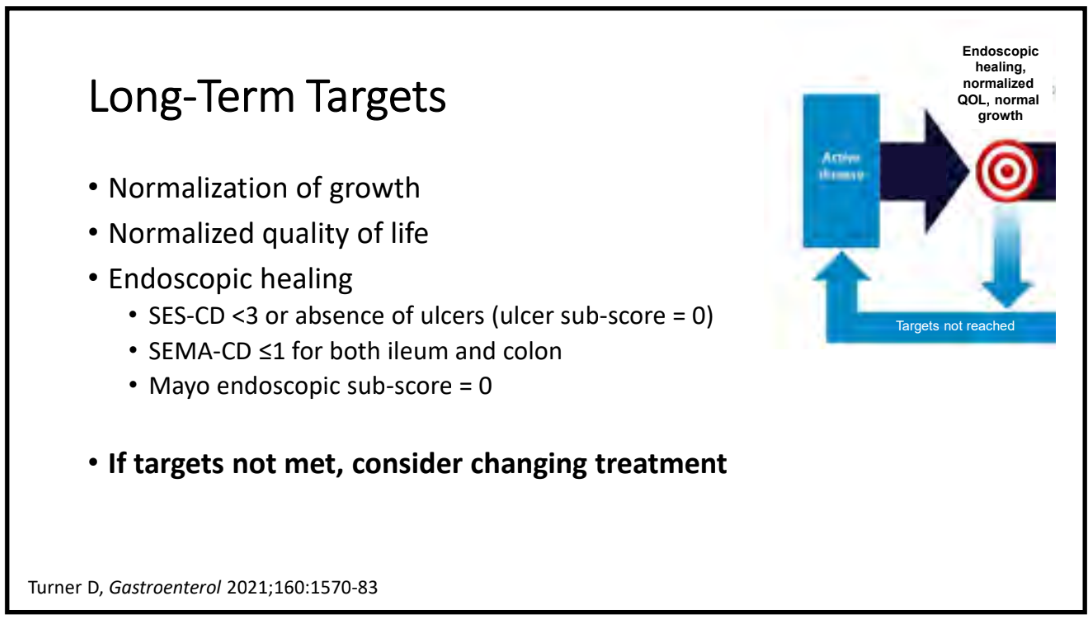
Jeremy Adler and Treat to Target for IBD
Timothy Sentongo and Growth and Nutrition Issues in the NICU
Maureen Leonard and Gluten-Related Disorders Update
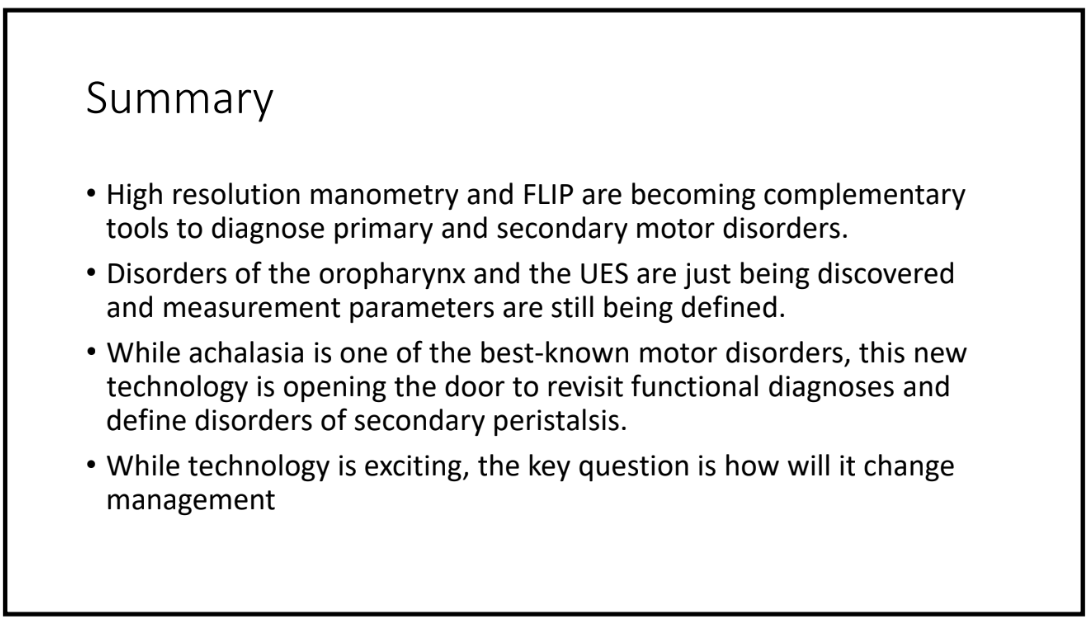
Rachel Rosen and Esophageal Motor Disorders
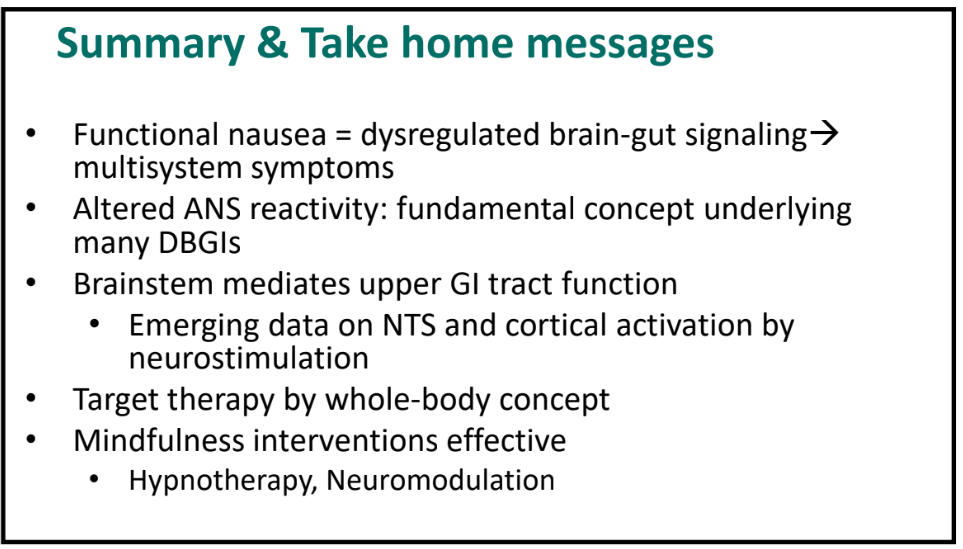
Katja Kovacic and Functional Nausea
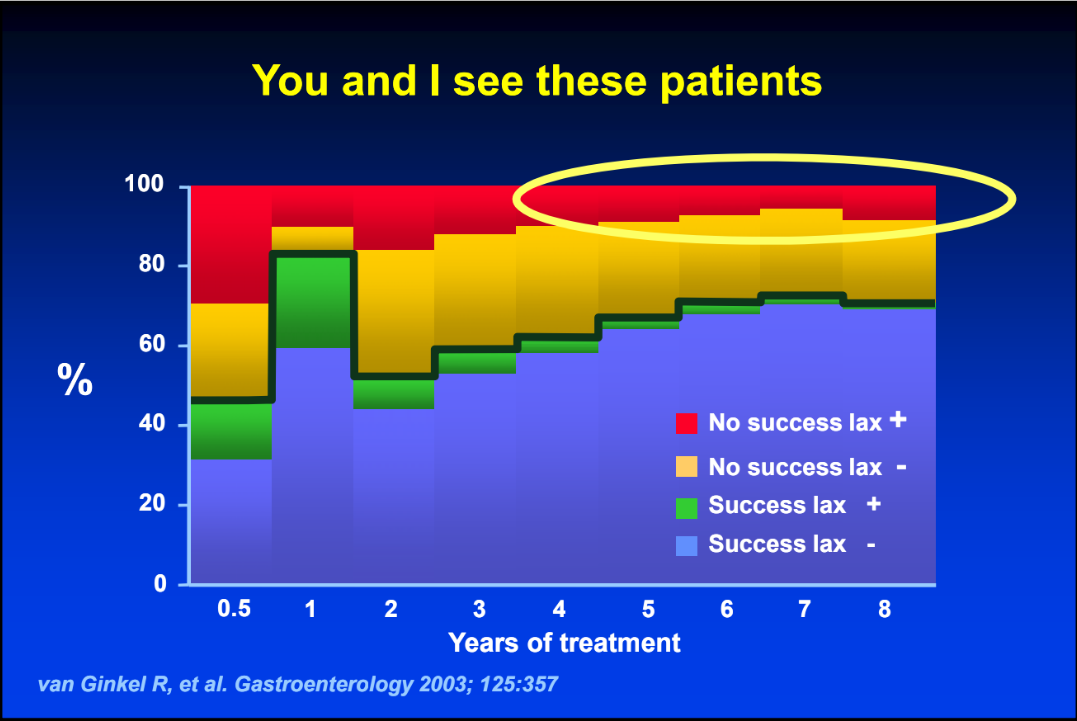
This study was 20 yrs ago -we can do better today

Disclaimer: This blog, gutsandgrowth, assumes no responsibility for any use or operation of any method, product, instruction, concept or idea contained in the material herein or for any injury or damage to persons or property (whether products liability, negligence or otherwise) resulting from such use or operation. These blog posts are for educational purposes only. Specific dosing of medications (along with potential adverse effects) should be confirmed by prescribing physician.  Because of rapid advances in the medical sciences, the gutsandgrowth blog cautions that independent verification should be made of diagnosis and drug dosages. The reader is solely responsible for the conduct of any suggested test or procedure.  This content is not a substitute for medical advice, diagnosis or treatment provided by a qualified healthcare provider. Always seek the advice of your physician or other qualified health provider with any questions you may have regarding a condition.


How Useful Are 3-site Esophageal Biopsies for Eosinophilic Esophagitis

JB Wechsler et al. Clin Gastroenterol Hepatol 2022; 20: 1971-1976. Defining the Patchy Landscape of Esophageal Eosinophilia in Children With Eosinophilic Esophagitis

Design: The authors prospectively obtained 3-site esophageal biopsies based on rigorous endoscopic measurements of the proximal, mid, and distal esophagus and gastroesophageal junction. Biopsies were reviewed by a pathologist, and those with at least 15 eosinophils per high-power field were considered active EoE.  

Key findings:

  • 304 endoscopies in 167 patients had active EoE. The entire cohort was 217 patients (n=596 endoscopies)
  • Among the 304 endoscopies with active EoE, 9 had focal eosinophilia restricted to the mid esophagus, and 8 were restricted to the proximal esophagus
  • Distal + proximal biopsies had the highest diagnostic sensitivity for a 2-site combination (~98% sensitivity)

Based on this study, the authors recommend “3-site biopsies for optimal disease assessment of active EoE in children.”

My take: I think recommendations to add more and more biopsies is premature until we have evidence that identifying “focal” inflammation in the mid-esophagus has some clinical usefulness/improves outcomes. To me, a 2% increase in sensitivity over 2-site biopsies is negligible & in all likelihood, a 4-site biopsy protocol would increase the yield even further.

Related blog posts:

Stream near Byron Glacier