Short Takes on IBD Articles

Singh S, et al. Gastroenterol 2015; 148: 64-76.  In this study, the authors identified 21 trials with 2006 participants to examine the comparative efficacy of pharmacologic interventions to prevent relapse of Crohn’s disease (CD) after surgery.  Conclusion: “anti-TNF monotherapy appears to be the most effective strategy for postoperative prophylaxis for CD.” The relative risk of clinical relapse and endoscopic relapse with anti-TNF monotherapy was estimated to be between 0.02-0.20 and 0.005-0.04, respectively. Thus, those at highest risk for recurrence, including younger individuals, smokers, penetrating CD, perianal CD, and recurrent surgeries) are most likely to benefit.(Related blog post: More Lessons in TNF Therapy (Part 1) | gutsandgrowth)

Pariente B, et al. Gastroenterol 2015; 148: 52-63. The researchers in this cross-sectional study developed the Lémann Index which measures cumulative structural bowel damage in patients with CD.  My only complaint with this study was the associated editorial on pages 8-10, titled “The Holy Grail, or Only Half Way There?”  There are too many medical advances compared to ‘the holy grail’ and, in my opinion, this shouldn’t be one of them.

Zitomersky NL et al. Inflamm Bowel Dis 2015; 21: 307-14.  In this study the authors examine the relationship between the development of antibodies to infliximab (ATI) and the risk of surgery in a cross-sectional cohort of pediatric and young adult patients.  Not surprisingly, development of ATI, which was noted in 20% of cohort, correlated with reductions in infliximab levels and higher risk of surgery.  Interestingly, prior (but not current) immunomodulator therapy was associated with lower antibody levels (P=0.007).  Perhaps, “step-up” therapy may lower the risk of ATI. (This was a point noted by James Markowitz in a previous post: More NASPGHAN Meeting Notes: IBD Hot Topics | gutsandgrowth)

Rogler G, Vavricka S. Inflamm Bowel Dis 2015; 21: 400-08. This review article discusses the exposome in IBD.  Exposures include air pollution, diet, drugs, infections, water pollution, food additives, and smoking.  These exposures influence the gut microbiome and genetic susceptibility. “Only environmental influences…explain the rising incidence in IBD worldwide. The investigation of the exposome…is an enormous challenge…[but] of crucial importance.” (Related blog post: What do you know about the “exposome”? | gutsandgrowth)

Kalmon RS. Inflamm Bowel Dis 2015; 21: 428-35. Review article provides information when there is a prior personal or family history of malignancy (=avoid thiopurines).  Figure 2 is a suggested algorithm for those with IBD and a previous diagnosis of cancer.

  • In those in which the cancer is adequately controlled, the recommendations indicate that if it has been more than 2 years since completion of therapy to use a ‘step-up’ management and favor methotrexate over thiopurines
  • In those with less than 2 years since completion of cancer treatment and not responsive to 5-ASAs/antibiotics, then “consider monotherapy with biologic agents.”
  • In those still receiving chemotherapy, the authors suggest “hold immunosuppression and follow course of IBD.  If IBD not well controlled despite chemotherapy, 5-ASAs and antibiotics, treat flares with steroids, then consider biologic agents.”

Accelerated Infliximab Dosing in Acute Severe Ulcerative Colitis -plus one link

A small retrospective study (n=50) suggests that more rapid induction with infliximab may improve response and lower colectomy rate in acute severe ulcerative colitis (UC).

Link: Accelerated Infliximab in Acute UC

Here’s the abstract:

Background & Aims

Administration of infliximab to patients with acute severe ulcerative colitis (ASUC) (rescue therapy) can reduce the rate of early colectomy (within 12 months), but long-term rates of colectomy are the same as those of the pre-biologic era for these patients. The half-life of infliximab is shorter in patients with ASUC than in patients with non-severe UC, so more frequent dosing might be required to produce a therapeutic effect.

Methods

We performed a retrospective analysis of 50 hospitalized patients who received infliximab for steroid-refractory ASUC at a single academic center from September 2005 through 2013. In 2011 an accelerated dosing strategy for infliximab was introduced; we compared outcomes of standard and accelerated dosing regimens. One group of patients (n = 35) were placed on a standard dosing regimen for infliximab and then given the drug at 0, 2, and 6 weeks and then every 8 weeks thereafter. A second group (n = 15) were placed on an accelerated regimen and received 3 induction doses of infliximab within a median period of 24 days. Rates of colectomy were compared between the groups during induction and follow-up periods.

Results

There were no differences between groups in median baseline levels of C-reactive protein, albumin, or hemoglobin. The rate of colectomy during induction therapy was significantly lower with the accelerated regimen (6.7%, 1 of 15) than with the standard regimen (40%, 14 of 35) (Fisher exact test, P = .039). The standard regimen was associated with shorter time to colectomy (log-rank test, P = .042). Among patients who completed induction therapy, subsequent need for colectomy was similar between the groups during the follow-up period. Multivariate analysis showed that factors independently associated with successful induction therapy were level of albumin (g/L) when the treatment began (P = .003) and the accelerated dosing regimen (P = .03).

Conclusions

In patients with ASUC, an accelerated infliximab induction strategy reduces the need for early colectomy. An intensified infliximab dosing strategy in response to clinical or laboratory signs of breakthrough inflammation merits consideration in prospective studies.

One other link: IBD and College: Do the two play nicely (from Jeremy Adler and UofM) -describes college transition issues for our IBD patients.  Probably the most important piece of advice: “Take your medicine.”  Many really good kids decide to see what happens off therapy, often to their detriment.

Increased Narcotic Usage in Pediatric Patients with IBD

A summary from the AGA Journals Blog of a recent article highlights the increased use of chronic narcotics, not related to surgery, in pediatric patients with IBD.

Here’s a link:  Chronic Use of Narcotics in Children with IBD and here’s an excerpt:

Jessie P. Buckley et al used data from a large insurance claims database, collected from 2010 through 2011, to compare the prescription narcotic use among children (younger than 18 years old) with and without IBD who were not undergoing surgery. Buckley et al also searched for factors associated with narcotic treatment of pediatric patients with IBD.

Of 4344 children with IBD during the study period, 63% had Crohn’s disease, and 37% had ulcerative colitis.

Buckley et al found that 5.6% among children with IBD vs 2.3% in the general population received chronic narcotic therapy. Associations between IBD and narcotic use revealed a particularly high burden among children with concomitant anxiety or depression.

Cover of Clinical Gastroenterology & Hepatology

Cover of Clinical Gastroenterology & Hepatology –The pills look cool but wrong age depicted

Gut Microbiome, Crohn’s Disease and Effect of Diet

At this past year’s NASPGHAN conference, Bob Baldassano indicated that a low-residue diet probably does not makes sense for the majority of patients with Crohn’s disease because it would not promote a ‘healthy’ gut microbiome.  Another article (Walter SS, Quiros A, et al. SOJ Microbiol Infect Dis 2014; 2: 1-13) supporting this argument has been published. (Thanks to Ben Gold for giving me this reference.)

In this study, the authors examined the gut microbiome from two healthy volunteers and compared them to six patients with Crohn’s disease (CD) (ages 16-50).  The CD cohort were in clinical remission and were not receiving probiotics.  Subjects were randomized to either a low-residue diet (LRD) or a specific carbohydrate diet (SCD).

Besides having some cool figures to explain their results, the key points:

  • The complexity of the gut microbiome was lower in IBD patients compared to healthy controls
  • Bacteroides fragilis was increased in fecal samples of IBD positive patients
  • There was a temporal response of gut microbiome to SCD with increased microbial diversity while the LRD diet was associated with a reduced diversity of the microbiome in patients with CD

While the number of patients participating in this study are low, the affects of these diets can still be measured due to the trillions of microbes in the gut microbiome.

Also noted: Church PC, Turner D, et al. Aliment Phamacol There 2015; 41: 153-66. “Systematic review with meta-analysis: magnetic resonance enterography for the detection of inflammation and intestinal damage in Crohn’s disease.”

How the gut micro biome may affect other diseases including Multiple Sclerosis: Study Hints Gut Microbiome Plays a Role in Multiple Sclerosis (Link to Gastroenterology & Endoscopy News)

Related blog posts:

From NASPGHAN:  Introducing New Website for Teens with Inflammatory Bowel Diseases: JustLikeMeIBD.org  PRESS RELEASE

New York, NY- January 20, 2015 – The number of inflammatory bowel disease (IBD) patients in the U.S. has now increased to an estimated 1.6 million, with approximately 5 percent of that patient population under the age of 18. In response to the growing number of kids with IBD, the Crohn’s & Colitis Foundation of America (CCFA) along with the NASPGHAN Foundation for Children’s Digestive Health and Nutrition, has launched a new website called “Just Like Me” for teenagers with Crohn’s disease and ulcerative colitis.

The interactive site will feature stories and videos from teens with IBD as well as information on school, dating, stress, diet, and research.


What We Know Now: Therapeutic Drug Monitoring for Inflammatory Bowel Disease

This blog has discussed the utility of obtaining drug levels for both biologic agents and thiopurines.  A recent article (Inflamm Bowel Dis 2015; 21: 182-97) provides a concise up-to-date review.

Here are the key points:

  • Primary nonresponse to anti-TNF therapy (PNR) “is most commonly defined as lack of improvement of clinical signs and symptoms after the induction phase leading to discontinuation of the drug.”
  • “We think that patients who respond but fail to achieve remission…are likely almost all due to insufficient drug.”
  • Table 2 provides a list of predicting factors, both negative and positive, for PNR.  This list includes genetic mutations (e.g.. IL23R, NOD2/CARD15 variant), mucosal gene expression, clinical factors (e.g. young age, isolated colitis, smoking, nonstricturing disease, concomitant immunomodulators) and serologic (eg. CRP, hemoglobin, and presence of pANCA).
  • Patients with PNR to a TNF antagonist, “despite therapeutic concentrations of drug and no anti-drug antibodies (ADA), would likely benefit from a switch to an alternative drug with a different mechanism of action.”
  • “Patients with a high baseline inflammatory load…and increased clearance of drug because of a high turnover would likely benefit from higher induction doses.”  This hypothesis has been proven in rheumatoid arthritis patients in which patients with high TNF concentrations had a clinical response to 10 mg/kg that was “significantly better than the response to 3 and 6 mg/kg of infliximab.”
  • Patients (with ADA) with an “early immunogenic response against the TNF antagonist are unlikely to respond to dose escalation and thus should be switched to another TNF antagonist, and it should be considered to give higher induction doses in combination with an IMM [immunomodulator] to reduce the risk of immunogenicity.”

Take-home message: New definition of primary nonresponse to anti-TNF agent: “a lack of improvement of objectively assessed signs of active inflammation at baseline, after the induction phase despite the presence of adequate concentrations of drug and the absence of anti drug antibodies.”

Also noted: “Surgical management of ulcerative colitis in the era of biologicals” Inflamm Bowel Dis 2015; 21: 208-10. Key point: “Sacrificing the non responsive diseased colon is an underused or unnecessarily delayed chance to normalize ..health and life.”  “Deconditioning of patient with unreasonably long escalations of ineffective medications adds to the morbidity of surgical intervention.”

“Automimmune Features are Associated with Chronic Antibiotic-refractory Pouchitis”Inflamm Bowel Dis 2015; 21: 110-20. Key point: “Microsomal antibody expression and elevated IgG4-positive plasma cell infiltration were independent risk factors” for chronic antibiotic-refractory pouchitis.”

Update on MOC (recent blog:Resistance to Maintenance of Certification | gutsandgrowth) American Board of Internal Medicine “We Got It Wrong” “We launched programs that weren’t ready and we didn’t deliver an MOC program that physicians found meaningful. We want to change that.”

Related blog posts:

Not So Promising: FMT for Ulcerative Colitis

After initial reports suggesting that fecal microbiota transplantation (FMT) may be helpful for ulcerative colitis (UC), more recent data suggest that it is not so promising (JPGN 2015; 60: 27-29, editorial 3).

In this open-label, prospective study of four patients, all boys aged 13-16 years, patients tolerated a single-dose FMT (via nasogastric tube) without adverse effects but there was no significant clinical or laboratory improvement.

The article provides a number of references regarding the experience of FMT for UC.

Related blog posts:

Infliximab -Low Response in Young Kids (7 years and younger) with IBD

 JPGN 2014; 59: 758-62. The full abstract for this reference follows but the message from this retrospective study of 33 children is clear –a much smaller percentage of the youngest children respond to infliximab compared to older children, adolescents and adults. In the discussion, the authors note that younger children may need higher dosing to maintain good infliximab levels or the disease pathogenesis may be much different (eg. underlying immunodeficiency and different gene mutations).

Here’s the abstract (from JPGN twitter feed):

Background: Infliximab (IFX) is efficacious for induction and maintenance of remission in pediatric patients with moderate-to-severe inflammatory bowel disease (IBD). It has, however, not been studied in patients 7 years old and younger. Our aim was to characterize efficacy and safety of IFX therapy in this cohort.

Methods: This was a retrospective study of patients with IBD ages 7 years and younger, treated with IFX between 1999 and 2011. Medical records were reviewed for age of diagnosis, disease phenotype, therapy, surgery, IFX infusion dates, dose, and intervals. Outcome measures included physician global assessment, corticosteroid requirement, and adverse events.

Results: Thirty-three children (ages 2.4–7 years) were included. Twenty patients had Crohn disease, 4 had ulcerative colitis, and 9 had indeterminate colitis. Maintenance of IFX therapy at 1, 2, and 3 years was 36%, 18%, and 12%, respectively. Patients of age 5 years and younger had the lowest rates of maintenance of therapy at 25% at year 1, and 10% at years 2 and 3 combined. Nine percent of all of the patients demonstrated response measured by the physician global assessment and were steroid free at 1 year. There were 8 infusion reactions. There were no malignancies, serious infections, or deaths.

Conclusions: IFX demonstrated a modest response rate and a low steroid-sparing effect in patients with IBD 7 years old and younger. Although this is a limited study, there appears to be a trend for decreased sustained efficacy with IFX in this age group, particularly in children 5 years old and younger, when compared with the previously published literature in older children.

IBD Update January 2015 (Part 2)

1. A retrospective study (Inflamm Bowel Dis 2014; 20: 2292-98) of 217 patients with inflammatory bowel disease(108 infliximab-treated, 109 adalimumab-treated) provides data which indicates that combination therapy (mainly with thiopurines) resulted in higher trough levels and lower antibodies to infliximab (ATI) than monotherapy in patients treated with infliximab (IFX).  This was not evident in the adalimumab (ADA)-treated patients. Overall, approximately 90% of study population had Crohn’s disease.

Key points from this study:

  • The majority of trough level/antidrug antibody levels were drawn due to loss of response.  This is a major limitation of this study.
  • Among IFX-treated patients, those with combination therapy had trough level of 7.5 mcg/mL compared with 4.6 mcg/mL.  In combination therapy patients, the incidence of ATIs was 5.7% compared with 29.8% in monotherapy patients.
  • According to this study, the dose of the immunomodulator (IM) did not significantly influence the infliximab trough level or antibody formation; that is, more than half of patients were receiving “suboptimal dosed IM” and their infliximab levels/ATIs were similar to those who were optimally-dosed.
  • Among those who were receiving combination therapy, the incidence of antibody formation was lower in IFX-treated patients who started IM concurrently with IFX compared with those in which IM was added subsequently.
  • There were many other limitations in this study, including the finding that 94% of monotherapy patients had received previous immunomodulator therapy.

Bottomline: This study suggests that combination therapy is beneficial for patients receiving infliximab (in agreement with the previous SONIC study) and may not be beneficial for patients receiving adalimumab; however, only a well-designed prospective study

2. Inflamm Bowel Dis 2014; 20: 2266-70.  This study with 749 patients from Sweden showed that a large number of inflammatory bowel disease patients did not receive with iron supplementation: “Only 46% of patients with anemia were treated with iron supplementation or blood transfusion.”  This study showed frequent persistence of anemia one year after diagnosis, especially in children. At time of diagnosis, 55% of children and 27% of adults had anemia and 28% and 16% at one year followup, respectively.

My take: Treatment of the underlying IBD, often helps anemia.  However, in some patients treating the anemia with iron may help improve symptoms as much or more than other aspects of treatment.

3. Inflamm Bowel Dis 2014; 20: 2433-49.  Reviews pain management approaches for patients with IBD. The article emphasizes how pain can be multifactoral and that opiod-induced hyperalgesia may worsen pain.

Related blog posts:


Bryce Canyon

Bryce Canyon


IBD Update January 2015 (Part 1)

1. From the recent Advances in IBD Conference, Healio Gastroenterology reports on Dr. Baldassano’s update on PLEASE study which examined enteral nutrition in comparison to anti-TNF therapy.  Here’s the link: Enteral Nutrition Outcomes (Thanks to Kipp Ellsworth for this reference)

Here’s an excerpt:

Citing the findings from the Pediatric Longitudinal Study of Semi-Elemental Diet and Stool Microbiome (PLEASE), Baldassano demonstrated that greater mucosal healing was achieved in CD patients on exclusive enteral nutrition compared with partial enteral nutrition therapy. In this prospective cohort study, 38 children received enteral therapy with defined formula diet and 52 controls received anti-TNF-alpha therapy. The enteral nutrition group was further stratified to evaluate mucosal healing on a more restrictive diet; one subgroup received 80% to 90% of total caloric needs from enteral therapy, of which 14% achieved induction of remission at 8 weeks, the other subgroup received 90% to 100% of total caloric needs from enteral therapy, of which 45% achieved remission, and 62% of controls achieved remission.

2. NEJM 2014; 371: 2418-27. This is a case report of a 9-year-old with Crohn’s Disease and pulmonary nodules.  This report serves as a useful review.

3. Standardized use of fecal calprotectin (here’s the link -from KT Park’s Twitter feed):

Fecal calprotectin -use for identifying IBD and for identifying relapse risk

4. Inflamm Bowel Dis 2014; 20: 2247-59. Study examined factors associated with infliximab clearance.  Higher clearance noted with low albumin, high body weight, and the presence of antibodies to infliximab (ATI).  The authors note that higher concentrations with dose escalation are more likely when the dose interval was shortened than by increasing the administered dose.

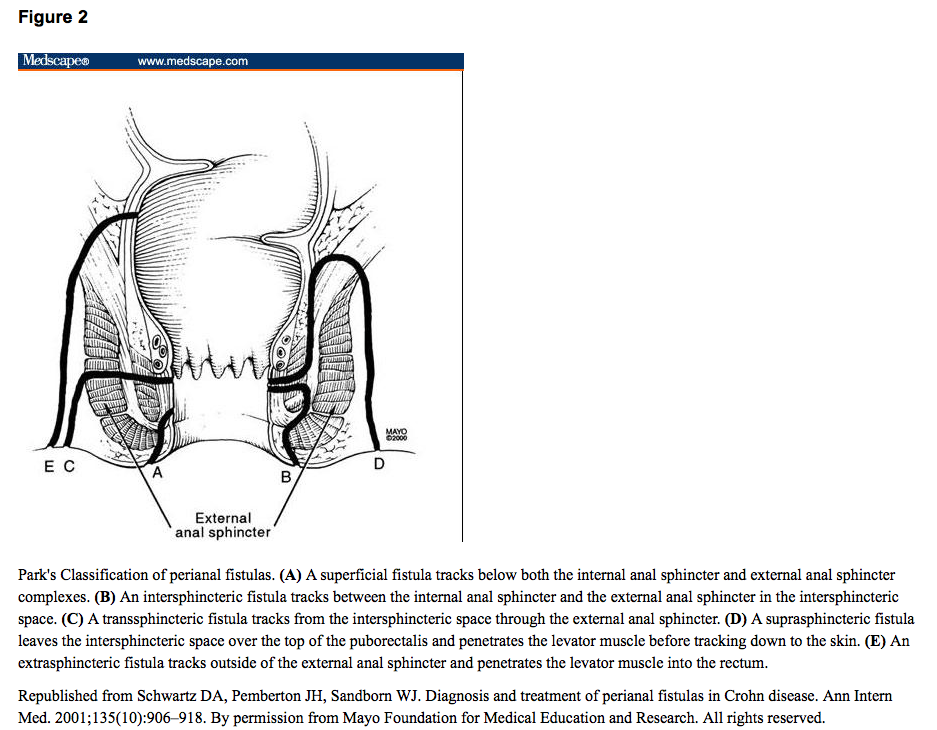
5. Inflamm Bowel Dis 2014; 20: 2260-65. “Natural History of Perianal Crohn’s Disease After Fecal Diversion.”  Despite greater use of biologics, only 15 of 49 patients reestablished intestinal continuity between 2000-2011.  In this group of 15, only 5 remained reconnected and 3 of these 5 patients had procedures to control sepsis.  The likelihood of sustained intestinal continuity remains low in patients who have required a diverting procedure.

Related blog posts:

Sandy Springs, Georgia

Sandy Springs, Georgia

IBD Incidence Increasing: 30 Years of Data from Manitoba

A recent study (JPGN 2014; 59: 763-66) shows a steady trend of increased incidence of IBD in Manitoba. This figure is available online:


Increasing IBD Incidence in Children

Increasing IBD Incidence in Children from JPGNonline

Abstract:

Objectives: The aim of this study was to describe the incidence and prevalence of inflammatory bowel disease (IBD) in children <17 years of age in 30 years from 1978 to 2007.

Methods: From January 1, 1978, to December 31, 2007, the sex- and age-adjusted annual incidence and prevalence of pediatric IBD per 100,000 population were calculated based on the pediatric IBD database of the only pediatric tertiary center in the province. The annual health statistics records for the Province of Manitoba were used to calculate population estimates for the participants. To ensure validity of data, the University of Manitoba IBD Epidemiology Database was analyzed for patients <17 years of age from 1989 to 2000.

Results: The sex- and age-adjusted incidence of pediatric Crohn disease has increased from 1.2/100,000 in 1978 to 4.68/100,000 in 2007 (P < 0.001). For ulcerative colitis, the incidence has increased from 0.47/100,000 in 1978 to 1.64/100,000 in 2007 (P < 0.001). During the same time period, the prevalence of Crohn disease has increased from 3.1 to 18.9/100,000 (P < 0.001) and from 0.7 to 12.7/100,000 for ulcerative colitis (P < 0.001). During the last 5 years of the study the average annual incidence of IBD in urban patients was 8.69/100,000 as compared with 4.75/100,000 for rural patients (P < 0.001).

Conclusions: The incidence and prevalence of pediatric IBD are increasing. The majority of patients were residents of urban Manitoba, confirming the important role of environmental factors in the etiopathogenesis of IBD.

Unrelated: As a bonus for those who made it to the bottom of this post : there’s a new Bristol Stool App for iPhones.  Here’s the link: http://www.bristol-stool-scale.com (from John Pohl’s twitter feed)