Too Good To Be True: Two Lessons For Eosinophilic Esophagitis

LE Irastorza et al. JPGN 2022; 74: 267-271. Eosinophil-Derived Neurotoxin Predicts Response to Proton-Pump Inhibitor Treatment in Pediatric Eosinophilic Esophagitis

In this prospective study, the authors compared Eosinophil-Derived Neurotoxin (EDN) levels in pediatric patients with eosinophilic esophagitis (EoE) who responded PPIs (n=15) to those who did not respond to PPIs (n=21). The publication states that EDN levels of 10 mcg/mL or greater are diagnostic for EoE (sensitivity 97%, specificity 89%) but EDN levels have not previously been studied as a marker for PPI responsiveness.

Key finding: EDN concentration was significantly higher in the PPI-nonresponsive group than in the PPI-responsive group (219.1 ± 229 mcg/mL vs 75.7 ± 60 mcg/mL, respectively, P = 0.036).

However, Figures 1 (see below) and 2 show that EDN levels while generally higher in those who did not respond to PPIs are not likely to help much at all in predicting who will respond to PPIs, mainly due to a lot of overlap in the levels. While very elevated levels (above ~300 mcg/mL) all occurred in PPI non-responders, this only accounted for 5 patients out of 36 in the entire cohort.

My take: This article’s title is quite misleading. EDN levels are generally higher in PPI-nonresponders but they do not predict response.

Figure 1

AA Wenzel et al. JPGN 2022; 74: e31-e34. Continued Basal Zone Expansion After Resolution of Eosinophilia in a Child With Eosinophilic Esophagitis on Benralizumab

This case report examined the effect of benralizumab, a monoclonal antibody against the interleukin-5 receptor (IL5Rα) on eosinophils in 20 year old with asthma and EoE. Histology was notable for resolution of esophageal eosinophilia but demonstrated marked basal zone hyperplasia (BZH) in association with high numbers of CD3+ T cells and tryptase+ mast cells. Subsequently, she improved with the institution of dupilumab with resolution of BZH and mast cell inflammation with significant reduction in T cells.

My take: Even with resolution of eosinophilia, mast cells and T cells appear to be capable of coordinating mucosal inflammation and symptoms of EoE (at least in some patients). This study mirrors my limited experience, in which patients receiving benralizumab had a grossly abnormal-appearing esophagus but resolution of the eosinophils.

Related blog posts:
Mitigation Efforts for Button Batteries

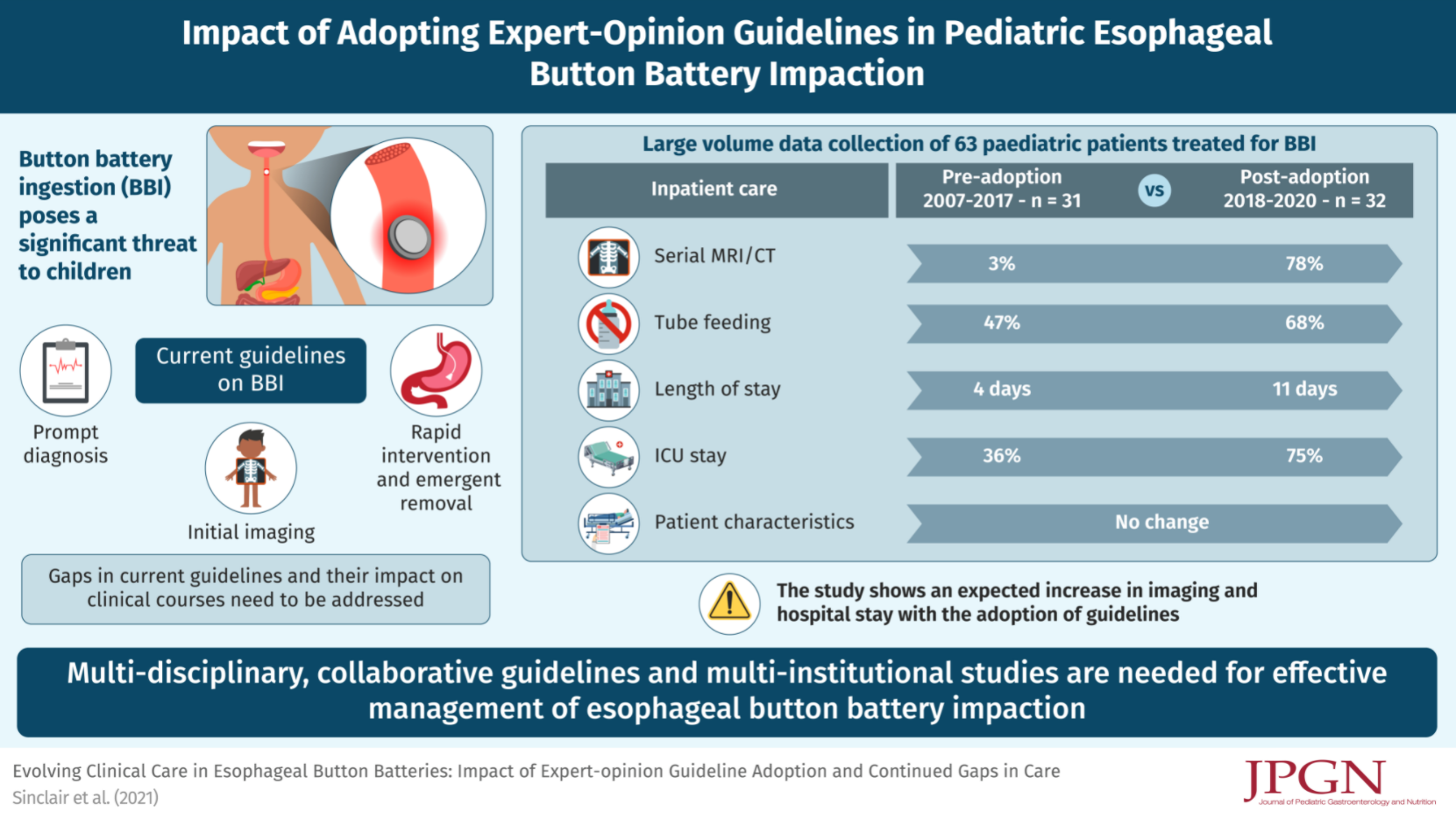
EM Sinclair et al. JPGN 2022; 74: 236-243. This retrospective study (n=63) describes the increased utilization of cross-sectional imaging, adoption of acetic acid irrigations, increased intensive care/hospitalizations after the implementation of consensus institutional guidelines for button battery management (see visual abstract below). An estimate in the increase in costs would have been a good addition to this study.

One of the references (EM Sinclair et al. J Pediatr Surg Case Rep 2021; 66: 101782. doi: 10.1016/j.epsc.2021.101782. Open Access: Development and repair of aorto-esophageal fistula following esophageal button battery impaction: A case report) describes one of the goals of prolonged hospitalization, namely preventing catastrophic bleeding. In this case report, though, the 6 yo had been discharged 12 days after presentation and represented on day 25 with hematemesis from a new aorto-esophageal fistula, requiring emergent cardiac catheterization with successful, life-saving aortic stent placement; “however a multidisciplinary approach to procedure planning is necessary with availability of surgical support for open repair if necessary.” This report has a lot of good images. The discussion notes that the National Capital Poison Center (NCPC) database reports a total 64 deaths in children following button battery ingestion worldwide since 1977; 61% (39/64) of which were due to documented arterio-esophageal fistulae (the actual numbers of deaths is likely much higher). This report also highlights the fact that serial MRIs “may not predict the development of severe complications.”

Related blog posts:

Trends in Pediatric IBD Epidemiology & More on Formula Recall

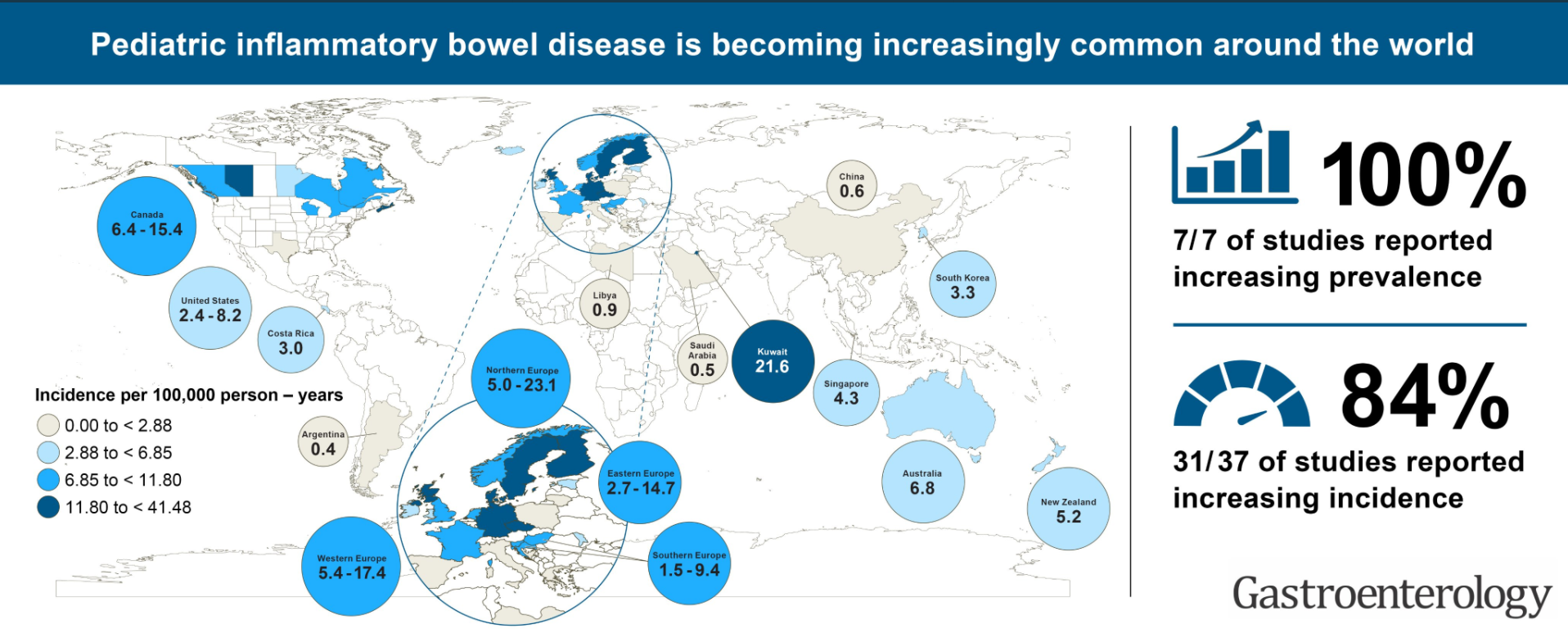
E Kuenzig et al. Gastroenterology 2022; DOI:https://doi.org/10.1053/j.gastro.2021.12.282. Open Access: Twenty-first Century Trends in the Global Epidemiology of Pediatric-Onset Inflammatory Bowel Disease: Systematic Review

Key finding:  Among studies evaluating trends over time, most (31 of 37, 84%) studies reported significant increases in incidence and all (7 of 7) reported significant increases in prevalence

App Website: The Global Epidemiology of Pediatric Inflammatory Bowel Disease

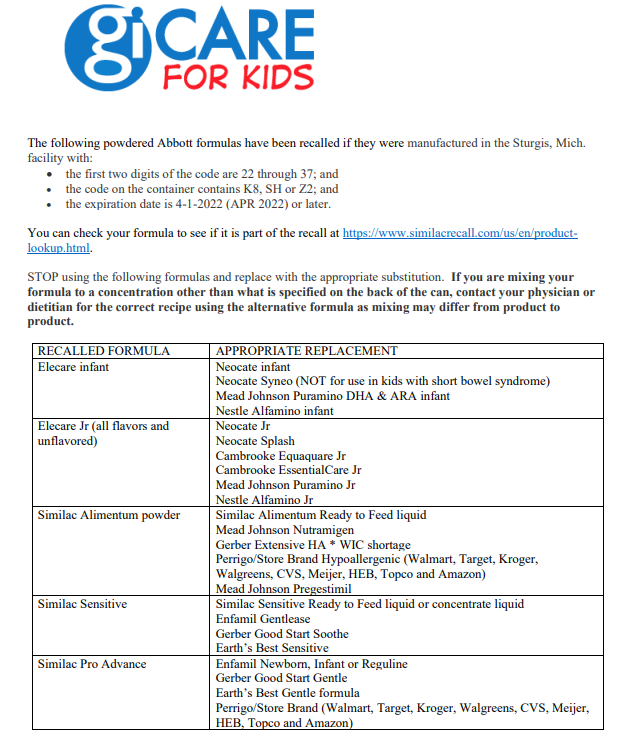
Yesterday, this blog noted the recall of several formulas (FDA Warns Consumers Not to Use Certain Powdered Infant Formula Produced in Abbott Nutrition’s Facility in Sturgis, Michigan). Our office has made a substitution table for the Abbott formulas:

FDA Warns Consumers Not to Use Certain Powdered Infant Formula Produced in Abbott Nutrition’s Facility in Sturgis, Michigan

Here’s the link: FDA Warns Consumers Not to Use Certain Powdered Infant Formula Produced in Abbott Nutrition’s Facility in Sturgis, Michigan

2/17/22: Today, the U.S. Food and Drug Administration announced it is investigating consumer complaints of Cronobacter sakazakii and Salmonella Newport infections. All of the cases are reported to have consumed powdered infant formula produced from Abbott Nutrition’s Sturgis, Michigan facility ..The FDA is investigating complaints of four infant illnesses from three states.

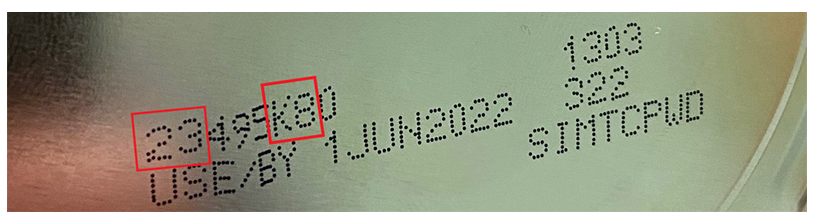
The FDA is advising consumers not to use Similac, Alimentum, or EleCare powdered infant formulas if:

  • the first two digits of the code are 22 through 37; and 
  • the code on the container contains K8, SH or Z2; and 
  • the expiration date is 4-1-2022 (APR 2022) or later. 
  • Products that do not contain the information listed above are not impacted. The FDA advisory does not include liquid formula products or any metabolic deficiency nutrition formulas. Consumers should continue to use all products not covered by the advisory. 

AAP News: FDA issues warning for potentially contaminated infant formula

From USAToday: Baby formula recall 2022: FDA warns consumers not to use select Similac, Alimentum and EleCare: “More information is available at Similacrecall.com where you can type in the code on the bottom of the package. You can also call 1-800-986-8540 and follow the instructions provided.”

Ultraprocessed Food and the Risk of Inflammatory Bowel Disease

N Narula at al. BMJ 2021; 374: n1554. Open Access: Association of ultra-processed food intake with risk of inflammatory bowel disease: prospective cohort study

Background: “Processed foods often include many non-natural ingredients and additives such as artificial flavours, sugars, stabilisers, emulsifiers, and preservatives. Detergents and emulsifiers that are added to foods might have a detrimental effect on the gut barrier. Carboxymethylcellulose has been shown to increase bacterial adherence to intestinal epithelium and might lead to bacterial overgrowth and infiltration of bacteria into the spaces between intestinal villi. Polysorbate 80, an emulsifier commonly used in processed foods, increases translocation of bacteria such as Escherichia coli across M cells and Peyer’s patches in people with Crohn’s disease.”

Methods: Using food questionnaires, the authors prospectively followed 116 087 adults aged 35-70 years from 21 low, middle, and high income countries from 2003 to 2016 (median follow-up of 9.7 years).

Key findings:

  • After adjustment for potential confounding factors, higher intake of ultra-processed food was associated with a higher risk of incident IBD with a hazard ratio of 1.82 for ≥5 servings/day and 1.67 for 1-4 servings/day (compared to <1 serving/day)

Since this is an observational study, this does not prove a causal association between these foods and inflammatory bowel disease. Nevertheless, limiting the consumption of ultraprocessed foods is a good idea as these foods may increase the risk of other health problems as well, including cardiometabolic disease and cancer (Gastroenterol 2022; 162: 652-54). This will be difficult, though, as in the U.S. more than half of calories consumed are from ultraprocessed foods.

My take: This study supports the notion that more fresh foods in our diets is beneficial.

Related blog posts:

Artist near Azalea Drive (Chattahoochee River, Atlanta)

Liver Shorts: Biliary Atresia Organoids, AIH Pregnancy Outcomes, ALT Levels in Primary Care, Polyreactive IgG for AIH

SP Amarachintha et al. Hepatology 2022; 75: 89-103. Open Access: Biliary organoids uncover delayed epithelial development and barrier function in biliary atresia

This is a super cool article documenting a new human model for studying biliary atresia. The authors “generated biliary organoids from liver biopsies of infants with biliary atresia and normal and diseased controls…Organoids from biliary atresia are viable and have evidence of halted epithelial development. The induction of developmental markers, improved cell-cell junction, and decreased epithelial permeability by EGF and FGF2 identifies potential strategies to promote epithelial maturation and function.”

The authors note that delayed development of cholangiocytes impair barrier function and leave the liver susceptible to various insults which can trigger an inflammatory response with potential progression to obliteration of the bile ducts.

CW Wang et al. Hepatology 2022; 75: 5-12. Open Access: Outcomes of pregnancy in autoimmune hepatitis: A population-based study

Among 18,595,345 pregnancies, 935 (<0.001%) had AIH (60 with cirrhosis) and 120,100 (0.006%) had other CLD (845 with cirrhosis). Key findings:

  • AIH was not associated with postpartum hemorrhage, maternal, or perinatal death
  • AIH was associated with preterm births when compared with women without CLD (OR: 2.0)
  • The odds of gestational diabetes (GDM) and hypertensive complications (pre-eclampsia, eclampsia, or hemolysis, elevated liver enzymes, low platelets) were significantly higher in AIH compared to other CLD (GDM: OR 2.2 and hypertensive complications: OR: 1.8) and also compared to no CLD in pregnancy (GDM: OR: 2.4 and  hypertensive complications: OR: 2.4)

SJ Wu et al. J Pediatr 2022; 240: 280-283. The Prevalence of Elevated Alanine Aminotransferase Levels Meeting Clinical Action Thresholds in Children with Obesity in Primary Care Practice

In this brief report, the authors identified 7.8% of children from a cross-sectional California cohort (n=12,945) with ALT >44 U/L and BMI in the 95% or higher (2012-2014). Males were twice as likely to have elevated ALT. Ethnicity rates were higher in hispanics, asians than white and black children (in males: 12%, 10.4%, 7.3% and 3.1%, respectively)

R Taubert et al. Hepatology 2022; 75: 13-27. Quantification of polyreactive immunoglobulin G facilitates the diagnosis of autoimmune hepatitis

Key findings: Polyreactive IgGs (pIgGs) are a common finding in untreated AIH and have “the highest overall accuracy for the distinction between AIH and non-AIH LD compared to the most common conventional autoantibodies.” In addition, in this study with 1568 adutls, pIgGs were present in “up to 88% of patients with seronegative AIH and in up to 71% of AIH patients with normal IgG levels. Under therapy, pIgG returns to background levels of non-AIH-LD.”

Maintenance Topical Steroid Dosing for Eosinophilic Esophagitis

T Greuter et al. Clin Gastroenterol Hepatol 2021; 19: 2514-2523. Open Access: Effectiveness and Safety of High- vs Low-Dose Swallowed Topical Steroids for Maintenance Treatment of Eosinophilic Esophagitis: A Multicenter Observational Study

In this multicenter, retrospective study with 82 participants (mean age 37 years), the authors examined swallowed topical corticosteroids (STC) for maintenance of histologic remission (<15 eos/hpf). Low dose STC (22 budesonide, 60 fluticasone) was considered 0.5 mg/day or less. Key findings:

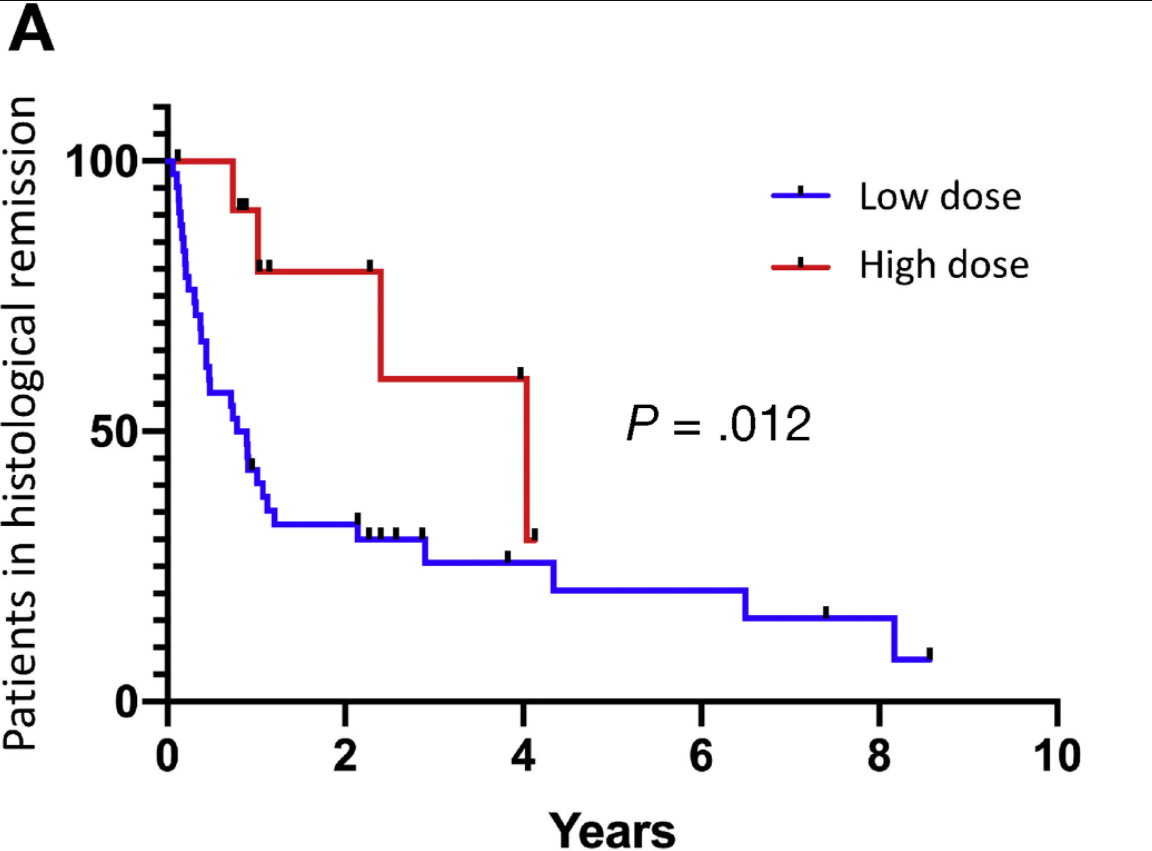
  • Histological relapse occurred in 67% of patients. This rate was comparable in patients treated with low-dose (72%) and high-dose (54%) STCs.
  • Histological relapse occurred significantly earlier with low dose STC (1.0 vs 1.8 years, P = .030)
  • Esophageal candidiasis was identified in 6% of subjects

The authors conclude that most of the histological relapse that occurred was due to true steroid failure since “low adherence and treatment cessation during follow-up were exclusion criteria.” Also, they note that “the recently finished but not yet fully published Maintenance of Remission With Budesonide Orodispersible Tablets vs Placebo in Eosinophilic Eosphagitis (EOS2 trial) (NCT02493335) comparing budesonide maintenance doses of 2 mg/d vs 1 mg/d suggest that there is no additional benefit of daily doses higher than 1 mg (1-year remission rates of 75.0% and 73.5%, respectively).

My take: Low dose STCs do not appear to be as effective in maintaining histologic remission; however, there is a high rate of relapse even in those with higher doses.

Related blog posts:

Kaplan Meier curve for time to histological relapse in patients with deep
histological remission at baseline stratified by steroid dose groups

Alcohol Burden in Hepatology

As an outside observer, I wonder how practitioners in the field of adult hepatology feel about the changing epidemiology of severe liver disease.

Case (article) in point: G Cholankeril et al. Hepatology 2021; 74: 3316-3329. Open Access: Impact of COVID-19 Pandemic on Liver Transplantation and Alcohol-Associated Liver Disease in the USA

This retrospective study utilized UNOS adult data from 6/1/19 to 3/1/21. This included 9528 in the pre-COVID era and 9259 in the COVID era.

Key findings:

  • There was “a significant reduction in the monthly listing rates for HCV (−21.69%, P < 0.001) and NASH (−13.18%; P < 0.001).” However, there “was a significant increase in ALD [alcohol-associated liver disease] listing (+7.26%; P < 0.001) and LT (10.67%; P < 0.001) during the pandemic.”
  • “In the COVID era, ALD (40.1%) accounted for more listings than those due to HCV (12.4%) and NASH (23.4%) combined. The greatest increase in ALD occurred in young adults (+33%) and patients with severe alcohol-associated hepatitis (+50%).”
  • Interestingly, “patients with ALD had a 50% higher probability rate of LT [liver transplantation] than patients with other liver disease.”

The authors note that patients with alcohol use disorder (AUD) and ALD, during the pandemic, “may no longer have structured non-alcohol-related activities and in-person behavioral counseling…coupled with the delay in routine health care…Few patients with ALD receive recommended care for AUD.”

My take: Due to the cumulative effects of ALD, there is likely to continued (worsening) high rates of liver failure due to ALD. Given the difficulties in managing ALD, aside from managing liver complications, this must be a huge emotional burden for many healthcare providers watching this tragedy play out on a continual basis.

Cumulative incidence rates for LT among patients listed for ALD and non-ALD
in the pre-COVID and COVID eras.

Related blog posts:

Insurance and Medicine: Underinsurance of Children and Medicaid Coverage of DAAs

J Yu et al. Pediatrics: 2022 Jan 1;149(1):e2021050353. doi: 10.1542/peds.2021-050353. Open Access: Underinsurance Among Children in the United States

Methods: Secondary analysis of US children in the National Survey of Children’s Health combined 2016–2019 dataset who had continuous and adequate health insurance

Key findings:

  • The proportion of US children experiencing underinsurance rose from 30.6% to 34.0% (+3.4%; 95% CI, +1.9% to +4.9%), an additional 2.4 million children
  • The estimate of children lacking continuous insurance coverage rose from 8.1% to 8.7%

My take: The U.S. healthcare system is messed up. Economic incentives nudge/force families to neglect high value care frequently (& getting worse). At the same, the U.S. expends a ton of resources on low value care.

NA Wahid et al. Liver Transplantation 2021; 27: 1723-1732. Medicaid Expansion Association With End-Stage Liver Disease Mortality Depends on Leniency of Medicaid Hepatitis C Virus Coverage

Key finding:  Improvements in ESLD mortality and LDRs (listing-to-death ratios) were associated with both Medicaid expansion and leniency of HCV coverage under Medicaid. In patients living in states with nonexpansion/restrictive cohort, deaths continued to increase throughout study period.

Related blog posts:

Patient T-shirts: