Common Mistakes When Managing Acute Pancreatitis

G Trikudanathan et al. Gastroenterol 2024; 167: 673-688. Open Access (PDF)! Diagnosis and Management of Acute Pancreatitis

While this review focuses on acute pancreatitis in adults, there are areas of overlap with pediatric patients who have acute pancreatitis. Many of the points in this article were reviewed in the lecture by Dr. Freeman (summarized earlier this week).
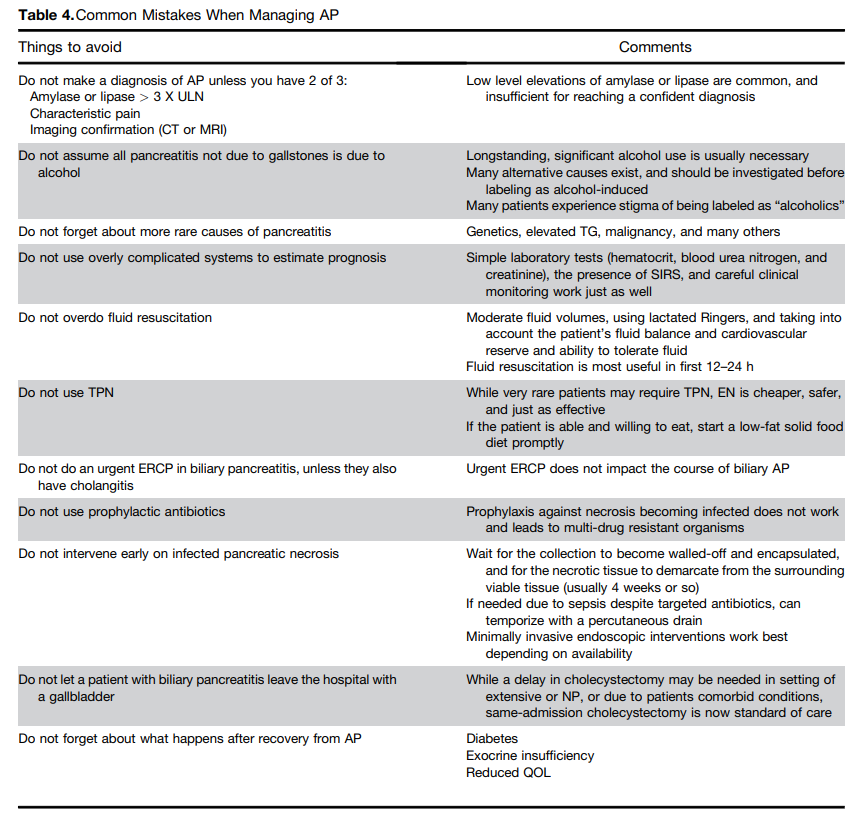
A couple of details regarding these recommendations:

Nutrition: “Current guidelines recommend initiating early (as soon as tolerated)
oral feeding with solid (low-fat) diet in patients with predicted mild AP and this approach reduces length of hospitalization. Patients with severe AP or NP may be intolerant to oral diet…studies noted that the pancreas is largely insensitive to meal stimulation during AP. Early enteral nutrition (EN) was shown to have a beneficial trophic effect in preserving gut mucosal integrity and reducing gut bacterial translocation. EN was compared with TPN in AP in several RCTs and the results were statistically aggregated in several meta-analyses to
establish the superiority of EN in mortality, multiorgan failure, and rate of infection.”

TPN: “Given the cost burden, risk of catheter-related sepsis, electrolyte and metabolic derangement, and gut barrier failure, currently use of TPN is reserved for patients for whom EN is not possible or is not able to meet the minimum calorie requirements. It should be noted that although all guidelines advise avoiding TPN, it continues to be used.”

Antibiotics: “Current guidelines do not recommend prophylactic antibiotics in predicted severe AP or sterile necrosis because this practice is associated with the development of multidrug-resistant bacteria and fungal superinfection. It can be difficult in severe
pancreatitis to know if clinical deterioration is due to ongoing pancreatitis with SIRS, or due to a new infection. Procalcitonin is useful in distinguishing SIRS from bacterial sepsis. The PROCAP randomized trial used procalcitonin testing at 0, 4, and 7 days and weekly thereafter with a threshold of 1.0 ng/mL to guide initiation, continuation, and discontinuation of antibiotics. The procalcitonin based algorithm decreased the probability of being prescribed an antibiotic and the number of days on antibiotics without increasing infection or harm in patients with AP.”

Progression to Chronic Pancreatitis: “A systematic review and meta-analysis of progression showed that 10% of patients with first episode of AP and 36% of patients with recurrent AP develop CP, with risk being highest among smokers, alcoholic patients, and men.”

Risk of Diabetes: “A prior systematic review and meta-analysis of patients with an index attack of AP found that newly diagnosed diabetes occurred in 15% of individuals within 12 months, and risk increased 2-fold for diabetes after 5 years. The development of
diabetes was not significantly associated with the severity of pancreatitis, etiology of disease, patient age, or gender.”

Related blog posts:


Adding Linaclotide To Help With Bowel Prep

H Xu et al. Journal of Gastroenterology and Hepatology; 2024: https://doi.org/10.1111/jgh.16734. Application of linaclotide in bowel preparation for colonoscopy in patients with constipation: A prospective randomized controlled study

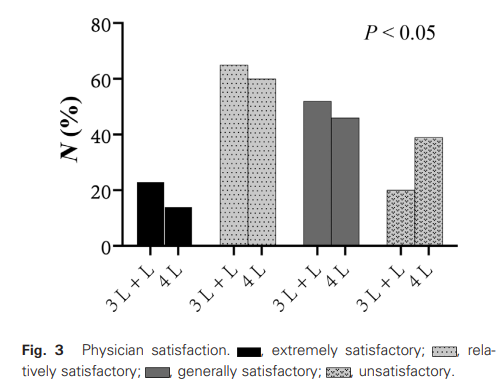
Methods: In this prospective, single-center, randomized controlled trial, 322 participants (18-75 yrs) were divided into two groups: a 3-L PEG + 870-μg linaclotide group (administered as a single dose for 3 days) and a 4-L PEG group. All enrolled patients had constipation as defined by the Rome IV criteria (fewer than three bowel movements per week with associated symptoms such as straining and hard or lumpy stools).

Linaclotide dosing: One 290-μg linaclotide capsule 30 min before the first meal for 3 days leading up to the colonoscopy, but not on the day of the procedure itself

Key findings:

  • The 3-L PEG + linaclotide group showed significantly higher rates of adequate and excellent bowel preparation than the 4-L PEG group (89.4% vs 73.6% and 37.5% vs 25.3%, respectively; P < 0.05).
  • Boston Bowel Preparation Scale (BBPS) score  in the linaclotide group was significantly higher than that in the 4-L PEG group.
  • Adverse effects like nausea and vomiting were less common in the linaclotide group compared to the 4-L PEG group. Nausea was noted in 10% of linaclotide group compared to 24.5% in the 4-L PEG group. vomiting occurred in 5% and 19.5% respectively. Overall, adverse effects were 24.4% compared to 41.5% respectively.
  • The cecal intubation rate was 87.5% in the linaclotide group and 81.8% in the 4-L PEG group, which indicated a higher trend in the linaclotide group. Both groups had a lower cecal intubation rate than the 90% benchmark rate and could be related to the underlying constipation.

My take: In patients with constipation, linaclotide with 3L PEG resulted in a better cleanout than a standard 4L PEG prep. Combination laxatives as part of the prep should be considered in those with underlying constipation.

This study would be hard to replicate in children as very few children with constipation need a colonoscopy. It is possible that the addition of linaclotide would improve cleanouts even in children without constipation. Other studies showing linaclotide can help with cleanouts in the general population include the following:

  • Zhang M, et al. Eur. J. Gastroenterol. Hepatol. 2021; 33: e625–33.
  • Tao T, et al. Chin. J. Dig. 2022; 42

Related blog posts:

How to Upgrade Pancreas Care –Jay Freeman MD (Part 2)

We had a great pancreas update lecture from Dr. Jay Freeman. In my view, a great lecture involves a well-delivered informative lecture that likely leads to an improvement in clinical practice. My notes below may contain errors in transcription and in omission. Along with my notes, I have included many of his slides.

  • Currently there are NO recommendations for medications that can prevent progression of chronic pancreatitis
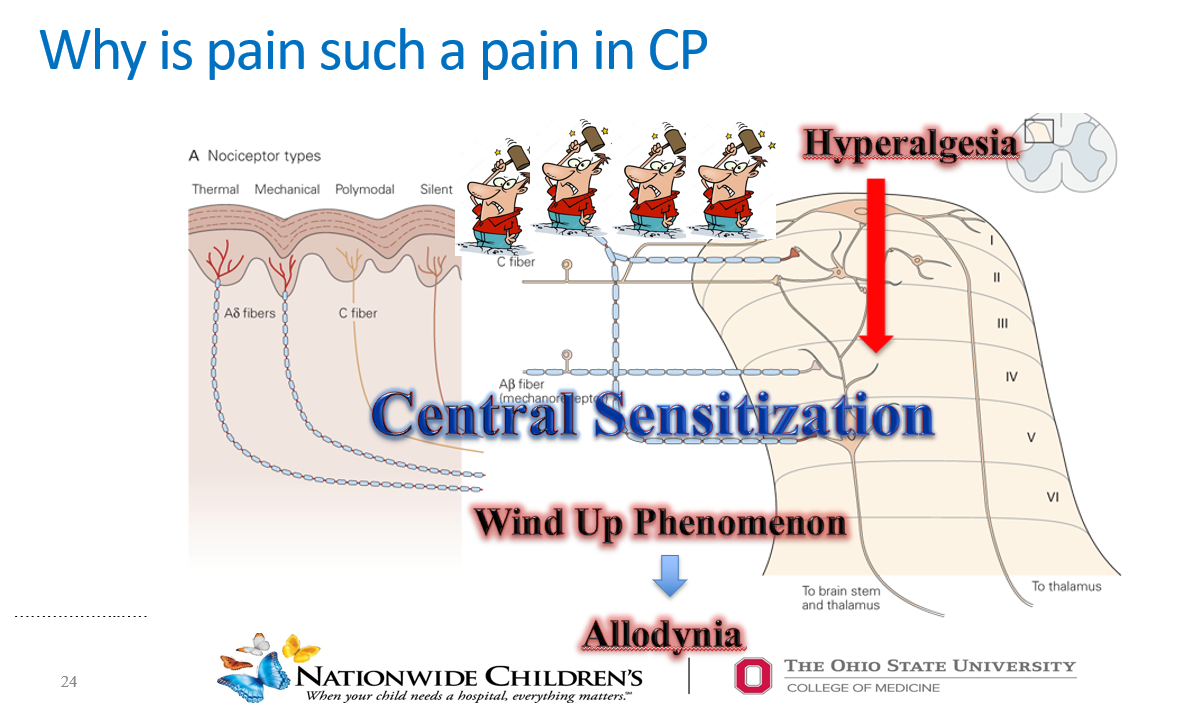
  • Use of neuromodulators (eg. TCAs, Gabapentin) are often given to reduce pain
  • Cognitive behavioral therapy has been used in chronic pancreatitis with significant improvement
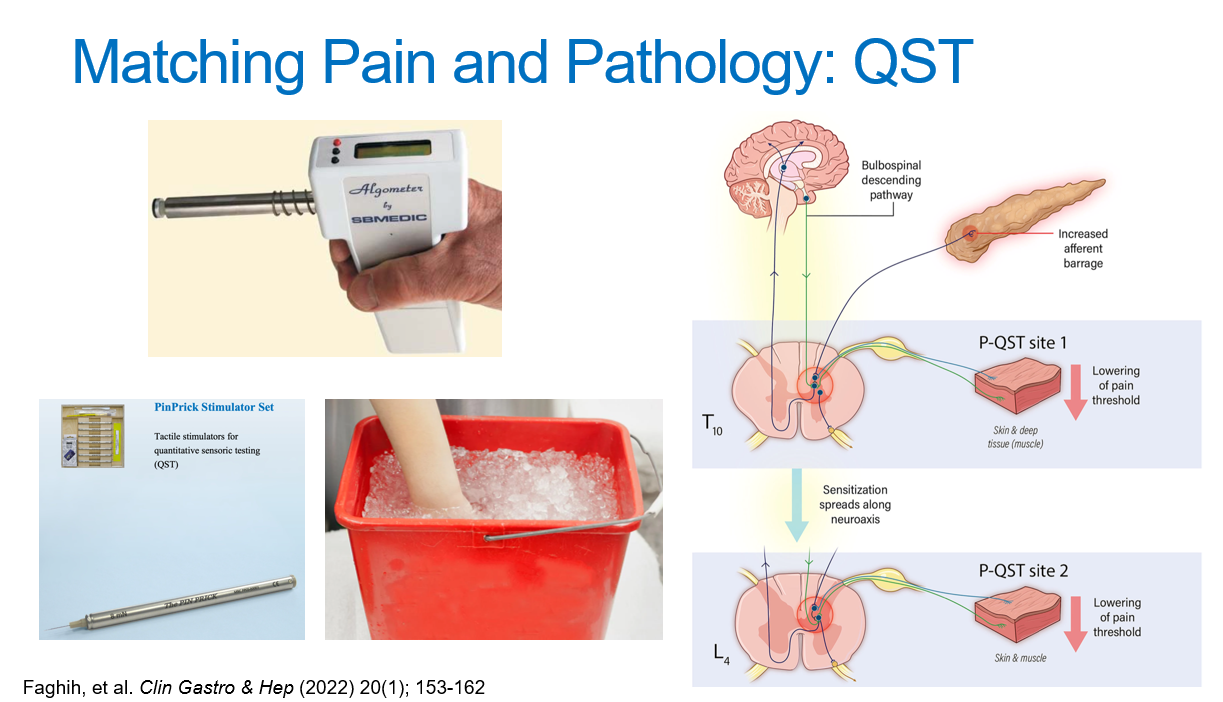
  • Pain management is working towards objective pain markers
  • Changes in pancreatic function are associated with risk of pancreatitis
  • CF drugs have changed pancreatic function in the CF population and may be helpful in other populations
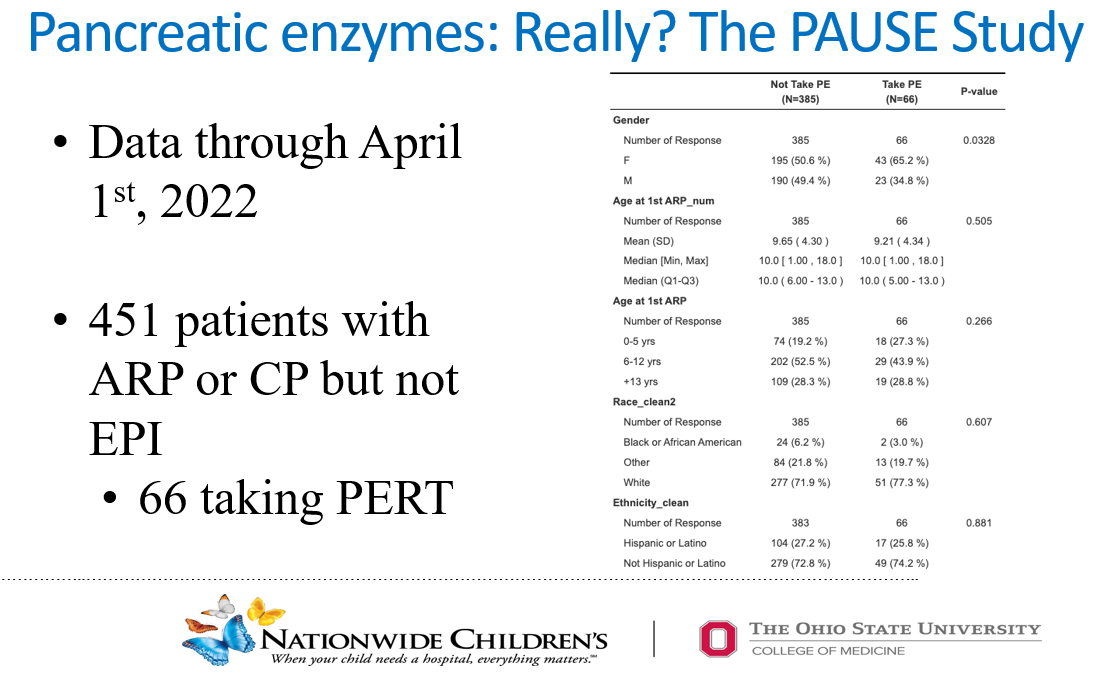
  • Pancreatic enzymes (PERT) may decrease the risk of pancreatitis. Based on the PAUSE study, a double-blind study is needed to determine if PERT can reduce pancreatitis with ARP or CP
  • From Nationwide Children’s Summary: “The researchers found that nearly 17% of children with pancreatic-sufficient ARP and CP were treated with pancreatic enzymes. Children started on pancreatic enzyme therapy experienced fewer AP episodes annually, and approximately 40% of children on pancreatic enzyme therapy had no additional AP episodes [during a mean 2.1 years of follow-up] over approximately two years of follow-up. Children with a SPINK1 mutation and those with ARP (compared with CP) were less likely to have an AP episode after initiating pancreatic enzyme therapy… a randomized, placebo-controlled clinical trial is necessary to evaluate the true impact of pancreatic enzymes for these patients.” Freeman AJ, et al. American Journal of Gastroenterology. 2024 Apr 18. DOI: 10.14309/ajg.0000000000002772. Epub ahead of print.Open Access! Pancreatic Enzyme Use Reduces Pancreatitis Frequency in Children With Acute Recurrent or Chronic Pancreatitis: A Report From INSPPIRE. “After initiation of PERT, the mean AP annual incidence rate decreased from 3.14 down to 0.71 ( P < 0.001).”
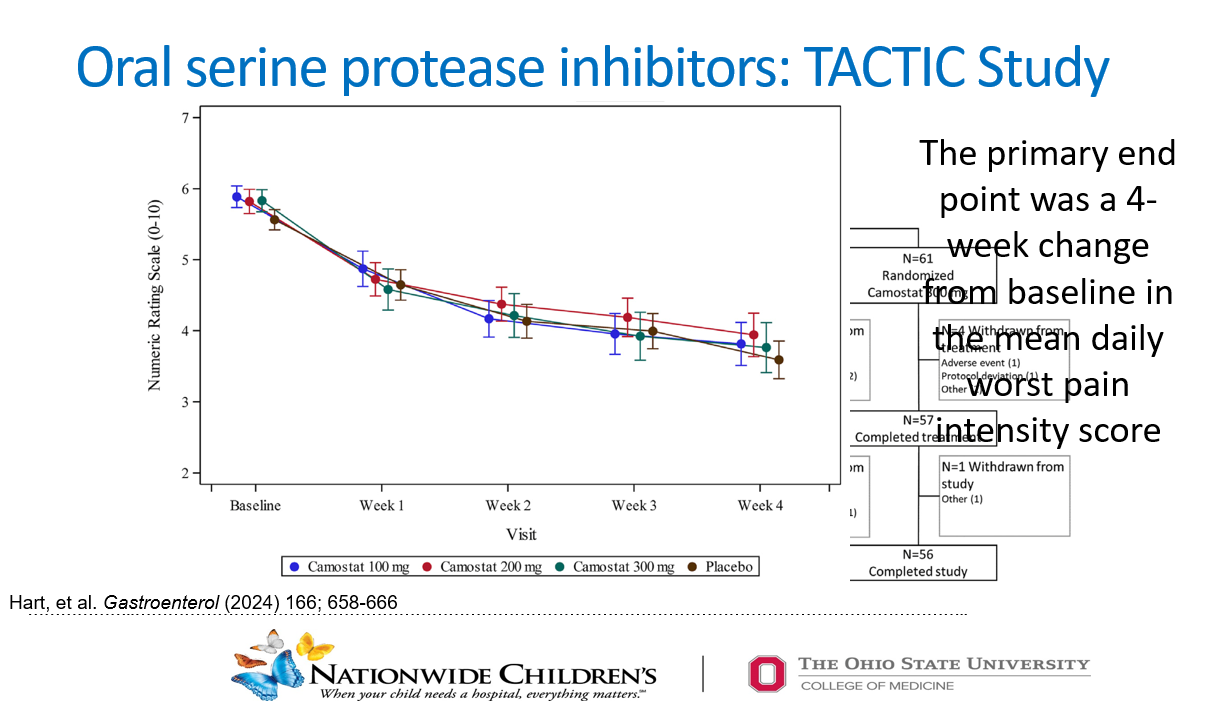
  • The TACTIC study showed that an oral serine protease inhibitor reduced daily pain; however, the 4-week change was similar to placebo. This study shows why placebo-controlled studies are needed
  • There are other treatment approaches that are being studied in adults including antifibrotics, simvastatin, and paracalcitol

Related blog posts:

Disclaimer: This blog, gutsandgrowth, assumes no responsibility for any use or operation of any method, product, instruction, concept or idea contained in the material herein or for any injury or damage to persons or property (whether products liability, negligence or otherwise) resulting from such use or operation. These blog posts are for educational purposes only. Specific dosing of medications (along with potential adverse effects) should be confirmed by prescribing physician.  Because of rapid advances in the medical sciences, the gutsandgrowth blog cautions that independent verification should be made of diagnosis and drug dosages. The reader is solely responsible for the conduct of any suggested test or procedure.  This content is not a substitute for medical advice, diagnosis or treatment provided by a qualified healthcare provider. Always seek the advice of your physician or other qualified health provider with any questions you may have regarding a condition.

How to Upgrade Pancreas Care –Jay Freeman MD (Part 1)

We had a great pancreas update lecture from Dr. Jay Freeman. In my view, a great lecture involves a well-delivered informative lecture that likely leads to an improvement in clinical practice. My notes below may contain errors in transcription and in omission. Along with my notes, I have included many of his slides.

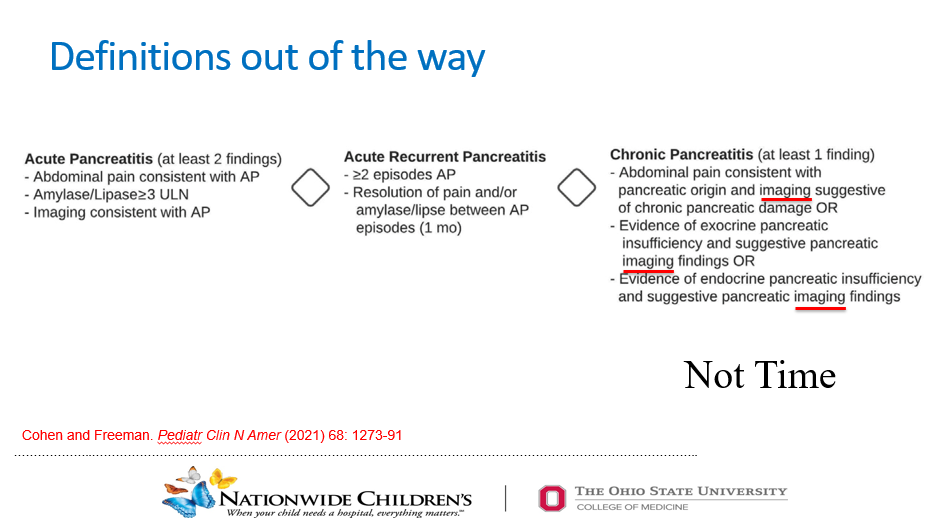
  • About 10% of patients with acute pancreatitis already have damage indicating chronicity
  • Severe pancreatitis is often defined by degree of organ dysfunction (eg. cardiac, pulmonary, renal). A practical definition of severe pancreatitis in children is whether the patient requires admission to an ICU
  • The term “position paper” is typically used instead of “guidelines” due to lack of definitive data and reliance on expert opinion
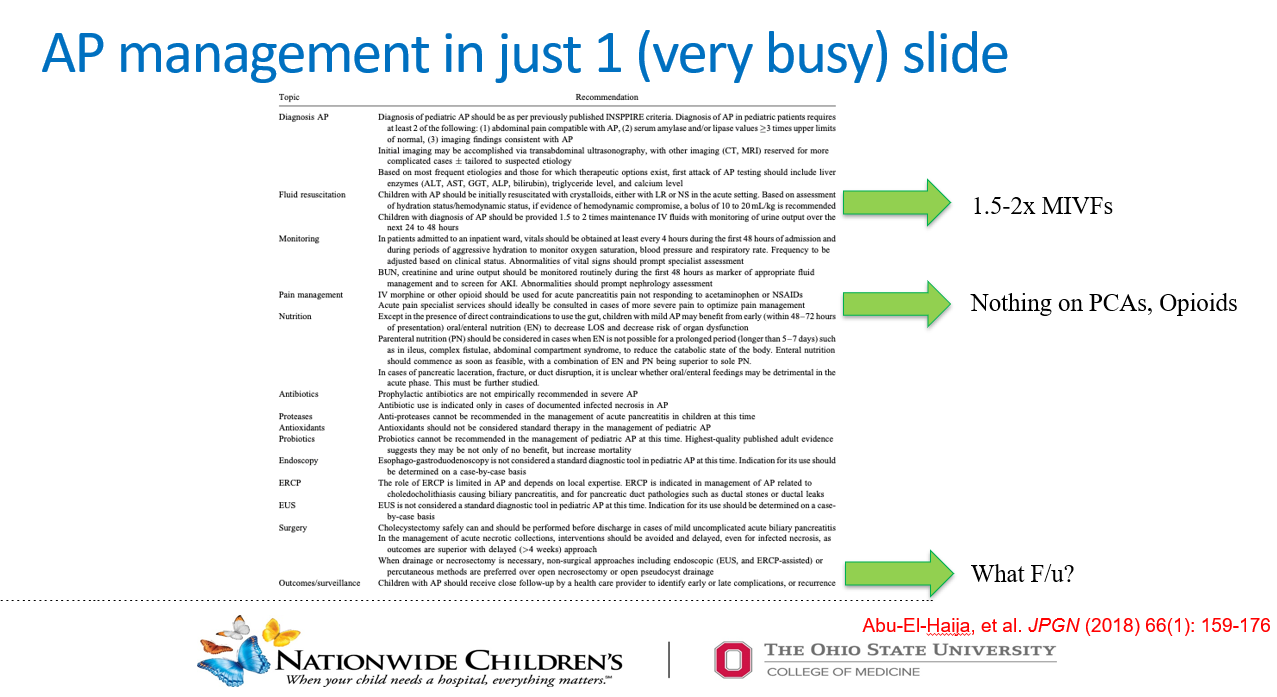
  • While the guidelines suggest 1.5-2.0 x maintenance fluid volumes, the benefit of this additional IVFs is not clear. Dr. Freeman’s clinical practice is often to start with 1.5 x maintenance rate and to try to transition to enteral diet
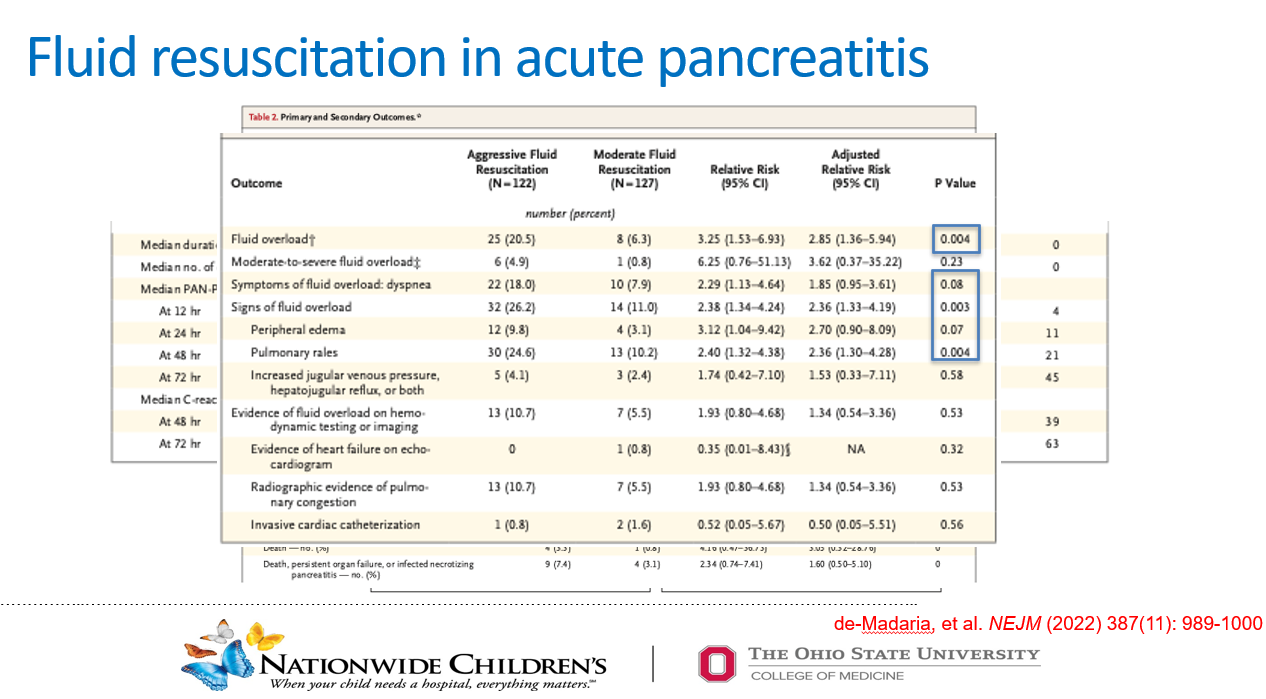
  • Aggressive fluid resuscitation of acute pancreatitis in adults is associated with increased risk of fluid overload. Lactated ringer’s is generally fluid of choice.
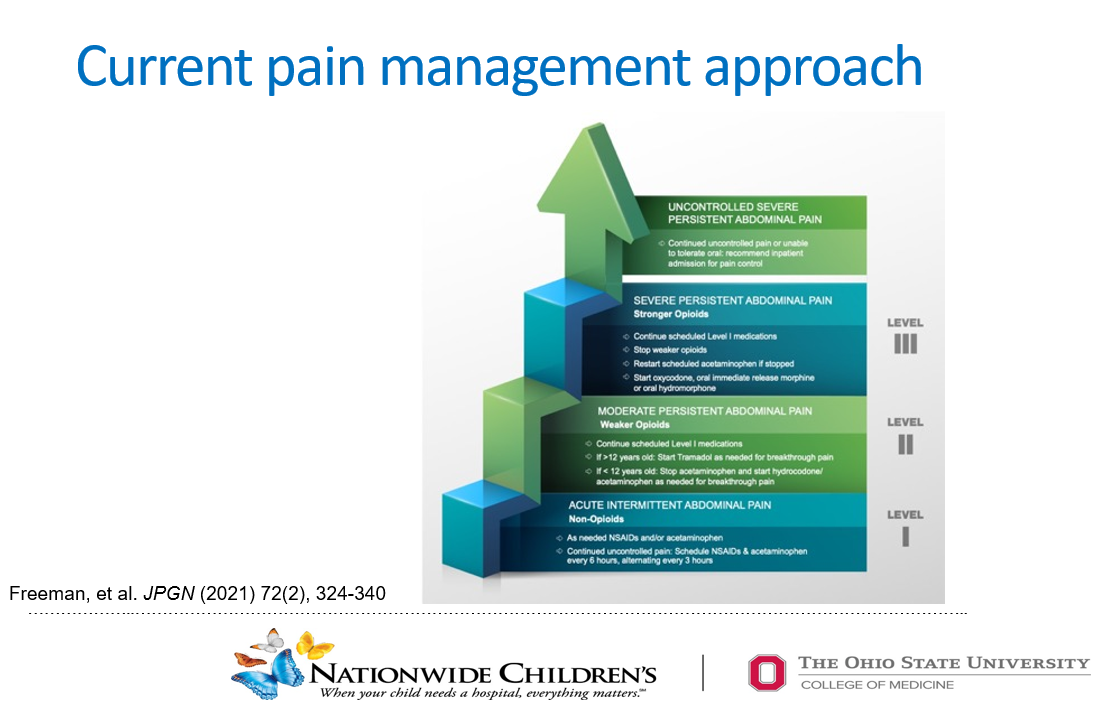
  • In this study with 211 pediatric patients, starting with a narcotic increases the likelihood of continuing with narcotics. Many patients can respond to acetaminophen and NSAIDs. Using narcotics, may increase the risk of sensitization to pain (lowering pain threshold)
  • In this study with adults (Not Randomized), use of PCA was associated with longer hospitalizations, slower start to enteral nutrition and increased narcotic use at discharge
  • A single episode of acute pancreatitis, even mild cases, is associated with long-term risks including risk of exocrine pancreatic insufficiency (often transient), increased risk of diabetes mellitus and even pancreatic cancer.
  • Restricting fat in the diet for 1-2 weeks after an episode may reduce some symptoms
  • Because of risk of complications, Dr. Freeman recommends follow up after hospitalization (after a few months) and for up to 5 years (at least for 2 years)
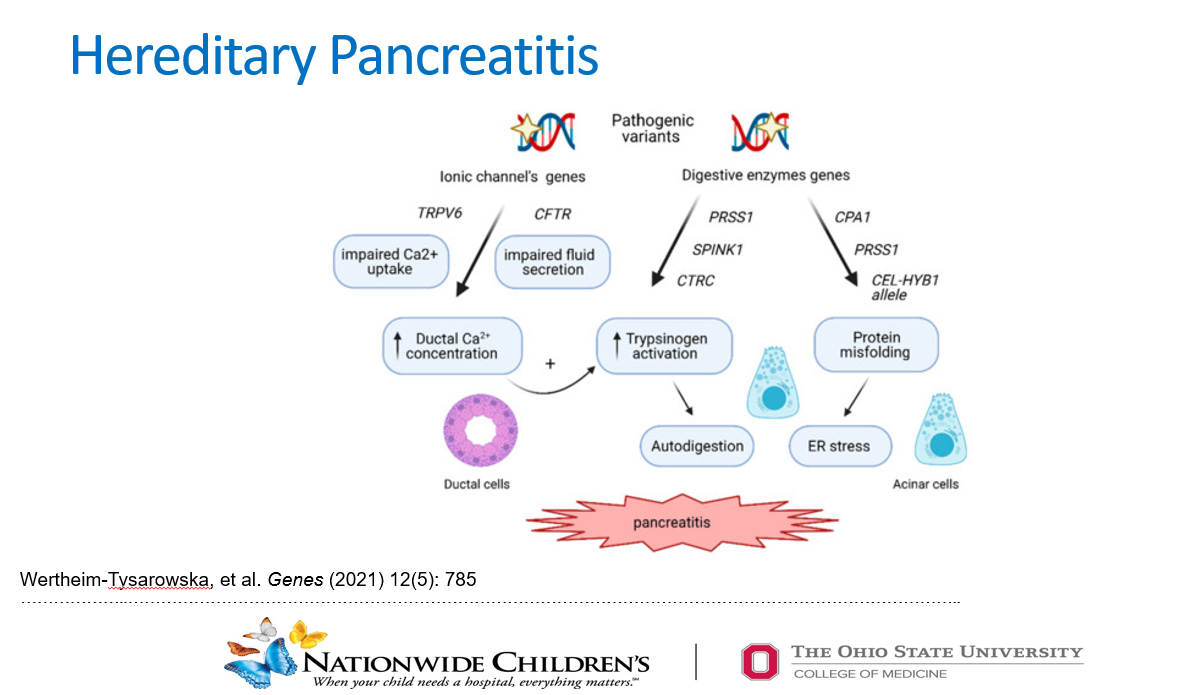
  • Dr. Freeman indicated that he recommends checking genetic tests for pancreatitis if a patient has had more than one episode. If a patient is less than 5 years of age or has a significant family history, checking for genetic predisposition should be considered with the first bout of pancreatitis.

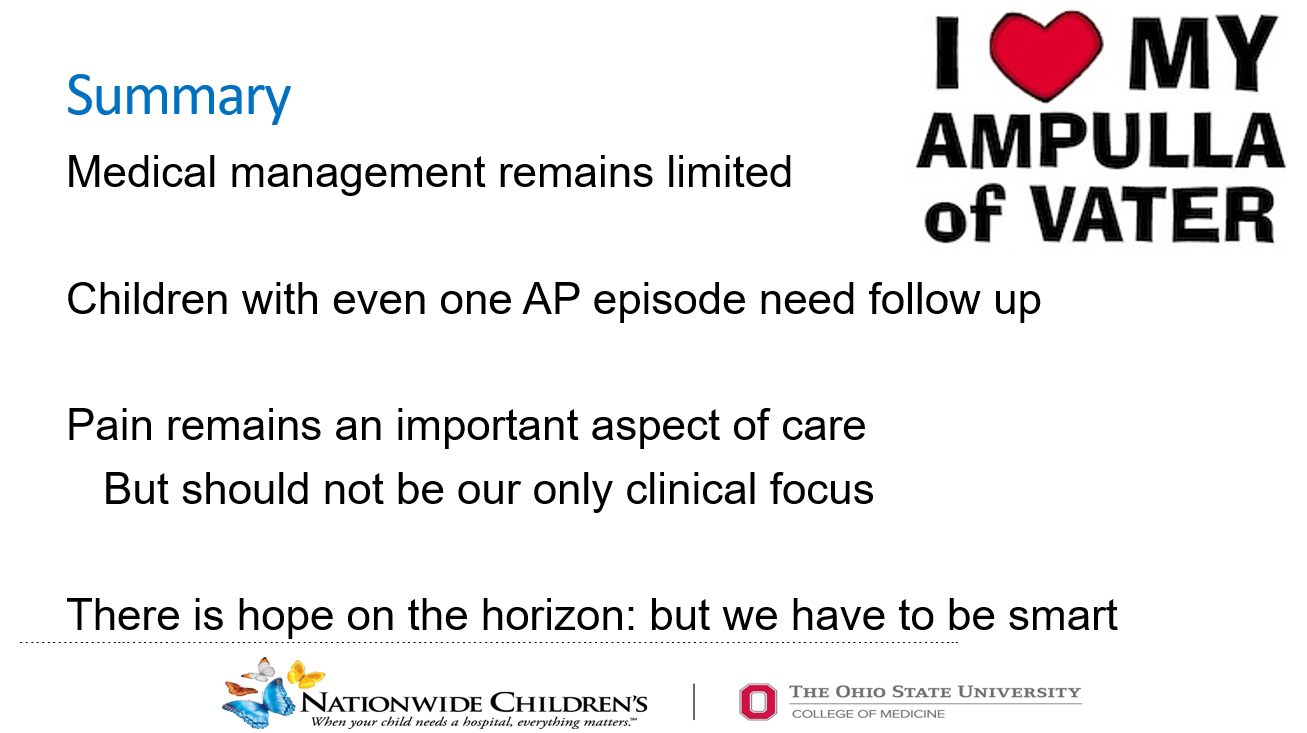
Key points: Even patients with acute pancreatitis need follow-up. Consider using non-narcotic medicines as the first line, especially in patients who have not ‘failed’ these medications.

Related blog posts:

Disclaimer: This blog, gutsandgrowth, assumes no responsibility for any use or operation of any method, product, instruction, concept or idea contained in the material herein or for any injury or damage to persons or property (whether products liability, negligence or otherwise) resulting from such use or operation. These blog posts are for educational purposes only. Specific dosing of medications (along with potential adverse effects) should be confirmed by prescribing physician.  Because of rapid advances in the medical sciences, the gutsandgrowth blog cautions that independent verification should be made of diagnosis and drug dosages. The reader is solely responsible for the conduct of any suggested test or procedure.  This content is not a substitute for medical advice, diagnosis or treatment provided by a qualified healthcare provider. Always seek the advice of your physician or other qualified health provider with any questions you may have regarding a condition.

Worldwide Increase in Sugar-Sweetened Beverage Intake

L Lara-Castor et al. BMJ 2024;386:e079234. Open Access! Intake of sugar sweetened beverages among children and adolescents in 185 countries between 1990 and 2018: population based study

Key findings:

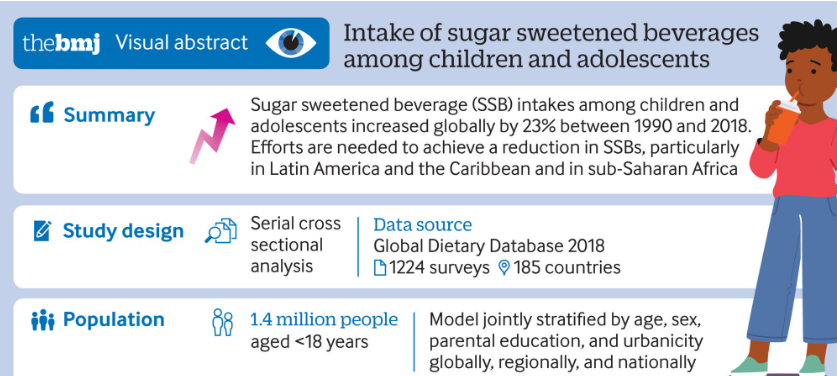
  • Intakes of SSBs among children and adolescents aged 3-19 years in 185 countries increased by 23% (0.68 servings/week (0.54 to 0.85)) from 1990 to 2018, parallel to the rise in prevalence of obesity among this population globally
  • High income countries experienced an overall decrease in intakes of SSBs from 2005 to 2018. This might be explained by the increasing scientific and public health attention on the harms of SSBs as well as obesity in these nations during this period, which may have led to increased media and public awareness about the harms to health associated with SSBs
National mean intakes of SSBs (standardized 248 g (8 oz) serving/week for this analysis) in children and adolescents aged 3-19 years across 185 countries in 2018. SSBs were defined as any beverage with added sugars and ≥209 kJ (50 kcal) per 237 g serving, including commercial or homemade beverages, soft drinks, energy drinks, fruit drinks, punch, lemonade, and aguas frescas. This definition excludes 100% fruit and vegetable juices, non-caloric artificially sweetened drinks, and sweetened milk

My take: Despite the knowledge that sugary beverages are detrimental, consumption continues to increase.

Related blog posts:

Good Luck Getting Intensive Feeding Therapy

WG Sharp et al. J Pediatr 2024; 272: 114126.Intensive Multidisciplinary Feeding Day Programs in the United States: A Report Regarding the Treatment Landscape

Key findings:

  • 16 programs met the criteria for inclusion. None of these programs were in the Western U.S. Among feeding programs that were not included, there were 16 programs excluded due to lack of an intensive day program and 1 program excluded as admissions were on hold due to transition in leadership. .
  • “Results suggest current treatment capacity of <1000 slots per year.”
  • Estimates place pediatric feeding disorders as between 1 in 23 and 1 in 37 children under the age of 5 years. Thus, if 5% needed intensive care, this would equate to ~45,000 children under age 5 yrs. This estimate does not include children >5 yrs.

The discrepancy in need (~45,000) and availability (~1000) explains why wait times can be 12 months or longer.

My take: There is a huge mismatch between supply of intensive feeding therapy programs and demand. The potential barriers include training of sufficient numbers of qualified professionals, institutional support, and reimbursement,

Related blog posts:

Channel Islands (off California coast)

Proactive Therapeutic Drug Monitoring and Better Outcomes in Pediatric Crohn’s Disease (2024)

S Ali et al. Clinical Gastroenterology and Hepatology, Volume 22, Issue 10, 2075 – 2083.e1. Characterization of Biologic Discontinuation Among Pediatric Patients With Crohn’s Disease

Methods:  Prospective ImproveCareNow registry data (n=823, from 7 centers) were supplemented with medical record abstraction. 

Treatment/Monitoring:

  • 86% started biologics (78% infliximab, 21% adalimumab, <1% others)
  • Twenty-six percent used concomitant immunomodulators for ≥12 months
  • Most (85%) measured TDM including 47% induction, 69% proactive, and 24% reactive

Key findings:

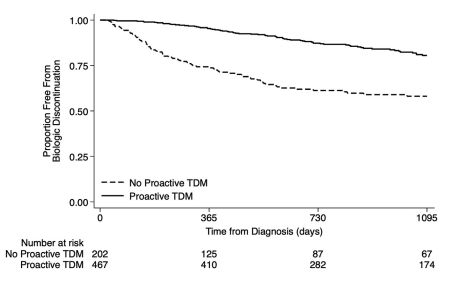
  • Twenty-nine percent discontinued their first biologic after median 793 days because of inefficacy (34%), anti-drug antibodies (8%), adverse events (8%), or non-adherence (12%)
  • Proactive TDM and concomitant immunomodulators were associated with 60% and 32% reduced biologic discontinuation
  • Half of patients discontinued biologics without trial of high-dose therapy and 14% without any evaluation
  • Among patients started with infliximab therapy, 62% of patients started at a dose of <6 mg/kg, 18% stared at a dose >8 mg/kg. 67% of patients underwent dose escalation. This is agreement with other studies indicating that as many as 80% of children need doses in excess of ‘standard’ dosing (5 mg/kg every 8 weeks)
  • In patients with anti-TNF medication inefficacy with TDM availability, 36% had infliximab or adalimumab levels below 5 mcg/mL. and 20% had levels between 6-8 mcg/mL.
  • Among patients who discontinued anti-TNF medications, 60% had serum trough levels less than 10 mcg/mL.
  • The rate of biologic durability was lower for those (n=61) receiving a 2nd biologic who had rates of remaining on agent of 56% at 1 yr, 28% at 2 yrs, and 10% at 4 yrs. In contrast, the first biologic had durability of 90% at 1 year, 79% at 2 years, and 66% at 4 yrs.

My take: This study strongly supports the use of proactive therapeutic drug monitoring. In addition, the authors make a compelling argument to optimize a therapy and evaluate carefully before switching to a new medication/biologic. Finally, the use of concomitant immunomodulators can improve medication durability; it is particularly important if needing to switch from one anti-TNF agent to another due to anti-drug antibodies.

Related blog posts:

Pitt Street Bridge (Mt Pleasant, SC)

Water Beads in the News and in JPGN

NBC News 3/20/24: New health warning issued about the dangers of water bead toys

“The absorbent polymer beads are often marketed as colorful, slimy, sensory items for kids to play with. They can be as small as a stud earring  — little enough to swallow — but grow to the size of a marble or even a golf ball when immersed in water. Once inside a child’s body, they can cause gastrointestinal blockages. The CPSC (Consumer Product Safety Commission) recorded nearly 7,000 water bead-related ingestion injuries in emergency rooms between 2018 and 2022.”

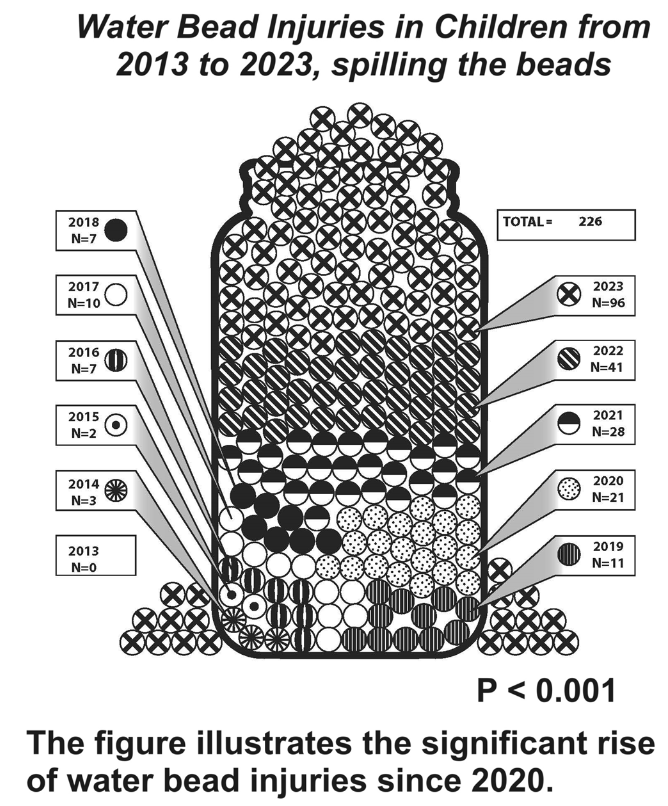
EA Pasman, MA Khan, NT Kolasinski, PT Reeves. JPGN 2024;79:752–757. Water bead injuries by children presenting to emergency departments 2013−2023: An expanding issue

CPSC issued a recall of more than 50,000 Chuckle & Roar Water Beads Activity Kits in 2023 after a 10-month-old child reportedly swallowed one of the water beads and died. (Ref: AAP News (American Academy of Pediatrics). Water bead toy kits recalled following death of 10-month-old child. Accessed Sept 21, 2024)

Methods: The authors used the National Electronic Injury Surveillance System (NEISS) to identify water bead injuries from 2013 to 2023. The nationally representative NEISS database catalogs ED encounters for injuries related to consumer products over a nationwide census and captures 500,000 injury-related encounters annually. The authors used more stringent criteria than CPSC; thus the numbers of injuries from water beads in their study are less than those reported by CPSC.

Key findings:

  • Children under age 2 years comprised 29% of injuries.
  • There was a significant uptrend in water bead injury frequency after 2020.

Discussion: Published NASPGHAN recommendations include “‘urgent’ endoscopy (<24 h from presentation, following usual NPO guidelines) for any absorptive object ingested and found to be in the stomach or small bowel. The report recommends emergent upper endoscopy for any absorptive object impacted in the esophagus causing sialorrhea.” 

My take: The database captures only a fraction of these ingestions.  These objects, even if they do not cause acute injury, could pose long-term harms due to potential carcinogenicity.

Related blog post: Foreign Bodies in Children -Expert Guidance

Why Some Children Have Problems With Antegrade Enemas

H Pearlstein et al. JPGN 2024;79:519–524. Significance of retrograde flow with antegrade continence enemas in children with fecal incontinence and constipation

Key findings:

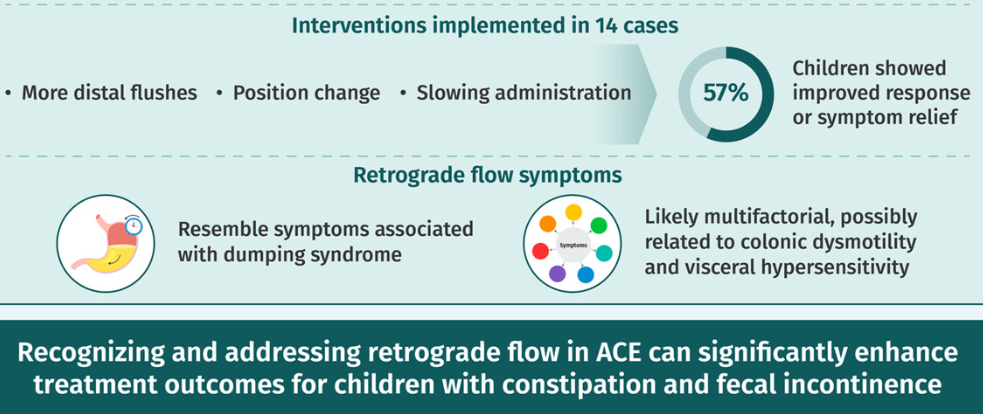
  • Fifty-nine (36%) antegrade contrast studies showed retrograde flow: 28/59 children (48%) were not responding adequately and 21/59 (36%) had symptoms with ACE.
  • Children with retrograde flow were more likely to have symptoms with ACE than those without (36% vs. 15%, p < 0.01). 

The authors hypothesize that symptoms, including nausea, abdominal pain, and vomiting, related to antegrade enemas are potentially similar to those experienced by patients with dumping syndrome related to the osmolar content of the flush and subsequent fluid shifts under hormonal and autonomic control.

My take: Our motility team follow most of our patients with ACEs. This study helps provide a better explanation why some children do not do well with ACEs and potential interventions.

Related blog posts:

How Many Children with Type 1 Diabetes and High Celiac Titers Have Celiac Disease

J Rutsky et al. JPGN 2024;79:622–630. Open Access! Predictors of celiac disease in patients with type 1 diabetes and positive tissue transglutaminase immunoglobulin A

This was a retrospective single-center study with 123 patients -60% had biopsy-proven celiac disease (CD).

Key findings:

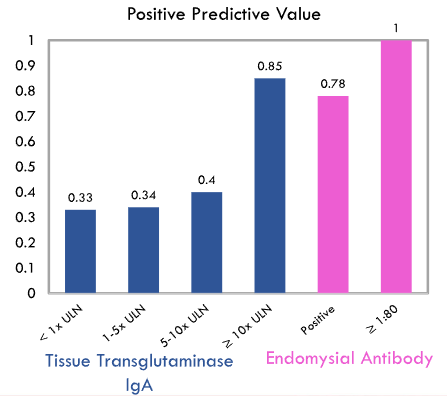
  • Higher titers were more likely to be associated with CD. The degree of TTG IgA elevation in patients with T1DM is correlated with the risk of CD; for every 10‐fold increase in TTG IgA, there is a 4.7× increased risk of celiac diagnosis.
  • However, even with TTG IgA >10 x ULN, only 85% had CD.

My take: Currently, the non-biopsy approach for CD diagnosis should not be used in patients with type 1 diabetes mellitus.

Related blog posts:

Ravenal Bridge. Charleston, SC