Dr. Carlo DiLorenzo: Advice for Managing DGBIs (Part 1)

Recently Dr. DiLorenzo gave our group a brilliant lecture. I have taken some notes and shared some slides. There may be inadvertent omissions and mistakes in my notes. Dr. DiLorenzo gave our group a lecture in 2021 as part of the William Meyers Lectureship. This talk extended those observations he conveyed at that visit (Carlo DiLorenzo: Lessons Learnt Over 30 Years).  I highly recommend his upcoming NED talk at NASPGHAN.

Key points (intermixed with slides):

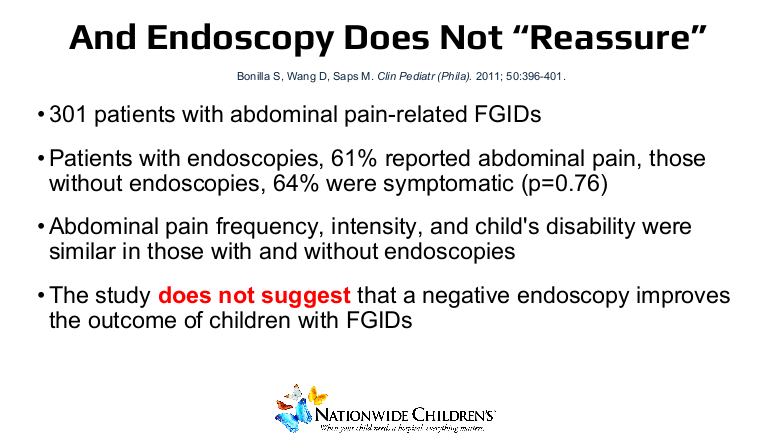
  • Diagnostic testing in the setting of DGBIs is mainly for confirmation that an adequate workup has been completed
  • Schedule enough time for each patient. In evaluations of visits, one of the most negative feelings for patients is when they feel rushed
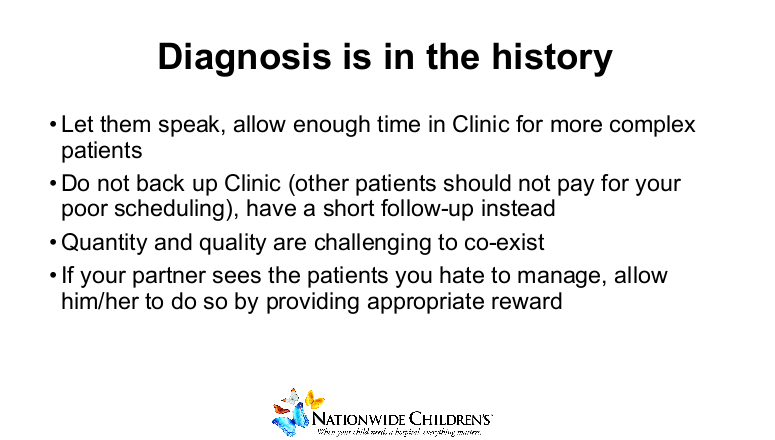
  • Make sure the patient is allowed to speak. Parents may embellish (or underreport) symptoms
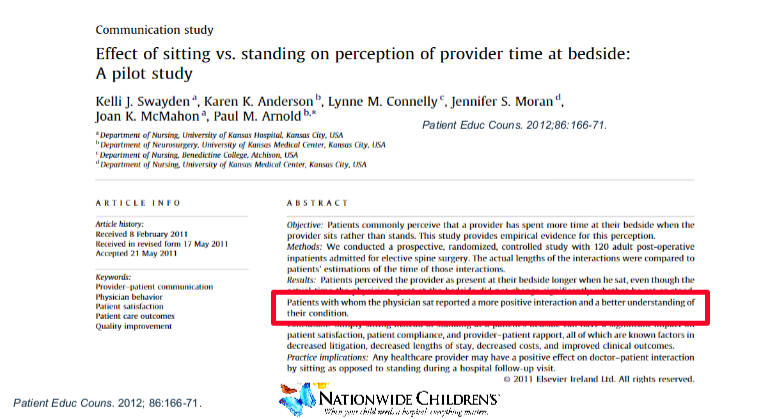
  • Families feel that when clinicians are sitting down that they spend more time with them
  • This extends into the hospital. A recent controlled study showed that having a chair within 3 ft of the bed increased the likelihood that physicians would sit when rounding and increased patient satisfaction (Effect of chair placement on physicians’ behavior and patients’ satisfaction: randomized deception trial. Iyer R, et al.BMJ. 2023 Dec 15;383:e076309). Study conclusion: “Chair placement is a simple, no cost, low tech intervention that increases a physician’s likelihood of sitting during a bedside consultation and resulted in higher patients’ scores for both satisfaction and communication.”
  • Dr. DiLorenzo rarely uses computers when he is in the room with families
  • Don’t belittle or get upset over an “easy” or “stupid” consult. All of us need help and hardly anyone wants to manage only highly-complex patients
  • Don’t speak poorly of other physicians in front of the patient

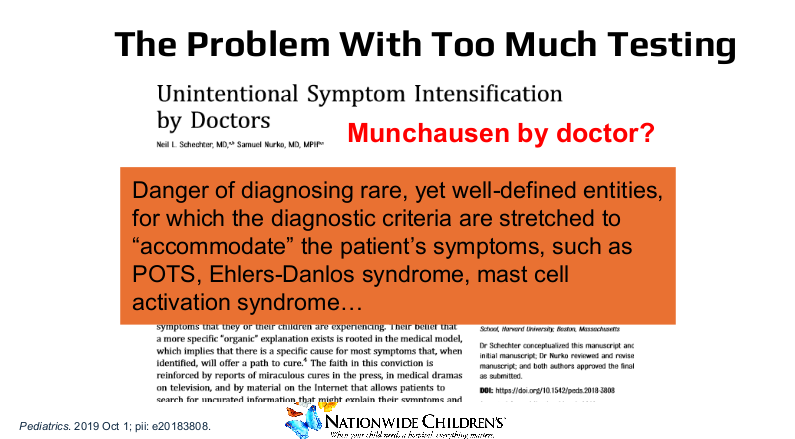
  • The problem with too much testing –>it can result in ‘Munchausen by Doctor’ and the discovery of incidental problems (that may not necessitate treatment). Further testing has been associated with intensification of symptoms
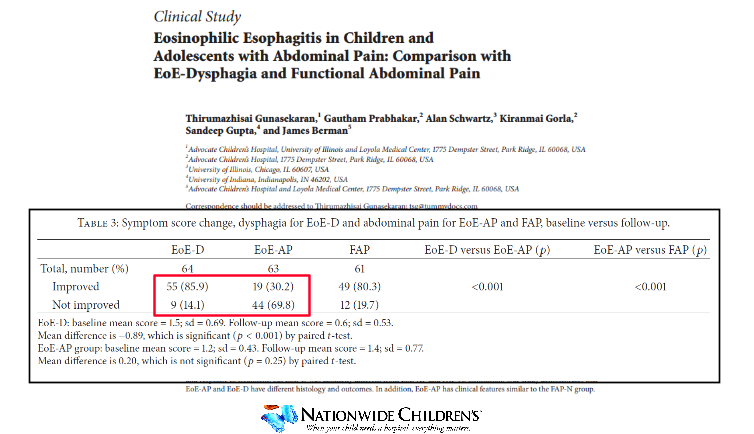
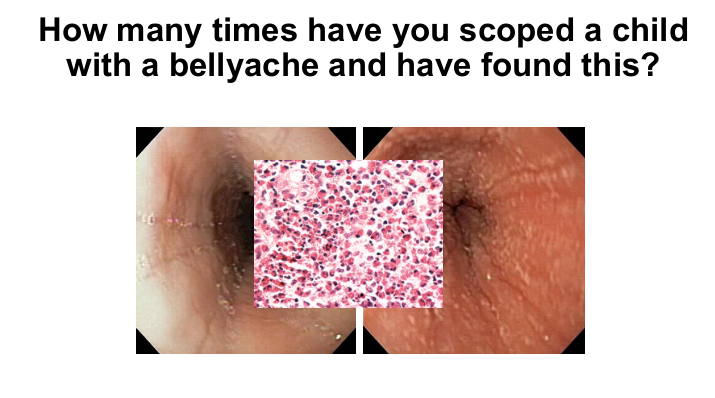
  • Identification of eosinophilic esophagitis is not helpful in resolving stomach pain
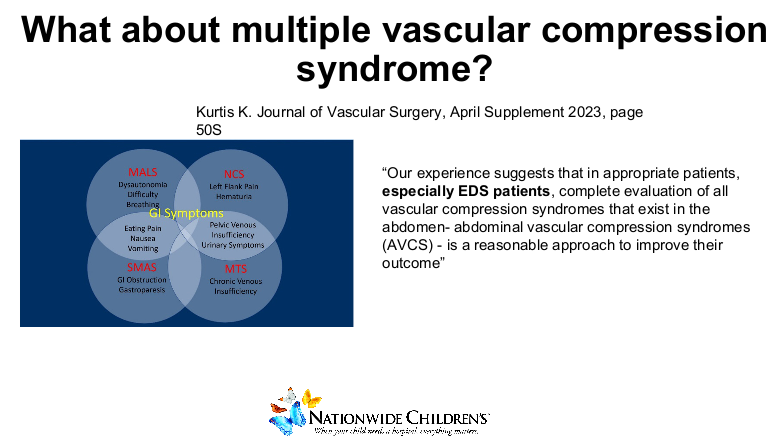
  • Newest “epidemics” associated with stomach pains include alpha gal and multiple vascular compression syndrome
  • While unusual disorders can occur, Dr. DiLorenzo mainly looks for unusual diagnoses when patients have unusual symptoms (like weight loss​, pain with exercise)
  • While guidelines often emphasize the use of treatments based on double-blind, placebo-controlled (DBPC) studies, “there has never been a DBPC for the effectiveness of a parachute.” Some treatments are worthwhile even in the absence of DBPC studies
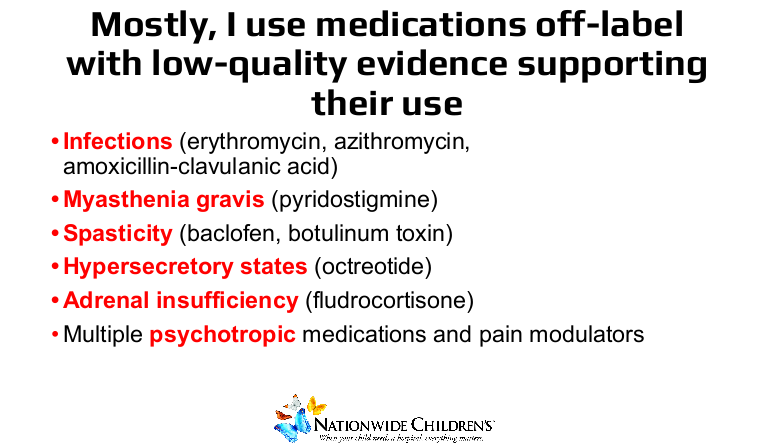
  • Many of the medicines used for DGBIs and related symptoms have approval for other uses
  • Fundoplication which was commonplace is used rarely these days. Yet, it is still a good treatment for reflux
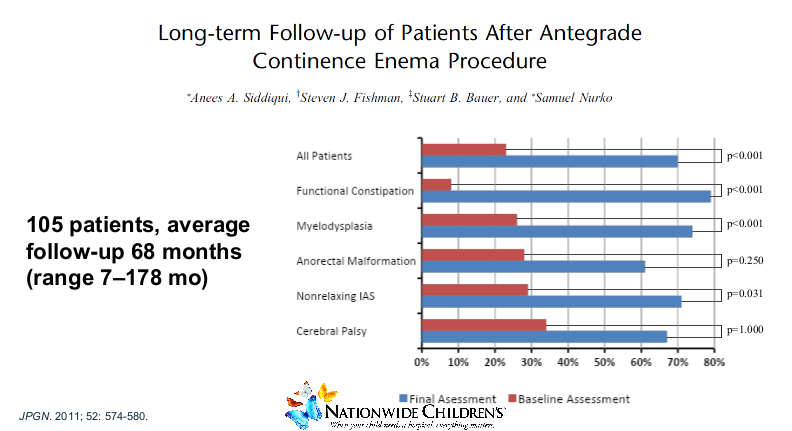
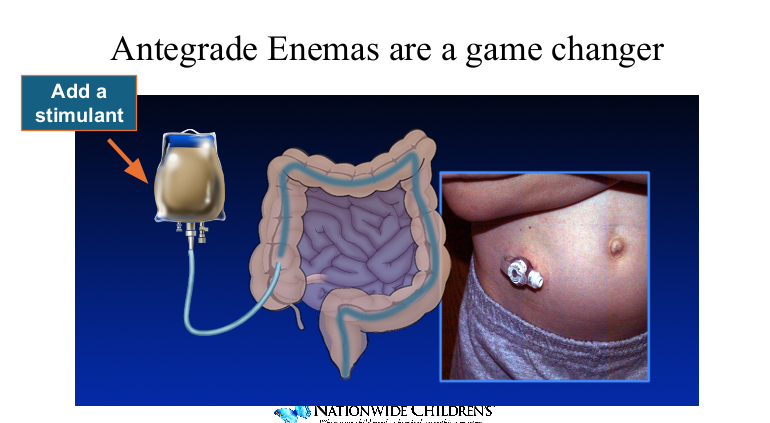
  • Antegrade enemas can be very effective for constipation
  • “All patients with chronic pseudo-obstruction necessitating parenteral nutrition should have a G-tube and an ileostomy.” It may help them come off parenteral nutrition
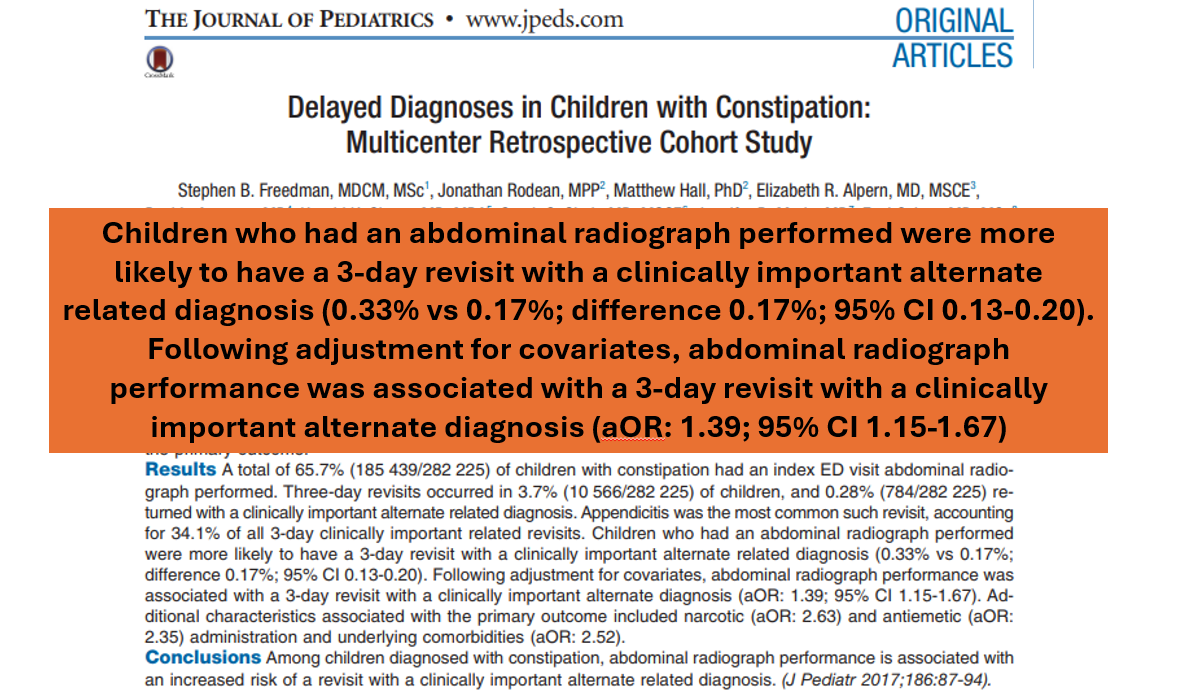
  • Don’t order AXR to diagnose constipation. AXRs ordered in ER to diagnose constipation are associated with a slightly higher likelihood of a missed diagnosis.
  • Though, “no need to be holier than the pope.” Using AXR in specific circumstances can be helpful with treatment (like determining success of a cleanout)
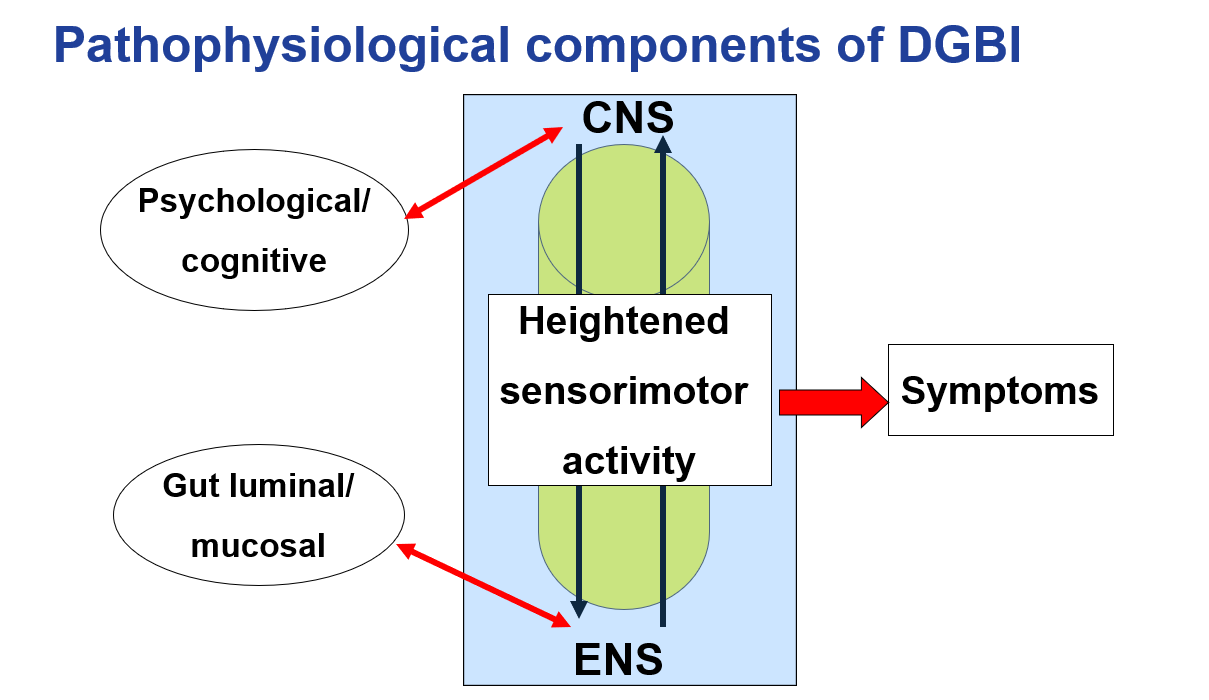
  • Treating the Brain is important in patients with DGBIs
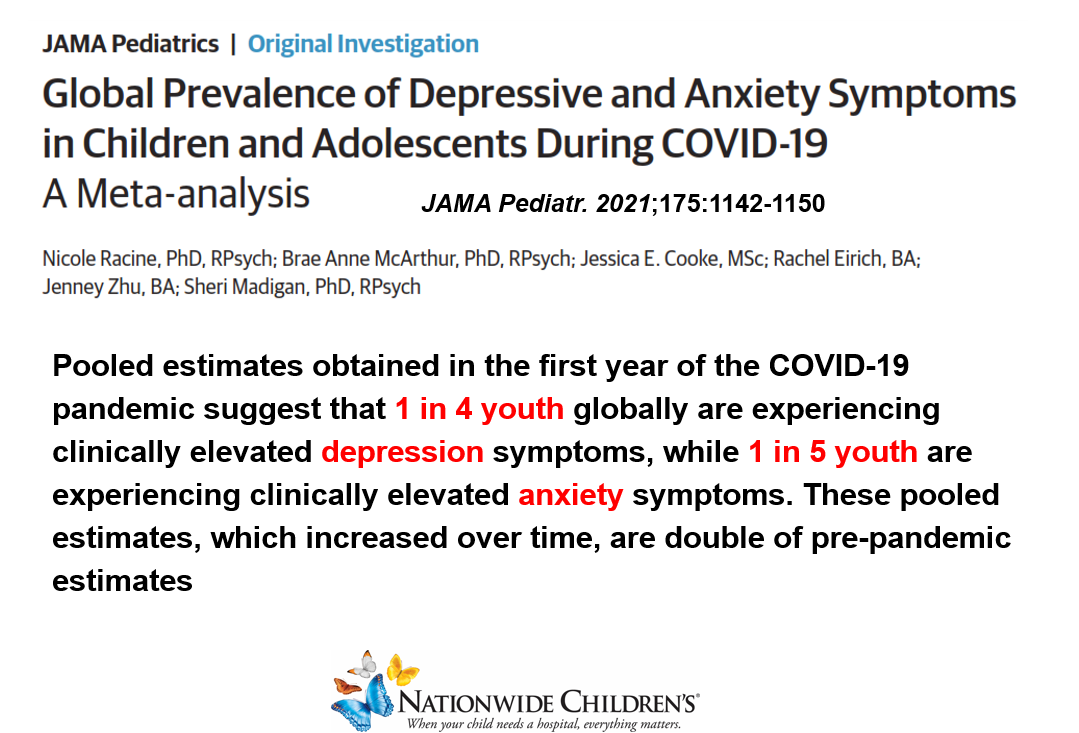
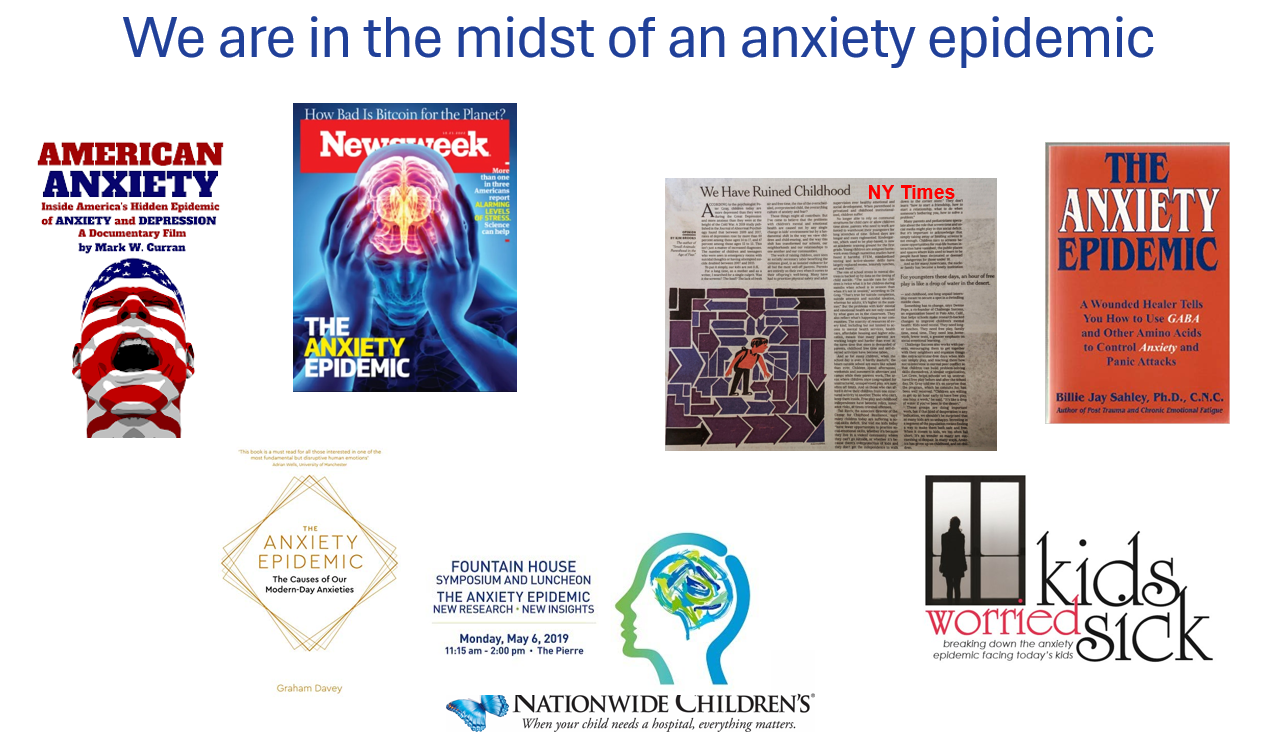
  • Anxiety, which is increased in patients with DGBIs, has reached epidemic levels

Disclaimer: This blog, gutsandgrowth, assumes no responsibility for any use or operation of any method, product, instruction, concept or idea contained in the material herein or for any injury or damage to persons or property (whether products liability, negligence or otherwise) resulting from such use or operation. These blog posts are for educational purposes only. Specific dosing of medications (along with potential adverse effects) should be confirmed by prescribing physician.  Because of rapid advances in the medical sciences, the gutsandgrowth blog cautions that independent verification should be made of diagnosis and drug dosages. The reader is solely responsible for the conduct of any suggested test or procedure.  This content is not a substitute for medical advice, diagnosis or treatment provided by a qualified healthcare provider. Always seek the advice of your physician or other qualified health provider with any questions you may have regarding a condition
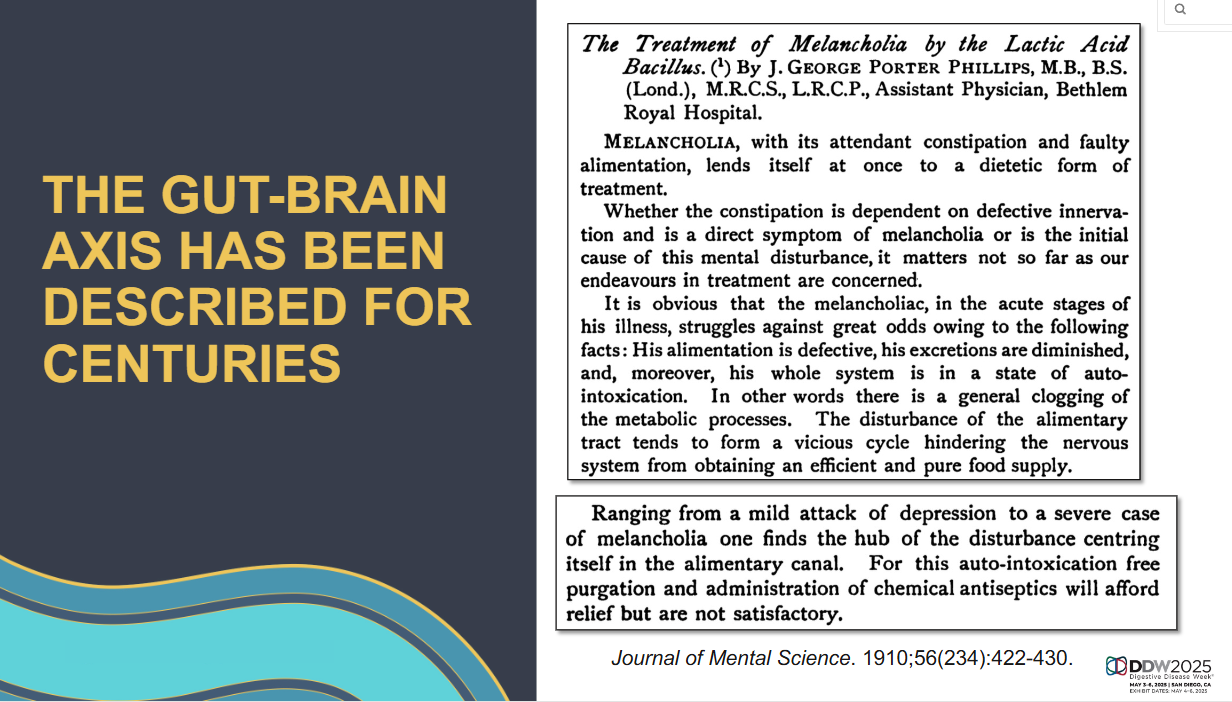
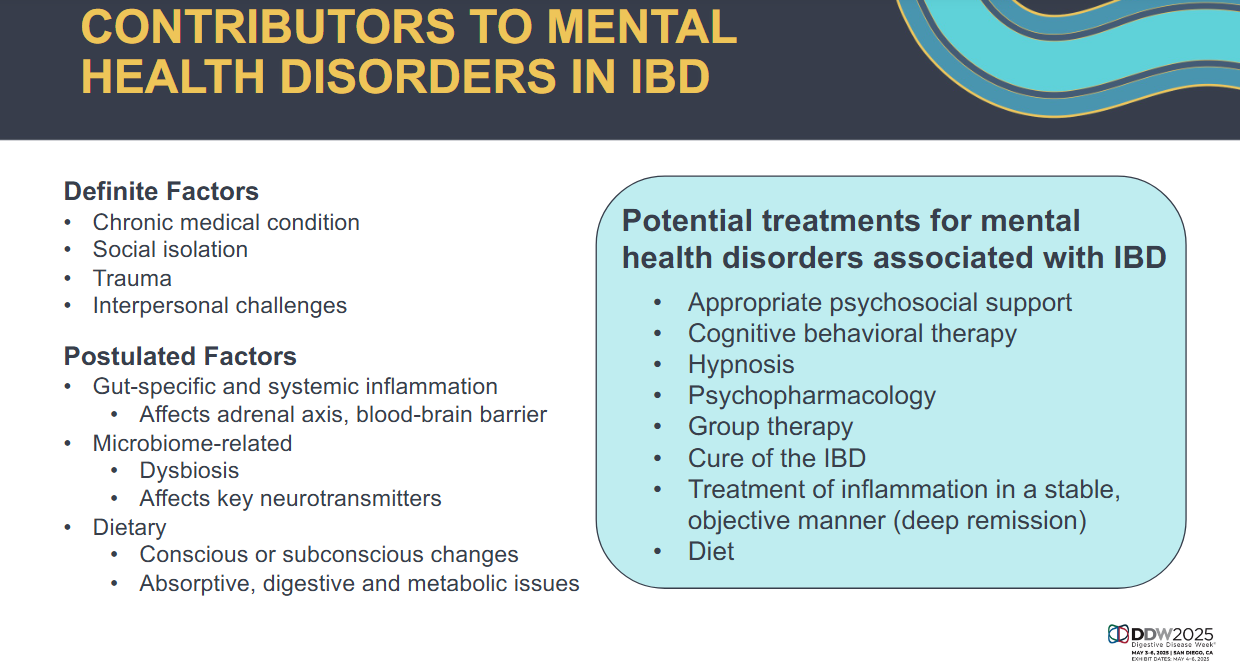
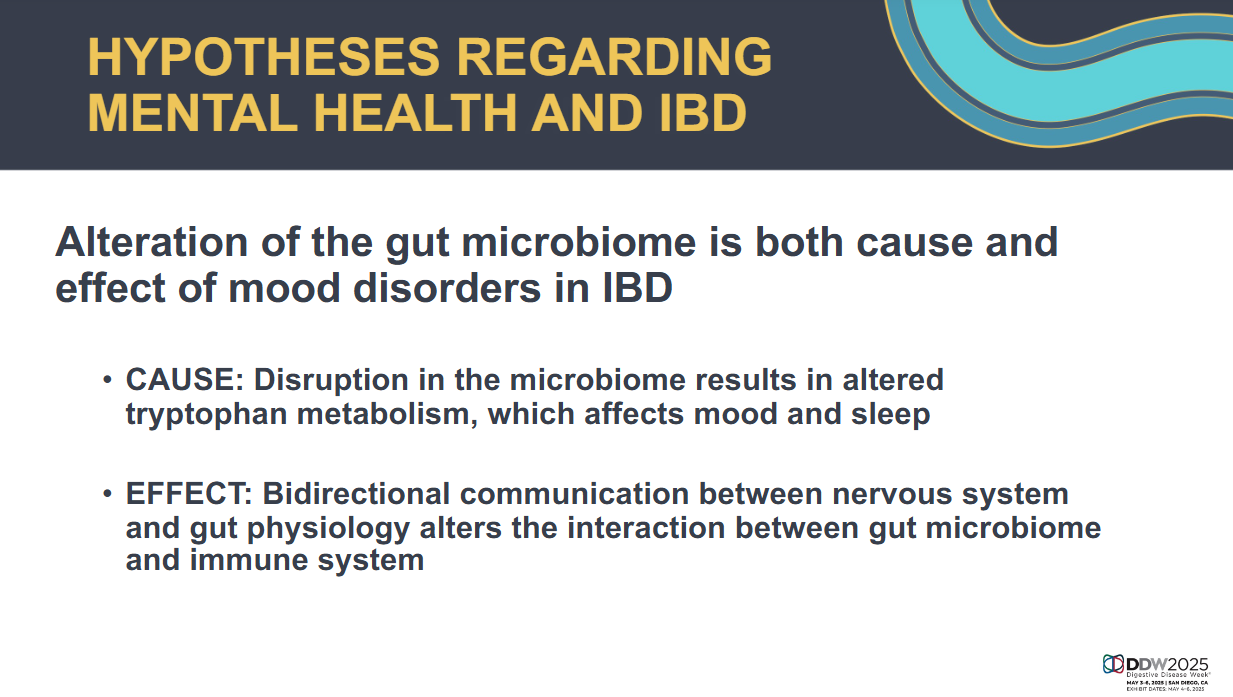
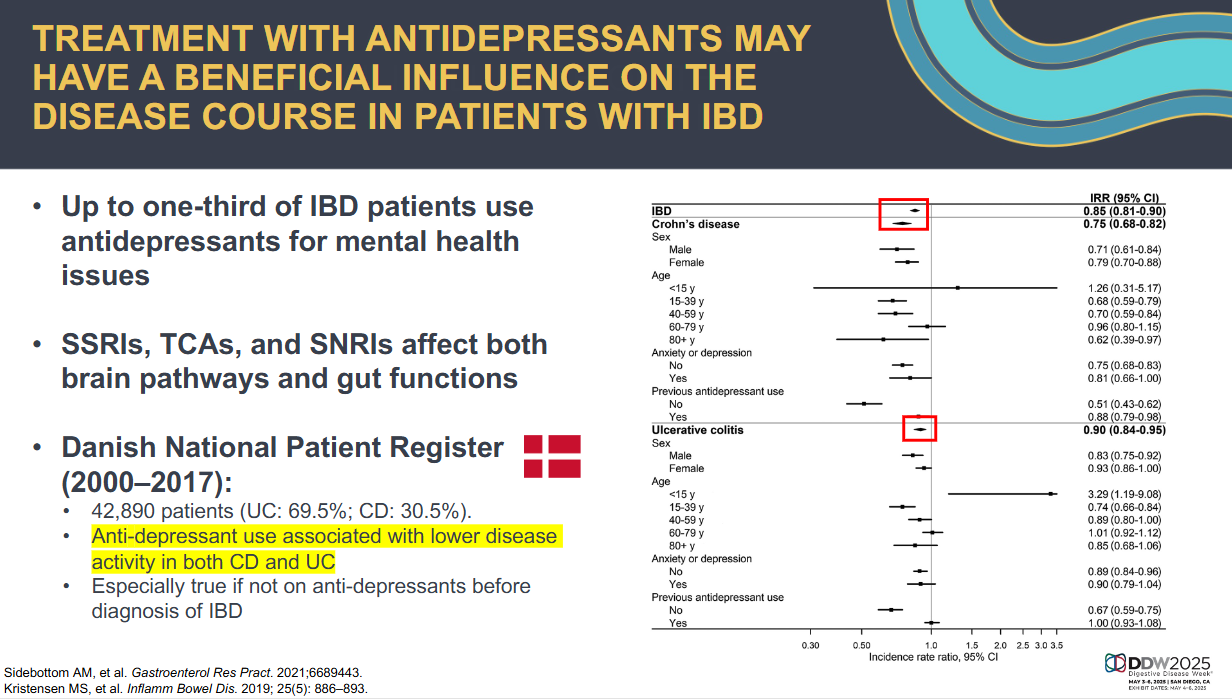
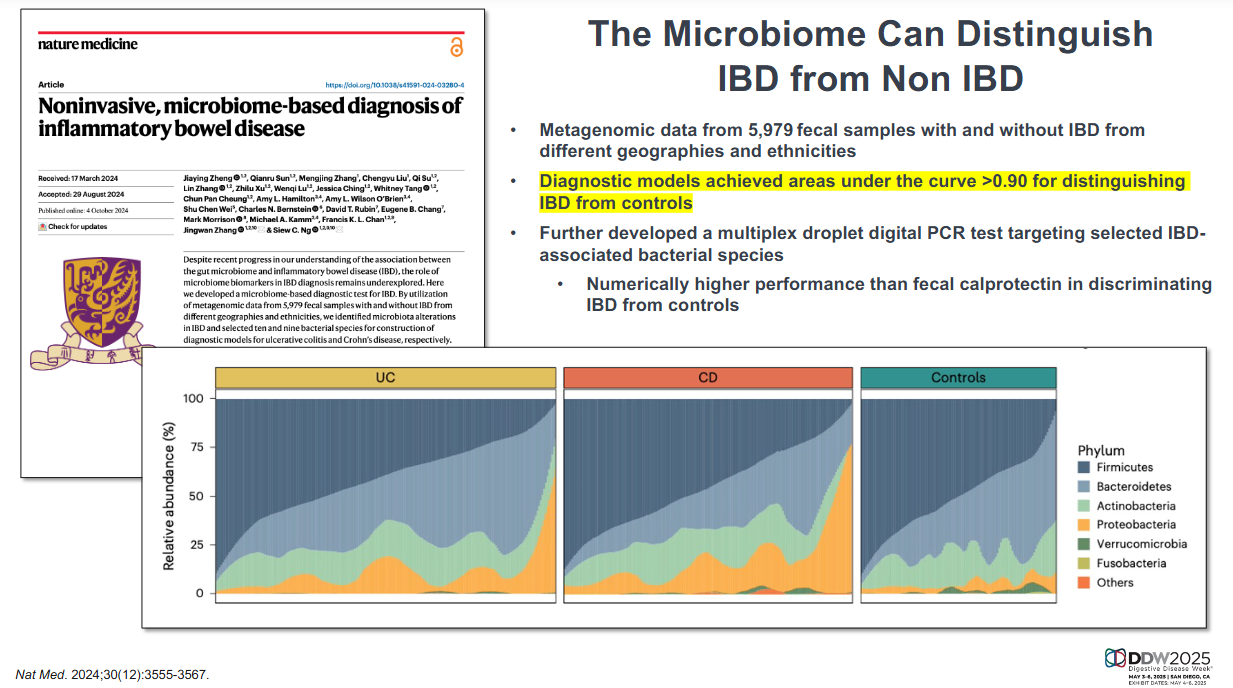
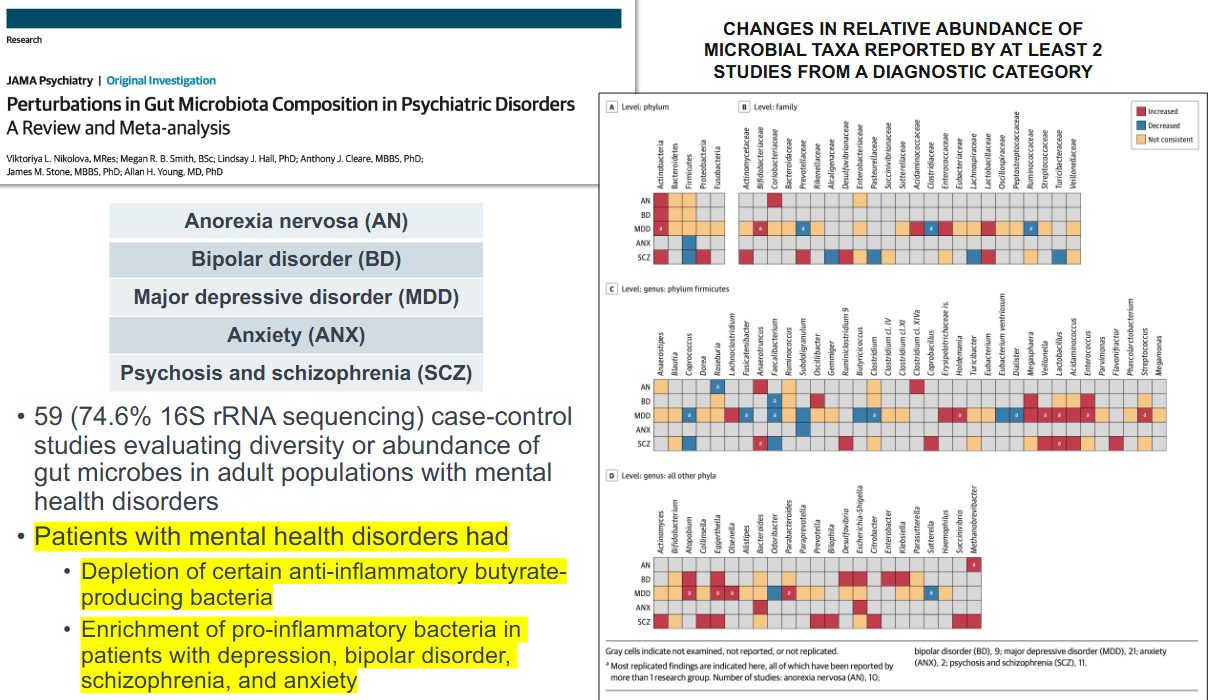
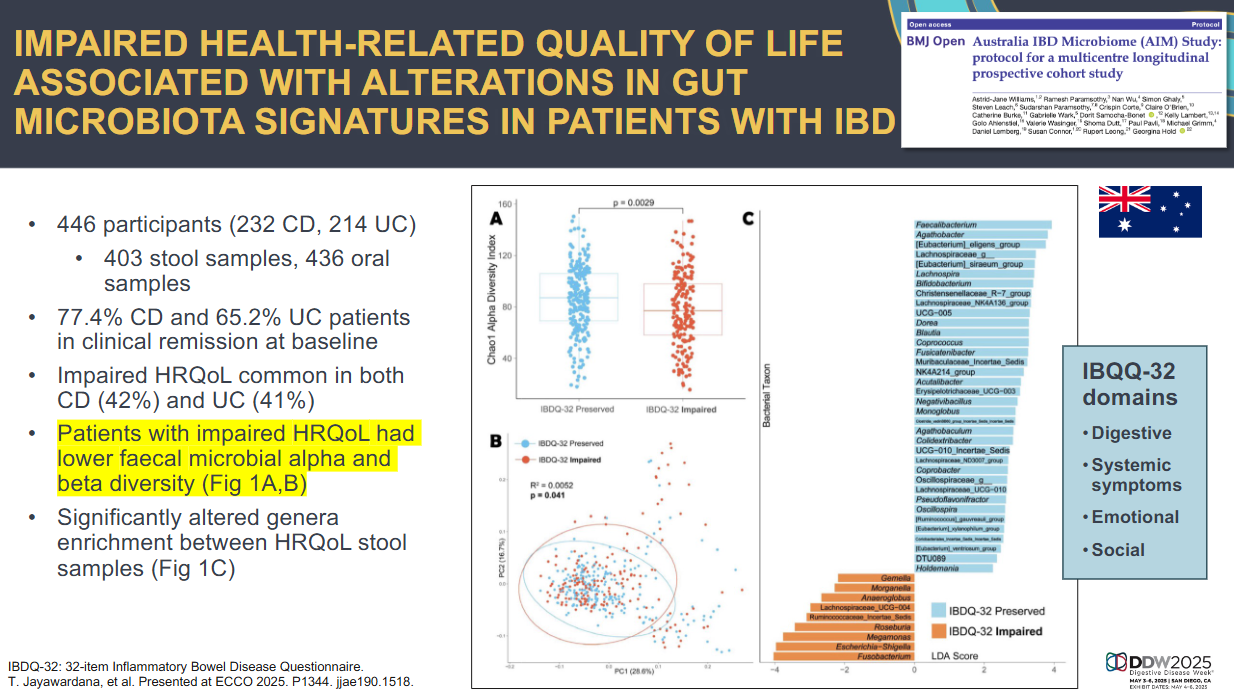
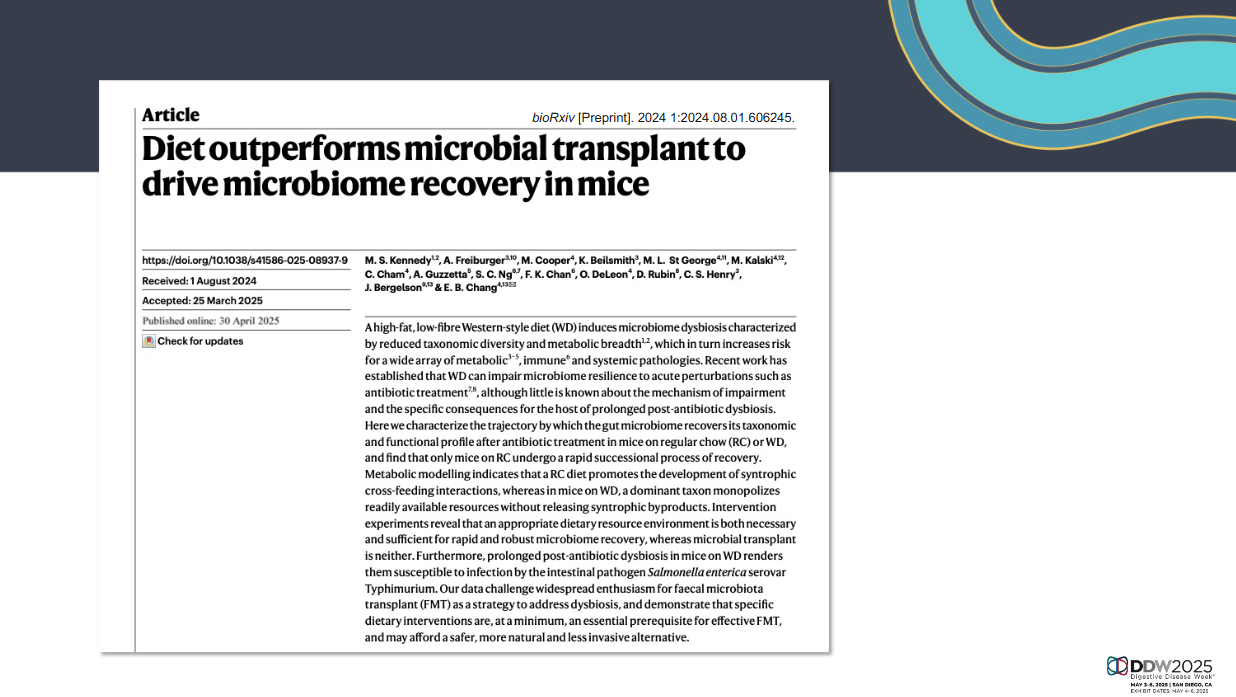
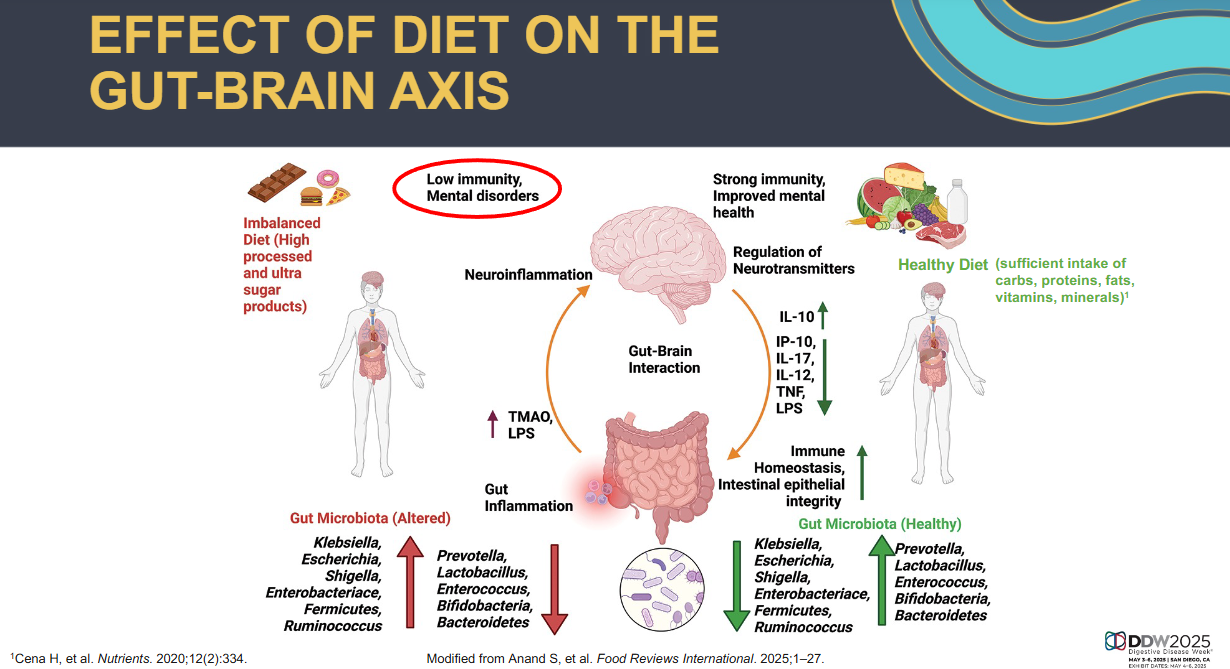
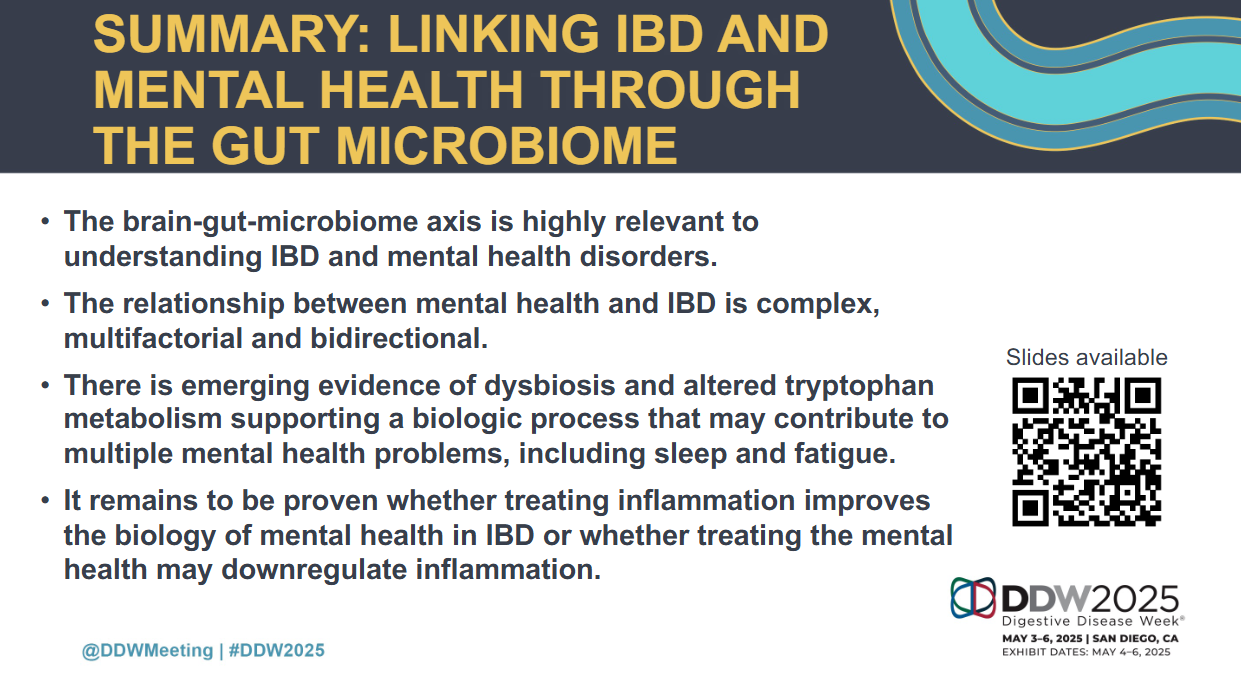
David Rubin: Linking Inflammatory Bowel Disease and Mental Health Through the Gut Microbiome

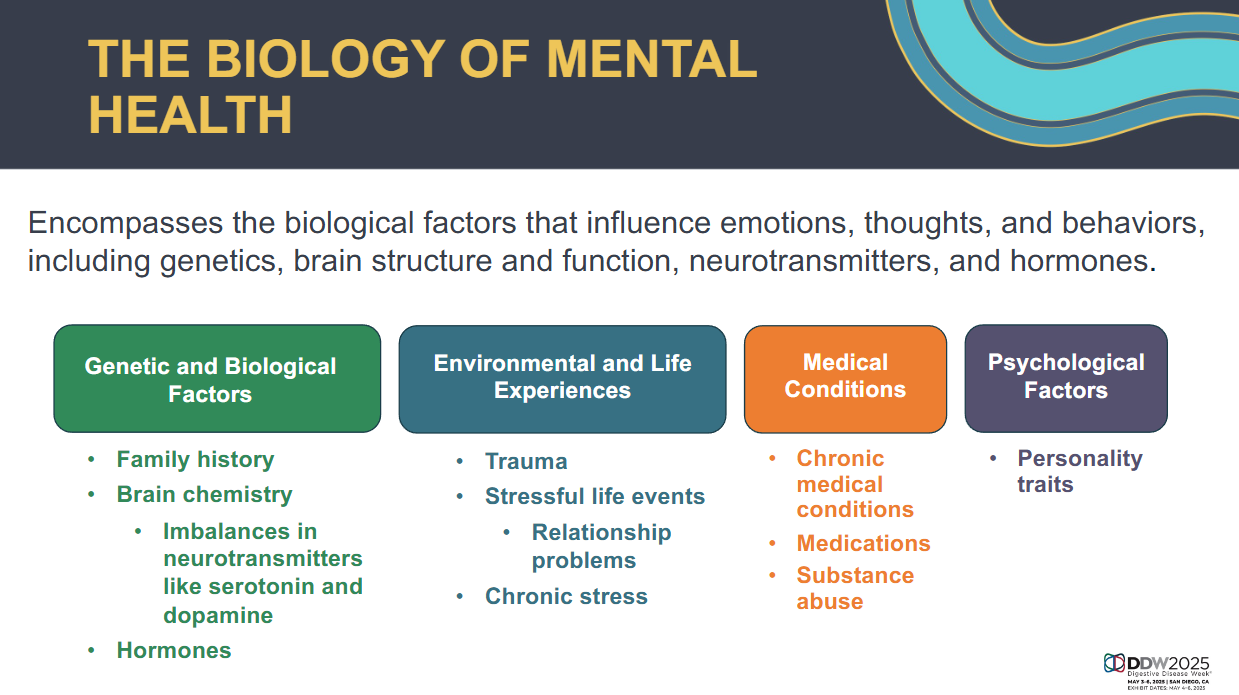
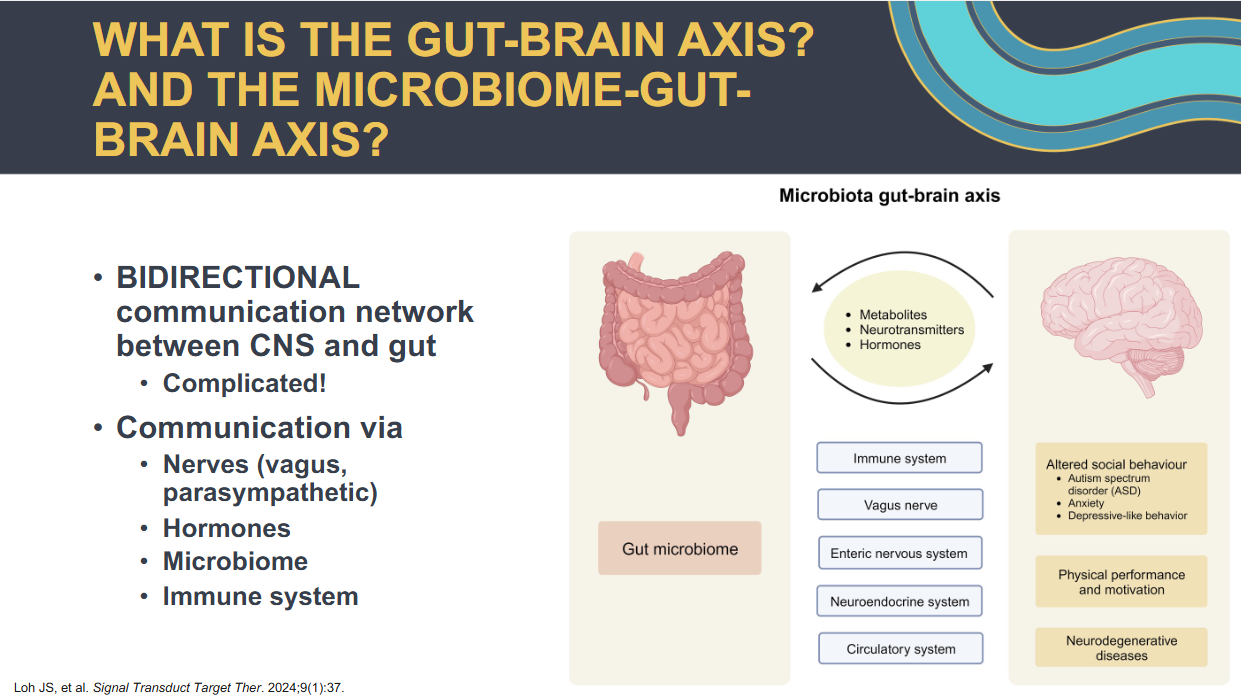
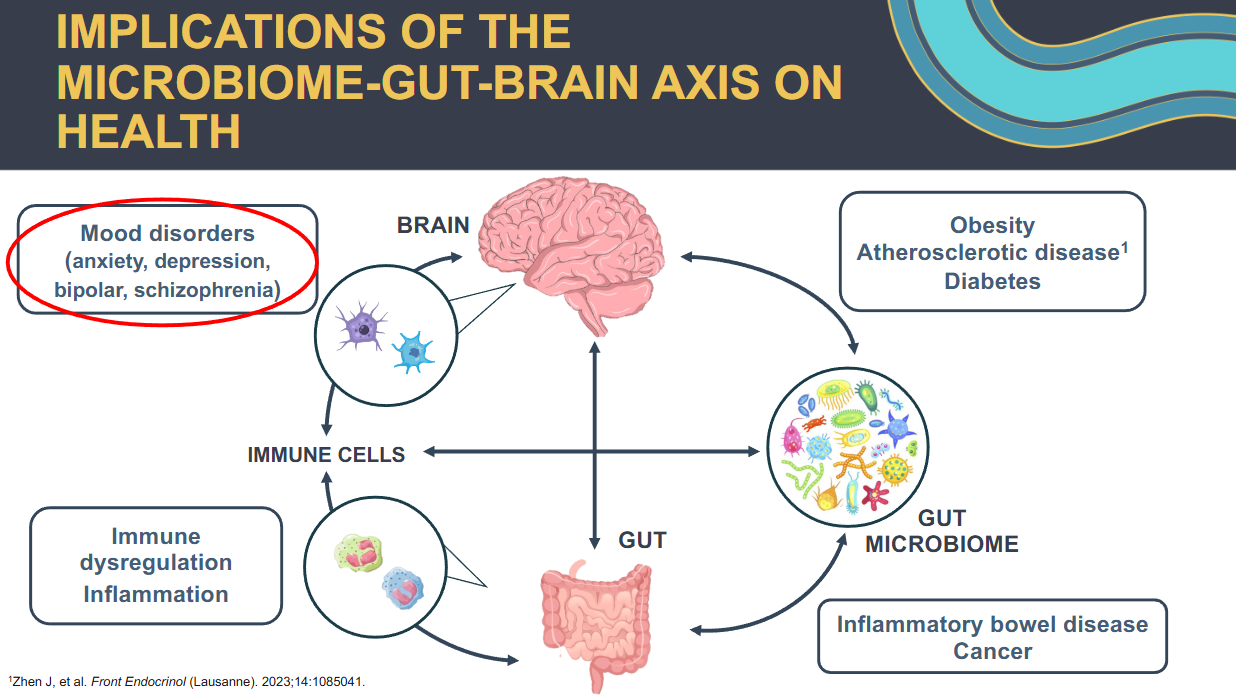
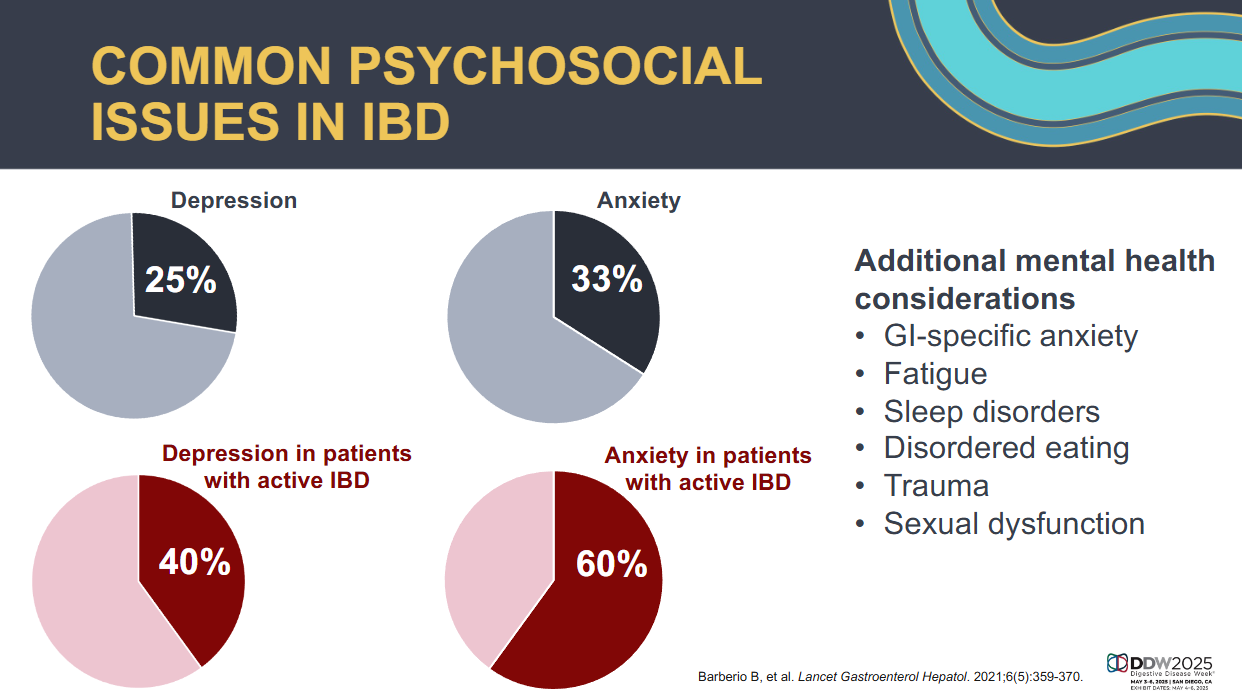
At this year’s DDW, Dr. David Rubin discussed the connection between inflammatory bowel disease and mental health via the microbiome. He shared his slides: Linking Inflammatory Bowel Disease and Mental Health Through the Gut Microbiome

Here are 15 of his 37 slides:

Targeting Intestinal Epithelial Serotonin for Treating Disorders of Gut-Brain Interaction and Mood

Briefly noted: LY Hung et al. Gastroenterol 2025; 168: 754-768. Open Access! Intestinal Epithelial Serotonin as a Novel Target for Treating Disorders of Gut-Brain Interaction and Mood

This study used transgenic, surgical, and pharmacological approaches to study the effects of intestinal epithelial serotonin reuptake transporter or serotonin on mood and gastrointestinal function, as well as relevant communication pathways.

Key findings:

  • Serotonin reuptake transporter ablation targeted to the intestinal epithelium promoted anxiolytic and antidepressive-like effects without causing adverse effects on the gastrointestinal tract or brain; conversely, epithelial serotonin synthesis inhibition increased anxiety and depression-like behaviors. 
  • In utero SSRI exposure is a significant and specific risk factor for development of the DGBI, functional constipation, in the first year of life.

My take: While this lengthy article presents data mainly from mice studies, it further supports the likelihood that SSRI selective targeting of the gut epithelium may improve anxiety, depression and comorbid DGBI. Selective targeting of the GI tract would reduce adverse effects of these medications.

Related blog posts:

Kiawah Beach, SC

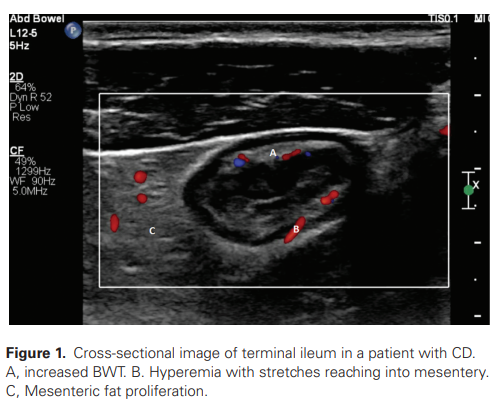
IBD -Briefly Noted: Intestinal U/S and Anxiety/Depression Not Worsening Pediatric IBD Activity

EA van Wassenaer et al. Inflamm Bowel Dis 2022; 28: 783-787. Open Access PDF: Intestinal Ultrasound in Pediatric Inflammatory Bowel Disease: Promising, but Work in Progress

Key points from this review:

  • Research has shown that IUS has the potential to be a valuable additional point-of-care tool to guide treatment choice and to monitor and predict treatment response, although evidence of its accuracy and value in clinical practice is still limited
  • The utility may be operator-dependent as well

My take: Due to low upfront costs, IUS would be appealing adjunct to current monitoring. However, one could envision IUS leading to more downstream studies (& costs), especially if its sensitivity and specificity are not very high.

EJ Brenner et al. Inflamm Bowel Dis 2022; 28: 728-733. Anxiety and Depressive Symptoms Are Not Associated With Future Pediatric Crohn’s Disease Activity

In this internet-based cohort of 9-17 yr olds (n=159, 96% white), the authors found no association between baseline PROMIS Pediatric anxiety score and subsequent sCDAI (change in sCDAI for 3-point change in PROMIS Pediatric −0.89; 95% CI −4.81 to 3.03). This study is in contrast to studies in adults which have shown a bidirectional relationship between anxiety/depression and IBD activity.

My take: It is difficult to know with certainty whether anxiety/depression may trigger IBD activity; more studies are needed. Treatment of mental health is important regardless of its effects on IBD activity.

Related blog posts:

“Esophageal Hypervigilance” and Outcomes in Eosinophilic Esophagitis

TH Taft et al. Gastroenterol 2021; 161: 1133-1144. Open Access: Esophageal Hypervigilance and Symptom-Specific Anxiety in Patients with Eosinophilic Esophagitis

Commentary: RD Naik, DA Patel. Gastroenterol 2021; 161: 1099-1110. Open Access: Unlocking the Mind Might Be Critical in Management of Eosinophilic Esophagitis: Expanding Beyond Drugs, Dilation, and Diet

Taft et al performed a retrospective study of 103 adult patients with eosinophilic esophagitis. Patients completed the following questionnaires immediately before to endoscopy:

  • Esophageal Hypervigilance and Anxiety Scale (EHAS)
  • Brief Esophageal Dysphagia Questionnaire (BEDQ)
  • Eosinophilic Esophagitis Symptom Activity Index (EEsAI)
  • Northwestern Esophageal Quality of Life Scale (NEQOL).

Endoscopic severity of EoE was graded using the EoE Endoscopic Reference Score System (EREFS). Dysphagia was the primary symptom in 73% of the patients.

Key findings:

  • Patient’s symptom severity (via EEsAI or BEDQ) did not correlate with histology (distal or proximal peak eosinophil count), endoscopic severity of the disease (EREFS), or the distensibility index (measured via functional lumen imaging probe)
  • Symptom severity was correlated with the Esophageal Hypervigilance and Anxiety Scale (EHAS)
  • There was no correlation between EHAS and histologic activity, endoscopic severity (EREFS), or the presence of a stricture

The associated commentary emphasizes some of the study limitations including taking surveys prior to endoscopy (increased anxiety).

My take: This study indicates that with eosinophilic esophagitis, similar to other organic diseases (eg. IBD), patient symptoms do not always correlate with disease severity, and addressing the impact of anxiety and hypervigilance is critical, especially in refractory symptoms.

Figure 1 from commentary

Abdominal Pain in Children Increases With Age and With Psychological Factors

A recent study (MP Jones et al. Clin Gastroenterol Hepatol 2020; 18: 360-7) provides granular data on a well-recognized phenomenon: stomach pain is more common in older children than younger children and is associated with psychosocial factors.

Design: “All Babies in Southeast Sweden” Study with 1781 children (born 1997-99).  Families answered questionnaires at birth, 1 year, 2.5 years, 5 years, 8 years and 10-12 years.

Key findings:

  • Abdominal pain prevalence increased linearly with age -each year the rate increased .  At 2 yrs, the prevalence was ~6%, at 5 yrs ~8%, at 8 yrs ~9.5%, and at 12 yrs ~12% (Figure 2)
  • Psychosocial factors associated with abdominal pain included lower emotional control at 2 yrs of age, parental concern for child at 2 yrs of age, and measures of parental stress.

My take: This study reinforces the idea that psychosocial factors increase the development of non-organic abdominal pain.  If they could be addressed better, GI clinics would be less busy.

Related blog posts:

Old Well, UNC Chapel Hill, Fall

Integrating Mental Health into Pediatric IBD Care

WE Bennett, MD Pfefferkorn. JAMA PediatrPublished online August 19, 2019. doi:10.1001/jamapediatrics.2019.2669

Full Link: Editorial: “Mental Health Screening as the Standard of Care in Pediatric Inflammatory Bowel Disease” Thanks to Ben Gold for this reference.

An excerpt:

Butwicka and colleagues1 have published a fascinating, landmark cohort study in this issue of JAMA Pediatricsassessing the prevalence of psychiatric diagnoses and symptoms among children with inflammatory bowel disease (IBD) in Sweden. The authors used a rigorous design that compared a cohort of more than 6000 pediatric patients with IBD with hundreds of thousands of healthy controls, as well as a separate cohort comprising the patients’ own siblings who did not have IBD. Butwicka et al1 computed hazard ratios for any psychiatric disorder, as well as for multiple specific disorders, and found a hazard ratio of 1.6 for any psychiatric diagnosis when comparing children with IBD with healthy controls. The statistical analysis is stellar and represents the best data we currently have on the intersection of pediatric IBD and mental health. Their study highlights a substantial risk in a vulnerable population and should trigger revision of guidelines and allocation of resources to support widespread screening and treatment for these dangerous conditions.

Related Article:

A Butwicka et al. JAMA Pediatr. Published online August 19, 2019. doi:10.1001/jamapediatrics.2019.2662 

Full Text Link: Association of Childhood-Onset Inflammatory Bowel Disease With Risk of Psychiatric Disorders and Suicide Attempt

Related blog posts:

Crater Lake, OR

“We Have Ruined Childhood” and Possible Link to Depression, Anxiety and Suicide

A recent NY Times commentary (We Have Ruined Childhood) details the rising rates of depression, anxiety, and suicide and suggests a link between these mental health issues and a lack of childhood free play.

An excerpt:

No longer able to rely on communal structures for child care or allow children time alone, parents who need to work are forced to warehouse their youngsters for long stretches of time. School days are longer and more regimented…

The role of school stress in mental distress is backed up by data on the timing of child suicide. “The suicide rate for children is twice what it is for children during months when school is in session than when it’s not in session,..

For many children, when the school day is over, it hardly matters; the hours outside school are more like school than ever…

The areas where children once congregated for unstructured, unsupervised play are now often off limits. And so those who can afford it drive their children from one structured activity to another. Those who can’t keep them inside. Free play and childhood independence have become relics, insurance risks, at times criminal offenses

Many parents and pediatricians speculate about the role that screen time and social media might play in this social deficit. But it’s important to acknowledge that simply taking away or limiting screens is not enough. Children turn to screens because opportunities for real-life human interaction have vanished.

Related blog posts:

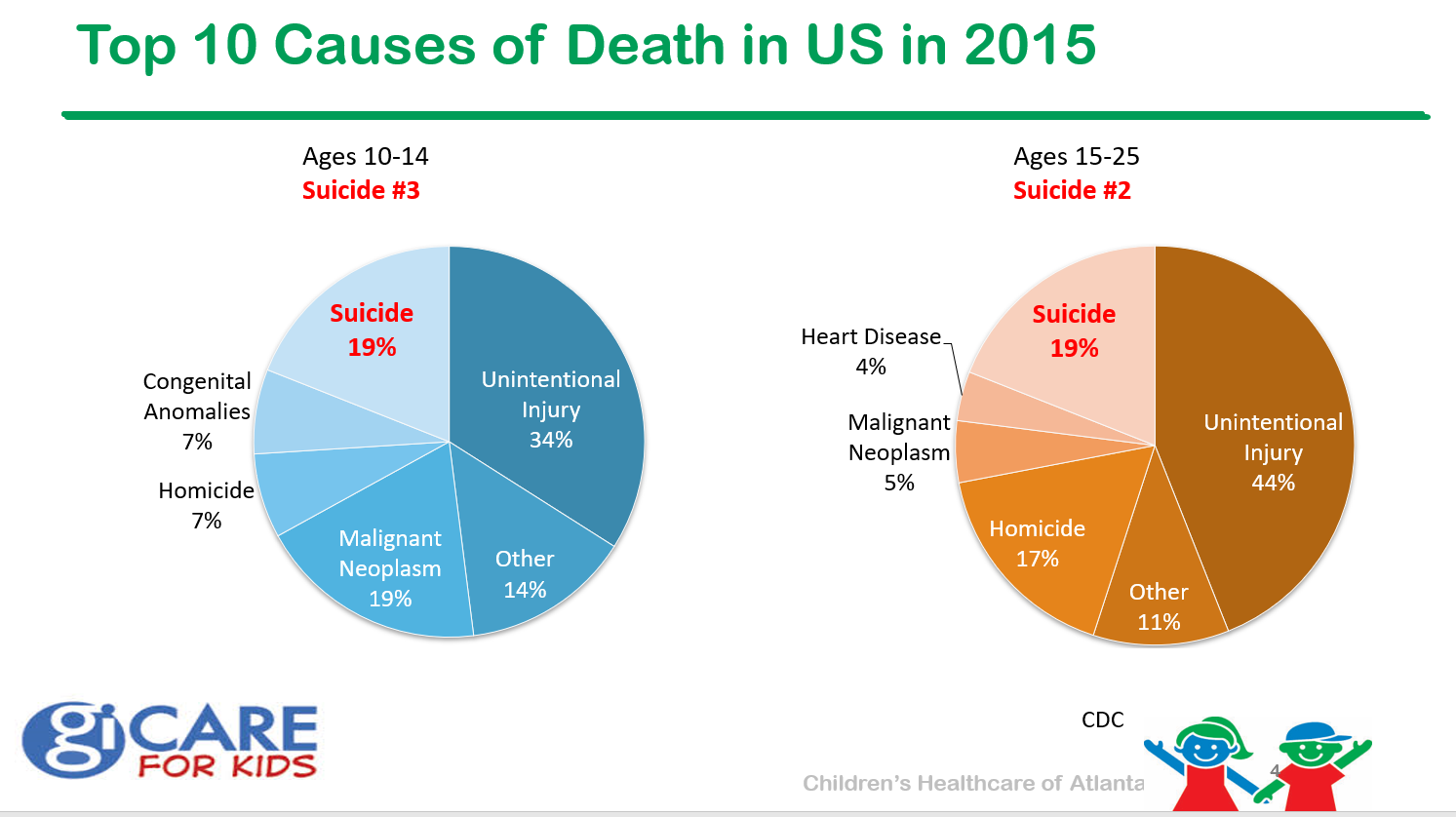
Depression Screening for Pediatric Patients with IBD

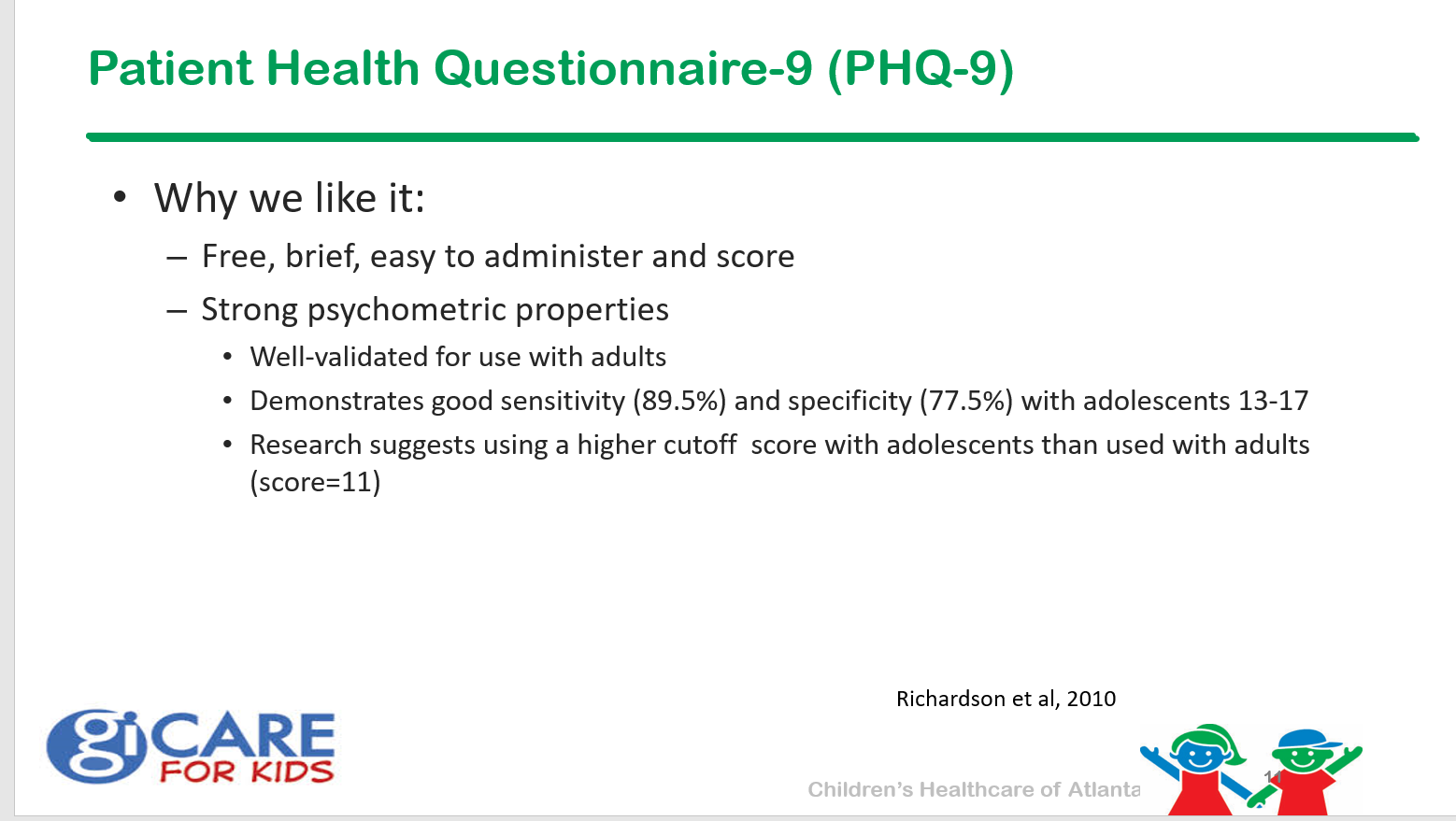
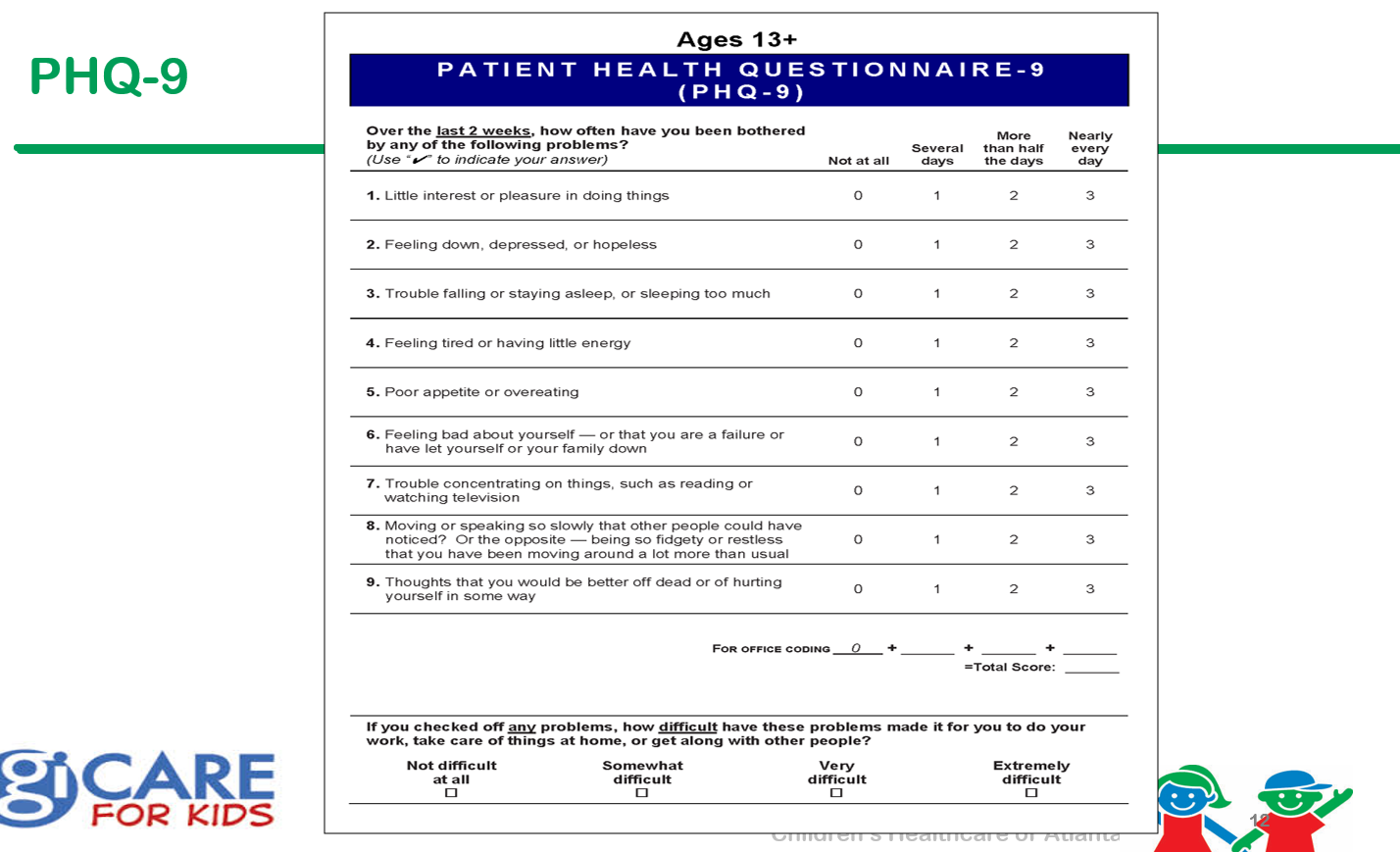
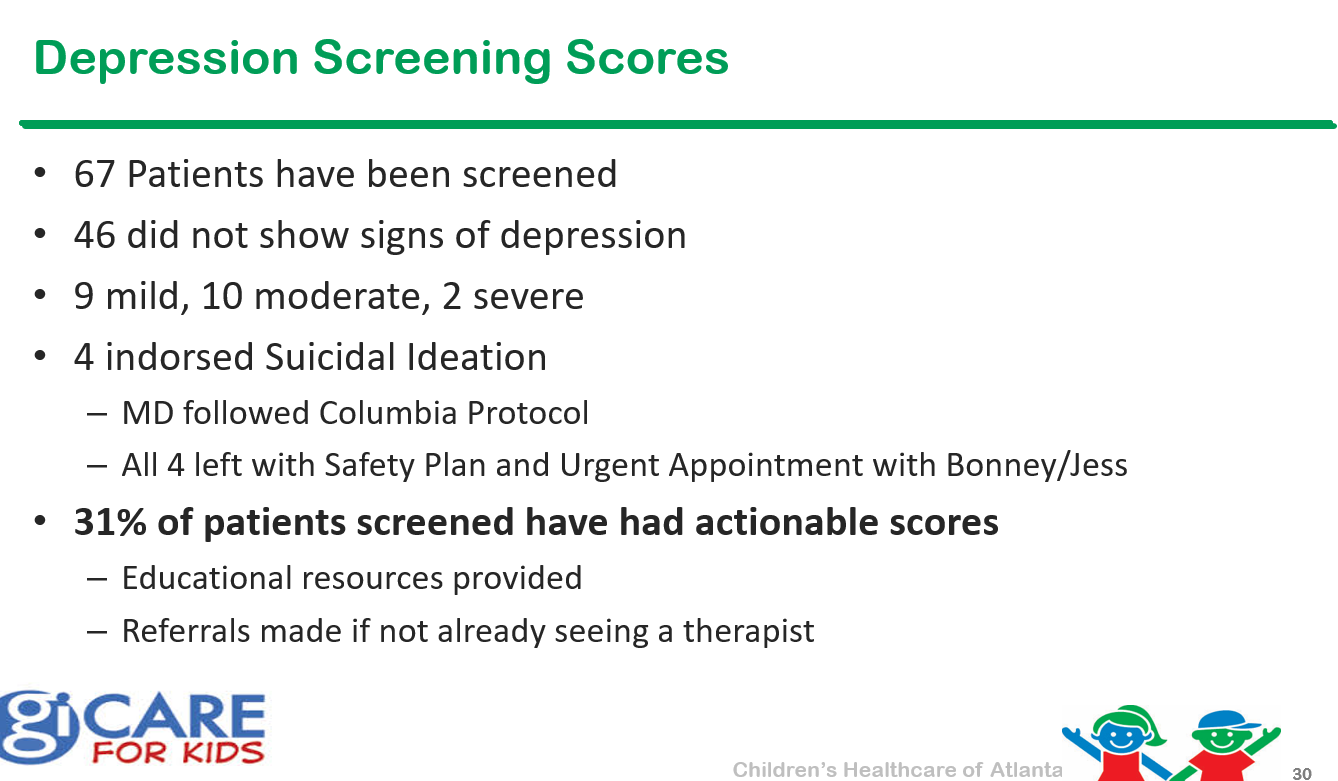
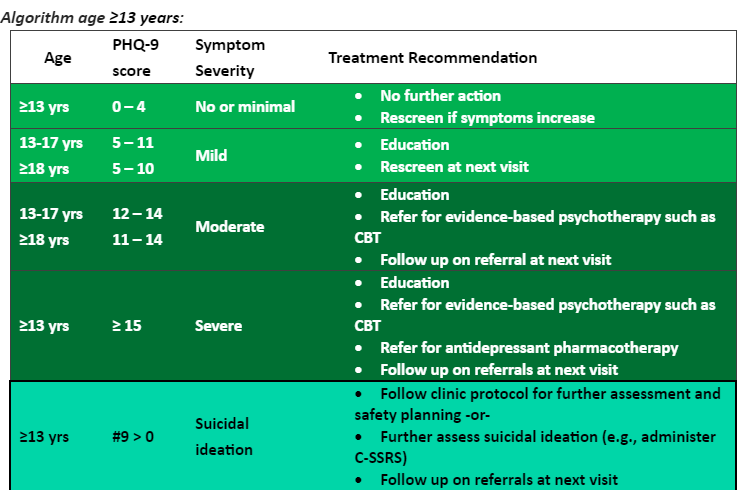
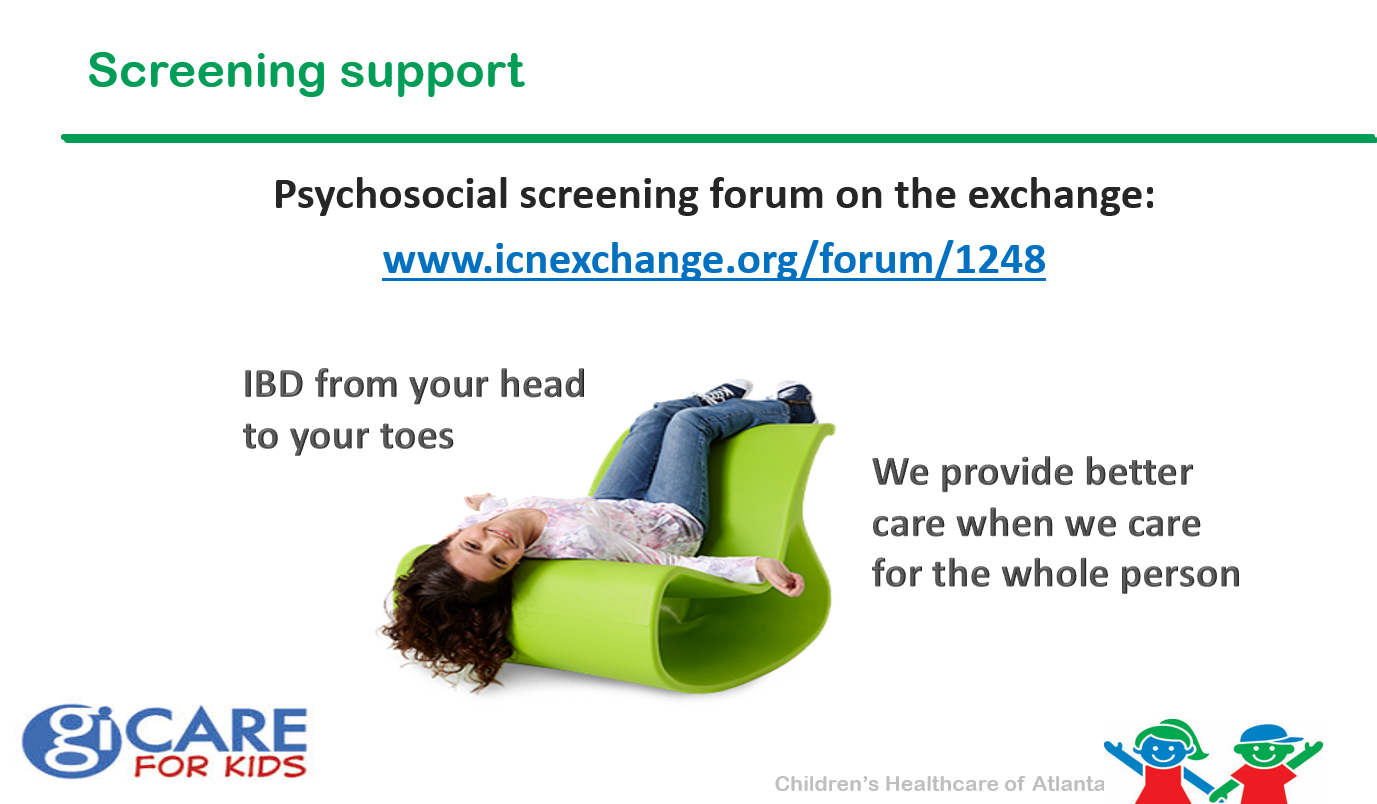
Recently, we had a morning conference to review depression screening for pediatric patients with IBD.  This lecture was led by Chelly Dykes, MD. Many of these slides were adapted from resources developed by the (ImproveCareNow) ICN Psychosocial Professionals group.

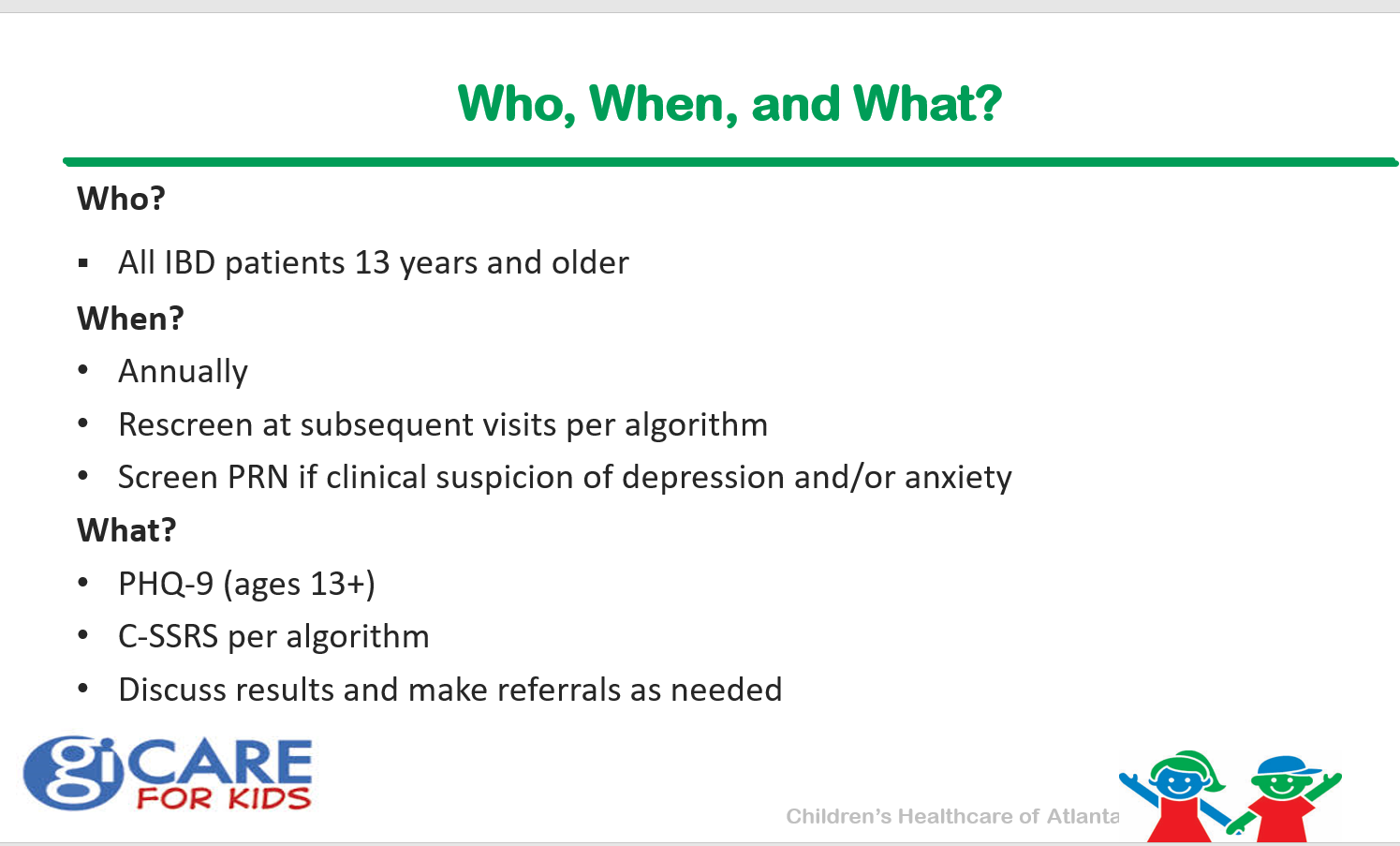
We have started depression screening with a subset of our patients and soon will start screening all children 13 years and older.  When this is working well, younger ages may be targeted as well.

Some of the key points:

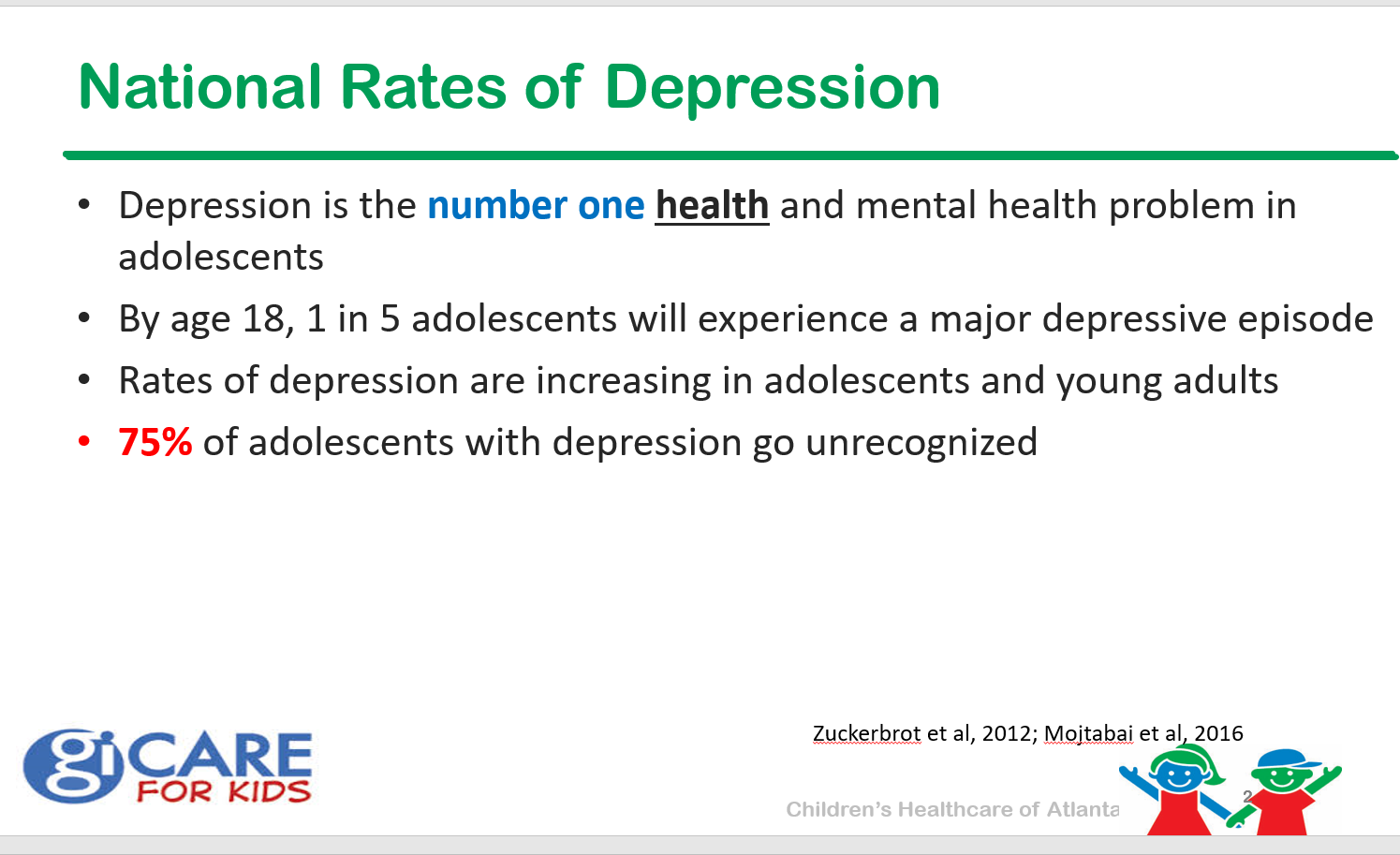
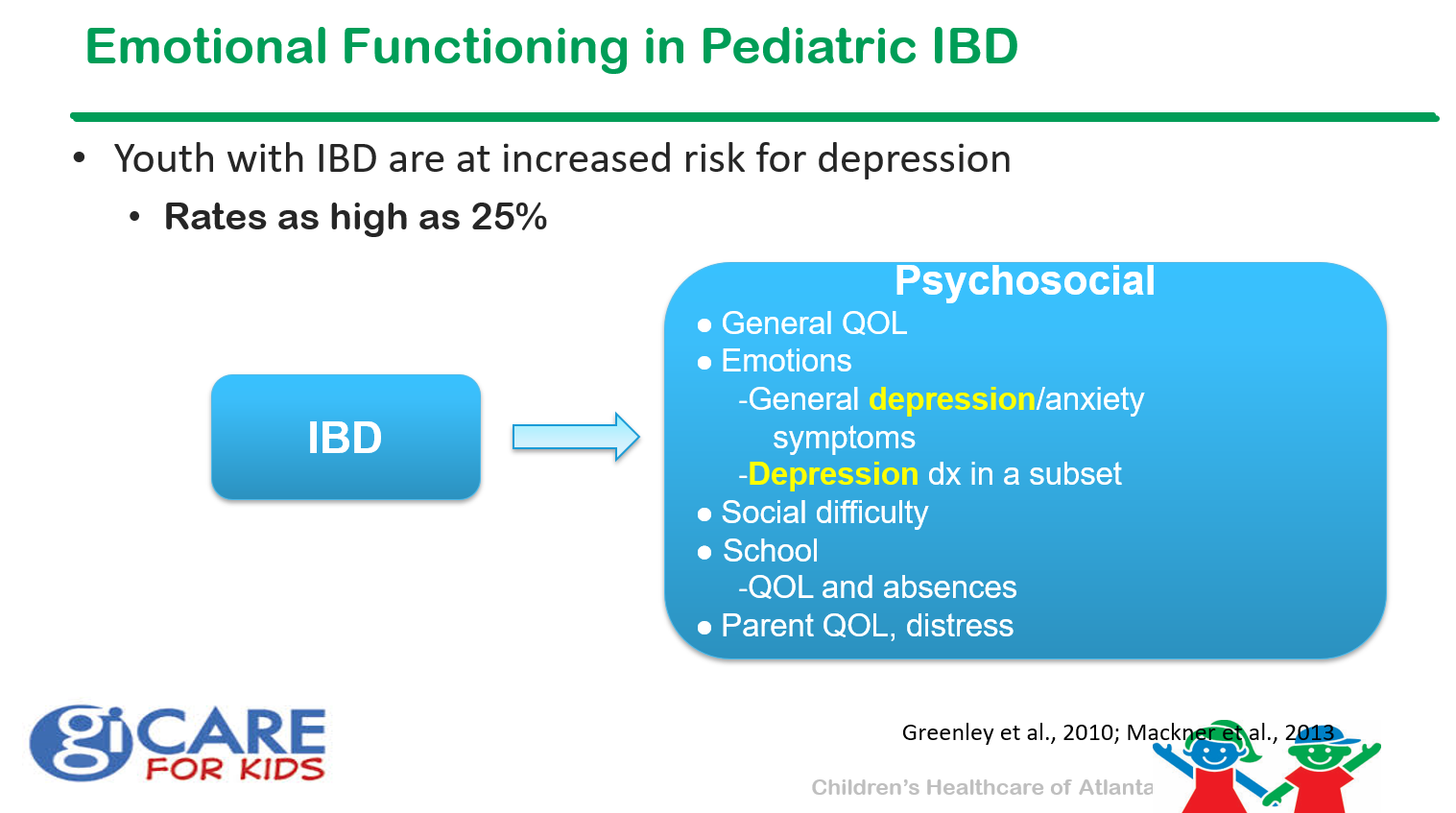
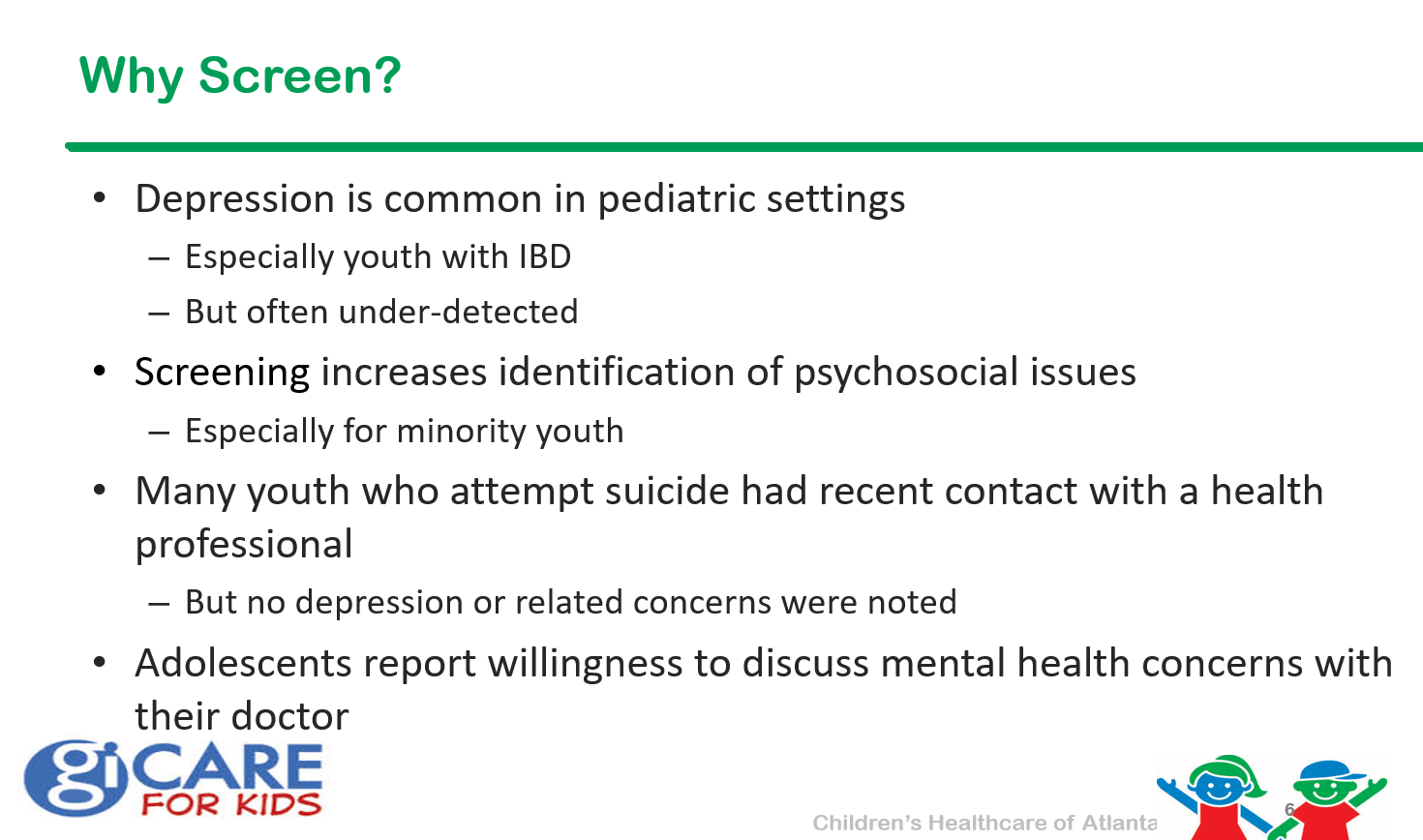
  • Depression/anxiety are common, particularly in patients with inflammatory bowel disease
  • National rates of suicide have been increasing
  • Asking about suicide does not increase the risk of suicidality
  • We are fortunate to work closely with two psychologists, Bonney Reed-Knight and Jessica Buzenski

Some of the slides are listed below.

Related blog posts:

Disclaimer: These blog posts are for educational purposes only. Specific dosing of medications/diets (along with potential adverse effects) should be confirmed by prescribing physician/nutritionist.  This content is not a substitute for medical advice, diagnosis or treatment provided by a qualified healthcare provider. Always seek the advice of your physician or other qualified health provider with any questions you may have regarding a condition.