AGA Guidance: Biomarkers for Crohn’s Disease

AN Ananthakrishnan, J Adler et al. Gastroenterol 2023; 165: 1367-1399. Open Access! AGA Clinical Practice Guideline on the Role of Biomarkers for the Management of Crohn’s Disease

Key points:

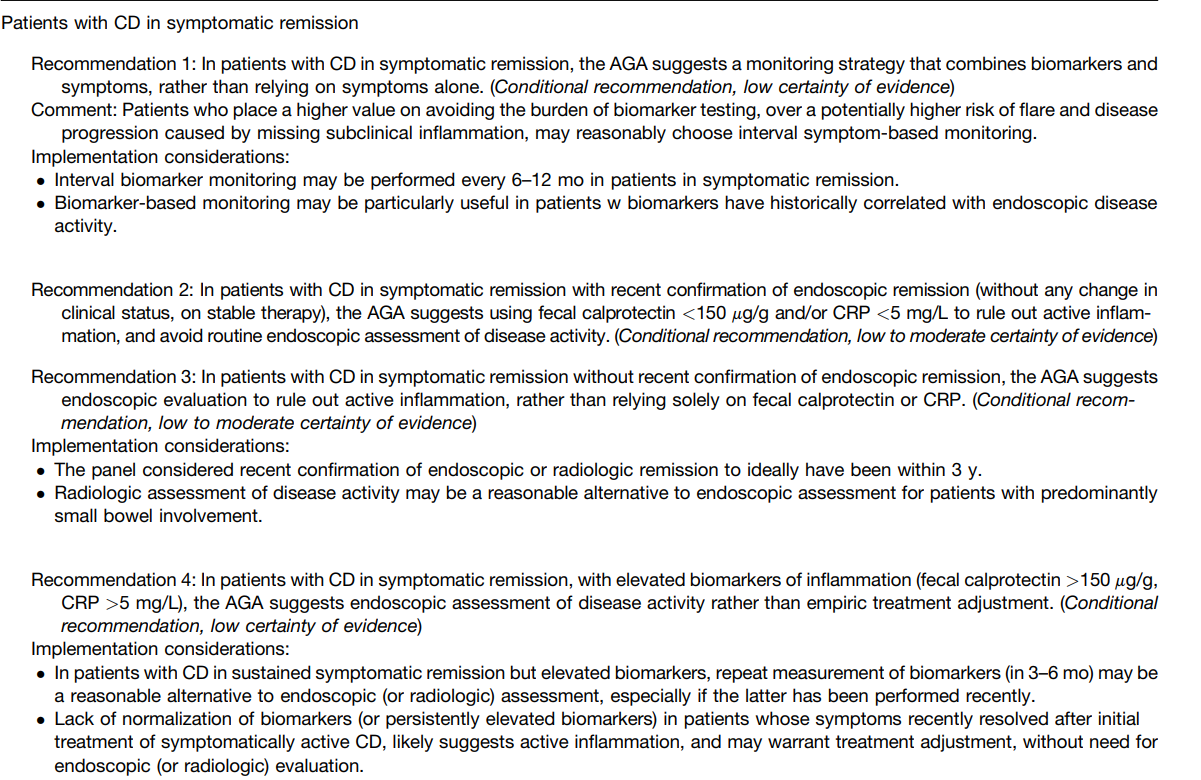
  • Recommendation #2: In patients in symptomatic remission with recent endoscopic evaluation (w/in 3 yrs), a fecal calprotectin <150 μg/g and normal CRP rules out active inflammation, avoiding endoscopic evaluation for assessment of disease activity. However, elevated biomarkers in this setting merit confirmation with endoscopy before treatment adjustment.
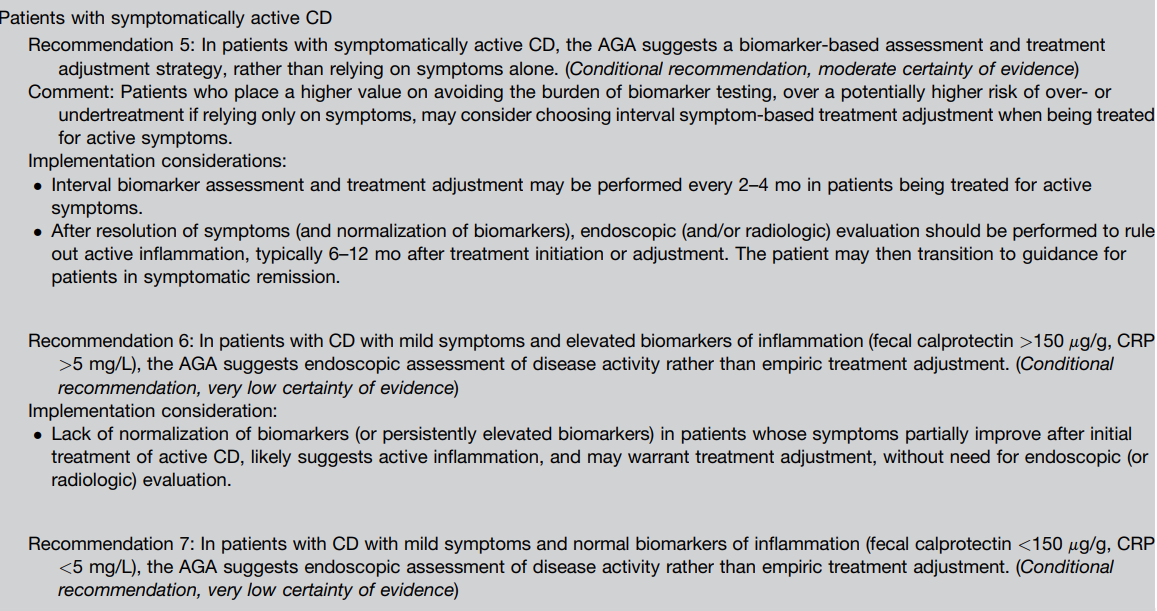
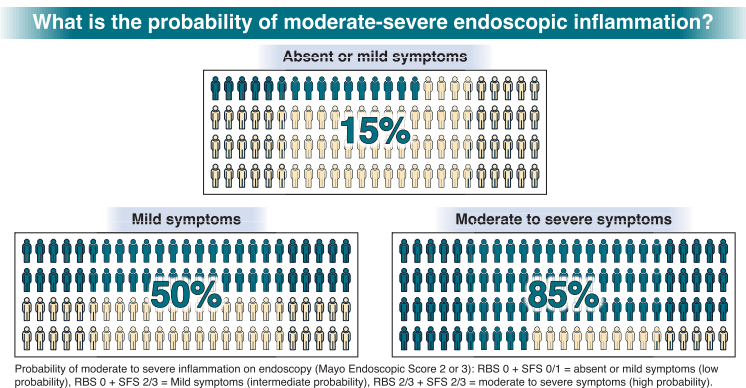
  • Recommendations #6, #7: In patients with CD with mild symptoms, neither normal nor elevated biomarkers alone are sufficiently accurate to determine endoscopic activity.
  • Recommendations #8, #9: In patients with CD with moderate to severe symptoms, elevated fecal calprotectin or serum CRP suggests endoscopic activity, precluding routine endoscopic assessment for disease activity. In those with moderate to severe symptoms but normal biomarkers, endoscopic assessment is recommended rather than empiric adjustment in treatment.
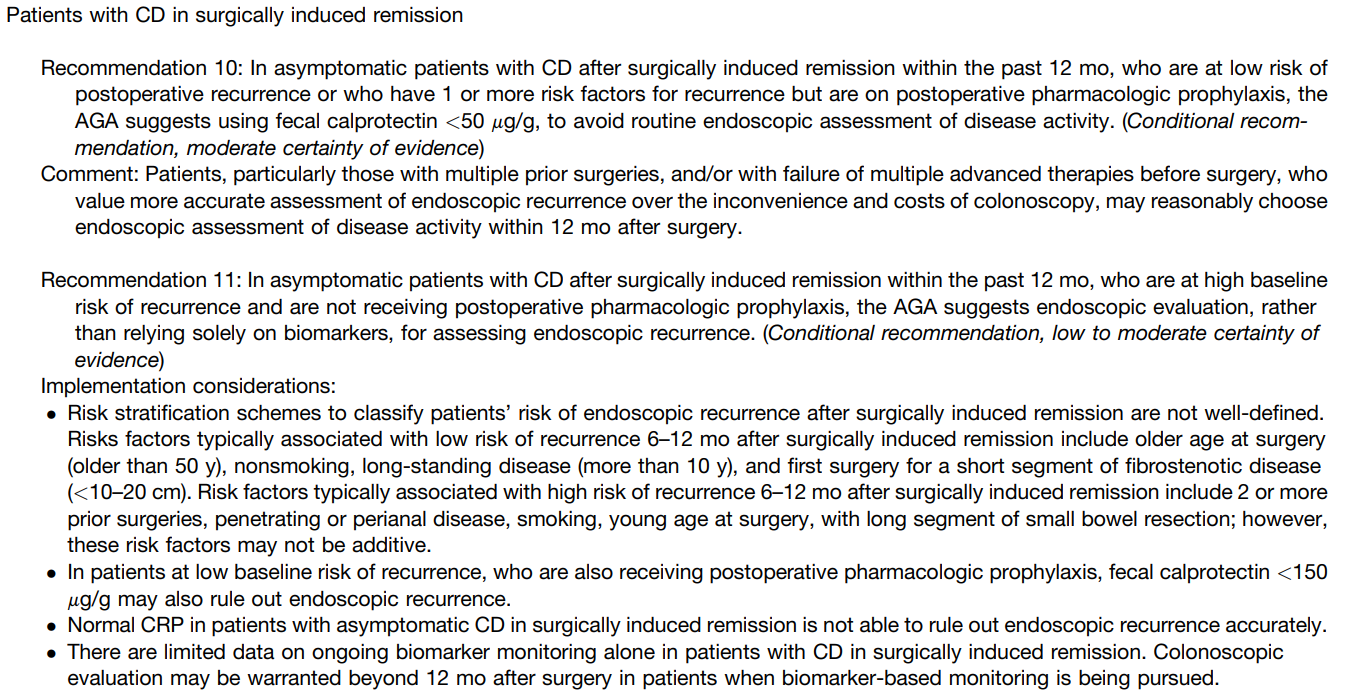
  • Recommendation #10: In patients with CD in surgically induced remission in low-risk patients on pharmacologic prophylaxis, a normal fecal calprotectin (<50 mcg/gm) reliably rules out endoscopic recurrence.

More Recommendations:

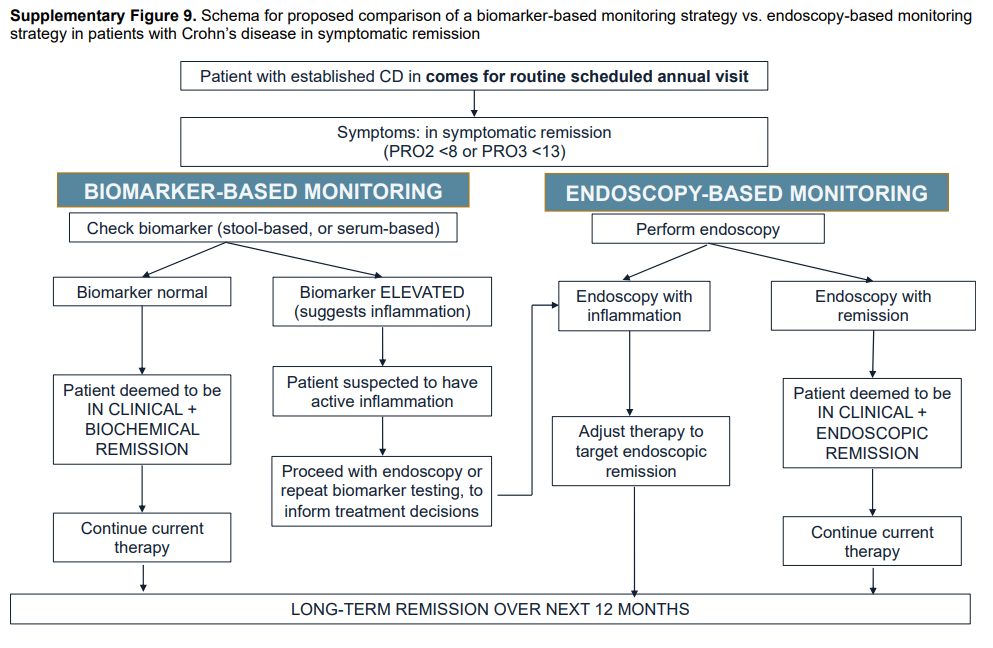
#1 In patients with CD in symptomatic remission, the AGA suggests a monitoring strategy that combines biomarkers and symptoms, rather than relying on symptoms alone.

#3 In patients with CD in symptomatic remission without recent confirmation of endoscopic remission, the AGA suggests endoscopic evaluation to rule out active inflammation, rather than relying solely on fecal calprotectin or CRP. 

#5 In patients with symptomatically active CD, the AGA suggests a biomarker-based assessment and treatment adjustment strategy, rather than relying on symptoms alone.

My take: This practical guidance will help target endoscopy in patients with Crohn’s disease. In those who are feeling well with normal biomarkers, frequent endoscopic evaluation is a low-value procedure. Similarly, in those with very elevated biomarkers and who are very symptomatic (with normal infectious studies), endoscopic evaluation is often unnecessary. The AGA expert recommendations should help persuade insurance companies to include biomarkers in their coverage.

Summary of all recommendations -see below from Figure 9 and Table 3.
Related blog posts:

Guideline: Biomarker Use for Ulcerative Colitis

S Singh et al. Gastroenterol 2023; 164: 344-372. Open Access! AGA Clinical Practice Guideline on the Role of Biomarkers for the Management of Ulcerative Colitis Clinical Decision support tool (pg 373-374), Spotlight (pg 375).

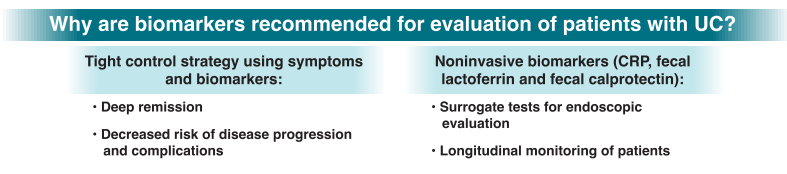
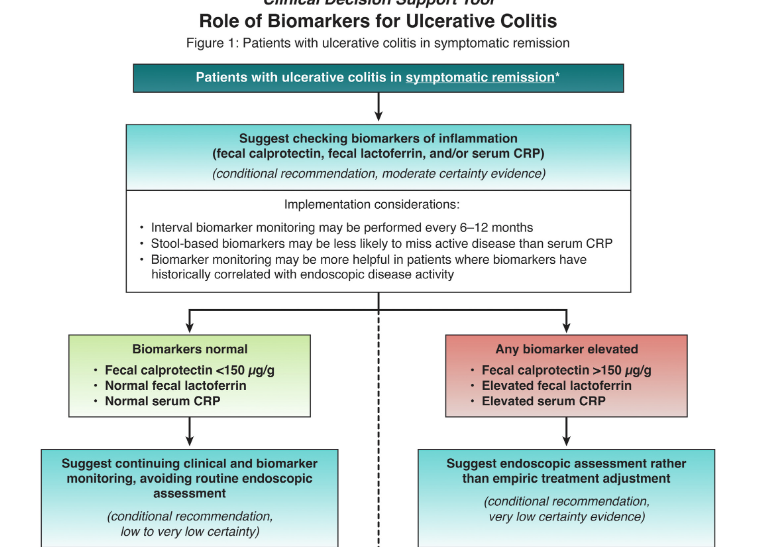
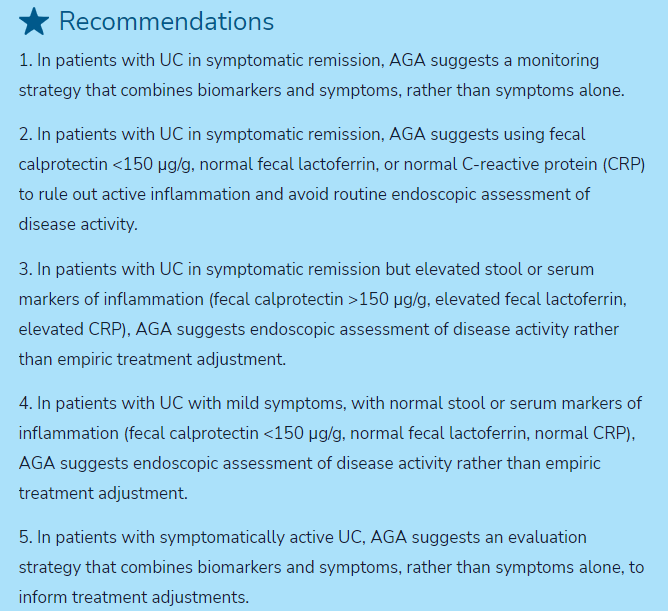
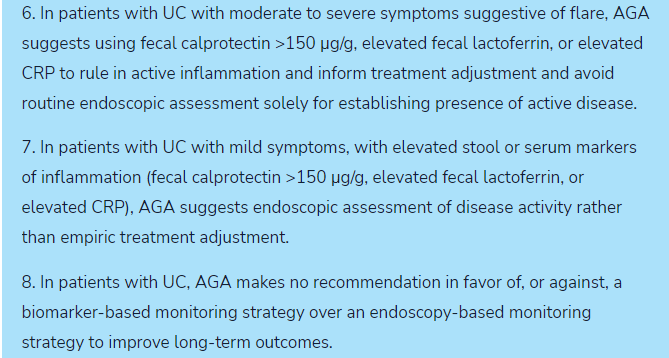
The full access links to the article and related articles provide extensive information and rationale for AGA’s biomarker recommendations in ulcerative colitis (UC). For me, the recommendations highlight the important role of biomarkers (especially fecal calprotectin (FC)) when things are going very well or very poorly. Key points:

  • In asymptomatic patients with normal biomarkers (FC <150, normal lactoferrin, normal CRP), the recommendations suggest continued monitoring without endoscopic assessment.
  • In patients with moderate-to-severe symptoms and with elevated biomarkers, the authors, likewise, advocate for treatment adjustment without endoscopic assessment.
  • For asymptomatic patients with elevated biomarkers and symptomatic patients with normal biomarkers, the authors recommend endoscopic assessment.
From Spotlight Material

My take: By combining biomarkers with symptoms, this improves utility of more invasive testing.

Related blog posts:

How a Gluten Challenge Could Change

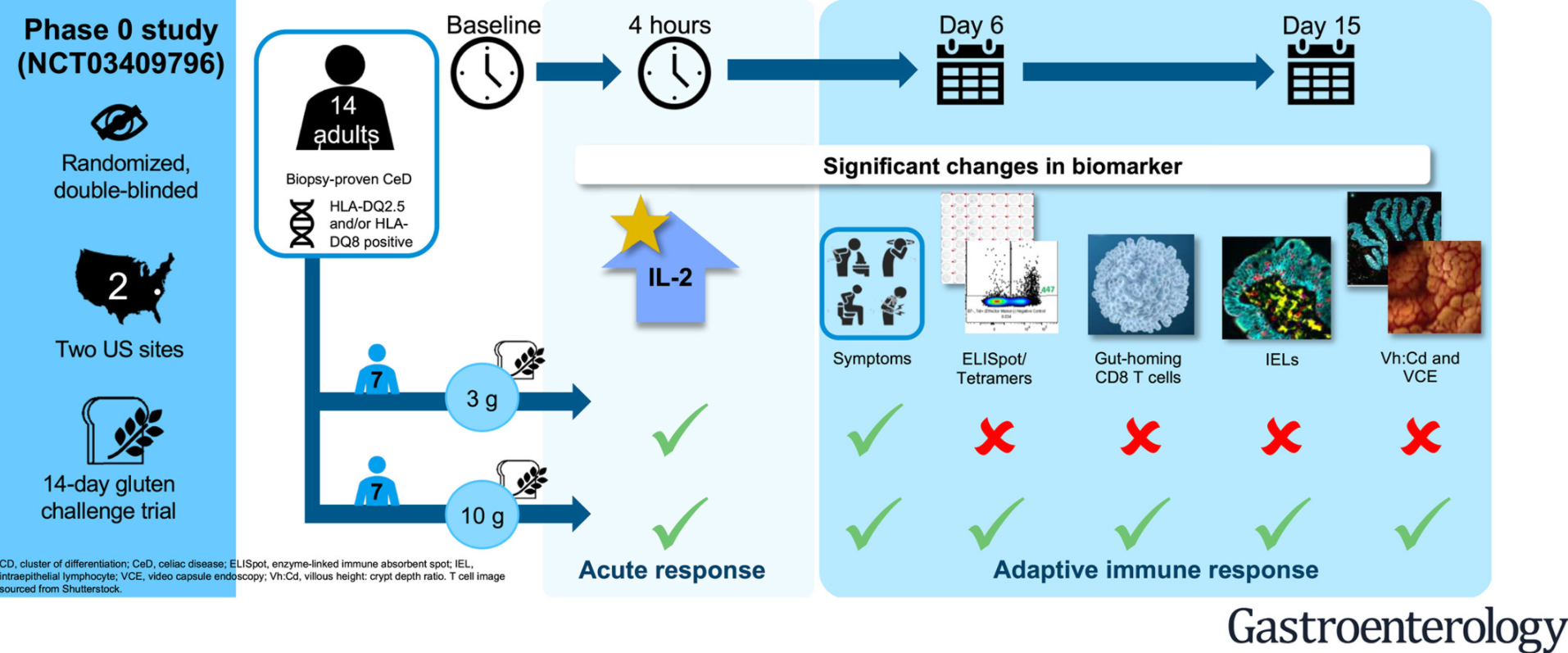
A recent randomized double-blind study (MM Leonard et al. Gastroenterol 2021; 160: 720-733. Full Text: Evaluating Responses to Gluten Challenge: A Randomized, Double-Blind, 2-Dose Gluten Challenge Trial) provide evidence that a gluten challenge could detect evidence of celiac disease in hours, not weeks.

This study consisted of 14 adults with biopsy-proven celiac disease (CD) who were randomized to 3 g or 10 g gluten/day intake for 14 days. Each participant underwent extensive studies to detect histological, visible, and biochemical changes associated with gluten introduction. Data required multiple endosopic duodenal biopsies, VCEs and blood collection.

Key findings:

  • Symptoms and plasma interleukin-2 levels “increased significantly or near significantly at both doses.”
  • Interleukin-2 appeared to be the earliest, most sensitive marker of acute gluten
    exposure. IL-2 increases were observed 4 hours after exposure in patients with CD but not in healthy controls.
  • Intestinal damage is more complex and requires a longer duration and higher dose of gluten exposure. In this study, the higher dose (10 g) of gluten exposure was required for enteropathy within the study time frame.

My take: These study findings need to be confirmed in a broader patient cohort. However, in patients needing a gluten challenge, IL-2 response after a single-dose (measured at 4 hours) could be helpful. Those without IL-2 response are unlikely to have CD. Those with an IL-2 response at 4 hours, could confirm CD by completing a gluten challenge.

Related blog posts:

Does a Low Vitamin D Level Increase the Risk of Crohn’s Disease? And Other Biomarkers

A recent study (BN Limketkai et al. Clin Gastroenterol Hepatol 2020; 18: 1769-76Levels of Vitamin D Are Low After Crohn’s Disease Is Established But Not Before) takes advantage of stored serum from U.S. military personnel.

Key finding: By examining 240 with Crohn’s disease (CD) along with 240 control patients, the authors show that vitamin D levels prior to CD diagnosis are not associated with the development of CD up to 8 years preceding the diagnosis.

Two other articles on predictive biomarkers for CD and an associated editorial:

  • N Nair et al. Gastroenterol 2020; 159: 383-5. Association Between Early-life Exposures and Inflammatory Bowel Diseases, Based on Analyses of Deciduous Teeth
  • J Torres, F Petralia et al. Gastroenterol 2020; 159: 96-104Serum Biomarkers Identify Patients Who Will Develop Inflammatory Bowel Diseases Up to 5 Years Before Diagnosis
  • New Biomarkers for Crohn’s Disease (editorial) C Bernstein. Gastroenterol 2020; 159: 30-32. Key points from editorial:
    • “In the article by Nair et al, the authors relate the presence of heavy metals in baby teeth to the later development of Crohn’s disease…The finding of metals that can be tracked to the in utero state suggests that the offspring who will ultimately present with IBD and have high values of these metals are likely acquiring these metals from their mothers.”
    • “In the study by Torres et al, a serum bank of Department of Defense recruits was accessed to study for microbial antibodies and immune-inflammatory markers for ≤5 years antedating diagnoses of either Crohn’s disease or ulcerative colitis. Anti-Flagellin X and ASCA-IgA were predictive of Crohn’s disease…The authors have convincingly showed that these microbial antibodies and immune-inflammatory mediators are present years before the first clinical manifestation of Crohn’s disease. These phenomena very likely are early biological manifestations of Crohn’s disease. They may not be risk factors that Crohn’s disease is coming, but rather that it is already present.”

My take: Stored tissue/blood eventually may help predict who will develop CD.  Given a lack of current treatment options in those at risk, the importance of these predictive markers is unclear.

Will We Still Need Liver Biopsies to Diagnose Biliary Atresia in a Few Years?

A recent study (C Lertudomphonwanit, R Moura, L Fei, Y Zhang, S Gutta, L Yang, KE Bove, P Shivakumar, JA Bezerra. Sci Transl Med. 2017; 9: eaan8462) may change how we diagnose biliary atresia (BA) and provides an insight into potential pathogenesis. Link to studyLarge-scale proteomics identifies MMP-7 as a sentinel of epithelial injury and of biliary atresia

Using large-scale proteomics, the authors screened 1129 proteins in a discovery cohort (n=70) of patients with BA.  They identified several proteins that were increased with BA. Matrix metalloproteinase-7 (MMP-7) was the lead biomarker.  Subsequently, they used two additional validation cohorts.  Human subjects were infants in enrolled in the Prospective Database of Infants with Cholestasis (PROBE) which is part of the NIDDK-funded ChiLDRen (www.childrennetwork.org).

Key findings:

  • 76 proteins were significantly overexpressed or underexpressed in BA compared with children with intrahepatic cholestasis (IHC).
  • MMP-7 was more accurate than gamma glutamyltranspeptidase (GGT).  The combination of MMP-7 and GGT had a AUROC of 0.94 in validation cohorts.
  • The authors further studied the role of MMP-7 by immunostaining and found it primarily was detected in cholangiocytes of intrahepatic bile ducts in infants with BA.  It was also identified in a few hematopoietic cells.
  • MMP-7 expression in the liver did not correlate with fibrosis.
  • MMP-7 serum levels increased in neonatal mice after bile duct epithelial injury induced by intraperitoneal rotavirus administration.
  • Using a mice model, they found that a MMP-7 inhibitor (batimastat) could block the development of BA in a mouse model (in 86% of cases) compared with 0% in control mice.
  • Overall, the authors note that coupled with GGT, MMP-7 serum levels result in “sensitivity and specificity of 97 and 94% respectively, at optimal cutoff, which provided positive and negative predictive values of 85 and 99% respectively, if one considers the prevalence of BA of 25.9% among infants with conjugated hyperbilirubinemia.”

My take: More work is needed.  However, these values suggest that MMP-7 and GGT combined may be more accurate than a liver biopsy in the diagnosis of BA.

Related blog posts:

South Kaibab Trail, Grand Canyon

#NASPGHAN17 IBD Treat to Target and Tight Control

More information from this year’s annual NASPGHAN meeting.

This blog entry has abbreviated/summarized these presentations. Though not intentional, some important material is likely to have been omitted; in addition, transcription errors are possible as well.

IBD Treat to Target: Treat the Patient or Treat the Disease

Robert Baldassano  Children’s Hospital of Philadelphia

I missed the first few minutes of this presentation, even though I had highlighted this as one of my top priorities.  So, if anyone reading this post has some additional comments, they are certainly welcome.

Key points:

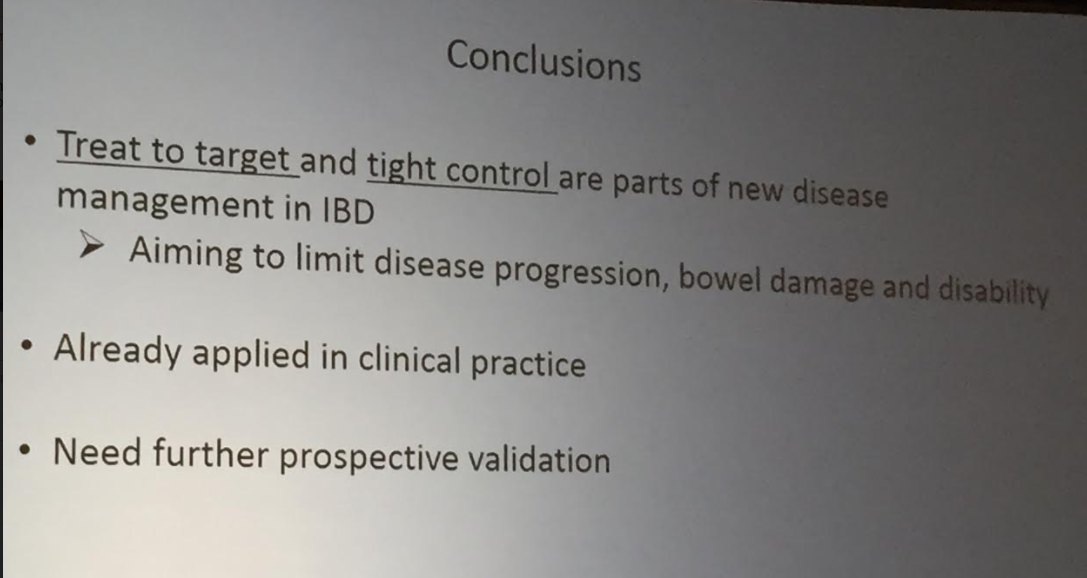
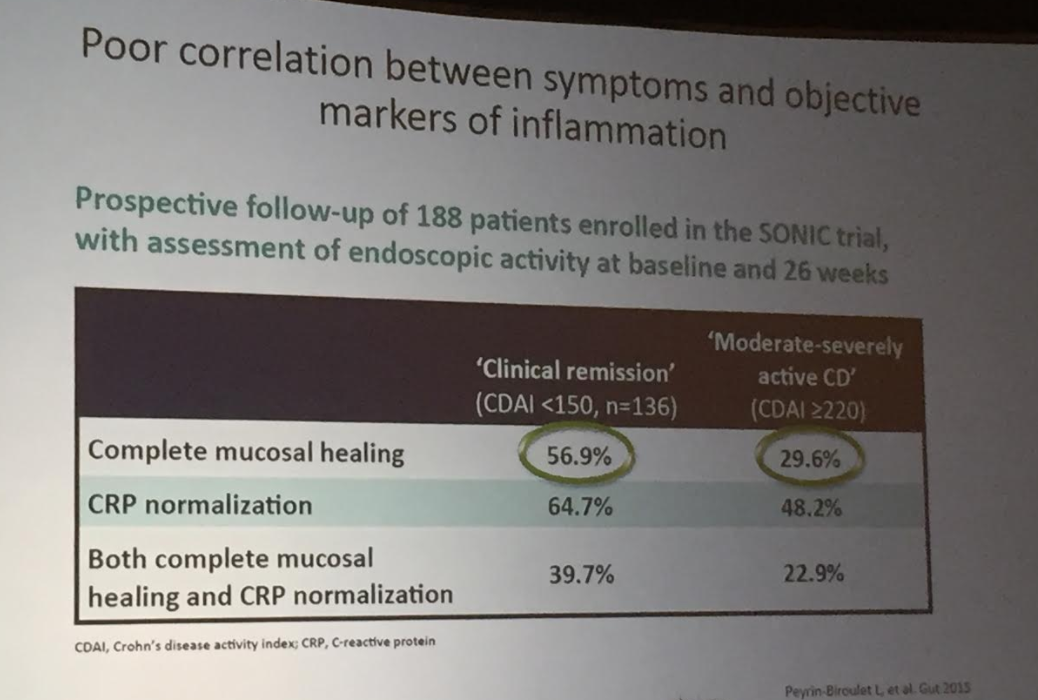
  • Do not rely on symptoms alone to assess patient improvement.
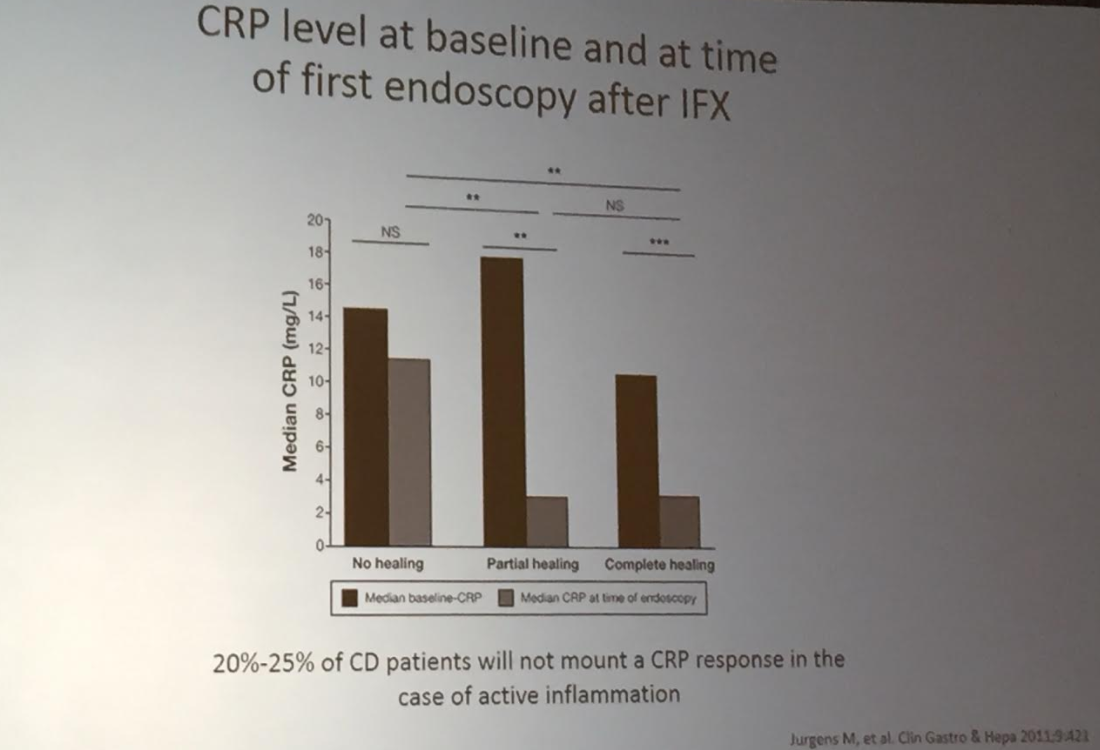
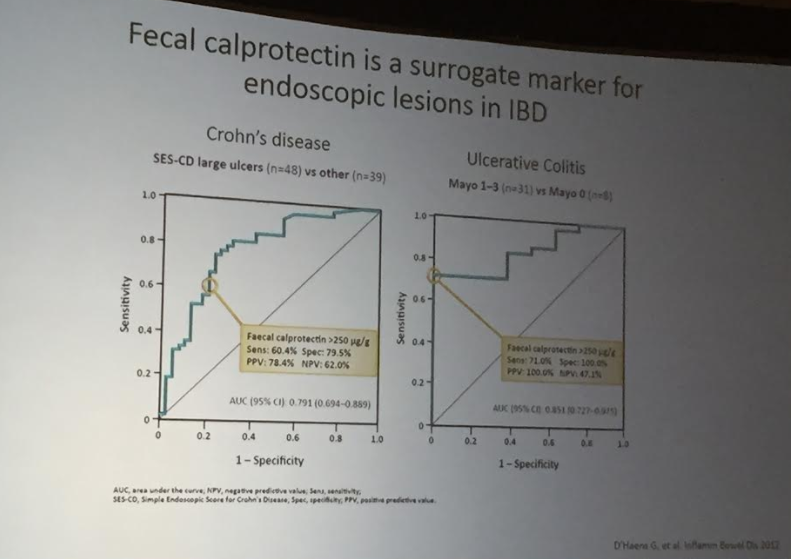
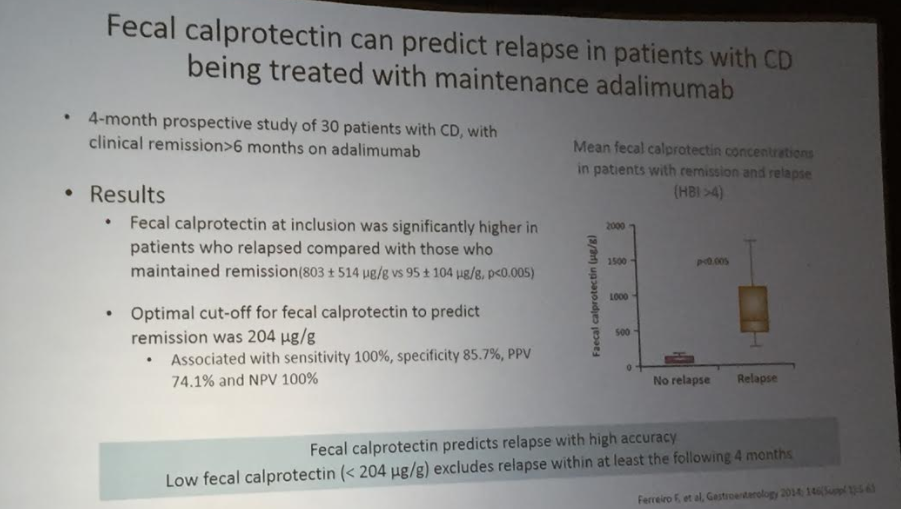
  • Best surrogate marker: calprotectin.  Frequent calprotectin levels can help determine objective improvement; it is much more helpful than CRP as ~25% of patients do not elevate their CRP levels
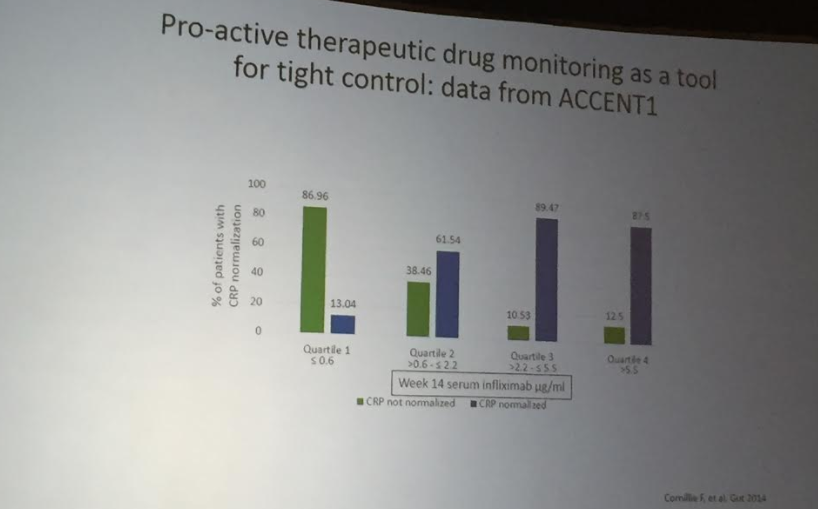
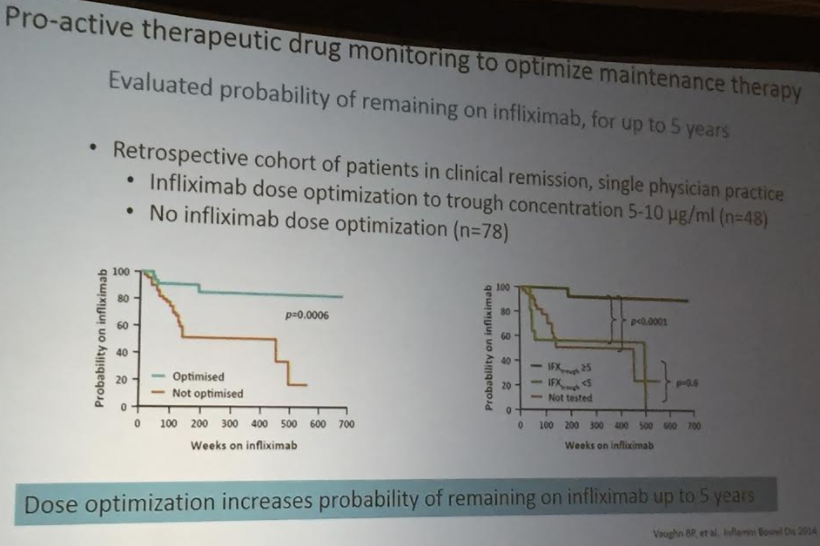
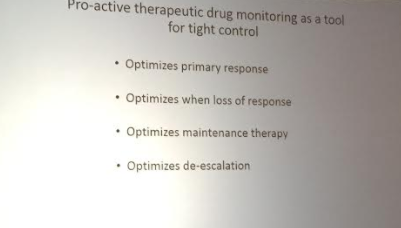
  • Therapeutic drug monitoring is important in improving outcomes. Dose optimization improves response rate and durability of infliximab response.
  • Evolving targets in ulcerative colitis.  Even histologic activity, in the absence of endoscopic activity, is associated with relapsing disease
  • Dr. Baldassano indicated that he no longer is starting patients on thiopurine therapy. There are “36 phase 3 trials underway.” Thus, many promising options for those who may burn through current treatments
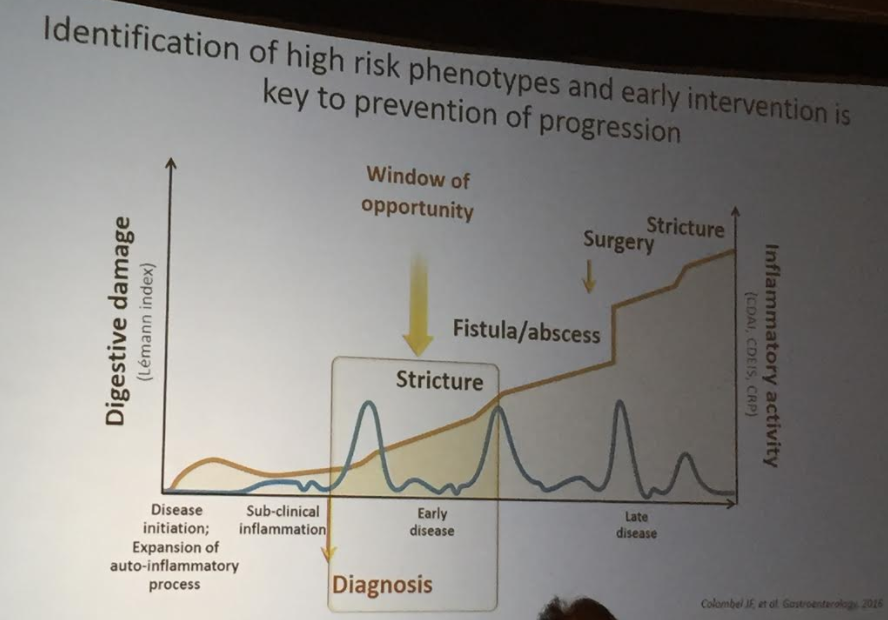
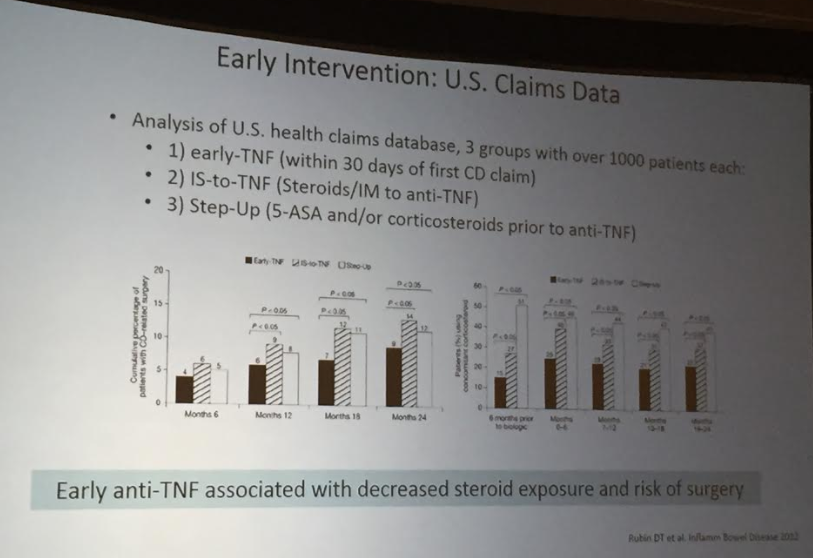
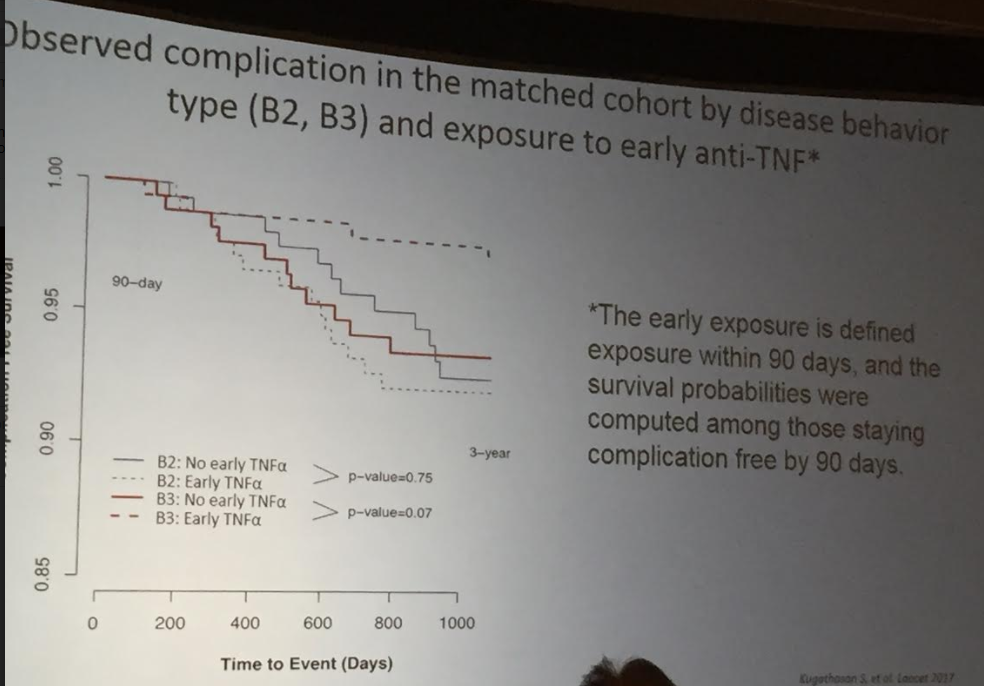
  • This lecture reviewed data from the RISK study showing that early (1st 90 days w/in diagnosis) TNF therapy helps prevent penetrating disease (related post: CCFA Update 2017/RISK study)

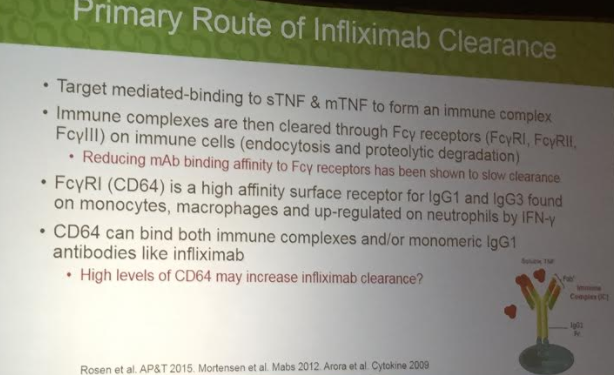
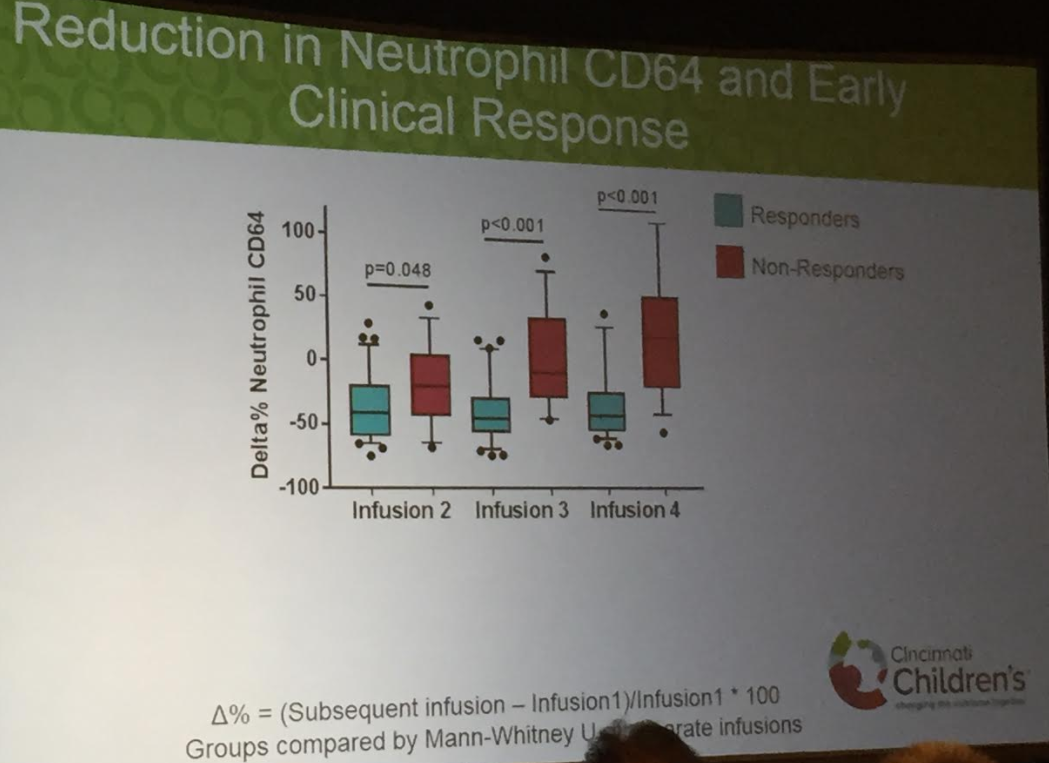
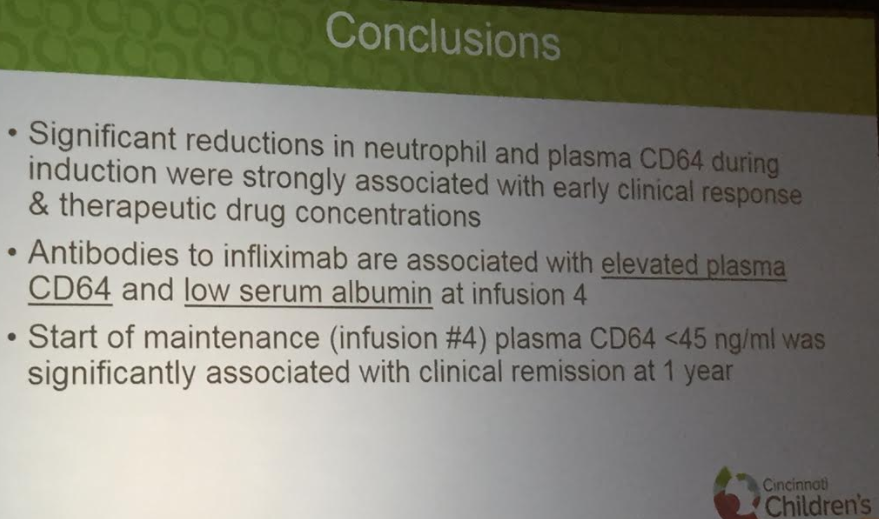
Another presentation by Philip Minar et al (Cincinnati Children’s Hospital Medical Center) shows that CD64 suppression is an early biomarker of response to infliximab therapy.

New Biomarker for Crohn’s Disease (Plus Two)

A recent study identifies a new biomarker for Crohn’s disease (CD) (Inflamm Bowel Dis 2014; 20: 1037-48).

The authors examined a cohort of 208 newly diagnosed pediatric CD and 43 non-IBD controls for ileal/rectal expression of FcγRIA mRNA.  In addition, in a smaller cohort of 26 newly diagnosed CD patients, 83 established CD patients and 30 non-IBD controls the authors measured peripheral blood polymorphonuclear neutrophil (PMN) CD64 index.

Key findings:

  • Ileal FcγRIA mRNA expression was significantly elevated in CD compared with non-IBD controls
  • PMN CD64 was significantly elevated in CD compared with non-IBD controls and correlated with mucosal injury as measured by the simple endoscopic score for CD.
  • Patients in clinical remission with a PMN CD64 <1 had a high rate of sustained remission (95%) whereas only 56% had sustained remission if PMN CD64 was >1.

Take-home point: This study shows in pediatrics, as in adults IBD patients, that PMN CD64 index is associated with mucosal inflammation; high levels are associated with clinical relapse.  Serum biomarkers are likely to complement stool biomarkers like fecal calprotectin.

One other point the authors make: “studies have found that 57% to 59% of CD have concurrent IBS.”  Thus, there is a need for biomarkers to distinguish whether patients with clinical symptoms are experiencing an inflammatory relapse.

Related blog post: Calprotectin: Part of diagnostic algorithm for IBD 

Two other studies in same issue:

“Alterations in the Intestinal Microbiome (Dysbiosis) as a Predictor of Relapse After Infliximab Withdrawal in Crohn’s disease” pages 978-86.  N=33 CD patients. Key finding: “CD-associated dysbiosis, characterized by a decrease in Firmicutes, correlates with the time-to-relapse after infliximab withdrawal.”

“Tissue Studies in Screened First-degree Relatives Reveal a Distinct Crohn’s Disease Phenotype” pages 1049-56. N=38 asymptomatic relatives. Key finding: based on histologic scoring 61% were normal, 26% had minor lesions, and 13% had evidence of active disease. This study indicates that screening relatives may identify a subset with early biologic disease.

Natural laws not patentable: the case with Prometheus

While most individuals might think of greek mythology or the recent movie when hearing the word “Prometheus,” pediatric gastroenterologists might think of the company that performs a number of useful diagnostic tests.  Recently, Prometheus has had a legal setback (NEJM 2012; 365: 2338-40). 

Since the 1990s, Prometheus has tested for azathioprine (& 6-mercaptopurine) metabolites.  A therapeutic level of 6-thioguanine (6-TG), a metabolite for these drugs, is recognized as generally between 230-400 pmol per 8×10(to the 8th) red cells.  Levels outside this range often require drug adjustments.

When the Mayo clinic started to offer a slightly different assay, priced 25% below Prometheus’s test, Prometheus sued for patent infringement.  The court held that “if a law of nature is not patentable, then neither is a process reciting a law of nature;”  hence, Prometheus’s patent was rejected.

There are implications of this lawsuit on the use of a large number of biomarkers.  For example, patents for BRCA DNA sequences that increase the risk for cancer will probably be overturned.  Industry groups argue that denying patents will halt progress as companies will not be able to recoup investments in biomarker development.  Congress could consider passing laws allowing exclusive marketing of these innovations.  Alternatively, adequate funding through the NIH (National Institutes of Health) could allow development of biomarkers without the need for patents; in fact, 100 projects are in progress at this time.

MicroRNA signature for eosinophilic esophagitis

In a previous post discussing MicroRNAs (miRNAs) (MicroRNAs and biliary atresia), I stated that “Despite this intriguing research, it not clear whether or when miRNAs will have an important role in bedside management.”  Well, as more articles emerge on miRNAs, it is becoming clear that miRNAs will have a role in clinical medicine; the questions are when and what cost.

The latest study (J Allergy Clin Immunol 2012; 129: 1064-75) by Lu et al from Cincinnati shows how this technique can identify a specific signature for eosinophilic esophagitis (EoE) and how miRNAs can serve as a biomarker for disease response.  The investigators took plasma and esophageal biopsy specimens from patients with EoE, reflux esophagitis, and healthy controls; they used an array comprising 677 miRNAs.  254 miRNAs were expressed at greater than background levels, but 21 upregulated miRNAs and 11 downregulated miRNAs were markedly different.

To quickly understand how useful this technology could become requires a glance at the “heat maps” showing the expression profile of the 21 upregulated miRNAs and the 11 downregulated miRNAs, comparing EoE with healthy controls (Figures 1 & 3).  In addition, in Figure 3, it is readily apparent that the expression pattern is completely different from reflux esophagitis.  Furthermore, this figure demonstrates visually a normal-appearing pattern in patients who respond to fluticasone.

Other figures in the article and in the appendix demonstrate the complex relationships between these specific miRNAs and target genes.

Key points:

  • miRNAs from tissue or blood could serve as biomarkers for the presence of EoE and response to therapy
  • Of the identified miRNAs, miR-21 and miR-223 strongly correlate with esophageal eosinophilia as well as previously described EoE transcriptome
  • Plasma miRNAs that are most differentiated in EoE include miR-146a, miR-146b, and miR-223.

Related posts:

Guidelines for Eosinophilic Esophagitis

Eosinophilic Esophagitis -Six Food Group Diet

The undiscovered country

MicroRNAs and biliary atresia

The human genome may encode over 1000 microRNAs (miRNAs), which may target about 60% of mammalian genes and are abundant in many human cell types. MicroRNAs are a class of short (18-23 nucleotide) noncoding RNA molecules which act as a negative regulator of target mRNA stability and translation.  This month the interaction of miRNAs with biliary atresia is examined (JPGN 2012; 54: 186-92).

Using a mouse model, the authors identify miRNA-29 overexpression associated with the downregulation of two mRNA targets related to biliary atresia pathogenesis.  The research has several limitations, including the use of adult mice.  The reason why I highlight this study is that miRNAs are helping elucidate basic disease mechanisms and identifying new therapeutic targets.  Some of these same investigators published “Circulating microRNA is a biomarker of pediatric Crohn disease.” (JPGN: 2011;  53(1): 26-33).  In this study, 11 CD-associated serum miRNA were identified with encouraging diagnostic potential.  These specific miRNAs were found in Crohn disease patients but not in controls and patients with celiac disease.  The sensitivity for Crohn disease was over 80%.

Despite this intriguing research, it not clear whether or when miRNAs will have an important role in bedside management.

Additional references: