Drug Therapy for Celiac Disease: Case Report

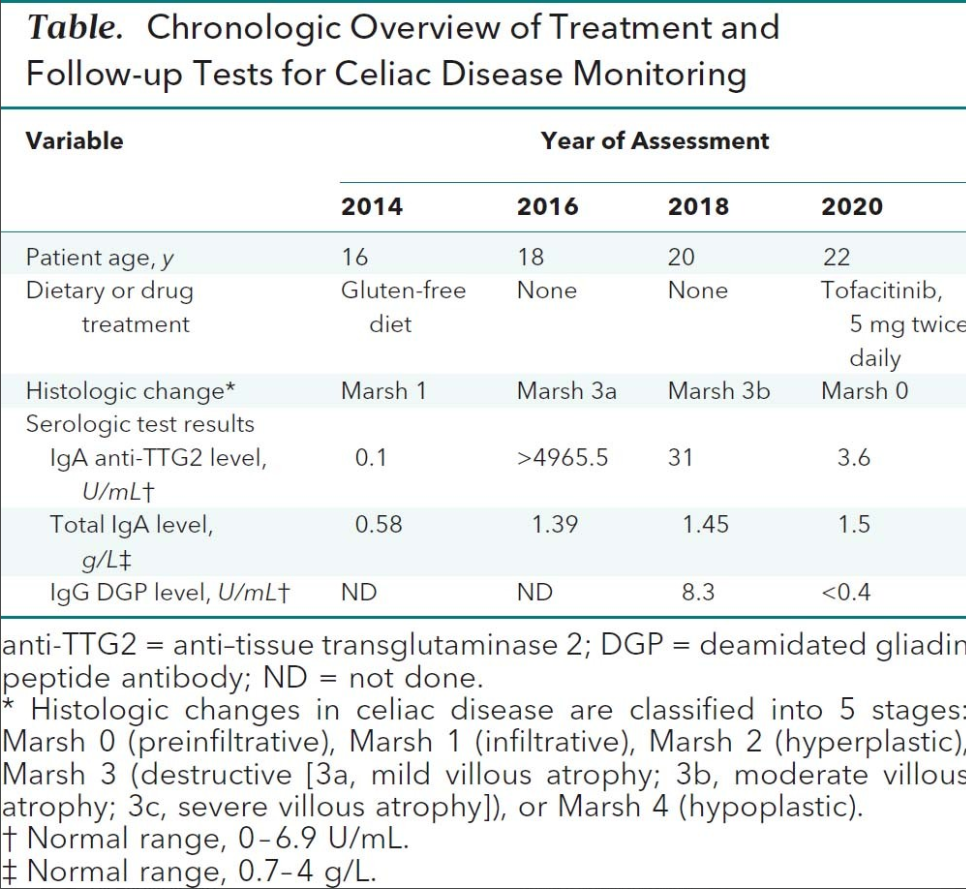
Briefly noted: L Waters et al. Annals Int Med 2020; doi:10.7326/L20-0497. Celiac Disease Remission With Tofacitinib

The authors describe a male with a well-documented case of celiac disease and alopecia areata.  He was placed on tofacitinib off-label for his alopecia areata and it was discovered that his celiac disease had developed “complete histologic and serologic remission…while he was still on a gluten-containing diet.”  Prior to medication, he had confirmation of both severe histologic changes and high tTG IgA titers.

The authors note that tofacitinib inhibits CD8+ T-cell mediated enteropathy in a transgenic mouse model.

My take (borrowed from authors): Tofacitinib has many potential adverse effects but may considered for further study, especially in refractory celiac disease.

Table –From Annals of Internal Medicine Twitter Feed

_______________________________________


For those interested in voting by mail in November -don’t miss the deadline!

Does The Degree of Villous Atrophy Affect Long-Term Outcomes with Celiac Disease? Plus One

S Kroger et al. JPGN 2020; 71: 71-7.  This study, conducted from 1966-2014, examined long-term outcomes of individuals diagnosed with celiac disease in childhood. This study examined 906 children and sent questionnaires to 503 adults (212 responded) who were diagnosed in childhood.

Key findings:

  • More recent diagnosis (after 2006) has been associated with children having milder lesions, more often diagnosis due to screening (rather than symptoms) 30% vs. 25%, less anemia (16% vs 21%), less growth disturbances (22% vs. 36%), and lower TTG-2 titers (mean 64 U/L vs 120 U/L.
  • Among adults completing questionnaire, severity of villous atrophy at childhood diagnosis did not predict complications, persistent symptoms, quality of life, or adherence with glute-free diet

RV Lopez et al. JPGN 2020; 71: 59-63. Influence of the 2012 European Guidelines in Diagnosis and Follow-up of Coeliac Children With Selective IgA Deficiency. This study showed that the guidelines were used incorrectly for individuals with selective IgA deficiency, using a 10-fold elevation of TTG IgG instead of TTG IgA. The associated editorial (pg 2 by P Gillett) recommends “we should perform endoscopy in all sIgAD patients.”  In addition, this population may merit followup endoscopy at much lower threshold due to difficulty using serology for follow-up.

My take: Children with severe villous atrophy due to celiac disease can respond fully to a gluten-free diet.  In the small subset of individuals with selective IgA deficiency, a no-biopsy diagnosis is not recommended.

Related blog posts:

Study May Indicate Biologic Basis for Brain Fog in Persons with Celiac Disease

From The Onion: Dumbass Dog Wearing Face Mask All Wrong

From The Onion


A recent study (ID Croall, et al. Gastroenterol 2020; 158: 2112-22), using a UK Biobank with 500,000 adults, compared 104 participants with celiac disease to 198 healthy age-matched controls (mean age 63 years).

The authors examined cognitive outcomes, mental health outcomes and imaging data (MRI, diffusion tensor imaging).

Key findings: 

  • The celiac cohort had significant deficits in reaction time (P=.004), anxiety (P=.025), depression (P=.015), thoughts of self-harm (P=.025), and health-related unhappiness (P=.01)
  • Imaging studies showed white matter changes “which match up well anatomically with the regions affected in the celiac-related neurologic syndrome gluten ataxia.”

Limitations: study lacked data on celiac treatment status –whether better control or earlier diagnosis/treatment would reduce CNS complications is uncertain.  Also, whether these findings are more or less prevalent in individuals with undiagnosed celiac disease is unclear.

My take: This study provides further evidence that celiac disease results in significant neurologic problems and further reasons for those with celiac disease to adhere to a strict gluten-free diet (as other studies of neurologic outcomes indicate that a GFD can improve/reverse neurologic morbidities).

Related blog posts:


Growth in Children at Risk for Celiac Disease & Emapalumab for Hemophagocytic Lymphohistiocytosis

Briefly noted:  R Auricchio et al. Archives of Disease in Childhood 2020; http://dx.doi.org/10.1136/archdischild-2019-317976. Growth rate of coeliac children is compromised before the onset of the disease Thanks to Mike Hart for the reference.

Methods:   We analysed the growth patterns of infants at genetic risk of CD, comparing those who developed CD by 6 years of age (CD ‘cases’, 113 infants) versus those who did not develop CD by 6 years (no CD ‘controls’, 831 infants).

Key finding: The growth of children at risk of CD rarely fell below ‘clinical standards’. However, growth rate was significantly lower in cases than in controls. Our data suggest that peculiar pathways of growth are present in children who develop CD, long before any clinical or serological signs of the disease appear.

F Locatell et al. NEJM 2020; 382: 1811-22. This open-label study (n=34) investigated emapalumab, a human anti-interferon-gamma antibody, for the treatment of primary hemophagocytic lymphohistiocytosis (HLH). Of the 26 patients who completed the study, approximately 65% had a response (based on clinical and lab features) and were able to proceed to transplantation.

Related blog posts:

@AmyOxentenkoMD: Celiac Disease and Mimics

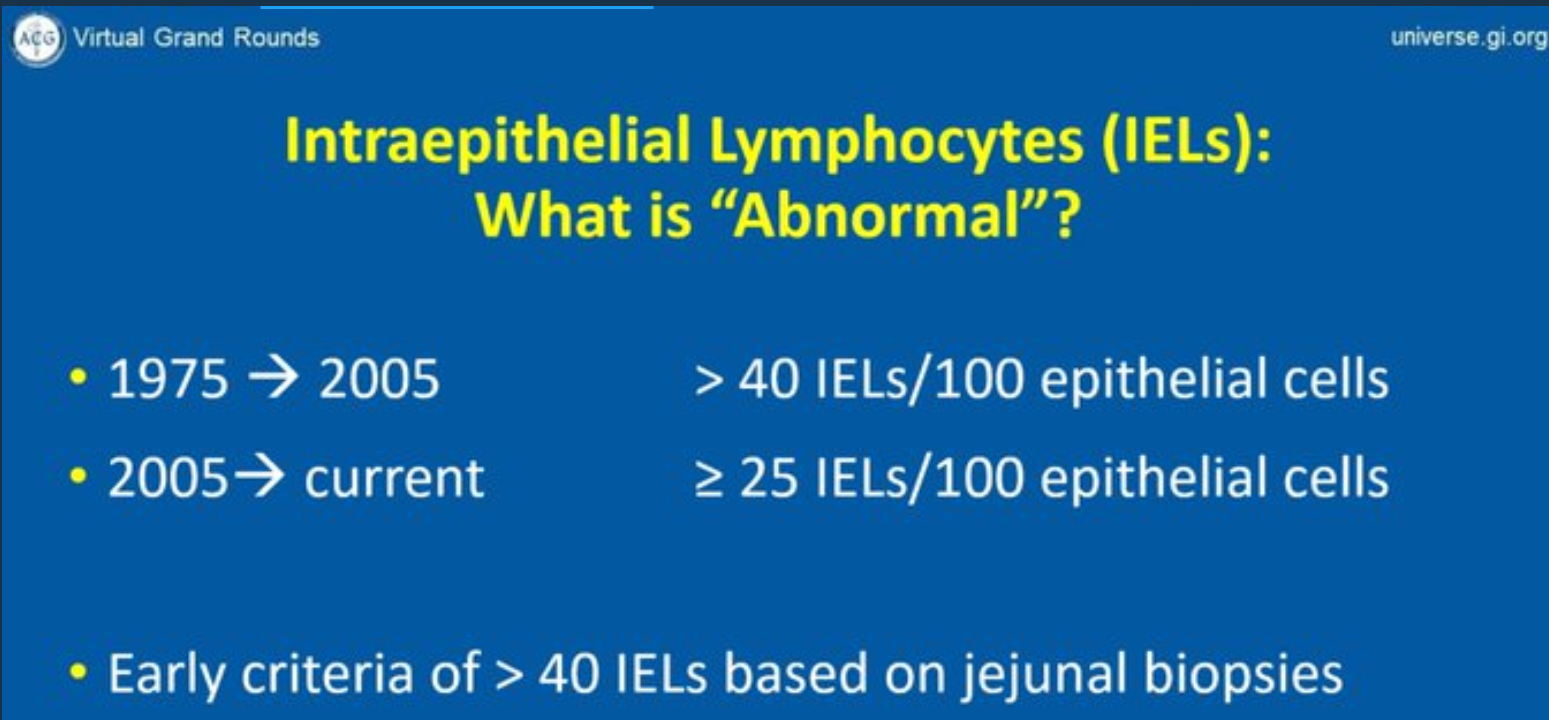
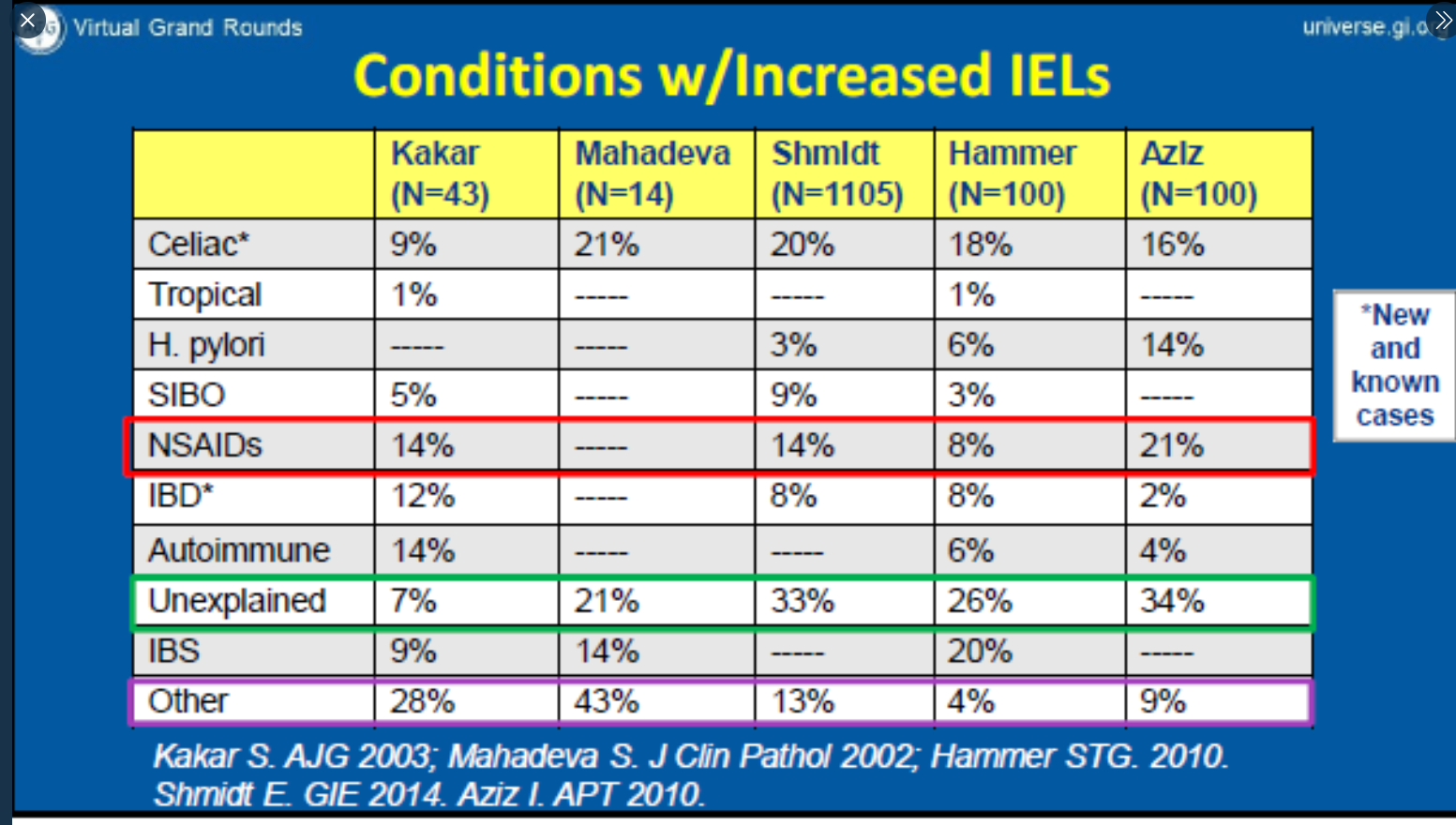
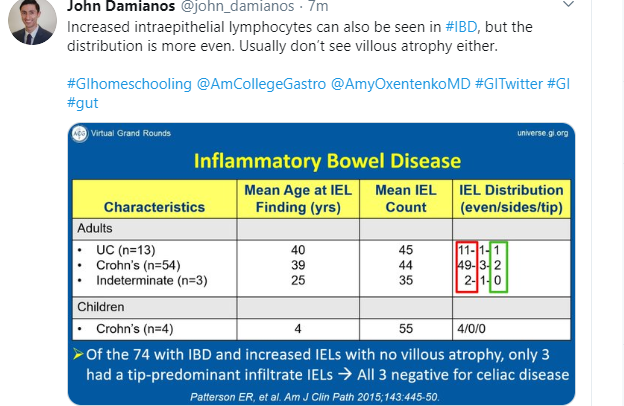
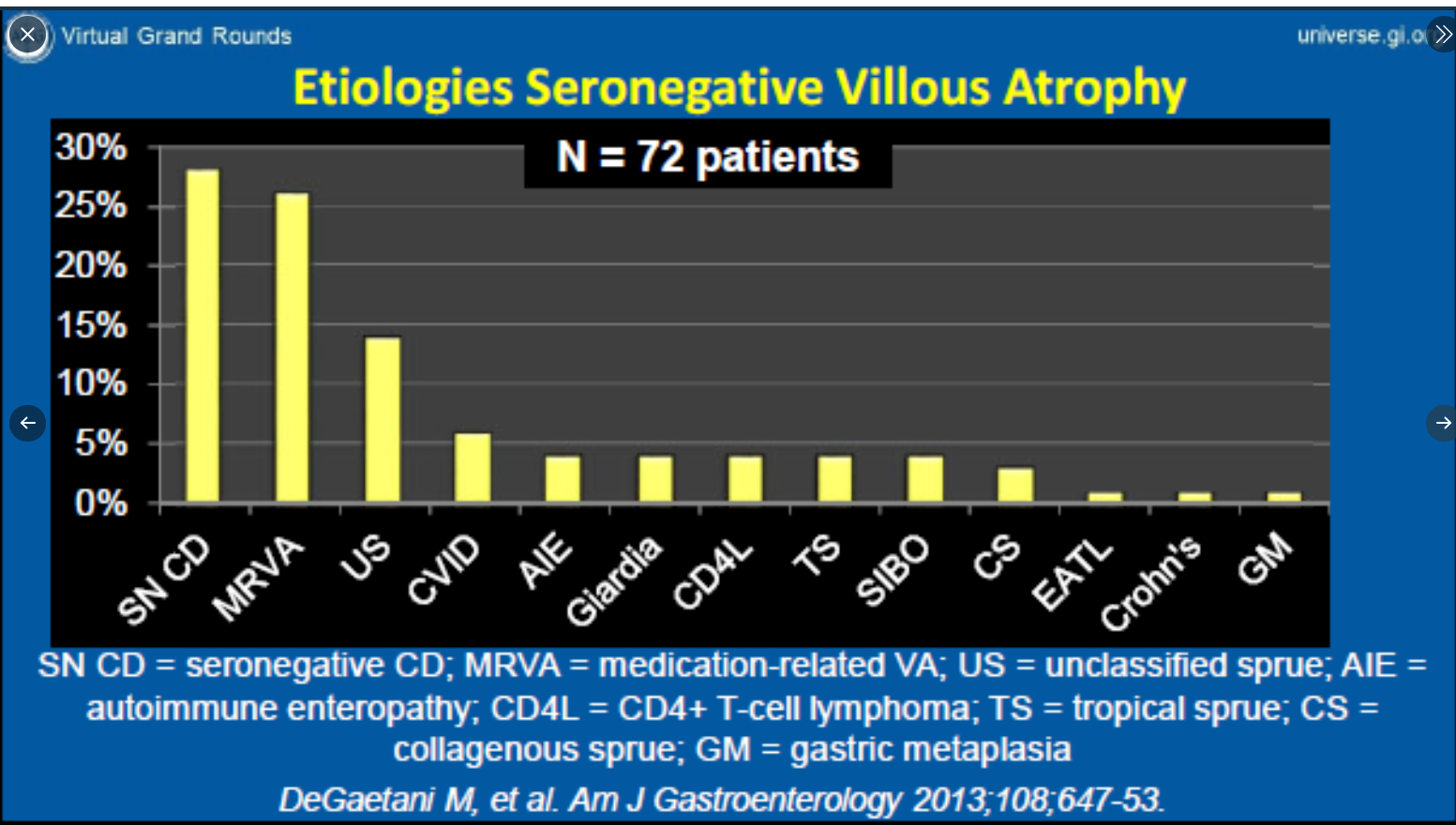
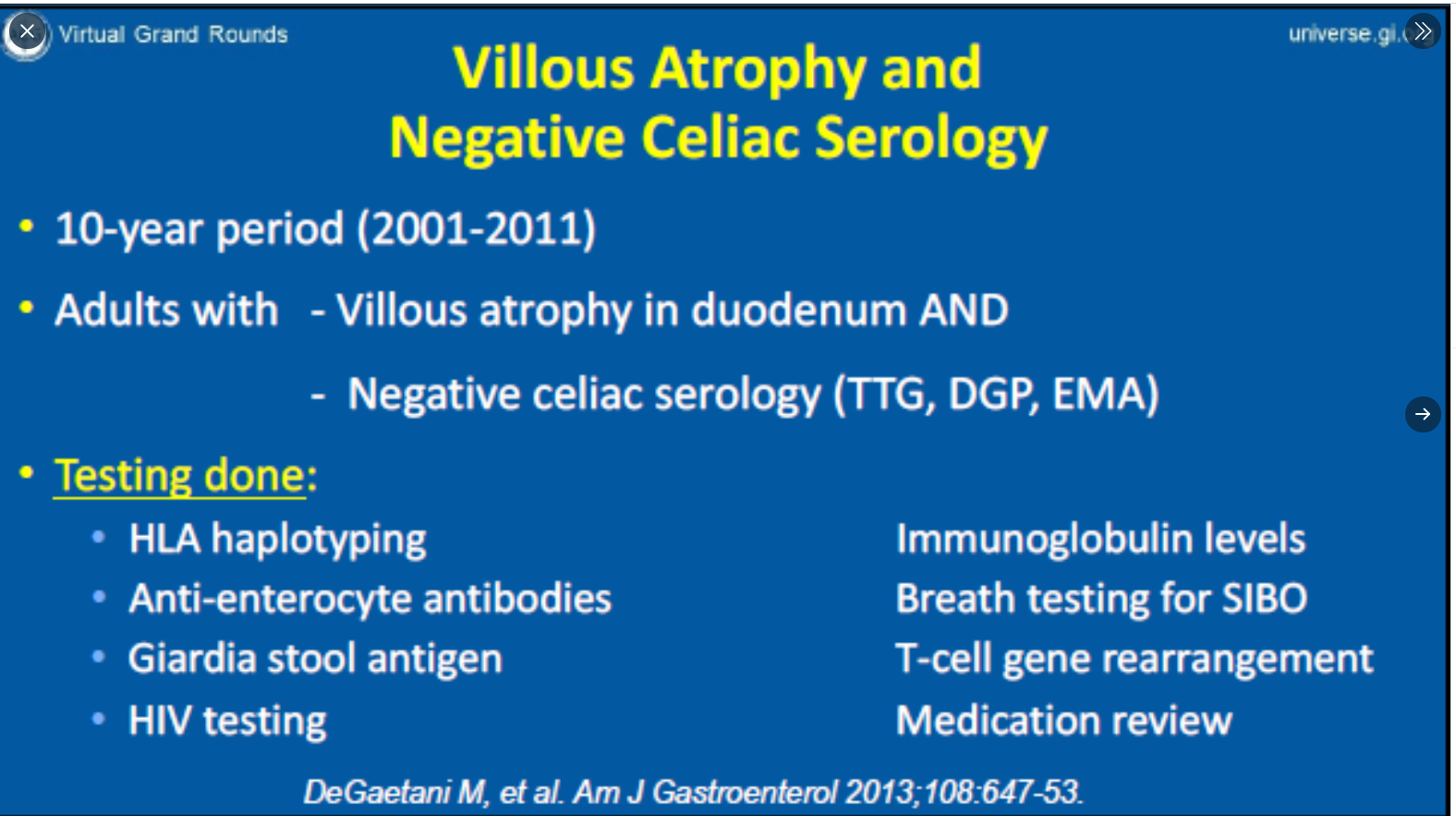
One trend lately has been the use of twitter for virtual lectures (ACG Free Virtual Grand Round Lectures).  A recent example from ACG highlighted Celiac disease. Reviewed topics included seronegative celiac disease as well as other conditions that can create similar histology findings.

Here is a link to full slide set PDF: Celiac Disease Or Not?

Here are some of the slides:

Is A Gluten-Free Diet Possible? DOGGIE BAG Study. And Face Mask Use in U.S.

A recent study (JA Silvester et al. Gastroenterol 2020; 158: 1497-99)  examined the diet of 18 participants with celiac disease who endorsed no intentional gluten ingestion.

From BeyondCeliac website: CELIAC DISEASE RESEARCHERS EXAMINE THE CONTENT OF PATIENTS’ DOGGIE BAGS

There are two ways you could interpret the name of the new Doggie Bag study, which investigates how much gluten people with celiac disease are getting in their diets. And each would be correct.

Participants in the study provided portions of all the food they ate over 10 days – what you could think of as the doggie bag you bring home from a restaurant. They also provided stool samples, which might bring to mind the bags dog owners use to clean up after their pets.

Either way, the name reflects the commitment made by 18 celiac disease patients on the gluten-free diet who took part in the 10-day review of all the gluten going in and coming out of their bodies. Urine samples were also collected.

Celiac disease researchers tested all the samples for the presence of gluten immunogenic peptides (GIP) and concluded that 66 percent of the patients trying to follow a strict gluten-free diet showed evidence, by one measure or another, of being exposed to gluten. The amount of gluten varied from .23 milligrams (mg) to more that 40 mg with each exposure. Up to 10 mg of gluten per day is generally considered a safe level of gluten consumption for most people with celiac disease, according to the University of Chicago Celiac Disease Center.

Key findings:

  • 25 of 313 (8%) of food samples from 9 participants had detectable gluten with a median of 11 parts per million
  • 12 of 18 with good or excellent GFD adherence based on standardized self-report were exposed to gluten within the 10-day study period
  • Among the 12 with gluten detected in their diet, 5 (42%) had abnormal TTG IgA antibody levels and 8 (66%) had Marsh 3A histology; in the 6 with no gluten detected, 2 (33%) had abnormal TTG IgA antibody levels and 2 (33%) had Marsh 3A histology

My take: For many patients with celiac disease, a “GFD may be more aspirational than achievable, even by highly committed and knowledgeable individuals.”

Related blog posts:


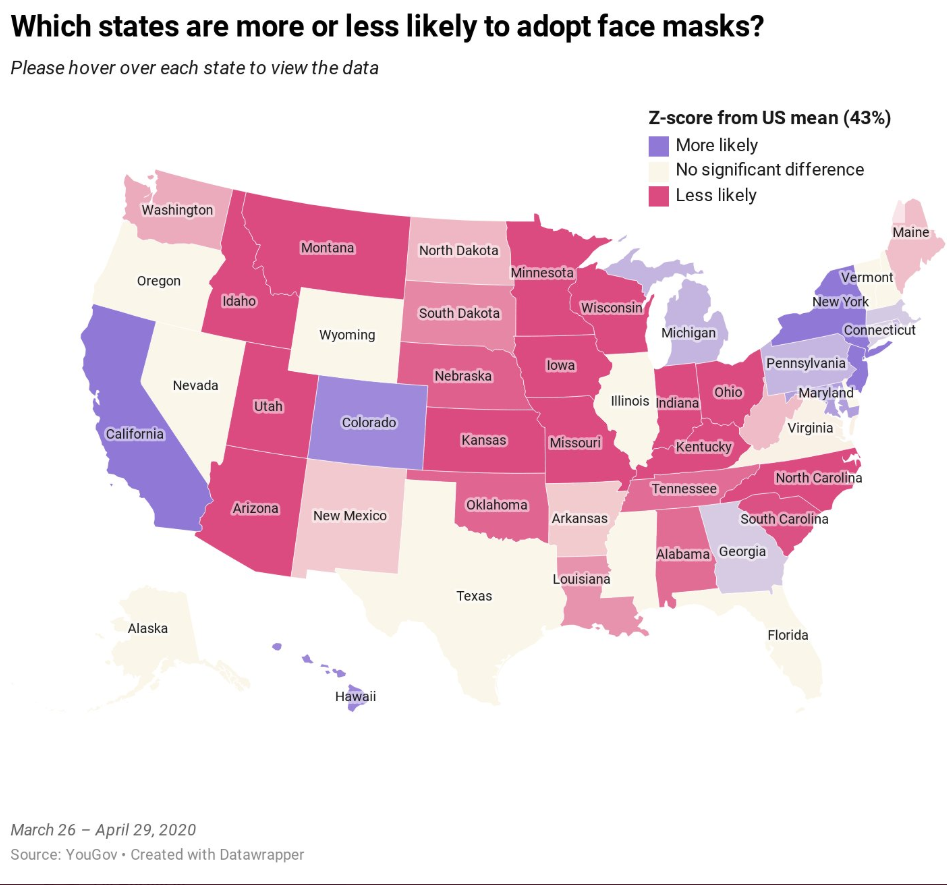
From YouGov survey: The states that are more and less likely to adopt face masks

  • Methodology: The survey is based on the interviews of 89,347 US adults aged 18 and over between March 26-April 29, 2020. All interviews were conducted online and the results have been weighed to be nationally representative.
  • During the course of April, the share of Americans who wore face masks while out in public surged from 17 percent at the start of the month to 63 percent by month’s end
  • A state-by-state analysis reveals some states are significantly more likely to adopt face masks than others. Georgia was ahead of nationwide average during study period (45% compared to 43% nationwide)


Disclaimer: This blog, gutsandgrowth, assumes no responsibility for any use or operation of any method, product, instruction, concept or idea contained in the material herein or for any injury or damage to persons or property (whether products liability, negligence or otherwise) resulting from such use or operation. These blog posts are for educational purposes only. Specific dosing of medications (along with potential adverse effects) should be confirmed by prescribing physician.  Because of rapid advances in the medical sciences, the gutsandgrowth blog cautions that independent verification should be made of diagnosis and drug dosages. The reader is solely responsible for the conduct of any suggested test or procedure.  This content is not a substitute for medical advice, diagnosis or treatment provided by a qualified healthcare provider. Always seek the advice of your physician or other qualified health provider with any questions you may have regarding a condition

Celiac Studies -Increasing Prevalence (Italy) and Nonadherence Risks

S Gatti et al. Clin Gastroenterol Hepatol 2020; 18: 596-603.   The authors screened 4570 children (5-11 year olds) from 2015-16; this study included 80% of eligible children from two metropolitan areas in Italy.

Key findings:

  • 77 cases of children met diagnostic criteria for celiac disease (54 met criteria and 23 prior known cases)
  • Prevalence in this population, overall, was 1.58% (2015-16); in 1993-95, the adjusted prevalence was 0.88%
  • Celiac disease autoimmunity was noted in 96 .
  • 1960 (43%) had celiac disease associated haplotypes

A Myleus et al. Clin Gastroenterol Hepatol 2020; 18: 562-73.  In this systematic review, 49 studies (out of initial 703) were included in final analysis to determine risk factors and outcomes with nonadherence to treatment with gluten free diet.

Key findings:

  • Large range of adherence rates: 23% to 98% (median rates were 75-87%).
  • Adolescents were at increased risk of non-adherence
  • Children whose parents had good knowledge had higher adherence rates
  • There was not improved adherence over time, despite improvement in palatable gluten-free foods.

One of the other findings in the study was the lack of consensus about what defines strict adherence and how to measure it.

My take: The first study is in agreement with many others which have demonstrated higher prevalence of celiac disease now compared to previously.  The second study shows that adherence with treatment is highly variable and difficult to measure.

Related blog posts:

Screenshot (797)

UNC Campus Pic (Chapel Hill)

Neurologic Toll of Celiac Disease

A recent prospective cohort study (M Hadjivassiliou et al. Clin Gastroenterol Hepatol 2019; 17: 2678-86) shows an alarmingly-high level of neurologic deficits in 100 consecutive adults (mean age 43 years) with a new diagnosis of celiac disease.

Key findings:

  • Gait instability in 24%
  • Persistent sensory symptoms in 12%; peripheral neuropathy was identified in 2%
  • Frequent headaches in 42%
  • Abnormal results from Brain MRI in 60%; 25% had brain white matter lesions beyond expectation for age group and 46% had abnormal MR spectroscopy of the cerebellum
  • Anti-TG6 antibodies were detected in 40% of patients and this subgroup had significant atrophy of subcortical brain regions compared to patients who were Anti-TG6 antibody-negative

Some neurologic findings improve on a gluten-free diet (GFD).  In previous studies of patients with CD and headaches, 75-80% improved or subsided after a year of strict adherence to a GFD.

My take: This study indicates that early diagnosis of celiac disease along with strict adherence to a gluten-free diet is likely to prevent permanent neurologic disability.

Related blog posts:

Improving Care Process in Celiac Disease

Previous studies have documented numerous deficiencies in the care of children with celiac disease, particularly with regard to followup.  A recent study (B Sparks et al. J Pediatr 2020; 216: 32-6) demonstrates that using a prospective patient registry can improve many aspects of care and allows scrutiny of other aspects for further improvement.

In this single center study with 25 pediatric gastroenterologists, the authors reviewed the experience in establishing their “Celiac Care Index.”

Key findings:

  • There was improved adherence: 77%–>89%
  • Improved rates of followup serology: 50–>90%
  • Improved completion of agreed-upon bloodwork: testing for ALT increased from 74% to 96%, Vitamin D from 36% to 83%, and checking hepatitis B immune status from 30% to 80%

When looking at their ‘smartset’ labs obtained in most of their 145 patients, the authors note that several may not be needed:

  • Iron: the authors state that serum iron is not needed in those who have had a ferritin and a CBC.
  • Thyroid testing: no patients had an abnormal free T4 and very few had an abnormal TSH (8 of 120 =7%).  In the subset with abnormal TSH, 5 were normal on repeat testing, 2 had previously recognized thyroiditis, and 1 had TSH elevation related to obesity.

Lab Findings:

  • Hepatitis B: 80 of 115 (70%) showed a lack of immunity to hepatitis B
  • Vitamin D (25-OH): 19 of 114 (17%) had values less than 20 ng/mL
  • ALT: 23 of 131 (18%) had values of ≥40 U/L

My take:

  1. This study shows that careful tracking of patients results in better adherence with established goals and allows for useful modifications.
  2. More long-term followup is needed –some abnormalities, like Vitamin D, may improve with treatment of the underlying disease even in the absence of vitamin D supplementation.
  3. Also, a majority of children lacked an adequate immune response to hepatitis B; testing is important to determine who needs repeat immunization.

Related blog posts:

Signage at a restaurant’s bathroom near Mount Tremblant

Disclaimer: This blog, gutsandgrowth, assumes no responsibility for any use or operation of any method, product, instruction, concept or idea contained in the material herein or for any injury or damage to persons or property (whether products liability, negligence or otherwise) resulting from such use or operation. These blog posts are for educational purposes only. Specific dosing of medications (along with potential adverse effects) should be confirmed by prescribing physician.  Because of rapid advances in the medical sciences, the gutsandgrowth blog cautions that independent verification should be made of diagnosis and drug dosages. The reader is solely responsible for the conduct of any suggested test or procedure.  This content is not a substitute for medical advice, diagnosis or treatment provided by a qualified healthcare provider. Always seek the advice of your physician or other qualified health provider with any questions you may have regarding a condition

How Often Do Adults Develop Celiac Disease After Negative Testing?

RS Choung et al. Gastroenterol 2020; 158: 151-9.  

Full abstract link: (which has link to full text): “Community-Based Study of Celiac Disease Autoimmunity Progression in Adults”

Methods: In this prospective cohort study, waste blood samples from residents of a community were tested for CeD autoimmunity at 2 time points. We analyzed waste blood samples from 15,551 adults for tTGA and, if titer results were above 2 U/mL, for endomysial antibody. The median interval between the two time points was 8.8 years.

Results:

  • Of the serum samples collected at the first time point, 15,398 had negative results for tTGA, and 153 had positive results for tTGA (>4 U/mL). Based on medical records, 6 individuals received a diagnosis of celiac disease, for a cumulative incidence of celiac disease diagnosis of 0.06% over 10 years.
  • Forty-nine (0.32%) individuals with a negative result from the first serologic test for tTGA had a positive result from the second test
  • Among the 153 adults who were tTGA positive at the first time point, 31 (20%) had a subsequent diagnosis of celiac disease, 81 (53%) remained positive for tTGA without a clinical diagnosis of celiac disease, and 41 (27%) had negative test results for tTGA at the second time point.