This was a retrospective cohort study which included 169 patients who never smoked actively, 91 patients (54%) were exposed to passive smoking.
Key finding:
Exposed patients were more likely to undergo intestinal surgery than nonexposed patients (67% vs 30%; P < 0.001). Multivariate Cox regression analysis revealed that passive smoking was an independent risk factor for intestinal surgeries (hazard ratio, 1.7; 95% CI, 1.04–2.9; P = 0.034)
Smoking has long been identified as one of the strongest environmental risk factors for both the development of Crohn disease (CD) and the worsening of the disease course.
Studies in smokers with CD have reported that the risk of flares and complications matches that of nonsmokers with CD after 1 year of abstinence.
It would be reasonable to expect that a similar risk reduction exists for patients who can become passive-smoke-free. In addition, their likelihood of remaining smoke-free themselves is increased if they live in a smoke-free household.
My take (from editorial): “Clinicians should consider widening the scope of smoking cessation counseling to include not just patients but also their cohabitants.”
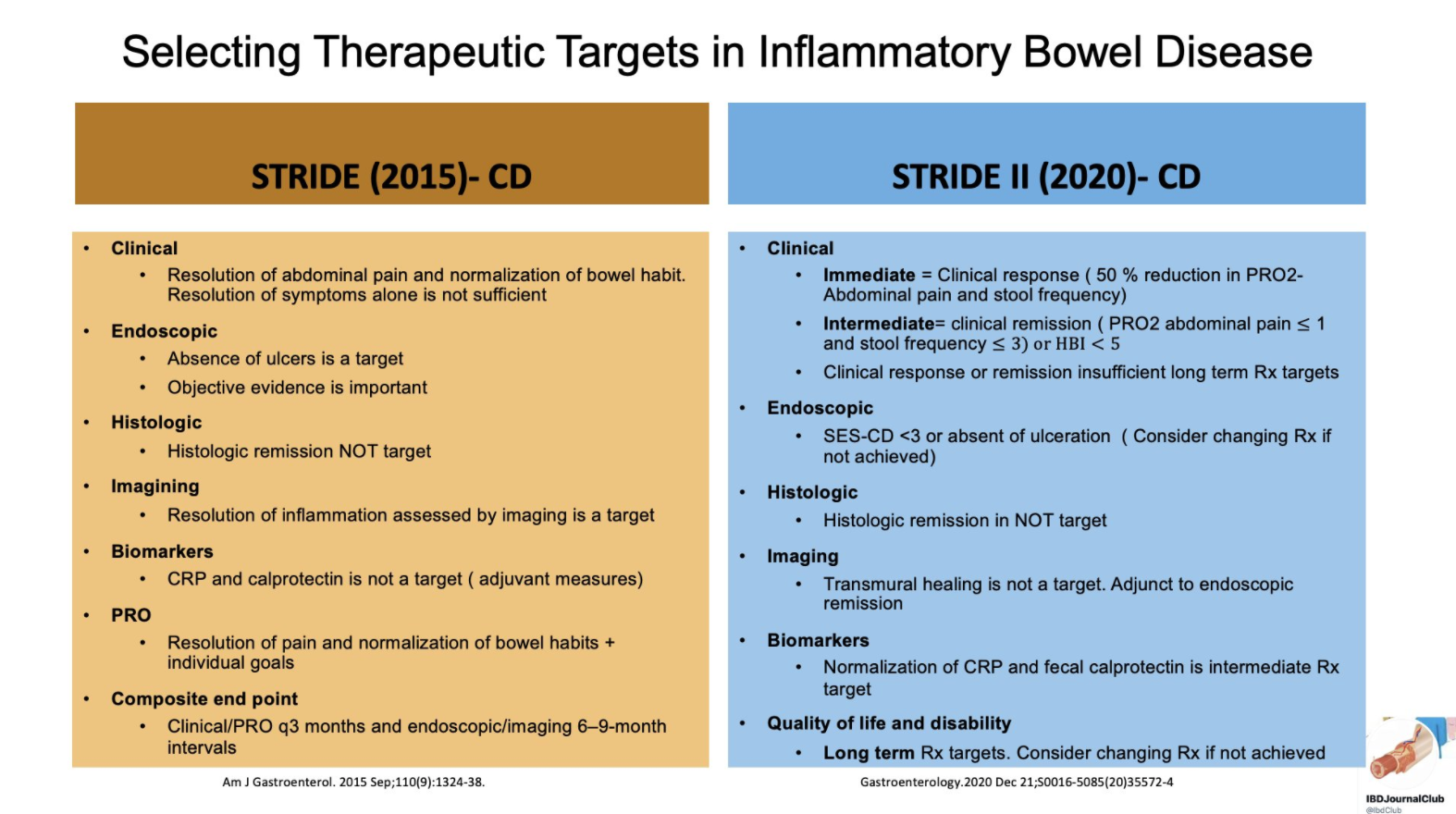
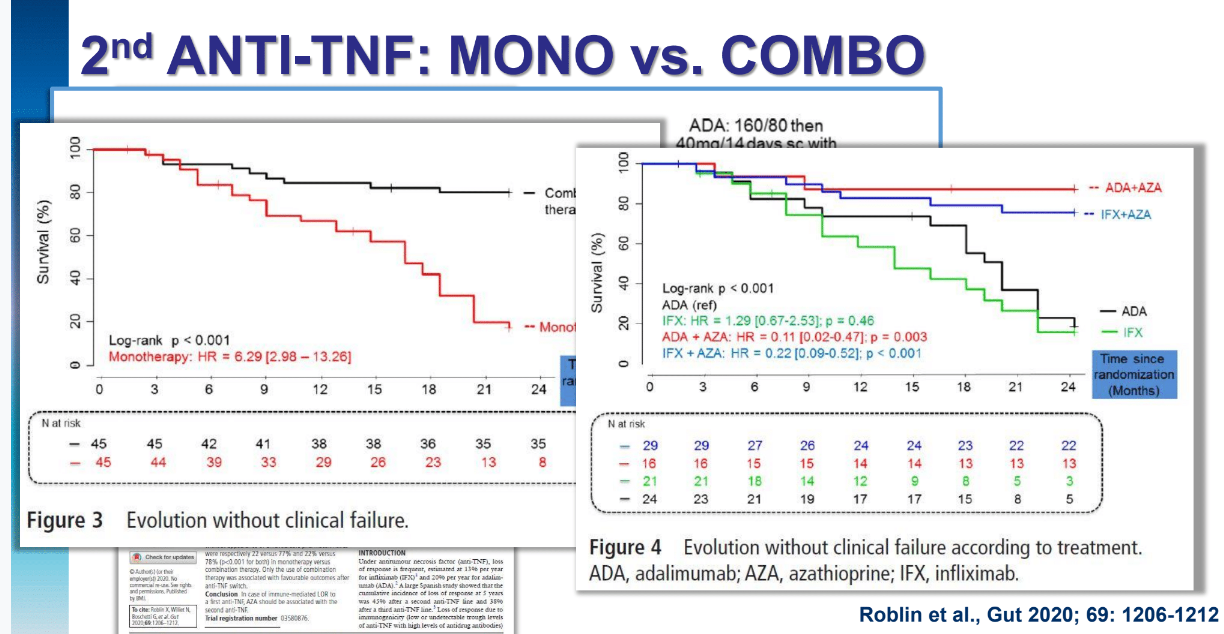
From Tauseef Ali’s Twitter Feed — a summary slide of Crohn’s disease targets for both pediatric and adult patients and a slide showing typical response/remission/healing times to medications.
Recommendations were based on a systematic review of the literature and iterative surveys of 89 IOIBD members, recommendations were drafted and modified in two surveys and two voting rounds.
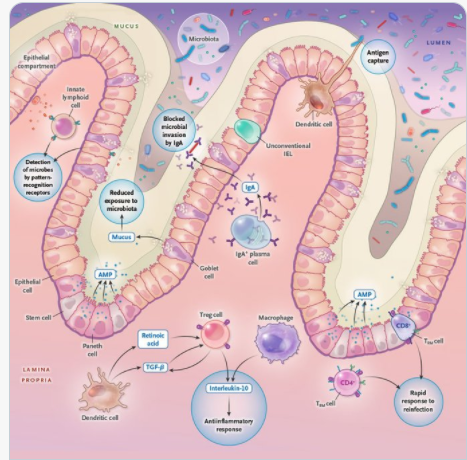
A recent review (JT Chang. NEJM 2020; 383: 2652-2664. Pathophysiology of Inflammatory Bowel Diseases) provides an in-depth description of the pathophysiology of inflammatory bowel disease (IBD). Digesting the article is akin to putting together a 1000 piece puzzle due to the complex interactions.
Some of the Key Points:
Based on genomewide association studies, there are “more than 240 risk variants that affect intracellular pathways recognizing microbial products (eg. NOD2); the autophagy pathway, which facilitates recycling intracellular organelles and removal of intracellular microorganisms (eg. ATG16L1); genes regulating epithelial barrier function (eg. ECM1); and pathways regulating innate and adaptive immunity (eg. IL23R and IL10).”
In this article, Figure 1 and 2 describe the intestinal mucosal immune system in health and disease. At baseline, this system promotes an antiinflammatory state “by virtue of active down-regulation of immune responses. For example, unlike macrophages in other parts of the body, intestinal macrophages do not produce inflammatory cytokines” after exposure to bacteria.
Other points:
Dysbiosis is present with IBD; however, studies have been “unable to infer causal relationships.”
Germ-free mice, when given fecal material from patients with IBD have increased susceptibility to colitis as compared to those who received fecal material from a healthy person.
Thus, this leads to potential for mitigating intestinal inflammation by modulation of the microbiome.
However, the authors note that humans are colonized by trillions of viral, fungal, bacterial, and eukaryotic microbes.
Other components of IBD pathophysiology: reduced mucus layer, increased microbial adherence, dysregulation of tight junctions/increased permeability, dysfunctional Paneth cells, TNF, IL23, IL12, IL6, IL 17A, IL17F, IL22, Interferon-gamma, integrins, JAK inhibitors, T-cells
My take: This article is a useful reference detailing the complexity of IBD pathophysiology and tries to summarize a whole textbook of information into 12 pages.
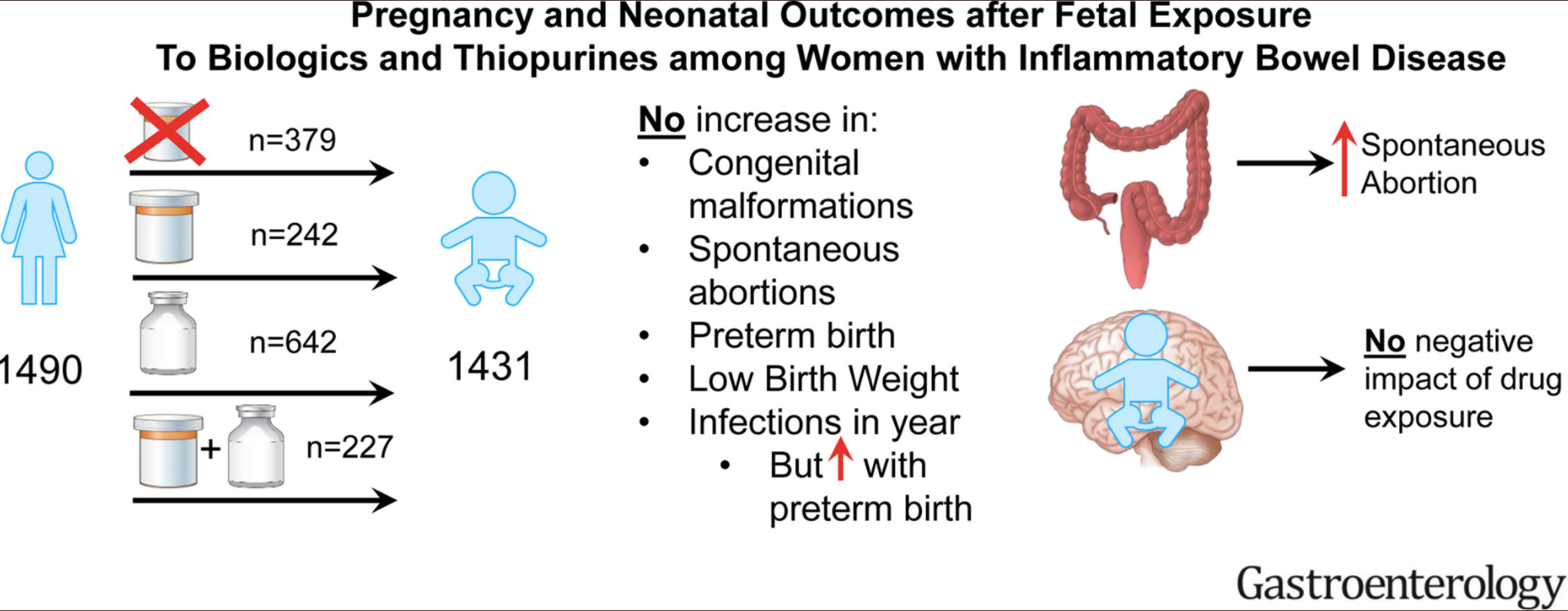
Methods: Between 2007 and 2019, pregnant women with IBD were enrolled in a prospective, observational, multicenter study across the United States (PIANO registry).
Key findings:
Exposure was to thiopurines (242), biologics (642) or both (227) versus unexposed (379)
Medication exposure did not increase the rate of congenital malformations, spontaneous abortions, preterm birth, LBW, and infections over the first year of life
Higher disease activity was associated with risk of spontaneous abortion (HR 3.41, 95% CI 1.51-7.69) and preterm birth with increased infant infection (OR 1.73, 95% CI 1.19-2.51)
My take: This study provides some reassurance that treatments for IBD are unlikely to affect neonatal outcomes; however, increased IBD activity does affect outcomes
“We found histologic evidence of UC activity (Geboes score ≥ 2B.1) in biopsies from 182 patients (65%) and endoscopic evidence of UC activity in 149 patients (53%) (substantial agreement, κ = 0.60).”
“Histologic features of UC activity were associated with increased rates of systemic corticosteroid use, colectomy, and hospitalization in the entire cohort (P < .05 for all) and associated with increased rates of systemic corticosteroid use in an analysis limited to patients in endoscopic remission (P < .001).”
At ileo-colonoscopy, 63% of patients had endoscopic healing and 55% had histologic evidence of healing. The level of agreement between endoscopic and histologic activity was fair (62%, K = 0.2250, P = .0064)
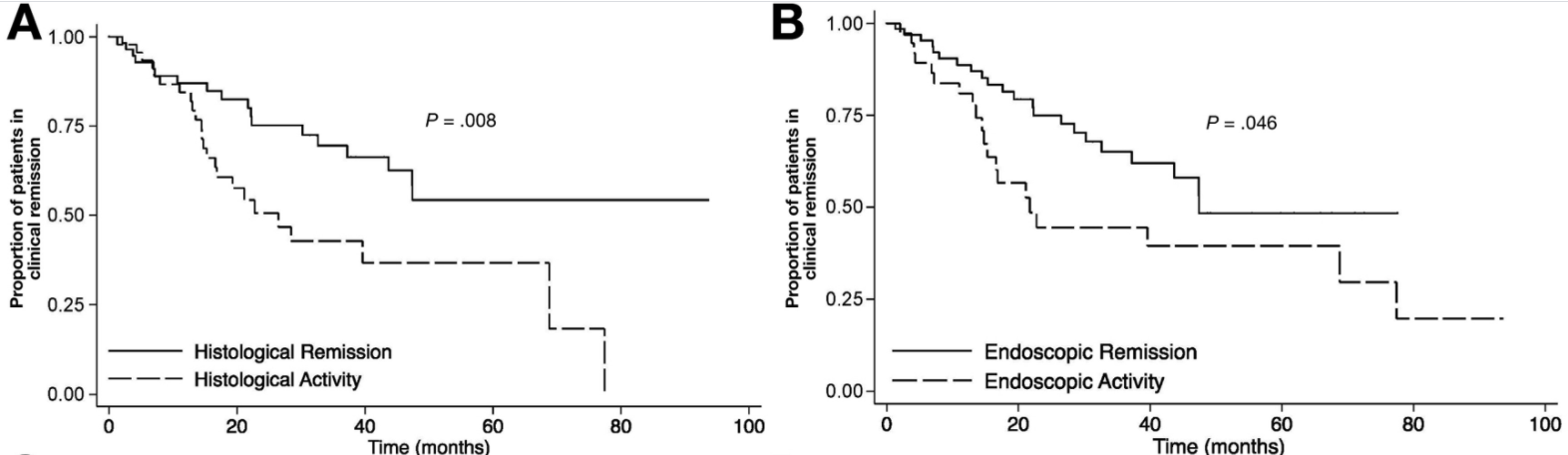
On multivariate analysis, only histologic healing was associated with decreased risk of clinical relapse (hazard ratio [HR], 2.05; 95% CI, 1.07–3.94; P = .031), medication escalation (HR, 2.17; 95% CI, 1.2–3.96; P = .011), and corticosteroid use (HR, 2.44; 95% CI, 1.17–5.09; P = .018).
Kaplan-Meier analysis of effect of endoscopic and histologic activity on (A) clinical relapse-free survival versus histologic healing, (B) clinical relapse-free survival versus endoscopic healing
D Kevans et al. Inflamm Bowel Dis 2020; 26: 1722-1729. Histological Markers of Clinical Relapse in Endoscopically Quiescent Ulcerative Colitis Key finding: In endoscopically quiescent UC (n=76), active histological inflammation …[is] adjunctive histological marker associated with increased likelihood of disease relapse. The associated editorial (1730-32 by Asher Kornbluth) quotes Voltaire: “A wise Italian says that the best is the enemy of the good.” He notes that there is “a very real risk of abandoning an effective drug while chasing the goal of some yet to be universally defined histologic remission.” Currently organizational guidelines (ACG, AGA, ECCO, IOIBD) do NOT suggest the use of histologic normalization as an endpoint at this point.
My take: These studies show that histologic healing in ileal Crohn’s disease and in ulcerative colitis are associated with better outcomes that endoscopic appearance. However, there are a lot questions because many patients, possibly a majority, will not achieve histologic healing despite aggressive treatment. Related technical issues include how many biopsies are needed to assess histology and having a validated histologic assessment.
Disclaimer: This blog, gutsandgrowth, assumes no responsibility for any use or operation of any method, product, instruction, concept or idea contained in the material herein or for any injury or damage to persons or property (whether products liability, negligence or otherwise) resulting from such use or operation. These blog posts are for educational purposes only. Specific dosing of medications (along with potential adverse effects) should be confirmed by prescribing physician. Because of rapid advances in the medical sciences, the gutsandgrowth blog cautions that independent verification should be made of diagnosis and drug dosages. The reader is solely responsible for the conduct of any suggested test or procedure. This content is not a substitute for medical advice, diagnosis or treatment provided by a qualified healthcare provider. Always seek the advice of your physician or other qualified health provider with any questions you may have regarding a condition.
I did not have the opportunity to hear this #NASPGHAN20 lecture but Dr. Benchimol has shared his slides. Link to Dropbox Slides: IBD Clinical Science: Year in Review
Some of the key points on slides (links to articles below):
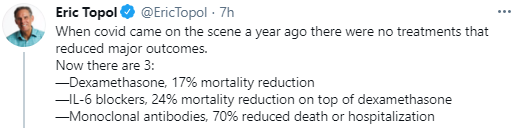
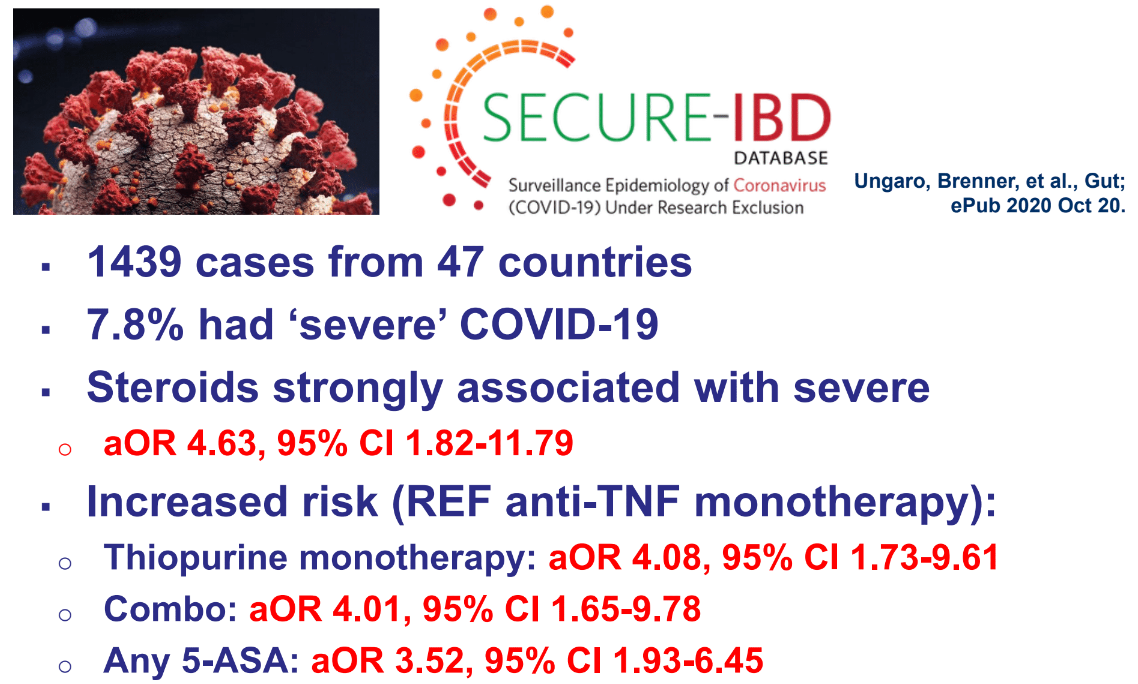
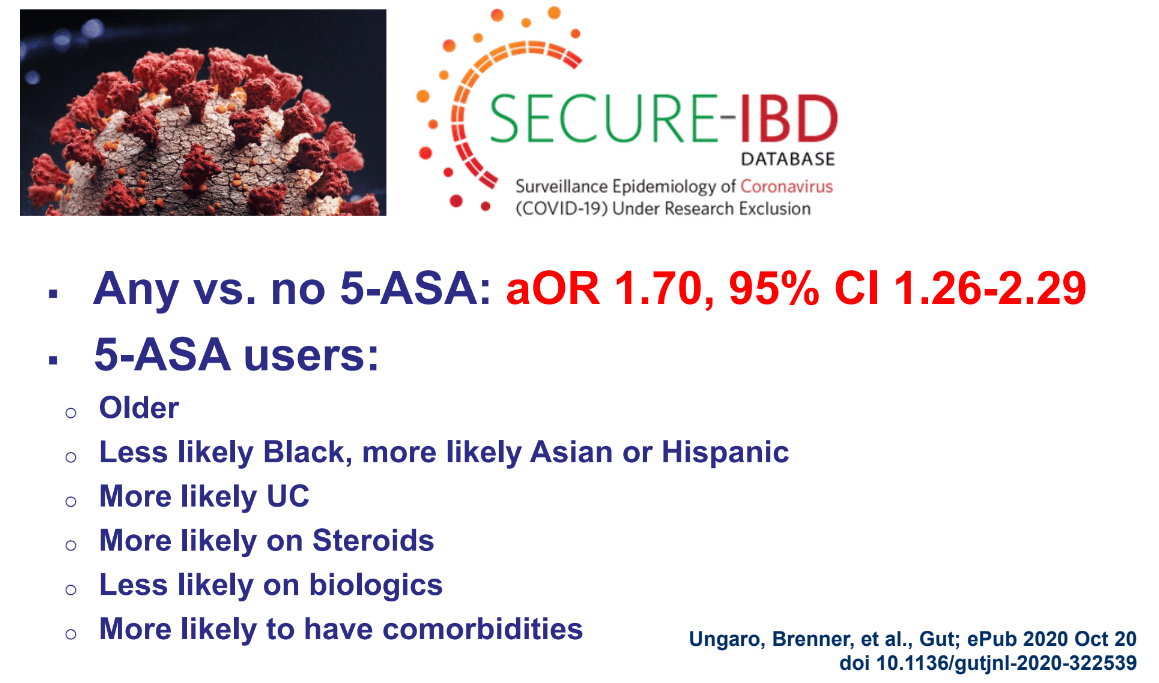
Lots of data on COVID-19 and IBD. Steroids and Thiopurines are associated with more severe disease whereas anti-TNF agents are not
Lower intestinal barrier function is associated with increased risk for development of Crohn’s disease
More greenspace associated with lower rates of development of IBD
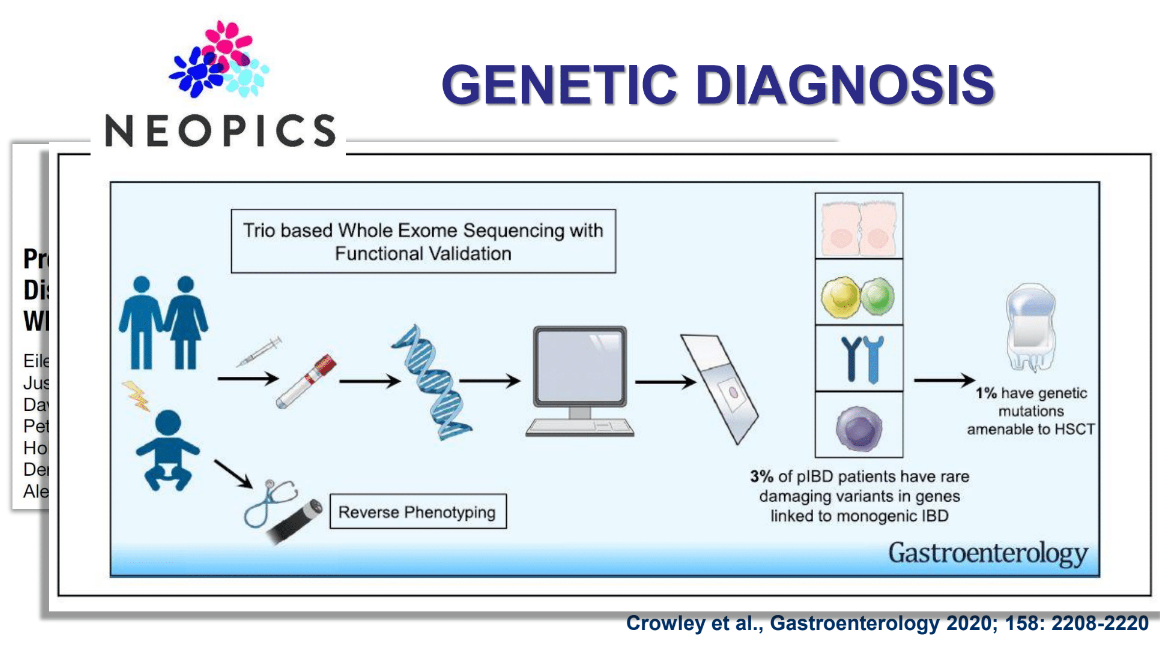
Exome sequencing has shown ~3% of pIBD with genetic mutations linked to monogenetic IBD & 1% with mutations which could benefit from HSCT. Identifying specific defects may lead to other treatments as well (eg. Leflunomide for TTC7A deficiency). Related blog posts:
Early biologic therapy associated with better long-term outcomes in adult and pediatric IBD
Reviewed data on adalimumab showing improvement in growth and relationship between good titers and clinical response (related post: IBD Update -September 2020)
Also, there will be a webinar for both patients and health care providers on November 19 with the SECURE-IBD steering committee as guests to go over the new data.
Methods: “We conducted a national, prospective multi-centre IBD inception cohort study, including 1399 children. Diagnostic delay was defined as time from symptom onset to diagnosis >75 th percentile.”
Key findings:
In CD, diagnostic delay was associated with a 2.5-times higher rate of strictures/internal fistulae (HR 2.53, 95% CI 1.41-4.56)
Every additional month of diagnostic delay was associated with a decrease in height-for-age z-score of 0.13 standard deviations
Diagnostic delay was more common in CD, particularly small bowel CD
My take: Delays in diagnosis in this study were associated with stricturing/internal fistulising complications and growth impairment in paediatric CD. It is likely that inadequate treatment would increase the risk of these problems as well.
CCFA: Updates in IBD (2017) -Dr. Kugathasan lecture discussed the RISK study and reported that there is likely a window of opportunity to more favorably affect natural history of the disease
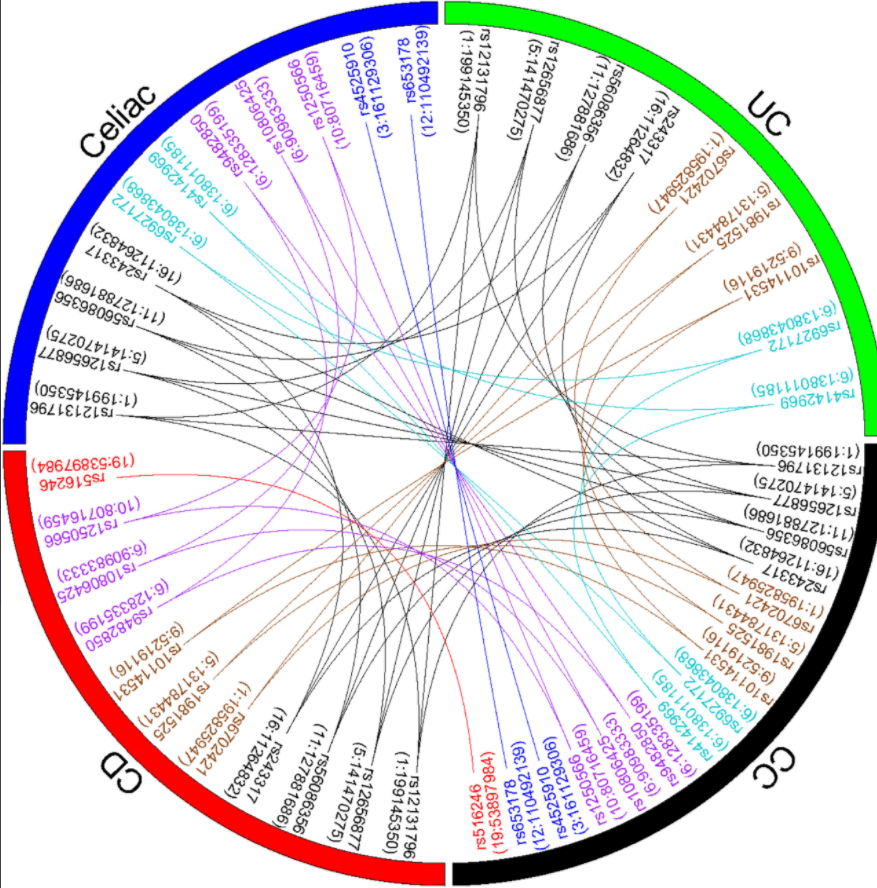
“In this largest genetic study of CC to date with histologically confirmed diagnosis, we strongly implicated the HLA locus and proposed potential non-HLA mechanisms in disease pathogenesis. We also detected a shared genetic risk between CC, celiac disease, CD, and UC.”
Anastomotic ulcers were present in 95 (52.2%) subjects. No factors were associated with anastomotic ulcer development.
Anastomotic ulcers were associated with disease recurrence (adjusted hazard ratio [aHR] 3.64)
The associated editorial by Philllip Fleshner (pg 1059) identifies are a number of methodologic flaws, noting that less than 20% of all ileocolonic resections were included and marked variability in postoperative assessment (from 29 days to 2897 days).
My take: (borrowed from the editorial) the “findings should convince us that anastomotic ulcers do not represent ischemic changes but are rather a reflection of disease progression.” Prospective studies with standardized surveillance would be helpful.
EM Kim et al. Inflamm Bowel Dis 2020; 26: 1232-38.Mucosal Eosinophilia Is an Independent Predictor of Vedolizumab Efficacy in Inflammatory Bowel Diseases n=65 patients. In IBD cohort, colonic eosinophilia (340 +/- 156 vs 236 +/- 124) was associated with clinical non-response to vedolizumab (as was prior anti-TNF treatment). In those with ulcerative colitis, mean eosinophil count was 438 in nonresponders compared to 299 in responders. In those with Crohn’s disease, colonic biopsies showed a non-significant increase in eosinophil count in non-responders compared to responders: 352 vs. 232.
Crohn’s disease subjects with Pittsburgh Sleep Quality Index (PSQI) >5 more often had inflammatory phenotypes and reported increased benzodiazepine and psychiatric medication use. Crohn’s disease subjects with PSQI >5 also reported more night awakenings due to pain and bathroom use.
The PSQI correlated with HBI
PSQI >8 was predictive of surgery or hospitalization (hazards ratio 5.37; 95% confidence interval, 1.39-27.54).
My take: This study indicates that poor sleep is a marker for increased adverse outcomes/disease activity. It may be that sleep disturbance is due to increased disease activity or this may be a bidirectional issue in which poor sleep triggers more disease activity as well.
This retrospective study provides additional information on the observation that children with PSC often have subclinical disease; it is similar to a prospective study by the same group in 2018 (n=37): (prior blog post: Active Colitis More Likely in Children in Clinical Remission Who Have IBD and PSC) Key finding: Higher proportions of children with PSC-IBD had backwash ileitis, pancolitis, and rectal sparing, and more severe right-sided disease, than controls (P < .05). Conclusions: “Despite the mild clinical activity of IBD in patients with PSC, lack of symptoms does not always indicate lack of mucosal inflammation. Children with PSC-IBD have greater growth impairments compared with children with ulcerative colitis or IBD-unclassified.”