When Is It OK To Ignore Laryngeal Penetration?

AL Miller et al. Dysphagia 2024; 39: 33-42. Predictive Value of Laryngeal Penetration to Aspiration in a Cohort of Pediatric Patients

This was a retrospective study with 97 patients over a 6 month period in 2018. The authors note that “there is no universally accepted protocol for pediatric video swallows across ages and conditions.”

Methods: Depth of penetration and/or aspiration and reaction were classified according to the 8-point Penetration–Aspiration scale [JC Rosenbek, et al. Dysphagia 11, 93–98 (1996). https://doi.org/10.1007/BF00417897]. The frequency of penetration events and aspiration was grouped into categories: none (1); infrequent or occasional episodes (at least 1 event to less than 30%) (2); intermittent episodes (30–40% of total swallows) (3); frequent episodes
(50% or greater of total swallows) (4). Data for all swallowing parameters was stratified by bolus type (thin liquid, thickened liquid, puree solid). All VFSS were independently
scored by two speech-language pathologists and two radiologists.

Key findings:

  • Aspiration was seen in 21% of patients (n=20 of 97).
  • Penetration events were more frequent and occurred in 64% of participants (n=62 of 97). . Of patients with any penetration events, 30% also had documented aspiration
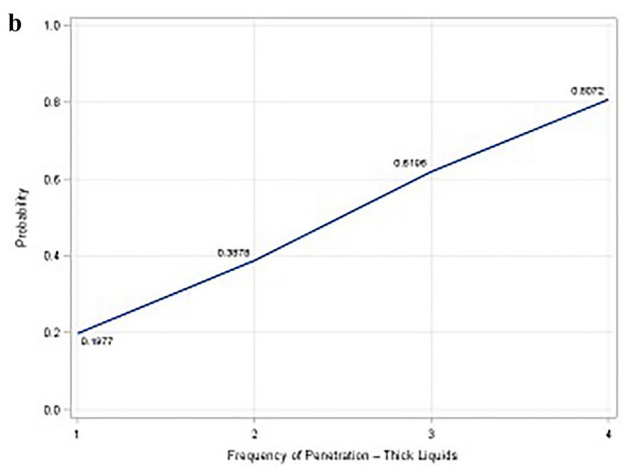
  • Frequency of penetration and aspiration: 80% of patients showing frequent penetration [frequency 4] demonstrating aspiration compared to 2.3% of patients with isolated penetration [frequency 1]. There was a higher risk of aspiration at lower frequency penetration if this occurred with thicker liquids (see below)
  • Depth of penetration and aspiration:. For patients with penetration contacting the vocal folds [depth 5], nearly 95% demonstrated documented aspiration within the same study; however, those with depths 1-3 had minimal risk of aspiration (see below). There was a higher risk of aspiration at shallow depths with thicker liquids.


My take
(borrowed from authors): “children with shallow, intermittent penetration events
without associated aspiration are likely to be demonstrating clinically insignificant events. Such children are therefore not appropriate candidates for compensatory or alternative feeding strategies such as changes in mode of delivery (e.g., gastrostomy tube), alteration of flow rate, or modification of liquid viscosity, such as thickened feedings.”

Related blog posts:

NASPGHAN Dysphagia Webinar: Dr. Khalil El-Chammas, Dr. Peter Osgood, and Dr. Jose Garza

I signed up for this webinar mainly to hear my partner Jose Garza’s presentation (who presented last), though all the speakers were good. I took a couple screenshots on my phone during the presentations. The webinar is available/archived at NASPGHAN website.

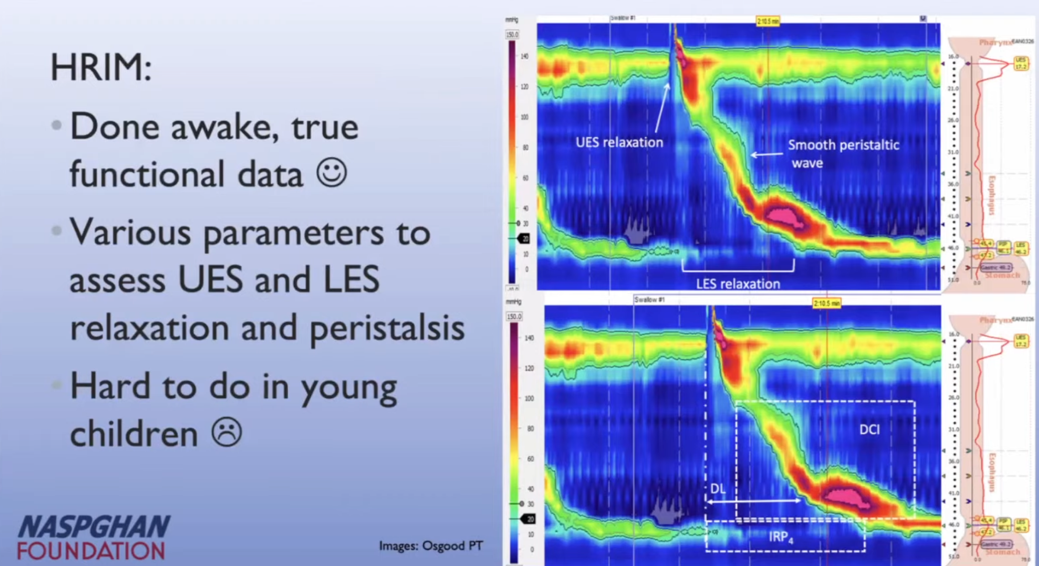
  • Dr. El-Chammas’ presentation gave a quick review on normal swallowing physiology, modalities for evaluation (eg. VSS, FEES) and showed some cool slides particularly with regard to pharyngeal manometry.
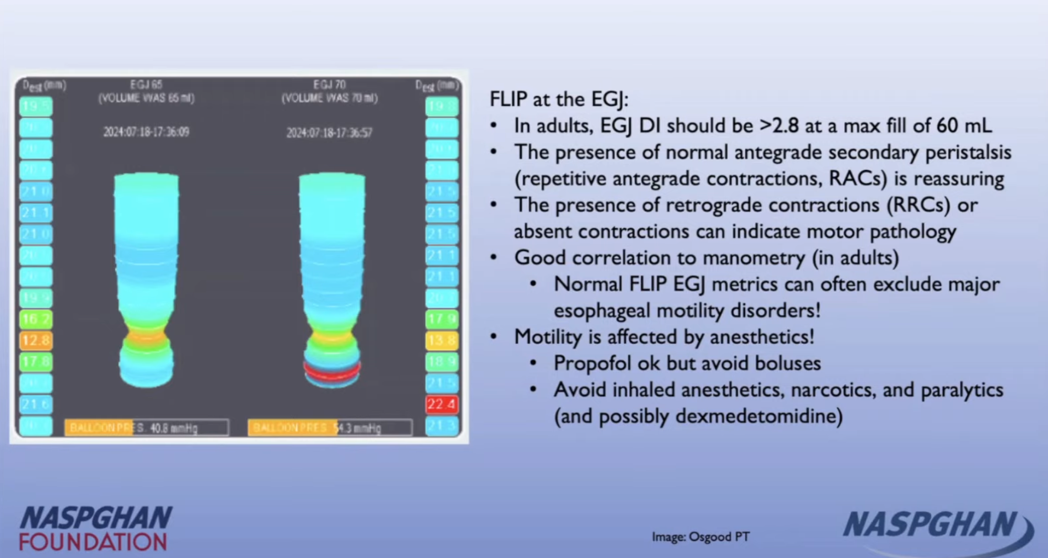
  • Dr. Osgood reviewed the etiologies/workup for dysphagia including helpful slides on esophagrams, FLIP and manometry.
Manometry typical of Type 2 Achalasia
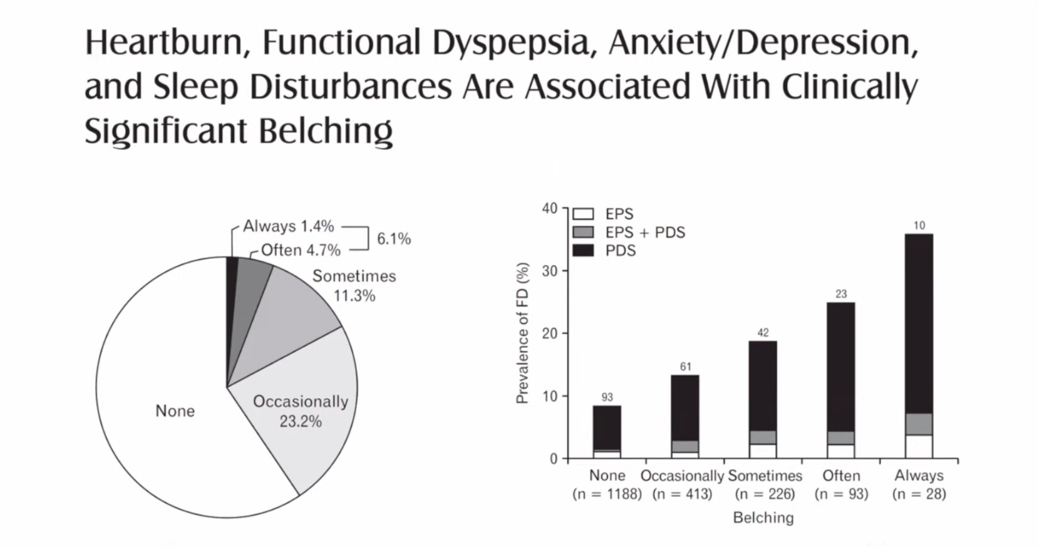
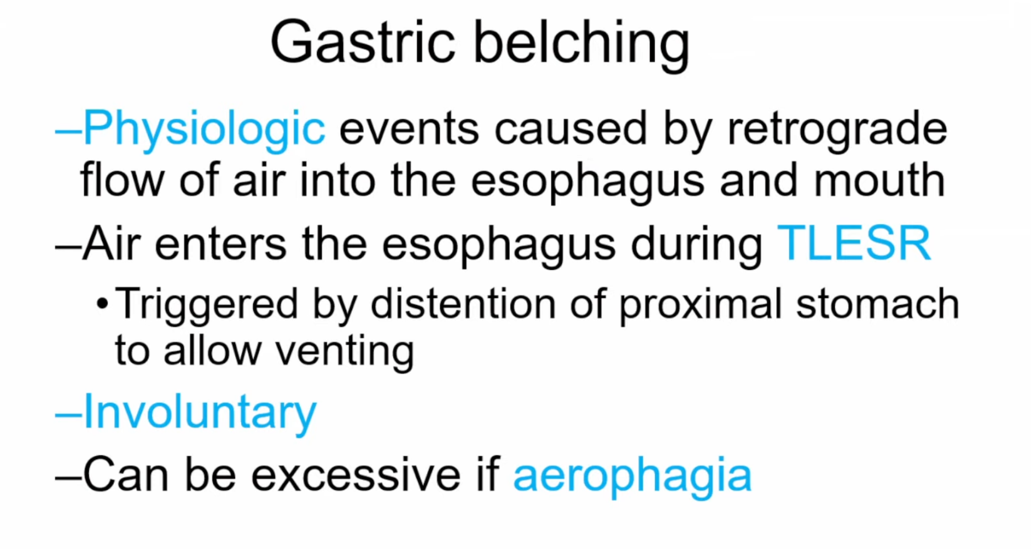
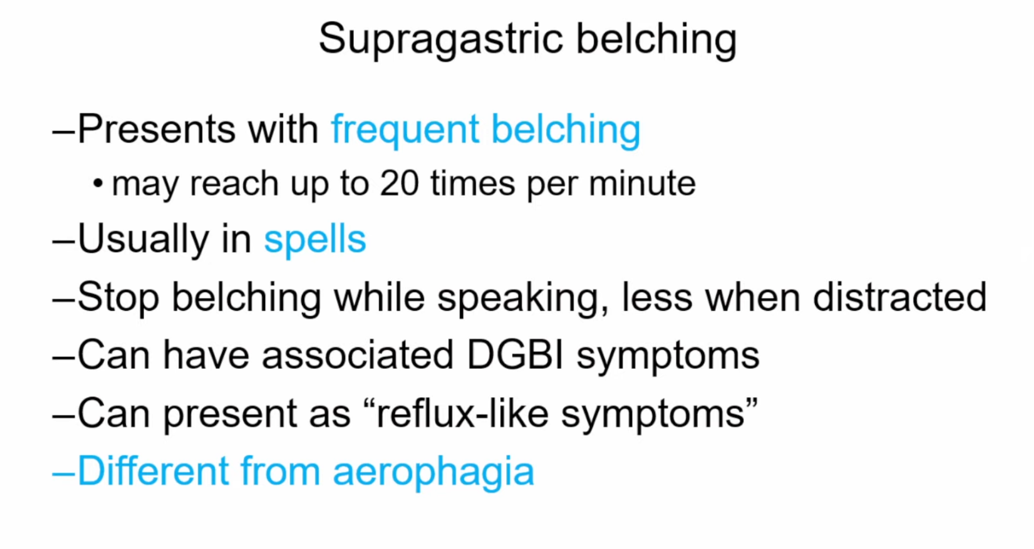
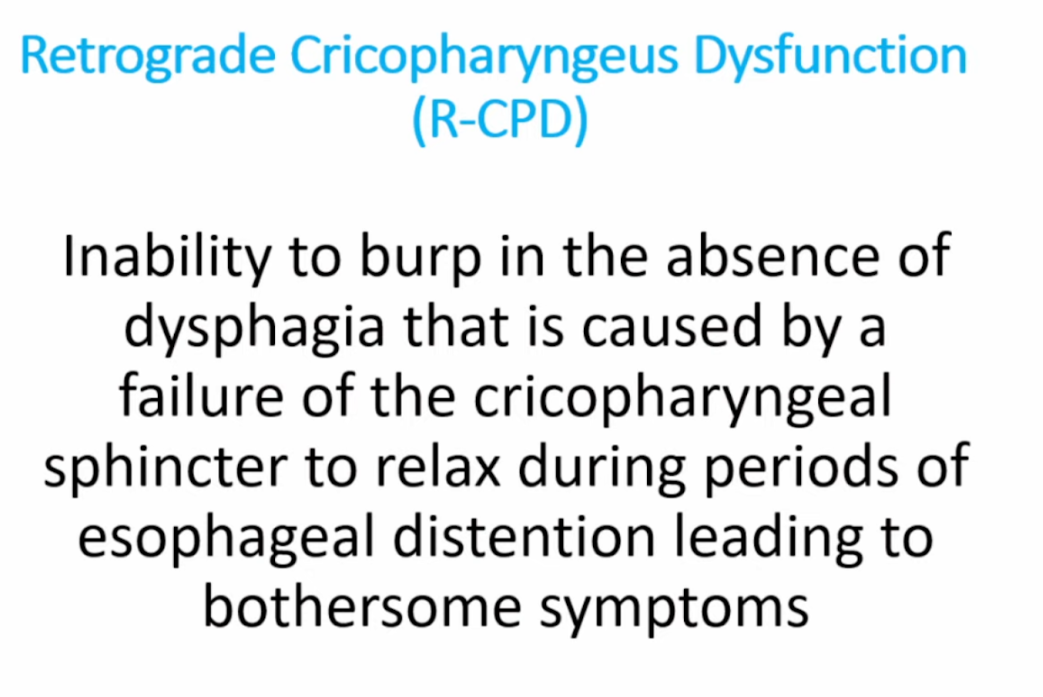
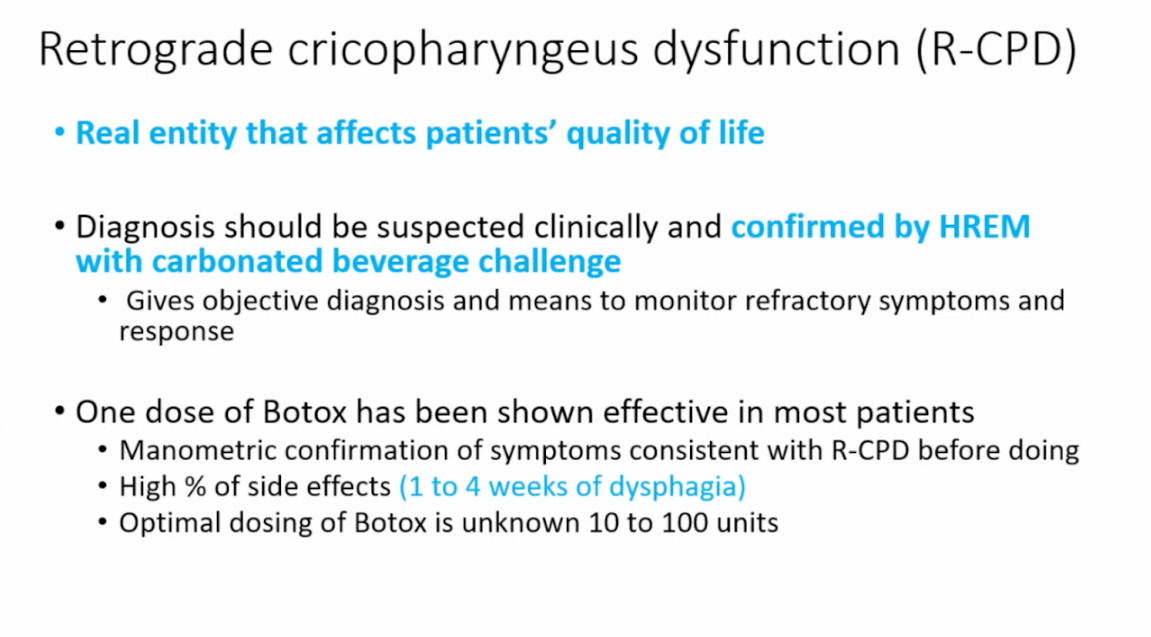
  • Dr. Garza provided insightful information on gastric vs supragastric belching. Supragastric belching can be treated with diaphragmatic breathing and cognitive behavioral therapy. Supragastric belching has shown poor response to pharmacologic therapy. He also explained the physiology behind the inability to burp.
Important to distinguish reason for belching as this affect management
This study shows that with gastric belching the air works its way from the stomach up and with supragastric belching air is swallowed and expelled from the esophagus

My take: Our motility colleagues have some cool toys. When the treatments are as good as the toys, being a motility specialist will be even more fun.

CHOA Pediatric Thickener Guide & High Rate of U.S. Gun Violence

U.S. (in 2015) with much higher gun deaths than any other developed country.

Related blog posts:

This guide reviews the common thickeners including SimplyThick, Nestle ThickenUp Clear, Hormel: Thick & Easy Clear, Gelmix (see below), Purathick, DysphagiAide, Thick-It, Gerber Rice Cereal, Beechnut Oatmeal Cereal

Portage Pass, AK

Grading Treatment Response in Eosinophilic Esophagitis

Full Text Link: A Conceptual Approach to Understanding Treatment Response in Eosinophilic Esophagitis

Also, related articles:

  1. D Bushyhead et al. Gastroenterology 2019; 157: 944-5. This practical teaching case report noted that oral immunotherapy (OIT) has been shown to trigger new onset EoE in 2.7% (AJ Lucendo et al. Ann Allergy Asthma Immunol 2014; 113: 624-9).
  2. R Alexander et al. Clin Gastroenterol Hepatol 2019; 17: 2371-3. This study compared eating behaviors of adults with active EoE (n=10), inactive EoE (n=10) and control patients (n=10).  Not surprisingly, those with active EoE took longer to eat (18.3 min compared to 12.4 min, and 13.0 min respectively) and had more drinks after a single bite (11.6 compared with 5.1 and 2.5 respectively)

Related blog posts:

Easily Overlooked Esophageal Inlet Patch

Background: In numerous articles, it is stated that an esophageal inlet patch (IP) is often missed during routine endoscopy.  IP, a salmon-colored, velvet-appearing, distinct area of heterotopic gastric mucosa, typically is located just distal to the upper esophageal sphincter and is usually a single lesion ranging from a few millimeters to >5 cm.  Estimates on prevalence ranges from 0.1% to 10%.

A recent study (G Di Nardo et al. J Pediatr 2016; 176: 99-104) examined 1000 consecutive patients <18 years. Symptoms often attributed to IP include chronic cough, sore throat, dysphagia, globus pharyngeus, hoarseness, and vocal cord dysfunction.

Key findings:

  • The authors noted an IP incidence of 6.3%.
  • 35 of the 63 patients were asymptomatic.
  • The authors state that 17 of the 63 patients had chronic IP-related symptoms and all 17 were unresponsive to PPI therapy.  All were treated “successfully” with argon plasma coagulation (APC)
  • Median size was 13.3 mm.
  • The authors state that they did not find any acid-independent episodes related to IP, though pH-MII studies did help identify several patients with underlying GERD.

My take: Since the treatment of IP was not randomized/blinded and many patient’s with IP are asymptomatic, it remains unclear to me how many patients with IP truly benefit from APC treatment.

acadiaharbo

The Latest on EoE and PPI-REE

A recent study shows similar clinical, endoscopic and histologic findings between eosinophilic esophagitis (EoE) and proton pump inhibitor-responsive esophageal eosinophilia (PPI-REE) (Aliment Pharmacol There 2014; 39: 603-08 -thanks to Seth Marcus for this reference).

The authors used two databases: one from Walter Reed and one from the Swiss EoE database.  All of these patients were >/=18 years.  Response to PPI was defined as achieving less than 15 eos/hpf and a 50% decrease from baseline following at least 6-weeks of PPI treatment.

Demographics: 63 EoE patients, 40 PPI-REE, mean age 40 years (75% male, 89% Caucasian).

Findings:

  • Similar dysphagia 97% vs. 100% (in EoE and  of PPI-REE cohorts)
  • Similar food impaction 43% vs. 35% (in EoE and  of PPI-REE cohorts)
  • Similar heartburn 33% vs. 32% (in EoE and  of PPI-REE cohorts)
  • Similar duration of symptoms: 6.0 years vs 5.8 years (in EoE and  of PPI-REE cohorts)
  • Similar endoscopic findings too: rings 68% in both groups, furrows 70% in both groups, strictures 49% vs 30% (in EoE and  of PPI-REE cohorts)
  • Similar histology: proximal esophagus 39 vs 38 eos/hpf and distal esophagus 50 vs 43 eos/hpf

Take-home message: EoE and PPI-REE are very similar in presentation and indistinguishable without a PPI trial.

Related blog posts:


Esophageal distensibility with FLIP and EoE disease severity

In patients with eosinophilic esophagitis (EoE), the development of fibrosis due to ongoing inflammation is one of the concerns as this can lead to more difficulty with swallowing,  food impactions, a smaller caliber esophagus, and stricturing.  A recent report highlights a way to measure esophageal distensibility and its correlation with disease severity (Clin Gastroenterol Hepatol 2013; 11: 1101-7).

This report describes the evaluation of 70 patients with EoE (ages 18-68 years with median of 38 years`, 50 men) who underwent endoscopy along with high-resolution impedance planimetry.  The average followup was 9.2 months. The functioning luminal imaging probe (FLIP) system was used after the endoscopy by placing a catheter transorally.  The catheter had 16 ring electrodes spaced 5-mm apart in the 8-cm measured segment.  The FLIP distal recording began 3 cm proximal to the esophageal gastric junction.  Esophageal cross-sectional areas were measured during 2-mL stepwise distentions and increasing to a maximum of 40 mL.

Patient EoE Clinical Features at baseline:

  • 26 patients had a history of food impaction
  • 37 patients had dysphagia
  • 5 patients had chest pain
  • 2 patients had heartburn
  • Ringed esophagus: 9 (13%) had severe endoscopic findings, 17 (24%) had moderate endoscopic findings, 40 (57%) had mild endoscopic findings
  • Primary treatment: PPI treatment (78%), Topical steroids (10%), diet 4 (6%)

Key findings:

  • Patients with food impaction had significantly lower distensibility plateau (DP) than those with solid dysphagia alone (see manuscript Figure 1).
  • Mean DP in food impaction 113 mm2 compared with 229 mm2 for those without a history of food impaction
  • The severity of mucosal eosinophilia did not correlate with risk for food impaction, distensibility, or requirement for dilatation.

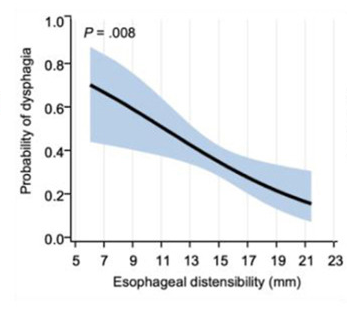
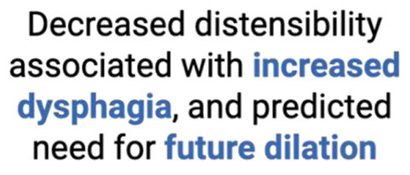
In many ways, the findings are completely obvious.  If an individuals esophagus is less distensible, it makes sense that food could get stuck. However, the article highlights a novel way of assessing esophageal distensibility in this population.  While the study did not identify higher mucosal eosinophilia as a marker of distensibility, this may be a precursor to future problems.  In the discussion, the authors note that a 12.5 mm barium tablet test correlates with a 125-mm2 threshold. Thus, their data suggest a corresponding diameter of 17 mm as a prerequisite to avoid food impactions.

Bottomline: this study identifies a new way to assess the risk for food impactions in EoE by measuring esophageal distensibility.

Related blog entries:

Never quite right

After esophageal atresia (EA) repair, problems with reflux and dysphagia effect up to 75-100% of patients.  A new study, JPGN 2013; 56: 609-14, helps provide some understanding why the esophagus is never quite right in these patients.

High resolution esophageal manometry (HREM) was performed in 40 patients with a median age of 8 years at three centers. Data was obtained primarily by chart review; in addition, symptomatology at the time of HRE#M was evaluated through a self-assessment questionnaire completed by the child or his primary caregiver.  35 patients had type C EA which typically accounts for 80-85% of all EA cases. Type C EA refers to a proximal esophageal pouch and a distal tracheoesophageal fistula (TEF).  5 patients had type A. Type A EA is an EA without a distal TEF. At the time of the HREM, 7 (18%) were considered asymptomatic.

Findings:

  • Three different motility patterns were identified: aperistalsis in 15 (38%), pressurization in 6 (15%), and distal contractions in 19 (47%).
  • Aperistalsis occurred primarily in patients with long-gap defects and/or following anastomotic leaks. 8 of 15 patients with aperistalsis had undergone fundoplication.
  • Pressurization (as shown in Figure 1) was when contraction of the entire esophageal body  occurred at once rather than in a progressive manner from proximal to distal esophagus. Distal contraction pattern indicated an absence of proximal esophageal contractions. 4 of 6 patients with pressurization pattern had undergone previous fundoplication.
  • Motility patterns were not predictive of symptoms.  Asymptomatic patients were noted with all three patterns.  However, gastroesophageal symptoms predominated in the aperistalsis group.  Dysphagia was frequent in all three groups.

Study limitations included retrospective data, and small numbers of patients. Furthermore, in patients with long-standing esophageal problems, “asymptomatic” may be related to the patient not knowing what “normal” feels like and may be related to compensatory behaviors.

While HREM explains the pathophysiology in EA patients, given the lack of effective medical treatments for motility disturbances, upper endoscopy is likely to be more useful for clinical management by identifying esophagitis and possibly Barrett’s esophagus.

Related blog post:

Natural History of EoE -Journal Club (Part 3)

This posting reviews the final article for our eosinophilic esophagitis (EoE) journal club: Aliment Pharmacol Ther 2013; 37: 114-21.

Design: Cross-sectional study of adult EoE patients (≥ 18 years) who were diagnosed at the Children’s Hospital of Philadelphia.  Patients underwent dysphagia questionnaire, Mayo Dysphagia Questionnaire (MDQ-30), and a patient assessment of upper gastrointestinal disorders quality of life questionnaire (PAGI-QOL). Of 140 eligible patients, 53 completed the questionnaires, 66 were unable to be contacted, and 21 refused to participate.

The MDQ-30 has been validated as a tool for esophageal strictures of 15 mm or smaller.  It has not been confirmed as a EoE dysphagia tool.

Diagnosis: According to the authors, a diagnosis of EoE required a >20 eosinohils/hpf after a 2-month therapeutic trial of proton pump inhibitors.

Results:

  • Mean age 20.5 years.  98% were caucasian and 75% were male.  15% had a history of esophageal dilatation.
  • 6/53 had positive dysphagia scores.  However, 18/47 with negative scores reported ongoing difficulty swallowing.
  • 26 (49.1%) of subjects were receiving proton pump inhibitor therapy and 40 (76%) were following allergy-directed dietary elimination.  Most common allergy in this cohort was dairy (49%) followed by peanuts/tree nuts (23%), eggs (9%), wheat (9%), soy (8%), and seafood (2%).**
  • Overall, dietary QOL scores, but not overall QOL scores, were adversely affected by ongoing EoE.

**With regard to dietary therapy, there is a significant discrepancy in reported allergy avoidance in this cohort compared with some previous data published by this center. For example, Liacouras et al (Clin Gastro Hepatol 2006; 3: 1198) reported a  98% improvement with diet treatment (n=351) (2/3rds were treated with elemental diet, mostly NG, with food reintroduction).  Their protocol included rebiopsy after introduction of last new food.  75/242 responded to elimination of specific foods.  Overall pattern of food avoidance after biopsy: milk 45%, eggs 45%, soy 38%, corn 38%, wheat 30%, beef 30%, chicken 20%, potato /oats/peanuts 15%, turkey/barley 11%, pork 8%, rice 5%, green beans 3%, apples /pineapple 1%.*  The reported allergens in this study match up much more closely to a highly-selected group of patients that was more recently reported from their database and is reviewed separately (Picking the right diet for EoE | gutsandgrowth).  In this group, the authors stated that the most common foods by biopsy were the following: milk (35%), egg (13%), wheat (12%), soy (9%), corn (6%).

Study limitations:

  1. Small number of patients
  2. Low response rate/responder bias
  3. Retrospective cross-sectional study -does not provide longitudinal data
  4. Young age of subjects
  5. MDQ-30 not validated for dysphagia in EoE
  6. Tertiary children’s hospital with research focus on EoE
  7. No recent endoscopies in research cohort

Take-home message: EoE is a chronic disease with “little resolution of either symptoms or oesophageal eosinophilia without ongoing treatment.”


Stopping reflux with magnets

Gastroesophageal reflux disease (GERD) can be treated by bolstering the lower esophageal sphincter with a surgically-implanted bracelet of powerful magnets (NEJM 2013; 368: 719-27).

In a prospective study, 100 patients with GERD were enrolled in this study.  The study was conducted in 13 centers in the U.S. and 1 in the Netherlands.  It was designed by Torax Medical.  There was no control group. The primary outcome was normalization of esophageal acid exposure or a 50% greater reduction in exposure at 1 year.

Patient selection:

  • Inclusion criteria: 18-75 years with at least 6-month history of GERD and partial response to proton pump inhibitor treatment.  All patients had to have abnormal pH probe studies at baseline.
  • Exclusion criteria: large hiatal hernia, grade C or D esophagitis (Los Angeles classification), BMI >35, Barrett’s esophagus, motility disorder, dysphagia more than three times a week, or allergy to implant components.

Results:

  • Primary outcome was achieved in 64% of patients.
  • Secondary outcomes: a reduction of proton-pump inhibitor (PPI) use of 50% or more was achieved in 93%.  In fact, at 3 years, 87% had completely eliminated the use of PPIs. Quality of life scores improved in 92%.
  • Adverse effects: most common was dysphagia (68% postop, 11% at 1 year, 4% at 3 years).  This often resolved after esophageal dilatation.
  • Six patients had the device removed.

The bracelet of beads contained sealed magnetic neodymium iron boride.  Each bead is connected by a small wire to the next.  The small wires allow for expansion of the bracelet. It is also designed to avoid compression of the esophagus as the beads can rest against each other.  In addition, the beads separate with the transport of food or if increased intragastric pressure (eg. belch or vomit).

The median time for the procedure of laparascopic placement was 36 minutes. This study brings the worldwide clinical experience to 497 magnetic implants.  To date, there have been no reported erosions or migrations.

Related blog entries: