Why Stool Diversity is a Crappy Argument for Drinking Red Wine

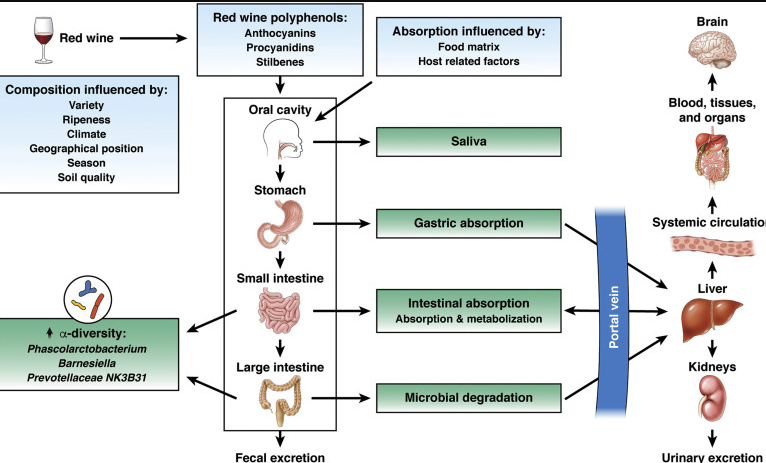
A recent study (C Le Roy et al.  Gastroenterol 2020; 158: 270-2) has indicated that red wine (& to a lesser extent white wine) can improve the intestinal microbiome diversity.

A recent AGA blog provides some insight into this study: Is Red Wine Consumption Good For Your Intestinal Microbiome?

An excerpt:

Consumption of red wine polyphenols has been previously associated with health benefits ranging from reducing cardiovascular disease risk factors, metabolic syndrome, and depression to improving cognition…

Le Roy et al compared the effects of beer and cider, red wine, white wine, spirits, and sum of all alcohols on the α-diversity of the intestinal microbiota (determined from 16s ribosomal RNA sequence data) in discovery cohort of 916 women (from a study of twins in the United Kingdom) and 2 replication cohorts (in Europe and North America) using a linear mixed-effect model adjusted for age, body mass index, Healthy Eating Index scores, education, and family structure…

LeRoy et al found that red wine consumption was associated, in a frequency-dependent manner, with α-diversity—even rare consumption had an effect. White wine was associated with α-diversity to a lesser extent, and there was no association with other alcohol categories…

LeRoy et al also observed a direct association between red wine consumption and blood level of insulin and high-density lipoprotein.

[Limitations] this was a cross-sectional and observational study; randomized studies would be needed to determine whether red wine drinking has direct effects on composition of the intestinal microbiome and health outcomes…

My view: If you like to drink red wine, that’s fine but I would be reluctant to expect a health benefit –no matter how great your poop is.  As the associated editorial notes, “high consumption of alcohol has many adverse health effects, including development of cirrhosis. So, it remains to be determined whether long-term trials of red wine can be safely managed in an ethically responsible manner. It will be important to identify doses that provide beneficial health effects without reducing gut barrier integrity.”

Related blog posts

#NASPGHAN19 Annual Meeting -Plenary Session

Here are some notes and a few slides from NASPGHAN’s plenary session.  There could be errors of transcription in my notes.

Benjamin Gold, NASPGHAN president and part of our GI group, GI Care For Kids, welcomed everyone to the meeting.

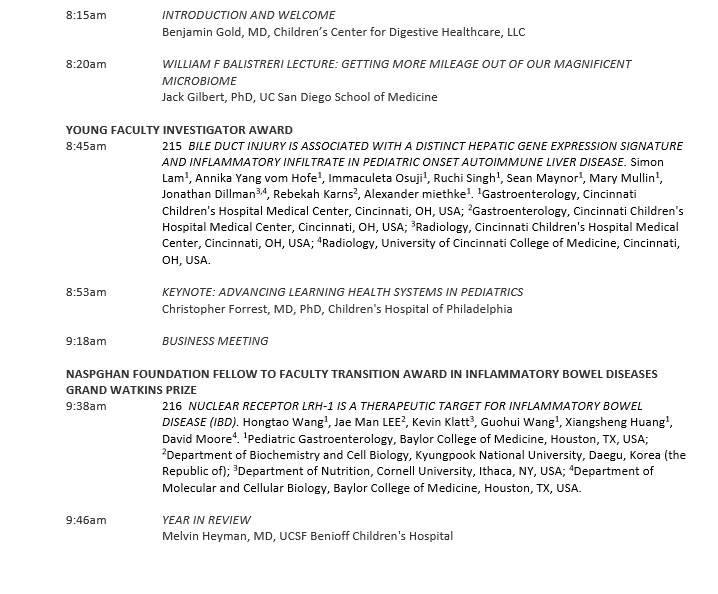
Link to NASPGHAN_Annual_Meeting_Program 2019

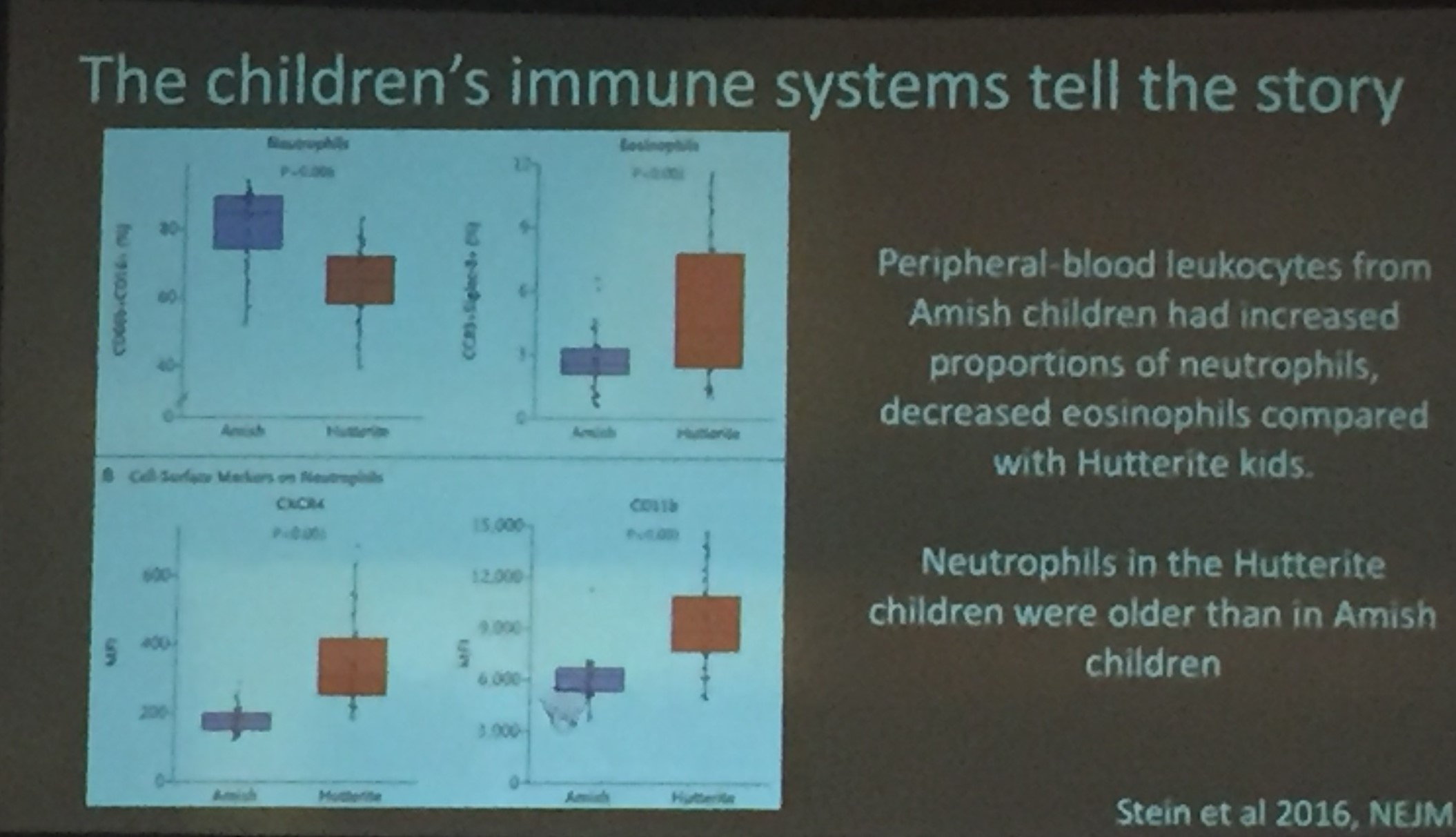
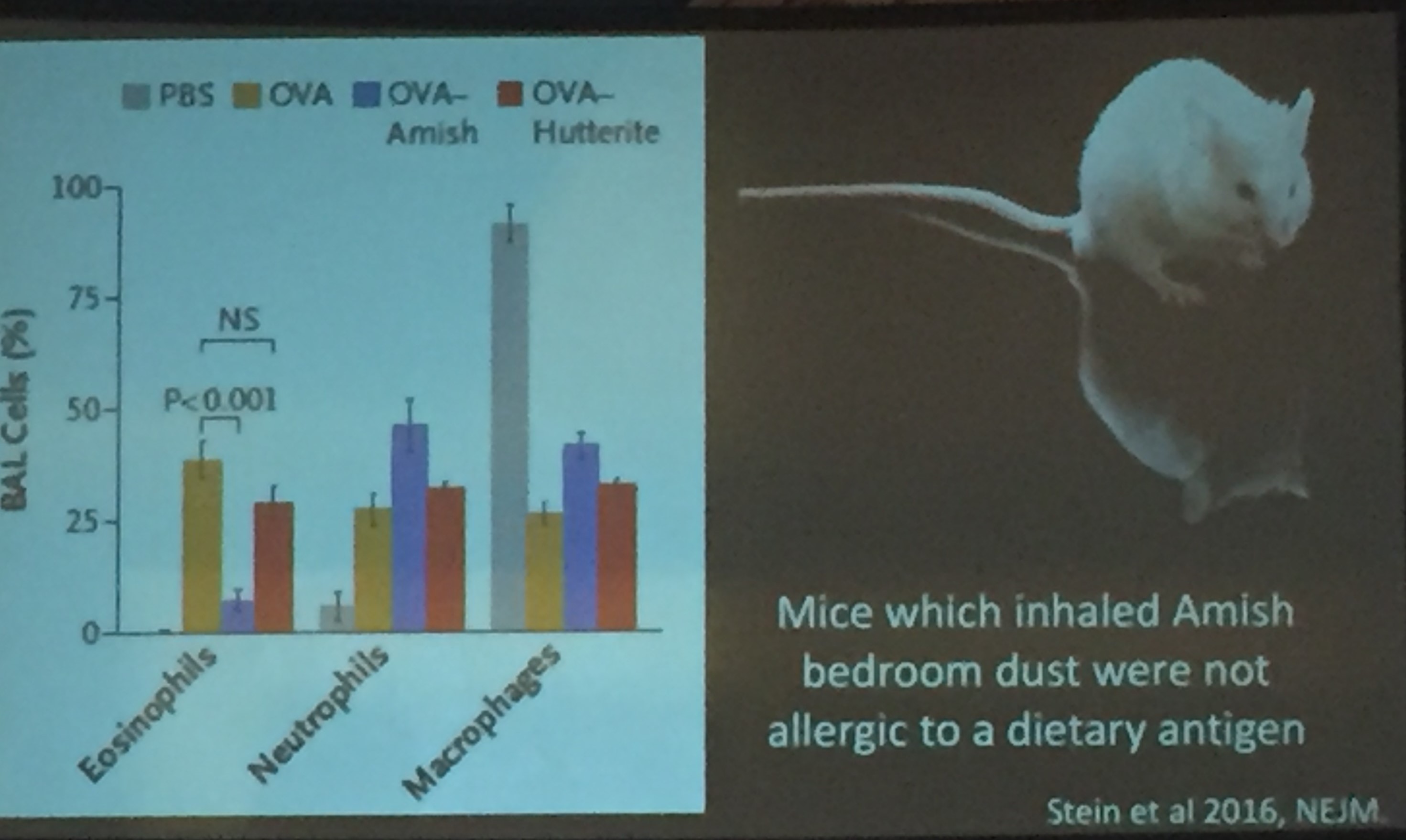
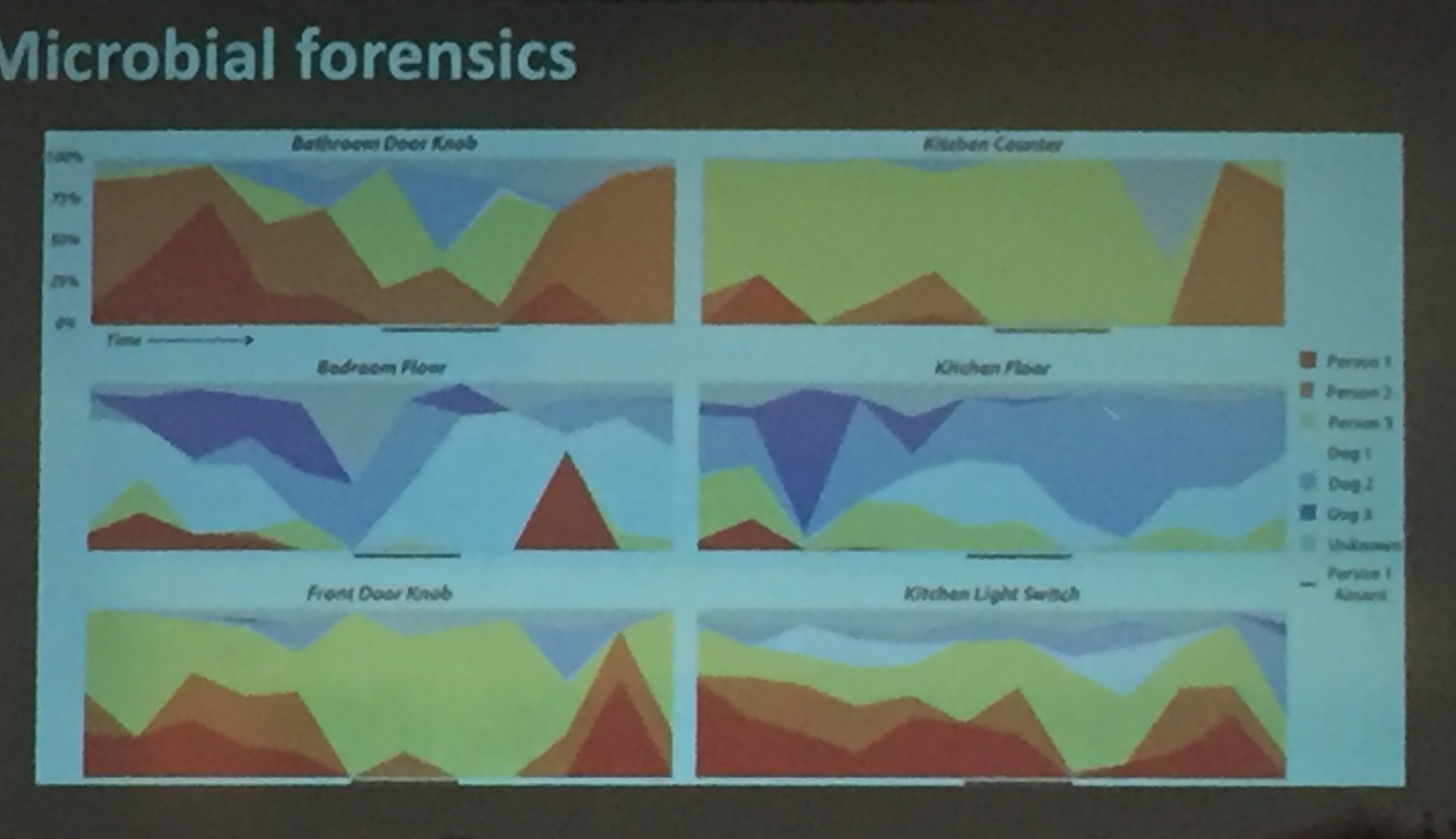
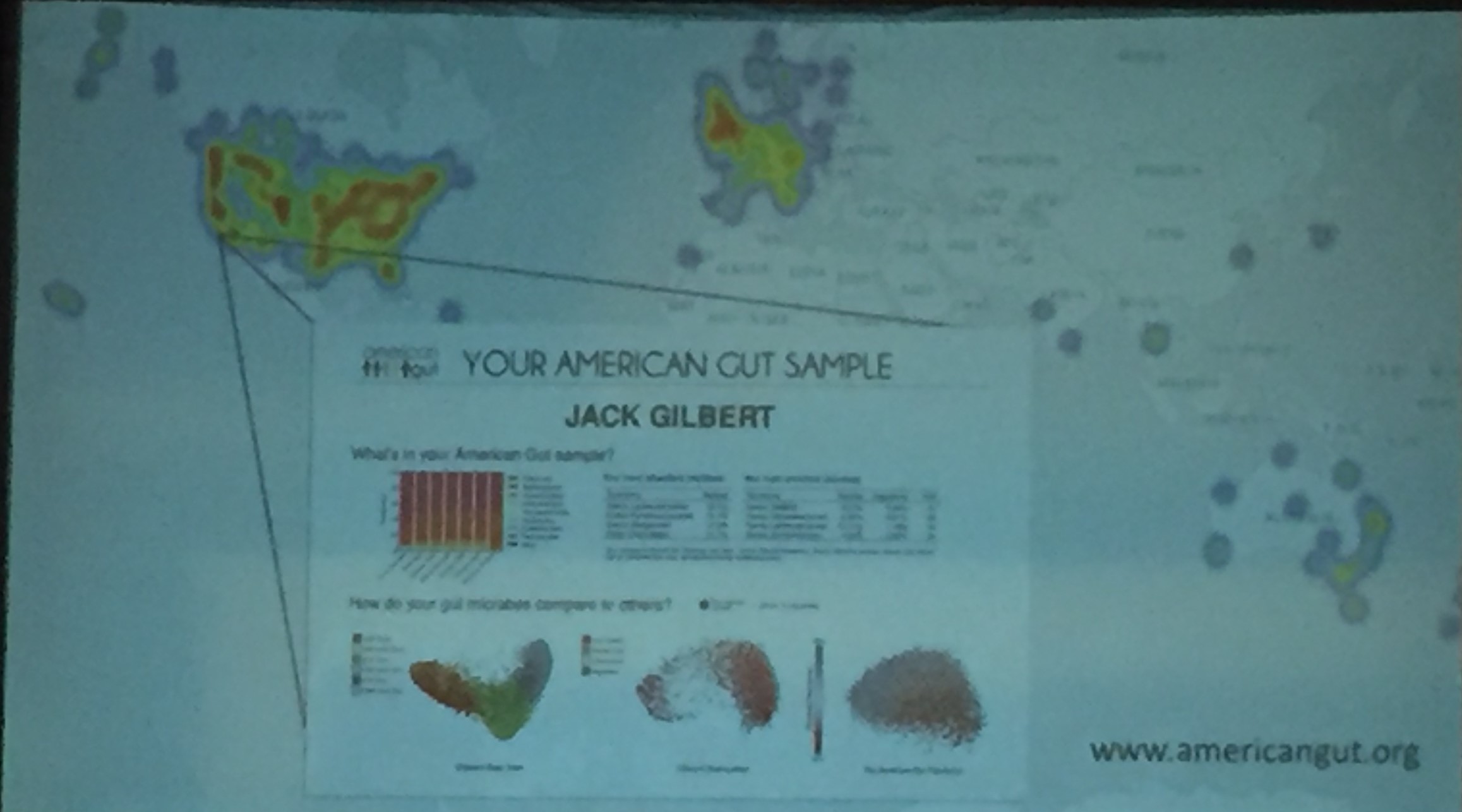
The first speaker, Jack Gilbert, gave the William F Balistreri lecture.  Dr. Gilbert has written a book on the topic of our ‘magnificent microbiome,’ Dirt is Good.  Here are a few slides:

Related study (not discussed in the talk): A recent study (R Vasapolli et al. Gastroenterology 2019; 157: 1081-91) provided data from 21 healthy adults. Using biopsies from panendoscopy and saliva/fecal samples, the authors found that the fecal microbiome is not representative of the mucosal microbiome.  In addition, each GI region had a different bacterial community.

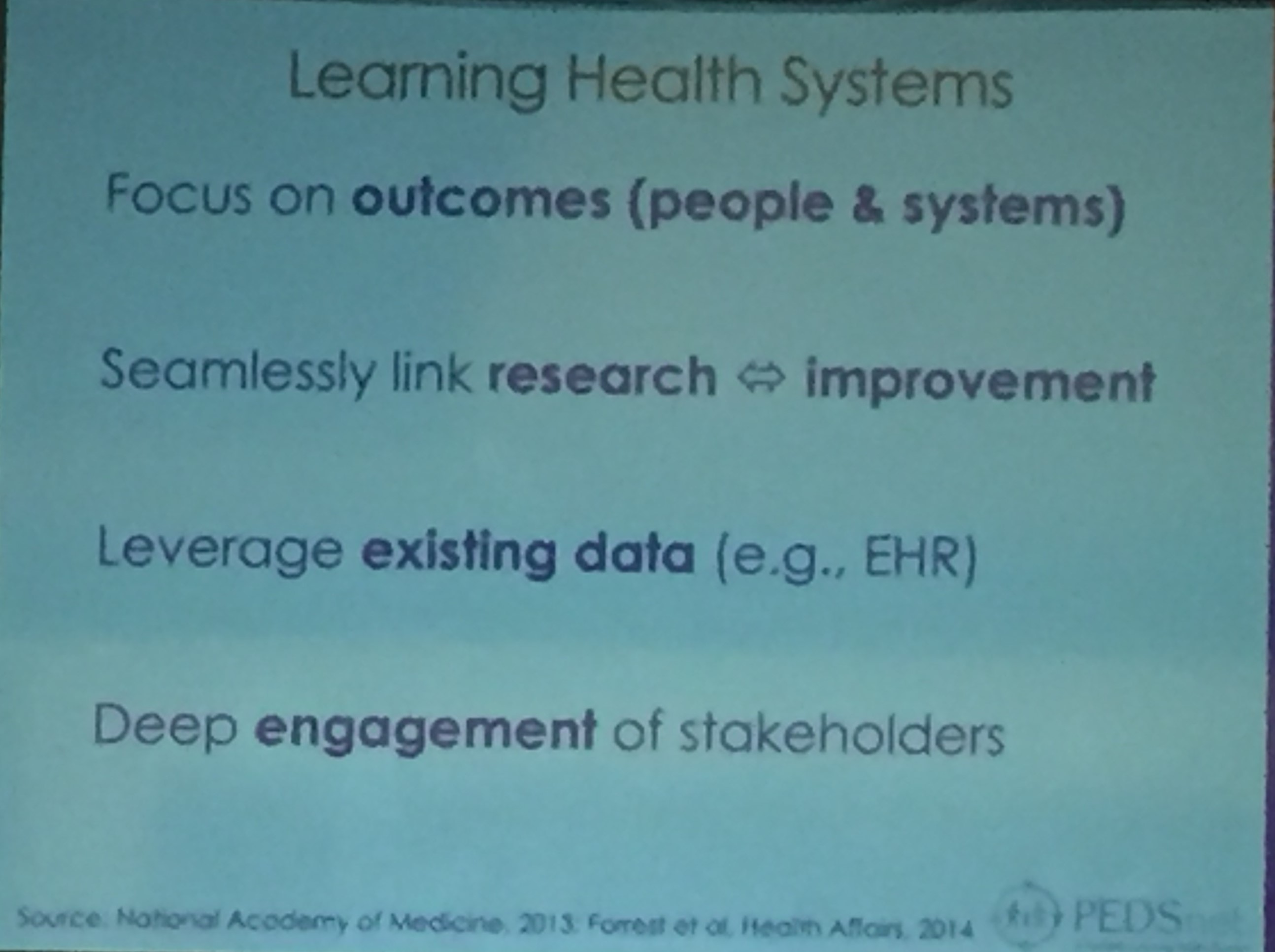
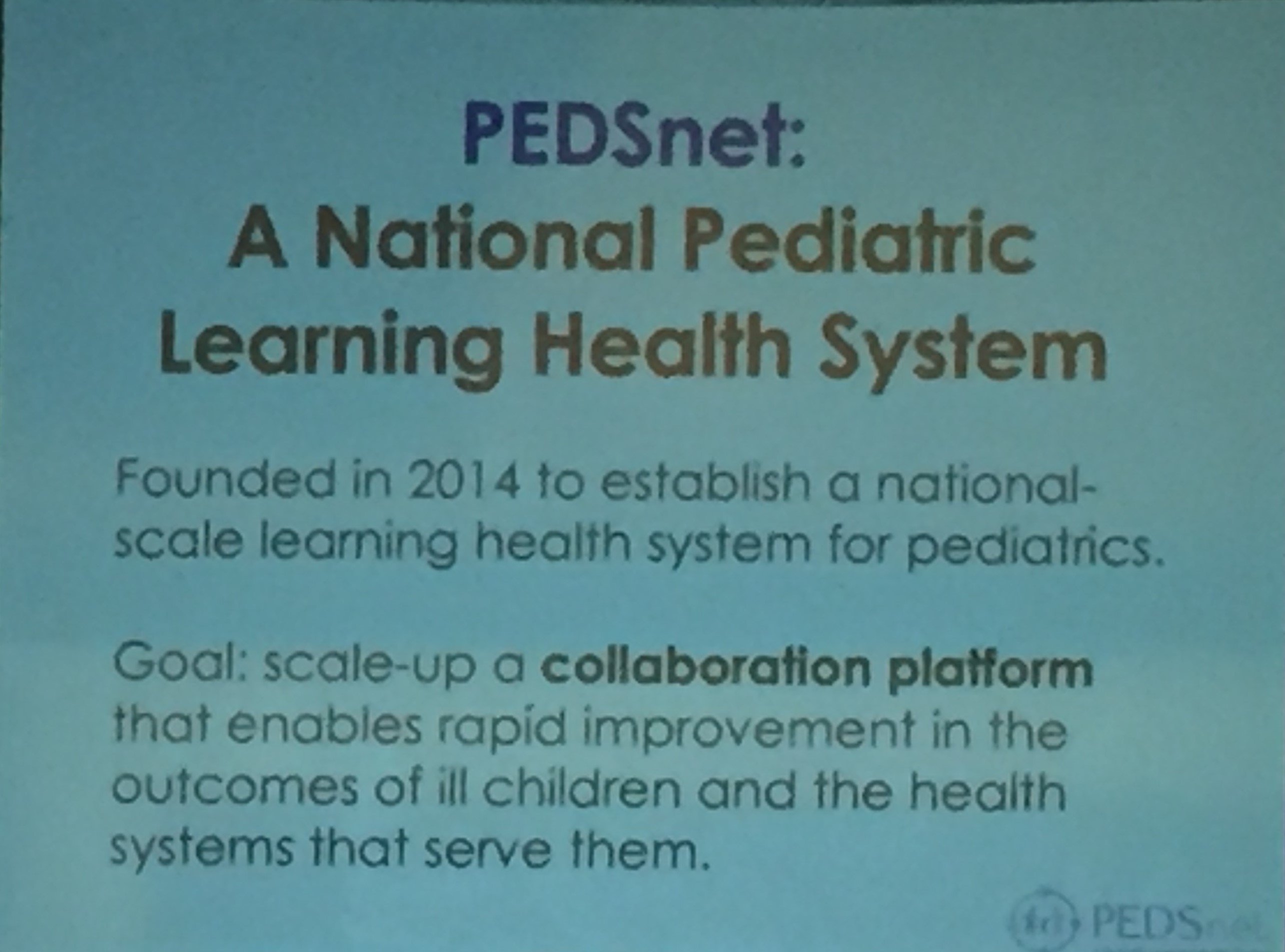
Christopher Forrest gave the keynote lecture on pediatric learning health systems. By collating data from large pediatric health systems, the researchers can determine more quickly how effective treatments are in all pediatric specialties.

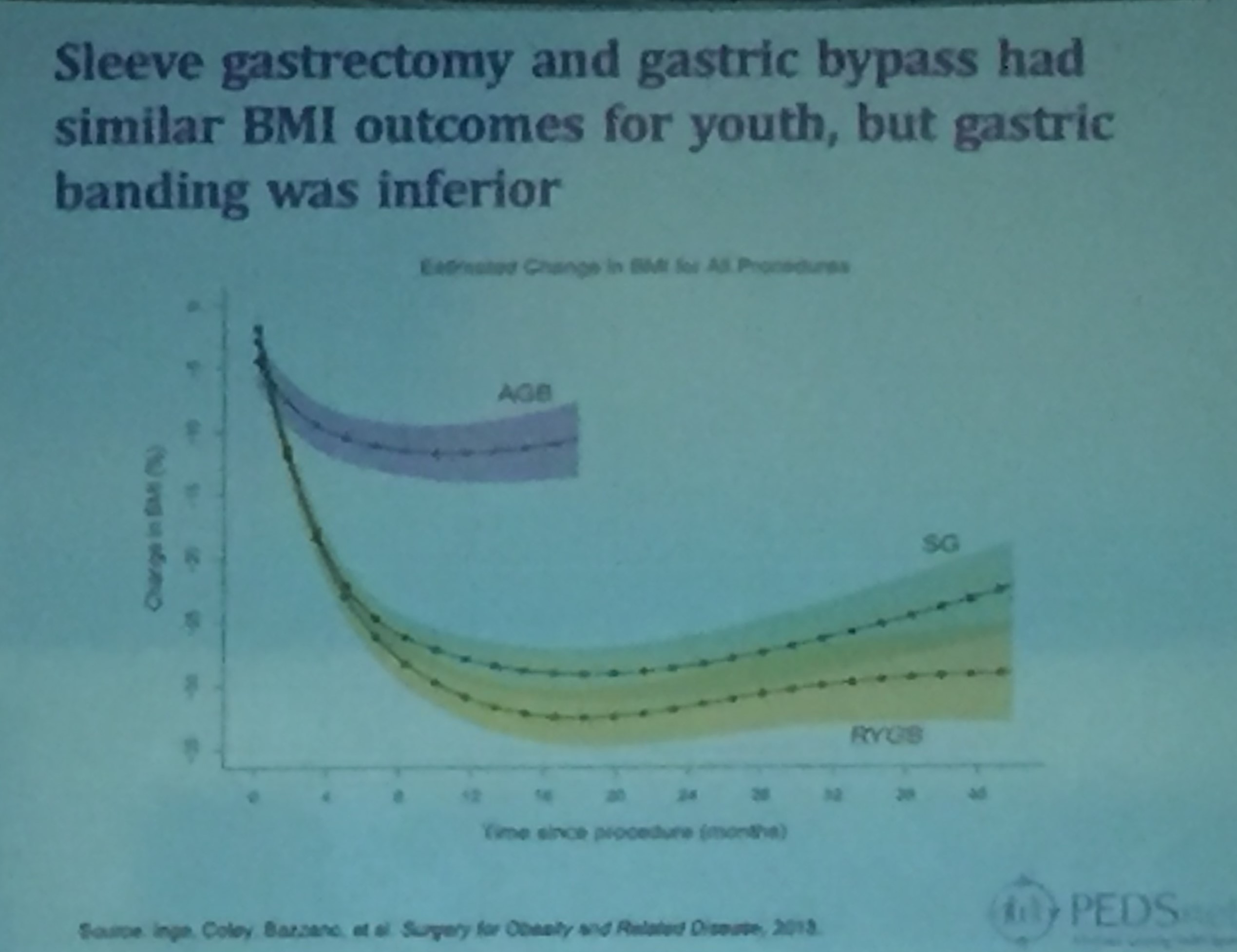
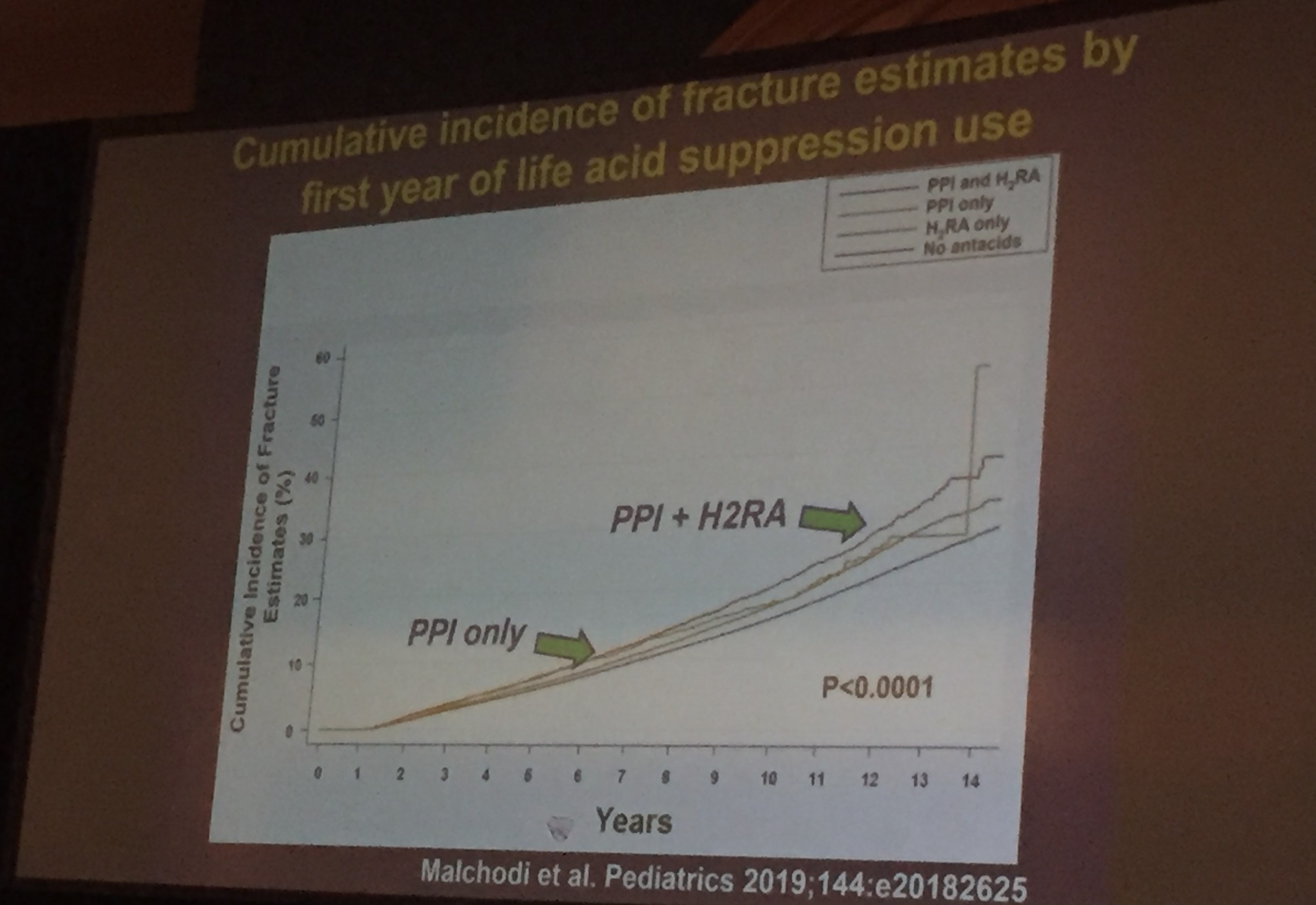
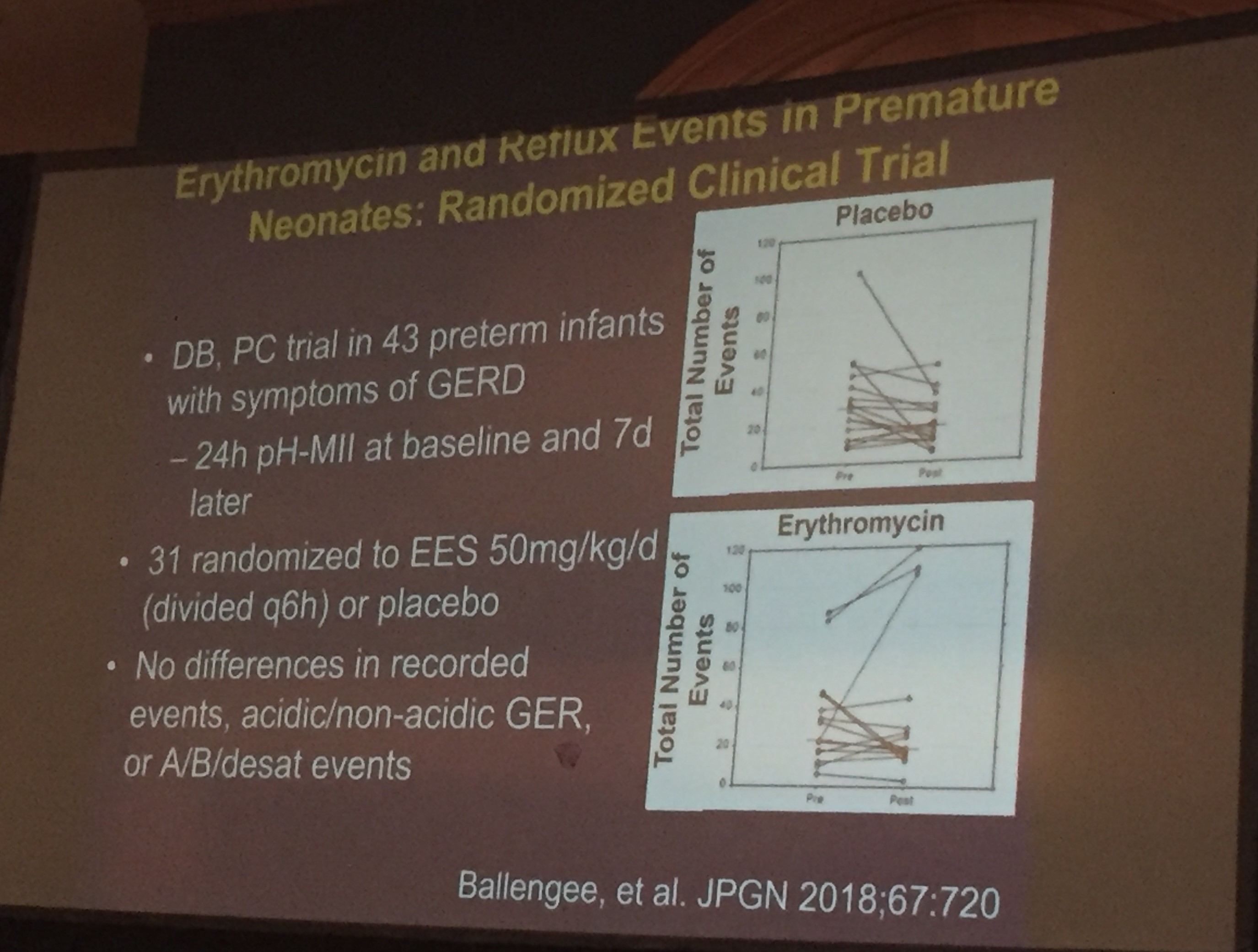
Melvin Heyman, editor of JPGN, provided a good year in review. I only capture a few images.

Those Probiotics May Actually Be Hurting Your ‘Gut Health’

A very readable article in the Wall Street Journal: Those Probiotics May Actually Be Your ‘Gut Health’ –may be behind a paywall. (Thanks to Ben Enav for sharing)

This study makes the following key points:

  • “In a landmark paper by my colleague Dr. Jennifer Wargo at the University of Texas MD Anderson Cancer Center that was published in Science last year, melanoma patients with the healthiest gut microbiomes—that is, the greatest diversity of microorganisms—showed enhanced systemic and antitumor immunity as well as significantly increased odds of responding to immunotherapy.”
  • “The preliminary results [from an MD Anderson Study] showed that patients who reported taking an over-the-counter probiotic supplement had a lower probability of responding to immunotherapy as well as lower microbiome biodiversity. But those eating a high-fiber diet were about five times more likely to respond to immunotherapy and had high gut bacteria diversity, including bacteria previously linked to a strong immunotherapy response.”
  • “The cheapest and safest way to improve our microbiome and gut health is to make simple dietary changes to feed the development of good bacteria and crowd out the bad. There is no pill, special food, unique diet or quick fix for what ails our health and diet. The key is simply to focus on eating a diverse, whole-food, plant-centered, high-fiber diet.”

More information on studies alluded to above:

Related blog posts:

CCFA: Updates in IBD Conference (part 2)

My notes from Georgia Chapter of CCFA’s conference. There could be errors of omission, transcription and/or errors in context based on my understanding.

Sandy Kim, MD –Children’s Hospital of Pittsburgh

Diet in Inflammatory Bowel Disease: Food for Thought

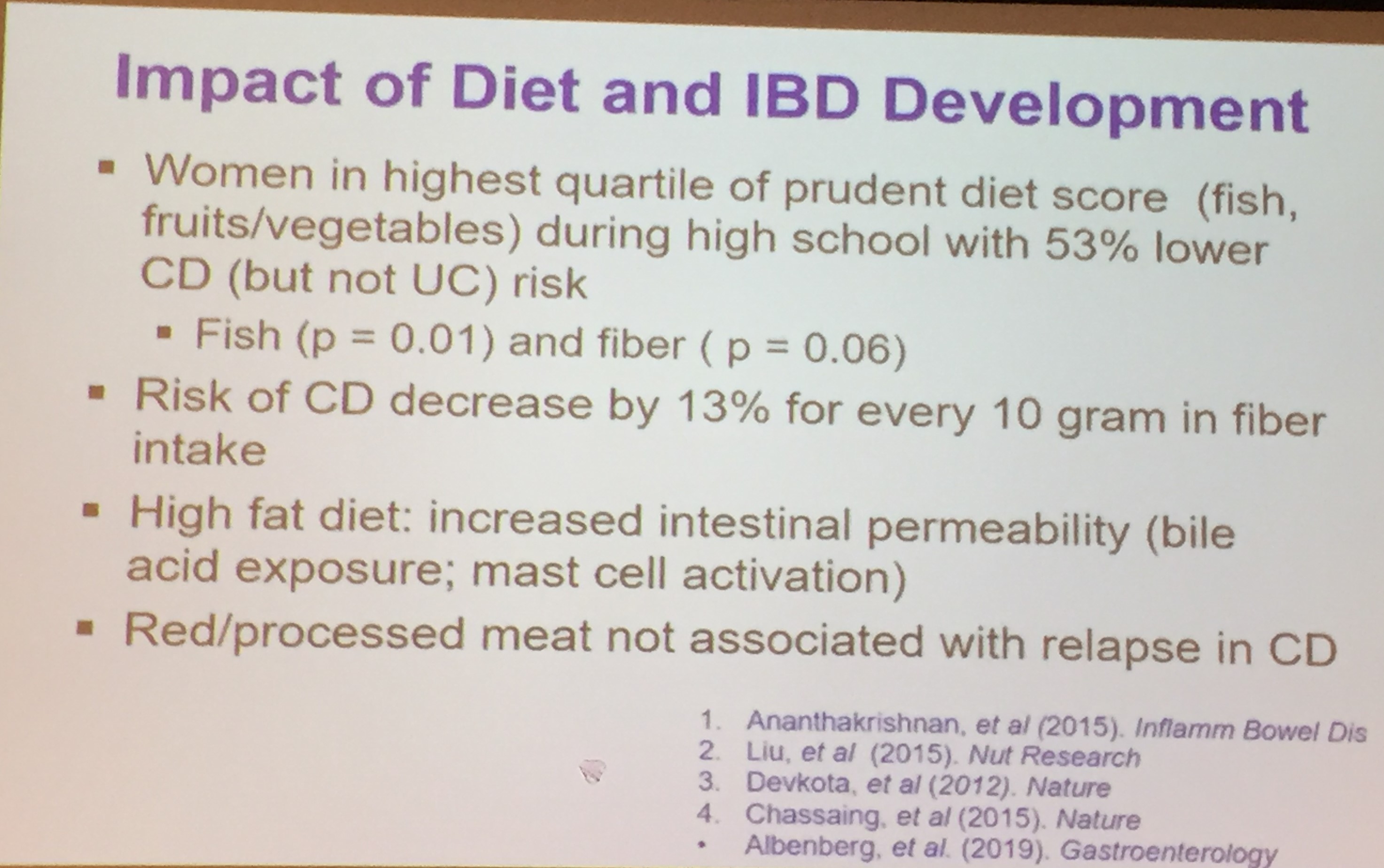
This was a terrific lecture –though much of the topic has been reviewed recently in this blog: Dietary Therapy for Inflammatory Bowel Disease.

Key points:

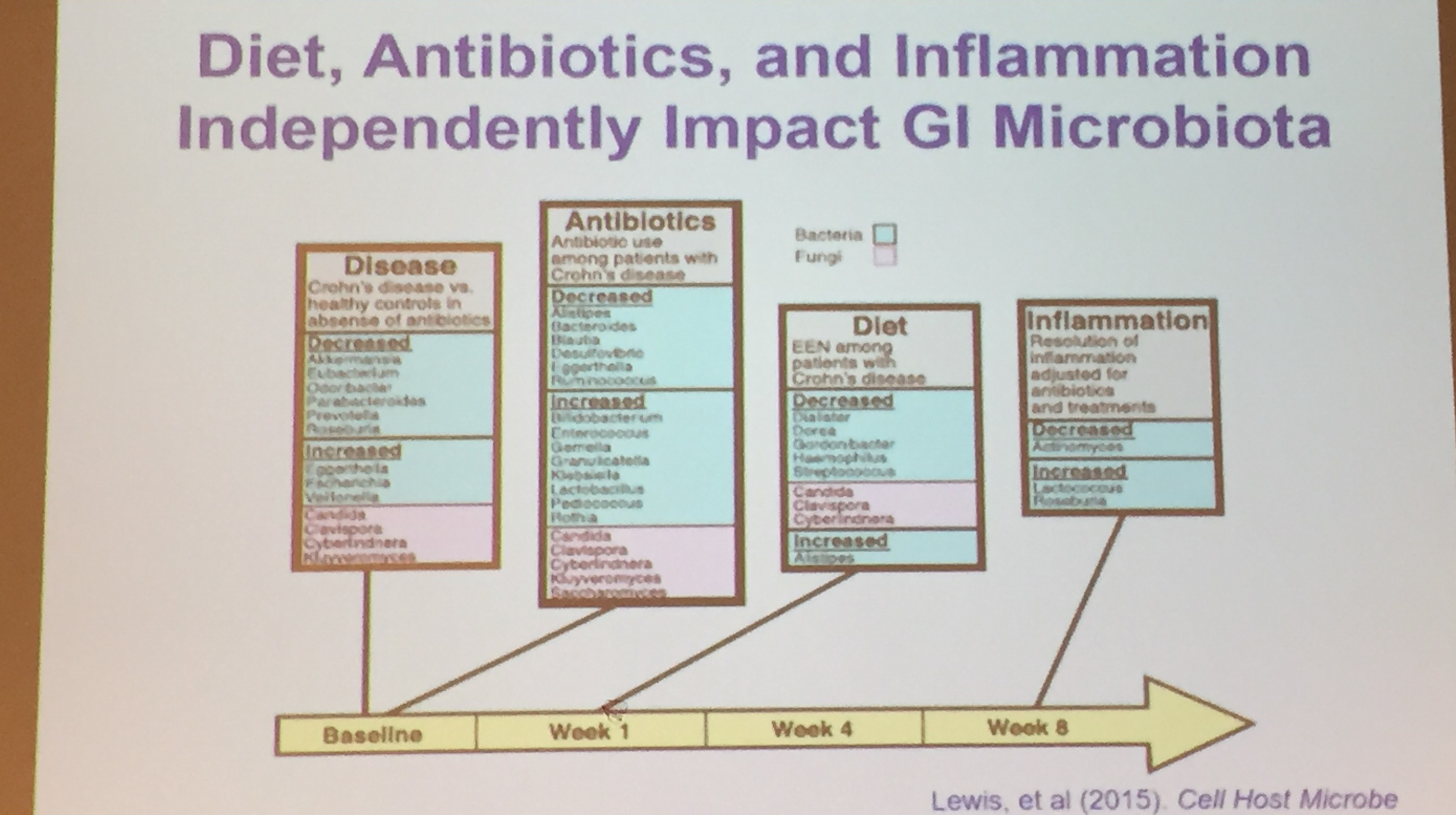
  • Changes in diet can change microbiome quickly, within 24 hrs
  • Some diets (eg. more fruit/vegetables/fish) may help lower risk of developing IBD
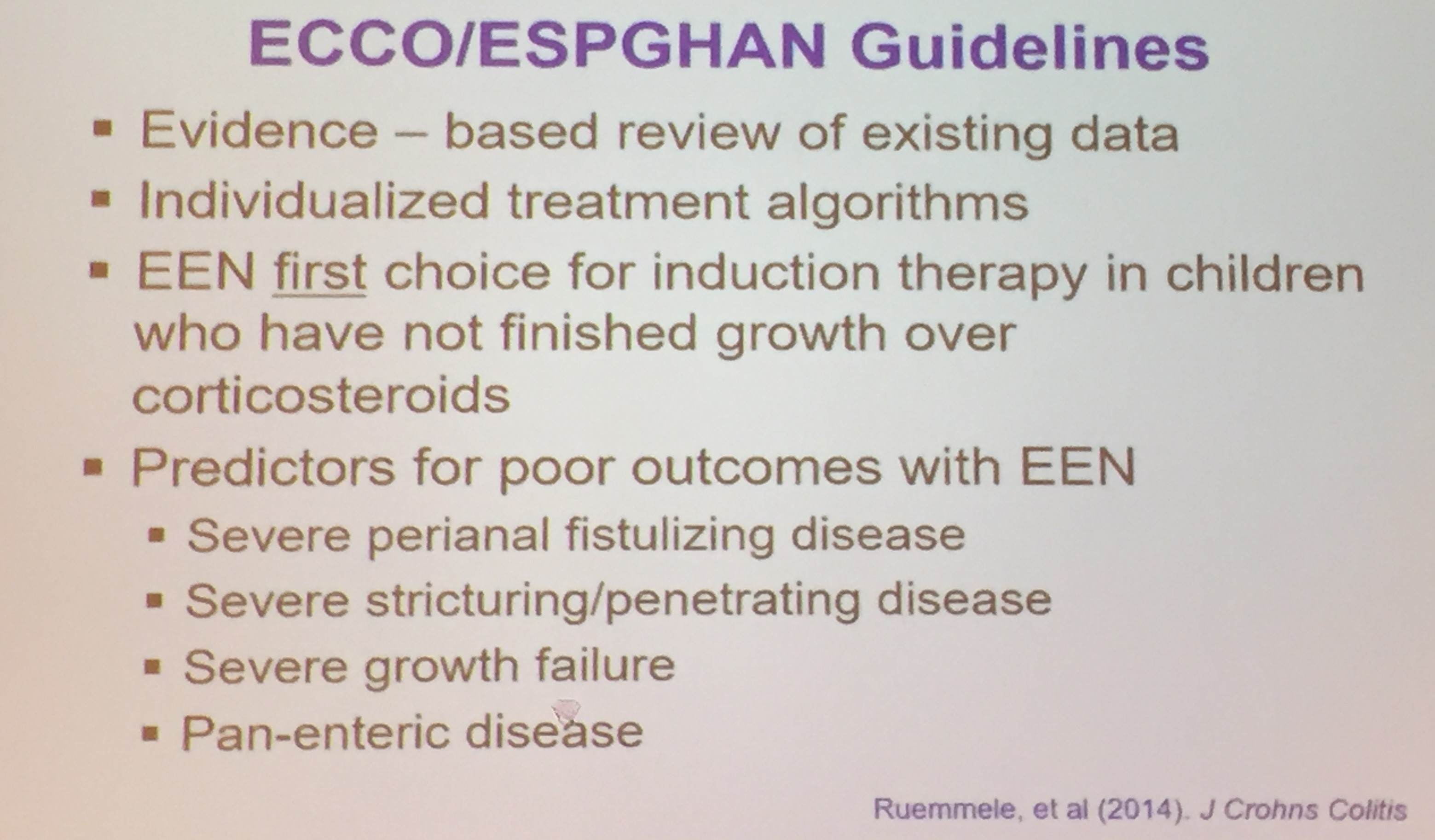
  • Dietary therapy, especially exclusive enteral nutrition (EEN), is effective therapy for Crohn’s disease
  • Why does EEN work?  It is not clear.  There are some changes in microbiome but decrease or little change overall in microbial diversity
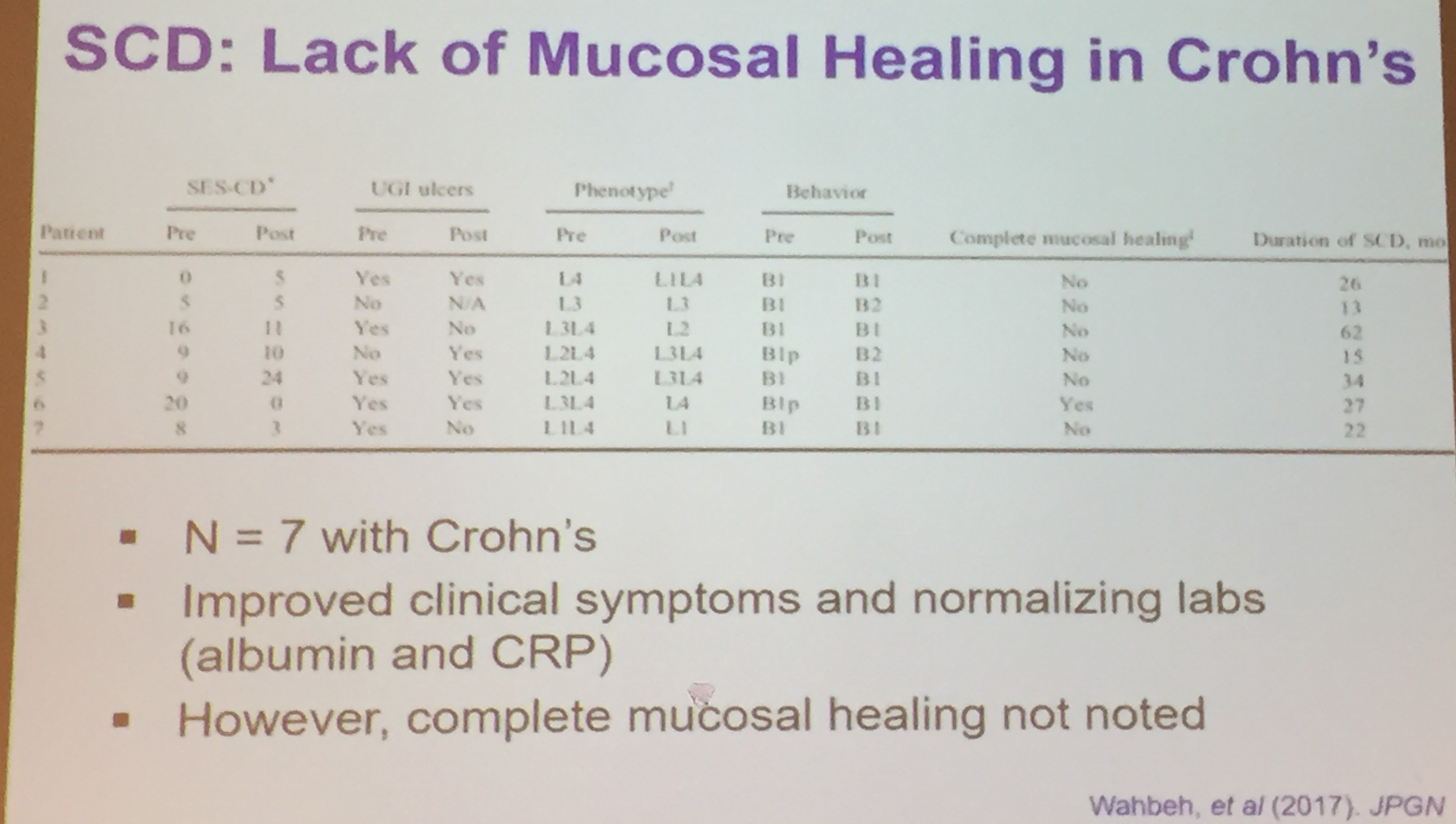
  • Reviewed newer dietary approaches: SCD (www.nimbal.org), CD-TREAT, Crohn’s Disease Exclusion Diet

Related blog posts:

Frank Farraye, MD –Mayo Clinic

Health Maintenance in the Adult Patient with IBD

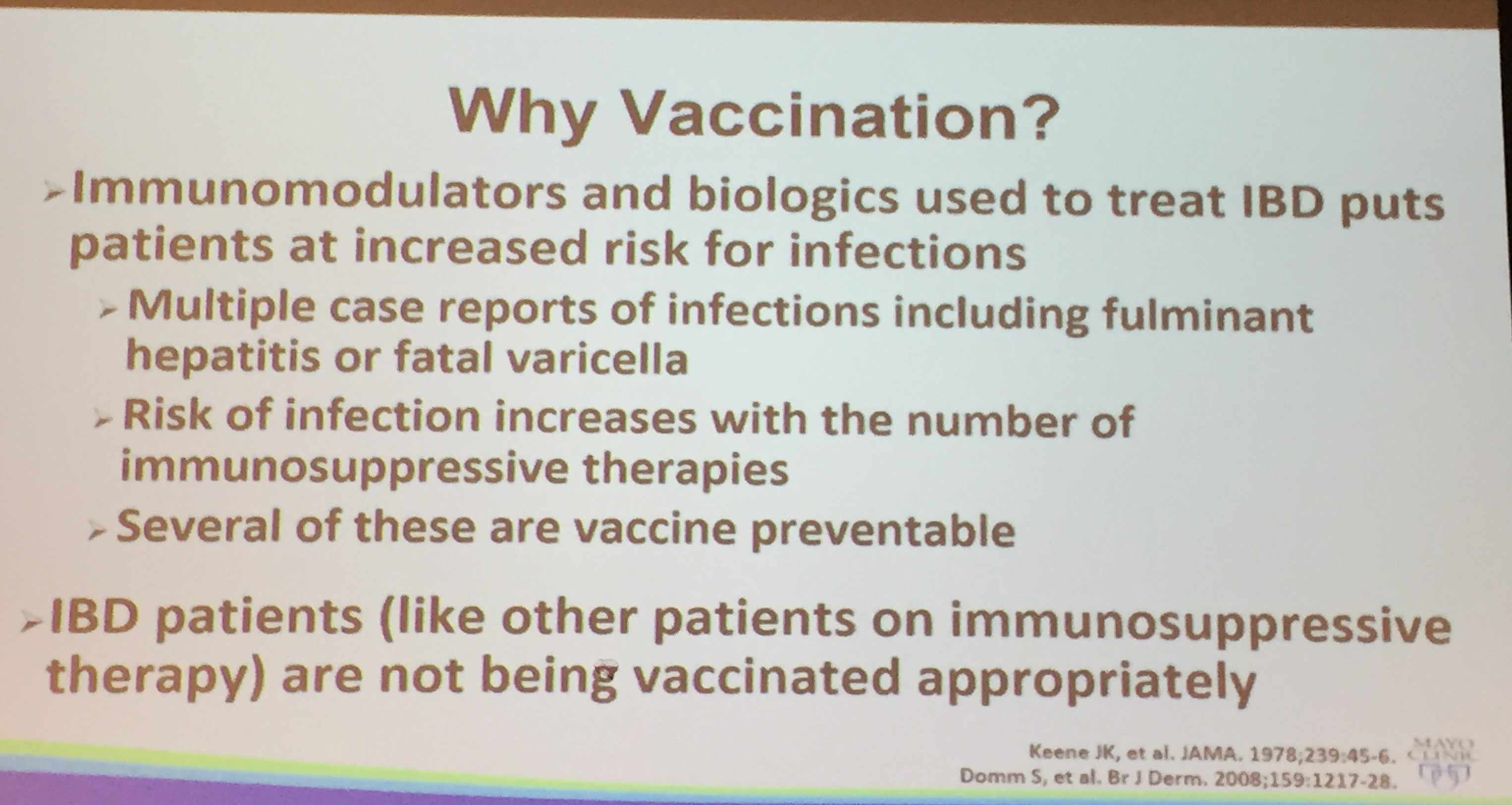
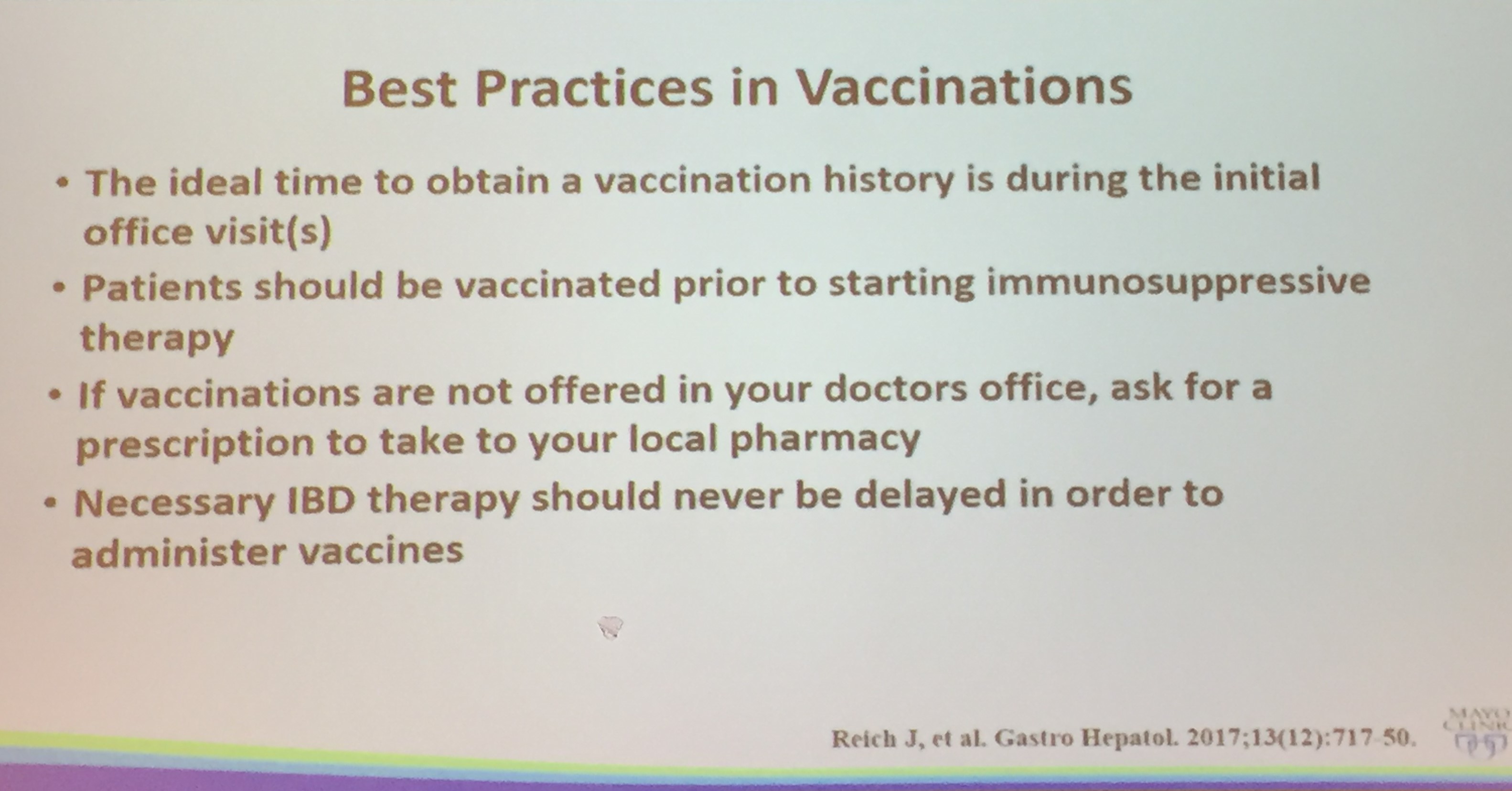
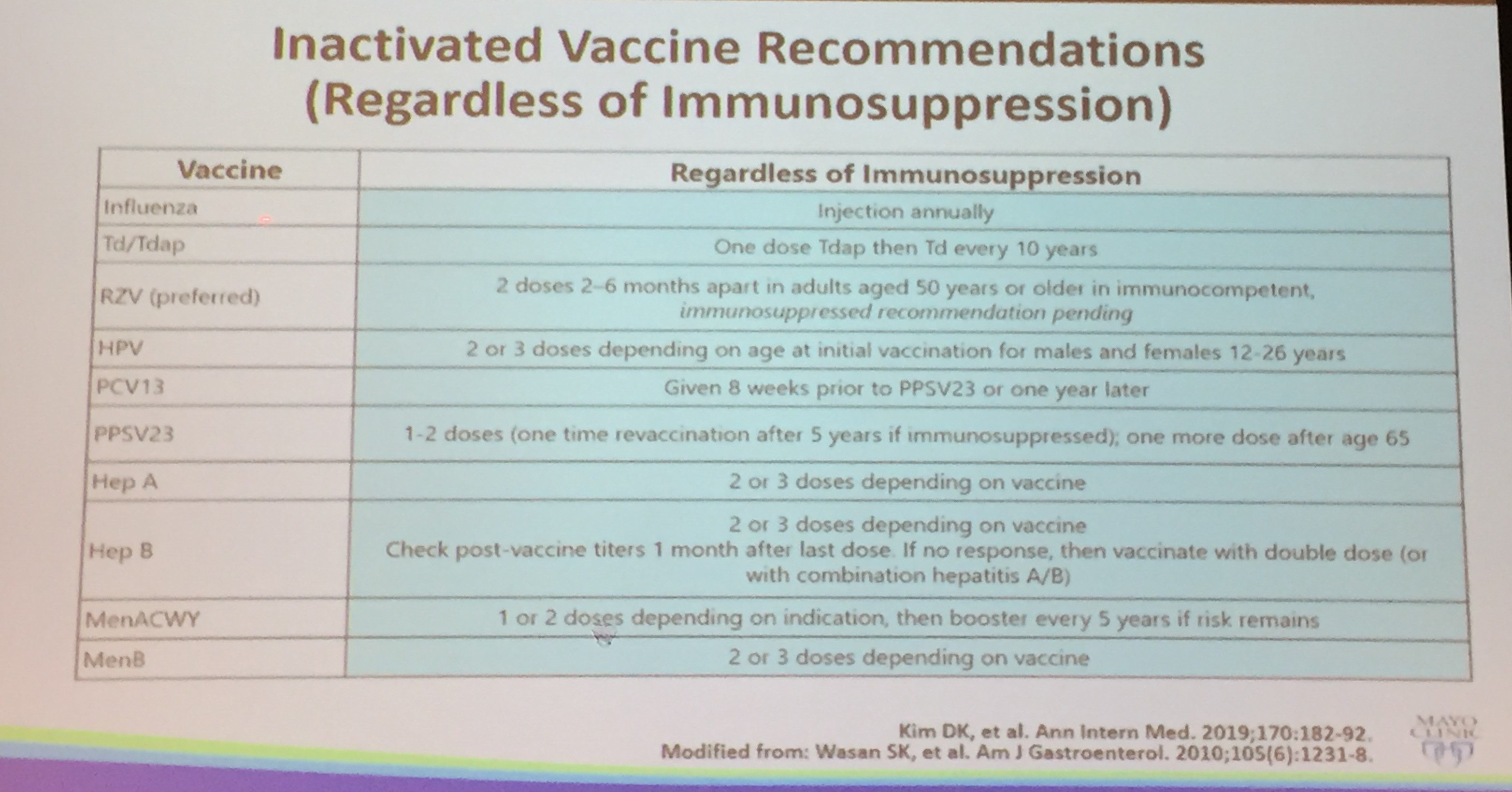
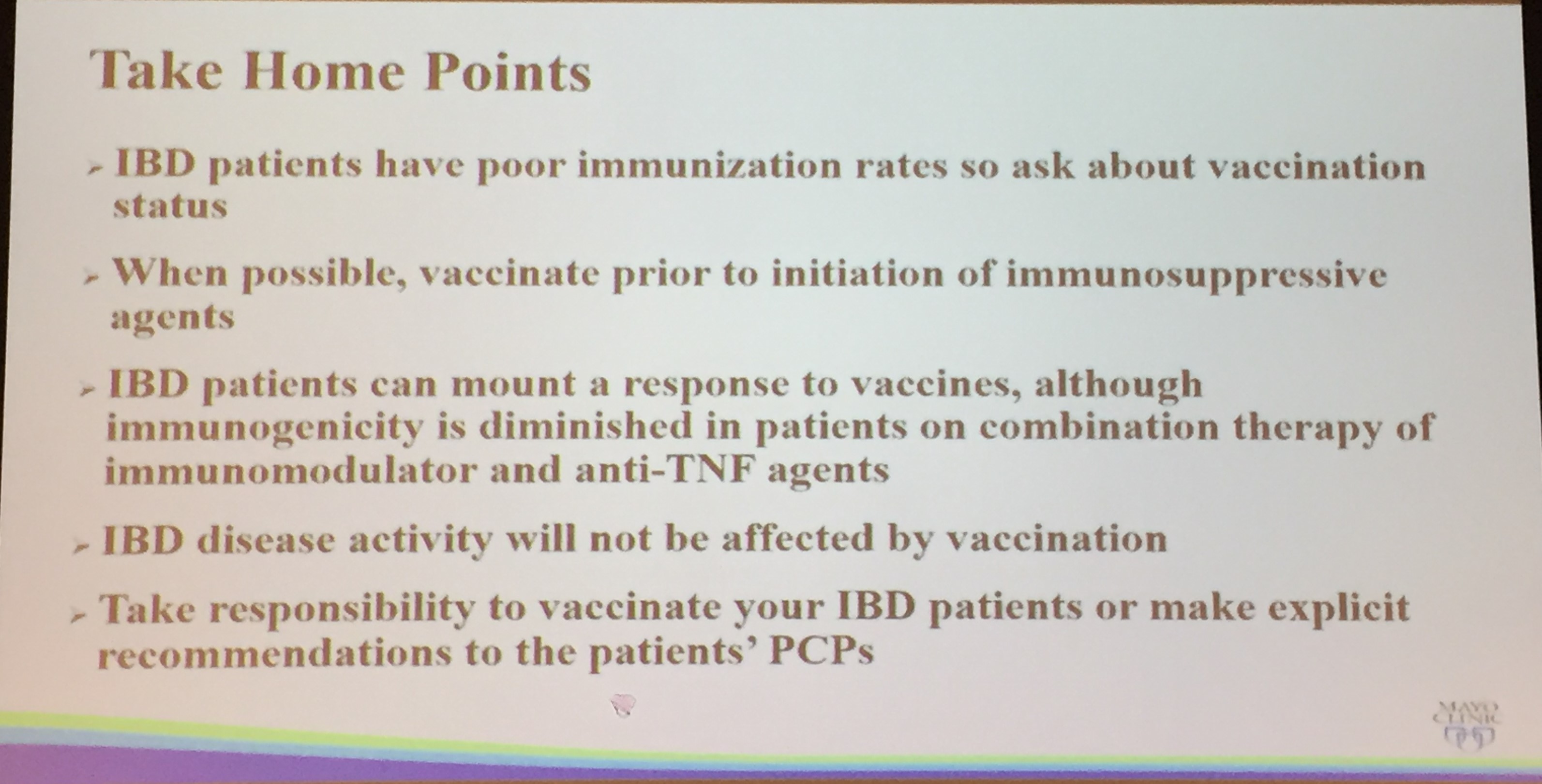
  • Good Practice: Update Vaccinations in IBD population
  • Recent concerns include measles outbreak, and frequent occurrence of Herpes zoster
  • No evidence that vaccination exacerbates IBD
  • New Hepatitis B Recombination Vaccine (Heplisa-B) -2 doses given over one month (for patients older than 18 years. Seroprotective anti-HBs after two doses: 95.4%
  • Shingrix -new recombinant Zoster vaccine.  Overall efficacy 97.2%.  Frequent adverse reactions
  • Women with IBD should undergo annual cervical cancer screening
  • IBD patients should be seen by dermatology
  • Consider depression screening in IBD patients
  • Counsel patients to quit smoking
  • Consider bone density screening in at risk patients

One audience member (Jeff Lewis, MD) pointed out that more attention needs to be paid to depression and anxiety which are much more common and more frequently health-threatening than issues like vaccination.

Related blog posts:

Disclaimer: These blog posts are for educational purposes only. Specific dosing of medications (along with potential adverse effects) should be confirmed by prescribing physician.  This content is not a substitute for medical advice, diagnosis or treatment provided by a qualified healthcare provider. Always seek the advice of your physician or other qualified health provider with any questions you may have regarding a condition.


Big Data for Personalized Diets

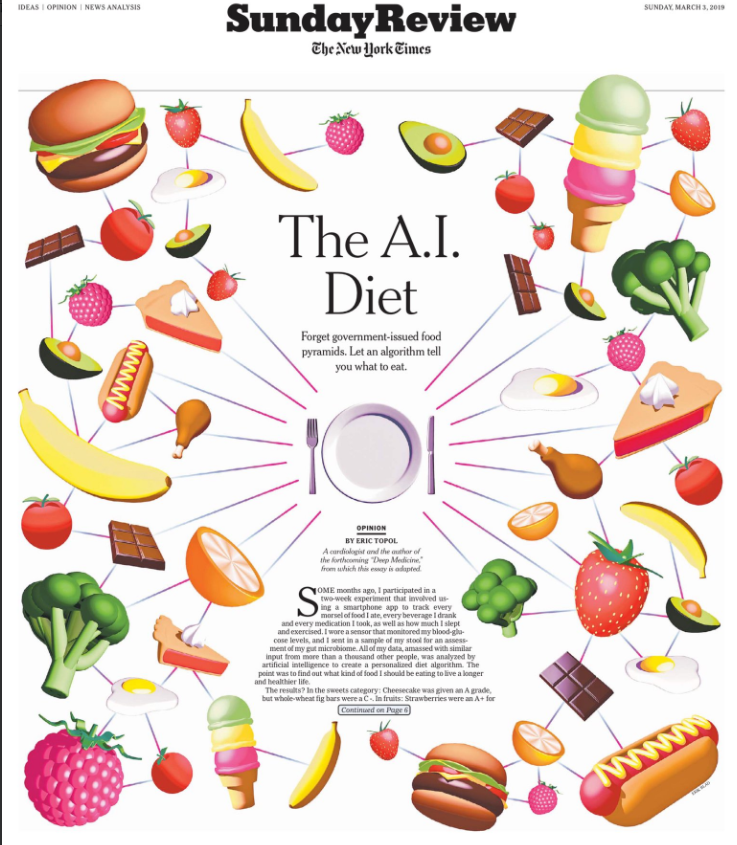
A recent commentary in the NY Times discusses the future of personalized diets.  Along the way, the commentary notes how little we know about the best diet and how difficult nutrition research is to complete.

The A.I. Diet by Eric Topol who is the author of the forthcoming “Deep Medicine,” from which this essay is adapted

An excerpt:

It turns out, despite decades of diet fads and government-issued food pyramids, we know surprisingly little about the science of nutrition. It is very hard to do high-quality randomized trials: They require people to adhere to a diet for years before there can be any assessment of significant health outcomes…

Meanwhile, the field has been undermined by the food industry, which tries to exert influence over the research it funds.

Now the central flaw in the whole premise is becoming clear: the idea that there is one optimal diet for all people…

Only recently, with the ability to analyze large data sets using artificial intelligence, have we learned how simplistic and naïve the assumption of a universal diet is. It is both biologically and physiologically implausible: It contradicts the remarkable heterogeneity of human metabolism, microbiome and environment, to name just a few of the dimensions that make each of us unique. A good diet, it turns out, has to be individualized.

My take: Dr. Topol makes some important observations and he is right that there is not a simple diet solution for everyone.  Nevertheless, in the near future, personalized medicine is not coming to our dinner tables and we have to rely on what we know right now –don’t eat too much sugar, do eat more fruits and vegetables, and don’t eat too much.

Related blog posts:

Why Fiber Matters?

A recent review article (J O’Grady et al. Aliment Phamacol Ther; 2019; 49: 506-15) highlights how fiber is important for health and its potential role in fostering a diverse microbiome. Some of the material has been covered before in a previous blog/presentation: It’s Alimentary!  “The Fiber Movement: Why Kids Need It and How to Get It” by Maria Oliva-Hemker .

In the introduction, the authors note that there had been a period of disappointment that fiber did not seem to help irritable bowel syndrome.  Though with expanding knowledge of the diet-, microbiome- host interactions, clinicians have started to appreciate the health impact of dietary fiber.

In subsequent sections, the authors detail the different types of fiber based on solubility, viscosity and fermentation.

Key actions of fiber:

  • Anti-inflammatory effects
  • Immune system modulation
  • Regulation of cell proliferation and differentiation
  • Richer microbiome diversity (may lower risk of C difficile)

The authors note that a low-fiber diet in germ-free mice can result in a reduced microbial diversity and interestingly, the “missing taxa is transmitted to subsequent generations” even if fiber is re-introduced.

Potential beneficial fiber effects beyond bulking up stools:

  • Reduced adiposity
  • Lower metabolic disease including lower cholesterol and better glucose metabolism
  • Lower incidence of chronic inflammatory diseases
  • “Potential for fiber to prevent… diverticular and neoplastic disorders”

Western Diet is Deficient in Fiber.

  • Recommendations for fiber intake of 14 g per 1000 kcal consumed, which equates to approximately 25 g for females and 38 g for males (depending on energy intake).
  • In underdeveloped countries and historically, intakes are more than 50 g (in Africa) and up to 100 g/day in ancestral humans
  • Actual intake in U.S. is only 12-18 g/day.

The authors recommend efforts to gradually titrate increased fiber in the diet as abrupt changes may be poorly tolerated due to gas and bloating.

My take: This article explains that the connection between fiber intake and a number of health outcomes is likely due, at least in part, to its modulation of the microbiome. Thus, fiber is important for much more than a good poop.

Related blog posts:

Briefly Noted: Breastfeeding and Microbiome Diversity

A recent study (JH Savage et al J Pediatr 2018; 203: 47-54) examined the impact of breastfeeding compared with formula on microbiome diversity in 323 infants; this included 95 exclusively breastfed, 169 exclusively formula fed at time of stool collection.

Breastfed infants were more likely to have been born vaginally (74% vs 62%) and less likely to be African-American (11% vs. 36% for hispanic infants, and 52% for caucasian).

Key finding:

  • Breastfeeding was independently associated with infant intestinal microbiome diversity at age 3-6 months
  • Maternal diet during pregnancy and solid food introduction were less associated with infant gut microbiome changes than breastfeeding status

My take: We still don’t understand the long-term implications of these differences in microbiome alterations between breastfeeding and formula.  That being said, the development/evolution of breastmilk has taken place over thousands of years and it is likely that formula, while an important substitute, will never replicate all of the useful components.

Related blog posts:

Chattanooga Riverwalk Sculpture

Laying to Rest a Breast-Feeding Myth

A recent study (VJ Flaherman et al. J Pediatr 2018; 196: 84-90) examines whether early limited formula feeding undermines breastfeeding.

Background: The authors note that women have been discouraged from using formulas for newborns during the birth hospitalization due to concerns that this will diminish the frequency/success of breastfeeding.

Besides the concern that supplemental formula could increase the risk of breastfeeding cessation, some have expressed concern that supplemental formula could undermine benefits of breastmilk on the intestinal microbiome.  In addition, some have worried that if mothers perceived formula-feeding to be easier, that this could lower satisfaction with breastfeeding.

Yet, on the other side of the ledger, there are “about 80,000 newborns who require readmission after discharge” with the majority related to dehydration and hyperbilirubinemia.  Both of these conditions could be ameliorated by formula supplementation.  Thus, to address whether supplemental formula may be of benefit, the authors devised an “early limited formula” (ELF) trial.  The authors only enrolled infants >2500 gm and who had a weight loss >75th percentile on The Newborn Weight Tool (www.newbornweight.org). The authors excluded those with >10% of their birth weight due to routine practice of supplementation.

Methods: 163 mother-infant pairs were randomly assigned to either ELF along with breastfeeding or breastfeeding exclusively.  ELF involved giving infants 10 mL of a hydrolysate formula with a feeding syringe after each breastfeeding until the onset of copious breast milk

Key findings:

  • Mothers using ELF averaged 5.4 times/day for a median of 2 days.
  • Breastfeeding rates at one month of age: 86.5% of ELF group and 89.7% of controls; 54.6% of ELF and 65.8% of controls were breastfeeding exclusively at 1 month of age.
  • Readmission occurred in 4 (4.8%) of control infants and none of the infants in the ELF cohort (P=.06)
  • Using a subset of 15 (8 with ELF), the authors did not identify significant changes in microbiome of ELF group compared with the exclusively fed group when examined at 1 week and 1 month (as well as baseline)

Limitations of this study include the relatively small number of participants.  Furthermore, some populations that are at increased risk for breastfeeding cessation, namely mothers <25 years and African-American mothers were underrepresented.

My take: This study indicates that ELF is safe and does not appear to significantly increase breastfeeding cessation.

Related blog posts:

Correlation between Microbiome and Irritable Bowel Syndrome

I vaguely remember jokes that I heard as a teenager about computers that could analyze stool or urine and then come to remarkable conclusions about the person’s health or extramarital problems.  Fast-forward a few decades and these jokes are not so far off.

A recent study (J Tap, M Derrien, et al. Gastroenterol 2017; 152: 111-23) describes an intestinal microbiome ‘signature’ associated with severity of irritable bowel syndrome (IBS).  Thanks to Ben Gold for highlighting this article.  (He placed this one on my desk: “Jay -FYI -It is all about the poop!”)

In this study, the authors collected fecal and mucosal samples from adult patients who met Rome III criteria for IBS.  They started with an exploratory set of 149 subjects (110 with IBS, 39 controls).  Subsequently, they used a validation cohort of 46 subjects (29 with IBS, 17 controls).

Key findings:

  • “By using classic approaches, we found no differences in fecal microbiota abundance or composition between patients with IBS vs healthy patients.”  But, “a machine learning procedure, a computational statistical technique, allowed us to reduce the 16S ribosomal RNA data complexity into a microbial signature for severe IBS, consisting of 90 bacterial operational taxonomic units.”
  • This microbial signature showed IBS to be associated negatively with microbial richness, exhaled CH4, presence of methanogens, and enterotypes enriched with Clostridiales or Prevotella species.  Figure 6 provides a graphic summary of the study and the microbial signature.
  • The authors note their findings were not explained by differences in diet or medications.
  • Overall, the microbial signature has a low sensitivity and thus at this point does not have clinical applicability.

My take: There are a number of studies showing that our gut microbiome is associated with numerous conditions, including IBS, inflammatory bowel disease, and metabolic syndrome.  Having our poops analyzed by a computer to tell us what is wrong does not seem all that funny anymore.

Related blog posts:

Bridge on Seine River

Gut Makeover -A New Years’ Resolution?

A recent NY Times article reviews a recent study which shows that changes in diet that incorporate more fruits and vegetables appears to create a ‘healthier’ microbiome.

Link: A Gut Makeover for the New Year?

screenshot-8

An excerpt:

screenshot-9

Related article: VJ Martin, MM Leonare, L Fiecntner, A Fasano. J Pediatr 2016; 179: 240-48.This review provides more specific information regarding the microbiome in health and disease.  Specifically, the authors provide data on the relationship of the microbiome to five common pediatric chronic inflammatory conditions: allergic diseases, celiac disease, inflammatory bowel disease, necrotizing enterocolitis, and obesity.

Related blog posts: