How Sharing Clinical Notes Affects the Patient-Physician Relationship

When I was in training as a pediatric gastroenterology fellow, one of my mentors relayed a story (perhaps embellished) that a parent had confronted him: “Doctor, I know you are lying to me. You told me my son had Crohn’s disease but the chart said he had TERMINAL ileitis.”

I think many physicians are worried that the mandatory rollout of “open notes” will result in many other questions about documentation that have to be explained. A recent article (R Rubin et al. JAMA. Published online April 7, 2021. doi:10.1001/jama.2021.4755) explains (Full text link) “How Sharing Clinical Notes Affects the Patient-Physician Relationship.”

Key points:

  • In their survey of patients in the Boston, Seattle, and rural Pennsylvania health systems, …among the respondents, 22 947 said they had read at least 1 clinical note and half said they had read at least 4 notes. Only 737 patients said the notes were very confusing.”
    • 11% said they felt judged or offended or both. Those reactions were more common among women and people who reported poor health, unemployment, or inability to work. Among patients’ comments about why they felt judged or offended, the researchers identified 3 main themes: errors and surprises, labeling, and disrespect.
  • Another recent publication based on the patient survey reported that 96% of the patients said they understood all or nearly all of a note they selected from a recent visit…93% agreed or somewhat agreed that the note accurately described the visit, while 6% said something important was missing.
  • One of the researcher’s advice to physicians is to write the note as if the patient were sitting beside them, collaborating.
  • Physicians shouldn’t write anything in the health record that the patient doesn’t already know.
  • Many patients don’t even know that notes are available for them to read.

My take: As noted in the article, office notes have been used mainly for communication between physicians and to support billing. Whether open notes can lead to more engagement of patients and provide health benefits is uncertain. What is certain is that the availability of these notes is going to alter what becomes part of the medical record.

For more information: Link to OpenNotes website:
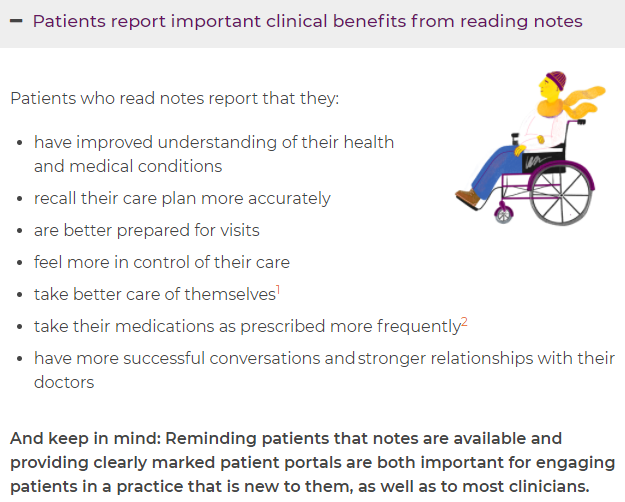
From OpenNotes website

More advice from OpenNotes website:

Related blog posts:

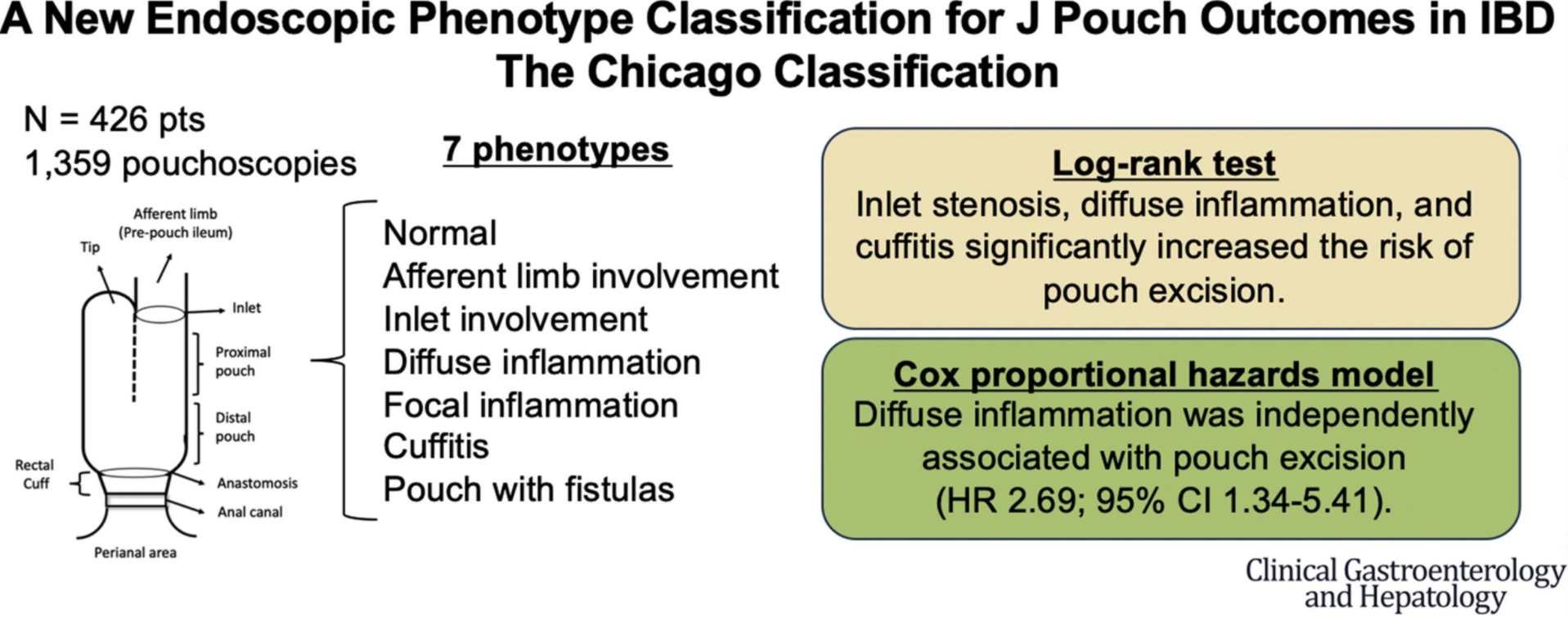
Chicago Classification of J Pouch Outcomes

S Akiyama et al. Clin Gastroenterol Hepatol 2021; https://doi.org/10.1016/j.cgh.2021.02.010 Endoscopic Phenotype of the J Pouch in Patients With Inflammatory Bowel Disease: A New Classification for Pouch Outcomes

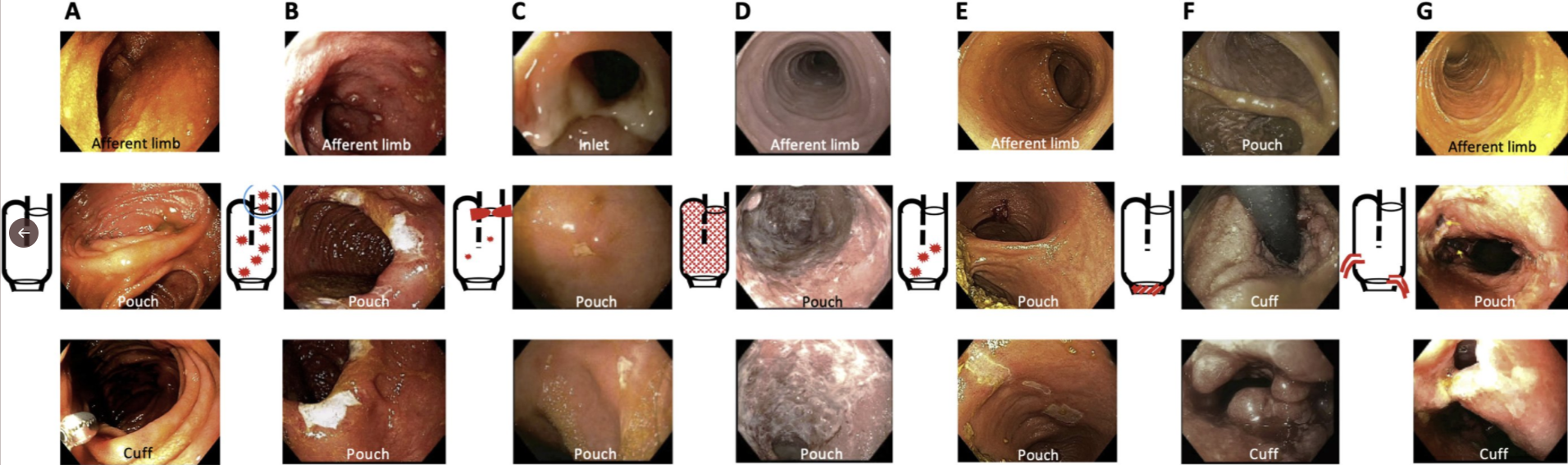
The authors retrospectively reviewed 1359 pouchoscopies and classified them into 7 main pouch phenotypes: (1) normal, (2) afferent limb involvement, (3) inlet involvement, (4) diffuse, (5) focal inflammation of the pouch body, (6) cuffitis, and (7) pouch with fistulas noted 6 months after ileostomy takedown.

Key finding: Diffuse inflammation was associated independently with pouch excision (hazard ratio, 2.69; 95% CI, 1.34–5.41; P = .005).

Related blog posts:

Improvement in Liver Fibrosis with DAA Treatment of Hepatitis C in Adolescents

A recent study showed improvements in measures of liver fibrosis at 12 months after treatment of Hepatitis C in Egyptian adolescents (DM Fahmy et al. J Pediatr 2021; 231: 110-116. Changes in Liver Stiffness and Noninvasive Fibrosis Scores in Egyptian Adolescents Successfully Treated with Ledipasvir-Sofosbuvir for Chronic Hepatitis C Virus Infection).

Methods: N=85. Liver stiffness measurement (LSM), by vibration-controlled transient elastography and noninvasive fibrosis scores (Firbosis-4, aspartate aminotransferase-platelet ratio index), were obtained before and 12 months after eradication with ledipasvir-sofosbuvir.

Key findings:

  • Overall, median baseline LSM was 5.8 (IQR, 4.2-6.5) and at follow-up 5.1 kPa (IQR, 4-6 kPa) (P = .045)
  • 16 patients (19%) experienced regression, and 46 (54%) nonprogression of LSM
  • The median baseline FIB-4 and aspartate aminotransferase-platelet ratio index scores were 0.34 (IQR, 0.22-0.47) and 0.35 (0.24-0.57), and at follow-up 0.3 (IQR, 0.22-0.34) and 0.2 (0.18-2.8) (P < .001, <.001), respectively

Limitations: In Egypt, HCV genotype 4 is predominant; thus, findings could be different with other HCV genotypes. In addition, the ‘gold’ standard in assessing fibrosis remains a liver biopsy.

In many liver conditions, effective therapy has been associated with histologic improvement/regression. So, while the findings in this study are expected, it is still nice to see more evidence of this outcome.

My take: This study supports the notion that elimination of HCV is associated with either regression or non-progression of liver fibrosis. Treatment prior to extensive liver damage is likely both effective and cost-effective.

Related blog posts:

Gibbs Gardens, 4/3/21

Early Assessment of Acute Ulcerative Colitis with ACE (Albumin, CRP, & Endoscopy)

A recent study showed that admission albumin, CRP and early endoscopy were predictive of outcomes with ulcerative colitis patients admitted for a corticosteroids: RK Grant et al. Inflamm Bowel Dis 2021; 27: 451-457. Full text (free) The ACE (Albumin, CRP and Endoscopy) Index in Acute Colitis: A Simple Clinical Index on Admission that Predicts Outcome in Patients With Acute Ulcerative Colitis

This retrospective study had 235 patients (median age 38 years). 90% had endoscopy at a median of 2 days from admission. Key findings:

  • 155 of the 235 patients (66.0%) responded to steroids
  • 78.1% (25 of 32) of patients with concurrent CRP ≥50 mg/L, albumin ≤30 g/L, and increased endoscopic severity (severe on physician’s global assessment) (maximum score = 3) did not respond to IV steroids (positive predictive value [PPV] 78.1%, negative predictive value [NPV] 87.1%).
  • Comparison with Truelove and Witts Score: 56 of 119 (47.1%) of those classed TWS severe did not respond to steroids. Previously TWS score of acute severe ulcerative colitis (ASUC), defined by at least 6 bloody stools per day plus at least 1 marker of systemic disturbance has been associated with a 19% risk of colectomy during admission.

My take: In patients with ulcerative colitis who present with low albumin and high CRP values, early escalation of medical therapy is highly likely; don’t forget to check a PPD or quantiferon Gold assay early on.

Related blog posts:

Azalea bush (March 2021)

NY Times: Crohn’s Disease is On the Rise (4/26/21)

NY Times: Crohn’s Disease Is on the Rise

Some excepts:

Dr. Joseph D. Feuerstein, gastroenterologist at Beth Israel Deaconess Medical Center in Boston… “It’s rising in incidence and prevalence throughout the world,” he said, and gastroenterologists are still trying to figure out why it shows up when it does in different people.

Crohn’s disease was first described in 1932 by Dr. Burrill B. Crohn

Prompt diagnosis and appropriate therapy to suppress inflammation in the digestive tract are extremely important because a delay can result in scar tissue and strictures that are not reversed by medication…

Crohn’s is not curable and most patients have to stay on medication indefinitely. That can create yet another stumbling block. The biologics are very costly…

Related blog posts:

Is A Gastric Emptying Study Helpful in Children?

A recent prospective study (n=104, median age 12.8) examined the relationship between symptoms in children with dyspepsia and the presence/absence of gastroparesis: L Febo-Rodriguez et al. J Pediatr 2021; 213: 117-123. Meal-Induced Symptoms in Children with Dyspepsia-Relationships to Sex and the Presence of Gastroparesis

The authors hypothesized that the presence of gastroparesis would be associated with increased severity of symptoms in children with dyspepsia. They defined gastroparesis as having at least 10% retention of standardized radiolabeled meal after 4 hrs(2 eggs, 2 pieces of toast, strawberry jam, and 120 mL of water).

Key findings:

  • Bloating was the only symptom significantly worse in youth with gastroparesis (n=52, 50%); other symptoms that were compared included nausea, satiety, chest burning, pain and fullness.
  • In those with gastroparesis, only nausea correlated with retention (4 hours.; rs = 0.275, P < .05).
  • Girls with gastroparesis had significantly worse symptoms (except satiety) when compared with boys with gastroparesis (P < .05).

Key limitation: there are no established normative data in children; data extrapolated from adults suggest having >60% retention at 2 hours and >10% at 4 hours is abnormal; the latter is supported by a large retrospective pediatric study (n=1041, Ng et al. Am J Gastroenterol 2020; 115: 1830-9)

Comment:

  • In clinical practice, a GES rarely helps with clinical management. Prokinetic agents have limited effectiveness and may be used regardless of a GES result. Even in those with abnormal values, the effects of recent infections and malnutrition could contribute to an abnormal study.

My take: It is a little surprising that symptom severity was similar between children with and without abnormal GES. Given the limited clinical impact, most GES studies have limited value.

Related blog posts:

Moving Beyond “Red Man Syndrome”

A recent commentary explains why the term for a vancomycin infusion reaction, “Red Man Syndrome,” is problematic: S Alvarez-Arango et al. NEJM 2021; 384: 1283-1286. Vancomycin Infusion Reaction — Moving beyond “Red Man Syndrome

Key points:

  • “Red Man” syndrome “calls up historical narratives that endorse and reinforce discrimination against Native American and Indigenous peoples”
  • Vancomycin infusion reactions are more readily documented in white males than in females and black patients. The combination of rash, itching, flushing and hives may be less apparent in some groups and/or mistaken as a true allergy.
  • “We recommend using the term “infusion reaction” for all non-immune-mediated drug reactions”

My take: I agree with the authors that the term “red man syndrome” should be dropped. It is both an insensitive term and also hinders appropriate diagnosis of vancomycin infusion reactions.

Gibbs Gardens, April 3, 2021

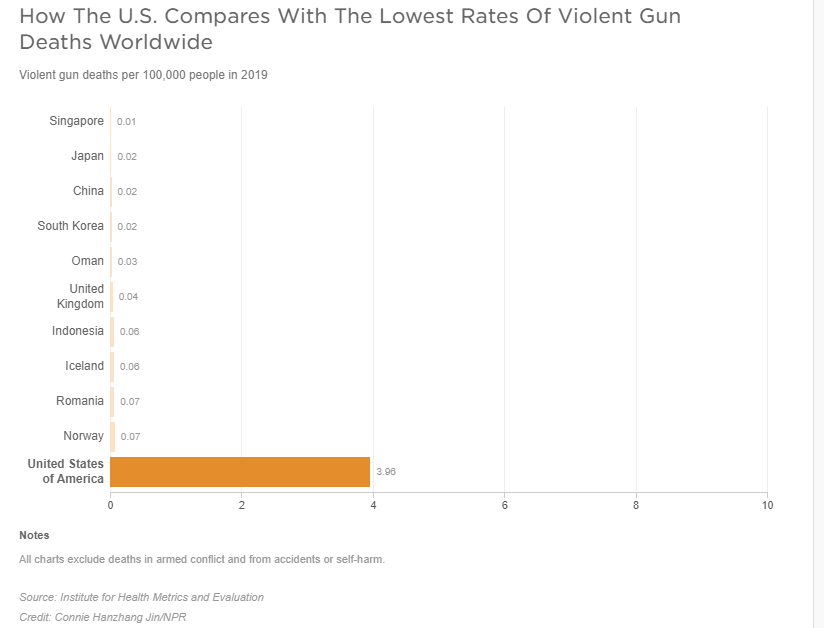
How the U.S. Compares in Rate of Gun Violence Deaths

A recent political cartoon by Mike Lukovich had a caption/commentary on U.S. troops leaving Afghanistan: “Our times up here. We are being redeployed to a war zone.”

As it turns out, gun violence deaths are higher in the U.S. than in Afghanistan, according to a recent NPR article: Gun Violence Deaths: How The U.S. Compares With The Rest Of The World. In addition, there are more gun deaths in children 4 and younger than police (NY Times: How Do We Stop the Parade of Gun Deaths? April 3, 2021).

Related blog posts:

Pain With Acute Gastroenteritis

A recent study by the APPETITE (Alberta Provincial Pediatric EnTeric Infection TEam) describes the frequency of abdominal pain with acute gastroenteritis (AGE).

S Ali et al. J Pediatr 2021; 231: 102-109. Characterizing Pain in Children with Acute Gastroenteritis Who Present for Emergency Care

This was a prospective cohort study with 2136 patients (median age 21 months) who were recruited from 2 pediatric EDs

Key findings:

  • In the 24 hours before enrollment, most caregivers reported moderate (28.6% [610/2136, 95% CI 26.7-30.5]) or severe (46.2% [986/2136, CI 44.0-48.3]) pain for their child. 
  • In the ED, they reported moderate (31.1% [664/2136, 95% CI 29.1-33.1]) or severe ([26.7% [571/2136, 95% CI 24.9-28.7]) pain; analgesia was provided to 21.2% (452/2131). The most common analgesics used in the ED were acetaminophen and ibuprofen.

In their discussion, the authors note the need for research on the development of effective, safe, and timely pain management plans. In my view, all gut pain, especially in those with chronic conditions, needs more effective treatments.

My take: This is an interesting study as very little has been published about AGE and abdominal pain. The study’s conclusions are limited by the age of the participants.

Related blog posts: