Unknown's avatar

About gutsandgrowth

I am a pediatric gastroenterologist at GI Care for Kids (previously called CCDHC) in Atlanta, Georgia. The goal of my blog is to share some of my reading in my field more broadly. In addition, I wanted to provide my voice to a wide range of topics that often have inaccurate or incomplete information. Before starting this blog in 2011, I would tear out articles from journals and/or keep notes in a palm pilot. This blog helps provide an updated source of information that is easy to access and search, along with links to useful multimedia sources. I was born and raised in Chattanooga. After graduating from the University of Virginia, I attended Baylor College of Medicine. I completed residency and fellowship training at the University of Cincinnati at the Children’s Hospital Medical Center. I received funding from the National Institutes of Health for molecular biology research of the gastrointestinal tract. During my fellowship, I had the opportunity to work with some of the most amazing pediatric gastroenterologists and mentors. Some of these individuals included Mitchell Cohen, William Balistreri, James Heubi, Jorge Bezerra, Colin Rudolph, John Bucuvalas, and Michael Farrell. I am grateful for their teaching and their friendship. During my training with their help, I received a nationwide award for the best research by a GI fellow. I have authored numerous publications/presentations including original research, case reports, review articles, and textbook chapters on various pediatric gastrointestinal problems. In addition, I have been recognized by Atlanta Magazine as a "Top Doctor" in my field multiple times. Currently, I am the vice chair of the section of nutrition for the Georgia Chapter of the American Academy of Pediatrics. In addition, I am an adjunct Associate Clinical Professor of Pediatrics at Emory University School of Medicine. Other society memberships have included the North American Society for Pediatric Gastroenterology Hepatology and Nutrition (NASPGHAN), American Academy of Pediatrics, the Food Allergy Network, the American Gastroenterology Association, the American Association for the Study of Liver Diseases, and the Crohn’s and Colitis Foundation. As part of a national pediatric GI organization called NASPGHAN (and its affiliated website GIKids), I have helped develop educational materials on a wide-range of gastrointestinal and liver diseases which are used across the country. Also, I have been an invited speaker for national campaigns to improve the evaluation and treatment of gastroesophageal reflux disease, celiac disease, eosinophilic esophagitis, hepatitis C, and inflammatory bowel disease (IBD). Some information on these topics has been posted at my work website, www.gicareforkids.com, which has links to multiple other useful resources. I am fortunate to work at GI Care For Kids. Our group has 17 terrific physicians with a wide range of subspecialization, including liver diseases, feeding disorders, eosinophilic diseases, inflammatory bowel disease, cystic fibrosis, DiGeorge/22q, celiac disease, and motility disorders. Many of our physicians are recognized nationally for their achievements. Our group of physicians have worked closely together for many years. None of the physicians in our group have ever left to join other groups. I have also worked with the same nurse (Bernadette) since I moved to Atlanta in 1997. For many families, more practical matters about our office include the following: – 14 office/satellite locations – physicians who speak Spanish – cutting edge research – on-site nutritionists – on-site psychology support for abdominal pain and feeding disorders – participation in ImproveCareNow to better the outcomes for children with inflammatory bowel disease – office endoscopy suite (lower costs and easier scheduling) – office infusion center (lower costs and easier for families) – easy access to nursing advice (each physician has at least one nurse) I am married and have two sons (both adults). I like to read, walk/hike, bike, swim, and play tennis with my free time. I do not have any financial relationships with pharmaceutical companies or other financial relationships to disclose. I have helped enroll patients in industry-sponsored research studies.

When Celiac Disease Symptoms Continue Despite a Gluten Free Diet

A Kruegger et al. JPGN 2025; 81:596–605. Open Access! The prevalence and predictive factors of overlapping disorders of gut–brain interaction and celiac disease in children

Methods: Single-center, retrospective study of children (4–21 years old, n=191) with biopsy-proven Celiac disease (CeD) who were evaluated for DGBI based on Rome IV criteria. Patients who were adherent to a GFD, demonstrated tissue transglutaminase immunoglobulin A (TTG IgA) decline, and had at least one visit 9–24-months after diagnosis with a pediatric gastroenterologist. For this study, sustained TTG IgA decline required at least two declining TTG IgA values, a 90% decline from baseline, or normalization of TTG IgA.

Key findings:

  • 43% (n = 83) met Rome IV DGBI diagnostic criteria.
  • Functional constipation (27/83, 33%) and functional abdominal pain (24/83, 29%) were the most common DGBI
  • Abdominal pain, constipation, and vomiting at initial presentation as well as comorbid joint hypermobility, headaches, and chronic musculoskeletal pain increased risk of developing DGBI after serological decline

Discussion Points:

  • “The prevalence reported here is similar to a study of adults with CeD who were adherent to a GFD that reported over 50% met criteria for a functional gastrointestinal disorder19 and is higher than previously reported pediatric prevalence rates”
  • “The majority of patients who met DGBI criteria did so through having the persistence of the same gastrointestinal symptoms that were present at CeD diagnosis. This raises the question as to whether the symptoms at presentation were due to CeD, DGBI, or both”
  • “Clinicians could consider discussing that while symptoms related to CeD should improve on a GFD, some symptoms may persist, especially if they have an increased likelihood of having a comorbid DGBI. Such counseling may prevent the misattribution of persistent symptoms to ongoing gluten exposure and mitigate hypervigilance”
  • “Having complete villous blunting on diagnostic biopsy increased the likelihood of having a DGBI. Intuitively, it is possible that complete villous blunting can lead to greater nerve sensitization and subsequently higher rates of DGBI. It is also possible that complete villous blunting is slower to recover”

My take: Given the overlap of DGBI symptoms with CeD, diagnosing DGBI in patients with CeD can be challenging. However, DGBI is much more likely to contribute to lingering symptoms than refractory CeD.

As a practical matter, the high frequency of ongoing GI symptoms despite use of a GFD provides another drawback to relying on a no-biopsy diagnosis. A no-biopsy diagnosis introduces greater uncertainty in the diagnosis and does not allow for a histologic comparison if a subsequent evaluation is needed.

Related blog posts:

Claude Monet, Bridge over a Pond of Water Lilies at The Metropolitan Museum of Art

The Future of Vaccine Policy in America with Politicized ACIP

HY Chu et al. NEJM 2025; 398: 817-822. The Path Forward for Vaccine Policy in the United States

This commentary was published on 7/30/25 and was written by the 17 voting members of the ACIP who were dismissed.

Key points:

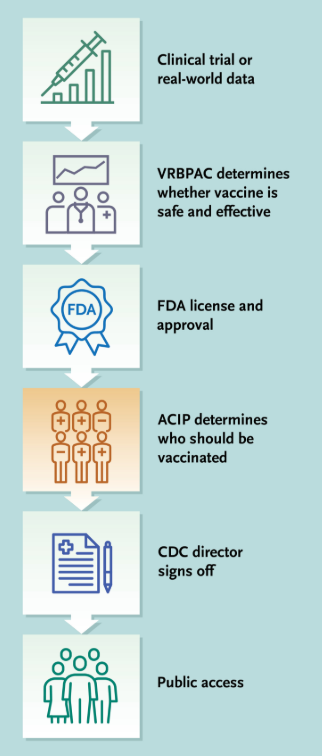
  • For over 60 years, the Advisory Committee on Immunization Practices (ACIP), which comprised a diverse group of nonpartisan specialists, has advised the Centers for Disease Control and Prevention (CDC) on vaccine recommendations based on science and intensive review of evidence. The abrupt dismantling of the rigorously vetted process and the replacement of the Committee with an inexperienced and biased panel has engendered fundamental distrust in the Committee’s vital work…The government has abruptly changed vaccine policy through social media postings and publications in news media.
**VRBPAC denotes FDA’s Vaccines and Related
Biological Products Advisory Committee
  • The ACIP has been an independent committee of vaccine scientists and clinicians that has relied on a process called the Evidence to Recommendations framework. This deliberative framework calls for a review of the strength of evidence around a variety of factors, including the magnitude of the public health problem, potential benefits and harms, values, acceptability, resource use, equity, and feasibility.
  • Previously, the ACIP had well-defined and stringent conflict of interest standards.  Voting members had to disclose and actively manage any actual or apparent conflicts of interest before and throughout their tenure… ACIP members disclosed any potential conflicts during each vote and could not vote on issues where they had an ongoing conflict.
  • ACIP recommendations have many implications. For example, government-run medical systems such as the Veterans Health Administration may be able to provide only vaccines consistent with ACIP recommendations…For children who are uninsured, underinsured, Medicaid-eligible, American Indian, or Alaska Native, the Vaccines for Children program pays only for ACIP-recommended vaccines; about half of children in the United States get their vaccines through this program.
  • The nation now faces a scenario in which the rigor and discipline of these vaccine recommendation processes are rapidly eroding…Three major issues are of particular concern: the quality and availability of data; straightforward guidance for providers and the public; and insurance coverage and vaccine access, uptake, and equity.
  • The absence of a cohesive federal policy produced by means of an evidence-based, expert-informed process creates the very real potential for conflicting messaging from within the Department of Health and Human Services (DHHS) or in relation to messages from nongovernmental agencies, such as professional organizations. This lack of coordination is likely to cause confusion for providers and the public, vaccine-administration errors, decreased uptake of vaccines, and further erosion of an already damaged public trust. It is also likely that in this milieu, misinformation will flourish.
  • The ACIP cannot be replaced, but it may be possible to limit the damage. In this vacuum, it is urgent that other organizations step forward to reassert an evidence-based, expert approach to vaccine recommendations to bring the nation back from the precipice of uncontrolled spread of infectious diseases and needless deaths.

My take: The advice from governmental agencies has been compromised. With regard to vaccines, instead of a transparent process with expertise, we are left with partisan recommendations with questionable credibility.

Related blog posts:


AI for GI

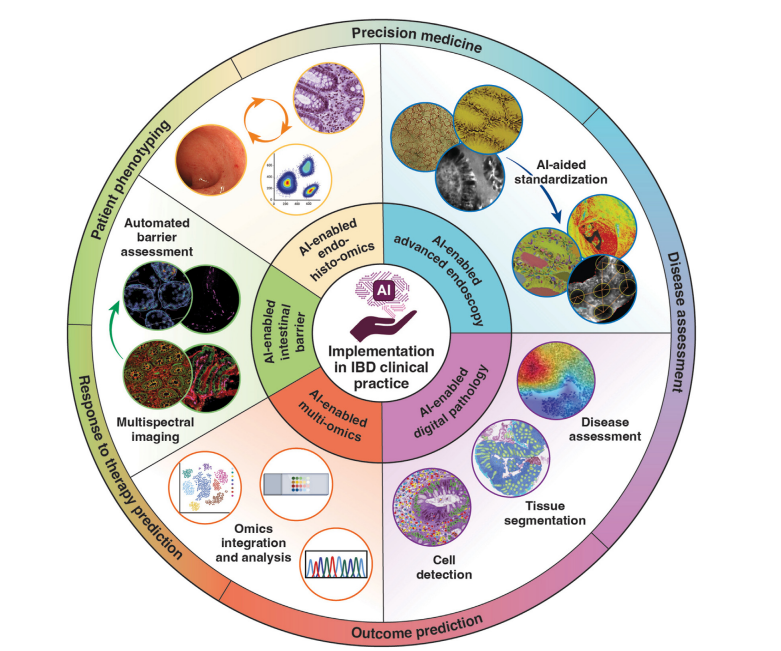
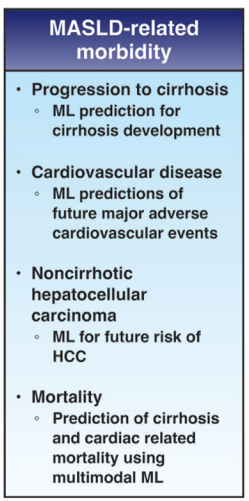
This month’s Gastroenterology issue is devoted solely to the use/expected uses as well as risks of artificial intelligence (AI) for gastroenterology and hepatology.

DL Shung, M Iacucci. Gastroenterol 2025; 169: 391-392. Artificial Intelligence in Gastroenterology and Hepatology: Potential and Perils

An excerpt:

“AI is reshaping the landscape of gastroenterology and hepatology with the promise of better, faster, more objective, and standardized care of delivery. However, behind the algorithms lies a more insidious risk: the erosion of trust in human providers…Information risk …include both error commission (ie, when the models generate false statements, introduce nonsensical concepts, or fabricate sources) and error omission (ie, summaries that omit critical information)…

When AI becomes the center of care, patients may perceive their doctors as intermediaries…diminishing the therapeutic effect of the patient-physician relationship…This arrangement can dilute clinical training, increase physician burnout, and lead to medicolegal implications…Other risks include perpetuating bias from nonrepresentative training data and amplifying uncertainty of AI due to lack of real-world validation…

We hope that AI systems will allow us to spend more, not less, time with patients and empower us to provide personalized care by leveraging high-quality multimodal data.”

Most of the articles are behind a paywall in this issue. There are five that are open access articles:

My take: These articles provide a good deal of information about the applications and risks of AI. In my view, physicians will be needed more than ever to help interpret/manage the huge amount of information available.

Related blog posts:

Upadacitinib for Crohn’s Disease: U-ENDURE Study

R Panaccione et al. Clin Gastroenterol Hepatol 2025; (In press) Open Access! Upadacitinib Maintenance Therapy in Crohn’s Disease: Final Results From the Randomized Phase 3 U-ENDURE Study

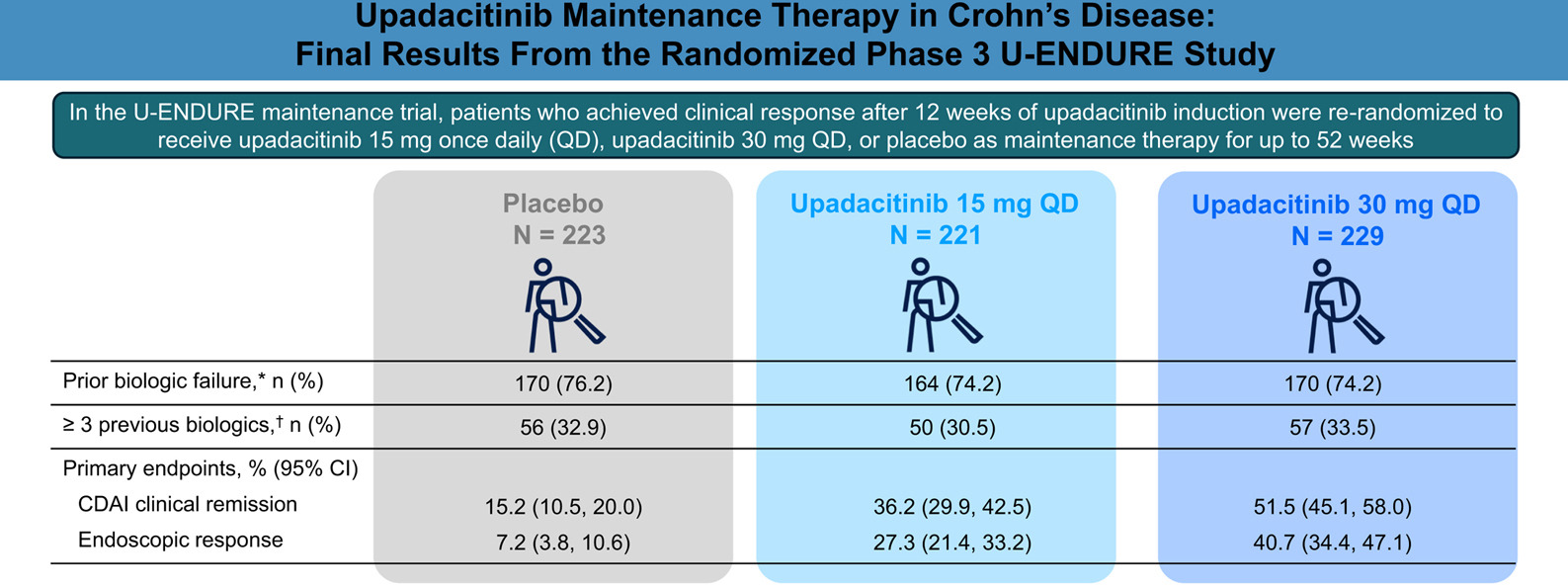
Methods: Clinical responders to 12 weeks of upadacitinib 45 mg once daily (QD) induction were randomized (1:1:1) to receive upadacitinib 15 mg QD (n = 221), upadacitinib 30 mg QD (n = 229), or placebo (n = 223) as maintenance therapy for 52 weeks

**This study presents data from the entire cohort (n=673); a previous report from ENDURE-3 analyzed data on 502 patients (though findings were nearly identical). EV Loftus et al. N Engl J Med 2023; 388:1966-1980 (Related post: Landmark Study: Oral Biologic for Crohn’s –Upadacitinib)

Key findings:

  • At week 52, more upadacitinib-treated vs placebo patients achieved CDAI clinical remission (upadacitinib 15 mg, 36.2% and upadacitinib 30 mg, 51.5% vs placebo, 15.2%)
  • The rates of endoscopic response were 27.3% for upadacitinib 15 mg and 40.7% for upadacitinib 30 mg vs 7.2% for placebo
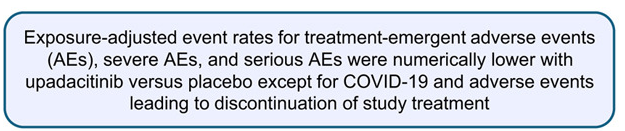
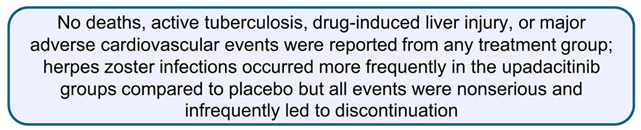
  • Herpes zoster infections occurred more frequently in the upadacitinib groups compared with placebo; all were nonserious, and most involved a single dermatome
  • In U-ENDURE, no dose-dependent risk for MACE, VTE, or malignancy (excluding NMSC) was observed during the 52-week maintenance period

My take: Upadacitinib is a effective in a good number of patients with with moderately to severely active Crohn’s disease who have been refractory to other advanced therapies.

Related blog posts:

Warnings of Hepatitis B Vaccine Policy Shift

Despite the enormous benefits of hepatitis B vaccination, it appears that this administration has its sights on changing the policy of administration at birth.

NY Times 9/16/25: C.D.C. Vaccine Advisers May Limit Hepatitis B Shots for Newborns

An excerpt:

Committee members, some of whom are vaccine skeptics, are likely to recommend restricting the use of the shots at birth or delaying them until later in childhood…

“Unless the mother is hepatitis-B-positive, an argument could be made to delay the vaccine for this infection,” Martin Kulldorff, the committee’s chair, said at its previous meeting in June.

Vaccine experts at the C.D.C., who normally would be deeply involved in preparing for this week’s meeting, have been sidelined and given no more information than the public about the meeting’s agenda or possible outcomes…

Before 1991, when newborns were not all vaccinated for hepatitis B, about 20,000 babies became infected each year. Routine immunization at birth cut the number of newborn infections … There are now fewer than 20 children per year who acquire the disease from their mothers.

Only about half of the cases before 1991 were a result of transmission from an infected mother. The other half “weren’t getting it from becoming sex workers, and they weren’t getting it from being intravenous drug users,” Dr. Paul Offit, director of the Vaccine Education Center at Children’s Hospital of Philadelphia, said…

From 2015 to 2017, about 21,000 infants were born to pregnant women with hepatitis B antibodies, but fewer than half were identified through prenatal screening, according to the C.D.C.

My take: If routine immunization at birth is stopped, there will be a lot more hepatitis B infections and subsequent complications. Some infections will be acquired at birth and some later due to missed opportunities to provide protection later on.

Related blog posts:

Brooklyn Botanic Garden

What Caught My Eye in a Recent Anti-IL23 Commentary

This recent commentary on the all-subcutaneous induction and maintenance treatment with guselkumab, an anti-IL23 agent, reviewed the GRAVITI study. Related post: Guselkumab for Crohn’s Disease: Pivotal GRAVITI Study

However, what captured my attention was the last sentence: “The convenience of subcutaneous induction enhances patient friendliness, positioning guselkumab as a strong market contender. Could an oral anti–IL-23 formulation be the next game changer?14

Johnson & Johnson (NYSE: JNJ) today announced positive topline results from ANTHEM-UC, a Phase 2b study of icotrokinra (JNJ-2113), the first investigational targeted oral peptide that selectively blocks the IL-23 receptor, in adults with moderately to severely active ulcerative colitis (UC)…

In the ANTHEM-UC study (n=252), three doses of once daily icotrokinra were tested with all meeting the primary endpoint of clinical response at Week 12. A response rate of 63.5% for patients treated with the highest dose of icotrokinra was achieved at Week 12 versus 27% for placebo (p<0.001). Further, 30.2% of patients treated with the highest dose of icotrokinra demonstrated clinical remission at Week 12 versus 11.1% of patients who received placebo (p<0.01). Remission and response rates continued to improve through Week 28.

  • Clinical response is defined as decrease from baseline in the modified Mayo score by greater than or equal to (>=) 30 percent (%) and >=2 points, with either a >=1-point decrease from baseline in the rectal bleeding subscore or a rectal bleeding subscore of 0 or 1.
  • Clinical remission is defined as a Mayo stool frequency subscore of 0 or 1 and not increased from induction baseline, a Mayo rectal bleeding subscore of 0, and a Mayo endoscopy subscore of 0 or 1 with no friability present on the endoscopy.”

My take: It would be terrific for patients with inflammatory bowel disease (and other immune-mediated diseases) to have another excellent oral therapy. A prior study of plaque psoriasis indicated that an oral IL-23 medication is feasible (Related post: In Trials: An Oral IL-23 Antagonist Peptide).

Related joke (regarding “caught my eye” in the title of this post):

A man who lived in a block of apartments thought it was raining and put his head out the window to check.  As he did so a glass eye fell into his hand. He looked up to see where it came from in time to see a young woman looking down. “Is this yours?” he asked.

She said, “Yes, could you bring it up?” and the man agreed. On arrival she was profuse in her thanks and offered the man a drink. Shortly afterwards she said, “I’m about to have dinner.  There’s plenty; would you like to join me?” He readily accepted her offer and both enjoyed a lovely meal. As the evening was drawing to a close the lady said, “I’ve had a marvelous evening.  Would you like to stay the night?”  The man hesitated then said, “Do you act like this with every man you meet?”

“No,” she replied, “only those who catch my eye.”

The Manneporte by Claude Monet (at the Metropolitan Museum of Art)

Global Evidence of Gastric Cancer Prevention with Helicobacter pylori Eradication

Several recent articles have confirmed the benefits of H pylori eradication on reducing the risk of gastric cancer. This is in both Western and Eastern populations.

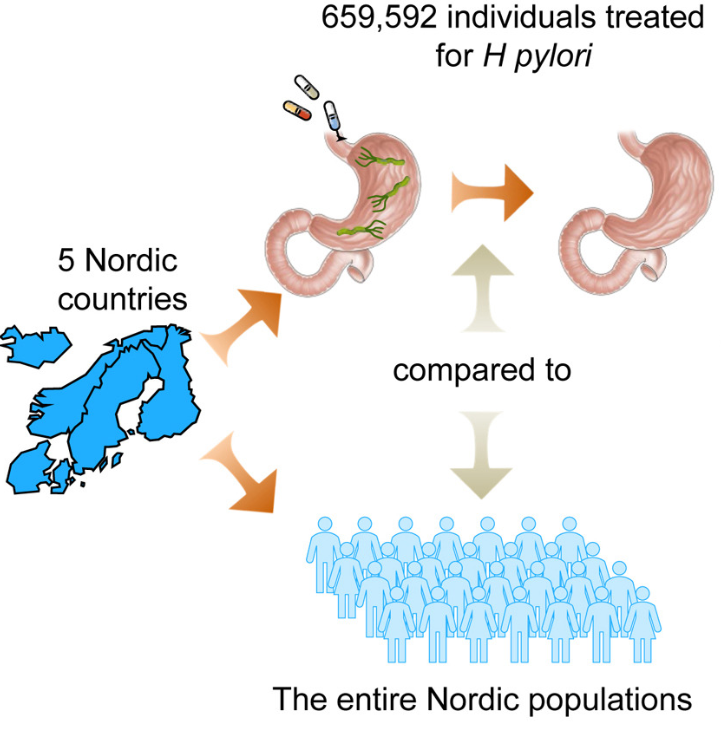
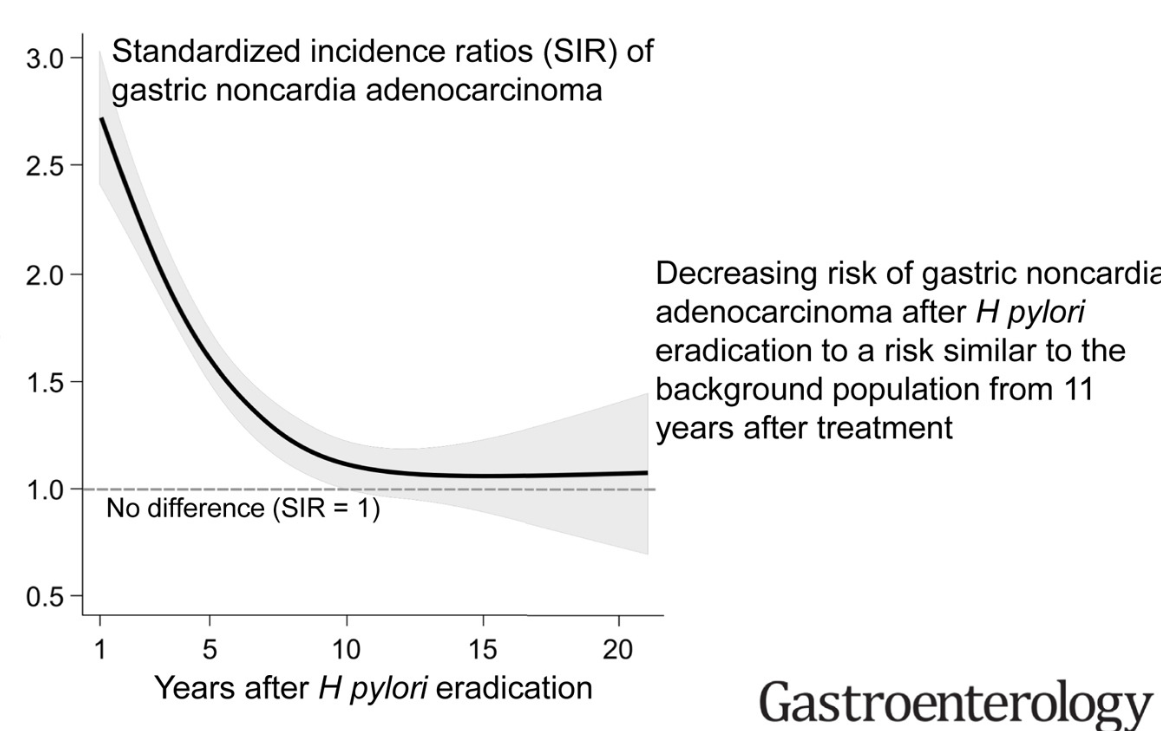
In this retrospective study from Nordic countries (Denmark, Sweden, Norway, Finland, and Iceland), researchers followed outcomes among ~700,000 people treated for H. pylori infection. The incidence of gastric adenocarcinoma was twice that of the general population in the first 5 years after treatment, likely reflecting H. pylori–related carcinogenesis that already was underway, but after 11 years, the incidence fell to that of the general population and remained there.

Discussion points:

  • The results of this study from 5 entire Western countries are in line with systematic reviews from Asian populations, indicating that H pylori eradication reduces the risk of gastric cancer
  • In addition, it has been proposed that eradication of H pylori might increase the risk of esophageal adenocarcinoma, but our recent study based on the NordHePEP found no such increase (Ref: Gastroenterology. 2024; 167:485-492.e3)

In this population-based study with more than 900,000 individuals, gastric cancer incidence and mortality rates were significantly lower in H pylori-treated individuals than in the general population.

In this meta-analysis of 11 randomized trials and 13 cohort studies researchers compared outcomes in treated and untreated H. pylori–positive adults. In both groups of studies, gastric cancer incidence was 40% lower in people who underwent H. pylori eradication. All but two of these studies were from eastern Asia.

 “In 2025, the IARC Working Group has issued a new report reaffirming H pylori eradication as a globally actionable and cost-effective intervention for the primary prevention of GC.18…Also, addressing the global public health challenge of antibiotic resistance remains essential, necessitating the development of susceptibility-guided or empirically optimized regimens tailored to local resistance patterns.

My take (borrowed from the commentary): “Despite the challenges, collectively, the emerging evidence from diverse populations reinforces the significant benefits of H pylori eradication in reducing GC incidence and mortality. These findings continuously support that H pylori eradication remains an effective preventive strategy across demographic settings, highlighting its relevance as a critical public health measure globally.”

Related blog posts:

IBS Impact: Survey Reveals Daily Life Struggles

AGA GastroNews, AGA IBS in America survey reveals IBS major burden despite advances in treatment (8/7/25):

Methods: The Harris Poll on behalf of AGA in 2024, among 2,013 U.S. adults age 18+ who have been diagnosed by a health care provider with IBS-C (1,005) or IBS-D (1,008). In addition, U.S. health care provider research was conducted online among 600 health care providers including gastroenterologists (n=200), primary care physicians (PCPs, n=200), gastroenterology nurse practitioners (NP)/physician assistants (PA) (n=100), and PCP NP/PAs (n=100)

Key findings:

  • IBS symptoms interfere with patients’ productivity at work/school for nearly 11 days per month on average
  • IBS symptoms disrupt personal activities eight days per month on average
  • 69% say their symptoms make them feel like they’re not “normal”
  • 77% avoid situations where bathroom access is limited.
  • 72% find it difficult to plan activities due to unpredictable symptoms.
  • 72% stay home more often because of their symptoms

My take: This sample of patients with IBS likely has more severe symptoms than a more general population of patients with IBS. Nevertheless, it highlights the impact of IBS symptoms on daily living.

Link: AGA IBS Toolkit

Related blog posts:

Westminster Abbey, London


Is a High Protein Diet Beneficial and Safe?

There has been a lot of hype about the benefits of a high protein diet. In a recent substack article (8/31/25) , Eric Topol reviews the data on this (for adults).

Here’s the link:Our Preoccupation With Protein Intake

Key points:

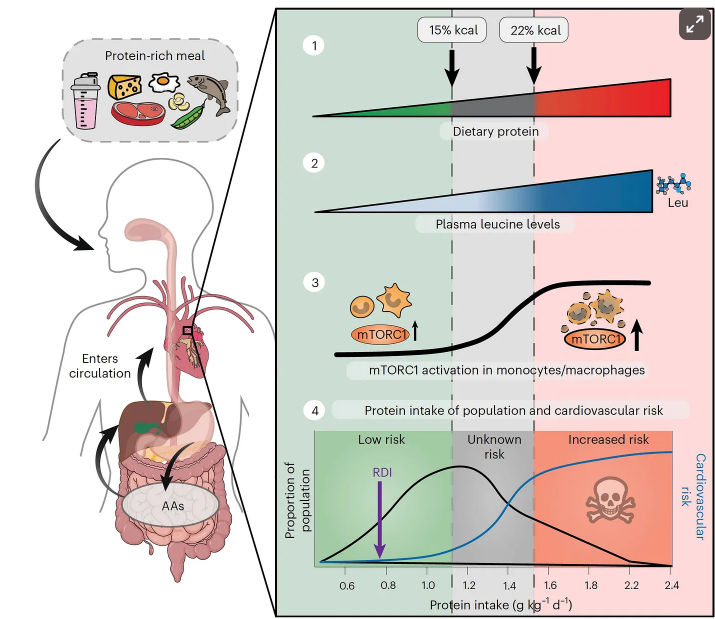
  • “The pervasive call for higher protein intake stems from the assertion that people are not getting adequate amounts in their diet, namely the 0.8 g/kg/day recommend by the National Academy of Medicine and the World Health Organization….
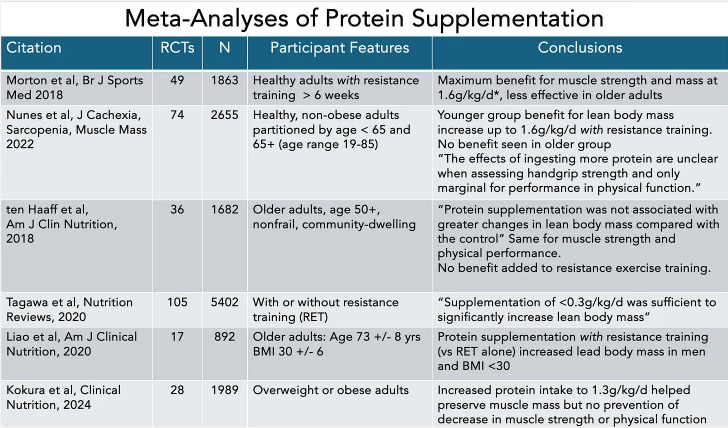
  • Regarding the need to increase protein intake 2-3 fold per day, Stuart Phillips, a leading expert on protein, energy, and building muscle mass, who is a professor at McMaster University in Canada, said “It’s baloney. But there’s a generation, particularly young men, and now an increasing number of young women, who are absolutely brainwashed by what they hear online”…there are no data to support more than 1.6 g/kg/day of protein intake.

Safety concerns:

  • “There are many observational studies that have raised the safety concerns for high-protein intake, particularly derived from animal protein, for increased risk of type 2 diabetes, cardiovascular disease, and higher all-cause mortality. A prospective study of ~44,000 women in Sweden followed for 15.7 years found an association of high-protein diet with heightened cardiovascular risk.”
  • A “high protein intake is dangerous for people with kidney disease, present in 1 of 7 adults, but 9 of 10 people with reduced kidney function are unaware of it.”

My take (borrowed from Dr. Topol): “The body of evidence about protein does not provide support [for] very high protein intake, certainly not in excess of 1.6 g/kg/day…there is no way to store protein in the body…Resistance training is the principal driver for building muscle mass and strength, not high protein intake.” While this article focuses on adults, the premise is similar in children; though, on a per kilogram basis, children need modestly higher amounts. (Reference: JL Hudson et al. Nutrients. 2021 May 5;13(5):1554. Dietary Protein Requirements in Children: Methods for Consideration)

Related blog posts:

How Often Esophageal Coins Pass Into the Stomach

P Quitadomo et al. Am J Gastroenterol 2025; 120: 1388-1390. “Insert-Coin”: A Prospective Study of Coin Ingestion in Children of Southern Italy

Thanks to Ben Gold for this reference.

This prospective study from Naples, Italy examined children 0-14 yrs of age with a coin ingestion (n=807). Children with coins in the proximal esophagus underwent endoscopic removal within 4 hours whereas those with middle to lower esophageal coins had re-evaluation after 12 hours before removal.

Key findings:

  • 52 of 807 (6.4%) had a coin retained in the esophagus, the remainder were in the stomach or beyond
  • 20 of 52 (38%) were located in the middle to lower esophagus (10 in each)
  • 13 of 20 (65%) coins in the middle to lower esophagus had spontaneous gastric passage
  • The mean age of patients with gastric passage (72 months) was higher than those without passage (48 months)

My take: Only 6% of patients in this study who had a coin ingestion had esophageal retention of the coin. In addition, one-fourth of those with esophageal coins had spontaneous passage into the stomach. This occurred only with the mid-distal esophageal coins; in this subset it occurred in 65%. Thus, in those with mid-distal esophageal coins, watchful waiting for ~12 hrs may be beneficial for patients. The ultimate primary prevention of this problem may occur with more widespread adoption of electronic payments.

Related blog posts:

Agnes Northrup of Louis Tiffany Studio,
Tiffany Garden Landscape Window (1912)
at The Metropolitan Museum of Art
Agnes Northrup of Louis Tiffany Studio,
Autumn Landscape  (1923) at The Metropolitan Museum of Art