These images are from an 18 yo with elevated aminotransferases. Her liver biopsy revealed birefringent cholesteryl ester crystals consistent with lysosomal acid lipase deficiency.

Related posts:


These images are from an 18 yo with elevated aminotransferases. Her liver biopsy revealed birefringent cholesteryl ester crystals consistent with lysosomal acid lipase deficiency.
Related posts:
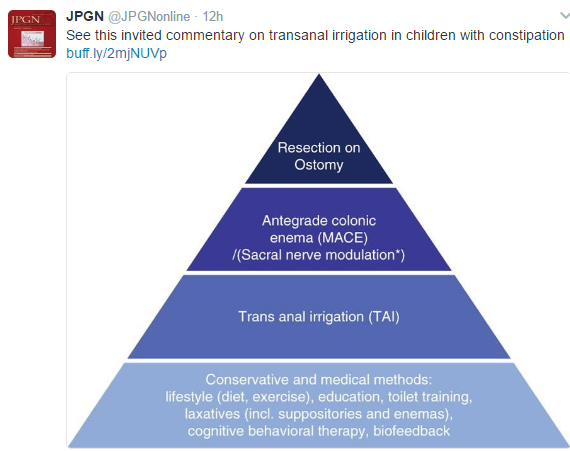
A recent “consensus” review on bowel management (G Mosiello et al. JPGN 2017; 64: 343-52) is available as an open access article –Link: Consensus Review of Best Practic of Transanal Irrigation in Children
The use of bowel management tube (or cone) for transanal irrigation has been around since ~1987 (B Shandling et. al. J Ped Surg 1987; 22: 271-3) and generally is considered in children older than 3 years of age with severe problems with defecation (organic and functional).
This particular review has a very good table on troubleshooting (Table 4) and a succinct summary of indications/contraindications (Table 2).
Related blog entries:

Not surprisingly, a recent study (HB Randall et al. Liver Transplantation 2017; 23: 305-14) has found that use of opioid medications prior to liver transplantation (LT) increased mortality over 5 years after transplantation.
This retrospective cohort study with data from nearly 30,000 patients correlated outcomes with pre-LT opioid exposure. Overall, 9.3% of recipients filled opioid prescriptions while on the waiting list. Adjusted hazard ratios for death were 1.28 and 1.52 respectively for opioid use of level 3 and level 4.
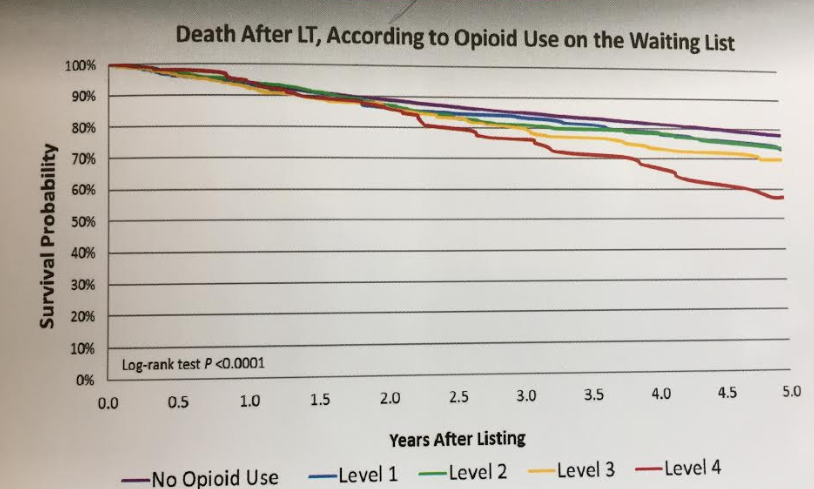
In the associated editorial (pg 285-7), the authors note that animal models have shown direct hepatotoxic effects of opioid use, though they speculate that the driver for mortality could be due to “sustained opioid use over time or return to illicit drug use.”
A unrelated commentary by CDC director Tom Frieden (AJC “Protect Ga. families from opioid overdose”, March 18, 2018) explains the scope of the opioid epidemic. “Since 2000, more than 300,000 of our sons, daughters, brothers, sisters, mothers, fathers, and friends have been killed by opiates. In 19999, approximately 6,000 Americans died from opiate overdose –including both prescription pain medicines … and heroin. By 2015 that number increased to more than 33,000.” This is more than a five-fold increase.
He emphasized that opiates serve as a gateway drug for those addicted to heroin; that is, the majority of those hooked on heroin were started on an opioid medication.
My take: The worsened outcomes of LT due to opioids are unfortunately a tiny part of an enormous tragic problem of the opioid epidemic.
Related posts:
NY Times Summarizes the reasons why Canadians with Cystic Fibrosis Live Longer: Link: Canadians With Cystic Fibrosis Live 10 Years Longer Than Americans With the Disease
Cystic fibrosis is an inherited disease that causes recurrent lung infections and other problems. The average lifespan for an American with the illness is 37 years. In Canada, it is 49.
Researchers studied records of 5,941 Canadian and 45,448 American cystic fibrosis patients between 1990 and 2013. After controlling for severity of disease, age and other factors, they found that overall death rates were 34 percent lower in Canada than in the United States.
There was no difference in death rates between Canadians and Americans with private health insurance. But Canada provides universal health care coverage under a single-payer system, so every Canadian has some kind of health insurance. The Canadian death rate was 44 percent lower than that of Americans on Medicaid or Medicare, and 77 percent lower than Americans without insurance.
AL Stephenson et al. Ann Intern Med. 2017. DOI: 10.7326/M16-0858

Sainte-Chapelle, Paris
From USA Today: Colon and rectal cancers surge in millennials and GenX
An excerpt:
Someone born in 1990 has double the risk of early colon cancer and quadruple the risk of early rectal cancer as someone born in 1950…
Most of the nation’s 135,000 annual cases and 50,000 deaths related to colon and rectal cancer still occur among people over age 55. But the share of cases involving younger adults has risen to 29% for rectal cancer and 17% for colon cancer, the study showed. About 11,000 people in their 40s and 4,000 under 40 were diagnosed in 2013…
Known risk factors for colon and rectal cancer include obesity, inactivity and diets high in red and processed meat and low fruits, vegetables and whole grains.

MC Montana, AS Evers. J Pediatr 2017; 181: 279-84. This commentary reviewed recent studies regarding anesthetic neurotoxicity. “Two recently published human studies suggest a lack of harm in otherwise-healthy children following a short duration anesthetic (approximately 1 hour)” References: Lancet 2016; 387: 239-50 & JAMA 2016; 315: 2312-20.
Related posts:
NR Santucci et al. JPGN 2017; 64: 186-93. This systematic review selected 31 studies (out of 916 citations) and found there is no consensus concerning diagnostic criteria for biliary dyskinesia and the data supporting the concept of biliary dyskinesia in children is weak. The uncontrolled studies were generally observational, retrospective designs with relatively small numbers.
Related posts
I Youngster et al. J Pediatr 2017; 182: 239-44. This study examined large prescription databases (more than 74 million person years) and identified wide discrepancy in antibiotic use among the six different countries. For example, among children less than 2 years of age, South Korea had the highest rate of antimicrobial use, with 3.41 prescribed courses per child-year; in contrast, the rates were 1.4 in Italy, 1.5 in Spain, 1.1 in the U.S., 1.0 in Germany, and 0.5 in Norway.
A Srivastavai et al. JPGN 2017; 64: 194-9. In this retrospective study with 262 children with liver disease-related ascites, the authors found spontaneous bacterial peritonitis (or culture-negattive neurocytic ascites) in 28.6%. Half of these patients were asymptomatic. SBP/CNNA was defined by having a polymorphonuclear leukocyte count of >250 cells/mm3. There was a 24% one-year mortality rate for those who had SBP/CNNA.
MR Narkewicz et al. JPGN 2017; 64: 210-7. Using data from the pediatric acute liver failure group, the researchers identified a high rate of autoantibodies (28%) among 986 pediatric subjects with acute liver failure. The presence of autoantibodies was not significantly associate with 21-day outcomes and steroid treatment was not associated with survival; in fact, those without a known diagnosis of autoimmune hepatitis, had a higher risk of death with steroid therapy. In the setting of acute liver failure, autoantibody positivity does not obviate the need for a complete diagnostic workup.
A Lauterio et al. Liver Transplantation 2017; 23: 184-93. Italian review of living donor safety found that major complications occurred in 12.6% (31 or 246) but there were no mortalities. 5 (2%) required reoperation.

from Twitter’s ‘This Week in Church Signs’ feed
A recent review (B Weiss, O Pinahs-Hamiel. JPGN 2017; 64: 175-79) of the medical literature describes the various recommendations regarding celiac disease (CD) and type 1 diabetes mellitus (T1DM).
Key points:
The authors review recommendations for CD screening. Several guidelines have recommended soon after diagnosis (especially if >2 years of age).

Their figure 1 algorithm provides guidance on evaluation. In those patients with T1DM and positive CD serology, if they are asymptomatic, assuring that serology is persistently elevated may be worthwhile before proceeding with small bowel biopsy. In those who initially test negative for serology, there may be a role for HLA testing and/or periodic screening every few years.
Related editorial on recent article: Celiac Disease, Gut-Brain Axis, and Behavior: Cause, Consequence or Merely Epiphenomenon (A Fasano) Thanks to KT Park for this reference. Excerpt:
By assessing the psychological functioning of infants enrolled in the Environmental Determinant of Diabetes in the Young trial and followed prospectively, the authors reported that 3.5-year-old children affected by celiac disease autoimmunity (CDA), defined as positive serology in children at risk, have increased reports of depression/anxiety, aggressive behavior, and sleep disturbances. Interestingly, these symptoms were significantly greater in the 66 children with CDA whose mothers were unaware of the diagnosis compared with the 440 children with CDA whose mothers were aware of the diagnosis and the 3651 children without CDA, decreasing the chance that the reported behaviors were biased by families’ subjective assessment…Prospective studies such as that reported by Smith et al may be a key approach to shedding light on how intestinal factors can influence human behavior and to identifying possible targets to ameliorate psychological symptoms caused by inappropriate gut-brain cross-talk.
Reference article: Smith L, et al.. Psychological manifestation of celiac disease autoimmunity in young children. Pediatrics. 2017;139(3):e20162848
Related blog posts:
Disclaimer: These blog posts are for educational purposes only. Specific dosing of medications (along with potential adverse effects) should be confirmed by prescribing physician. This content is not a substitute for medical advice, diagnosis or treatment provided by a qualified healthcare provider. Always seek the advice of your physician or other qualified health provider with any questions you may have regarding a condition.

Link: Bone Health of Children with Intestinal Failure (Thanks to Kipp Ellsworth for this reference) E Neelis et al. DOI: http://dx.doi.org/10.1016/j.clnu.2017.02.014
From Abstract:
A retrospective study was performed including all children with IF between 2000 and 2015 who underwent a DXA measurement and/or a hand radiograph. Z-scores of BMD total body (BMD TB) and lumbar spine (BMD LS), bone mineral apparent density (BMAD) and bone health index (BHI) were collected. A low BMD and low BHI were defined as a Z-score ≤ -2. DXA and DXR results were compared for cases in which a DXA and hand radiograph were performed within a 6 months’ interval.
Forty-six children were included. Overall, 24.3% of the children had a low BMD at the first DXA at a median age of 6 years; correction for growth failure (n=6)) reduced this to 16.2%. Fifty percent had a low BHI at the first hand radiograph. Median DXA and BHI Z-scores were significantly lower than reference scores. Age, duration of PN and surgical IF were related to lower Z-scores at the first DXA. Paired DXA and DXR results (n=18) were compared, resulting in a Cohen’s kappa of 0.746 (‘substantial’) for BMD TB. Spearman’s correlation coefficient for BHI and BMD TB Z-scores was 0.856 (p<0.001). Hand radiography had a sensitivity of 90% and specificity of 86% (BMD TB).
Up to 50% of the children had a low BMD. Children with IF have a significantly poorer bone health than the reference population, also after weaning off PN. Bone health assessment by DXA and DXR showed good agreement, especially for Z-scores ≤ -2. DXR assessment using BoneXpert software seems to be feasible for monitoring of bone health in children with IF.
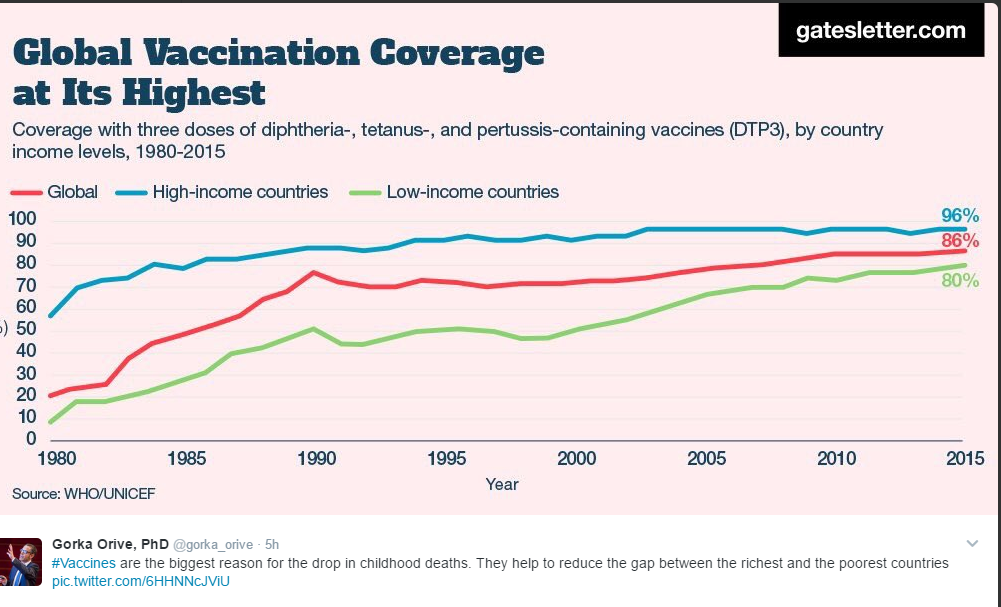
The alarming rates of pediatric nonalcoholic fatty liver disease are summarized in a recent Lancet Blog (Thanks to John Pohl for this link). Seven million children in U.S. have fatty liver disease.
Link: An alarming trend in fatty livers (in children)
An excerpt:
The rate of NAFLD among US children has tripled over the last twenty to thirty years, rising from 3-4 percent to 10-11 percent, according to Dr. Naim Alkhouri, Director of the Metabolic Liver Center at the Texas Liver Institute in San Antonio…
Lifestyle changes, such as better nutrition and increased exercise, are currently the best-known way of mitigating and possibly reversing its effects…
Some 35-50 percent of obese children have NAFLD, and 20 percent of children with NAFLD have the advanced form of NASH. Also, 10-15 percent of children with NAFLD are in a predicament that could be described as “pre-cirrhosis.”
“Though most cases of juvenile NAFLD are caused by excess weight and associated insulin resistance, “up to 7% of non-overweight or obese children may have NAFLD,” according to a new study that Alkhouri and others will present at the upcoming International Liver Congress, held in Amsterdam this April.
Related blog posts:

Chattahoochee near Azalea Drive

