AGA Practice Update: Acute Hepatic Porphyrias

B Wang et al. Gastroenterol 2023; 164: 484-491. Open Access! AGA Clinical Practice Update on Diagnosis and Management of Acute Hepatic Porphyrias: Expert Review
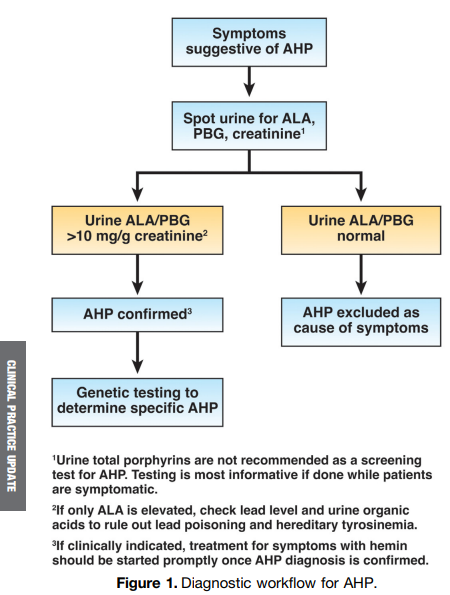
Overall, acute hepatic porphyrias (AHP) are rare disorders. “Acute intermittent porphyria is the most common type of AHP, with an estimated prevalence of patients with symptoms of
approximately 1 in 100,000. The major clinical presentation involves attacks of severe pain, usually abdominal and generalized, without peritoneal signs or abnormalities on cross-sectional imaging…The screening tests of choice include random urine porphobilinogen and d-aminolevulinic acid corrected to creatinine.”

“All patients with elevations in urinary porphobilinogen and/or d-aminolevulinic acid should initially be presumed to have AHP. The cornerstones of management include discontinuation of porphyrinogenic drugs and chemicals, administration of oral or intravenous dextrose and
intravenous hemin, and use of analgesics and antiemetics. Diagnosis of AHP type can be confirmed after initial treatment by genetic testing for pathogenic variants in HMBS, CPOX, PPOX, and ALAD genes.”

Some of the best practice advice:

  • Women aged 15–50 years with unexplained, recurrent severe abdominal pain without a clear etiology after an initial workup should be considered for screening for an AHP.
  • Initial diagnosis of AHP should be made by biochemical testing measuring d-aminolevulinic acid, porphobilinogen, and creatinine on a random urine sample.
  • Genetic testing should be used to confirm the diagnosis of AHP in patients with positive
    biochemical testing.
  • Acute attacks of AHP that are severe enough to require hospital admission should
    be treated with intravenous hemin, given daily, preferably into a high-flow central vein

Related blog posts:
Guideline: Biomarker Use for Ulcerative Colitis

S Singh et al. Gastroenterol 2023; 164: 344-372. Open Access! AGA Clinical Practice Guideline on the Role of Biomarkers for the Management of Ulcerative Colitis Clinical Decision support tool (pg 373-374), Spotlight (pg 375).

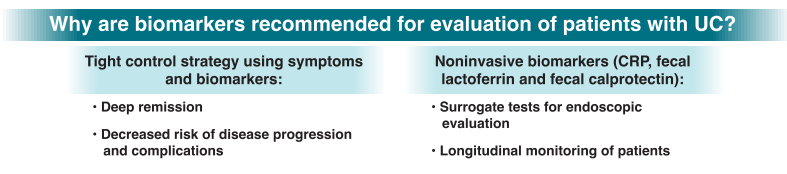
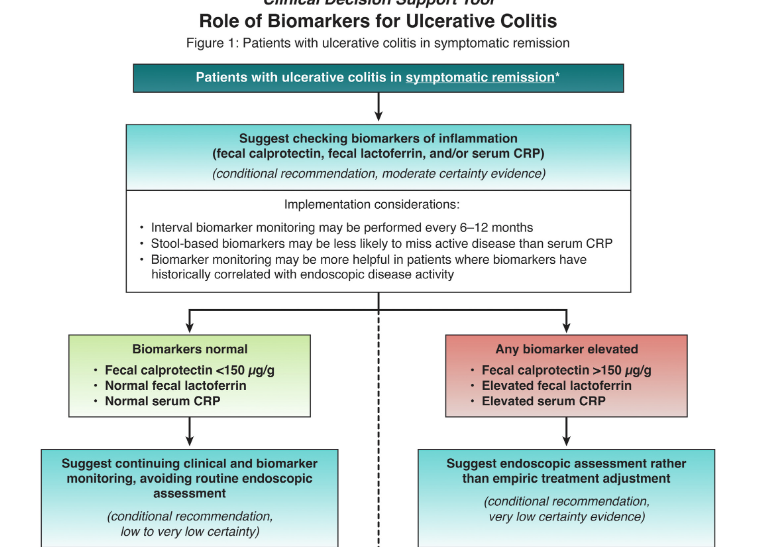
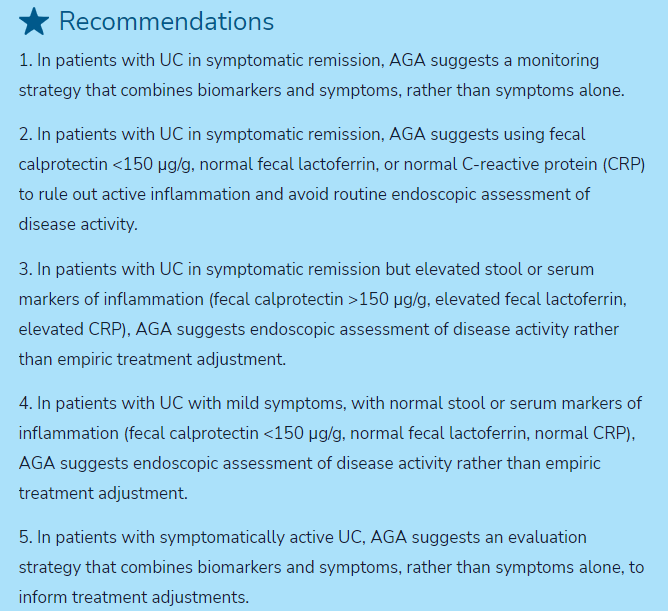
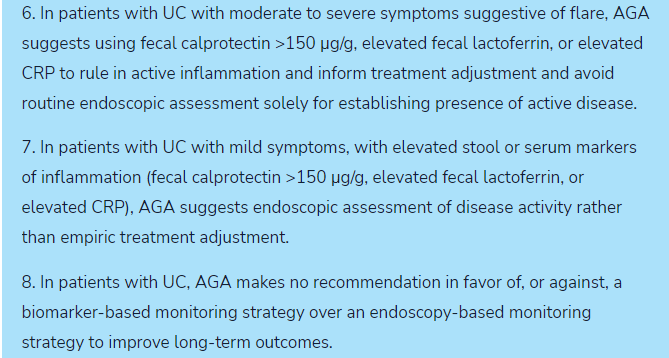
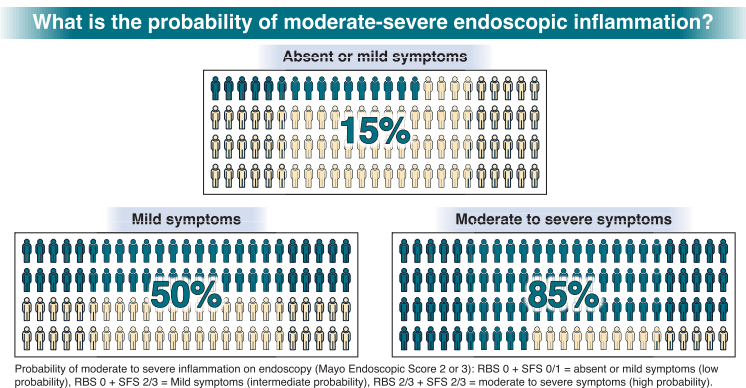
The full access links to the article and related articles provide extensive information and rationale for AGA’s biomarker recommendations in ulcerative colitis (UC). For me, the recommendations highlight the important role of biomarkers (especially fecal calprotectin (FC)) when things are going very well or very poorly. Key points:

  • In asymptomatic patients with normal biomarkers (FC <150, normal lactoferrin, normal CRP), the recommendations suggest continued monitoring without endoscopic assessment.
  • In patients with moderate-to-severe symptoms and with elevated biomarkers, the authors, likewise, advocate for treatment adjustment without endoscopic assessment.
  • For asymptomatic patients with elevated biomarkers and symptomatic patients with normal biomarkers, the authors recommend endoscopic assessment.
From Spotlight Material

My take: By combining biomarkers with symptoms, this improves utility of more invasive testing.

Related blog posts:

High Relapse Rates with Anti-TNF Withdrawal Even with Endoscopic Remission

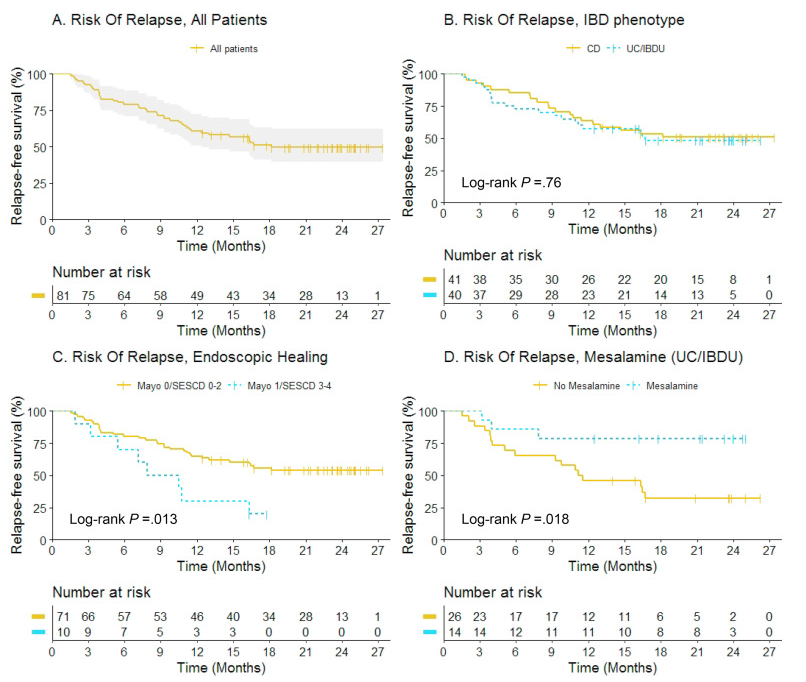
R Mahmoud et al. Clin Gastroenterol Hepatol 2023; 21: 750-760. Open Access! Complete Endoscopic Healing Is Associated With Lower Relapse Risk After Anti-TNF Withdrawal in Inflammatory Bowel Disease

This was a prospective observational study (n=81). In order to participate, patients (all adults) had to be in confirmed baseline steroid-free clinical remission (for at least 6 months) and endoscopic healing;  endoscopic healing was defined as endoscopic Mayo score <2 or Simple Endoscopic Score for CD (SES-CD) <5 without large ulcers. Endoscopic healing was subclassified as complete endoscopic healing (Mayo 0/SES-CD 0–2) versus partial endoscopic healing (Mayo 1/SES-CD 3–4).

Key findings:

  • At 12 months, 70% (7 of 10) versus 35% (25 of 71) of patients with partial versus complete endoscopic healing relapsed, respectively (adjusted hazard rate [aHR], 3.28; 95% confidence interval [CI], 1.43–7.50)
  • Mesalamine use was associated with fewer relapses in UC/IBDU patients (aHR, 0.08; 95% CI, 0.01–0.67)
  • Thirty patients restarted anti-TNF, and clinical remission was regained in 73% at 3 months.

The authors highlight the lower relapse rate between those with complete endoscopic healing and those with partial healing. They acknowledge that those eligible for anti-TNF de-escalation are highly selected (~7% in a prior study) and “few patients with an unfavorable IBD phenotype, such as stricturing or penetrating CD, anti-TNF for perianal fistulizing CD, young age at diagnosis, or prior biological failure, were included in this study. Therefore, our findings may not be generalizable to patients with a more severe IBD phenotype.

My take: Even in those with complete endoscopic healing, there is a high rate of relapse. In addition, stopping anti-TNF therapy likely increases risk of not responding to anti-TNF therapy when it is restarted. This study does show that transitioning from anti-TNF therapy to mesalamine therapy in those with ulcerative colitis (or IBDU) could be a reasonable consideration.

Related blog posts:
Targeting Calprotectin Levels Below 80 for Ulcerative Colitis Plus Obesity Medication Pushback

K Kawashima et al. Inflamm Bowel Dis 2023; 29: 359-366. Low Fecal Calprotectin Predicts Histological Healing in Patients with Ulcerative Colitis with Endoscopic Remission and Leads to Prolonged Clinical Remission

In this prospective study (n=76), patients with UC in clinical and endoscopic remission, defined as a partial Mayo score (PMS) ≤ 2 points and a Mayo endoscopic subscore 0–1, were enrolled and followed for 2 years or until relapse, defined as a PMS > 2 or medication escalation.

Key findings:

  • The median fecal calprotectin (FC) value in patients with histologic healing (HH) (n = 40) was 56.2 µg/g, significantly lower than that in those with histological activity (118.1 µg/g; P < .01)
  • The optimal FC cutoff value to predict prolonged CR was 84.6 µg/g (72% sensitivity; 85% specificity; P < .01)

My take: Even among ulcerative colitis in clinical & endoscopic remission, fecal calprotectin levels are an objective way to identify histologic healing and to stratifying likelihood of prolonged remission.

Related blog posts:

Sendero Esperanza Trail, Saguaro National Park, Tucson AZ

It is good to see some skepticism regarding the new obesity medications. 4/2/23 USA Today: Why experts worry the ‘magic’ in new weight loss medications carries a dark side

Cold vs Hot Polypectomy for Small Polyps

L-C Chang et al. Ann Intern Med. [Epub 21 February 2023]. doi:10.7326/M22-2189. Cold Versus Hot Snare Polypectomy for Small Colorectal Polyps

In this multicenter randomized open-label, single-blind trial of patients (n=4270) 40 years or older (mean age 62 years) with polyps of 4 to 10 mm, cold snare polypectomy (CSP) was compared with hot snare polypectomy (HSP).

Key findings:

  • Eight patients (0.4%) in the CSP group and 31 (1.5%) in the HSP group had delayed bleeding (w/in 14 days) (risk difference, −1.1% [95% CI, −1.7% to −0.5%]).
  • Severe delayed bleeding (drop in Hgb of 2 g/dL) was also lower in the CSP group (1 [0.05%] vs. 8 [0.4%] events; risk difference, −0.3% [CI, −0.6% to −0.05%])
  • The CSP group had fewer emergency service visits than the HSP group (4 [0.2%] vs. 13 [0.6%] visits
  • Polyp type (in Table 2): 70% were adenomas, 5% were sessile polyps, and 23% were nonneoplastic which includes hyperplastic polyps, inflammatory polyps, and nonsignificant lesions. ~56% had a “polypoid morphology” and ~ 44% had a “nonpolypoid morphology.”
  • “Besides an improved safety profile, another advantage of CSP is its high efficiency. This study’s results showed that the time required for polypectomy is reduced by 26.9% with CSP (difference in mean, -44.0 seconds)”

Why is CSP safer?

“The shallower resection depth in CSP is one of the factors contributing to the lower bleeding risk. Besides the tearing force, electrocautery also applies more energy to the soft tissue… (28). Profound submucosal destruction may occur in 60% of cases, and the muscularis propria may be damaged in 20% of patients receiving HSP; however, all cold resections are limited to the shallow submucosa. Because larger vessels are usually located in the deeper submucosa, the shallow resection depth of CSP causes less arterial injury, thereby reducing the risk for delayed bleeding (29).”

My take: It would be helpful to replicate these findings in children mainly due to differences in polyp types that are found. Nevertheless, this study suggests that it is likely more risky to use cautery for small polyps (“including persons using antiplatelet agents or anticoagulants”).

Related blog posts:

Disclaimer: This blog, gutsandgrowth, assumes no responsibility for any use or operation of any method, product, instruction, concept or idea contained in the material herein or for any injury or damage to persons or property (whether products liability, negligence or otherwise) resulting from such use or operation. These blog posts are for educational purposes only. Specific dosing of medications (along with potential adverse effects) should be confirmed by prescribing physician.  Because of rapid advances in the medical sciences, the gutsandgrowth blog cautions that independent verification should be made of diagnosis and drug dosages. The reader is solely responsible for the conduct of any suggested test or procedure.  This content is not a substitute for medical advice, diagnosis or treatment provided by a qualified healthcare provider. Always seek the advice of your physician or other qualified health provider with any questions you may have regarding a condition.

The Eosinophilic Esophagitis Diagnostic Cup is Half Empty with the Esophageal Sponge

JA Alexander et al. Clin Gastroenterol Hepatol 2023; 21: 299-306. Open Access! Use of the Esophageal Sponge in Directing Food Reintroduction in Eosinophilic Esophagitis

Methods: In this prospective non-blinded trial, 22 responders to 6-food elimination diets underwent sequential food reintroduction guided by esophageal sponge cytology

Key findings:

  • At the post food reintroduction evaluation, sponge cytology and biopsy histology were in agreement in 59% (13/22) of cases using a cutoff of <15 eos/hpf and 68% (15/22) of cases using a cutoff of <6 eos/hpf. With the cutoff of <15 eos/hpf, the median absolute difference was 38 eos/hpf.
  • Interestingly, the authors noted a high rate (23%) of dietary responders who had dietary reintroduction without a dietary trigger being identified; this is possibly related in part to lower sponge sensitivity, and possibly due to a short food reintroduction period of 2 weeks prior to testing.

The authors in their discussion note that it is unclear whether the values from the sponge or from the biopsy is more reliable.

My take: This is a disappointment for those of us waiting for a reliable non-invasive measure of EoE activity. Those with abnormal sponge results are fairly likely to have abnormal endoscopy; however, many of those with normal values with sponge testing are likely to have active EoE.

Related blog posts:

Briefly Noted: Kiwi for IBS-C

R Gearry et al. AJG 2022. DOI: 10.14309/ajg.0000000000002124.Open Access! Consumption of 2 Green Kiwifruits Daily Improves Constipation and Abdominal Comfort—Results of an International Multicenter Randomized Controlled Trial

Participants included healthy controls (n = 63), patients with functional constipation (FC, n = 60), and patients with constipation-predominant irritable bowel syndrome (IBS-C, n = 61). Mean age 35 years.

Key findings: Consumption of green kiwifruit was associated with a clinically relevant increase of ≥ 1.5 CSBM (complete spontaneous bowel movement) per week (Functional constipation; 1.53, P < 0.0001, IBS-C; 1.73, P = 0.0003) and significantly improved measures of GI comfort (GI symptom rating scale total score) in constipated participants (FC, P < 0.0001; IBS-C, P < 0.0001)

Related blog post: Small Study: Kiwi For Constipation

Tofacitinib Outperformed Vedolizumab in Anti-TNF-experienced Ulcerative Colitis

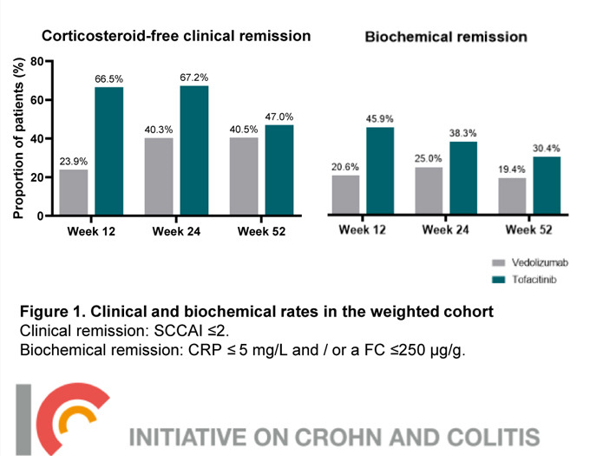
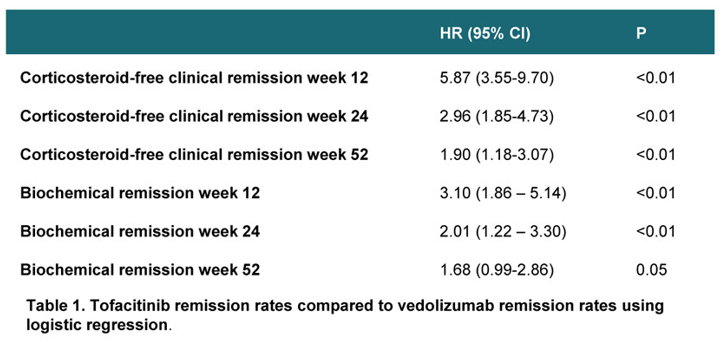
T Straamijer et al. Clin Gastroenterol Hepatol 2023; 21: 182-191. Open Access! Superior Effectiveness of Tofacitinib Compared to Vedolizumab in Anti-TNF-experienced Ulcerative Colitis Patients: A Nationwide Dutch Registry Study

Methods: Adults with ulcerative colitis (UC) previously who failed anti-TNF treatment and initiated vedolizumab (n=83) or tofacitinib (n=65) treatment were identified in the Initiative on Crohn and Colitis Registry in the Netherlands.

Key findings (Vedolizumab is in gray):

  • There was no difference in infection rate or severe adverse events.

My take: Coupled with more recent reassuring safety data on JAK inhibitors, this study makes a strong case for positioning Tofacitinib (or other JAK inhibitor) earlier in patients with moderate-to-severe ulcerative colitis. Given that vedolizumab outperformed adalimumab in a head-to-head study, this indicates that tofacitinib is a very effective therapy.

Related article: B Chen et al. Gastroenterology 2022; 163: 1555-1568. Efficacy and Safety of Ivarmacitinib in Patients With Moderate-to-Severe, Active, Ulcerative Colitis: A Phase II Study This phase 2 study with 146 patients examined the effectiveness of the selective JAK inhibitor Ivarmacitinib found a week 8 clinical response in 46% of those receiving 8 mg per day. The week 8 clinical remission rate was 22%-24% in the treatment groups compared to 5% in the placebo group.

Related blog posts:

Disclaimer: This blog, gutsandgrowth, assumes no responsibility for any use or operation of any method, product, instruction, concept or idea contained in the material herein or for any injury or damage to persons or property (whether products liability, negligence or otherwise) resulting from such use or operation. These blog posts are for educational purposes only. Specific dosing of medications (along with potential adverse effects) should be confirmed by prescribing physician.  Because of rapid advances in the medical sciences, the gutsandgrowth blog cautions that independent verification should be made of diagnosis and drug dosages. The reader is solely responsible for the conduct of any suggested test or procedure.  This content is not a substitute for medical advice, diagnosis or treatment provided by a qualified healthcare provider. Always seek the advice of your physician or other qualified health provider with any questions you may have regarding a condition.

Safety Net for Celiac Disease?

JA Murray, JA Syage et al.Gastroenterol 2022; 163: 1510-1521. Open access! Latiglutenase Protects the Mucosa and Attenuates Symptom Severity in Patients With Celiac Disease Exposed to a Gluten Challenge

Background: Latiglutenase (IMGX003) is an investigational dual-enzyme drug candidate that acts to degrade gluten in vivo when consumed with a meal. The authors note that “despite strict adherence to a GFD, about half of CD patients show evidence of persistent small intestinal mucosal injury (Marsh grades II–III);’ thus, there is a need to improve treatment with other measures in addition to diet.

Methods: 43 patients (IMGX003, n = 21; placebo, n = 22) completed this double blind and placebo controlled study which assessed the efficacy and safety of a 1200-mg dose of IMGX003 in patients with celiac disease (CD) exposed to 2 g of gluten per day for 6 weeks study

Key findings:

  • In IMGX003-treated patients, there was less damage to mucosa. The mean change in the ratio of villus height to crypt depth (primary endpoint) for IMGX003 vs placebo was –0.04 vs –0.35 (P = .057). The mean change in the density of intraepithelial lymphocytes (secondary endpoint) for IMGX003 vs placebo was 9.8 vs 24.8 cells/mm epithelium (P = .018). 
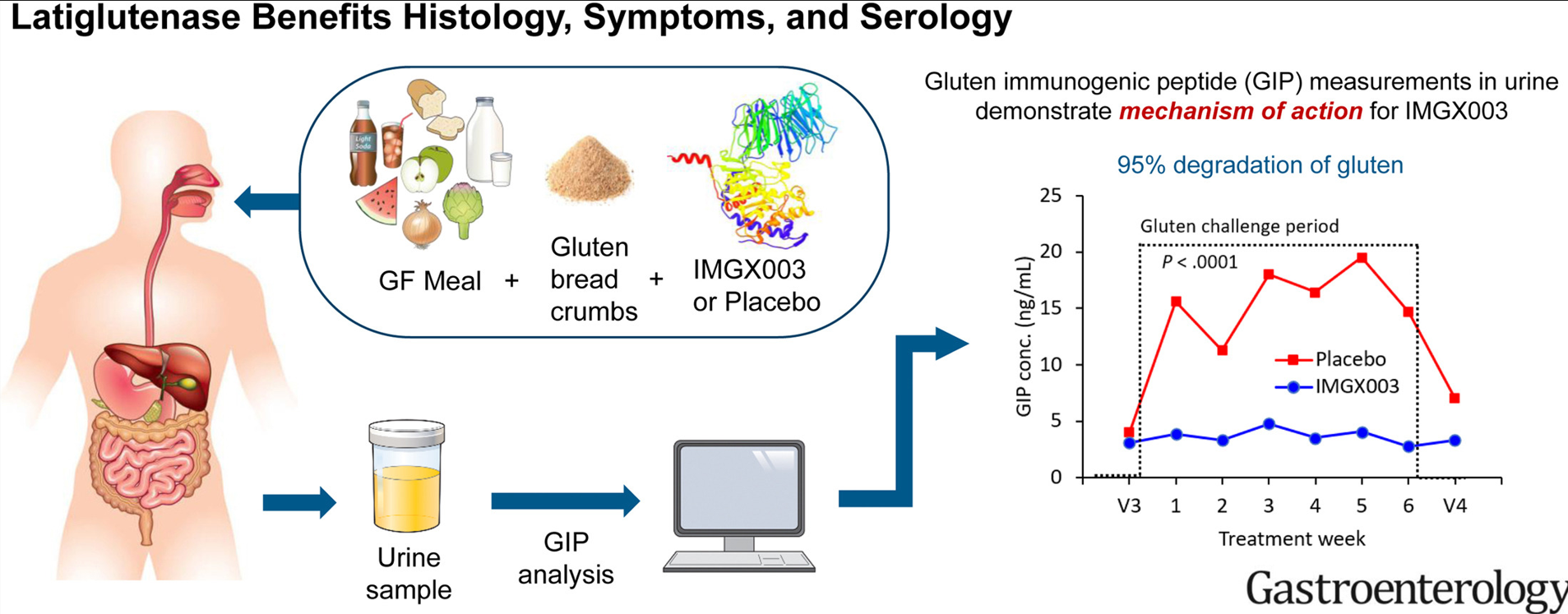
  • Measurements of gluten-immunogenic peptides (GIP) in urine indicated 95% gluten degradation in the stomach by latiglutenase.

The 2 g dose per meal of gluten allowed used in the study, “would likely substantially exceed that accidently occurring while on a GFD, 4 supporting such an approach for management for gluten-triggered symptoms in treated patients.”

Graphical abstract:

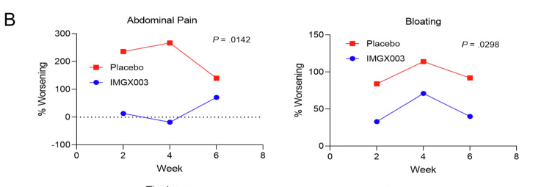
In both the placebo and IMGX003 groups, there was an increases in symptoms, but this was blunted in the treated group–Figure 2:

My take: This study shows the potential for latiglutenase to act as a ‘safety net’ to protect from CD from accidental gluten exposure. The findings reinforce the idea that this agent is not likely to be effective in the absence of gluten restriction. As an aside, I would be interested in finding out whether patients with presumed non-celiac gluten sensitivity would improve on this therapy.

Related blog posts: