Gastric Emptying in Diabetes, Plus Two

Briefly noted: RK Goyal. NEJM 2021; 384: 1742-1751. Gastric Emptying Abnormalities in Diabetes Mellitus

This article provides insight into the topic of gastric emptying with a focus on patients with diabetes. A few key points:

  • Gastric emptying affects glucose homeostasis in patients with diabetes; delayed gastric emptying in patients with type 2 diabetes could have beneficial effects in this regard.
  • Delayed gastric emptying occurs in 40-47% of adults with diabetes; rapid emptying occurs in 20-22%.
  • Upper GI symptoms do NOT correlate with gastric emptying. Prevalence of these symptoms is highest in those with normal gastric emptying (43-52% in those with normal emptying compared with 19-28% with delayed emptying, and 20-37% with rapid emptying)
  • “Functional dyspepsia-like symptoms in gastroparesis may arise not through motility changes but rather through the parallel effects of oxidative stress and inflammation on nocireceptors and on other afferents that produce the symptoms.”

My take: Knowing how quickly the stomach empties rarely helps management. In this review, Dr. Goyal states that “the effective treatment of symptoms in diabetic gastroparesis may be similar to the treatment of functional dyspepsia.”

Also, noted in same issue of NEJM:

TB Corcoran et al. NEJM 2021; 384: 1731-1741. Dexamethasone and Surgical-Site Infection Key finding: A single dose of dexamathosone (8 mg) did not increase the risk of surgical site infection; this is in contrast to long-term glucocorticoid therapy which is a risk factor for infection and wound dehiscence.

J Salwa et al. NEJM 2021; 384: 1684-6. Designing an Independent Public Health Agency. This article makes compelling arguments for separating health agencies from political influence. The FDA, the CDC, and HHS in the previous administration were pressured and undermined. In contrast, the Federal Reserve Board, which has 14 year terms that require ‘removal only for cause,’ was “reliably [able to] exert federal power because of its institutional features as an independent agency.”

From TikTok -twitter feed: The GI Bleeding Paradox (58 secs -humor) @DGlaucomflecken#Gastroenterology#GI#MedTwitter

AGA Guidelines: Pre-endoscopy COVID-19 Testing No Longer Needed

May 20, 2021: AGA Guideline–Summary: New AGA guidance: stop COVID-19 testing prior to endoscopy (for U.S.)

Full report (48 pages): AGA Rapid Review and Guideline for SARS-CoV2 Testing and Endoscopy PostVaccination: 2021 Update

“AGA has now updated its July 2020 recommendations regarding pre-procedure testing. Based on the latest available data, routine COVID-19 testing prior to endoscopy is no longer needed to perform endoscopy safely.

Read on for four key points from AGA’s newest, evidence-based COVID-19 clinical guidance. Review the full Rapid Recommendations document ahead of print — it will be published soon in Gastroenterology.

Key guidance for gastroenterologists:

  • Routine SARS-CoV-2 testing prior to endoscopy is no longer needed to perform endoscopy safely: Our systematic review found that there is little benefit in routine testing, given very low rates of infection (i.e. asymptomatic prevalence and transmission) during endoscopy to both patients and staff (0-0.5% across representative studies), with potential significant burden, including delays in care, impact of cancer burden, cost, health disparities and reduced endoscopy efficiency. Previously identified benefits of testing, including informed rationing of personal protective equipment (PPE) and patient and staff reassurance, have less relevance given adequate supply of PPE and reduced anxiety in later stages of the pandemic.
  • Vaccination status should not dictate decision-making for implementing pre-procedure SARS-CoV-2 testing: The studies included in our review were conducted prior to vaccination and show minimal benefit of testing as outlined above. While indirect data show that vaccination reduces that risk even further, the available evidence supports eliminating pre-procedure testing regardless of vaccination status of patients.
  • All patients should receive symptom screening prior to endoscopy: Centers should continue to implement universal screening of patients for COVID-19 symptoms, using a screening checklist, and follow universal precautions, including physical distancing, masks and hand hygiene in the endoscopy unit. For patients who have a positive symptom screen, pre-procedure testing can then be utilized for further triage.
  • For centers that value the small benefits (patient and staff reassurance or anxiety) over the downsides (delays care, potential exacerbation of health disparities, endoscopy efficiency, downstream consequences of false negatives and false positives), pre-procedure testing with rapid PCR tests can be considered: Rapid RT-PCR tests that can be performed on the day of endoscopy are preferable as they pose less burden to patients. In the pre-procedure setting, there is limited utility of rapid isothermal tests or antigen tests. There is no role for antibody tests in this context.”

These recommendations are only applicable IF:

My take: This is great news for our patients and hopefully will be widely adopted.

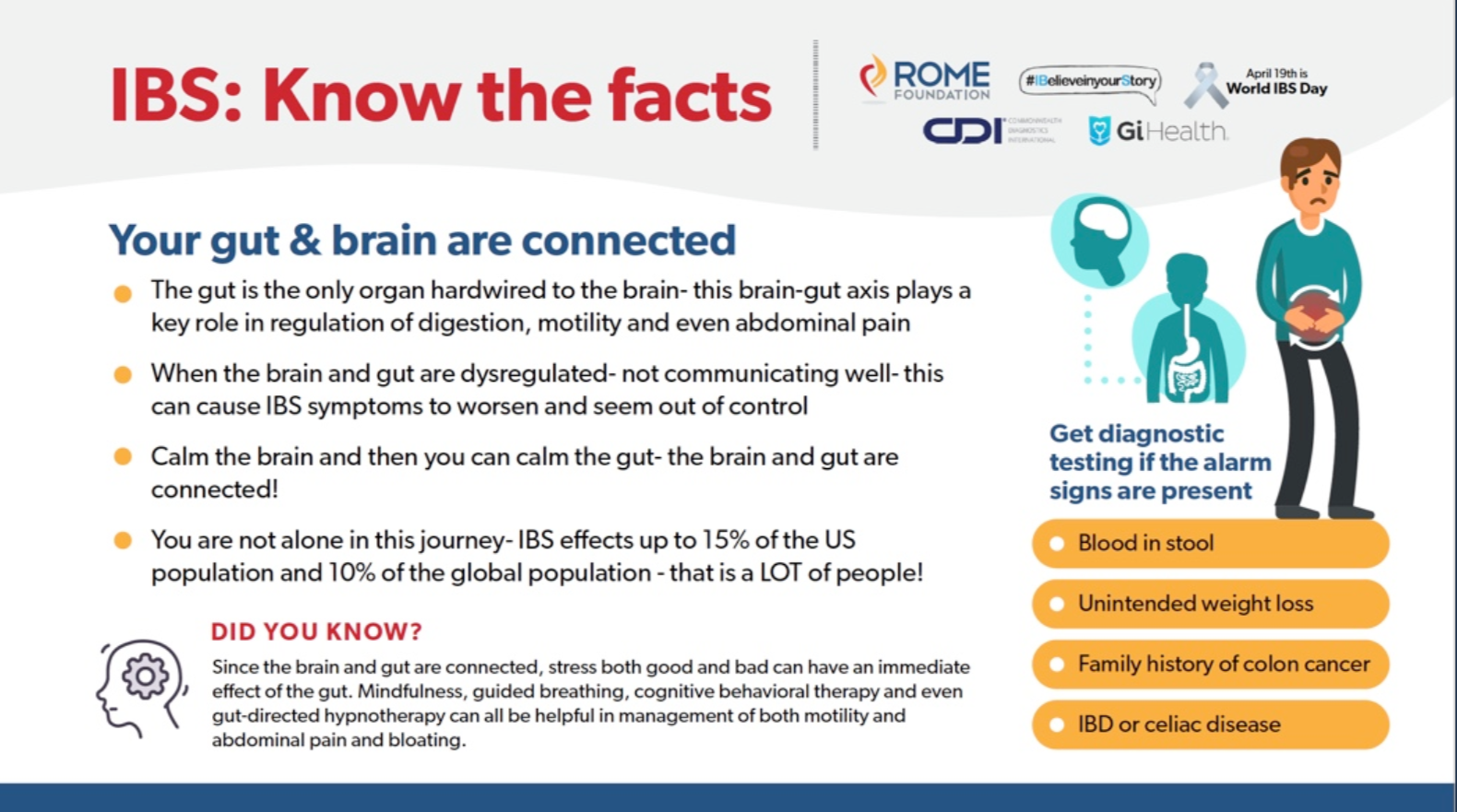
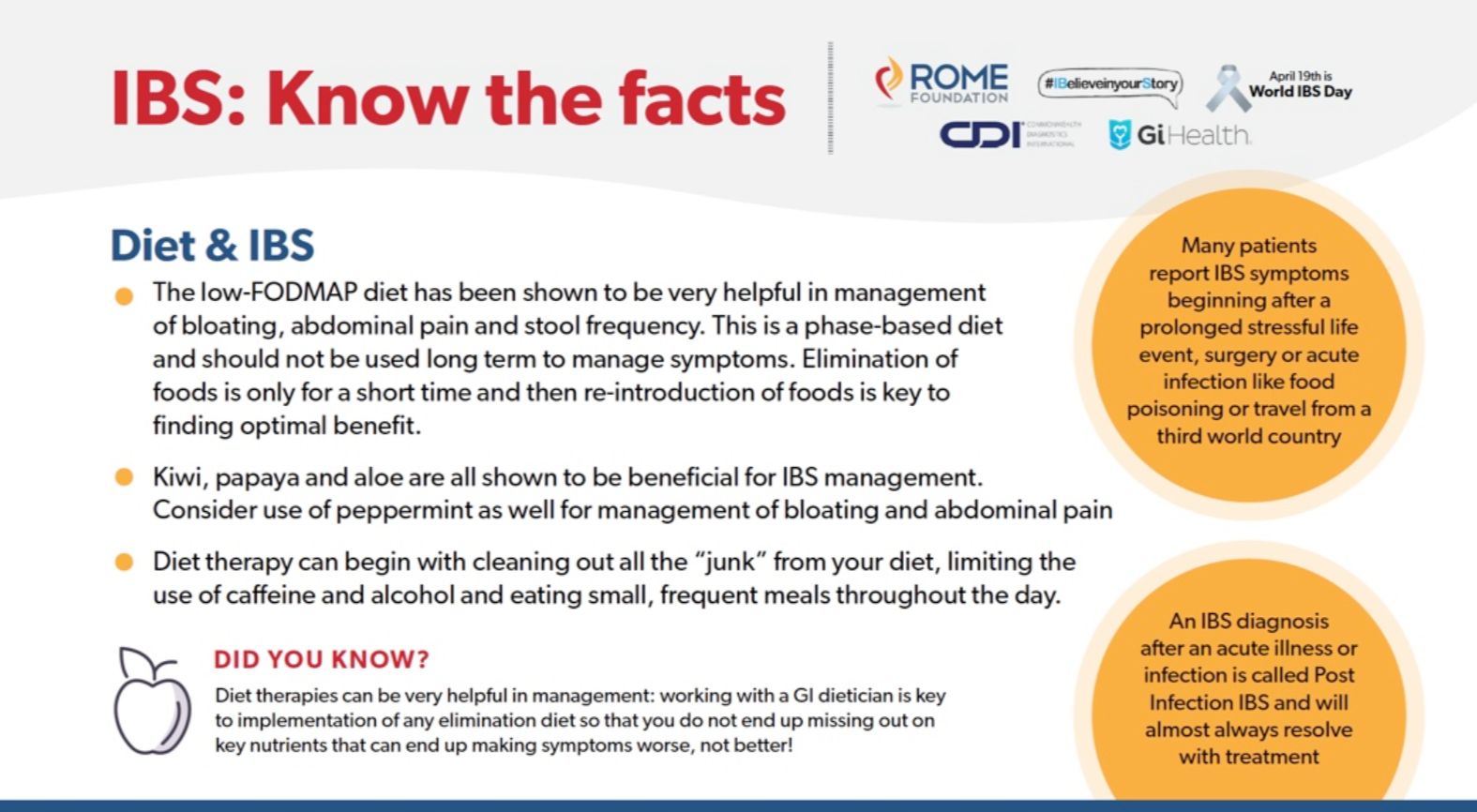
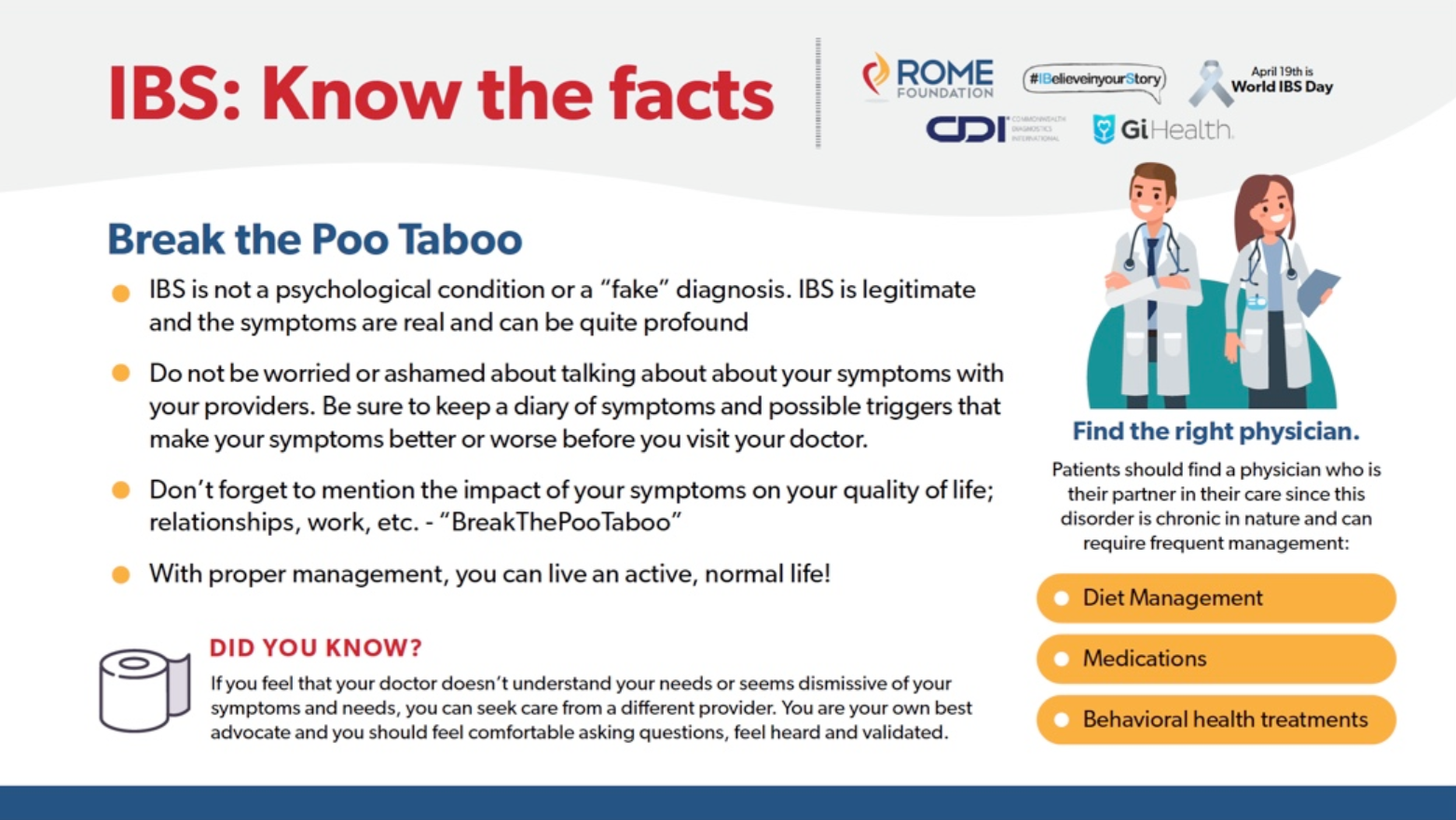
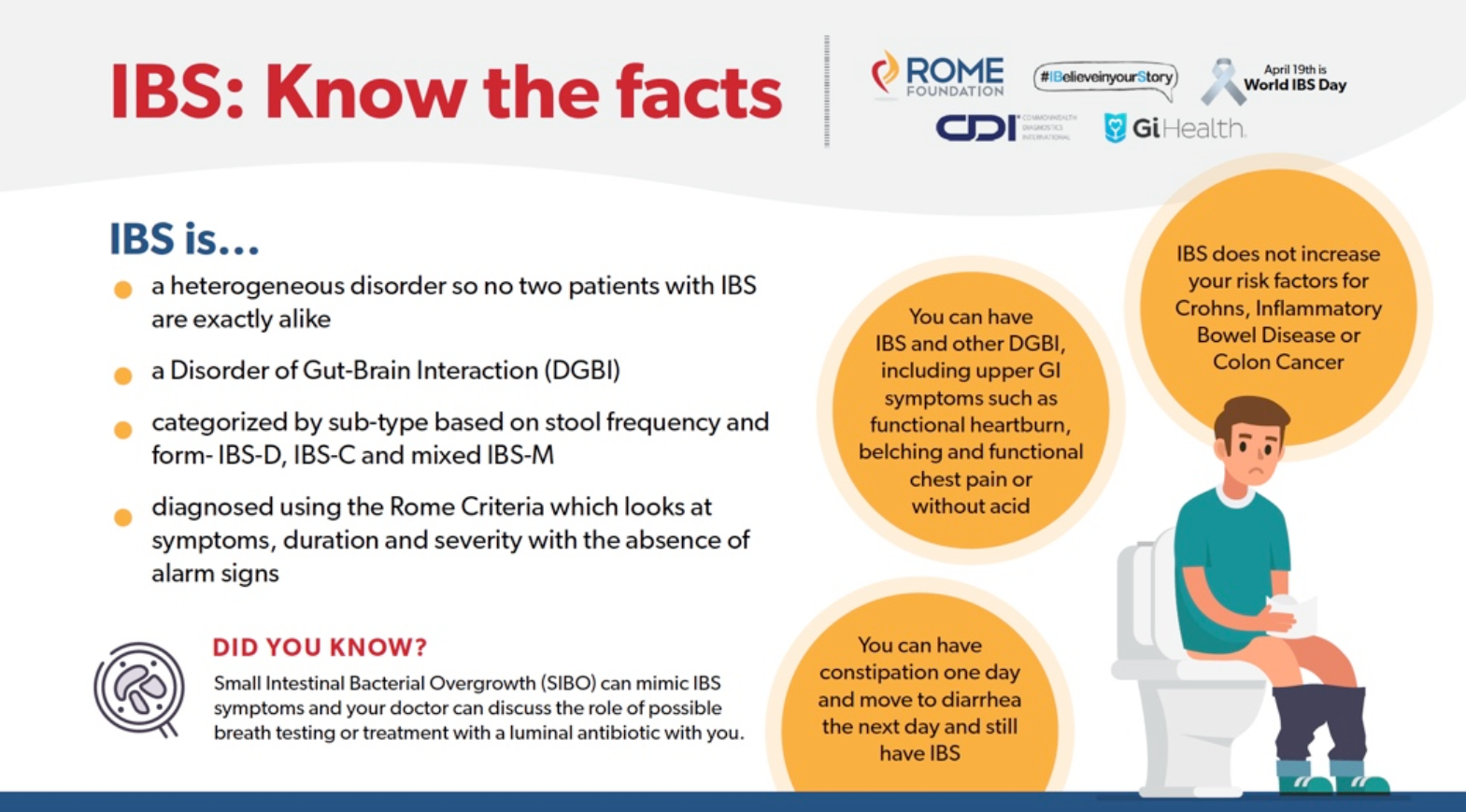
Patient Information on Irritable Bowel Syndrome From Rome Foundation

More information from Rome Foundation:

Related blog posts:

Related humor: YouTube Link: SNL IBS Ad (4/10/21) Very funny!

Interleukin-13 Monoclonal Antibody for Eosinophilic Esophagitis & More COVID-19 Data

A recent study (ES Dellon et al. Clin Gastroenterol Hepatol 2021; 19: 473-483. Full text: Long-term Efficacy and Tolerability of RPC4046 in an Open-Label Extension Trial of Patients With Eosinophilic Esophagitis) provides 1 year data on RPC4046, an IL-13 monoclonal antibody.

This study analyzed data from 66 patients who completed the 16-week, double-blind, induction portion of a phase 2 study of RPC4046 (180 mg or 360 mg/wk) vs placebo and then completed a 52-week LTE, receiving open-label RPC4046 360 mg/wk.  20 of the 86 initial subjects (from the 16 week induction study) did not complete the full 52-week duration of the open label extension

Key findings:

  • Overall, 42 of 66 (64%) subjects had a peak eosinophil count <15 at 52 weeks
  • In the initially-treated group, 29/57 (51%) had peak eosinophil count <15 at 16 weeks
    • 20/29 maintained a eosinophil count <15 at 52 weeks; 3 had an eosinophil count of 15 or greater at 52 weeks. Thus, 20/23 (87%) with data at 52 weeks maintained response.
  • In the initially-treated group, 28/57 (49%) had a peak eosinophil count of 15 or greater at 16 weeks
    • 10/28 (36%) had a peak eosinophil count <15 at 52 weeks and 12 continued with an eosinophil count of 15 or greater at 52 weeks. Thus, 10/22 (45%) acquired a response after the induction period.
  • In the placebo induction group (n=29), none had a peak eosinophil count <15 at week 16
    • 12/29 (43%) had a peak eosinophil count <15 at 52 weeks during open-label treatment; 9 continued with an eosinophil count of 15 or greater at 52 weeks. Thus, 12/21 (57%) developed a response without an induction treatment.

In addition to the improvements in eosinophil count, the authors identified clinical, endoscopic, and histologic improvement. “RPC4046 was well tolerated with little immunogenicity elicited in the LTE period.” Overall, the majority of treatment related adverse events were mild or moderate in severity and “no significant safety concerns.”

My take: This study shows that RPC4046 may emerge as a useful treatment for EoE.

Related blog posts:

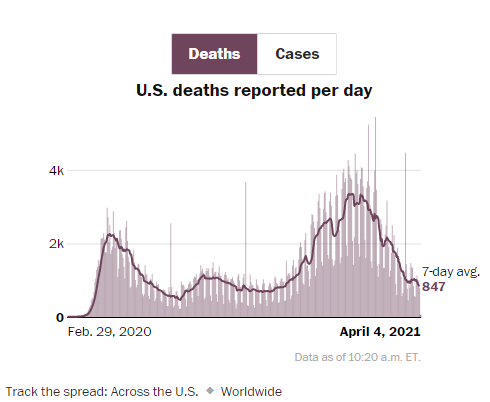
From Washington Post. U.S. Death rate from COVID-19 continues to decline, even though the number of reported daily cases has increased in last 3 weeks. With previous surges, deaths have been a lagging indicator. With the large number of vulnerable individuals vaccinated, it is unclear if the death rate will rise again or will continue to decline.
From Washington Post

Real-World = Partially-Treated Celiac Disease

A recent prospective observational study reinforces the idea that most people with celiac disease are unable to accomplish a strict gluten-free diet (GFD): JP Stefanolo et al. Clin Gastroenterol Hepatol 2021; 19: 484-491. Real-World Gluten Exposure in Patients With Celiac Disease on Gluten-Free Diets, Determined From Gliadin Immunogenic Peptides in Urine and Fecal Samples

The investigators enrolled 53 adults with celiac disease (CD) for at least two years and followed symptoms as well as stool/urine testing for gluten immunogenic peptide (GIP). “GIP in stool can detect gluten consumption of more than 40 mg/d and the urine tests are positive from 40 and 500 mg/d of gluten.”

Key findings:

  • Over the 4-week study period, weekend samples (urine) identified 70% of patients excreted GIP at least once, compared with 62% during weekdays (stool).
  • Patients had a median of 3 exposures during the 4 weeks.
  • Also, the authors noted increases in GIP excretion towards the end of the study. “This suggests a potential Hawthorne effect that could be explained by a decrease in hypervigilance that often is seen in a context of research studies.”

The authors note that GIP “excretions of greater than 2 mcg/g in stool or greater than 12 ng/mL in urine can induce mucosal damage in almost 100% of patients.”

My take: This study adds to the body of literature emphasizing the high rate of inadvertent gluten exposure.

Related blog posts:

Before and After at Lake Michigan shoreline (1 month apart in Evanston, IL)

Early January -Evanston, IL
Early February -Evanston, IL

Diverticulitis in Adolescents and Adults

Diverticulitis is rarely seen in the pediatric age group. Over the course of nearly 30 years, I have encountered two cases; though, many of my partners with longer clinical experience have seen none.

If/when you seen diverticulitis, here’s a link to AGA Clinical Practice Update (AF Peery et al. Gastroenterol 2021;160: 906-911): AGA Clinical Practice Update on Medical Management of Colonic Diverticulitis: Expert Review

Recommendations include the following:

  • Best Practice Advice 1: Computed tomography should be considered to confirm the diagnosis of diverticulitis in patients without a prior imaging-confirmed diagnosis and to evaluate for potential complications in patients with severe presentations. Imaging should also be considered in those who fail to improve with therapy, are immunocompromised, or who have multiple recurrences and are contemplating prophylactic surgery in order to confirm the diagnosis and location(s) of disease.
  • Best Practice Advice 3: After an acute episode of diverticulitis, colonoscopy should be delayed by 6–8 weeks or until complete resolution of the acute symptoms, whichever is longer. Colonoscopy should be considered sooner if alarm symptoms are present.
  • Best Practice Advice 5: A clear liquid diet is advised during the acute phase of uncomplicated diverticulitis. Diet should advance as symptoms improve.
  • Best Practice Advice 7: Antibiotic treatment is advised in patients with uncomplicated diverticulitis who have comorbidities or are frail, who present with refractory symptoms or vomiting, or who have a C-reactive protein >140 mg/L or baseline white blood cell count > 15 × 109 cells/L. Antibiotic treatment is advised in patients with complicated diverticulitis or uncomplicated diverticulitis with a fluid collection or longer segment of inflammation on CT scan.
  • Best Practice Advice 9: To reduce the risk of recurrence, patients with a history of diverticulitis should consume a high-quality diet, achieve or maintain a normal body mass index, be routinely physically active, and not smoke. Additionally, patients with a history of diverticulitis should avoid regular use (2 or more times per week) of nonsteroidal anti-inflammatory drugs except aspirin prescribed for secondary prevention of cardiovascular disease.

Incidental Ileitis, IBD Pipeline, & Ustekinumab Followup Data

M Agrawal et al. Journal of Crohn’s and Colitis, jjab030https://doi.org/10.1093/ecco-jcc/jjab030. Prevalence and progression of incidental terminal ileitis on non-diagnostic colonoscopy: a systematic review and meta-analysis

Key findings:

  • Seven studies reported the prevalence of IDTI (Incidentally-diagnosed terminal ileitis) in 44,398 persons undergoing non-diagnostic colonoscopy
  • The pooled prevalence rate of IDTI was 1.6%
  • Progression to overt CD was rare over 1-7 years of followup

My take: As noted below by Dr. Rubin, in those with normal labs who are asymptomatic, most incidental ileitis is not progressive and should be monitored.

This slide from @RealCecum Twitter Feed and @IBDMD Twitter Feed

Worldwide Burden of Functional Disorders

AD Sperber et al. Gastroenterology 2021;160:99–114. Full text PDF. Worldwide Prevalence and Burden of Functional Gastrointestinal Disorders, Results of Rome Foundation Global Study

A global epidemiological study of functional GI disorders
• 73,076 adults surveyed (33 countries, 6 continents)
• Data collection: By Internet (24 countries), by household interview (7 countries), or both methods (China and Turkey, green).

Key findings:

  • Diagnostic criteria were met for at least 1 FGID by 40.3% persons who completed
    the Internet surveys and 20.7% of persons who completed the household surveys
  • FGIDs were associated with lower quality of life and more frequent doctor visits

My take: In industrialized countries, about 40% have functional GI disorders.

Related article: C Ma et al. Gastroenterol 2021; 160: 88-98. Full text: Epidemiologic Burden and Treatment of Chronic Symptomatic Functional Bowel Disorders in the United States: A Nationwide Analysis

From 2007–2015, approximately 36.9 million (95% CI, 31.4–42.4) weighted visits in patients of non-federally employed physicians for chronic symptomatic FBDs were sampled. There was an annual weighted average of 2.7 million (95% CI, 2.3–3.2) visits for symptomatic irritable bowel syndrome/chronic abdominal pain, 1.0 million (95% CI, 0.8–1.2) visits for chronic constipation, and 0.7 million (95% CI, 0.5–0.8) visits for chronic diarrhea. Pharmacologic therapies were prescribed in 49.7% (95% CI, 44.7–54.8) of visits compared to nonpharmacologic interventions in 19.8% (95% CI, 16.0–24.2) of visits (P < .001). Combination treatment strategies were more likely to be implemented by primary care physicians and in patients with depression or obesity. The direct annual cost of ambulatory clinic visits alone for chronic symptomatic FBDs is approximately US$358 million 

Related blog posts:

Why Observational Studies Are Misleading & PPI Association with Kidney Stones

M Simonov et al. Clin Gastroenterol Hepatol 2021; 19: 72-79. Use of Proton Pump Inhibitors Increases Risk of Incident Kidney Stones

Commentary: P Moayyedi. Clin Gastroenterol Hepatol 2021; 19: 41-42. Full Text Link: Leaving No Stone Unturned in the Search for Adverse Events Associated With Use of Proton Pump Inhibitors

 The retrospective study by Simonov et al used data from the Women’s Veteran’s Cohort Study (1999-2017) with 465,891 patients. Key findings:

  • Overall, 2.4% of the cohort developed kidney stones. PPI use was associated with kidney stones in the unadjusted analysis, hazard ratio [HR], 1.74 (95% CI, 1.67–1.82), and persisted in the adjusted analysis with HR, 1.46 (CI, 1.38–1.55). The association was maintained in a propensity score-matched subset of PPI users and nonusers (adjusted HR, 1.25; CI 1.19–1.33).
  • H2RAs were also associated with increased risk with adjusted HR, 1.47

While this study is interesting, the editorial provides a great deal of insight into how this study and many others can be misleading. Key points:

  • “It seems that every few months a new issue arises, with the list of problems that PPIs might cause becoming ever longer, including pneumonia, fracture, heart disease, Clostridium difficile–associated diarrhea, dementia, chronic kidney disease, low B12 levels, gastric cancer, and even all-cause mortality.”
  • If the findings in the study are correct, with the unadjusted HR, “this translates to a number needed to harm (NNH) of 365 patients who need to take PPIs for 1 year to observe 1 extra episode of kidney stones…if the adjusted HR is used …the NNH was 1550.”

Limitations:

  • Confounding variables are hard to eliminate in an observational study. “Studies usually show that patients who are prescribed PPIs are, on average, sicker than those who are not taking these drugs.”
  • In the only large randomized controlled study (>17,000 patients over 3 years) of PPIs, there was no difference in pneumonia, Clostridium difficile infection, fracture, gastric atrophy, chronic kidney disease, dementia, cardiovascular disease, cancer, hospitalizations, and all-cause mortality in the PPI compared with the placebo arms.”Enteric infections, which were slightly more common in patients randomized to PPIs, but even there the NNH was more than 900 per year.”
  • Biases undermine the interpretation of observational studies. One example for PPIs is its association with pneumonias in prior observational studies.
    • “The effect was strongest within the first week of prescription when the odds ratio was approximately 4, although this was reduced to approximately 1.5 after 1 month. This marked reduction in risk over a relatively short period of time is not biologically plausible and a more likely explanation is that the association is the result of protopathic bias. Patients presenting to the clinician with a cough may be diagnosed with silent reflux and given a PPI. A few days later other symptoms develop, and pneumonia is made as the final diagnosis. This will not be apparent when simply interrogating a database where the researcher will observe that a PPI was prescribed before the onset of pneumonia and will imply the association is causal when this is not the case.”
  • This same type of bias could be present with the association between PPI and kidney stones.
    •  “Patients may present with abdominal pain and be given a PPI as a therapeutic trial, assuming the pain may be acid-related when subsequently it is found that the pain relates to kidney stones. Simonov et al reported that 3% were prescribed PPIs within 1 month of the diagnosis of kidney stones, but did not provide the analysis that would allow us to interpret whether protopathic bias may play a role in the associations observed”

My take: It is unlikely that PPIs cause kidney stones; however, if this is a risk factor, it is very rare. Understanding how PPIs have been incorrectly linked to a multitude of problems is a valuable lesson for any practitioner and emphasizes the need for randomized controlled studies to determine medication safety.

Related blog posts: