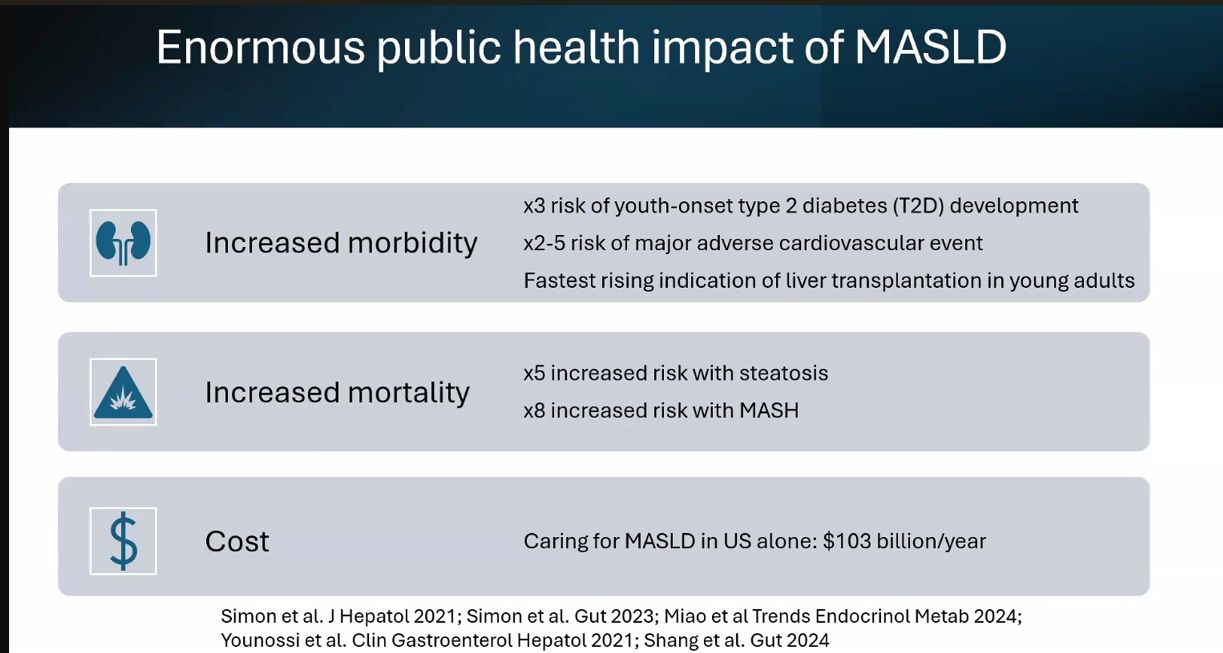
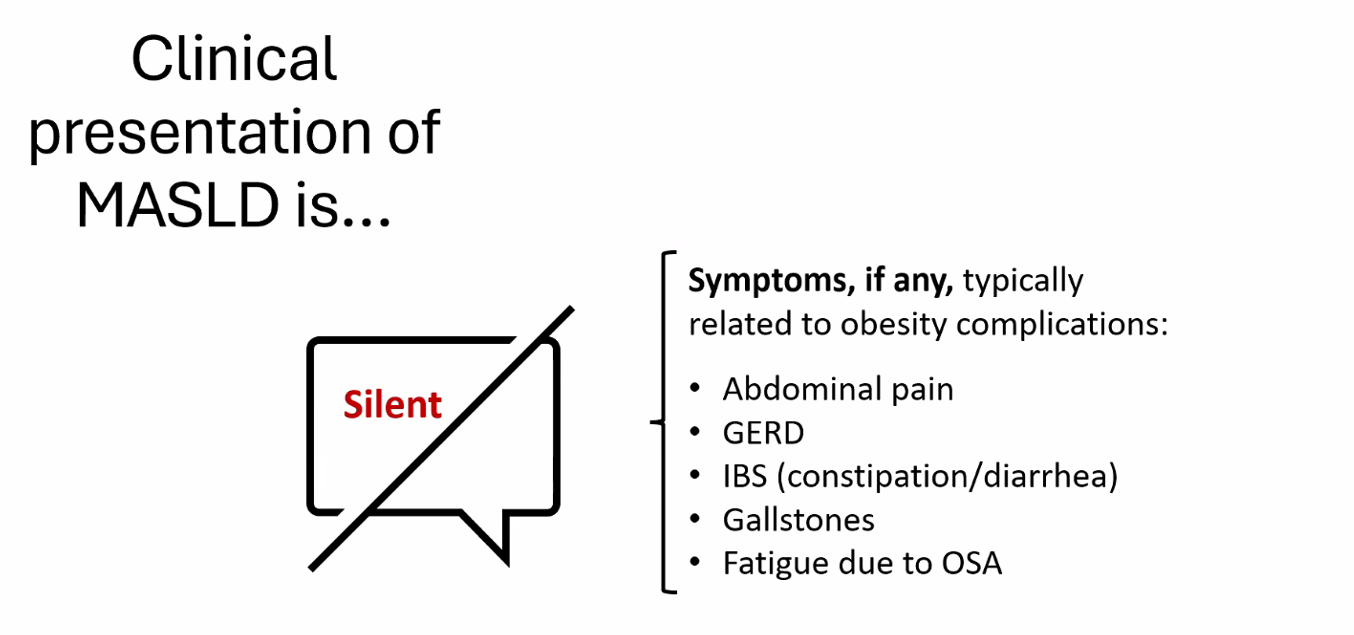
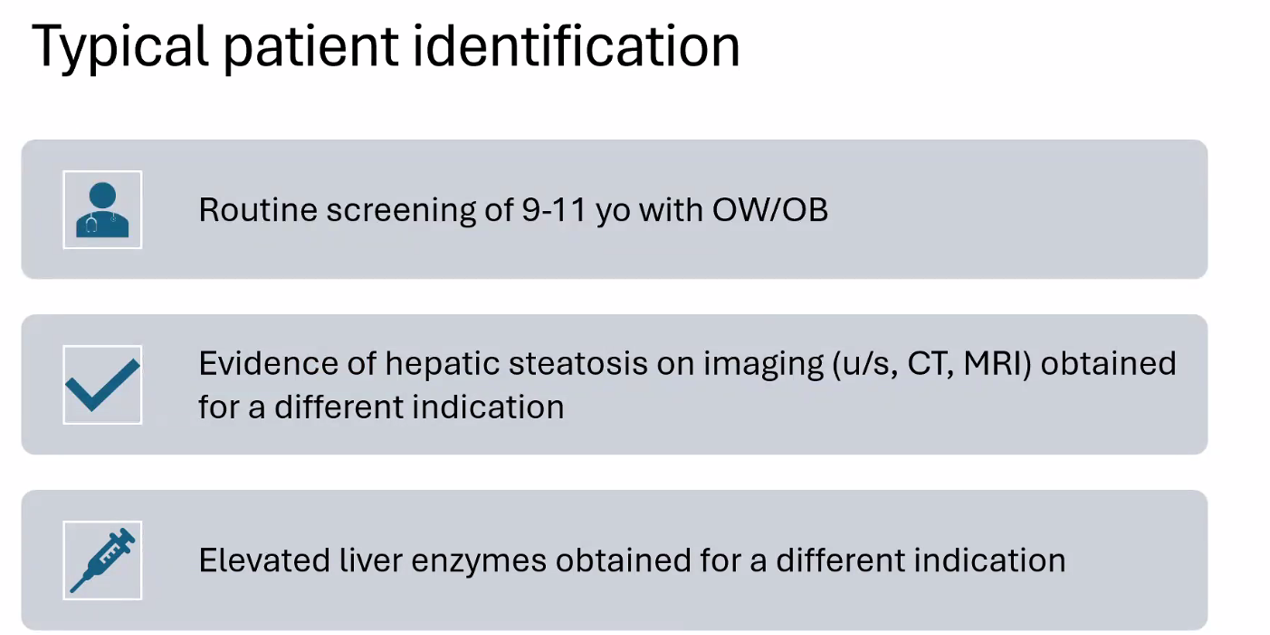
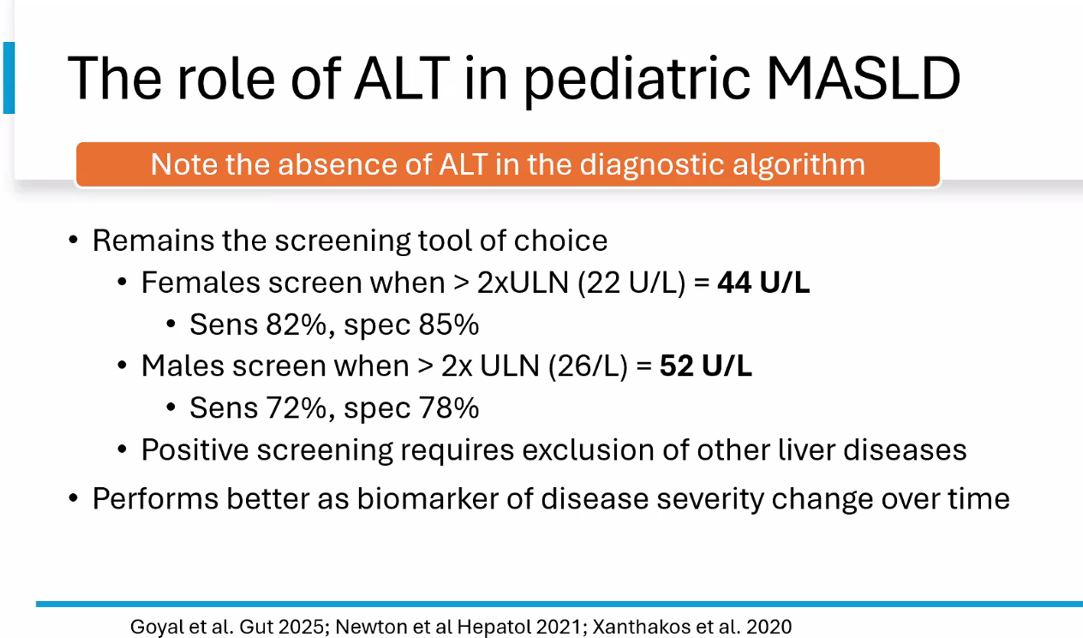
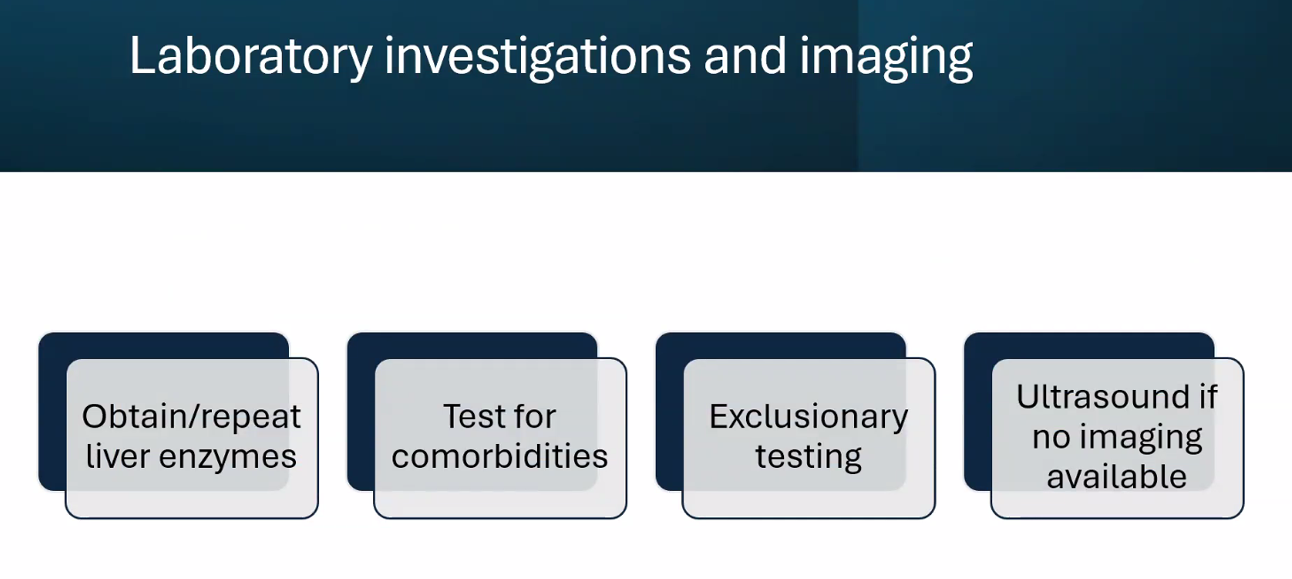
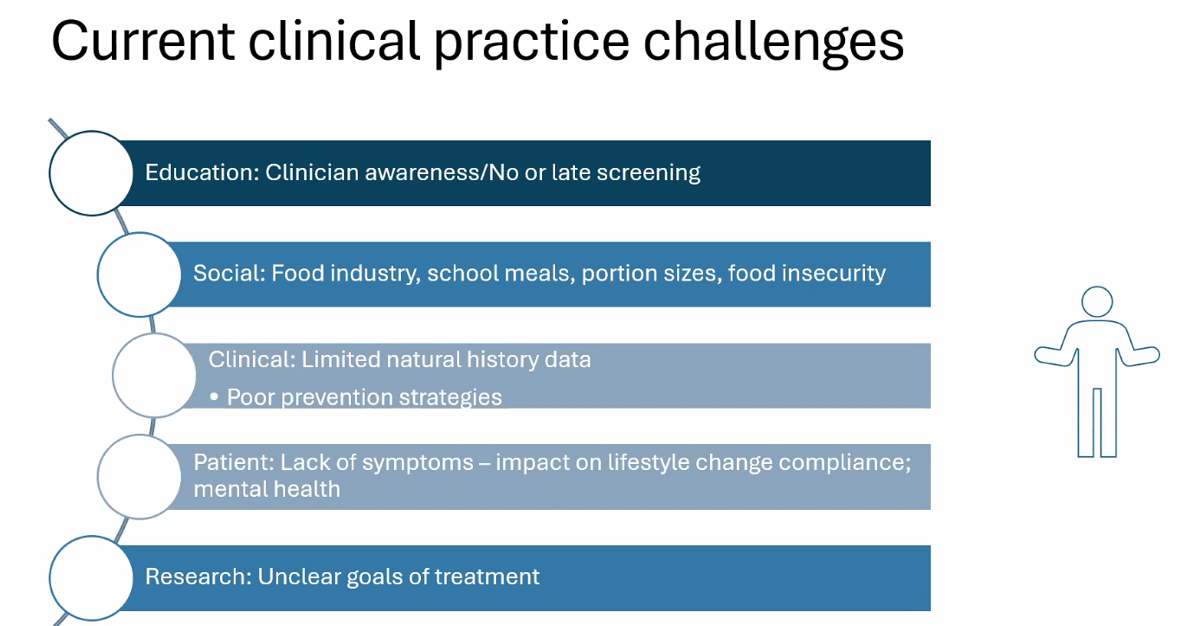
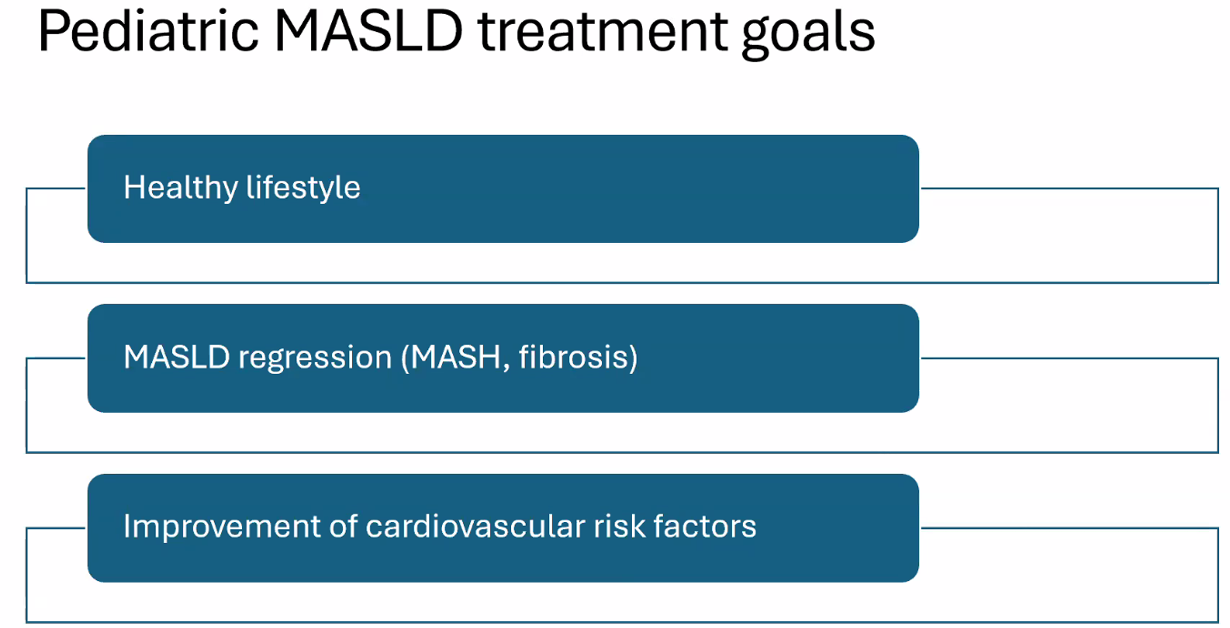
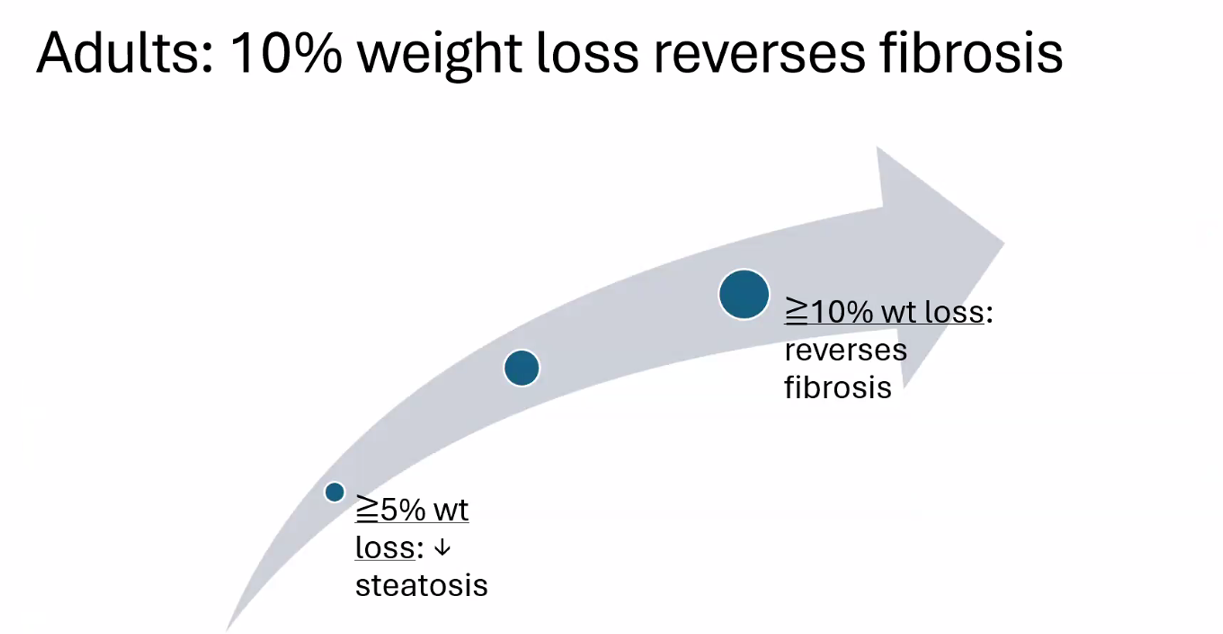
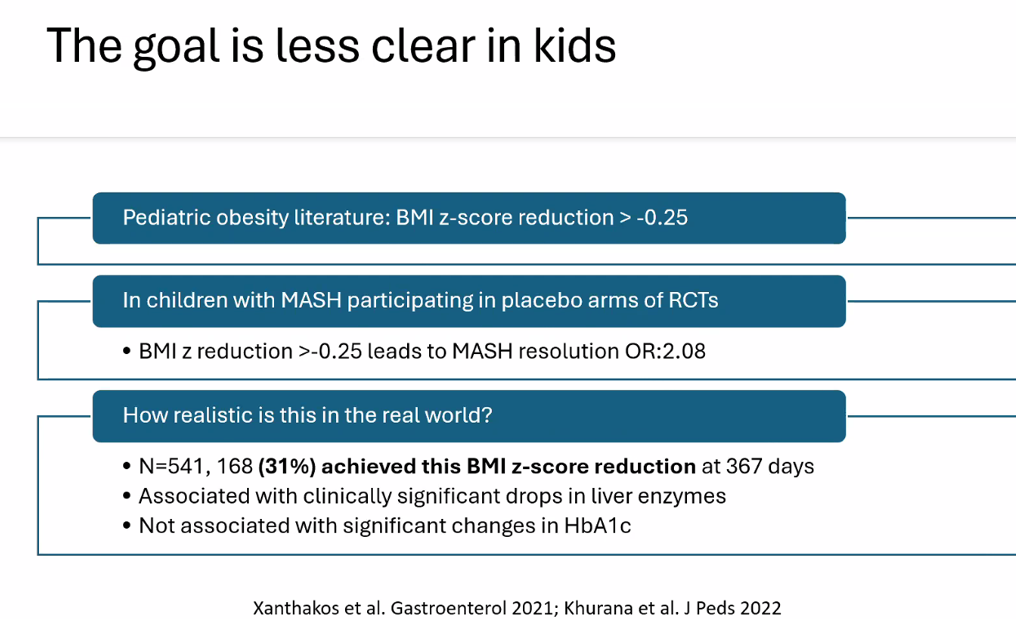
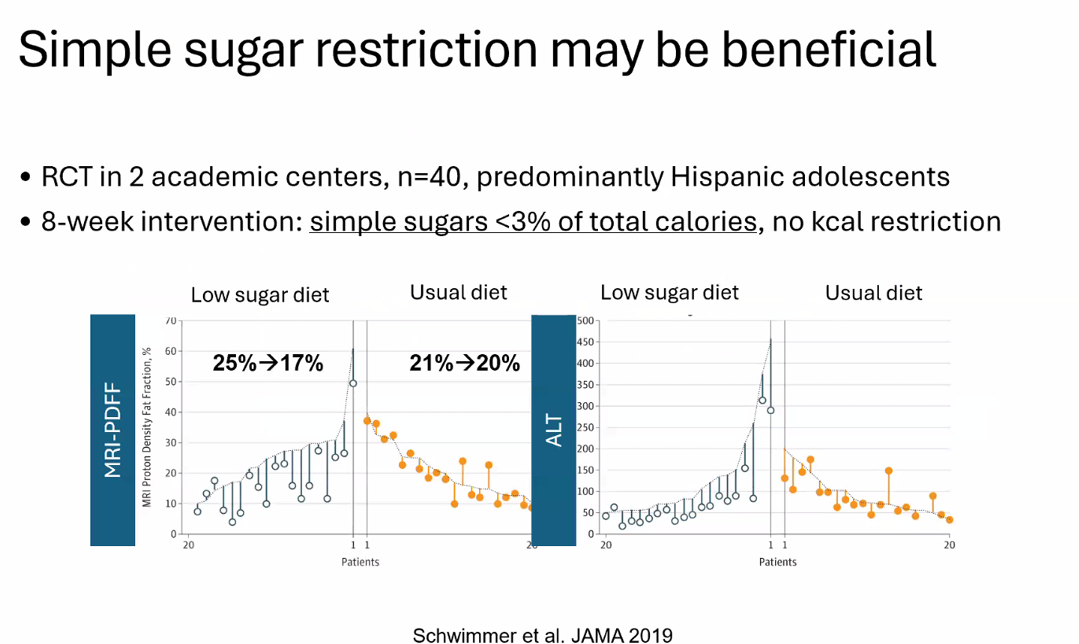
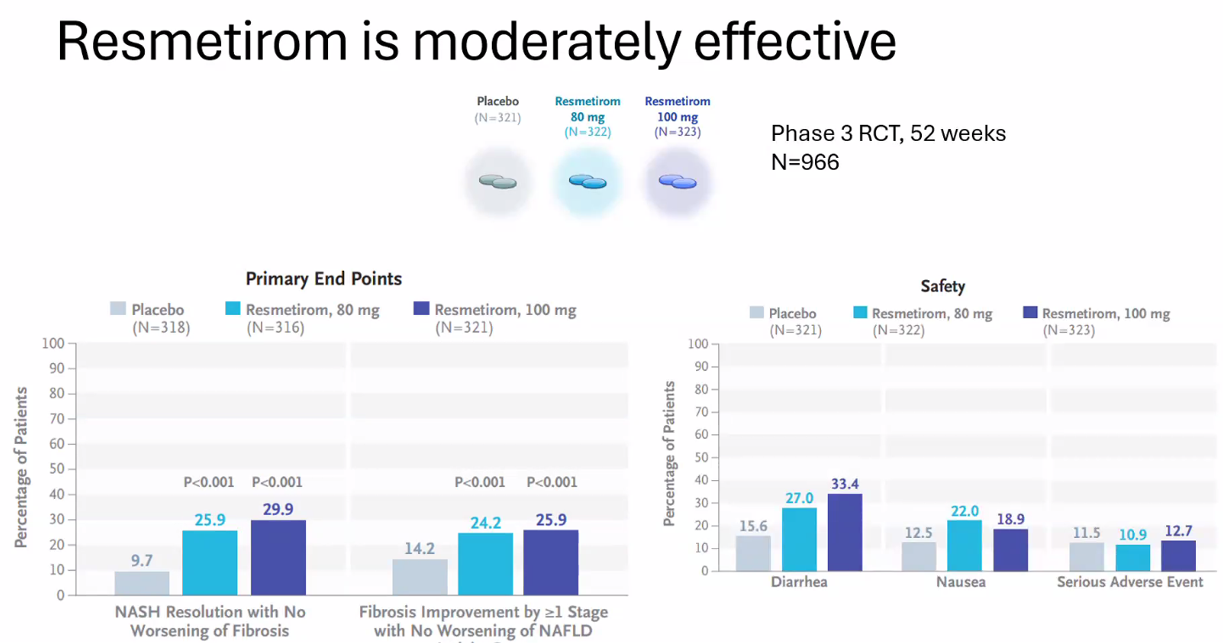
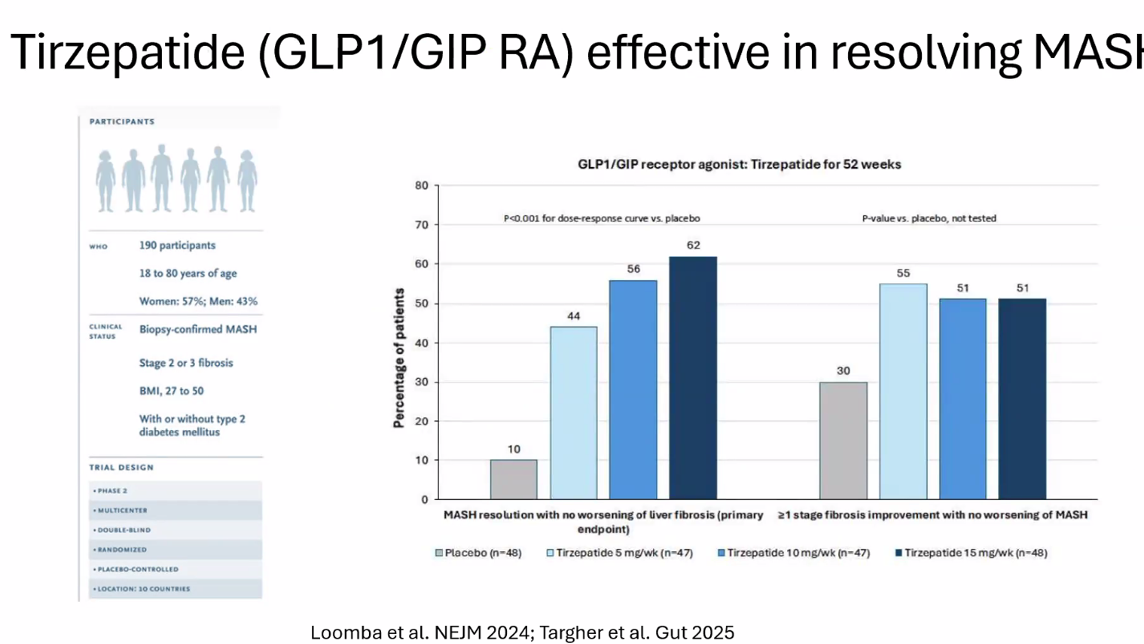
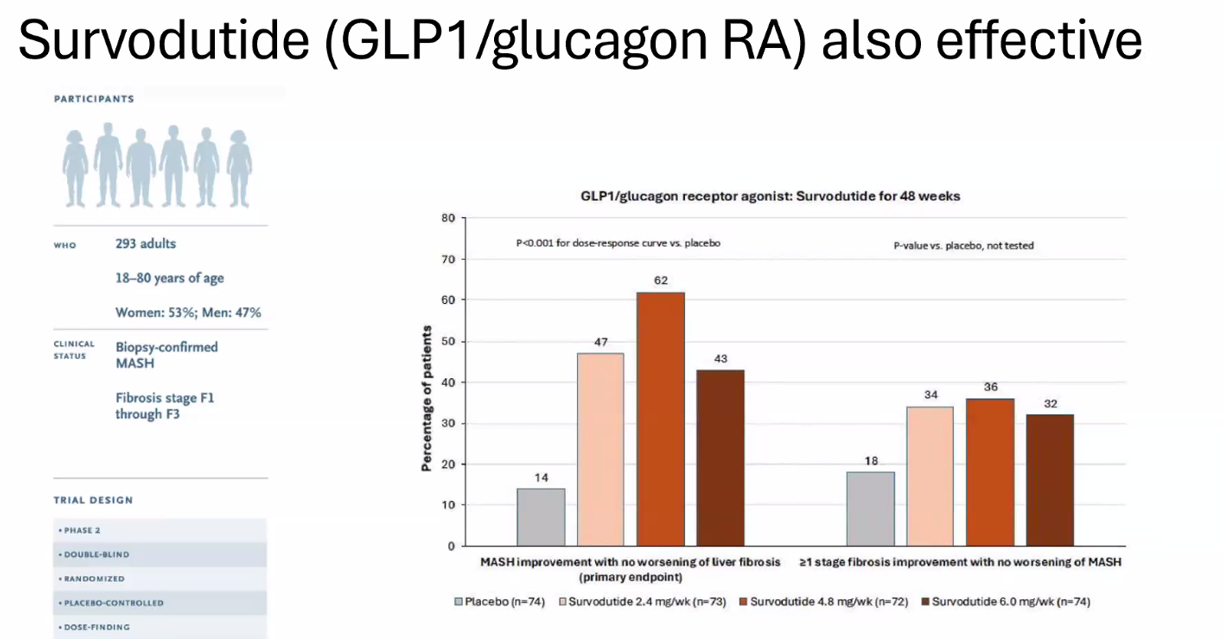
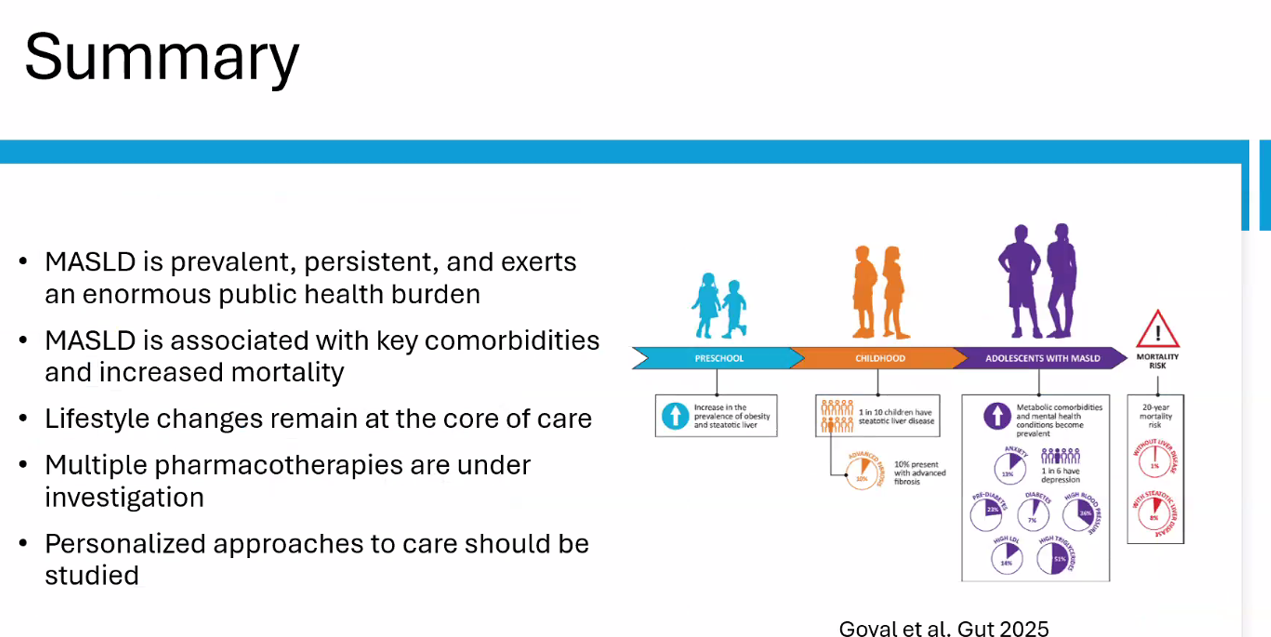
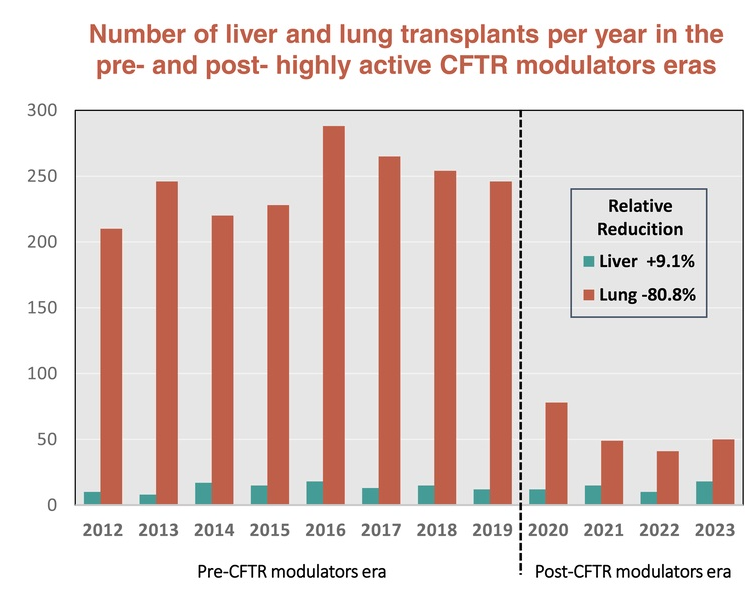
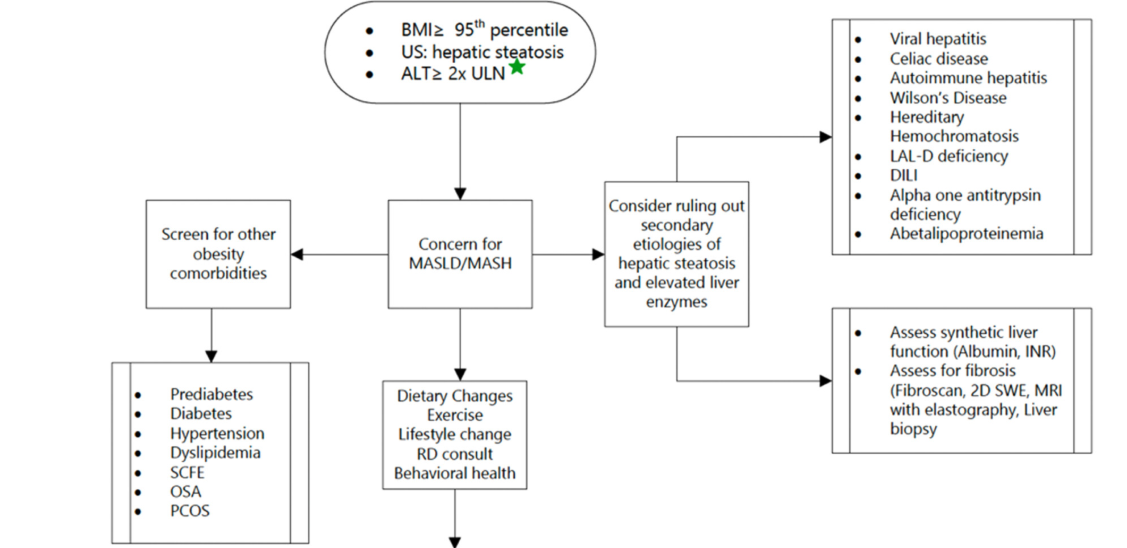
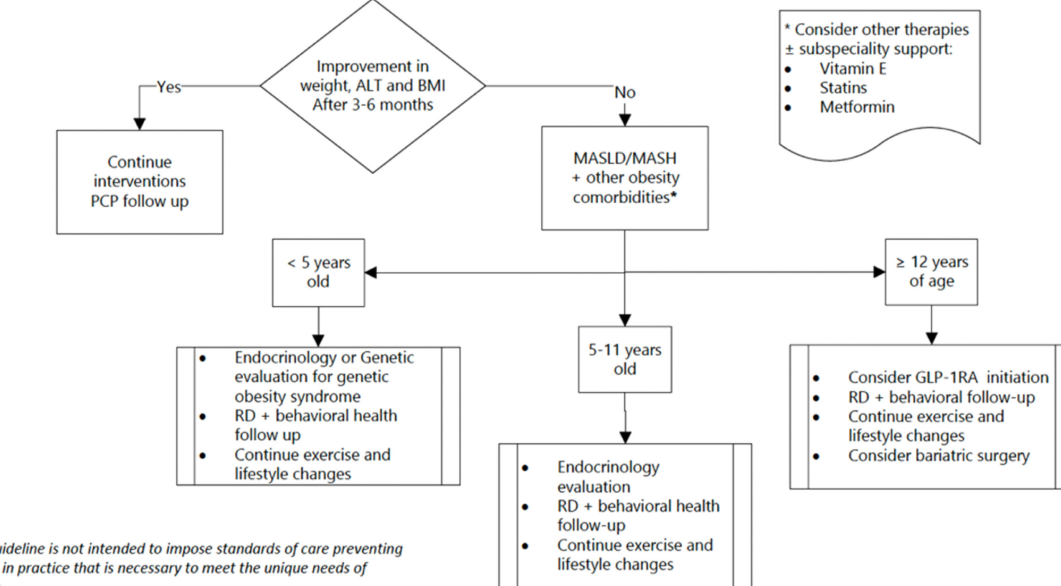
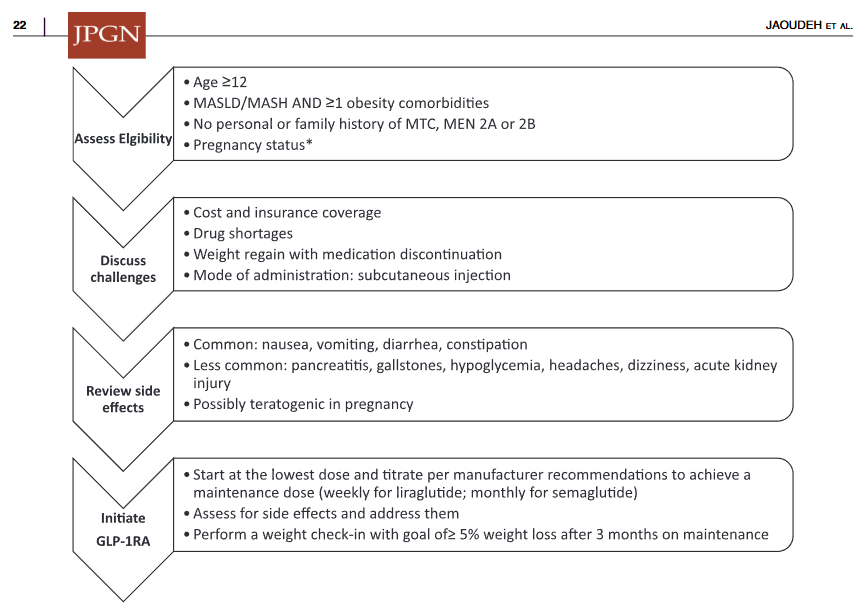
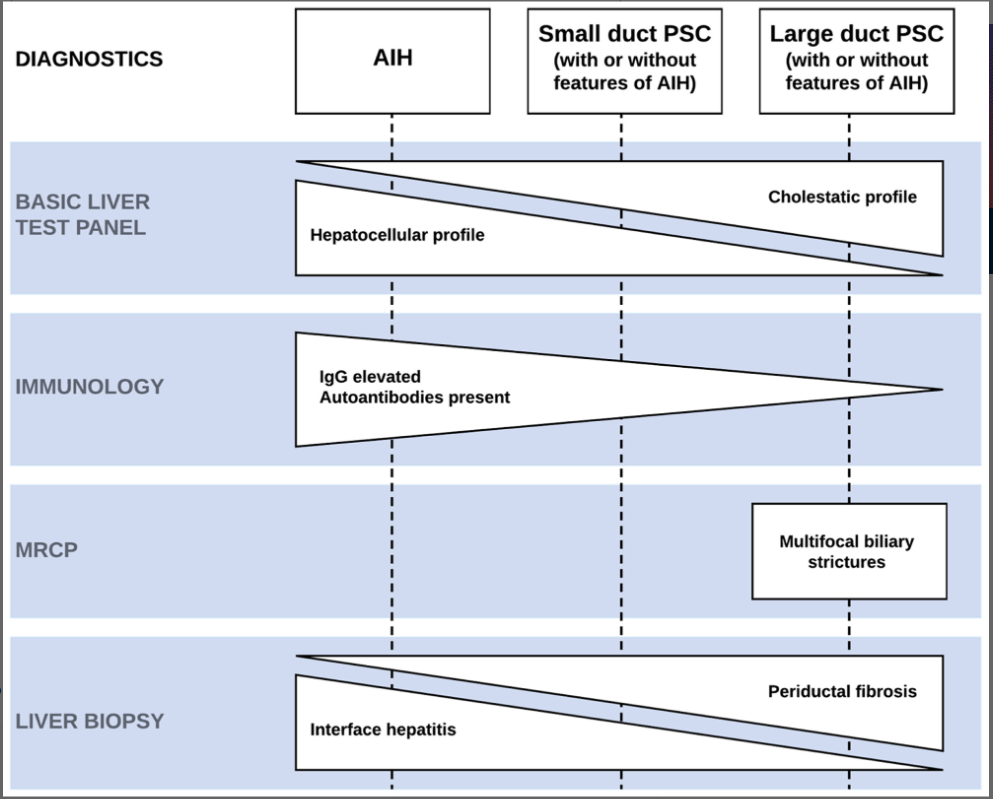
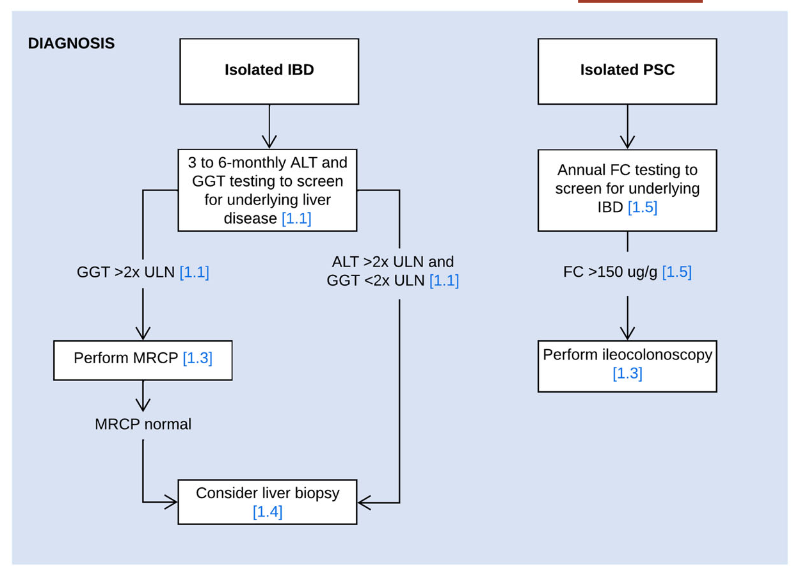
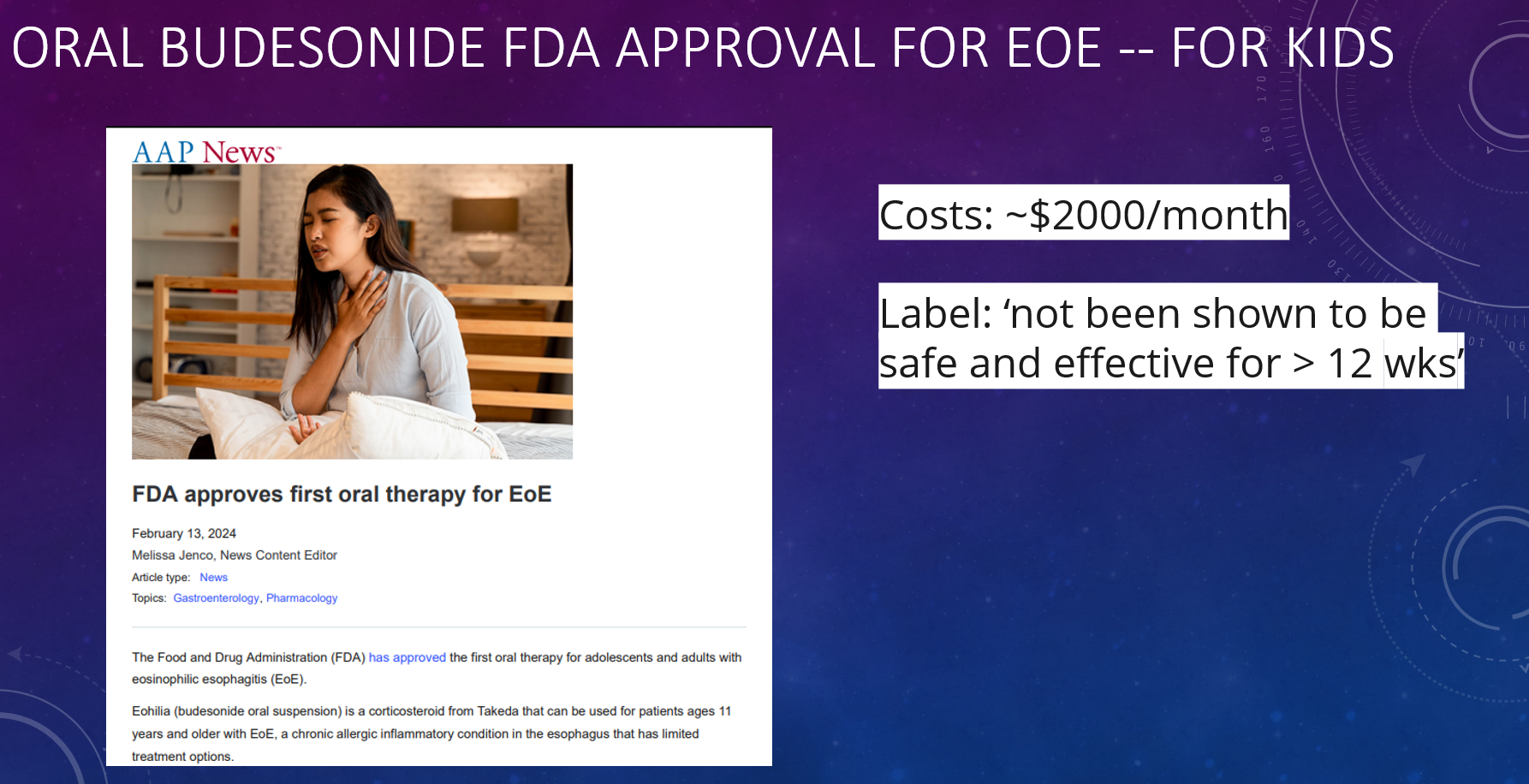
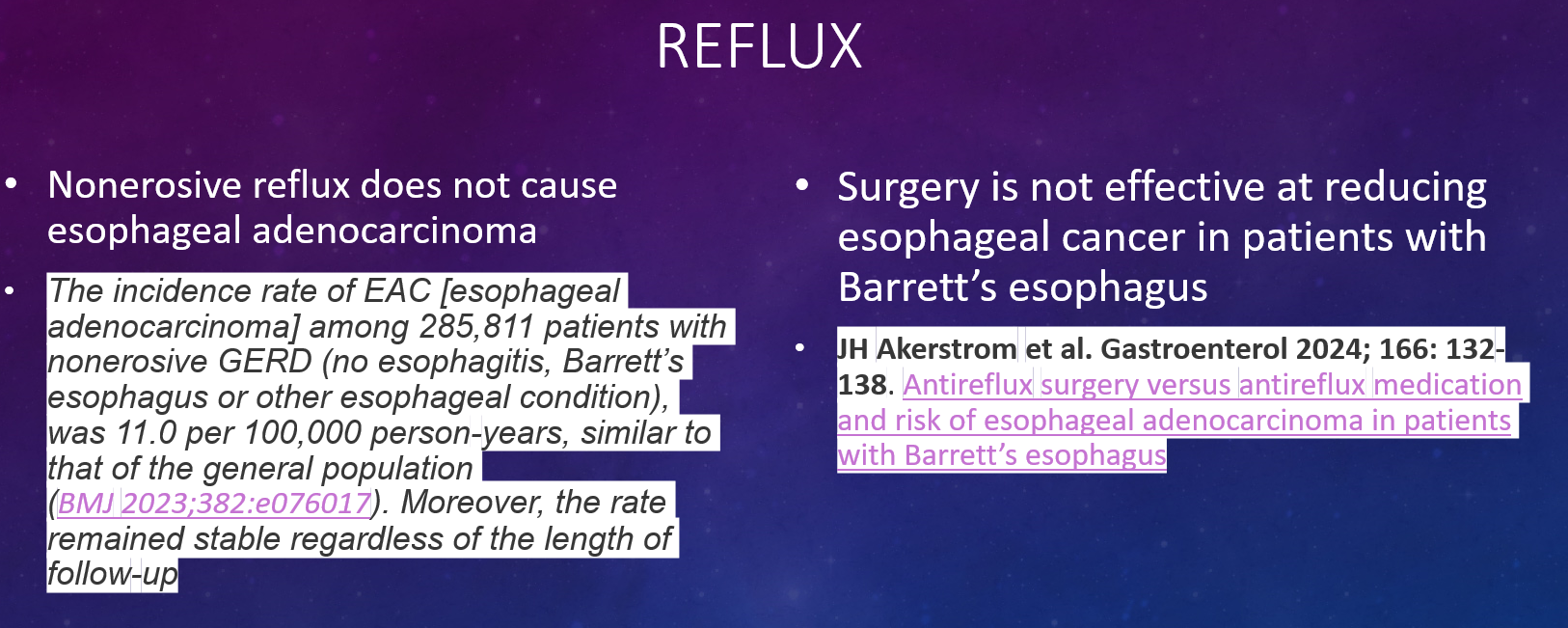
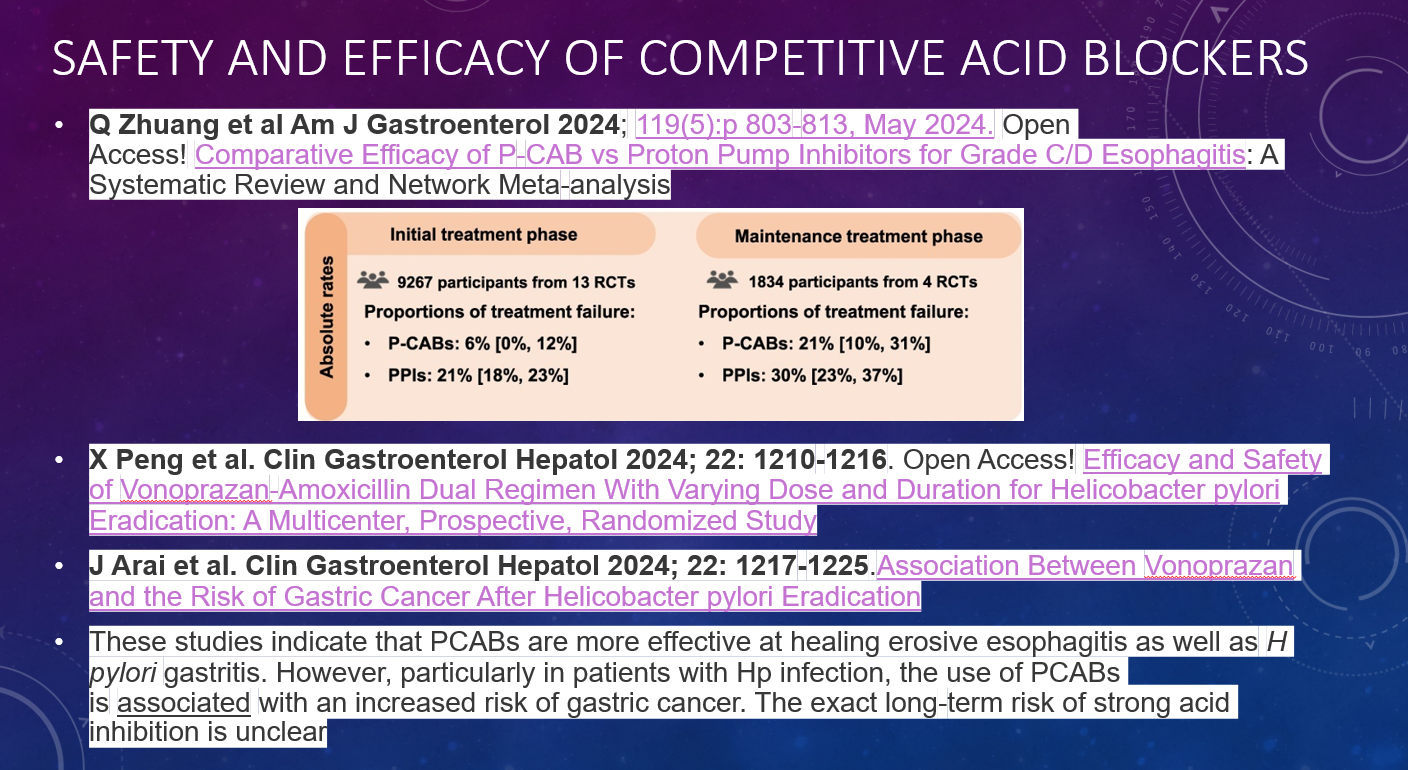
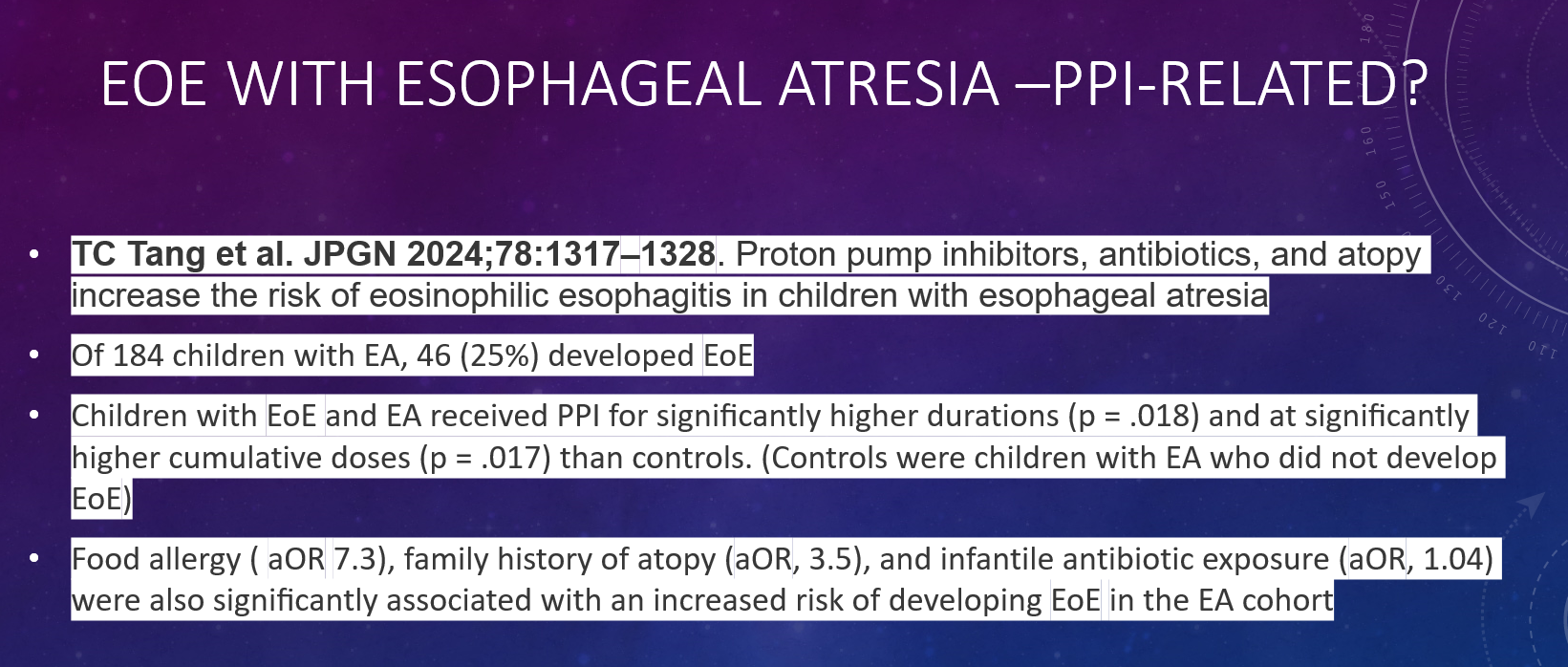
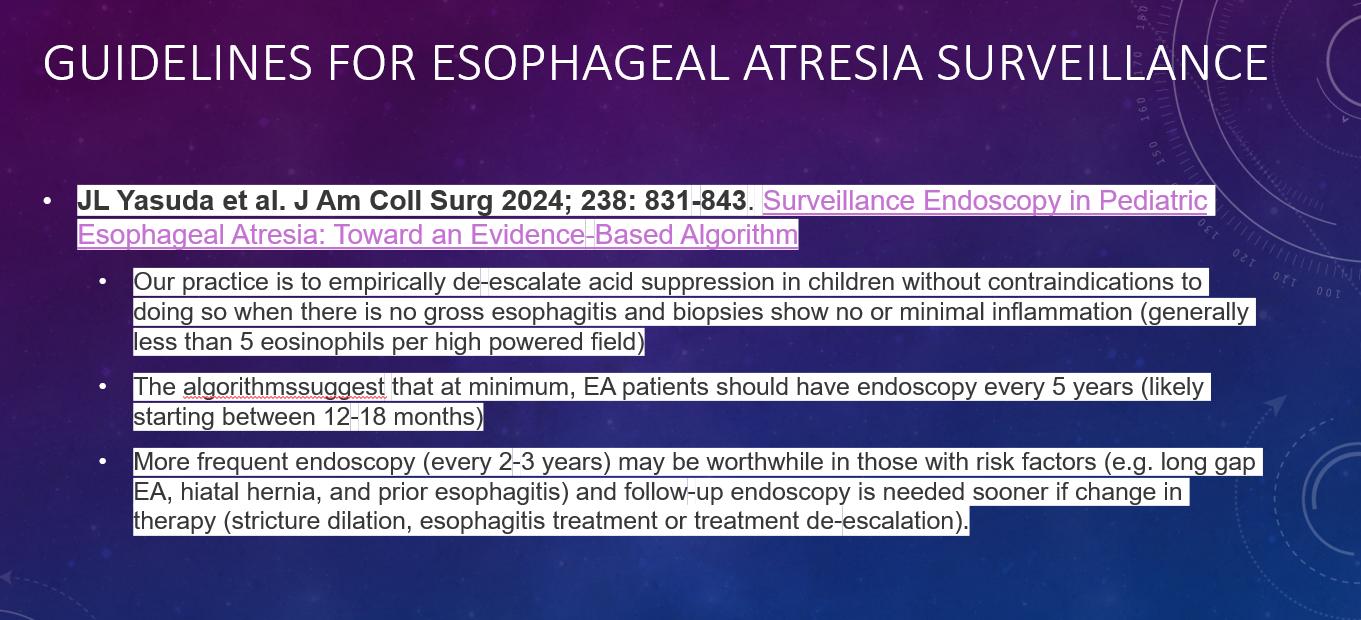
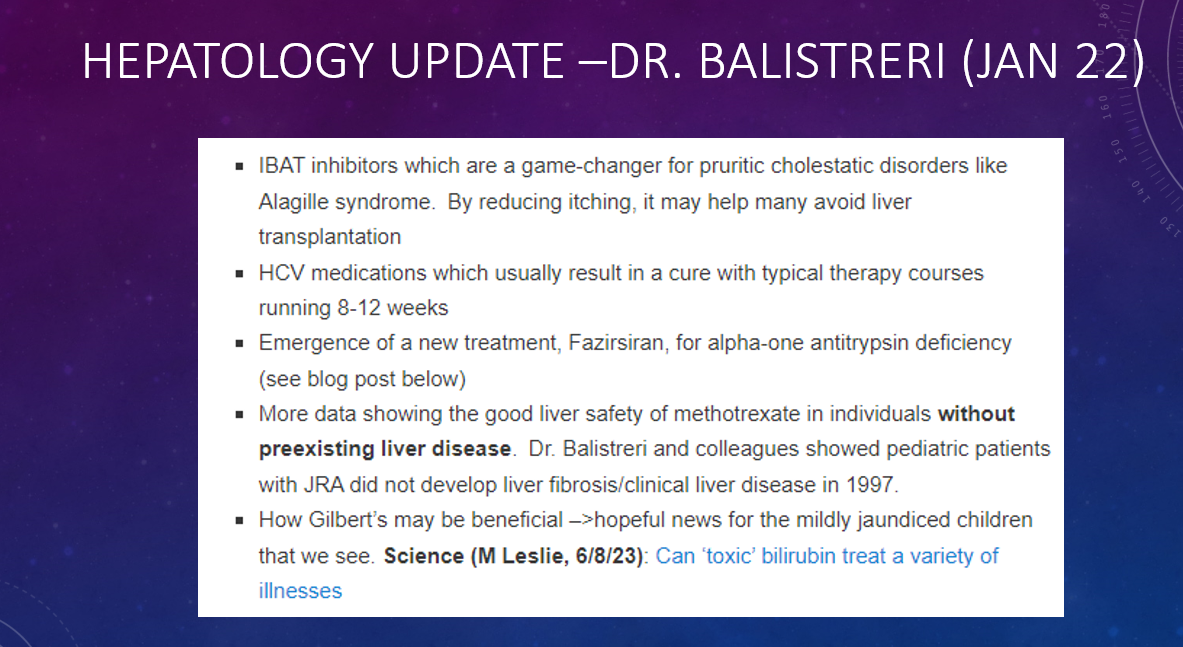
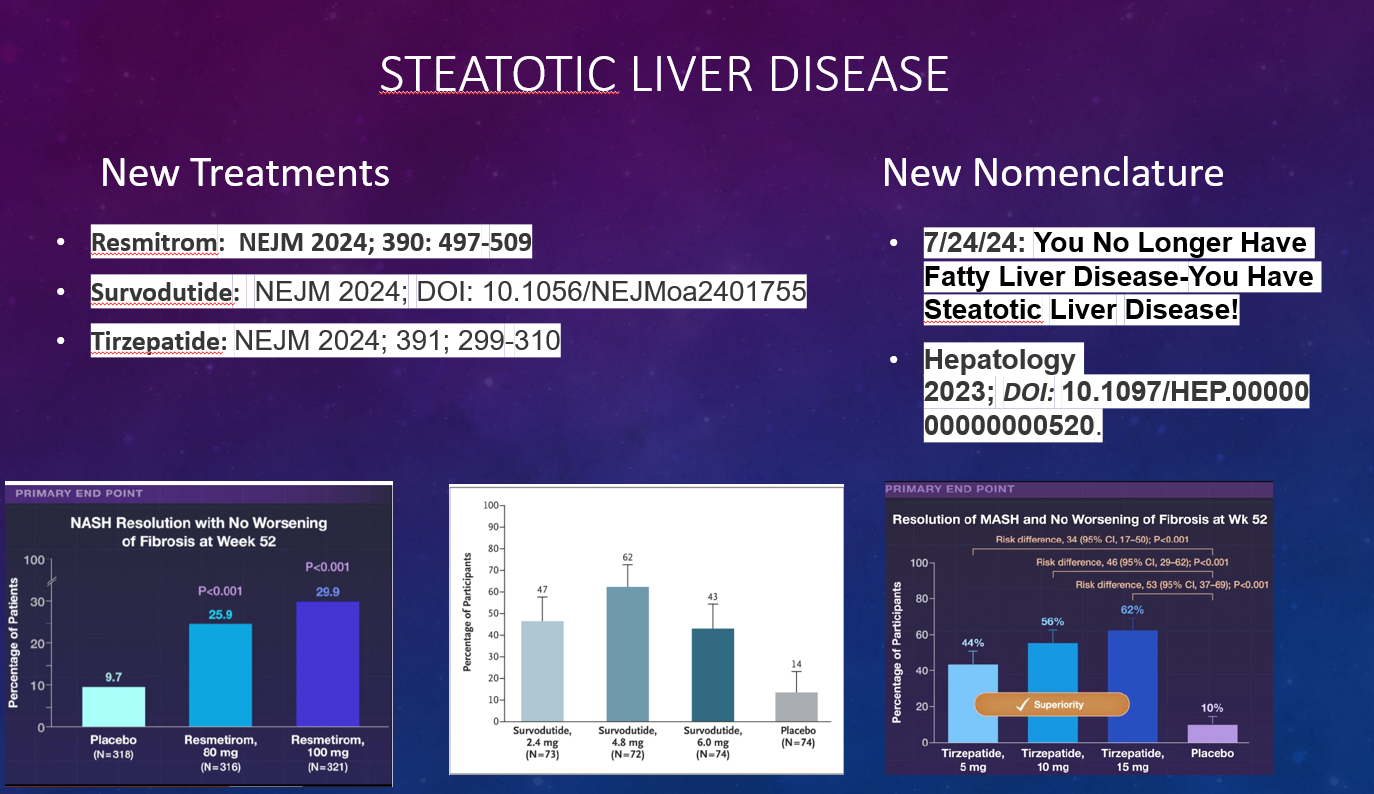
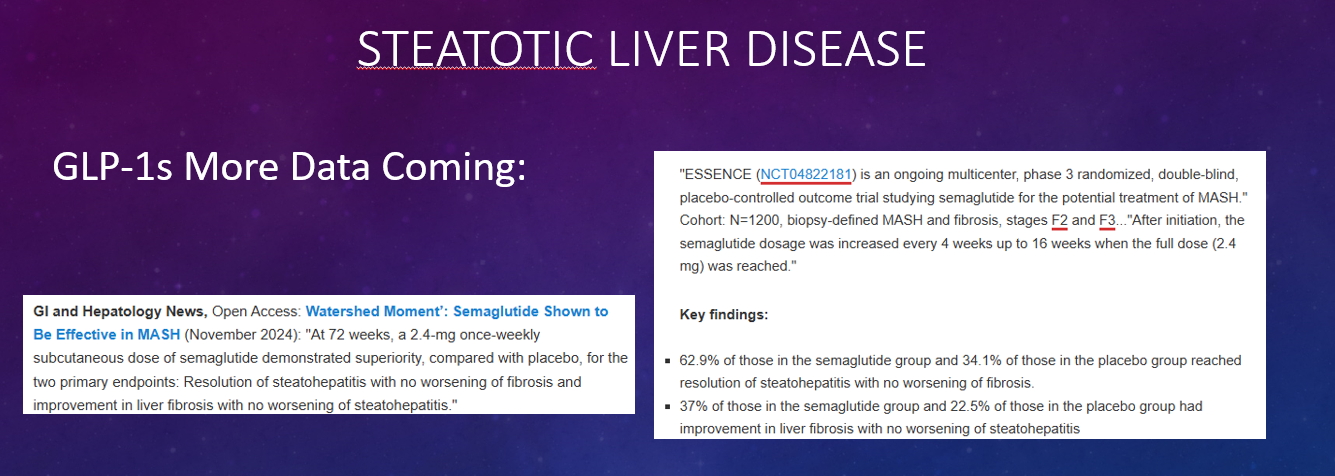
This year I had the opportunity to give a lecture to our group that reviewed much of the important advances that happened in 2024. Here are some of the slides (if you have any trouble reading the slides, you can search for the original blog post using author name).
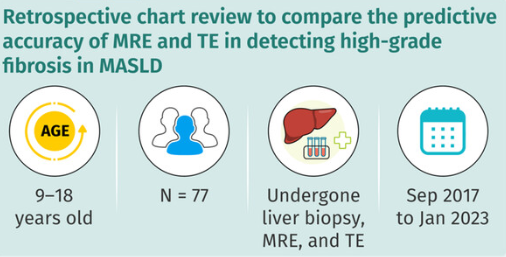
N Ravanbakhsh et al J Pediatr Gastroenterol Nutr. 2024;79:1192–1198. Comparing imaging modalities in the assessment of fibrosis in metabolic dysfunction-associated steatotic liver disease
In this retrospective review with 77 patients who had liver biopsy-proven MASLD (2017-2023), the authors examined how well magnetic resonance elastoraphy (MRE) and transient elastography (TE) identified fibrosis.
Key findings:
Fibrosis was identified in 90% of liver biopsies
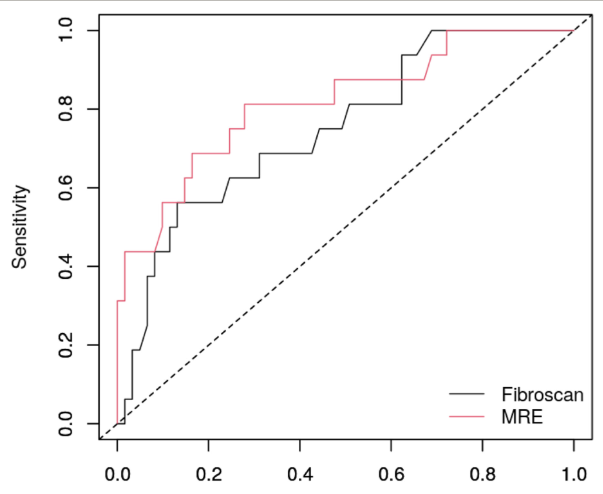
The area under the receiver operating characteristic curves (AUROC) of MRE and TE for detection of high-grade fibrosis were 0.817 and 0.750, respectively
Only 20% of patients had severe fibrosis on liver biopsy; thus, this is a limitation given the small number
Sensitivity in detecting advanced fibrosis, defined on liver biopsy was defined as Metavir Stage ≥ 3.
Conclusion of authors: “MRE and TE did not accurately predict high-grade fibrosis on liver biopsy. Between the two noninvasive imaging modalities, the correlation of identifying high-grade fibrosis was not statistically different.”
My take: Even MRE is not very accurate at identifying fibrosis. Given the huge numbers of individuals (pediatric and adult) with MASLD, the lack of reliable non-invasive markers is a problematic. As effective treatments become available, being able to determine if they are working is essential.
This study correlated environmental toxins and steatotic liver disease. Four hundred and thirty-five children distributed across MASH (n = 293) and MASLD (n = 142), with 304 (69.9%) males. Toxins analyzed: PFAS chemicals included perfluorohexane-1-sulphonic acid (PFHXS), perfluorononanoic acid, perfluorooctanoic acid, and perfluorooctanesulfonic acid and PBDE included 2,2′,4,4′-tetrabromodiphenyl ether (BDE47), 2,2′,4,4′,5-pentabromodiphenyl ether (BDE99), and 2,2′,4,4′,6-pentabromodiphenyl ether (BDE100).
Key findings:
There was an inverse association between PFAS/PBDE mixture and MASH versus MASLD, lobular inflammation (p = 0.026), NAS (p = 0.009, FDR p = 0.04), and log-transformed ALT (p = 0.005, FDR p = 0.025) driven by perfluorohexane sulfonate (PFHXS).
PFASs were detected in 290 (67%) samples, showing the pervasive nature of this chemical exposure in children
My take: Not surprisingly, our environmental exposures influence the severity of steatotic liver disease. There is widespread exposure to pollutants and the full toll on our health is not clear.
TE and MRE did not have high correlation with liver biopsy in the detection of high-grade fibrosis
Fibrosis was identified in 90% of liver biopsies with bridging fibrosis in 15 (19%) and cirrhosis in 1 (1%)
AUROC curves of MRE and TE for detection of high-grade fibrosis were 0.817 and 0.750, respectively, and not significantly different.
The authors note that previous adults studies suggest that MRE is more accurate in the identification of liver fibrosis than TE (MRE detected ≥ F1 fibrosis with an AUROC of 0.82, while TE detected fibrosis with an AUROC of 0.67).20
My take: Trying to identify accurate non-invasive testing is crucial to help identify patients most in need of treatment and for limiting costs.
Methods: A single-center, retrospective chart review (n=51) was conducted on neonates ≤ 30 days of life between 2005 and 2022 with ALF (international normalized ratio ≥ 2 or prothrombin time ≥ 20s and liver dysfunction). This excluded infants who responded to a single dose Vit K injection or fresh frozen plasma. The age at presentation was 4.7 in survival with native liver (SNL) group and 6.9 in the non-SNL group.
Key findings:
The most common causes of neonatal ALF included ischemia (22%), infection (20%), and gestational alloimmune liver disease (16%). All three patients with HLH died. Ischemia had the highest survival rate of 64% compared to 40% for infectious ALF, and 50% for GALD-ALF.
Overall survival with native liver (SNL) rate was 43% (n = 22).
Alpha-fetoprotein levels were higher in SNL group on admission (mean 46,471) compared to transplant/non-survival group (mean 2450). Peak values were 165,000 compared to 17,650. AFP levels remained significant after removing GALD patients with SNL group now with 17,500 mean on admission compared to 1006 in non-SNL group.
Ammonia levels were lower in SNL group on admission 48 vs 70 and at peak: 83 vs 172.
A neonatal ALF (nALF) model was developed: 1.29 x Admission INR +0.985 x Admission Ammonia (micromol/L). This score was significantly lower (mean 48.1) in SNL group compared to non-SNL group of 76.2.
A peak nALF model: 0.982 x Peak PT +0.985 x Peak Ammonia (micromol/L) performed even better than admission nALF model. SNL group had mean value of 118 compared to 223 for non-SNL group (P <0.001)
In the discussion, the authors note that AFP may have high prognostic value at time of admission (similar to neonatal ALF model), especially in Non-GALD patients. AFP Is a “biomarker for hepatic regeneration….Similar to our findings, several adult studies have shown that elevated AFP levels are associated with favorable outcomes in non-oncologic liver diseases…Specifically, it has been shown that in ALF, rising levels of AFP during hospitalization are associated with favorable outcomes.”
My take: Both the AFP and the neonatal ALF score had similar prognostic value for SNL.
Methods: Using National Swedish registries, the authors evaluated a matched cohort study, 1378 individuals with PSC and 13,549 general population comparators and their first-degree relatives.
Key findings:
After excluding inflammatory bowel disease and autoimmune hepatitis, the prevalence of autoimmune disease was 18% in PSC and 11% in comparators, OR: 1.77
Highest odds were seen for celiac disease [OR: 4.3], sarcoidosis [OR: 2.74], diabetes type 1 [OR: 2.91], and autoimmune skin disease [OR: 2.15]
First-degree relatives of individuals with PSC had higher odds of developing IBD [OR: 3.25], autoimmune hepatitis [OR: 5.94], and any autoimmune disease than relatives of the comparators [OR: 1.34]
My take: Keep an eye out for other autoimmune diseases in patients (& their 1st-degree relatives) with PSC.
A recent case reminded me of the quote by Helena Ravenclaw in Harry Potter: “”If you have to ask, you’ll never know. If you know, you need only ask.”
One of my colleagues recently diagnosed a teenage boy with ulcerative colitis. His past medical history was notable for ADHD. At the time of his evaluation, he was noted to have an elevated AST.
Labs:
June: AST 143, ALT 8, Hepatitis B immune
August: AST 190, ALT 10, Albumin 4.7, T protein 7.3, T bili 0.4, D bili 0.1, Alk phos 168; GGT 10, CPK 93
The concern at the time was whether his elevated AST should preclude using his ADHD medicine and whether there was an underlying liver disease. Based on the pattern of liver enzyme abnormalities, it was suspected that the patient had macro AST. A blood test was sent to the Mayo clinic and confirmed this diagnosis:
“”The sample was investigated for the presence of macro AST by polyethylene glycol (PEG) precipitation. Serum AST activity = 316 U/L. The AST result post-PEG precipitation = 22 U/L. The results obtained are positive for the presence of macro AST (93% of activity precipitated with PEG). Based on validation studies performed at the Mayo Clinic, a cut-off of >80% AST activity precipitated by PEG indicates the presence of macro AST.” This test is rarely ordered at the Mayo Clinic and is ordered as a miscellaneous test; it is not on the Mayo Clinic’s regular test menu.
Internet description of macro AST: Macro-aspartate aminotransferase (macro AST) is a rare, benign condition that causes a persistent elevation of aspartate aminotransferase (AST) levels in the blood. It’s caused by the binding of AST to immunoglobulins, which results in a high molecular weight macroenzyme that’s excreted from the serum more slowly than normal.
My take: Macro AST diagnosis is useful –it helps eliminate the concern for other conditions. Since it is quite uncommon, it is easier to think of this problem once you have seen it before.
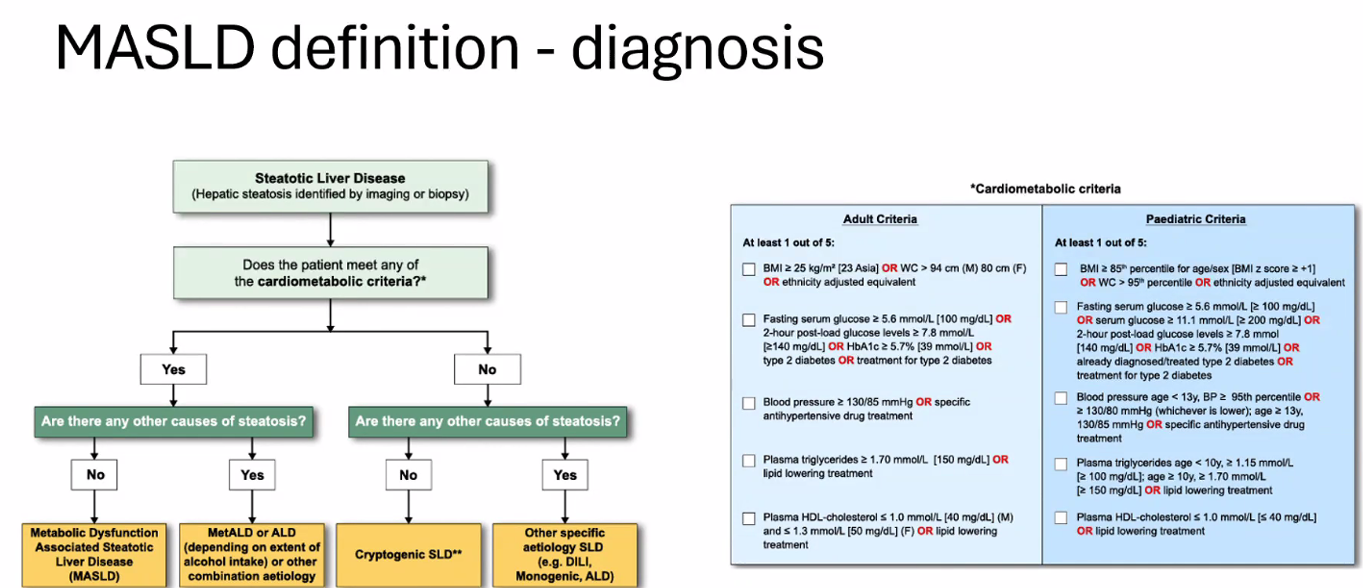
Methods: Among 1410 adolescents (12–19 years) in NHANES (2017-March, 2020), the controlled attenuation parameter (CAP) of transient elastography (TE) was used to define steatosis and fibrosis (TE ≥ 7.4 kPa). Obesity and alanine aminotransferase (ALT) ≥ 80 U/L were used to identify adolescents qualifying for hepatology referral according to practice guidelines.
Key findings:
At the supplier (EchoSens)-recommended CAP threshold of 240 dB/m, 30.5% of adolescents had steatotic liver disease (SLD) and about 85% of adolescents with NAFLD met criteria for MASLD. At a CAP threshold of 270 dB/m, SLD prevalence was about 16% in adolescents. The other 15% of NAFLD patients do not meet diagnostic criteria MASLD and would receive a diagnosis of cryptogenic SLD or possible MASLD
At higher CAP thresholds, MASLD/NAFLD concordance increased and approached 100%.
Among adolescents with MASLD-fibrosis, only 8.8% had overweight/obese and ALT ≥ 80 U/L. Thus, more than 90% of adolescents in this group would not merit hepatology evaluation based on current guidelines.
My take: This study identifies potential problems with current thresholds for which patients need to be seen by pediatric hepatologists. This will be even more important as effective pharmaceuticals become available.
Y-C Ling et al. JPGN 2024;79:222–228. Performance of Baveno VII criteria for the screening of varices needing treatment in patients with biliary atresia
Methods: This retrospective study enrolled 48 BA patients (23 females and 25 males) who underwent an esophagogastroduodenoscopy (EGD) and transient elastography at a mean age of 11.18 ± 1.48 years. Transient elastography (Fibroscan® 502 Touch; Echosens) was applied for the LSM assessment in all BA patients recruited in this study.
CSPH of Baveno VII criteria was defined as LSM ≥ 25 kPa and excluded patients with LSM < 15 kPa and platelet count ≥150 × 10-9 /L. Subjects with LSM between 20 and 25 kPa and platelets <150 × 10-9 /L or LSM between 15 and 20 kPa and platelets <110 × 10-9/L are also defined as CSPH. (Ref: Baveno VII criteria Ref: M Mendizabal et al. Annals of Hepatology; 2024: 29: 101180. Evolving portal hypertension through Baveno VII recommendations)
Key findings:
The sensitivity and negative predictive value of Baveno VI and Baveno VII criteria for the prediction of varices needing treatment (VNT) in BA patients were both 100% and100%, respectively
In the discussion, the authors note that the utility of the Baveno VII criteria for adults. “The real‐world data showed the CSPH defined by Baveno VII criteria predicts a five‐times increase in the risk of liver decompensation in chronic active liver disease patients.”
My take: This study shows that the combination of LSM and platelet counts using the Baveno VI or VII criteria help select patients with BA who need upper endoscopy to screen for varices needing treatment. These criteria also identify patients needing liver transplantation.
Related blog posts:
Time to Adjust the Knowledge Doubling Curve in Hepatology (2021) The 2nd guidance in this review discusses procedures for bleeding in patients with chronic liver disease. “For Platelets in the setting of cirrhosis: “Given the low risk of bleeding of many common procedures, potential risks of platelet transfusion, lack of evidence that elevating the platelet count reduces bleeding risk, and ability to use effective interventions, including transfusion and hemostasis if bleeding occurs, it is reasonable to perform both low‐ and high‐risk procedures without prophylactically correcting the platelet count...An individualized approach to patients with severe thrombocytopenia before procedures is recommended.” And, ““The INR should not be used to gauge procedural bleeding risk in patients with cirrhosis who are not taking vitamin K antagonists (VKAs)…Measures aimed at reducing the INR are not recommended before procedures in patients with cirrhosis who are not taking VKAs…FFP transfusion before procedures is associated with risks and no proven benefits.”
Channel Islands off California coastView from Griffith Park, Los Angeles
Disclaimer: This blog, gutsandgrowth, assumes no responsibility for any use or operation of any method, product, instruction, concept or idea contained in the material herein or for any injury or damage to persons or property (whether products liability, negligence or otherwise) resulting from such use or operation. These blog posts are for educational purposes only. Specific dosing of medications (along with potential adverse effects) should be confirmed by prescribing physician. Because of rapid advances in the medical sciences, the gutsandgrowth blog cautions that independent verification should be made of diagnosis and drug dosages. The reader is solely responsible for the conduct of any suggested test or procedure. This content is not a substitute for medical advice, diagnosis or treatment provided by a qualified healthcare provider. Always seek the advice of your physician or other qualified health provider with any questions you may have regarding a condition.
Methods: MMP-7 was measured in serum samples of 399 infants (North America)18 with cholestasis in the Prospective Database of Infants with Cholestasis study of the Childhood Liver Disease Research Network, 201 infants with BA and 198 with non-BA cholestasis (age median: 64 and 59 days, p = 0.94). MMP-7 was assayed on antibody-bead fluorescence (single-plex) and time resolved fluorescence energy transfer assays.
Key findings:
On the single-plex assay, MMP-7 generated an AUROC of 0.90. At cutoff 52.8 ng/mL, it produced sensitivity = 94.03%, specificity = 77.78%, positive predictive value = 64.46%, and negative predictive value = 96.82% for BA.
MMP-7 outperformed other parameters. AUROC for gamma-glutamyl transferase = 0.81 (CI: 0.77–0.86), stool color = 0.68 (CI: 0.63–0.73), and pathology = 0.84 (CI: 0.76–0.91). Obstructive features on pathology were the second-best predictor of BA.
GGT cutoff was 267.5 U/L (per personal communication with senior author) with sensitivity of 86.6%, and specificity of 77.4%
Similar results were found with TR-FRET assay with cut-off of 18.2 ng/mL.
6% (False-negatives) of BA patients had MMP-7 levels below the cutoff
22% (False-positives) of non-BA patients had MMP-7 levels above the cutoff. This included 7 of 8 choledochal cyst patients, 8 of 17 with A1AT, and 13 of 98 with indeterminate cholestasis
In the discussion, the authors note that MMP-7 has performed better in studies with Asian populations, MMP-7 could be useful for dried blood spots in newborns, and could be useful as a measure of successful HPE; continued elevation of MMP-7 has been associated with hepatic fibrosis.
My take: This study shows that MMP-7 is not a perfect assay but often quite helpful. The exact cutoff depends on the specific assay that is utilized. Also, this study shows that checking for A1AT and checking an ultrasound to exclude choledochal cyst need to continue to be done early in the evaluation process.
Disclaimer: This blog, gutsandgrowth, assumes no responsibility for any use or operation of any method, product, instruction, concept or idea contained in the material herein or for any injury or damage to persons or property (whether products liability, negligence or otherwise) resulting from such use or operation. These blog posts are for educational purposes only. Specific dosing of medications (along with potential adverse effects) should be confirmed by prescribing physician. Because of rapid advances in the medical sciences, the gutsandgrowth blog cautions that independent verification should be made of diagnosis and drug dosages. The reader is solely responsible for the conduct of any suggested test or procedure. This content is not a substitute for medical advice, diagnosis or treatment provided by a qualified healthcare provider. Always seek the advice of your physician or other qualified health provider with any questions you may have regarding a condition.