IBD Briefs -October 2020

EV Loftus et al.  AP&T  2020; 52: 1343-1365. Full text: Long‐term safety of vedolizumab for inflammatory bowel disease

GEMINI long‐term safety (LTS) study results –initiated 2009:

  • Enrolled patients (UC, n = 894; CD, n = 1349) received vedolizumab 300 mg IV every 4 weeks. Total of 7999 patient years of vedolizumab exposure.
  • Vedolizumab discontinuation due to AEs occurred in 15% (UC) and 17% (CD) of patients.
  • There were no new trends for infections, malignancies, infusion‐related reactions, or hepatic events, and no cases of progressive multifocal leukoencephalopathy
  • Conclusion from authors: “The safety profile of vedolizumab remains favourable with no unexpected or new safety concerns.”

Related blog posts:

AS Faye et al. Inflamm Bowel Dis 2020; 26: 1368-1376. Fertility Impact of Initial Operation Type for Female Ulcerative Colitis Patients (link includes video abstract)

Surgical options include Ileal pouch–anal anastomosis (IPAA), rectal-sparing colectomy with end ileostomy (RCEI), and ileorectal anastomosis (IRA). Conclusions based on “a patient-level state transition microsimulation in TreeAge Pro:”… “Despite an increased risk of infertility, our model results suggest that IPAA may be the optimal surgical strategy for female UC patients aged 20–30 years who desire children. For patients aged 35 years, RCEI should additionally be considered, as QALYs for RCEI and IPAA were similar.”   In older age group, RCEI’s increase rate of childbirth (28%), decrease time to childbirth (14 months) and 77% reduction in IVF are important factors.

Related blog posts:

R Tariq et al. Inflamm Bowel Dis 2020; 26: 1415-1422. Efficacy of Fecal Microbiota Transplantation for Recurrent C. Difficile Infection in Inflammatory Bowel Disease

In this retrospective study with 145 patients,  the overall cure rate of CDI after FMT was 80.0%, without CDI recurrence at median follow-up of 9.3 (range, 0.1–51) months. The authors concluded that “fecal microbiota transplantation effectively treats recurrent CDI in IBD patients but has no apparent beneficial effect on the IBD course.”

Related blog posts:

Isle of Palms (July 2020)


What’s Missing In Pediatric IBD Care

A recent single-site cross-sectional survey (HK Michel et al. J Pediatr 2020; 224: 94-101. Gaps Exist in the Comprehensive Care of Children with Inflammatory Bowel Diseases) of parents (n=161) and adolescents(n=84)  identified gaps in the comprehensive care of pediatric patients with inflammatory bowel disease (IBD).

Key points:

  • Discussions about family/peer relationships, school/extracurricular activities, and mood were not addressed in 30%-40% of participants.
  • Adolescents frequently reported that no one had talked to them about substance use (40%), sexual health (50%), or body image (60%)
  • 75% of adolescents and 76% of their parents reported that no one had discussed transitioning to an adult provider.

There is likely a wide variability in addressing psychosocial issues among providers and centers.  Limitations for this type of study includes recall bias and selection bias.

The associated editorial (MJ Ladinsky, MB Cohen, pg 20-22) urge us to ‘Mind the Gap.’  This likely means allowing sufficient time and arranging opportunities for teens to speak directly (& alone) with care provider.  Like other aspects of care, establishing a standardized approach is likely to be helpful.

My take: As noted on this blog previously, emotional health issues are likely more important than other aspects of IBD care that attract more consistent attention (eg. vaccination); the message is clear that these needs need to be addressed.

Related blog posts:

Disclaimer: This blog, gutsandgrowth, assumes no responsibility for any use or operation of any method, product, instruction, concept or idea contained in the material herein or for any injury or damage to persons or property (whether products liability, negligence or otherwise) resulting from such use or operation. These blog posts are for educational purposes only. Specific dosing of medications (along with potential adverse effects) should be confirmed by prescribing physician.  Because of rapid advances in the medical sciences, the gutsandgrowth blog cautions that independent verification should be made of diagnosis and drug dosages. The reader is solely responsible for the conduct of any suggested test or procedure.  This content is not a substitute for medical advice, diagnosis or treatment provided by a qualified healthcare provider. Always seek the advice of your physician or other qualified health provider with any questions you may have regarding a condition

Best Screening For Celiac At All Ages

Another study (MR Khan et al. J Pediatr 2020; 224: 158-61. The Utility of IgA-Based Serologic Markers in Diagnosing Celiac Disease in Children 24 Months of Age or Younger) shows that tissue transglutaminase (TTG) IgA is the best first test, even in children less than 2 years of age.

This was a multicenter retrospective study with 150 children, mean age was 18 months.

Key findings:

  • ~98% of children <2 years of age with celiac disease had an elevated TTG IgA
  • “These findings are consistent with recently published European guidelines, which endorse TTG IgA…as the initial screening test regardless of age.”
  • IgG-based test should be reserved for IgA-deficient children, which was noted in 5.5% of this cohort.
  • Endomysial antibody (EMA) had excellent specificity in this study but was less sensitive; it was negative in 13 of 66 (19.7%) of children with celiac disease (positive in 80%).

My take: TTG IgA is a good first step; based on clinical presentation, further testing (eg. endoscopy) could be warranted in highly-selected cases with negative results.

Related blog posts:

Leading Medical Journals Condemn U.S. Pandemic Response

Multiple prestigious journals have weighed in on the U.S. pandemic response.


From Science Editor-in-Chief
From Nature
Also, from Nature

From The Lancet:

“If logic and justice prevail in the next presidential
administration, universal health coverage, a fairer society,
stronger health institutions, more energetic global
engagement, and a robust research agenda will be the
foundations for America’s renewal. We all have a stake in
America’s success.”

Transanal Irrigation Device -Pediatric Experience

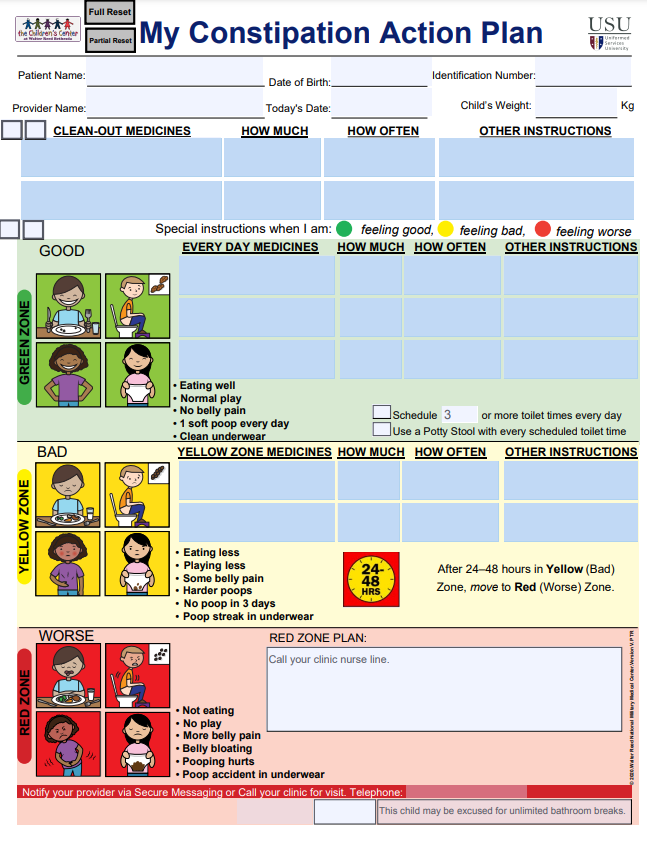
A recent retrospective study (S Patel et al. JPGN 2020; 71: 292-297Impact of Transanal Irrigation Device in the Management of Children With Fecal Incontinence and Constipation) provides some useful experience in the management of constipation related to bowel dysfunction (n=147), including patients with neurogenic bowel dysfunction (NBD) related to spinal cord defects (NBD, n=85), refractory constipation (RC, n=43), or anorectal malformations (ARMs, n=19).

The authors elaborate on their protocol which includes flushing with warm tap water (on average) 15 mL/kg, generally once a day.  They note that the device is contraindicated in patients <2 years of age and/or within 3 months of anal/colorectal surgery.  The Peristeen device has been FDA approved since 2012.

Key findings:

  • For all patient groups, there was significant improvement in symptoms of fecal incontinence and constipation (P ≤ 0.001).
  • Abdominal pain was improved in the NBD and RC group, but not significantly in the ARM group.

My take: As with other treatment options for these problems, the key to success is adequate upfront training.  The authors note that their training sessions typically last 1-2 hours. A limiting factor with this treatment can be cost.

Useful link: Peristeen Bowel Management

Related blog entries:

Disclaimer: This blog, gutsandgrowth, assumes no responsibility for any use or operation of any method, product, instruction, concept or idea contained in the material herein or for any injury or damage to persons or property (whether products liability, negligence or otherwise) resulting from such use or operation. These blog posts are for educational purposes only. Specific dosing of medications (along with potential adverse effects) should be confirmed by prescribing physician.  Because of rapid advances in the medical sciences, the gutsandgrowth blog cautions that independent verification should be made of diagnosis and drug dosages. The reader is solely responsible for the conduct of any suggested test or procedure.  This content is not a substitute for medical advice, diagnosis or treatment provided by a qualified healthcare provider. Always seek the advice of your physician or other qualified health provider with any questions you may have regarding a condition


ANMS Virtual Symposia on Constipation

For those wanting a state-of-the-art review on constipation:

YouTube (1:01) ANMS Virtual Symposia on Constipation

Dr. Jose Garza (one of my partners) gives the first lecture focused on pediatrics -first 18 minutes.

A few points:

  • Miralax is safe (time: 13:45)
  • Senna and bisacodyl are safe and have not been shown to cause dependence (time 14:55)

Study: No Increased Cancer Risk with Ranitidine

Despite theoretical concerns that impurities with N-nitrosodimethylamine (NMDA) identified in samples of ranitidine (trade name: Zantac) could increase the risk of cancer, a recent study (N Mohyuddin et al. DDW 2020; Abstract#152. RISK OF CANCER WITH USE OF RANITIDINE: RESULTS OF A COHORT STUDY OF 65 MILLION US ADULTS) did not find any evidence of this.

Methods: The authors utilized the Explorys database (IBM, New York) which is a source of longitudinal real world deidentified data collected from electronic medical records from over 40 health systems nationwide (65 million) from 1999-2019.

Key findings:

  • 1.62 million users of ranitidine were identified, 3.37 million users of famotidine, and 59.63 million individuals who did not use either H2 blocker.
  • Users of ranitidine and famotidine when compared to the general population, and users of famotidine when compared to ranitidine, were older (p<0.001), smokers (p<0.001), obese (p<0.001), had liver cirrhosis (p<0.001), a history of alcohol use (p<0.001), and a family history of cancer (p<0.001).
  • Ranitidine users had a numerically lower risk for GI cancers (liver, stomach, esophageal, colorectal, and pancreatic cancers) compared to famotidine. Among subjects without risk factors including smoking, obesity, alcohol use, family history, cirrhosis and GERD, the risk of all cancers (excluding non-melanoma skin cancers) was identical for ranitidine and famotidine (OR=1, CI=1.01-1.02, p=0.001).

My take: This large database did NOT identify an increased risk of malignancy with ranitidine over a 20 year span.  Despite this, I don’t expect that the FDA will reverse its recall.

Related blog posts:

Disclaimer: This blog, gutsandgrowth, assumes no responsibility for any use or operation of any method, product, instruction, concept or idea contained in the material herein or for any injury or damage to persons or property (whether products liability, negligence or otherwise) resulting from such use or operation. These blog posts are for educational purposes only. Specific dosing of medications (along with potential adverse effects) should be confirmed by prescribing physician.  Because of rapid advances in the medical sciences, the gutsandgrowth blog cautions that independent verification should be made of diagnosis and drug dosages. The reader is solely responsible for the conduct of any suggested test or procedure.  This content is not a substitute for medical advice, diagnosis or treatment provided by a qualified healthcare provider. Always seek the advice of your physician or other qualified health provider with any questions you may have regarding a condition

New Data on Bisacodyl for Pediatric Constipation

A recent retrospective study (S Bonilla et al. JPGN 2020; 71: 288-291. Long-term Use of Bisacodyl in Pediatric Functional Constipation Refractory to Conventional Therapy) provides some reassuring information about the use of bisacodyl for pediatric constipation, n=164.  Bisacodyl’s mechanism of action is due to its ability to cause mucosal secretion and a prokinetic effect on colonic mucosa.

Key findings:

  • Bisacodyl median dose was 5 mg/day, median duration of treatment was 14 months
  • Median number of BM/wk doubled after initiation of bisacodyl from 2 to 4 bm/w (P < 0.001)
  • Approximately 57% of patients had successful response. At long-term follow-up 55% of patients were successfully weaned off bisacodyl (median time of 18 months)
  • Side effects: 8 patients reported abdominal pain, 4 had diarrhea, and 1 had nausea
  • Limitations: open-label study, retrospective study, lack of a placebo-control

My take (from authors): “We observed no long-term complications with its long-term use in children.” Prospective studies are needed.

Related blog posts:

Published IBD-COVID-19 Data from SECURE-IBD & Others

When I received an email in EARLY MARCH of this year regarding SECURE-IBD, I thought the researchers were insightful and proactive.  Recently, the authors published their early findings: EJ Brenner, RC Ungaro et al. Gastroenterol 2020; 159: 481-491. Full Text PDF: Corticosteroids, But Not TNF Antagonists, Are Associated With Adverse COVID-19 Outcomes in Patients With Inflammatory Bowel Diseases: Results From an International Registry

“Surveillance Epidemiology of Coronavirus Under Research Exclusion for Inflammatory Bowel Disease (SECURE-IBD) is a large, international registry created to monitor outcomes of patients with IBD with confirmed COVID-19.”

Key findings:

  • 525 cases from 33 countries were reported (median age 43 years, 53% men)
  • Risk factors for severe COVID-19 among patients with IBD included increasing age (adjusted odds ratio [aOR], 1.04; 95% CI, 1.01–1.02), ≥2 comorbidities (aOR, 2.9; 95% CI, 1.1–7.8), systemic corticosteroids (aOR, 6.9; 95% CI, 2.3–20.5), and sulfasalazine or 5-aminosalicylate use (aOR, 3.1; 95% CI, 1.3–7.7).
  • Tumor necrosis factor antagonist treatment was not associated with severe COVID-19 (aOR, 0.9; 95% CI, 0.4–2.2)

Other COVID-19 articles from same journal:

My take: There is a tremendous amount of information regarding SARS-CoV-2 & COVID-19 with regard to the GI tract and liver disease.  For the most part, the data indicate that individuals need to continue to treat their underlying disease and that most therapies do not increase the risk of worsening infection; the biggest risk factors remain increasing age and common comorbidities (eg. obesity, hypertension, and diabetes).  The published studies also provide insight and recommendations for preventing SARS-CoV-2 for health care providers.

Related blog posts:

Collagenous Gastritis

“Collagenous gastritis (CG) is a rare gastrointestinal disorder with fewer than 300 cases reported in the English-language literature.”  If you have to manage one of these rare cases, here is a useful reference:

Key points:
  • The prevalence of CG was 2.1/100,000 in children aged younger than 18 years
  • The endoscopic and histologic findings remained pathologic in all the examined patients during a median follow-up of 4.4 years
  • The serum levels of calprotectin and amyloid A were increased in 10/15 (67%) and 5/15 (33%) of the patients, respectively