NASPGHAN 2021 Nutrition Highlights

Thanks to Kipp Ellsworth for forwarding this link:

Nutrition for IBD website: NASPGHAN 2021 Nutritional Highlights

On this website: “Four presentations/lectures were released at the Nutritional Therapy for IBD Virtual Booth that provide a comprehensive review and update of the latest information regarding the use of EEN and therapeutic diets in the management of IBD”

Why Do We Need Dietary Therapies for IBD

Presenter: Lindsey Albenberg, DO

Dr. Lindsey Albenberg, a clinician and researcher from Children’s Hospital of Philadelphia, describes the rapidly increasing incidence of IBD and its relationship to diet, microbiome and the immune system. She reviews the rationale and science supporting the use of dietary therapy to compliment drug therapy as an avenue to potentially achieve higher, more sustainable and possibly safer levels of remission long term in pediatric patients.

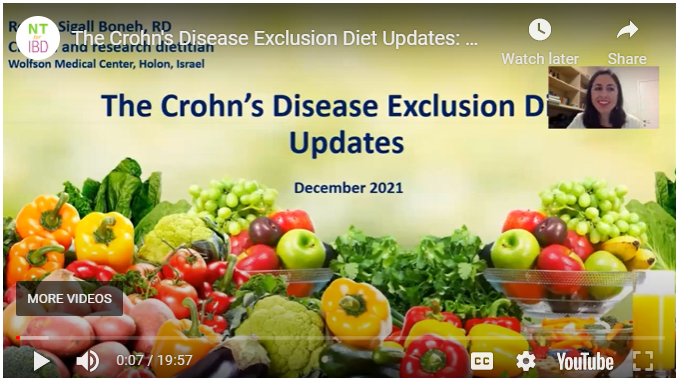
The Crohn’s Disease Exclusion Diet Updates: December 2021

Presenter: Rotem Sigall Boneh, RD. Rotem Sigall Boneh, RD, a primary researcher and developer of CDED, provides an overview of the accumulating data with CDED in combination with PEN, including the newly published results of adult data with important endoscopic findings and further shares real world experience and application of nutritional therapy.

IBD Anti-inflammatory Diet or IBD-AID: Proof of Concept

Presenter Ana Maldonado-Contreras, MSc, PhD. Dr. Ana Maldonado-Contreras, a lead researcher in IBD-AID explains the relationship between diet, microbiome and immune function with the design and rational of IBD-AID to manipulate the microbiome. She shares the recently published data of the impact of IBD-AID on the microbiome and cytokine levels specific to food components.

Nutritional Therapy: Perioperative + Complicated Crohn’s Disease

Presenter Andrew S. Day, MB, ChB, MD, FRACP, AGAF

At the NTforIBD Nutritional Symposium prepared for NASPGHAN2021, Professor Day provides insight into the important role of EEN, an underutilized option to both induce remission and improve outcomes in complicated and peri-operative patients.

IBD Updates: Fatigue Trajectory, Risk of IBD with Derm Findings

NZ Borren et al. Inflamm Bowel Dis 2021; 27: 1740-1746. Open Access: Longitudinal Trajectory of Fatigue in Patients With Inflammatory Bowel Disease: A Prospective Study

In this prospective study using the CCFA IBD Partners cohort, the authors examined fatigue symptoms with questionnaires (FACIT-F and MDI) at 3 timepoints over a 1 year period. There was likely a strong selection bias among participants (mean disease duration was 18 years) who chose to complete theses questionnaires. Key findings:

  • Persistent fatigue (at baseline and at 6 months) was the most common pattern, affecting two-thirds (65.8%) of patients
  • The strongest predictor of incident fatigue was sleep disturbance at baseline (odds ratio, 2.91.
  • Only 12.3% of those with fatigue at baseline had symptom resolution by 6 months. Resolution was more likely in patients with a diagnosis of ulcerative colitis, quiescent disease, and an absence of significant psychological comorbidity

My take: In those with fatigue, it is often persistent.

Related blog post: #MondayNightIBD and Fatigue

D King et al. Inflamm Bowel Dis 2021; 27: 1731-1739. The Risk of Later Diagnosis of Inflammatory Bowel Disease in Patients With Dermatological Disorders Associated With Inflammatory Bowel Disease

The authors retrospectively studied 7447 patients with dermatological conditions such as erythema nodosum (EN), pyoderma gangrenosum, Sweet’s syndrome, and aphthous stomatitis which can occur with inflammatory bowel disease (IBD) and are considered dermatological extraintestinal manifestations (D-EIMs).

Key findings:

  • 131 (1.8%) subsequent IBD diagnoses in patients with D-EIMs compared with 65 (0.2%) in those without D-EIMs
  • Median time to IBD diagnosis was 205 days (IQR, 44-661 days) in those with D-EIMs

My take: The absolute risk if IBD is low in patients with D-EIMs but still increased 6-fold. This would probably be a good population to screen for IBD with a biomarker (eg. calprotectin)

Related blog post: Review of Pyoderma Gangrenosum

J Shah et al. Inflamm Bowel Dis 2021; 27: 1832-1838. Ocular Manifestations of Inflammatory Bowel Disease Nice review: “ocular manifestations of IBD include keratopathy, episcleritis, scleritis, and uveitis and are among the most common extraintestinal manifestations.” Urgent referral to ophthalmology needed if deep eye pain that can awaken from sleep (?scleritis), if photosensitivity/blurry vision/headache (?anterior uveitis), or if floaters/decreased vision (?posterior uveitis)

IBD Shorts: High TNF levels, Biologics in Pregnancy, & Ileocolic Resection Outcomes in Pediatrics

M Zvuloni et al. JPGN 2021; 73: 717-721. Open Access PDF: High anti-TNFa Concentrations Are Not Associated With More Adverse Events in Pediatric Inflammatory
Bowel Disease

Key findings (retrospective study):

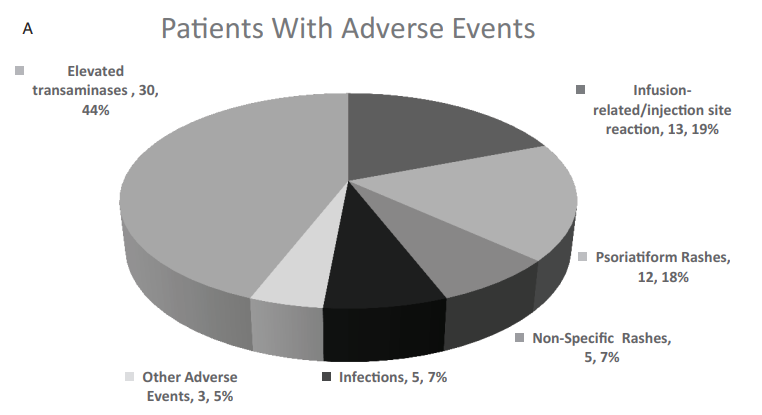
  • Higher trough concentrations (TCs) (>10 mcg/mL) of anti-TNFa were not associated with higher rate of anti-TNFa-related adverse events in 135 patients & >1500 TC measurements
  • Out of the 30 patients who presented with elevated transaminases, 27 (90%) patients had normalized transaminases values by the end of the follow-up
  • Adverse events were noted in 68 of 135 patients (see below)

OH Nielsen et al. Clin Gastroenterol Hepatol 2022; 20: 74-87. Open Access: Biologics for Inflammatory Bowel Disease and Their Safety in Pregnancy: A Systematic Review and Meta-analysis

Forty-eight studies were included in the meta-analysis comprising 6963 patients. Key findings:

  • Biologic therapy in IBD pregnancies was associated with a pooled prevalence of 8% for early pregnancy loss, 9% for preterm birth, 0% for stillbirth, 8% for low birth weight, and 1% for congenital malformations.
  • These rates are comparable with those published in the general population.
  • Importantly, studies with newer biologics (eg. vedolizumab, ustekinumab) had small sample sizes. In addition, ongoing prospective multicenter registries are ongoing.

EA Spencer et al. JPGN 2021; 73: 710-716. Open Access PDF: Outcomes of Primary Ileocolic Resection for Pediatric Crohn Disease in the Biologic Era

Key findings (n=78, retrospective study, 2/3rds received biologic postoperative prophylactic therapy):

  • Endoscopic recurrence was 46% at 2 years (median time to recurrence: 10 months).
  • Histologic recurrence was present in 44% in endoscopic remission
  • At diagnosis and surgery, over a quarter met the criteria for growth failure.. Following surgery, height, weight and BMI z scores improved significantly both at 1 year and last followup

Is Vedolizumab the Best First Line Biologic in Ulcerative Colitis?

D Lukin et al. Clin Gastroenterol Hepatol 2022; 20: 126-135. Open Access: Comparative Safety and Effectiveness of Vedolizumab to Tumor Necrosis Factor Antagonist Therapy for Ulcerative Colitis

This multicenter, retrospective observational cohort study (2014-2017) studied the outcomes of 722 adults (n=454 vedolizumab (VDZ), n=268 TNF agents (165 IFX, 103 ADA). Key findings:

  • VDZ-treated patients were more likely to achieve clinical remission (hazard ratio [HR], 1.651; 95% confidence interval [CI], 1.229-2.217), steroid-free clinical remission (HR, 1.828; 95% CI, 1.135-2.944), and steroid-free deep remission (HR, 2.819; 95% CI, 1.496-5.310) than those treated with TNF antagonists
  • Safety: Overall, there were no statistically significant differences in the risk of serious adverse events (HR, 0.899; 95% CI, 0.502-1.612) or serious infections (HR, 1.235; 95% CI, 0.608-2.511) between VDZ-treated and TNF-antagonist−treated patients.
  • In TNF-antagonist−naïve patients, VDZ was less likely to be associated with serious adverse events than TNF antagonists (HR, 0.192; 95% CI, 0.049-0.754). Thus, among UC patients with no prior TNF exposure, there was nearly an 80% reduction in any serious adverse event (this difference could be related, at least in part, to patient selection/disease severity)
  • In TNF-exposed patients, VDZ was associated with a significant increased risk for serious infections (HR, 4.295).

The authors note that the clinical remission results are similar to a previous head-to-head study of VDZ vs ADA in which VDZ had OR 1.568 for achieving clinical remission. It should be noted that the potential conflict of interest list of the 36 authors is extensive.

My take: This article supports VDZ as a first-line option for UC and strengthens the argument that it should be the first biologic for most patients with UC.

Related blog posts:

Siesta Key, FL

Disclaimer: This blog, gutsandgrowth, assumes no responsibility for any use or operation of any method, product, instruction, concept or idea contained in the material herein or for any injury or damage to persons or property (whether products liability, negligence or otherwise) resulting from such use or operation. These blog posts are for educational purposes only. Specific dosing of medications (along with potential adverse effects) should be confirmed by prescribing physician.  Because of rapid advances in the medical sciences, the gutsandgrowth blog cautions that independent verification should be made of diagnosis and drug dosages. The reader is solely responsible for the conduct of any suggested test or procedure.  This content is not a substitute for medical advice, diagnosis or treatment provided by a qualified healthcare provider. Always seek the advice of your physician or other qualified health provider with any questions you may have regarding a condition.

Quantifying the Risk of Serious Infections in Pediatric Patients with Inflammatory Bowel Disease

JF Ludvigsson et al. J Pediatr 2021; 238: 66-73. Open Access PDF Serious Infections in Pediatric Inflammatory Bowel Disease 2002-2017—A Nationwide Cohort Study

This study utilized the Swedish nationwide health registry (2002-2017; n = 5767 with IBD) and controls from the general population (n= 58,418). One reason for this study is the increased frequency and changing patterns of immunosuppressive medications that are being used in pediatric IBD. Key findings:

  • 672 serious infections (38.6/1000 person-years) occurred among the children with IBD compared with 778 serious infections in the control group (4.0/1000 person years; adjusted HR 9.46 ). HRs were increased for children with ulcerative colitis 8.48, Crohn’s disease 9.30, and IBD unclassified 12.1
  • Particularly high HRs were also seen in the first year of diagnosis with HR of 12.1 and n children with IBD undergoing surgery, HR 17.1. This 17-fold risk translates to an average of 6 per 100 children having a serious infection among those with operations.
  • 340 of the 672 serious infections were gastrointestinal, including 34 due to Clostridium difficile
  • 20 opportunistic infections were identified during 19,000 person-years

Potential risk factors for infection, besides medications, include malnutrition, chronic inflammation, impaired response to vaccination, and dysregulation of immune responses. A limitation of this study is ascertainment bias as families/patients with underlying disease may be more likely to seek medical attention for otherwise self-limited infections.

My take: This report confirms and quantitates daily clinical practice: children with IBD are more frequently hospitalized due to infections.

Related blog post: Infection or Flareup in IBD: GI PCR Panel Helps

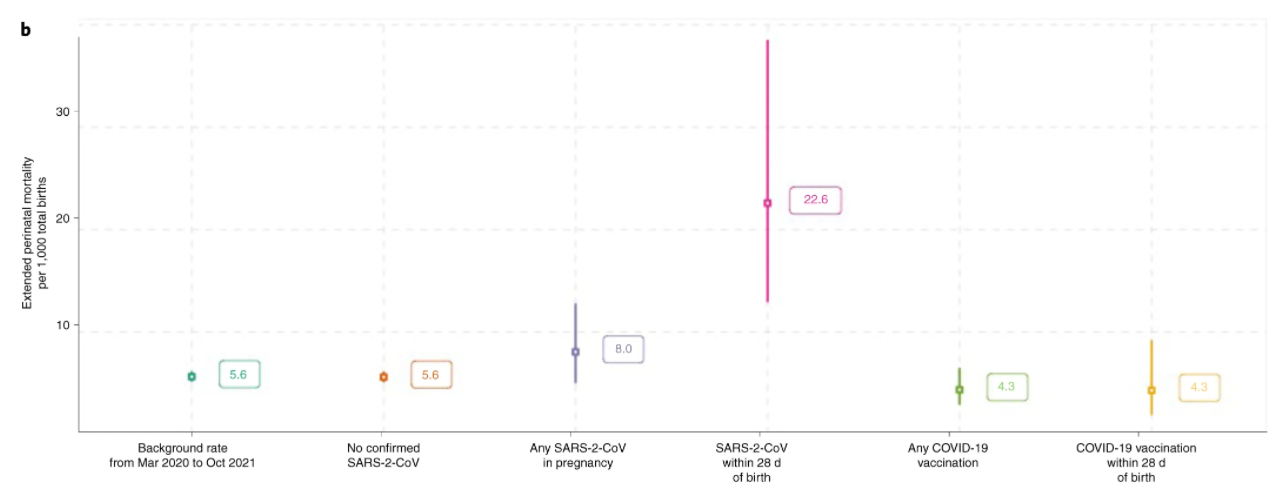
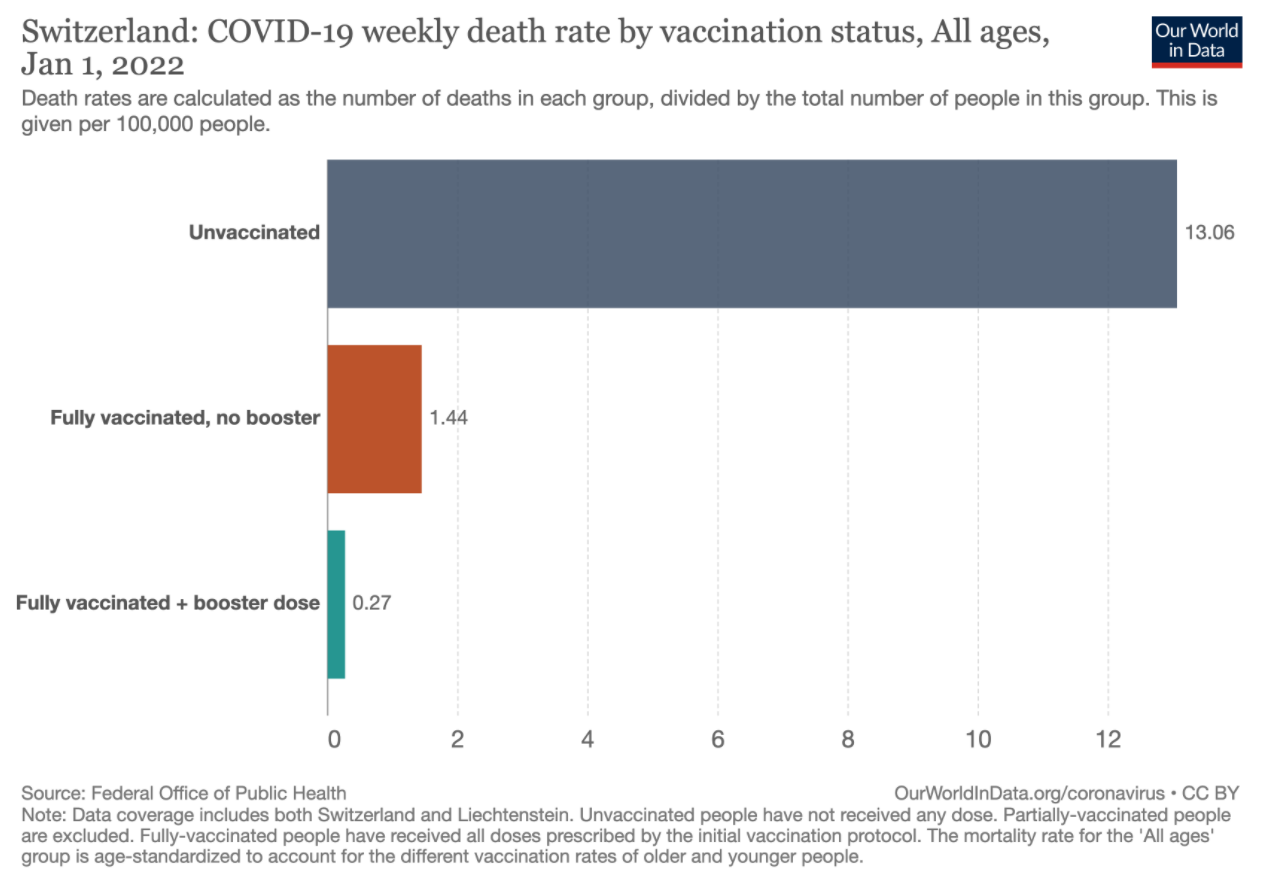
Stillbirths associated with COVID-19: Stillbirths increased from 5.6 per 1,000 baseline to 8 per 1,000 if COVID-19 anytime during pregnancy and to 22.6 per 1,000 if COVID-19 infection began within 28 days of birth in a study of more than 130,000 Scottish births (12/1/20-10/21/21).
Reference: Stock, S.J., Carruthers, J., Calvert, C. et al. SARS-CoV-2 infection and COVID-19 vaccination rates in pregnant women in ScotlandNat Med (2022). https://doi.org/10.1038/s41591-021-01666-2

Improving Outcomes with Proactive Therapeutic Drug Monitoring + Swiss COVID-19 Data

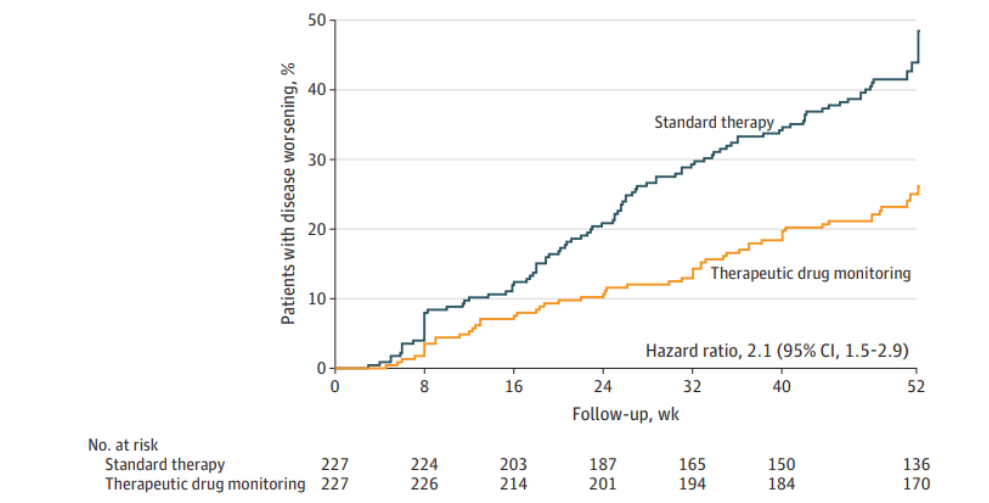
Another recent study showing the benefits of proactive therapeutic drug monitoring (pTDM):

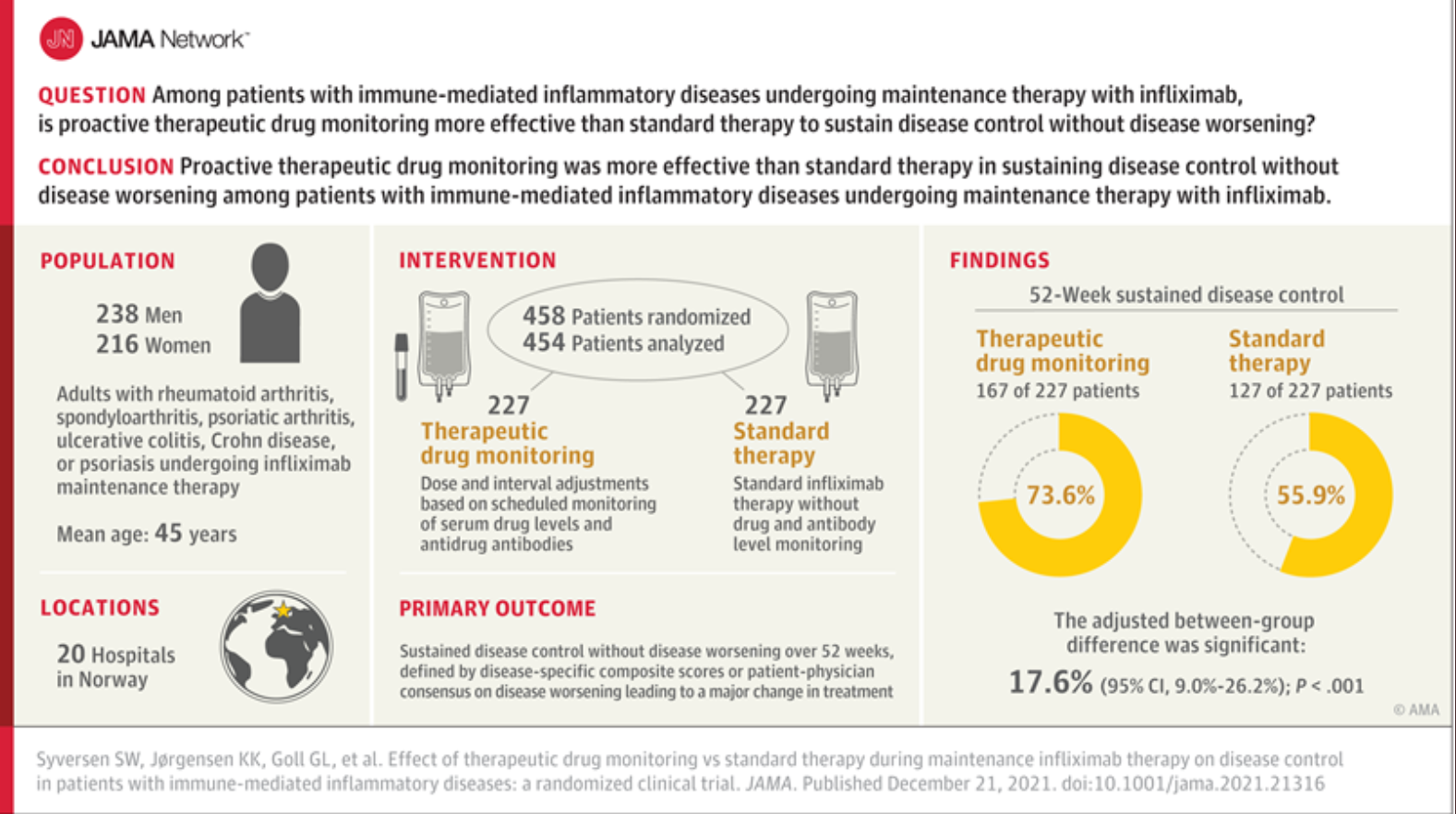
SW Syverson et al. JAMA. 2021;326(23):2375-2384. Effect of Therapeutic Drug Monitoring vs Standard Therapy During Maintenance Infliximab Therapy on Disease Control in Patients With Immune-Mediated Inflammatory Diseases (The article is only 10 pages; however, the supplementary material (which I did not read) is an additional 258 pages.) Thanks to Ben Gold for sharing article reference. Also, this study was reviewed in Healio Gastro: Link: Therapeutic drug monitoring sustains disease control during infliximab maintenance

Methods: Randomized, parallel-group, open-label clinical trial including 458 adults (mean age, 44.8 years; 49.8% women) with rheumatoid arthritis, spondyloarthritis, psoriatic arthritis, ulcerative colitis (n=81), Crohn disease (n=66), or psoriasis undergoing maintenance therapy with infliximab in 20 Norwegian hospital

Key finding:

  • Sustained disease control without worsening was evident in 73.9% of pTDM group compared with 55.9% in standard infliximab group

Some limitations of this study:

  1. The open-label study was not powered to detect the difference of pTDM in each of the six diseases
  2. The therapeutic goal for maintenance infliximab was 3 to 8 mg/L, which is a little lower than current goals (ACG expert panel suggests a level of at least 5-10)

My take: This study supports recent expert guidance (see blog post below) on the benefit of pTDM as part of evidence-based care. It is likely that pTDM is even more important in children/teens due to growth.

Time to Disease Worsening

Related blog posts:

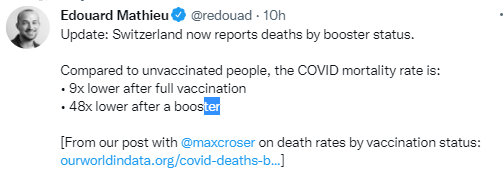
Also data from Switzerland:

2-Fold Risk of Urolithiasis in Patients with Inflammatory Bowel Disease

H Dimke et al. Clin Gastroenterol Hepatol 2021; 19: 2532-2540. Risk of Urolithiasis in Patients With Inflammatory Bowel Disease: A Nationwide Danish Cohort Study 1977–2018

Using national registries, the authors identified all patients with IBD (>15 years of age) and all cases of urolithiasis in Denmark during 1977-2018. Key findings:

  • 2,549 (3%) of 75,236 IBD patients and 11,258 (2%) of 767,403 non-IBD individuals developed urolithiasis, resulting in a 2-fold increased risk of urolithiasis (HR, 2.27; 95% CI, 2.17-2.38) in patients with IBD
  • The authors note that a small risk of urolithiasis preceded the diagnosis of IBD: with OR, 1.42; 95% CI: 1.34-1.50 prior to diagnosis
  • After IBD diagnosis, risk of urolithiasis was associated with anti-TNF therapy and surgery (increased disease severity appears to be associated with increased risk). Anti-TNF therapy had a RR of 2.68 in patients with ulcerative colitis and a RR of 3.56 in patients with Crohn’s disease; for surgery, the RR were 3.14 and 2.74 respectively
  • One limitation is detection bias as patients with IBD may have more asymptomatic stones identified due to more frequent imaging

My take: This confirms an increased risk of urolithiaiss in patients with IBD and is a good reminder to consider this when patients present with severe abdominal pain/possible flare-up.

Siesta Key, FL

IBD Shorts: Fecal Calprotectin in UC & Medication Withdrawal, Outcome of Biosimilar Reverse Switches, Vedolizumab after Anti-TNF Therapy

TW Stevens et al. Inflamm Bowel Dis 2021; 19: 2333-2342. Open Access. Diagnostic Accuracy of Fecal Calprotectin Concentration in Evaluating Therapeutic Outcomes of Patients With Ulcerative Colitis

Key finding: A post hoc analysis of data from a phase 4 trial (the MOMENTUM trial) found that, even in patients (n=593 at week 8, n=305 at week 52) with complete endoscopic healing of UC, FC concentration can be used to discriminate patients with ongoing microscopic inflammation from patients with histologic remission.  The optimal FC cut-off concentrations for identification of patients with histologic remission were 75 μg/g at week 8 and 99 μg/g at week 52.

A Cassinotti et al. Clin Gastroenterol Hepatol 2021; 19: 2293-2301. Noninvasive Monitoring After Azathioprine Withdrawal in Patients With Inflammatory Bowel Disease in Deep Remission

Key finding: In this prospective study, 57 patients in deep remission stopped azathioprine after a median of 7 years. 26 (46%) relapsed within a median of 15 months. Fecal calprotectin (FC) levels were >50 mcg/g in all patients with relapse (FC specificity 100%) but the sensitivity was only 50%. Thus, having a normal FC does not preclude relapse but elevated FC is associated with relapse.

S Mahmmod et al. Inflamm Bowel Dis 2021; 27: 1954-1962. Outcome of Reverse Switching From CT-P13 to Originator Infliximab in Patients With Inflammatory Bowel Disease

In this retrospective study, 75 patients, 9.9% of all patients, who had been changed from originator infliximab to a biosimilar had clinical worsening. Key finding: Improvement of reported symptoms was seen in 73.3% of patients after reverse switching back to originator infliximab; alsor 7 out of 9 patients (77.8%) with loss of response regained response

J Kim et al. Inflamm Bowel Dis 2021; 27: 1931-1941. Clinical Outcomes and Response Predictors of Vedolizumab Induction Treatment for Korean Patients With Inflammatory Bowel Diseases Who Failed Anti-TNF Therapy: A KASID Prospective Multicenter Cohort Study

Key finding: Clinical remission rates with vedolizumab among patients with CD (n=80) and patients with UC (n=78) were 44.1% and 44.0%. Among patients with UC, the endoscopic remission rate was 32.4%

Emerging Data on Risankizumab for Crohn’s Disease

From Gastroenterology and Endoscopy News: New Anti–IL-23 Therapy Shows Benefit in Crohn’s Disease

An excerpt:

Two phase 3 placebo-controlled trials with the immune modulator risankizumab demonstrated control of Crohn’s disease whether or not patients had previously received a biologic agent.

Rates of clinical remission at 12 weeks with the interleukin (IL)-23 inhibitor risankizumab (Skyrizi, AbbVie), were about 48% in patients without prior exposure to biologic therapy and more than 40% in those with prior exposure…

The two trials, ADVANCE and MOTIVATE were presented together at the 2021 Digestive Disease Week (abstract 775a)…

Only 12% of patients in the placebo group achieved endoscopic remission versus 40.3% of those on the 600-mg dose of risankizumab (P<0.001). [Rates of endoscopic remission were higher in the biologic-naive (50.5%)]

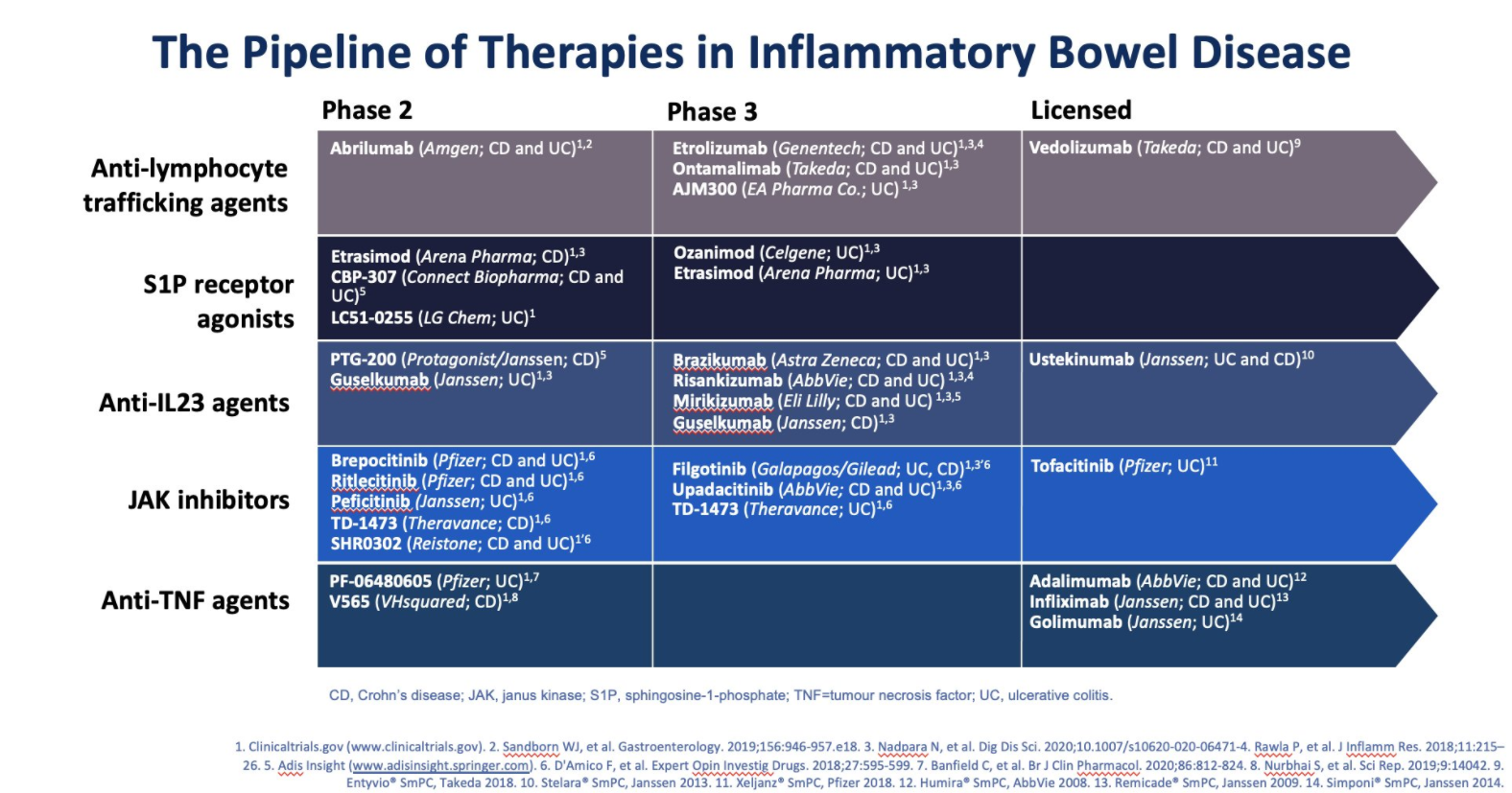
My take: In addition to ustekinumab (already approved), a number of other therapeutic agents that target IL-23 are likely to be available soon to help manage Crohn’s disease. This includes risankizumab but others with phase 3 studies include brazikumab, mirikizumab, and guselkumab..

Slide from David Rubin Twitter Feed (March 2021). Ozanimod now approved.

Ustekinumab vs Adalimumab: Head-to-Head Study

From Gastroenterology & Endoscopy News: Head-to-Head Trial Shows Similar Efficacy and Safety With Ustekinumab and Adalimumab

An excerpt:

The first head-to-head trial comparing ustekinumab and adalimumab has found the two drugs are similarly safe and effective in patients with moderate to severe Crohn’s disease

Dr. Scherl and her co-investigators in the SEAVUE trial randomly assigned 386 biologic-naive patients with Crohn’s disease to receive one year of treatment with either ustekinumab or adalimumab at standard on-label doses, with no dose escalation throughout the study period and no concomitant immunomodulators...

The findings, which were presented at the 2021 annual meeting of the European Crohn’s and Colitis Organisation (oral presentation OP02), showed that after one year of treatment, 65% of patients who received ustekinumab and 61% of those who received adalimumab achieved clinical remission, defined as a CDAI below 150...[And] similar additional outcomes, including clinical response at one year (72.3% for ustekinumab vs. 66.2% for adalimumab), corticosteroid-free remission at one year (60.7% vs. 57.4%, respectively), endoscopic remission at one year (28.5% vs. 30.7%) 

My take: This study indicates that ustekinumab likely has similar safety and efficacy as adalimumab (though the study did not allow dose escalation or immunomodulators); thus, it could be positioned as a first-line treatment. It is administered less frequently as well.

Related blog posts: