Updated Data on PPI Effectiveness For Eosinophilic Esophagitis

AJ Lucendo et al. Clin Gastroenterol Hepatol 2025; 23: 2115-2127. Proton Pump Inhibitors for Inducing and Maintaining Remission in Eosinophilic Esophagitis: An Updated Systematic Review and Meta-Analysis

Background/Methods: This systematic review aimed to update the response/remission rates of PPI therapy for eosinophilic esophagitis. Compared to review in 2016, the current review covers a 10-fold increase in population (from 619 to 7304 patients), with a more balanced distribution between children (41%) and adults, and with a geographical representation from several continents.

Key findings:

  • PPI therapy led to clinical response in 65% (95% confidence interval [CI], 57.2–72.4)) and histological remission (<15 eos/hpf) in 45.4% (95% CI, 41.6%–49.3%) of patients, without differences between children and adults (41.4% vs 48%; P = .17)
  • Overall, 34.1% (95% CI, 27.9%–40.5%) achieved <5 eosinophils per high-power field
  • Maintenance half-doses led to sustained histological remission in 68.2% (95% CI, 63.7%–72.6%) of patients
  • Clinical and histological remission (<15 eos/hpf) was achieved in 45% of patients
  • Histological remission was significantly higher with double PPI doses compared with standard (51.7% vs 28.3%; P < .005)

In the discussion, it was noted that Japanese cohorts had a better response to PPI therapy with a histological remission (67.9%). This could be related to more favorable metabolism of PPI. “CYP2C19∗17 haplotype (related to ultrarapid and rapid PPI metabolizers), is the least prevalent (<3%) in patients with Asian ancestry.”

My take: This study reinforces previous data showing a 40-50% remission rate with PPI therapy for EoE. Twice a day PPI therapy is significantly more effective than once a day.

Related blog posts:

Increased Mortality with Achalasia

A Forss et al. Clin Gastroenterol Hepatol 2025: 23: 2468-2476. Open Access! All-cause and Cause-specific Mortality in Achalasia: A Nationwide Matched Cohort Study

Methods: This study was a nationwide, population-based, matched cohort study using the Epidemiology Strengthened by Histopathology Reports in Sweden (ESPRESSO) cohort which included all adults in Sweden with incident achalasia (n = 704; 1969–2017; follow-up until December 31, 2021) without any other prior esophageal conditions. Individuals with achalasia were matched by age, sex, birth year, and county to up to 5 reference individuals (n = 3348) from the general population. The median follow-up was 9.1 years. Medians age in the study was 60 years.

Key findings:

  • There were 270 deaths in individuals with achalasia, and 1023 in reference individuals (IR, 69.4 vs 51.9/1000 person-years)
  • Thus, there was a 42% increase in the risk of death. This translated into 1 extra death per every 6 individuals with achalasia followed for 10 years
  • Risk increases were seen for death from any cancer (aHR, 1.65), esophageal cancer (aHR, 23.19), and respiratory disease (aHR, 2.22)

Discussion point: “The sibling comparison (aHR for all-cause mortality, 1.78; 95% CI, 1.13–2.81) confirmed our findings in the main analysis (aHR, 1.42; 95% CI, 1.21–1.65). The similar risk estimates suggest that shared early-life exposures do not play any major role for mortality in achalasia. In all, we are confident that the observed elevated mortality is unlikely to be fully explained by environmental exposures or comorbidities, because the risk estimates remained largely unchanged in the sibling comparison as well as after adjustment for a wide range of comorbidities (through CCI).”

My take: This study is in agreement with others which have sown that achalasia is associated with an increased mortality risk.

Related blog posts:

Lower Expectations for Outcomes After Botox for Retrograde Cricopharyngeus Dysfunction (aka Abelchia)

K Raymenants et al. Clin Gastroenterol Hepatol 2026; 24: 81-91. Diagnosis of Retrograde Cricopharyngeus Dysfunction Using High Resolution Impedance Manometry and Comparison With Control Subjects

Methods: Retrospective analysis of High Resolution Impedance Manometry
(HRiM) with belch provocation was performed between May 2021 and April 2024 in 55 patients with R-CPD, 30 control patients, and 15 healthy volunteers. Age of patients with R-CPD was 22-35 years.

Key findings:

  • During belching, we saw higher UES pressures in R-CPD patients vs controls, leading to incomplete air clearance and air oscillating in the esophagus (P < .0001)
  •  After BT injection, median UES pressures during belching decreased (56 vs 3 mmHg), and air clearance improved (P < .0001)
  • A maximum UES pressure during belching >31 mmHg adequately discriminated patients from controls
  • Interestingly, the authors did not include one of the major findings in their abstract: “Symptom improvement of at least 50% was present in 57% of patients, which is lower than reported up to now”
  • R-CPD patients had inability to belch in 100%, gurgling chest noises in 100%, bloating in 92%, chest pain in 67%, nausea in 59%, and heartburn (at least weekly) in 65%

My take: Recognition of this treatable disorder is important. However, the lower improvement rate in this study is useful for counseling patients. My suspicion is that this finding likely reflects more widespread results as initial studies could have more selection or reporting bias.

Related blog posts:

Proactive Drug Monitoring for Crohn’s Disease in Pediatrics

B Kang et al. Clinical Gastroenterology and Hepatology; 2026: 24: 201 – 209. Proactive Drug Monitoring Versus Clinically Based Dosing for Endoscopic Healing in Pediatric Crohn’s Disease Receiving Infliximab

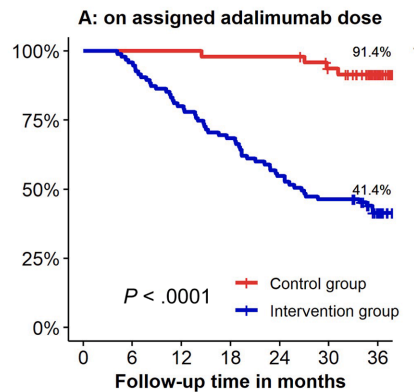
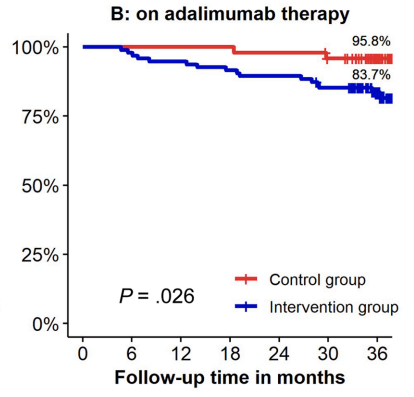
Methods: This was a non-blinded, randomized controlled trial of 112 biologic-naïve children with CD who had responded to IFX induction treatment at 4 centers in South Korea between July 2017 and November 2020. Patients were randomly assigned to receive dosing based on proactive TDM (proactive arm) or clinically based dosing (clinical arm). The primary endpoint was endoscopic healing (EH) at week 54.

During the maintenance phase, patients received IFX 5 mg/kg every 8 weeks. In the proactive arm, treatment was intensified (shortening interval by 2- to 4-weeks) if trough level was less than 6 mcg/mL.

Key findings:

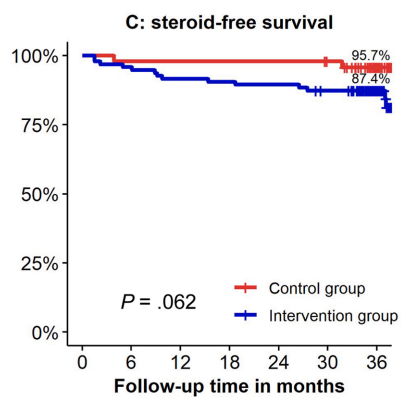
Sustained corticosteroid-free clinical remission (SCFCR) 

Discussion Points:

  • “Our findings provide evidence that the proactive strategy resulted in increased EH rates and had a positive impact on SCFCR, biochemical remission, and FC, which serve as surrogate markers of EH.”
  • “The PAILOT trial, the only prospective study on proactive TDM in pediatric patients with CD, demonstrated that proactive TDM with adalimumab resulted in higher SCFCR rates than reactive TDM (82% vs 46%; P < .001), consistent with our findings.8
  • “In our study, IMM [immunomodulator] modulation was performed in conjunction with proactive TDM, which may explain why no difference was observed in ADA development (proactive arm, 31.4% vs clinical arm, 28.6%. Proactive TDM has been confirmed to reduce the development of ADAs, and the concept of “optimized monotherapy” based on the view that proactive TDM effectively guides IMM withdrawal in combination therapy has been well-described.30 …in our institution, IMMs are discontinued as soon as possible after 1 year of combination therapy if adequate TDM is maintained.31

My take: This study shows that proactive TDM is superior to clinical-based dosing. The findings may have been less pronounced if higher baseline doses of IFX were used. It is well-recognized that “standard” IFX (5 mg/kg/dose every 8 weeks) is usually insufficient in pediatric patients.

Related blog posts:

Outcomes in Children with Celiac Disease Presenting with Constipation

A Almallouhi et al. J Pediatr Gastroenterol Nutr. 2025 DOI: 10.1002/jpn3.70316. Clinical outcome of constipation as the presenting symptom in children with celiac disease

Background: “It is not clear if CeD prevalence is higher in children with refractory and chronic constipation or not.1115 The current guidelines from the American Gastroenterological Association (AGA) and the North American Society for Pediatric Gastroenterology, Hepatology, and Nutrition (NASPGHAN) do not consider constipation an indication for CeD testing in the absence of suggestive family history, growth, or developmental delay.”

Methods: This was a retrospective study (1994-2024) of children (<18 years) who presented with constipation and then diagnosed with celiac disease (CeD). There were 248 children with CeD, 177 (71%) had biopsy-confirmed CeD, and 56 (23%) were diagnosed with serology-only criteria

Key findings:

My take:

  1. It is unclear if having constipation increases the risk of celiac disease
  2. Many children with celiac disease also have functional disorders like irritable bowel and constipation that often continue despite a gluten-free diet

Related blog posts:


Also, Dr. Balistreri gives a Bowel Sounds Podcast on Hep B. Here’s the link: https://t.co/BmEUoC9YQt

Related blog posts:

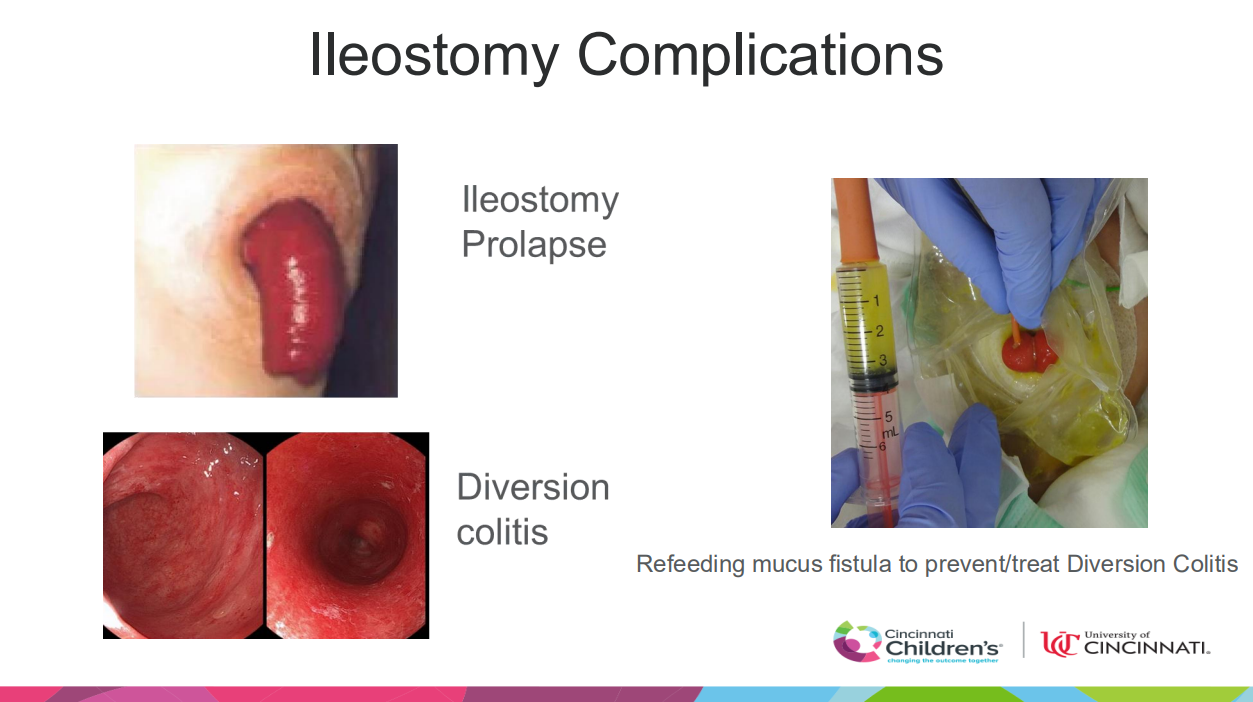
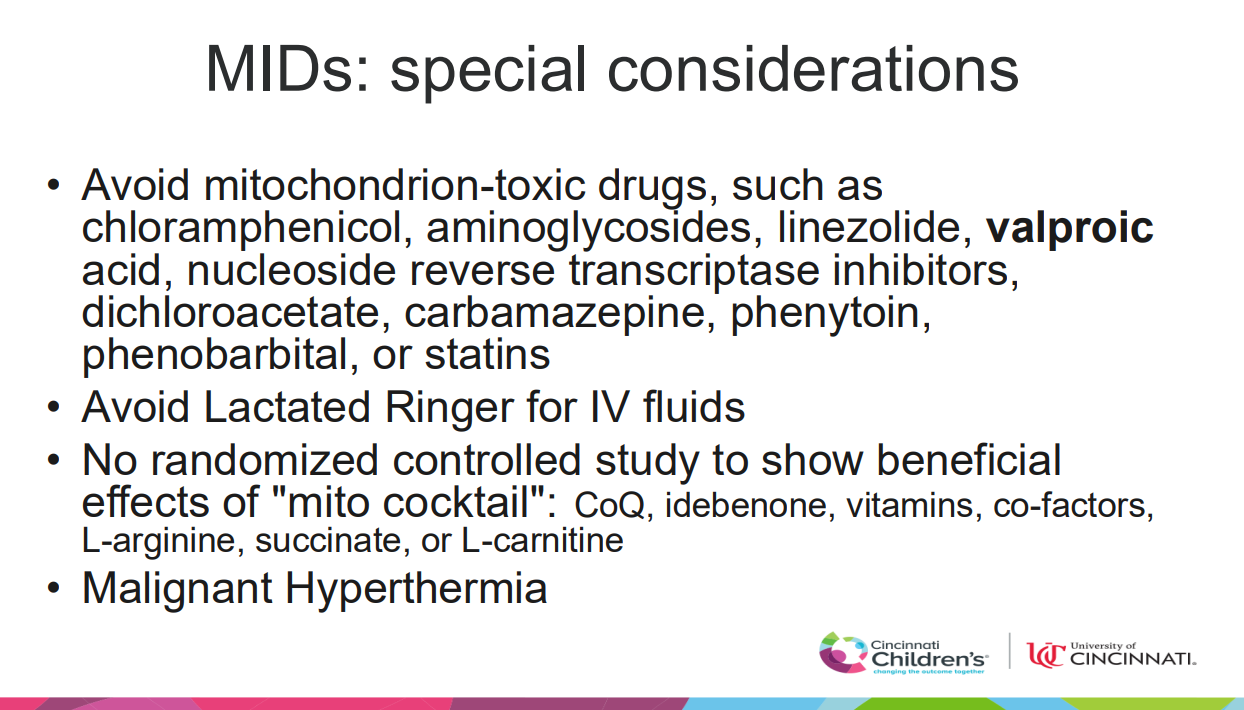
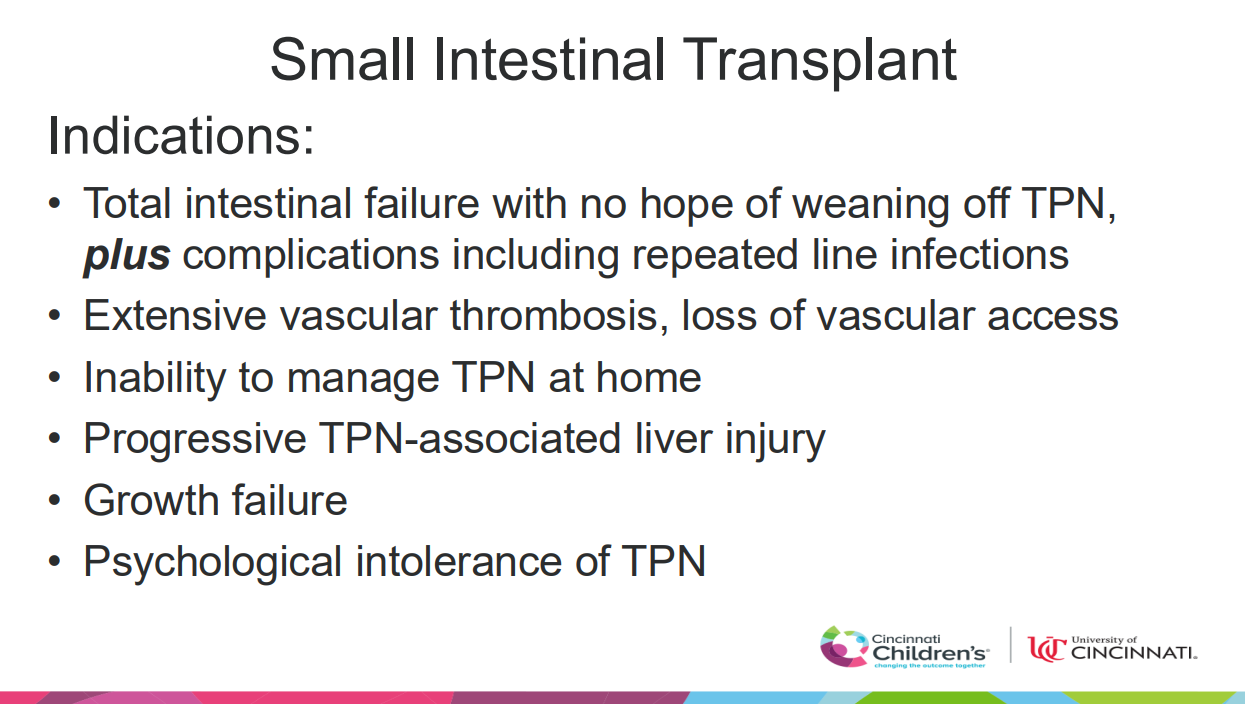
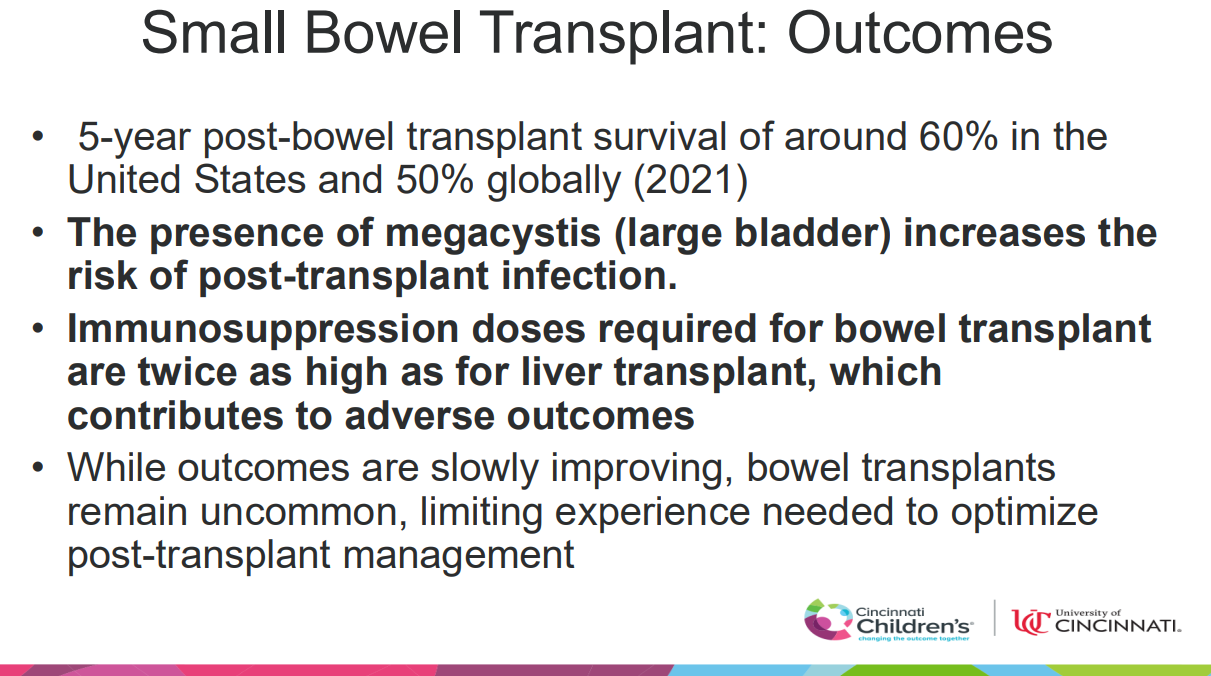
GutsandGrowth: 2025 Year in Review (Part 3)

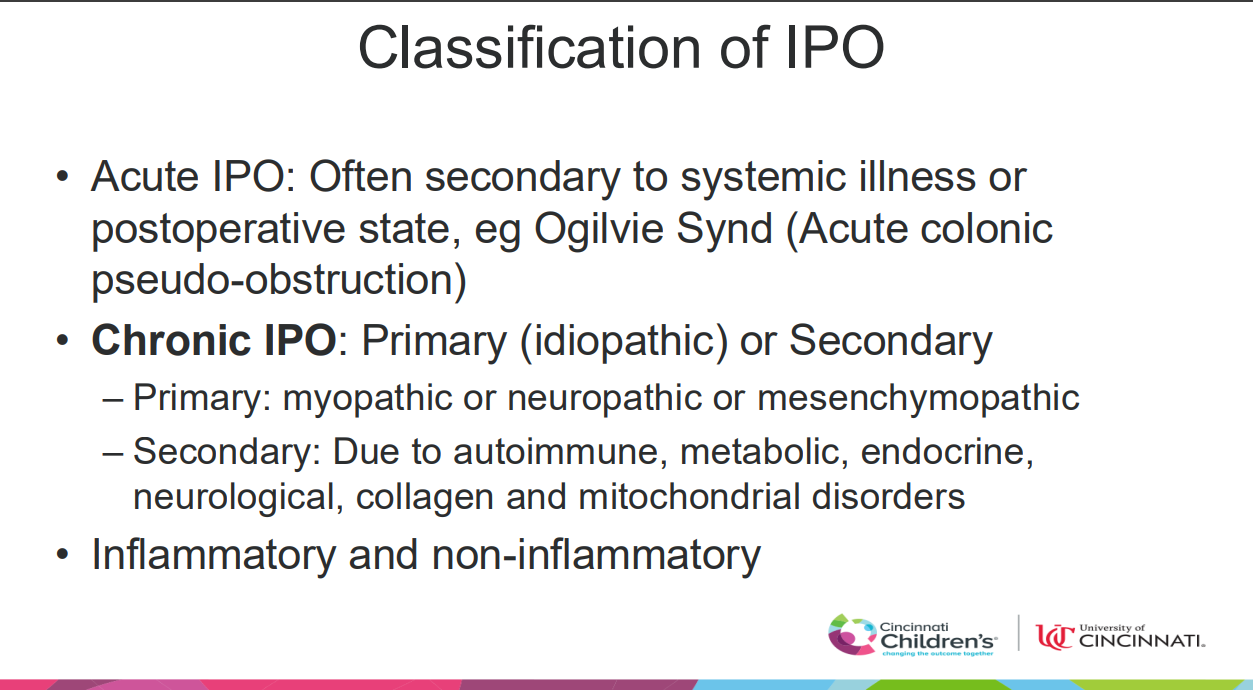
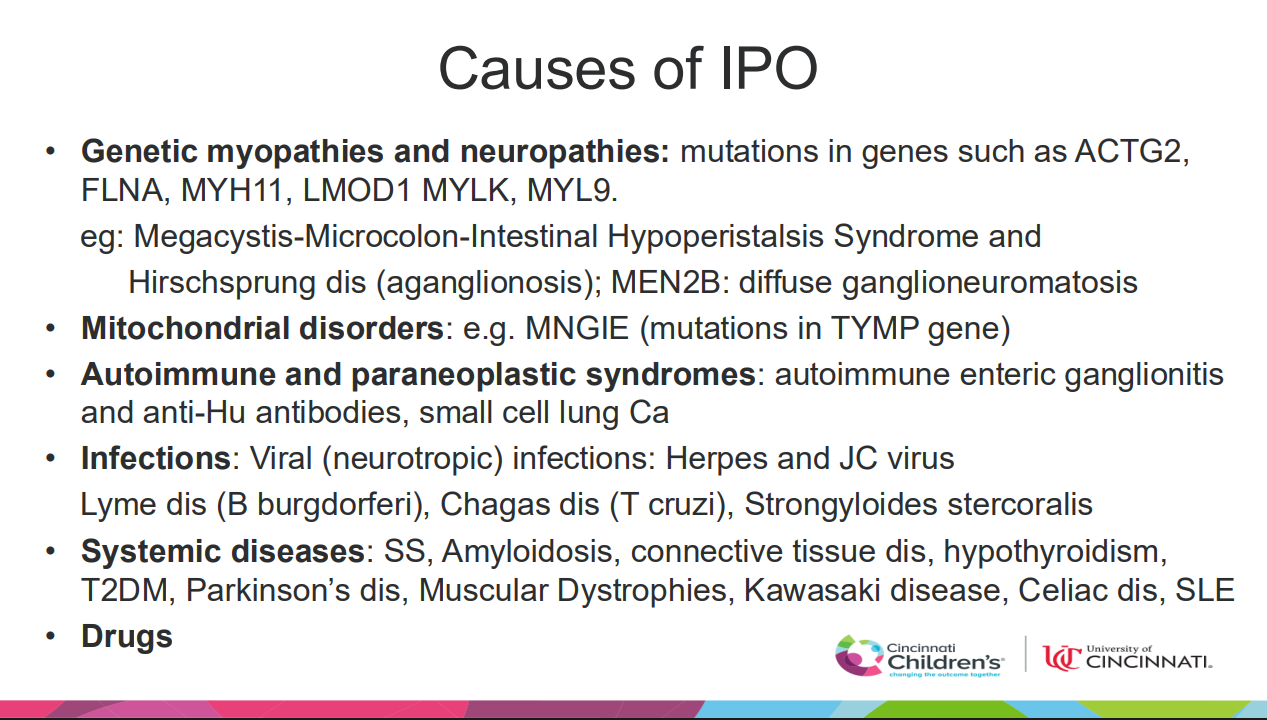
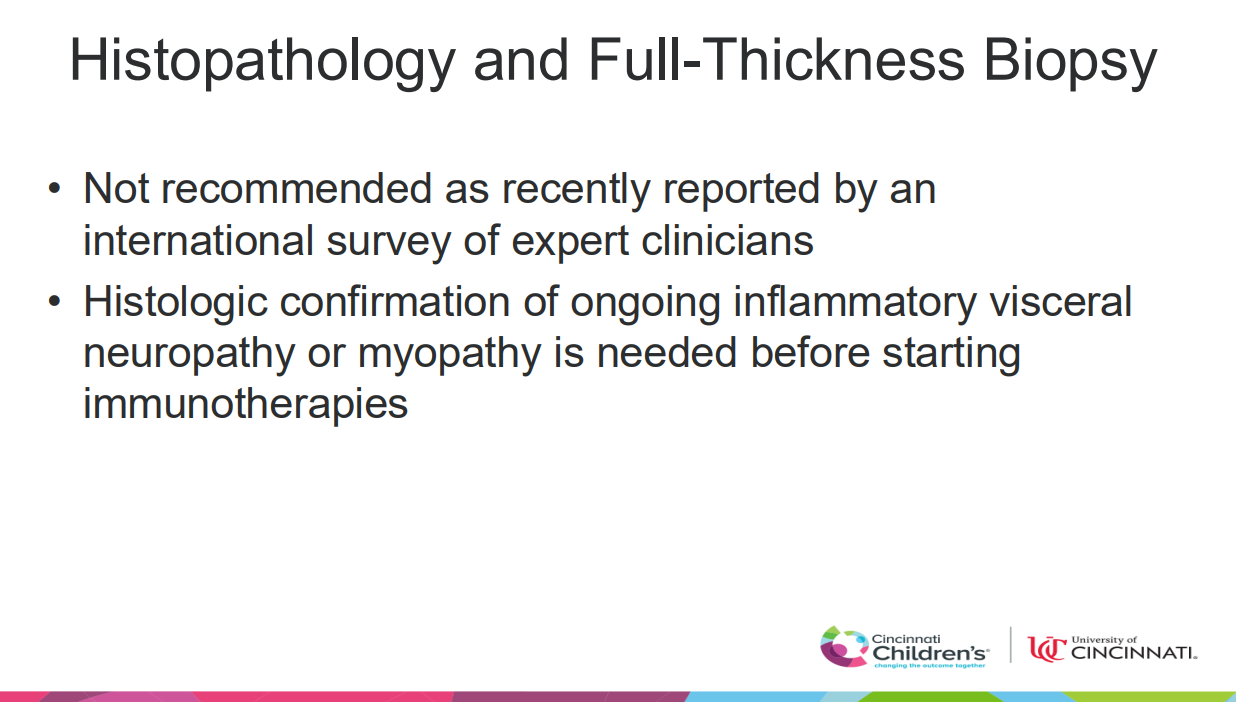
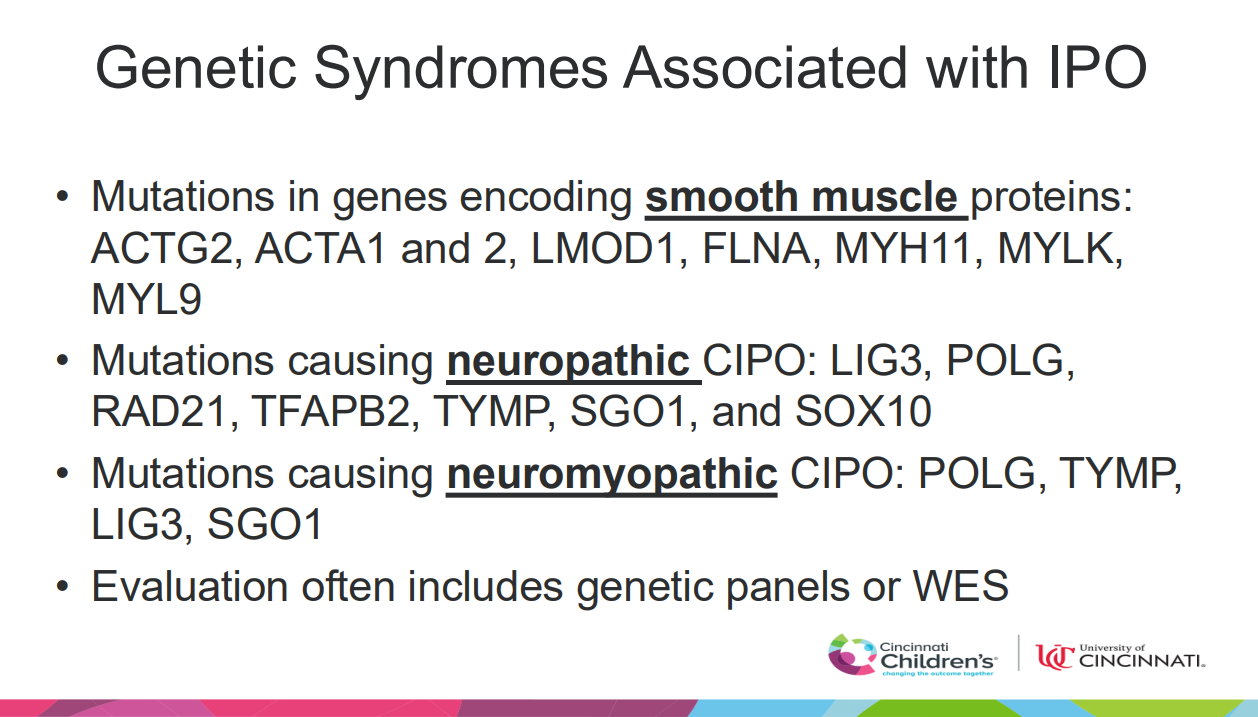
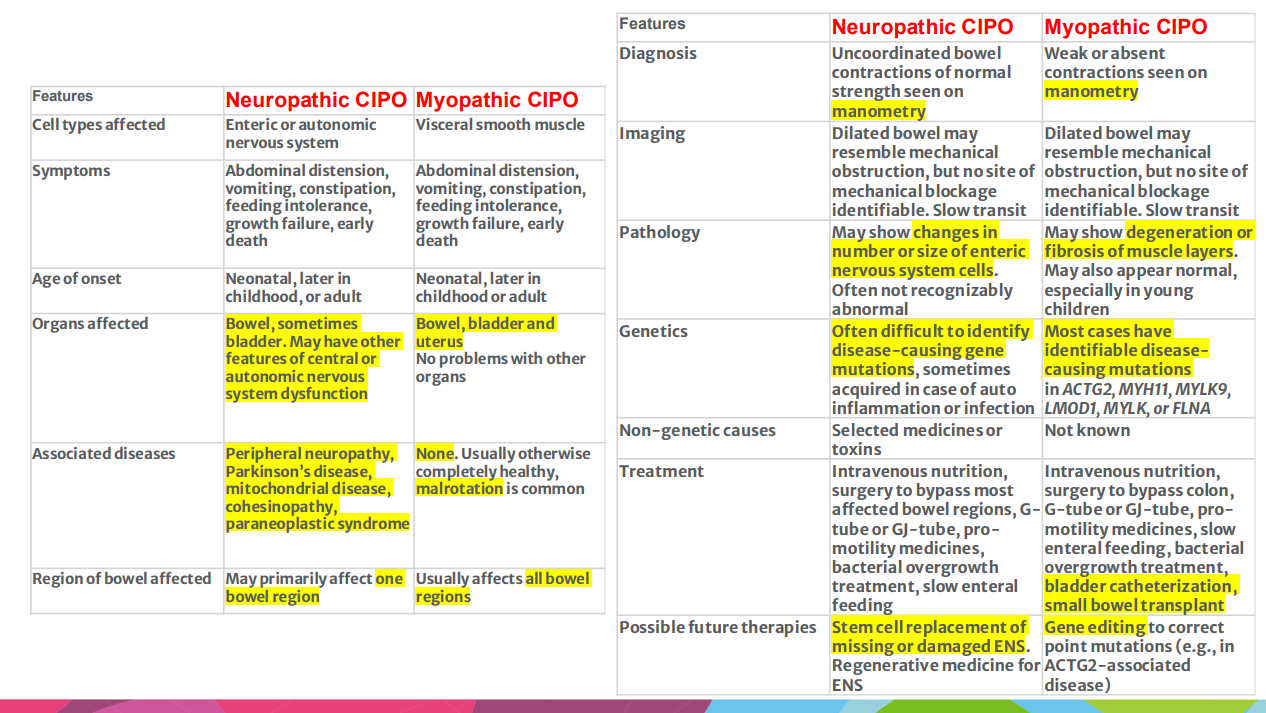
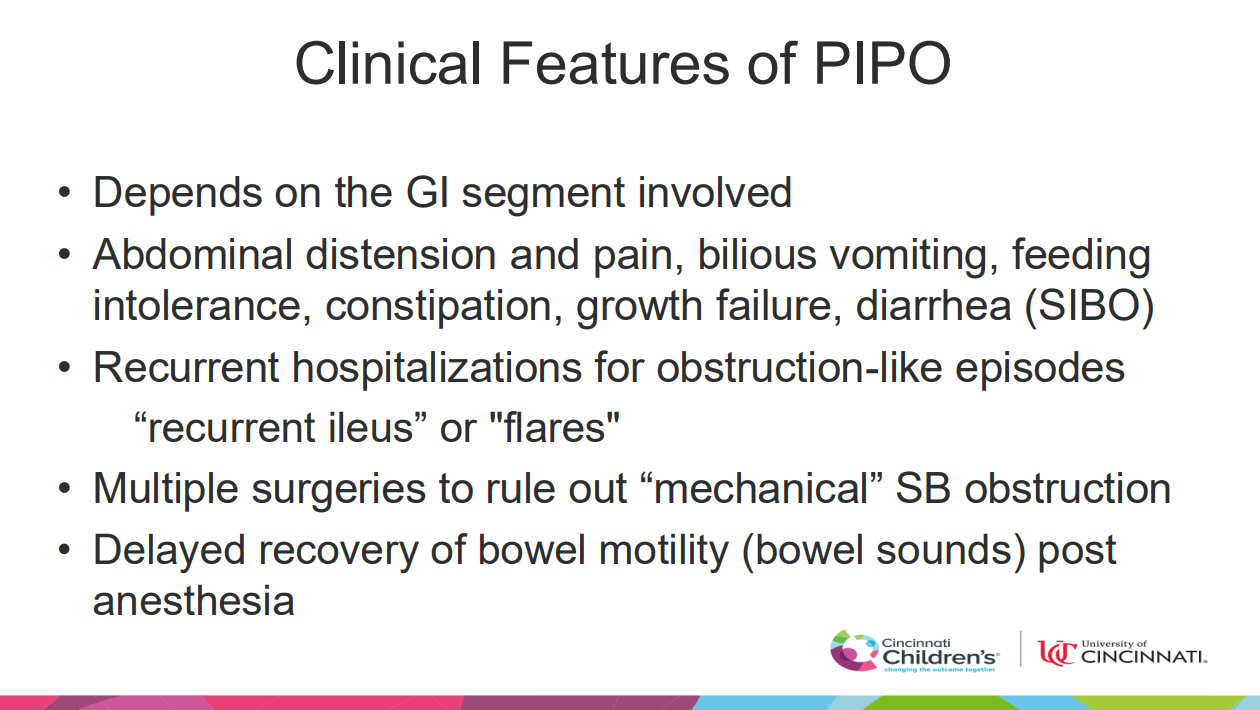
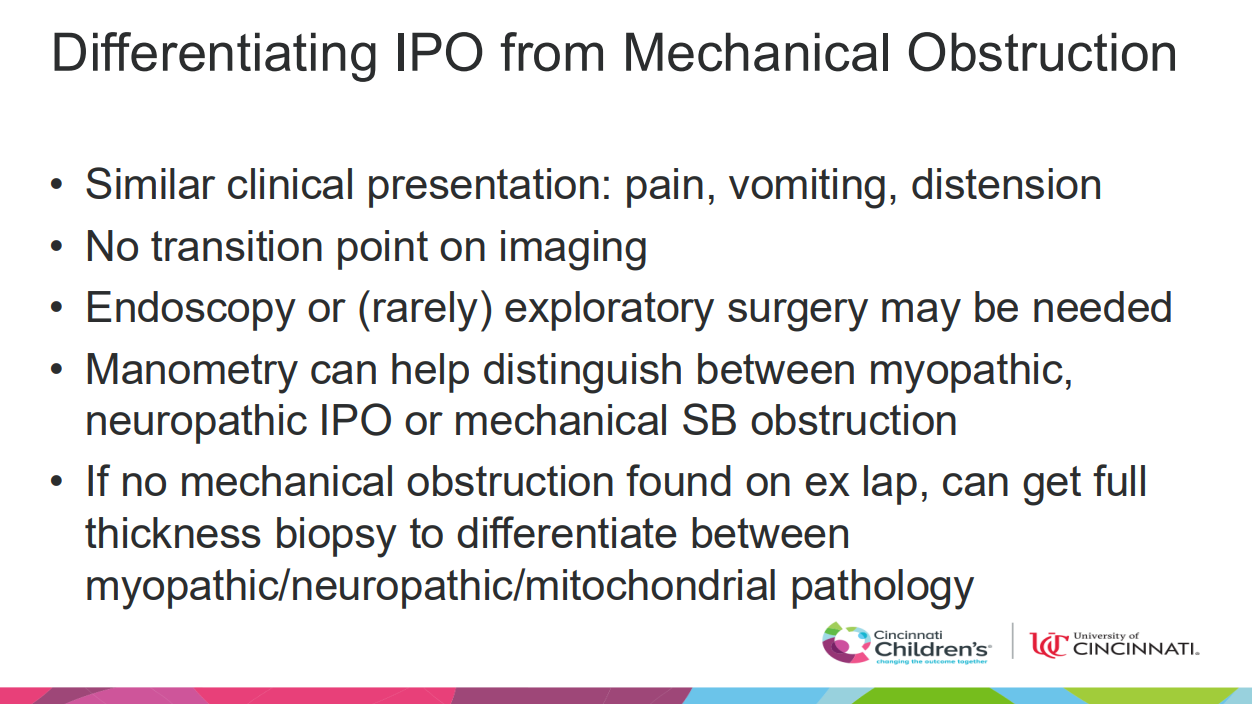
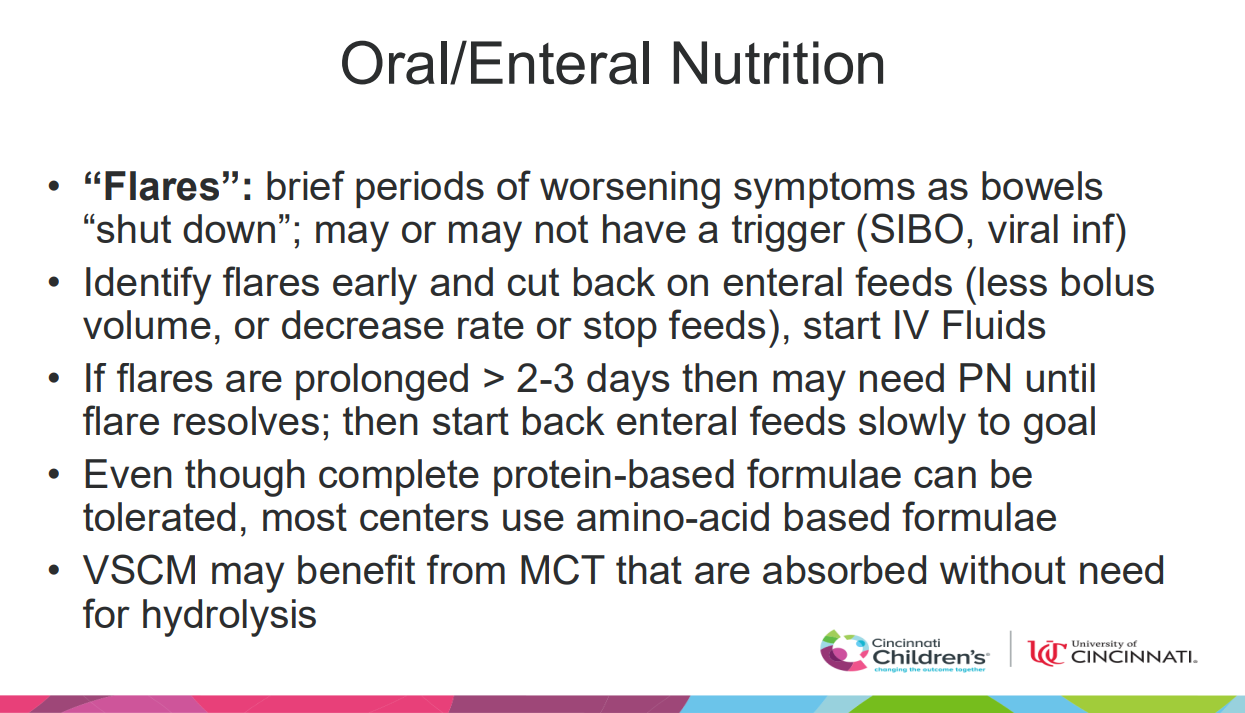
This year was the 2nd year that I had the opportunity to give a lecture to our group that reviewed much of the important advances that happened in 2025. All of the slides are based on studies or lectures that were reviewed on my blog, gutsandgrowth. Here are some of the slides:

It turns out that there has been a DBPC study for parachute use

Disclaimer: This blog, gutsandgrowth, assumes no responsibility for any use or operation of any method, product, instruction, concept or idea contained in the material herein or for any injury or damage to persons or property (whether products liability, negligence or otherwise) resulting from such use or operation. These blog posts are for educational purposes only. Specific dosing of medications (along with potential adverse effects) should be confirmed by prescribing physician.  Because of rapid advances in the medical sciences, the gutsandgrowth blog cautions that independent verification should be made of diagnosis and drug dosages. The reader is solely responsible for the conduct of any suggested test or procedure.  This content is not a substitute for medical advice, diagnosis or treatment provided by a qualified healthcare provider. Always seek the advice of your physician or other qualified health provider with any questions you may have regarding a condition.

GutsandGrowth: 2025 Year in Review (Part 2)

This year was the 2nd year that I had the opportunity to give a lecture to our group that reviewed much of the important advances that happened in 2025. All of the slides are based on studies or lectures that were reviewed on my blog, gutsandgrowth. Here are some of the slides:

Disclaimer: This blog, gutsandgrowth, assumes no responsibility for any use or operation of any method, product, instruction, concept or idea contained in the material herein or for any injury or damage to persons or property (whether products liability, negligence or otherwise) resulting from such use or operation. These blog posts are for educational purposes only. Specific dosing of medications (along with potential adverse effects) should be confirmed by prescribing physician.  Because of rapid advances in the medical sciences, the gutsandgrowth blog cautions that independent verification should be made of diagnosis and drug dosages. The reader is solely responsible for the conduct of any suggested test or procedure.  This content is not a substitute for medical advice, diagnosis or treatment provided by a qualified healthcare provider. Always seek the advice of your physician or other qualified health provider with any questions you may have regarding a condition.

Detecting Preclinical Crohn’s Disease in First-Degree Relatives with Biomarker Screening

D Turner et al. . Gut 2025;0:1–7. doi:10.1136/gutjnl-2025-336368. Preclinical stages of Crohn’s disease defined by faecal calprotectin in asymptomatic first-degree relatives: screening framework for prevention trial

Methods: “Faecal calprotectin was measured in asymptomatic FDRs aged 6–38 years; those with persistent elevation, defined as >70 µg/g in at least two separate tests, were offered panenteric video capsule endoscopy or ileocolonoscopy”

Population: 331 (35%) first-degree relatives (FDRs) (from a group of 950) agreed to be screened: 63 (19%) had persistently elevated calprotectin, of whom 42 underwent further evaluation

Key findings:

  • From the initial screened cohort of 331 patients, nine (2.7%) had endoscopic appearance compatible with presymptomatic CD, and 22 (6.6%) had non-specific macroscopic mucosal changes
  • Median calprotectin was significantly higher in those with presymptomatic CD (772µg/g (IQR 279–1685)) compared with others (31µg/g (IQR 30–61), p<0.0001)
  • Calprotectin >225 µg/g predicted presymptomatic CD (area under the receiver operating
    characteristic curve 0.97 (95% CI 0.94 to 1.0; p<0.001; sensitivity 89%, specificity 94%)

Discussion Points:

  • “There is no universally accepted definition for preclinical stages of CD, and
    the distinction between these stages remains partly subjective.”
  • “The lack of longitudinal follow-up is also a limitation, but this will be completed as part of the PIONIR trial.”

My take (borrowed in part from the authors):

  1. Identification of pre-symptomatic CD “can facilitate designing targeted interventions and defining inclusion criteria for prevention trials.” The disease may be more modifiable in the early stages of disease.
  2. This trial suggests the calprotectin threshold of >70 is too low to target screening. For specificity, the study showed that persistent elevation above 225 merits investigation; though, it has been our practice to use a threshold of >150 for children older than 5 years.
  3. Approximately 5% of asymptomatic FDRs of CD patients have evidence of pre-symptomatic CD and approximately 10% more have non-specific mucosal changes when evaluated

Related blog posts: