This article reviews the growing health concerns regarding microplastics and nanoplastics (MNPs) specifically regarding the GI tract.
Key points:
“As these [plastic] products degrade, they break down into smaller particles, forming microplastics (< 5 microm) and nanoplastics (<1 microm), collectively referred to as MNPs”
“Although many plastic products are deemed recyclable, in the United States, less than 10% are actually recycled…annual global production projected to reach 1.1 billion tons by 2025. Simultaneously, over 12 billion tons of plastic wastes are expected to accumulate in landfills”
“The average American ingests approximately 5g of plastic per week, equivalent to 1 credit card, and 39,000–50,000 particles annually”
Potential association of MNPs with metabolic-associated steatotic liver disease, liver and pancreatic cancer and inflammatory bowel disease. “Studies have reported significantly higher levels of MNPs in patients with IBD compared with healthy controls.”
In a related article in Gastroenterology and Endoscopy News (October 2025), Dr. Johnson noted that “reduction of plastic intake from bottled water to tap water in one study reduced microplastic intake, the number of particles within human tissues, from 90,000 to 4,000…Avoid heating food in plastics…the effect of microwave increased the evidence of microplastics by over 4.2 million and the nanoplastics, 2 billion, just in three minutes in the microwave.”
My take: Something that almost everyone could agree on – they would like less plastic in their food and environment. How to achieve this is much more difficult.
JM Perrin, TL Cheng. NEJM 2025; 393: 1869-1872. “Truly Prioritizing Child Health — The Missed Opportunities of the MAHA Commission”
This commentary welcomes the attention to child health which was a focus of the MAHA commission. This review provides perspectives on the stated policy aims and on what else is needed.
An excerpt:
The [MAHA] commission has highlighted four specific areas of concern: poor diet, environmental chemicals, lack of physical activity and chronic stress, and overmedicalization. The strategy outlined in the MAHA Commission’s recent report, however, misses real opportunities to address the chronic disease epidemic and “whole-person health”…
The MAHA Commission’s view of the state of U.S. child health ignores leading contributors to rising childhood morbidity and mortality: firearm injuries (the leading cause of death among U.S. children), drug overdoses, and motor vehicle injuries. Most striking is the commission report’s silence regarding the association of poverty with poor child health… which contributes to higher rates of asthma, obesity, and mental health conditions...
The first MAHA priority, children’s diets, has long been a concern of the U.S. child health community, particularly the intake of sugar-sweetened beverages, excessive portion sizes, and food additives. But pediatricians and researchers also know that food insecurity, food-industry marketing practices, and limited access to healthy foods are prime drivers of childhood obesity rates. Nutritious meals require money…
The MAHA strategy recommends marginal changes to the diets of U.S. children, such as reducing the use of food dyes and reducing consumption of ultraprocessed foods, even as the government is increasingly limiting public food assistance.
The commission’s focus on environmental chemicals is appropriate, given that exposures to potentially toxic chemicals in foods, household supplies, cleaning agents, farm supplies, and elsewhere have grown dramatically. The MAHA strategy provides little relief, however: a few research projects and no regulatory change…The MAHA report stops short of recommending the research and regulatory reform necessary for identifying, restricting, and mitigating harmful exposures.
Concerns about physical activity and stress are also justified. Many studies have documented alarming declines in physical activity, examined the causes and effects, and found associations with mental health and well-being… Strengthening early-childhood, school-based, and community-based physical activity programs, as well as social media strategies for promoting lifestyle changes, could improve health and reduce stress among young people, but the MAHA Commission mainly orders schools and communities to increase physical activity.
Finally, the commission has raised concerns about medications, especially stimulants and psychotropic agents…In response, the MAHA Commission primarily proposes studying prescribing patterns and “solutions that can be scaled up to improve mental health.” It does not address more fundamental ways of changing medication use…
Despite its attention to children’s health, the MAHA Commission’s lengthy list of aspirations and recommended changes is unlikely to make a real impact. Instead, next steps should include implementing policies, programs, and research supported by the strong evidence base that clinicians and investigators have built painstakingly for many years.
My take: The policies pursued by the current administration like limiting food dyes do not target the big drivers of poor health outcomes in children.
The authors of this commentary also “chaired the National Academies of Sciences, Engineering, and Medicine (NASEM) study described in “Launching Lifelong Health by Improving Health Care for Children, Youth, and Families”1 [which] provides clear, evidence-based lessons that could help in achieving MAHA objectives.”
Childhood Poverty Rates: Shown is the percentage of children in households with incomes below 60% of the median national income. Data are from UNICEF and reflect averages from 2019 through 2021.
It is well-recognized that patients with prior intestinal malrotation have frequent GI symptoms after repair. This retrospective study with 354 children (using TriNetX EMR database) quantitates these problems compared to a control group.
Key findings:
Symptoms were less severe at years 3-5 post-index for IM group: constipation 29.4%, Abdominal pain 16.4%, Nausea/Vomiting 21.2%, Diarrhea 9.6%, and GERD 22.3%.
My take: While database studies have numerous limitations, it is clear that having a history of intestinal malrotation poses a significant risk of persistent GI symptoms after repair. It will be worthwhile for families to be informed of this at the time of IM repair.
Recently Dr. Squires gave our group an excellent lecture. I have taken some notes and shared some slides. There may be inadvertent omissions and mistakes in my notes.
Bilirubin is derived from the breakdown of red blood cells.
Each red blood cell contains approximately 250-300 million molecules of hemoglobin. Each molecule of hemoglobin can transport four oxygen molecule; thus a single RBC can carry one billion oxygen molecules
Unconjugated bilirubin binds to albumin and is taken into cell by OAT1B1 membrane transporter. Conjugation occurs in the endoplasmic reticulum.
Three main causes of indirect hyperbilirubinemia: defective bilirubin uptake, defective bilirubin conjugation, and hemolysis. In older patients, medications are another reason for indirect hyperbilirubinemia
Evaluation for hemolysis can include CBC, LDH, Haptoglobin, and retic count
Breastmilk jaundice (aka Lucey-Driscoll syndrome) is a different entity than “suboptimal intake jaundice” (aka breastfeeding jaundice). Suboptimal intake jaundice occurs in the fist week of life. Due to less intake, there are increased delays in meconium passage and increased reabsorption of bilirubin. Breastmilk jaundice which is much less common can result in very elevated indirect bilirubin levels.
With Gilbert, the molecular defect affects the promoter region of the UGT1A1 gene. Defects here are less critical than with Crigler-Najjar. For Gilbert’s, it is like there are fewer exits to reduce bilirubin. Whereas with severe forms of Crigler-Najjar, it is like all of the exits are blocked
Especially in the newborn period, very elevated unconjugated hyperbilirubinemia can result in kernicterus/severe neurologic sequelae. This can occur at older ages as well. The risk is related to the bilirubin to albumin ratio
For Crigler-Najjar, phototherapy is less effective with age and is associated with a reduction in the ratio of body surface area to plasma volume
Recently Dr. Squires gave our group a terrific lecture. I have taken some notes and shared some slides. There may be inadvertent omissions and mistakes in my notes.
Key points:
2023 AASLD Practice Guidance is very helpful and Dr. Squires considers its advice akin to a ‘North Star’
There are several etiologies for the sclerosing cholangitis phenotype – including primary disorders and secondary causes.
Pancolitis is most common presentation of IBD with PSC, often with rectal sparing and backwash ileitis
PSC often has subclinical inflammation and poor growth. PUCAI scores typically underestimate IBD activity
Diagnosis can be challenging – but often “I know it when I see it”
MMP-7 is still being studied as a biomarker. Thus far, it appears a little better than GGT and Alk phos as a marker for biliary injury
ERCP should be avoided as part of diagnostic workup but is important for therapeutic intervention
Deneau et al (Hepatology 2017; 66: 518) study wit 781 children has a wealth of information on natural history. In children, 38% developed portal HTN and 25% developed biliary complications over 10 years. However, once these complications developed, the need for transplantation develops more quickly. Median survival with native liver after the development of portal HTN was 2.8 yrs and it was 3.5 yrs after development of biliary strictures
Cholangiocarcinoma is rare in pediatrics ~1%
ASC (overlap of AIH and PSC) is fairly common in children and often a manifestation of early PSC. Many evolve to PSC without overlap features. Dr. Squires counsels families that most patients will need multiple biopsies to help determine need for ongoing immunosuppression
In patients with IBD, some liver test abnormalities and autoimmune features may be transient. Some watchful waiting may be beneficial prior to extensive evaluation
Multiple factors can predispose to PSC, including EBV infection which is associated with OR 12. Genetics, environment, immune dysregulation, toxic bile acids, microbiome, leaky gut/inflammation are additional factors
SCOPE is very useful prognostic tool
Ursodeoxycholic acid (UDCA) is a first line therapy. However, if no response to treatment, it is likely not beneficial
Oral vancomycin has not been proven to improve liver outcomes in PSC thus far (not recommended by AASLD 2023 Practice Guidance). However, further studies are ongoing and it has been associated with improvement in IBD activity
In response to this morning’s post, 5 Rights and H pylori Treatment, one reader commented: “How often does the susceptibility test come back without a result? Unable to grow out pathogen?”
From the study senior author, Dr. Bonilla: “We ultimately partnered with a specialty lab, Mayo Laboratories, for our H pylori susceptibility testing. Another important point is establishing clear communication with the lab. We now integrate results directly into EPIC so physicians see when a culture is positive and susceptibilities are pending. Final susceptibility reports often take 5–7 business days. In my experience, when we take the time to explain this to families, they are comfortable waiting in order to receive the most effective antibiotics. In the meantime, patients can start a PPI if needed for symptomatic relief.
At present, our culture growth rate is approximately 90%. For the remaining 10% without susceptibility results, we are working to implement a reflex molecular pathway using PCR for detection and, when positive, next-generation sequencing for susceptibilities on FFPE samples. We are also exploring the use of stool samples for the same molecular testing. Our goal is to ensure that all patients receive targeted, effective therapy even when culture is unsuccessful. Broader adoption of molecular techniques will be an important part of the future of pediatric H. pylori care. We are actively generating data to support clinical usefulness, expand access, and hopefully facilitate insurance coverage.”
For medication administration, there are five “rights” that are needed for optimal results:
Right drug
Right dose
Right route (e.g., oral, intravenous, topical)
Right patient
Right time
The recent article below highlights the fact that the “right drug” for H pylori can be dependent on resistance patterns. Previous articles (see below) have shown that the right dose is equally-important to improve cure rates.
C Chan et al. J Pediatr Gastroenterol Nutr. 2025;81:1133–1141. Antimicrobial susceptibility-guided treatment is superior to empiric therapy for Helicobacter pylori infection in children
Methods: Retrospective study with 218 children who had histologically-proven H pylori infection. Susceptibility-guided treatment (SGT) was given to 123 and empiric therapy (ET) to 95. Testing for susceptibility was via a send-out assay to an outside specialty laboratory (Mayo Clinic Laboratories).
Key findings:
Eradication success was significantly higher in the SGT group (89.4%,110/121) compared to the ET group (70.2%, 66/94) (p < 0.001).
Amoxicillin resistance was strongly associated with failure (27.3% vs. 0.9%, p = 0.002), as was dual clarithromycin-metronidazole resistance (36.4% vs. 8.2%, p = 0.018).
My take: This study shows the huge improvement when therapy is adjusted based on known susceptibility.
Methods: In this systematic review and meta-analysis, the authors identified “4595 articles, of which 59 randomised controlled trials were included, representing 7045 participants with functional constipation. Interventions included polyethylene glycol (n=36 studies), lactulose (n=18), magnesium oxide or magnesium hydroxide (n=7), picosulfate (n=1), liquid paraffin (n=4), prucalopride (n=1), lubiprostone (n=2), linaclotide (n=3), plecanatide (n=1), enemas (n=2), and domperidone (n=1).”
Key findings:
Meta-analyses for treatment success showed that polyethylene glycol was probably more effective than placebo (RR 1·74, moderate certainty of evidence) and may be more effective than lactulose (1·35], low certainty of evidence)
Linaclotide probably leads to higher defecation frequency than placebo
Prucalopride is probably not more effective than placebo
“Most other therapies provided evidence that was of very low certainty, due to methodological limitations and insufficient information to assess the risk of bias, precluding any evidence-based conclusions”
The discussion reviews the problems with trial design, problems with underpowered studies, and “pervasive issues with heterogeneity. The use of concomitant therapeutics or permitted interventions and the disease severity of the patient populations varied greatly from study to study.”
My take: This study outlines what is needed to improve future research for pediatric constipation. For now, there is little certainty regarding the effectiveness of most constipation medications.
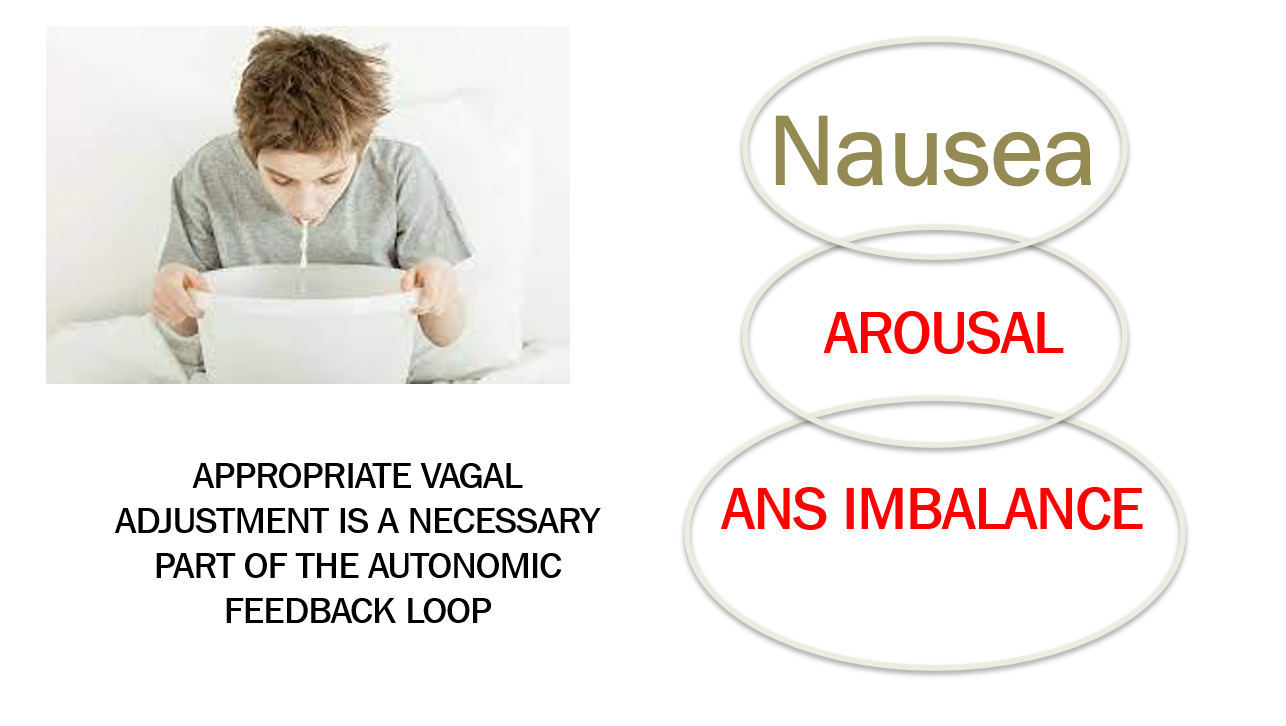
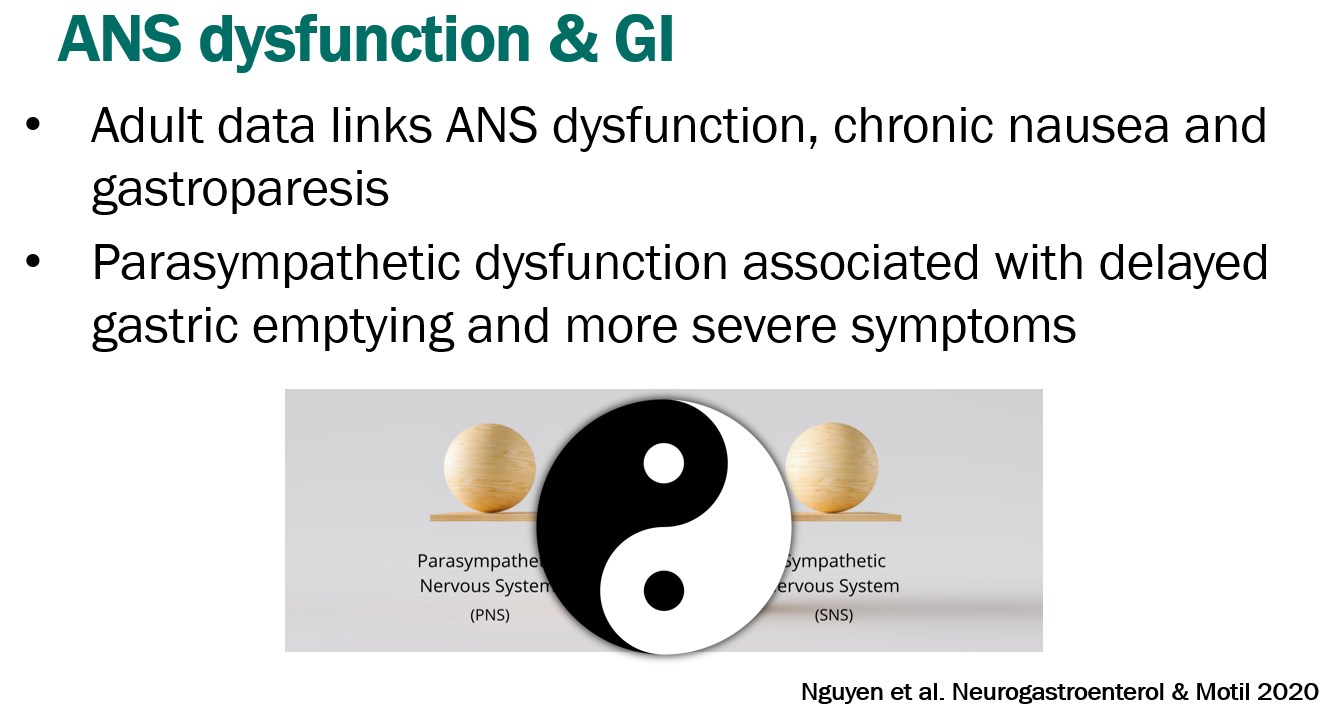
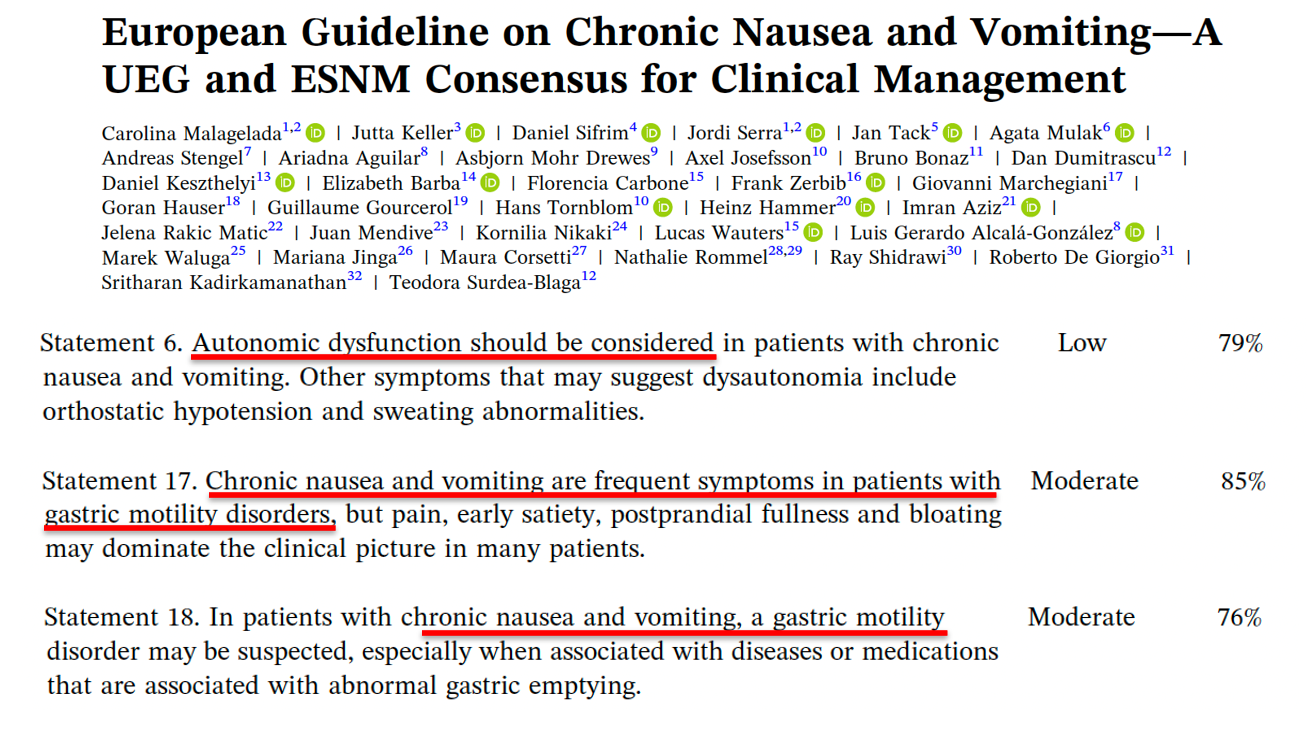
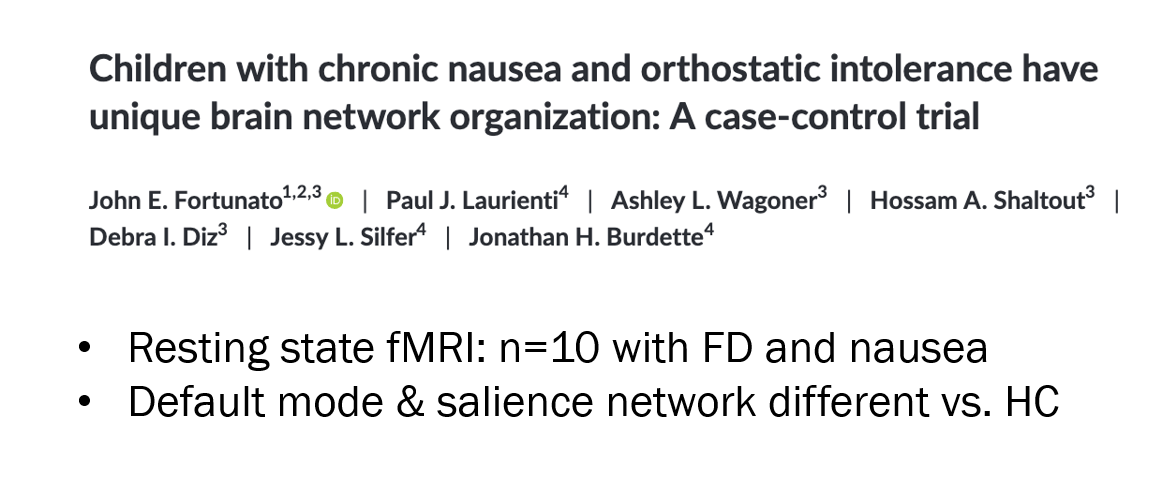
Dr. B Li, emeritus professor of Pediatrics (Medical College of Wisconsin), gave this year’s Billy Meyers Lecture. Dr. Li is considered the world’s foremost authority on cyclic vomiting syndrome (CVS) (‘the emperor of emesis’). He gave a fantastic update. I have taken some notes and shared many of his slides. There may be inadvertent omissions and mistakes in my notes. More information on the CVS 2025 guidelines is noted in a separate post: 2025 Pediatric Cyclic Vomiting Syndrome Guidelines
Historical background of CVS: Early descriptions of CVS date back to 1880s and Samuel Gee (who also is credited with the first modern description of celiac disease). Charles Darwin was likely affected by CVS
Epidemiology: CVS is nota rare disorder. It likely affects ~2% of kids and adults
There are several patterns of CVS. Many patients who have CVS do not have a cyclical pattern
Lethargy and pallor are common symptoms which make patients appear more ill
Retching on an empty stomach and severe emesis are hallmarks and likely indicate that the primary mechanism is not due to the GI tract. Though there are some food poisonings (eg. Bacillus cereus) that can have some of these symptoms but typically milder in severity
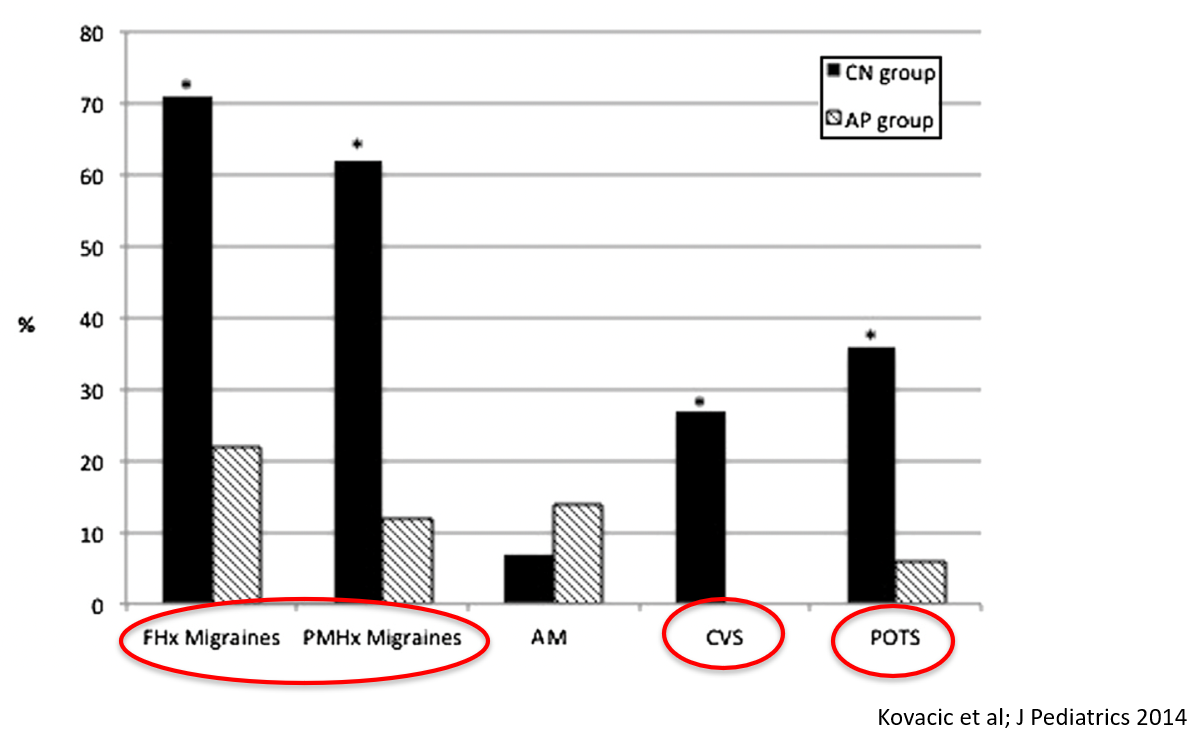
Previously, CVS patients were thought to be well in between episodes. However, ~40% have inter-episode symptoms
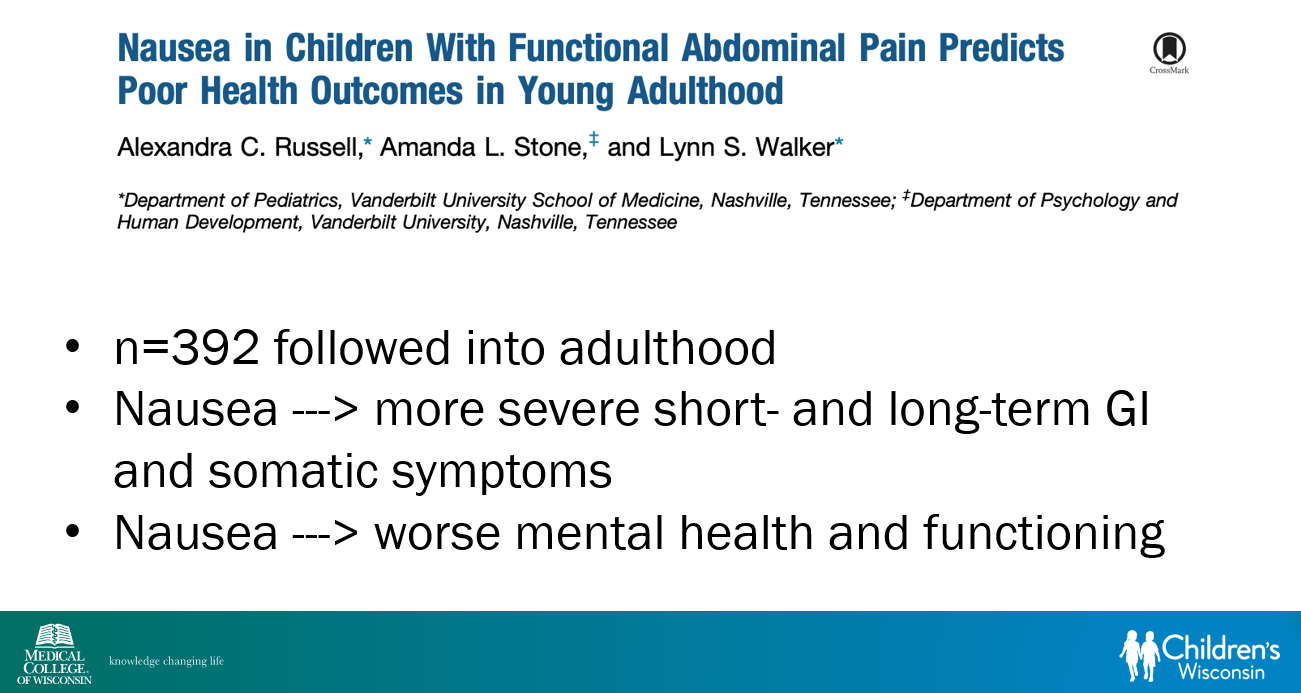
Quality of life is correlated mainly with anxiety/coping rather than the severity of episodes
Children with CVS often (~75%) develop migraines by adulthood
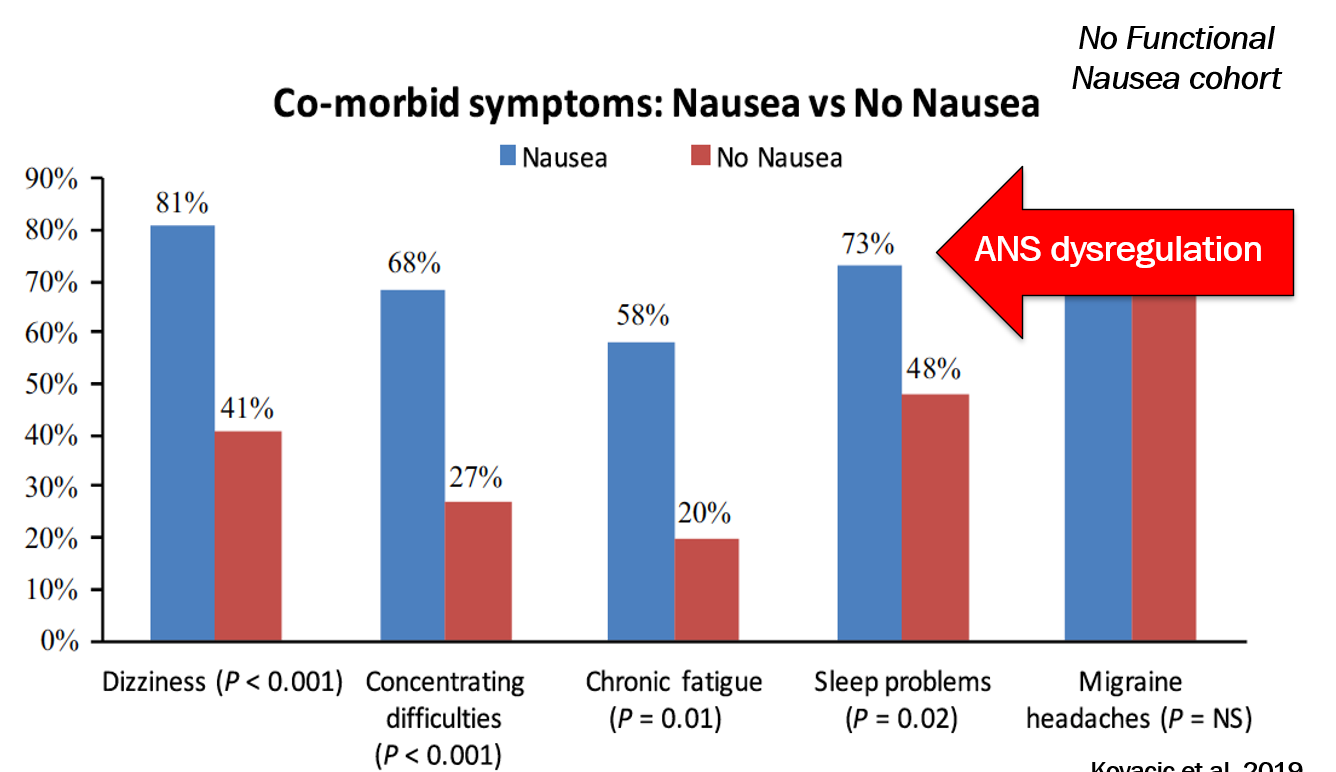
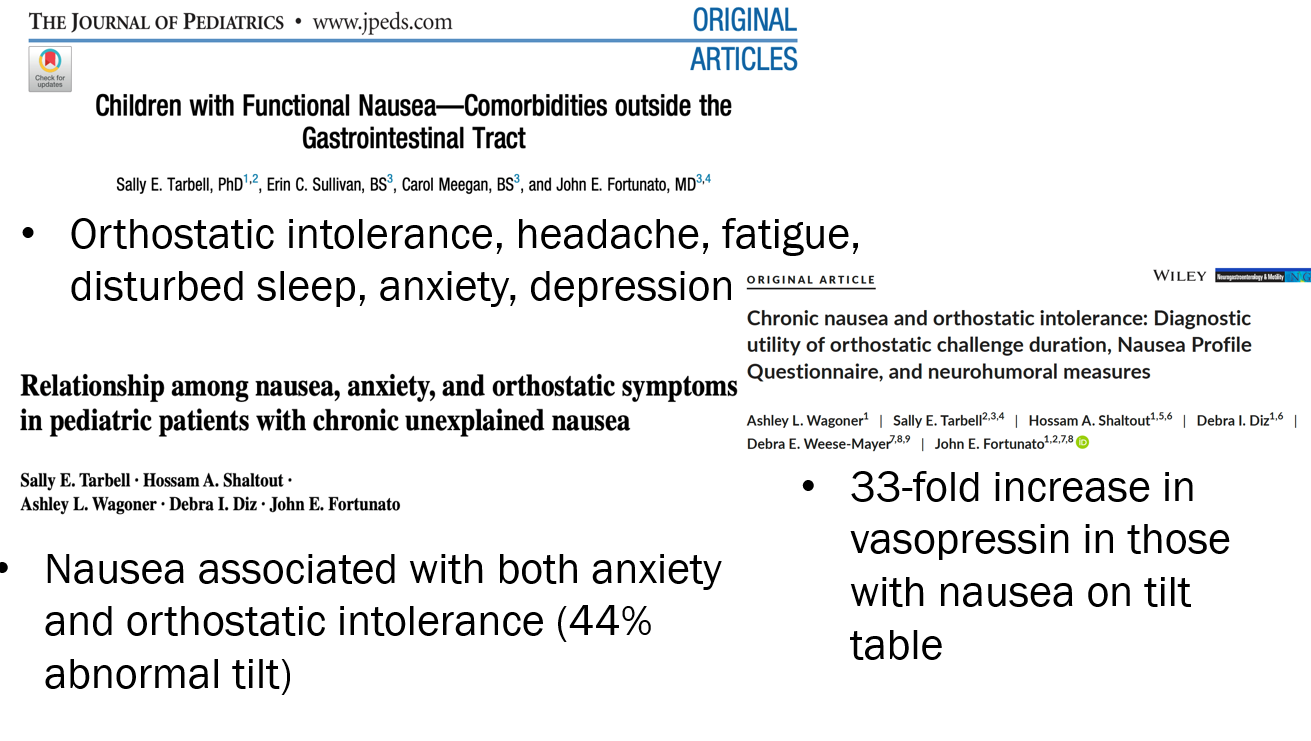
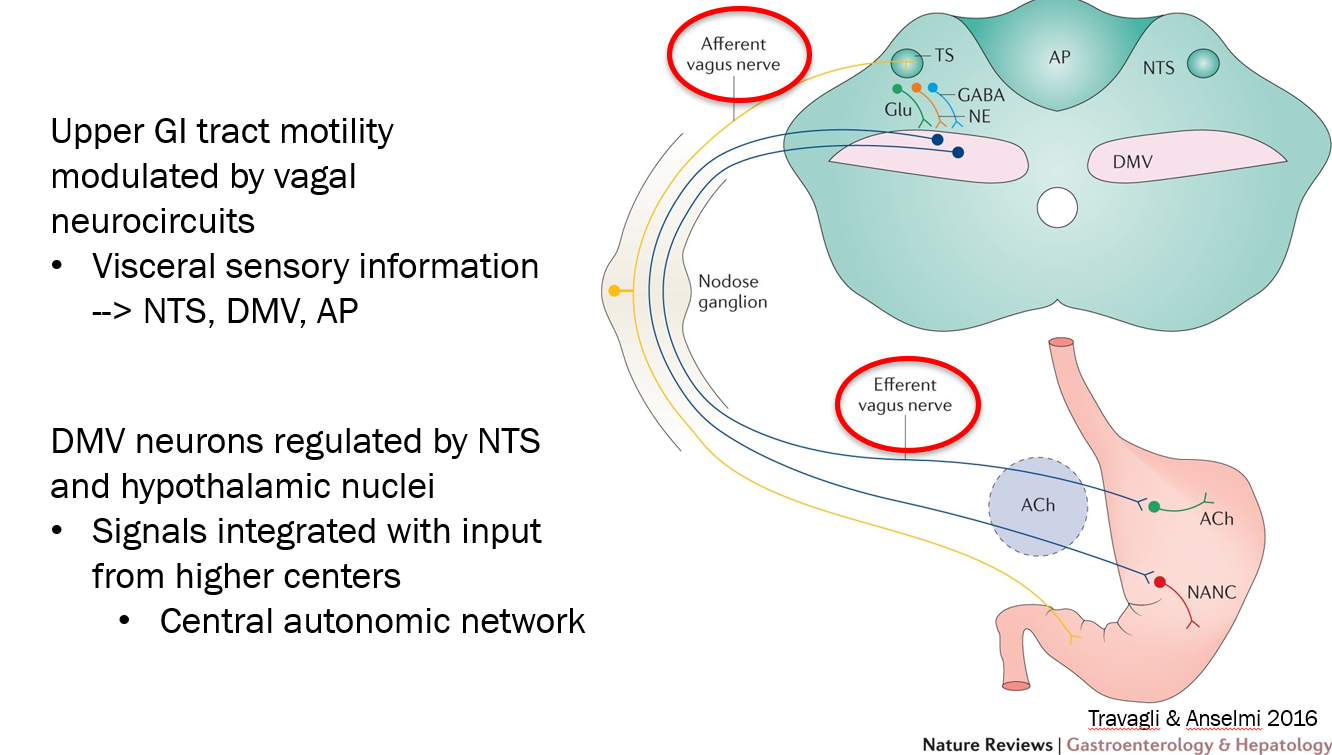
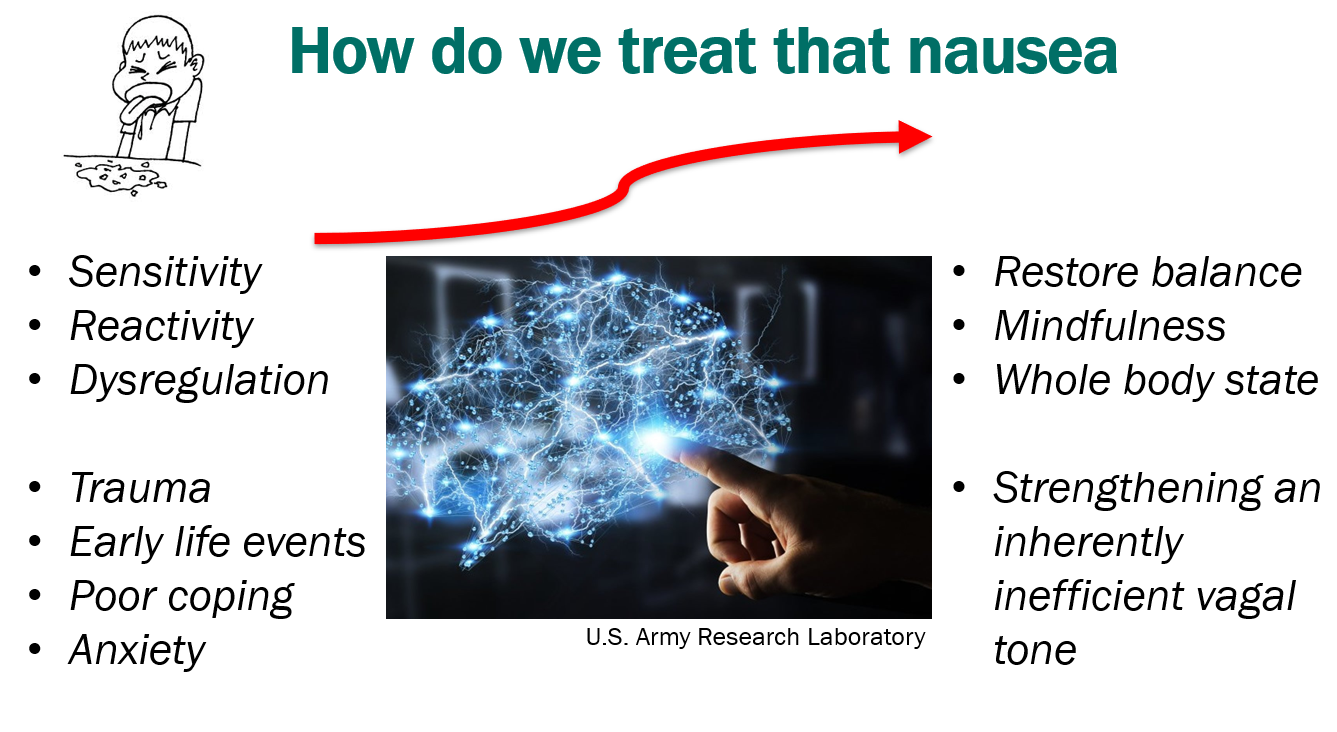
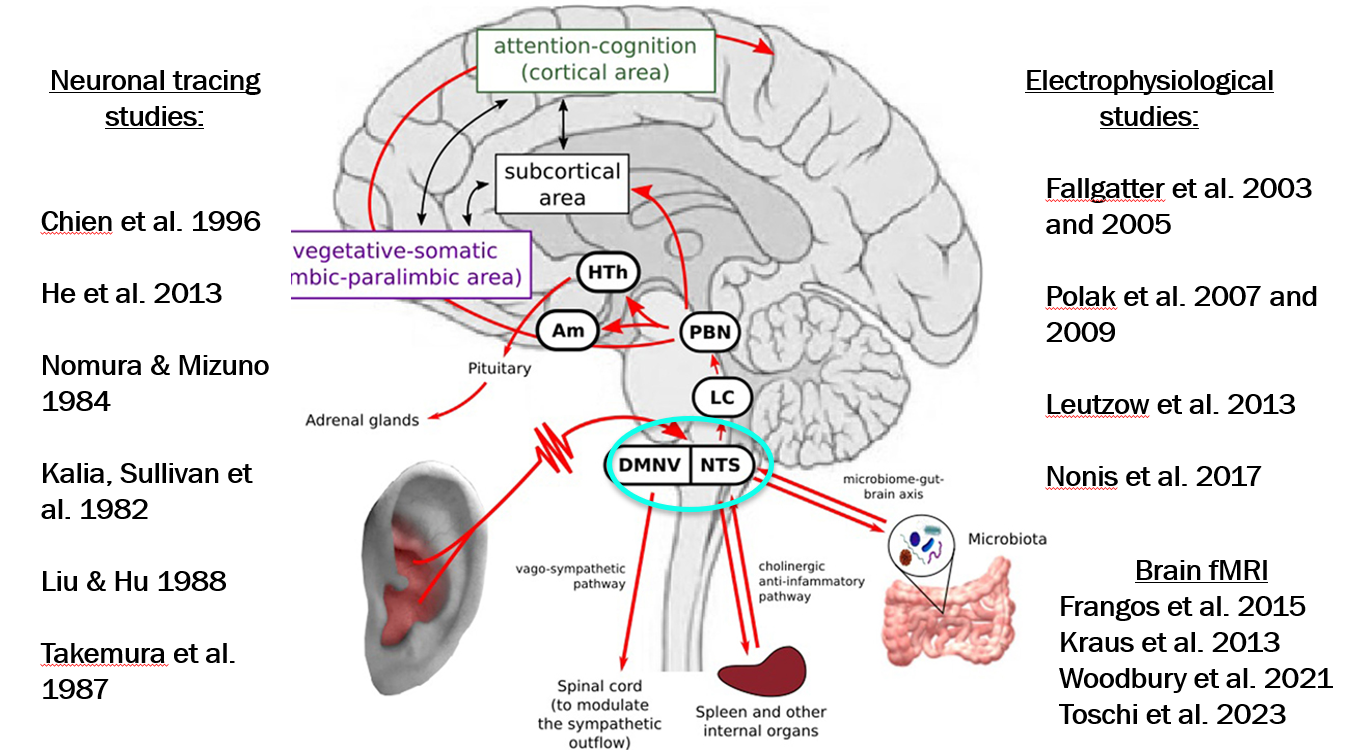
Underlying pathophysiology likely involves the autonomic nervous system
2025 CVS Guidelines — took about 3 years to develop. It is noted that the 2008 guideline diagnostic criteria missed about 48% of cases (Bujarska et al. JPGN 2025; 80: 417)
2025 Guidelines emphasize limited diagnostic workup at presentation (eg. UGI and basic labs) unless there are alarm symptoms. Alarm symptoms include the following:
For abortive therapy, the new guidelines favor aprepitant over ondansetron, and generally favor D5 over D10 IVFs.
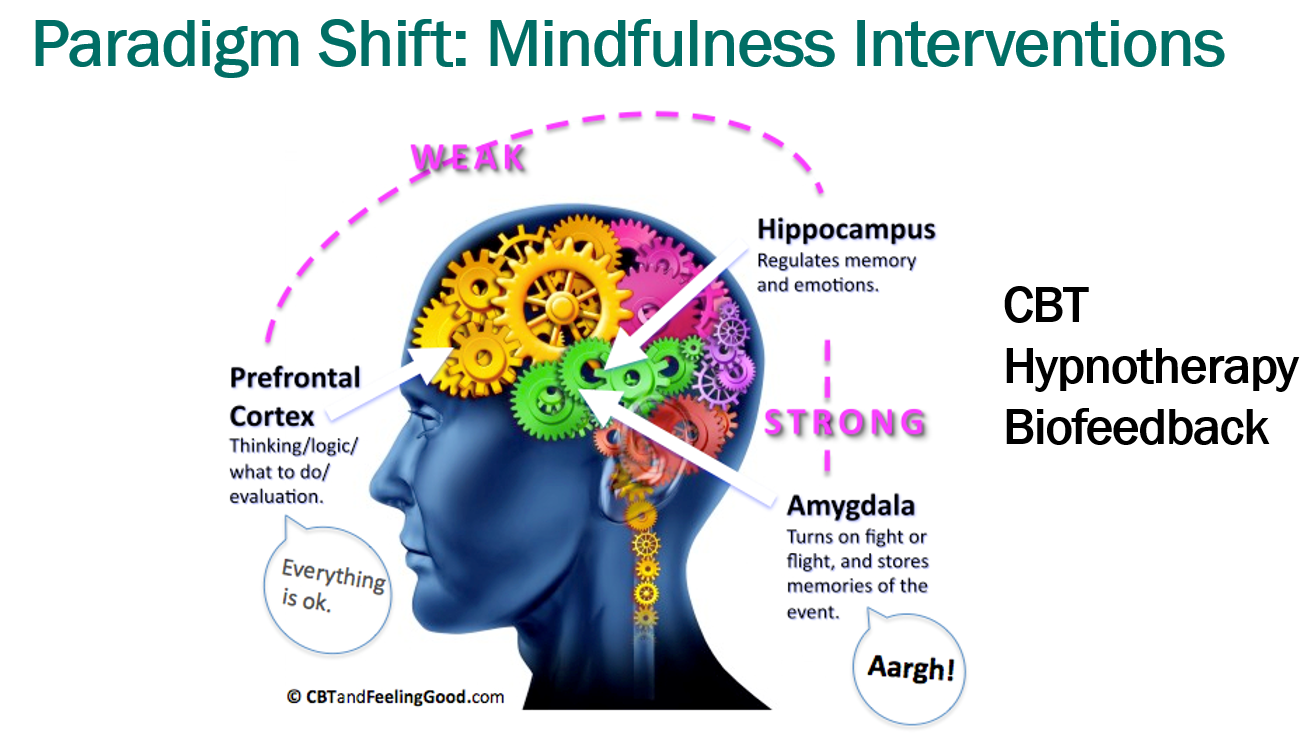
For prophylactic therapy, there is now an emphasis on non-pharmacologic therapy in addition to pharmacologic agents and PENFS. Propranolol and aprepitant are favored prior to use of TCA agents like amitriptyline due to side effect profile
Action plan for ED may help speed care and lower likelihood of admission
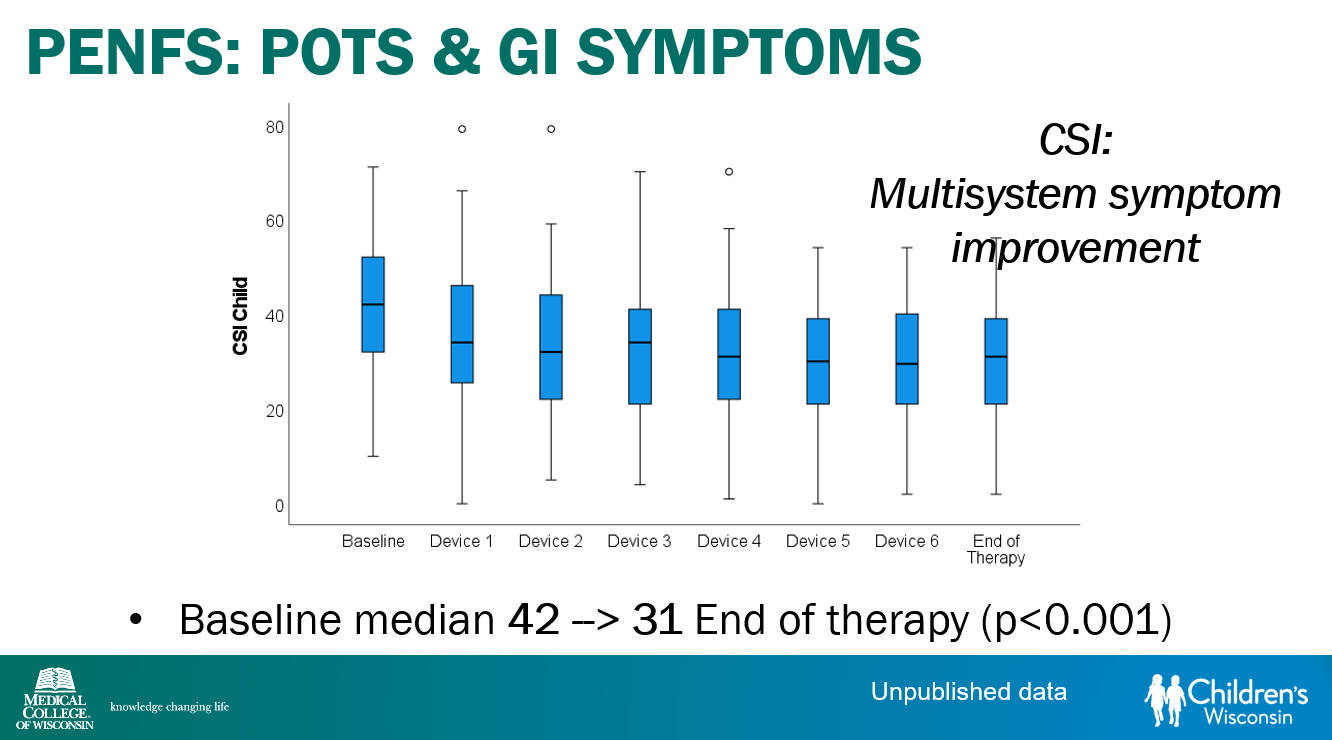
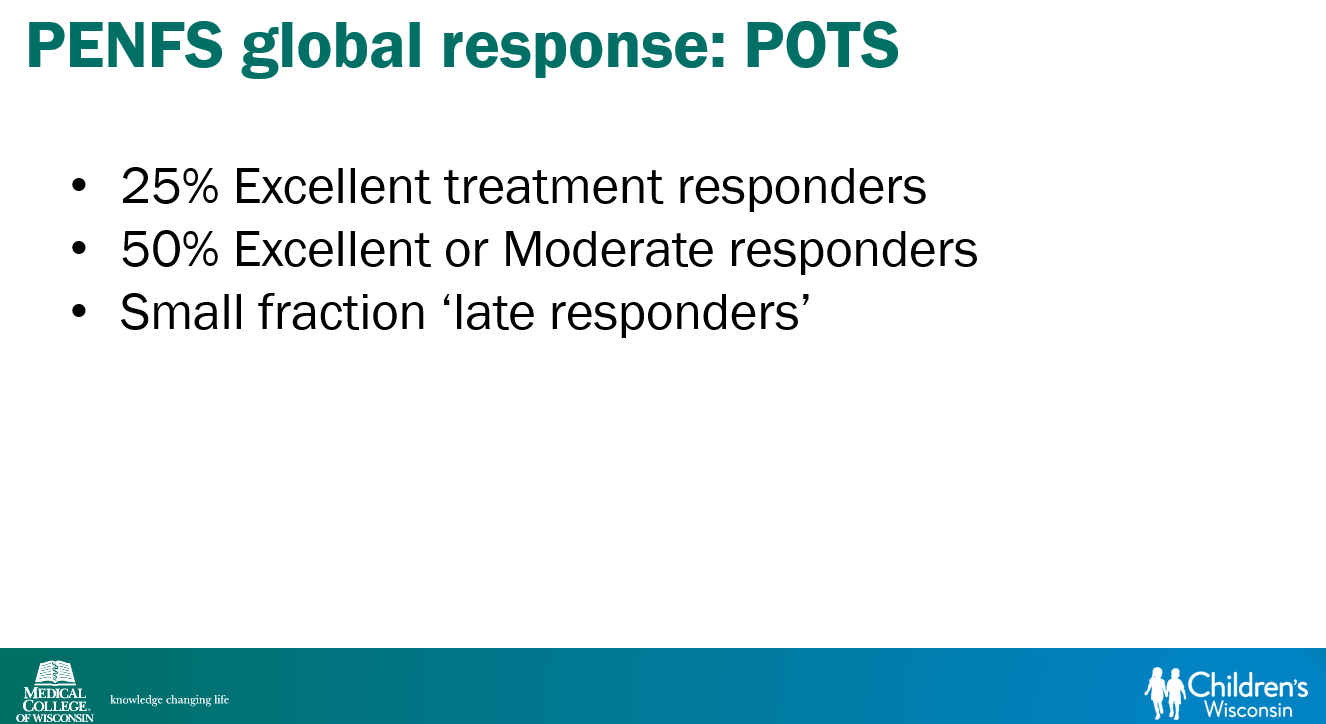
PENFS for prophylactic therapy had a durable response (113 days) in a recent study
Cannaboid hyperemesis syndrome (CHS) was first described in 2004 and has been rapidly increasing related to increased use and potency of THC products. Haloperidol, topical capsaicin and hot water (prolonged) bathing are often effective
Variants include the CVS associated with mitochondrial dysfunction, the Sato variant associated with increased BP, increase ACTH/cortisol, Catmaenial CVS is related to menses, and CHS (CVS-like) associated with cannabis use
Disclaimer: This blog, gutsandgrowth, assumes no responsibility for any use or operation of any method, product, instruction, concept or idea contained in the material herein or for any injury or damage to persons or property (whether products liability, negligence or otherwise) resulting from such use or operation. These blog posts are for educational purposes only. Specific dosing of medications (along with potential adverse effects) should be confirmed by prescribing physician. Because of rapid advances in the medical sciences, the gutsandgrowth blog cautions that independent verification should be made of diagnosis and drug dosages. The reader is solely responsible for the conduct of any suggested test or procedure. This content is not a substitute for medical advice, diagnosis or treatment provided by a qualified healthcare provider. Always seek the advice of your physician or other qualified health provider with any questions you may have regarding a condition
A Phillip et al. J Pediatr Gastroenterol Nutr. 2025;81:913–921. A narrative review of the ileal pouch in pediatric inflammatory bowel disease and familial adenomatous polyposis
Introduction: Total proctocolectomy with ileal pouch-anal anastomosis (IPAA) can be a life changing solution for a subset of pediatric inflammatory bowel disease (IBD) and familial adenomatous polyposis (FAP) patients. For patients with severe disease a three-stage approach is commonly performed.
Creation of IPAA -Three Stages:
Endoscopic Images and IPAA Anatomy:
The article provides guidance on complications including pouchitis, CD-like inflammation of the pouch, J-pouch failure, fertility after IPAA along with follow-up/screening recommendations.
As for screening, adult guidelines recommend annual screening for IBD patients with high risk features—previous dysplasia, primary sclerosing cholangitis, type C mucosa, refractory pouchitis. In those without these features, guidelines are variable, with one suggesting screening every 5 years. In FAP patients, the recommendation for surveillance screening following IPAA is pouchoscopy every 1–2 years.8
My take: Most pediatric gastroenterologists are not proficient in pouch management due to the small number of our patients needing IPAA. This review provides a terrific review/resource.