Pediatric Experience with Subcutaneous Infliximab

EH Boute et al. Inflamm Bowel Dis 2026; 32: 1086–1096. Open Access! Persistence and safety of subcutaneous infliximab up to 1 year after switching from intravenous infliximab in pediatric inflammatory bowel disease: a multicenter real-world cohort study

Methods: This was a retrospective multicenter study we identified pediatric IBD patients (n=66 including 41 with Crohn’s disease) who switched to SC-IFX. Median age 16.5 years. Pre-switch, the median IV-IFX maintenance dose was 10 mg/kg every 6 weeks. There were only 6 patients with a weight <40 kg.

Key findings:

  • The initial SC-IFX regimen was 120 mg every other week in 62/66 patients (94%).  4 patients (6%) were initiated on 120 mg every week
  • SC-IFX persistence was 78% at 12 months post-switch, with 89% of patients persisting on IFX, either intravenous (IV) or subcutaneous (SC), at the end of follow-up
  • 17% (n=11) of patients experienced relapses. 6 patients underwent dose intensification (3 regained response), 3 patients switched to a different advanced therapy, and 3 patients received concomitant therapy
  • 11 patients (17%) discontinued SC-IFX treatment after a median of 7.0 months
  • 6 patients underwent SC-IFX dose intensification, with 3 successfully regaining clinical response
  • Regarding anti-drug antibodies (ADA), 3 out of 4 patients who were ADA positive on IV-IFX resolved post-switch
  • Three patients (3/66, 5%) experienced serious AEs requiring hospitalization, namely IgA-mediated nephropathy, pyelonephritis requiring IV antibiotics, and perianal fistula requiring seton drainage

Discussion:

  • “Compared to IV-IFX, SC-IFX provides higher and more stable serum concentrations, avoiding peak-trough variability, potentially lowering immunogenicity and offering greater flexibility in TDM.”
  • “Careful monitoring by the IBD team remains essential to ensure treatment adherence during and after the switch. In our cohort, most discontinuations (64%) were related to difficulties with the SC route, highlighting the importance of identifying the most suitable candidates.”
My take: More pediatric studies are needed. This study suggests that the effectiveness of SC-IFX in children will be similar to the effectiveness in adults. As more patients receive SC therapy, it will be particularly important to work on adherence with scheduled dosing, lab monitoring, and careful followup visits; all of these can be more difficult with SC compared with IV infusions.

Related blog posts:

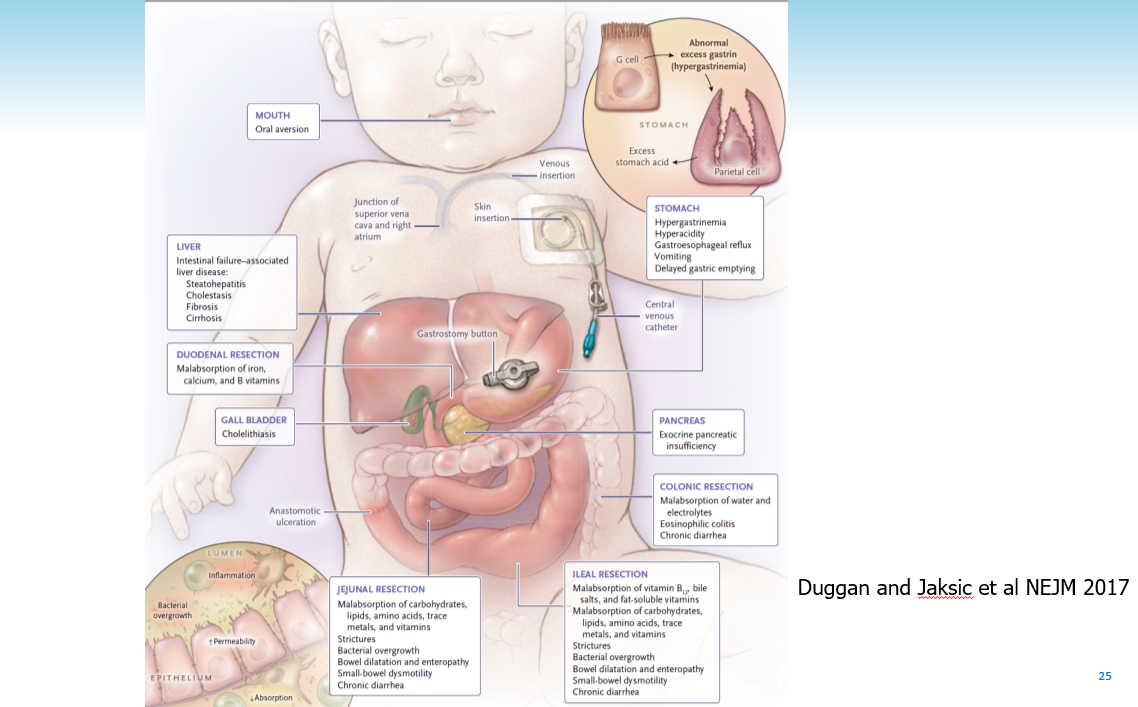
Data Insufficient to Recommend Immobilized Lipase Cartridge Use in Children with Short Bowel Syndrome

E Khenner et al. J Pediatr Gastroenterol Nutr. 2026;82:1488–1494. Open Access! Retrospective chart review of immobilized lipase cartridge use in children with short bowel syndrome

***Three of the authors of this study are/were employed or receive research support from Alcresta Therapeutics, Inc.

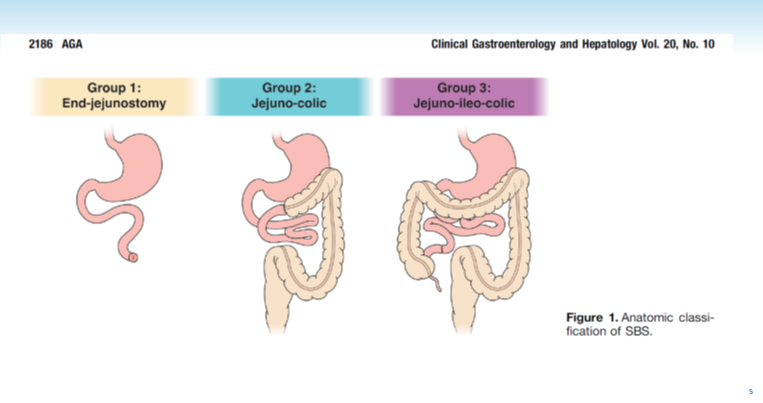
This small retrospective single-center study reports the use of in-line immobilized lipase cartridges (ILC) in 14 patients; 10 were PN-dependent, and four had enteral autonomy (Table 1). The mean age at the start of ILC use was 6 years (range 2–15 years). Mean estimated residual small bowel length was 66 cm (range 11–190 cm; n = 13). Eight patients received peptide-based EN and 6 elemental EN, typically delivered over 12–24 h.

Key findings:

  • In 9 PN-dependent patients (with Type II or III SBS), mean PN use at baseline was 45.3 kcal/kg/day (59% of supplemental nutrition). At final follow-up, mean PN use decreased by 10.6 kcal/kg/day (15.5%) and mean EN use increased by 6.0 kcal/kg/day (39.9%) after 3.8 to 23.9 months of ILC use.
  • In 4 patients with enteral autonomy (all Type III SBS), mean weight z-score improved by 0.60 and mean EN use decreased by 6.9% after 2.7 to 5.3 months of ILC use. The decrease from baseline in mean EN use at final follow-up was driven by data from one patient (#12) who had poor compliance with tube feeding.
  • None of these changes are statistically significant.

Discussion:

  • “There are limitations to ILC use in children with SBS: not all SBS patients receive EN, bolus feeding with ILC is limited to flow rates ≤400 mL/h, and ILC is not compatible with high fiber enteral formulas.6
  • “Blenderized tube feeding is becoming the preferred method of enteral feeding in pediatrics.17 Although the use of blenderized tube feeds in children with SBS is associated with improved GI symptoms as well as a reduction in PN dependence, some patients experience intolerance or lack of weight gain.1819
  • The authors conclusions: “ILC offers a low-risk option to potentially advance enteral autonomy or weight gain in some children with SBS.”

My take: I am not convinced that ILC is worthwhile for pediatric patients with SBS. I have received questions about this from our neonatal colleagues. When I have questioned leaders of several intestinal rehab centers, they have stated there is no solid data supporting its use. When I have asked the manufacturer to provide data in children with SBS less than two years of age, I have heard no response. The cost (without insurance) likely exceeds $9,000/month if using two ILCs per day. The use of this expensive product needs to be carefully evaluated in a prospective randomized trial.

Related blog posts:

BAPS Shri Swaminarayan Mandir, Atlanta (Hindu Temple)

Disclaimer: This blog, gutsandgrowth, assumes no responsibility for any use or operation of any method, product, instruction, concept or idea contained in the material herein or for any injury or damage to persons or property (whether products liability, negligence or otherwise) resulting from such use or operation. These blog posts are for educational purposes only. Specific dosing of medications (along with potential adverse effects) should be confirmed by prescribing physician. Because of rapid advances in the medical sciences, the gutsandgrowth blog cautions that independent verification should be made of diagnosis and drug dosages. The reader is solely responsible for the conduct of any suggested test or procedure. This content is not a substitute for medical advice, diagnosis or treatment provided by a qualified healthcare provider. Always seek the advice of your physician or other qualified health provider with any questions you may have regarding a condition

Oral Vancomycin For Pediatric Inflammatory Bowel Disease

S Ancona et al. J Pediatr Gastroenterol Nutr. 2026;82:1416–1426. Effectiveness and safety of oral vancomycin in non-primary sclerosing cholangitis paediatric inflammatory bowel disease

Background: “Oral vancomycin (OV) has limited usage in paediatric inflammatory bowel disease (PIBD) with reported efficacy in primary sclerosing cholangitis (PSC-PIBD), acute severe colitis as part of quadruple-antibiotic regimen, and very early-onset IBD. This study evaluates OV effectiveness and safety as a single-agent in non-PSC PIBD.”

Methods: Retrospective, single center study with 31 children (median age 15.1); the presence of PSC and C diff were exclusion criteria. There were  23 ulcerative colitis (UC), 4 IBD-unclassified (IBDU) and 4 Crohn’s disease. OV was started at 250 mg for patients ≥30 kg or 125 mg for those <30 kg and administered four times daily (QDS) or three times daily (TDS). The majority were receiving concomitant medications: steroids in 16%, biologics in 32%, 5-ASA in 74%, and thiopurines in 42%.

Key findings:

  • Clinical and biochemical remission was achieved or maintained in 17/31 (55%), with 15/17 reducing/stopping other treatments and two remaining on OV monotherapy
  • At 1-month faecal calprotectin dropped from 686 to 60 μg/g in responders (p = 0.001) but remained high in nonresponders
  • Responders (Group 1) continued OV for a median of 7.0 months (IQR 2.5–23.5), maintaining consistently low PUCAI and FC levels throughout a median follow‐up of 19.0 months. After discontinuation, three relapsed and restarted OV,recapturing remission in 2/3.
  • Responders had lower baseline clinical disease activity
  • No serious adverse events occurred. No vancomycin-resistant enterococcus (VRE) colonization was seen

My take: This study’s vancomycin responders (55%) had significant improvement within four weeks. This is in agreement with other studies indicating that antimicrobial regimens may be helpful in a significant subset of children with inflammatory bowel disease. Larger prospective studies are warranted.

Related blog posts:

Island Ford in Sandy Springs

Linaclotide Now FDA-Approved for 2-5 Year Olds with Functional Constipation

Ironwood Pharmaceutical Press Releasse, 5/27/26: FDA Approves Use of LINZESS® (linaclotide) in Pediatric Patients Two Years of Age and Older with Functional Constipation (FC)

An excerpt:

Expanded indication extends availability to children ages 2-5 with FC; previously approved in pediatric patients 6 years of age and older –
– LINZESS remains the first-and-only FDA-approved prescription therapy for pediatric FC

Parents can mix the contents of the LINZESS capsule with applesauce or water, providing flexibility for administration in young children...

The FDA approval for pediatric patients ages 2-5 was supported by data from a 12-week Phase 3 randomized, placebo-controlled clinical trial evaluating LINZESS in pediatric patients aged 2-5 years with FC. In the study, LINZESS 72 mcg demonstrated improvement in spontaneous bowel movement frequency compared with placebo. The safety profile of LINZESS observed in the trial was generally consistent with the established safety profile from trials in adults with chronic idiopathic constipation (CIC) and older pediatric patients with FC...

LINZESS 72mcg is available as a once-daily treatment of FC for pediatric patients 2 years of age and older

My take: In this age group, typical over-the-counter laxatives including polyethylene gylcol, magnesium products, and senna products along with diet and behavior modification will be effective for most children. Most children will not need a prescription medication to manage their constipation.

Related blog posts:

Perito Moreno Glacier

Association Between Hypermobility Disorders, Orthostatic Intolerance and DGBIs

N Santucci et al. J Pediatr Gastroenterol Nutr. 2026;82:1394–1399. Open Access! Children and adolescents with disorders of gut–braininteraction with comorbid hypermobility and orthostaticintolerance have worse outcom

Methods: This was a retrospecitive study from a multidisciplinary pediatric DGBI clinic which examined the relationship between hypermobility spectrum disorders (HSDs) and orthostatic intolerance (OI). HSD terms included Ehlers–Danlos syndrome, hypermobile Ehlers–Danlos syndrome, and generalized hypermobility; OI terms included postural orthostatic tachycardia syndrome, dysautonomia, and orthostatic hypotension. Of 175 patients, 46% had HSD and 43% had OI; 26% had both HSD and OI.

Key findings:

  • Patients with both HSD and OI had significantly worse nausea, depression, disability, and somatization scores than others (p < 0.01). 
  • HSD and OI groups individually also showed worse outcomes than non-HSD/non-OI groups. Moderate correlations were found between depression and anxiety in OI and nausea and disability in HSD.
  • Patients with both HSD and OI (n=45) had worse NSS (p < 0.0001), PHQ-9 (p = 0.007), FDI (p = 0.001), and CSI (p < 0.001) compared to patients with either OI or HSD and patients with neither.

Discussion:

  • “Autonomic dysfunction may explain the shared GI symptoms for OI and HSD patients. GI blood flow, motility, and secretion are regulated by an integral neural mechanism involving inputs from the central nervous system and the enteric nervous system. “
  • “Formal diagnosis of HSD and OI can be challenging and often requires involvement of multiple subspecialists…Studies comparing these groups run the risk of under-reporting diagnoses or including patients without the diagnosis. Strict clinical criteria are required using guidelines.”
  • There may be a selection bias for these patients in a specialized clinic for DGBIs; this was not discussed in this article. There is likely an increased rate of screening for HD and OI in patients with more severe DGBIs given previous reports of association with DGBIs.

My take: HSDs and OI are highly prevalent in DGBIs. In this study, both of these disorders were associated with worsened symptoms.

Related blog posts:

Cyproheptadine: “Vitamin P”

C Baker et al. J Pediatr Gastroenterol Nutr. 2026;82:1321–1324. Cyproheptadine: The secret sauce

Mechanism of action:

  • A first-generation antihistamine with anti-cholinergic, anti-serotonergic, and local anesthesia properties; its precise mechanism of action is poorly understood.

Formulation/pharmocokinetics:

  • Enteral tablet and syrup formulations appear to be well absorbed with peak serum levels 6–9 h after dosing in adults.2 However, anecdotally in pediatrics, the side effect of somnolence is often felt much more quickly.

Uses (off-label):

  • Promote weight gain: “There is ample literature to support success in varying populations, including mild to moderately undernourished toddler-aged children and children with cystic fibrosis.46
  • Cyclic vomiting syndrome
  • Functional abdominal pain and dyspeptic symptoms
  • Post-operative Retching After Fundoplication

Dosing (by indication):

  • “For cyclic vomiting syndrome prophylaxis, the recommended dose is 0.25–0.5 mg/kg/day divided every 8–24 h with a maximum dose of 12 mg a day.”
  • “For appetite stimulation, the recommended dose is 0.25 mg/kg/day divided twice daily, with a maximum dose ranging from 12 to 32 mg depending on patient age.”
  • “An effective dosing range for use in disorders of the gut–brain interaction (DGBIs) in pediatric patients (median age 9 years) of 0.13–0.2 mg/kg/day has been reported when used on average for 9 months, with a mean initial dose of 4.85 mg/day and final dose of 5.34 mg/day.1
  • “A large, systematic review from France identified the median dose for all pediatric clinical indications to be 0.25 mg/kg/day…Many clinicians use once-daily dosing to improve adherence.”

Contraindications, Drug Interactions, and Complications:

  • “Cyproheptadine is contraindicated in newborns and premature infants due to the potential for CNS depression and a lack of evidence in its safety and efficacy.”
  • “Cyproheptadine has potential for multiple drug-drug interactions, and dose adjustments may be required with concomitant therapies.”
  • “Recent publications suggest that up to 30% of patients will experience mild and self-limited side effects while taking cyproheptadine.8 The most common side effects are somnolence, increased appetite, weight gain, and behavior changes.18 Caution should be exercised in the use of cyproheptadine in children who are already considerably overweight…A rare side effect of adrenal insufficiency…has been documented in pediatric patients.”

My take: Because cyproheptadine is so useful for pediatric GI disorders, some of my colleagues have referred to it as “Vitamin P” (periactin). This review provides a lot of helpful data and guidance.

Related blog posts:

Disclaimer: This blog, gutsandgrowth, assumes no responsibility for any use or operation of any method, product, instruction, concept or idea contained in the material herein or for any injury or damage to persons or property (whether products liability, negligence or otherwise) resulting from such use or operation. These blog posts are for educational purposes only. Specific dosing of medications (along with potential adverse effects) should be confirmed by prescribing physician. Because of rapid advances in the medical sciences, the gutsandgrowth blog cautions that independent verification should be made of diagnosis and drug dosages. The reader is solely responsible for the conduct of any suggested test or procedure. This content is not a substitute for medical advice, diagnosis or treatment provided by a qualified healthcare provider. Always seek the advice of your physician or other qualified health provider with any questions you may have regarding a condition

Familial Adenomatous Polyposis (FAP): Cancer Incidences and APC Mosaicism

From Bouchiba et al:

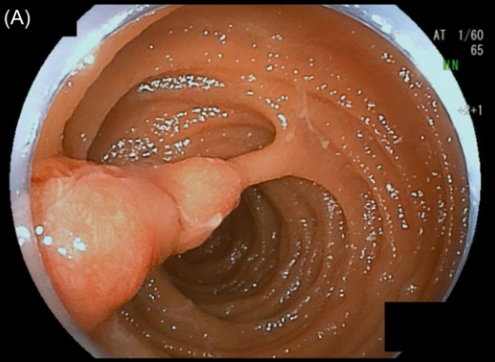
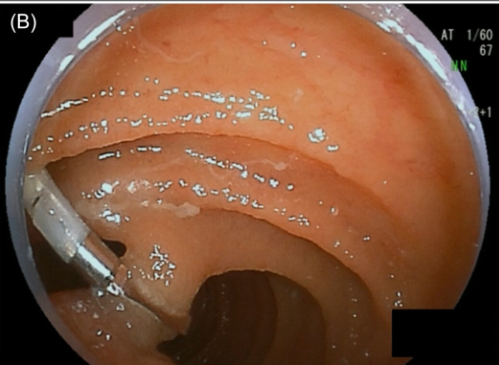
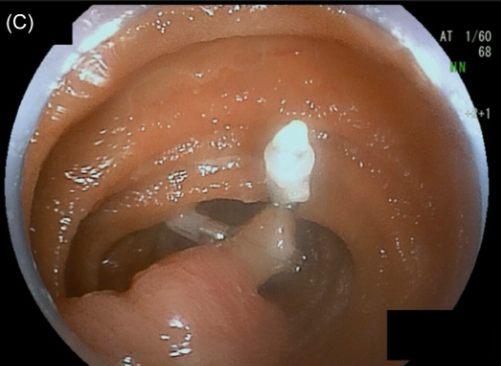
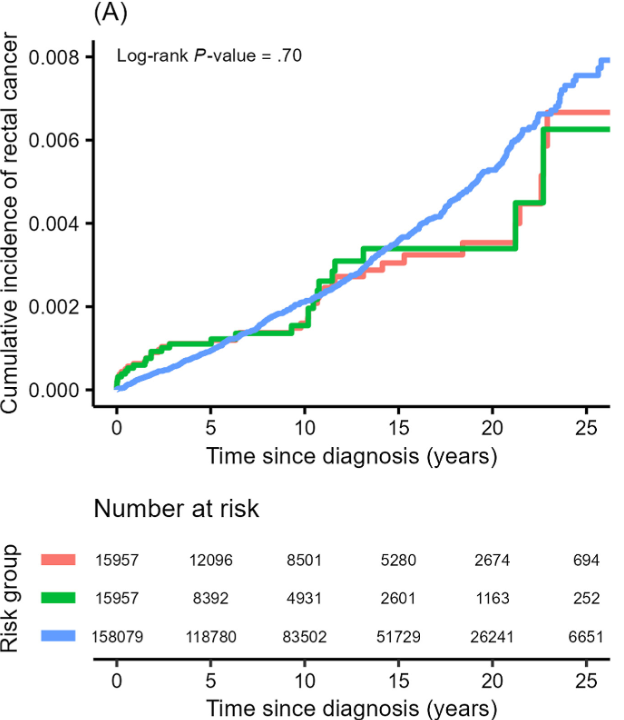
From the editorial: “Bouchiba et al10 present a Dutch cohort study providing the most comprehensive evaluation of cancer incidence and temporal trends in FAP to date. Among 1230 patients with FAP followed over 5 decades, one-third developed cancer despite major preventive advances, underscoring the persistent lifetime risk in FAP…the 12-fold higher risk compared with the general population and the frequent late-stage detection of gastric cancer are concerning and underscore the need for improved endoscopic surveillance strategies.”

From Terlouw et al:

Background: A substantial proportion of patients with adenomatous polyposis have no germline pathogenic variant in APC. The aim of this study was to determine the prevalence of APC mosaicism in these patients with unexplained polyposis

Key findings:

  • The rate of APC mosaicism was 9.4%. This rate was 14.3% (46 of 322) in patients who met the scope of national hereditary polyposis testing guidelines (≥10 adenomas before the age of 60 or with ≥20 adenomas before the age of 70)
  • In patients who did not meet the scope of national guidelines, the detection rate was 2.3% (5 of 219)
  • None of the children tested in this cohort inherited the mosaic variant.

My take:

  1. Despite increasing knowledge of FAP, frequent cancers continue to occur
  2. In those with features of FAP without identified pathogenic mutations, testing for APC mosaicism should be considered. In addition, in those with APC gene mutation, regular colonoscopy is recommended along with at least one esophagogastroduodenoscopy.

Related blog posts:

How to Take Care of Adolescents and Young Adults with Cannabnoid Hyperemesis Syndrome

A recent blog post summarized the recent Rome V recommendations which include useful tips for the diagnosis and management of Cannabinoid Hyperemesis Syndrome (Reference article: R Rosen et al. Gastroenterol 2026; 170: 1347-1366. Open Access! Rome V Pediatric Upper Gastrointestinal Disorders of Gut-Brain Interaction).

A practice management article by Nguyen et al (The Journal of Pediatrics, 2026; 291: 114966. Management of Cannabinoid Hyperemesis Syndrome in Adolescents and Young Adults) provides a lot of granular detail on how to improve outcomes.

Clinical manifestations:

  • “Recurrent vomiting that is not attributable to another disorder and in the context of cannabis use should raise concerns for cannabinoid hyperemesis syndrome (CHS). CHS typically presents with three phases. The prodromal phase is characterized by abdominal discomfort and early morning, episodic nausea on at least 1 day per week. This prodrome
    may precede acute vomiting by months or years. The emetogenic phase is characterized by sudden-onset, severe vomiting and abdominal pain episodes. Symptoms start within
    24 hours of last cannabis use, last typically for 24-48 hours, and may persist for up to 7-10 days. Abdominal pain is usually described as cramping in nature, radiating diffusely from
    the epigastrium or umbilicus. Patients often report symptom improvement with hot showers or baths. Acute nausea and vomiting gradually abate if patients abstain from cannabis, allowing transition from the acute emetogenic phase to the recovery phase and normalization of eating patterns. Symptoms typically recur with re-exposure to
    cannabis.”
  • “CHS is a separate disorder from CVS. It is critical that medical providers avoid providing CHS and CVS as interchangeable diagnoses to patients and families. Inconsistent
    diagnoses may erode families’ trust in the health care system by giving the impression that providers have not yet settled on an etiology. Furthermore, patients experiencing CHS
    who learn more about CVS outside the formal medical setting may gather that prophylactic medications are the mainstay of episode prevention, rather than cannabis cessation and abstinence.”

Evaluation:

  • “Bloodwork should include a comprehensive metabolic panel with liver function testing, complete blood count with differential, lipase, urinalysis, and a qualitative urine pregnancy test in a person capable of pregnancy.”
  • “An electrocardiogram is indicated if a patient has received multiple antiemetics, has an electrolyte abnormality, or is severely malnourished.”
  • “Abdominal imaging is most helpful to evaluate for suspected structural pathology.”
  • “A quantitative urine THC level may be helpful for longterm management of adolescents and young adults…A small study in adolescent patients suggests that urine THC levels >100 ng/mL are associated with cannabinoid hyperemesis syndrome….The test may be clinically useful to demonstrate significant marijuana exposure for patients who do not think their use is sufficient to cause their symptoms”

Management:

  • “Inpatient management can be conceptualized as having two phases. During the first 24 hours, patients require aggressive, proactive management. The goal isto break the vomiting
    cycle.”
  • “Our group’s practice is to select a single antiemetic with evidence in CHS treatment and to schedule this medication at the lowest therapeutic dose for vomiting relief at an interval that prevents recurrence of vomiting. An additional medication may be used as needed for breakthrough symptoms.”
  • “We typically use olanzapine or haloperidol as the initial agent. We recommend avoiding the use of multiple unscheduled antiemetics ordered “as needed” for nausea and vomiting. This approach risks drug interactions and QTc prolongation.” Typical antiemetics like ondansetron and prochloroperazine are usually ineffective for CHS.
  • “Regular application of capsaicin cream during the acute phase can decrease the need for oral medications by reducing or eliminating nausea and modestly reducing abdominal pain…We use capsaicin 0.1% cream in our clinical setting.”
  • “In the second phase of treatment, as the emetogenic phase abates and the patient can sustain oral nutrition, providers should focus on transitioning to a safe outpatient antiemetic
    plan.”
  • “Patients with pre-existing inherited or acquired long QTc should be treated with caution…When a prolonged QTc is identified, providers should consider using topical capsaicin and medications less likely to increase QTc, including lorazepam and aprepitant.”
**These medications, when used for CHS, would be considered “off label.”
**The use of lorazepam and aprepitant have only been report in case studies for CHS.
**Aprepitant can be administered intravenously as a one-time dose.
**Benzodiazepines should be limited to first 24-48 hours due to risk of addcition.

Malnutrition Often Associated with Chronic Cannabis Use:

  • Despite its perception as causing the ‘munchies,’ “chronic cannabis use is an underrecognized cause of weight loss and malnutrition. The insidious morning nausea and
    abdominal pain of the CHS prodrome can contribute to gradual weight loss, and a rapid weight drop may occur with vomiting episodes.”
  • “Potential medical complications of significant malnutrition include bradycardia, hypotension, hypothermia, orthostatic lightheadedness or presyncopal/syncopal episodes, cold intolerance, fatigue, worsening mood and anxiety, and change in menses…increases risks of superior mesenteric artery syndrome and the refeeding syndrome.”

Outpatient Management of CHS:

  • “Long-term management of CHS prioritizes cannabis abstinence, reestablishment of normal eating, and return to full daily function, including consistent participation in school
    and/or employment.”
  • “Indications for CHS prophylactic medication are extrapolated from existing literature in
    adults with CVS. Prophylaxis should be considered if exacerbations occur more frequently than once a month and last for over 2 days in an adolescent…Amitriptyline, a tricyclic antidepressant, is the first line agent for CHS prophylaxis…Nortriptyline, which is less sedating than amitriptyline, has also shown success in children and adults with CVS.” The authors discussed typical dosing of amitriptyline and nortriptyline (starting at 10-25 mg and titrating up to 1 to 1.5 mg/kg at bedtime [max 75 mg to 100 m])
  • “We continue the tricyclic antidepressant until hyperemesis exacerbations have been suppressed and the patient has maintained cannabis abstinence for 6-12 months, then slowly taper prophylaxis.”
  • “CHS is definitively treated with complete cessation and long-term abstinence from marijuana use for weeks to months. Focused treatment of concurrent cannabis use disorder is critical to recovery. We note that patients who intend to abstain from cannabis often struggle for 2-4 weeks after cessation due to withdrawal symptoms.”

My take: This article offers a lot of practical advice for CHS.

Related blog posts:

Disclaimer: This blog, gutsandgrowth, assumes no responsibility for any use or operation of any method, product, instruction, concept or idea contained in the material herein or for any injury or damage to persons or property (whether products liability, negligence or otherwise) resulting from such use or operation. These blog posts are for educational purposes only. Specific dosing of medications (along with potential adverse effects) should be confirmed by prescribing physician. Because of rapid advances in the medical sciences, the gutsandgrowth blog cautions that independent verification should be made of diagnosis and drug dosages. The reader is solely responsible for the conduct of any suggested test or procedure. This content is not a substitute for medical advice, diagnosis or treatment provided by a qualified healthcare provider. Always seek the advice of your physician or other qualified health provider with any questions you may have regarding a condition.

The Spectrum of Esophageal Inflammatory Diseases

L Bertin et al. Clin Gastroenterol Hepatol 2026; 24: 1220-1231. Open Access! Beyond Eosinophils: Redefining the Spectrum of Esophageal Inflammatory Diseases Through an Immune-Centric Paradigm

This narrative article reviews the four distinct variants that exist beyond classical EoE: EoE-like esophagitis (histologic EoE features with <15 eosinophils/hpf), lymphocytic esophagitis (LyE) (≥30 lymphocytes/hpf), nonspecific esophagitis (NsE) (mixed inflammatory infiltrates), and mast cell esophagitis (elevated intraepithelial mast cells).

Key points:

  • Differential diagnosis: “Esophageal eosinophilia is not pathognomonic for EoE or EoE-like esophagitis. Alternative causes include GERD, achalasia and other esophageal motility disorders, infectious esophagitis, drug hypersensitivity reactions, connective tissue disorders (systemic sclerosis and dermatomyositis), hypereosinophilic syndrome, graft-versus-host disease, and Crohn’s disease with esophageal involvement.”
  • “EIDs [esophageal inflammatory diseases] manifest with overlapping yet distinct clinical and endoscopic features.49 Dysphagia remains the most consistent symptom across the spectrum, although its prevalence varies significantly”
  • “EoE-like esophagitis shows interleukin-13 pathway overlap with classical EoE and may progress to EoE (62.2% by 6 years)”
  • “LyE treatment remains largely empirical, with PPIs showing variable efficacy (24%–86% improvement),53 with a recent multicenter study showing it achieved even lower histological (13% vs 48%) and symptomatic improvement (6.7% vs 43%).59 As a second-line therapy, topical steroids should be considered.60
  • “NsE lacks consensus management strategies, with empiric approaches based on presenting symptoms typically employed.16
  • “McE treatment evidence derives primarily from case reports showing response to combinations targeting mast cell activity.”

My take: Esophageal inflammatory disorders besides EoE are uncommon in the pediatric age group. This article provides a useful review and guidance.

Normalizing Diet with Dupilumab Therapy

N Wolfest et al. Clin Gastroenterol Hepatol 2026; 24: 1271-1279. Open Access! Efficacy of Dupilumab on Facilitated Food Reintroduction in Eosinophilic Esophagitis

Methods: This open-label pilot study — patients who demonstrated disease control in the dupilumab run-in stage were able to continue into the food reintroduction stage for a total of 52 weeks. Reintroduction of trigger foods occurred at months 3, 6, and 9, while continuing on dupilumab treatment. Symptoms, histology, endoscopy, and esophageal diameter were compared prior to and following every phase of food reintroduction to month 12. All patients had previously failed trigger food reintroduction on their current EoE medication.

Key findings:

Dupilumab effectiveness: At month 3 of the dupilumab run-in stage, 17 of 19 evaluable patients (89%) per protocol had a PEC (peak eosinophil count) of <6 eos/hpf. One patient had a PEC of 6 eos/hpf but was permitted to proceed to the food reintroduction stage.

Food reintroduction:

  • Reintroduction of an EoE trigger food was successful in 86% of instances (54/63), as defined by a PEC <6 eos/hpf and no symptoms
  • At month 6, 75% of patients (12/16) successfully reintroduced an EoE trigger food, and, as portion size was increased or additional trigger foods were added, 93% (13/14) and 79% (11/14) successfully introduced EoE trigger foods at months 9 and 12, respectively
  • By the end of the study, 5 patients successfully achieved unrestricted serving sizes of an EoE trigger food without worsening esophageal biopsies
  • The mean PEC did not significantly change following food reintroduction at month 6 (5.3 [SD, 8.9]), month 9 (1.3 [SD, 2.8]), or month 12 (2.6 [SD, 4.5]) (see Figures below)

My take (borrowed in part from authors): For most newly-diagnosed patients, the majority prefer medical therapy over dietary restricitons. In those currently managed with dietary restrictions, “dupilumab treatment may provide a safe method for patients with EoE to gradually taper elimination diets for some trigger foods.”

Related blog posts:

Disclaimer: This blog, gutsandgrowth, assumes no responsibility for any use or operation of any method, product, instruction, concept or idea contained in the material herein or for any injury or damage to persons or property (whether products liability, negligence or otherwise) resulting from such use or operation. These blog posts are for educational purposes only. Specific dosing of medications (along with potential adverse effects) should be confirmed by prescribing physician. Because of rapid advances in the medical sciences, the gutsandgrowth blog cautions that independent verification should be made of diagnosis and drug dosages. The reader is solely responsible for the conduct of any suggested test or procedure. This content is not a substitute for medical advice, diagnosis or treatment provided by a qualified healthcare provider. Always seek the advice of your physician or other qualified health provider with any questions you may have regarding a condition