Celiac Disease, Hepatitis B and Paul Harvey

Growing up, I heard a number of Paul Harvey broadcasts on the radio. Often there would be an important twist at the end and he would conclude with ‘and that’s the rest of the story.’

This came to mind after reading a recent article on celiac disease and hepatitis B infection:

N Habash et al. JPGN 2022; 74: 328-332. Celiac Disease: Risk of Hepatitis B Infection

Methods:

  • A cross-sectional study using the National Health and Nutrition Examination Survey (NHANES) database (2009–2014) 
  • And a retrospective analysis of HBV infection in two cohorts: Mayo Clinic cohort (1998–2021) and the Rochester Epidemiology Project cohort (REP; 2010–2020)

Key findings:

  • Based on NHANES database, the rate of HBV infection in the United States was  0.33%
  • Of 93 patients with CD, 46 (49%) were vaccinated for HBV and of the remaining 19,422 without CD, 10,228 (53%) were vaccinated
  • Twenty-two (48%) vaccinated patients with CD had HBV immunity and 4405 (43.07%) vaccinated patients without CD had HBV immunity
  •  In NHANES data, there were no cases of HBV infection in patients with CD. Among the 3568 patients with CD seen at Mayo Clinic and 3918 patients with CD in the REP database, only four (0.11%) at Mayo Clinic and nine (0.23%) of the REP patients had HBV infection.

This finding is probably applicable to other conditions in which HBV immunity is ascertained.

My take: In contrast to other small studies, this study showed that the “rate of HBV vaccination and immunity was similar in individuals with and without CD.” In addition, there was no increased risk of HBV infection detected in CD patients. Thus, testing for HBV is not necessary in patients with CD.

And that’s the rest of the story.

Related blog post

Nonmedical Adalimumab Switches

G Tapete et al. Inflamm Bowel Dis 2022; 28: 62-69. Effectiveness and Safety of Nonmedical Switch From Adalimumab Originator to SB5 Biosimilar in Patients With Inflammatory Bowel Diseases: Twelve-Month Follow-Up From the TABLET Registry

Methods: Prospective enrollment (n=146) included a ADA and those with a nonmedical switch from the ADA originator (n=98). Clinical remission and safety were assessed at baseline and at 3, 6, and 12 months

Key finding:

  • In the naïve cohort, the overall remission rate at 12 months was 60% (similar to originator adalimumab results); the remission rate in the switching cohort it was 75% with a treatment persistency of 82% at 12 months after the switch
  • No differences were found in terms of ADA serum trough levels at baseline, 3, and 6 months after switching. No patient developed antidrug antibodies after the switch
  • Fecal calprotectin (FC) values trended lower in both cohorts. In the naive cohort, the mean value of FC dropped from 665 (baseline) to 231 at 12 months. In the switch cohort, the mean value of FC dropped from 212 (baseline) to 84 at 12 months

My take: In this cohort, SB5 biosimilar for adalimumab was effective and safe.

Related blog posts:

“Bigorexia” and Body Image Distortion in Males

NY times (3/5/22): What Is ‘Bigorexia’?

This article appeared in the print edition of the NT Times on 3/6/22 (in the Style Section). Some excerpts:

Many doctors and researchers say that the relentless online adulation of muscular male bodies can have a toxic effect on the self-esteem of young men, with the never-ending scroll of six packs and boy-band faces making them feel inadequate and anxious...

A 2019 survey published in the Californian Journal of Health Promotion examined body image in boys. Almost a third of the 149 boys surveyed, aged 11 to 18, were dissatisfied with their body shapes. Athletes were more likely to be dissatisfied than non-athletes and most wanted to “increase muscle,” especially in the chest, arms and abs.

The quest for perfect pecs is so strong that psychiatrists now sometimes refer to it as “bigorexia,” a form of muscle dysmorphia exhibited mostly by men and characterized by excessive weight lifting, a preoccupation with not feeling muscular enough and a strict adherence to eating foods that lower weight and build muscle…

A scroll through the most popular TikTok or YouTube accounts today reveals a landscape dominated by musclemen…no form of media has disrupted how young men view their bodies quite like the insatiable voyeurism and staged exhibitionism that fuels platforms like TikTok and Instagram...

A study published last year in The Journal of Adolescent Health looked at eating disorders among men throughout young adulthood. By age 16 to 25, one-quarter of the 4,489 male participants told researchers they were worried about not having enough muscles. Eleven percent reported using muscle-building products such as creatine or anabolic steroids…

The line between getting fit and fanatical is not always clear…

Bigorexia can lead to interpersonal problems too. Many young men who overexercise and follow rigid diets often skip meals with family and friends, and complain of feeling isolated and socially anxious...

At first, he thought a muscular physique might be a way to make new friends, especially among the girls at school. But most of the attention has come from other boys on TikTok looking to get buff.

“Your only new friends are the weights,” he says in one video.

My take: Fortunately, this blog author’s appearance will not cause anyone to develop toxic self-esteem issues. On a more serious note, this growing problem should lead physicians to review protein supplements/dietary supplements with our teen population in addition to being sensitive to associated emotional struggles..

Related blog posts:

New Therapy for Crohn’s Disease: Mirikizumab

Because our office is one of the centers participating in a mirikizumab study for adolescents, I was particularly interested in seeing the published results of a phase 2 study in 191 adults.

BE Sands et al. Gastroenterol 2022; 162: 495-508. Open Access: Efficacy and Safety of Mirikizumab in a Randomized Phase 2 Study of Patients With Crohn’s Disease

Summary Video Link (worth a watch!): Summary of Mirikizumab Study (4:25 minutes)

Background: “Mirikizumab (LY3074828) is a humanized immunoglobulin G4 (IgG4)–variant monoclonal antibody that binds specifically to the p19 subunit of IL23 and has demonstrated efficacy in psoriasis and ulcerative colitis, and is currently in phase 3 testing for psoriasis, ulcerative colitis, and CD. We evaluated the efficacy and safety of mirikizumab for the treatment of patients with moderately-to-severely active CD”

Methods: Patients (N = 191) were randomized (2:1:1:2) to receive placebo (PBO), 200, 600, or 1000 mg mirikizumab, administered intravenously (IV) every 4 weeks. Patients who received mirikizumab and achieved ≥1 point improvement in Simple Endoscopic Score-CD at Week 12 (rerandomized maintenance cohort) were rerandomized to continue their induction IV treatment (combined IV groups [IV-C]) or receive 300 mg mirikizumab subcutaneously (SC) every 4 weeks. Nonrandomized maintenance cohort included endoscopic nonimprovers (1000 mg) and PBO patients (PBO/1000 mg) who received 1000 mg mirikizumab IV from Week 12. The primary objective was to evaluate superiority of mirikizumab to PBO in inducing endoscopic response (50% reduction from baseline in Simple Endoscopic Score-CD) at Week 12.

**approximately two thirds of participants had received biologic therapy and approximately half of all patients in this trial having experienced at least 1 biologic failure

Key findings:

  • At Week 12, endoscopic response was significantly higher for all mirikizumab groups compared with placebo (PBO) (200 mg: 25.8%, P = .079; 600 mg: 37.5%, P = .003; 1000 mg: 43.8%, P < .001; PBO: 10.9 %). 
  • Endoscopic response at Week 52 was 58.5% (24/41) and 58.7% (27/46) in the IV-C (combined IV groups) and SC (subcutaneous) groups , respectively. See 4th and 6th slides below which show that those with response at 12 weeks continued with response at 52 weeks.
In the Non-Randomized group which included non-improvers and placebo, they received
the highest dose, 1000 mg. A significant number of non-improvers responded at week 52.

My take: In this study of adults, with moderate to severe Crohn’s disease, Mirikizumab showed good efficacy and safety at both 12 weeks and 52 weeks. Because about half of the participants were biologic failures, this indicates that this agent shows promise in those with refractory disease.

Another Obscure Medication Effect: Mesalamine Staining Cleaned Toilet

D Zeef et al. JPGN ReportsFebruary 2022 – Volume 3 – Issue 1 – p e167 Open Access: Urine Discoloration After Voiding in a Boy With Ulcerative Colitis Using Mesalamine

“The boy noticed the colorization only when he urinated in the toilet at home and this phenomenon was most pronounced after the toilet had been cleaned.” He had a normal urinalysis. “Discoloration of urine by a chemical reaction between mesalamine and sodium hypochlorite bleach has been widely reported in online patient forums, we only found 2 related case reports.”

“Mesalamine and its metabolite, N-acetyl-5-aminosalicylic acid, have structural similarity to methyldopa, which is metabolized to melanin-like compounds. In an alkaline environment (the pH of bleach is 11–13), polymerization of these melanin-like metabolites causes a brownish/red discoloration of urine after methyldopa ingestion.”

Case report: Spondylodiscitis After Button Battery Ingestion

Chris Fritzen and Erica Riedesel passed along a case report: a 16 mo presented to our hospital system with coughing, gagging and hematemesis after an unwitnessed FB ingestion; she was emergently taken to the OR where a button battery was noted to be densely adherent to the posterior wall of the upper thoracic esophagus and removed with a flexible endoscope. Postoperatively, she received 7 days of ampicillin/sulbactam. 14 days after presentation, an MRI revealed esophageal injury was evident at T3 level as well as an abnormal signal was seen within the esophagus spanning C7-T4. In addition, there was edema and enhancement of the intervertebral disc space at T1-T2 and T2-T3 consistent with spondylodiscitis. Prior reports (see below) have emphasized the need for antimicrobial coverage for Staphylococcus and upper respiratory pathogens. Children with spondylodiscitis may present with refusal to walk or limping, back or leg pain, and local stiffness of the neck/spine.

My take: Spondylodiscitis is another rare complication following button battery ingestion.

References:

  • NEO Grey et al. Pediatr Radiol 2021; 51:1856–1866. In this report, 1 of 23 children had spondylodiscitis. Other complications: esophageal perforation (n=11), tracheoesophageal fistula (n=3)
  • V Kieu et al. J Pediatr 2014; 164: 1500-1501. Highlights increased risk from unwitnessed button battery ingestions.
  • H Eshaghi et al. Pediatr Emer Care 2013;29: 368Y370. Spondylodiscitis: A Rare Complication of Button Battery Ingestion in a 10-Month-Old Boy

Related blog posts:

Disclaimer: This blog, gutsandgrowth, assumes no responsibility for any use or operation of any method, product, instruction, concept or idea contained in the material herein or for any injury or damage to persons or property (whether products liability, negligence or otherwise) resulting from such use or operation. These blog posts are for educational purposes only. Specific dosing of medications (along with potential adverse effects) should be confirmed by prescribing physician.  Because of rapid advances in the medical sciences, the gutsandgrowth blog cautions that independent verification should be made of diagnosis and drug dosages. The reader is solely responsible for the conduct of any suggested test or procedure.  This content is not a substitute for medical advice, diagnosis or treatment provided by a qualified healthcare provider. Always seek the advice of your physician or other qualified health provider with any questions you may have regarding a condition.

IQ and Pediatric Chronic Liver Disease

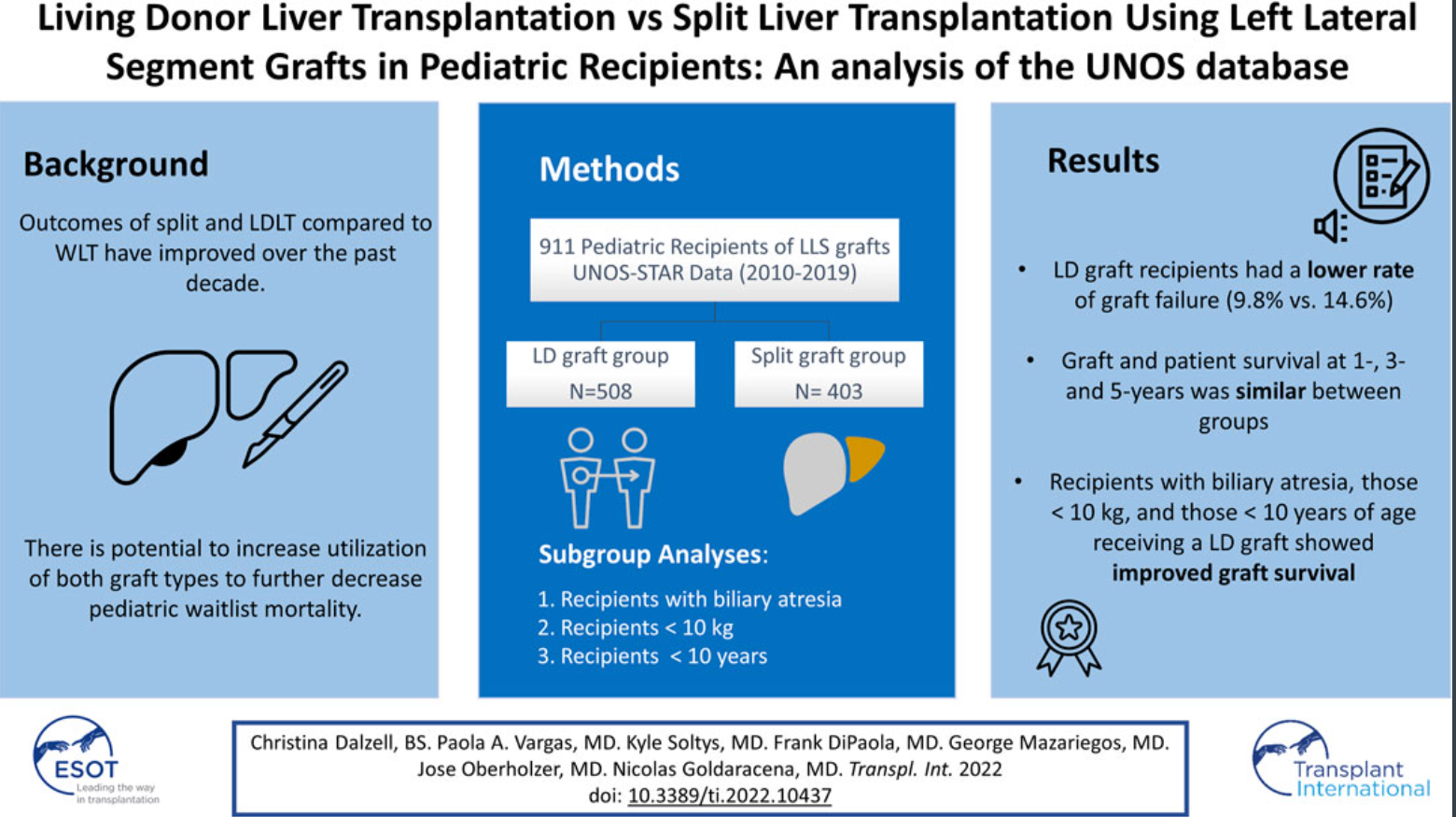
DH Leung et al. JPGN2022 – Volume 74 – Issue 1 – p 96-103. Neurodevelopmental Outcomes in Children With Inherited Liver Disease and Native Liver

In this longitudinal study, the authors evaluated Full Scale Intelligence Quotient (FSIQ) in children with chronic liver disease (mean age 7.6 yrs). Key finding:

  • Patients with Alagille syndrome (ALGS) are at increased risk of lower FSIQ (with 29% <85), whereas our data suggest A1AT and PFIC are not

Related blog posts:

Florida Surgeon General Hinders Public Health

In response to the Florida Surgeon General’s comments about COVID-19 vaccine safety in children, the following editorial was published (from Eric Topol’s twitter feed) in The Washington Post –Opinion: Vaccines work for children. Ignore the nonsense spoken in Florida:

Here’s the data:

Vaccine effectiveness against hospitalization ranged from 73% to 94%.

Here is the MMWR/CDC article (open access) with full data: Effectiveness of COVID-19 Pfizer-BioNTech BNT162b2 mRNA Vaccination in Preventing COVID-19–Associated Emergency Department and Urgent Care Encounters and Hospitalizations Among Nonimmunocompromised Children and Adolescents Aged 5–17 Years — VISION Network, 10 States, April 2021–January 2022

And safety data from MMWR/CDC (open access): Safety Monitoring of COVID-19 Vaccine Booster Doses Among Persons Aged 12–17 Years — United States, December 9, 2021–February 20, 2022

AAP Views: Summary of data publicly reported by the Centers for Disease Control and Prevention Date: 3/2/22

Insider: Florida’s surgeon general breaks with CDC advice, says the state will be the first to ‘officially recommend against the COVID-19 vaccine for healthy children’

My take: It is disgraceful that a prominent physician would jeopardize the health of children and worsen vaccine misinformation more broadly. I think his actions merit review by the ABIM. If you want to share your views with the ABIM: Contact ABIM

“Temporary” Diversion for Distal Crohn’s Disease & Latest COVID Stats

AL Lightner et al. Inflamm Bowel Dis 2022; 28: https://doi.org/10.1093/ibd/izab126. Is Intestinal Diversion an Effective Treatment for Distal Crohn’s Disease?

In this retrospective study (n=132 adults), the indications for surgery were medically refractory proctocolitis with perianal disease (n = 59; 45%), perianal disease alone (n = 24; 18%), colitis (n = 37; 28%), proctitis (n = 4; 3%), proctocolitis alone (n = 4; 3%), and ileitis with perianal disease (n = 4; 3%)

Key findings :

  • The clinical and endoscopic response to diversion was 43.2% (n = 57) and 23.9% (n = 16).
  • At a median follow-up of 35.3 months, 25 patients (19%) had improved and had ileostomy reversal, but 86 (65%) did not improve, with 50 (38%) undergoing total proctocolectomy for persistent symptoms
  • Also, 24% experienced stoma morbidity (peristomal abscess, hernia or prolapse)

My take: In this study of adults with distal Crohn’s disease, a “temporary” stoma/fecal diversion was only temporary in ~20%. This information is quite important for patients when considering this treatment option.

Associated commentary: NEK Wieghard. Inflamm Bowel Dis 2022; 28: 325-326. The Difficulty of Distal Crohn’s Disease and the Utility of Diverting Stomas

From March 8, 2022

Losartan: Not Effective for Pediatric NAFLD

M Vos et al. Hepatology 2022; https://doi.org/10.1002/hep.32403. Open Access: Randomized placebo-controlled trial of losartan for pediatric NAFLD (Thanks to Jeff Schwimmer’s twitter feed for this link)

Rationale for study: “A number of studies suggest the utility of losartan in NAFLD.[1117] In adults, two meta-analyses have found that angiotensin receptor blockers (ARBs) improve insulin sensitivity and reduce the incidence of type 2 diabetes.[1819] A large retrospective review of hypertensive patients treated with angiotensin-converting enzyme inhibitors and/or ARBs demonstrated a significant association of renin-angiotensin system (RAS) antagonists with reduced odds of advanced hepatic fibrosis on biopsy.[20] “

Design: 83 participants (81% male, 80% Hispanic) with histologically proven NAFLD were randomized to losartan (100 mg daily) (n = 43) or placebo (n = 40). ALT was chosen as a primary endpoint, because “reduction of elevated serum ALT … has been shown to significantly correlate with improvement in histology in children, including fibrosis”

Key findings:

  • The 24-week change in ALT did not differ significantly between losartan versus placebo groups (adjusted mean difference: 1.1 U/l; p = 0.95), although alkaline phosphatase decreased significantly in the losartan group (adjusted mean difference: −23.4 U/l; p = 0.01).
  • The authors “found no benefit of losartan on markers of insulin sensitivity, despite an improvement in systolic blood pressure”

My take: This study shows a very low likelihood that Losartan could be beneficial in NAFLD. I would recommend a book (a quick read) to my colleagues: “How I Killed Pluto and Why It Had It Coming.” In this book, the author, Michael Brown, describes years of seemingly-Sisyphean efforts to locate planetoids in our distant solar system; his work ultimately yielded important discoveries.

Related blog posts: