Aspen Webinar 2021 Part 4 – IFALD Update

More from Aspen Webinar 2021. This blog entry has abbreviated/summarized several presentations. Though not intentional, some important material is likely to have been omitted; in addition, transcription errors are possible as well. An excellent review from Dr. Sokol.

What’s New with IFALD Ronald Sokol

Key points:

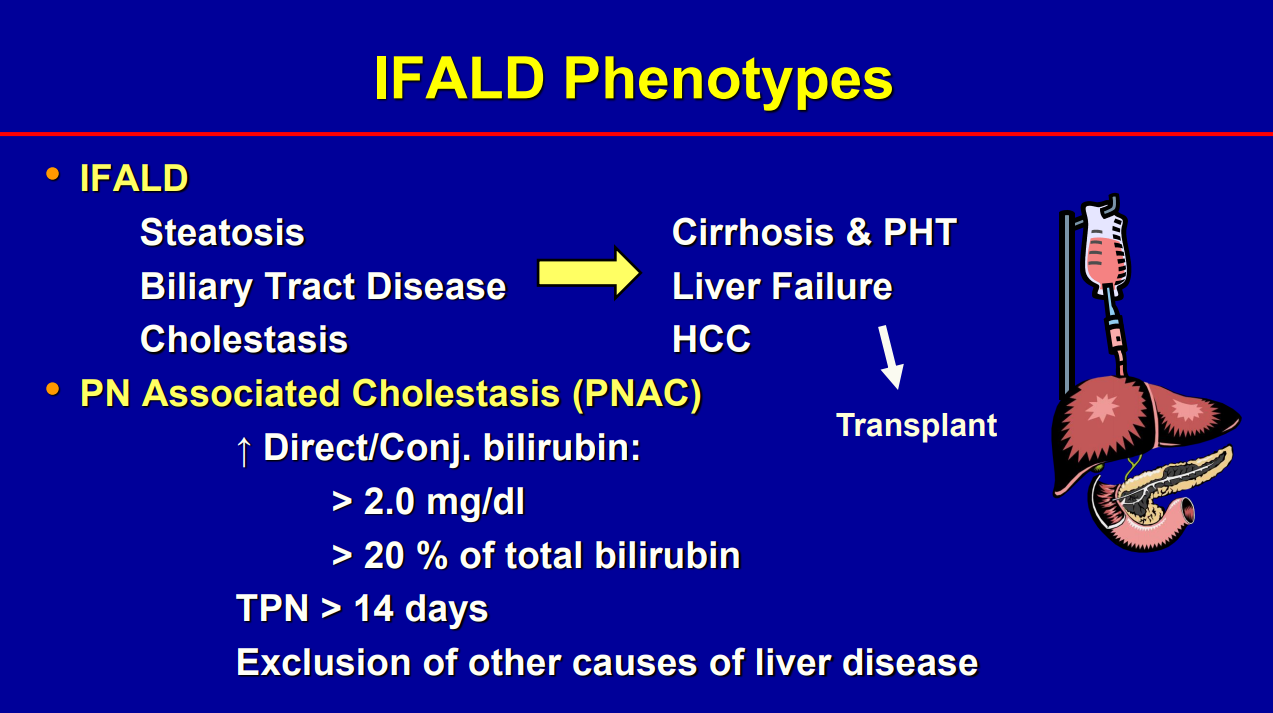
  • Biliary cirrhosis related to parenteral nutrition has been the major indication for small bowel  transplantation/multi-visceral transplantation. IFALD presentations: Steatosis, biliary tract disease and cholestasis
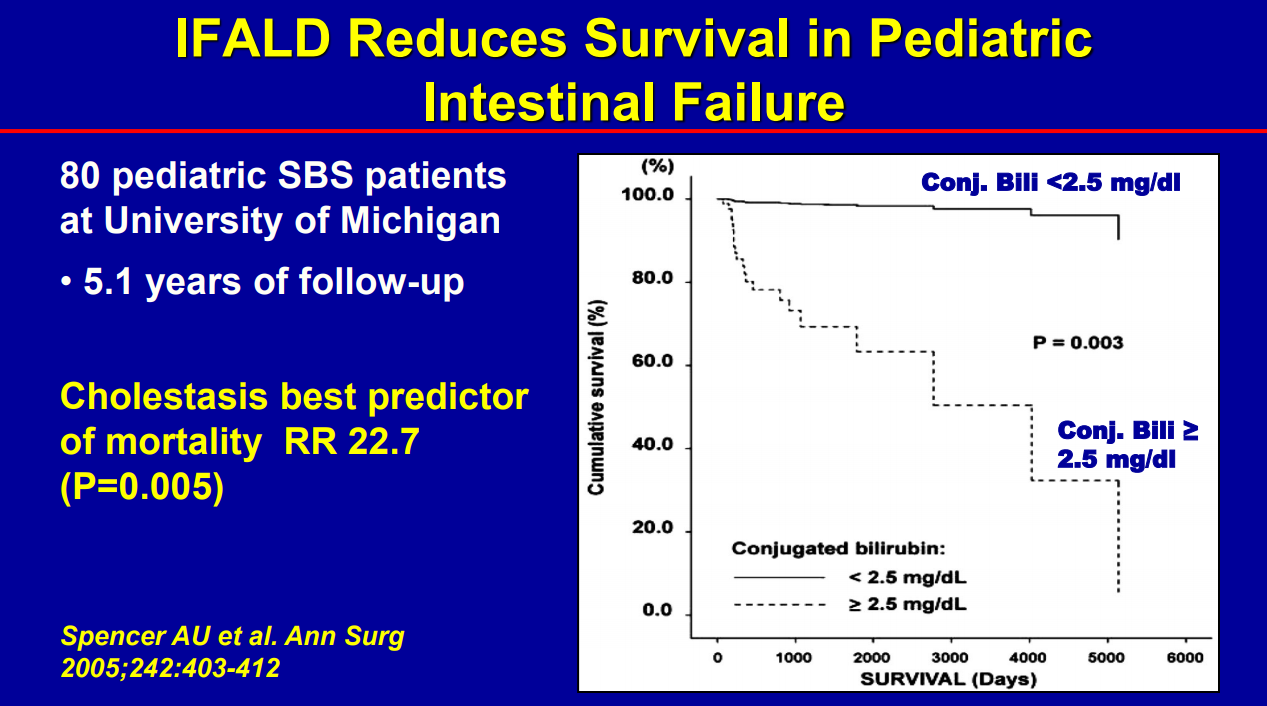
  • Conjugated bilirubin >2.5 had RR 22.5 for mortality (prior to availability of intestinal transplantation)
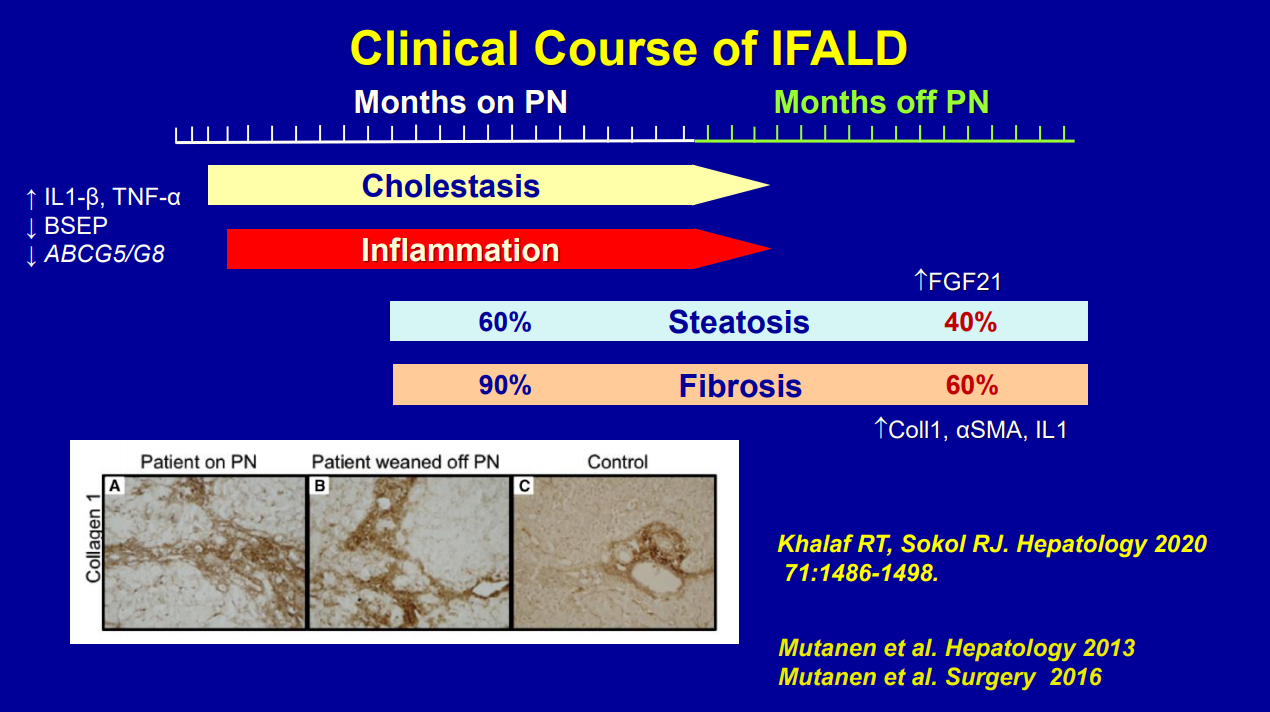
  • Even after weaning off PN, studies have shown long-lasting fibrosis and steatosis in more than 40% of patients (>8 yrs off PN)
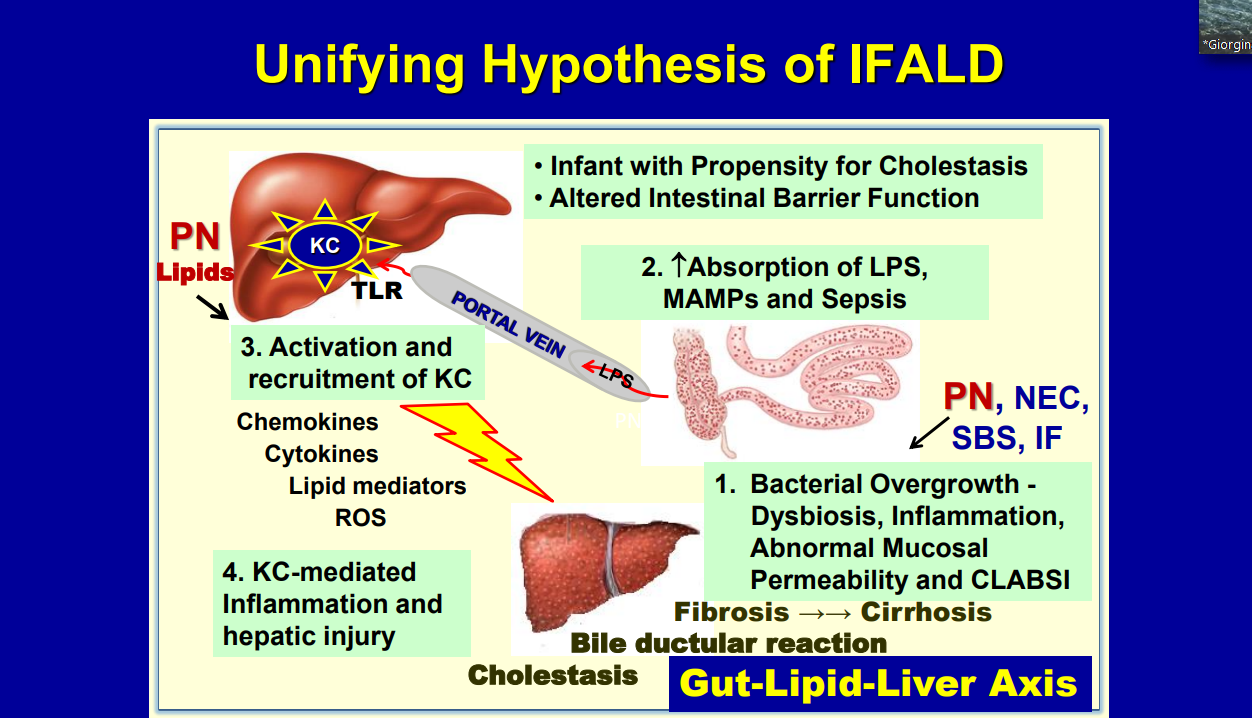
  • Intestinal microbiome is altered in patients with IFALD
  • Puder M et al. (Ann Surg 2009; 250: 395) showed that fish oil (at lower doses) was associated with improvement/resolution of parenteral nutrition associated cholestasis (PNAC)
  • Lipid reduction also is associated with cholestasis resolution
  • Treatments: Advance enteral feeds, lipid modulation, prevent CLABSI, treat bacterial overgrowth, GLP-2, and STEP procedure/tapering
  • SMOF lipid allows full dosing of lipids (3 gm/kg)
  • Caution with Fish oil (omegaven): 1. Does not prevent hepatic fibrosis progression 2. Reduction of lipid doses can have negative effects on brain growth
  • Lipid management has been crucial in reducing the number of children needing intestinal transplantation

Some of the slides:

IBAT Inhibitors Frederick Suchy

Key  points:

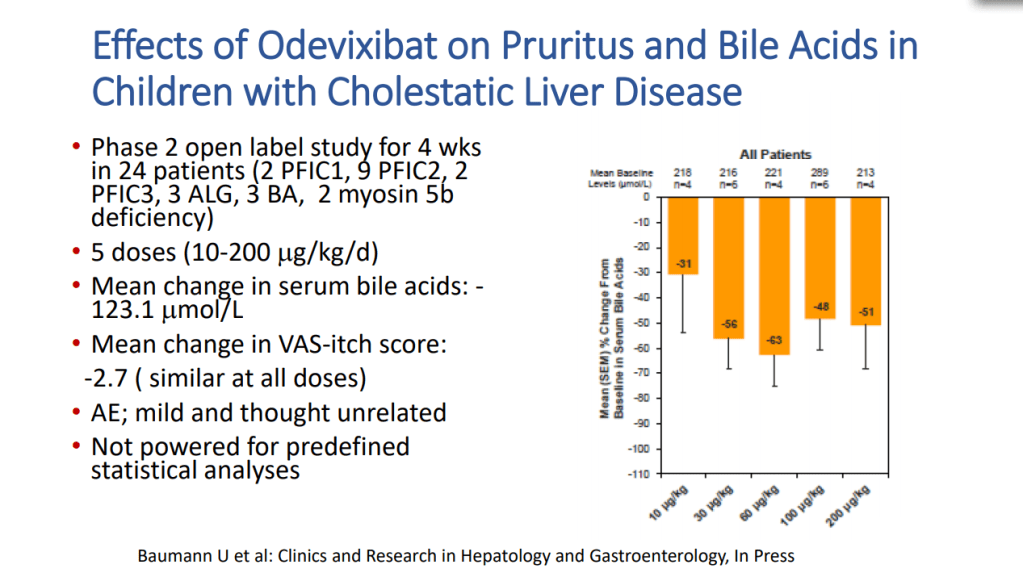
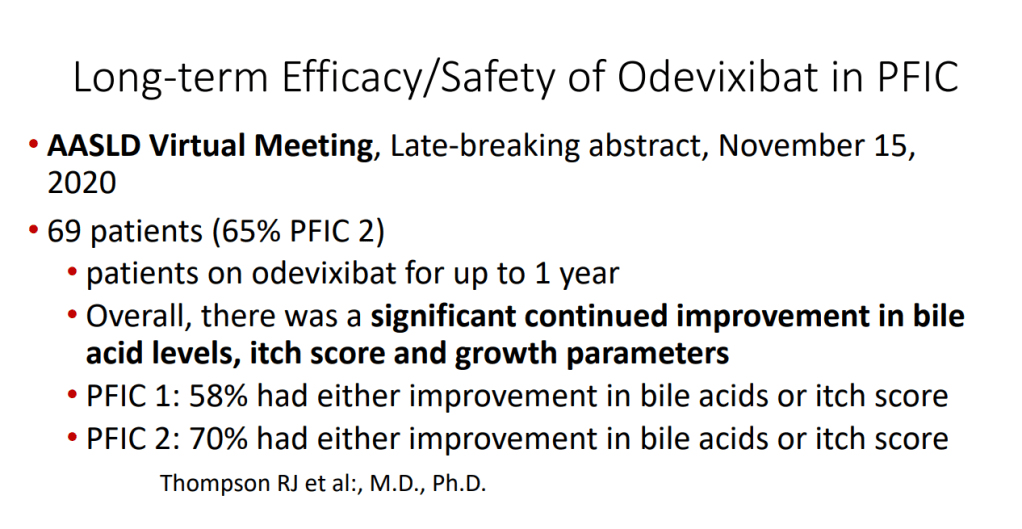
  • IBAT inhibitors block intestinal absorption of bile acids/disrupt enterohepatic circulation; this leads to augmented bile acid excretion in stools
  • IBAT inhibitors may reduce liver damage in the setting of cholestasis/accumulation of toxic bile acids
  • Potential diseases for IBAT inhibitors include Alagille syndrome and PFIC
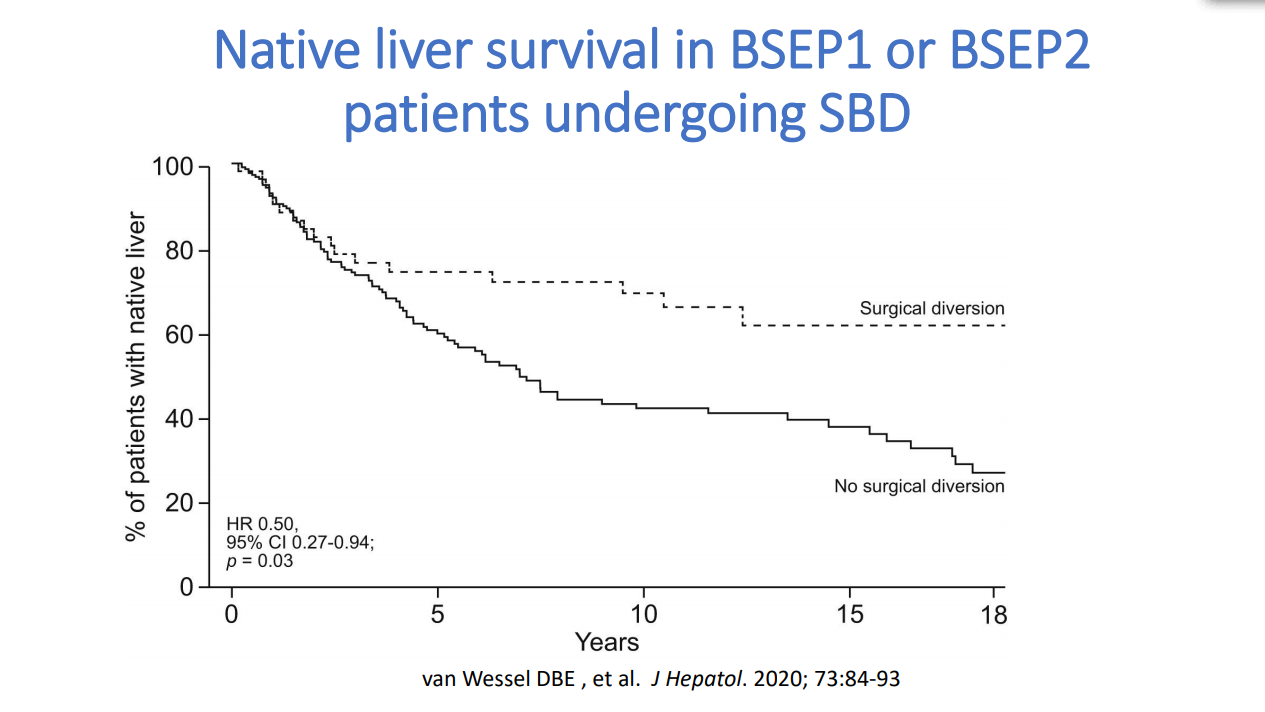
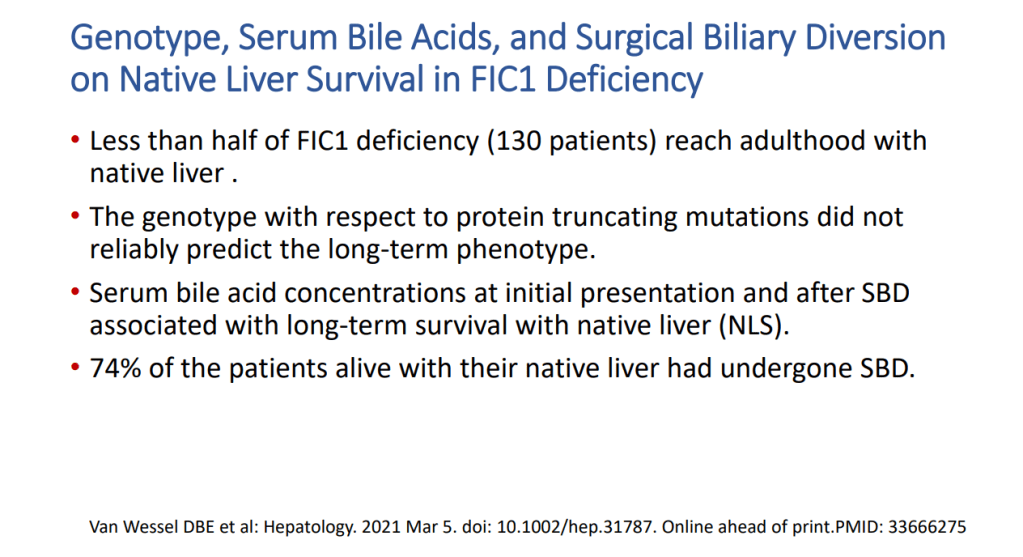
  • Van Wessel et al (J Hepatol 2020; 73: 84-93) correlated survival with PFIC1/PFIC2 with bile acid levels and showed improvement in survival in those with surgical biliary diversion
  • Goals for IBAT inhibitor trials: improvement in pruritus, bile acids, reduced ALT, hepatic fibrosis, HCC and need for liver transplantation
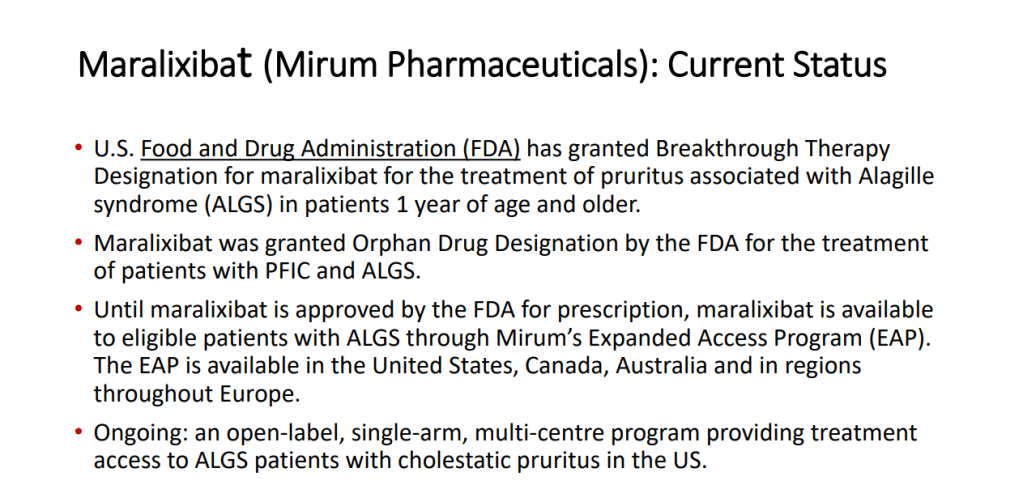
  • Marixibat is available for use as an FDA approved breakthrough medication for Alagille and PFIC2 in pediatric patients older than 1 year
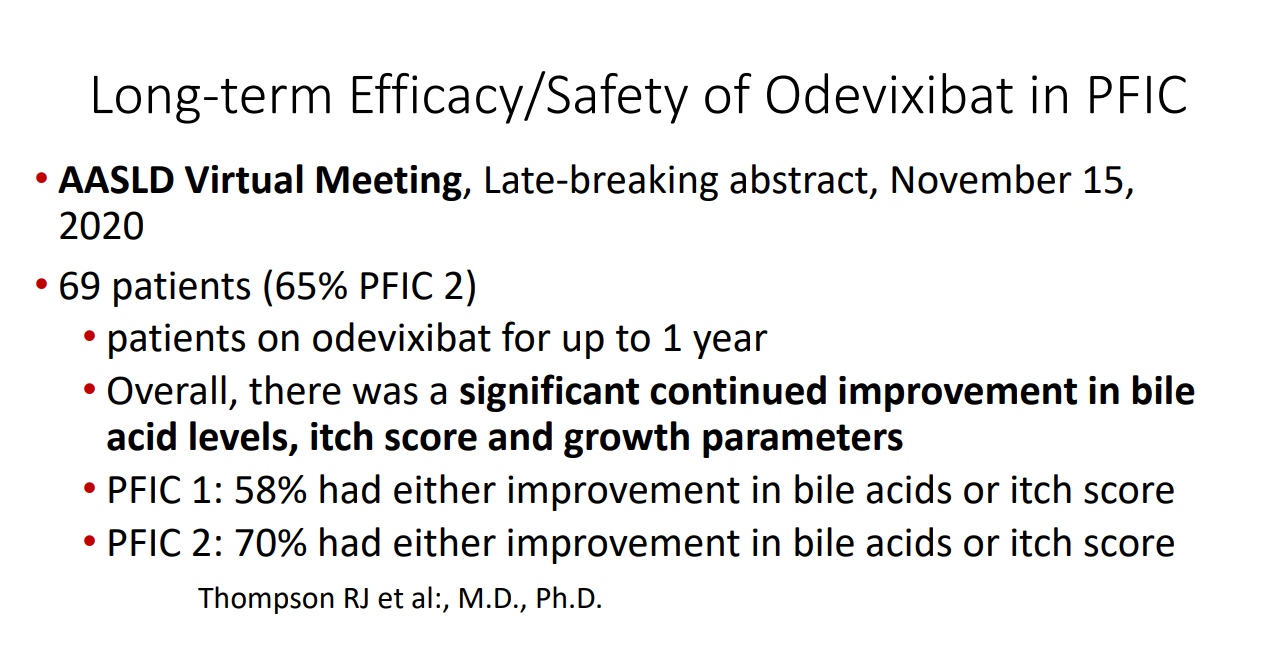
  • Odexibat is designated as an orphan drug for Alagille, PFIC, PBC, and biliary atresia
  • Safety appears good with IBAT inhibitors. Fat soluble vitamin monitoring is needed

Case report: Alejandro Velez Lopez

3 yo presented with fatigue and jaundice, 3 weeks after COVID-19 infection. She was not taking any medications.  Labs:  ALT 939, AST 1321, T bili 5.5, D bili 0.9, INR 2, Plts 174, Hgb 12.8, LDH 1297. remained positive for SARS-CoV2 by PCR. Acetaminophen -no exposure.  Evaluation: LKM 1:1280. Neg ANA, NL Ferritin, NL sIL2r, Other viral studies negative, NL IgG. Developed encephalopathy with NH4 317, INR peaked at 2.8.  Treated with steroids, rifaximin and lactulose.  Liver biopsy showed sub-massive necrosis and fibrosis (indicative of  autoimmune hepatitis, likely triggered or exacerbated by COVID-19).  Patient responded to medical therapy and did not require liver transplantation.

Aspen Webinar 2021 Part 3-IBAT Inhibitors

This blog entry has abbreviated/summarized this presentation. Though not intentional, some important material is likely to have been omitted; in addition, transcription errors are possible as well. Another great lecture from Dr. Suchy.

IBAT Inhibitors Frederick Suchy

Key  points:

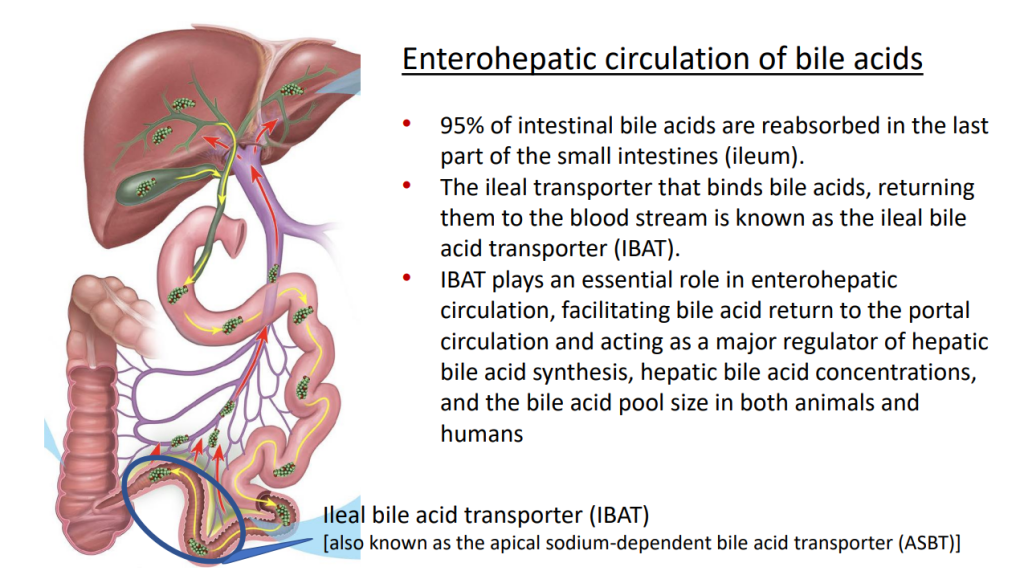
  • IBAT inhibitors block intestinal absorption of bile acids/disrupt enterohepatic circulation; this leads to augmented bile acid excretion in stools
  • IBAT inhibitors may reduce liver damage in the setting of cholestasis/accumulation of toxic bile acids
  • Potential diseases for IBAT inhibitors include Alagille syndrome and PFIC
  • Van Wessel et al (J Hepatol 2020; 73: 84-93) correlated survival with PFIC1/PFIC2 with bile acid levels and showed improvement in survival in those with surgical biliary diversion
  • Goals for IBAT inhibitor trials: improvement in pruritus, bile acids, reduced ALT, hepatic fibrosis, HCC and need for liver transplantation
  • Marixibat is available for use as an FDA approved breakthrough medication for Alagille and PFIC2 in pediatric patients older than 1 year
  • Odexibat is designated as an orphan drug for Alagille, PFIC, PBC, and biliary atresia
  • Safety appears good with IBAT inhibitors. Fat soluble vitamin monitoring is needed
This image has an empty alt attribute; its file name is image-132.png
This image has an empty alt attribute; its file name is image-134.png
This image has an empty alt attribute; its file name is image-136.png
This image has an empty alt attribute; its file name is image-138.png
This image has an empty alt attribute; its file name is image-140.png
This image has an empty alt attribute; its file name is image-142.png
This image has an empty alt attribute; its file name is image-144.png
This image has an empty alt attribute; its file name is image-146.png
This image has an empty alt attribute; its file name is image-148.png

Related blog posts:

Case report: Alejandro Velez Lopez

3 yo presented with fatigue and jaundice, 3 weeks after COVID-19 infection. She was not taking any medications.  Labs:  ALT 939, AST 1321, T bili 5.5, D bili 0.9, INR 2, Plts 174, Hgb 12.8, LDH 1297. remained positive for SARS-CoV2 by PCR. Acetaminophen -no exposure.  Evaluation: LKM 1:1280. Neg ANA, NL Ferritin, NL sIL2r, Other viral studies negative, NL IgG. Developed encephalopathy with NH4 317, INR peaked at 2.8.  Treated with steroids, rifaximin and lactulose.  Liver biopsy showed sub-massive necrosis and fibrosis (indicative of  autoimmune hepatitis, likely triggered or exacerbated by COVID-19).  Patient responded to medical therapy and did not require liver transplantation.
Aspen Webinar 2021 Part 2 -Nonalcoholic Steatohepatitis

From the 2nd lecture of the Aspen Webinar. This blog entry has abbreviated/summarized this presentation. Though not intentional, some important material is likely to have been omitted; in addition, transcription errors are possible as well. This was a terrific lecture!

NASH Update Stavra Xanthakos

Key points:

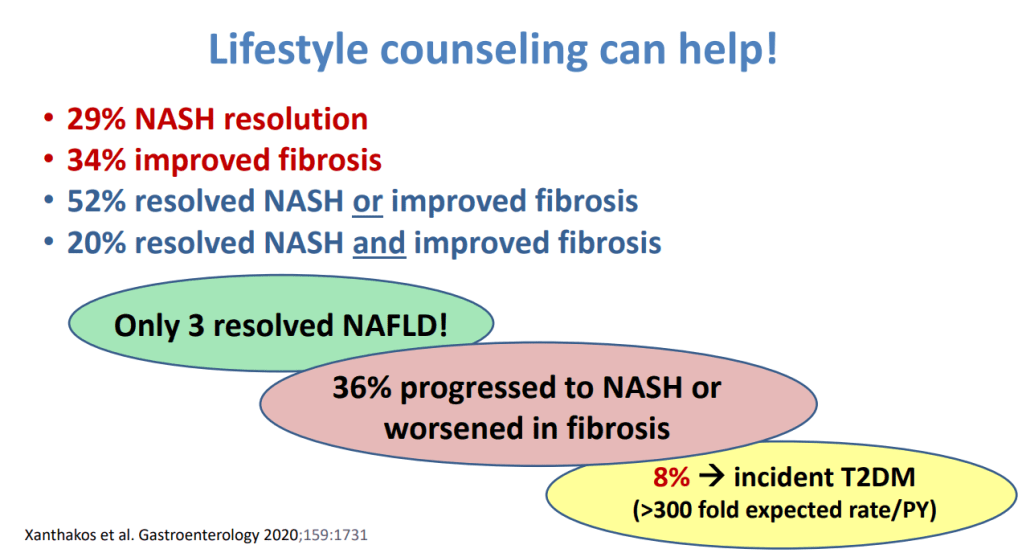
  • Lifestyle intervention is 1st line Rx (especially avoiding sugary beverages, and processed foods). This may lead to resolution of NASH in ~29%, fibrosis resolution in 34%; though, only 3% resolved fatty liver
  • Many have progressive disease despite lifestyle treatment recommendations
  • Consider adjunctive treatments if not improving with lifestyle intervention
  • Vitamin E for biopsy-confirmed disease (often for 1-2 years of therapy)
  • Pioglitazone -off-label for adults (18+). Can increase weight; a lot of trials in adults
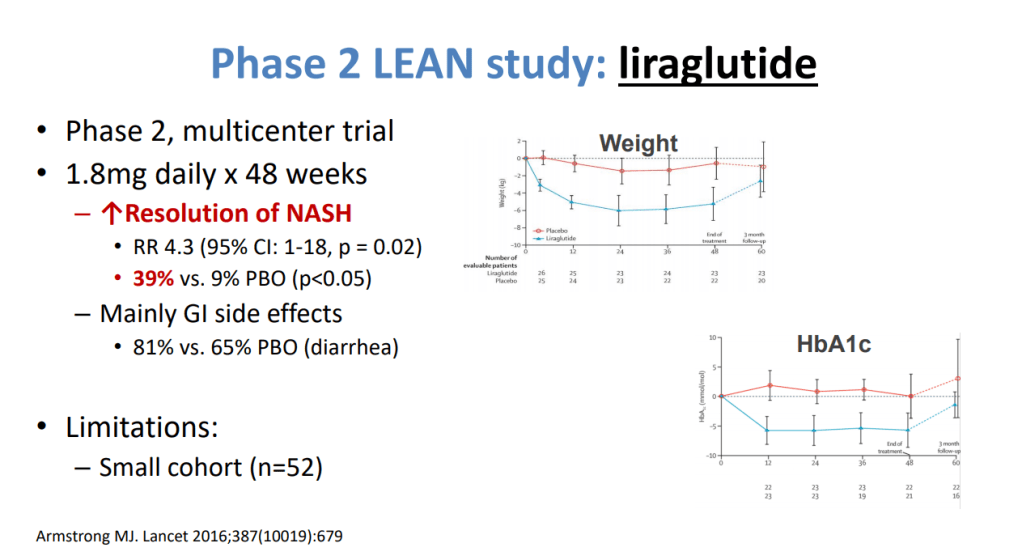
  • Several phase 3 trials in NASH -GLP1 agonists promising in phase 2 trials
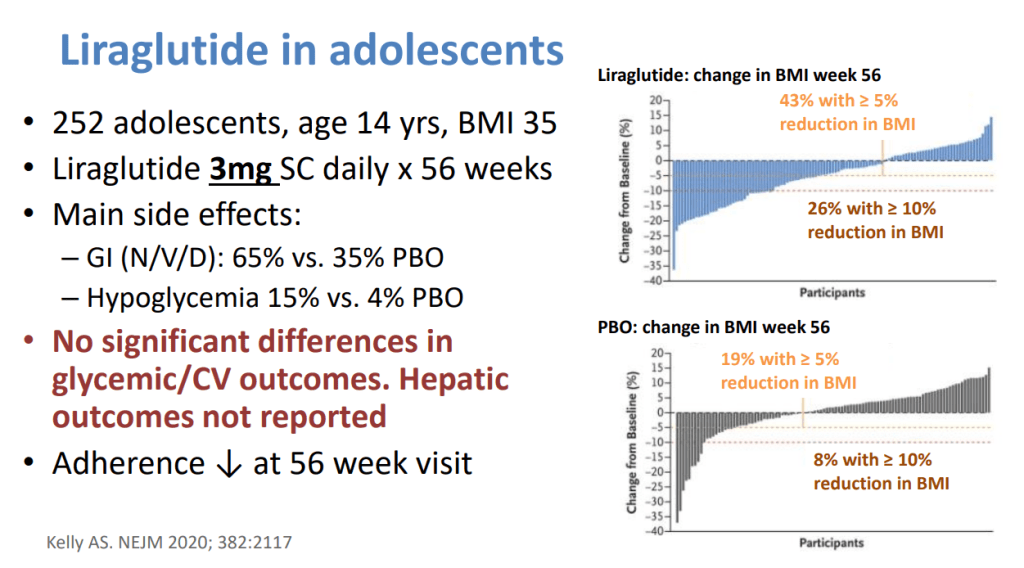
  • GLP1 agents being used in adolescents with T2DM who may also have NASH – monitor liver outcomes
  • Anti-obesity medications may help with weight and perhaps the liver. Approved agents for adolescents include 1) Orlistat -safe, but frequent side effects (eg. Diarrhea, greasy accidents) and 2) Liraglutide -daily SC.  Insurance coverage is limited.
  • Biopsy is important before implementing medications and may influence decision to pursue bariatric surgery.  
  • Fibroscan, if shows no significant fibrosis, can help limit biopsy.
This image has an empty alt attribute; its file name is image-230.png
This image has an empty alt attribute; its file name is image-232.png
This image has an empty alt attribute; its file name is image-234.png
This image has an empty alt attribute; its file name is image-236.png
This image has an empty alt attribute; its file name is image-240.png
This image has an empty alt attribute; its file name is image-238.png
This image has an empty alt attribute; its file name is image-242.png
This image has an empty alt attribute; its file name is image-244.png

Related blog posts:

Aspen Webinar 2021 Part 1-COVID-19 and the Liver

Notes from this year’s Aspen Webinar 2021. This blog entry has abbreviated/summarized some of these presentations. Though not intentional, some important material is likely to have been omitted; in addition, transcription errors are possible as well. The first talk was excellent.

What’s Hot -COVID-19 and the Liver  William Balistreri

This lecture covered a ton of information and publications with regard to COVID-19 and the liver.

Key points:

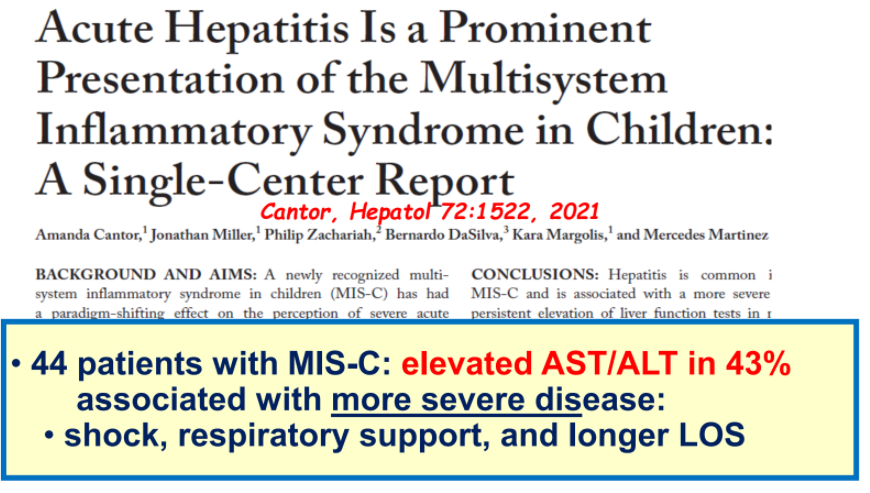
  • Numerous studies generally show that liver problems related to COVID-19 are mild, particularly in children
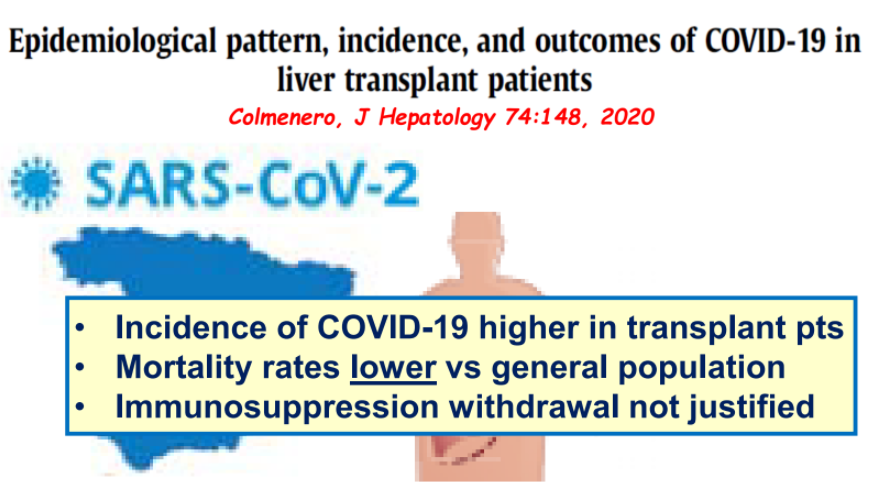
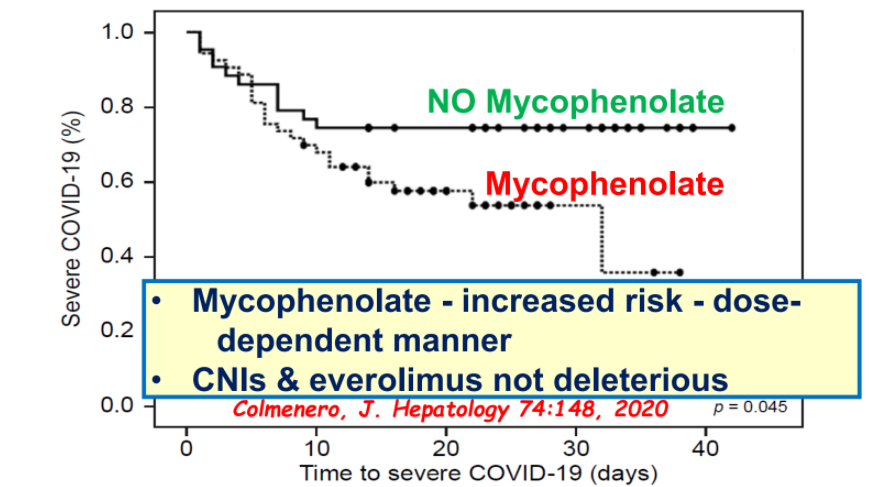
  • Most immunosuppression agents do not worsen outcomes with COVID-19 and should not be reduced in autoimmune hepatitis or liver transplantation; the exception, mycophenolate has been associated with worsened outcomes
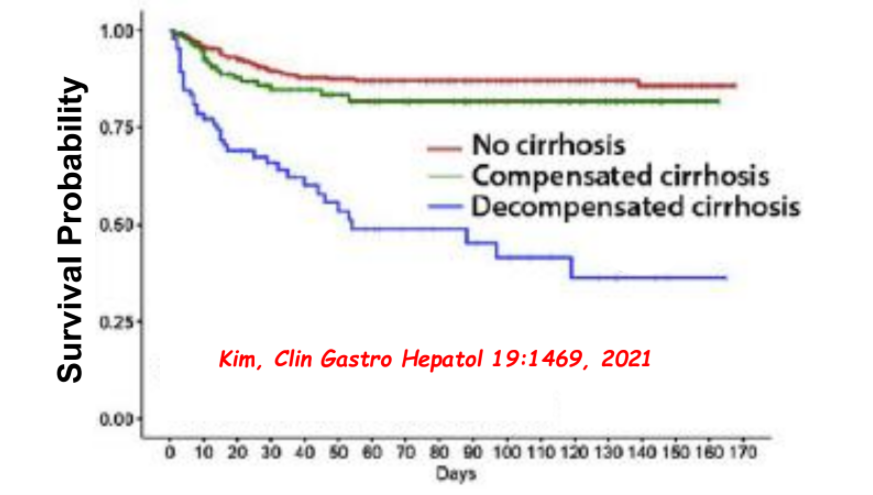
  • Cirrhosis is associated with worse outcomes in patients with COVID-19
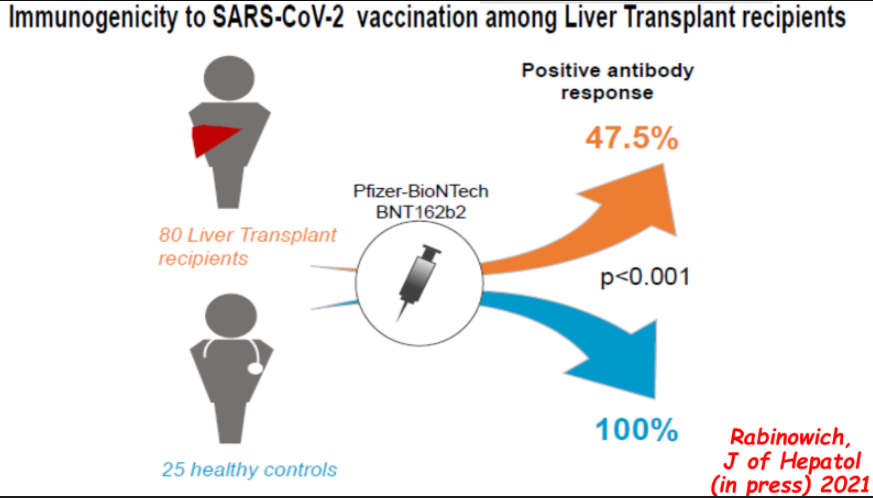
  • Vaccine response is blunted in immunocompromised patients with 40-50% developing antibody response after two doses of mRNA vaccines and generally lower titers.  3rd dose of vaccine may improve response.

Some of the slides:

Pediatric Data:

Differentiating NERD from Functional Heartburn

D Patel et al. Clin Gastroenterol Hepatol 2021; 19: 1314-26. Full text: Untangling Nonerosive Reflux Disease From Functional Heartburn. This is an excellent review.

Key points:

  • PPI response: 56% for erosive reflux disease, 37% for NERD, and 25% for functional heartburn (FH) per Figure 3 (*”FH might be a placebo effect owing to short follow-up evaluation”
  • Determination of abnormal acid exposure time (AET >6% in adults) is key in distinguishing NERD from FH which in turn helps with selection of treatment. NERD is notable for AET >6% in adults. Many patients with NERD may also have esophageal hypersensitivity
  • Table 2 reviews efficacy of neuromodulators for functional esophageal disorders; these include TCAs, SNRIs, SSRIs, and other agents (eg. gabapentin)
Heartburn etiologies in adults, per Yamasak T et al. J Neurogastroenterol Motil 2017; 23: 495-503.

Related blog posts:

SAD diet vs Low Fat Diet for Ulcerative Colitis

J Fritsch et al. Clin Gastroenterol Hepatol 2021; 19: 1189-1199. Full text: Low-Fat, High-Fiber Diet Reduces Markers of Inflammation and Dysbiosis and Improves Quality of Life in Patients With Ulcerative Colitis

Background: “A high-fat diet has been associated with an increased risk of ulcerative colitis (UC). We studied the effects of a low-fat, high-fiber diet (LFD) vs an improved standard American diet (iSAD, included higher quantities of fruits, vegetables, and fiber than a typical SAD)”

Key findings:

  • Compared with baseline, the iSAD and LFD each increased quality of life, based on the short IBD questionnaire and Short-Form 36 health survey scores (baseline short IBD questionnaire score, 4.98; iSAD, 5.55; LFD, 5.77; baseline vs iSAD, P = .02; baseline vs LFD, P = .001)
  • Fecal levels of acetate (an anti-inflammatory metabolite) increased from a relative abundance of 40.37 at baseline to 42.52 on the iSAD and 53.98 on the LFD (baseline vs LFD, P = .05; iSAD vs LFD, P = .09)
  • Overall, in this small cross-over study (cross-over study) of 17 patients with UC in remission, a catered LFD or a iSAD were each well tolerated and increased quality of life. However, the LFD decreased markers of inflammation and reduced intestinal dysbiosis in fecal samples

My take: While dietary intervention is recognized as a more effective intervention in Crohn’s disease, this study shows that a low-fat high fiber diet for patients with ulcerative colitis may be beneficial.

How Important is Heparin for Preventing Occlusion of Catheters in Pediatrics?

According to a recent Cochrane review, heparin use is NOT more effective than saline flushes. Thanks to Ben Gold for providing this reference.

Bradford NK, Edwards RM, Chan RJ. Link: Normal saline (0.9% sodium chloride) versus heparin intermittent flushing for the prevention of occlusion in long-term central venous catheters in infants and children. Cochrane Database Syst Rev. 2020;4(4):CD010996. doi: 10.1002/14651858.CD010996.pub3.

Key findings:

  • The four trials (n=255) directly compared the use of normal saline and heparin; the studies all used different protocols for the intervention and control arms, however, and all used different concentrations of heparin.
  • The estimated RR for CVC occlusion per 1000 catheter days between the normal saline and heparin groups was 0.75 (95% CI 0.10 to 5.51; 2 studies, 229 participants; very low certainty evidence).
  • The estimated RR for CVC‐associated blood stream infection was 1.48 (95% CI 0.24 to 9.37; 2 studies, 231 participants; low‐certainty evidence).
  • The duration of catheter placement was reported to be similar for the two study arms in one study (203 participants; moderate‐certainty evidence), and not reported in the remaining studies.
  • This is in agreement with another updated Cochrane review assessing the effectiveness and safety of intermittent locking of CVCs with heparin vs. normal saline to prevent occlusion in adults (11 studies; N=2,392). The pooled analysis did show fewer occlusions with heparin than with normal saline (RR 0.70, 95% CI 0.51 to 0.95; P = 0.02; 1672 participants; 1025 catheters from 10 studies; I² = 14%), but it is based on a very low-quality of evidence given the differences in methodology, unclear allocation concealment, imprecision, and suspicion of publication bias. (López-Briz E, Ruiz Garcia V, Cabello JB, et al. Heparin versus 0.9% sodium chloride locking for prevention of occlusion in central venous catheters in adults. Cochrane Database Syst Rev. 2018;7(7):CD008462. doi: 10.1002/14651858.CD008462.pub3)

My take: This review found there was not enough evidence to determine which solution, saline or heparin, is more effective for reducing complications.

Related blog posts:

Better Levels –>Better Outcomes with Adalimumab

More data is accumulating that show that higher levels of adalimumab are associated with better outcomes: F Rinawi et al. Inflamm Bowel Dis 2021; 27 1079-1087. Association of Early Postinduction Adalimumab Exposure With Subsequent Clinical and Biomarker Remission in Children with Crohn’s Disease. This pediatric study included 65 patients with Crohn’s disease; the author’s note that children weighing less than 40 kg frequently received higher dosing than on-label ADA dosing.

Key findings:

  • Adalimumab trough levels (TLs) at both weeks 4 and 8 were significantly higher in remitters vs nonremitters at week 24 (P < 0.001 and P = 0.002, respectively)
  • The best ADA TL cutoffs at weeks 4 and 8 for predicting clinical/biomarker remission at week 24 were 22.5 µg/mL (80% sensitivity, 90% specificity) and 12.5 µg/mL (94% sensitivity, 60% specificity) respectively

My take (borrowed from authors): Greater early ADA exposure is associated with superior clinical/biomarker outcomes at week 24. ADA pediatric dosing is looking a lot like infliximab dosing in which nearly 75% would be underdosed if using on-label dosing.

Related blog post:

From Illuminarium Show Wild

Hepatic Steatosis as an Incidental Finding

A recent report (H Okura et al. J Pediatr 2021; 234: 92-98. Under-reporting of Hepatic Steatosis in Children: A Missed Opportunity for Early Detection) showed that hepatic steatosis is under-reported as an incidental finding on CT scans which were ordered for nephrolithiasis.

Key findings:

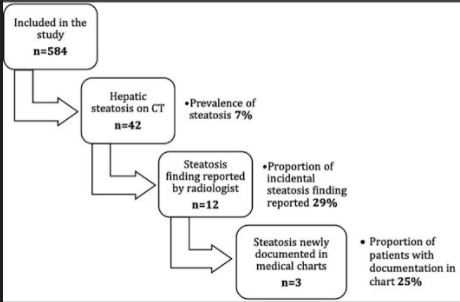
  • Using absolute liver attenuation <48 Hounsfield units (HU), the prevalence was 7% (n = 42/584). Steatosis was reported for only 12 of 42 (28%) of these patients and was documented in clinical notes in only 3 of those cases
  • 232 (40%) had liver enzymes available within 24 hrs of CT scan. 79 had elevated ALT values; steatosis accounted for only 22% of those with elevated ALT values
  • In those with liver attenuation < 48 HU, nearly all had abnormal ALT values and the median was 52 U/L
  • Patients with steatosis had an 8-fold likelihood of overweight/obesity

Discussion:

  • These findings are similar to an adult study of 1290 patients in which 26% had steatosis but only 5% had those findings identified and documented beyond the radiology report. (N Kutaiba et al. J Med Imaging Radiat Oncol 2019; 3: 431-8)
  • CT findings are considered much more accurate than ultrasonography.
  • The authors argue that identification of NAFLD is “crucial” to allow for further specialty evaluation and to exclude secondary causes of steatosis.

My take: This study shows that there is an opportunity to improve identification of incidental steatosis. If identified, this can/should be addressed by their primary care team to emphasize improved diet choices and physical activity.

Related blog posts:

From Journal of Pediatrics Twitter Feed

Impact of NG Feeding Program for NICU Graduates

A recent prospective cohort study (JM Lagatta et al. J Pediatr 2021; 234: 38-45. Full text: Actual and Potential Impact of a Home Nasogastric Tube Feeding Program for Infants Whose Neonatal Intensive Care Unit Discharge Is Affected by Delayed Oral Feedings) shows that an NG home feeding program can get infants home sooner without tube-related readmissions.

The abstract, in my view, makes a mistake by emphasizing that NG fed infants (n=35) had less hospital readmissions and ED encounters than G-tube fed infants (n=65). This is problematic because infants who received G-tubes were much sicker than NG fed infants (see Table 1). Compared to NG patients, G-tube patients were more premature (32% 22-28 weeks vs 20% for NG), lower birthweight (2510 g vs 1664 g), more chromosomal anomalies (suspected & confirmed 38% vs. 23%), more likely to have abnormal brain imaging (32% vs 20%), and more likely to have a tracheostomy (34% vs. 0%). In addition, as noted below, the institution reports a very high rate of G-tube dislodgement.

Key points (in my view):

  • “Our institution uses a a bridle to secure NG tubes just before NICU discharge”
  • The authors delineate specific criteria for NG discharge: “at least 36 weeks of postmenstrual age (PMA) and weight of 2 kg; 5 days free of apnea or bradycardia requiring nursing intervention after discontinuation of caffeine; 2 days of temperature stability in an open crib; receiving home respiratory support (either room air, or at or below 0.5 liters per minute nasal cannula); at least 25% of feedings by mouth; age-appropriate weight gain; and without anatomic anomalies precluding NG tube placement”
  • By 3 months after NICU discharge, 27 of 35 (77%) infants discharged with NG tubes had progressed to full oral feeds; of the remaining 8 infants, 3 received G tubes during the study period, and an additional 3 were scheduled to receive a G tube”
  • Median duration of NG use was 29 days. The discussion notes that discharge to home may facilitate quicker weaning from NG tubes (SL Williams et al. Tube feeding outcomes of infants in a Level IV NICU.J Perinatol. 2019; 39: 1406-1410)
  • The authors report a very high rate of G-tube dislodgement, 19 of 65, in a 3-month period. This point is not analyzed by the authors but suggests that the institution utilizes a G-tube prone to dislodgement (eg. secured by a balloon).

My take: This article makes two key points: 1. An NG feeding program can help get infants home sooner and safely (especially with bridle placement) 2. In their institution, G-tubes are dislodged a lot and this leads to frequent returns for medical care; this high rate of dislodgement may indicate a potential benefit to using a different type of G-tube.

Related blog posts: N2U -Part 2: Poor Growth and Short Bowel Syndrome, Nutrition Symposium Georgia AAP (Part 3) | gutsandgrowth

From Illuminarium Atlanta – WILD: A Safari Experience