Notable COVID Studies Including Persistent Post-COVID Symptoms in Children

COVID-19 Advice from CHOA:

D Kim et al. Clin Gastroenterol Hepatol 2021; 19: 1469-1479. Full text: Predictors of Outcomes of COVID-19 in Patients With Chronic Liver Disease: US Multi-center Study

Key findings:

  • The overall all-cause mortality in this cohort with chronic liver disease was 14.0% (n = 121 of 867), and 61.7% (n = 535) had severe COVID-19
  • Liver-specific factors associated with independent risk of higher overall mortality were alcohol-related liver disease (ALD) (hazard ratio [HR] 2.42), decompensated cirrhosis (HR 2.91) and hepatocellular carcinoma (HCC) (HR 3.31)
  • Related blog post: Aspen Webinar 2021: COVID-19 and the Liver

BK Elmunzer et al (>120 authors!) Clin Gastroenterol Hepatol 2021; 19: 1355-1365. Full text: Digestive Manifestations in Patients Hospitalized With Coronavirus Disease 2019

Key findings:

  • In this cohort with 1992 patients hospitalized with COVID-19, gastrointestinal symptoms and liver test abnormalities were common, but the majority were mild and their presence was not associated with a more severe clinical course: GI symptoms had OR of 0.93 and liver test abnormalities had OR of 1.31 for mechanical ventilation or death.
  • Common GI symptoms: diarrhea (34%), nausea (27%), vomiting (16%), and abdominal pain (11%). 35% of patients developed an abnormal alanine aminotransferase or total bilirubin level; these were increased to less than 5 times the upper limit of normal in 77% of cases.

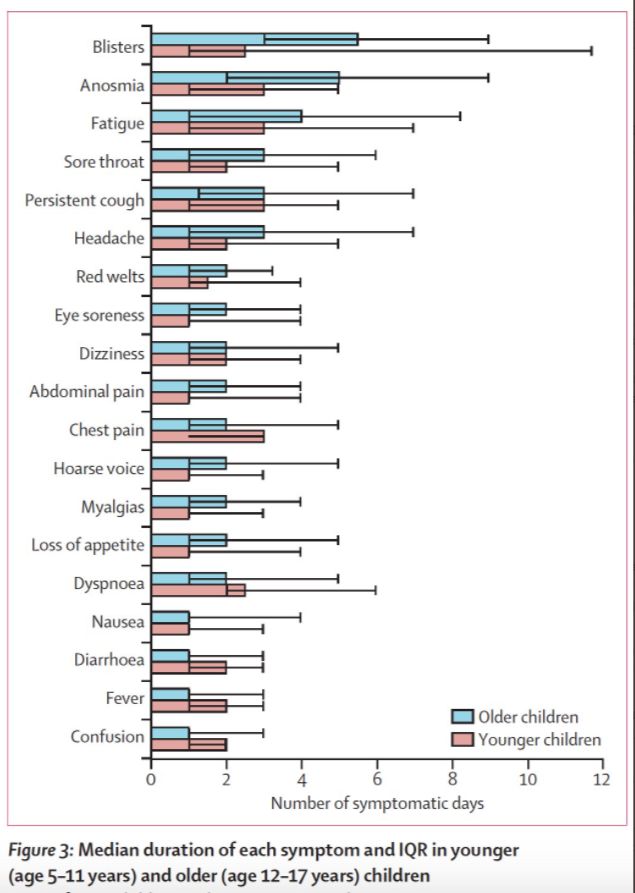
Lancet Child Adolesc Health 2021. Published Online August 3, 2021. https://doi.org/10.1016/S2352-4642(21)00198-X. Open Access: Illness duration and symptom profile in symptomatic UK school-aged children tested for SARS-CoV-2.

  • Key finding: In this prospective cohort study, 25 of 1379 (1.8%) children (5-17 yrs) had symptoms lasting at least 56 days and 4.4% had symptoms lasting more than 4 weeks.

Disclaimer: This blog, gutsandgrowth, assumes no responsibility for any use or operation of any method, product, instruction, concept or idea contained in the material herein or for any injury or damage to persons or property (whether products liability, negligence or otherwise) resulting from such use or operation. These blog posts are for educational purposes only. Specific dosing of medications (along with potential adverse effects) should be confirmed by prescribing physician.  Because of rapid advances in the medical sciences, the gutsandgrowth blog cautions that independent verification should be made of diagnosis and drug dosages. The reader is solely responsible for the conduct of any suggested test or procedure.  This content is not a substitute for medical advice, diagnosis or treatment provided by a qualified healthcare provider. Always seek the advice of your physician or other qualified health provider with any questions you may have regarding a condition.

Engineering New Treatments for Celiac Disease

This month’s Gastroenterology featured two new approaches for the treatment of celiac disease.

CP Kelly et al. Gastroenterol 2021; 161: 66-80. Full text: TAK-101 Nanoparticles Induce Gluten-Specific Tolerance in Celiac Disease: A Randomized, Double-Blind, Placebo-Controlled Study

IS Pultz et al. Gastroenterol 2021; 161: 81-93. Full text: Gluten Degradation, Pharmacokinetics, Safety, and Tolerability of TAK-062, an Engineered Enzyme to Treat Celiac Disease

In the first study, Kelly et al used TAK-101 nanoparticles in Phase 1 and Phase 2a trials. In the Phase 2a trial with 33 patients, TAK-101 induced an 88% reduction in change from baseline in interferon-γ spot-forming units vs placebo (2.01 vs 17.58, P = .006). Vh:Cd deteriorated in the placebo group (−0.63, P = .002), but not in the TAK-101 group (−0.18, P = .110) Overall, TAK-101 was well tolerated and prevented gluten-induced immune activation.

Graphical abstract from CP Kelly et al. Gastroenterol 2021; 161: 66-80.

In the second study, Pultz et al developed TAK-062 which is a novel, computationally designed endopeptidase to break down gluten under simulated gastric conditions in vitro and in healthy participants in the phase I study.  Residual gluten (collected through gastric aspiration in the phase I study) was quantified using R5 and G12 monoclonal antibody enzyme-linked immunosorbent assays. Key finding: In vitro, TAK-062 degraded more than 99% of gluten (3 g and 9 g) within 10 minutes. In the phase I study, administration of TAK-062 was well tolerated and resulted in a median gluten degradation ranging from 97% to more than 99% in complex meals containing 1–6 g gluten at 20–65 minutes postdose.

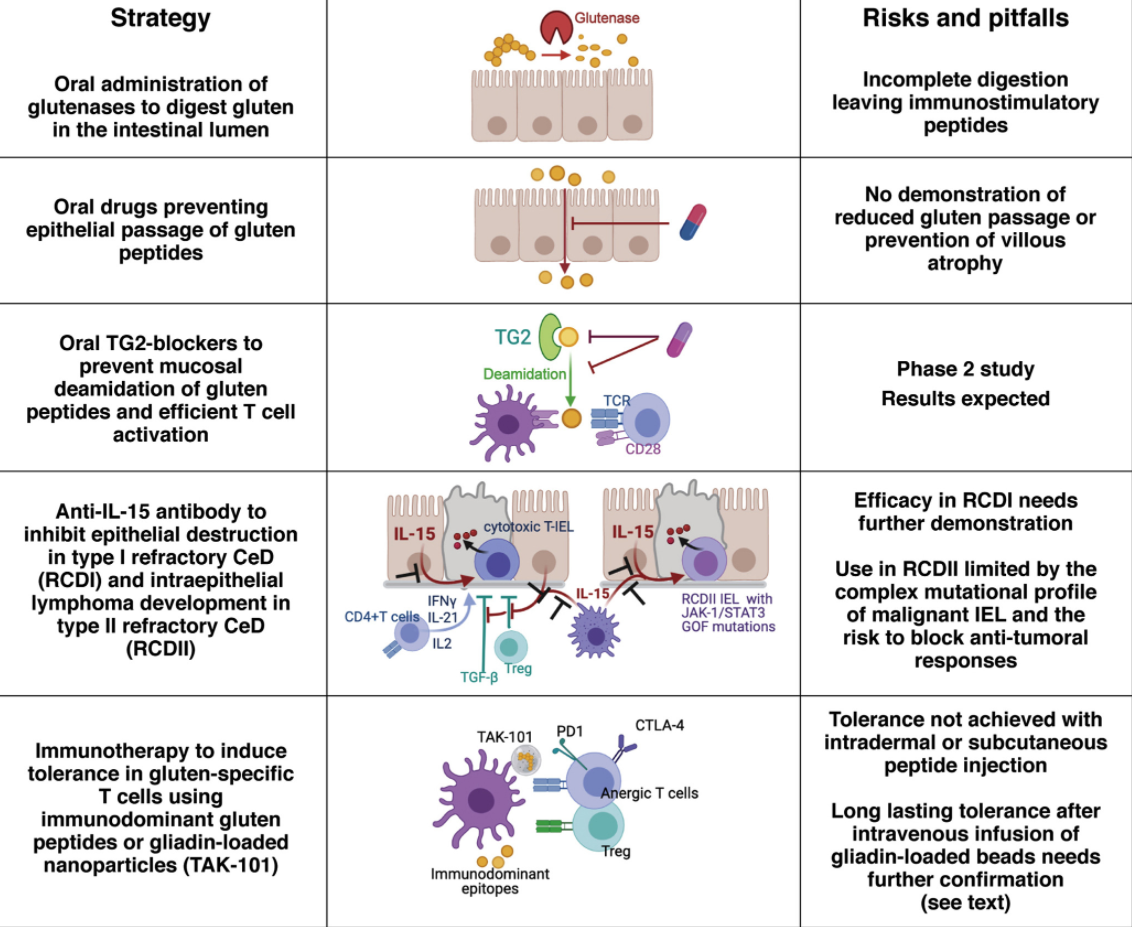
The associated editorial highlights these studies and reviews their limitations; in addition, the authors review the current non-dietary strategies (see below), pg 21-24: Full text: The Promise of Novel Therapies to Abolish Gluten Immunogenicity in Celiac Disease

From editorial, Gastroenterol 2021; 161: 21-24.

My take: These studies indicate that non-dietary treatments may be effective at some point, but not in the near future.

Related blog posts:

Paternal Exposure to IBD Medications and Neonatal Outcomes

COVID-19 Vaccine Effectiveness (8/10/21):

————————————————————————————————————-

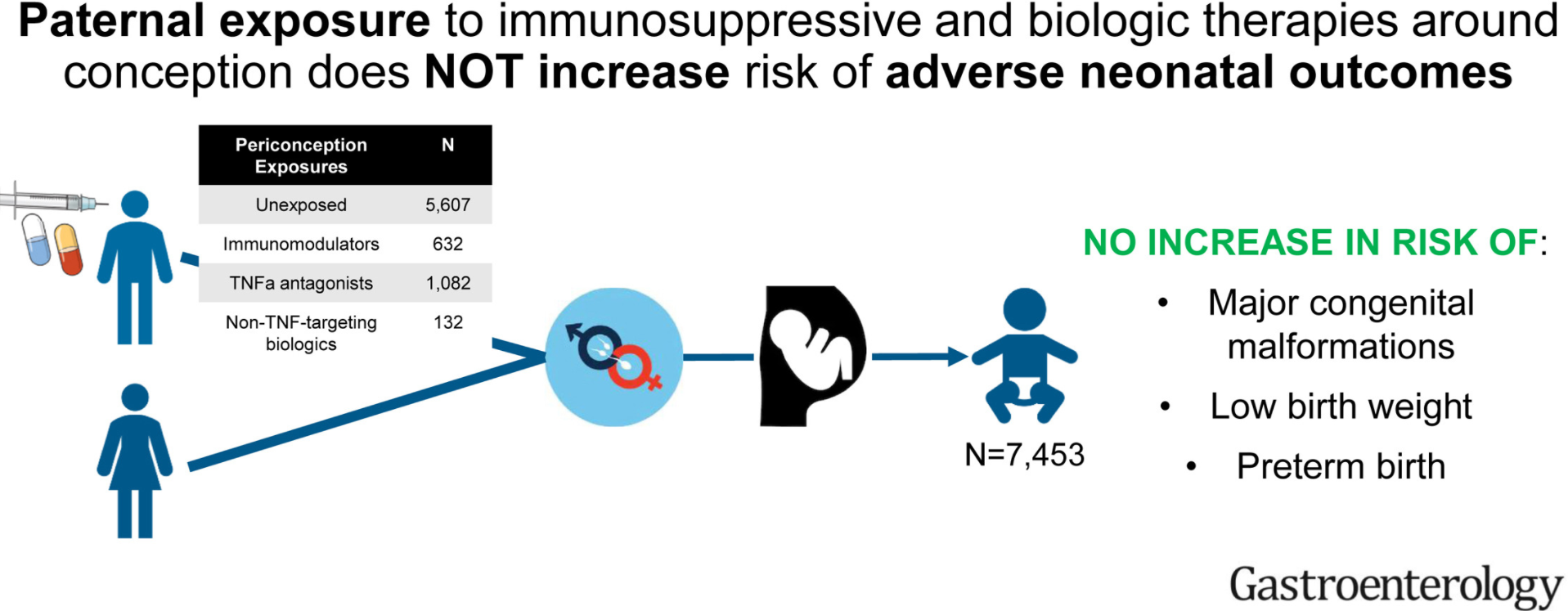
J Meserve et al. Gastroenterol 2021; 161: 107-115. Full text: Paternal Exposure to Immunosuppressive and/or Biologic Agents and Birth Outcomes in Patients With Immune-Mediated Inflammatory Diseases

Methods: The investigators used a deidentified administrative claims database (OptumLabs Data Warehouse) with a total of 7453 expectant fathers with immune-mediated diseases.

Key findings:

  • As compared to unexposed fathers (3.4% prevalence of major congenital malformations), exposure to immunosuppressives/biologics were not associated with increased risk of major congenital malformations: thiopurines (relative risk [RR], 1.12; 95% confidence interval [CI], 0.66–1.76), methotrexate (RR, 0.67; 95% CI, 0.21–1.55), TNF-α antagonists (RR, 1.14; 95% CI, 0.81-1.57), and non–TNF-targeting biologic agents (RR, 1.75; 95% CI, 0.80–3.24).
  • No association was observed between paternal medication exposure and risk of preterm birth or low birth weight.

Editorial, pg 24-27: S Friedman et al. Full text: Does Fatherhood Matter? Preconception Use of Biologics and Immunomodulators by Fathers With Immune-Mediated Diseases and Birth Outcomes of Their Offspring

“Regarding major congenital malformations, we believe that the results should be interpreted with caution. The numbers of these outcomes are relatively low and the statistical precision of the risk estimates should be taken into consideration.”

My take: Overall, this study is reassuring. Though it is difficult to prove these medications do not have impacts on newborns, if these effects were frequent, it would likely be evident in this type of study.

Aspen Webinar 2021 Part 8 -Neonatal Cholestasis

Obituary from Cincinnati Enquirer: James E. Heubi. “In lieu of flowers, memorial contributions may be made to the James Heubi Fund at Cincinnati Children’s Hospital Medical Center: http://www.cincinnatichildrens.org/donate. Please direct funds to “other” and type “James Heubi Fund.”

———————————————-

This is the last of my lecture notes from this year’s Aspen Webinar 2021. This was a fantastic update by Dr. Balistreri highlighting the incredible advances in understanding the myriad of disorders which present as neonatal cholestasis.

This blog entry has abbreviated/summarized this presentation. Though not intentional, some important material is likely to have been omitted; in addition, transcription errors are possible as well.
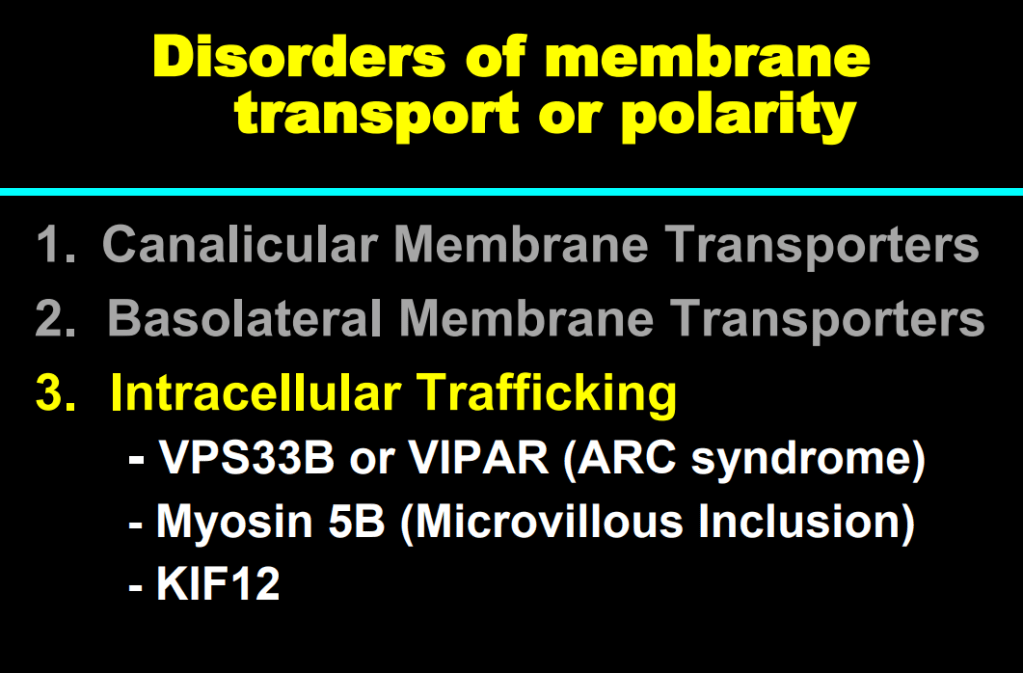
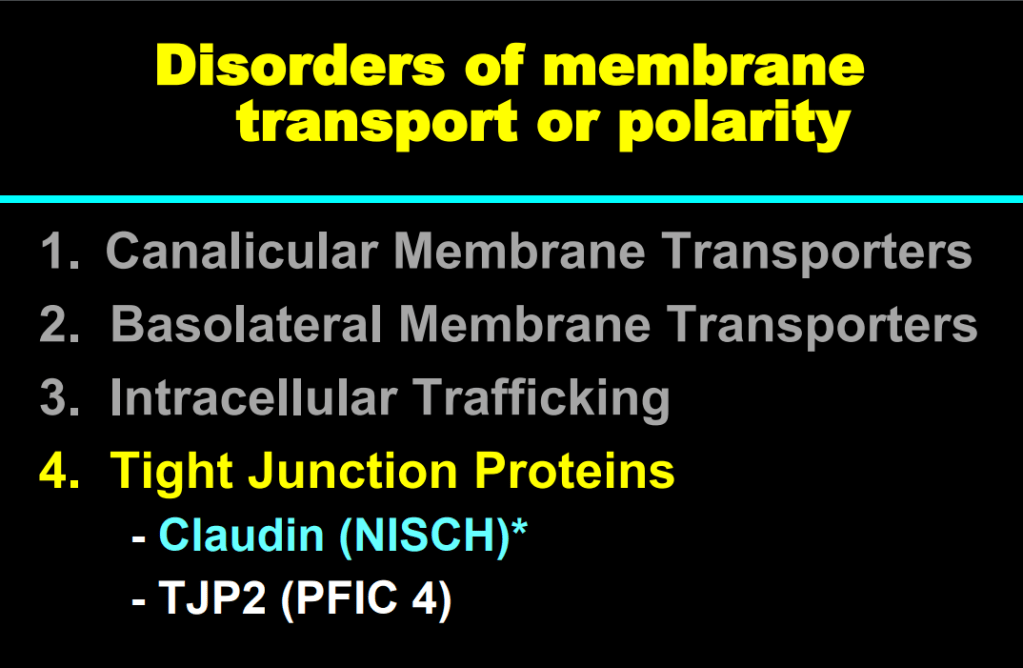
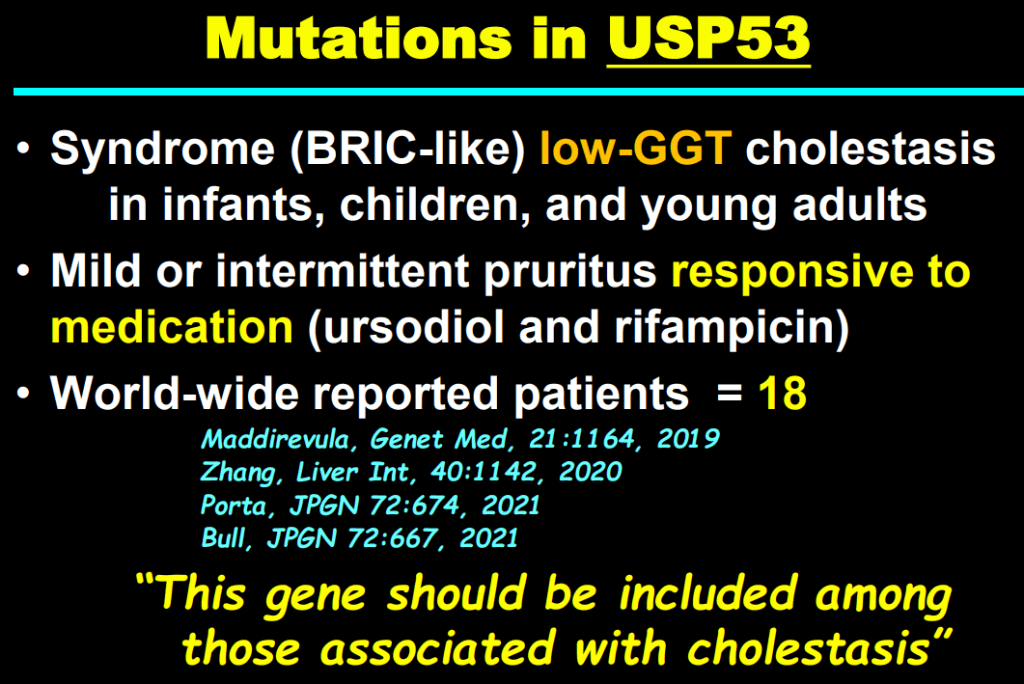
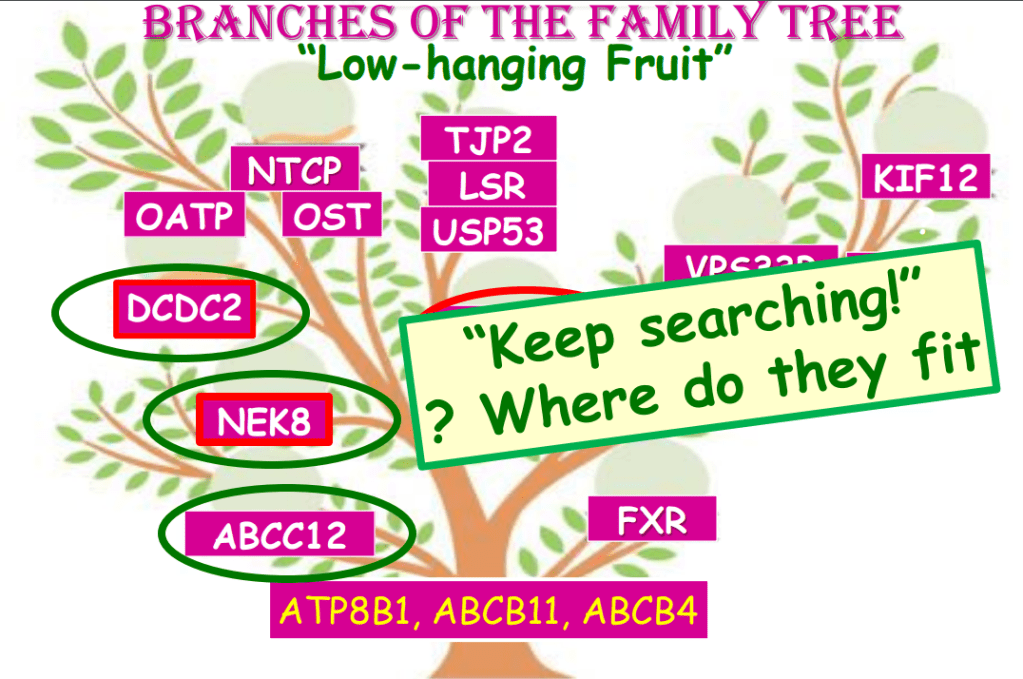
This image has an empty alt attribute; its file name is image-165.png
This image has an empty alt attribute; its file name is image-167.png

Key points:

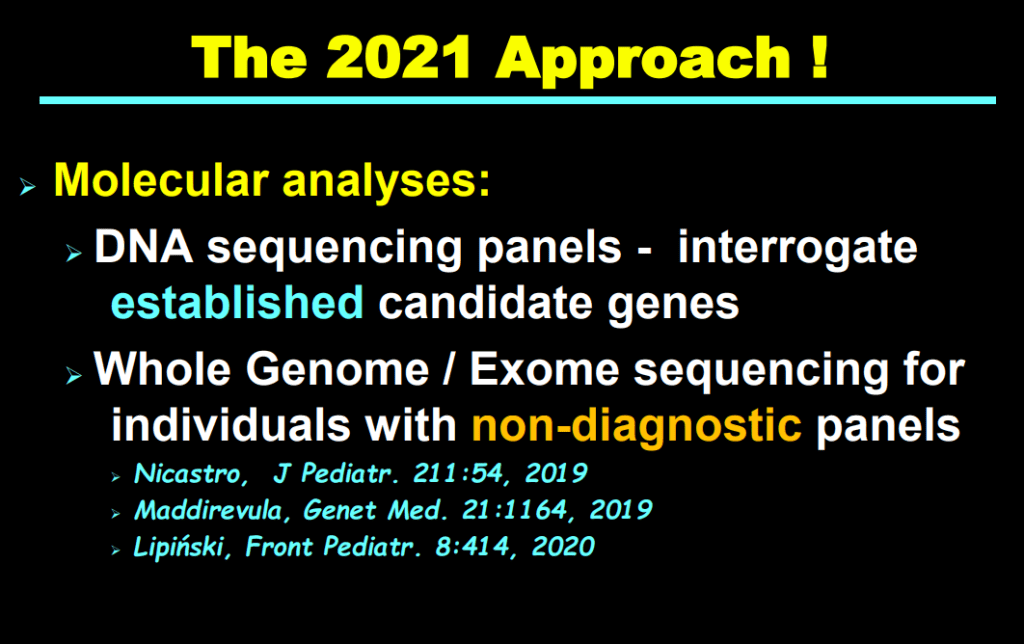
  • Idiopathic neonatal hepatitis was attributed as diagnosis in ~65% of cases in 1970 but in 2021 accounts for ~10%
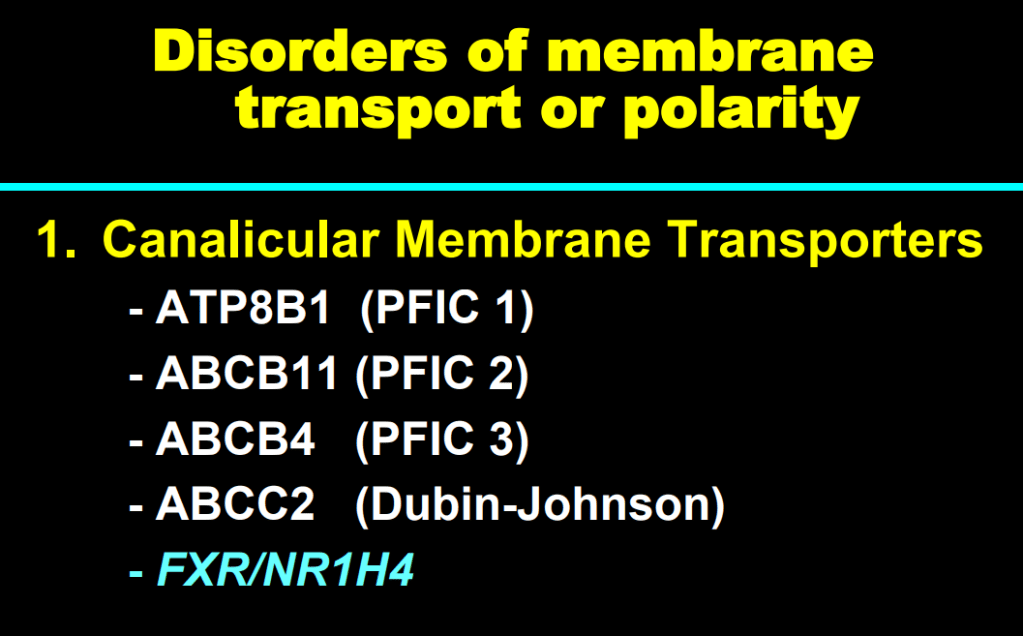
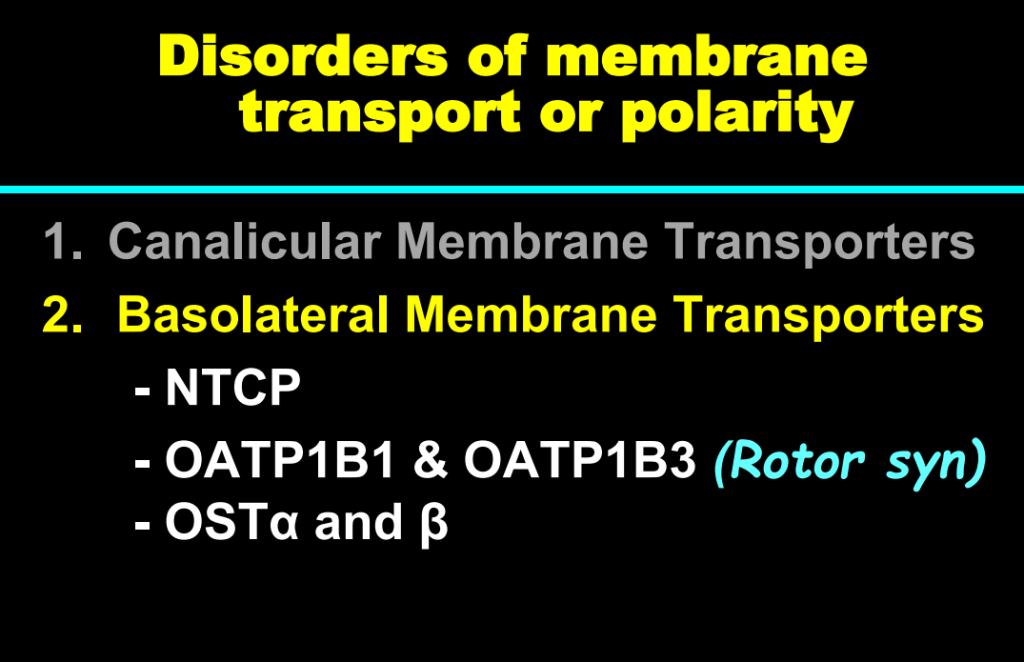
  • A lot of new disorders identified which interfere with bile flow
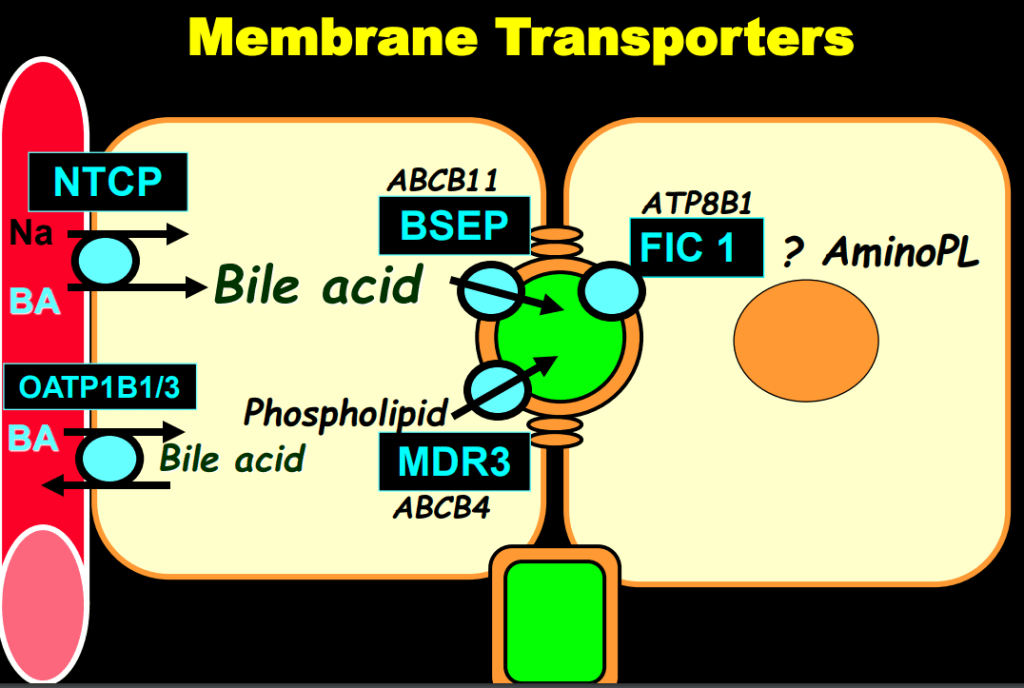
  • FXR helps prevent intrahepatic bile acid accumulation
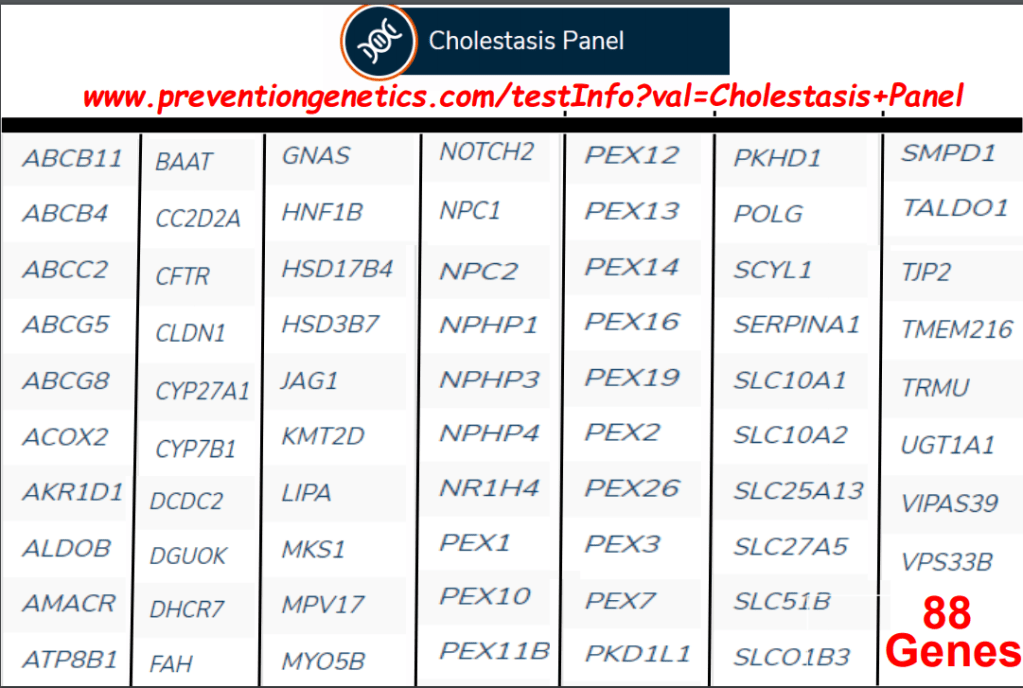
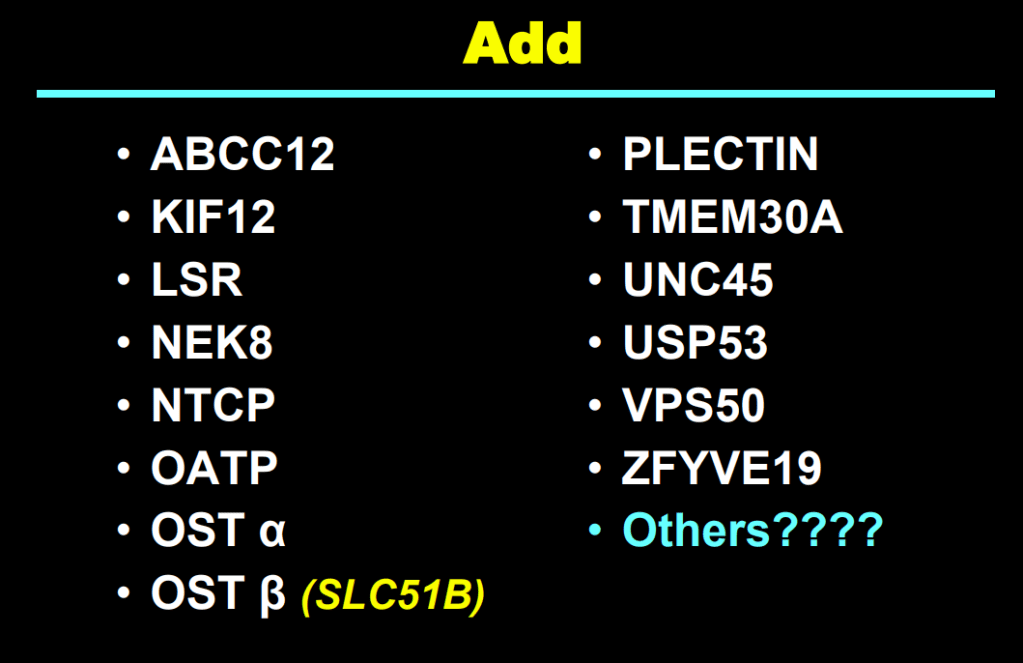
  • Genetic panels (~88 genes) quickly identify most disorders, but new disorders may be missed and need whole exome
  • “Everybody deserves a diagnosis”
This image has an empty alt attribute; its file name is image-169.png
This image has an empty alt attribute; its file name is image-171.png
This image has an empty alt attribute; its file name is image-172.png
This image has an empty alt attribute; its file name is image-175.png
This image has an empty alt attribute; its file name is image-181.png
This image has an empty alt attribute; its file name is image-177.png
This image has an empty alt attribute; its file name is image-179.png
This image has an empty alt attribute; its file name is image-183.png
This image has an empty alt attribute; its file name is image-185.png
This image has an empty alt attribute; its file name is image-187.png
This image has an empty alt attribute; its file name is image-189.png
This image has an empty alt attribute; its file name is image-191.png

Related blog posts:

Jessica Rutsky: Case Presentation

10 mo with jaundice and pruritus.  Labs note cholestasis (D bili 7.7), normal GGT, and mild elevation of transaminases. Unremarkable ultrasound. Liver biopsy showed nonspecific changes (cholestasis, no significant fibrosis). Genetic testing led to a diagnosis of PFIC. DDx: Obstruction, Infection, Toxic (drugs), Metabolic/Genetic including Alagille, PFIC

SAVE THE DATE for next year’s conference: July 11-15, 2022 in Snowmass Village, CO

Aspen Webinar 2021 Part 7 -Cystic Fibrosis Liver Disease

More from Aspen Webinar 2021. This blog entry has abbreviated/summarized several presentations. Though not intentional, some important material is likely to have been omitted; in addition, transcription errors are possible as well. Great lecture from Jim Squires.

Key points:

  • Cystic Fibrosis Liver Disease (CFLD) is variably defined
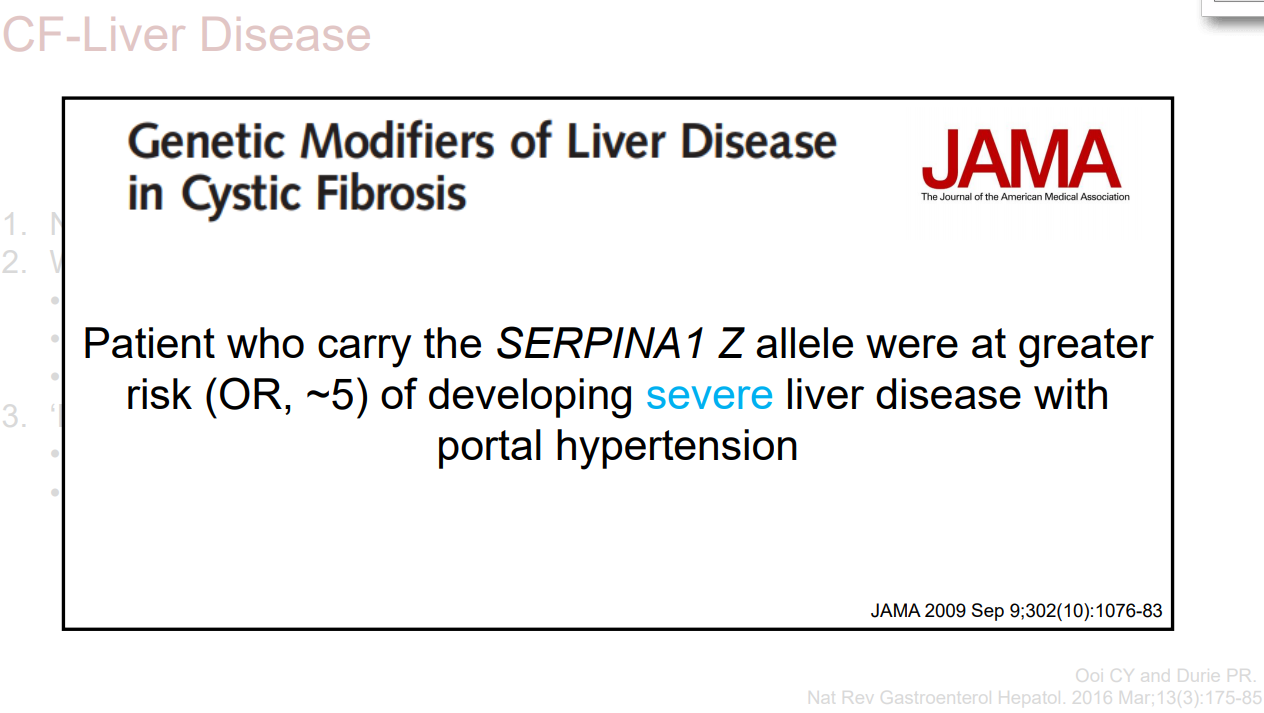
  • Risk factors include male patients, DeltaF508 mutations, meconium ileus and SERPINA1 Z allele
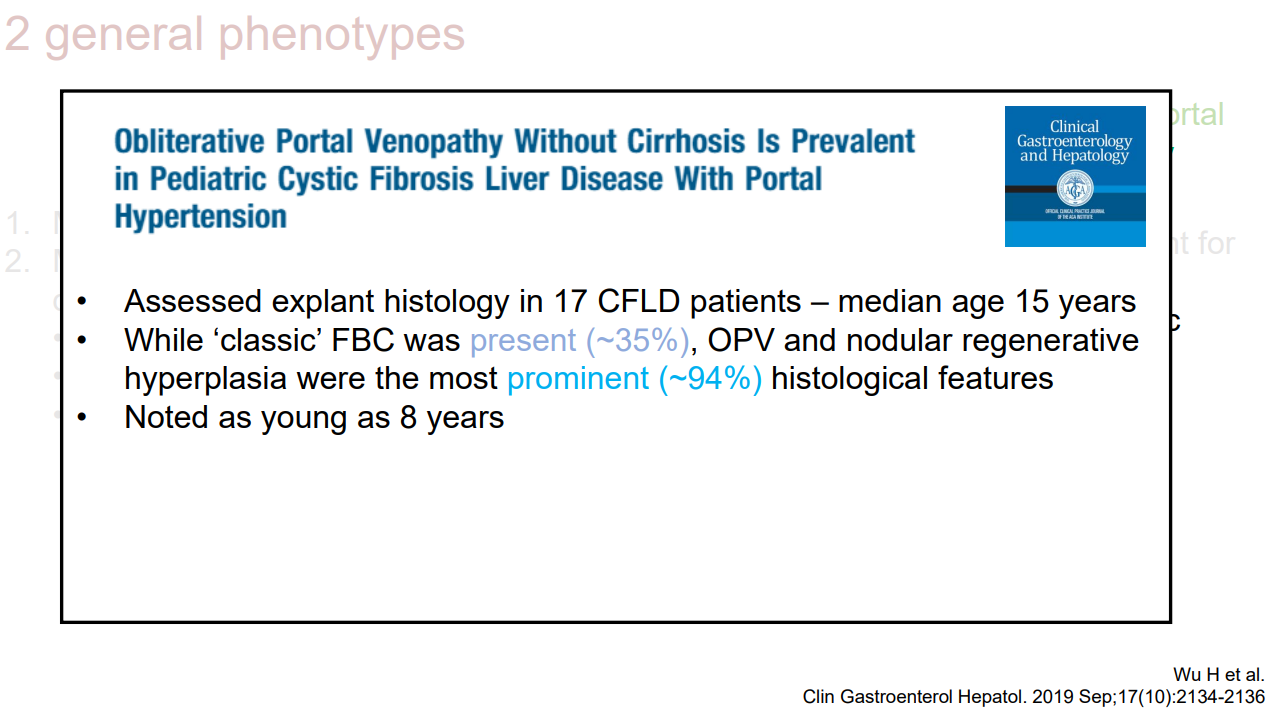
  • Two main phenotypes: Classic “Focal Biliary Cirrhosis” and Obliterative Portal Venopathy (increasingly recognized)
  • Intestinal microbiome and gut permeability/endotoxins may influence liver disease
  • Treatments: ursodeoxycholic acid may be helpful but overall evidence is low quality. Cochrane review does NOT recommend its routine use
  • Treatments: liver transplant (thorough review: Freeman et al. Liver Transpl 2019; 25: 640-657)
  • Treatments: CF Modulators: potentiators (Ivacaftor), correctors (Lumacaftor, Elexacaftor, Tezacaftor)
  • Treatment: Trikafta has been a game changer for CF lung disease. Its effects on the liver are not clear yet

Some of the slides:

Related blog posts:

SAVE THE DATE for next year’s conference: July 11-15, 2022 in Snowmass Village, CO

Hepatitis B: Natural History and Difficulty Treating Immunotolerant Children

S Mo et al. JPGN 2021; 73: 150-155. Natural History of Chronic Hepatitis B Infection Among Chinese Children and Young Adults: A Single-Center Experience

Key findings:

  • Of the 353 patients, there were immune-tolerant 112 (34%), HBeAg-positive immune-active 47 (14%), and inactive carrier 82 (25%). The remaining 88 patients (27%) did not fit into a particular category with 26 of 88 patients meeting the criteria for inactive carrier except for mildly elevated alanine aminotransferase
  • Among 179 patients followed for ≥5 years, the spontaneous seroconversion rate was 38% (from HBeAg-positive to HBeAg-negative along with anti-HBeAb positivity)

In their discussion, the authors make two key points:

  1. “No substantial benefit from anti-viral therapy” has been evident in children in the immuno-tolerant phase (MM Jonas et al. Hepatology 2016; 63: 307-318.)
  2. The updated AASLD guidelines “strongly recommend anti-viral therapy for HBeAg-positive pregnant women with a serum HBV DNA >200,000 IU/mL”

G Mieli-Vergani et al. JPGN 2021; 73: 156-160. Peginterferon Alfa-2a (40KD) Plus Lamivudine or Entecavir in Children With Immune-Tolerant Chronic Hepatitis B

As noted above, antiviral therapy has not been shown to be effective in children who are in the immuno-tolerant phase; however, the authors of this study explored whether combination therapy could be effective in a randomized, controlled, multicenter study (n=59).

  • Key finding: At 24 weeks post-treatment, 1 of 26 patients in the antiviral treatment group experienced HBsAg loss (vs none of 33 patients in the control group)

My take: These studies reinforce the notion that children in the immuno-tolerant phase of HBV infection do not benefit from antiviral therapy. Prevention of infection is the most promising strategy.

Related blog posts:

Confirmation Bias diagram. From Steve Stewart-Williams

Aspen Webinar 2021 Part 6 -Complications and Mgt of End-Stage liver disease

More from Aspen Webinar 2021. This blog entry has abbreviated/summarized several presentations. Though not intentional, some important material is likely to have been omitted; in addition, transcription errors are possible as well. On the last day of this webinar conference, there were three more terrific lectures which addressed topics related to a a failing liver.

Key points:

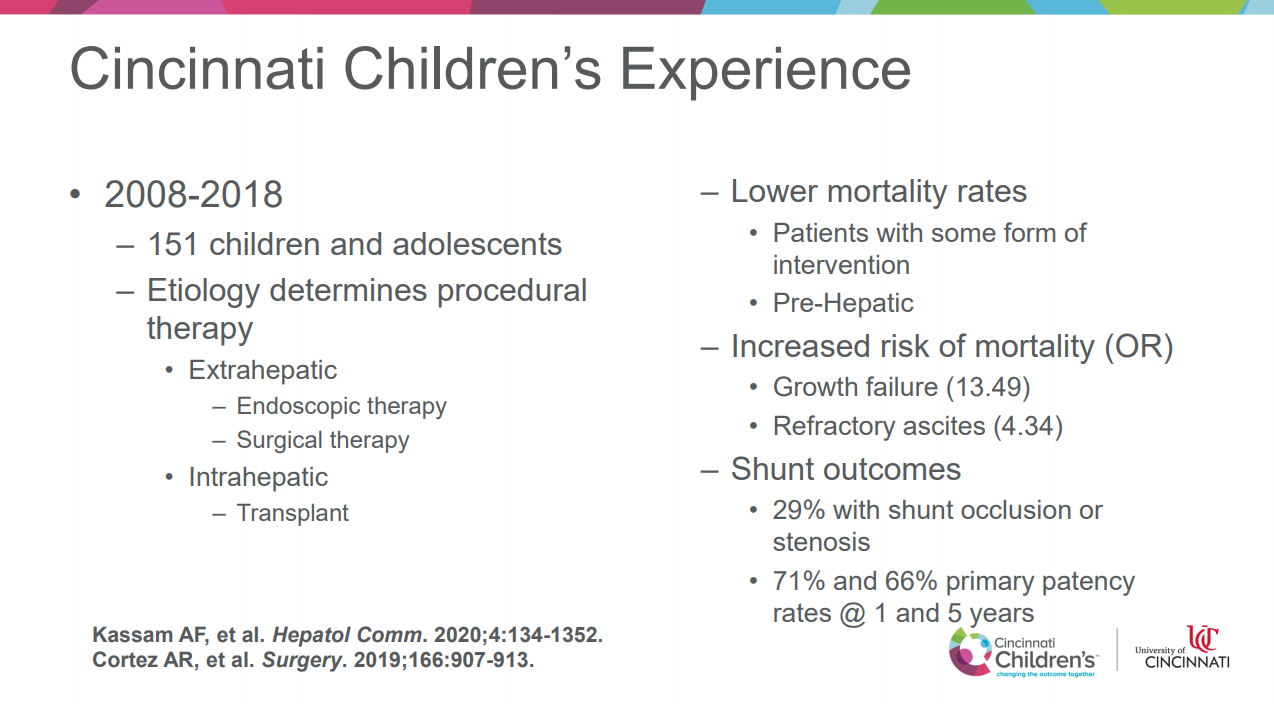
  • Surgical options are based on primary etiology: pre-hepatic, intra-hepatic, and post-hepatic
  • Rex procedure is technically difficult but is preferred for pre-hepatic obstruction
  • Warren Shunt (distal splenorenal) and TIPS can be done for intrahepatic disease
  • Often difficulty in selecting patients for surgical shunting beyond refractory bleeding

Some slides:

Experience at Cincy with portal hypertension patients and shunting

Key points:

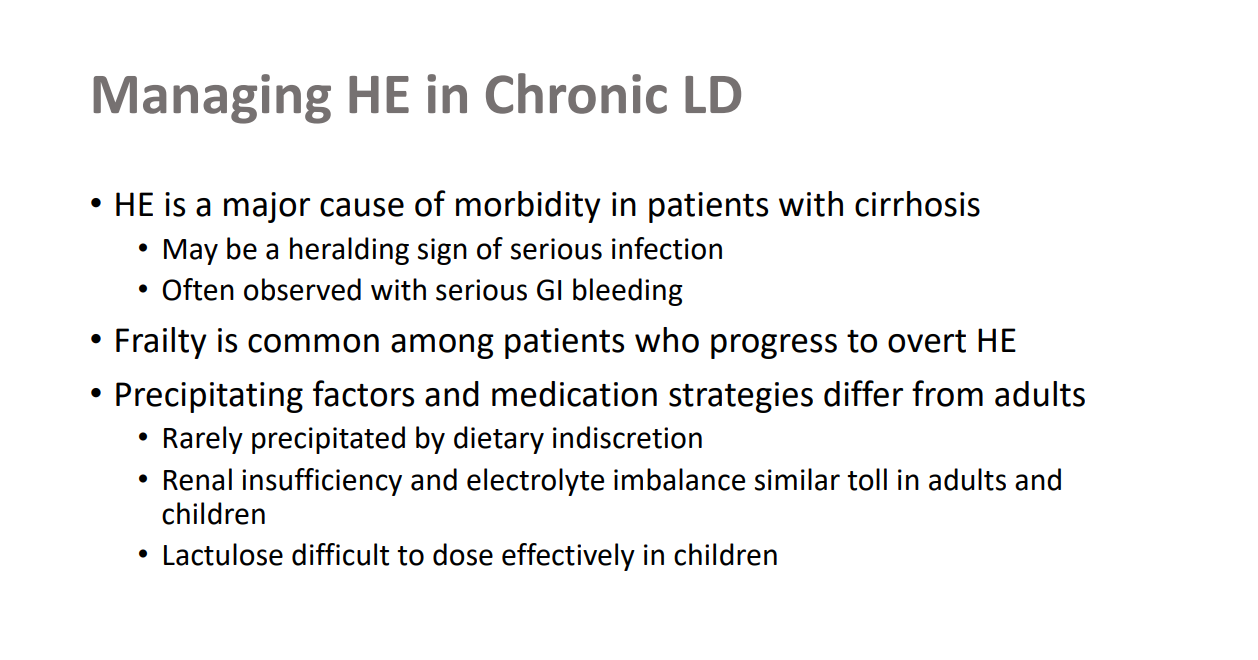
  • Hyperreflexia is a good indicator of stage 3 of HE
  • Patients with HE need to be managed in ICU
  • MARS is being used in some centers (even in infants)

Complications of ESLD -Kathy Campbell

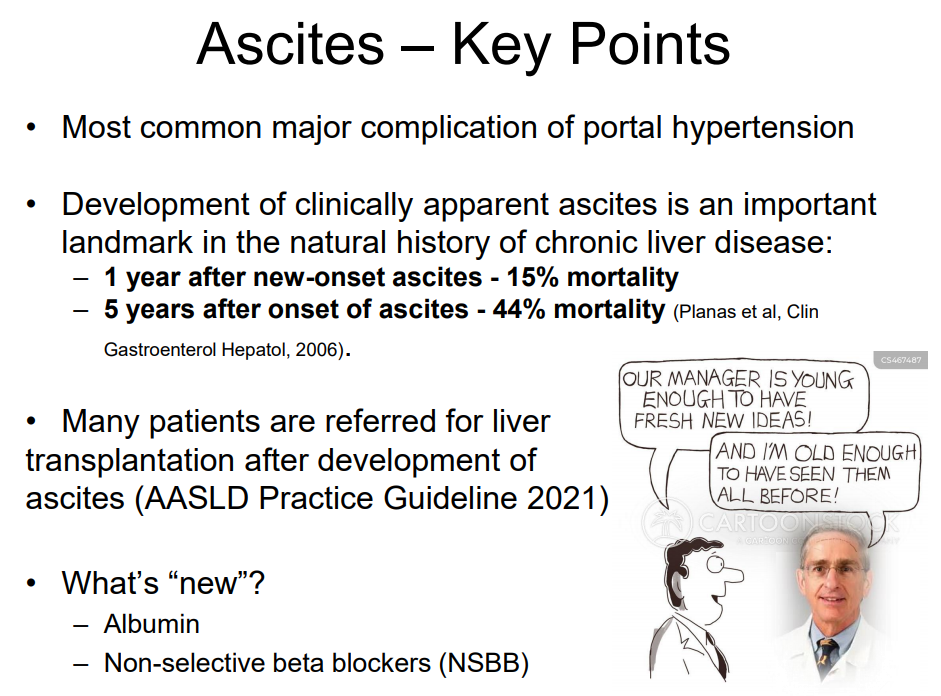
This talk provided a good overview of complications including ascites, variceal bleeding, frailty & sarcopenia, and hepatopulmonary syndrome.

Jim Heubi

So sad to hear that Jim Heubi has passed away. Jim Heubi was the person I interviewed with when I was considering where to do my pediatric residency and he helped convince me to come to Cincinnati. During my fellowship, I came to admire how he was so good at everything though it was always unassuming. He was such a kind person in addition to being a mentor and role model.

Here is a link from Cincinnati Children’s: In Memoriam: James E. Heubi, MD 1948-2021

Aspen Webinar 2021 Part 5 -Autoimmune Liver Disease & PSC

More from Aspen Webinars. This blog entry has abbreviated/summarized several presentations. Though not intentional, some important material is likely to have been omitted; in addition, transcription errors are possible as well.

Dr. Mieli-Vergani presented case report of a boy with autoimmune sclerosing cholangitis and associated colitis who presented with minimal symptoms. 

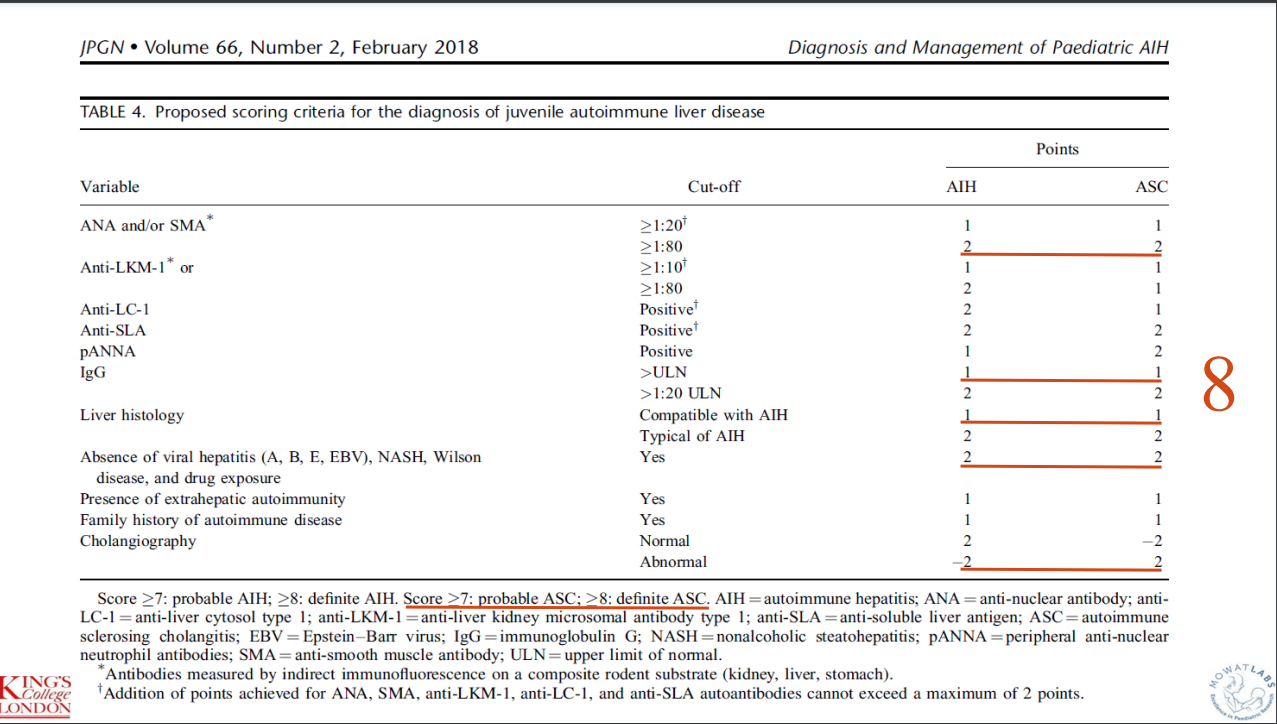
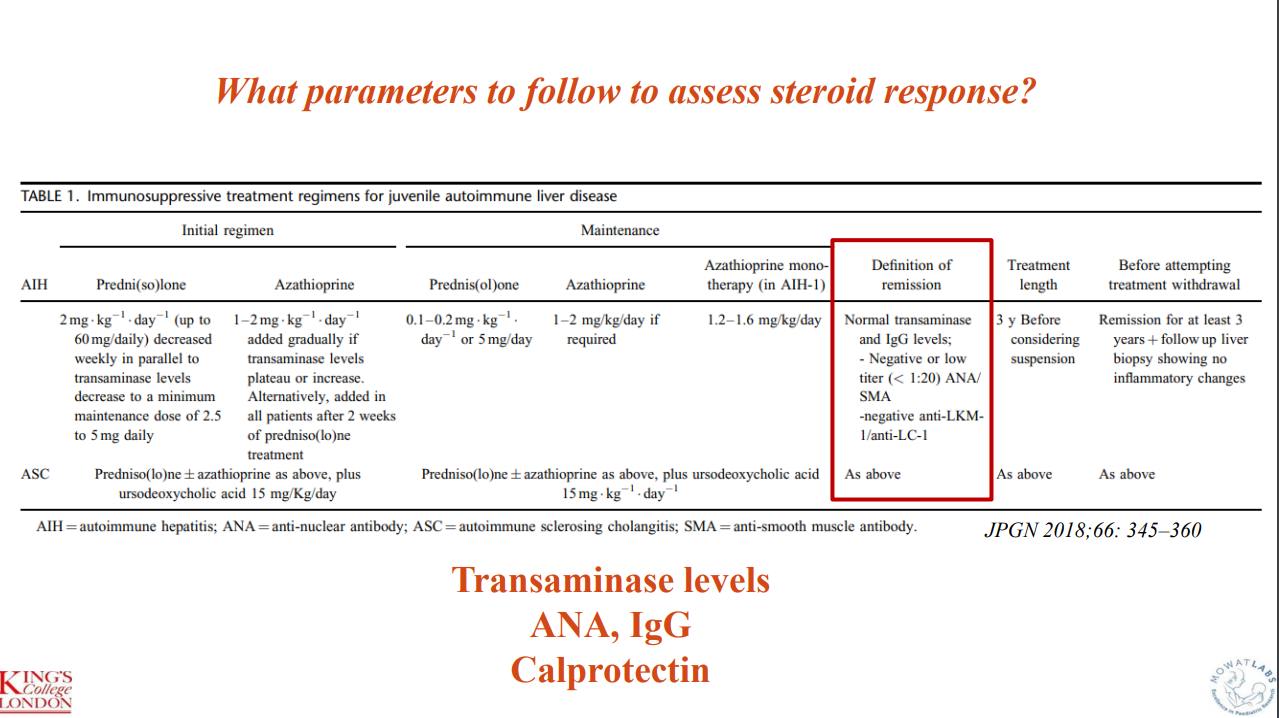
This case report highlights the evaluation and management of autoimmune liver disease hepatitis. Workup included autoimmune serology, GGT, celiac serology, calprotectin, and ultrasonography.   EGD-Colonoscopy was prompted by elevated calprotectin.  MRCP was prompted by elevated GGT (GGT were normal at the time of biopsy and MRCP) and liver biopsy findings.  
“My message is that MRCP and colonoscopy should be done in all cases of autoimmune liver disease in children and adolescents, irrespective of calprotectin levels or elevated GGT and biliary changes on histology, as both IBD and sclerosing cholangitis can be present without any of the classical symptoms and signs. Only by doing this it is possible to reach an early diagnosis which is essential for early treatment and for a good outcome.” 

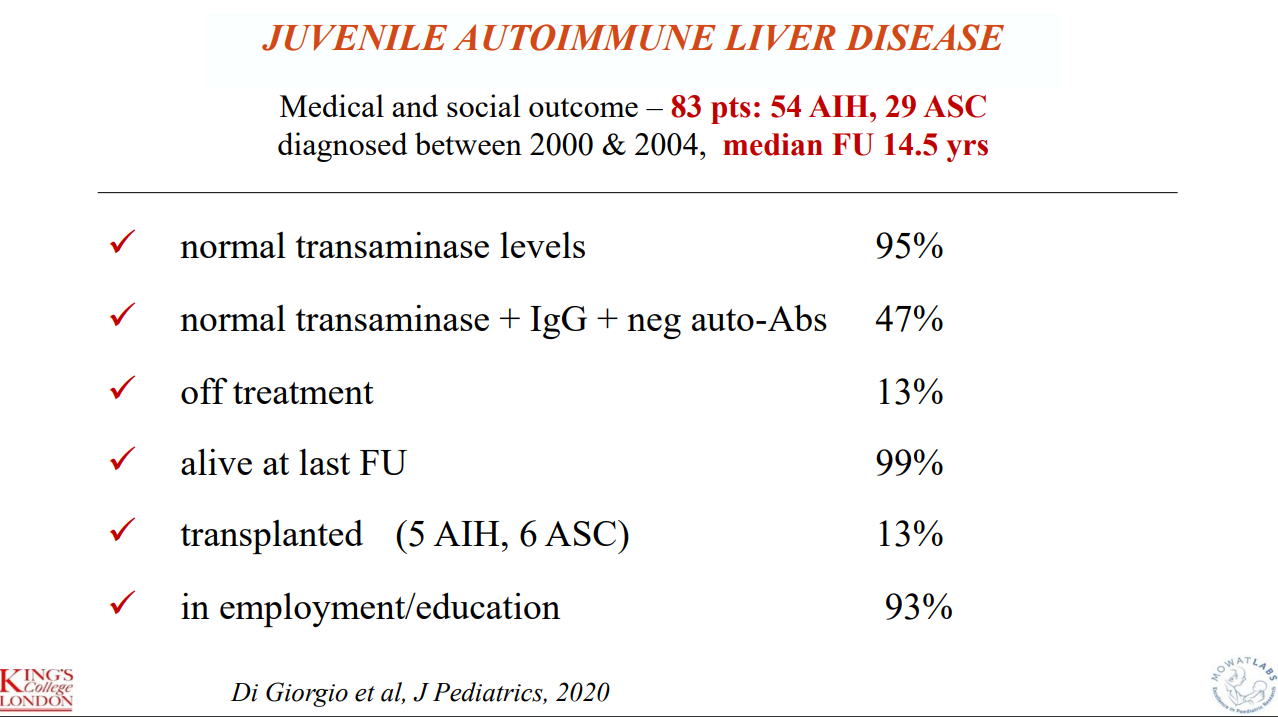
Outcome data indicate that 11 of 83 (13%, 5 AIH, 6 ASC)) required transplantation. “I have shown our long-term outcome data not to stress the number of patients who have required transplantation, but the number of patients who are well and have a normal life after over 14 years of follow-up. This can be only achieved if one thinks of autoimmune liver disease even if the child appears to have something non-specific, initiating correct treatment for the liver, and the gut if there is bowel disease, as soon as possible. At the beginning, treatment should be monitored very closely (at least weekly), to be able to decrease the dose of steroids swiftly, introduce azathioprine if needed, and avoid side affects.”

Key points:

  • Budesonide is not a good substitute for prednisone in autoimmune hepatitis
  • Mycophenolate is frequently used as a 2nd line agent
  • Consider calprotectin in patients with autoimmune liver disease to screen for IBD  (though calprotectin can be falsely-negative)
  • Consider followup liver biopsy after normalization of liver enzymes for ~3 yrs (when consideration of stopping medications)
  • Recommends MRCP for all patients with AIH

Some slides:

Key points:

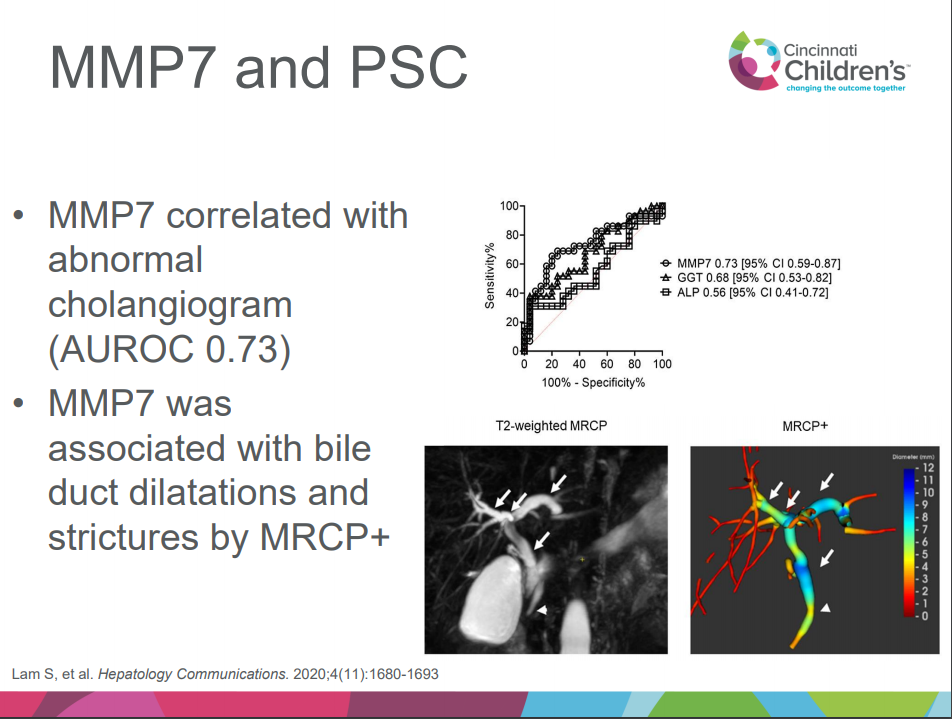
  • Better understanding of immune basis of PSC is developing
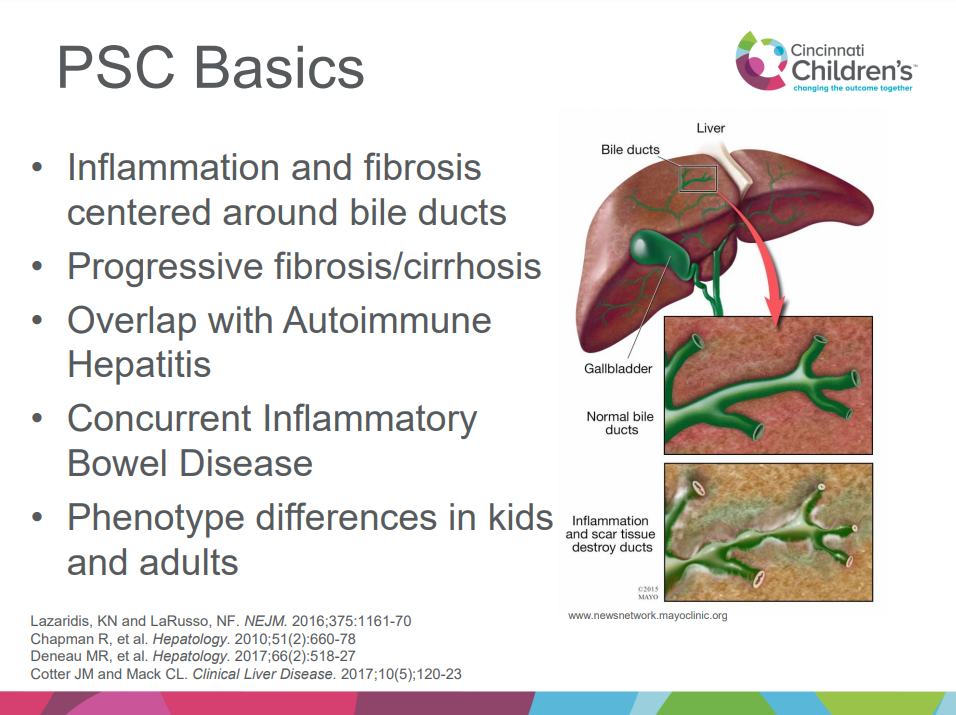
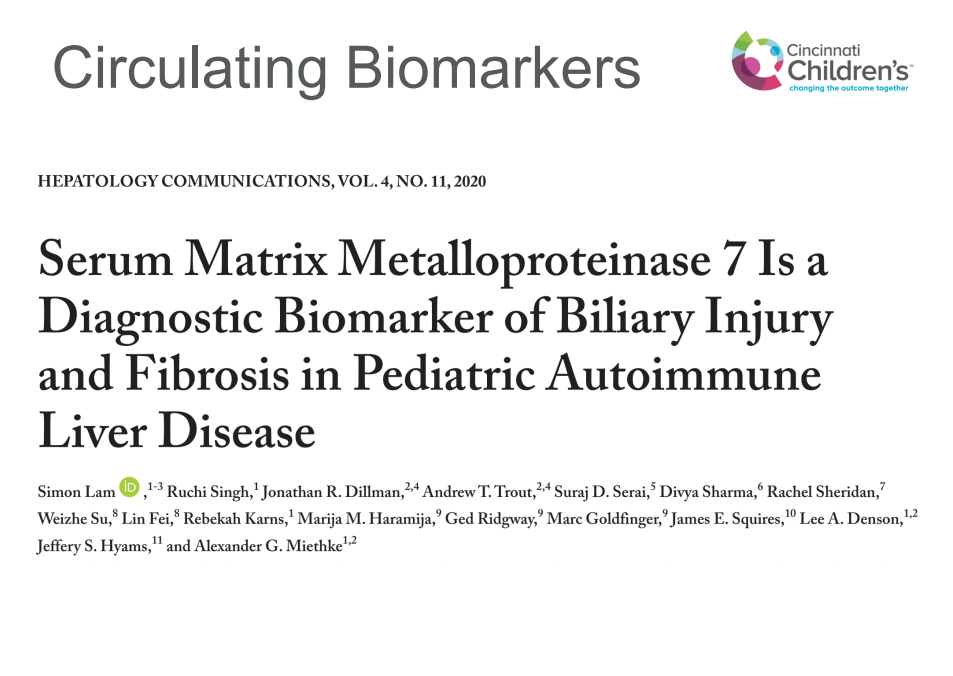
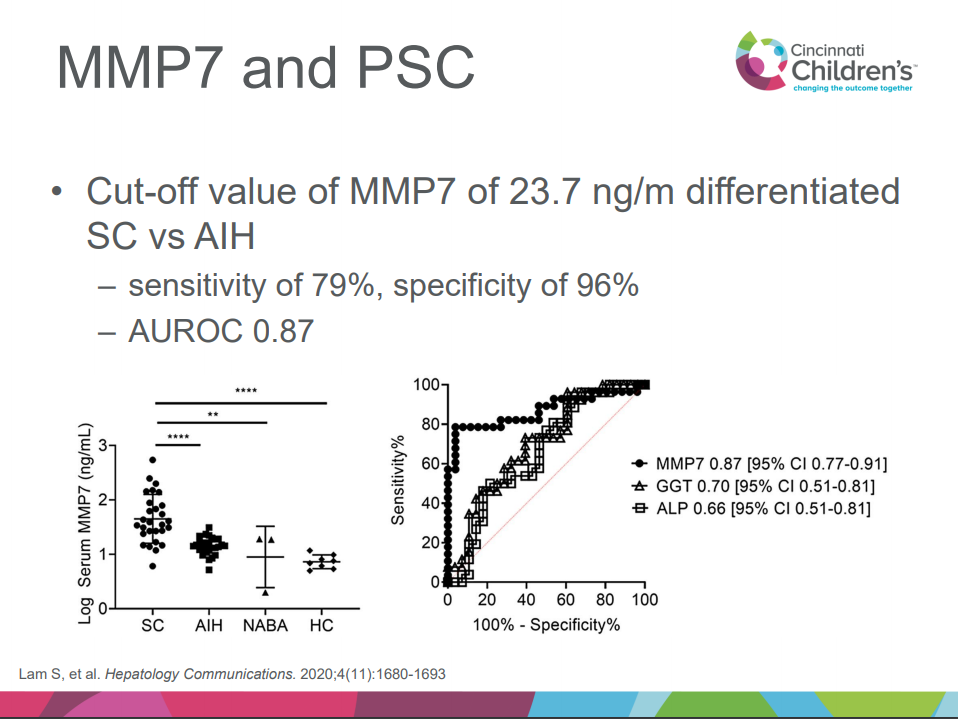
  • MMP-7 appears to help differentiate PSC/ASC from AIH
  • Small duct PSC is more common in children
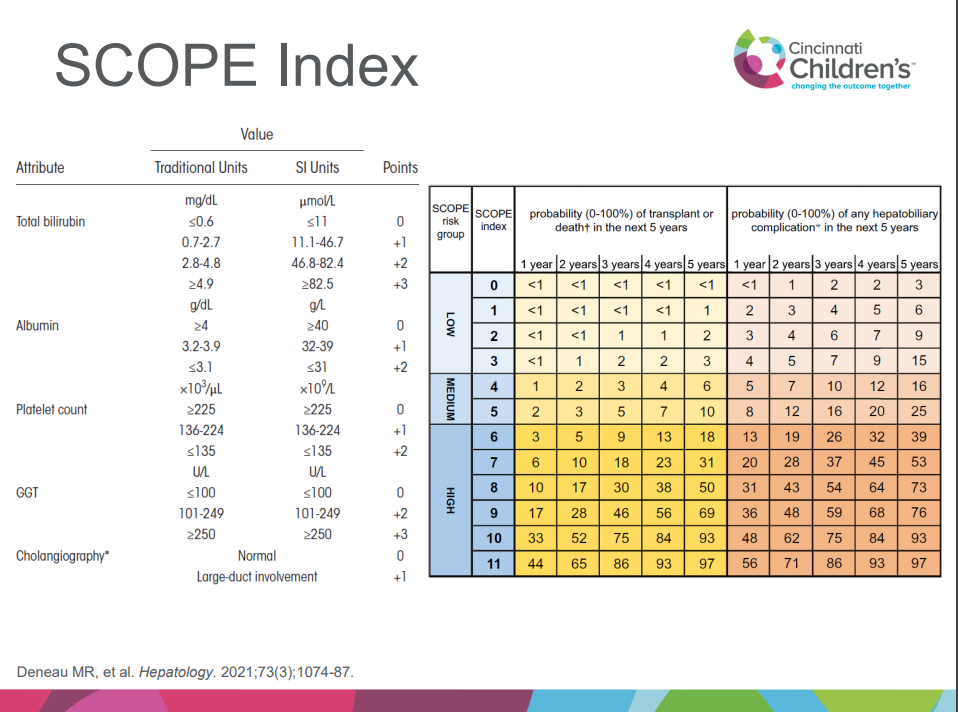
  • SCOPE index can help predict outcomes
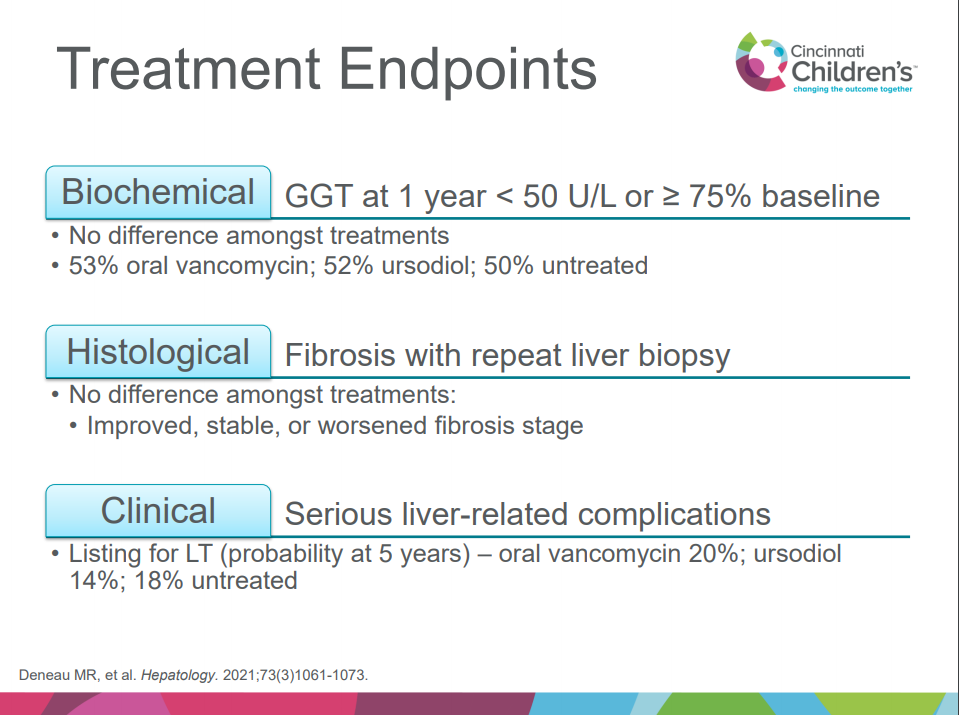
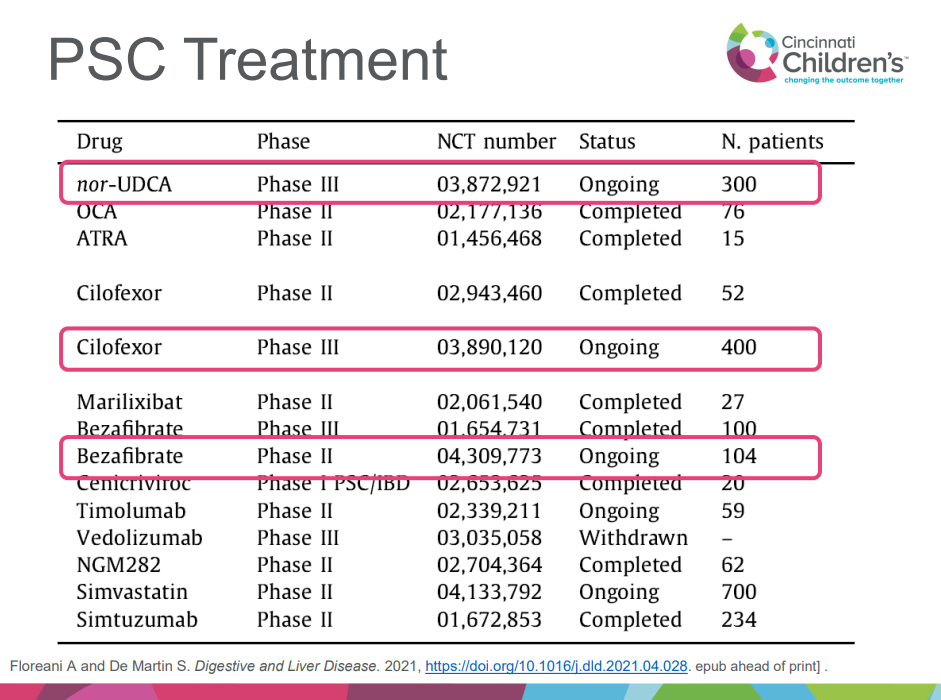
  • Treatment: no clear benefit of vancomycin, ursodeoxycholic acid compared to placebo but need for randomized controlled study
  • Several studies of new agents for PSC in adults are ongoing, including nor-UDCA, cilofexor, bezafibrate
  • Vedolizumab does not appear to be effective for PSC
  • Related blog post: Online Aspen Webinar (Part 3) -2020 lots of links to other related blog posts

Some of the slides:

Milo Rezvani -case report

Child with FTT, elevated LFTs, sporadic mild hypoglycemia, and neurologic symptoms. DDx: congenital disorders of glycosylation (CDG), mitochondrial d/o, peroxisomal d/o, urea cycle d/o and lysosomal d/o.  Diagnosis was made after liver biopsy and whole exome sequencing (which showed PMM2 mutations).  Diagnosis of most CDG can be made by serum transferrin isoforms. Discussion among many participants noted that liver biopsy often not needed in age of genetic testing.