IBD Shorts -October 2019

Briefly noted:

D Piovani et al. Gastroenterol 2019; 157: 647-59.  This study examined environmental risk factors for inflammatory bowel disease after extensive literature review and assessment of meta-analysis.

9 factors that were associated with increased risk of IBD:

  • smoking (CD)
  • urban living (CD & IBD)
  • appendectomy (CD)
  • tonsillectomy (CD)
  • antibiotic exposure (IBD)
  • oral contraceptive use (IBD)
  • consumption of soft drinks (UC)
  • vitamin D deficiency (IBD)
  • Heliobacter species (non-Helicobacter pylori-like) (IBD)

7 factors that associated with reduced risk of IBD:

  • physical activity (CD)
  • breatfeeding (IBD)
  • bed sharing (CD)
  • tea consumption (UC)
  • high folate levels (IBD)
  • high vitamin D levels (CD)
  • H pylori infection (CD, UC, and IBD)

EL Barnes et al. Inflamm Bowel Dis 2019; 1474-80. In this review which identified 12 studies and 4843 with an IPAA ( ileal pouch-anal anastomosis) for ulcerative colitis, 10.3% were ultimately diagnosed with Crohn’s disease. Link to full text and video explanation: The Incidence and Definition of Crohn’s Disease of the Pouch: A Systematic Review and Meta-analysis

EV Loftus et al. Inflamm Bowel Dis 2019; 1522-31. In this study with 2057 adalimumab-naive patients, “the proportion of patients in HBI remission increased from 29% (573 of 1969; baseline) to 68% (900 of 1331; year 1) and 75% (625 of 831; year 6). Patients stratified by baseline immunomodulator use had similar HBI remission rates.”  Full text: Adalimumab Effectiveness Up to Six Years in Adalimumab-naïve Patients with Crohn’s Disease: Results of the PYRAMID Registry

The following study was summarized in previous blog: Oral Antibiotics For Refractory Inflammatory Bowel Disease  Full text link: Efficacy of Combination Antibiotic Therapy for Refractory Pediatric Inflammatory Bowel Disease

Washington Park, Portland, OR

30 -Year Outcomes with Biliary Atresia

M Fanna et al. JPGN 2019; 69: 416-24. In this retrospective 30-year study (1986-2015) from France, patients were examined in 4 time cohorts: 1986-96, 1997-2002, 2003-9, and 2010-5.

  • Age at Kasai operation remained stable throughout the study period -median 59 days.
  • Early Kasai was associated with a reduced need for liver transplantation. 25-year survival with native liver was 38%, 27%, 22%, and 19% for patients operated in first, second, third months or later respectively.
  • Clearance of jaundice (total bilirubin ≤20 micromol/L) after Kasai did not change appreciably in the time cohorts and was 38.8%.
  • 753 (of 1428 in cohort) patients underwent liver transplantation.
  • Overall survival of entire cohort was 87% (including all levels of followup).
  • Survival after LT was 79% at 28 years.
  • Five-year patient survival after LT was 76%, 91%, 88%, and 92% in the cohorts, indicating better survival more recently.
  • 22% of patients reached age 30 years without transplantation.

The authors note that better outcomes were noted in a long-term study from Japan where there are lower rates of LT needed for biliary atresia. IN Japan 20-year survival with native liver and overall patient survival was 48% and 89%, compared to 26% and 76% in France.

My take: This study indicates that the majority of patients with BA will require liver transplantation and that earlier Kasai operation is associated with a better chance of survival with native liver.  It is likely that data in the U.S. would be more similar to France than Japan based on prior publications.

Related blog posts:

Ecola State Park, OR

Liver Briefs -October 2019

Briefly noted:

M Mouzaki et al. JPGN 2019; 69: 339-43. In a cohort of 228 patients with 17 (8%) who were receiving psychotropic medications, the use of psychotropic medications was associated with increased nonalcoholic fatty liver disease (NAFLD) severity.  These patients were more likely to be receiving metformin (53% vs 18%) and antihypertensive medications (29% vs 8%).

S Honigbaum et al. JPGN 2019; 69: 344-50. Among 20 infants with biliary atresia, tissue had abundantly expressed lysly oxidase-like 2 (LOXL2) compared to controls.  LOXL2 is an extracellular matrix enzyme that catalyzed cross-linking of collagen and elastin; LOXL2 likely contributes to fibrosis.

Fewer Surgeries with Crohn’s Disease

Briefly noted: NE Burr et al. Clin Gastroenterol Hepatol 2019; 17: 2042-49.

In a retrospective cohort (1994-2013) using a primary care database from England, the authors identified decreasing risk of surgeries with Crohn’s diseae (CD).

  • From 1994-2003, the risk of first surgery dropped from 44% to 21%.
  • The risk of a second resection dropped as well, from 40% in 1994 to 17% in 2003 (with 10-year followup)

The reasons for this reduction are not certain but could include better clinical care or reduction in other risk factors (like smoking).

Atlanta Botanical Garden

NASPGHAN/ESPGHAN Position Paper: Nutrition Support for Children with Chronic Liver Disease

M Mouzaki et al. JPGN 2019; 69: 498-511. Full text link: Nutrition Support of Children with Chronic Liver Diseases: A Joint Position Paper of the North American Society for Pediatric Gastroenterology, Hepatology, and Nutrition and the European Society for Pediatric Gastroenterology, Hepatology, and Nutrition 

Figure 2 (above) outlines an approach to assuring adequate intake of nutrients

Table 2 (above) provides an approach to laboratory monitoring. The authors recommend measuring every 3-6 months for most of the vitamins and micronutrients listed in this table

Table 3 (above) provides recommendations for specific elements of nutritional support.

Figure 1 (above) describes pathophysiology of malnutrition.

My take: This position paper provides useful advice for approaching nutritional support in children with chronic liver disease. Defining the specific patients in which these guidelines may be applicable requires individual assessment.  Thus, the authors note that the guidelines “should not be construed as establishing a legal standard of care or as encouraging, advocating, requiring, or discouraging any particular treatment.”

Related blog posts:

Disclaimer: These blog posts are for educational purposes only. Specific dosing of medications/diets (along with potential adverse effects) should be confirmed by prescribing physician/nutritionist.  This content is not a substitute for medical advice, diagnosis or treatment provided by a qualified healthcare provider. Always seek the advice of your physician or other qualified health provider with any questions you may have regarding a condition

Quantifying the Risk of Autoimmunity for Celiac Disease

A recent study (MR Khan et al. JPGN 2019; 69: 438-42) examined the rates of autoimmune disorders (AD) among patients with celiac disease (CD) (n=249) compared to a control group (n=498) over an 18 year period (1997-2015). The authors utilized the  a database of medical records via the Rochester Epidemiology Project (Mayo Clinic/Olmstead County).

Key findings:

  • Five years after the index date, 5.0% of CD patients and 1.3% of controls had a de novo AD diagnosis
  • In the pediatric age group, there was an increased risk of AD: 5/83 (7.3%) of CD patients and 0/179 (0%) developed a AD diagnosis at the 5-year mark
  • The authors note that they observed a lower rate of Hashimoto thyroiditis after the diagnosis of CD, likely indicating a protective role of a gluten-free diet
  • Thyroid disorders, type 1 DM, psoriasis/psoriatic arthritis and rheumatoid arthritis were the most common AD identified in patients with CD

Limitations:

  • Retrospective study
  • Adherence with GFD was not assessed

My take: Screening for AD periodically is worthwhile in patients with CD, particularly thyroid disorders and type 1 diabetes which accounted for ~80% of the autoimmune conditions identified.

Briefly noted: R Ahawat et al. JPGN 2019; 69: 449-54. In this study with 38 newly-diagnosed CD, the authors found a high prevalence of low vitamin D (25OHD) levels (65.8%) -defined as <30 ng/mL; however, the control population had a higher rate of 79.3%.  While the authors advocate checking vitamin D levels due to the risk of bone disease, it is noted that bone mineral density and vitamin deficiencies frequently improve with a gluten-free diet (Related post: Celiac studies)

Related posts:

Barcelona

Nutrition Group: OK to Continue Red Meat Consumption

Here’s the full text study: Unprocessed Red Meat and Processed Meat Consumption: Dietary Guideline Recommendations From the Nutritional Recommendations (NutriRECS) Consortium (Published: Ann Intern Med. 2019. DOI: 10.7326/M19-1621)

In the same issue, there are several studies and an associated commentary: Meat Consumption and Health: Food for Thought by Aaron Carroll and Tiffany Doherty.

  • The recommendations from this study relate to the health effects of meat consumption.  Considerations of environmental impact or animal welfare did not bear on the recommendations.
  • “We developed the Nutritional Recommendations (NutriRECS) international consortium to produce rigorous evidence-based nutritional recommendations adhering to trustworthiness standards…”
  • “We suggest that individuals continue their current consumption of both unprocessed red meat and processed meat (both weak recommendations, low-certainty evidence).”
  • “Despite our findings from our assessment of intake studies versus dietary pattern studies suggesting that unprocessed red meat and processed meat are unlikely to be causal factors for adverse health outcomes (131416), this does not preclude the possibility that meat has a very small causal effect.”
  • “Other dietary guidelines and position statements suggest limiting consumption of red and processed meat because of the reported association with cancer (1244–46).”
  • “In terms of how to interpret our weak recommendation, it indicates that the panel believed that for the majority of individuals, the desirable effects (a potential lowered risk for cancer and cardiometabolic outcomes) associated with reducing meat consumption probably do not outweigh the undesirable effects (impact on quality of life, burden of modifying cultural and personal meal preparation and eating habits). The weak recommendation reflects the panel’s awareness that values and preferences differ widely, and that as a result, a minority of fully informed individuals will choose to reduce meat consumption.”**

A useful commentary from the NY Times: Eat less Red Meat, Scientists Said. Now Some Believe That Was Bad Advice.

An excerpt:

{According to the new report] If there are health benefits from eating less beef and pork, they are small, the researchers concluded. Indeed, the advantages are so faint that they can be discerned only when looking at large populations, the scientists said, and are not sufficient to tell individuals to change their meat-eating habits

Already they have been met with fierce criticism by public health researchers. The American Heart Association, the American Cancer Society, the Harvard T.H. Chan School of Public Health and other groups have savaged the findings…

Dr. Hu, of Harvard, in a commentary published online with his colleagues. Studies of red meat as a health hazard may have been problematic, he said, but the consistency of the conclusions over years gives them credibility…

Questions of personal health do not even begin to address the environmental degradation caused worldwide by intensive meat production. Meat and dairy are big contributors to climate change, with livestock production accounting for about 14.5 percent of the greenhouse gases that humans emit worldwide each year.

My take:  Though the title says it is ‘OK to Continue Red Meat Consumption’ –overall, my suspicion is that limiting red meat is probably good for one’s health, though the effect is probably small.

**After publication of these guidelines, it was subsequently revealed that lead author had not disclosed previous research ties to meat and food industry.  See Here: Scientist Who Discredited Meat Guidelines…

Related Blog Posts:

Disclaimer: These blog posts are for educational purposes only. Specific dosing of medications/diets (along with potential adverse effects) should be confirmed by prescribing physician/nutritionist.  This content is not a substitute for medical advice, diagnosis or treatment provided by a qualified healthcare provider. Always seek the advice of your physician or other qualified health provider with any questions you may have regarding a condition.

What Is The Evidence That Biliary Atresia Starts in Utero?

A good read: KR Mysore, BL Shneider, S Harpavat. JPGN 2019; 69: 396-403.

This review dissects the evidence that biliary atresia (BA) most often begins in utero.

Key points:

  • Infants with BA have elevated conjugated/direct bilirbuin at birth.
  • Infants with BA have biliary abnormalities on fetal ultrasound (eg. gallbladder abnormalities, biliary cysts).
  • Infants with BA have abnormal gamma-glutamyl transferase levels in their amniotic fluid with low levels noted at gestational age 18-19 weeks.  This finding is not specific for BA as other conditions that affect biliary tree (eg. cystic fibrosis, trisomy 21) can have low levels as well.
  • BA is more common in premature infants.
  • Early recognition is important. In U.S (from 1976-89), transplant-free survival rates were 63% for Kasai when done in 1st 30 days, 44% for 30-60 days, 40% for 60-90 days, and 29% if >90 days.
  • A diagnostic approach is given in Figure 2 but is already out of date due to the availability of MMP-7 testing (article received by JPGN in January 2019).

This review also lists numerous current investigative therapies which include probiotic, steroids, desflurane/sevoflurane (anesthetics), pentoifyline, IVIG, vancomycin, meloxicam, GCSF, Bone marrow stem cells, N-acetylcysteine, and obeticholic acid.

My take: This article shows that the clock on liver injury begins in utero in most cases of BA and this will have implications on pathogenesis and management.

Related blog posts:

Cannon Beach, OR from Ecola State Park

Dietary Therapy for Inflammatory Bowel Disease –Useful Update

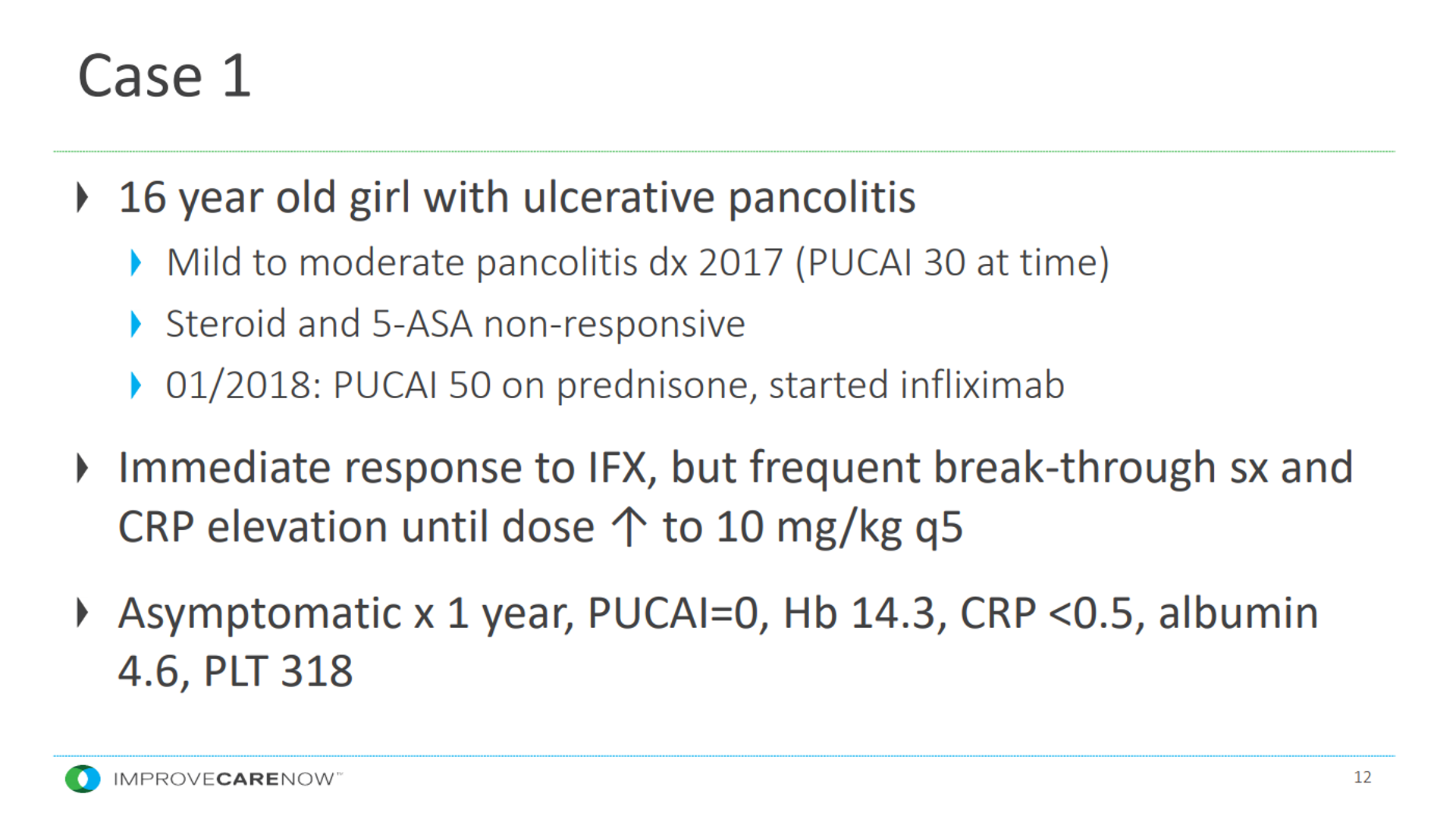
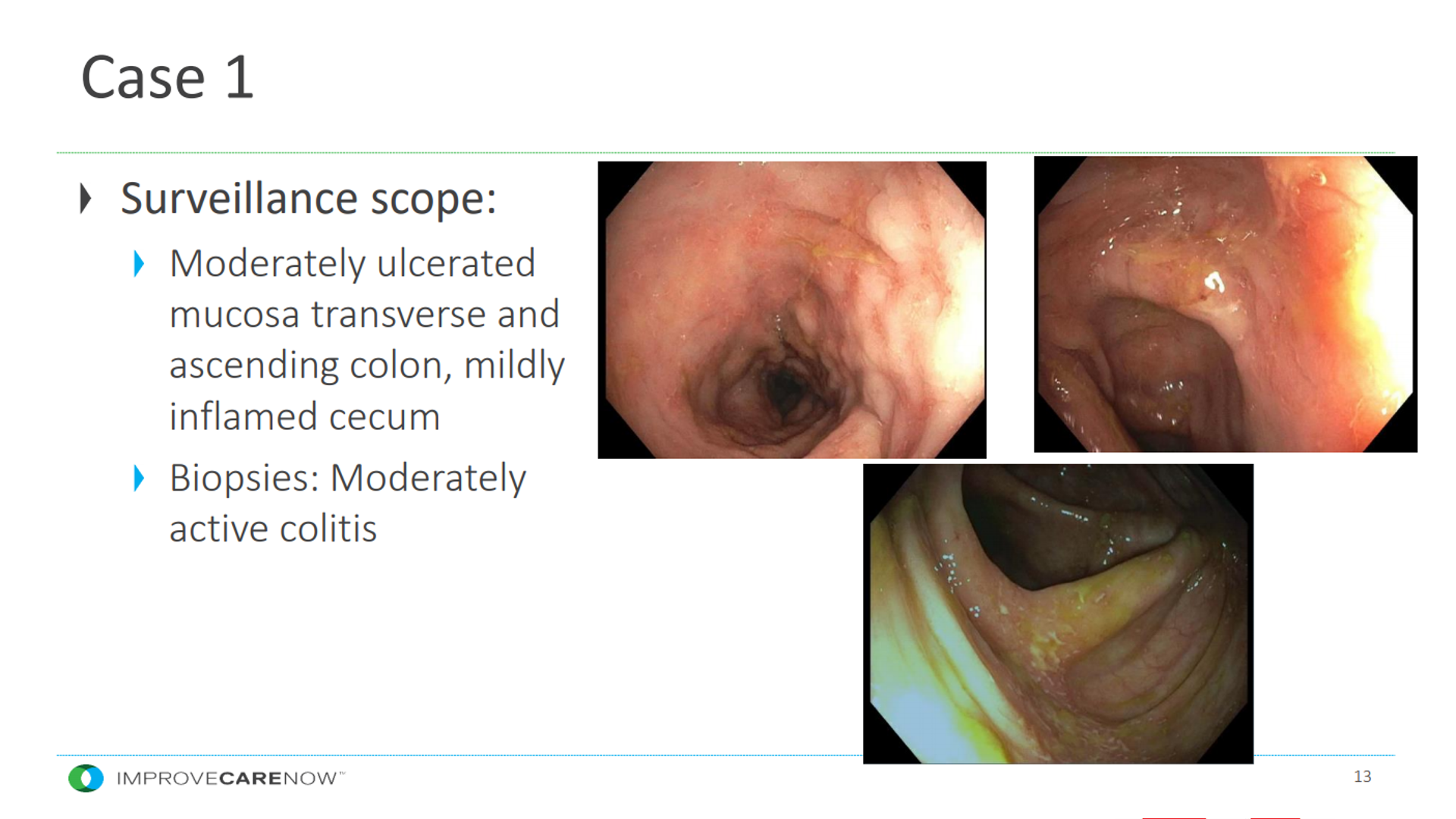
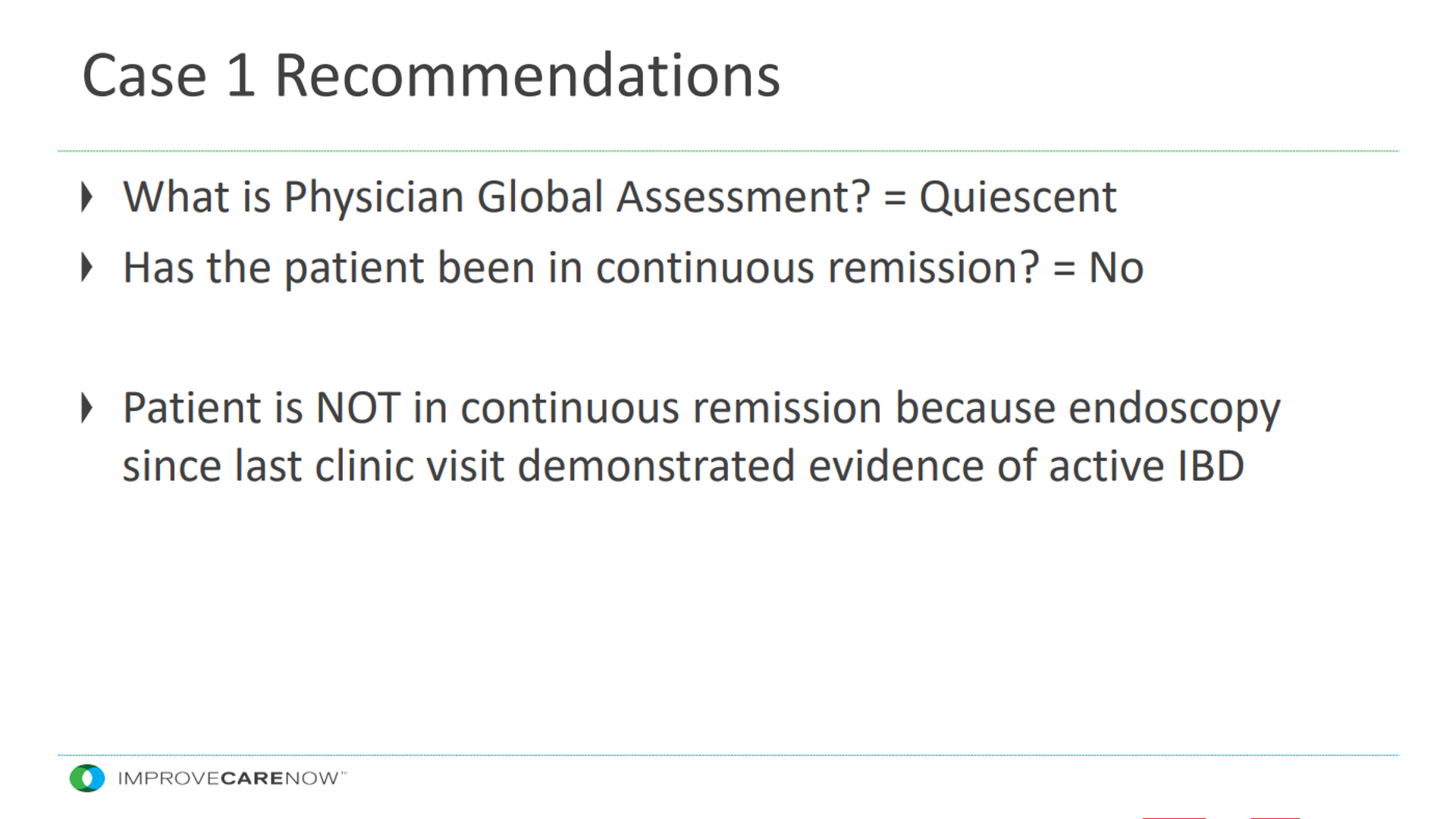
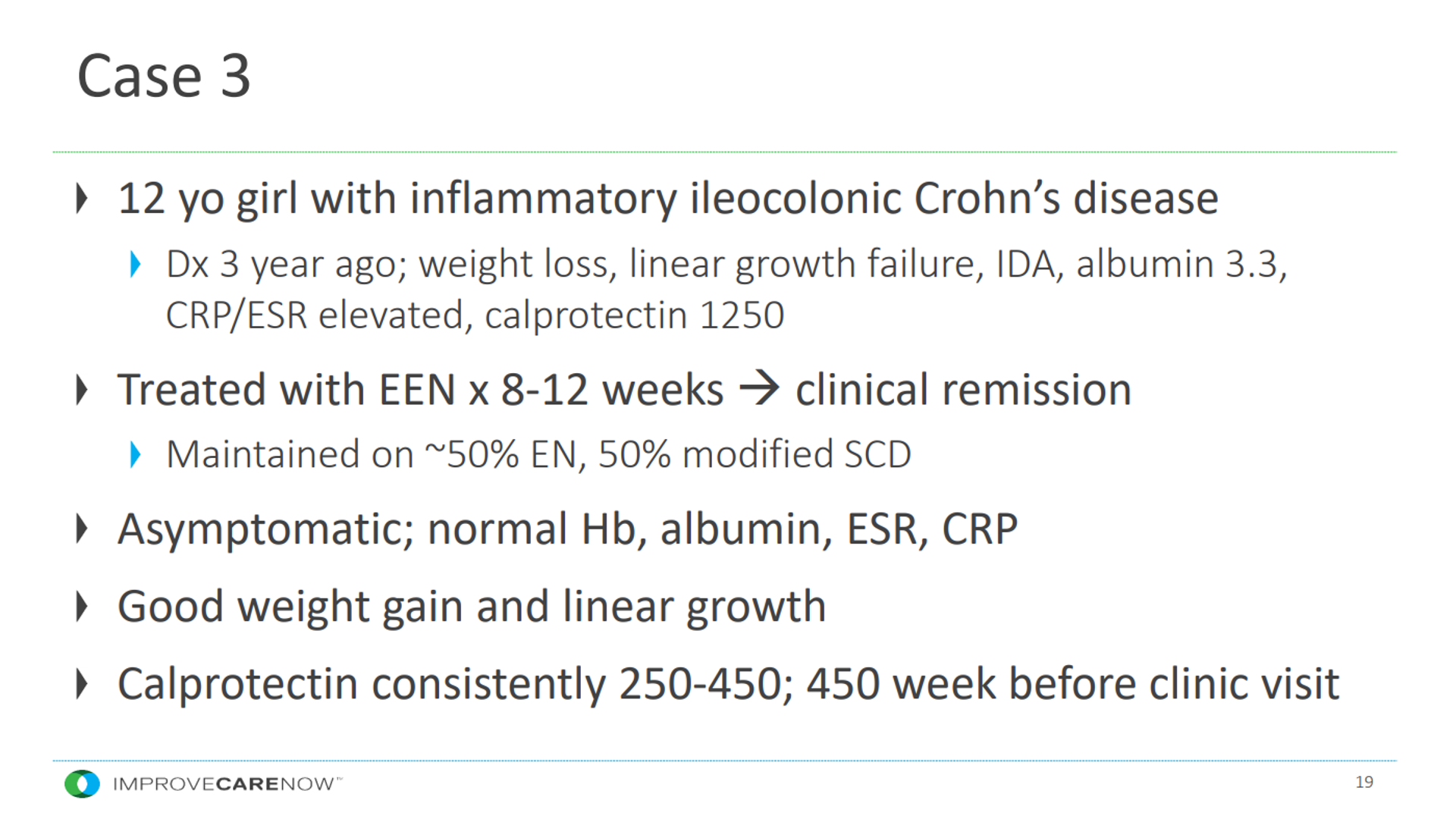
Recently, Lindsey Albenberg, DO (from CHOP) provided an excellent update on dietary therapy for Crohn’s disease.  She was an invited speaker from CHOA as part of a nutritional support professional development series.  Thanks to Kipp Ellsworth for coordinating this.

Full Slide Set: Nutritional therapies for IBD

Key points from lecture:

  • At CHOP, exclusive enteral nutrition (EEN) is the main dietary approach for Crohn’s disease (CD) advocated due to better proof of its effectiveness
  • In children, EEN is as effective as steroids for clinical improvement and better in terms of mucosal healing
  • EEN therapy can be given regardless of CD location
  • For EEN, there is no difference in response between elemental and nonelemental formulas
  • For EEN to be effective, at least 80-90% of all calories need to be administered during induction
  • At CHOP, EEN is often administered at time of diagnosis and oral approach is tried first
  • Newer dietary approaches are being studied and may be effective.  Diets like the specific carbohydrate diet (SCD) can be considered, particularly in patients with milder disease.


The following slide presents SCD diet studies –mostly small studies except for 2016 survey study.

Related blog posts:


Disclaimer: These blog posts are for educational purposes only. Specific dosing of medications/diets (along with potential adverse effects) should be confirmed by prescribing physician/nutritionist.  This content is not a substitute for medical advice, diagnosis or treatment provided by a qualified healthcare provider. Always seek the advice of your physician or other qualified health provider with any questions you may have regarding a condition