Our group shared data yesterday on variation in individual provider level outcomes with regard to diagnostic yield and colonoscopy. In addition, the poster highlights the likelihood of diagnostic yield based on indications.



Our group shared data yesterday on variation in individual provider level outcomes with regard to diagnostic yield and colonoscopy. In addition, the poster highlights the likelihood of diagnostic yield based on indications.
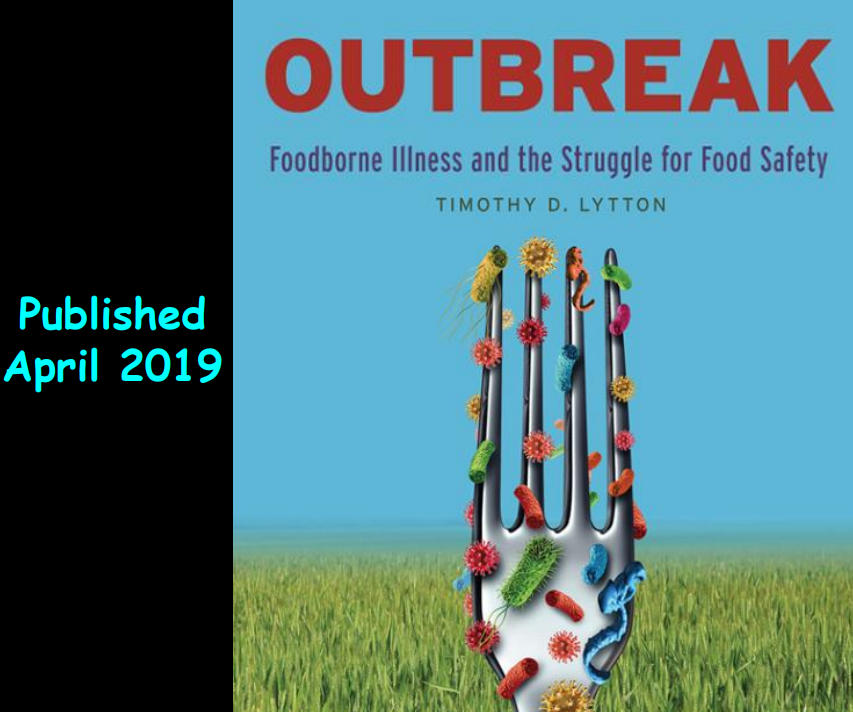
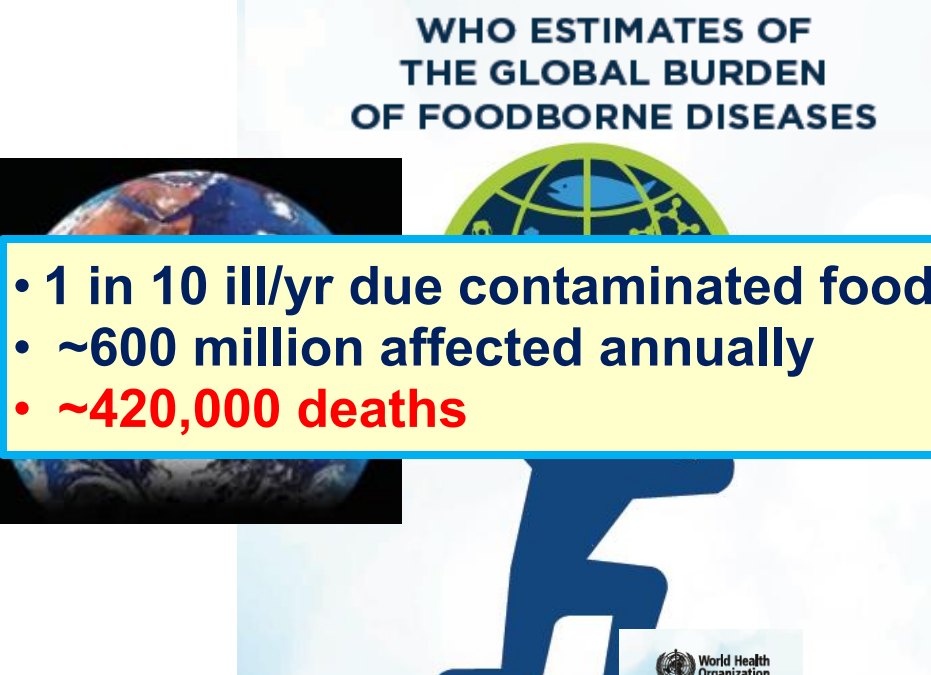
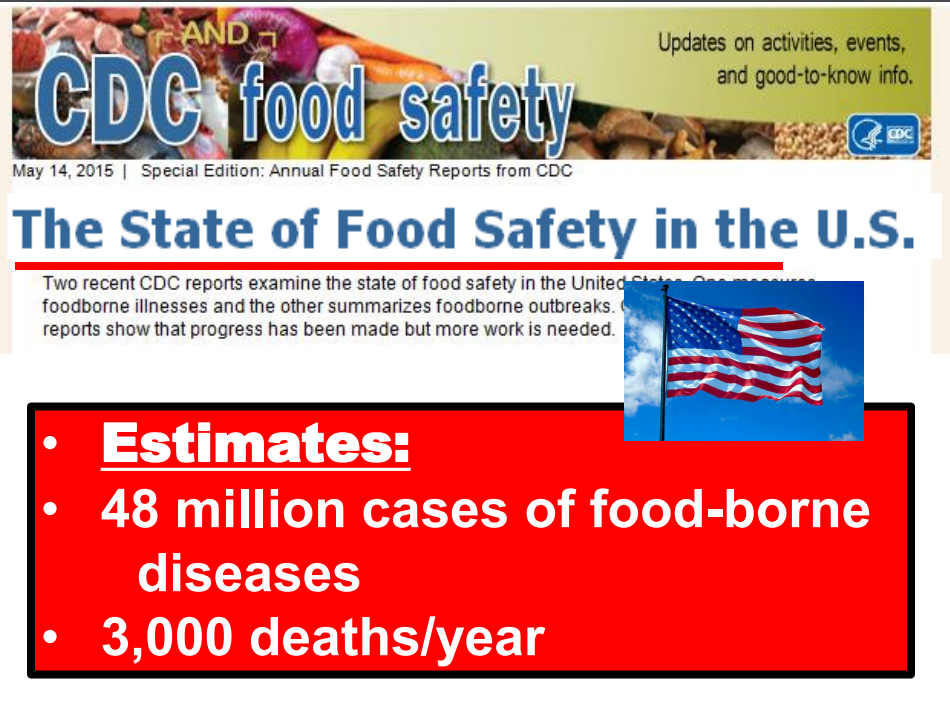
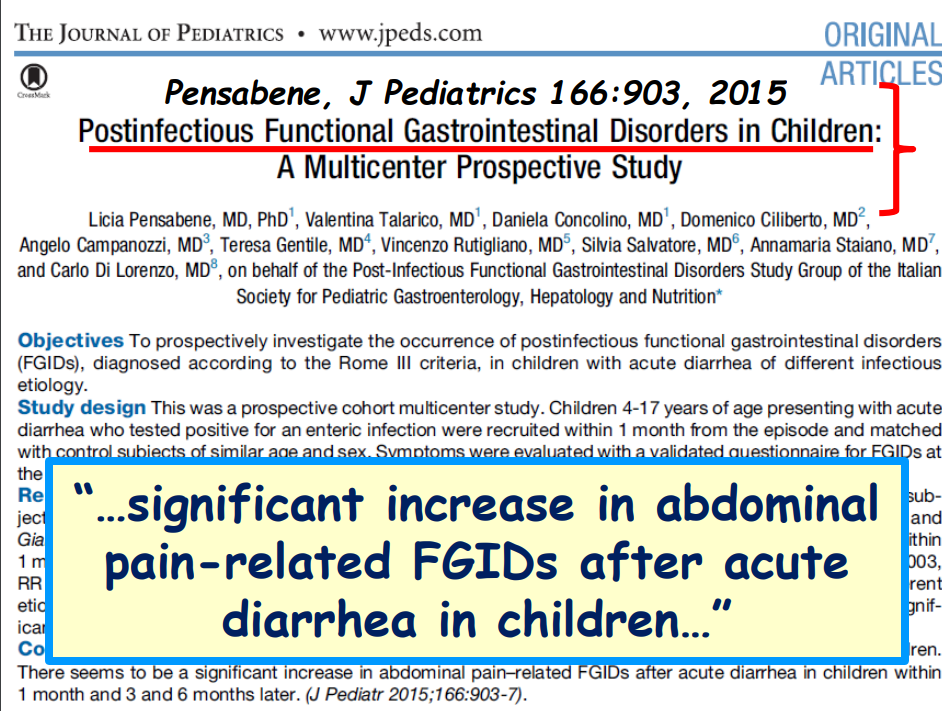
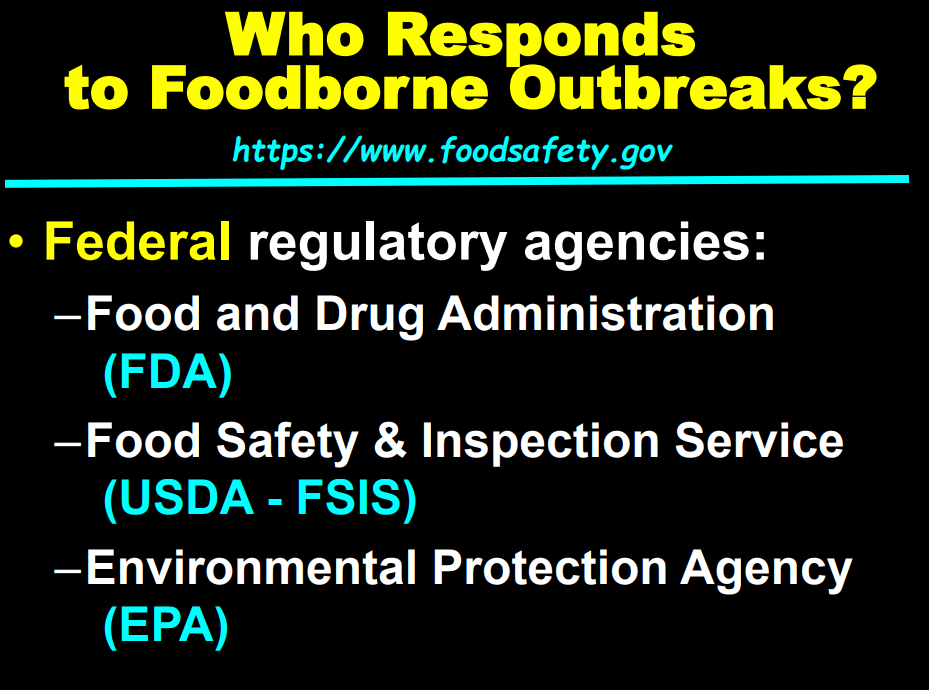
Yesterday, I posted a blog that tried to summarize some of William Balistreri’s talk on Global Health. He gave a 2nd Excellent Lecture on Food Safety at the Georgia AAP Nutrition Symposium. One audience member suggested that this lecture was well-paired with the previous lecture as the awareness of food-borne illnesses might deter gluttony.
This lecture was packed with information regarding food safety; he highlighted the extensive and frequent food-borne illnesses.
Key points:
Resources:
Link to full talk slides PDF: FOOD SAFETY (10-10-19) I have placed about 20 slides below which summarize much of the information that he conveyed.





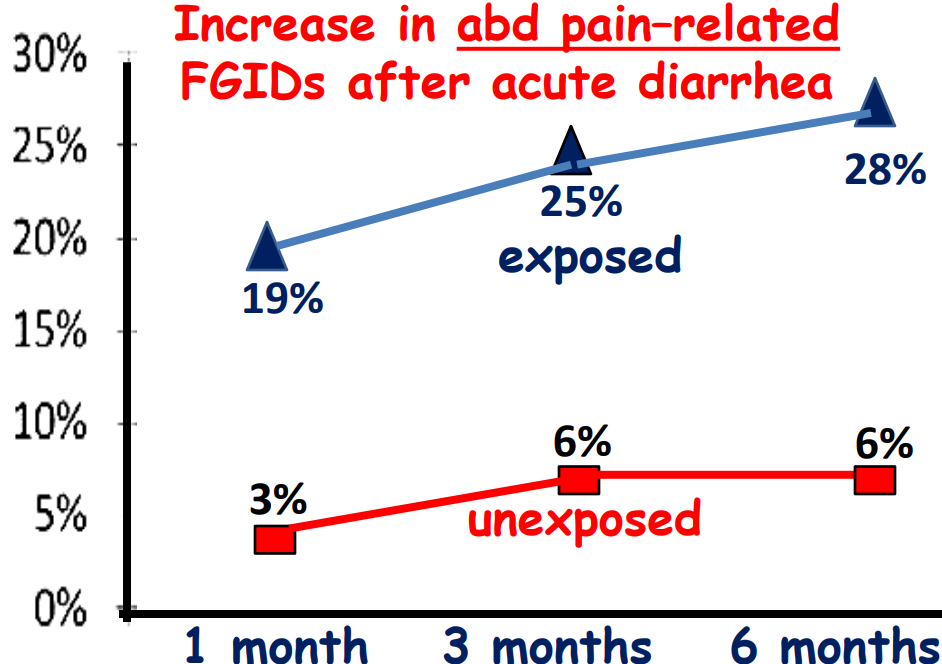
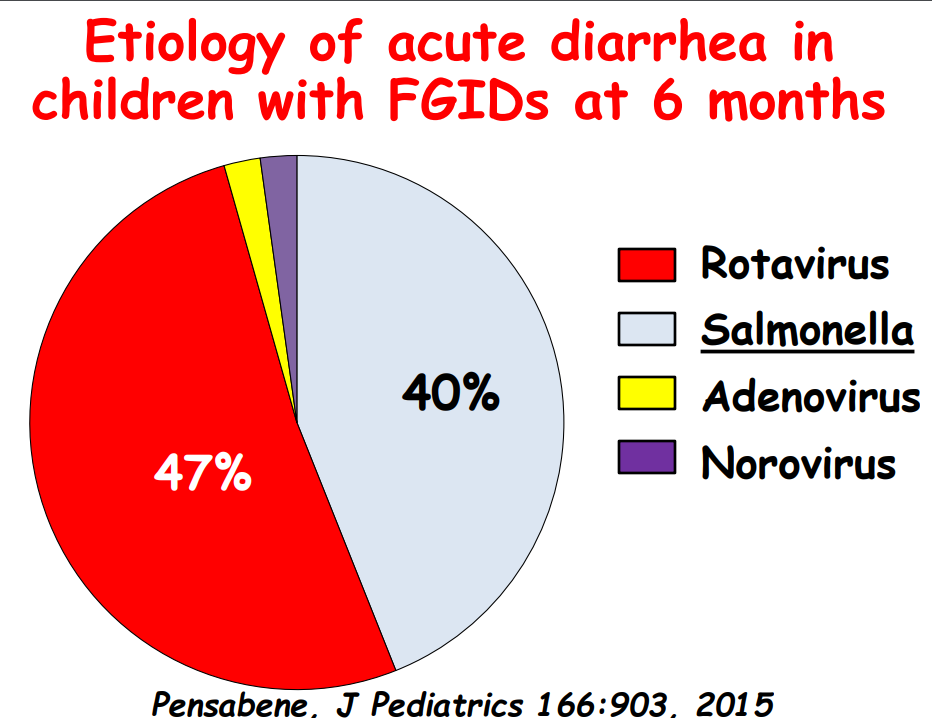

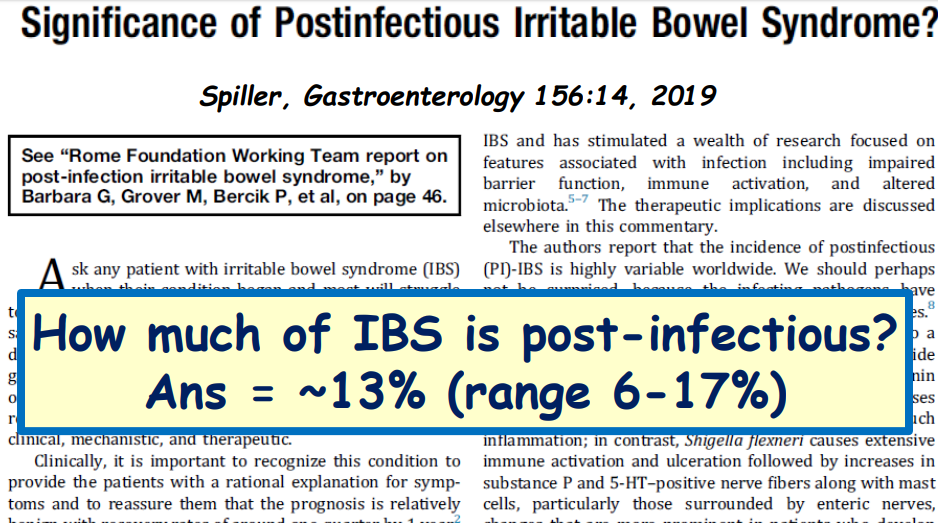






I had the privilege recently of introducing William Balistreri as the keynote speaker for the Georgia AAP Nutrition Symposium. Dr. Balistreri is a personal hero for me; someone I admire greatly. Hopefully, if he reads this, he will forgive me for forgetting to mention in my introduction that he also is a Lacrosse coach for one of his grandchildren’s team.
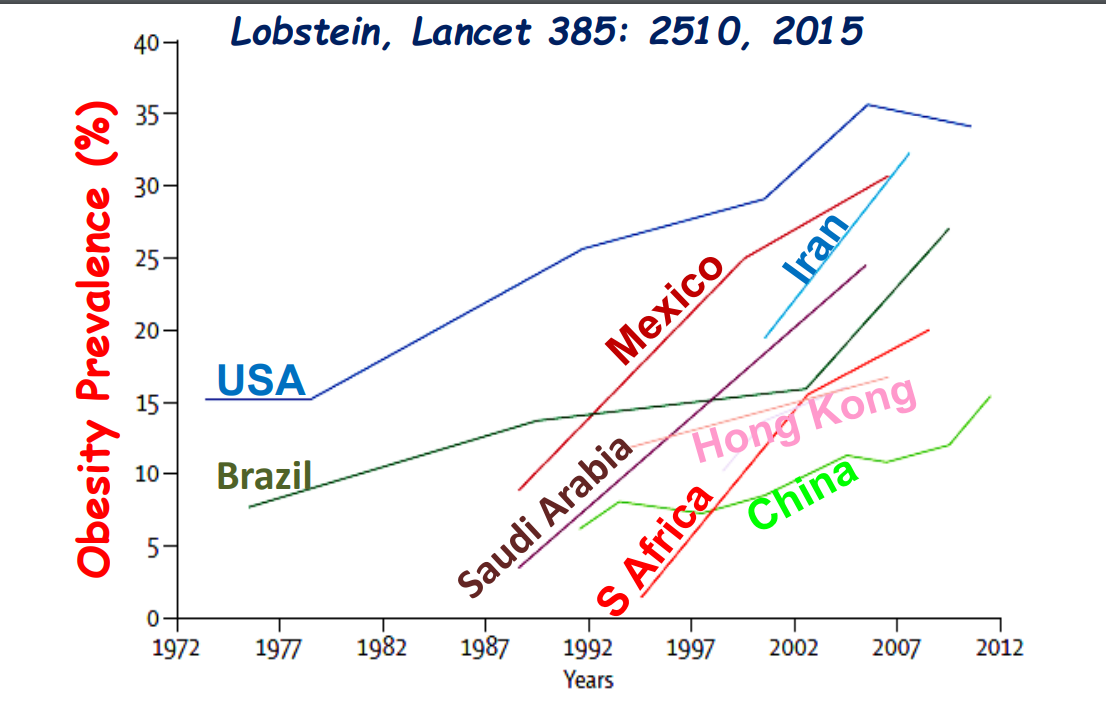
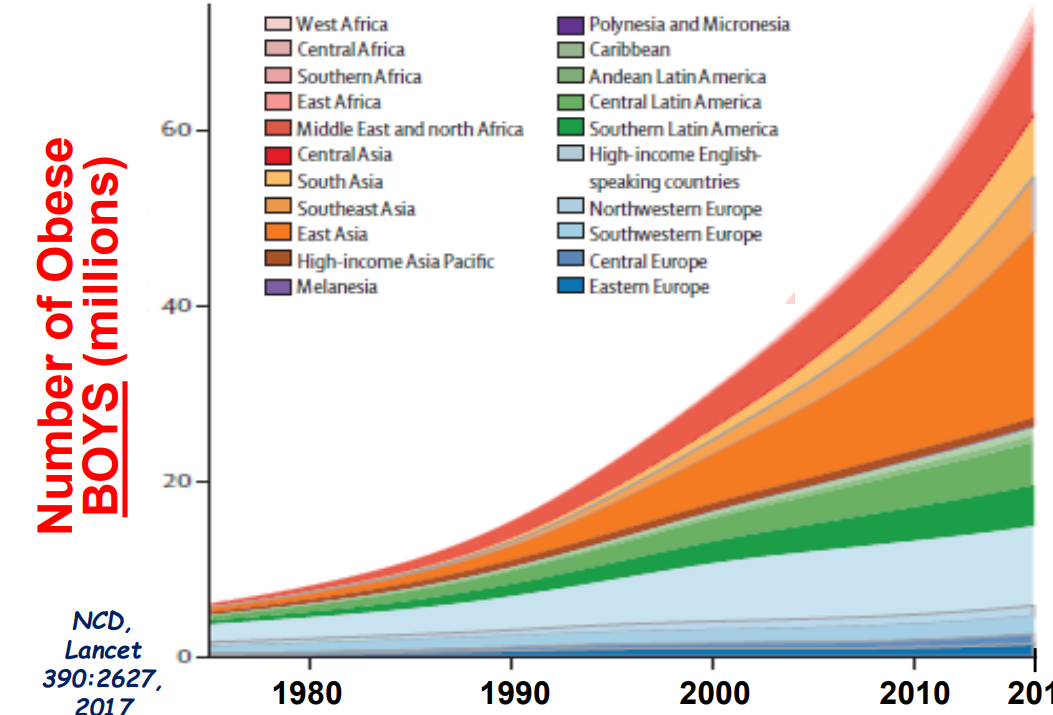
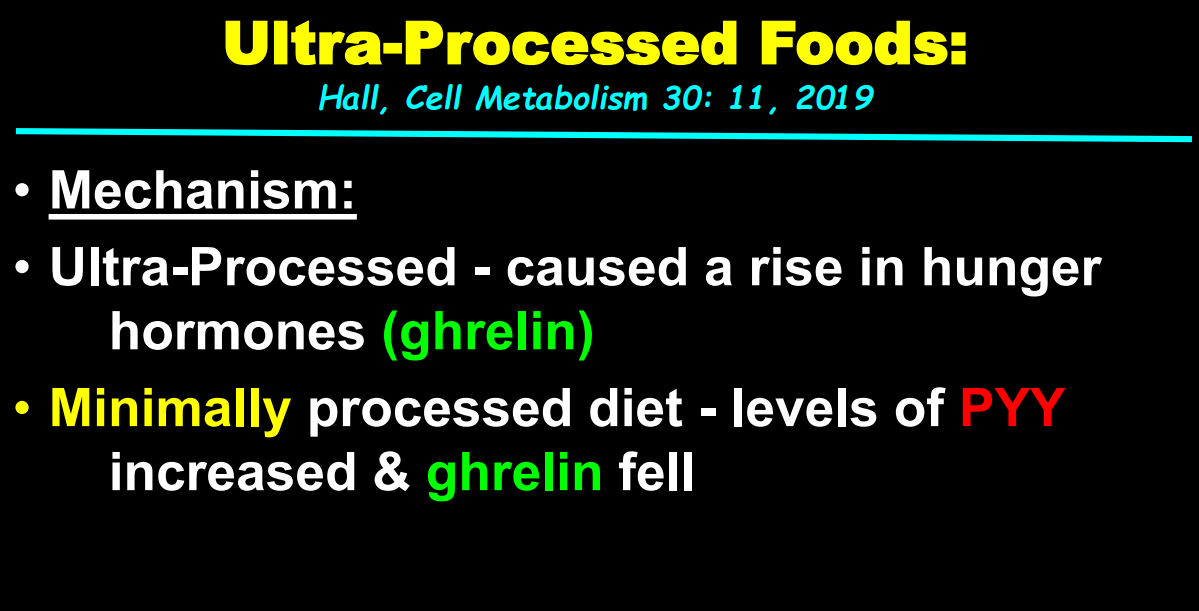
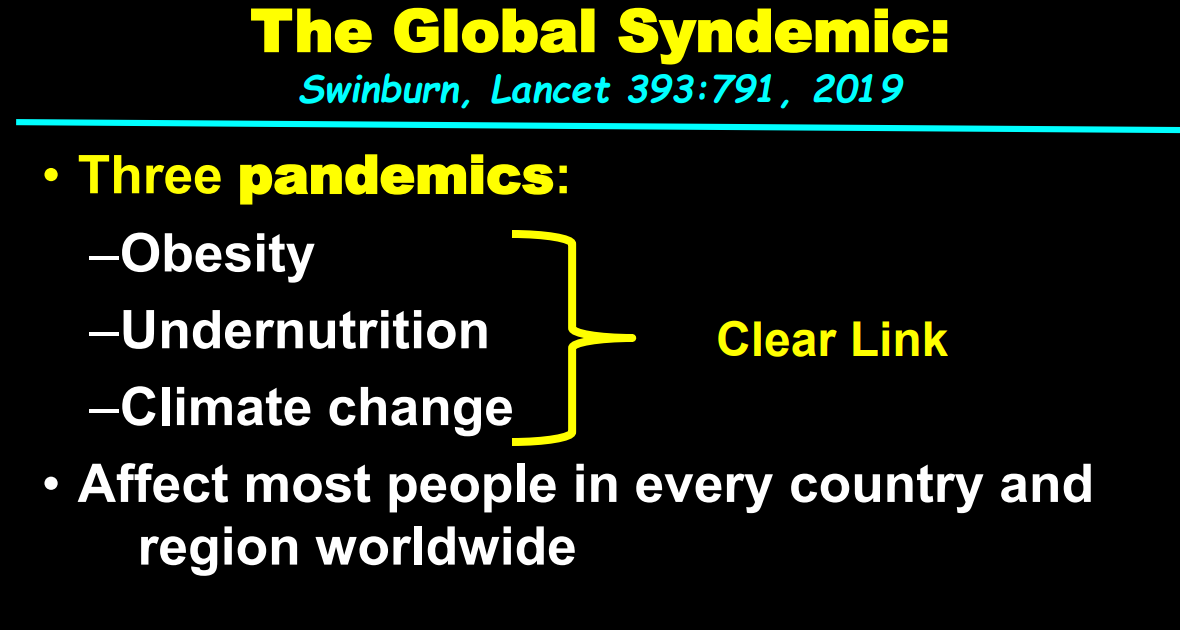
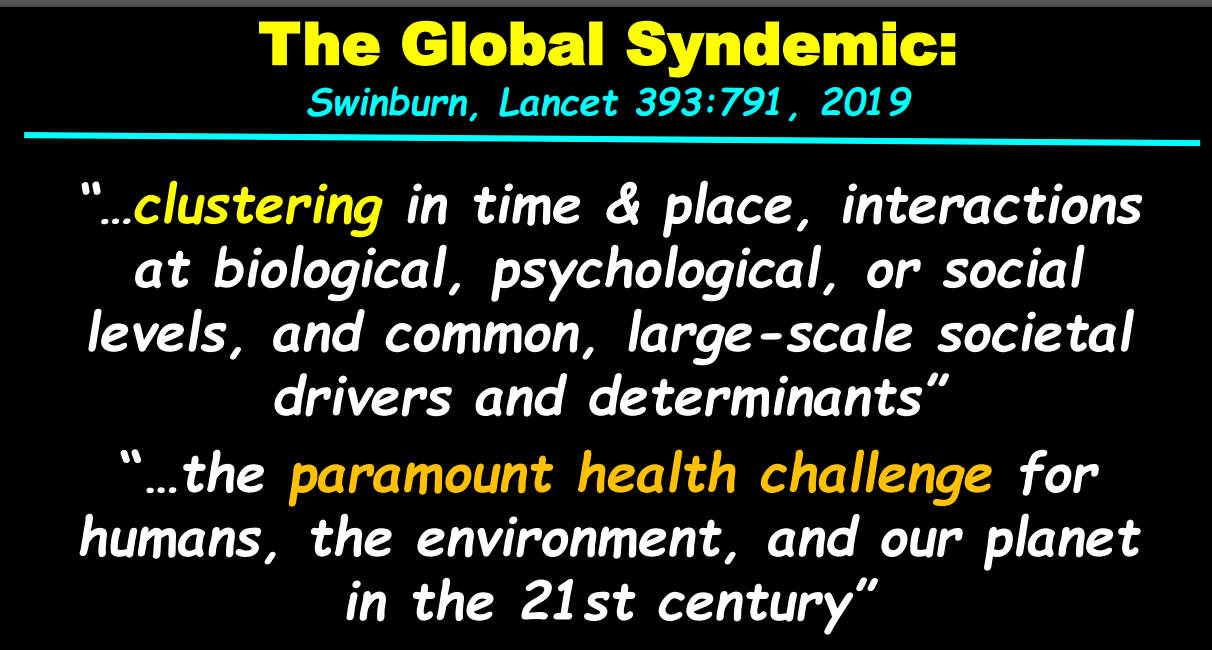
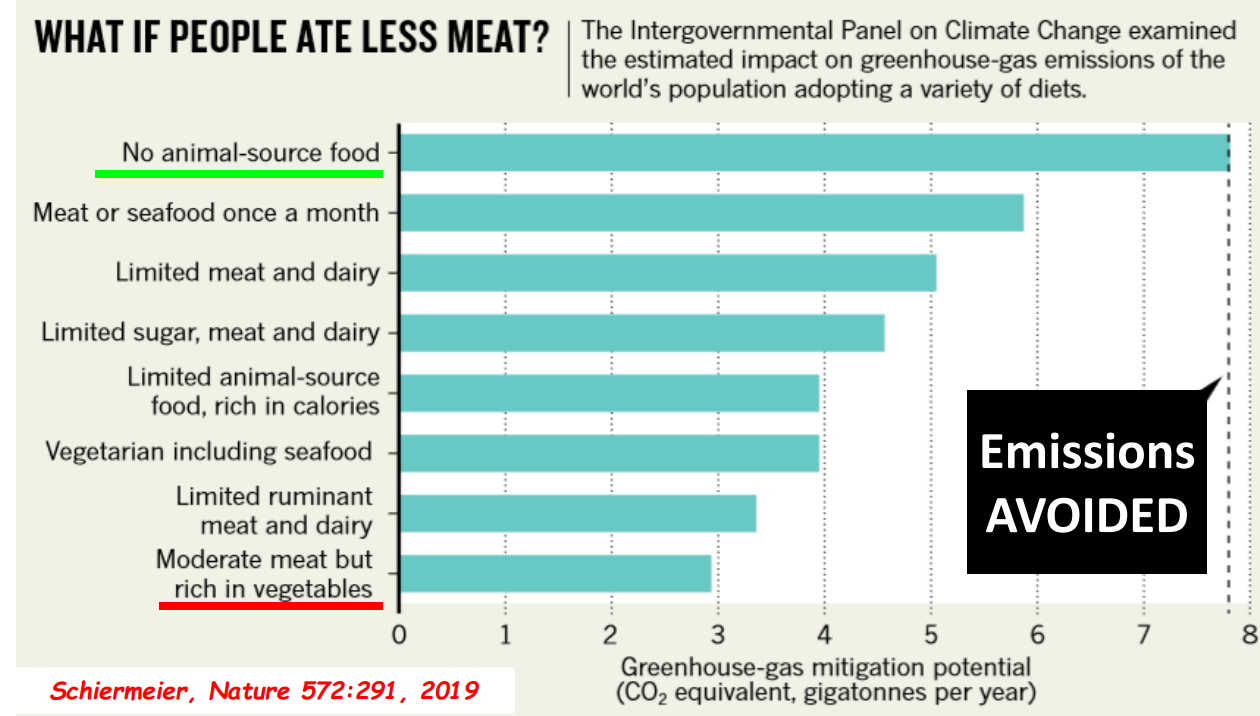
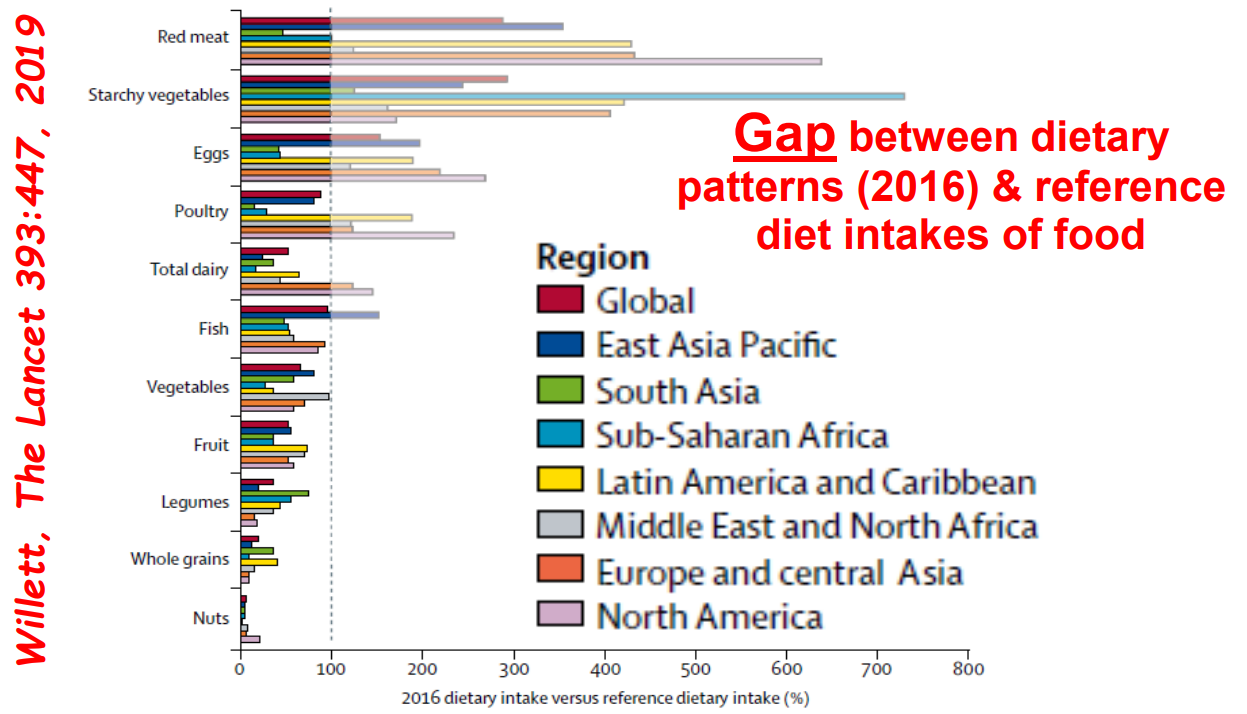
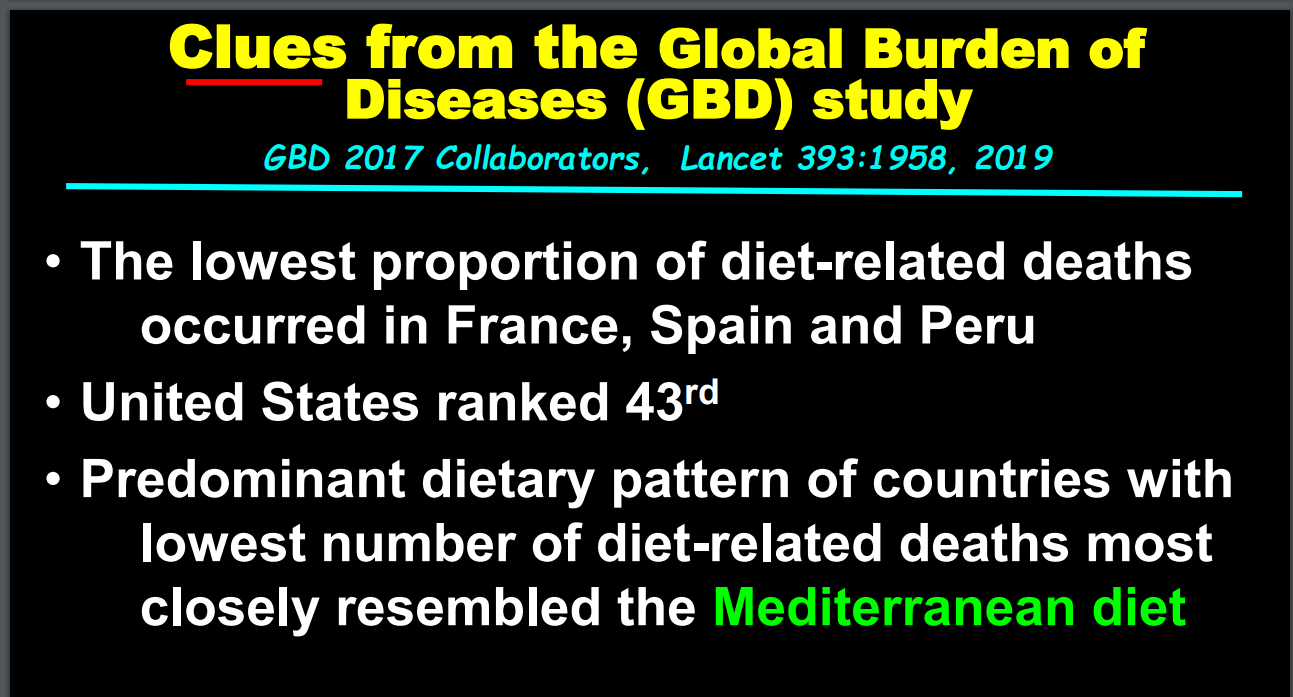
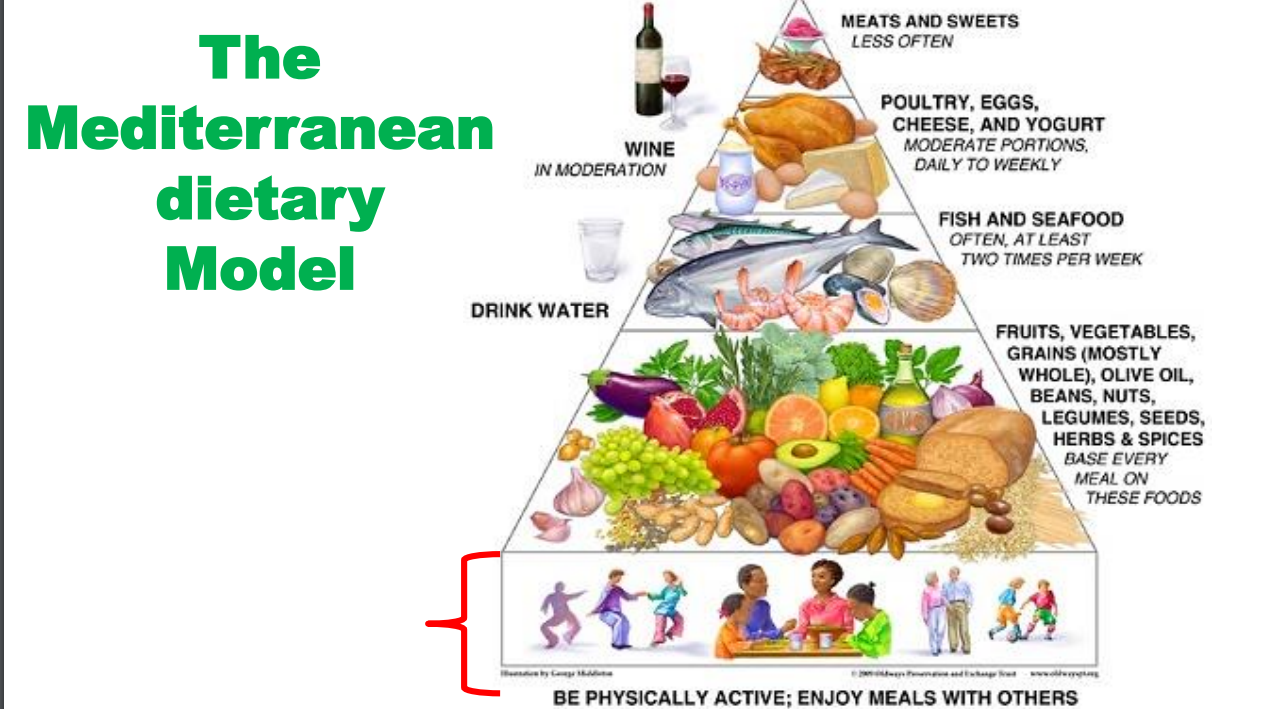
He gave a tour de force presentation on the global challenge of obesity. In addition, he discussed undernutrition, endobariatrics, gastroenteritis, climate change and even food waste; 40% of U.S. food is thrown away. In Finland, there is a ‘Grocery Store Happy Hour‘ for distribution of reduced cost/free groceries which may help reduce food waste. In general, I try to condense what I read or hear –that was pretty much impossible with this lecture which was packed with information based on the latest research as well as information dating back to the 5th Century BC/Plato. What follows are some of my favorite slides.
Here is a link to the full talk: WHAT’S HOT in Pediatric Gastroenterology? Global Nutrition Lecture (10-10-19)
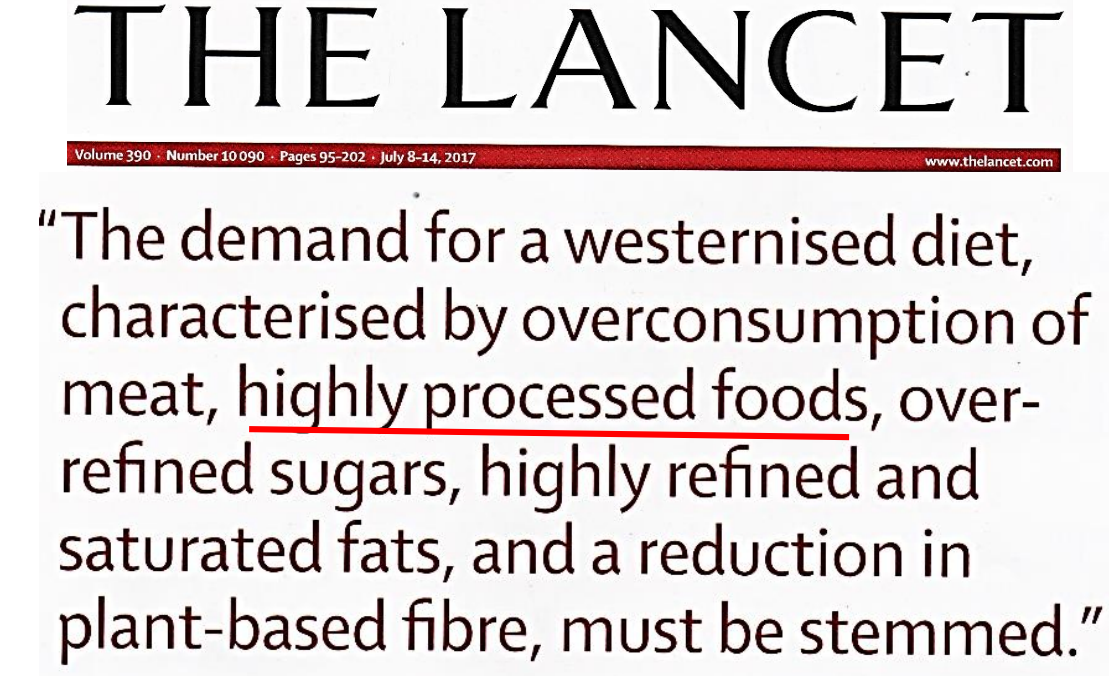
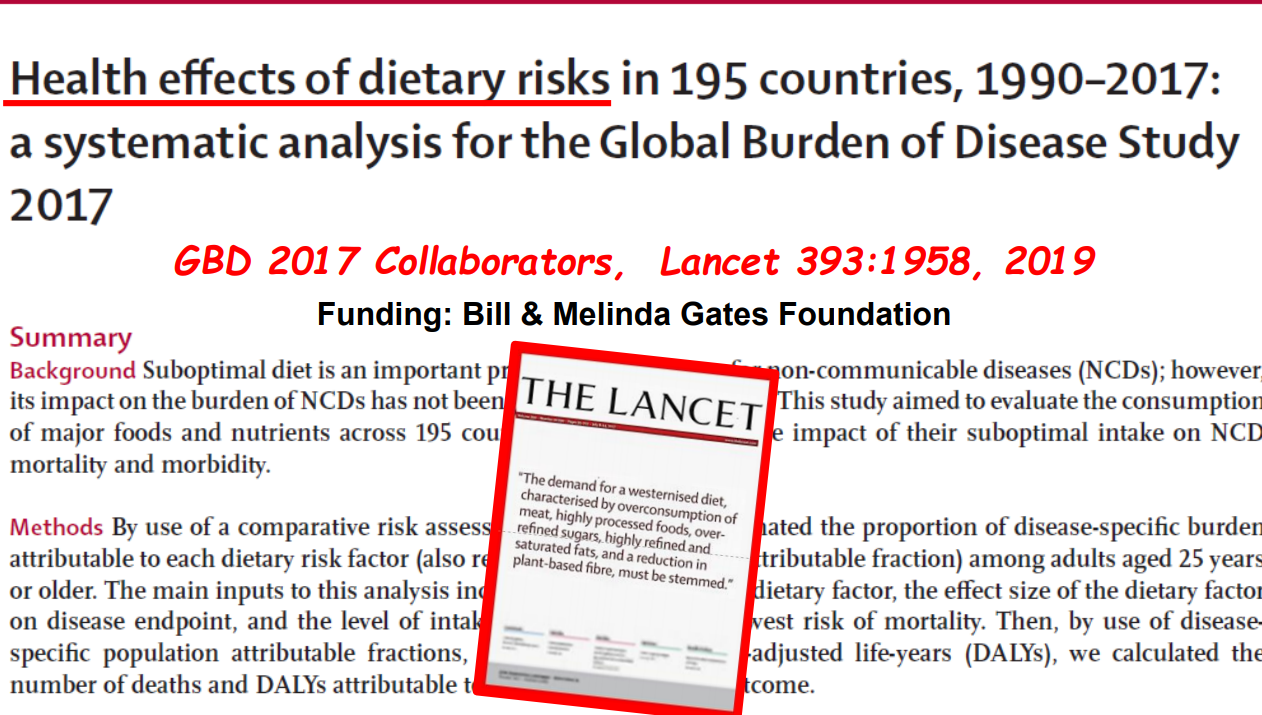
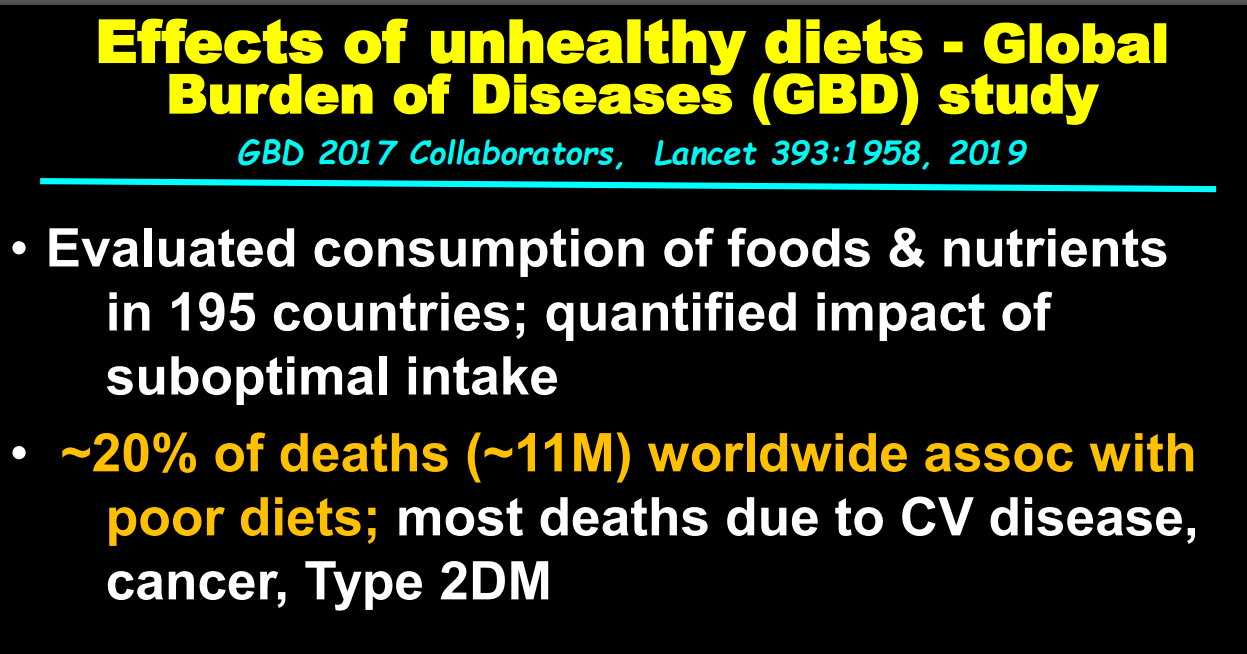
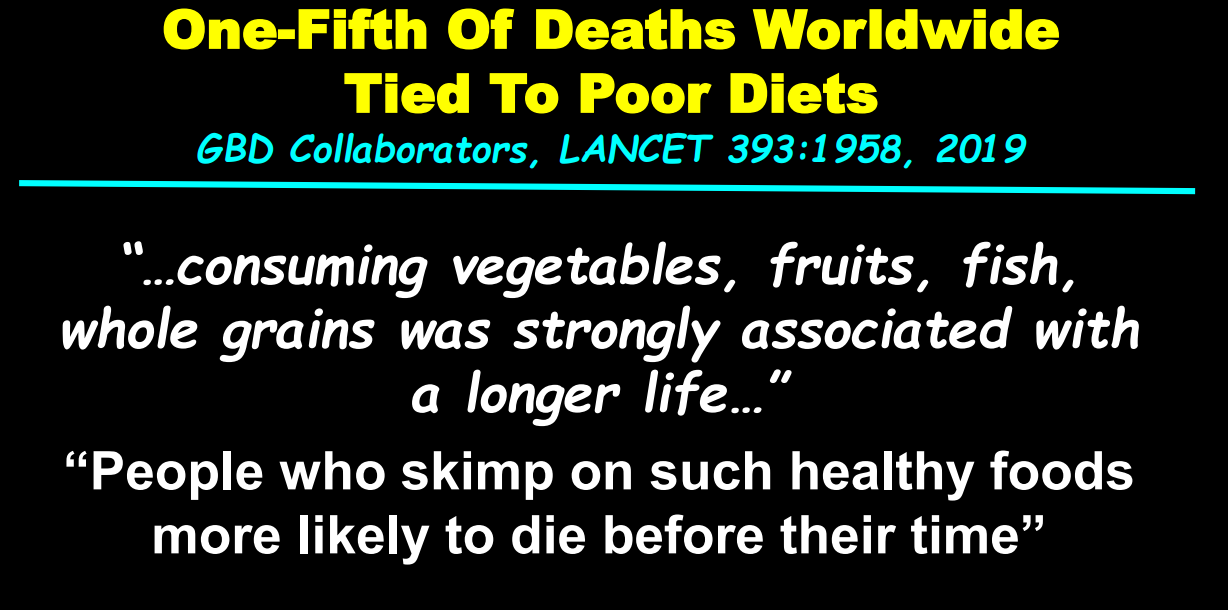
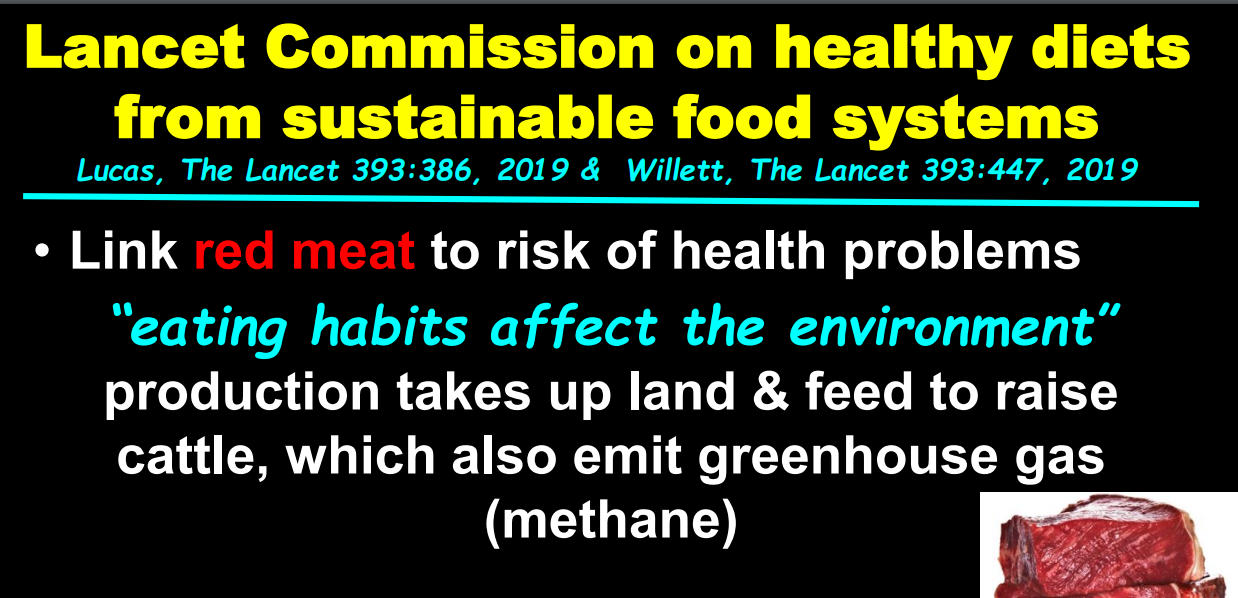
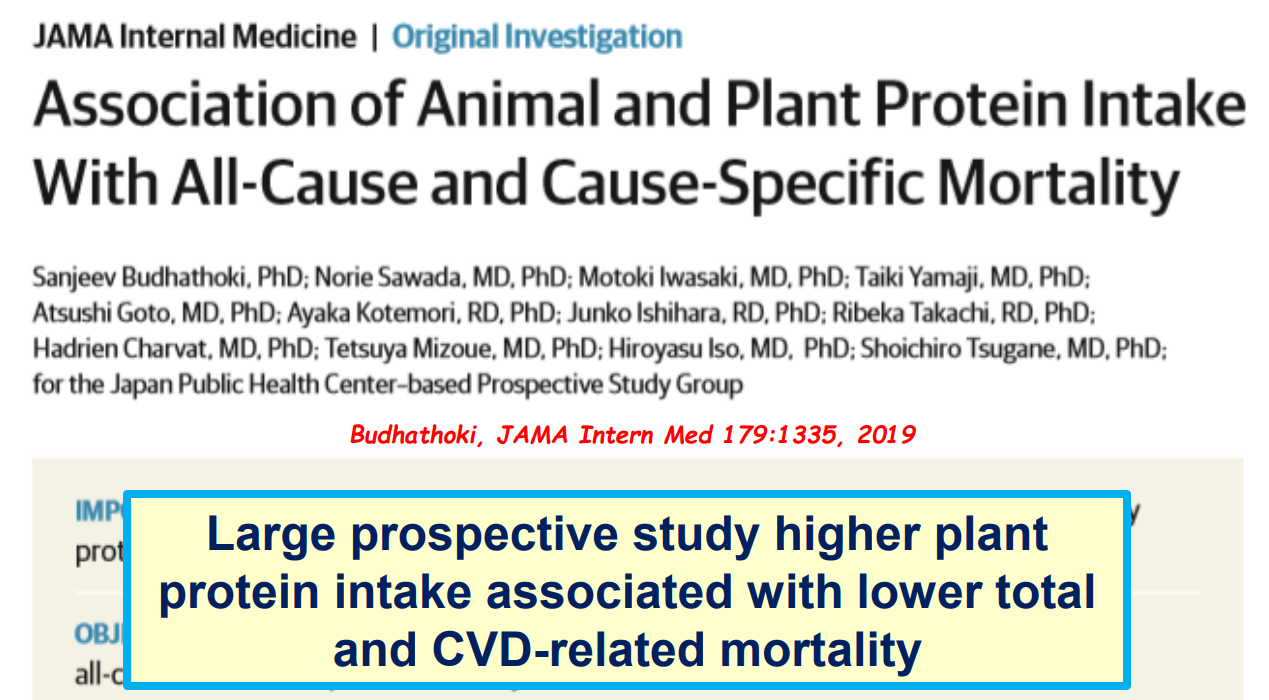
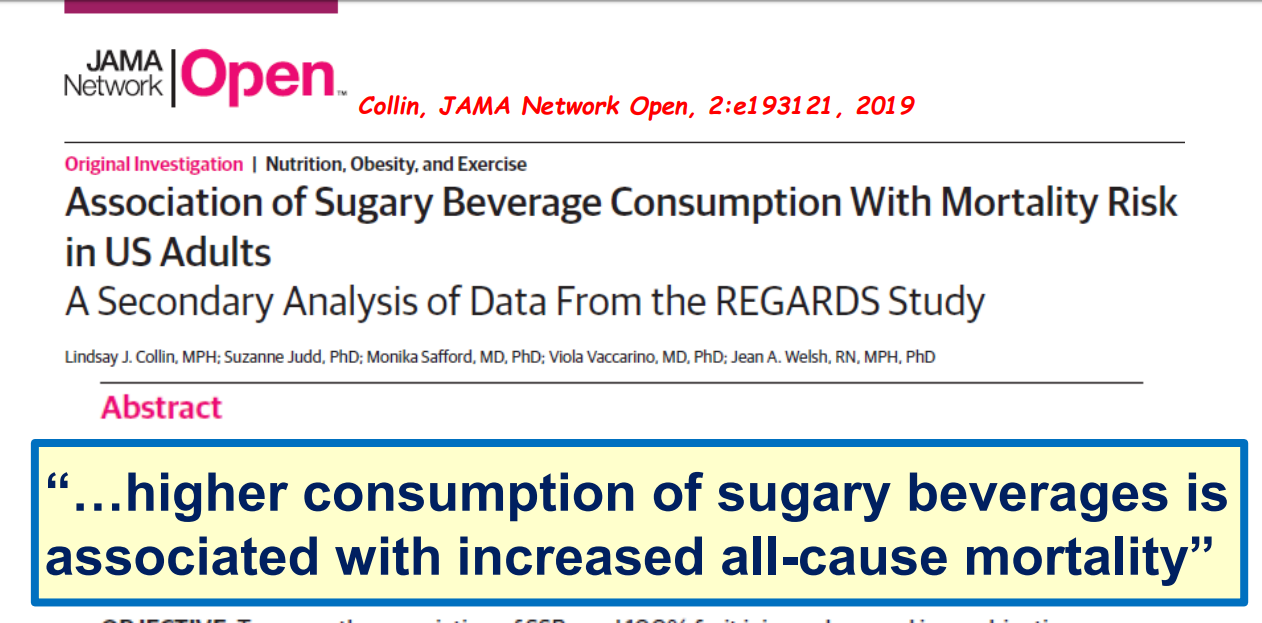
Two Articles received the most attention:


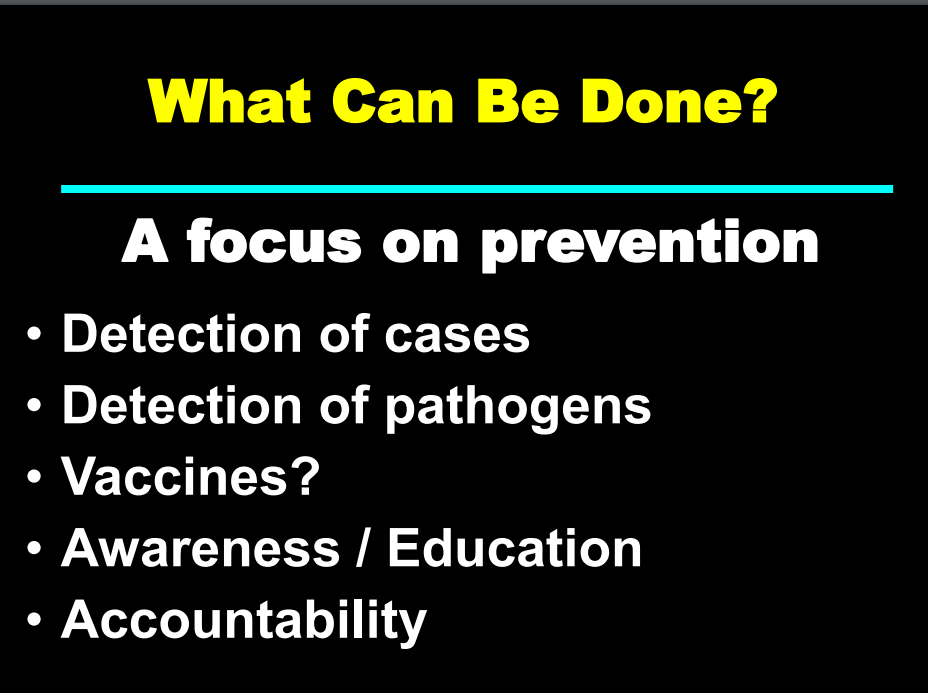
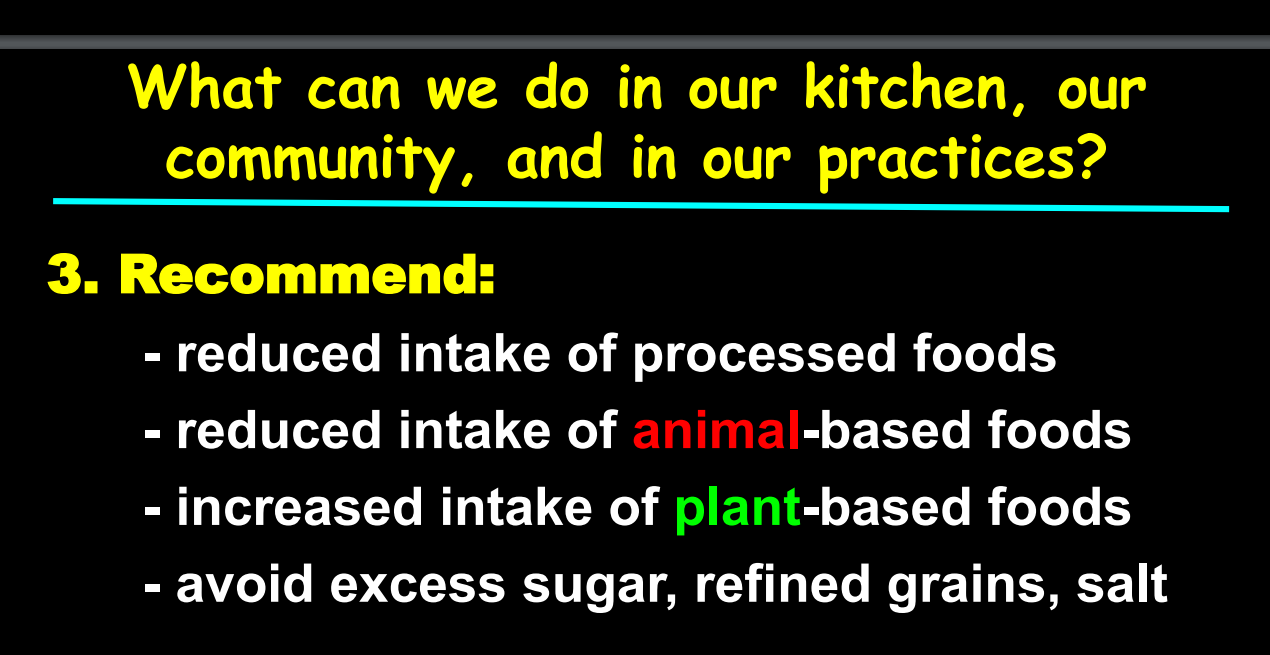
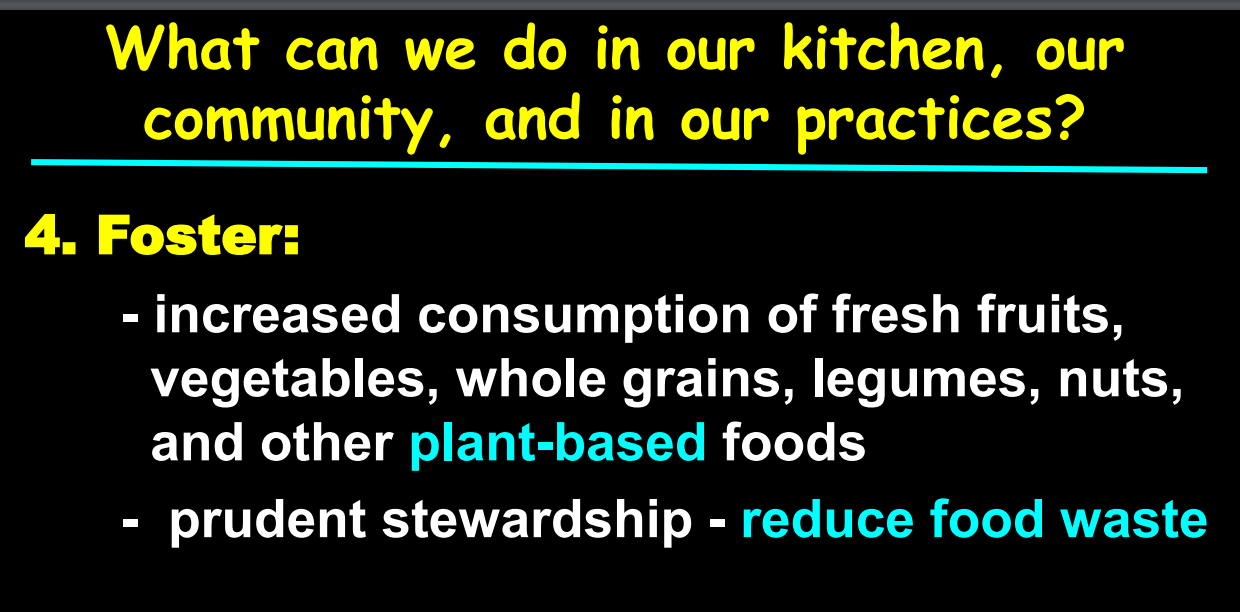
What Can Be Done?


Additional References:
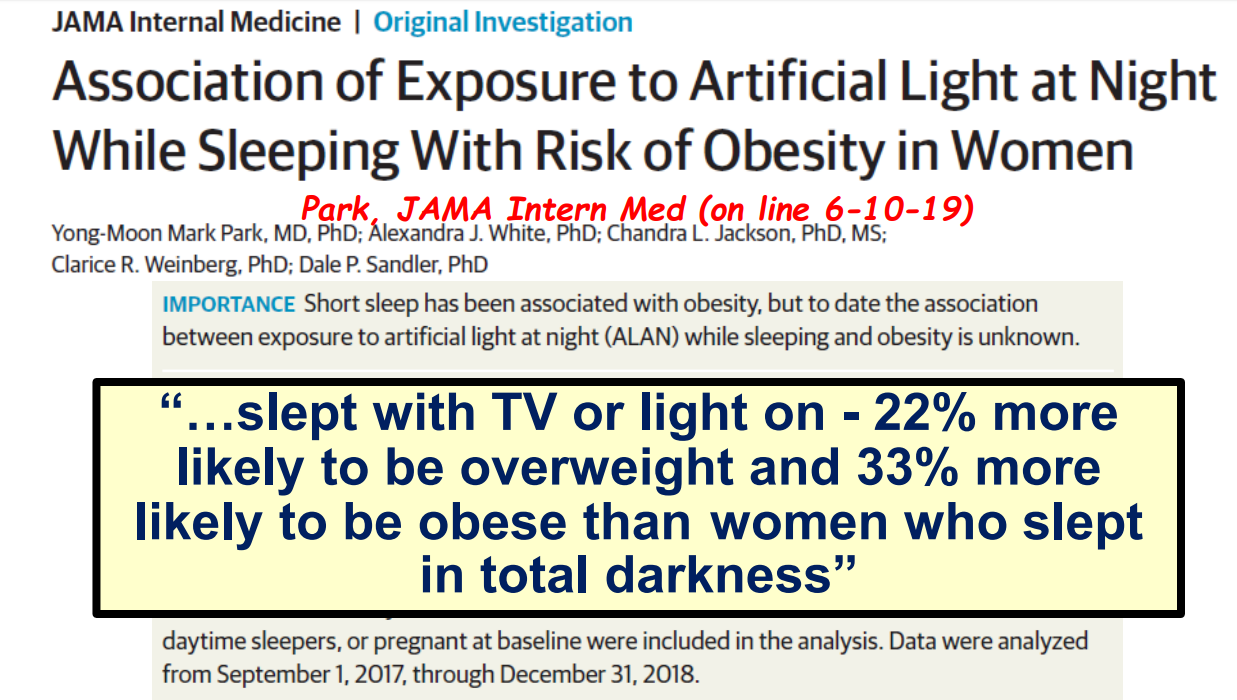
A recent book (not discussed in lecture) provides related information. “We Are The Weather” by Jonathan Foer, was reviewed this past weekend in the NY Times: Meat is Murder: “[This book] has a point, and that is to persuade us to eat fewer animal products. Foer makes the case that, for Americans and citizens of other voracious meat-eating countries, this is the most important individual change we can make to reduce our carbon footprints.” However, the reviewer, Mark Bittman, states that “we’re not good at making positive decisions about our future. And we’re really not good at denying ourselves cheap pleasures like cheeseburgers.” He advocates for stronger laws, government leadership, and pricing the products to account for their true costs in terms of their contributions to climate change, public health, and environmental degradation.
Related blog posts:
A recent study (LE Targownik, EI Benchimol, J Witt et al. Inflamm Bowel Dis 2019; 25: 1718-28) shows that direct health care costs are increased with anti-TNF therapy.
In this retrospective study using the Manitoba IBD Database, the authors examined the direct costs associated with anti-TNF therapy initiation in 928 patients (676 CD, 252 UC). Only 84 subjects were <18 years.
Key findings:
Discussion:
Limitations:
My take: This study shows that saving money is not the main reason to use anti-TNF therapies; rather, their effects on improved health and fewer complications.
Related blog posts:

Haystack Rock, Cannon Beach OR
On Friday at 2:30 pm, I am one of the moderators for a session on new technology at this year’s NASPGHAN conference. Hope to see you there!

From CNN

Briefly noted:
D Piovani et al. Gastroenterol 2019; 157: 647-59. This study examined environmental risk factors for inflammatory bowel disease after extensive literature review and assessment of meta-analysis.
9 factors that were associated with increased risk of IBD:
7 factors that associated with reduced risk of IBD:
EL Barnes et al. Inflamm Bowel Dis 2019; 1474-80. In this review which identified 12 studies and 4843 with an IPAA ( ileal pouch-anal anastomosis) for ulcerative colitis, 10.3% were ultimately diagnosed with Crohn’s disease. Link to full text and video explanation: The Incidence and Definition of Crohn’s Disease of the Pouch: A Systematic Review and Meta-analysis
EV Loftus et al. Inflamm Bowel Dis 2019; 1522-31. In this study with 2057 adalimumab-naive patients, “the proportion of patients in HBI remission increased from 29% (573 of 1969; baseline) to 68% (900 of 1331; year 1) and 75% (625 of 831; year 6). Patients stratified by baseline immunomodulator use had similar HBI remission rates.” Full text: Adalimumab Effectiveness Up to Six Years in Adalimumab-naïve Patients with Crohn’s Disease: Results of the PYRAMID Registry
The following study was summarized in previous blog: Oral Antibiotics For Refractory Inflammatory Bowel Disease Full text link: Efficacy of Combination Antibiotic Therapy for Refractory Pediatric Inflammatory Bowel Disease

Washington Park, Portland, OR
M Fanna et al. JPGN 2019; 69: 416-24. In this retrospective 30-year study (1986-2015) from France, patients were examined in 4 time cohorts: 1986-96, 1997-2002, 2003-9, and 2010-5.
The authors note that better outcomes were noted in a long-term study from Japan where there are lower rates of LT needed for biliary atresia. IN Japan 20-year survival with native liver and overall patient survival was 48% and 89%, compared to 26% and 76% in France.
My take: This study indicates that the majority of patients with BA will require liver transplantation and that earlier Kasai operation is associated with a better chance of survival with native liver. It is likely that data in the U.S. would be more similar to France than Japan based on prior publications.
Related blog posts:

Ecola State Park, OR
Briefly noted:
M Mouzaki et al. JPGN 2019; 69: 339-43. In a cohort of 228 patients with 17 (8%) who were receiving psychotropic medications, the use of psychotropic medications was associated with increased nonalcoholic fatty liver disease (NAFLD) severity. These patients were more likely to be receiving metformin (53% vs 18%) and antihypertensive medications (29% vs 8%).
S Honigbaum et al. JPGN 2019; 69: 344-50. Among 20 infants with biliary atresia, tissue had abundantly expressed lysly oxidase-like 2 (LOXL2) compared to controls. LOXL2 is an extracellular matrix enzyme that catalyzed cross-linking of collagen and elastin; LOXL2 likely contributes to fibrosis.

Briefly noted: NE Burr et al. Clin Gastroenterol Hepatol 2019; 17: 2042-49.
In a retrospective cohort (1994-2013) using a primary care database from England, the authors identified decreasing risk of surgeries with Crohn’s diseae (CD).
The reasons for this reduction are not certain but could include better clinical care or reduction in other risk factors (like smoking).

Atlanta Botanical Garden
 gutsandgrowth