NASPGHAN/ESPGHAN Position Paper: Nutrition Support for Children with Chronic Liver Disease

M Mouzaki et al. JPGN 2019; 69: 498-511. Full text link: Nutrition Support of Children with Chronic Liver Diseases: A Joint Position Paper of the North American Society for Pediatric Gastroenterology, Hepatology, and Nutrition and the European Society for Pediatric Gastroenterology, Hepatology, and Nutrition 

Figure 2 (above) outlines an approach to assuring adequate intake of nutrients

Table 2 (above) provides an approach to laboratory monitoring. The authors recommend measuring every 3-6 months for most of the vitamins and micronutrients listed in this table

Table 3 (above) provides recommendations for specific elements of nutritional support.

Figure 1 (above) describes pathophysiology of malnutrition.

My take: This position paper provides useful advice for approaching nutritional support in children with chronic liver disease. Defining the specific patients in which these guidelines may be applicable requires individual assessment.  Thus, the authors note that the guidelines “should not be construed as establishing a legal standard of care or as encouraging, advocating, requiring, or discouraging any particular treatment.”

Related blog posts:

Disclaimer: These blog posts are for educational purposes only. Specific dosing of medications/diets (along with potential adverse effects) should be confirmed by prescribing physician/nutritionist.  This content is not a substitute for medical advice, diagnosis or treatment provided by a qualified healthcare provider. Always seek the advice of your physician or other qualified health provider with any questions you may have regarding a condition

Quantifying the Risk of Autoimmunity for Celiac Disease

A recent study (MR Khan et al. JPGN 2019; 69: 438-42) examined the rates of autoimmune disorders (AD) among patients with celiac disease (CD) (n=249) compared to a control group (n=498) over an 18 year period (1997-2015). The authors utilized the  a database of medical records via the Rochester Epidemiology Project (Mayo Clinic/Olmstead County).

Key findings:

  • Five years after the index date, 5.0% of CD patients and 1.3% of controls had a de novo AD diagnosis
  • In the pediatric age group, there was an increased risk of AD: 5/83 (7.3%) of CD patients and 0/179 (0%) developed a AD diagnosis at the 5-year mark
  • The authors note that they observed a lower rate of Hashimoto thyroiditis after the diagnosis of CD, likely indicating a protective role of a gluten-free diet
  • Thyroid disorders, type 1 DM, psoriasis/psoriatic arthritis and rheumatoid arthritis were the most common AD identified in patients with CD

Limitations:

  • Retrospective study
  • Adherence with GFD was not assessed

My take: Screening for AD periodically is worthwhile in patients with CD, particularly thyroid disorders and type 1 diabetes which accounted for ~80% of the autoimmune conditions identified.

Briefly noted: R Ahawat et al. JPGN 2019; 69: 449-54. In this study with 38 newly-diagnosed CD, the authors found a high prevalence of low vitamin D (25OHD) levels (65.8%) -defined as <30 ng/mL; however, the control population had a higher rate of 79.3%.  While the authors advocate checking vitamin D levels due to the risk of bone disease, it is noted that bone mineral density and vitamin deficiencies frequently improve with a gluten-free diet (Related post: Celiac studies)

Related posts:

Barcelona

Nutrition Group: OK to Continue Red Meat Consumption

Here’s the full text study: Unprocessed Red Meat and Processed Meat Consumption: Dietary Guideline Recommendations From the Nutritional Recommendations (NutriRECS) Consortium (Published: Ann Intern Med. 2019. DOI: 10.7326/M19-1621)

In the same issue, there are several studies and an associated commentary: Meat Consumption and Health: Food for Thought by Aaron Carroll and Tiffany Doherty.

  • The recommendations from this study relate to the health effects of meat consumption.  Considerations of environmental impact or animal welfare did not bear on the recommendations.
  • “We developed the Nutritional Recommendations (NutriRECS) international consortium to produce rigorous evidence-based nutritional recommendations adhering to trustworthiness standards…”
  • “We suggest that individuals continue their current consumption of both unprocessed red meat and processed meat (both weak recommendations, low-certainty evidence).”
  • “Despite our findings from our assessment of intake studies versus dietary pattern studies suggesting that unprocessed red meat and processed meat are unlikely to be causal factors for adverse health outcomes (131416), this does not preclude the possibility that meat has a very small causal effect.”
  • “Other dietary guidelines and position statements suggest limiting consumption of red and processed meat because of the reported association with cancer (1244–46).”
  • “In terms of how to interpret our weak recommendation, it indicates that the panel believed that for the majority of individuals, the desirable effects (a potential lowered risk for cancer and cardiometabolic outcomes) associated with reducing meat consumption probably do not outweigh the undesirable effects (impact on quality of life, burden of modifying cultural and personal meal preparation and eating habits). The weak recommendation reflects the panel’s awareness that values and preferences differ widely, and that as a result, a minority of fully informed individuals will choose to reduce meat consumption.”**

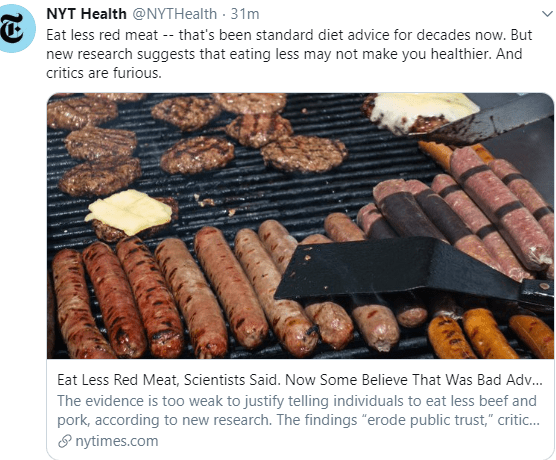
A useful commentary from the NY Times: Eat less Red Meat, Scientists Said. Now Some Believe That Was Bad Advice.

An excerpt:

{According to the new report] If there are health benefits from eating less beef and pork, they are small, the researchers concluded. Indeed, the advantages are so faint that they can be discerned only when looking at large populations, the scientists said, and are not sufficient to tell individuals to change their meat-eating habits

Already they have been met with fierce criticism by public health researchers. The American Heart Association, the American Cancer Society, the Harvard T.H. Chan School of Public Health and other groups have savaged the findings…

Dr. Hu, of Harvard, in a commentary published online with his colleagues. Studies of red meat as a health hazard may have been problematic, he said, but the consistency of the conclusions over years gives them credibility…

Questions of personal health do not even begin to address the environmental degradation caused worldwide by intensive meat production. Meat and dairy are big contributors to climate change, with livestock production accounting for about 14.5 percent of the greenhouse gases that humans emit worldwide each year.

My take:  Though the title says it is ‘OK to Continue Red Meat Consumption’ –overall, my suspicion is that limiting red meat is probably good for one’s health, though the effect is probably small.

**After publication of these guidelines, it was subsequently revealed that lead author had not disclosed previous research ties to meat and food industry.  See Here: Scientist Who Discredited Meat Guidelines…
Related Blog Posts:

Disclaimer: These blog posts are for educational purposes only. Specific dosing of medications/diets (along with potential adverse effects) should be confirmed by prescribing physician/nutritionist.  This content is not a substitute for medical advice, diagnosis or treatment provided by a qualified healthcare provider. Always seek the advice of your physician or other qualified health provider with any questions you may have regarding a condition.

What Is The Evidence That Biliary Atresia Starts in Utero?

A good read: KR Mysore, BL Shneider, S Harpavat. JPGN 2019; 69: 396-403.

This review dissects the evidence that biliary atresia (BA) most often begins in utero.

Key points:

  • Infants with BA have elevated conjugated/direct bilirbuin at birth.
  • Infants with BA have biliary abnormalities on fetal ultrasound (eg. gallbladder abnormalities, biliary cysts).
  • Infants with BA have abnormal gamma-glutamyl transferase levels in their amniotic fluid with low levels noted at gestational age 18-19 weeks.  This finding is not specific for BA as other conditions that affect biliary tree (eg. cystic fibrosis, trisomy 21) can have low levels as well.
  • BA is more common in premature infants.
  • Early recognition is important. In U.S (from 1976-89), transplant-free survival rates were 63% for Kasai when done in 1st 30 days, 44% for 30-60 days, 40% for 60-90 days, and 29% if >90 days.
  • A diagnostic approach is given in Figure 2 but is already out of date due to the availability of MMP-7 testing (article received by JPGN in January 2019).

This review also lists numerous current investigative therapies which include probiotic, steroids, desflurane/sevoflurane (anesthetics), pentoifyline, IVIG, vancomycin, meloxicam, GCSF, Bone marrow stem cells, N-acetylcysteine, and obeticholic acid.

My take: This article shows that the clock on liver injury begins in utero in most cases of BA and this will have implications on pathogenesis and management.

Related blog posts:

Cannon Beach, OR from Ecola State Park

Dietary Therapy for Inflammatory Bowel Disease –Useful Update

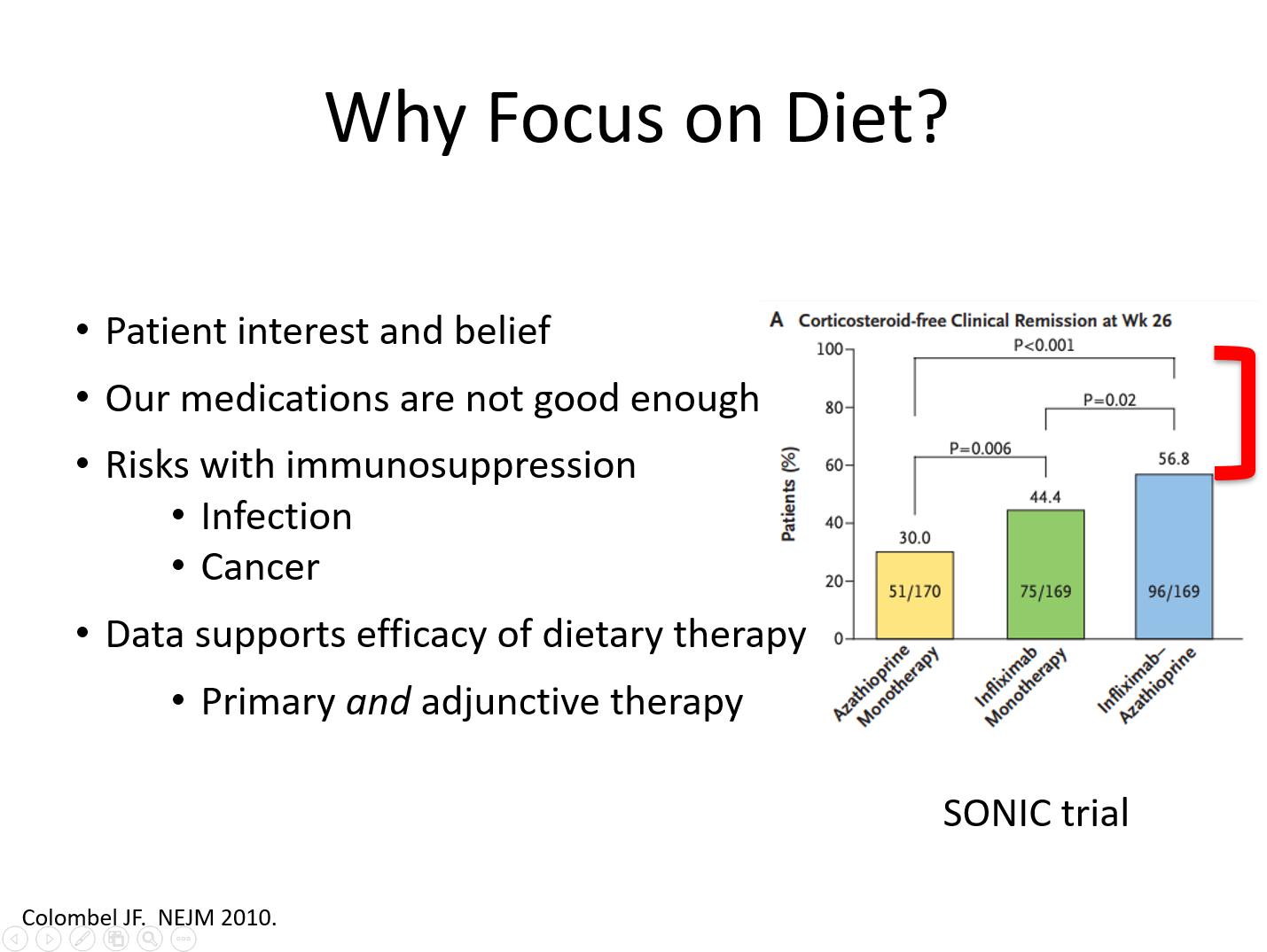
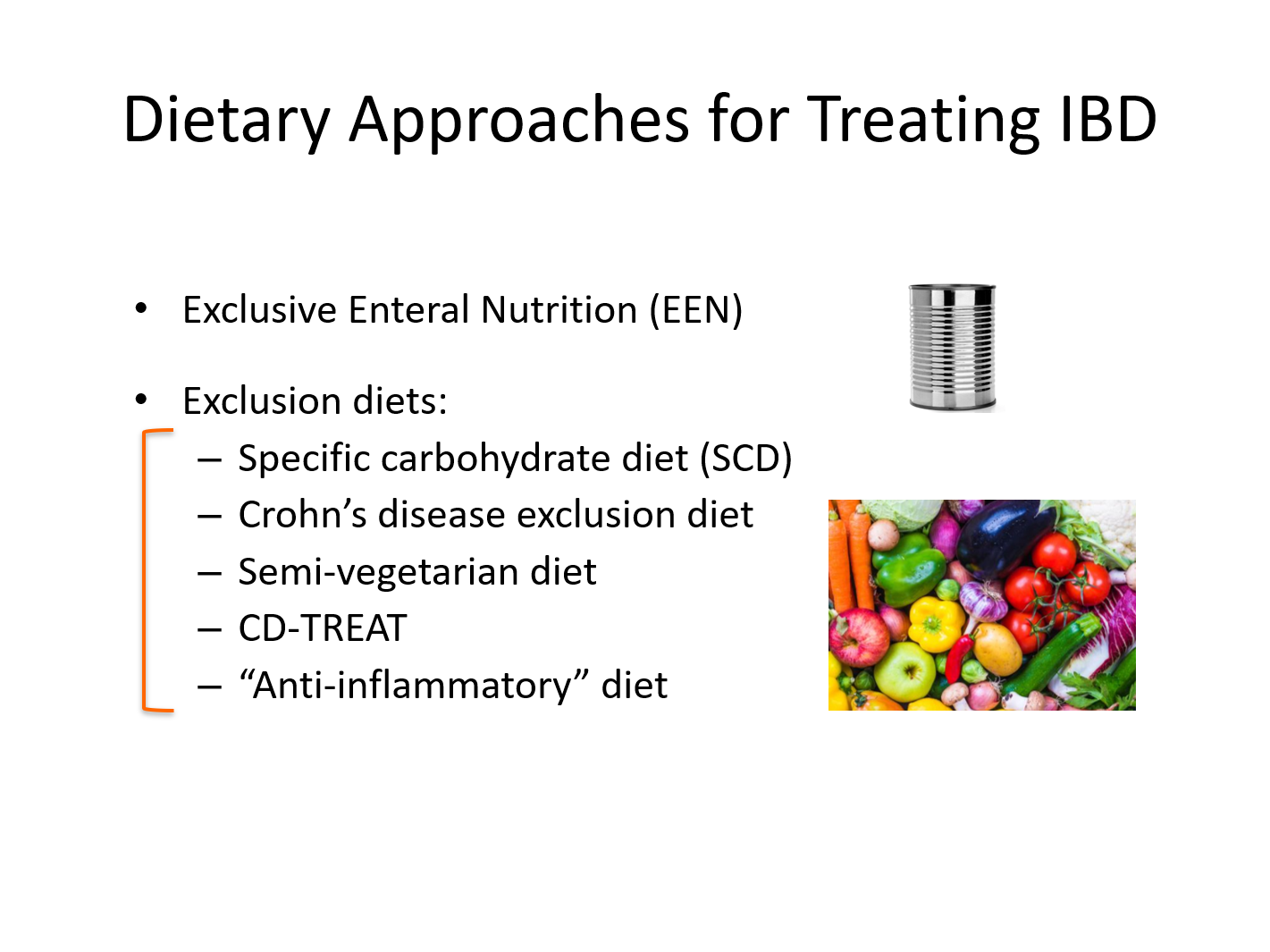
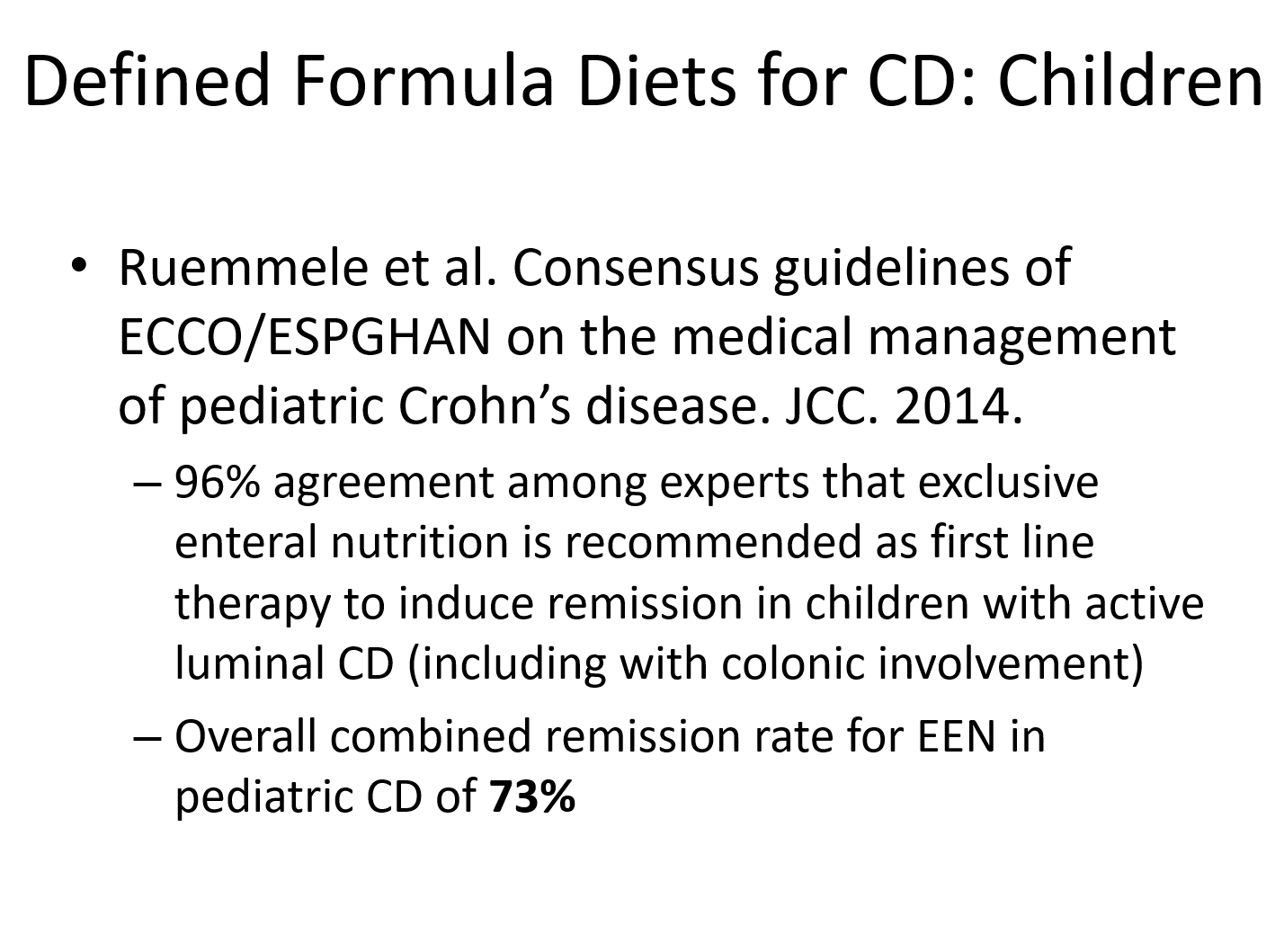
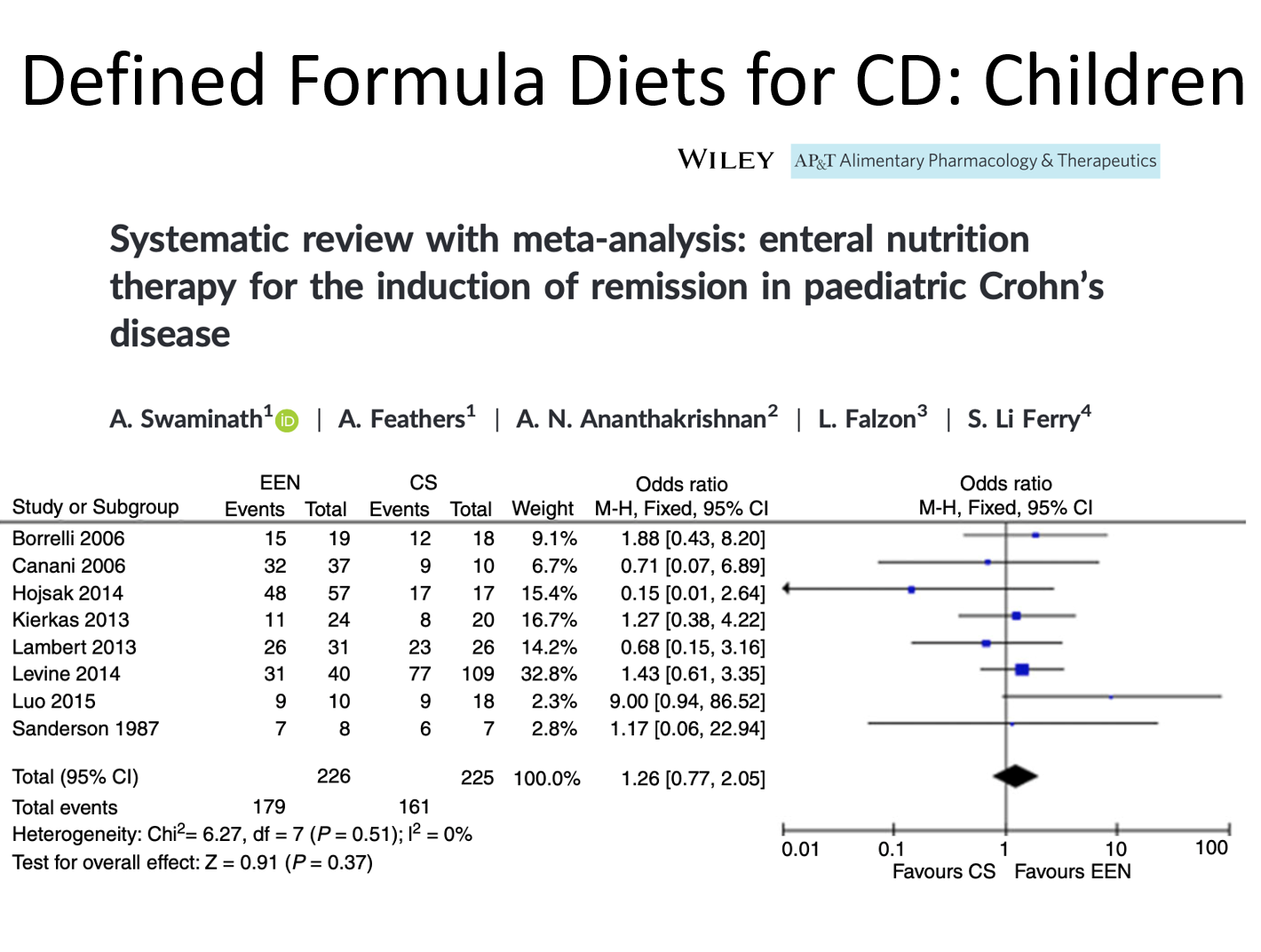
Recently, Lindsey Albenberg, DO (from CHOP) provided an excellent update on dietary therapy for Crohn’s disease.  She was an invited speaker from CHOA as part of a nutritional support professional development series.  Thanks to Kipp Ellsworth for coordinating this.

Full Slide Set: Nutritional therapies for IBD

Key points from lecture:

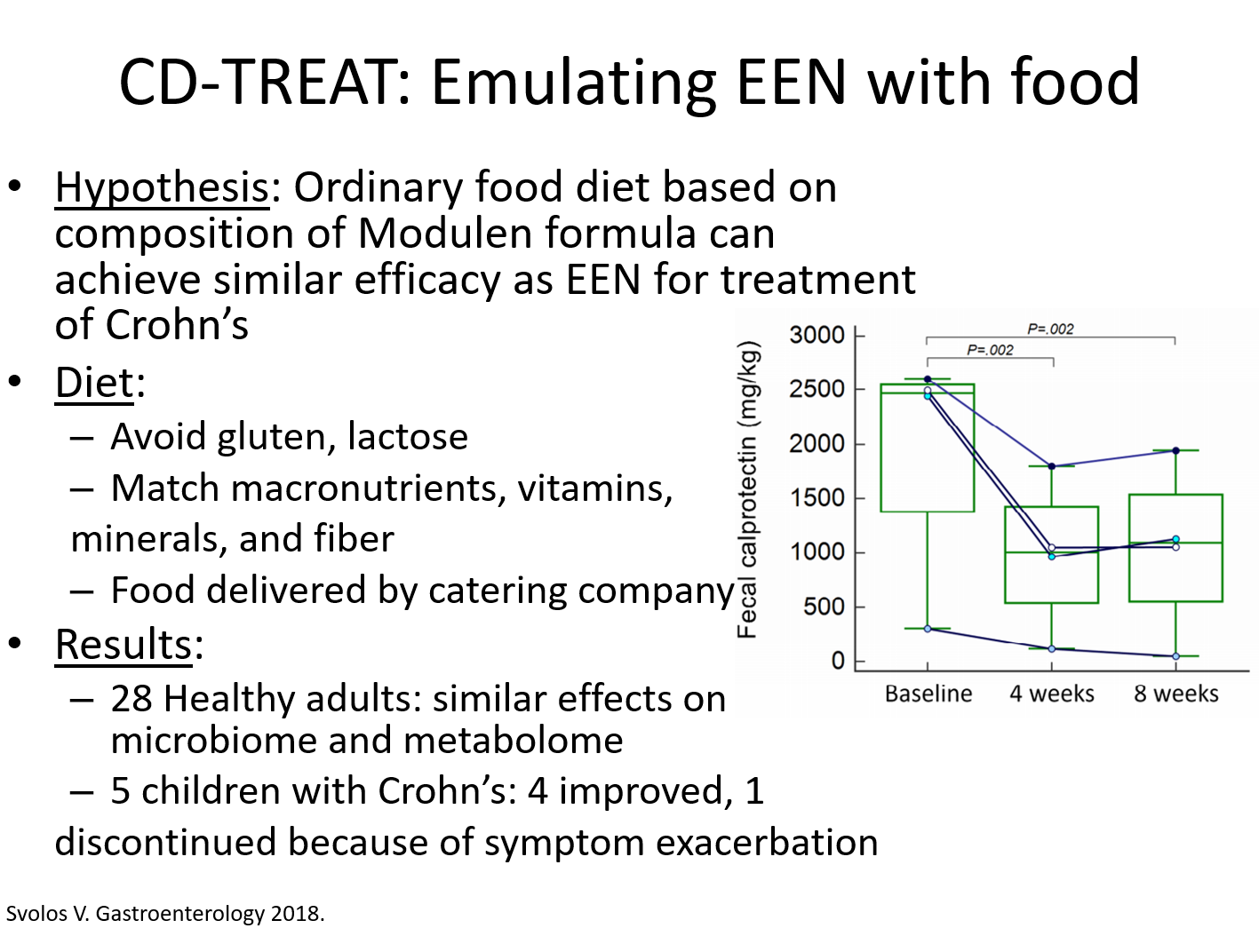
  • At CHOP, exclusive enteral nutrition (EEN) is the main dietary approach for Crohn’s disease (CD) advocated due to better proof of its effectiveness
  • In children, EEN is as effective as steroids for clinical improvement and better in terms of mucosal healing
  • EEN therapy can be given regardless of CD location
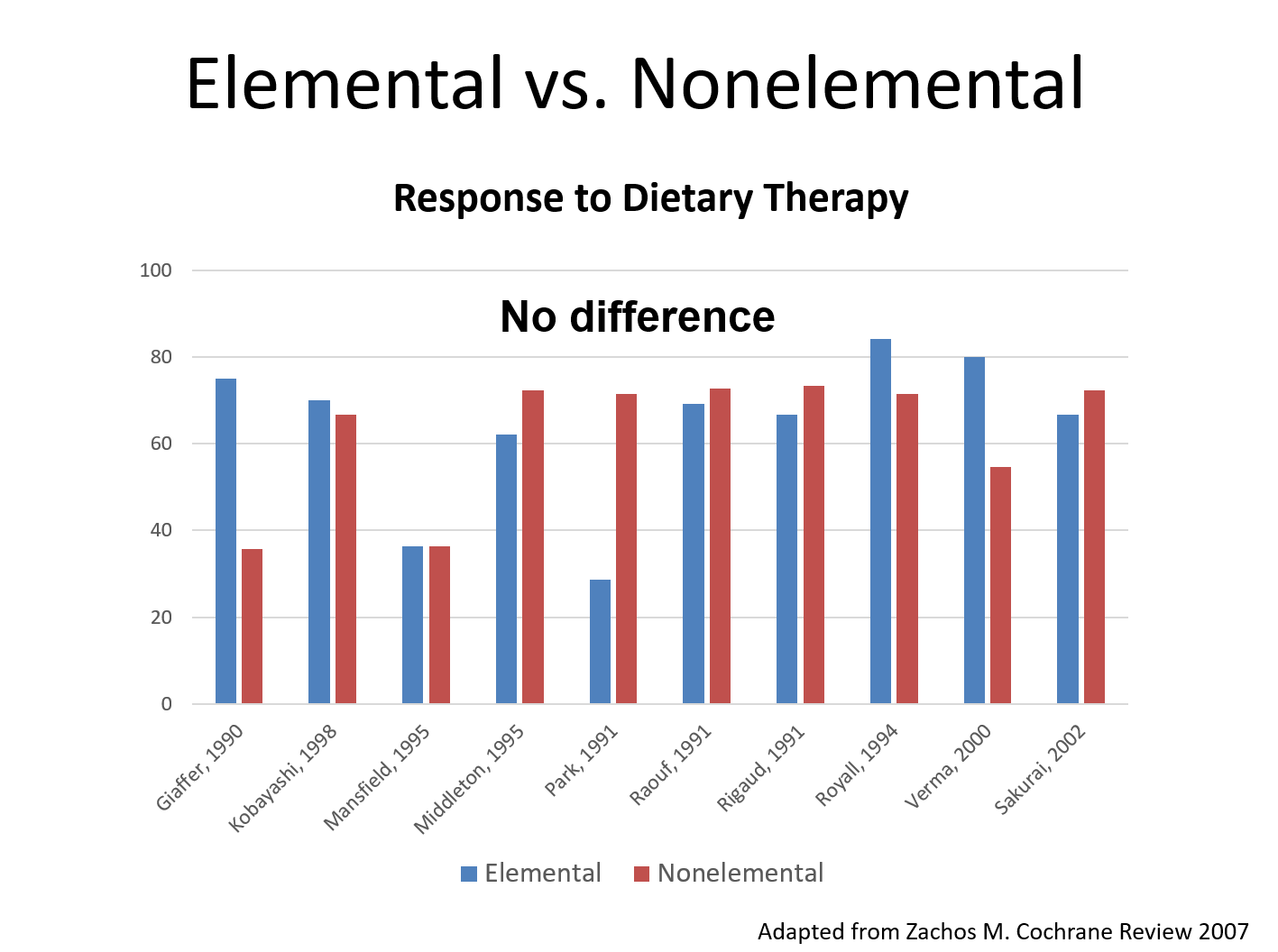
  • For EEN, there is no difference in response between elemental and nonelemental formulas
  • For EEN to be effective, at least 80-90% of all calories need to be administered during induction
  • At CHOP, EEN is often administered at time of diagnosis and oral approach is tried first
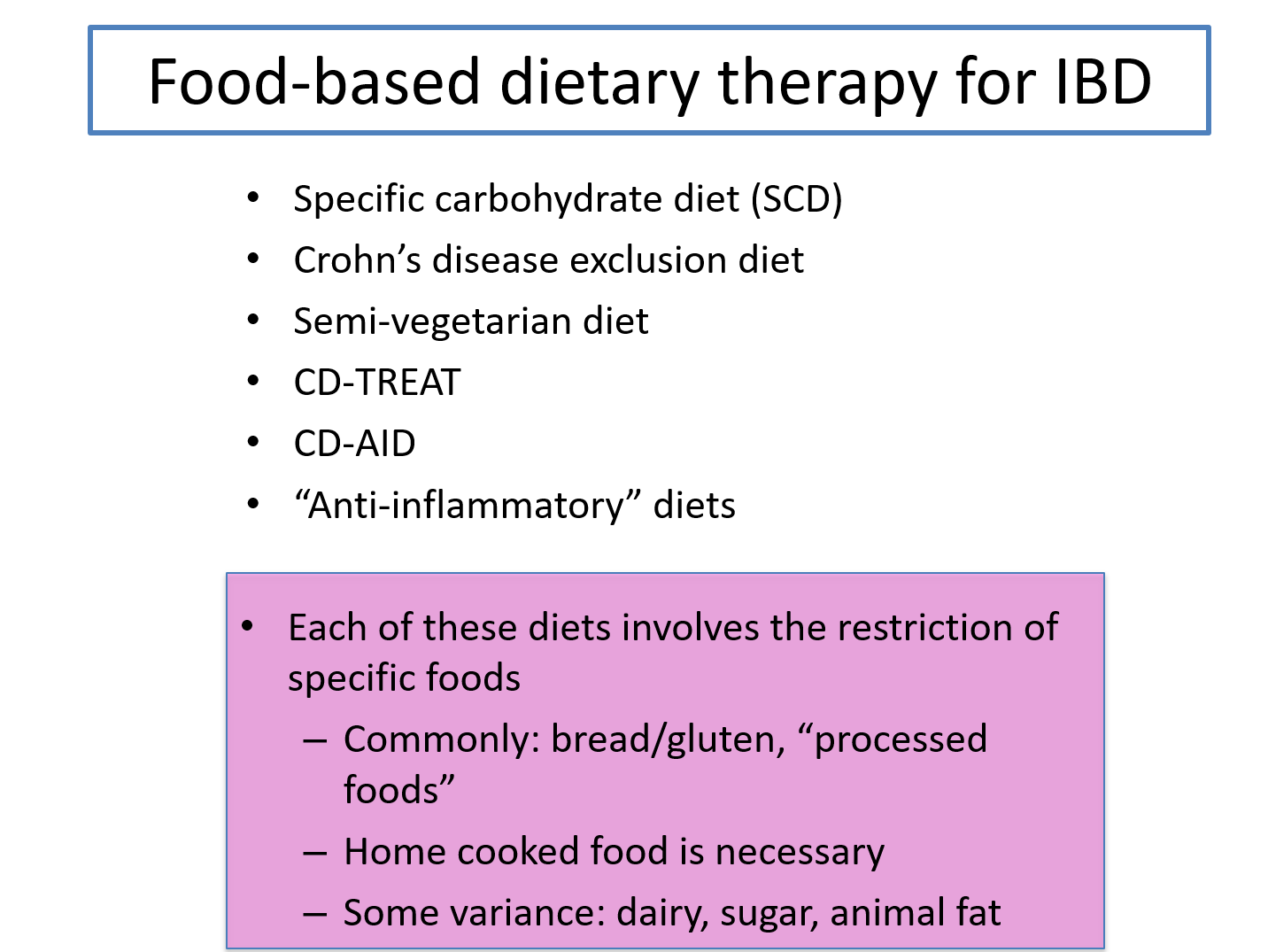
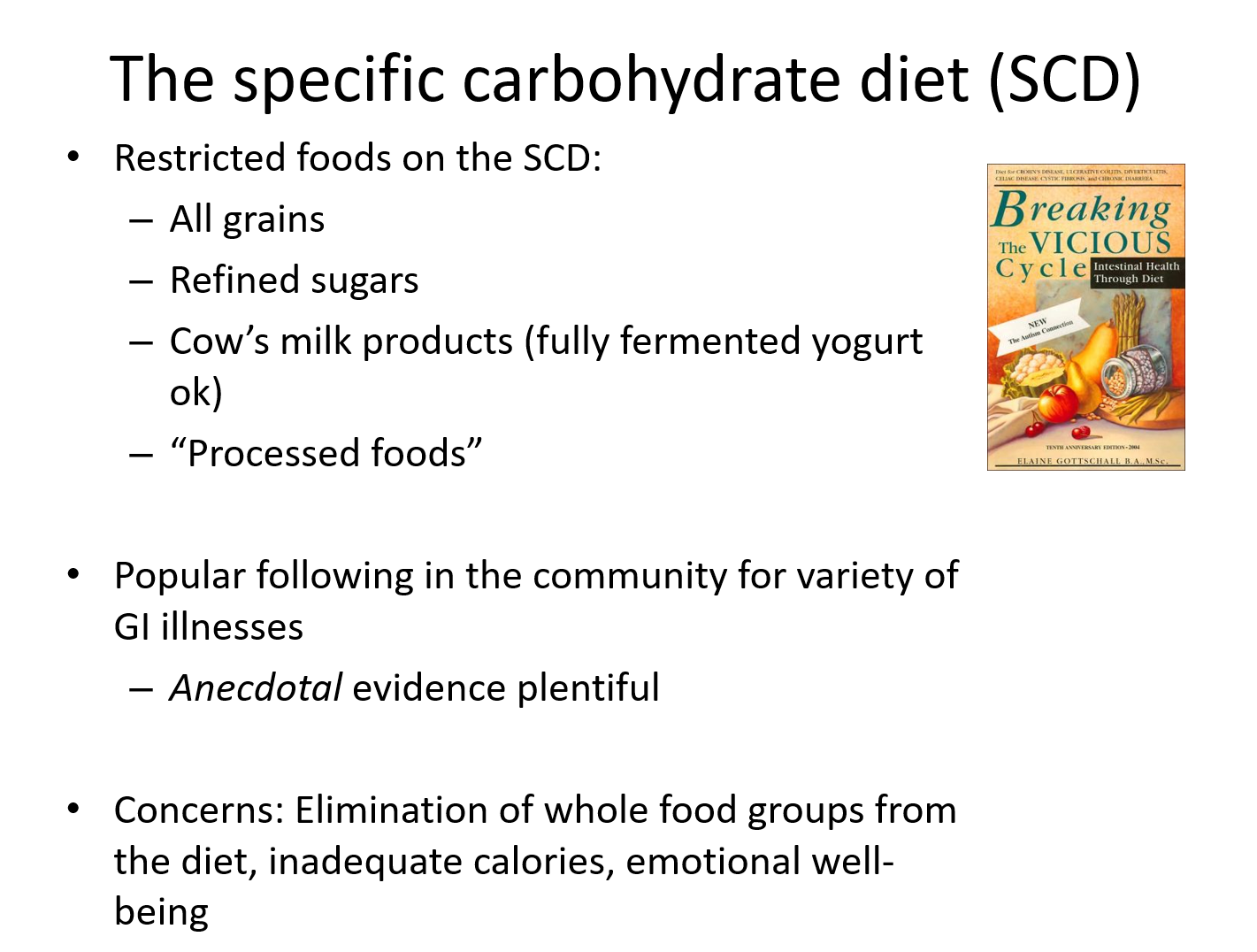
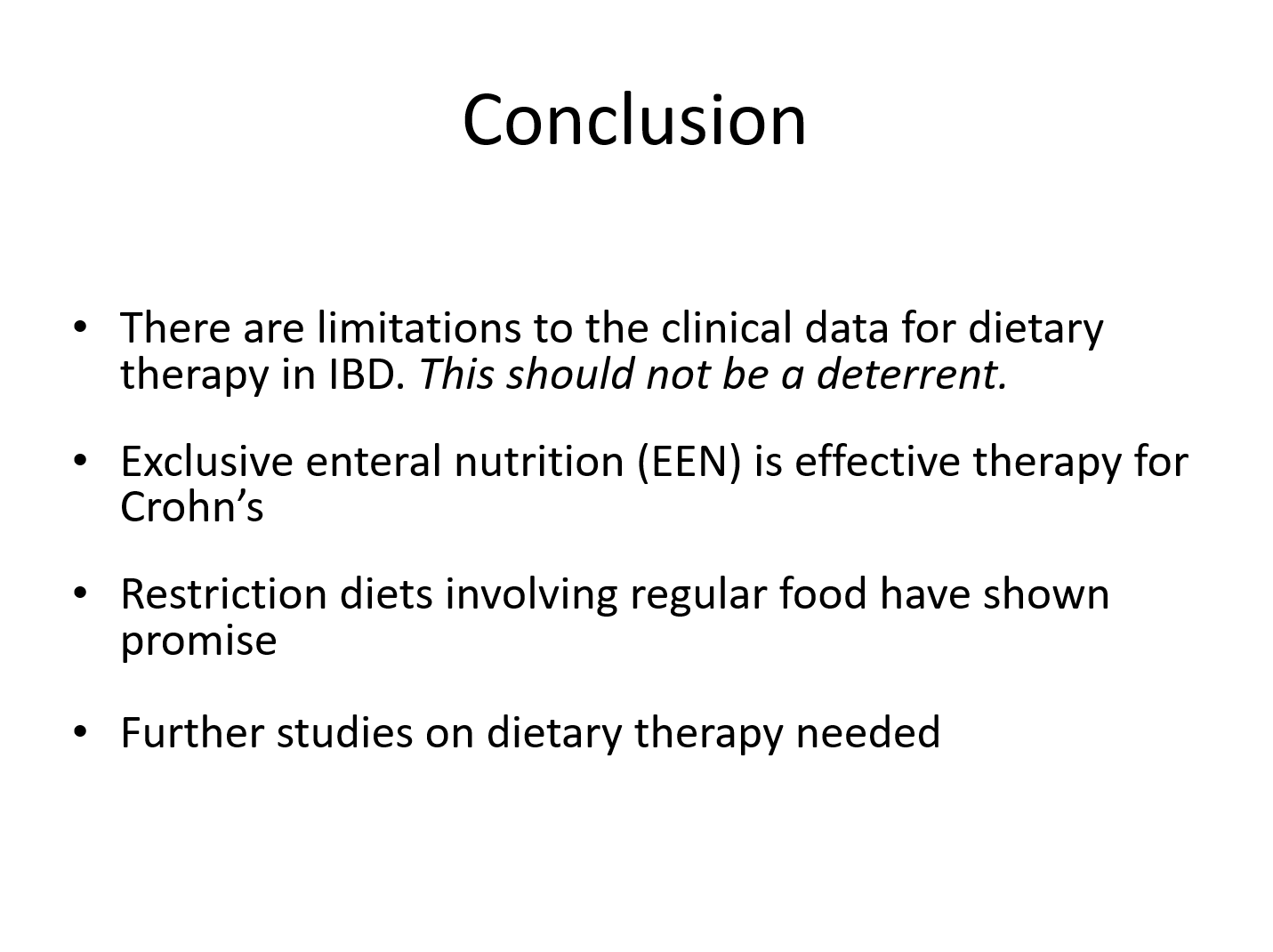
  • Newer dietary approaches are being studied and may be effective.  Diets like the specific carbohydrate diet (SCD) can be considered, particularly in patients with milder disease.


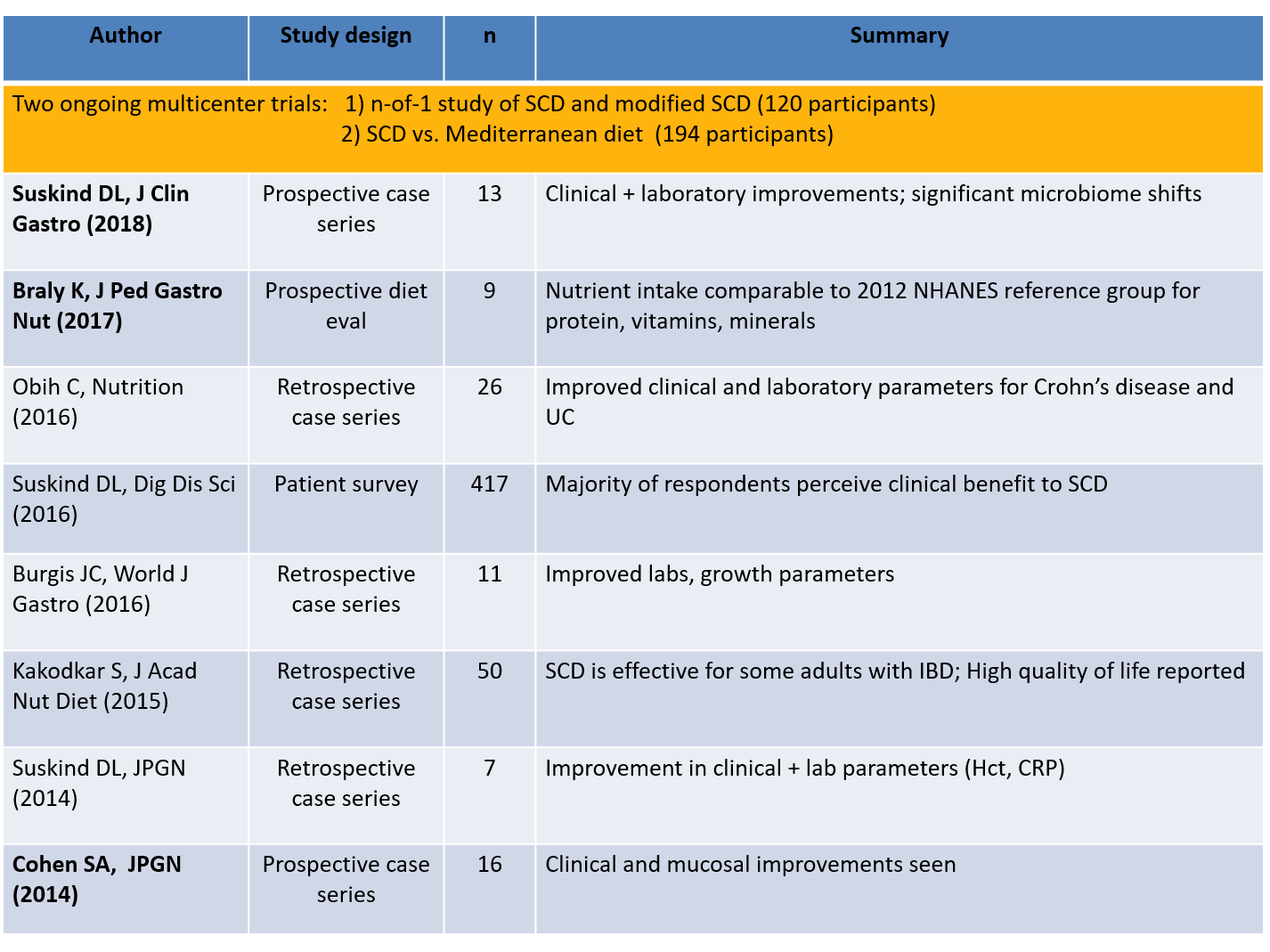
The following slide presents SCD diet studies –mostly small studies except for 2016 survey study.

Related blog posts:


Disclaimer: These blog posts are for educational purposes only. Specific dosing of medications/diets (along with potential adverse effects) should be confirmed by prescribing physician/nutritionist.  This content is not a substitute for medical advice, diagnosis or treatment provided by a qualified healthcare provider. Always seek the advice of your physician or other qualified health provider with any questions you may have regarding a condition


Improving Fatty Liver Disease Nomenclature

Those who follow this blog regularly know that I have frequently agreed with articles suggesting improving/updating nomenclature for many conditions including the following:

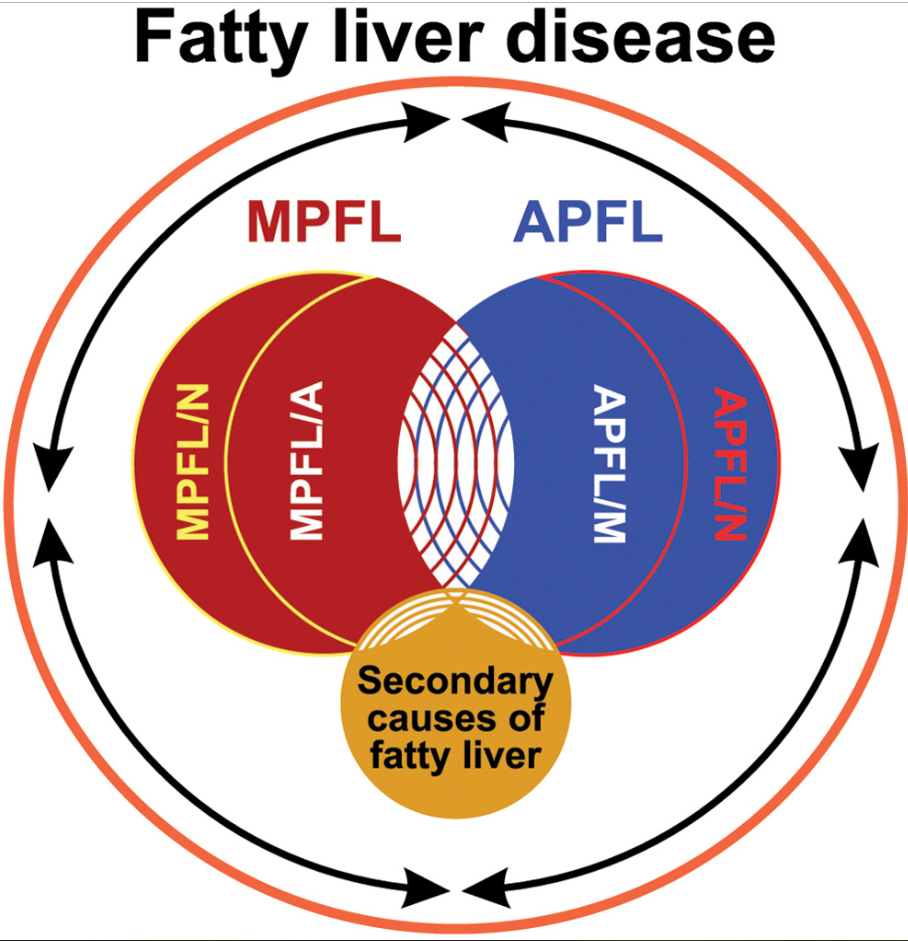
A recent commentary (M Eslam et al. Gastroenterol 2019; 157: 590-3) suggests that fatty liver diseases could use a nomenclature makeover as well.

In pediatrics, the issue of alcoholic and nonalcholic fatty liver disease (NAFLD) overlap is fairly minor in many ways.  In fact, when I am seeing a young teen with NAFLD, parents will often chuckle when I tell them that ‘Johnny’ needs to lay off the booze (now and in the future).  However, it is difficult to fully differentiate nonalcoholic fatty liver disease from alcoholic fatty liver disease, especially in adults.

Full Text: Toward More Accurate Nomenclature for Fatty Liver Diseases

Key points:

  • “Light (1.0-9.9 g/d) or moderate (10.0–29.9 g/d; 10.0–19.9 g/d for women) alcohol consumption in patients with NAFLD is not uncommon…The negative impact of alcohol intake also extends to nonalcoholic steatohepatitis resolution.”
  • “it is time for clinicians to recognize that, within the spectrum of fatty liver disease, there will be patients with true alcohol-related liver disease (AFLD), those with predominant AFLD compounded by metabolic cofactors, those with true NAFLD in whom alcohol consumption is near zero and disease progression is due to metabolic factors, and perhaps a majority with fatty liver disease owing to an abnormal metabolic milieu but with alcohol intake of ≤30 g/d.”
  • ” An updated and more appropriate nomenclature and classification system is required to reflect the nuances of disease etiology within the spectrum of fatty liver disease…”
    • MPFL: metabolic dysfunction predominant fatty liver;
    • APFL, alcohol predominant fatty liver;
    • MPFL/A and MPFL/N: metabolic dysfunction predominant fatty liver with, and without alcohol intake that is anything more than ceremonial
    • APFL/M and APFL/N: alcoholic predominant fatty liver with metabolic dysfunction or with no metabolic dysfunction.

My take: The authors present a good rationale for updating fatty liver disease –will this be adopted?

Related blog posts:


Fecal Microbial Transplantation -Evidence for Use Beyond Recurrent Clostridium Difficile

Briefly noted: GR D’Haens, C Jobin. Gastroenterol 2019; 157: 624-36. This review sums up the emerging evidence for use of fecal microbial transplantation for conditions besides recurrent Clostridium difficile infection.

Table 2 succinctly provides list of disease, types of study/evidence, and potential effect.

  • Among gastrointestinal diseases, the authors note that there is an “overall positive” effect for ulcerative colitis, “suggestive” benefits for IBS, GVHD, post-antibiotic diarrhea, constipation, and hepatic encephalopathy.  No effect has been evident with Crohn’s disease or pouchitis.
  • Among nongastrointestinal diseases, the authors note a “suggestive” benefit in autism and metabolic syndrome and “unknown” effect with psoriasis and multiple sclerosis.

My take: The review indicates a need for more studies and the need to define which factors in fecal material mediate the therapeutic effects.

Related article: OC Aroniadis. Lancet Gastroenterology and Hepatology; 2019. https://doi.org/10.1016/S2468-1253(19)30198-0. In this double-blind, randomized, placebo-controlled crossover trial in patients aged 18–65 years with moderate-to-severe IBS-D with 48 patients, FMT (capsule study) was safe, but did not induce symptom relief at 12 weeks compared with placebo.

Related blog posts:

Vedolizumab versus Adalimumab for Ulcerative Colitis (part 2)

A previous blog post (Vedolizumab More Effective Than Adalimumb for Ulcerative Colitis) highlighted a preliminary report on the “VARSITY” study. The full report has now been published (BE Sands et al NEJM 2019; 381: 1215-26) and a little nuance is needed.

This double-blind, double-dummy randomized trial included 769 patients who underwent randomization to receive at least one dose of one of the study medications.

Key findings:

  • At week 52, clinical remission was higher in the vedolizumab group: 31.3% compared to 22.5% for adalimumab
  • Endoscopic improvement was better for vedolizumab: 39.7% compared to 27.7%
  • Corticosteroid-free remission was better for adalimumab: 21.8% compared to 12.6% for vedolizumab

Limitations:

  • dose escalation was not allowed during the study –this limitation likely favors vedolizumab compared to adalimumab
  • previous exposure to an anti-TNF agent was allowed in up to 25% of patients

My take:  In two of three key measures, vedolizumab outperformed adalimumab.  This study provides a rationale for vedolizumab to be considered a first-line agent.  That being said, in my clinical experience, infliximab is a much more frequently used anti-TNF agent in moderate-to-severe ulcerative colitis.  So a head-to-head study with infliximab would be of interest.

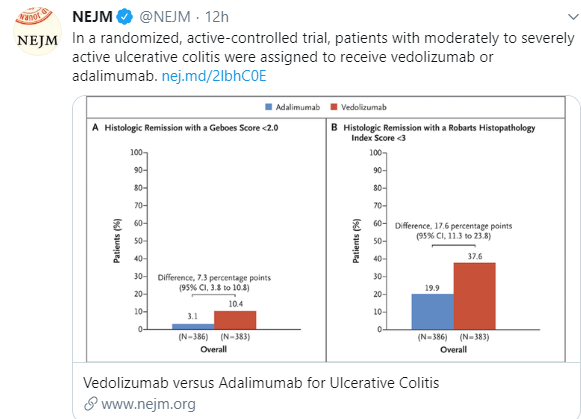
The image below shows histologic remission differences at week 52


Related posts:

What to Tell Patients About Ranitidine From AGA

Here’s the link: Talking to your patients about ranitidine  Thanks to John Pohl for sharing this information.

Oct. 3, 2019

Talking to your patients about ranitidine

The recent FDA safety alert might be causing concern among your patients about their heartburn treatment.

The FDA recently released several safety alerts on ranitidine formulations, including the brand-name drug Zantac, that were found to contain a nitrosamine impurity called N-nitrosodimethylamine (NDMA) at low levels. NDMA is classified as a probable human carcinogen (a substance that could cause cancer) based on results from laboratory tests and animal studies. NDMA is a known environmental contaminant and found in water and foods, including meats, dairy products, and vegetables. This contaminant is similar to was recently found in losartan, an angiotensin II receptor blocker used to treat hypertension, that was recalled by the FDA.

The FDA is continuing to test ranitidine products from multiple manufacturers and is assessing the potential impact on patients who have been taking ranitidine. 

With the voluntary recall of 14 lots of prescription ranitidine capsules distributed by Sandoz Inc., as well as the voluntary recall of over-the-counter (OTC) ranitidine tablets (75 mg and 150 mg), labeled by Walgreens, Walmart, and Rite-Aid and manufactured by Apotex Corp, your patients might be asking a lot of questions about whether to continue to using their medicines and what alternatives are available. 

TALKING TO YOUR PATIENTS 

The FDA safety alerts have been covered by various media outlets since early September. This may cause your patients to question whether they should stay on or start using ranitidine products. When discussing the recall with your patients, let them know that: 

  • Ranitidine is an H2 blocker (antihistamine) — available OTC and in prescription strength — used to prevent and relieve heartburn associated with acid ingestion and sour stomach. It reduces stomach acid and works longer but not as quickly as antacids.
  • Not all ranitidine medicines marketed in the U.S. are being recalled and the FDA is not recommending individuals stop taking all ranitidine medicines at this time.
  • It might be prudent to hold off taking Zantac until a final FDA conclusion.
  • Multiple drugs are approved for the same or similar uses as ranitidine. Other treatment options are available, both prescription and OTC, for patients who are concerned about ranitidine.
  • Life-style modifications may reduce or eliminate the need for heartburn drugs for long-term use. These may include weight loss, avoiding tobacco or a change in eating patterns. Share AGA’s patient education content on gastroesophageal reflux disease (GERD) for more tips for your patients.

Related blog post: Preliminary Recommendations from NASPGHAN on Ranitidine Warnings

Gluten-Free –No Evidence It is Helpful for Healthy Individuals

A recent study (ID Croall, et al. Gastroenterol 2019; 157: 881-3) provides additional data indicating that a gluten-free diet does not confer health benefits to healthy individuals.

A double-blind randomized placebo 2-week trial with 30 healthy adults divided subjects into two groups –some received flour sachets to consume with organic gluten (14 g) and some received a gluten-free blend (rice, potato, tapioca, maize, buckwheat flour). Both groups were instructed to take their flour sachets twice a day along with a gluten-free diet (GFD).

Key finding: The group receiving gluten did not experience any increase in gastrointestinal symptoms or fatigue compared to the placebo group.

My take: While this study lasted only 2 weeks and had a small sample size, nevertheless, it adds to the literature indicating that a GFD is unlikely to be beneficial in otherwise healthy individuals. Those who stick with a GFD should seek the help of a well-qualified dietician.

Related blog posts:

Portland, OR. Portland aerial trams –between the city’s South Waterfront district and the main Oregon Health & Science University (OHSU) .