FMT in the “Real World”

At DDW 2016, OpenBiome presented data (abstract Su1737) from 2,050 patients who received fecal microbiata transplants (FMT) in “the real world.”

Key findings:

  • Overall, 84% clinical cure rate with a single treatment
  • 85% of patients were treated with FMT via colonoscopy (250 mL) and 15% via nasal tube (50 mL). Nasal tube administration had a lower clinical cure rate of 77.9%, compared with 85.1% who had FMT via colonoscopy.

More information on this study: “Closet Thing to Miracle Cure”: Study Confirms Benefit of FMT in C difficile  Gastroenterology & Endoscopy News July 2016  This link also presents data on use of FMT in ulcerative colitis and the use of capsule FMT.

Related blog posts:

Lymphonodular Hyperplasia2

Psychological Therapies for Irritable Bowel Syndrome

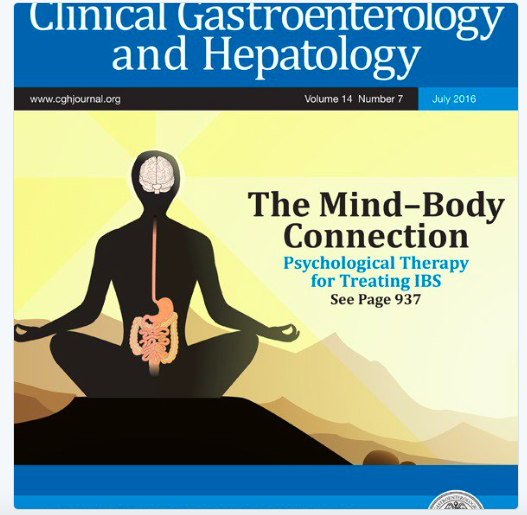
A recent meta-analysis (KT Laird et al. Clin Gastroenterol Hepatol 2016; 14: 937-47) of 41 randomized, controlled trials shows that psychological therapies improved symptoms of irritable bowel in adults.

Key finding:

  • “On average, individuals who received psychotherapy had a greater reduction in GI symptoms after treatment than 75% of individuals assigned to a control condition…This effect remained significant” for at least 6-12 months.

A summary of this study from GIHepNews.com:  Psychological Therapies for Irritable Bowel Syndrome

Excerpt of commentary by Dr. Christopher Almario:

While these findings are impressive and continue to support the use of psychotherapy in IBS, important issues remain. First, these results are based on data gathered in the highly controlled environment of randomized controlled trials (RCTs), and it is unclear whether they will translate to the “real world.” RCT participants may be more willing to complete psychotherapy because they know they are being observed by research staff (referred to as the Hawthorne, or observer, effect). However, in real clinical practice, patients with IBS not subject to the Hawthorne effect may be less compliant with such therapies.

Other issues relate to the current limited adoption of psychotherapy in clinical practice. Factors contributing to the low uptake include variable third-party reimbursement and poor patient and provider acceptance (JAMA. 2015 Mar;313:949-58). Another factor is limited access to qualified psychotherapists.

My take: I often refer patients to a “pain psychologist” who works in our office.  With the right psychologist, this can be very helpful.  In addition, I feel that families are more willing to see a psychologist than in the past.

Related blog posts:

JulyClinGastroCover


Gold Medal Winner: Infliximab (anti-TNF competition)

According to a recent retrospective study, (S Singh et al. Clin Gastroenterol Hepatol 2016; 14: 1120-29), infliximab outperformed its rivals.  In the spirit of the recent olympics, we’ll give infliximab a gold medal in the anti-TNF category.

Here’s the play-by-play:

This study used an administrative claims database with more than 100 million US enrollees.  In total, there were 3205 biologic-naive patients with Crohn’s disease (CD) with a mean age of 41 years.  All of the participants had not received a biologic agent for at least 12 months prior to their first study dose (between 2006-2014). In addition, the authors excluded patients who had a concomitant diagnosis which could necessitate a biologic, including rheumatoid arthritis, ankylosing spondylitis, and psoriasis.

Race details:

  • Compared to adalimumab-treated patients, inlfiximab-treated patients had a lower risk of CD-related hospitalization (aHR [adjusted Hazard Ratio] 0.80), abdominal surgery (aHR 0.76), and corticosteroid use (aHR 0.85)
  • Compared to certolizumab pegol-treated patients, infliximab-treated patients had a lower risk of hospitalization (all-cause) (aHR 0.70), and CD-related hospitalization (aHR 0.59).
  • All agents had comparable risk of serious infections

Post-race analysis:

Was this a fair race (ie study)? Definitely.  If anything, this study may have underestimated the benefit of infliximab.  Due to trouble with confounders across retrospective studies, it may be that infliximab was chosen preferentially among sicker patients.

My take: There is limited data on comparative effectiveness of anti-TNF agents.  This retrospective study  indicates that infliximab is likely superior to its competitors.  Definitive proof would necessitate a head-to-head live-action (prospective) competition.

Related blog posts:

Screen Shot 2016-08-14 at 11.46.48 AM

Addressing Medical Issues Before International Travel

Briefly noted: An highly detailed but concise review of “Medical Considerations before International Travel” DO Freedman et al. NEJM 2016; 375: 247-60.

Figure 1:

  • Risk assessment: medical history, prior travel experience, specific itinerary (region, season), type of accommodations, risk tolerance, financial challenges
  • Standard Interventions: Immunizations, Malaria prophylaxis (if risk), Traveler’s diarrhea strategy
  • Focused education: vectorborne diseases, altitude illness, thrombosis risk, STDs/bloodborne infections, transportation risks (eg no car seats), respiratory infections, medical kit, medical insurance

Tables:

  • Table 1: Practices for reducing disease risk (too many to summarize)
  • Table 2: Vaccine Recommendations
  • Table 3: Malaria Prophylaxis
  • Table 4: Recommendations based on location

Short Take Video Link (2 min): Travel Health and Safety

CDC: Traveler’s Health Website

Travel Resource: GeoSentinel Website

My take: This is a handy updated reference for international medical travel

Related blog posts:

beach hut

Screen Shot 2016-07-27 at 5.29.22 PM

Quirky HIDA Study Shows That HIDA Scans Not Too Helpful

As noted in a previous post, Biliary Dyskinesia –“Only in America” | gutsandgrowth, gallbladder dykinesia is a quite dubious diagnosis.  A recent pediatric study (PM Jones et al. JPGN 2016; 63: 71-75) adds to the uncertainty.

This study utilized a large database for a retrospective review of HIDA scans in patients <22 years.  In a group of 2558 patients, 310 patients had a full-text gallbladder pathology report paired with HIDA scan. The majority of these HIDA scans (64.5%) were performed in teenage Caucasian girls.  Key finding:

  • Gallbladder ejection fraction (GBEF) did not correlate with the presence of gallbladder pathology.  The Odd Ratio (OR) for cholecystitis with EF of 16-34 was 0.98.
  • The majority had at least microscopic pathology: 71.6% had microscopic cholecystitis

The authors indicate that other studies have shown that the diagnosis of gallbladder dyskinesia is controversial “because some point to the strong placebo effect of a surgical intervention, as well as the finding that patients who were observed for a year or more had similar symptom improvement  compared with those who had an operation.” [J Pediatric Surg 2006; 41: 1894-8]

Ultimately, the utility of HIDA scans can only be addressed with randomized prospective studies. Perhaps, these studies will show that HIDA scans are not predictive of who needs a cholecystectomy.

My take: It is interesting that pathology did not correlate with HIDA results.  However, the bigger question is whether abnormal gallbladder function, as assessed by HIDA, triggers symptoms that merit cholecystectomy. This is not addressed by this study.

Beach Art

Beach Art

4 Points for C diff in Inflammatory Bowel Disease

A nice review: K Rao, PDR Higgins. Inflamm Bowel Dis 2016; 22: 1744-54.

Many aspects of Clostridium difficile with and without coexisting inflammatory bowel disease has been reviewed on this blog.  This review adds a few additional points:

  1. C difficile testing in patients with IBD, “start with enzyme immunoassay-based tests with a reflex to PCR test for discordant enzyme immunoassay results.”  Rationale: “PCR is quite sensitive for the presence of toxigenic C difficile, it may increase the detection of asymptomatic colonization and shedding.”
  2. Don’t test for C difficile in patients in clinical remission. “Clayton et al evaluated outpatients with IBD who were in clinical remission and had no recent exposure to antimicrobials, corticosteroids, immunomodulatory agents, or hospitalizations.  These patients had toxigenic C difficile carriage rates of 8.2%.”
  3. What to do when IBD patients test positive for C difficile infection (CDI) -treat which one or both? The authors recommend, that “if there is no response to the treatment for CDI after 48 hours, then concurrent immunologic therapy can be started/escalated.”
  4. Safety of FMT with IBD. “There may be additional risk incurred in the IBD population…[in a recent study] 14% of the subgroup of patients with IBD experienced adverse events including IBD flare, requiring hospitalization in some instances.” Overall, there is not enough data to “risk stratify patients in terms of these adverse outcomes.”

In addition to these pointers, advice on treatment based on severity and whether CDI is recurrent is listed on Table 1.

  • For primary CDI (nonsevere): metronidazole, vancomycin or fidaxomicin.
  • For primary CDI (severe): vancomycin or fidaxomicin.
  • For primary CDI (severe & complicated*): vancomycin at highest dose and IV metronidazole and (if ileus present) vancomycin rectally
  • Recurrent CDI: 1st recurrence — same as initial Rx, 2nd recurrence -same as initial Rx, then use either vancomycin pulsed and/or tapered regimen of 6 or more weeks

Related blog posts:

View from Grinnell Glacier Trail, Glacier Nat'l Park

View from Grinnell Glacier Trail, Glacier Nat’l Park

Disclaimer: These blog posts are for educational purposes only. Specific dosing of medications/diets (along with potential adverse effects) should be confirmed by prescribing physician/nutritionist.  This content is not a substitute for medical advice, diagnosis or treatment provided by a qualified healthcare provider. Always seek the advice of your physician or other qualified health provider with any questions you may have regarding a condition.

Reappraisal of the Risk of Autoimmune Disease with Celiac, Plus One

Using a matched cohort design with 1215 cases of celiac disease and 6075 controls, C Canova and colleagues (J Pediatric 2016; 174: 146-52) provide data from 1989-2011 regarding the development of hypothyroidism and diabetes.  This retrospective, longitudinal, population-based Italian study relied on data from the integrated National Health Service.

Key findings:

  • Over this >20 year period, the risk of developing hypothyroidism was HR 4.64 and the risk of developing type 1 diabetes mellitus was HR 2.50 (not statistically significant)
  • The risk of hypothyroidism was more prevalent in males with HR 20.00.

The authors note: “The most plausible mechanism explaining the association between CD and T1DM/ATD [autoimmune thyroid disease] is a shared genetic background.”

Also noted: NASPGHAN Clinical Report on the Diagnosis and Treatment of Gluten-related Disorders. ID Hill et al. JPGN 2016; 63L 156-63.  Recommended monitoring for celiac disease, from Table 5:

  • At diagnosis: CD serology, CBC, Iron profile, HFP, Thyroid tests (TSH, free T4), Calcium, Vit D.
  • At 3-6 mo after diagnosis: CD serology (TTG IgA or DGP-IgG)
  • Annually:  CD serology, CBC, Thyroid tests (TSH, free T4), Vit D.

Related blog posts:

Congaree National Park (SC) and the "knees" of the Bald Cypress trees

Congaree National Park (SC) and the “knees” of the Bald Cypress trees

Why Asthma Study is Important: Hygiene Theory

In my view, one of the most important pediatric studies this year was just published (reference below).  For a long time, it has been recognized that growing up on farms can reduce the likelihood of developing conditions like asthma, as well as inflammatory bowel disease (Related post: NYT: Educate Your Immune System | gutsandgrowth).  This study: Innate Immunity and Asthma Risk in Amish and Hutterite Farm Children provides an in depth assessment of 60 children and helps uncover the reason for these epidemiologic results.

Here’s the quick 2 minute summary: Innate Immunity and Asthma Risk in Amish and Hutterite Farm Children

Screen Shot 2016-08-05 at 9.13.14 AM


Fecal Calprotectin Monitoring Helpful at Identifying Relapse in IBD

Thanks to Ben Gold for this reference: Y. Zhulina et al. Aliment Pharm Ther 2016; 44: 495-504.

Methods: 

  • Patients aged 18 years or older, with a known diagnosis of IBD in clinical remission, were prospectively studied. Patients provided faecal samples every third month and were prospectively followed until the rst clinical relapse or the end of the 2-year follow-up period.  
  • Relapse was dened as increasing symptoms necessitating intensied medical therapy or surgery.

Key finding:

  • Among 104 patients, Crohns disease (n = 49) and ulcerative colitis (n = 55), 37 had a relapse. A doubling of faecal calprotectin level between two consecutively collected samples was associated with a 101% increased risk of relapse (HR: 2.01; 95% CI: 1.532.65; P < 0.001).

My take: Another study showing that stool calprotectin is quite useful. How long will it be until I will not need to write letters to insurance companies to get this test covered?

Also noted in the same issue: 
“The safety of autologous and metabolically fit bone marrow mesenchymal stromal cells in medically refractory Crohn’s disease – a phase 1 trial with three doses” (pages 471–481) T. Dhere, I. Copland, M. Garcia, K. Y. Chiang, R. Chinnadurai, M. Prasad, J. Galipeau and S. Kugathasan. Aliment Pharm Ther 2016; 44: 471-81. This study examined the use of mesenchymal stromal cells in 12 patients.

In conclusion, a single infusion of fresh autologous bone marrow-derived mesenchymal stromal cells propagated ex vivo using a non xenogeneic human platelet lysate growth supplement at doses ranging 2–10 million cell/kg BW was well tolerated in patients with medically refractory moderate to severe Crohn’s disease in this preliminary study. Our data neither addressed long-term safety nor sustained efficacy. However, this study informs that a future phase 2 study 

A previous study of mesenchymal stromal cells was briefly discussed in a previous blog: Sanjay Gupta is Wrong…about Stem Cell Therapy

Related blog posts:

Hidden Lake at Glacier National Park

Hidden Lake at Glacier National Park