When To Take Fewer Biopsies With Eosinophilic Esophagitis

A Godat et al. Clin Gastroenterol Hepatol 2024: 22: 1528-1530. Eosinophil Distribution in Eosinophilic Esophagitis and its Impact on Disease Activity and Response to Treatment

In this post hoc analysis of the EOS-1 and EOS-2 trials with 263 adult patients, the authors analyzed eosinophil distribution and impact on treatment. Key findings;

  • Peak eosinophil count was highest in the distal esophagus (median 166 eos/mm2) followed by mid esophagus (142) and then proximal esophagus (113). 46% of patients had highest peak eosinophil count in the distal esophagus, 33% in the mid esophagus, and 21% of patients in the proximal esophagus
  • Diagnosis: a biopsy protocol using only distal esophagus would have missed EoE diagnosis in only 13 (4.9%) of patients
  • Remission rates stratified by histologic categories were not statistically different base on disease location: 73% distal esophagus, 76% mid esophagus, 64% proximal esophagus, and 64% diffuse esophageal disease
  • None of the following factors affected treatment outcome: histologic location category, histologic disease severity (peak eos count) and atopic status. For example, treatment failure occurred in 37% without atopy and 30% with atopy

My take: In this study population, separate evaluation of biopsies by location modestly increased the diagnostic yield at baseline. Thus, additional biopsies at disease onset is a good idea. However, the actual distribution of disease activity did not seem to help provide any insight into therapeutic response (to budesonide). Practical implications are that fewer biopsies on follow-up endoscopy may be reasonable to help determine a treatment response.

Related blog posts.

Food-Specific IgG4: With This Guided Testing, You Can Achieve the Same Results As Those Who Don’t Have This Testing

On first glance at this article, it looks like the authors have found that testing for food-specific IgG4 (FS-IgG4) could be useful in guiding dietary treatment for eosinophilic esophagitis (EoE). However, the data don’t support this conclusion.

Methods: Prospective observational cohort in adult patients with EoE (n=22 along with 13 controls) placed on elimination diet based on FS-IgG4 levels (ImmunoCAP, cutoff of 10 mgA/L).

Key findings:

  • Elevated serum FS-IgG4 to 1 or more food groups (median 2) was identified in 21/22 (95.4%) patients with EoE; 20/21 underwent 6-week dietary elimination
  • Nine (45%) patients had histological remission (<15 eosinophils per high-power field)
  • Serum FS-IgG4 did not decline by 6-week follow-up. In addition, there was no difference in the FS-IgG4 levels between active and inactive EoE
  • 19 of 22 (86.4%) patients had high FS-IgG4 to milk and 13 of 22 (59.1%) had high FS-IgG4 to wheat. No patients required seafood elimination

The authors note in their introduction that total IgG4 levels in the esophagus are 45-fold those of healthy controls. In addition, “a preliminary study assessing trigger foods in patients undergoing 6FEDs has demonstrated elevated FS-IgG4 was associated with trigger foods in esophageal secretions but not foods that did not trigger esophageal eosinophilia” (K Peterson et al. Aliment Pharmacol Ther 2020; 52: 997-1007).

Despite the lack of any proven efficacy of this FS-IgG4-directed diet (over empiric elimination), the editorial suggests that FS-IgG4 levels may be beneficial, noting that the histologic remission rate increased to 64.3% after excluding ~30% patients with concerns of non-adherence. Removing 30% of patients to get better results would often be called “cherry-picking.”

In addition, neither the editorial (nor the study) delves into the fairly high rates of FS-IgG4 to milk and wheat. This suggests that FS-IgG4 testing will be unreliable with numerous false-positives (though there is wide range of reported reactions to milk and wheat in the literature). Even the control group had high FS-IgG4 to milk in half of the patients. Both the editorial and the study review the limitations which include small sample size, need for control group with atopy, and a lack of established cutoff values for FS-IgG4.

My take: This is a NEGATIVE study. Using FS-IgG4 levels to guide elimination diet was NOT better than empiric elimination of either 1 or 2-food groups. This finding should be more clearly stated in both the study and the editorial. It would be very useful to provide specific dietary advice to our patients with EoE. It is possible that a larger study with higher cutoff levels could find some utility for FS-IgG4. However, this study does not make this approach look terribly promising.

Related blog posts.

Arches National Park

AI Skirmish in Prior Authorizations

Teddy Rosenbluth NYT 7/10/24: In Constant Battle With Insurers, Doctors Reach for a Cudgel: A.I.

An excerpt:

For a growing number of doctors, A.I. chatbots — which can draft letters to insurers in seconds — are opening up a new front in the battle to approve costly claims, accomplishing in minutes what years of advocacy and attempts at health care reform have not….

Doctors are turning to the technology even as some of the country’s largest insurance companies face class-action lawsuits alleging that they used their own technology to swiftly deny large batches of claims and cut off seriously ill patients from rehabilitation treatment.

Some experts fear that the prior-authorization process will soon devolve into an A.I. “arms race,” in which bots battle bots over insurance coverage. Among doctors, there are few things as universally hated…

Doctors and their staff spend an average of 12 hours a week submitting prior-authorization requests, a process widely considered burdensome and detrimental to patient health among physicians surveyed by the American Medical Association.

With the help of ChatGPT, Dr. Tward now types in a couple of sentences, describing the purpose of the letter and the types of scientific studies he wants referenced, and a draft is produced in seconds.

Then, he can tell the chatbot to make it four times longer. “If you’re going to put all kinds of barriers up for my patients, then when I fire back, I’m going to make it very time consuming,” he said…

Epicone of the largest electronic health record companies in the country, has rolled out a prior-authorization tool that uses A.I. to a small group of physicians, said Derek De Young, a developer working on the product.

Several major health systems are piloting Doximity GPT, created to help with a number of administrative tasks including prior authorizations, a company spokeswoman said…

As doctors use A.I. to get faster at writing prior-authorization letters, Dr. Wachter said he had “tremendous confidence” that the insurance companies would use A.I. to get better at denying them.

Related blog posts:

Firefly Bike Trail (Athens, GA)

Thanks: Updated Long-Term PPI Use Smartphrase

AK Kamboj et al. Clin Gastroenterol Hepatol 2024; 22: 1373-1376. Long-Term Proton Pump Inhibitor Use: Review of Indications and Special Considerations

This article provides a good review on long-term use of PPIs. Table 1 provides indications that may require long-term use of PPIs:

  • Erosive esophagitis: symptomatic Los Angeles Grade B or Maintenance for Grade C-D
  • Symptomatic Nonerosive GERD
  • Peptic stricture
  • Biopsy-proven Barrett’s esophagus
  • PPI-responsive esophageal mucosal diseases: eosinophilic esophagitis or lymphocytic esophagitis
  • Peptic ulcer disease without modifiable risk factor
  • High-risk patients receiving antiplatelet therapy
  • Zollinger-Ellison
  • Idiopathic pulmonary fibrosis (per pulmonologist)

Table 2 provides customary advice: ensure patient has a good indication for PPI otherwise consider deprescribing, and use lowest effective dose. It also summarizes potential adverse effects/management.

My take: The author’s “take-home message” is appropriate as a smartphrase for counseling patients (slightly modified below):

  • Although proton pump inhibitor (PPI) use is common, only a few conditions warrant its long-term use. These conditions include severe erosive esophagitis, PPI-responsive eosinophilic esophagitis, chronic esophageal mucosal diseases, and peptic ulcer disease with risk of recurrence (and others).
  • When PPIs are required long-term, efforts should be made to use the lowest possible dosing necessary to manage patient symptoms and underlying condition.
  • In patients that do not meet indications for long-term PPIs, efforts should be made to deprescribe these medications.
  • Although PPIs are often linked to various adverse conditions, these potential associations are largely based on low-quality studies and do not prove an increase risk for these conditions. Multiple larger-scale studies have also demonstrated results showing no such associations besides a marginal increase in enteric infections.
  • In general, routine testing should not be performed on long-term PPIs unless risk factors for specific conditions exist. In those with risk factors, monitoring could be needed for low magnesium, vitamin B12 deficiency, chronic kidney disease, and osteoporosis.

Related blog posts:

Bryce Canyon National Park

How a Study on Stress Ulcers in the PICU Can Change Clinical Practice

D Cook et al. NEJM 2024; 391: 9-20. Stress Ulcer Prophylaxis during Invasive Mechanical Ventilation

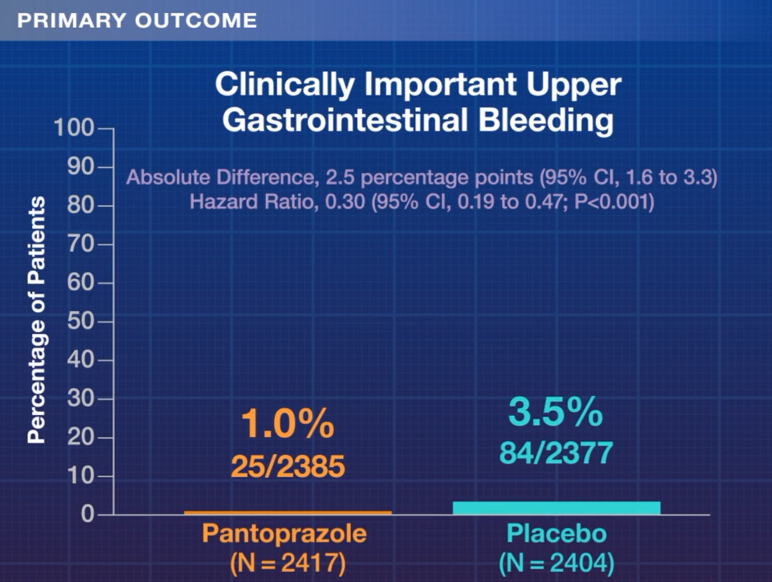
This  international, randomized trial assigned critically ill adults (n=4821) who were undergoing invasive ventilation to receive intravenous pantoprazole (at a dose of 40 mg daily) or matching placebo. Both groups included ~22% who had had PPIs prior to hospitalization. The primary efficacy outcome was clinically important upper gastrointestinal bleeding, identified locally as overt gastrointestinal bleeding with evidence of hemodynamic compromise or leading to therapeutic interventions in the ICU (or resulted in readmission to the ICU during the index hospital stay) up to 90 days after randomization.

Key findings:

  • Clinically important upper gastrointestinal bleeding occurred in 25 of 2385 patients (1.0%) receiving pantoprazole and in 84 of 2377 patients (3.5%) receiving placebo (hazard ratio, 0.30;  P<0.001)
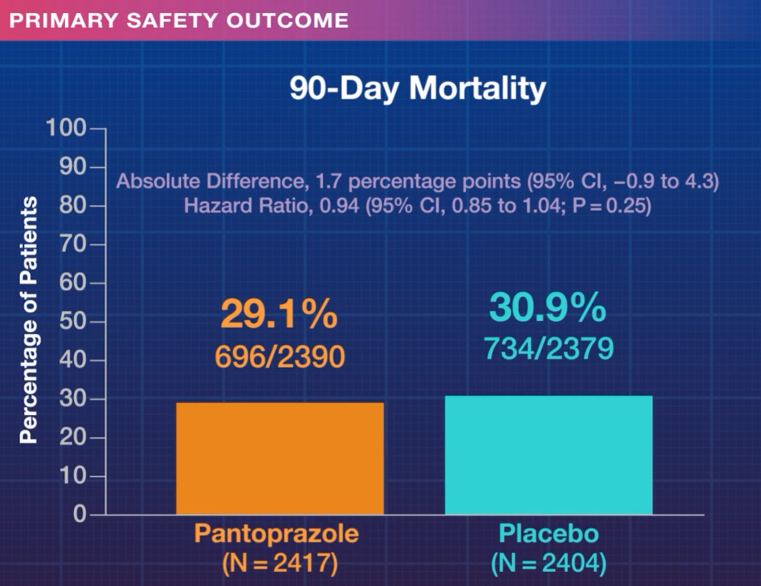
  • At 90 days, death was reported in 696 of 2390 patients (29.1%) in the pantoprazole group and in 734 of 2379 patients (30.9%) in the placebo group (hazard ratio, 0.94; P=0.25)
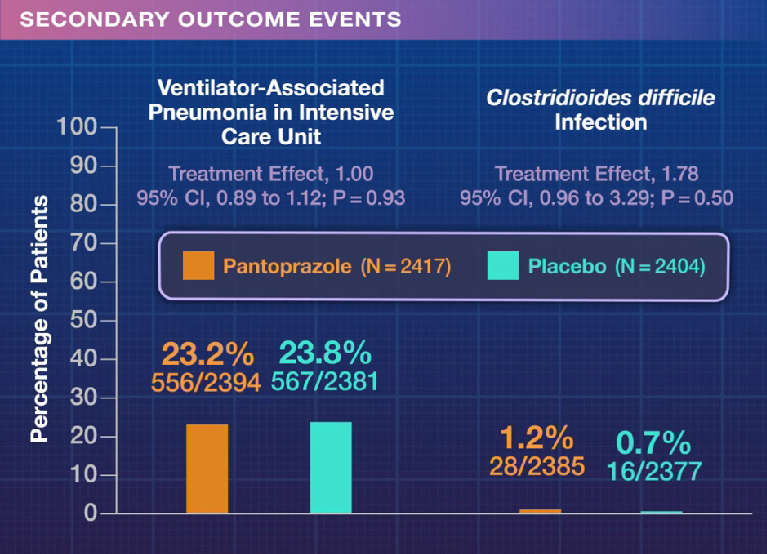
  • PPI-treated patients had similar rates of ventilator-associated pneumonia and C diff infection

In the associated editorial, (SM Brown. NEJM 2024; 391: 78-79) noted that “two previous trials, SUP-ICU1 and the cluster-randomized PEPTIC2 (which compared proton-pump inhibitors with placebo and H2-receptor blockade, respectively), suggested that the effects on mortality may differ according to patients’ disease severity — and that the drugs were potentially less safe in more severely ill patients.”

“Proton-pump inhibitors slightly but significantly decrease the risk of important gastrointestinal bleeding and have a decent chance of slightly decreasing mortality in less severely ill patients during mechanical ventilation. Moreover, we can be certain that proton-pump inhibitors do not decrease — and may slightly increase — mortality in severely ill patients…For sicker patients, I would probably reserve the use of proton-pump inhibitors for those who are being treated with antiplatelet agents, especially in the presence of therapeutic anticoagulants.” 

My take: This study and editorial helps provides insight into the narrow path of benefit that PPIs may provide for ventilated adults in the ICU. This study reinforces my view that there are few circumstances where adding empiric PPIs in children would be beneficial. Children are less likely to have significant GI bleeding than adults and have fewer comorbidities. Thus, PPIs in pediatrics need to be used mainly in the context of active GI bleeding and in children needing treatment for specific etiologies. PPIs have low value in most children as prophylaxis (e.g. children with IBD receiving steroids).

Related blog posts:

Disclaimer: This blog, gutsandgrowth, assumes no responsibility for any use or operation of any method, product, instruction, concept or idea contained in the material herein or for any injury or damage to persons or property (whether products liability, negligence or otherwise) resulting from such use or operation. These blog posts are for educational purposes only. Specific dosing of medications (along with potential adverse effects) should be confirmed by prescribing physician.  Because of rapid advances in the medical sciences, the gutsandgrowth blog cautions that independent verification should be made of diagnosis and drug dosages. The reader is solely responsible for the conduct of any suggested test or procedure.  This content is not a substitute for medical advice, diagnosis or treatment provided by a qualified healthcare provider. Always seek the advice of your physician or other qualified health provider with any questions you may have regarding a condition.

Proliferation of Formula Lawsuits In Necrotizing Enterocolitis

AAP Statement 7/27/24: AAP Statement In Response to NEC Lawsuit Verdict

Yesterday, the AAP put out a statement (see below) regarding the numerous lawsuits related to necrotizing enterocolitis. The lawsuits allege that formula companies did not provide physicians and patients warning that their products could increase the risk of necrotizing enterocolitis relative to breast milk or donated human milk.

This has led to huge verdicts. In March, a jury in Illinois awarded a mother $60 million (3/15/24 Reuters: Reckitt unit hit with $60 million verdict in Enfamil baby formula case in Illinois). This past week, a jury in Missouri awarded a women $95 million in compensatory damages and $400 million in punitive damages (CNBC 7/26/24: Abbott must pay $95 million in premature infant formula trial, jury finds).

Currently, when one searches for “NEC and lawsuits,” it is difficult to find these news reports due to dozens of law firm websites trying to attract clients. Per CNBC article, “close to 1,000 lawsuits have been filed against Abbott, Enfamil formula maker Reckitt Benckiser or both in federal or state courts.”

My take: These lawsuits are likely to exponentially increase the cost of formulas for all infants with little justification. It has been well-recognized for decades that there are many factors contributing to NEC; infants receiving human milk also develop NEC. For many infants in the NICU, sometimes there is no availability of human milk. What is going to happen to them if formula companies stop making premature formulas?

The most promising therapeutic to try to reduce the risk of NEC would be a safe probiotic. However, the FDA closed off this avenue (see: End of the Line for Probiotics for Preterm Infants). Even if the FDA reversed its position, no company would be willing to try to develop these products due to fear of litigation.

Related blog posts:

Which FODMAPs are Most Difficult to Reintroduce in Patients with Irritable Bowel Syndrome

K Van de Houte et al. Gastroenterol 2024; 167: 333-342. Open Access! Efficacy and Findings of a Blinded Randomized Reintroduction Phase for the Low FODMAP Diet in Irritable Bowel Syndrome

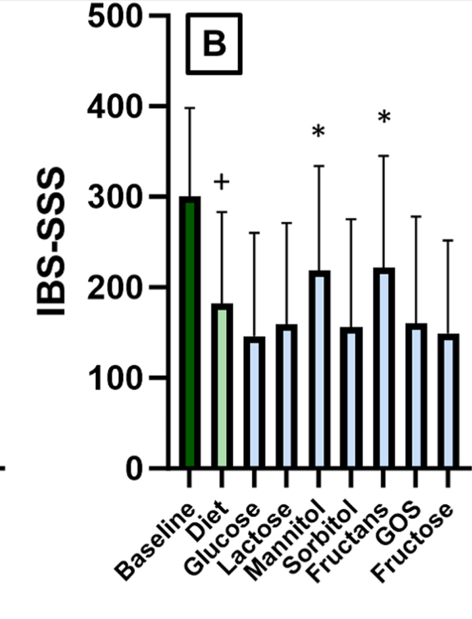
Methods: Responders (n=94 of 117) to a 6-week low FODMAP diet, defined by a drop in IBS symptom severity score (IBS-SSS) compared with baseline, entered a 9-week blinded randomized reintroduction phase with 6 FODMAP powders (fructans, fructose, galacto-oligosaccharides, lactose, mannitol, sorbitol) or control (glucose). A rise in IBS-SSS (≥50 points) defined a FODMAP trigger. Patients were challenged with 6 FODMAPs or glucose as a control (3/day x 7 days) while continuing with the low FODMAP diet.  At the end of the seventh day, patients entered 2 days of washout before starting with the next blinded FODMAP or control powder.

Key findings:

  • IBS-SSS improved significantly after the elimination period compared with baseline (150 vs. 301, P < .0001, 80% responders)
  • Symptom recurrence was triggered in 85% of the FODMAP powders, by an average of 2.5 FODMAPs/patient
  • The most prevalent triggers were fructans (56%) and mannitol (54%), followed by galacto-oligosaccharides, lactose, fructose, sorbitol, and glucose (respectively 35%, 28%, 27%, 23%, and 26%) with a significant increase in abdominal pain at day 1 for sorbitol/mannitol, day 2 for fructans/galacto-oligosaccharides, and day 3 for lactose.

One limitation of the study was selecting the dose for the challenge/reintroduction. “In comparison to clinical practice, our selected dose was higher, intended to maximize the potential of inducing symptoms. On the other hand, if that information was available, we aimed to stay below a dose for an individual FODMAP that was shown to elicit symptoms in healthy controls.”

My take:

  1. Fructans and Mannitol had the highest prevalence rate as trigger foods upon reintroduction. However, the other groups all had at least a 23% chance of being a food trigger as well.
  2. Having available powders of the FODMAP grouping could potential expedite and standardize reintroduction in clinical practice. If a patient did well with the specific FODMAP powder, there is a good likelihood that the related foods would be tolerated as well.

Related blog posts:

Disclaimer: This blog, gutsandgrowth, assumes no responsibility for any use or operation of any method, product, instruction, concept or idea contained in the material herein or for any injury or damage to persons or property (whether products liability, negligence or otherwise) resulting from such use or operation. These blog posts are for educational purposes only. Specific dosing of medications (along with potential adverse effects) should be confirmed by prescribing physician.  Because of rapid advances in the medical sciences, the gutsandgrowth blog cautions that independent verification should be made of diagnosis and drug dosages. The reader is solely responsible for the conduct of any suggested test or procedure.  This content is not a substitute for medical advice, diagnosis or treatment provided by a qualified healthcare provider. Always seek the advice of your physician or other qualified health provider with any questions you may have regarding a condition.

Firearms -Still the Leading Cause of Childhood Death in U.S.

Related blog posts:

Impact of Gene Mutation on Juvenile Polyposis Syndrome

S Cohen et al. J Pediatr Gastroenterol Nutr.2024;79:161‐167. Open Access! Juvenile polyposis syndrome in children: The impact of SMAD4 and BMPR1A mutations on clinical phenotype and polyp burden

One of the authors on this paper is Dr. Erdman (see yesterday’s post: Dr. Steve Erdman: Perplexing Polyposis Patients: a Case-Based Discussion).

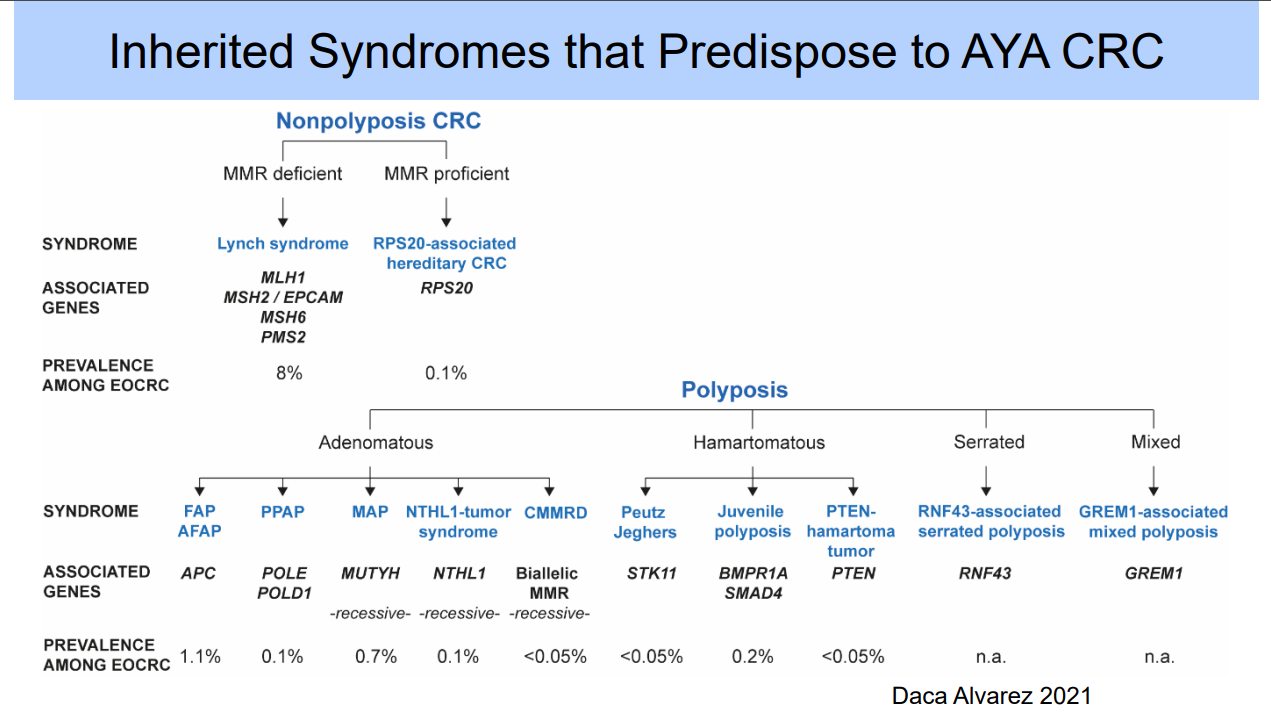
Background/Methods: A constitutional disease‐causing variant (DCV) in the SMAD4 or BMPR1A genes is present in 40%–60% of patients with juvenile polyposis syndrome (JPS). A total of 124 children with JPS were included: 69 (56%) DCV‐negative and 55 (44%) DCV‐positive (53% SMAD4 and 47% BMPR1A) with a median (interquartile range) follow‐up of 4 (2.8–6.4) years

Key findings:

  • DCV‐positive children were diagnosed at an older age compared to DCV‐negative children [median 12 years vs. 5 years, respectively, p < 0.001], had a higher frequency of family history of polyposis syndromes (50.9% vs. 1.4%, p < 0.001), experienced a greater frequency of extraintestinal manifestations (27.3% vs. 5.8%, p < 0.001), and underwent more gastrointestinal surgeries (16.4% vs. 1.4%, p = 0.002). All operations in the DCV‐positive group were performed in patients with SMAD4 mutations
  • DCV-positive children had more frequent new polyps: average of 12.2 versus 2 new polyps for every year of follow‐up
  • DCV-positive children had a lower frequency of rectal bleeding (56% compared to 93%) which could be a factor in later presentation
  • There was no difference in the burden of polyps between patients with SMAD4 and BMPR1A mutations. A higher frequency of gastric polyps was observed in the SMAD4 group (55.3%vs. 9.1% for the patients in the BMPR1A group ,p = 0.004). . HHT was observed only in the SMAD4 mutations group (20.7% vs. 0 in the BMPR1Agroup. p = 0.024)

My take: Children with DCV-positive JPS likely require more frequent surveillance than DCV-negative JPS.

Related blog posts:

Arches National Park -Fiery Furnace Hike
Just outside Arches -Moab bridge that crosses Colorado River

Dr. Steve Erdman: Perplexing Polyposis Patients: a Case-Based Discussion

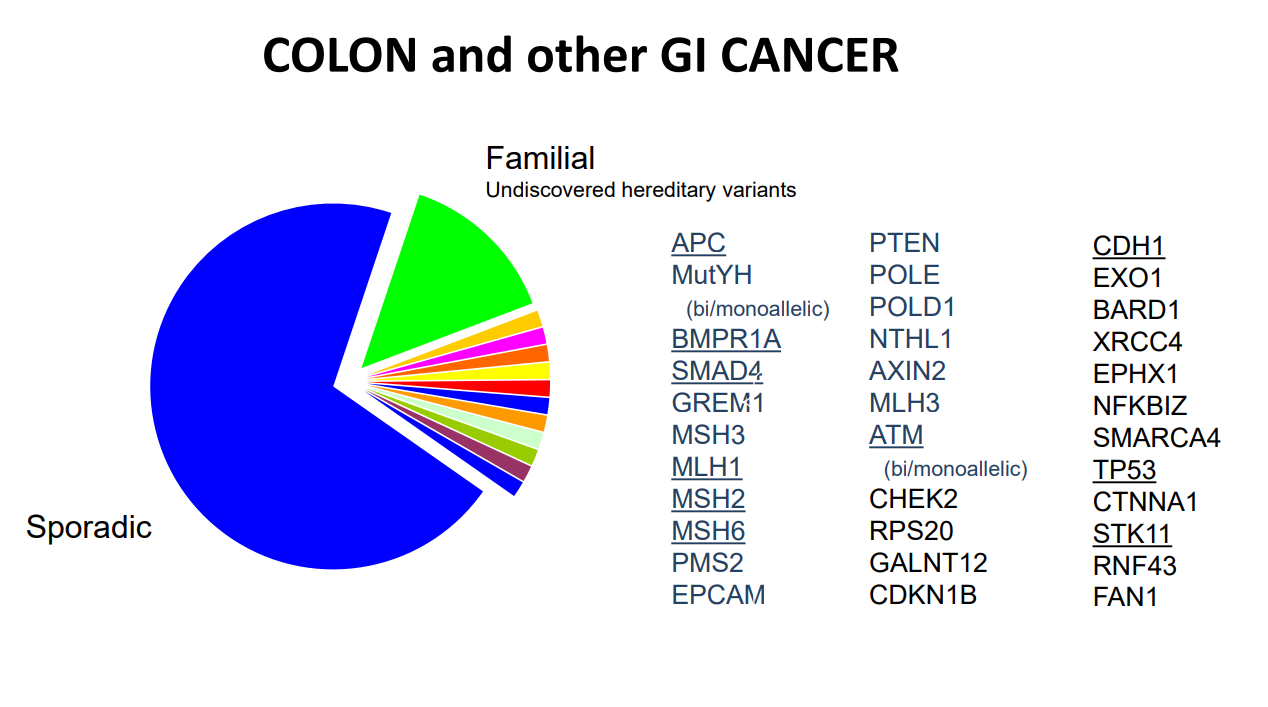
Recently, Dr. Steve Erdman gave our group a great update on polyposis disorders.  My notes below may contain errors in transcription and in omission. Along with my notes, I have included many of his slides.

Key points:

  • There has been breath-taking progress in understanding of polyposis disorders. It is important to have genetic counselors participate to optimize testing and evaluation
  • In patients with suspected polyposis syndromes, a genetic diagnosis is very important and can help guide management
  • Family history is very important. If several family members have had GI or other cancers at a young age, more aggressive interventions are usually indicated. However, individual family members can have a wide variation in presentation
  • In patients with many polyps, it is worthwhile to alert family to the fact that some polyps can be missed on colonoscopy and to contact medical team if there are recurrent symptoms like rectal bleeding
  • Some disorders, like juvenile polyposis syndrome (JPS), the connection between polyp presence and cancer risk is not clear. The increased risk for colon cancer my remain after polypectomy.
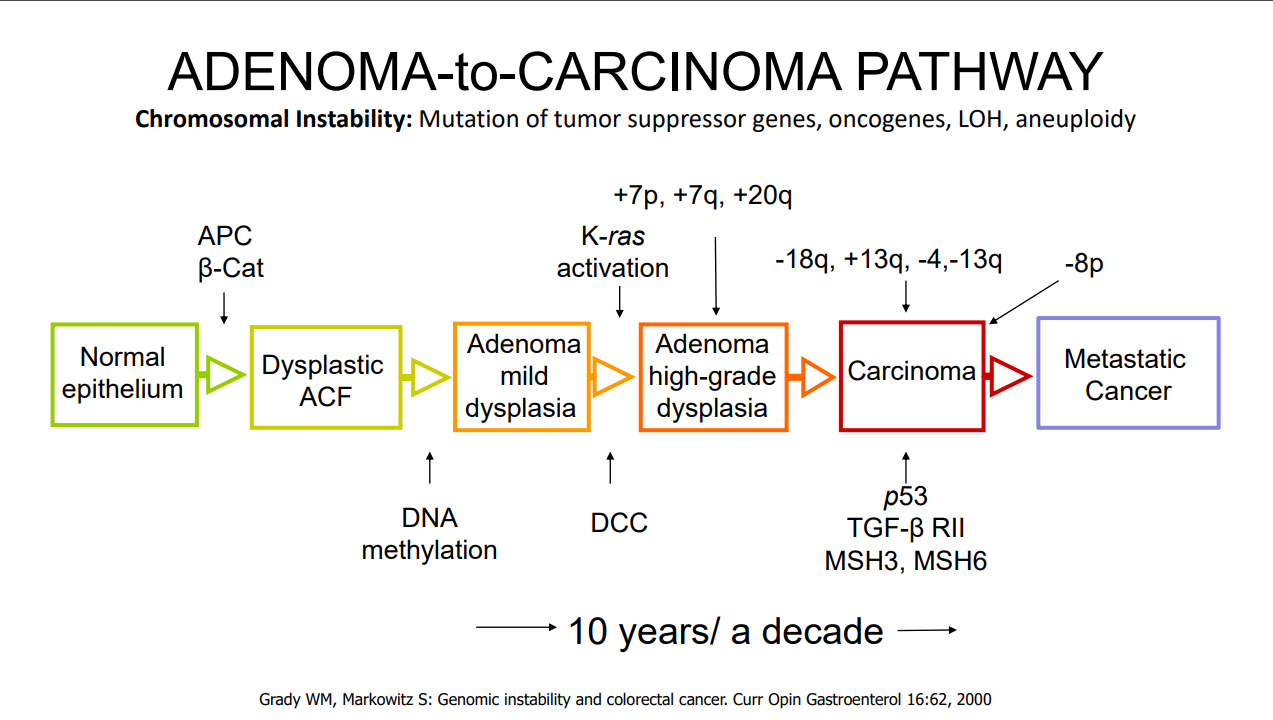
  • For most individuals with adenomatous polyps, removal of the polyps prevents cancer development (in the GI tract) as there is a well-described adenoma-to-cancer sequence that typically takes 7-10 years  to progress from adenoma to colon cancer
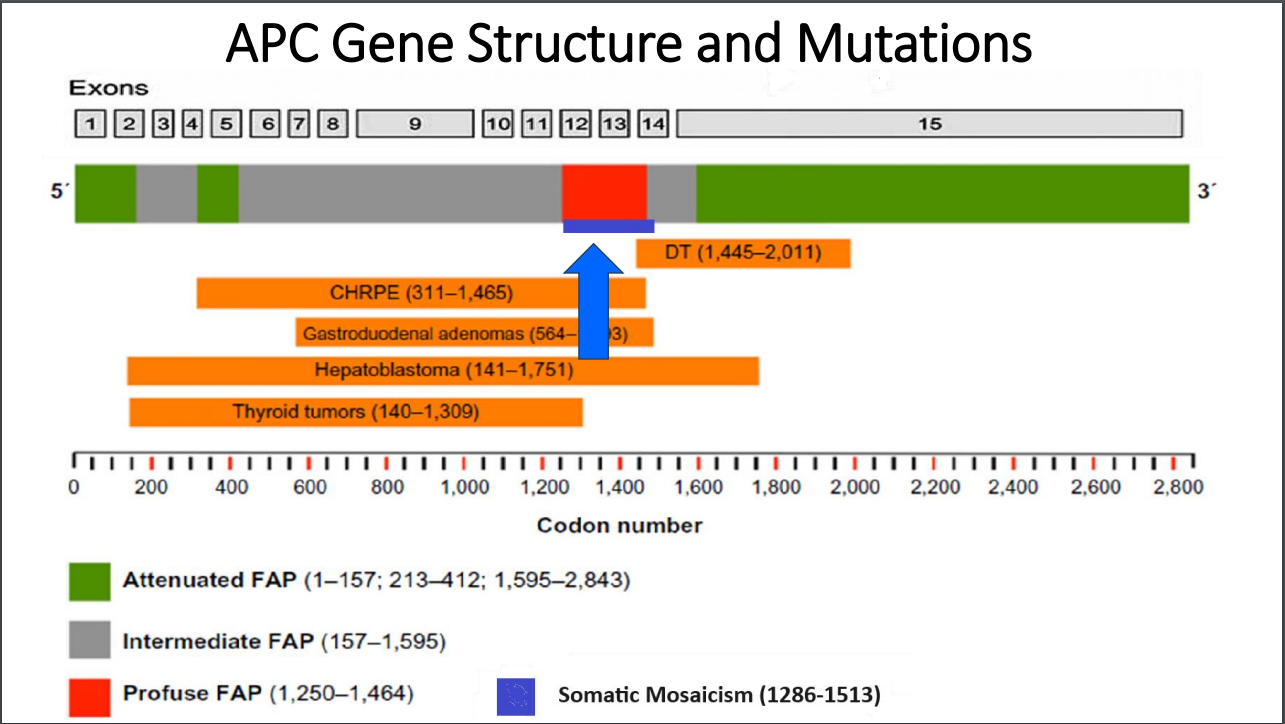
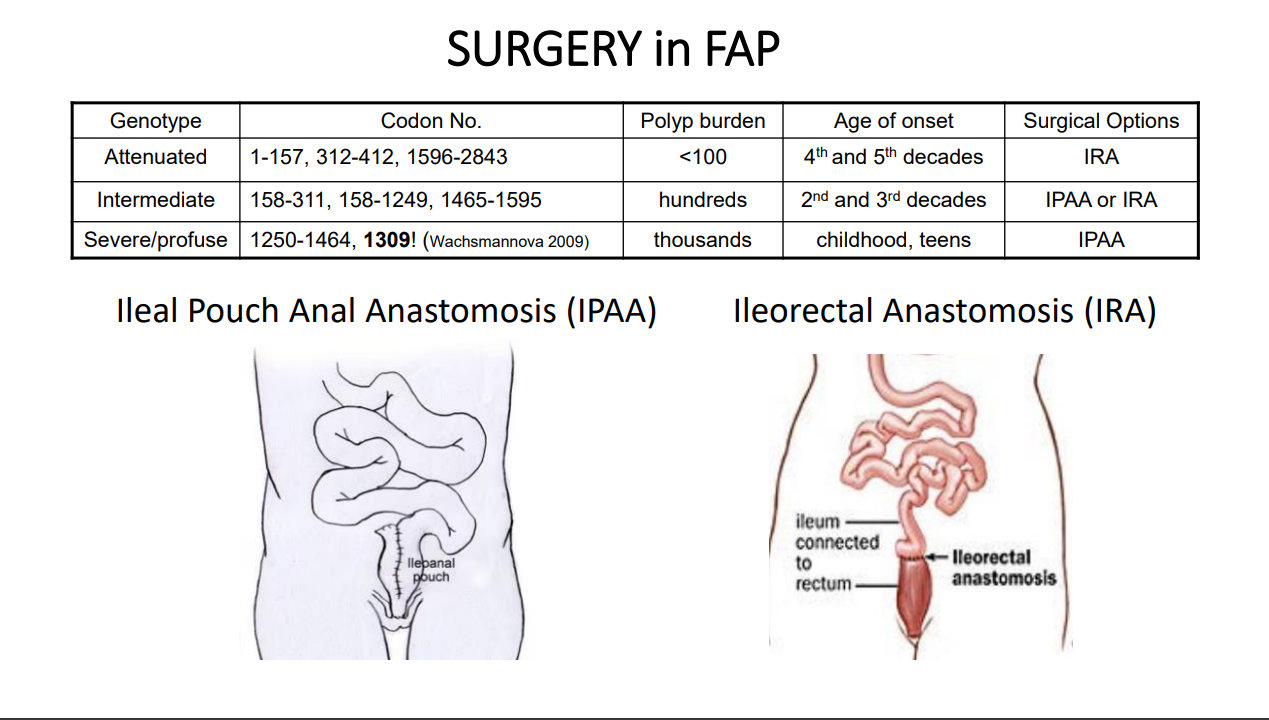
  • With FAP, the severity is related in part to the specific mutation. Mutations in the mutation cluster region are associated with an aggressive phenotype and mutations causing attenuated FAP are less aggressive
  • For FAP, timing of potential colectomy involves factors including severity as well as social factors. In teenagers in which there is a concern about being lost to follow-up, this is a factor that could influence earlier intervention
  • Many times a 2nd opinion in pathology can be helpful, especially if colon cancer is reported. However, histologic dysplasia can be tricky as well
  • Isolated CHRPE usually does not require evaluation. Dr. Erdman noted that sometimes genetic testing is offered to a family for reassurance. He discouraged colonoscopy in this setting unless a genetic diagnosis has been established or symptoms like rectal bleeding are present.  The penetrance of APC mutations (development of polyps) can be  quite variable (especially with attenuated form)
  • For JPS, after all polyps have been removed, consider surveillance every 3-5 years or for active symptoms (related post: ESPGHAN Juvenile Polyposis Syndrome in Children –Position Paper)

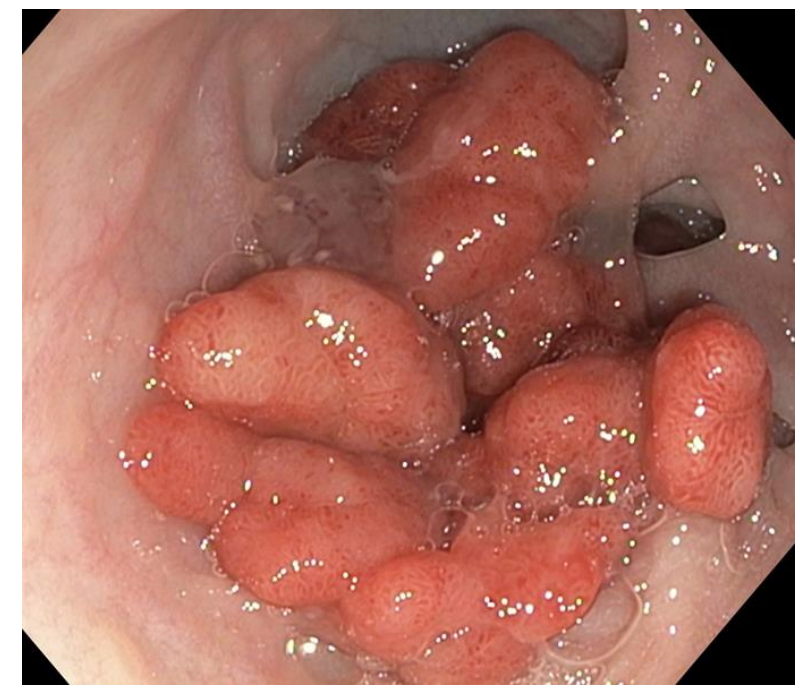
Case #1 presented a 14 yo with 50+ multilobulated pedunculated polyps which histologically were tubulovillus adenomas. Initial diagnosis was elusive despite extensive testing

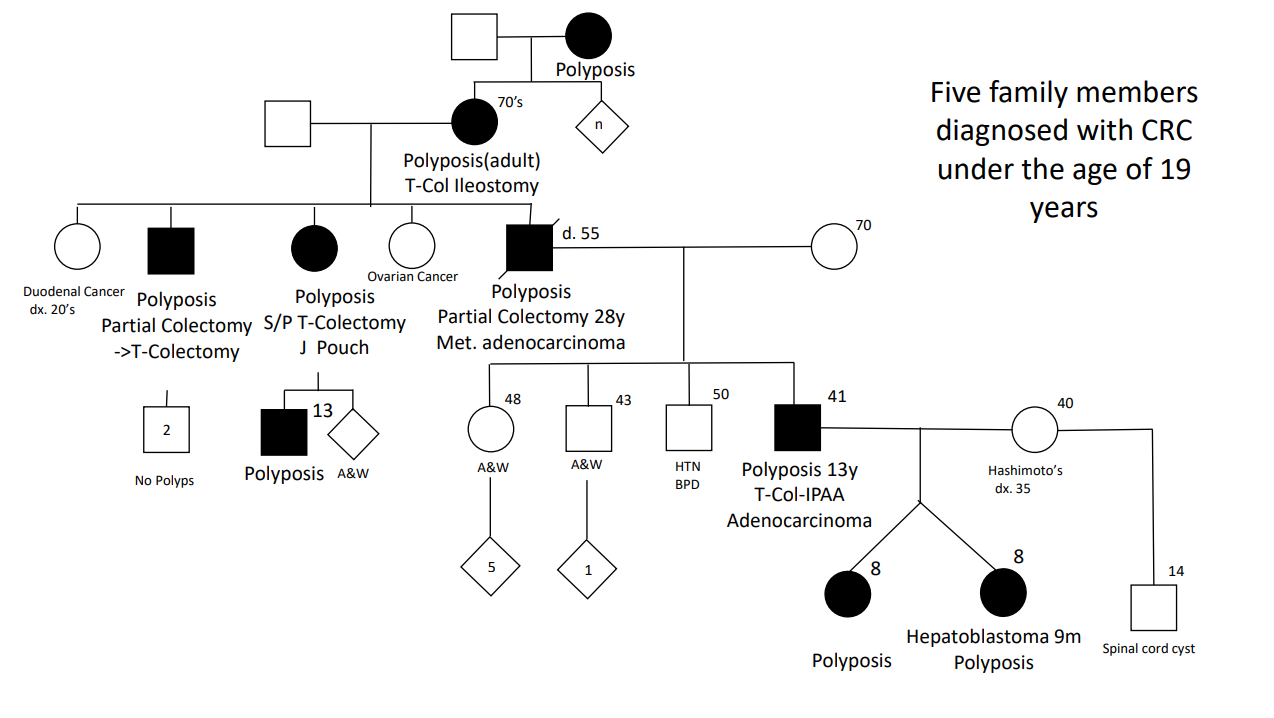
Case#2 presented 8 yo twins. Aggressive management was indicated as 5 family members developed colorectal cancer prior to age 20 years.

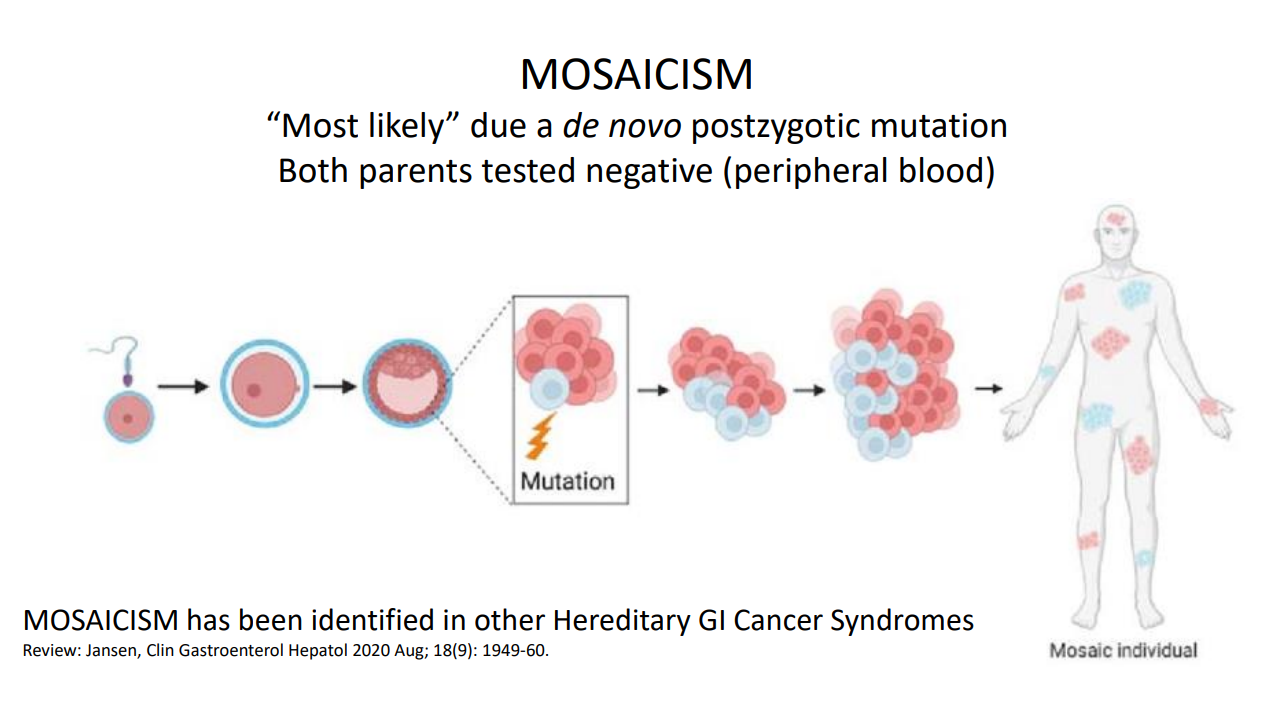
Case#2 Improvements in testing allowed identification of a point mutation in the 1B promoter region of the APC gene

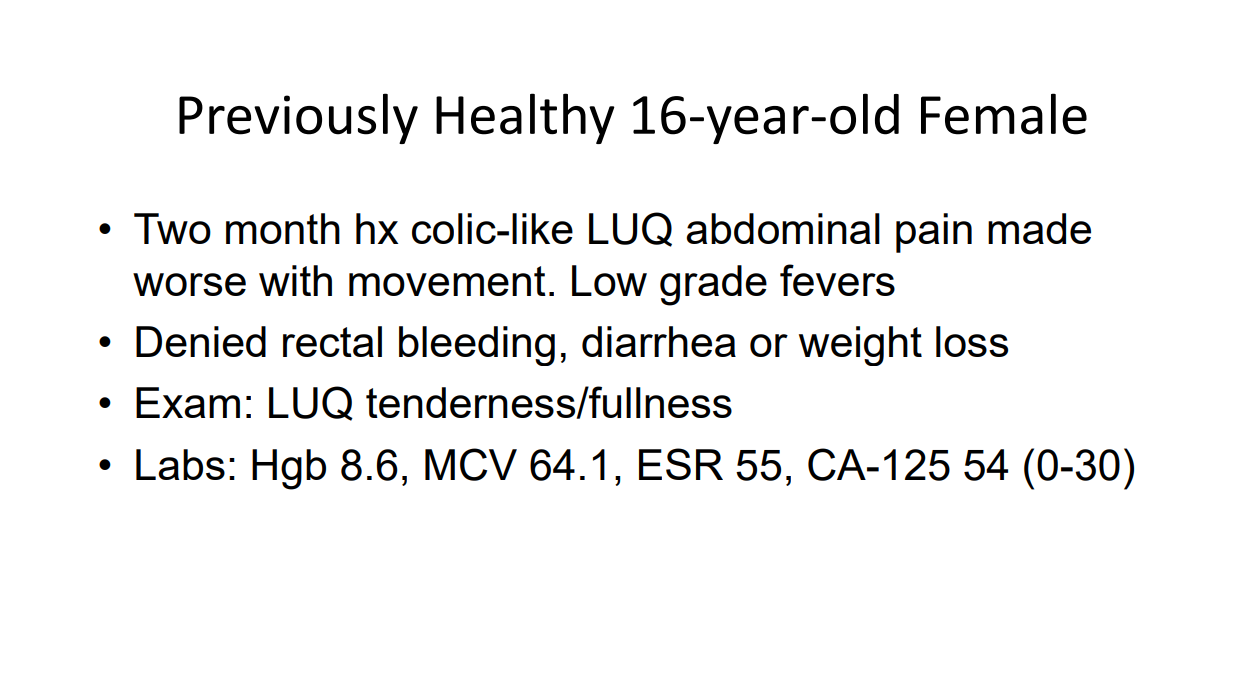
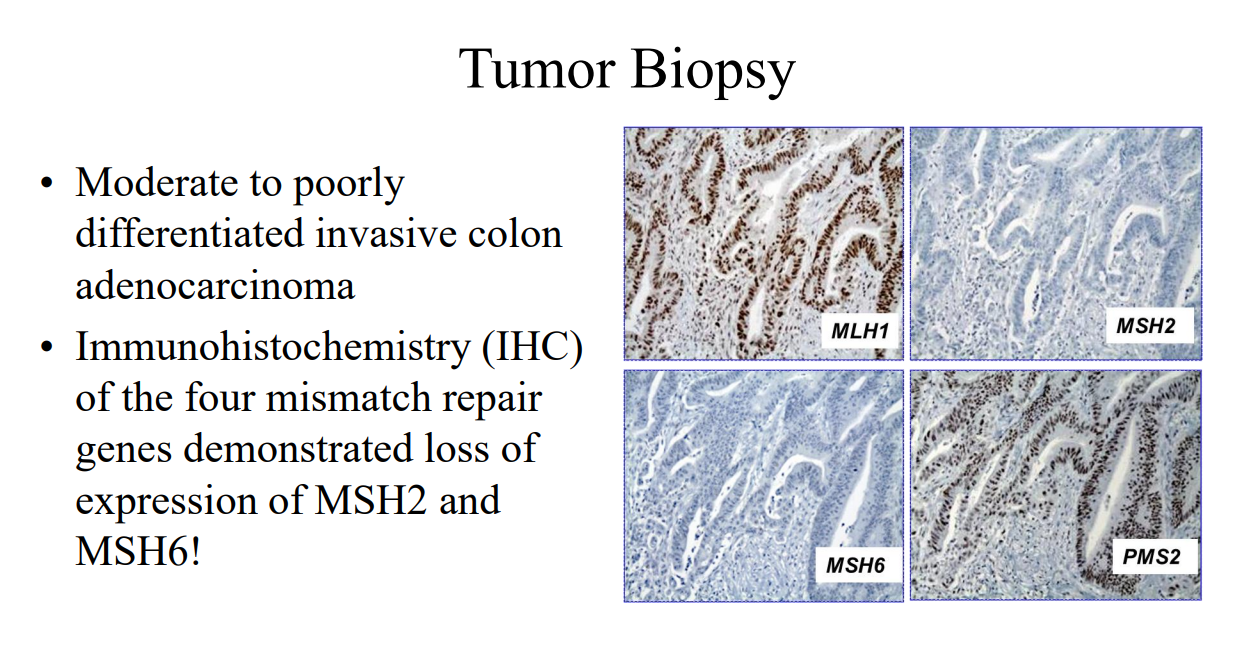
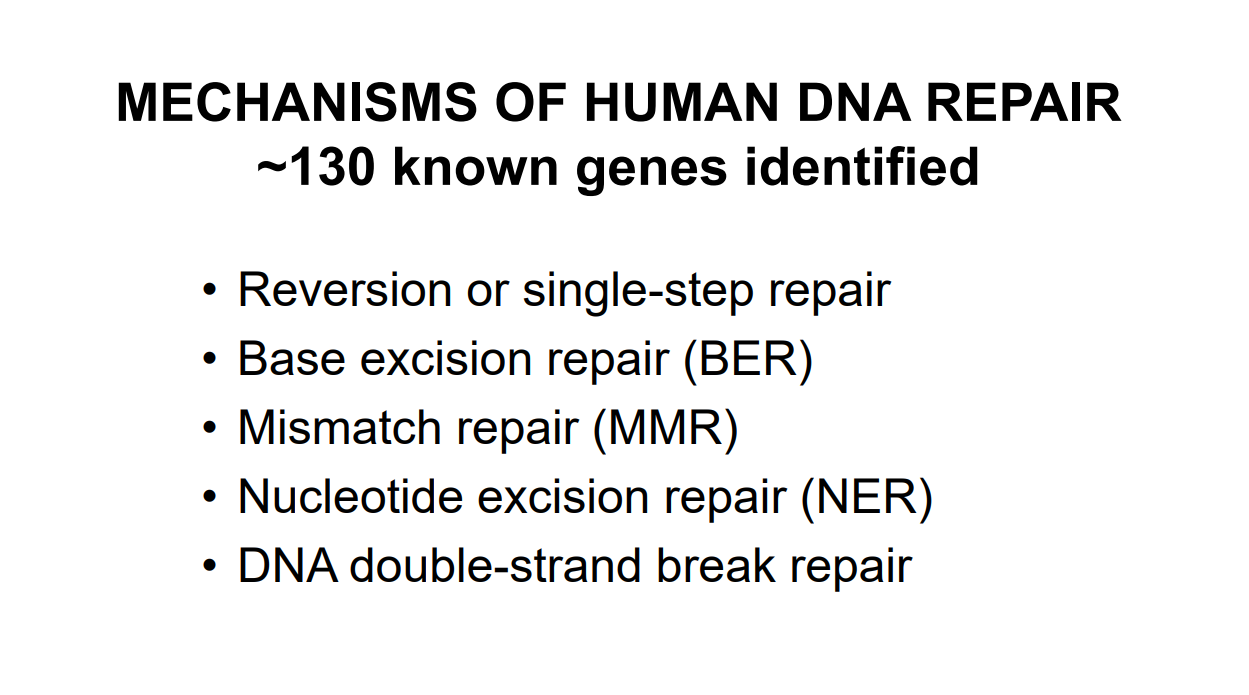
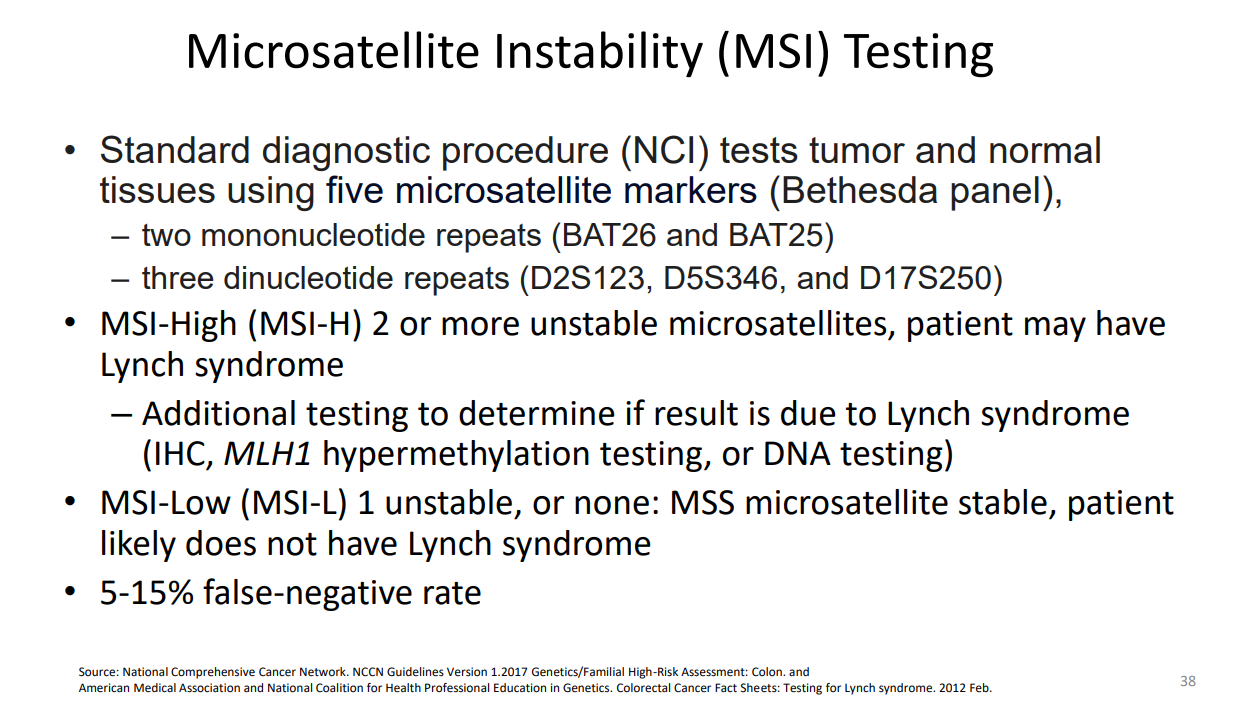
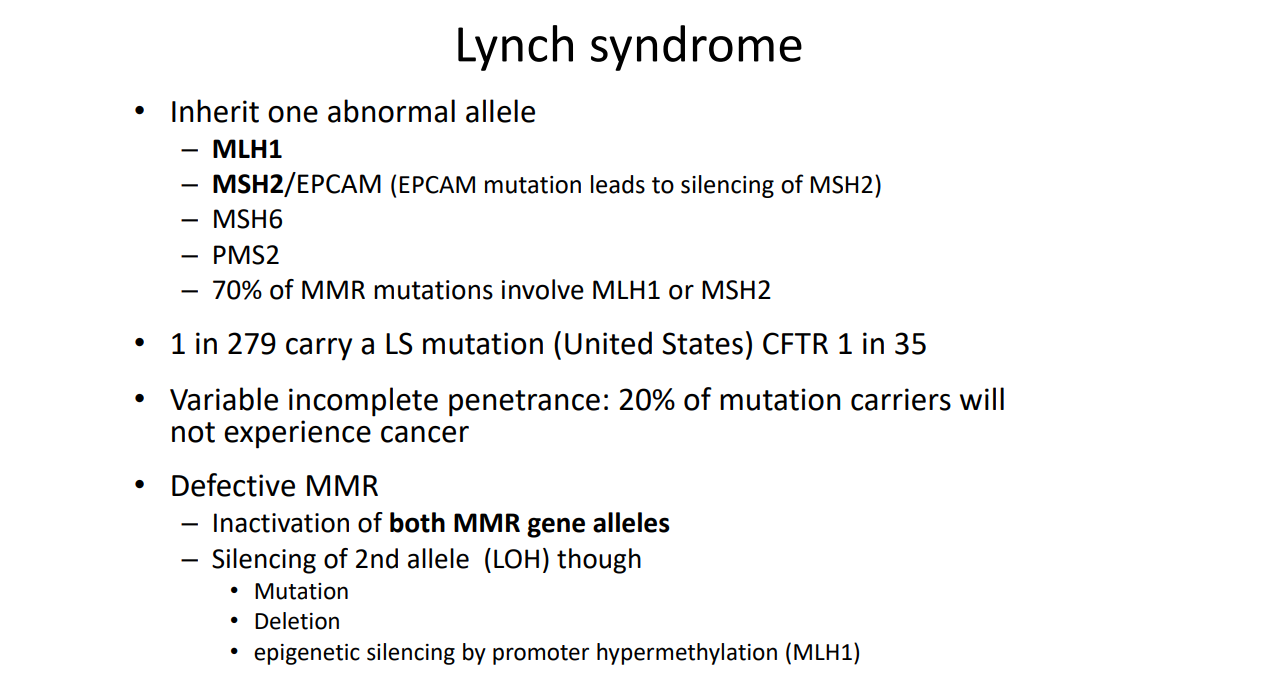
Case#3 presented a 16 yo with anemia and pain who was found to have a colonic mass related to mismatch repair mutation. Dr. Erdman indicated that obtaining adequate tissue for a diagnosis (“dig a hole”) is important. (As an aside, other colleagues have had the experience of tumors which were highly vascular and it is important to keep this possibility in mind)

Amsterdam II Criteria for Lynch Syndrome

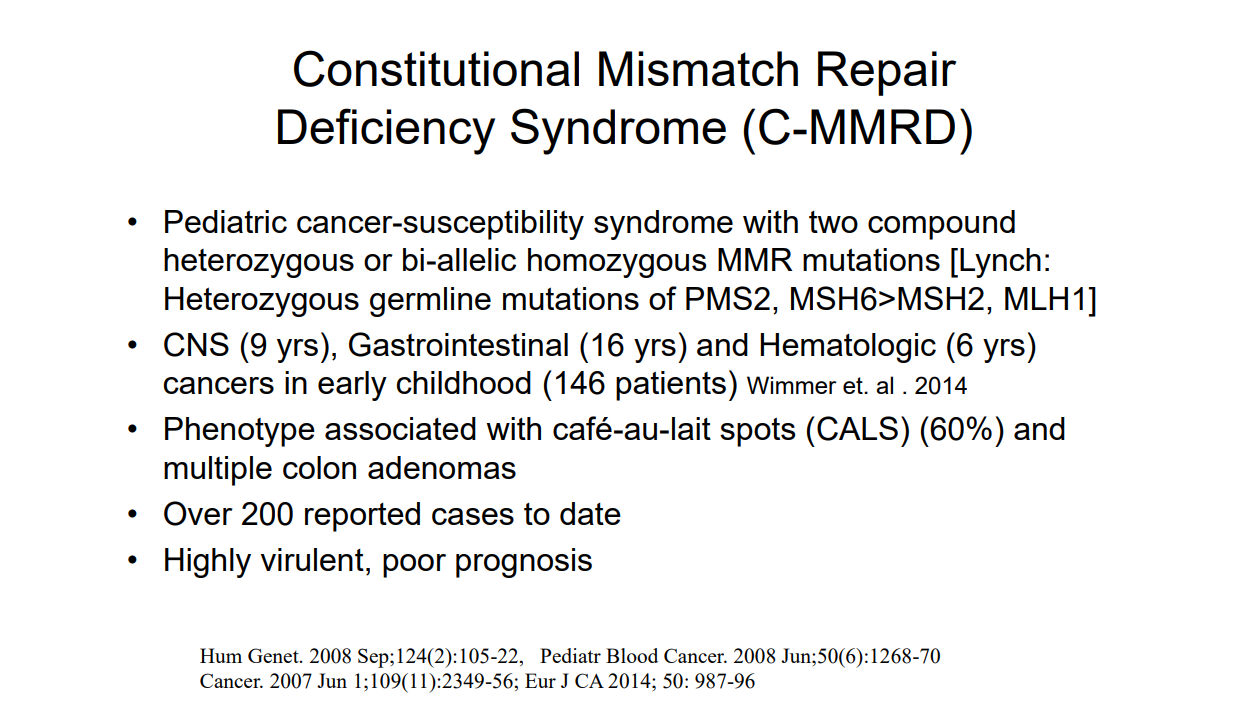
Case#4 presented a 12 yo with neurofibromatosis (NF-1) who developed CRC and ultimately diagnosed with CMMR-D. This is a highly aggressive cancer susceptibility disorder with a very poor prognosis (see post: Are you familiar with CMMR-D?)

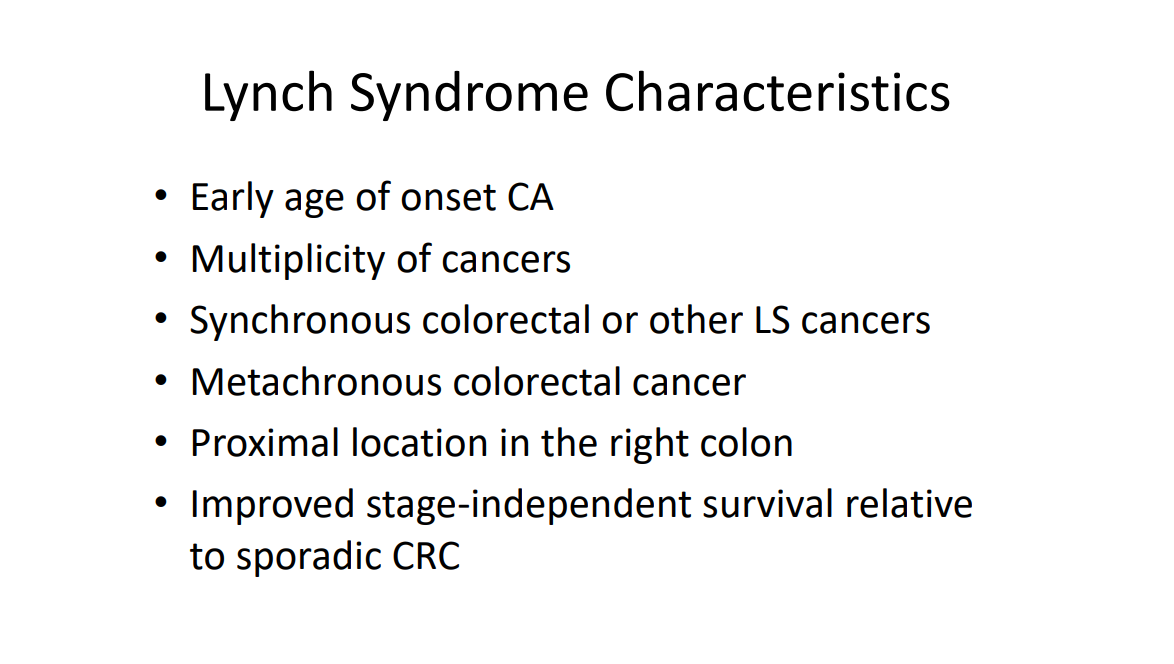
  • Case#5 presented two siblings (13 yo, 17 yo) who had half-sibling who died from CRC at age 25 yrs. This case illustrated “genetic anticipation” as each generation in this family with Lynch syndrome tended to develop CRC earlier in life. Amsterdam criteria can be helpful in identifying Lynch syndrome

Related blog posts:

Disclaimer: This blog, gutsandgrowth, assumes no responsibility for any use or operation of any method, product, instruction, concept or idea contained in the material herein or for any injury or damage to persons or property (whether products liability, negligence or otherwise) resulting from such use or operation. These blog posts are for educational purposes only. Specific dosing of medications (along with potential adverse effects) should be confirmed by prescribing physician.  Because of rapid advances in the medical sciences, the gutsandgrowth blog cautions that independent verification should be made of diagnosis and drug dosages. The reader is solely responsible for the conduct of any suggested test or procedure.  This content is not a substitute for medical advice, diagnosis or treatment provided by a qualified healthcare provider. Always seek the advice of your physician or other qualified health provider with any questions you may have regarding a condition.