IBD Updates: Extending Mirkizumab Induction, Best Biologic, Fatigue in Pediatric IBD, Adalimumab Success in Patients with Abdominal Abscess

  1. G D’Haens et al. Inflamm Bowel Dis 2024; https://doi.org/10.1093/ibd/izae004. Extended Induction and Prognostic Indicators of Response in Patients Treated with Mirikizumab with Moderately to Severely Active Ulcerative Colitis in the LUCENT Trials

Key findings:

  • Of patients not achieving clinical response during 12-week induction, 53.7% achieved response following extended induction (additional 3 doses of IV infusion every 4 weeks)
  • With “extended induction,” total of 80.3% mirikizumab-treated patients achieved clinical response by W24

2. S Schreiber et al. Inflamm Bowel Dis 2024; 30: S7. NETWORK META-ANALYSIS TO EVALUATE THE COMPARATIVE EFFICACY OF BIOLOGICS FOR MAINTENANCE TREATMENT OF ADULT PATIENTS WITH CROHN’S DISEASE

Methods: A network meta-analysis (NMA) was conducted to evaluate comparative efficacy of licensed biologics. Phase 3 randomized controlled-trials (RCTs) evaluating biologics approved by the European Medicines Agency or United States Food and Drug Administration as of 31 March 2023 for maintenance treatment of adult patients with moderate-to-severe CD were included, i.e. infliximab (IFX) intravenous (IV) and SC, adalimumab (ADL) SC, vedolizumab (VDZ) IV and SC, ustekinumab (UST) SC, and risankizumab (RZB) SC.

Key findings:

  • Among 8 comparator arms, IFX SC 120 mg every 2 weeks (Q2W) showed the highest odds ratio (95% credible interval) vs. PBO for clinical remission during the maintenance phase (3.52 [2.18–5.65]).

My take: This meta-analysis shows a favorable response for IFX SC; however, head-to-head trials are needed to really determine which biologic has the highest efficacy.

3. N Bevers et al. JPGN 2024; 2023; 77: 628-633. Fatigue and Physical Activity Patterns in Children With Inflammatory Bowel Disease

In this cross-sectional study with 104 children (24 with fatigue), biological parameters (CRP, fecal calprotectin) did not discriminate fatigued from non-fatigued patient

4. Y Bouhnik et al. Clin Gastroenterol Hepatol 2023; 21: 3365-3378. Adalimumab in Biologic-naïve Patients With Crohn’s Disease After Resolution of an Intra-abdominal Abscess: A Prospective Study From the GETAID

In this multicenter prospective study with 117 patients, the authors examined the success rate of adalimumab (ADA) in patients with CD with an intra-abdominal abscess resolved without surgery.

Key findings:

  • At W24, the survival rate without abscess recurrence or surgery was 74% (n=87)
  • Abscess drainage was significantly associated with ADA failure at W24 (odds ratio, 4.18)

My take (borrowed from authors): Provided that the abscess was carefully managed before initiating medical treatment, this study showed the high efficacy of ADA in the short and long term in biologic-naïve patients with CD complicated by an intra-abdominal abscess

Adjacent to Honeymoon Beach, St John

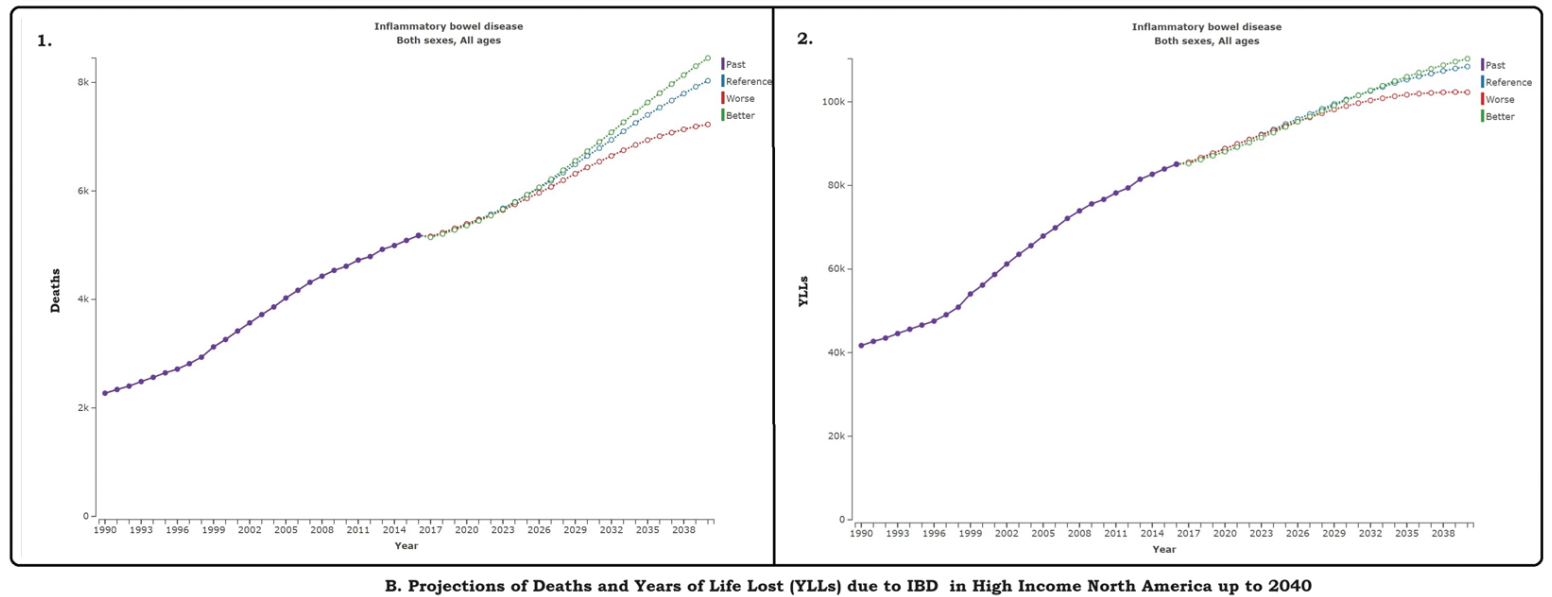
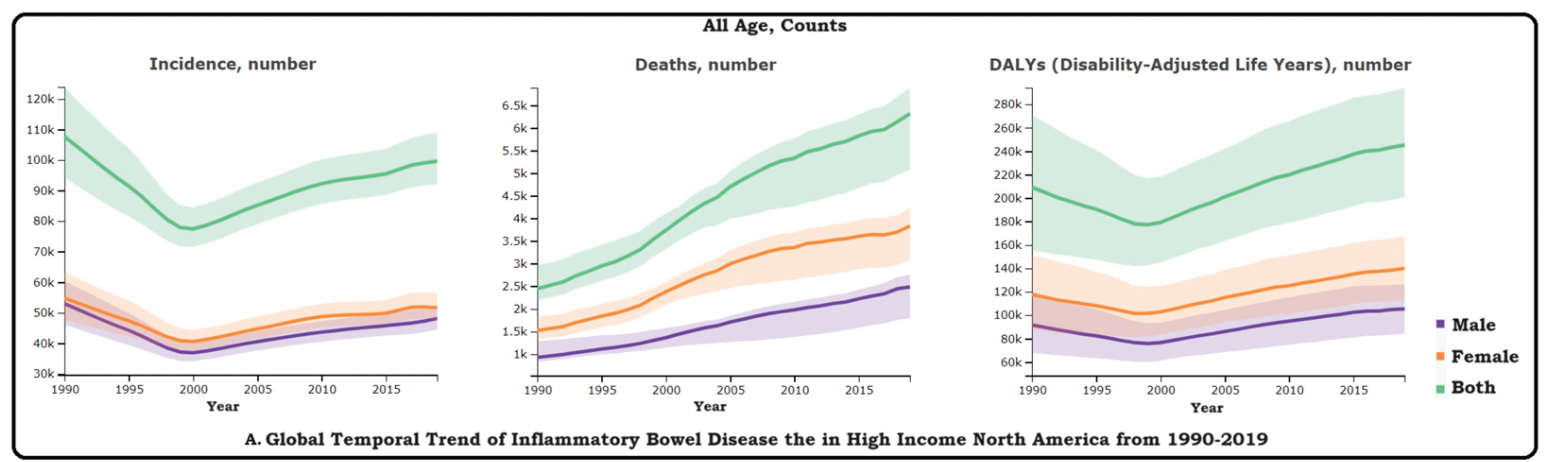
Predicting the Burden of IBD Until 2040

R Patel et al. Inflamm Bowel Dis 2024; https://doi.org/10.1093/ibd/izae020.067. DECIPHERING THE BURDEN OF INFLAMMATORY BOWEL DISEASE LANDSCAPE (1990-2019) IN HIGH INCOME NORTH AMERICA: PROJECTIONS, TEMPORAL SHIFTS, AND A GLIMPSE BEYOND TO 2040 

Methods: “Utilizing Global Burden of DIsease tool, we estimated IBD prevalence, incidence, mortality, and Disability Adjusted Life Years (DALYs) of IBD in High-Income North America. Standardized statistical techniques facilitated comparisons by age, sex, year within this specific region. The DisMod-MR 2.1 tool was employed to estimate incidence and prevalence, while mortality rates were discerned using the Cause of Death Ensemble Model (CODEm). Additionally, we projected the deaths and Years of Life Lost (YLLs) up to 2040 using regression analysis.”

What to Do with Refractory Autoimmune Hepatitis: Case Report

N Hadzic et al. NEJM 2024; 390: 284-286.JAK Inhibition in STAT1 Gain-of-Function–Mediated Treatment-Resistant Autoimmune Hepatitis

In this case report, the authors describe a 21 month old who presented with jaundice and abnormal liver tests. Diagnostic evaluation identified high titers of LKM antibodies (1:10,520) along with liver biopsy findings consistent with type 2 autoimmune hepatitis (AIH). After 6 months of treatment with steroids and subsequently azathioprine, the patient continued with severe biochemical relapses and a liver biopsy showed only a partial response.

Subsequently, “genetic testing found the patient had a heterozygous c.821G→A p.(Arg274Gln) pathogenic variant in the gene encoding signal transducer and activator of transcription 1 (STAT1)… Functional assays in the patient repeatedly showed abnormally high STAT1 phosphorylation as compared with healthy controls; this confirmed an autosomal dominant STAT1 gain-of-function defect.”

Treatment with “baricitinib, an inhibitor of Janus kinase 1 (JAK1) and 2 (JAK2), was started. Within weeks, the patient’s aminotransferase levels normalized. ..A liver-biopsy sample that was obtained 4 months after the initiation of baricitinib therapy showed an absence of appreciable inflammation with residual mild fibrosis…She was weaned off mycophenolate and is continuing to receive daily baricitinib (8 mg) and prednisolone (2.5 mg) along with fluconazole and azithromycin for infection prophylaxis.”

My take: In children with refractory autoimmune hepatitis, genetic testing is worthwhile and may allow targeted therapy.

Related blog posts:

Tyre Palm on St. John

Severe Cognitive Slowing Identified in Long COVID

S Zhao et al. eClinical Medicine 2024; DOI:https://doi.org/10.1016/j.eclinm.2024.102434. Open Access! Long COVID is associated with severe cognitive slowing: a multicentre cross-sectional study

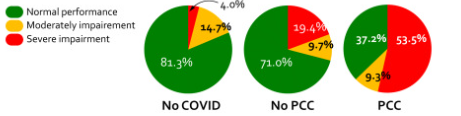
Methods: To examine cognitive slowing, patients with post-COVID-19 conditions (PCC) completed two short web-based cognitive tasks, Simple Reaction Time (SRT) and Number Vigilance Test (NVT). 270 patients diagnosed with PCC at two different clinics in UK and Germany were compared to two control groups: individuals who contracted COVID-19 before but did not experience PCC after recovery. For the SRT, participants were required to press the spacebar when a large red circle appeared in the center of the screen.

.**The simple reaction time task and the number vigilance task can be tried online at [https://octalportal.com/pcc]..

Key finding:

  • There was pronounced cognitive slowing in patients with PCC, which distinguished them from age-matched healthy individuals who previously had symptomatic COVID-19 but did not manifest PCC. Cognitive slowing was evident even on a 30-s task measuring simple reaction time (SRT), with patients with PCC responding to stimuli ∼3 standard deviations slower than healthy controls. 53.5% of patients with PCC’s response speed was slower than 2 standard deviations from the control mean, indicating a high prevalence of cognitive slowing in PCC.
  • Comorbidities such as fatigue, depression, anxiety, sleep disturbance, and post-traumatic stress disorder did not account for the extent of cognitive slowing in patients with PCC.
  • Cognitive slowing on the SRT was highly correlated with the poor performance of patients with PCC on the NVT measure of sustained attention.
Results of simple reaction time       

My take (borrowed from authors): Using a 30-s web-based, self-administered psychomotor task, cognitive slowing in PCC can be reliably and easily measured as part of diagnostic work-up, and has potential to be a biomarker to track the progress of rehabilitation of PCC.

**The simple reaction time task and the number vigilance task can be tried online at [https://octalportal.com/pcc].

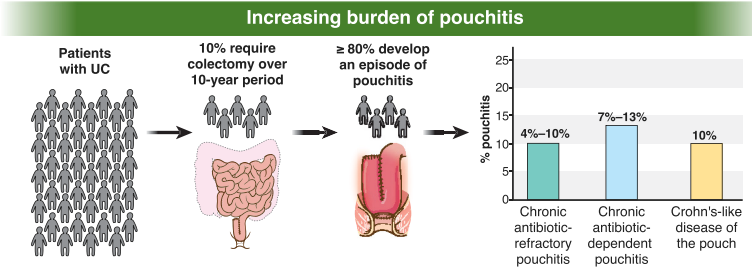
AGA Guideline on Pouchitis Management

Key recommendations

  • AGA recommends metronidazole and/or ciprofloxacin as preferred treatment of pouchitis with duration of treatment 2-4 weeks.
  • For Crohn’s-like disease of the pouch, AGA guideline recommends using either ileal-release budesonide or advanced immunosuppressive agents (eg. Biological therapies and small molecule therapies)
  • “In patients with cuffitis, topical therapies should be the first-line therapy, such as mesalamine suppositories, corticosteroid suppositories, or corticosteroid ointment applied directly to the cuff. Biological therapies and small molecule therapies are recommended in refractory cases

Related blog posts:

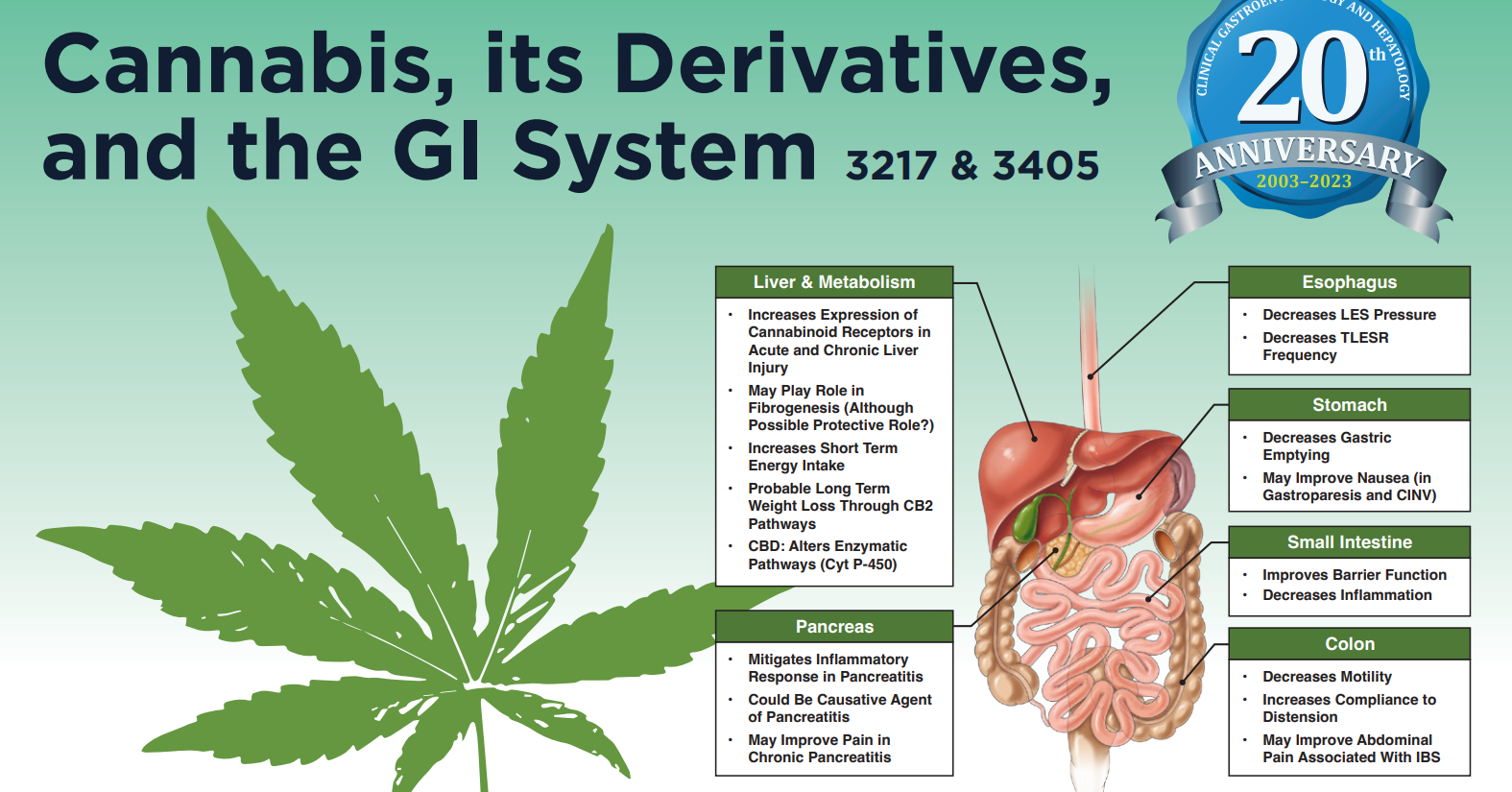
Cannabis Toxic Effects

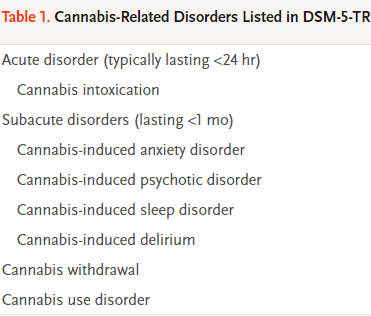
Two recent articles review cannabis-related disorders:

DA Gorelik. NEJM 2023; 389: 2267-2275. Cannabis-Related Disorders and Toxic Effects

Background: “In the United States, an estimated 52.4 million persons 12 years of age or older used cannabis in 2021, representing 18.7% of the community-dwelling population in that age group,5 and 16.2 million persons met the diagnostic criteria for cannabis use disorder, which has as its core feature the use of cannabis despite adverse consequences…Cannabis use poses a global disease burden, albeit substantially less than that posed by other psychoactive substances such as alcohol, tobacco (nicotine), opioids, and stimulants.10 The Global Burden of Disease project calculated that cannabis use in 2016 was responsible for an estimated 646,000 years of healthy life lost to disability.”

Key points:

  • “Cross-sectional surveys suggest that recent cannabis use increases the risk of motor vehicle crashes by 30 to 40%.26 By comparison, a blood alcohol concentration of 0.08% increases the risk of crashes by 250 to 300%.26
  • Cannabis use disorder, like other substance use disorders, is a chronic, relapsing condition.”
  • “A substantial reduction or a cessation of cannabis use after heavy or long-term use results in a withdrawal syndrome that is usually mild and self-limiting.39…Common psychological symptoms of cannabis withdrawal include depressed mood, anxiety, restlessness, irritability, decreased appetite, and sleep disturbance. Physical signs and symptoms are less common and include abdominal cramps, muscle aches, tremor, headache, sweating, chills, and weight loss. These signs and symptoms typically begin within 1 to 2 days, peak within 2 to 6 days, and last for several weeks…The prevalence of any withdrawal symptoms is almost 50% in persons who were using cannabis daily.”
  • Neonatal cannabis exposure: “Pregnant persons who use cannabis expose their neonates to cannabis. Such in utero exposure is associated with increased risk among newborns of having low birth weight, being small for gestational age, and being admitted to the neonatal intensive care unit.”
  • Cannabinoid hyperemesis syndrome, a form of cyclic vomiting syndrome that is often accompanied by abdominal pain, occurs during or within 48 hours after frequent and heavy cannabis use.75 Cannabinoid hyperemesis syndrome is a major reason for cannabis-related visits to emergency departments, and it accounts for about 10% of patients with cyclic vomiting syndrome.76 Cannabinoid hyperemesis syndrome is distinguished from cyclic vomiting syndrome by its temporal association with cannabis use, relief with hot baths or showers, and resolution with extended abstinence from cannabis…The symptoms of cannabinoid hyperemesis syndrome are treated with benzodiazepines, haloperidol, and topical capsaicin. “
                 

M Camilleri, T Zheng. Clin Gastroenterol Hepatol 2023; 21: 3217-3229. Cannabinoids and the Gastrointestinal Tract This article focuses more on the GI tract effects of cannabinoids.

Related blog posts:

Increased Risk of Suicide in Patients with IBD

At a lot of IBD conferences, there is often a lot of focus on health maintenance including discussions on optimizing immunization levels and nutrition. It is often striking how, in comparison, so little attention is focused on emotional health which seems to cause a much greater health burden.

CS Tse et al. Inflamm Bowel Dis 2024; 30: 150-153. Increased Risks for Suicide, Self-Harm, Substance Use, and Psychiatric Disorders in Adults With Inflammatory Bowel Disease: A Nationwide Study in the United States From 2007 to 2017

Background: Patients with IBD are also at an increased risk for chronic opioid use, depression, anxiety, sleep disturbance, and disease-related disability (eg, unemployment), all known risk factors for suicide

Methods: This cross-sectional study uses the Nationwide Emergency Department Sample of the Healthcare Cost and Utilization Project (HCUP) as a public domain representing 80% of the U.S. population. This analysis included more than 260 million emergency department visits across the United States from 2007 to 2017.

Key findings:

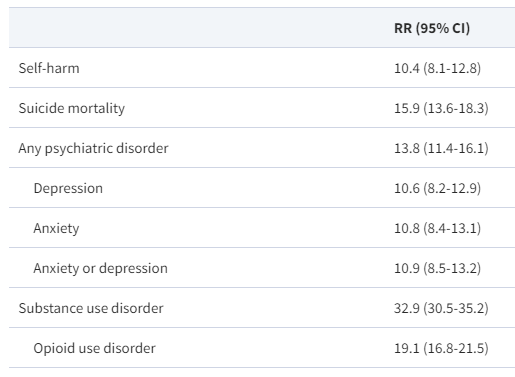
  • Inflammatory bowel disease conferred >10-fold risk for suicide deaths, self-harm, substance use, and psychiatric disorders.
  • The absolute numbers of self-harm rates were low (<1% of all-cause inflammatory bowel disease emergency department visits; total 56 suicide deaths). This amounts to about 5 suicide deaths per year (compared to 0.5 per year for patients with celiac disease.
  • The risk of self-harm was higher in patients with Crohn’s disease than ulcerative colitis (RR, 3.3; 95% CI, 1.2-5.4), though the suicide risk was not statistically different (RR, 2.3; 95% CI, 0.8-4.5).
From Table 2: RR of self-harm, suicide, psychiatric disorders, and substance use of adults with inflammatory bowel disease compared with celiac disease in the United States from 2007 to 2017. 
The authors found that rates of self-harm and suicide were the same for patients with celiac disease as the general population (RR 1.0).

My take: Attention to mental health is important component of good care for patients with inflammatory bowel disease.

Related blog posts:

Medical Diagnostic Errors

Eric Topol 1/28/24: Toward the eradication of medical diagnostic error

Key points/excerpts:

  • There is little evidence that we are reducing diagnostic errors despite more lab testing and more imaging. “One of the important reasons for these errors is failure to consider the diagnosis when evaluating the patient.” This, in turn, may be related to brief office visits.
  • There are a few ways that artificial intelligence (AI) is emerging to make a difference to diagnostic accuracy. ..A systematic analysis of 33 randomized trials of colonoscopy, with or without real-time AI machine vision, indicated there was more than a 50% reduction in missing polyps and adenomas, and the inspection time added by AI to achieve this enhanced accuracy averaged only 10 s. 
  • AI support to radiologists for a large mammography study “showed improvement in accuracy with a considerable 44% reduction of screen-reading workload.” The cancer detection rate was 6.1 per 1000 compared to 5.1 per 1000 in the control group.
  • In difficult NEJM CPC cases, large language AI model (LLM) outperformed clinicians (see slide below).” The LLM was nearly twice as accurate as physicians for accuracy of diagnosis, 59.1 versus 33.6%, respectively.”
  • “Likewise, the cofounder of OpenAI, Ilya Sutskever, was emphatic about AI’s future medical superintelligence: ‘If you have an intelligent computer, an AGI [artificial general intelligence], that is built to be a doctor, it will have complete and exhaustive knowledge of all medical literature, it will have billions of hours of clinical experience.’ “

My take (borrowed from Dr. Topol): “We are certainly not there yet. But in the years ahead, …it will become increasingly likely that AI will play an invaluable role in providing second opinions with automated, System 2 machine-thinking, to help us move toward the unattainable but worthy goal of eradicating diagnostic errors.”

Related blog posts:

IBD Update -Stem Cells for Perianal Disease, Medicine-Induced VEO-IBD, and Thalidomide for VEO-IBD

AL Lightner et al. Inflamm Bowel Dis 2023; 29: 1912-1919. A Phase I Study of Ex Vivo Expanded Allogeneic Bone Marrow–Derived Mesenchymal Stem Cells for the Treatment of Pediatric Perianal Fistulizing Crohn’s Disease

Seven pediatric patients with perianal Crohn’s disease were treated with mesenchymal stem cells. Key finding: At 6 months, 83% had complete clinical and radiographic healing. This healing rate is higher than “the 50% efficacy reported by the only completed randomized control phase III clinical trial.[ADMIRE study].”

MA Baarslag et al. NEJM 2023; 389: 1790-1796. Severe Immune-Related Enteritis after In Utero Exposure to Pembrolizumab

This case report details severe immune-related gastroenterocolitis after in utero exposure to pembrolizumab, an anti–PD-1 agent; the infant presented at 4 months of life. Extensive testing did not identify any underlying causes of VEO-IBD. This infant required TPN for a short period, but subsequently responded to treatment with glucocorticosteroids and infliximab (with plans to continue until at least 3 years of age). Both programmed death 1 (PD-1) and cytotoxic T-lymphocyte-associated antigen 4 (CTLA-4) immune checkpoint inhibitors are negative regulators of T-cell immune function. Inhibition of these targets, resulting in increased activation of the immune system and can result in medication-induced colitis in the patients who take them and potentially in infants exposed to these agents in utero.

M Bramuzzo et al. Inflamm Bowel Dis 2024; 30: 20-28. https://doi.org/10.1093/ibd/izad018. Efficacy and Tolerance of Thalidomide in Patients With Very Early Onset Inflammatory Bowel Disease

This retrospective study with 39 patients with VEO and 39 patients with pediatric IBD.

Key findings:

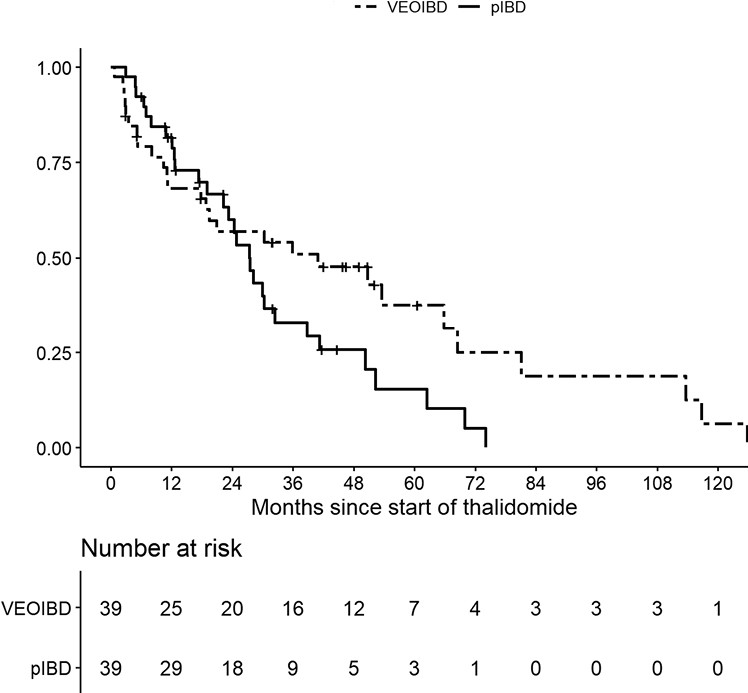
  • The treatment persistence at 1, 2, and 3 years was 68.2%, 57.0%, and 50.9% for VEOIBD patients and 81.7%, 60.0% and 33.0% for pIBD patients, respectively 
  • A significantly higher proportion of VEOIBD patients discontinued therapy due to lack of efficacy (48.2% vs 17.2%; P = .03), while AEs were the main reason for discontinuation in pIBD patients
  • A significatively lower number of VEOIBD patients experienced AEs compared with pIBD patients (14 [35.9%] vs 30 [76.9%]; P = .0005).

Treatment persistence:

Treatment persistence

Related blog posts: